Michael Trzinski
-
Posts
923 -
Joined
-
Last visited
-
Days Won
1
Content Type
Profiles
Forums
Blogs
Events
News
2026 Milwaukee Brewers Top Prospects Ranking
Milwaukee Brewers Videos
2022 Milwaukee Brewers Draft Picks
Milwaukee Brewers Free Agent & Trade Rumors, Notes, & Tidbits
Guides & Resources
2023 Milwaukee Brewers Draft Picks
2024 Milwaukee Brewers Draft Picks
The Milwaukee Brewers Players Project
2025 Milwaukee Brewers Draft Pick Tracker
2026 Milwaukee Brewers Draft Tracker: Picks & Bonuses
Store
Downloads
Gallery
Everything posted by Michael Trzinski
-
Image courtesy of Charles LeClaire-Imagn Images In the 56-year history of Milwaukee Brewers baseball, three players have been honored as the league's Rookie of the Year. In 1992, shortstop Pat Listach beat out Cleveland’s Kenny Lofton for the American League honor, on the strength of a .290 average with 54 steals. Fifteen seasons later, third baseman Ryan Braun was named the National League winner, barely edging Colorado’s Troy Tulowitzki. Braun led the league in slugging at .634 and slammed 34 home runs in just 115 games. In the COVID-shortened 2020 campaign, reliever Devin Williams outpolled Philadelphia’s Alec Bohm and San Diego’s Jake Cronenworth on the basis of his impressive 0.33 ERA, 1375 ERA+, and 17.7 strikeouts per nine innings. This year, the Brewers have two rookies who have performed exceedingly well and could garner some votes, though neither will claim the prize. Shortstop Cooper Pratt was called up to Milwaukee in mid-June. After going 7-for-16 in a five-game stretch early on, crashed back to Earth, looking like another scared rookie as his OPS tumbled below .500. Then, around Independence Day, he heated up as the weather got hotter, and other than a stint on the IL, he never looked back. He finished with a slash line of .281/.350/.368 in 266 trips to the dish. His in-game power hasn’t arrived yet, as he had only three homers, but his speed (19 steals in 22 tries) and defense (2 Defensive Runs Saved) have shone brightly. Outfielder Luis Lara made his major-league debut on July 7, going 1-for-4 with two RBIs in a 10-2 blowout at St. Louis. He’s had his growing pains, but it was a solid freshman campaign. He batted .246/.311/.325 over 212 plate appearances. He’ll never be a big power hitter, and the Brewers are waiting to see his base-stealing prowess, as he had only three steals in five attempts. However, his forte has been his ability to make electrifying, leaping catches at the fence, forever reprising his Spider-Man impersonation. In just a fraction of a season, he was worth 11 DRS in the outfield. It's unlikely that Pratt or Lara will get first-place votes, as they placed 16th (Pratt) and 21st (Lara) according to bWAR for first-year players. JJ Wetherholt, Sal Stewart and Carson Benge are the top three candidates for the NL honors. Depending on how things shake out, Pratt should get some down-ballot points, while Lara is a dark horse. But we can hope! Brewers Rookie of the Year History (Ranking in parentheses) 2025: Caleb Durbin (3), Isaac Collins (4), Chad Patrick (7), Jacob Misiorowski (11) 2024: Jackson Chourio (3) 2020: Devin Williams (1) 2012: Nori Aoki (5) 2009: Casey McGehee (5) 2007: Ryan Braun (1) 2006: Prince Fielder (7) 2005: Rickie Weeks (6) 2003: Scott Podsednik (2) 2002: Alex Sánchez (9) 1996: Jeff D’Amico (7) 1995: Steve Sparks (9) 1994: José Valentín (9) 1992: Pat Listach (1), Cal Eldred (4) 1991: Doug Henry (8) 1988: Don August (4) 1985: Teddy Higuera (2), Ernest Riles (3) 1978: Paul Molitor (2) 1973: Pedro García (2), Darrell Porter (3) 1971: Bill Parsons (2) View full article
-
Could Both Cooper Pratt and Luis Lara Get Rookie of the Year Votes?
Michael Trzinski posted an article in Brewers
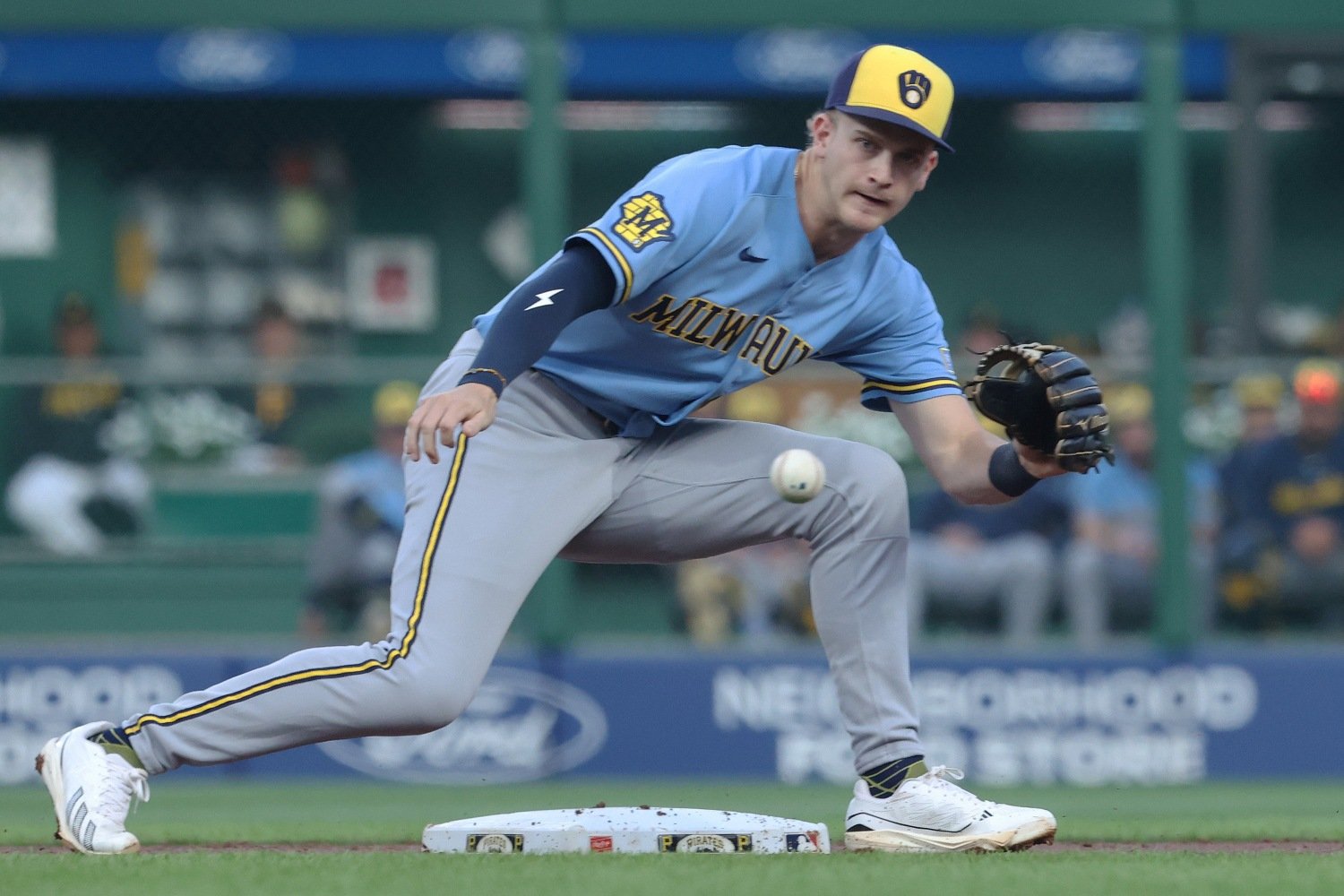 In the 56-year history of Milwaukee Brewers baseball, three players have been honored as the league's Rookie of the Year. In 1992, shortstop Pat Listach beat out Cleveland’s Kenny Lofton for the American League honor, on the strength of a .290 average with 54 steals. Fifteen seasons later, third baseman Ryan Braun was named the National League winner, barely edging Colorado’s Troy Tulowitzki. Braun led the league in slugging at .634 and slammed 34 home runs in just 115 games. In the COVID-shortened 2020 campaign, reliever Devin Williams outpolled Philadelphia’s Alec Bohm and San Diego’s Jake Cronenworth on the basis of his impressive 0.33 ERA, 1375 ERA+, and 17.7 strikeouts per nine innings. This year, the Brewers have two rookies who have performed exceedingly well and could garner some votes, though neither will claim the prize. Shortstop Cooper Pratt was called up to Milwaukee in mid-June. After going 7-for-16 in a five-game stretch early on, crashed back to Earth, looking like another scared rookie as his OPS tumbled below .500. Then, around Independence Day, he heated up as the weather got hotter, and other than a stint on the IL, he never looked back. He finished with a slash line of .281/.350/.368 in 266 trips to the dish. His in-game power hasn’t arrived yet, as he had only three homers, but his speed (19 steals in 22 tries) and defense (2 Defensive Runs Saved) have shone brightly. Outfielder Luis Lara made his major-league debut on July 7, going 1-for-4 with two RBIs in a 10-2 blowout at St. Louis. He’s had his growing pains, but it was a solid freshman campaign. He batted .246/.311/.325 over 212 plate appearances. He’ll never be a big power hitter, and the Brewers are waiting to see his base-stealing prowess, as he had only three steals in five attempts. However, his forte has been his ability to make electrifying, leaping catches at the fence, forever reprising his Spider-Man impersonation. In just a fraction of a season, he was worth 11 DRS in the outfield. It's unlikely that Pratt or Lara will get first-place votes, as they placed 16th (Pratt) and 21st (Lara) according to bWAR for first-year players. JJ Wetherholt, Sal Stewart and Carson Benge are the top three candidates for the NL honors. Depending on how things shake out, Pratt should get some down-ballot points, while Lara is a dark horse. But we can hope! Brewers Rookie of the Year History (Ranking in parentheses) 2025: Caleb Durbin (3), Isaac Collins (4), Chad Patrick (7), Jacob Misiorowski (11) 2024: Jackson Chourio (3) 2020: Devin Williams (1) 2012: Nori Aoki (5) 2009: Casey McGehee (5) 2007: Ryan Braun (1) 2006: Prince Fielder (7) 2005: Rickie Weeks (6) 2003: Scott Podsednik (2) 2002: Alex Sánchez (9) 1996: Jeff D’Amico (7) 1995: Steve Sparks (9) 1994: José Valentín (9) 1992: Pat Listach (1), Cal Eldred (4) 1991: Doug Henry (8) 1988: Don August (4) 1985: Teddy Higuera (2), Ernest Riles (3) 1978: Paul Molitor (2) 1973: Pedro García (2), Darrell Porter (3) 1971: Bill Parsons (2)
 -
When he's on, he's great, but when he's not? We need a solid Brice Turang!!!
-
Thank was a nice catch by @Jack Sternyesterday! But your 'glove' is a lot bigger than Lara's...lol.
-
Oops, how did I miss that one? Thanks for the correction.
-
Eduardo Rodriguez of Arizona also has 14. Miz has two games against the Cubs, and I think one each against Pittsburgh and Philly. Hard to say how it plays out, but he could win all three categories.
- 5 replies
-
- 1
-

-
- jacob misiorowski
- corbin burnes
- (and 1 more)
-
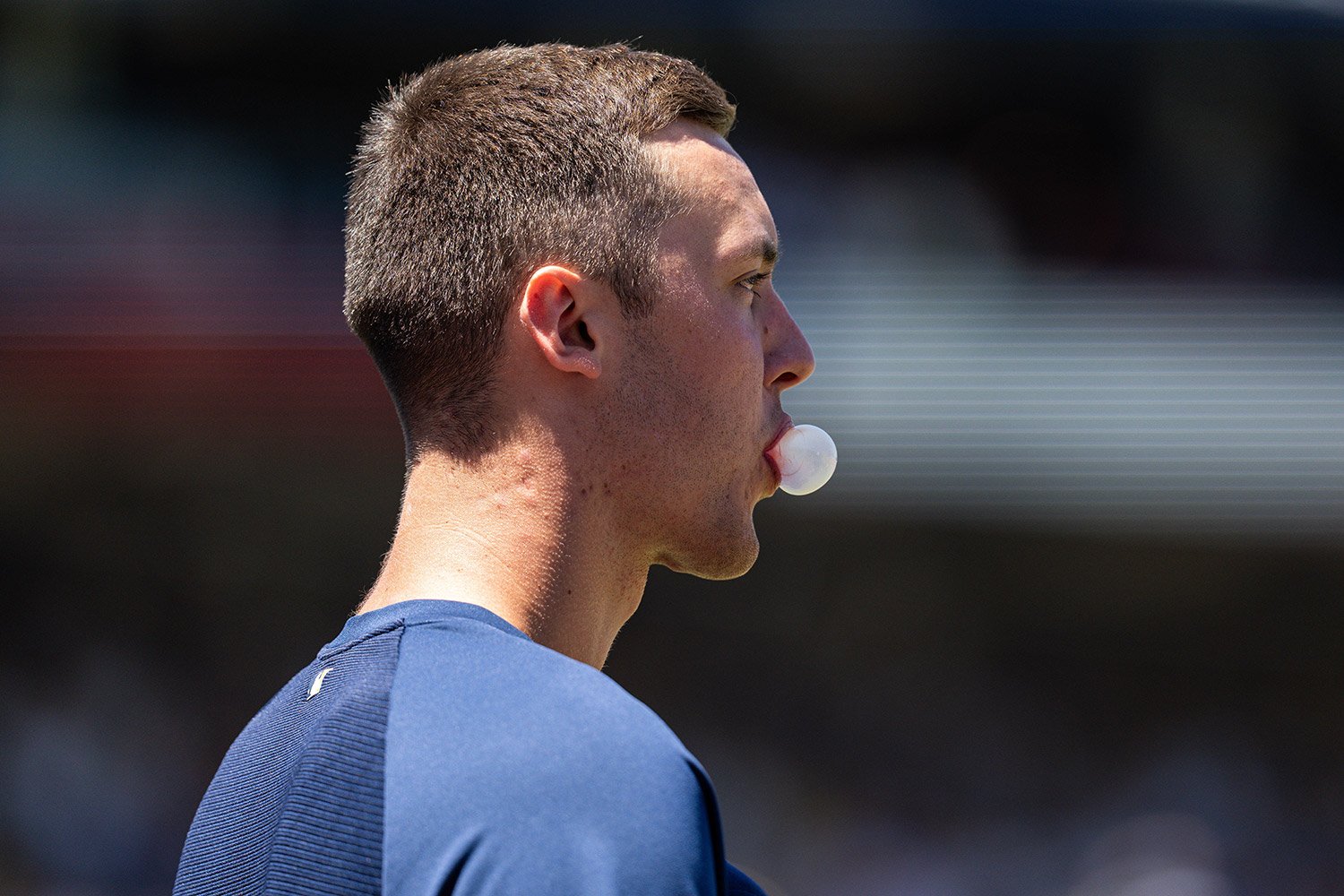 As the calendar is ready to flip over to September, Jacob Misiorowski has done everything the Milwaukee Brewers brain trust has hoped for in the young phenom’s sophomore campaign. The Miz has made 25 starts and will probably make four or five more, depending on how the Brewers want to set up their postseason rotation/manage the flame-throwing right-hander’s workload. His 222 strikeouts lead the majors, as does his ERA+ of 240, FIP of 2.14, WHIP of 0.76, and ERA of 1.73. Although pitcher victories aren’t the premier pitching stat anymore, Miz ranks tied for fourth in the bigs with 14 wins. By any pitching metric, he is near the top, if not the best, pitcher in baseball this year. Will he hear his name announced as the top pitcher in the National League in mid-November at the MLB award show in Las Vegas? Four or five more starts will tell the story. In the 56 years of Milwaukee Brewers baseball, three pitchers have captured the Cy Young Award in their respective league. The Brewers played in the American League before switching to the ‘Senior Circuit’ in 1998. The first hurler to win the award for Milwaukee has his number ‘34’ enshrined among the retired Brewers jerseys at Uecker Field. Four days after he was traded from the San Diego Padres to the St. Louis Cardinals in December 1980, Rollie Fingers came to the Brewers in a blockbuster deal with the Cards that included Ted Simmons, Pete Vuckovich, David Green, Dave LaPoint, Sixto Lezcano, and Lary Sorensen. There was a work stoppage in 1981, but that didn’t keep the mustachioed closer from compiling some stellar numbers in the shortened season. His 28 saves led all of baseball, besting runner-up Chicago’s Bruce Sutter’s total of 25. Not only did Fingers win the coveted pitching award, but he edged out Oakland’s Rickey Henderson for the American League Most Valuable Player honors. The Brewers earned their first postseason nod but lost in five games to the New York Yankees in the ALDS. Fingers lasted only two more seasons, after missing all of 1983 with forearm tendinitis. He retired with 341 career saves. The following season, Vuckovich, fresh off a fourth-place finish in the Cy Young race in 1981 behind Fingers, Oakland’s Steve McCatty, and Detroit’s Jack Morris, won 18 games, and although he posted rather pedestrian peripherals (1.50 WHIP and almost as many walks as strikeouts), earned his own Cy award over Baltimore’s Jim Palmer and Kansas City’s Dan Quisenberry. The Brewers won an exciting ALCS over the California Angels, winning the final three games at County Stadium before losing in seven contests to the Cardinals in their only World Series appearance. Like Fingers, ‘Vuke’ missed one season (1984) and pitched in just 28 games over the next two seasons and retired at the end of spring training in 1986. The third pitcher to be honored was right-hander Corbin Burnes in 2021. Burnes, after switching to a starting role during the shortened 2020 season, was arguably one of the best pitchers in baseball from 2021-2024 and was named to four All-Star teams and earned down-ballot votes in the Cy Young race four times in addition to winning the award in 2021. He also earned votes in the Covid season of 2020 despite only making nine starts among his 12 appearances. In 2021, Burnes posted a major league-leading ERA of 2.42, a FIP of 1.63, and a strikeouts/nine rate of 12.6, along with 234 strikeouts. After being traded to the Baltimore Orioles for DL Hall and Joey Ortiz in early 2024, Burnes won 15 games for the Orioles, was named to the AL All-Star team, and finished fifth in the AL Cy Young balloting. Eleven other Brewer pitchers earned Cy Young votes in franchise history. In 1978, Mike Caldwell finished second to New York’s Ron Guidry after winning a franchise-high 22 wins. Throwing 293 1/3 innings, ‘Iron Mike’ tossed six shutouts among his 23 complete games. And just for kicks, he even posted one save across a trio of relief outings. Perhaps the most memorable Cy Young run was accomplished by CC Sabathia when he finished fifth in the NL CY voting in 2008 after coming to the Brewers in a trade from the Cleveland Indians. In just 17 starts over the last three months of the season, Carsten Charles went 11-2 with an ERA of 1.65 with seven complete games and three shutouts, leading the Brewers to the post-season for the first time since the 1982 season. Unfortunately for Milwaukee, the season workload—a career-high 253 innings—wore down the big lefty, and he was only able to last three and two-thirds innings against the Philadelphia Phillies in Game 2 of the NLDS in a 5-2 loss. Other pitchers that have earned votes were Freddy Peralta (2025), Brandon Woodruff (2021), Josh Hader (2018), Jimmy Nelson (2017), Yovani Gallardo (2011), John Axford (2011), Ben Sheets (2004), Teddy Higuera (1986, 1987), and Jim Colborn (1973). Can The Miz add his name to the trio of Brewer legends? Time will tell.
- 5 comments
-
- 1
-
-
- jacob misiorowski
- corbin burnes
- (and 1 more)
-
Image courtesy of Jon Endow-Imagn Images As the calendar is ready to flip over to September, Jacob Misiorowski has done everything the Milwaukee Brewers brain trust has hoped for in the young phenom’s sophomore campaign. The Miz has made 25 starts and will probably make four or five more, depending on how the Brewers want to set up their postseason rotation/manage the flame-throwing right-hander’s workload. His 222 strikeouts lead the majors, as does his ERA+ of 240, FIP of 2.14, WHIP of 0.76, and ERA of 1.73. Although pitcher victories aren’t the premier pitching stat anymore, Miz ranks tied for fourth in the bigs with 14 wins. By any pitching metric, he is near the top, if not the best, pitcher in baseball this year. Will he hear his name announced as the top pitcher in the National League in mid-November at the MLB award show in Las Vegas? Four or five more starts will tell the story. In the 56 years of Milwaukee Brewers baseball, three pitchers have captured the Cy Young Award in their respective league. The Brewers played in the American League before switching to the ‘Senior Circuit’ in 1998. The first hurler to win the award for Milwaukee has his number ‘34’ enshrined among the retired Brewers jerseys at Uecker Field. Four days after he was traded from the San Diego Padres to the St. Louis Cardinals in December 1980, Rollie Fingers came to the Brewers in a blockbuster deal with the Cards that included Ted Simmons, Pete Vuckovich, David Green, Dave LaPoint, Sixto Lezcano, and Lary Sorensen. There was a work stoppage in 1981, but that didn’t keep the mustachioed closer from compiling some stellar numbers in the shortened season. His 28 saves led all of baseball, besting runner-up Chicago’s Bruce Sutter’s total of 25. Not only did Fingers win the coveted pitching award, but he edged out Oakland’s Rickey Henderson for the American League Most Valuable Player honors. The Brewers earned their first postseason nod but lost in five games to the New York Yankees in the ALDS. Fingers lasted only two more seasons, after missing all of 1983 with forearm tendinitis. He retired with 341 career saves. The following season, Vuckovich, fresh off a fourth-place finish in the Cy Young race in 1981 behind Fingers, Oakland’s Steve McCatty, and Detroit’s Jack Morris, won 18 games, and although he posted rather pedestrian peripherals (1.50 WHIP and almost as many walks as strikeouts), earned his own Cy award over Baltimore’s Jim Palmer and Kansas City’s Dan Quisenberry. The Brewers won an exciting ALCS over the California Angels, winning the final three games at County Stadium before losing in seven contests to the Cardinals in their only World Series appearance. Like Fingers, ‘Vuke’ missed one season (1984) and pitched in just 28 games over the next two seasons and retired at the end of spring training in 1986. The third pitcher to be honored was right-hander Corbin Burnes in 2021. Burnes, after switching to a starting role during the shortened 2020 season, was arguably one of the best pitchers in baseball from 2021-2024 and was named to four All-Star teams and earned down-ballot votes in the Cy Young race four times in addition to winning the award in 2021. He also earned votes in the Covid season of 2020 despite only making nine starts among his 12 appearances. In 2021, Burnes posted a major league-leading ERA of 2.42, a FIP of 1.63, and a strikeouts/nine rate of 12.6, along with 234 strikeouts. After being traded to the Baltimore Orioles for DL Hall and Joey Ortiz in early 2024, Burnes won 15 games for the Orioles, was named to the AL All-Star team, and finished fifth in the AL Cy Young balloting. Eleven other Brewer pitchers earned Cy Young votes in franchise history. In 1978, Mike Caldwell finished second to New York’s Ron Guidry after winning a franchise-high 22 wins. Throwing 293 1/3 innings, ‘Iron Mike’ tossed six shutouts among his 23 complete games. And just for kicks, he even posted one save across a trio of relief outings. Perhaps the most memorable Cy Young run was accomplished by CC Sabathia when he finished fifth in the NL CY voting in 2008 after coming to the Brewers in a trade from the Cleveland Indians. In just 17 starts over the last three months of the season, Carsten Charles went 11-2 with an ERA of 1.65 with seven complete games and three shutouts, leading the Brewers to the post-season for the first time since the 1982 season. Unfortunately for Milwaukee, the season workload—a career-high 253 innings—wore down the big lefty, and he was only able to last three and two-thirds innings against the Philadelphia Phillies in Game 2 of the NLDS in a 5-2 loss. Other pitchers that have earned votes were Freddy Peralta (2025), Brandon Woodruff (2021), Josh Hader (2018), Jimmy Nelson (2017), Yovani Gallardo (2011), John Axford (2011), Ben Sheets (2004), Teddy Higuera (1986, 1987), and Jim Colborn (1973). Can The Miz add his name to the trio of Brewer legends? Time will tell. View full article
-
Sadly for me. I enjoyed writing the bios.
-
Must be lots of BF readers at the games. Seems like since this piece came out, he gets a nice ovation every time he comes up to the dish.
-
Jesus MadeLuis PenaLuis LaraJosh AdamczewskiBraylon PayneAndrew FischerJett WilliamsBlake BurkeTyson HardinBrady EbelMarco DingesJeferson QueroBishop LetsonLuke AdamsJosh KnothRicki MoneysEthan DorchiesDiego FrontadoMike BoeveJaron DeBerry
-
I would put Henderson/May #2/#3, with Harrison moving down until he proves he is healthy again.
-
I guess they weren't looking for anybody lol
-
Sneaky Brewers Trade Candidates For An Infield Bench Role
Michael Trzinski posted an article in Brewers
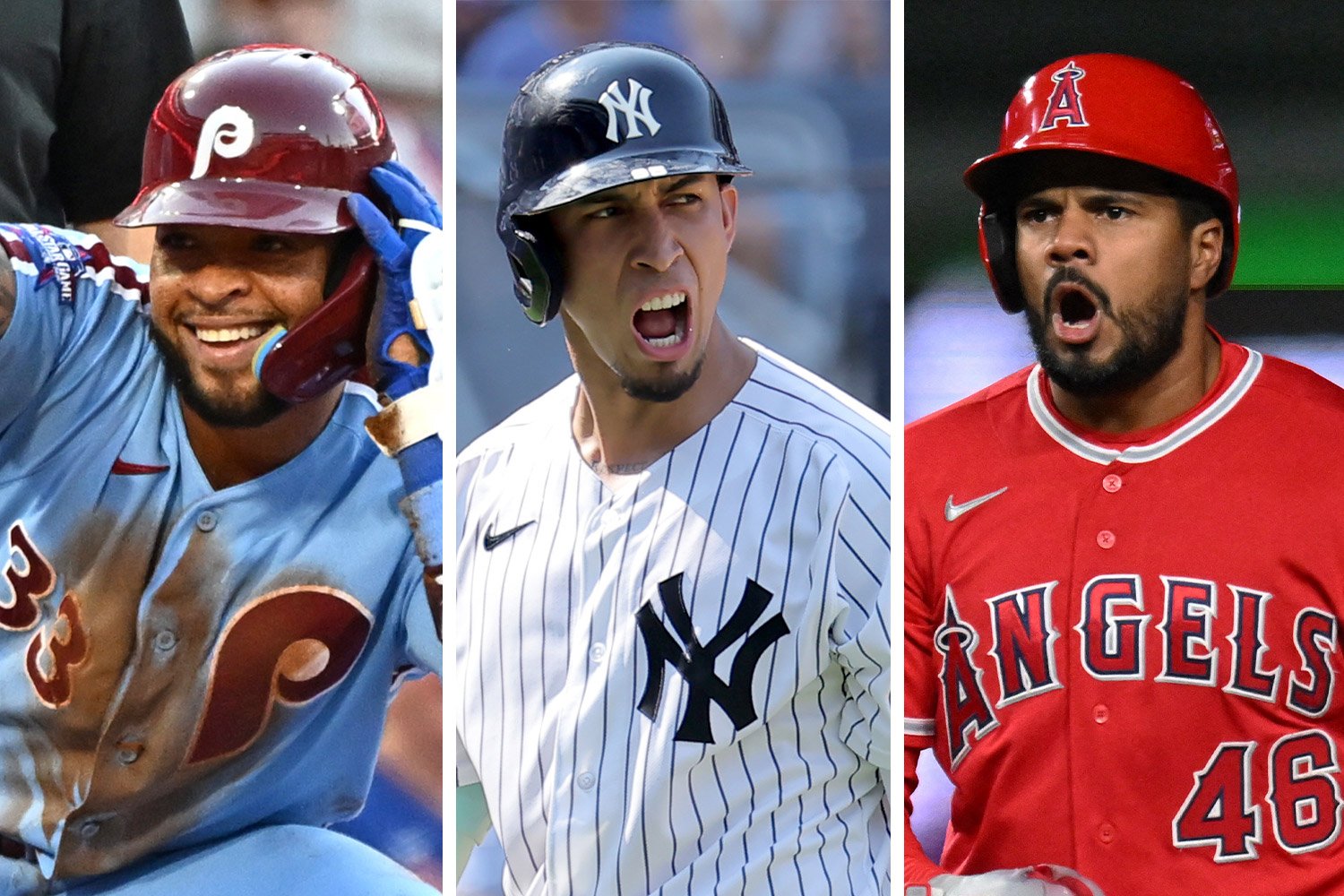 The 2026 MLB trade deadline is rapidly approaching—it's on August 3—and even though the Milwaukee Brewers are seemingly set for position players, we at Brewer Fanatic would like to offer a dozen or so players who could be good pieces to fill in for injuries or demotions. Great though it's been to see Joey Ortiz go on a bit of a tear, we don't believe in ignoring the downside that still lurks for Ortiz, Cooper Pratt, and others. So, here's where the team might pivot if needed. Enjoy! Higher-Salary Players Oswaldo Cabrera, New York Yankees (AAA), 27 Cabrera is currently playing at Scranton/Wilkes-Barre and is hitting .284/.343/.435 with 10 home runs across 299 at-bats, so he has some pop as a switch-hitter. He has played every position except for catcher and center field this year, so he offers good versatility for a team that craves that asset. He has a one-year, $1.2-million contract for 2026, which obviously isn't much in baseball terms—but it's kind of a lot for a fifth infielder. Edmundo Sosa, Philadelphia Phillies, 30 The right-handed Sosa has played at least 10 games at second base, third base, shortstop, and left field for the Phillies this year. His batting numbers are down a bit (.213/.250/.350) from his career averages of .253/.304/.408, but he has hit five dingers across 160 at-bats. His $4.4 million contract might keep potential suitors away. But for a contender like the Brewers, the fact that Sosa has played in 19 postseason games is a huge plus. (Of course, the Phillies are also a contender, so they (like the Yankees) might not be eager to give up their own depth.) Didn’t You Used to Be Somebody? Jeimer Candelario, Los Angeles Angels (AAA), 32 The switch-hitting corner infielder has had a solid 11-year major-league career, but is toiling at Salt Lake this season. He's hitting .263/.364/.442 for the Bees, with six homers across 217 ABs. He signed a 3-year, $45-million contract with the Halos before the 2024 campaign, but he might be willing to sign a smaller deal to get back to the big leagues. Santiago Espinal, Texas Rangers (AAA), 31 Released by the Los Angeles Dodgers in late May, Espinal signed a minor league contract with the Rangers just before Independence Day. The righty-hitting utility infielder has been at Round Rock and is hitting .250/.300/.306 over 36 ABs but is heating up a bit lately, going 5-for-11 in his last three games. Espinal was an All-Star with Toronto in 2022 and has seven years’ experience in the bigs. Stuck in the Minors Christian Koss, San Francisco Giants, 28 Koss got called up to San Francisco when third baseman Matt Chapman went down with an abdominal injury in early July. He has had limited success in a small sample, going just 3-for-21 since being promoted. Koss has spent seven years in the minors, slashing .277/.340/.458 with 59 home runs across 1700+ at-bats. It is likely he will return to the minors when Chapman returns in late July, so he could possibly be a versatile, cheap pickup for Milwaukee. Nick Sogard, Boston Red Sox (AAA), 28 Sogard is a switch-hitter who has lots of minor league time under his belt with numbers similar to those of Koss. He is a cousin of former Brewer Eric Sogard and the nephew of Steve Sax, so baseball is in his blood. He recently returned to action after suffering a right oblique strain and had done well in a brief stint with Boston, batting .257/.350/.371 across 35 ABs. Having another Sogard playing for the Brewers wouldn’t be a bad thing. Tyler Tolbert, Kansas City Royals, 28 Tolbert plays some short and outfield as he is filling in for the injured Bobby Witt, Jr. He has been impressive in his time with the Royals, hitting .328/.364/.443 across 61 ABs. In two seasons with the Royals, he has stolen 32 bases during just 111 ABs, so his speed would fit right in with Milwaukee. Witt is expected to return in late July, so Tolbert might be readily available. Charles McAdoo, Toronto Blue Jays (AAA), 24 McAdoo can play almost anywhere and has some pop, hitting 50 home runs in four minor league seasons. He played three weeks in Toronto earlier in the season but was returned to Triple-A Buffalo. McAdoo also has some speed, having pilfered 34 bases last season in Double-A. He is stuck behind Ernie Clement and Kazuma Okamoto at second and third, respectively, so he might be on the trading block. Hey, You Look Familiar Anthony Seigler, Boston Red Sox, 27 Seigler is having a decent season in Boston, hitting .245/.314/.383 across 94 ABs as a fill-in at second and third. Orlando Arcia, Minnesota Twins (AAA), 31 It seems like he has been around forever, and he has, witnessed by his 11 big-league seasons. Although his best days are behind him, he is still a solid all-around player. Raynel Delgado, Houston Astros (AAA), 26 Despite having a good season at Nashville in 2025, he became a free agent and has played in the Tampa Bay and Houston organizations since. He played in 17 games in a three-week stint for Houston earlier this year, batting .273/.314/.394 across 33 ABs. Maybe it is time for Milwaukee to give him another chance. Rowdy Tellez, Atlanta Braves (AAA), 31 Tellez was a Brewers fan favorite and slugged 35 dingers in 2022, giving him 123 in his nine-year career. If the Brewers need a LH power bat, this might be the guy. Will the Brewers go after any of these guys, or will they stand pat? Let us know your thoughts in the comments below.
 -
Image courtesy of IMAGN IMAGES via Reuters Connect The 2026 MLB trade deadline is rapidly approaching—it's on August 3—and even though the Milwaukee Brewers are seemingly set for position players, we at Brewer Fanatic would like to offer a dozen or so players who could be good pieces to fill in for injuries or demotions. Great though it's been to see Joey Ortiz go on a bit of a tear, we don't believe in ignoring the downside that still lurks for Ortiz, Cooper Pratt, and others. So, here's where the team might pivot if needed. Enjoy! Higher-Salary Players Oswaldo Cabrera, New York Yankees (AAA), 27 Cabrera is currently playing at Scranton/Wilkes-Barre and is hitting .284/.343/.435 with 10 home runs across 299 at-bats, so he has some pop as a switch-hitter. He has played every position except for catcher and center field this year, so he offers good versatility for a team that craves that asset. He has a one-year, $1.2-million contract for 2026, which obviously isn't much in baseball terms—but it's kind of a lot for a fifth infielder. Edmundo Sosa, Philadelphia Phillies, 30 The right-handed Sosa has played at least 10 games at second base, third base, shortstop, and left field for the Phillies this year. His batting numbers are down a bit (.213/.250/.350) from his career averages of .253/.304/.408, but he has hit five dingers across 160 at-bats. His $4.4 million contract might keep potential suitors away. But for a contender like the Brewers, the fact that Sosa has played in 19 postseason games is a huge plus. (Of course, the Phillies are also a contender, so they (like the Yankees) might not be eager to give up their own depth.) Didn’t You Used to Be Somebody? Jeimer Candelario, Los Angeles Angels (AAA), 32 The switch-hitting corner infielder has had a solid 11-year major-league career, but is toiling at Salt Lake this season. He's hitting .263/.364/.442 for the Bees, with six homers across 217 ABs. He signed a 3-year, $45-million contract with the Halos before the 2024 campaign, but he might be willing to sign a smaller deal to get back to the big leagues. Santiago Espinal, Texas Rangers (AAA), 31 Released by the Los Angeles Dodgers in late May, Espinal signed a minor league contract with the Rangers just before Independence Day. The righty-hitting utility infielder has been at Round Rock and is hitting .250/.300/.306 over 36 ABs but is heating up a bit lately, going 5-for-11 in his last three games. Espinal was an All-Star with Toronto in 2022 and has seven years’ experience in the bigs. Stuck in the Minors Christian Koss, San Francisco Giants, 28 Koss got called up to San Francisco when third baseman Matt Chapman went down with an abdominal injury in early July. He has had limited success in a small sample, going just 3-for-21 since being promoted. Koss has spent seven years in the minors, slashing .277/.340/.458 with 59 home runs across 1700+ at-bats. It is likely he will return to the minors when Chapman returns in late July, so he could possibly be a versatile, cheap pickup for Milwaukee. Nick Sogard, Boston Red Sox (AAA), 28 Sogard is a switch-hitter who has lots of minor league time under his belt with numbers similar to those of Koss. He is a cousin of former Brewer Eric Sogard and the nephew of Steve Sax, so baseball is in his blood. He recently returned to action after suffering a right oblique strain and had done well in a brief stint with Boston, batting .257/.350/.371 across 35 ABs. Having another Sogard playing for the Brewers wouldn’t be a bad thing. Tyler Tolbert, Kansas City Royals, 28 Tolbert plays some short and outfield as he is filling in for the injured Bobby Witt, Jr. He has been impressive in his time with the Royals, hitting .328/.364/.443 across 61 ABs. In two seasons with the Royals, he has stolen 32 bases during just 111 ABs, so his speed would fit right in with Milwaukee. Witt is expected to return in late July, so Tolbert might be readily available. Charles McAdoo, Toronto Blue Jays (AAA), 24 McAdoo can play almost anywhere and has some pop, hitting 50 home runs in four minor league seasons. He played three weeks in Toronto earlier in the season but was returned to Triple-A Buffalo. McAdoo also has some speed, having pilfered 34 bases last season in Double-A. He is stuck behind Ernie Clement and Kazuma Okamoto at second and third, respectively, so he might be on the trading block. Hey, You Look Familiar Anthony Seigler, Boston Red Sox, 27 Seigler is having a decent season in Boston, hitting .245/.314/.383 across 94 ABs as a fill-in at second and third. Orlando Arcia, Minnesota Twins (AAA), 31 It seems like he has been around forever, and he has, witnessed by his 11 big-league seasons. Although his best days are behind him, he is still a solid all-around player. Raynel Delgado, Houston Astros (AAA), 26 Despite having a good season at Nashville in 2025, he became a free agent and has played in the Tampa Bay and Houston organizations since. He played in 17 games in a three-week stint for Houston earlier this year, batting .273/.314/.394 across 33 ABs. Maybe it is time for Milwaukee to give him another chance. Rowdy Tellez, Atlanta Braves (AAA), 31 Tellez was a Brewers fan favorite and slugged 35 dingers in 2022, giving him 123 in his nine-year career. If the Brewers need a LH power bat, this might be the guy. Will the Brewers go after any of these guys, or will they stand pat? Let us know your thoughts in the comments below. View full article
-
Probably true lol
-
That was an ugly game for sure, but for the most part, the Brewers have played pretty well this year. Hopefully they can get back on it and play impeccable, irreproachable, unblemished, and exemplary ball the rest of the year.
- 3 replies
-
- 1
-
-
- pat murphy
- cooper pratt
- (and 3 more)
-
Jesus MadeLuis LaraCooper PrattLuis PenaAndrew FischerJosh AdamczewskiBlake BurkeBraylon PayneMarco DingesJett WilliamsJeferson QueroLuke AdamsDylan O'RaeBrady EbelJosh KnothTyson HardinBishop LetsonColeman CrowJayden DubanewiczCraig Yoho
-
Quintana was also acceptable and adequate last year, not just cromulent. 😎
- 7 replies
-
- 1
-
-
- jacob misiorowski
- kyle harrison
- (and 1 more)
-
Desperately Seeking Andrew Fischer Comps
Michael Trzinski replied to Steven Jewell's topic in Brewers Minor League Talk
Russell Branyan, anyone? -
Why Pat Murphy Gave Cooper Pratt Tuesday Night Off
Michael Trzinski replied to Jack Stern's topic in Milwaukee Brewers Talk
I think Coop is going to be a fine player for years. We all need to remember that he has less than 50 PAs in the bigs and although his batting isn't where we hoped it would be, he has still played solid defense and has five SB. There will be some growing pains but in the end, he will be a solid contributor for Milwaukee. -
Despite the fact the Hamilton is not a solid all-around player, he and Ortiz could be a decent platoon at 3B. Time will tell...
-
Rengifo didn't do much in Milwaukee and I was never a big fan of his. Will/can he take a demotion?
-
Experts out there...is this gonna be a two-week audition or a longer tryout, like into the AS break? I know there are a lot of unknowns here, but all things being equal: what's your best guess?
-
Great analysis, Yirsandy!!! Look forward to seeing more of your work!