Michael Trzinski
-
Posts
923 -
Joined
-
Last visited
-
Days Won
1
Content Type
Profiles
Forums
Blogs
Events
News
2026 Milwaukee Brewers Top Prospects Ranking
Milwaukee Brewers Videos
2022 Milwaukee Brewers Draft Picks
Milwaukee Brewers Free Agent & Trade Rumors, Notes, & Tidbits
Guides & Resources
2023 Milwaukee Brewers Draft Picks
2024 Milwaukee Brewers Draft Picks
The Milwaukee Brewers Players Project
2025 Milwaukee Brewers Draft Pick Tracker
2026 Milwaukee Brewers Draft Tracker: Picks & Bonuses
Store
Downloads
Gallery
Everything posted by Michael Trzinski
-
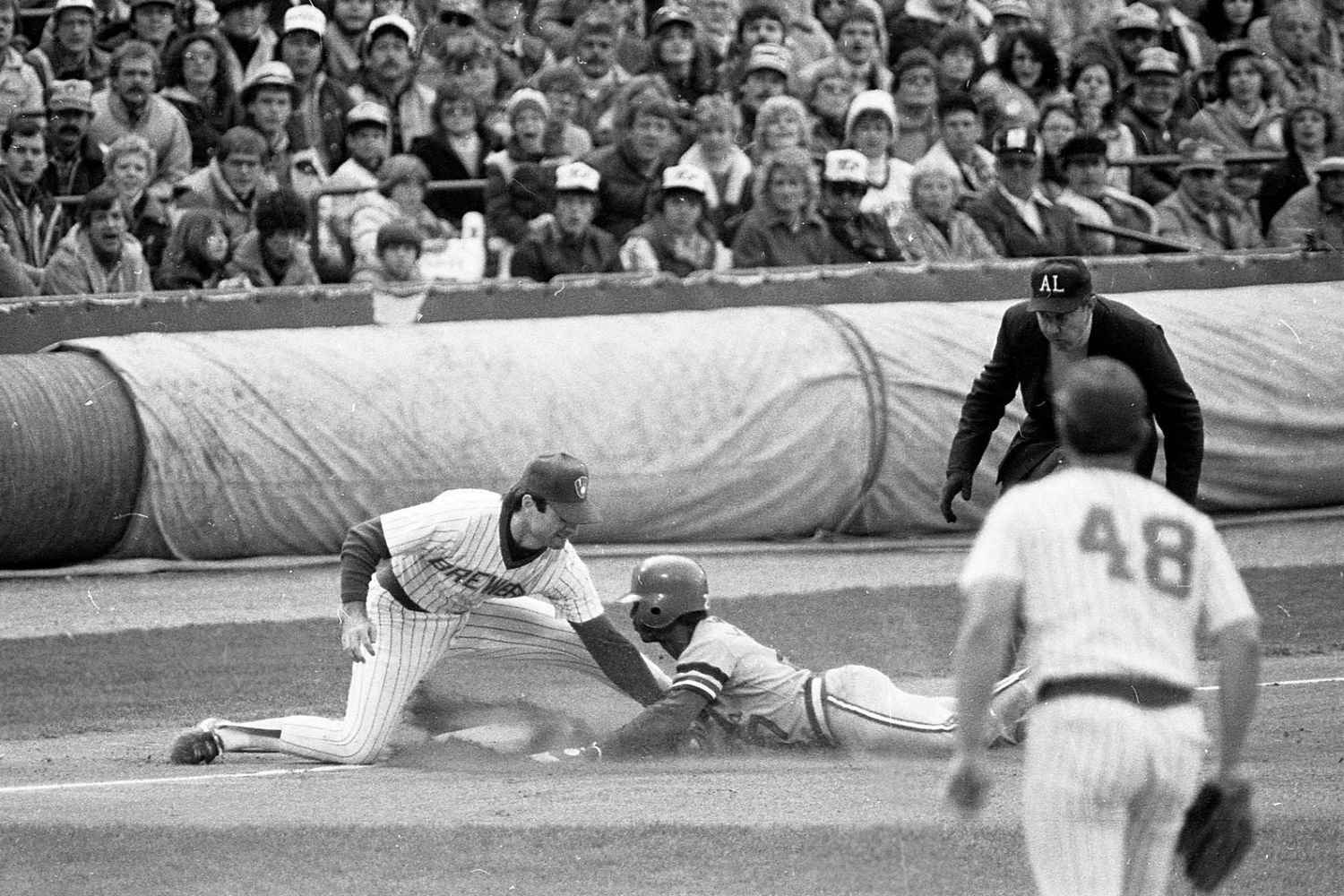 This multi-part series talks about how the Brewers got to the World Series and offers a timeline of the 1982 campaign, including player profiles, game recaps, and other events that affected the season. Part 1 Part 2 Part 3 Part 4 Part 5 Part 6 World Series Preview: Milwaukee vs. St. Louis Milwaukee came from two games down to defeat the California Angels three games to two in the American League Championship Series, to advance to the World Series. In the National League, the St. Louis Cardinals earned a trip to the Fall Classic by sweeping the Atlanta Braves in the NLCS. The series was billed as the Brewers’ power versus the Cardinals’ speed. Milwaukee’s ‘Harvey's Wallbangers’ led the major leagues with 216 home runs, while the Cards were dead last with 67 jacks. (Yes, 67. For the whole team. For the whole season.) The Cardinals, who played ‘Whiteyball' under manager Whitey Herzog, stole 200 bases (second to Oakland’s 232) while the Brew Crew stole 84, ranking 20th of the 26 teams. The Cardinals had an edge on defense with their overall team speed, and had two Gold Glove winners in first baseman Keith Hernandez and shortstop Ozzie Smith. For the Brewers, shortstop Robin Yount won a Gold Glove. It appeared that the Cardinals had a slight advantage on the mound. Their team ERA+ of 109 was tied for third in the majors, while Milwaukee had a team ERA+ of 96, which ranked 21st. The Cards had a FIP of 3.68 (10th) while the Brewers were further down the list with a 4.17 FIP, which ranked 22nd. The series was dubbed the ‘Suds Series,’ as both cities had major breweries in Miller (Milwaukee) and Anheuser-Busch (St. Louis). Let’s tap the keg for the opening game! Game 1: Molitor, Yount combine for nine hits in Brewer blowout Milwaukee (Mike Caldwell, 17-13) at St. Louis (Bob Forsch, 15-9) The Brewers scored twice in the first inning, after Robin Yount singled and Cecil Cooper walked. After Ted Simmons struck out, Ben Oglivie hit a sharp grounder at Gold Glover Hernandez, who let the ball get past him, scoring Yount. Gorman Thomas had an infield single, scoring Cooper. Caldwell cruised through three frames, allowing only a two-base hit to Darrell Porter in the second. In the top of the fourth, Charlie Moore led off with a double down the left-field line. Jim Gantner dropped down a sac bunt that moved Moore to third. Paul Molitor hit a broken-bat flare to short center, scoring Moore, but Molitor was thrown out trying to stretch the hit into a double. If you were scoring at home, the play would have been 6-4. The Brewers led 3-0 when Simmons came to bat in the fifth. Simmons had received a standing ovation during pre-game introductions, but the crowd was quiet when ‘Simba’ blasted a 1-1 pitch from Forsch into the right field stands, giving Milwaukee a 4-0 lead. An inning later, Gantner and Molitor each singled with two outs and were driven in by Yount, who hit a bloop double down the right-field line to make it 6-0 and send Forsch to the showers. Milwaukee finished the scoring in the top of the ninth with four runs, all after two outs had been recorded—a pleasing echo of the way they'd run away from the Orioles in the clinching game at the end of the regular season. Don Money singled in Oglivie, who had walked. Moore singled to put runners at first and second before Gantner tripled to deep right-center, clearing the bases. Molitor capped the scoring with an infield single that scored Gantner. Caldwell put the side down in order in the bottom half, and the Brewers celebrated a 10-0 whitewashing. ‘Iron Mike’ allowed three hits and one walk while inducing 14 groundball outs with his sinker. “I don’t think he missed the target all night,” right fielder Moore told the Wisconsin State Journal. “You will never see Caldwell pitch any better.” The Brewers were led by Molitor’s five hits, which set a World Series record and still stands today, although Albert Pujols of the Cardinals matched that feat in Game 3 of the 2011 World Series. Yount had four hits, along with two each by Simmons, Moore, and Gantner. Game 2: Cardinals bullpen the difference in 5-4 win Milwaukee (Don Sutton, 4-1) at St. Louis (John Stuper, 9-7) The Brewers once again got on the board first in St. Louis. With Roy Howell at second, Moore doubled to deep left-center to score Howell in the second inning for a 1-0 lead. In the third inning, Molitor scored on a groundout by Yount. Two batters later, Simmons hit his second homer of the Series to give Milwaukee a 3-0 lead. Sutton, who had set down six straight in the first two innings, ran into some trouble in the bottom of the third. Dane Iorg singled and was forced at second by Willie McGee, who promptly stole second. Ozzie Smith grounded out, moving McGee to third, and it looked like Sutton might weather the storm. But Tommy Herr had different ideas, as he hit a drive that bounced over the fence in right-center field for a ground-rule double, to make it 3-1. Ken Oberkfell singled to right to drive in Herr, cutting the Brewers' lead to 3-2. In the fifth, Yount led off with a double to left to chase Stuper in favor of Jim Kaat. ‘Kitty’ was making his second appearance of the Series, and at age 43, he was the second-oldest player to participate in the Fall Classic. Not respecting his elders, Cooper lined a single to left-center to score Yount and make it a 4-2 lead. Sutton got back in the groove, retiring eight straight after the third, but with one out in the sixth, Oberkfell singled and George Hendrick walked with two outs. Former Brewer Porter doubled down the left-field line to tie the contest at 4-4. After Cooper doubled with two outs in the seventh, closer Bruce Sutter entered the game, replacing Doug Bair. Sutter walked Simmons intentionally, then got Oglivie to ground out. The score was still tied in the eighth when Hernandez walked and was forced at second by Hendrick. Porter singled to center, moving Hendrick to second. That was the end of the line for reliever Bob McClure, who was removed as Pete Ladd came on for Milwaukee. Ladd ran the count to 3-2 on Lonnie Smith and walked the hitter on a close pitch, one which players on both teams thought was a strike. “I thought it was there on the black,” Smith said after the game. “Was I surprised at the call?” Molitor asked. “I think everyone in this clubhouse was surprised at the call.” Ladd appeared to be rattled, throwing four straight balls to Steve Braun, scoring Hendrick for the 5-4 lead. Molitor led off the top of the ninth with an infield single, but then was thrown out trying to steal second. Yount and Cooper were retired by Sutter, and the Cards evened the Series with a 5-4 victory. Cooper led the Brewers with three hits, while Molitor and Moore each added two. The Series is tied at one win apiece. Check out Part 8 for the games (Games 3-5) played at County Stadium.
 -
BUT, Peralta could get injured and have a wasted season. I hope not, but it could happen. Like a famous baseball player once said, 'Youneverknow.'
-
The Brewers should hire him as a pitching guru, but he probably doesn't want to take a pay cut...💲
-
Image courtesy of © The Milwaukee Journal Sentinel-USA TODAY NETWORK This multi-part series talks about how the Brewers got to the World Series, and offers a timeline of the 1982 campaign, including player profiles, game recaps, and other events that affected the season. Part 1 Part 2 Part 3 Part 4 Part 5 The Milwaukee Brewers returned to Brew City knowing they had a very tough assignment. They needed to be victorious in each of the final three games of the ALCS if they wanted to claim the first pennant in franchise history. In the National League, the Atlanta Braves and St. Louis Cardinals squared off to see which squad would perform in the Fall Classic. Game 3: Sutton, Molitor Star in Brewers Win As 50,135 fans filed into County Stadium under sunny skies and in 68-degree weather, optimism was in the air. Don Sutton would face southpaw Geoff Zahn, in a win-or-go-home game for Milwaukee. Both pitchers were on their game early on, but the Brewers struck first in the bottom of the fourth. Robin Yount led off with a walk. Next up was Cecil Cooper, who lined a 3-2 pitch into the right-field corner, easily scoring Yount. Ted Simmons singled Cooper to third, where he stood until Thomas drove him in with a fly ball to center to make it 2-0. Ben Oglivie singled to right, and the lumbering Simmons made it safely to third. He then scored on Don Money’s sacrifice fly to left. Zahn left the game in favor of Mike Witt, who struck out Charlie Moore to end the inning with the score 3-0 Brewers. The contest was quiet until the top of the seventh, when Doug DeCinces hit a foul ball that bounced off the dirt and rebounded into his face, injuring his nose. The Angels' trainer and manager Gene Mauch came out and attended to the injured player, but DeCinces refused to come out of the game. The third baseman struck out, but would not miss a single inning the rest of the series, playing with what would be diagnosed as a broken nose. Money led off the bottom of the seventh by drawing a full-count walk and was promptly replaced by pinch-runner Marshall Edwards. Moore bunted Edwards to second, and then Jim Gantner hit a fly ball to center that moved Edwards to third. With two outs and a 2-2 count, Molitor hit a Witt slider over the ‘362’ sign in left field to increase the Brewers' lead to 5-0. In the top of the eighth, Boone lined the first pitch toward the left-field fence, and it appeared that Oglivie would have a chance to make a leaping catch in front of the wall. However, a fan reached over and caught the ball before it got to Oglivie’s glove. Left field umpire Larry Barnett ruled it a home run, and the Angels cut the lead to 5-1. Back in those days, there were no replay challenges, but television replays appeared to show that the fan reached over the fence in the act of catching the ball, which should have been a clear case of fan interference. Whether it was the home run, the slight delay while Kuenn and Oglivie argued the call, or that he just ran out of gas, Sutton appeared to lose his stuff. He got Brian Downing on a fly ball, but Rod Carew beat out an infield chopper to third. Reggie Jackson struck out, but then Fred Lynn and Don Baylor hit back-to-back doubles to cut the lead to 5-3. Pete Ladd came in and got DeCinces to ground out to end the inning. After the Brewers were set down in order in the bottom of the eighth by Andy Hassler, Ladd did the same in the top of the ninth, getting Bobby Grich on a groundout and Rob Wilfong and Boone on swinging strikeouts to save the Milwaukee victory. Sutton gave up eight hits, three runs, and two walks, while striking out nine in 7 2/3 innings. It was the fifth straight win (against one loss) for Sutton since he came over to Milwaukee from Houston a month before. “We were shut down by one of the best pitchers the game has seen in the last 15 years,” California manager Gene Mauch said. Game 4: Super-Sub Brouhard Keys Milwaukee Victory Forty minutes before Game 4 of the ALCS, coach Sal Bando came over to Mark Brouhard and said, ‘You’re in, kid.” Leftfielder Ben Oglivie had suffered bruised ribs while crashing into the fence the day before and wouldn’t be able to go. “I went over and looked at the lineup card, and there I was,” Brouhard recalled. The game was delayed nearly two hours by rain, and was paused twice after it began. But Brouhard went to work, stroking a single, double, and home run, scoring four runs and knocking in three while leading the Brewers to a 9-5 victory, knotting the ALCS at two games apiece. Also starring in the must-win game was pitcher Moose Haas, making his first start in nearly a month. Haas pitched no-hit ball for 5 2/3 innings, and in the meantime, the Brewers had a 6-0 lead before California got on the board. In the second, Simmons walked and moved to second on a wild pitch. Money drew a walk from Tommy John, who was pitching on three days' rest. Brouhard lined a single to center, scoring Simmons, and when Lynn’s throw to third caromed off a sliding Money, DeCinces grabbed the ball in front of the tarp and made an off-balance throw to home plate that flew over a leaping Bob Boone and into the stands, allowing both Money and Brouhard to score. The Brewers scored three more times in the fourth, all on John’s tab. The inning went like this: walk, single, wild pitch, intentional walk, wild pitch, single. The score was 5-0 when John was removed in favor of Dave Goltz. Molitor got an RBI groundout to make it a 6-0 lead. Game over, right? Not so fast. A brief rain delay stopped things in the fifth, but the game would continue. In the top of the sixth, Lynn doubled for the first Angels hit, knocking in Jackson (who was on second after a fielder’s choice and errant throw by Yount) to cut the lead to 6-1. The Crew responded in the bottom of the sixth when Brouhard reached on a hot smash that bounced off DeCinces at third and got stuck under the tarp behind third base for a ground rule double. He was promptly sent home on a single to right by Gantner, which stretched the lead back to six runs. Meanwhile, Haas was cruising through seven, having allowed just two hits and one run before disaster struck. In the eighth, Downing singled, Carew doubled, and Lynn walked to load the bases for Baylor. Haas, who had unofficially thrown at least 135 pitches, gave up a grand slam to Baylor, trimming the lead to 7-5. Slaton came in and got the final two outs of the inning. In the bottom of the eighth, Money singled and was replaced by Edwards at first. Edwards stole second, and then on an 0-2 pitch, Brouhard slammed a two-run homer to extend the lead to 9-5. Slaton pitched a 1-2-3 inning in the ninth, and just like that, the series came down to Game 5. “If we win tomorrow, we can get emotional, and we will get emotional,” Gantner said. “But our job isn’t done. We still need to win one game to get in the World Series.” Game 5: Cooper is Clutch, Big Foot Saves the Day Nearly 55,000 fanatics showed up on a gloomy Sunday afternoon to watch the Brewers and Angels play one final contest for the right to move on to the World Series, which would have been a first for either club. The Brewers tried to give it away, committing four errors in the game, but in the end, it was a slumping Cecil Cooper—who came into the game with only two hits in 16 at-bats—who came up with one of the most unforgettable moments in Milwaukee Brewers history. Bruce Kison and Pete Vuckovich started on the mound for their respective clubs, and both allowed an opening-inning tally. Fred Lynn singled in a run for California, and in the bottom half, Ted Simmons hit a sacrifice fly that scored Paul Molitor. making it 1-1 after one. Lynn struck again in the top of the third, this time going the opposite way to score Boone and give the Angels a new one-run lead. Boone was at it again an inning later, dropping down a bunt for a single that scored DeCinces, making it 3-1. Oglivie cut the lead to 3-2 in the bottom of the fourth, sending an off-speed pitch from Kison about 10 rows into the right-field bleachers to wake up the Brewers crowd, who were somewhat stunned by the Angels' early lead. It was still 3-2 when the Brewers came to bat in the bottom of the seventh. With one out, Moore reached on an infield single. Gantner followed with a base hit to center, moving Moore to second. Molitor fouled out to the catcher, but then Yount walked to load the bases. Now with only two hits in his last 19 trips, Cooper came to the plate in a huge situation for Milwaukee. Reliever Luis Sánchez was on the hill for the Angels, pitching in his second inning. On a 1-1 waist-high pitch on the outside corner, Cooper lined the ball to left in front of Brian Downing. Moore scored easily, and Gantner slid in safely headfirst, as the throw was slightly off-line, giving Milwaukee a 4-3 lead and sending the fans into a frenzy. For Brewers fans, the images from that play—Cooper willing the ball to get down as he headed for first, Moore scooping Gantner off the ground in a bear hug after his slide—are indelible memories. Bob McClure had come in for Vuckovich in the seventh and got a double play to end the inning. He got through the eighth, giving up a two-out single to DeCinces. In the top of the ninth, Ron Jackson pinch-hit and singled to center, and was replaced by pinch-runner Rob Wilfong. Pete Ladd came in to close out the game for the Brewers. Boone, once again, advanced the runner, with a bunt for the first out. Downing grounded to third for the second out, and then, as the crowd was roaring, Carew hit a one-hopper to Yount, who threw to first for the final out and the first (and to date, only) World Series appearance for the Brewers. In a scene you would never see today, hundreds of Brewers faithful poured onto the field after the final out, mobbing the players. Milwaukee was going to the World Series. Next up, the St. Louis Cardinals in a World Series that would come to be known as ‘The Suds Series.’ View full article
-
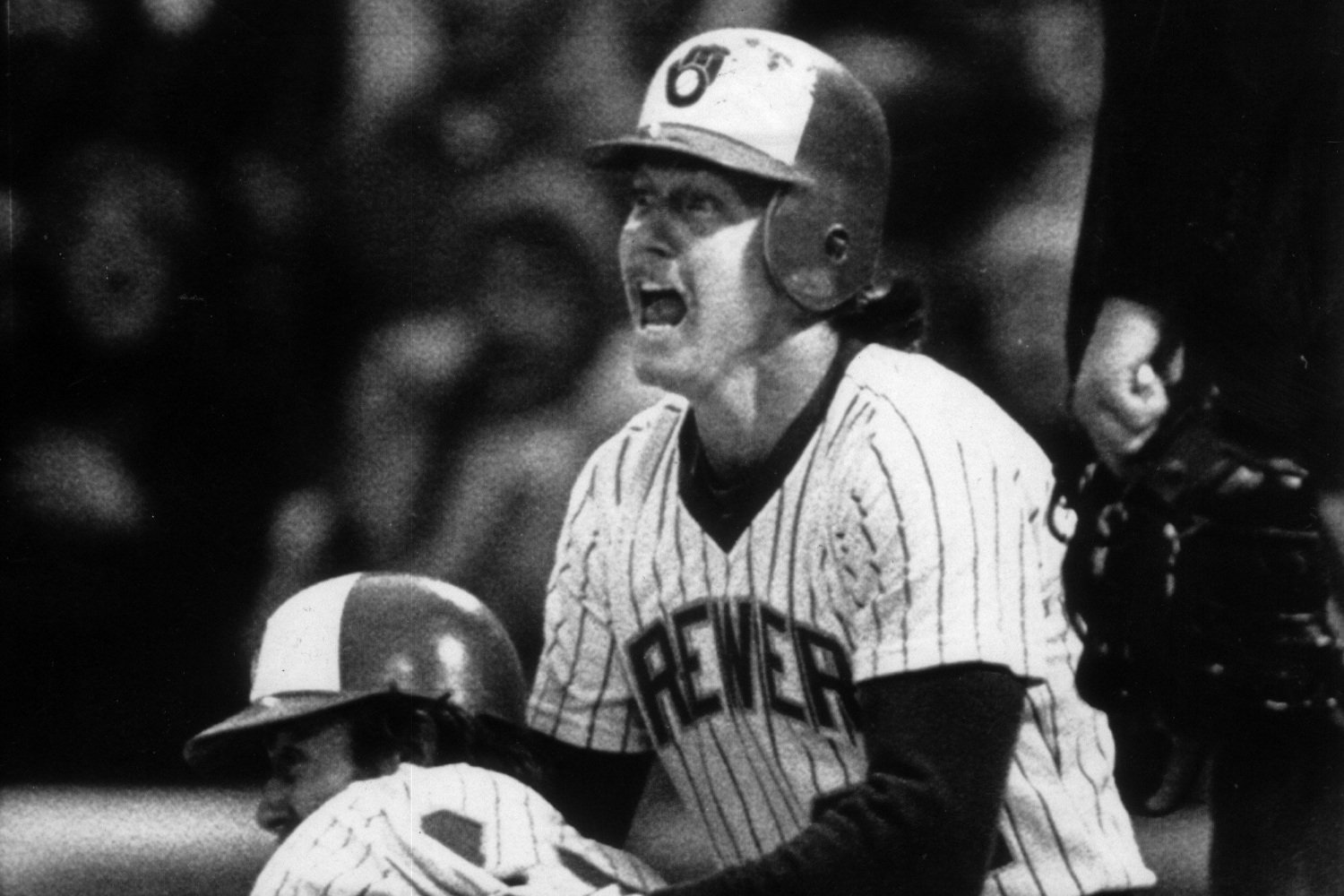 This multi-part series talks about how the Brewers got to the World Series, and offers a timeline of the 1982 campaign, including player profiles, game recaps, and other events that affected the season. Part 1 Part 2 Part 3 Part 4 Part 5 The Milwaukee Brewers returned to Brew City knowing they had a very tough assignment. They needed to be victorious in each of the final three games of the ALCS if they wanted to claim the first pennant in franchise history. In the National League, the Atlanta Braves and St. Louis Cardinals squared off to see which squad would perform in the Fall Classic. Game 3: Sutton, Molitor Star in Brewers Win As 50,135 fans filed into County Stadium under sunny skies and in 68-degree weather, optimism was in the air. Don Sutton would face southpaw Geoff Zahn, in a win-or-go-home game for Milwaukee. Both pitchers were on their game early on, but the Brewers struck first in the bottom of the fourth. Robin Yount led off with a walk. Next up was Cecil Cooper, who lined a 3-2 pitch into the right-field corner, easily scoring Yount. Ted Simmons singled Cooper to third, where he stood until Thomas drove him in with a fly ball to center to make it 2-0. Ben Oglivie singled to right, and the lumbering Simmons made it safely to third. He then scored on Don Money’s sacrifice fly to left. Zahn left the game in favor of Mike Witt, who struck out Charlie Moore to end the inning with the score 3-0 Brewers. The contest was quiet until the top of the seventh, when Doug DeCinces hit a foul ball that bounced off the dirt and rebounded into his face, injuring his nose. The Angels' trainer and manager Gene Mauch came out and attended to the injured player, but DeCinces refused to come out of the game. The third baseman struck out, but would not miss a single inning the rest of the series, playing with what would be diagnosed as a broken nose. Money led off the bottom of the seventh by drawing a full-count walk and was promptly replaced by pinch-runner Marshall Edwards. Moore bunted Edwards to second, and then Jim Gantner hit a fly ball to center that moved Edwards to third. With two outs and a 2-2 count, Molitor hit a Witt slider over the ‘362’ sign in left field to increase the Brewers' lead to 5-0. In the top of the eighth, Boone lined the first pitch toward the left-field fence, and it appeared that Oglivie would have a chance to make a leaping catch in front of the wall. However, a fan reached over and caught the ball before it got to Oglivie’s glove. Left field umpire Larry Barnett ruled it a home run, and the Angels cut the lead to 5-1. Back in those days, there were no replay challenges, but television replays appeared to show that the fan reached over the fence in the act of catching the ball, which should have been a clear case of fan interference. Whether it was the home run, the slight delay while Kuenn and Oglivie argued the call, or that he just ran out of gas, Sutton appeared to lose his stuff. He got Brian Downing on a fly ball, but Rod Carew beat out an infield chopper to third. Reggie Jackson struck out, but then Fred Lynn and Don Baylor hit back-to-back doubles to cut the lead to 5-3. Pete Ladd came in and got DeCinces to ground out to end the inning. After the Brewers were set down in order in the bottom of the eighth by Andy Hassler, Ladd did the same in the top of the ninth, getting Bobby Grich on a groundout and Rob Wilfong and Boone on swinging strikeouts to save the Milwaukee victory. Sutton gave up eight hits, three runs, and two walks, while striking out nine in 7 2/3 innings. It was the fifth straight win (against one loss) for Sutton since he came over to Milwaukee from Houston a month before. “We were shut down by one of the best pitchers the game has seen in the last 15 years,” California manager Gene Mauch said. Game 4: Super-Sub Brouhard Keys Milwaukee Victory Forty minutes before Game 4 of the ALCS, coach Sal Bando came over to Mark Brouhard and said, ‘You’re in, kid.” Leftfielder Ben Oglivie had suffered bruised ribs while crashing into the fence the day before and wouldn’t be able to go. “I went over and looked at the lineup card, and there I was,” Brouhard recalled. The game was delayed nearly two hours by rain, and was paused twice after it began. But Brouhard went to work, stroking a single, double, and home run, scoring four runs and knocking in three while leading the Brewers to a 9-5 victory, knotting the ALCS at two games apiece. Also starring in the must-win game was pitcher Moose Haas, making his first start in nearly a month. Haas pitched no-hit ball for 5 2/3 innings, and in the meantime, the Brewers had a 6-0 lead before California got on the board. In the second, Simmons walked and moved to second on a wild pitch. Money drew a walk from Tommy John, who was pitching on three days' rest. Brouhard lined a single to center, scoring Simmons, and when Lynn’s throw to third caromed off a sliding Money, DeCinces grabbed the ball in front of the tarp and made an off-balance throw to home plate that flew over a leaping Bob Boone and into the stands, allowing both Money and Brouhard to score. The Brewers scored three more times in the fourth, all on John’s tab. The inning went like this: walk, single, wild pitch, intentional walk, wild pitch, single. The score was 5-0 when John was removed in favor of Dave Goltz. Molitor got an RBI groundout to make it a 6-0 lead. Game over, right? Not so fast. A brief rain delay stopped things in the fifth, but the game would continue. In the top of the sixth, Lynn doubled for the first Angels hit, knocking in Jackson (who was on second after a fielder’s choice and errant throw by Yount) to cut the lead to 6-1. The Crew responded in the bottom of the sixth when Brouhard reached on a hot smash that bounced off DeCinces at third and got stuck under the tarp behind third base for a ground rule double. He was promptly sent home on a single to right by Gantner, which stretched the lead back to six runs. Meanwhile, Haas was cruising through seven, having allowed just two hits and one run before disaster struck. In the eighth, Downing singled, Carew doubled, and Lynn walked to load the bases for Baylor. Haas, who had unofficially thrown at least 135 pitches, gave up a grand slam to Baylor, trimming the lead to 7-5. Slaton came in and got the final two outs of the inning. In the bottom of the eighth, Money singled and was replaced by Edwards at first. Edwards stole second, and then on an 0-2 pitch, Brouhard slammed a two-run homer to extend the lead to 9-5. Slaton pitched a 1-2-3 inning in the ninth, and just like that, the series came down to Game 5. “If we win tomorrow, we can get emotional, and we will get emotional,” Gantner said. “But our job isn’t done. We still need to win one game to get in the World Series.” Game 5: Cooper is Clutch, Big Foot Saves the Day Nearly 55,000 fanatics showed up on a gloomy Sunday afternoon to watch the Brewers and Angels play one final contest for the right to move on to the World Series, which would have been a first for either club. The Brewers tried to give it away, committing four errors in the game, but in the end, it was a slumping Cecil Cooper—who came into the game with only two hits in 16 at-bats—who came up with one of the most unforgettable moments in Milwaukee Brewers history. Bruce Kison and Pete Vuckovich started on the mound for their respective clubs, and both allowed an opening-inning tally. Fred Lynn singled in a run for California, and in the bottom half, Ted Simmons hit a sacrifice fly that scored Paul Molitor. making it 1-1 after one. Lynn struck again in the top of the third, this time going the opposite way to score Boone and give the Angels a new one-run lead. Boone was at it again an inning later, dropping down a bunt for a single that scored DeCinces, making it 3-1. Oglivie cut the lead to 3-2 in the bottom of the fourth, sending an off-speed pitch from Kison about 10 rows into the right-field bleachers to wake up the Brewers crowd, who were somewhat stunned by the Angels' early lead. It was still 3-2 when the Brewers came to bat in the bottom of the seventh. With one out, Moore reached on an infield single. Gantner followed with a base hit to center, moving Moore to second. Molitor fouled out to the catcher, but then Yount walked to load the bases. Now with only two hits in his last 19 trips, Cooper came to the plate in a huge situation for Milwaukee. Reliever Luis Sánchez was on the hill for the Angels, pitching in his second inning. On a 1-1 waist-high pitch on the outside corner, Cooper lined the ball to left in front of Brian Downing. Moore scored easily, and Gantner slid in safely headfirst, as the throw was slightly off-line, giving Milwaukee a 4-3 lead and sending the fans into a frenzy. For Brewers fans, the images from that play—Cooper willing the ball to get down as he headed for first, Moore scooping Gantner off the ground in a bear hug after his slide—are indelible memories. Bob McClure had come in for Vuckovich in the seventh and got a double play to end the inning. He got through the eighth, giving up a two-out single to DeCinces. In the top of the ninth, Ron Jackson pinch-hit and singled to center, and was replaced by pinch-runner Rob Wilfong. Pete Ladd came in to close out the game for the Brewers. Boone, once again, advanced the runner, with a bunt for the first out. Downing grounded to third for the second out, and then, as the crowd was roaring, Carew hit a one-hopper to Yount, who threw to first for the final out and the first (and to date, only) World Series appearance for the Brewers. In a scene you would never see today, hundreds of Brewers faithful poured onto the field after the final out, mobbing the players. Milwaukee was going to the World Series. Next up, the St. Louis Cardinals in a World Series that would come to be known as ‘The Suds Series.’
-
- 1
-

-
- jim gantner
- cecil cooper
- (and 2 more)
-
Great power by both. Milwaukee had a team slash line of .279/.335/.455 and California had a line of .274/.347/.433. Milw OPS was .789 while Cali's was .780. To compare, in 2025 Toronto had the best BA (.265) and the best OPS was .787 by the Yankees. The game has changed and in 2025 alone, SEVEN teams hit more than Milwaukee's 216 HRs in 1982.
-
Most of the time he was Buck, but people called him Bob. (I was born in 1960...really!)
-
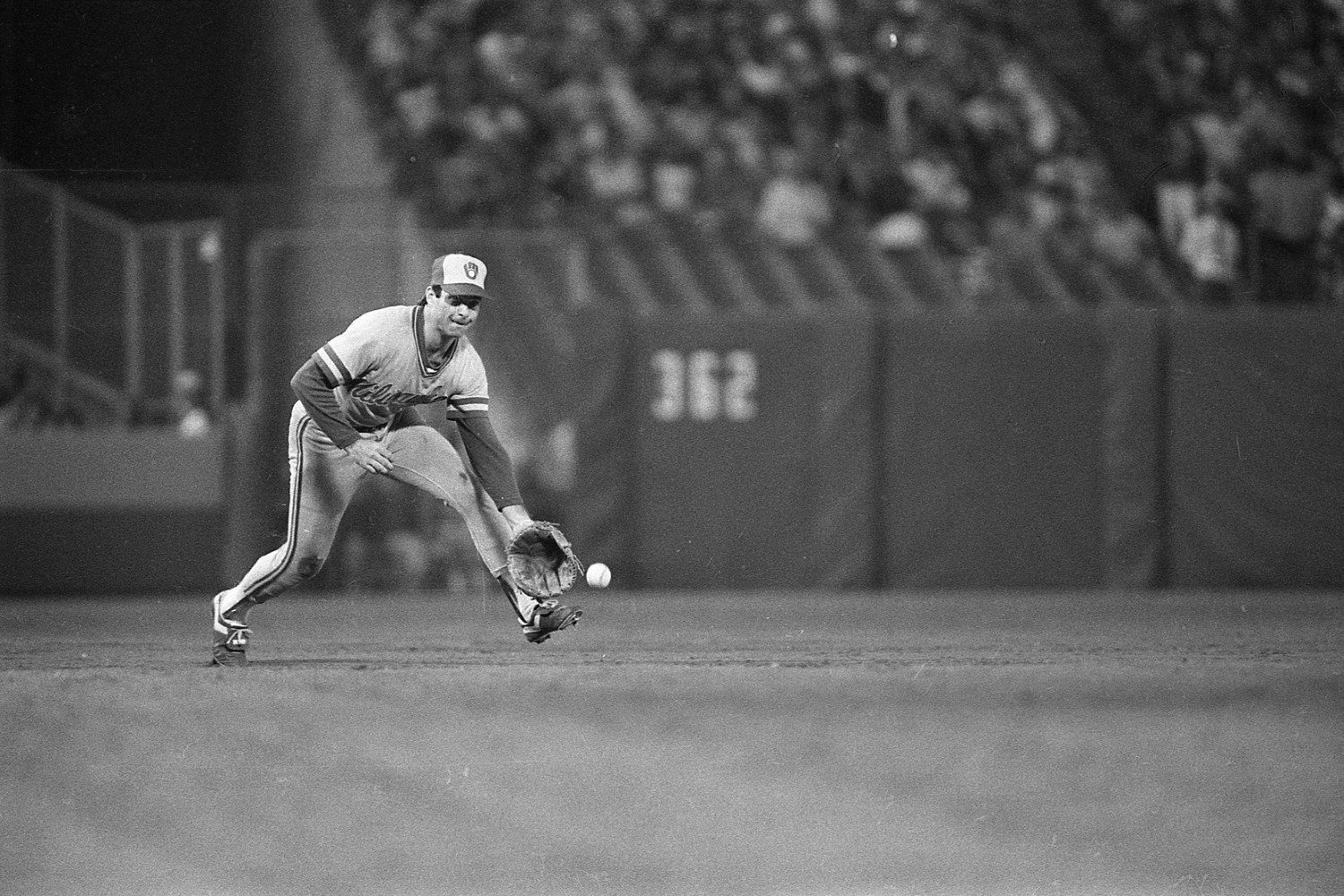 This multi-part series talks about how the Brewers got to the World Series and offers a timeline of the 1982 campaign, including player profiles, game recaps, and other events that affected the season. Part 1 Part 2 Part 3 Part 4 Part 5 relives the first two games of the 1982 ALCS—ones that made us Brewer fans think the season would soon end. Bring on the Angels and the ALCS While the Brewers battled down to the last game of the season to claim the AL East title, the California Angels had it a little easier in the AL West, winning the division by three games over Kansas City. In the Brewers locker room after the victory over Baltimore on Sunday, owner Bud Selig was repeatedly doused with champagne by the players. As he walked around drinking bubbly and celebrating, the players linked arms and sang. ‘California, Here I Come.’ California vs. Milwaukee: Tale of the Tape The Angels and Brewers were a lot alike: all power and little speed. Both teams had set lineups with few changes; each team had five players who appeared in 150 or more games. The Angels had four more players who played in at least 130 games, while the Brewers had three. Milwaukee used the exact same nine-player lineup 24 times, which is almost unthinkable today. It went: Paul Molitor Robin Yount Cecil Cooper Ted Simmons Ben Oglivie Gorman Thomas Roy Howell Charlie Moore Jim Gantner Molitor (158 starts), Yount (138) and Cooper (155) were virtually fixtures in the first three spots in the order. The Brewers would collect more individual hardware than the Angels, with Robin Yount winning the AL Most Valuable Player award and Pete Vuckovich the AL Cy Young award. Yount would also win a Gold Glove and Silver Slugger award. Cecil Cooper also garnered a Silver Slugger. For California, catcher Bob Boone won a Gold Glove, while third sacker Doug DeCinces and right fielder Reggie Jackson each earned Silver Slugger accolades. Jackson tied for the major-league lead in home runs with 39, along with Gorman Thomas. The Brewers led the AL with 891 runs scored, followed by the Angels, with 814. California led the AL with the fewest runs allowed (670), while the Brewers were tied for ninth (717). The Brewers' 216 homers led the AL, trailed by the Angels with 186. Neither team stole many bases, as the Brewers were eighth in the AL with 84, while California was 11th with only 55. Vuckovich, Mike Caldwell, Moose Haas, and Don Sutton were the key starters for Milwaukee. Pete ‘Big Foot’ Ladd and Jim Slaton would take over for Rollie Fingers. Manager Harvey Kuenn had Fingers on the playoff roster, but would prove hesitant to use him. The ‘Hammerin’ Halos,’ as the Angels were known, had veterans Tommy John, Bruce Kison, and Geoff Zahn as their top starters. The Angels also had a bullpen gallimaufry, as five players had at least three saves, led by Doug Corbett’s eight. Game 1: Baylor Bashes Brewers Led by designated hitter Don Baylor’s five RBIs, the Angels came back from an early 3-1 deficit to defeat the Brewers 8-3 in Game 1 at Anaheim Stadium on October 5. Baylor had a sacrifice fly in the first, but Milwaukee scored a pair in the second on Thomas’s two-run homer. Cooper knocked in Paul Molitor with an RBI groundout in the third to increase the lead to 3-1. Caldwell gave up four runs in the third to give back the lead, though, highlighted by Baylor’s two-run triple that evaded centerfielder Thomas when it took a bad carom off the right-center field fence. Slaton replaced Caldwell in the fourth after Boone’s base hit. With one out and the bases loaded, Baylor struck again, this time with a two-run single to left to make the tally 7-3. Fred Lynn led off the fifth with a home run to right to give California a five-run lead. Slaton, Ladd, and Dwight Bernard shut down the Angels the rest of the way on one hit, but the damage had been done. Crafty veteran Tommy John gave up the early runs but coasted the rest of the way, earning the complete game win on seven hits and one walk while striking out five. The Brewers did not help themselves defensively, as Molitor committed an error on a possible double play ball in the fourth and Caldwell had a throwing error and a wild pitch in the first inning. “We have to win tomorrow, or we’re going to make things real tough on ourselves,” Charlie Moore said after the game. Game 2: Kison Handcuffs Milwaukee The Brewers went down two games to none after Bruce Kison went the distance, giving up five hits and two runs as the Angels took a 4-2 win. Kison only needed 90 pitches, as he struck out eight and did not give the Crew a free pass. Vuckovich went the distance for Milwaukee, giving up six hits, four runs, and four walks in taking the loss. With the bases loaded and one out in the second, Tim Foli singled to left to score Lynn for the 1-0 lead. One batter later, with the sacks still jammed, Boone dropped a perfect suicide squeeze to make it 2-0. In the third, Jackson hit a homer to deep right to extend California's lead to three runs. “Four-seamer over the plate. Bye-bye. Gone,” Vuckovich said of the mistake, after the game. In the fourth, Boone got another RBI with a sac fly that scored DeCinces, widening the gap to 4-0. The Brewers finally got on the board in the fifth. Moore singled and moved to second on a groundout. Molitor lined a ball to center that Lynn inexplicably dove for, the ball getting past him and going all the way to the wall. The ‘Ignitor’ motored around the bases with a stand-up, inside-the-park homer to cut the lead in half. “I thought it got us up because it gave us some hope,” Molitor explained after the game. “But nothing happened.” Kison set down the last 13 batters, as neither team was able to score. Vuckovich was nearly as good, allowing only three walks over the final four frames, but it was too little, too late for Milwaukee. Molitor and Moore led Milwaukee with two hits each, while Lynn also banged out a pair of knocks. “You can’t ask for a tougher task than we have,” Molitor said. “California has a lot of room for error now. And we have none.” October 7: Off Day A disconsolate band of Brewers returned to Milwaukee after a pair of tough losses at the ‘Big A.’ Including the end-of-season series in Baltimore, the Brew Crew lost five of six games in a ‘do-or-die’ week. They weren't quite dead, but they certainly hadn't done what they hoped to do. “The last 10 days on the road were pretty tough on everybody,” Moore said. “It was tough for us to play after the emotional series in Baltimore, and then having to fly out to California and start the playoffs.” The scheduled starter for Game 3 was Don Sutton. When asked if he felt pressure, he scoffed. “What pressure? Maybe my attitude leads some people to think I should be psychoanalyzed, but I love this situation," said the eventual Hall of Famer. "It’s center stage.” Brewers fans could breathe easy, knowing that the man who won a clutch victory by pitching eight effective innings the previous weekend in Baltimore would be on the mound in a must-win game.
 -
Image courtesy of © Dale Guldan / Milwaukee Journal Sentinel / USA TODAY NETWORK This multi-part series talks about how the Brewers got to the World Series and offers a timeline of the 1982 campaign, including player profiles, game recaps, and other events that affected the season. Part 1 Part 2 Part 3 Part 4 Part 5 relives the first two games of the 1982 ALCS—ones that made us Brewer fans think the season would soon end. Bring on the Angels and the ALCS While the Brewers battled down to the last game of the season to claim the AL East title, the California Angels had it a little easier in the AL West, winning the division by three games over Kansas City. In the Brewers locker room after the victory over Baltimore on Sunday, owner Bud Selig was repeatedly doused with champagne by the players. As he walked around drinking bubbly and celebrating, the players linked arms and sang. ‘California, Here I Come.’ California vs. Milwaukee: Tale of the Tape The Angels and Brewers were a lot alike: all power and little speed. Both teams had set lineups with few changes; each team had five players who appeared in 150 or more games. The Angels had four more players who played in at least 130 games, while the Brewers had three. Milwaukee used the exact same nine-player lineup 24 times, which is almost unthinkable today. It went: Paul Molitor Robin Yount Cecil Cooper Ted Simmons Ben Oglivie Gorman Thomas Roy Howell Charlie Moore Jim Gantner Molitor (158 starts), Yount (138) and Cooper (155) were virtually fixtures in the first three spots in the order. The Brewers would collect more individual hardware than the Angels, with Robin Yount winning the AL Most Valuable Player award and Pete Vuckovich the AL Cy Young award. Yount would also win a Gold Glove and Silver Slugger award. Cecil Cooper also garnered a Silver Slugger. For California, catcher Bob Boone won a Gold Glove, while third sacker Doug DeCinces and right fielder Reggie Jackson each earned Silver Slugger accolades. Jackson tied for the major-league lead in home runs with 39, along with Gorman Thomas. The Brewers led the AL with 891 runs scored, followed by the Angels, with 814. California led the AL with the fewest runs allowed (670), while the Brewers were tied for ninth (717). The Brewers' 216 homers led the AL, trailed by the Angels with 186. Neither team stole many bases, as the Brewers were eighth in the AL with 84, while California was 11th with only 55. Vuckovich, Mike Caldwell, Moose Haas, and Don Sutton were the key starters for Milwaukee. Pete ‘Big Foot’ Ladd and Jim Slaton would take over for Rollie Fingers. Manager Harvey Kuenn had Fingers on the playoff roster, but would prove hesitant to use him. The ‘Hammerin’ Halos,’ as the Angels were known, had veterans Tommy John, Bruce Kison, and Geoff Zahn as their top starters. The Angels also had a bullpen gallimaufry, as five players had at least three saves, led by Doug Corbett’s eight. Game 1: Baylor Bashes Brewers Led by designated hitter Don Baylor’s five RBIs, the Angels came back from an early 3-1 deficit to defeat the Brewers 8-3 in Game 1 at Anaheim Stadium on October 5. Baylor had a sacrifice fly in the first, but Milwaukee scored a pair in the second on Thomas’s two-run homer. Cooper knocked in Paul Molitor with an RBI groundout in the third to increase the lead to 3-1. Caldwell gave up four runs in the third to give back the lead, though, highlighted by Baylor’s two-run triple that evaded centerfielder Thomas when it took a bad carom off the right-center field fence. Slaton replaced Caldwell in the fourth after Boone’s base hit. With one out and the bases loaded, Baylor struck again, this time with a two-run single to left to make the tally 7-3. Fred Lynn led off the fifth with a home run to right to give California a five-run lead. Slaton, Ladd, and Dwight Bernard shut down the Angels the rest of the way on one hit, but the damage had been done. Crafty veteran Tommy John gave up the early runs but coasted the rest of the way, earning the complete game win on seven hits and one walk while striking out five. The Brewers did not help themselves defensively, as Molitor committed an error on a possible double play ball in the fourth and Caldwell had a throwing error and a wild pitch in the first inning. “We have to win tomorrow, or we’re going to make things real tough on ourselves,” Charlie Moore said after the game. Game 2: Kison Handcuffs Milwaukee The Brewers went down two games to none after Bruce Kison went the distance, giving up five hits and two runs as the Angels took a 4-2 win. Kison only needed 90 pitches, as he struck out eight and did not give the Crew a free pass. Vuckovich went the distance for Milwaukee, giving up six hits, four runs, and four walks in taking the loss. With the bases loaded and one out in the second, Tim Foli singled to left to score Lynn for the 1-0 lead. One batter later, with the sacks still jammed, Boone dropped a perfect suicide squeeze to make it 2-0. In the third, Jackson hit a homer to deep right to extend California's lead to three runs. “Four-seamer over the plate. Bye-bye. Gone,” Vuckovich said of the mistake, after the game. In the fourth, Boone got another RBI with a sac fly that scored DeCinces, widening the gap to 4-0. The Brewers finally got on the board in the fifth. Moore singled and moved to second on a groundout. Molitor lined a ball to center that Lynn inexplicably dove for, the ball getting past him and going all the way to the wall. The ‘Ignitor’ motored around the bases with a stand-up, inside-the-park homer to cut the lead in half. “I thought it got us up because it gave us some hope,” Molitor explained after the game. “But nothing happened.” Kison set down the last 13 batters, as neither team was able to score. Vuckovich was nearly as good, allowing only three walks over the final four frames, but it was too little, too late for Milwaukee. Molitor and Moore led Milwaukee with two hits each, while Lynn also banged out a pair of knocks. “You can’t ask for a tougher task than we have,” Molitor said. “California has a lot of room for error now. And we have none.” October 7: Off Day A disconsolate band of Brewers returned to Milwaukee after a pair of tough losses at the ‘Big A.’ Including the end-of-season series in Baltimore, the Brew Crew lost five of six games in a ‘do-or-die’ week. They weren't quite dead, but they certainly hadn't done what they hoped to do. “The last 10 days on the road were pretty tough on everybody,” Moore said. “It was tough for us to play after the emotional series in Baltimore, and then having to fly out to California and start the playoffs.” The scheduled starter for Game 3 was Don Sutton. When asked if he felt pressure, he scoffed. “What pressure? Maybe my attitude leads some people to think I should be psychoanalyzed, but I love this situation," said the eventual Hall of Famer. "It’s center stage.” Brewers fans could breathe easy, knowing that the man who won a clutch victory by pitching eight effective innings the previous weekend in Baltimore would be on the mound in a must-win game. View full article
-
Thanks for reading and the nice comment! Much appreciated!!
-
Image courtesy of © Milwaukee Journal Sentinel-USA TODAY NETWORK This multi-part series talks about how the Brewers got to the World Series and offers a timeline of the 1982 campaign, including player information, game recaps, and other events that affected the season. Part 1 Part 2 Part 3 Dog Days? Not For the Brewers The Brewers had their best month in June, winning 20 games while losing seven. Buck Rodgers was the skipper for the first win, but Harvey Kuenn got credit for the next 19 victories. But what is even more impressive is how well the Brewers played over the final three months of the campaign. The Farmer’s Almanac defines the ‘Dog Days’ as a period from July 3 to August 11. (Originally, the term referred to the stretch during which Sirius was brightest in the night sky.) Baseball players feel it runs later than that, from late July through late August, when the players start to run out of gas toward the end of a long season and before September brings cooler air or the whiff of offseason freedom. No matter which period you choose, the Brewers were consistently good for the months of July, August, and September. Here is their record (by month) for the final half of the season. Month W-L Pct. July 16-11 .593 August 19-11 .633 September 17-11 .607 Milwaukee started slowly the first week in July, going 3-4 before running off an eight-game winning streak over the weekend before the All-Star break and the weekend after. It wasn’t just the stars that were doing their part. Second baseman Jim Gantner hurt his left shoulder diving for a ball against Detroit in mid-June. He missed about three weeks, but his spot was taken by utilityman Ed Romero, who performed admirably, batting .309/.341/.407 across 81 at-bats while filling in. During the winning streak, the Brewers outscored their opponents by a total of 55-27 while hitting only nine home runs, showing that they could play some small ball in addition to smashing round-trippers. Rollie Fingers notched five saves during the streak and was starting to look more like the pitcher who won the 1981 AL Cy Young Award. The last two weeks of the month didn’t go as well, with the Brewers winning only five of their last 12 games. Despite the stumble, Milwaukee still led the AL East with a record of 58-42 at the end of July, one-half game better than Boston. County Stadium: Home Run Hitter’s Park or Just Another Park? In their first 100 games, the Brewers slammed 141 home runs and were making a run at the then-record 240 home runs hit by the 1961 New York Yankees. Visiting players had no doubt about the question listed above. “This place is a bandbox.” (Toby Harrah, Cleveland) “The ball seems to carry well here.” (Mike Hargrove, Cleveland) “This place is more of a launching pad than Atlanta.” (Manager Sparky Anderson, after the Brewers hit five home runs to beat Detroit in mid-June) But sometimes facts get in the way of opinion. In fact, of those 141 home runs, only 52 (or 37%) were hit at County Stadium. Baseball Reference lists single- and multi-year park factors for the home park of each team from each year of big-league history, and County Stadium played about 5% more friendly to pitchers than an average park during the early 1980s. Harvey's Wallbangers didn't benefit from cozy dimensions or scorching, dry air. They just banged. “The fact is, we just have the people who can hit the tar out of the ball,” Don Money said. Putting the Pedal to the Metal After Mike Caldwell and Fingers combined to beat the Cleveland Indians 4-2 on July 31, the Brewers would never relinquish their grip on first place in the AL East, even though they were tied with Baltimore after the penultimate game of the year. The Brewers scored at least one run in each of their last 82 games after being shut out 3-0 by the Minnesota Twins on July 8. The row of goose eggs put up by Twins pitchers Jack O’Connor and Ron Davis that day was the only time the Brewers were shut out in the regular season. Fingers saved four games in the first fortnight of August while Milwaukee went 9-4, increasing their lead to 5 ½ games over Boston. Fingers missed about a week with a sore elbow, for which he received a cortisone shot. When asked about the elbow, Fingers downplayed it. “If the pain isn’t gone, I’ll just pitch with the arm sore," he said. He came back on August 21 in Seattle to earn his 28th save, although he made a 3-0 game a lot more interesting when he gave up a two-run blast in the bottom of the ninth to Dave Revering. Fingers notched one more save in the month as the Brewers finished with a mark of 77-53, pacing the AL East by 4 ½ games over Boston. The Brewers made three player moves in August. They purchased pitcher Doc Medich from the Texas Rangers; sold pitcher Randy Lerch to the Montreal Expos; and (biggest of them all) traded outfield prospect Kevin Bass and pitchers Frank DiPino and Mike Madden to the Houston Astros for a starting pitcher named Don Sutton. The Stretch Run Brewers fans felt their collective hearts stop beating when they learned that Fingers left the game on September 2 with muscle spasms in his right forearm. Initially, the diagnosis was a slight muscle tear, and he was expected to be out for a week. The week turned into two, but Fingers shut it down after throwing 25 "half-speed" pitches in mid-September before a game with the Yankees. On the day that Fingers made his attempt, the Brewers held a two-game lead over surging Baltimore, who had bypassed Boston in the standings. Milwaukee went to a closer-by-committee arrangement, led by Jim Slaton, Dwight Bernard, and Pete Ladd. The Brewers played .500 ball in early September (7-7) before running off six straight wins. The last week of the month, Milwaukee won four and lost four and held a three-game lead in the AL East over Baltimore. The season would be decided with a four-game series in Baltimore starting on October 1. In the meantime, while it appeared that Fingers would not return to the team, backup catcher Ned Yost—who would manage the Brewers from 2003-08—hit a three-run homer in the top of the ninth off Mark Clear at Fenway to give the Brewers a 6-3 win over the Red Sox with five games to play. It was Yost’s only homer of the year, but it was clutch. The new pitching arrivals were doing their parts, as well. Sutton made six starts in September, winning three while losing one. Medich also made six starts and went 3-3. As September ended, the Brewers traveled from Beantown to Baltimore for the huge four-game series to decide the winner of the AL East crown. The Final Weekend Rollie Fingers was out. Manager Harvey Kuenn was asked if his closer might be available during the weekend series. “Right now, I doubt it,” Kuenn admitted. But as it turned out, the closest game was a five-run contest. Closers didn't factor into things. Milwaukee came into the series with a record of 94-64, with Baltimore three games behind at 91-67. The first game of Friday’s twin bill saw Milwaukee’s Pete Vuckovich get hammered, giving up nine hits, five runs, and two walks in 4 1/3 innings. The Orioles had six extra-base hits, including a Ken Singleton home run, in an 8-3 loss for Milwaukee. Game Two was no better, as the O’s had Mike Caldwell’s number, banging out 13 hits while scoring seven runs in seven innings in a 7-1 drubbing. The Brewers' lead dropped to one game. Saturday’s game was much of the same, as Medich, Moose Haas, and Bernard got roughed up for a combined 18 hits and 11 runs; the Brewers took an 11-3 whipping. Going into the final game of the season, both teams were tied at 94-67. It would be win-or-go-home on Sunday. “I don’t think there is that much frustration or demoralization here,” Paul Molitor said. “It’s just a matter that we were sitting in an ideal situation when we came in here. Now, all of a sudden, we are faced with elimination. That’s the reality of the situation.” Fortunately for the Brewers, Sutton would be on the mound. Unfortunately, Orioles ace Jim Palmer would oppose him. The day dawned bright and warm, with temperatures in the mid-70s at Baltimore’s Memorial Stadium. A boisterous sell-out crowd of 51,642—fourth-largest in Orioles regular-season history—was quickly quieted when the Brewers came out hot and scored single runs in each of the first three frames, powered by a pair of solo shots off the bat of MVP candidate Yount. Glenn Gulliver homered off Sutton in the bottom of the third to make it 3-1 and give life to the Orioles faithful. Cecil Cooper led off the top of the sixth with a homer to right-center, making it 4-1. Palmer would leave one batter later, after a walk to Simmons. The Brewers increased the lead to 5-1 in the 8th on Ben Oglivie’s RBI single. Terry Crowley singled off Sutton in the bottom half to cut the lead to 5-2. The Brewers doubled their run total in the ninth on an RBI single by Molitor, a two-run double by Cooper, and the coup de grâce: a solo shot by Simmons to extend the lead to 10-2. Bob McClure pitched the ninth and gave up a pair of singles but no runs, as the Brewers took a 10-2 victory, earning the AL East title. Regular Season Honors Yount won the AL MVP, a Gold Glove, and a Silver Slugger award. Vuckovich carried off the AL Cy Young award. Cooper also won a Silver Slugger award. Coming soon: The Postseason. View full article
-
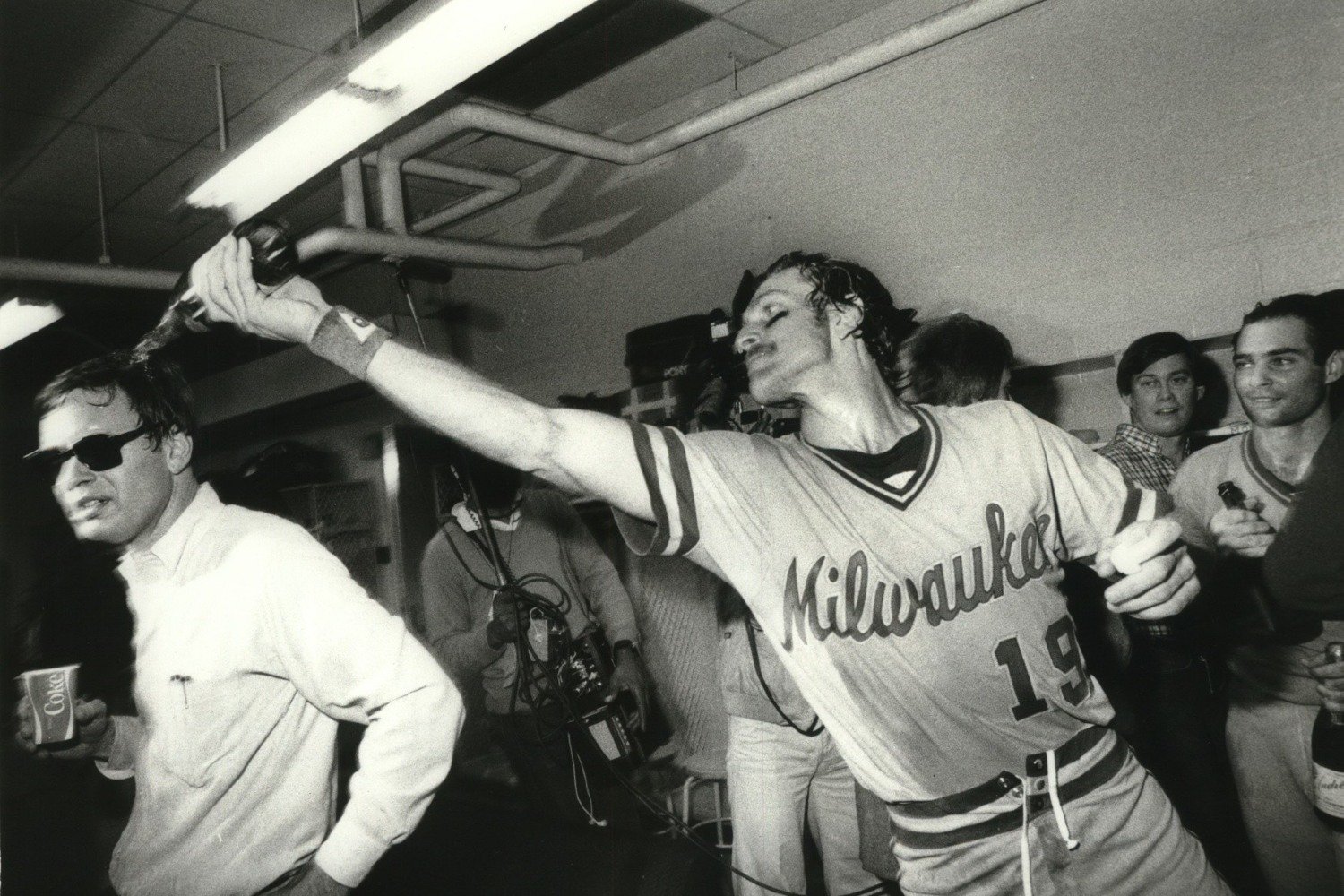 This multi-part series talks about how the Brewers got to the World Series and offers a timeline of the 1982 campaign, including player information, game recaps, and other events that affected the season. Part 1 Part 2 Part 3 Dog Days? Not For the Brewers The Brewers had their best month in June, winning 20 games while losing seven. Buck Rodgers was the skipper for the first win, but Harvey Kuenn got credit for the next 19 victories. But what is even more impressive is how well the Brewers played over the final three months of the campaign. The Farmer’s Almanac defines the ‘Dog Days’ as a period from July 3 to August 11. (Originally, the term referred to the stretch during which Sirius was brightest in the night sky.) Baseball players feel it runs later than that, from late July through late August, when the players start to run out of gas toward the end of a long season and before September brings cooler air or the whiff of offseason freedom. No matter which period you choose, the Brewers were consistently good for the months of July, August, and September. Here is their record (by month) for the final half of the season. Month W-L Pct. July 16-11 .593 August 19-11 .633 September 17-11 .607 Milwaukee started slowly the first week in July, going 3-4 before running off an eight-game winning streak over the weekend before the All-Star break and the weekend after. It wasn’t just the stars that were doing their part. Second baseman Jim Gantner hurt his left shoulder diving for a ball against Detroit in mid-June. He missed about three weeks, but his spot was taken by utilityman Ed Romero, who performed admirably, batting .309/.341/.407 across 81 at-bats while filling in. During the winning streak, the Brewers outscored their opponents by a total of 55-27 while hitting only nine home runs, showing that they could play some small ball in addition to smashing round-trippers. Rollie Fingers notched five saves during the streak and was starting to look more like the pitcher who won the 1981 AL Cy Young Award. The last two weeks of the month didn’t go as well, with the Brewers winning only five of their last 12 games. Despite the stumble, Milwaukee still led the AL East with a record of 58-42 at the end of July, one-half game better than Boston. County Stadium: Home Run Hitter’s Park or Just Another Park? In their first 100 games, the Brewers slammed 141 home runs and were making a run at the then-record 240 home runs hit by the 1961 New York Yankees. Visiting players had no doubt about the question listed above. “This place is a bandbox.” (Toby Harrah, Cleveland) “The ball seems to carry well here.” (Mike Hargrove, Cleveland) “This place is more of a launching pad than Atlanta.” (Manager Sparky Anderson, after the Brewers hit five home runs to beat Detroit in mid-June) But sometimes facts get in the way of opinion. In fact, of those 141 home runs, only 52 (or 37%) were hit at County Stadium. Baseball Reference lists single- and multi-year park factors for the home park of each team from each year of big-league history, and County Stadium played about 5% more friendly to pitchers than an average park during the early 1980s. Harvey's Wallbangers didn't benefit from cozy dimensions or scorching, dry air. They just banged. “The fact is, we just have the people who can hit the tar out of the ball,” Don Money said. Putting the Pedal to the Metal After Mike Caldwell and Fingers combined to beat the Cleveland Indians 4-2 on July 31, the Brewers would never relinquish their grip on first place in the AL East, even though they were tied with Baltimore after the penultimate game of the year. The Brewers scored at least one run in each of their last 82 games after being shut out 3-0 by the Minnesota Twins on July 8. The row of goose eggs put up by Twins pitchers Jack O’Connor and Ron Davis that day was the only time the Brewers were shut out in the regular season. Fingers saved four games in the first fortnight of August while Milwaukee went 9-4, increasing their lead to 5 ½ games over Boston. Fingers missed about a week with a sore elbow, for which he received a cortisone shot. When asked about the elbow, Fingers downplayed it. “If the pain isn’t gone, I’ll just pitch with the arm sore," he said. He came back on August 21 in Seattle to earn his 28th save, although he made a 3-0 game a lot more interesting when he gave up a two-run blast in the bottom of the ninth to Dave Revering. Fingers notched one more save in the month as the Brewers finished with a mark of 77-53, pacing the AL East by 4 ½ games over Boston. The Brewers made three player moves in August. They purchased pitcher Doc Medich from the Texas Rangers; sold pitcher Randy Lerch to the Montreal Expos; and (biggest of them all) traded outfield prospect Kevin Bass and pitchers Frank DiPino and Mike Madden to the Houston Astros for a starting pitcher named Don Sutton. The Stretch Run Brewers fans felt their collective hearts stop beating when they learned that Fingers left the game on September 2 with muscle spasms in his right forearm. Initially, the diagnosis was a slight muscle tear, and he was expected to be out for a week. The week turned into two, but Fingers shut it down after throwing 25 "half-speed" pitches in mid-September before a game with the Yankees. On the day that Fingers made his attempt, the Brewers held a two-game lead over surging Baltimore, who had bypassed Boston in the standings. Milwaukee went to a closer-by-committee arrangement, led by Jim Slaton, Dwight Bernard, and Pete Ladd. The Brewers played .500 ball in early September (7-7) before running off six straight wins. The last week of the month, Milwaukee won four and lost four and held a three-game lead in the AL East over Baltimore. The season would be decided with a four-game series in Baltimore starting on October 1. In the meantime, while it appeared that Fingers would not return to the team, backup catcher Ned Yost—who would manage the Brewers from 2003-08—hit a three-run homer in the top of the ninth off Mark Clear at Fenway to give the Brewers a 6-3 win over the Red Sox with five games to play. It was Yost’s only homer of the year, but it was clutch. The new pitching arrivals were doing their parts, as well. Sutton made six starts in September, winning three while losing one. Medich also made six starts and went 3-3. As September ended, the Brewers traveled from Beantown to Baltimore for the huge four-game series to decide the winner of the AL East crown. The Final Weekend Rollie Fingers was out. Manager Harvey Kuenn was asked if his closer might be available during the weekend series. “Right now, I doubt it,” Kuenn admitted. But as it turned out, the closest game was a five-run contest. Closers didn't factor into things. Milwaukee came into the series with a record of 94-64, with Baltimore three games behind at 91-67. The first game of Friday’s twin bill saw Milwaukee’s Pete Vuckovich get hammered, giving up nine hits, five runs, and two walks in 4 1/3 innings. The Orioles had six extra-base hits, including a Ken Singleton home run, in an 8-3 loss for Milwaukee. Game Two was no better, as the O’s had Mike Caldwell’s number, banging out 13 hits while scoring seven runs in seven innings in a 7-1 drubbing. The Brewers' lead dropped to one game. Saturday’s game was much of the same, as Medich, Moose Haas, and Bernard got roughed up for a combined 18 hits and 11 runs; the Brewers took an 11-3 whipping. Going into the final game of the season, both teams were tied at 94-67. It would be win-or-go-home on Sunday. “I don’t think there is that much frustration or demoralization here,” Paul Molitor said. “It’s just a matter that we were sitting in an ideal situation when we came in here. Now, all of a sudden, we are faced with elimination. That’s the reality of the situation.” Fortunately for the Brewers, Sutton would be on the mound. Unfortunately, Orioles ace Jim Palmer would oppose him. The day dawned bright and warm, with temperatures in the mid-70s at Baltimore’s Memorial Stadium. A boisterous sell-out crowd of 51,642—fourth-largest in Orioles regular-season history—was quickly quieted when the Brewers came out hot and scored single runs in each of the first three frames, powered by a pair of solo shots off the bat of MVP candidate Yount. Glenn Gulliver homered off Sutton in the bottom of the third to make it 3-1 and give life to the Orioles faithful. Cecil Cooper led off the top of the sixth with a homer to right-center, making it 4-1. Palmer would leave one batter later, after a walk to Simmons. The Brewers increased the lead to 5-1 in the 8th on Ben Oglivie’s RBI single. Terry Crowley singled off Sutton in the bottom half to cut the lead to 5-2. The Brewers doubled their run total in the ninth on an RBI single by Molitor, a two-run double by Cooper, and the coup de grâce: a solo shot by Simmons to extend the lead to 10-2. Bob McClure pitched the ninth and gave up a pair of singles but no runs, as the Brewers took a 10-2 victory, earning the AL East title. Regular Season Honors Yount won the AL MVP, a Gold Glove, and a Silver Slugger award. Vuckovich carried off the AL Cy Young award. Cooper also won a Silver Slugger award. Coming soon: The Postseason.
 -
Image courtesy of © The Milwaukee Journal Sentinel-USA TODAY NETWORK This multi-part series talks about how the Brewers got to the World Series and offers a timeline of the 1982 campaign, including player profiles, game recaps, and other events that affected the season. Part 1 Part 2 Off to a Good Start in May The Brewers began May with two wins in Minnesota, after losing the first game of their three-game series on the last day of April. Trailing 4-1 late in the game to Minnesota on May Day, the Brewers tallied five runs in the eighth inning to defeat the Twins, 6-5. Gorman Thomas hit his first homer of the year to key the big inning. The next day, the Brewers romped 11-4, behind another homer by Thomas and a pair of homers by Ted Simmons. Milwaukee returned home and lost two out of three to the Kansas City Royals, including a 10-inning loss in which Rollie Fingers was tagged with his third defeat. The mustachioed closer gave up two hits and one walk in a two-inning stint, one of his 26 multi-inning outings during the season. Minnesota came to town for a long weekend four-game series, but the Brewers were harsh hosts, sweeping the series to improve to 16-10, still 2 ½ games behind Boston. Things were starting to look up for the Brew Crew. Two Weeks of Struggles Far from continuing upward toward first place, though, the Brewers traveled to Kansas City and lost three straight, including another loss for Fingers. This time, he got out of a bases-loaded jam in the bottom of the eighth, before giving up a lead-off, walk-off home run in the ninth to Amos Otis. They split four games in Chicago against the White Sox before heading home again. California, Seattle, and Oakland came to County Stadium for the next week-plus, but Milwaukee won only two of eight games, dropping to 20-21, 7 1/2 games behind Boston and in fourth place in the AL East. The Brewers then left the friendly confines of County Stadium for a 10-game road trip to the Left Coast, playing the same three teams that just trampled them at home. “I hope getting away for a while will help us,” manager Buck Rodgers commented to the Wisconsin State Journal. Little did Rodgers know that he wouldn’t return with the team in early June. On the West Coast swing, the Brewers split the first six games but dropped to sixth place in the AL East, seven games behind new leader Detroit. They won a one-run game on June 1, but it was not enough to save Rodgers’s job. General Manager Harry Dalton fired Rodgers and installed hitting coach Harvey Kuenn as interim manager. “I excused the early part of the slump (14 losses in 21 games) because of the injuries to (Pete) Vuckovich and (Bob) McClure,” Dalton said in a telephone interview with Bill Brophy of the Wisconsin State Journal. “But when they returned and we still didn’t play well, I had to ask why.” Harvey Takes Over Kuenn addressed the players after his hiring. “Don’t expect any trick plays from me. You guys can flat-out hit, so go out there and hit,” he said. It didn’t take long for the Brewers to tap into their power potential. The Brewers won their last four games of the West Coast swing and finished 7-3 in their 10-game trip, which moved them up to third in the standings. Milwaukee scored 33 runs in those four games, powered by nine home runs. In an 11-3 win over Oakland on June 5, the Brewers got homers from Robin Yount, Cecil Cooper, Ben Oglivie, Simmons, and Thomas. The next week was a roller coaster ride for the Brewers, as they went 3-5 against two top AL East teams, Baltimore and Detroit. In three games at Memorial Stadium, the Brewers and Orioles each won a game, lost a game, and tied a game. The tie was halted twice by downpours, including a 65-minute delay in the ninth inning. The game would be rescheduled for the last weekend of the season, which would include a doubleheader among four games October 1-3. On their way back home, the Brewers beat Detroit four times at Tiger Stadium. They beat the Yankees twice at County Stadium, before falling to New York in the final contest of the three-game set. Milwaukee finished the month of June by winning five of six in New York and Boston. In the final game against New York, Thomas hit a two-run homer in the top of the 12th to get the victory, with the team improving to 42-31, just two games out in second place in the AL East. In their first 26 games under Kuenn, the Brewers won 19, while hitting 40 home runs. Through June, Cooper led the team in batting with a .332 mark. Thomas and Oglivie each had 19 homers, Cooper had 16, and Yount had 11. Vuckovich had nine wins against three losses, on his way to the AL Cy Young Award. Fingers rebounded from a slow start to earn 16 saves in his first three months. Coming soon, part 4: The weather heats up and so do the Brewers. View full article
-
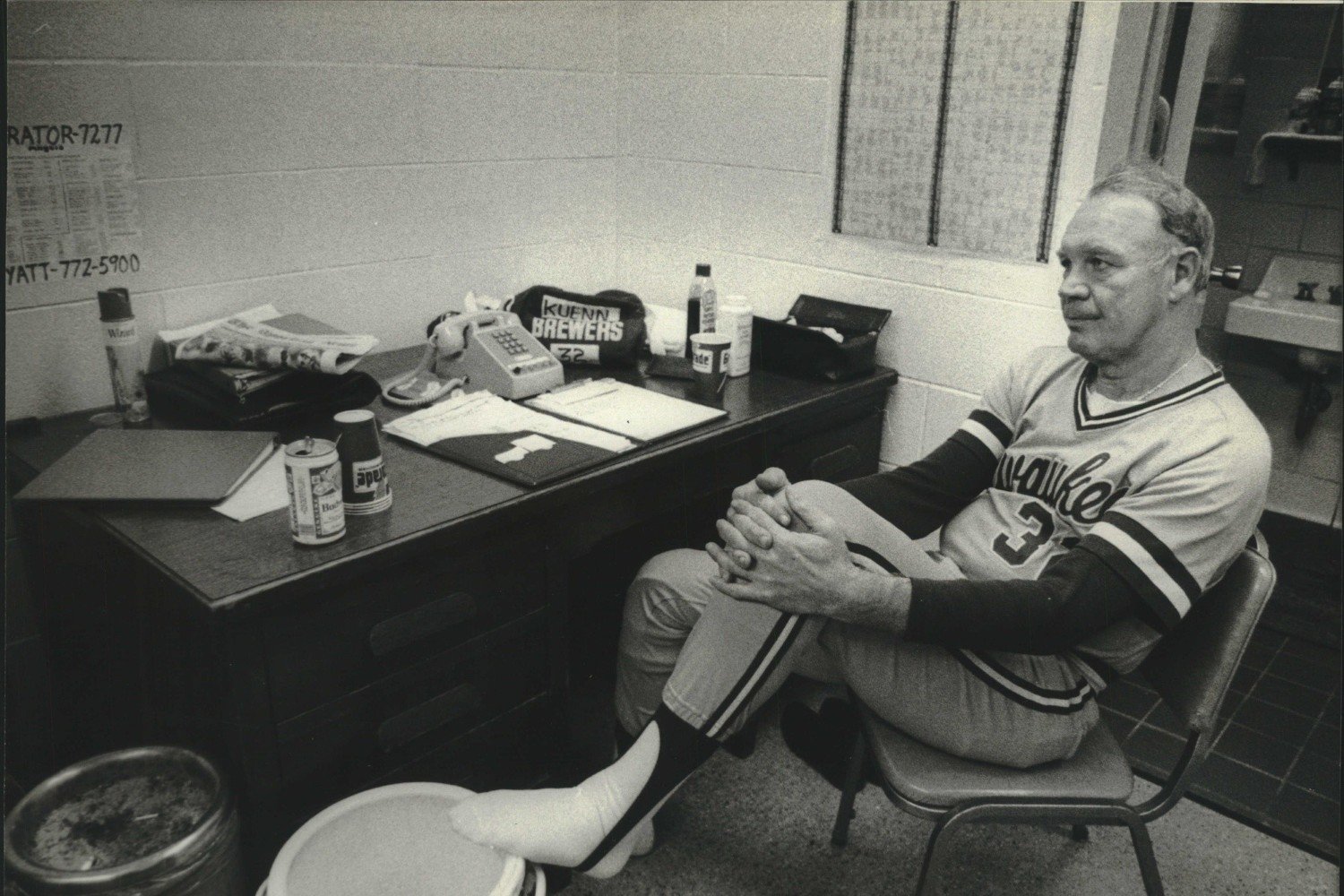 This multi-part series talks about how the Brewers got to the World Series and offers a timeline of the 1982 campaign, including player profiles, game recaps, and other events that affected the season. Part 1 Part 2 Off to a Good Start in May The Brewers began May with two wins in Minnesota, after losing the first game of their three-game series on the last day of April. Trailing 4-1 late in the game to Minnesota on May Day, the Brewers tallied five runs in the eighth inning to defeat the Twins, 6-5. Gorman Thomas hit his first homer of the year to key the big inning. The next day, the Brewers romped 11-4, behind another homer by Thomas and a pair of homers by Ted Simmons. Milwaukee returned home and lost two out of three to the Kansas City Royals, including a 10-inning loss in which Rollie Fingers was tagged with his third defeat. The mustachioed closer gave up two hits and one walk in a two-inning stint, one of his 26 multi-inning outings during the season. Minnesota came to town for a long weekend four-game series, but the Brewers were harsh hosts, sweeping the series to improve to 16-10, still 2 ½ games behind Boston. Things were starting to look up for the Brew Crew. Two Weeks of Struggles Far from continuing upward toward first place, though, the Brewers traveled to Kansas City and lost three straight, including another loss for Fingers. This time, he got out of a bases-loaded jam in the bottom of the eighth, before giving up a lead-off, walk-off home run in the ninth to Amos Otis. They split four games in Chicago against the White Sox before heading home again. California, Seattle, and Oakland came to County Stadium for the next week-plus, but Milwaukee won only two of eight games, dropping to 20-21, 7 1/2 games behind Boston and in fourth place in the AL East. The Brewers then left the friendly confines of County Stadium for a 10-game road trip to the Left Coast, playing the same three teams that just trampled them at home. “I hope getting away for a while will help us,” manager Buck Rodgers commented to the Wisconsin State Journal. Little did Rodgers know that he wouldn’t return with the team in early June. On the West Coast swing, the Brewers split the first six games but dropped to sixth place in the AL East, seven games behind new leader Detroit. They won a one-run game on June 1, but it was not enough to save Rodgers’s job. General Manager Harry Dalton fired Rodgers and installed hitting coach Harvey Kuenn as interim manager. “I excused the early part of the slump (14 losses in 21 games) because of the injuries to (Pete) Vuckovich and (Bob) McClure,” Dalton said in a telephone interview with Bill Brophy of the Wisconsin State Journal. “But when they returned and we still didn’t play well, I had to ask why.” Harvey Takes Over Kuenn addressed the players after his hiring. “Don’t expect any trick plays from me. You guys can flat-out hit, so go out there and hit,” he said. It didn’t take long for the Brewers to tap into their power potential. The Brewers won their last four games of the West Coast swing and finished 7-3 in their 10-game trip, which moved them up to third in the standings. Milwaukee scored 33 runs in those four games, powered by nine home runs. In an 11-3 win over Oakland on June 5, the Brewers got homers from Robin Yount, Cecil Cooper, Ben Oglivie, Simmons, and Thomas. The next week was a roller coaster ride for the Brewers, as they went 3-5 against two top AL East teams, Baltimore and Detroit. In three games at Memorial Stadium, the Brewers and Orioles each won a game, lost a game, and tied a game. The tie was halted twice by downpours, including a 65-minute delay in the ninth inning. The game would be rescheduled for the last weekend of the season, which would include a doubleheader among four games October 1-3. On their way back home, the Brewers beat Detroit four times at Tiger Stadium. They beat the Yankees twice at County Stadium, before falling to New York in the final contest of the three-game set. Milwaukee finished the month of June by winning five of six in New York and Boston. In the final game against New York, Thomas hit a two-run homer in the top of the 12th to get the victory, with the team improving to 42-31, just two games out in second place in the AL East. In their first 26 games under Kuenn, the Brewers won 19, while hitting 40 home runs. Through June, Cooper led the team in batting with a .332 mark. Thomas and Oglivie each had 19 homers, Cooper had 16, and Yount had 11. Vuckovich had nine wins against three losses, on his way to the AL Cy Young Award. Fingers rebounded from a slow start to earn 16 saves in his first three months. Coming soon, part 4: The weather heats up and so do the Brewers.
 -
Image courtesy of © Dale Guldan / Milwaukee Journal Sentinel / USA TODAY NETWORK via Imagn Images This multi-part series talks about how the Brewers got to their (so far) one and only World Series, and offers a chronological timeline of the 1982 campaign—including player profiles, game recaps, and other events that affected the season. Part 1 Part 2 Spring Training Disaster struck in mid-March when ace closer Rollie Fingers was injured while wrestling with fellow pitcher Randy Lerch on a wet field in Sun City, Arizona. Fingers suffered a slight separation of his left (non-throwing) shoulder, but was expected to be healthy for the start of the season. “We were just messing around,” Fingers said, according to the Wisconsin State Journal. “That was the kid in me coming out.” Before spring training, backup catcher Charlie Moore voiced his displeasure over the lack of playing time behind Ted Simmons. General manager Harry Dalton and the Brewers management offered him a compromise: they would give Moore the right fielder’s job. The new right fielder worked hard during the spring with outfield instructor Sam Suplizio, learning how to play the new position. “You get to that point in your career when you are satisfied to play anywhere,” Moore said. “I know I’m not going to catch unless something happens to Simmons.” While the Brewers were finishing their spring camp in Arizona, Milwaukee was hit by a pair of storms that dumped a foot of snow two days before the home opener against Cleveland on April 6. Milwaukee finished Cactus League action with a record of 9-13-1. Snowy Days The opening series, which was scheduled for Tues., Apr. 6 and Thurs., Apr. 8, was canceled. The Brewers headed to the Astrodome in Houston for two days of workouts before traveling to Toronto for the season opener on April 9. “Having snow blowing all over the seats and piling up in the parking lot is no way to entertain 50,000 people,” Dalton told The Capitol Times. Moore needn't have worried about whether he'd ever don the tools of ignorance again. Simmons suffered a pulled calf muscle during the last days of spring training and missed the first two games of the regular season. Moore took over behind the plate, batting second, and went 2-for-6 with four runs scored and an RBI. The Brewers scored six runs in the first inning against the Blue Jays on the way to a 15-4 rout on a 40-degree day in Toronto. Simmons missed the first three games but returned with a bang, stroking three hits in five trips (including a double and an RBI) in a 9-8 win in 10 innings at Cleveland, as the Brewers improved to 3-1. Team Streak The 1987 team was known as ‘Team Streak,’ but they had nothing on the early-season Brewers of 1982. After winning three of their first four contests, the Brewers promptly lost five straight games to drop to 3-6, falling from first to sixth in the AL East. Fingers struggled in the early going, allowing 11 hits, four walks, three stolen bases and a wild pitch in his first three appearances. He allowed the only runner he inherited to score, and in the two games in which he entered with the game tied, he took the loss. After waiting 10 days for their home opener, the team was swept by the Texas Rangers in a three-game series at County Stadium, including a disappointing 4-1 loss in which the Rangers scored three runs in the 10th before an Opening Day crowd of 49,887. The Brewers then won five in a row, however, with Fingers earning three saves in that stretch. Milwaukee won one of their final three games in April to finish the month with a mark of 9-8, good for third place in the AL East, 2 ½ games behind Boston with Detroit in second place. First baseman Cecil Cooper led the team in that first month, hitting .394/.421/.549. Eventual 1982 MVP Robin Yount was right behind him, with a batting line of .375/.409/.575. However, the team that would become ‘Harvey’s Wallbangers’ got off to a slow start with their power numbers, hitting only 13 home runs in the first month. Ben Oglivie led the team with five. Coming next, part 3: Sluggish May and the Demise of Buck. View full article
-
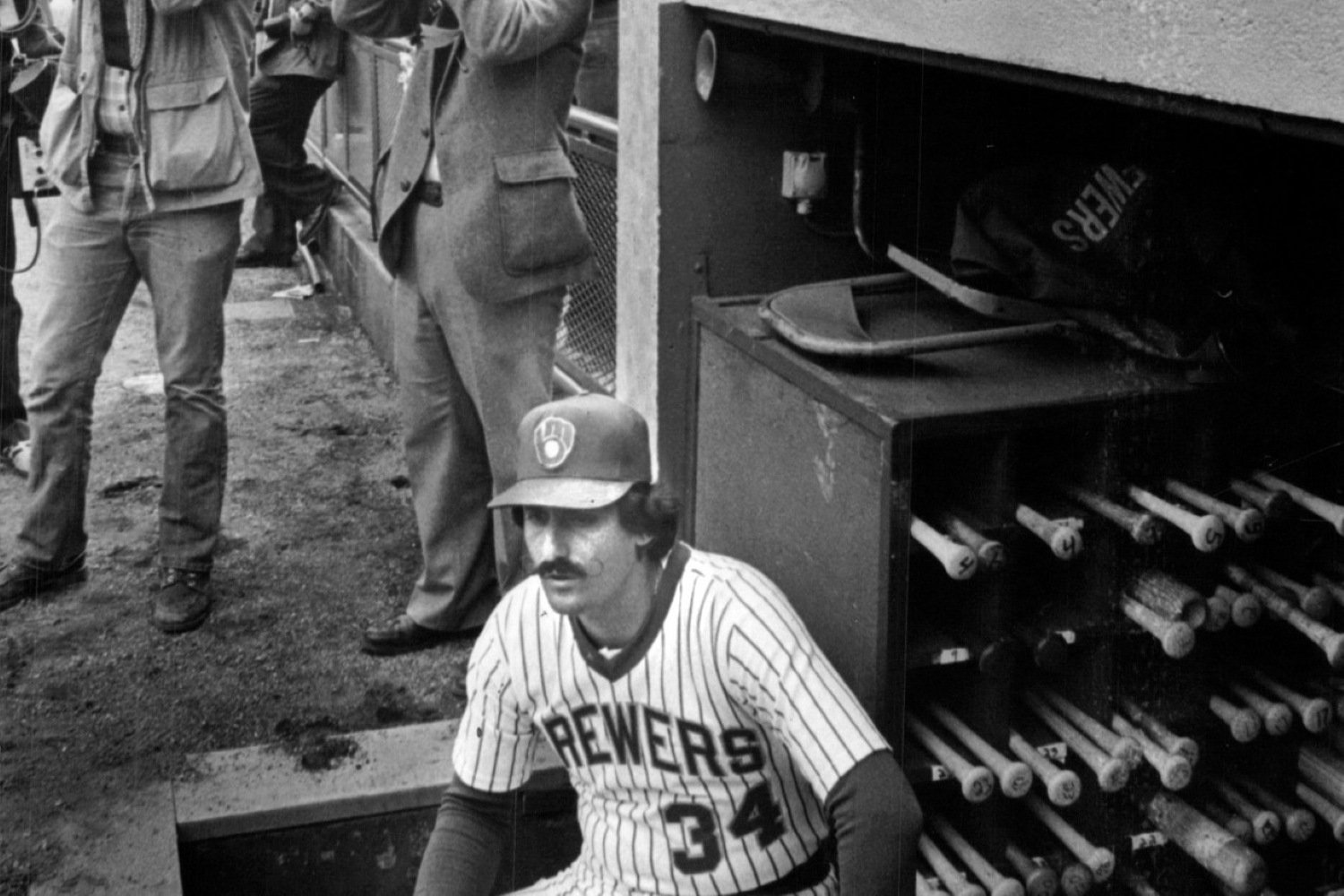 This multi-part series talks about how the Brewers got to their (so far) one and only World Series, and offers a chronological timeline of the 1982 campaign—including player profiles, game recaps, and other events that affected the season. Part 1 Part 2 Spring Training Disaster struck in mid-March when ace closer Rollie Fingers was injured while wrestling with fellow pitcher Randy Lerch on a wet field in Sun City, Arizona. Fingers suffered a slight separation of his left (non-throwing) shoulder, but was expected to be healthy for the start of the season. “We were just messing around,” Fingers said, according to the Wisconsin State Journal. “That was the kid in me coming out.” Before spring training, backup catcher Charlie Moore voiced his displeasure over the lack of playing time behind Ted Simmons. General manager Harry Dalton and the Brewers management offered him a compromise: they would give Moore the right fielder’s job. The new right fielder worked hard during the spring with outfield instructor Sam Suplizio, learning how to play the new position. “You get to that point in your career when you are satisfied to play anywhere,” Moore said. “I know I’m not going to catch unless something happens to Simmons.” While the Brewers were finishing their spring camp in Arizona, Milwaukee was hit by a pair of storms that dumped a foot of snow two days before the home opener against Cleveland on April 6. Milwaukee finished Cactus League action with a record of 9-13-1. Snowy Days The opening series, which was scheduled for Tues., Apr. 6 and Thurs., Apr. 8, was canceled. The Brewers headed to the Astrodome in Houston for two days of workouts before traveling to Toronto for the season opener on April 9. “Having snow blowing all over the seats and piling up in the parking lot is no way to entertain 50,000 people,” Dalton told The Capitol Times. Moore needn't have worried about whether he'd ever don the tools of ignorance again. Simmons suffered a pulled calf muscle during the last days of spring training and missed the first two games of the regular season. Moore took over behind the plate, batting second, and went 2-for-6 with four runs scored and an RBI. The Brewers scored six runs in the first inning against the Blue Jays on the way to a 15-4 rout on a 40-degree day in Toronto. Simmons missed the first three games but returned with a bang, stroking three hits in five trips (including a double and an RBI) in a 9-8 win in 10 innings at Cleveland, as the Brewers improved to 3-1. Team Streak The 1987 team was known as ‘Team Streak,’ but they had nothing on the early-season Brewers of 1982. After winning three of their first four contests, the Brewers promptly lost five straight games to drop to 3-6, falling from first to sixth in the AL East. Fingers struggled in the early going, allowing 11 hits, four walks, three stolen bases and a wild pitch in his first three appearances. He allowed the only runner he inherited to score, and in the two games in which he entered with the game tied, he took the loss. After waiting 10 days for their home opener, the team was swept by the Texas Rangers in a three-game series at County Stadium, including a disappointing 4-1 loss in which the Rangers scored three runs in the 10th before an Opening Day crowd of 49,887. The Brewers then won five in a row, however, with Fingers earning three saves in that stretch. Milwaukee won one of their final three games in April to finish the month with a mark of 9-8, good for third place in the AL East, 2 ½ games behind Boston with Detroit in second place. First baseman Cecil Cooper led the team in that first month, hitting .394/.421/.549. Eventual 1982 MVP Robin Yount was right behind him, with a batting line of .375/.409/.575. However, the team that would become ‘Harvey’s Wallbangers’ got off to a slow start with their power numbers, hitting only 13 home runs in the first month. Ben Oglivie led the team with five. Coming next, part 3: Sluggish May and the Demise of Buck.
 -
Peralta and Pratt for the Schitts!
-
Image courtesy of © Dale Guldan / Milwaukee Journal Sentinel / USA TODAY NETWORK via Imagn Images Dear readers, today we are going to take you back to 1982, when the Milwaukee Brewers reached the World Series for the first and only time in franchise history. It seems like only yesterday that this 22-year-old sat intently before the television, watching every minute of every game of that exciting Series. This multi-part series talks about how the Brewers got there and offers a chronological timeline of the 1982 campaign, including player profiles, game recaps, and other events that affected the season. The 1981 Brewers Season, Complete With a Work Stoppage In 1981, the Milwaukee Brewers reached the postseason for the first time in franchise history, albeit during a strike-shortened campaign. The stoppage began on June 12 and lasted until the players and management reached an agreement on July 31. An All-Star game was played on August 9, and the regular season resumed the next day. The season was split into two halves, with first-half winners playing second-half winners in both leagues for the right to advance to the League Championship and the World Series. The Brewers finished three games behind the New York Yankees in the first half, and it looked like the second half was going to be more of the same, with Milwaukee trailing the Detroit Tigers by three games with only 17 games to go in mid-September. But the Brewers got hot and won 11 of those games and edged both Detroit and Boston by 1 ½ games to win the second-half title in the American League East. Sadly for Milwaukee, the Yankees took three of five games to end the Brewers' season. After the final game, Brewers manager Bob Rodgers said, “We came a long way. This was Step One. Step Two will be in spring training” (Wisconsin State Journal, October 12, 1981). Reliever Rollie Fingers was rewarded for his major league-leading 28 saves, 333 ERA+, and 0.87 WHIP season by winning both the Cy Young Award and the Most Valuable Player Award in the American League, one of only 11 hurlers to claim both honors in the same season. The Brewers Offseason and the Beginning of Spring Training 1982 The Brewers made few moves in the off-season. Their biggest deal was when they traded pitcher Rickey Keeton to the Houston Astros for reliever Pete Ladd. (The pitcher nicknamed ‘Bigfoot’ spent most of 1982 at Triple-A Vancouver but was promoted to Milwaukee in mid-July when pitcher Jamie Easterly went on the disabled list.) Also, just before Thanksgiving, Lorn Brown stepped down from the Brewers radio team when flagship station WISN announced that Bob Uecker’s workload would be increased to six innings, while Brown would be the play-by-play broadcaster for only three innings (Wisconsin State Journal, November 20, 1981). In December, Paul Molitor—who played only 46 games in the outfield and 16 at designated hitter due to ankle surgery—and Brewers management discussed a potential move to third base for the 1982 season (Capital Times, December 4, 1981). The Baseball Hall of Fame called Hank Aaron in January, along with outfielder Frank Robinson. The former Milwaukee Brave and Brewer was named on 406 of the 415 ballots cast. Wonder why nine people left him off their lists… In more broadcast news, it was announced in early February that former Brewer Mike Hegan would join Steve Shannon to do broadcasts for WVTV. The Milwaukee station planned on airing 60 games during the regular season (Wisconsin State Journal, February 4, 1982). Outfielder/designated hitter Larry Hisle, who had played in only 44 games the previous two years, was making his third attempt at a comeback for the Brewers (The Capital Times, February 22, 1982). Unfortunately for Hisle, he would last only nine games during the regular season before going on the DL once again after rotator cuff and other surgeries on his right shoulder. He would announce his retirement after the season. Remember Bob Rodgers, the prophetic Brewers manager? In early March, he told reporters that “If we don’t win, I’m gone. It’s as simple as that” (The Capital Times, March 4, 1982). How did he do? Find out in Part 2. View full article
-
 Dear readers, today we are going to take you back to 1982, when the Milwaukee Brewers reached the World Series for the first and only time in franchise history. It seems like only yesterday that this 22-year-old sat intently before the television, watching every minute of every game of that exciting Series. This multi-part series talks about how the Brewers got there and offers a chronological timeline of the 1982 campaign, including player profiles, game recaps, and other events that affected the season. The 1981 Brewers Season, Complete With a Work Stoppage In 1981, the Milwaukee Brewers reached the postseason for the first time in franchise history, albeit during a strike-shortened campaign. The stoppage began on June 12 and lasted until the players and management reached an agreement on July 31. An All-Star game was played on August 9, and the regular season resumed the next day. The season was split into two halves, with first-half winners playing second-half winners in both leagues for the right to advance to the League Championship and the World Series. The Brewers finished three games behind the New York Yankees in the first half, and it looked like the second half was going to be more of the same, with Milwaukee trailing the Detroit Tigers by three games with only 17 games to go in mid-September. But the Brewers got hot and won 11 of those games and edged both Detroit and Boston by 1 ½ games to win the second-half title in the American League East. Sadly for Milwaukee, the Yankees took three of five games to end the Brewers' season. After the final game, Brewers manager Bob Rodgers said, “We came a long way. This was Step One. Step Two will be in spring training” (Wisconsin State Journal, October 12, 1981). Reliever Rollie Fingers was rewarded for his major league-leading 28 saves, 333 ERA+, and 0.87 WHIP season by winning both the Cy Young Award and the Most Valuable Player Award in the American League, one of only 11 hurlers to claim both honors in the same season. The Brewers Offseason and the Beginning of Spring Training 1982 The Brewers made few moves in the off-season. Their biggest deal was when they traded pitcher Rickey Keeton to the Houston Astros for reliever Pete Ladd. (The pitcher nicknamed ‘Bigfoot’ spent most of 1982 at Triple-A Vancouver but was promoted to Milwaukee in mid-July when pitcher Jamie Easterly went on the disabled list.) Also, just before Thanksgiving, Lorn Brown stepped down from the Brewers radio team when flagship station WISN announced that Bob Uecker’s workload would be increased to six innings, while Brown would be the play-by-play broadcaster for only three innings (Wisconsin State Journal, November 20, 1981). In December, Paul Molitor—who played only 46 games in the outfield and 16 at designated hitter due to ankle surgery—and Brewers management discussed a potential move to third base for the 1982 season (Capital Times, December 4, 1981). The Baseball Hall of Fame called Hank Aaron in January, along with outfielder Frank Robinson. The former Milwaukee Brave and Brewer was named on 406 of the 415 ballots cast. Wonder why nine people left him off their lists… In more broadcast news, it was announced in early February that former Brewer Mike Hegan would join Steve Shannon to do broadcasts for WVTV. The Milwaukee station planned on airing 60 games during the regular season (Wisconsin State Journal, February 4, 1982). Outfielder/designated hitter Larry Hisle, who had played in only 44 games the previous two years, was making his third attempt at a comeback for the Brewers (The Capital Times, February 22, 1982). Unfortunately for Hisle, he would last only nine games during the regular season before going on the DL once again after rotator cuff and other surgeries on his right shoulder. He would announce his retirement after the season. Remember Bob Rodgers, the prophetic Brewers manager? In early March, he told reporters that “If we don’t win, I’m gone. It’s as simple as that” (The Capital Times, March 4, 1982). How did he do? Find out in Part 2.
- 2 comments
-
- 1
-
-
- bob uecker
- paul molitor
- (and 1 more)
-
RILLO!!!!!!
-
Yes, five is, but I wonder if Zerpa shows enough to be a starter and is part of the 6-man. Or, Patrick or Miz are shifted to the pen? I guess that could happen. Or maybe Koenig gets traded. Lots of speculation...that's what makes these projections so much fun!
-
Lockridge can steal a base and plays pretty good defense. But he doesn't walk much and strikes out a lot, based on his minor league numbers. So if he doesn't get on, he can't steal a base. So that leaves us with good defense. Late inning replacement guy? Sure. Someone that has to cover an extended injury? Maybe not...
-
Image courtesy of © William Purnell-Imagn Images Even though Opening Day 2026 is 80 days away, with the flip of the calendar, the temptation to start sketching out what the Milwaukee Brewers will look like in late March has begun to build. Just over a month ago, we published the first version of our projection of the Brewers' Opening Day roster. Here is an update of that projection for the team that takes the field on March 26 against the Chicago White Sox, at Uecker Field. PITCHERS Starting Rotation (5) Freddy Peralta Brandon Woodruff Chad Patrick Jacob Misiorowski Quinn Priester Ideally, of course, each member of this group would stay healthy and perform well enough to make 30 starts. Reality is the antidote for such delusions, though, and the Brewers have realities both behind and before them that figure to shake up the rotation at some point. Peralta is high on the pundits' list of stars most likely to be traded, but he is still in the Brewers fold. Woodruff returned from a year and a half on the shelf in dominant fashion, but landed on the injured list again with a lat strain in September. Presumably, he's back in full health right now, but next season will be a new test of the staying power of his shoulder. Patrick made 23 starts and pitched well enough to earn down-ballot NL Rookie of the Year votes. Misiorowski looked like the Rookie of the Year candidate at one stretch, and has the highest upside of any Brewers pitcher. Priester and his revamped arsenal slot solidly back into the rotation for 2026, after he staked a sturdy claim there in 2025. If one or more of these five falter, the Brewers have exceptional depth to buttress the rotation. Tobias Myers is the most experienced in that group. Logan Henderson dazzled in his brief opportunities with the parent club, and if he's healthy, he could be every bit as good as Patrick or Priester. Robert Gasser made two starts but spent a lot of time on the injured list. In his return from Tommy John surgery, Coleman Crow made 12 starts at two levels, striking out batters at a rate of 32%, though he didn't find his way to the 40-man roster until the end of the season. All of their key starter prospects have minor-league options remaining, so if neither transactions nor injuries blow a hole in the side of the ship, this group can wait at Triple-A Nashville for a while. Only Myers and Crow are candidates to do much work in relief for the team. V 2.0 changes: NONE. Bullpen (8) Grant Anderson Aaron Ashby D.L. Hall Jared Koenig Trevor Megill Abner Uribe Rob Zastryzny Ángel Zerpa On December 14, the Brewers traded Isaac Collins and Nick Mears to the Kansas City Royals for the left-handed Zerpa. In theory, Zerpa replaces Mears in the bullpen, but the Brewers have mentioned that Zerpa could be a candidate for the starting rotation. We will have to see how that shakes out. The group listed (except newcomer Zerpa) pitched about two-thirds of the 634 2/3 innings Brewers relievers spent on the mound last year; expect to see more of the same. With five lefties and three righties in the pen, manager Pat Murphy has the flexibility to match up with opposing batters. Only Koenig and Uribe stayed healthy all year, and each of them wore down as the season progressed. As is true with the starters, the organization boasts good depth in the upper levels of the minors. There's another bullpen's worth of credible big-league hurlers beyond the group above. Craig Yoho, Easton McGee, and Sammy Peralta would be the frontrunners in that group. V 2.0 changes: Mears out, Zerpa in. CATCHERS (2) William Contreras Jeferson Quero Quero will probably get his first shot in the big leagues, as the backup to the workhorse and lineup centerpiece that is Contreras. When Contreras is your starter behind the plate, the backup matters less than it does on most teams. Marco Dinges is probably the next-best backstop in the organization not named Contreras or Quero, but he is about two years away. V 2.0 changes: NONE. INFIELDERS (6) Andrew Vaughn (1B) Brice Turang (2B) Caleb Durbin (3B) Joey Ortiz (SS) Jake Bauers (1B-OF) Andruw Monasterio (INF) Tyler Black and Anthony Seigler are both on the 40-man roster, but neither will make the Opening Day roster, barring something unforeseen. Vaughn and Bauers figure to hold down first base, while Turang, Ortiz and Durbin are entrenched (for now) at the other positions on the dirt. Monasterio's role will be filling in for and backing up all three, unless and until more moves come. V 2.0 changes: NONE. OUTFIELDERS (5) Sal Frelick Jackson Chourio Christian Yelich Blake Perkins Garrett Mitchell Brandon Lockridge, Steward Berroa, and free-agent signee Akil Baddoo are all on the 40-man, but this quintet has the inside track. Lockridge and Berroa might be waived at some point to free up roster spots. Mitchell could be in his make-or-break season; injuries have derailed his last three campaigns. Frelick has played in center and in right, and the phenom Chourio played every outfield spot last year. The question about the team's superstar-in-training is where he's best suited to play. Our Jack Stern wonders if center field might be the spot for Chourio. Yelich can play left in a pinch, but his best defensive days are behind him. Perkins and Mitchell will battle for playing time in center, and if Mitchell is healthy, Chourio could be back in left field almost full-time. V 2.0 changes: Collins out, Baddoo in. A lot can happen over the next two months. The Brewers could add or subtract more players through free agency or trade. This version of the projected Opening Day roster could very well change, but it doesn't need to. Even this version of the roster is a clear favorite to win the NL Central next season. What do you think about this 26-man group? Am I missing anybody? Who is on your projected card? Feel free to start a conversation in the comments section. View full article
-
2026 Milwaukee Brewers Opening Day Roster Projection, v. 2.0
Michael Trzinski posted an article in Brewers
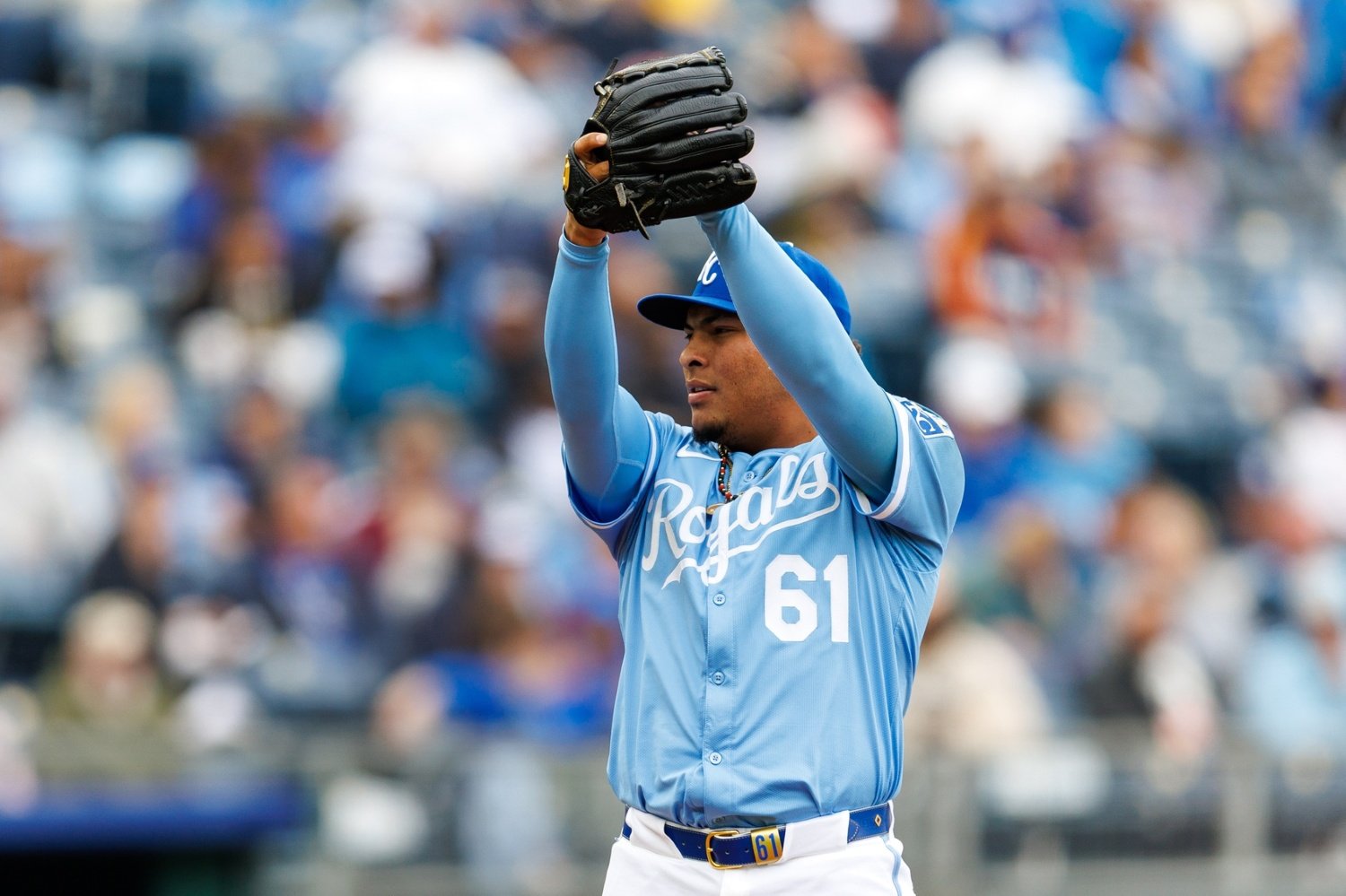 Even though Opening Day 2026 is 80 days away, with the flip of the calendar, the temptation to start sketching out what the Milwaukee Brewers will look like in late March has begun to build. Just over a month ago, we published the first version of our projection of the Brewers' Opening Day roster. Here is an update of that projection for the team that takes the field on March 26 against the Chicago White Sox, at Uecker Field. PITCHERS Starting Rotation (5) Freddy Peralta Brandon Woodruff Chad Patrick Jacob Misiorowski Quinn Priester Ideally, of course, each member of this group would stay healthy and perform well enough to make 30 starts. Reality is the antidote for such delusions, though, and the Brewers have realities both behind and before them that figure to shake up the rotation at some point. Peralta is high on the pundits' list of stars most likely to be traded, but he is still in the Brewers fold. Woodruff returned from a year and a half on the shelf in dominant fashion, but landed on the injured list again with a lat strain in September. Presumably, he's back in full health right now, but next season will be a new test of the staying power of his shoulder. Patrick made 23 starts and pitched well enough to earn down-ballot NL Rookie of the Year votes. Misiorowski looked like the Rookie of the Year candidate at one stretch, and has the highest upside of any Brewers pitcher. Priester and his revamped arsenal slot solidly back into the rotation for 2026, after he staked a sturdy claim there in 2025. If one or more of these five falter, the Brewers have exceptional depth to buttress the rotation. Tobias Myers is the most experienced in that group. Logan Henderson dazzled in his brief opportunities with the parent club, and if he's healthy, he could be every bit as good as Patrick or Priester. Robert Gasser made two starts but spent a lot of time on the injured list. In his return from Tommy John surgery, Coleman Crow made 12 starts at two levels, striking out batters at a rate of 32%, though he didn't find his way to the 40-man roster until the end of the season. All of their key starter prospects have minor-league options remaining, so if neither transactions nor injuries blow a hole in the side of the ship, this group can wait at Triple-A Nashville for a while. Only Myers and Crow are candidates to do much work in relief for the team. V 2.0 changes: NONE. Bullpen (8) Grant Anderson Aaron Ashby D.L. Hall Jared Koenig Trevor Megill Abner Uribe Rob Zastryzny Ángel Zerpa On December 14, the Brewers traded Isaac Collins and Nick Mears to the Kansas City Royals for the left-handed Zerpa. In theory, Zerpa replaces Mears in the bullpen, but the Brewers have mentioned that Zerpa could be a candidate for the starting rotation. We will have to see how that shakes out. The group listed (except newcomer Zerpa) pitched about two-thirds of the 634 2/3 innings Brewers relievers spent on the mound last year; expect to see more of the same. With five lefties and three righties in the pen, manager Pat Murphy has the flexibility to match up with opposing batters. Only Koenig and Uribe stayed healthy all year, and each of them wore down as the season progressed. As is true with the starters, the organization boasts good depth in the upper levels of the minors. There's another bullpen's worth of credible big-league hurlers beyond the group above. Craig Yoho, Easton McGee, and Sammy Peralta would be the frontrunners in that group. V 2.0 changes: Mears out, Zerpa in. CATCHERS (2) William Contreras Jeferson Quero Quero will probably get his first shot in the big leagues, as the backup to the workhorse and lineup centerpiece that is Contreras. When Contreras is your starter behind the plate, the backup matters less than it does on most teams. Marco Dinges is probably the next-best backstop in the organization not named Contreras or Quero, but he is about two years away. V 2.0 changes: NONE. INFIELDERS (6) Andrew Vaughn (1B) Brice Turang (2B) Caleb Durbin (3B) Joey Ortiz (SS) Jake Bauers (1B-OF) Andruw Monasterio (INF) Tyler Black and Anthony Seigler are both on the 40-man roster, but neither will make the Opening Day roster, barring something unforeseen. Vaughn and Bauers figure to hold down first base, while Turang, Ortiz and Durbin are entrenched (for now) at the other positions on the dirt. Monasterio's role will be filling in for and backing up all three, unless and until more moves come. V 2.0 changes: NONE. OUTFIELDERS (5) Sal Frelick Jackson Chourio Christian Yelich Blake Perkins Garrett Mitchell Brandon Lockridge, Steward Berroa, and free-agent signee Akil Baddoo are all on the 40-man, but this quintet has the inside track. Lockridge and Berroa might be waived at some point to free up roster spots. Mitchell could be in his make-or-break season; injuries have derailed his last three campaigns. Frelick has played in center and in right, and the phenom Chourio played every outfield spot last year. The question about the team's superstar-in-training is where he's best suited to play. Our Jack Stern wonders if center field might be the spot for Chourio. Yelich can play left in a pinch, but his best defensive days are behind him. Perkins and Mitchell will battle for playing time in center, and if Mitchell is healthy, Chourio could be back in left field almost full-time. V 2.0 changes: Collins out, Baddoo in. A lot can happen over the next two months. The Brewers could add or subtract more players through free agency or trade. This version of the projected Opening Day roster could very well change, but it doesn't need to. Even this version of the roster is a clear favorite to win the NL Central next season. What do you think about this 26-man group? Am I missing anybody? Who is on your projected card? Feel free to start a conversation in the comments section.
 -
Will The Brewers’ Winter Ever Heat Up?
Michael Trzinski replied to Jason Wang's topic in Brewer Fanatic Front Page News
Maybe Rowdy Tellez?