Michael Trzinski
-
Posts
923 -
Joined
-
Last visited
-
Days Won
1
Content Type
Profiles
Forums
Blogs
Events
News
2026 Milwaukee Brewers Top Prospects Ranking
Milwaukee Brewers Videos
2022 Milwaukee Brewers Draft Picks
Milwaukee Brewers Free Agent & Trade Rumors, Notes, & Tidbits
Guides & Resources
2023 Milwaukee Brewers Draft Picks
2024 Milwaukee Brewers Draft Picks
The Milwaukee Brewers Players Project
2025 Milwaukee Brewers Draft Pick Tracker
2026 Milwaukee Brewers Draft Tracker: Picks & Bonuses
Store
Downloads
Gallery
Everything posted by Michael Trzinski
-
David George Baldwin was born in March 1938 in Tucson, Arizona. After high school, he attended the University of Arizona and despite hurting his right elbow as a sophomore, led the Wildcats to the College World Series the following year before losing in the championship game to Oklahoma State. In the summer of 1959, he signed with the Philadelphia Phillies and scout Danny Regan for a bonus in the $40,000-$50,000 range. After languishing for five years in the Phillies organization, Baldwin was purchased by the New York Mets in early 1964 and released in May. The Houston Colt 45s picked him up on the first day of June and released him at the end of the month. Two weeks later, he was signed by the Washington Senators. After the 1964 season he experimented with a sidearm/submarine style and would use that the rest of his career. He made his big-league debut in 1966 for Washington and appeared in at least 40 games each of the next three years, including a stellar 1967 when he saved 12 games and posted an ERA of 1.70, ERA+ of 187, and a FIP of 2.45. He saved a total of 10 games combined over the next two years in the Nation’s Capital before being traded to the Seattle Pilots in December 1969. When the Pilots became the Brewers in 1970, Baldwin was one of the more effective Brewer relievers, posting a 149 ERA+ and an ERA of 2.55 over 28 relief appearances. In March 1971, Baldwin was purchased by Hawaii in the Triple-A, a farm club of the San Diego Padres. He pitched for two seasons in Hawaii and was purchased by the Chicago White Sox in March 1973. Baldwin was 37 days short of qualifying for a baseball pension, so the pitcher took uniform number 37. General manager Roland Hemond and manager Chuck Tanner called the pitcher up from Triple-A Iowa and kept him on the roster for those 37 days. He pitched 12 games in 1974 in the minors before retiring. Baldwin’s career after baseball is very interesting. He got his PH.D. in genetics and his M.S. in Systems Engineering from the University of Arizona. Baldwin has articles published in the Harvard Business Reviews and several others. He also worked as an artist and one of his paintings is hung in the Baseball Hall of Fame in Cooperstown. View full player
-
Yeah, the bottom of the sixth in Game 7 was kind of a killer.
-
And in looking at the front page pic, the outing turned his hair gray!
-
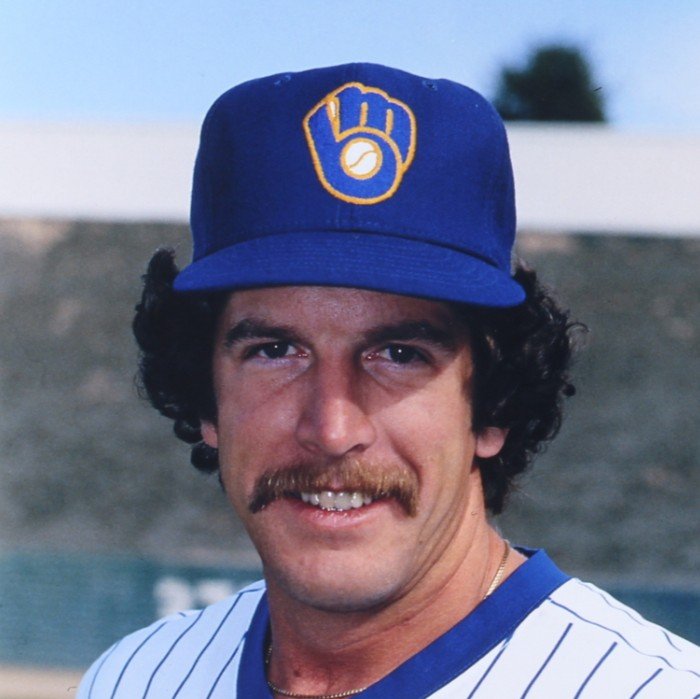 Thomas John Tellmann was born in March 1954 in Warren, Pennsylvania. After high school, Tellmann attended Grand Canyon College in Arizona and was selected in the 11th round by the San Diego Padres in the 1976 MLB Amateur Draft. The lanky (6-foot-3, 195 pound) right-hander led the Single-A California League with 12 saves for Reno in 1977, and ranked second with 14 saves the following year in the Double-A Texas League with Amarillo. One year later, he made his major league debut with the Padres in June and was greeted rudely by the St. Louis Cardinals, who banged Tellmann around for seven hits and five runs in 2.2 innings. He was sent down a few days later to make room for recently acquired outfielder Jay Johnstone. In 1980, the Padres converted Tellmann to a starting role and he performed well, going 13-5 in 24 starts with an ERA of 3.23. He got his second call-up to San Diego and made six appearances in September, including one save and a pair of complete game victories. Despite the solid performance, Tellmann spent the next two years back at Triple-A Hawaii. After the 1982 season, Tellmann was traded to the Milwaukee Brewers for a pair of minor league pitchers. Tellmann was one of the top Brewer relief pitchers over the next two campaigns. In 1983 he notched eight saves and nine wins in 44 games, posting a team runner-up mark of 135 ERA+. The following season he posted an ERA+ mark of 140, even though he walked more (31) than he struck out (28) in 81 innings over 50 appearances. After a dismal spring in 1985, Tellmann was released by the Brewers. “We had to cut somebody,” manager George Bamberger said. “We just felt we had to make some changes.” Ten days later he was signed by the Oakland Athletics. Tellmann made 11 appearances for the A’s and posted a subpar 77 ERA+ and a 5.06 ERA. He was sent down to Triple-A Tacoma and struggled with back problems. He was released after the season by the A’s. In his two years as a Brewer, Tellmann posted a 137 ERA+ with 12 saves and 15 wins.
 -
Thomas John Tellmann was born in March 1954 in Warren, Pennsylvania. After high school, Tellmann attended Grand Canyon College in Arizona and was selected in the 11th round by the San Diego Padres in the 1976 MLB Amateur Draft. The lanky (6-foot-3, 195 pound) right-hander led the Single-A California League with 12 saves for Reno in 1977, and ranked second with 14 saves the following year in the Double-A Texas League with Amarillo. One year later, he made his major league debut with the Padres in June and was greeted rudely by the St. Louis Cardinals, who banged Tellmann around for seven hits and five runs in 2.2 innings. He was sent down a few days later to make room for recently acquired outfielder Jay Johnstone. In 1980, the Padres converted Tellmann to a starting role and he performed well, going 13-5 in 24 starts with an ERA of 3.23. He got his second call-up to San Diego and made six appearances in September, including one save and a pair of complete game victories. Despite the solid performance, Tellmann spent the next two years back at Triple-A Hawaii. After the 1982 season, Tellmann was traded to the Milwaukee Brewers for a pair of minor league pitchers. Tellmann was one of the top Brewer relief pitchers over the next two campaigns. In 1983 he notched eight saves and nine wins in 44 games, posting a team runner-up mark of 135 ERA+. The following season he posted an ERA+ mark of 140, even though he walked more (31) than he struck out (28) in 81 innings over 50 appearances. After a dismal spring in 1985, Tellmann was released by the Brewers. “We had to cut somebody,” manager George Bamberger said. “We just felt we had to make some changes.” Ten days later he was signed by the Oakland Athletics. Tellmann made 11 appearances for the A’s and posted a subpar 77 ERA+ and a 5.06 ERA. He was sent down to Triple-A Tacoma and struggled with back problems. He was released after the season by the A’s. In his two years as a Brewer, Tellmann posted a 137 ERA+ with 12 saves and 15 wins. View full player
-
Thank you!
-
When I was 10 years old, the Seattle Pilots became the Milwaukee Brewers. I spent many a night tucked into bed with my little transistor radio slid beneath the pillow with the volume turned way down low so my parents wouldn’t know that I was awake at 11pm on a school night listening to a game out in California. Image courtesy of Julian Leshay Guadalupe/NorthJersey.com I played little league and senior league until I was about 16, but then girls and parties became more important. Looking back, I wished I had played in high school, but no such thing happened. I was one of the biggest sports fans that I knew; one friend called me ‘Stats’ because I was always throwing numbers out to a group of friends that really didn’t care about baseball, football, and basketball like I did. I was a sports nut. Then I got married and had a kid, and I didn’t have as much time for sports as I did in the past. Although, I do remember watching every game of the 1982 World Series and was crushed like all the other Milwaukee fans when our team lost in seven games to the hated St. Louis Cardinals. Years went by, but as I got older, my intense love for the games started waning a bit, just like a gibbous moon. In my 50s, I started to get a little more involved in politics, but I wanted to keep sports and politics separate. But then things started getting crazy a few years back. I felt like I couldn’t just watch the games without being preached to by one side or the other. Then I just quit watching. Just over a year ago, I started writing for Brewer Fanatic. I was in awe of the contributors that knew so much more about the game than I did. Even though I digested nearly every Bill James tome ever written, analytics really passed me by in the last 10-20 years. Hey, I know all about wins, saves, and RBIs! My expertise is in baseball history. I love doing research and finding out things that even I didn’t know. And then to write an article that gives readers a different perspective? How cool is that? Last November, Brock asked me if I wanted to head up the Milwaukee Brewers Players Project. Are you kidding me, dude? I’m in! Since then, I think I have written about 75 player bios. I hope you read them and find out a little more about your favorite Brewer or more about a player you don’t know much about. And we are always looking for our readers/fans to write a bio or two. It is fun to research and not really that hard to do. Check out some of the bios and just use one as a template. A few paragraphs later, and you’re all done! But I digress. Anyway, after meeting Brock and a couple others at a Brewer game last summer, that helped fire me up even more. I wrote most of the NL Central preview pieces this spring, and did some Opening Day historical stuff, which I thought was pretty cool, too. I always like to work on that history. And like Rodney Dangerfield once said, ‘I’m so old that when I went to school, there was no history!’ Opening Day was earlier this week, and since it was nice out in central Wisconsin, I sat on my porch swing outside on a sunny, 59 degree day and listened to Lane Grindle and Jeff Levering on Sirius satellite. I missed the first inning but listened to the rest of the game while enjoying a few adult beverages. And you know what? It felt GREAT to be following the Brewers once more. I cussed our bad luck when Judge’s grounder to third hit the bag and flew past Vinny Capra, leading the way for the Yankees winning margin. I cringed when ‘Chewy’ whiffed for the fifth time, earning the infamous ‘platinum sombrero.’ But, tomorrow is a new day and our superstar will make up for his bad day. In summary, I want to thank everybody at Brewer Fanatic who has encouraged me and given me direction, especially in trying to figure out those new-fangled analytics. Special thanks to Brock, Brandon, and Matt, along with everyone else who makes Brewer Fanatic so great. And thanks also to all our readers, who are arguably some of the most knowledgeable baseball fans around. By the way, what even is a wOBA?? Play ball! View full article
-
How Brewer Fanatic and the Community Re-Ignited My Love for Baseball
Michael Trzinski posted an article in Brewers
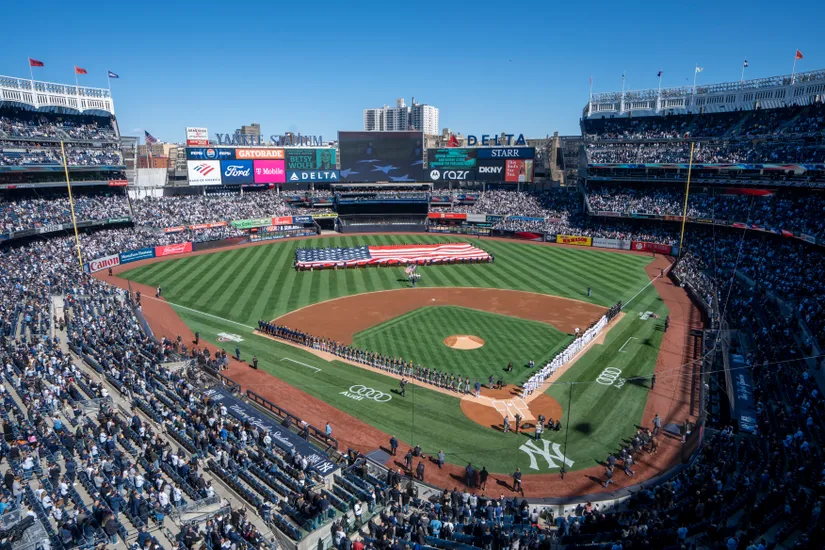 I played little league and senior league until I was about 16, but then girls and parties became more important. Looking back, I wished I had played in high school, but no such thing happened. I was one of the biggest sports fans that I knew; one friend called me ‘Stats’ because I was always throwing numbers out to a group of friends that really didn’t care about baseball, football, and basketball like I did. I was a sports nut. Then I got married and had a kid, and I didn’t have as much time for sports as I did in the past. Although, I do remember watching every game of the 1982 World Series and was crushed like all the other Milwaukee fans when our team lost in seven games to the hated St. Louis Cardinals. Years went by, but as I got older, my intense love for the games started waning a bit, just like a gibbous moon. In my 50s, I started to get a little more involved in politics, but I wanted to keep sports and politics separate. But then things started getting crazy a few years back. I felt like I couldn’t just watch the games without being preached to by one side or the other. Then I just quit watching. Just over a year ago, I started writing for Brewer Fanatic. I was in awe of the contributors that knew so much more about the game than I did. Even though I digested nearly every Bill James tome ever written, analytics really passed me by in the last 10-20 years. Hey, I know all about wins, saves, and RBIs! My expertise is in baseball history. I love doing research and finding out things that even I didn’t know. And then to write an article that gives readers a different perspective? How cool is that? Last November, Brock asked me if I wanted to head up the Milwaukee Brewers Players Project. Are you kidding me, dude? I’m in! Since then, I think I have written about 75 player bios. I hope you read them and find out a little more about your favorite Brewer or more about a player you don’t know much about. And we are always looking for our readers/fans to write a bio or two. It is fun to research and not really that hard to do. Check out some of the bios and just use one as a template. A few paragraphs later, and you’re all done! But I digress. Anyway, after meeting Brock and a couple others at a Brewer game last summer, that helped fire me up even more. I wrote most of the NL Central preview pieces this spring, and did some Opening Day historical stuff, which I thought was pretty cool, too. I always like to work on that history. And like Rodney Dangerfield once said, ‘I’m so old that when I went to school, there was no history!’ Opening Day was earlier this week, and since it was nice out in central Wisconsin, I sat on my porch swing outside on a sunny, 59 degree day and listened to Lane Grindle and Jeff Levering on Sirius satellite. I missed the first inning but listened to the rest of the game while enjoying a few adult beverages. And you know what? It felt GREAT to be following the Brewers once more. I cussed our bad luck when Judge’s grounder to third hit the bag and flew past Vinny Capra, leading the way for the Yankees winning margin. I cringed when ‘Chewy’ whiffed for the fifth time, earning the infamous ‘platinum sombrero.’ But, tomorrow is a new day and our superstar will make up for his bad day. In summary, I want to thank everybody at Brewer Fanatic who has encouraged me and given me direction, especially in trying to figure out those new-fangled analytics. Special thanks to Brock, Brandon, and Matt, along with everyone else who makes Brewer Fanatic so great. And thanks also to all our readers, who are arguably some of the most knowledgeable baseball fans around. By the way, what even is a wOBA?? Play ball!
 -
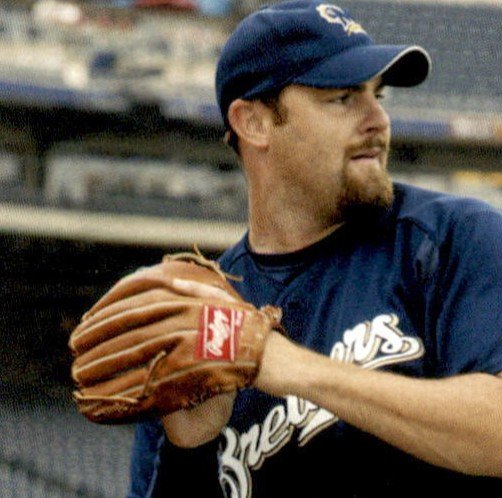 Daniel Lee Kolb was born in March 1975 in Sterling, Illinois. He was drafted by the Minnesota Twins in the 17th round of the 1993 MLB Amateur Draft out of Walnut High School but chose not to sign. Kolb attended Illinois State University and was drafted after his sophomore season in the sixth round of the 1995 draft by the Texas Rangers. The right-hander made his way through the Rangers chain as a starter and made his big-league debut in 1999 with the Rangers, appearing in 16 games as a reliever. He posted a decent 110 OPS+, averaging two innings per outing. Kolb shuttled between the minors and the Rangers the next three seasons before finishing the 2002 season in Arlington, where he pitched in 34 games and earned his first major league save and posted a 113 OPS+. The next spring, Kolb was released by Texas and signed by the Brewers a few days later. Kolb began the 2003 season at Triple-A Indianapolis and after saving four games and posting a 29.5% K rate over 26 games, was called up to Milwaukee. Closer Mike DeJean blew his seventh save of the season and Kolb took over the role in mid-July. He finished the season with 21 saves, a 2.21 OPS+, and a FIP of 3.22. The following season, Kolb made the NL All-Star team for his first and only time, saving 39 games—eighth best in the NL—and an OPS+ of 147. In December he was traded to the Atlanta Braves for prospect José Capellán, as the Braves needed a closer. Kolb struggled in 2005, posting an ERA of 5.93 with only 11 saves before losing his closer job. After the season he was traded back to Milwaukee for Wes Obermueller. Kolb spent the year as a set-up man for closer Derrick Turnbow and earned one save and posted a 94 OPS+. Kolb signed with the Pittsburgh Pirates and pitched in three games for them in 2007 before being released. He pitched at Triple-A Pawtucket for the Red Sox in 2008 before getting his release. Kolb saved a total of 61 games for Milwaukee and posted a 134 OPS+ in 154 games over three seasons. His save total is tied for 10th best in Milwaukee history.
 -
Daniel Lee Kolb was born in March 1975 in Sterling, Illinois. He was drafted by the Minnesota Twins in the 17th round of the 1993 MLB Amateur Draft out of Walnut High School but chose not to sign. Kolb attended Illinois State University and was drafted after his sophomore season in the sixth round of the 1995 draft by the Texas Rangers. The right-hander made his way through the Rangers chain as a starter and made his big-league debut in 1999 with the Rangers, appearing in 16 games as a reliever. He posted a decent 110 OPS+, averaging two innings per outing. Kolb shuttled between the minors and the Rangers the next three seasons before finishing the 2002 season in Arlington, where he pitched in 34 games and earned his first major league save and posted a 113 OPS+. The next spring, Kolb was released by Texas and signed by the Brewers a few days later. Kolb began the 2003 season at Triple-A Indianapolis and after saving four games and posting a 29.5% K rate over 26 games, was called up to Milwaukee. Closer Mike DeJean blew his seventh save of the season and Kolb took over the role in mid-July. He finished the season with 21 saves, a 2.21 OPS+, and a FIP of 3.22. The following season, Kolb made the NL All-Star team for his first and only time, saving 39 games—eighth best in the NL—and an OPS+ of 147. In December he was traded to the Atlanta Braves for prospect José Capellán, as the Braves needed a closer. Kolb struggled in 2005, posting an ERA of 5.93 with only 11 saves before losing his closer job. After the season he was traded back to Milwaukee for Wes Obermueller. Kolb spent the year as a set-up man for closer Derrick Turnbow and earned one save and posted a 94 OPS+. Kolb signed with the Pittsburgh Pirates and pitched in three games for them in 2007 before being released. He pitched at Triple-A Pawtucket for the Red Sox in 2008 before getting his release. Kolb saved a total of 61 games for Milwaukee and posted a 134 OPS+ in 154 games over three seasons. His save total is tied for 10th best in Milwaukee history. View full player
-
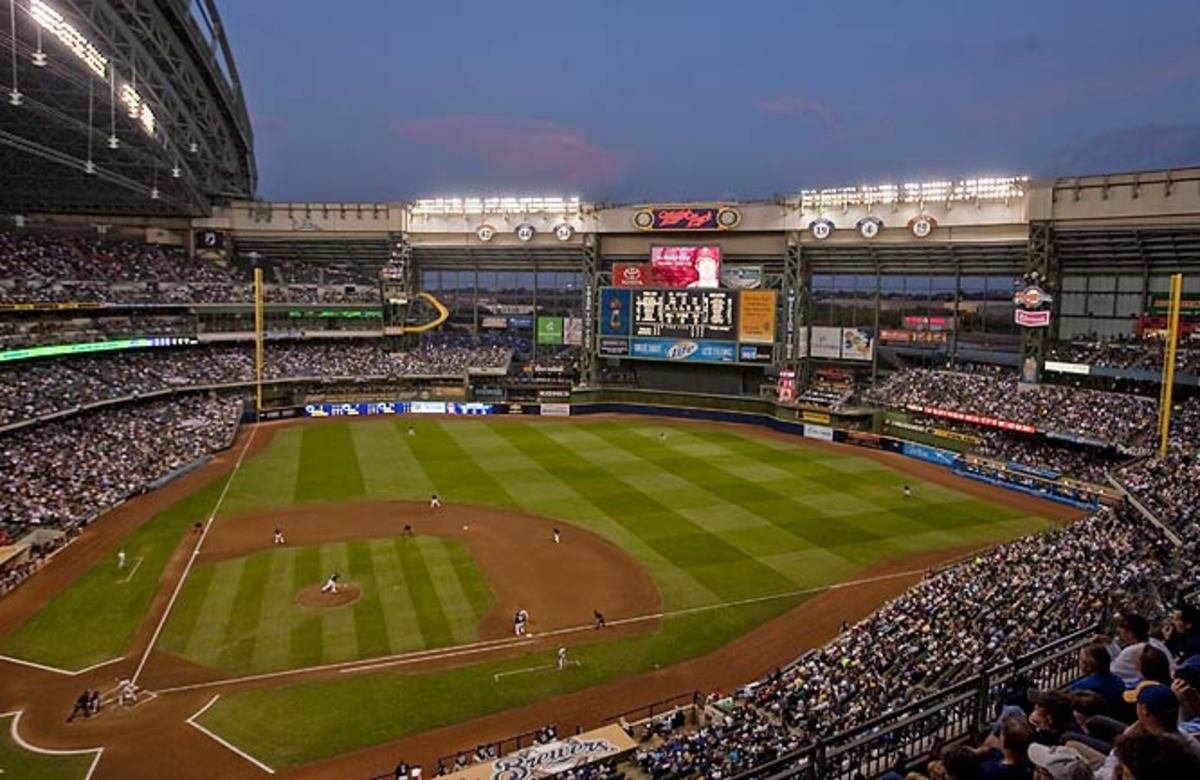 1971 (4-3 win over California) The Brewers were just in their second season and had returned from a two-game split in Minnesota. The Brewers welcomed 40,566 to County Stadium on the day before Easter, with temperatures in the mid-50s. The attendance figure was by far the largest of the season, as the next largest crowd weighed in at just under 29,000 fans in late July against the Yankees. The Brewers were looking for payback against the Angels, who had shut out the Brewers 12-0 the year before in the home opener. The Angels loaded the bases in the first inning before Milwaukee hurler Skip Lockwood struck out Ken McMullen to end the threat. Milwaukee has runners at the corner with one out in the bottom of the third, but California’s Clyde Wright got a popup and flyball to end the inning. The Angels scored in the top of the fourth when first baseman Jim Spencer hit a solo shot to right field to make it 1-0. The Brewers came back in the bottom half when Dave May was hit by a pitch and then stole second, advancing to third on a throwing error by catcher Jerry Moses. Two batters later, Danny Walton hit a line drive that cleared the left field wall and giving the Brewers a 2-1 lead. Walton, who was recovering from the flu, said, “I feel real good now. I don’t think the flu hurt my hitting.” California tied the score in the top of the sixth. Spencer reached on a fielder’s choice and moved to second when McMullen drew a two-out walk. Lockwood threw a breaking pitch that Moses swung at and missed for what should have been the third out, but the ball hit the corner of the plate and bounced toward the third base dugout. Before catcher Ellie Rodríguez or third sacker Tommy Harper could retrieve the ball, Spencer scored from second to knot the score at two apiece. The Brewers took the lead in the bottom half of the seventh. Roberto Peña roped a double to center field and scored on a single to center by Rodríguez. The Angels came back in the guest half of the next inning to tie the game at three. Tony Conigliaro led off with a two-base hit to left, ending Lockwood’s day. Manager Dave Bristol brought in veteran left-hander Marcelino López to put out the fire. Conigliaro stole third and then had to hold on Spencer’s shallow fly to right. McMullen then hit a fly to deep left and ‘Tony C’ scored easily to even the score. Milwaukee loaded the bases in the bottom of the eighth with one out against Wright, who was then removed in favor of righty Mel Queen. Bill Voss pinch-hit for Ted Savage but struck out looking. Queen walked Peña on a 3-2 pitch, scoring Harper to give the Brew Crew a 4-3 lead. López retired the Angels in order on two strikeouts and a ground put to get the 4-3 win. Lockwood went seven innings, allowing six hits, three runs, and three walks while striking out four. Wright’s numbers were similar, with 7.1 innings, six hits, four runs, and three walks. 1980 (9-5 win over Boston) A crowd of 53,313 came out to County Stadium on a crisp 43-degree day to watch the Brewers take on the Boston Red Sox. The Brewers won 95 games the year before, finishing eight games behind AL East champ Baltimore. The fans wanted to see if the team was for real. It wasn’t looking good for the home team as the Red Sox took a 3-0 lead through three innings. Butch Hobson knocked in Carl Yastrzemski in the second with a single off Milwaukee starter Jim Slaton. In the third, Jim Rice and ‘Yaz’ had back-to-back RBI singles to give Boston a three-run lead. ‘Bambi’s Bombers’ came to life in the bottom of the fourth. After two quick outs, Ben Oglivie took a 1-2 pitch from Boston’s Dennis Eckersley into the right field bullpen to cut the lead to 3-1. Gorman Thomas then walked and on the first pitch from Eckersley, Sixto Lezcano slammed a two-run homer to left field to tie the game. In the bottom of the fifth, Paul Molitor hit a solo shot to make it 4-3, Brewers. After Cecil Cooper doubled, Eckersley was removed in favor of Steve Renko. The Red Sox pitcher got out of a bases loaded jam but wouldn’t be so lucky in the sixth. Don Money led off with a home run and the Brewers took a 5-3 lead into the top of the ninth. Yaz led off the ninth with a solo blast and one out later, Hobson teed off on Slaton to tie the game at five. Reggie Cleveland came in and got the final two outs of the inning. Dick Drago came in to face Milwaukee in the bottom of the ninth and gave up an opposite field single to Molitor. Playing for one run, Cooper bunted Molitor to second. It was the first of seven sacrifice bunts for Cooper in 1980. Dick Davis fouled to first for the second out. Drago loaded the bases on an intentional walk to Oglivie and an unintentional walk to Thomas. With the sacks jammed, Lezcano swung at the first pitch from Drago and hit a rising line drive that ended up in the right field bullpen. Bedlam reigned at County Stadium as Lezcano rounded the bases after his walk-off ‘grand salami.’ After he reached the dugout, Lezcano paused to watch the replay on the scoreboard and then tipped his hat to the roaring crowd. Bob Uecker’s call on the home run? “Here’s a drive to deep right-center, way back goes Evans, it’s got a chance to go — GONE! Hey, a grand-slam home run for Lezcano, Oh! What a finish here at County Stadium! Can you believe this today? Lezcano with his second home run of the ballgame, a grand slammer here in the bottom of the ninth. And the Brewers have won this game by a score of 9-5.” Amen, Brother Bob!! 2001 (5-4 win over Cincinnati) President George W. Bush was there. I was there, part of the Opening Day crowd of 42,024 that filled brand spanking new Miller Park. And most importantly, Richie Sexson was there. It didn’t matter that the temperature was in the high 40s with a threat of rain that April 7 evening. Inside the closed roof stadium, the weather was nice. After President Bush threw out the ceremonial first pitch (one-hopper to the LH batter’s box), the game began. The game was scoreless for three innings as Jeff D’Amico and Reds hurler Rob Bell allowed only a combined three baserunners in the first third of the game. In the top of the fourth, Barry Larkin singled before Michael Tucker hit the first HR in Miller Park history, a shot to right field that made the score 2-0 in favor of the visitors. In the bottom half, José Hernández smoked a three-run double to right-center to score Tyler Houston, Jeromy Burnitz, and Jeffrey Hammonds to give the Brewers a 3-2 lead. In the bottom of the sixth, Burnitz hit the first Brewers HR in Miller Park history off reliever Scott Sullivan to increase the lead to 4-2. D’Amico ran out of gas in the seventh as he gave up a leadoff homer to Dmitri Young and after a single to ‘The Mayor,’ Sean Casey, was removed for reliever Mike DeJean. The Brewers pitcher gave up an RBI single to Aaron Boone before getting out of the inning. The score was 4-4 when Sexson came up with one out in the bottom of the eighth inning and slammed a home run to left off Dennys Reyes to give the Brewers a 5-4 lead. The blast traveled an estimated 435 feet to left center over the Brewers bullpen. David Weathers came in and pitched a perfect ninth for the save and the first Miller Park win for Milwaukee. “I’m not seeing the ball very good right now,” Sexson said afterwards. “I had a very good spring, but then I’ve been struggling this week and I’m just trying to get it back again.” Don’t worry, Richie, you did just fine. 2009 (4-3 win over the Chicago Cubs) The Cubs and the Brewers met one other time in a Milwaukee home opener. Before the second largest County Stadium Opening Day crowd (55,770), the Brewers took a 9-4 beating at the paws of the Cubs in the second-to-last home opener at that venerable park. The Brewers had made their first playoff appearance in 26 years the previous October and were looking forward to continuing that success. The Brewers started quickly with an RBI single by Ryan Braun that scored Rickie Weeks for a 1-0 lead in the bottom of the first off Cubs pitcher Rich Harden. Corey Hart extended the lead to 2-0 with his two-out home run in the bottom of the third. Milton Bradley (the ballplayer, not the game company) got the Cubs on the board with a leadoff homer in the top of the fourth off Braden Looper. The score stayed at 2-1 until the top of the sixth. Seth McClung had come in to replace Looper and got quick flyball outs before giving up a single to Ryan Theriot. One batter later, Koyie Hill blasted a two-run shot to give the Cubbies a 3-2 lead. The Brewers had traffic on the bases in the seventh off three Cubs relievers, but Braun flew out to short right with the bases loaded to end the threat. In the top of the eighth, Brewers reliever Todd Coffey got out of a first-and-third jam with a 6-4-3 DP to keep the deficit at one run. In the bottom of the eighth, the Brewers had Prince Fielder in scoring position at second, but Bill Hall struck out to end the inning. Carlos Villanueva pitched a perfect ninth for Milwaukee to set the stage for a Brewers rally. Closer Kevin Gregg, who had gotten the Hall strikeout in the eighth, started by getting Jason Kendall to ground out. Defensive replacement Chris Duffy drew a one-out walk and scored when Weeks lined a ball over left fielder Alfonso Soriano for a two-base hit to tie the game at three. Gregg wild-pitched Weeks to third before walking Hart to put runners at first and third. That brought the Cubs infield in and Braun to the plate. On a 1-2 pitch, Braun hit a grounder to shortstop Theriot, who fired home in an attempt to get Weeks, whose left hand snuck across the plate just before the tag by the catcher. “Luckily I just had a good jump and could get in there safely,” Weeks said. 2013 (5-4 win over Colorado) The year ended in ‘13’ and the game was played on April Fool’s Day, but the Brewers luckily got the last laugh in a 5-4 win. The game was scoreless until the third inning when Troy Tulowitzki hit a two-run shot off Yovani Gallardo that scored Carlos González to give the Rockies an early 2-0 lead. Nori Aoki cut the lead to 2-1 with a solo shot off Jhoulys Chacín in the home half of the third. González slammed a leadoff homer off Gallardo in the top of the fifth to make it 3-1, Colorado. The Brewers began their comeback in the bottom of the eighth. With runners on third and first with one out, Braun hit a ball to deep short that became an infield single and scored Aoki from third, moving Weeks to second. Aramis Ramírez knocked in both runners with a double down the left field line to make it 4-3 in favor of the good guys. Birthday boy closer John Axford struck out the first two batters to bring the Miller Park crowd to its feet. The next batter, Dexter Fowler, sent a first pitch fast ball to deep right, silencing the crowd and tying the score at four. “It’s definitely frustrating,” Axford said after the game. “I felt great out there. It was just the one (pitch) and that’s the way I’ve got to look at it.” The Brewers had a runner on first in the bottom of the ninth but couldn’t score. Jim Henderson put down the Rockies in order in the tenth, bringing the Brewers up for an extra-inning shot. Aoki struck out before Weeks was hit by a pitch and stole second. Braun was intentionally walked and then Ramírez drew a free pass, loading the bases. Jonathan sent the crowd home happy with a walk-off sac fly to center field, scoring Weeks for the 5-4 win. 2021 (6-5 win over Minnesota) After playing in empty stadiums in 2020 due to Covid, the Brewers were able to bring fans into Miller Park in 2021. Milwaukee County allowed 25% of capacity, which meant 11,740 fans spread out in the stadium and watched a close game in which the Brewers were victorious. The Twins opened the scoring with two runs in the top of the third when Jake Cave scored on a Brandon Woodruff wild pitch, and in the same at-bat, Max Kepler knocked in Miguel Sanó with an RBI single. The Brewers responded in the home half when Travis Shaw drew a bases loaded walk off Kenta Maeda to score Kolten Wong to cut the lead to 2-1. Luis Arráez singled home Andrelton Simmons to increase the lead to 3-1 in the top of the fourth. Omar Narváez singled to left to score Christian Yelich to make it 3-2, but Shaw was thrown out trying to score from second by Cave. In the top of the seventh Byron Buxton hit a two-run homer, scoring Kepler, to make the score 5-2. Trailing by three going into the bottom of the ninth, the Brewers had their work cut out for them. Wong was hit by a pitch and then Keston Hiura reached on an error by pitcher Alex Colomé to put runners on first and second. Yelich hit a line drive to right that Kepler was unable to handle, scoring Wong and moving Hiura to second. Avisaíl García grounded out, moving up both runners. Shaw then tied the score with a double to left. Josh Hader started the top of the 10th with Simmons the ‘ghost runner’ on second. With one out, Hader threw a wild pitch to allow Simmons to move up 90 feet by struck out Arráez and Cave to retire the side. Lorenzo Cain was the Brewers ghost runner in the bottom of the 10th and Randy Dobnak took the mound for Minnesota. Narváez singled to right, but Cain could only make it to third. Orlando Arcia tapped a grounder to second and Cain beat the throw home for the winning run. I hope you enjoyed the four-part series on Opening Day highlights. Please feel free to comment with your own favorite Opening Day memories!
 -
The last three days, you read about blowouts, slugfests, and pitching duels. Today’s piece will help you relive some of the best Opening Day wins in Brewers history. Enjoy! Image courtesy of Mike McGinnis/Sports Illustrated 1971 (4-3 win over California) The Brewers were just in their second season and had returned from a two-game split in Minnesota. The Brewers welcomed 40,566 to County Stadium on the day before Easter, with temperatures in the mid-50s. The attendance figure was by far the largest of the season, as the next largest crowd weighed in at just under 29,000 fans in late July against the Yankees. The Brewers were looking for payback against the Angels, who had shut out the Brewers 12-0 the year before in the home opener. The Angels loaded the bases in the first inning before Milwaukee hurler Skip Lockwood struck out Ken McMullen to end the threat. Milwaukee has runners at the corner with one out in the bottom of the third, but California’s Clyde Wright got a popup and flyball to end the inning. The Angels scored in the top of the fourth when first baseman Jim Spencer hit a solo shot to right field to make it 1-0. The Brewers came back in the bottom half when Dave May was hit by a pitch and then stole second, advancing to third on a throwing error by catcher Jerry Moses. Two batters later, Danny Walton hit a line drive that cleared the left field wall and giving the Brewers a 2-1 lead. Walton, who was recovering from the flu, said, “I feel real good now. I don’t think the flu hurt my hitting.” California tied the score in the top of the sixth. Spencer reached on a fielder’s choice and moved to second when McMullen drew a two-out walk. Lockwood threw a breaking pitch that Moses swung at and missed for what should have been the third out, but the ball hit the corner of the plate and bounced toward the third base dugout. Before catcher Ellie Rodríguez or third sacker Tommy Harper could retrieve the ball, Spencer scored from second to knot the score at two apiece. The Brewers took the lead in the bottom half of the seventh. Roberto Peña roped a double to center field and scored on a single to center by Rodríguez. The Angels came back in the guest half of the next inning to tie the game at three. Tony Conigliaro led off with a two-base hit to left, ending Lockwood’s day. Manager Dave Bristol brought in veteran left-hander Marcelino López to put out the fire. Conigliaro stole third and then had to hold on Spencer’s shallow fly to right. McMullen then hit a fly to deep left and ‘Tony C’ scored easily to even the score. Milwaukee loaded the bases in the bottom of the eighth with one out against Wright, who was then removed in favor of righty Mel Queen. Bill Voss pinch-hit for Ted Savage but struck out looking. Queen walked Peña on a 3-2 pitch, scoring Harper to give the Brew Crew a 4-3 lead. López retired the Angels in order on two strikeouts and a ground put to get the 4-3 win. Lockwood went seven innings, allowing six hits, three runs, and three walks while striking out four. Wright’s numbers were similar, with 7.1 innings, six hits, four runs, and three walks. 1980 (9-5 win over Boston) A crowd of 53,313 came out to County Stadium on a crisp 43-degree day to watch the Brewers take on the Boston Red Sox. The Brewers won 95 games the year before, finishing eight games behind AL East champ Baltimore. The fans wanted to see if the team was for real. It wasn’t looking good for the home team as the Red Sox took a 3-0 lead through three innings. Butch Hobson knocked in Carl Yastrzemski in the second with a single off Milwaukee starter Jim Slaton. In the third, Jim Rice and ‘Yaz’ had back-to-back RBI singles to give Boston a three-run lead. ‘Bambi’s Bombers’ came to life in the bottom of the fourth. After two quick outs, Ben Oglivie took a 1-2 pitch from Boston’s Dennis Eckersley into the right field bullpen to cut the lead to 3-1. Gorman Thomas then walked and on the first pitch from Eckersley, Sixto Lezcano slammed a two-run homer to left field to tie the game. In the bottom of the fifth, Paul Molitor hit a solo shot to make it 4-3, Brewers. After Cecil Cooper doubled, Eckersley was removed in favor of Steve Renko. The Red Sox pitcher got out of a bases loaded jam but wouldn’t be so lucky in the sixth. Don Money led off with a home run and the Brewers took a 5-3 lead into the top of the ninth. Yaz led off the ninth with a solo blast and one out later, Hobson teed off on Slaton to tie the game at five. Reggie Cleveland came in and got the final two outs of the inning. Dick Drago came in to face Milwaukee in the bottom of the ninth and gave up an opposite field single to Molitor. Playing for one run, Cooper bunted Molitor to second. It was the first of seven sacrifice bunts for Cooper in 1980. Dick Davis fouled to first for the second out. Drago loaded the bases on an intentional walk to Oglivie and an unintentional walk to Thomas. With the sacks jammed, Lezcano swung at the first pitch from Drago and hit a rising line drive that ended up in the right field bullpen. Bedlam reigned at County Stadium as Lezcano rounded the bases after his walk-off ‘grand salami.’ After he reached the dugout, Lezcano paused to watch the replay on the scoreboard and then tipped his hat to the roaring crowd. Bob Uecker’s call on the home run? “Here’s a drive to deep right-center, way back goes Evans, it’s got a chance to go — GONE! Hey, a grand-slam home run for Lezcano, Oh! What a finish here at County Stadium! Can you believe this today? Lezcano with his second home run of the ballgame, a grand slammer here in the bottom of the ninth. And the Brewers have won this game by a score of 9-5.” Amen, Brother Bob!! 2001 (5-4 win over Cincinnati) President George W. Bush was there. I was there, part of the Opening Day crowd of 42,024 that filled brand spanking new Miller Park. And most importantly, Richie Sexson was there. It didn’t matter that the temperature was in the high 40s with a threat of rain that April 7 evening. Inside the closed roof stadium, the weather was nice. After President Bush threw out the ceremonial first pitch (one-hopper to the LH batter’s box), the game began. The game was scoreless for three innings as Jeff D’Amico and Reds hurler Rob Bell allowed only a combined three baserunners in the first third of the game. In the top of the fourth, Barry Larkin singled before Michael Tucker hit the first HR in Miller Park history, a shot to right field that made the score 2-0 in favor of the visitors. In the bottom half, José Hernández smoked a three-run double to right-center to score Tyler Houston, Jeromy Burnitz, and Jeffrey Hammonds to give the Brewers a 3-2 lead. In the bottom of the sixth, Burnitz hit the first Brewers HR in Miller Park history off reliever Scott Sullivan to increase the lead to 4-2. D’Amico ran out of gas in the seventh as he gave up a leadoff homer to Dmitri Young and after a single to ‘The Mayor,’ Sean Casey, was removed for reliever Mike DeJean. The Brewers pitcher gave up an RBI single to Aaron Boone before getting out of the inning. The score was 4-4 when Sexson came up with one out in the bottom of the eighth inning and slammed a home run to left off Dennys Reyes to give the Brewers a 5-4 lead. The blast traveled an estimated 435 feet to left center over the Brewers bullpen. David Weathers came in and pitched a perfect ninth for the save and the first Miller Park win for Milwaukee. “I’m not seeing the ball very good right now,” Sexson said afterwards. “I had a very good spring, but then I’ve been struggling this week and I’m just trying to get it back again.” Don’t worry, Richie, you did just fine. 2009 (4-3 win over the Chicago Cubs) The Cubs and the Brewers met one other time in a Milwaukee home opener. Before the second largest County Stadium Opening Day crowd (55,770), the Brewers took a 9-4 beating at the paws of the Cubs in the second-to-last home opener at that venerable park. The Brewers had made their first playoff appearance in 26 years the previous October and were looking forward to continuing that success. The Brewers started quickly with an RBI single by Ryan Braun that scored Rickie Weeks for a 1-0 lead in the bottom of the first off Cubs pitcher Rich Harden. Corey Hart extended the lead to 2-0 with his two-out home run in the bottom of the third. Milton Bradley (the ballplayer, not the game company) got the Cubs on the board with a leadoff homer in the top of the fourth off Braden Looper. The score stayed at 2-1 until the top of the sixth. Seth McClung had come in to replace Looper and got quick flyball outs before giving up a single to Ryan Theriot. One batter later, Koyie Hill blasted a two-run shot to give the Cubbies a 3-2 lead. The Brewers had traffic on the bases in the seventh off three Cubs relievers, but Braun flew out to short right with the bases loaded to end the threat. In the top of the eighth, Brewers reliever Todd Coffey got out of a first-and-third jam with a 6-4-3 DP to keep the deficit at one run. In the bottom of the eighth, the Brewers had Prince Fielder in scoring position at second, but Bill Hall struck out to end the inning. Carlos Villanueva pitched a perfect ninth for Milwaukee to set the stage for a Brewers rally. Closer Kevin Gregg, who had gotten the Hall strikeout in the eighth, started by getting Jason Kendall to ground out. Defensive replacement Chris Duffy drew a one-out walk and scored when Weeks lined a ball over left fielder Alfonso Soriano for a two-base hit to tie the game at three. Gregg wild-pitched Weeks to third before walking Hart to put runners at first and third. That brought the Cubs infield in and Braun to the plate. On a 1-2 pitch, Braun hit a grounder to shortstop Theriot, who fired home in an attempt to get Weeks, whose left hand snuck across the plate just before the tag by the catcher. “Luckily I just had a good jump and could get in there safely,” Weeks said. 2013 (5-4 win over Colorado) The year ended in ‘13’ and the game was played on April Fool’s Day, but the Brewers luckily got the last laugh in a 5-4 win. The game was scoreless until the third inning when Troy Tulowitzki hit a two-run shot off Yovani Gallardo that scored Carlos González to give the Rockies an early 2-0 lead. Nori Aoki cut the lead to 2-1 with a solo shot off Jhoulys Chacín in the home half of the third. González slammed a leadoff homer off Gallardo in the top of the fifth to make it 3-1, Colorado. The Brewers began their comeback in the bottom of the eighth. With runners on third and first with one out, Braun hit a ball to deep short that became an infield single and scored Aoki from third, moving Weeks to second. Aramis Ramírez knocked in both runners with a double down the left field line to make it 4-3 in favor of the good guys. Birthday boy closer John Axford struck out the first two batters to bring the Miller Park crowd to its feet. The next batter, Dexter Fowler, sent a first pitch fast ball to deep right, silencing the crowd and tying the score at four. “It’s definitely frustrating,” Axford said after the game. “I felt great out there. It was just the one (pitch) and that’s the way I’ve got to look at it.” The Brewers had a runner on first in the bottom of the ninth but couldn’t score. Jim Henderson put down the Rockies in order in the tenth, bringing the Brewers up for an extra-inning shot. Aoki struck out before Weeks was hit by a pitch and stole second. Braun was intentionally walked and then Ramírez drew a free pass, loading the bases. Jonathan sent the crowd home happy with a walk-off sac fly to center field, scoring Weeks for the 5-4 win. 2021 (6-5 win over Minnesota) After playing in empty stadiums in 2020 due to Covid, the Brewers were able to bring fans into Miller Park in 2021. Milwaukee County allowed 25% of capacity, which meant 11,740 fans spread out in the stadium and watched a close game in which the Brewers were victorious. The Twins opened the scoring with two runs in the top of the third when Jake Cave scored on a Brandon Woodruff wild pitch, and in the same at-bat, Max Kepler knocked in Miguel Sanó with an RBI single. The Brewers responded in the home half when Travis Shaw drew a bases loaded walk off Kenta Maeda to score Kolten Wong to cut the lead to 2-1. Luis Arráez singled home Andrelton Simmons to increase the lead to 3-1 in the top of the fourth. Omar Narváez singled to left to score Christian Yelich to make it 3-2, but Shaw was thrown out trying to score from second by Cave. In the top of the seventh Byron Buxton hit a two-run homer, scoring Kepler, to make the score 5-2. Trailing by three going into the bottom of the ninth, the Brewers had their work cut out for them. Wong was hit by a pitch and then Keston Hiura reached on an error by pitcher Alex Colomé to put runners on first and second. Yelich hit a line drive to right that Kepler was unable to handle, scoring Wong and moving Hiura to second. Avisaíl García grounded out, moving up both runners. Shaw then tied the score with a double to left. Josh Hader started the top of the 10th with Simmons the ‘ghost runner’ on second. With one out, Hader threw a wild pitch to allow Simmons to move up 90 feet by struck out Arráez and Cave to retire the side. Lorenzo Cain was the Brewers ghost runner in the bottom of the 10th and Randy Dobnak took the mound for Minnesota. Narváez singled to right, but Cain could only make it to third. Orlando Arcia tapped a grounder to second and Cain beat the throw home for the winning run. I hope you enjoyed the four-part series on Opening Day highlights. Please feel free to comment with your own favorite Opening Day memories! View full article
-
arrrrr, matey.
-
With Opening Day finally in sight, it’s only fitting that we look back at some of the memorable home openers in Milwaukee Brewers history. Today, we'll look at some of the tightest matchups Brewers' history has to offer. Image courtesy of William Meyer/Milwaukee Journal The Brewers have had six games where a combined three runs or less were scored on Opening Day in Milwaukee. Five of them were shutouts, with the Brewers winning three of them. Here is a closer view of the games in which pitching took the main stage. View full article
-
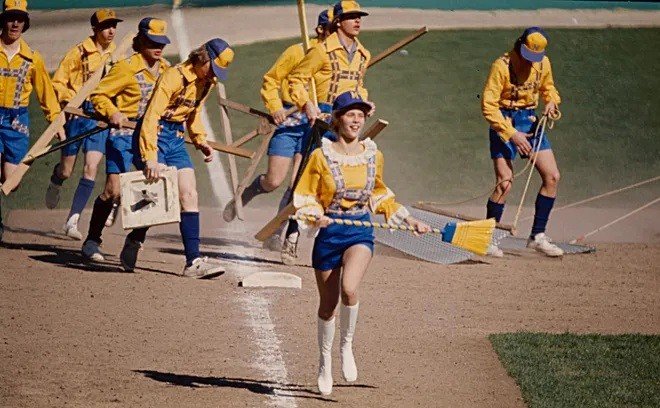 The Brewers have had six games where a combined three runs or less were scored on Opening Day in Milwaukee. Five of them were shutouts, with the Brewers winning three of them. Here is a closer view of the games in which pitching took the main stage.
 -
Laughing at all the seemingly 'off the wall' predictions, but in reality, any or all of them could happen. In your defense, I tried to come up with one bold prediction and couldn't. Kudos to Muma!!
- 4 replies
-
- 1
-

-
- joey ortiz
- trevor megill
- (and 1 more)
-
With Opening Day finally in sight, it’s only fitting that we look back at some of the memorable home openers in Milwaukee Brewers history. Today, we'll be looking at some of the highest-scoring affairs in Opening Day history. Image courtesy of spectrumnews1.com The Brewers have hosted home Opening Days in Milwaukee for 55 years. Their record is 29-26, a winning percentage of .527, or the equivalent of 86 wins in a season. Milwaukee has played eight games where the combined run total is 15 or more. The 12-3 win in 1995 and the 13-4 win in 2008 won’t be included, since they were featured in yesterday’s piece. Here are the other six games that we consider ‘slugfests.’ 1974 (9-8 loss to Boston) The April 6 opener was a chilly one, with the mercury barely crawling to the ‘40’ mark on the thermometer. An 18-year-old kid from California played the first big league game of his Hall of Fame career in front of a County Stadium crowd of 32,761. His name was Robin Yount. ‘The Kid’ batted ninth and went 0-for-1 with a walk and left after being pinch-hit for in the sixth inning by Felipe Alou, who would play in only two more games and get his release from Milwaukee in late April after going 0-for-3. The Brewers grabbed an early lead on a three-run homer by Johnny Briggs in the bottom of the first. The BoSox came back in the second on a two-run shot by catcher Bob Montgomery. The Brewers got one back in the home second when Pedro Garcia scored on a sac fly by Don Money to make it 4-2. Boston scored five times in the top of the third after Yount made an errant throw while trying to complete a double play. He made the force at second for out number two, but a sliding Cecil Cooper spiked Yount in the shin and the shortstop’s throw one-hopped first baseman George Scott, who despite his Gold Glove pedigree, could not make the play. Curiously, neither Yount nor Scott were charged with an error, making all five runs earned. In the inning, Rico Petrocelli and Montgomery each had RBI singles, while Doug Griffin cleared the bases with a double to left field. What could have been a good outing for Brewer starter Jim Colborn ended after 2.2 innings, with four hits, four walks, and seven runs allowed. The 7-4 score held until the bottom of the sixth. The Brewers scored four times in a crazy inning that included a bases-loaded walk; a passed ball that scored Darrell Porter; and back-to-back at-bats with wild pitches thrown by Degui Segui that allowed Bob Coluccio and Garcia to cross the plate, giving the Brewers an 8-7 lead. Boston legend Carl Yastrzemski slammed a two-run jack to right field off Kevin Kobel in the top of the seventh that scored Cooper to give Boston a 9-8 lead. Milwaukee managed only a lead-off double the rest of the way by Tim Johnson (Yount’s replacement) in the ninth, but Segui struck out Ken Berry and Dave May to end the game. Segui got both a blown save and the victory, while Kobel got a blown save and the loss. Money had the most interesting box score line: 1-for-2 with a run scored, RBI, double, walk, sac fly, sac bunt, and stolen base. 1993 (12-5 loss to California) After starting the season by dropping three of five games on a West Coast swing, Milwaukee took on the California Angels in the home opener on April 12. A nice crowd of 53,621 took in the proceedings on a pleasant, sunny 45-degree day. The Brewers came in trying to change their Opening Day luck, having lost 10 of 12 games, including the last five. Chili Davis hit a two-run homer in the top of the first to give the Angels an early 2-0 lead, but that wouldn’t last long. Greg Vaughn and Dickie Thon had RBI singles before a bases loaded walk to B.J. Surhoff scored Vaughn to give the home team a 3-2 lead after one. After Darryl Hamilton banged out his second hit in the bottom of the second, Robin Yount drove him in with an RBI single to extend the Milwaukee lead to 4-2. The Halos scored three times in the top of the third to take a 5-4 lead, courtesy of RBI singles by Chad Curtis and J.T. Snow. Curtis scored a few batters later when Rene Gonzales walked with the bases loaded to give the visitors a one-run lead. Curtis had another RBI base hit to make it 6-4 in the fourth. Brewers catcher Joe Kmak scored on an RBI groundout by Yount in the bottom of the sixth to close the gap to 6-5. The game was up for grabs until the Angels roughed up closer Doug Henry for six runs in the ninth. Snow had another RBI, and Greg Myers had an infield single that scored two runs, but with an error by Thon, no RBIs were credited. Two batters later, Damion Easley sent a ball down the left field line that stayed fair for a three-run blast that ended the scoring. Starter Cal Eldred pitched 3.1 innings, allowing seven hits, six runs, and two walks in taking the loss. Henry’s line was even worse: one inning, three hits, three walks, and six runs. In the first game that Paul Molitor had not played in a Milwaukee uniform since 1978, Hamilton stepped up as the leadoff batter, going 4-for-4 in the contest. Yount, in the final year of his career, played first base and went 2-for-5 with two RBIs. Thon was 3-for-4 with a RBI. 1994 (11-7 win over Oakland) The season was shortened by a work stoppage in early August, but the Brewers won their first game of the season and their last, scoring more than 10 runs in both (11 and 10, respectively). This was one of the worst Opening Days weather-wise in Brewers history, with a temperature of 31 degrees and winds gusting up to 29 mph, making for a wind chill of zero. After the game, general manager Sal Bando said, "I remember openers being postponed because of weather like this, but I don’t remember playing in anything like this.” In what was a prescient comment, Brewer skipper Phil Garner noted, “A dome? No way. A retractable roof with natural grass? Yes.” The A’s didn’t let the Arctic blasts bother them, as they scored five runs in the top of the first. Rubén Sierra scored Rickey Henderson with a sac fly and then after pitcher Cal Eldred gave up a double and two walks, Terry Steinbach made it 5-0 with a grand slam of Eldred. In the bottom half of the first, Kevin Seitzer scored on a sac fly by Greg Vaughn to make it 5-1. Jody Reed and Darryl Hamilton did the same in the second to cut the lead to 5-2. The Brewers tied the game in the bottom of the third. Billy Spiers drew a bases loaded walk to score John Jaha, and one batter later, Alex Diaz doubled home Dave Nilsson and Reed. Troy Neel gave the A’s a 6-5 lead in the top of the sixth when he greeted reliever Mark Kiefer with a leadoff homer. The Brewers would do better in the bottom half. With two outs, Nilsson banged a single to score Vaughn and Jaha to give Milwaukee a 7-6 lead. Then in succession, Reed had a RBI double; Spiers had an RBI single; and Diaz had a RBI triple to increase the lead to 10-6. Reed had a sac fly in the bottom of the eighth and Sierra did the same for Oakland in the top of the ninth to end the scoring. Bobby Witt, father of current Kansas City Royal All-World player Bobby Witt, Jr., started for the A’s but only lasted three innings, giving up five hits, five runs, and six walks. On the Brewers side, Eldred got through five innings, allowing four hits, five runs, and five walks. Kiefer, who got his first big-league win, said, “It’s tough to get a feel on your fastball when it’s that cold.” 2004 (13-7 loss to Houston) The game featured the most total runs scored in a Brewers home opener and believe it or not, the score was 2-2 going into the top of the sixth. Brad Ausmus had an RBI groundout in the top of the second, and then Jeff Bagwell had an RBI single in the next frame to make it 2-0, Houston. Geoff Jenkins knocked in Scott Podsednik in the fourth, and one batter later Lyle Overbay plated Jenkins with a ringing double to center field to tie the game. The Astros tagged three Brewer pitchers for nine runs in the top of the sixth. Starter Wes Obermueller gave up a one out double to Richard Hidalgo that scored a pair of runs. Reliever Ben Ford came in and failed to record an out as two walks and two singles scored three runs to increase the Astros lead to 7-2. Brooks Kieschnick was up next, and he was promptly met by Bagwell’s grand slam. The inning mercifully ended three batters later when Podsednik cut down Jeff Kent trying to score on a Hidalgo single. Trailing 11-2, the Brewers picked up two runs in the bottom of the seventh. Wes Helms scored on Gary Bennett’s single, and then Ben Grieve scored on a base hit by Kieschnick. Hidalgo struck once again in the top of the eighth, singling to score Bagwell and Jason Lane to make the score 13-4. The Brewers closed out the scoring in the bottom of the eighth on a solo homer by Overbay and a two-run shot by Bennett to account for the 13-7 final. For the Astros, Bagwell had four hits and five RBIs while Hidalgo had three hits and four RBIs. Wade Miller got the win, going six innings while allowing four hits and two runs. Hitting stars for Milwaukee were Bennett with two hits and three RBIs, along with Overbay’s two hits and two RBIs. Obermueller didn’t pitch terribly, going 5.1 innings while giving up six hits, five runs, and three walks. The three players that trudged out to the mound after him didn’t fare as well, with Ford, Kieschnick, and Adrián Hernández combining for 3.2 innings, eight hits, eight runs, and five walks. “We just didn’t have good relief pitching today,” manager Ned Yost said. “We didn’t get the job done out of the ‘pen.” 2012 (11-5 loss to St. Louis) A Miller Park record Opening Day crowd of 46,086 saw Milwaukee put up crooked numbers in the first and last inning, but couldn’t keep up to the Cards, who scored in six different frames. In the home half of the first, Rickie Weeks scored on a three-bagger by Carlos Gómez and then Gómez scored on a slow roller to third by Aramis Ramírez to give the Brewers an early 2-0 lead. Yadier Molina led off the second with a solo blast off Yovani Gallardo to cut the lead in half. The gopher ball struck in triplicate the next inning, as Carlos Beltrán and Matt Holliday each hit solo homers, and then David Freese hit a two-run jack two batters later to increase the Redbirds’ lead to 5-2. Freese added an RBI single in the fourth to make it 6-2. Marco Estrada replaced Gallardo after the Freese at-bat and was the only effective pitcher in the contest, retiring all four batters he faced before leaving for a pinch-hitter in the fifth. Lance Berkman made it 7-2 in the top of the sixth with an RBI double off Manny Parra. The Cardinals got another run in the seventh on an infield dribbler that scored Jon Jay. Matt Carpenter and Rafael Furcal had back-to-back doubles in the ninth that scored three more runs, giving St. Louis an 11-2 lead. The Brewers tacked on three runs in the ninth with a pinch-hit home run by George Kottaras. The Cardinals were led by Furcal’s three hits; two hits and three RBIs by Freese; and two hits each by Molina and Beltrán. Jaime García pitched well in the win, allowing five hits and two runs in six innings. Kottaras was the RBI star with three for Milwaukee while Weeks, Gómez, Mat Gamel, and Jonathan Lucroy each banged out two hits. 2016 (12-3 loss to San Francisco) The day was dreary, with temperatures in the low-to-mid 30s with mostly overcast skies. The Brewers scored in each of the three innings but were as cold as the weather in the final six innings, failing to cross home plate after that as the Giants scored a 12-3 victory. The home team could only manage four singles over the last two-thirds of the game. In the bottom of the first, Chris Carter got a bases loaded walk from Madison Bumgarner to give the Brewers a 1-0 lead. The Giants took the lead in the top of the second on Matt Duffy’s two-run single. The Brewers tied the game on Scooter Gennett’s lead-off homer in the second. Denard Span and Brandon Belt each had RBI singles in the top of the third, giving San Fran a 4-2 lead. Once again, the gopher ball haunted Bumgarner, as he gave up yet another lead-off homer in the third to Jonathan Villar to cut the lead to 4-3. That would be as close as they would get. Span hit a sac fly that scored Bumgarner in the fourth, extending the lead to 5-3. Duffy struck again in the fifth with a two-run homer, closing out the scoring until the eighth when the Giants tallied five more times. Brewer reliever Ariel Peña got lit up in the inning, giving up back-to-back-to-back jacks to Span (three-run HR), and solo shots to Joe Panik and Buster Posey. Even though they weren’t big-name players, Span (two hits, five RBIs) and Duffy (two hits, four RBIs) led the way for the Giants, while Belt had three hits and Posey had a pair. For the Brewers, Gennett and Domingo Santana each had two hits. Neither pitcher fared well, but Bumgarner got the win despite giving up five hits, five walk, and three runs in five innings. Wily Peralta only lasted four innings, allowing six hits and two walks, along with five runs (four earned). After a promising nine-pitch first inning, things went downhill after that for Peralta. In his first full season as the Brewers skipper, Craig Counsell preached patience for his young squad. “This is one day,” he said. “They’re going to learn every day they are here. Win or lose, there is a learning experience for a player without a lot of experience.” Opening Day Excitement Opening Day is the day that baseball fans live for. It signals the end of winter and the beginning of baseball. In the jam-packed parking lots at Miller Park (AmFamField), grills are fired up, the beer is flowing, kids are playing catch, and the atmosphere gets cranked up in anticipation of the first game of baseball since the previous October. PLAY BALL! View full article
-
 The Brewers have hosted home Opening Days in Milwaukee for 55 years. Their record is 29-26, a winning percentage of .527, or the equivalent of 86 wins in a season. Milwaukee has played eight games where the combined run total is 15 or more. The 12-3 win in 1995 and the 13-4 win in 2008 won’t be included, since they were featured in yesterday’s piece. Here are the other six games that we consider ‘slugfests.’ 1974 (9-8 loss to Boston) The April 6 opener was a chilly one, with the mercury barely crawling to the ‘40’ mark on the thermometer. An 18-year-old kid from California played the first big league game of his Hall of Fame career in front of a County Stadium crowd of 32,761. His name was Robin Yount. ‘The Kid’ batted ninth and went 0-for-1 with a walk and left after being pinch-hit for in the sixth inning by Felipe Alou, who would play in only two more games and get his release from Milwaukee in late April after going 0-for-3. The Brewers grabbed an early lead on a three-run homer by Johnny Briggs in the bottom of the first. The BoSox came back in the second on a two-run shot by catcher Bob Montgomery. The Brewers got one back in the home second when Pedro Garcia scored on a sac fly by Don Money to make it 4-2. Boston scored five times in the top of the third after Yount made an errant throw while trying to complete a double play. He made the force at second for out number two, but a sliding Cecil Cooper spiked Yount in the shin and the shortstop’s throw one-hopped first baseman George Scott, who despite his Gold Glove pedigree, could not make the play. Curiously, neither Yount nor Scott were charged with an error, making all five runs earned. In the inning, Rico Petrocelli and Montgomery each had RBI singles, while Doug Griffin cleared the bases with a double to left field. What could have been a good outing for Brewer starter Jim Colborn ended after 2.2 innings, with four hits, four walks, and seven runs allowed. The 7-4 score held until the bottom of the sixth. The Brewers scored four times in a crazy inning that included a bases-loaded walk; a passed ball that scored Darrell Porter; and back-to-back at-bats with wild pitches thrown by Degui Segui that allowed Bob Coluccio and Garcia to cross the plate, giving the Brewers an 8-7 lead. Boston legend Carl Yastrzemski slammed a two-run jack to right field off Kevin Kobel in the top of the seventh that scored Cooper to give Boston a 9-8 lead. Milwaukee managed only a lead-off double the rest of the way by Tim Johnson (Yount’s replacement) in the ninth, but Segui struck out Ken Berry and Dave May to end the game. Segui got both a blown save and the victory, while Kobel got a blown save and the loss. Money had the most interesting box score line: 1-for-2 with a run scored, RBI, double, walk, sac fly, sac bunt, and stolen base. 1993 (12-5 loss to California) After starting the season by dropping three of five games on a West Coast swing, Milwaukee took on the California Angels in the home opener on April 12. A nice crowd of 53,621 took in the proceedings on a pleasant, sunny 45-degree day. The Brewers came in trying to change their Opening Day luck, having lost 10 of 12 games, including the last five. Chili Davis hit a two-run homer in the top of the first to give the Angels an early 2-0 lead, but that wouldn’t last long. Greg Vaughn and Dickie Thon had RBI singles before a bases loaded walk to B.J. Surhoff scored Vaughn to give the home team a 3-2 lead after one. After Darryl Hamilton banged out his second hit in the bottom of the second, Robin Yount drove him in with an RBI single to extend the Milwaukee lead to 4-2. The Halos scored three times in the top of the third to take a 5-4 lead, courtesy of RBI singles by Chad Curtis and J.T. Snow. Curtis scored a few batters later when Rene Gonzales walked with the bases loaded to give the visitors a one-run lead. Curtis had another RBI base hit to make it 6-4 in the fourth. Brewers catcher Joe Kmak scored on an RBI groundout by Yount in the bottom of the sixth to close the gap to 6-5. The game was up for grabs until the Angels roughed up closer Doug Henry for six runs in the ninth. Snow had another RBI, and Greg Myers had an infield single that scored two runs, but with an error by Thon, no RBIs were credited. Two batters later, Damion Easley sent a ball down the left field line that stayed fair for a three-run blast that ended the scoring. Starter Cal Eldred pitched 3.1 innings, allowing seven hits, six runs, and two walks in taking the loss. Henry’s line was even worse: one inning, three hits, three walks, and six runs. In the first game that Paul Molitor had not played in a Milwaukee uniform since 1978, Hamilton stepped up as the leadoff batter, going 4-for-4 in the contest. Yount, in the final year of his career, played first base and went 2-for-5 with two RBIs. Thon was 3-for-4 with a RBI. 1994 (11-7 win over Oakland) The season was shortened by a work stoppage in early August, but the Brewers won their first game of the season and their last, scoring more than 10 runs in both (11 and 10, respectively). This was one of the worst Opening Days weather-wise in Brewers history, with a temperature of 31 degrees and winds gusting up to 29 mph, making for a wind chill of zero. After the game, general manager Sal Bando said, "I remember openers being postponed because of weather like this, but I don’t remember playing in anything like this.” In what was a prescient comment, Brewer skipper Phil Garner noted, “A dome? No way. A retractable roof with natural grass? Yes.” The A’s didn’t let the Arctic blasts bother them, as they scored five runs in the top of the first. Rubén Sierra scored Rickey Henderson with a sac fly and then after pitcher Cal Eldred gave up a double and two walks, Terry Steinbach made it 5-0 with a grand slam of Eldred. In the bottom half of the first, Kevin Seitzer scored on a sac fly by Greg Vaughn to make it 5-1. Jody Reed and Darryl Hamilton did the same in the second to cut the lead to 5-2. The Brewers tied the game in the bottom of the third. Billy Spiers drew a bases loaded walk to score John Jaha, and one batter later, Alex Diaz doubled home Dave Nilsson and Reed. Troy Neel gave the A’s a 6-5 lead in the top of the sixth when he greeted reliever Mark Kiefer with a leadoff homer. The Brewers would do better in the bottom half. With two outs, Nilsson banged a single to score Vaughn and Jaha to give Milwaukee a 7-6 lead. Then in succession, Reed had a RBI double; Spiers had an RBI single; and Diaz had a RBI triple to increase the lead to 10-6. Reed had a sac fly in the bottom of the eighth and Sierra did the same for Oakland in the top of the ninth to end the scoring. Bobby Witt, father of current Kansas City Royal All-World player Bobby Witt, Jr., started for the A’s but only lasted three innings, giving up five hits, five runs, and six walks. On the Brewers side, Eldred got through five innings, allowing four hits, five runs, and five walks. Kiefer, who got his first big-league win, said, “It’s tough to get a feel on your fastball when it’s that cold.” 2004 (13-7 loss to Houston) The game featured the most total runs scored in a Brewers home opener and believe it or not, the score was 2-2 going into the top of the sixth. Brad Ausmus had an RBI groundout in the top of the second, and then Jeff Bagwell had an RBI single in the next frame to make it 2-0, Houston. Geoff Jenkins knocked in Scott Podsednik in the fourth, and one batter later Lyle Overbay plated Jenkins with a ringing double to center field to tie the game. The Astros tagged three Brewer pitchers for nine runs in the top of the sixth. Starter Wes Obermueller gave up a one out double to Richard Hidalgo that scored a pair of runs. Reliever Ben Ford came in and failed to record an out as two walks and two singles scored three runs to increase the Astros lead to 7-2. Brooks Kieschnick was up next, and he was promptly met by Bagwell’s grand slam. The inning mercifully ended three batters later when Podsednik cut down Jeff Kent trying to score on a Hidalgo single. Trailing 11-2, the Brewers picked up two runs in the bottom of the seventh. Wes Helms scored on Gary Bennett’s single, and then Ben Grieve scored on a base hit by Kieschnick. Hidalgo struck once again in the top of the eighth, singling to score Bagwell and Jason Lane to make the score 13-4. The Brewers closed out the scoring in the bottom of the eighth on a solo homer by Overbay and a two-run shot by Bennett to account for the 13-7 final. For the Astros, Bagwell had four hits and five RBIs while Hidalgo had three hits and four RBIs. Wade Miller got the win, going six innings while allowing four hits and two runs. Hitting stars for Milwaukee were Bennett with two hits and three RBIs, along with Overbay’s two hits and two RBIs. Obermueller didn’t pitch terribly, going 5.1 innings while giving up six hits, five runs, and three walks. The three players that trudged out to the mound after him didn’t fare as well, with Ford, Kieschnick, and Adrián Hernández combining for 3.2 innings, eight hits, eight runs, and five walks. “We just didn’t have good relief pitching today,” manager Ned Yost said. “We didn’t get the job done out of the ‘pen.” 2012 (11-5 loss to St. Louis) A Miller Park record Opening Day crowd of 46,086 saw Milwaukee put up crooked numbers in the first and last inning, but couldn’t keep up to the Cards, who scored in six different frames. In the home half of the first, Rickie Weeks scored on a three-bagger by Carlos Gómez and then Gómez scored on a slow roller to third by Aramis Ramírez to give the Brewers an early 2-0 lead. Yadier Molina led off the second with a solo blast off Yovani Gallardo to cut the lead in half. The gopher ball struck in triplicate the next inning, as Carlos Beltrán and Matt Holliday each hit solo homers, and then David Freese hit a two-run jack two batters later to increase the Redbirds’ lead to 5-2. Freese added an RBI single in the fourth to make it 6-2. Marco Estrada replaced Gallardo after the Freese at-bat and was the only effective pitcher in the contest, retiring all four batters he faced before leaving for a pinch-hitter in the fifth. Lance Berkman made it 7-2 in the top of the sixth with an RBI double off Manny Parra. The Cardinals got another run in the seventh on an infield dribbler that scored Jon Jay. Matt Carpenter and Rafael Furcal had back-to-back doubles in the ninth that scored three more runs, giving St. Louis an 11-2 lead. The Brewers tacked on three runs in the ninth with a pinch-hit home run by George Kottaras. The Cardinals were led by Furcal’s three hits; two hits and three RBIs by Freese; and two hits each by Molina and Beltrán. Jaime García pitched well in the win, allowing five hits and two runs in six innings. Kottaras was the RBI star with three for Milwaukee while Weeks, Gómez, Mat Gamel, and Jonathan Lucroy each banged out two hits. 2016 (12-3 loss to San Francisco) The day was dreary, with temperatures in the low-to-mid 30s with mostly overcast skies. The Brewers scored in each of the three innings but were as cold as the weather in the final six innings, failing to cross home plate after that as the Giants scored a 12-3 victory. The home team could only manage four singles over the last two-thirds of the game. In the bottom of the first, Chris Carter got a bases loaded walk from Madison Bumgarner to give the Brewers a 1-0 lead. The Giants took the lead in the top of the second on Matt Duffy’s two-run single. The Brewers tied the game on Scooter Gennett’s lead-off homer in the second. Denard Span and Brandon Belt each had RBI singles in the top of the third, giving San Fran a 4-2 lead. Once again, the gopher ball haunted Bumgarner, as he gave up yet another lead-off homer in the third to Jonathan Villar to cut the lead to 4-3. That would be as close as they would get. Span hit a sac fly that scored Bumgarner in the fourth, extending the lead to 5-3. Duffy struck again in the fifth with a two-run homer, closing out the scoring until the eighth when the Giants tallied five more times. Brewer reliever Ariel Peña got lit up in the inning, giving up back-to-back-to-back jacks to Span (three-run HR), and solo shots to Joe Panik and Buster Posey. Even though they weren’t big-name players, Span (two hits, five RBIs) and Duffy (two hits, four RBIs) led the way for the Giants, while Belt had three hits and Posey had a pair. For the Brewers, Gennett and Domingo Santana each had two hits. Neither pitcher fared well, but Bumgarner got the win despite giving up five hits, five walk, and three runs in five innings. Wily Peralta only lasted four innings, allowing six hits and two walks, along with five runs (four earned). After a promising nine-pitch first inning, things went downhill after that for Peralta. In his first full season as the Brewers skipper, Craig Counsell preached patience for his young squad. “This is one day,” he said. “They’re going to learn every day they are here. Win or lose, there is a learning experience for a player without a lot of experience.” Opening Day Excitement Opening Day is the day that baseball fans live for. It signals the end of winter and the beginning of baseball. In the jam-packed parking lots at Miller Park (AmFamField), grills are fired up, the beer is flowing, kids are playing catch, and the atmosphere gets cranked up in anticipation of the first game of baseball since the previous October. PLAY BALL!
 -
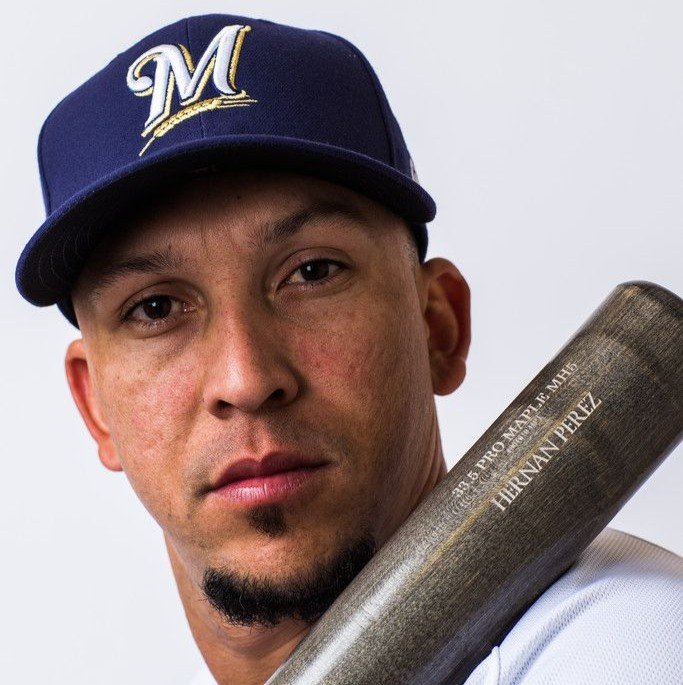 Hernán Alejandro Pérez was born in March 1991 in Villa de Cura, Venezuela. He was signed by the Detroit Tigers as an international free agent in 2007. He made slow progress through the low minors, never getting beyond High-A until he made his major league debut in early June 2012. Pérez replaced Jhonny Peralta, who went on paternity leave for a couple days. The utility infielder got his first big-league hit in his second game when he beat out a slow roller. He was sent back down after two games when Peralta returned. Pérez appeared in just 64 games for the Tigers over the next three years while spending the rest of his time in Double-A and Triple-A before he was DFA’d by Detroit. The Brewers snapped him up immediately. Over the last four months of the 2015 season, Pérez slashed .270/.281/.365 while playing every infield position for Milwaukee. Pérez had his best overall season in 2016, slashing .272/.302/.428 with career highs in runs scored (50), RBI (56), stolen bases (34), OPS (.730), and OPS+ (91). He hardly ever walked (4.1% BB rate) but had good speed and showed some pop. The next season was similar, with Pérez setting new highs with 112 hits, 19 doubles, 14 homers, and 20 walks. The following year (2018), Pérez hit .253/.290/.386 over 316 at-bats and for the second straight year, played every position on the diamond except for catcher. Pérez began 2019 with Milwaukee but was DFA’d in late June after batting .235/.277/.383. He accepted a demotion to Triple-A San Antonio and performed well in 27 games, hitting five home runs and posting an OPS of .895. The Brewers recalled him in early August and finished the season with a batting line of .228/.262/.379 with eight home runs over 232 at-bats while posting a subpar OPS+ of 64. He was released after the season and was signed by the Chicago Cubs. The 2020 season was a waste due to Covid, and Pérez was released after playing just three games. Over the next four years, Pérez played only 10 more games in the big leagues with the Washington Nationals. He also spent time in the Braves, Twins, and Reds organizations. He also spent two months at Triple-A Nashville for the Brewers and even though he slashed .357/.396/.536 over 84 at-bats, Pérez was granted his release. He played 59 games for the Kanwha Eagles in the Korea Baseball Organization. Since then, Pérez has played 231 games at the Triple-A level for three different organizations but never made it back to the big leagues. Pérez spent the 2024-25 winter playing in the Venezuelan Winter League. He also represented Venezuela in the World Baseball Classic in 2017 and 2023.
 -
Hernán Alejandro Pérez was born in March 1991 in Villa de Cura, Venezuela. He was signed by the Detroit Tigers as an international free agent in 2007. He made slow progress through the low minors, never getting beyond High-A until he made his major league debut in early June 2012. Pérez replaced Jhonny Peralta, who went on paternity leave for a couple days. The utility infielder got his first big-league hit in his second game when he beat out a slow roller. He was sent back down after two games when Peralta returned. Pérez appeared in just 64 games for the Tigers over the next three years while spending the rest of his time in Double-A and Triple-A before he was DFA’d by Detroit. The Brewers snapped him up immediately. Over the last four months of the 2015 season, Pérez slashed .270/.281/.365 while playing every infield position for Milwaukee. Pérez had his best overall season in 2016, slashing .272/.302/.428 with career highs in runs scored (50), RBI (56), stolen bases (34), OPS (.730), and OPS+ (91). He hardly ever walked (4.1% BB rate) but had good speed and showed some pop. The next season was similar, with Pérez setting new highs with 112 hits, 19 doubles, 14 homers, and 20 walks. The following year (2018), Pérez hit .253/.290/.386 over 316 at-bats and for the second straight year, played every position on the diamond except for catcher. Pérez began 2019 with Milwaukee but was DFA’d in late June after batting .235/.277/.383. He accepted a demotion to Triple-A San Antonio and performed well in 27 games, hitting five home runs and posting an OPS of .895. The Brewers recalled him in early August and finished the season with a batting line of .228/.262/.379 with eight home runs over 232 at-bats while posting a subpar OPS+ of 64. He was released after the season and was signed by the Chicago Cubs. The 2020 season was a waste due to Covid, and Pérez was released after playing just three games. Over the next four years, Pérez played only 10 more games in the big leagues with the Washington Nationals. He also spent time in the Braves, Twins, and Reds organizations. He also spent two months at Triple-A Nashville for the Brewers and even though he slashed .357/.396/.536 over 84 at-bats, Pérez was granted his release. He played 59 games for the Kanwha Eagles in the Korea Baseball Organization. Since then, Pérez has played 231 games at the Triple-A level for three different organizations but never made it back to the big leagues. Pérez spent the 2024-25 winter playing in the Venezuelan Winter League. He also represented Venezuela in the World Baseball Classic in 2017 and 2023. View full player
-
Jon Corey Hart was born in March 1982 in Bowling Green, Kentucky. After starring in both basketball and baseball at Greenwood High School, Hart signed a letter of intent to attend Western Kentucky University. A month later he was picked by the Brewers in the 11th round of the 2000 MLB Amateur Draft. He elected to sign with the Brewers and began his pro career at Ogden (Utah) in the rookie Pioneer League. He moved steadily up the ladder the next five years, including playing in the Futures Game in 2002 at Miller Park. The lanky (6-foot-6) Hart made his major league debut on May 25, 2004, and almost homered in his first trip to the plate, but his long drive to left field hooked foul into the second deck at Miller Park. He eventually struck out and was sent down after the game to make room for pitcher Chris Capuano. Hart spent most of the 2004 and ’05 seasons at Triple-A before getting another sip of Starbucks in 2005, spending the last six weeks of the season in Milwaukee, including getting his first big league hit, a three-run homer in an 8-3 win over Cincinnati on August 14. He played four games to start the season in Milwaukee in 2006, then was sent down for a month before being recalled to Milwaukee, where he finished the season. In 87 games, he slashed .283/.328/.468 over 237 at-bats. Hart spent the next six years as a regular for the Brewers, playing mostly in right field before moving to first base in 2012 after Prince Fielder signed with the Detroit Tigers as a free agent before the season. Hart was an NL All-Star in 2008 and ’10 and earned down-ballot MVP votes in the latter season. He set career highs with 157 games, 164 hits, 45 doubles, and 23 steals in 2008. The following season, Hart missed all of August and one week in September due to an appendectomy. He rebounded well in 2010, setting career highs with 91 runs scored (later tied in 2012), 31 home runs, and 102 RBI. Hart also posted a 130 OPS+, which he bested the following year with a 133 OPS+. Hart missed the entire 2013 season after undergoing surgery on his right knee to repair a torn meniscus and other damage. After the season, the Brewers and Hart were unable to come to an agreement on a contract, and he instead signed a one-year deal with the Seattle Mariners. Hart started out slowly, batting only .209/.295/.353 in mid-May when he went on the disabled list with a strained left hamstring. He struggled upon his return and went on the disabled list in early August with a bruised right knee. He played sparingly in September and was DFA’d by Seattle after the season. Just before Christmas 2014, the Pittsburgh Pirates signed Hart as a free agent. He went on the disabled list in late June with shoulder and knee problems. In his last two games in the majors Hart went 4-for-7 with a home run. He announced his retirement in 2017 and was honored by the Brewers, earning a plaque on Miller Park’s Wall of Honor. Hart finished his nine-year Brewer career with 154 home runs, currently ranking 11th on the Brewers all-time list. He is also ninth with 211 doubles and tied for sixth with 33 triples on the all-time Brewers list. Including two years with Seattle and Pittsburgh, Hart banged out 1,009 base hits, 221 doubles, and 162 home runs. View full player
-
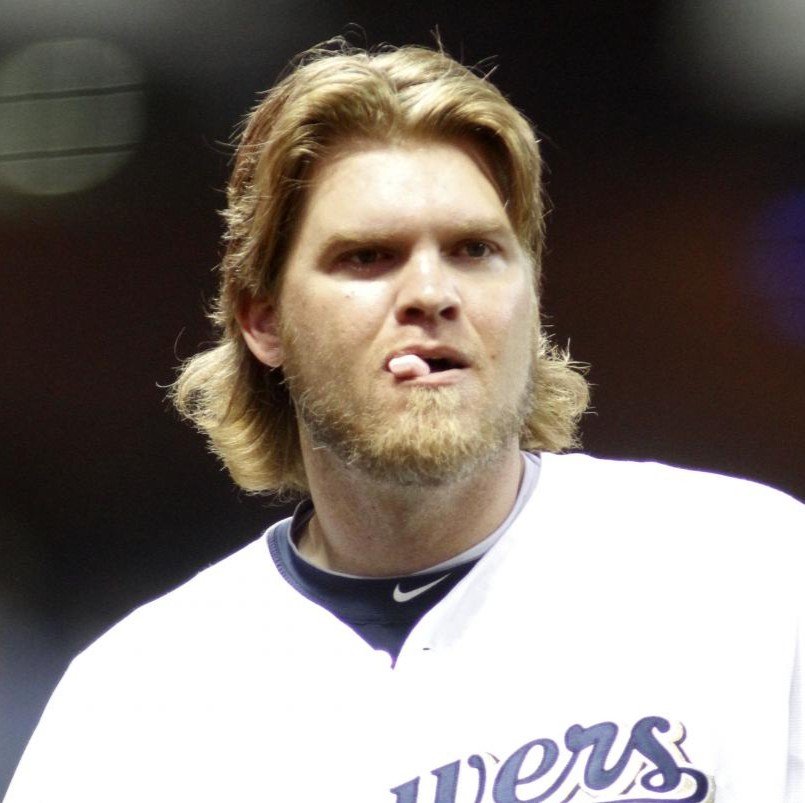 Jon Corey Hart was born in March 1982 in Bowling Green, Kentucky. After starring in both basketball and baseball at Greenwood High School, Hart signed a letter of intent to attend Western Kentucky University. A month later he was picked by the Brewers in the 11th round of the 2000 MLB Amateur Draft. He elected to sign with the Brewers and began his pro career at Ogden (Utah) in the rookie Pioneer League. He moved steadily up the ladder the next five years, including playing in the Futures Game in 2002 at Miller Park. The lanky (6-foot-6) Hart made his major league debut on May 25, 2004, and almost homered in his first trip to the plate, but his long drive to left field hooked foul into the second deck at Miller Park. He eventually struck out and was sent down after the game to make room for pitcher Chris Capuano. Hart spent most of the 2004 and ’05 seasons at Triple-A before getting another sip of Starbucks in 2005, spending the last six weeks of the season in Milwaukee, including getting his first big league hit, a three-run homer in an 8-3 win over Cincinnati on August 14. He played four games to start the season in Milwaukee in 2006, then was sent down for a month before being recalled to Milwaukee, where he finished the season. In 87 games, he slashed .283/.328/.468 over 237 at-bats. Hart spent the next six years as a regular for the Brewers, playing mostly in right field before moving to first base in 2012 after Prince Fielder signed with the Detroit Tigers as a free agent before the season. Hart was an NL All-Star in 2008 and ’10 and earned down-ballot MVP votes in the latter season. He set career highs with 157 games, 164 hits, 45 doubles, and 23 steals in 2008. The following season, Hart missed all of August and one week in September due to an appendectomy. He rebounded well in 2010, setting career highs with 91 runs scored (later tied in 2012), 31 home runs, and 102 RBI. Hart also posted a 130 OPS+, which he bested the following year with a 133 OPS+. Hart missed the entire 2013 season after undergoing surgery on his right knee to repair a torn meniscus and other damage. After the season, the Brewers and Hart were unable to come to an agreement on a contract, and he instead signed a one-year deal with the Seattle Mariners. Hart started out slowly, batting only .209/.295/.353 in mid-May when he went on the disabled list with a strained left hamstring. He struggled upon his return and went on the disabled list in early August with a bruised right knee. He played sparingly in September and was DFA’d by Seattle after the season. Just before Christmas 2014, the Pittsburgh Pirates signed Hart as a free agent. He went on the disabled list in late June with shoulder and knee problems. In his last two games in the majors Hart went 4-for-7 with a home run. He announced his retirement in 2017 and was honored by the Brewers, earning a plaque on Miller Park’s Wall of Honor. Hart finished his nine-year Brewer career with 154 home runs, currently ranking 11th on the Brewers all-time list. He is also ninth with 211 doubles and tied for sixth with 33 triples on the all-time Brewers list. Including two years with Seattle and Pittsburgh, Hart banged out 1,009 base hits, 221 doubles, and 162 home runs.
 -
Opening Day Brewers Highlights: Big Wins Milwaukee at Home
Michael Trzinski posted an article in History
 Since their first Opening Day in 1970, the Brewers have had four ‘blow-out’ victories (a game in which they scored more than 10 runs and won by at least eight). Here is a brief recap of that quartet of contests in which Milwaukee got the last laugh. 1978 (11-3 over Baltimore) The 1978 season will be remembered as the genesis of the team that would come to be known as Bambi’s Bombers, after skipper George Bamberger, who was making his big-league managerial debut. The 1978 version won 90+ (93) games for the first time and four years after that would appear in the World Series for the first time. Paul Molitor also made his major league debut in this game, going 1-for-5 and getting his first big league hit, an RBI single off southpaw Mike Flanagan. After a rainout the previous day, 47,824 fans came out on a sunny 60-degree day to see the new manager and the young phenom known as ‘Mollie.’ The fans got their money’s worth, and it started in the second inning as the Brewers scored three times, highlighted by a two-run double by Andy Etchebarren and the RBI single by Molitor. The Brewers made it 4-0 the next inning with an RBI single by Cecil Cooper. Two innings later, Larry Hisle hit a two-run blast to increase the lead to 6-0. Hisle, a free agent signed in the offseason, also had a double to cap off a 2-for-3 day in his Brewer debut. In the bottom of the seventh, Sixto Lezcano slammed a grand slam homer to increase the lead to 10-0. Don Money added an RBI groundout the next inning to account for the 11-0 score. Meanwhile, left-handed Brewer starter Jerry Augustine had cruised through eight innings, allowing only six singles and a walk and was aided by his infield, who turned a trio of double plays in the first seven innings. The ninth inning was a different story, as ‘Augie’ got the first out and then gave up the following: home run, walk, single, single, walk. At that point, Eduardo Rodriguez came in and got the final two outs in the 11-3 victory. 1995 (12-3 over Chicago White Sox) The season after the 1994 (and part of 1995) work stoppage saw only 31,426 fans attend the home opener, which was played on April 26. It was the smallest Opening Day crowd since 1973, when only 13,883 bothered to show up at County Stadium. The 1995 Brewers were in the midst of a 12-year drought in which the team failed to reach the .500 mark in any season. The Brewers scored early and often against White Sox pitcher Alex Fernandez, a former first round pick of the Brewers in 1988, who chose not to sign with Milwaukee. Revenge came in the form of eight runs (four earned) on five hits and five walks in just 2.2 innings off the fruitless offerings of Fernandez. In what was becoming a recurring theme, John Jaha blasted a grand slam in the home opener in the first inning to make it 4-1. Milwaukee pitcher Ricky Bones gave up one run in the first as the home team held an 8-1 lead after three frames had been completed. It was 8-2 when the Brewers tacked on a pair of runs in both the fifth and sixth innings, courtesy of RBI singles by Pat Listach and Darryl Hamilton in the fifth and a two-run jack by Turner Ward in the sixth. Chicago got a ‘too little, too late’ tally in the top of the eighth to end the scoring in the 12-3 win. Listach went 3-for-3 in his return from an injury-plagued 1994 that saw his season end with surgery on his left knee. Bones was removed with one out in the fifth after issuing his fourth base on balls, leaving him just short of qualifying for the easy win. Angel Miranda and Mark Kiefer gave up a combined one run on two hits in the final 4.2 innings. 2008 (13-4 over San Francisco) The spanking delivered by the Brewers over the Giants on Opening Day was a prelude to the year for Milwaukee, one in which they returned to the postseason for the first time since 1982. Milwaukee beat up three of the four Giants pitchers, beginning with three runs in the home first. Prince Fielder had an RBI single before getting knocked in by a Bill Hall home run that riled up the crowd of 45,212 at Miller Park. The Brewers broke the contest wide open with five runs in the fifth inning. Gabe Kapler and Fielder each had RBI singles, but the big hit was a three-run home run by Hall, his second of the game to stretch the lead to 8-0. The Giants scored two runs in the top of the sixth off Brewers starter Carlos Villanueva, but Milwaukee quickly got it back with five more in the bottom half of the sixth. Jason Kendall and Fielder each had run-scoring doubles, while Kapler, Hall, and Corey Hart all had RBI singles to make the score 13-2. Reliever Salomón Torres got roughed up by his former team for two runs in the seventh but persevered through the end of the game to notch the first of his 28 saves on the year, which would be the final of 12 campaigns for the diminutive righty reliever. Rickie Weeks scored at least one run for the 17th consecutive game, tying a National League record held by Rogers Hornsby (1921) and Ted Kluszewski (1954). His three runs, two hits, and a stolen base led Milwaukee, along with three hits each by Kapler, Fielder, and Hall, who also had six RBIs. Weeks’ streak would end the next day. 2023 (10-0 over New York Mets) A crowd of 42,017 saw the fifth shutout in home Opening Day history, the only one in which Milwaukee scored 10 runs and won by a similar number. Freddy Peralta started for the Brewers and pitched six scoreless innings before being removed in favor of Bryse Wilson, who finished the whitewashing. The game was scoreless as the Brewers came to bat in the bottom of the third. Brice Turang walked and then stole second. With two outs, Jesse Winker singled to score the first Brewers run. In the bottom of the fourth, Brian Anderson hit a two-run homer to make the score 3-0. The Brewers scored a ‘touchdown’ in the fifth to put the game out of reach. Willy Adames and Anderson each had RBI singles, while William Contreras had an RBI groundout. Three batters later with the bases loaded, Turang smashed a grand slam to account for the final score. The home run was the first of Turang’s career. Turang had four RBIs while Anderson knocked home three. Peralta earned the victory while allowing two hits and three walks while striking out seven batters. Wilson got the three inning save, giving up one hit and three walks while whiffing a pair of Mets. The Brewers would shut out the Mets 9-0 the following night, led by Anderson’s two home runs and six RBIs. Grand Slams Galore The Brewers have hit five grand slams in home openers. Sixto Lezcano had two of them in a three-year span, including a walk-off in a 9-5 win over Boston in 1980. Catcher Mike Matheny hit a granny in a 5-3 win over Texas in 1997. The complete list: Sixto Lezcano, 1978 Sixto Lezcano, 1980 (walkoff) John Jaha, 1995 Mike Matheny, 1997 Brice Turang, 2023 Opening Day Excitement Opening Day is the day that baseball fans live for. It signals the end of winter and the beginning of baseball. In the jam-packed parking lots at Miller Park (AmFam Field), grills are fired up, the beer is flowing, kids are playing catch, and the atmosphere gets cranked up in anticipation of the first game of baseball since the previous October. PLAY BALL!
 -
Haha, not, just a catchy title. Did you enjoy the history?
-
Technically, you are correct. But generally, each of the three iterations of Yankee Stadium (I, II, III) use (or used) the moniker, 'The House That Ruth Built.' But other than that, did you enjoy the trip down late 1970s AL East memory lane?