



Michael Trzinski
-
Posts
923 -
Joined
-
Last visited
-
Days Won
1
Content Type
Profiles
Forums
Blogs
Events
News
2026 Milwaukee Brewers Top Prospects Ranking
Milwaukee Brewers Videos
2022 Milwaukee Brewers Draft Picks
Milwaukee Brewers Free Agent & Trade Rumors, Notes, & Tidbits
Guides & Resources
2023 Milwaukee Brewers Draft Picks
2024 Milwaukee Brewers Draft Picks
The Milwaukee Brewers Players Project
2025 Milwaukee Brewers Draft Pick Tracker
2026 Milwaukee Brewers Draft Tracker: Picks & Bonuses
Store
Downloads
Gallery
Everything posted by Michael Trzinski
-
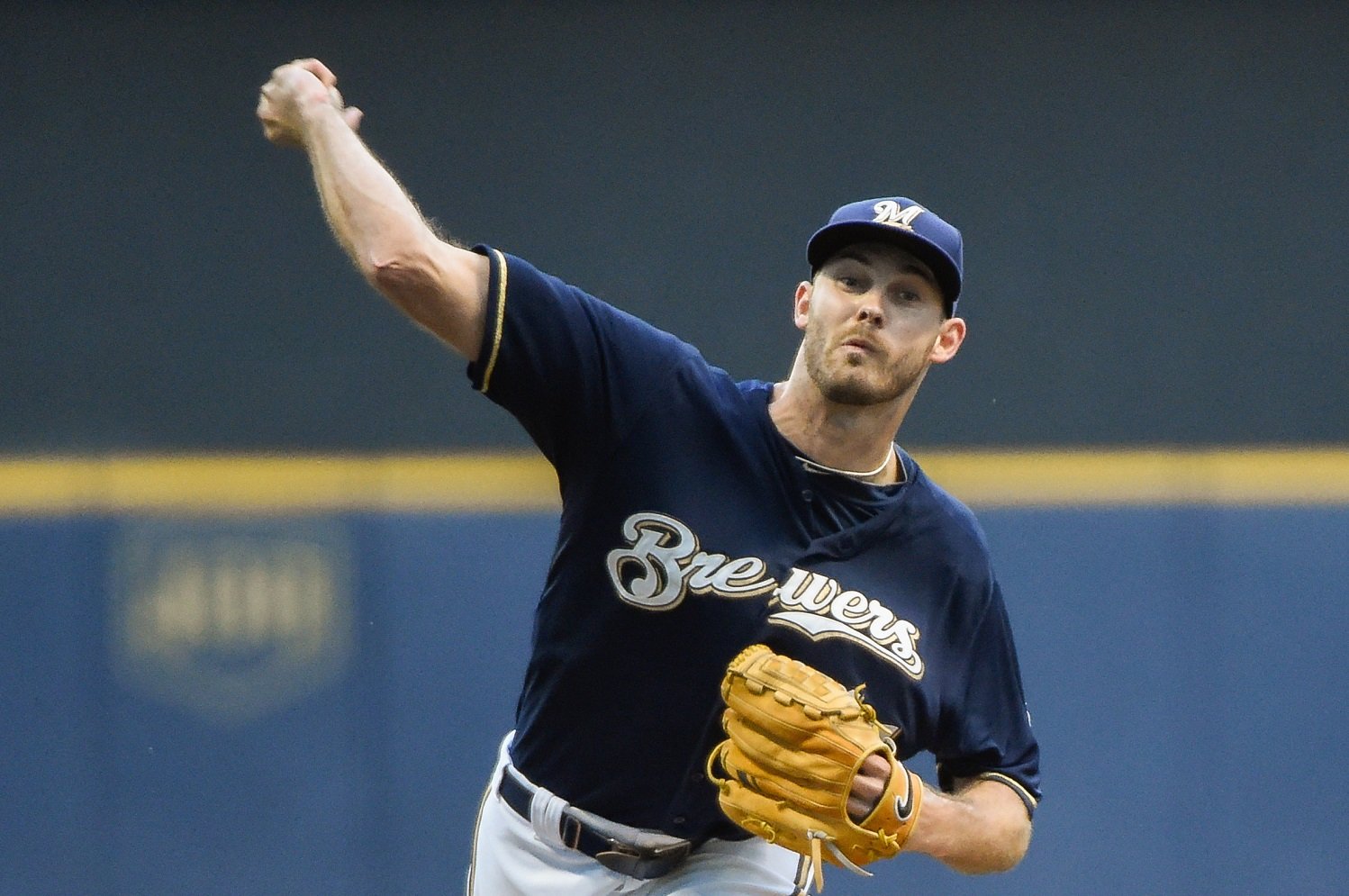 Last night after my cat Hudson woke me up, I got to thinking about the Players Project. Normally I have been doing three 'short' bios per week and then try to tie them together with a piece on the front page. Which made me ask: why not do bios and try to have a common theme that connects the trio of players? So that is my goal from now on. This week's piece features players that not only were born and bred in Texas but played college ball at the University of Texas. Enjoy! Billy Bates Billy Bates was a fireplug (5-foot-7, 155 pound) second baseman who played in only 21 games for Milwaukee in 1989-1990. Bates holds three University of Texas records for runs scored and triples. But his failure to hit big-league pitching (.125/.189/.146) shortened his career. He did earn a World Series ring in 1990 while playing at the end of the season for the Cincinnati Reds. He got a base hit off Oakland ace closer Dennis Eckersley in Game 2 and scored the winning run in a 5-4 Reds win. Bates also beat a cheetah in a 'handicapped' race. Check out the video here. Brooks Kieschnick Before Shohei Ohtani, there was Brooks Kieschnick. In college, Kieschnick won 34 games in three seasons for Texas, while hitting 43 home runs and batting .360. He was drafted by the Chicago Cubs but wasn't given a chance to pitch. After a couple years with the Reds and the Rockies, Kieschnick was signed as a free agent by Milwaukee, who made him a full-time pitcher. He played in only three games as an outfielder for the Brewers, but pitched in 74 games during 2003-2004, pitching to a respectable ERA+ of 95 and FIP of 4.13. Not bad for a guy who only had 48 innings pitched in his professional career prior to that. Taylor Jungmann Jungmann (pronounced 'YOUNG-men') was also a star player for the Longhorns. Jungmann is in the Top 10 in eight different pitching categories in the U of T record book. He was selected 12th overall by the Brewers in 2011. Jungmann had a nice season in 2015 for Milwaukee as a rookie, winning nine games with an ERA+ of 105 and FIP of 3.92. He only pitched in nine more games for Milwaukee and was out of baseball by 2020. What is the Players Project? It's a community-driven, wiki-style project that focuses on Brewers players of all stripes. It's open to all Brewer Fanatic users and we've had contributions for current players, past players, and players who never even made the major leagues but played in the Brewers farm system. Create your favorite player today! The Milwaukee Brewers Players Project is open to all Brewer Fanatic users. If you're a Brewers history buff or just want to dive into the background of your favorite player, come on board! Are you interested in Brewers history? Then check out the Milwaukee Brewers Players Project, a community-driven project to discover and collect great information on every player to wear a Brewers uniform!
 -
Over the last couple months, @Brock Beauchampand I have been working on adding players to the Milwaukee Brewers Players Project. Since Thanksgiving, we have added about 60 player bios to our collection. It is our goal to add 3-5 players every week, with the majority of them getting 400 words or so, while 'select' bios will run about 700 words. It is a great way to learn Brewer history and get to know the individual players. Last night after my cat Hudson woke me up, I got to thinking about the Players Project. Normally I have been doing three 'short' bios per week and then try to tie them together with a piece on the front page. Which made me ask: why not do bios and try to have a common theme that connects the trio of players? So that is my goal from now on. This week's piece features players that not only were born and bred in Texas but played college ball at the University of Texas. Enjoy! Billy Bates Billy Bates was a fireplug (5-foot-7, 155 pound) second baseman who played in only 21 games for Milwaukee in 1989-1990. Bates holds three University of Texas records for runs scored and triples. But his failure to hit big-league pitching (.125/.189/.146) shortened his career. He did earn a World Series ring in 1990 while playing at the end of the season for the Cincinnati Reds. He got a base hit off Oakland ace closer Dennis Eckersley in Game 2 and scored the winning run in a 5-4 Reds win. Bates also beat a cheetah in a 'handicapped' race. Check out the video here. Brooks Kieschnick Before Shohei Ohtani, there was Brooks Kieschnick. In college, Kieschnick won 34 games in three seasons for Texas, while hitting 43 home runs and batting .360. He was drafted by the Chicago Cubs but wasn't given a chance to pitch. After a couple years with the Reds and the Rockies, Kieschnick was signed as a free agent by Milwaukee, who made him a full-time pitcher. He played in only three games as an outfielder for the Brewers, but pitched in 74 games during 2003-2004, pitching to a respectable ERA+ of 95 and FIP of 4.13. Not bad for a guy who only had 48 innings pitched in his professional career prior to that. Taylor Jungmann Jungmann (pronounced 'YOUNG-men') was also a star player for the Longhorns. Jungmann is in the Top 10 in eight different pitching categories in the U of T record book. He was selected 12th overall by the Brewers in 2011. Jungmann had a nice season in 2015 for Milwaukee as a rookie, winning nine games with an ERA+ of 105 and FIP of 3.92. He only pitched in nine more games for Milwaukee and was out of baseball by 2020. What is the Players Project? It's a community-driven, wiki-style project that focuses on Brewers players of all stripes. It's open to all Brewer Fanatic users and we've had contributions for current players, past players, and players who never even made the major leagues but played in the Brewers farm system. Create your favorite player today! The Milwaukee Brewers Players Project is open to all Brewer Fanatic users. If you're a Brewers history buff or just want to dive into the background of your favorite player, come on board! Are you interested in Brewers history? Then check out the Milwaukee Brewers Players Project, a community-driven project to discover and collect great information on every player to wear a Brewers uniform! View full article
-
Nice to see getting some love from the other orgs.
-
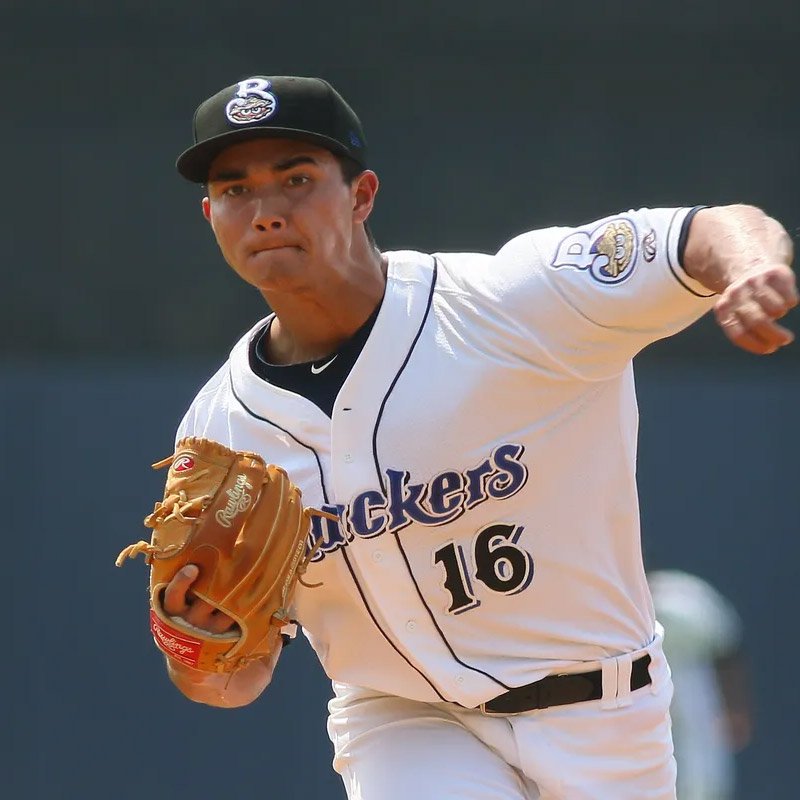 Kodi Medeiros barely pitched during his junior season at Waiakea High School in Hawaii. But as a nod to his overall athleticism, he was named to the All-State first team as an outfielder, slashing .492/.529/.825 with four homers and 36 RBIs. Medeiros made his way back to the mound his senior year (2014) and played in at least three national showcase tournaments. He was named the Gatorade Hawaii Baseball Player of the Year on the strength of his 7-1 record, 0.97 ERA, and 83 strikeouts in 43.1 innings pitched. Although Medeiros had signed a letter of intent with Pepperdine, he elected to sign with the Brewers as their 12th overall pick in the 2014 MLB Amateur Draft, collecting a signing bonus of $2.5 million along the way. Kodi Mitsugi-Kaiana Medeiros began his pro career with the Brewers club in the Arizona Rookie League but struggled with a WHIP of 2.094 and an ERA of 7.13 across 17.2 innings. Despite his rough start, Medeiros earned a promotion to Single-A Wisconsin in the Midwest League to start the 2015 season. He was also listed as the number eight prospect on MLB.com’s Top 30 Prospect listing. Only 19, Medeiros had a solid campaign for the T-Rats, with a WHIP of 1.275 and strikeout rate of 23.5%. His walk rate was a little high at 10% but all in all, it was a nice first complete season. Moving up the ladder one step at a time, Medeiros advanced to High-A Brevard County in the Florida State League in 2016. Medeiros scuffled at that level with perhaps the worst year of his career. His ERA of 5.93 and BB/K ratio of 63/64 were less than stellar. The following season, the Brewers moved the High-A club to Zebulon, North Carolina in the Carolina League and Medeiros moved with them. The 2017 season was much better for Medeiros as his BB/K ratio was 53/121 but he was perhaps ‘effectively wild’ as he led the league with 20 hit batsmen. Medeiros began the 2018 campaign at Double-A Biloxi in the Southern League, but in late July before the trading deadline, he and pitcher Wilber Perez were traded to the Chicago White Sox for closer Joakim Soria. Medeiros was headed for one of his finest seasons when he was traded with an ERA of 3.14 and a BB/K ratio of 45/107. Things didn’t go so well at Birmingham in the same league, as Medeiros went 0-2 with an ERA of 4.98 in seven starts. The 6-foot-1 left-hander began 2019 on the injured list but pitched mostly in relief with 28 appearances (nine starts) with an ERA of 5.10. Medeiros did not play in the Covid year of 2020, but was bumped up to Charlotte of the Triple-A East for 2021. In 30 games, he went 0-1 with an ERA of 5.52. After the season, Medeiros became a free agent and signed a minor league contract with the Los Angeles Angels a few months later. He pitched in 10 games with Triple-A Salt Lake in the Pacific Coast League in 2022, but the parent club released him in June. Medeiros announced his retirement the following March.
 -
Kodi Medeiros barely pitched during his junior season at Waiakea High School in Hawaii. But as a nod to his overall athleticism, he was named to the All-State first team as an outfielder, slashing .492/.529/.825 with four homers and 36 RBIs. Medeiros made his way back to the mound his senior year (2014) and played in at least three national showcase tournaments. He was named the Gatorade Hawaii Baseball Player of the Year on the strength of his 7-1 record, 0.97 ERA, and 83 strikeouts in 43.1 innings pitched. Although Medeiros had signed a letter of intent with Pepperdine, he elected to sign with the Brewers as their 12th overall pick in the 2014 MLB Amateur Draft, collecting a signing bonus of $2.5 million along the way. Kodi Mitsugi-Kaiana Medeiros began his pro career with the Brewers club in the Arizona Rookie League but struggled with a WHIP of 2.094 and an ERA of 7.13 across 17.2 innings. Despite his rough start, Medeiros earned a promotion to Single-A Wisconsin in the Midwest League to start the 2015 season. He was also listed as the number eight prospect on MLB.com’s Top 30 Prospect listing. Only 19, Medeiros had a solid campaign for the T-Rats, with a WHIP of 1.275 and strikeout rate of 23.5%. His walk rate was a little high at 10% but all in all, it was a nice first complete season. Moving up the ladder one step at a time, Medeiros advanced to High-A Brevard County in the Florida State League in 2016. Medeiros scuffled at that level with perhaps the worst year of his career. His ERA of 5.93 and BB/K ratio of 63/64 were less than stellar. The following season, the Brewers moved the High-A club to Zebulon, North Carolina in the Carolina League and Medeiros moved with them. The 2017 season was much better for Medeiros as his BB/K ratio was 53/121 but he was perhaps ‘effectively wild’ as he led the league with 20 hit batsmen. Medeiros began the 2018 campaign at Double-A Biloxi in the Southern League, but in late July before the trading deadline, he and pitcher Wilber Perez were traded to the Chicago White Sox for closer Joakim Soria. Medeiros was headed for one of his finest seasons when he was traded with an ERA of 3.14 and a BB/K ratio of 45/107. Things didn’t go so well at Birmingham in the same league, as Medeiros went 0-2 with an ERA of 4.98 in seven starts. The 6-foot-1 left-hander began 2019 on the injured list but pitched mostly in relief with 28 appearances (nine starts) with an ERA of 5.10. Medeiros did not play in the Covid year of 2020, but was bumped up to Charlotte of the Triple-A East for 2021. In 30 games, he went 0-1 with an ERA of 5.52. After the season, Medeiros became a free agent and signed a minor league contract with the Los Angeles Angels a few months later. He pitched in 10 games with Triple-A Salt Lake in the Pacific Coast League in 2022, but the parent club released him in June. Medeiros announced his retirement the following March. View full player
-
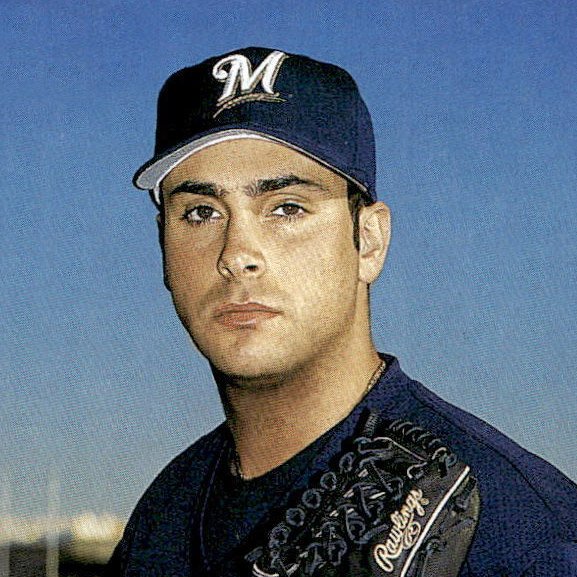 Jon-Michael Gold was born in Belleville, New Jersey but attended Toms River North (New Jersey) High School. During his senior year, baseball scouts flocked to Raider Stadium to watch the 6-foot-5 fireballing right-hander, who was listed by Peter Gammons as the number two high school prospect in the country. Gold made a verbal commitment to St. John’s University but when the Brewers selected him 13th in the 1998 MLB Amateur Draft, Gold decided to turn pro. Gold signed for $1.67 million and reported to Ogden (Utah) in the Rookie Pioneer League. He made five starts, pitching to an ERA of 2.51. Gold earned a promotion to Beloit (Wisconsin) in the Single-A Midwest League for 1999. Gold was named to the Eastern Division squad for the MWL All-Star Game but did not play. The final stats showed a 6-10 record and an inflated ERA of 5.40. His BB rate was an awful 10.7%, perhaps one of the reasons that he returned to Beloit for the 2000 season. His 2000 season ended after only seven starts (3-1, 2.91) after he was diagnosed in mid-May with a torn ulnar collateral ligament in his elbow and underwent Tommy John surgery a month later. Gold returned to the mound in late June 2001. Pitching for the Brewers team in the Arizona Rookie League, Gold lasted 0.2 innings in his return and gave up four hits and three runs. Ouch. After three more starts, he moved up to Ogden, where he had begun his professional career three years earlier. He made seven starts and had some success, striking out batters at a rate of 36% while walking only 7.7%, a vast improvement over the previous year. Hoping to see more in 2002, the Brewers moved Gold to High-A High Desert (California) in the California League. Gold battled pneumonia and stayed at extended spring training before heading for California. Adding to his woes, Gold was robbed at gunpoint in California after a 16-inning game. After just seven starts for High Desert, he was shut down for the season as he underwent arthroscopic surgery to repair a torn labrum in his right shoulder in mid-August. Gold returned to High Desert in 2003 and began the season in the bullpen, as the organization wanted their pitcher to build up arm strength. Gold once again struggled with shoulder issues and spent time on the disabled list and pitched in only 11 games (three starts) that season. In October 2003, Gold underwent his third major surgery as his surgeon repaired a torn rotator cuff, damaged labrum, and cleaned up the shoulder capsule. The Brewers released J.M. Gold in May 2004.
 -
Jon-Michael Gold was born in Belleville, New Jersey but attended Toms River North (New Jersey) High School. During his senior year, baseball scouts flocked to Raider Stadium to watch the 6-foot-5 fireballing right-hander, who was listed by Peter Gammons as the number two high school prospect in the country. Gold made a verbal commitment to St. John’s University but when the Brewers selected him 13th in the 1998 MLB Amateur Draft, Gold decided to turn pro. Gold signed for $1.67 million and reported to Ogden (Utah) in the Rookie Pioneer League. He made five starts, pitching to an ERA of 2.51. Gold earned a promotion to Beloit (Wisconsin) in the Single-A Midwest League for 1999. Gold was named to the Eastern Division squad for the MWL All-Star Game but did not play. The final stats showed a 6-10 record and an inflated ERA of 5.40. His BB rate was an awful 10.7%, perhaps one of the reasons that he returned to Beloit for the 2000 season. His 2000 season ended after only seven starts (3-1, 2.91) after he was diagnosed in mid-May with a torn ulnar collateral ligament in his elbow and underwent Tommy John surgery a month later. Gold returned to the mound in late June 2001. Pitching for the Brewers team in the Arizona Rookie League, Gold lasted 0.2 innings in his return and gave up four hits and three runs. Ouch. After three more starts, he moved up to Ogden, where he had begun his professional career three years earlier. He made seven starts and had some success, striking out batters at a rate of 36% while walking only 7.7%, a vast improvement over the previous year. Hoping to see more in 2002, the Brewers moved Gold to High-A High Desert (California) in the California League. Gold battled pneumonia and stayed at extended spring training before heading for California. Adding to his woes, Gold was robbed at gunpoint in California after a 16-inning game. After just seven starts for High Desert, he was shut down for the season as he underwent arthroscopic surgery to repair a torn labrum in his right shoulder in mid-August. Gold returned to High Desert in 2003 and began the season in the bullpen, as the organization wanted their pitcher to build up arm strength. Gold once again struggled with shoulder issues and spent time on the disabled list and pitched in only 11 games (three starts) that season. In October 2003, Gold underwent his third major surgery as his surgeon repaired a torn rotator cuff, damaged labrum, and cleaned up the shoulder capsule. The Brewers released J.M. Gold in May 2004. View full player
-
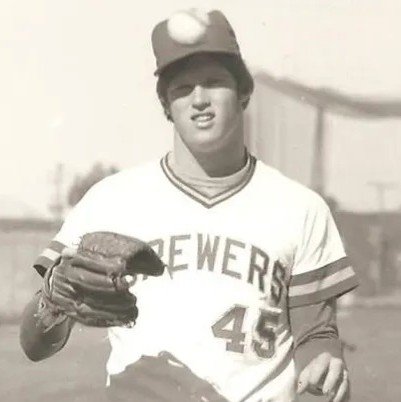 Richard J. O’Keeffe was born in the Bronx, New York and played high school ball at Yorktown High School in Yorktown Heights, New York. Yorktown Heights—about an hour north of New York City—is the ‘hometown’ of musician Dave Matthews, politician Alexandria Ocasio-Cortez, and sportscaster Buster Olney. O’Keeffe earned notoriety as a junior in high school. Opposing coach Andy Castallano of Gorton (NY) High School said after his team lost to O’Keeffe and Yorktown, “I saw a major leaguer today. I haven’t ever seen a high school pitcher that fast.” After his senior year, the big redhead (6-foot-6, 225-pound) was selected by the Brewers as the fifth overall pick in the 1975 MLB Amateur Draft. O’Keeffe pitched three no-hitters among his seven wins as a senior, along with a batting average of .426 with five home runs. The southpaw had a K rate of approximately 53% as a senior, while allowing walks at a rate of about 11%. That number would get a lot worse during O’Keeffe’s career and led to his downfall. Playing at Low-A Newark (New York) in the New York-Penn League in 1975, O’Keeffe had a pair of shutouts and seven wins in his 11 starts but walked nearly as many as he struck out (54 BB, 59 K). He moved up to Class A Burlington (Iowa) in the Midwest League the following season. He won seven games, compiled an ERA of 2.87 and made the MWL All-Star team, but had continued control problems, walking men at a rate of nearly 13%. Manager Matt Galante commented that O’Keeffe was a “strikeout pitcher who is a bit wild.” The following season, O’Keeffe started out at Double-A Holyoke (Massachusetts) in the Eastern League but after 13 starts, O’Keeffe and Garry Pyka were traded to Cincinnati for pitcher Mike Caldwell, who would go on to win 102 games for the Brewers over eight seasons. O’Keeffe made 15 starts for Three Rivers (Quebec) and finished the year with a record of 9-10 and an ERA of 4.05. Over the next four seasons, O’Keeffe bounced around in the Reds organization and in three of those seasons had more walks than strikeouts. Tired of the wildness, the Reds released O’Keeffe in April 1982. The pitcher was picked up by the Toronto Blue Jays in a minor league deal, but after 16 appearances at two stops was released by the Blue Jays in late July. After missing the 1983 season with tendonitis and surgery to remove bone chips in his left elbow, O’Keeffe was signed by the New York Mets in early 1984. O’Keeffe had a complete game one-hitter in late April but suffered a groin pull a week later. He returned and made three appearances but was ineffective. O’Keefe announced his retirement from baseball a few weeks later.
 -
Richard J. O’Keeffe was born in the Bronx, New York and played high school ball at Yorktown High School in Yorktown Heights, New York. Yorktown Heights—about an hour north of New York City—is the ‘hometown’ of musician Dave Matthews, politician Alexandria Ocasio-Cortez, and sportscaster Buster Olney. O’Keeffe earned notoriety as a junior in high school. Opposing coach Andy Castallano of Gorton (NY) High School said after his team lost to O’Keeffe and Yorktown, “I saw a major leaguer today. I haven’t ever seen a high school pitcher that fast.” After his senior year, the big redhead (6-foot-6, 225-pound) was selected by the Brewers as the fifth overall pick in the 1975 MLB Amateur Draft. O’Keeffe pitched three no-hitters among his seven wins as a senior, along with a batting average of .426 with five home runs. The southpaw had a K rate of approximately 53% as a senior, while allowing walks at a rate of about 11%. That number would get a lot worse during O’Keeffe’s career and led to his downfall. Playing at Low-A Newark (New York) in the New York-Penn League in 1975, O’Keeffe had a pair of shutouts and seven wins in his 11 starts but walked nearly as many as he struck out (54 BB, 59 K). He moved up to Class A Burlington (Iowa) in the Midwest League the following season. He won seven games, compiled an ERA of 2.87 and made the MWL All-Star team, but had continued control problems, walking men at a rate of nearly 13%. Manager Matt Galante commented that O’Keeffe was a “strikeout pitcher who is a bit wild.” The following season, O’Keeffe started out at Double-A Holyoke (Massachusetts) in the Eastern League but after 13 starts, O’Keeffe and Garry Pyka were traded to Cincinnati for pitcher Mike Caldwell, who would go on to win 102 games for the Brewers over eight seasons. O’Keeffe made 15 starts for Three Rivers (Quebec) and finished the year with a record of 9-10 and an ERA of 4.05. Over the next four seasons, O’Keeffe bounced around in the Reds organization and in three of those seasons had more walks than strikeouts. Tired of the wildness, the Reds released O’Keeffe in April 1982. The pitcher was picked up by the Toronto Blue Jays in a minor league deal, but after 16 appearances at two stops was released by the Blue Jays in late July. After missing the 1983 season with tendonitis and surgery to remove bone chips in his left elbow, O’Keeffe was signed by the New York Mets in early 1984. O’Keeffe had a complete game one-hitter in late April but suffered a groin pull a week later. He returned and made three appearances but was ineffective. O’Keefe announced his retirement from baseball a few weeks later. View full player
-
@Jim Goulart, love your spot-on analysis and deadpan humor. Keep up the good work!!
-
Interesting, but why not? Could work...
-
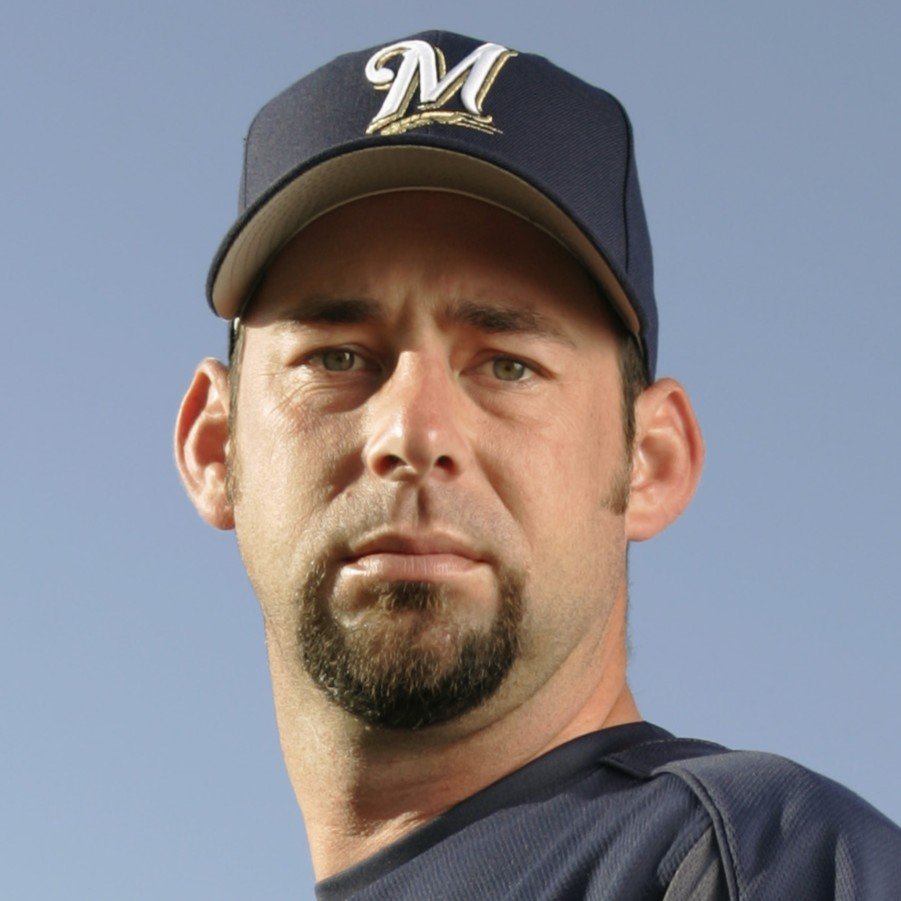 Michael Brooks Kieschnick was born in Robstown, Texas, a western suburb of Corpus Christi. Kieschnick was a two-way star at Mary Carroll High School, playing first base while not pitching. Batting left and throwing right, Kieschnick was named the All-South Texas Player of the Year, going 12-0 on the mound with an ERA of 0.62. He also batted .466 and hit nine home runs. After verbally committing to Mississippi State University, he instead elected to attend the University of Texas. There, he won the Dick Howser Award for best collegiate baseball player two consecutive seasons, the only player to ever accomplish that feat. In three years in Texas, Kieschnick went 34-8 on the mound with a 3.05 ERA and hit 43 homers while batting .360. Kieschnick was picked tenth overall in the first round of the 1993 MLB Amateur Draft by the Chicago Cubs. Kieschnick spent four years in the minors for the Cubs, playing mostly at first or in the outfield. He began the 1996 season in Chicago, but after appearing only as a pinch-hitter the first two weeks, was sent down to Triple-A Iowa to make room on the Cubs roster for Dave Magadan. Kieschnick returned to Chicago later that summer and performed well in limited action, slashing .345/.406/.517 across 29 at-bats, including his first major league home run. In 1997, Kieschnick once again broke camp with Chicago and had a couple big games, including a pair of two-hit games and one monster game against the Montreal Expos, going 3-for-4 with two HRs and six RBIs in late April. After going 1-for-26 in May, he was demoted once again to Iowa, where he hit 21 HRs in 360 at-bats before a September call-up. After the season, he was selected in the 1997 Expansion Draft by the Tampa Bay Devil Rays. The next four seasons, Kieschnick bounced around, playing mostly in the minors for Tampa Bay, Cincinnati, and Colorado. He did play in the bigs for the Reds (2000) and Rockies (2001) but only appeared in a combined 49 games. After playing in the White Sox organization in 2002, he was signed by the Brewers as a free agent. Kieschnick spent two years in Milwaukee, playing three games in the outfield while appearing in 74 games on the mound, pitching to an ERA+ of 95 and a FIP of 4.13, which wasn’t bad, considering he had only amassed a total of 48 professional innings prior to his arrival in Milwaukee. Milwaukee released Kieschnick in early 2005. He hooked up with the Houston Astros and played in the minors for them but then decided to retire prior to the 2006 season.
 -
Michael Brooks Kieschnick was born in Robstown, Texas, a western suburb of Corpus Christi. Kieschnick was a two-way star at Mary Carroll High School, playing first base while not pitching. Batting left and throwing right, Kieschnick was named the All-South Texas Player of the Year, going 12-0 on the mound with an ERA of 0.62. He also batted .466 and hit nine home runs. After verbally committing to Mississippi State University, he instead elected to attend the University of Texas. There, he won the Dick Howser Award for best collegiate baseball player two consecutive seasons, the only player to ever accomplish that feat. In three years in Texas, Kieschnick went 34-8 on the mound with a 3.05 ERA and hit 43 homers while batting .360. Kieschnick was picked tenth overall in the first round of the 1993 MLB Amateur Draft by the Chicago Cubs. Kieschnick spent four years in the minors for the Cubs, playing mostly at first or in the outfield. He began the 1996 season in Chicago, but after appearing only as a pinch-hitter the first two weeks, was sent down to Triple-A Iowa to make room on the Cubs roster for Dave Magadan. Kieschnick returned to Chicago later that summer and performed well in limited action, slashing .345/.406/.517 across 29 at-bats, including his first major league home run. In 1997, Kieschnick once again broke camp with Chicago and had a couple big games, including a pair of two-hit games and one monster game against the Montreal Expos, going 3-for-4 with two HRs and six RBIs in late April. After going 1-for-26 in May, he was demoted once again to Iowa, where he hit 21 HRs in 360 at-bats before a September call-up. After the season, he was selected in the 1997 Expansion Draft by the Tampa Bay Devil Rays. The next four seasons, Kieschnick bounced around, playing mostly in the minors for Tampa Bay, Cincinnati, and Colorado. He did play in the bigs for the Reds (2000) and Rockies (2001) but only appeared in a combined 49 games. After playing in the White Sox organization in 2002, he was signed by the Brewers as a free agent. Kieschnick spent two years in Milwaukee, playing three games in the outfield while appearing in 74 games on the mound, pitching to an ERA+ of 95 and a FIP of 4.13, which wasn’t bad, considering he had only amassed a total of 48 professional innings prior to his arrival in Milwaukee. Milwaukee released Kieschnick in early 2005. He hooked up with the Houston Astros and played in the minors for them but then decided to retire prior to the 2006 season. View full player
-
Thanks, Jake!!
-
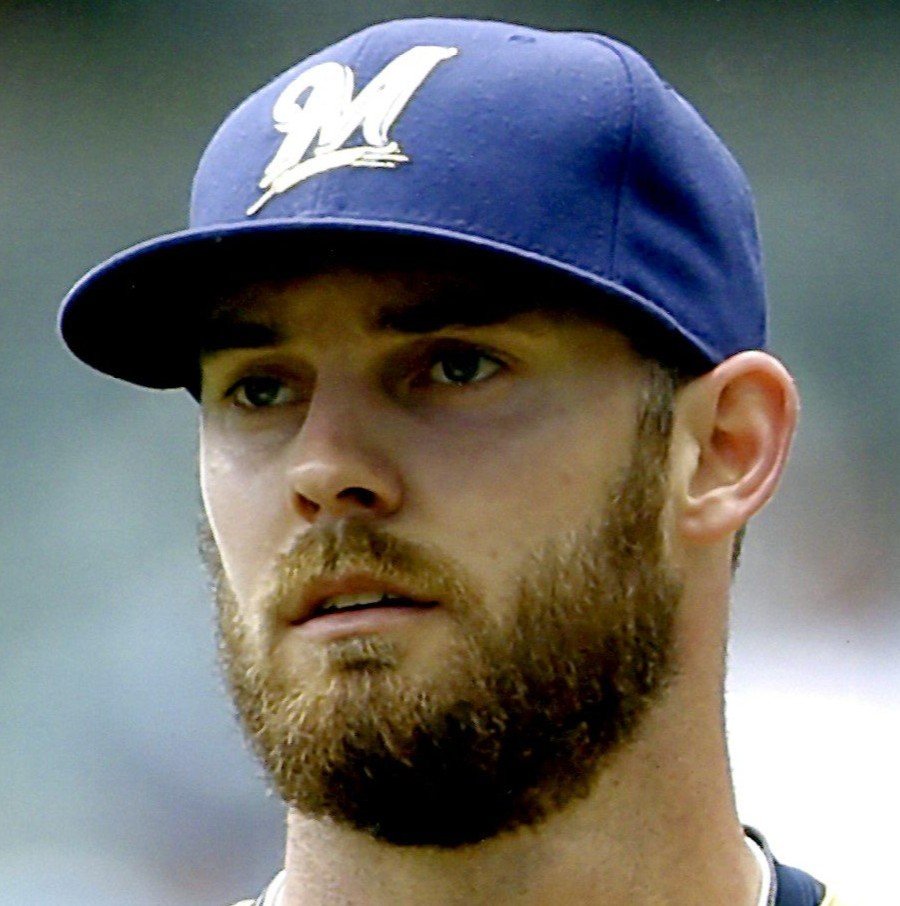 Taylor Heath Jungmann was born in Temple, Texas and attended Rogers High School before transferring to Georgetown High School for his senior year. Jungmann starred in both basketball and baseball. The Los Angeles Angels selected the right-handed pitcher in the 24th round of the 2008 MLB Amateur Draft, but he elected to attend the University of Texas instead. After three seasons at the U of T, he was picked 12th overall in the first round of the 2011 MLB Draft by the Brewers. Jungmann won the Dick Howser Award as the best collegiate baseball player in 2011. Jungmann spent three full seasons in the minors before getting called up to the Brewers in June 2015. He won his first game, pitching seven innings (three hits, one run) in a 4-1 win at Pittsburgh. It was his best season, as Jungmann won nine games and pitched to an ERA+ of 105 and a FIP of 3.92 in 21 starts. He started the 2016 season in Milwaukee, but after losing four of his first five starts, was sent down to Triple-A Colorado Springs. After struggling in eight starts (.9.87 ERA), he was reassigned to Double-A Biloxi, where he regained his form with a 2.51 ERA in 13 starts. He returned to Milwaukee in September where he pitched two perfect innings in relief before losing in a start toward the end of the season. The lanky (6-foot-6, 210-pound) Jungmann pitched in his final big-league game in April 2017, facing six batters and giving up two hits, a hit batsman, and a walk in a 6-1 mop-up win over Colorado. Jungmann was optioned to Biloxi and later pitched with Colorado Springs to finish the season. He was given his release by the Brewers in January 2018. Jungmann pitched in Japan in 2018 and 2019, winning a combined 19 games. He was signed to a minor league contract by the Texas Rangers but was released during the Covid pandemic in June 2020.
 -
Taylor Heath Jungmann was born in Temple, Texas and attended Rogers High School before transferring to Georgetown High School for his senior year. Jungmann starred in both basketball and baseball. The Los Angeles Angels selected the right-handed pitcher in the 24th round of the 2008 MLB Amateur Draft, but he elected to attend the University of Texas instead. After three seasons at the U of T, he was picked 12th overall in the first round of the 2011 MLB Draft by the Brewers. Jungmann won the Dick Howser Award as the best collegiate baseball player in 2011. Jungmann spent three full seasons in the minors before getting called up to the Brewers in June 2015. He won his first game, pitching seven innings (three hits, one run) in a 4-1 win at Pittsburgh. It was his best season, as Jungmann won nine games and pitched to an ERA+ of 105 and a FIP of 3.92 in 21 starts. He started the 2016 season in Milwaukee, but after losing four of his first five starts, was sent down to Triple-A Colorado Springs. After struggling in eight starts (.9.87 ERA), he was reassigned to Double-A Biloxi, where he regained his form with a 2.51 ERA in 13 starts. He returned to Milwaukee in September where he pitched two perfect innings in relief before losing in a start toward the end of the season. The lanky (6-foot-6, 210-pound) Jungmann pitched in his final big-league game in April 2017, facing six batters and giving up two hits, a hit batsman, and a walk in a 6-1 mop-up win over Colorado. Jungmann was optioned to Biloxi and later pitched with Colorado Springs to finish the season. He was given his release by the Brewers in January 2018. Jungmann pitched in Japan in 2018 and 2019, winning a combined 19 games. He was signed to a minor league contract by the Texas Rangers but was released during the Covid pandemic in June 2020. View full player
-
Jim Abbott played only one year in Milwaukee and didn’t have a great year, but all things considered, Abbott was successful during his 10-year major league career. In addition to his college career at the University of Michigan and his time with the 1988 USA Olympic baseball team, he had a celebrated tenure in baseball. All this with only one hand. Image courtesy of John Zich/AFP/Getty Images James Anthony Abbott was born in Flint, Michigan, and had a deformed right arm that ended at the wrist, with no hand. Despite his handicap, he became a star pitcher in Little League, throwing a no-hitter in the first game he pitched. In high school at Flint Central, Jim Abbott played first base and outfield while also pitching and batted .427 with seven home runs as a senior and winning 10 of 13 games with an ERA of 0.76. He averaged two strikeouts per inning pitched. Abbott was the backup quarterback on the football field until the last three games of his senior year. In those three games, he threw for 600 yards and six touchdowns. Abbott was also the team’s punter. Abbott was drafted in the 36th round of the 1985 MLB Amateur Draft but chose to attend the University of Michigan. He pitched three years as a Wolverine, was the first baseball player to be named Big Ten Conference Player of the Year, and beat Japan in the 1988 Olympics, tossing a complete-game 5-3 victory. The USA won the gold medal in what was at that time a ‘demonstration sport.’ The California Angels tabbed Abbott in the first round of the 1988 draft, signing the Michigan product for $207,000. He went directly to the major leagues in 1989 and finished fifth in the American League ROY voting, winning 12 games. After a solid 1990 season, Abbott had a breakthrough in 1991, winning a career-high 18 games with an ERA+ of 142 and a FIP of 3.27. He finished third in the AL Cy Young Award voting. Abbott pitched one more season for the Angels and was traded to the New York Yankees after the 1992 campaign. In two years with the Yankees, he won a combined 20 games across 56 starts with an ERA+ of 98. Abbott pitched a no-hitter over the Cleveland Indians on September 4, 1993. A week after his gem, Abbott was blasted by New York owner George Steinbrenner, who questioned the pitcher’s courage. Not surprisingly, he became a free agent after the 1994 season and was signed by the Chicago White Sox. After just 17 starts for the Chisox, he was traded back to the Angels. The pitcher won five games in 13 starts for the Halos in 1995 but struggled in 1996, losing an AL-high 18 games. The Angels released Abbott before the 1997 season, and the pitcher sat out the year, spending time with his wife and newborn daughter. Abbott attempted to make a comeback with the White Sox in 1998, pitching at four stops in the minor league system before getting called to Chicago in September. He won all five starts and pitched to an ERA+ of 101 and FIP of 4.31. However, the White Sox didn’t re-sign Abbott after the season. He became a free agent and signed with the Brewers prior to the 1999 season. Unfortunately, Abbott didn’t have a great season. After only 20 games (15 starts), he was given his release as he had an ERA+ of 66 and a FIP of 6.06. However, he did have a highlight as he became the first one-handed player to bang out a base hit since Pete Gray collected 51 hits for the St. Louis Browns in 1945. Abbott retired after the season with 87 wins, an ERA+ of 99, and a FIP of 4.25. View full article
-
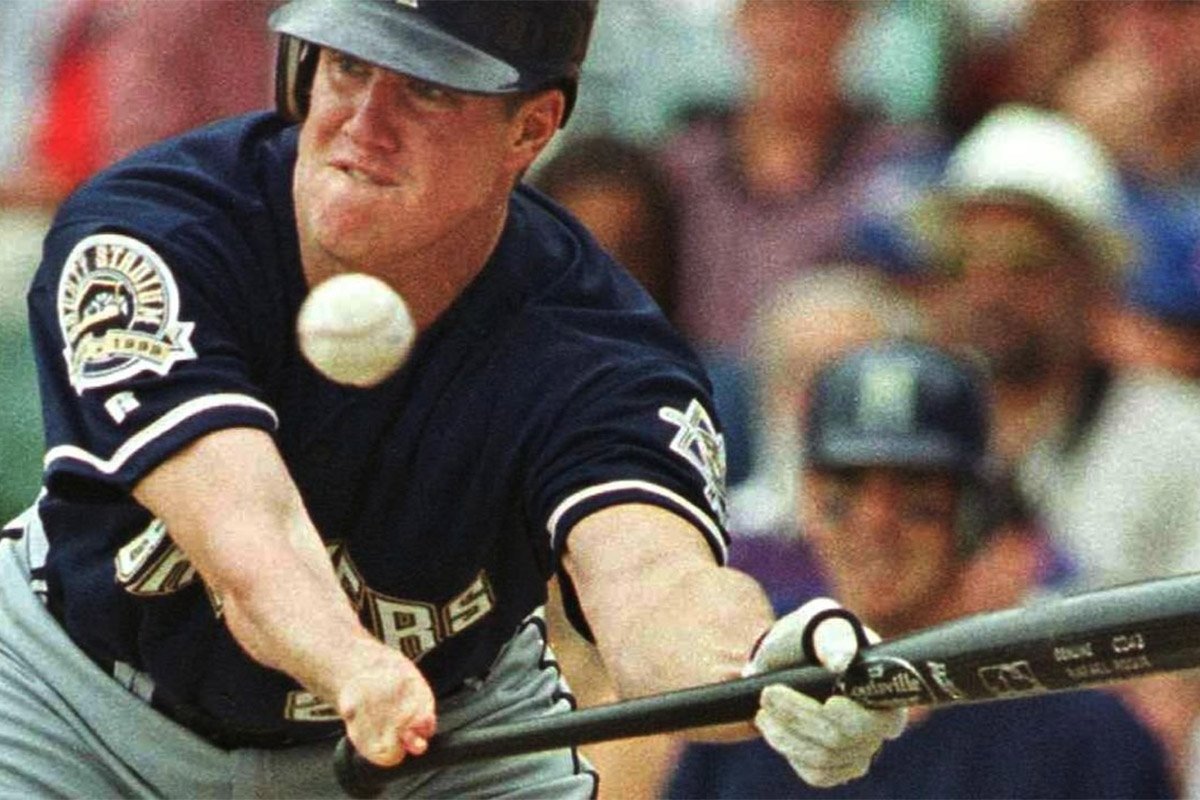 James Anthony Abbott was born in Flint, Michigan, and had a deformed right arm that ended at the wrist, with no hand. Despite his handicap, he became a star pitcher in Little League, throwing a no-hitter in the first game he pitched. In high school at Flint Central, Jim Abbott played first base and outfield while also pitching and batted .427 with seven home runs as a senior and winning 10 of 13 games with an ERA of 0.76. He averaged two strikeouts per inning pitched. Abbott was the backup quarterback on the football field until the last three games of his senior year. In those three games, he threw for 600 yards and six touchdowns. Abbott was also the team’s punter. Abbott was drafted in the 36th round of the 1985 MLB Amateur Draft but chose to attend the University of Michigan. He pitched three years as a Wolverine, was the first baseball player to be named Big Ten Conference Player of the Year, and beat Japan in the 1988 Olympics, tossing a complete-game 5-3 victory. The USA won the gold medal in what was at that time a ‘demonstration sport.’ The California Angels tabbed Abbott in the first round of the 1988 draft, signing the Michigan product for $207,000. He went directly to the major leagues in 1989 and finished fifth in the American League ROY voting, winning 12 games. After a solid 1990 season, Abbott had a breakthrough in 1991, winning a career-high 18 games with an ERA+ of 142 and a FIP of 3.27. He finished third in the AL Cy Young Award voting. Abbott pitched one more season for the Angels and was traded to the New York Yankees after the 1992 campaign. In two years with the Yankees, he won a combined 20 games across 56 starts with an ERA+ of 98. Abbott pitched a no-hitter over the Cleveland Indians on September 4, 1993. A week after his gem, Abbott was blasted by New York owner George Steinbrenner, who questioned the pitcher’s courage. Not surprisingly, he became a free agent after the 1994 season and was signed by the Chicago White Sox. After just 17 starts for the Chisox, he was traded back to the Angels. The pitcher won five games in 13 starts for the Halos in 1995 but struggled in 1996, losing an AL-high 18 games. The Angels released Abbott before the 1997 season, and the pitcher sat out the year, spending time with his wife and newborn daughter. Abbott attempted to make a comeback with the White Sox in 1998, pitching at four stops in the minor league system before getting called to Chicago in September. He won all five starts and pitched to an ERA+ of 101 and FIP of 4.31. However, the White Sox didn’t re-sign Abbott after the season. He became a free agent and signed with the Brewers prior to the 1999 season. Unfortunately, Abbott didn’t have a great season. After only 20 games (15 starts), he was given his release as he had an ERA+ of 66 and a FIP of 6.06. However, he did have a highlight as he became the first one-handed player to bang out a base hit since Pete Gray collected 51 hits for the St. Louis Browns in 1945. Abbott retired after the season with 87 wins, an ERA+ of 99, and a FIP of 4.25.
 -
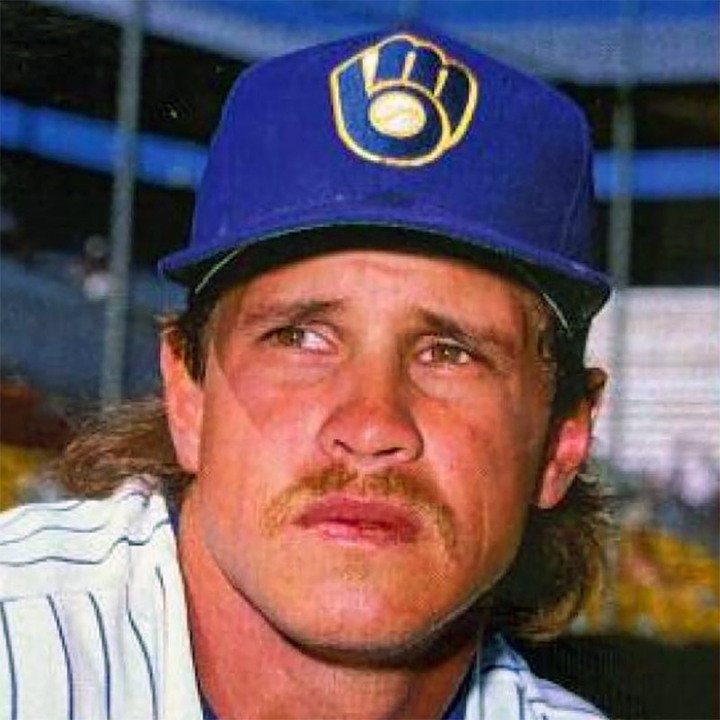 William Derrick Bates was born in Houston, Texas. The 5-foot-7, 155-pounder was a three-sport star at Aldine High School in Houston. Although he was told he was too small to succeed in baseball, he was drafted in the eighth round of the 1982 MLB Amateur Draft by the Philadelphia Phillies. He chose not to sign, instead attending the University of Texas. The Longhorns won the College World Series in his freshman year in 1983. The next two seasons, Bates was named to the College Baseball All-America team. After his junior year, Bates was selected in the fourth round of the 1985 MLB draft by the Brewers. Bates steadily moved up the ladder, but it took him five seasons to make it to the big leagues. His best season was in 1987 at Triple-A Denver when he slashed .316/.397/.403 with 51 stolen bases. The Brewers called up the southpaw swinging second baseman in August when Jim Gantner went on the disabled list with an MCL tear in his left knee. Bates played in four games before going on the DL himself as he suffered a separated right shoulder when he slipped on the wet infield grass during a rainy game in Baltimore. Bates returned to Milwaukee a month later and played in three games. During his truncated season, Bates had a slash line trifecta of .214/.214/.214 across 14 at-bats with a pair of pilfered bases. With Gantner still on the mend from the previous season, Bates won the starting second baseman job in 1990. After starting nine of the team’s first 11 games, Bates was relegated to a pinch-running/defensive replacement role the last week of April as he struggled during a 3-for-29 (.103) start. He was sent back down to Denver for a month. In early June, Bates and outfielder Glenn Braggs were traded to the Cincinnati Reds for pitchers Ron Robinson and Bob Sebra. Bates stayed in the American Association but moved to the Reds club in Nashville. In mid-September, the Reds called Bates up during a pennant race in the National League West. Bates played in two NLCS games as a pinch-runner. In the World Series against the Oakland Athletics, Bates pinch-hit for Rob Dibble in the bottom of tenth inning of a 4-4 game. He beat out an infield chopper off relief ace Dennis Eckersley and later moved to second on a single. Bates scored the winning run when Joe Oliver banged a single down the third baseline. Bates spent the next two years in the minors but never played in another big-league game.
 -
William Derrick Bates was born in Houston, Texas. The 5-foot-7, 155-pounder was a three-sport star at Aldine High School in Houston. Although he was told he was too small to succeed in baseball, he was drafted in the eighth round of the 1982 MLB Amateur Draft by the Philadelphia Phillies. He chose not to sign, instead attending the University of Texas. The Longhorns won the College World Series in his freshman year in 1983. The next two seasons, Bates was named to the College Baseball All-America team. After his junior year, Bates was selected in the fourth round of the 1985 MLB draft by the Brewers. Bates steadily moved up the ladder, but it took him five seasons to make it to the big leagues. His best season was in 1987 at Triple-A Denver when he slashed .316/.397/.403 with 51 stolen bases. The Brewers called up the southpaw swinging second baseman in August when Jim Gantner went on the disabled list with an MCL tear in his left knee. Bates played in four games before going on the DL himself as he suffered a separated right shoulder when he slipped on the wet infield grass during a rainy game in Baltimore. Bates returned to Milwaukee a month later and played in three games. During his truncated season, Bates had a slash line trifecta of .214/.214/.214 across 14 at-bats with a pair of pilfered bases. With Gantner still on the mend from the previous season, Bates won the starting second baseman job in 1990. After starting nine of the team’s first 11 games, Bates was relegated to a pinch-running/defensive replacement role the last week of April as he struggled during a 3-for-29 (.103) start. He was sent back down to Denver for a month. In early June, Bates and outfielder Glenn Braggs were traded to the Cincinnati Reds for pitchers Ron Robinson and Bob Sebra. Bates stayed in the American Association but moved to the Reds club in Nashville. In mid-September, the Reds called Bates up during a pennant race in the National League West. Bates played in two NLCS games as a pinch-runner. In the World Series against the Oakland Athletics, Bates pinch-hit for Rob Dibble in the bottom of tenth inning of a 4-4 game. He beat out an infield chopper off relief ace Dennis Eckersley and later moved to second on a single. Bates scored the winning run when Joe Oliver banged a single down the third baseline. Bates spent the next two years in the minors but never played in another big-league game. View full player
-
 As the Brewers began their second season in Miller Park, the Opening Day lineup included players like Alex Sanchez, Tyler Houston, and Raúl Casanova. Alex Ochoa and Paul Bako also played key roles. But I am willing to bet that only the most hardcore Brewers fan recognizes any of these names. The team stumbled to a franchise-worst 56-106 record, finishing 41 games behind the National League Central-winning St. Louis Cardinals. And the fans stayed away in droves, as the final turnstile totals showed an attendance of 1,969,153. It was only one of three times the Brewers have drawn less than two million fans to Miller Park/Am Fam Field in a season. The season started brightly as the Brewers beat the Houston Astros 9-3 to win the road opener and dispatched the reigning World Series champion Arizona Diamondbacks 6-2 in the home opener at Miller Park before a crowd of 43,005. Little else went right in early April, and as the Brewers stumbled to a 3-12 record after two weeks, manager Davey Lopes was canned, and his former Los Angeles Dodgers teammate (and good friend) Jerry Royster was brought on board to right the sinking ship. General Manager Dean Taylor said, “We feel that with some different direction and different leadership in the clubhouse and on the field, this club will play better.” Seemingly buoyed by the change, the Brewers won the first four games of the Royster regime. Then the good ship sprung some leaks and foundered over the next fortnight, with the team losing 13 of 15 games. The Brewers were mimicking the ‘Team Streak’ season of 1987, but unfortunately, they had many more losing streaks than winning streaks. Milwaukee had one five-game winning streak, three four-game streaks, and one three-game winning streak. That’s it! On the negative side of the ledger, Milwaukee had a nine-game losing skein, a pair of seven-game streaks, a six-game streak, and one five-game losing streak. The Brewers never had a winning month during the season. Their best month was June when they went 11-16, a winning percentage of .407. Home cooking was a little better than playing on the road, as Milwaukee won 31 games at Miller Park and only 25 in the ‘unfriendly confines’ of visiting parks. The Brewers had winning records against a pair of teams: 5-1 against the San Diego Padres and 10-7 while playing the NL Central rival Chicago Cubs. The aforementioned Alex Sanchez was ninth in the NL ROY balloting but would only play 185 games for the Brewers between 2001-2003. First baseman Richie Sexson led the team with 29 home runs and made the All-Star team, as did shortstop Jose Hernandez, who cracked 24 homers while striking out an NL-leading 188 times. Ben Sheets (11) and Glendon Rusch (10) were the only pitchers to earn double-digit victory totals. Closer Mike DeJean saved 27 games, which ranked 13th in the NL. Under Royster, the Brewers went 53-94 the rest of the year. He was fired three days after the season ended. Also dismissed in the end-of-year shakeup was team president Wendy Selig-Prieb and GM Dean Taylor. New GM Doug Melvin chose former Brewer Ned Yost to fill the manager position at the end of October. Yost would go on to lead the Brewers for six years, including most of the 2008 season, before he was sacked in late September, as Dale Sveum took over the reins with less than 10 games to go. That team was the first to make the playoffs since the 1982 Brewers. The last few years have been the best of times for Milwaukee baseball. That 2002 was the worst of times, but the hiring of Doug Melvin put the team on the right path. Since 2018, the Brewers have been one of MLB’s best teams. Sometimes, you must hit rock bottom before rising to the top.
- 3 comments
-
- 1
-

-
- richie sexson
- jose hernandez
- (and 3 more)
-
Remember the scene in the movie ‘Major League’ when the Cleveland Indians fans were learning about the teams’ players before the season? The guy in the diner says, “Ricky Vaughn? Willie Hayes? Mitchell Friedman?” Then they cut to the construction guy who says, “Who are these bleeping guys?” That describes the 2002 Milwaukee Brewers. As the Brewers began their second season in Miller Park, the Opening Day lineup included players like Alex Sanchez, Tyler Houston, and Raúl Casanova. Alex Ochoa and Paul Bako also played key roles. But I am willing to bet that only the most hardcore Brewers fan recognizes any of these names. The team stumbled to a franchise-worst 56-106 record, finishing 41 games behind the National League Central-winning St. Louis Cardinals. And the fans stayed away in droves, as the final turnstile totals showed an attendance of 1,969,153. It was only one of three times the Brewers have drawn less than two million fans to Miller Park/Am Fam Field in a season. The season started brightly as the Brewers beat the Houston Astros 9-3 to win the road opener and dispatched the reigning World Series champion Arizona Diamondbacks 6-2 in the home opener at Miller Park before a crowd of 43,005. Little else went right in early April, and as the Brewers stumbled to a 3-12 record after two weeks, manager Davey Lopes was canned, and his former Los Angeles Dodgers teammate (and good friend) Jerry Royster was brought on board to right the sinking ship. General Manager Dean Taylor said, “We feel that with some different direction and different leadership in the clubhouse and on the field, this club will play better.” Seemingly buoyed by the change, the Brewers won the first four games of the Royster regime. Then the good ship sprung some leaks and foundered over the next fortnight, with the team losing 13 of 15 games. The Brewers were mimicking the ‘Team Streak’ season of 1987, but unfortunately, they had many more losing streaks than winning streaks. Milwaukee had one five-game winning streak, three four-game streaks, and one three-game winning streak. That’s it! On the negative side of the ledger, Milwaukee had a nine-game losing skein, a pair of seven-game streaks, a six-game streak, and one five-game losing streak. The Brewers never had a winning month during the season. Their best month was June when they went 11-16, a winning percentage of .407. Home cooking was a little better than playing on the road, as Milwaukee won 31 games at Miller Park and only 25 in the ‘unfriendly confines’ of visiting parks. The Brewers had winning records against a pair of teams: 5-1 against the San Diego Padres and 10-7 while playing the NL Central rival Chicago Cubs. The aforementioned Alex Sanchez was ninth in the NL ROY balloting but would only play 185 games for the Brewers between 2001-2003. First baseman Richie Sexson led the team with 29 home runs and made the All-Star team, as did shortstop Jose Hernandez, who cracked 24 homers while striking out an NL-leading 188 times. Ben Sheets (11) and Glendon Rusch (10) were the only pitchers to earn double-digit victory totals. Closer Mike DeJean saved 27 games, which ranked 13th in the NL. Under Royster, the Brewers went 53-94 the rest of the year. He was fired three days after the season ended. Also dismissed in the end-of-year shakeup was team president Wendy Selig-Prieb and GM Dean Taylor. New GM Doug Melvin chose former Brewer Ned Yost to fill the manager position at the end of October. Yost would go on to lead the Brewers for six years, including most of the 2008 season, before he was sacked in late September, as Dale Sveum took over the reins with less than 10 games to go. That team was the first to make the playoffs since the 1982 Brewers. The last few years have been the best of times for Milwaukee baseball. That 2002 was the worst of times, but the hiring of Doug Melvin put the team on the right path. Since 2018, the Brewers have been one of MLB’s best teams. Sometimes, you must hit rock bottom before rising to the top. View full article
-
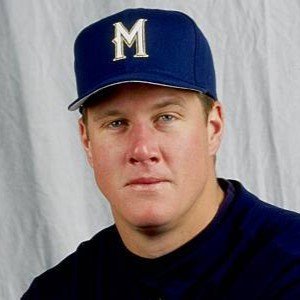 Jim Abbott played only one year in Milwaukee and didn’t have a great year, but all things considered, Abbott was successful during his 10-year major league career. Add to that his college career at the University of Michigan and his time with the 1988 USA Olympic baseball team and he had a celebrated tenure in baseball. And he did all of that with only one hand. James Anthony Abbott was born in Flint, Michigan and had a deformed right arm that ended at the wrist, with no hand. Despite his handicap, he became a star pitcher in Little League, throwing a no-hitter in the first game he pitched. In high school at Flint Central, Abbott played first base and outfield while not pitching and batted .427 with seven home runs as a senior in addition to winning 10 of 13 games with an ERA of 0.76. He averaged two strikeouts per inning pitched. On the football field, Abbott was the back-up quarterback until the last three games of his senior year. In those three games, he threw for 600 yards and six touchdowns. Abbott was also the team’s punter. Abbott was drafted in the 36th round of the 1985 MLB Amateur Draft but chose to attend the University of Michigan. He pitched three years as a Wolverine, was the first baseball player to be named Big Ten Conference Player of the Year, and beat Japan in the 1988 Olympics, tossing a complete-game 5-3 victory. The USA won the gold medal in what was at that time a ‘demonstration sport.’ The California Angels tabbed Abbott in the first round of the 1988 draft, signing the Michigan product for $207,000. He went directly to the major leagues in 1989 and finished fifth in the American League ROY voting, winning 12 games. After a solid 1990 season, Abbott had a breakthrough year in 1991, winning a career-high 18 games with an ERA+ of 142 and a FIP of 3.27. He finished third in the AL Cy Young Award voting. Abbott pitched one more season for the Angels and was traded to the New York Yankees after the 1992 campaign. In two years with the Yankees, he won a combined 20 games across 56 starts with an ERA+ of 98. Abbott pitched a no-hitter over the Cleveland Indians on September 4, 1993. A week after his gem, Abbott was blasted by New York owner George Steinbrenner, who questioned the pitcher’s courage. Not surprisingly, he became a free agent after the 1994 season and was signed by the Chicago White Sox. After just 17 starts for the Chisox, he was traded back to the Angels. The pitcher won five games in 13 starts for the Halos in 1995, but struggled in 1996, losing an AL-high 18 games. The Angels released Abbott before the 1997 season and the pitcher sat out the year, spending time with his wife and newborn daughter. Abbott attempted to make a comeback with the White Sox in 1998, pitching at four stops in the minor league system before getting called up to Chicago in September. He won all five of his starts and pitched to an ERA+ of 101 and FIP of 4.31. However, the White Sox didn’t re-sign Abbott after the season. He became a free agent and signed with the Brewers prior to the 1999 season. Unfortunately, Abbott didn’t have a great season in Brew City. After only 20 games (15 starts) he was given his release as he had an ERA+ of 66 and a FIP of 6.06. He did have a highlight, though, as he became the first one-handed player to bang out a base hit since outfielder Pete Gray collected 51 hits for the St. Louis Browns in 1945. Abbott retired after the season with 87 wins, an ERA+ of 99, and a FIP of 4.25.
 -
Jim Abbott played only one year in Milwaukee and didn’t have a great year, but all things considered, Abbott was successful during his 10-year major league career. Add to that his college career at the University of Michigan and his time with the 1988 USA Olympic baseball team and he had a celebrated tenure in baseball. And he did all of that with only one hand. James Anthony Abbott was born in Flint, Michigan and had a deformed right arm that ended at the wrist, with no hand. Despite his handicap, he became a star pitcher in Little League, throwing a no-hitter in the first game he pitched. In high school at Flint Central, Abbott played first base and outfield while not pitching and batted .427 with seven home runs as a senior in addition to winning 10 of 13 games with an ERA of 0.76. He averaged two strikeouts per inning pitched. On the football field, Abbott was the back-up quarterback until the last three games of his senior year. In those three games, he threw for 600 yards and six touchdowns. Abbott was also the team’s punter. Abbott was drafted in the 36th round of the 1985 MLB Amateur Draft but chose to attend the University of Michigan. He pitched three years as a Wolverine, was the first baseball player to be named Big Ten Conference Player of the Year, and beat Japan in the 1988 Olympics, tossing a complete-game 5-3 victory. The USA won the gold medal in what was at that time a ‘demonstration sport.’ The California Angels tabbed Abbott in the first round of the 1988 draft, signing the Michigan product for $207,000. He went directly to the major leagues in 1989 and finished fifth in the American League ROY voting, winning 12 games. After a solid 1990 season, Abbott had a breakthrough year in 1991, winning a career-high 18 games with an ERA+ of 142 and a FIP of 3.27. He finished third in the AL Cy Young Award voting. Abbott pitched one more season for the Angels and was traded to the New York Yankees after the 1992 campaign. In two years with the Yankees, he won a combined 20 games across 56 starts with an ERA+ of 98. Abbott pitched a no-hitter over the Cleveland Indians on September 4, 1993. A week after his gem, Abbott was blasted by New York owner George Steinbrenner, who questioned the pitcher’s courage. Not surprisingly, he became a free agent after the 1994 season and was signed by the Chicago White Sox. After just 17 starts for the Chisox, he was traded back to the Angels. The pitcher won five games in 13 starts for the Halos in 1995, but struggled in 1996, losing an AL-high 18 games. The Angels released Abbott before the 1997 season and the pitcher sat out the year, spending time with his wife and newborn daughter. Abbott attempted to make a comeback with the White Sox in 1998, pitching at four stops in the minor league system before getting called up to Chicago in September. He won all five of his starts and pitched to an ERA+ of 101 and FIP of 4.31. However, the White Sox didn’t re-sign Abbott after the season. He became a free agent and signed with the Brewers prior to the 1999 season. Unfortunately, Abbott didn’t have a great season in Brew City. After only 20 games (15 starts) he was given his release as he had an ERA+ of 66 and a FIP of 6.06. He did have a highlight, though, as he became the first one-handed player to bang out a base hit since outfielder Pete Gray collected 51 hits for the St. Louis Browns in 1945. Abbott retired after the season with 87 wins, an ERA+ of 99, and a FIP of 4.25. View full player
-
If money didn't matter, and Bichette was willing to sign a 3 or 4-year deal, I would trade Black and Baez for him 100 times out of a 100. But unfortunately, money does matter, so it puts the kibosh on that...



