Michael Trzinski
-
Posts
923 -
Joined
-
Last visited
-
Days Won
1
Content Type
Profiles
Forums
Blogs
Events
News
2026 Milwaukee Brewers Top Prospects Ranking
Milwaukee Brewers Videos
2022 Milwaukee Brewers Draft Picks
Milwaukee Brewers Free Agent & Trade Rumors, Notes, & Tidbits
Guides & Resources
2023 Milwaukee Brewers Draft Picks
2024 Milwaukee Brewers Draft Picks
The Milwaukee Brewers Players Project
2025 Milwaukee Brewers Draft Pick Tracker
2026 Milwaukee Brewers Draft Tracker: Picks & Bonuses
Store
Downloads
Gallery
Everything posted by Michael Trzinski
-
If you thought that the Brewers found slim pickings when it came to the Major League Rule 5 Draft, check out the dribs and drabs of the minor league phase of the draft. Milwaukee had only a couple of players who made any impression at the major league level for the Brewers, and a handful of others who made it to the big leagues, albeit for other teams. Here are the five players drafted by the Brewers who actually played for Milwaukee. Isaac Collins, OF-2B (from Colorado), 2022 Despite showing good speed with 30 steals at Double-A Hartford in 2022, the Colorado Rockies elected not to protect Collins, and the Brewers scooped him up in the Minor League portion of the draft. Collins began the 2023 season at Double-A Biloxi and showed power (10 HR), speed (29 steals), and a good eye, drawing 75 walks while batting .269/.424/.431 across just 376 plate appearances. He earned a late-season promotion to Triple-A Nashville but went 0-for-7 in three games. The following year, Collins showed his stuff at Nashville, batting .273/.386/.475 with 14 homers and 24 steals in 500 trips to the plate. The Brewers called him up for a sip of Starbucks in September. Although Collins struggled with only two hits in 17 at-bats, he showed his moxie, singling on the first pitch he saw in the major leagues and then stealing second base against his former organization in a 4-1 loss to the Rockies. The switch-hitter earned the final spot on the 2005 Brewers Opening Day roster after Blake Perkins suffered a broken tibia in training camp. Although the Brewers stumbled out of the gate, losing four straight games, Collins went 3-for-6, including a pair of doubles. He scuffled through mid-June but then caught fire over the next three months, hitting .297/.383/.485 with 26 extra-base hits in 229 ABs. Collins ran out of steam the last three weeks of the regular season, batting just .133/.333/.167 over 30 at-bats. In the postseason, Collins got only one start and went 0-for-9. Defensively, he posted a -1 Defensive Runs Saved (DRS), which put him squarely in the middle of all left fielders, but had a +5 Outs Above Average (OAA), which ranked him near the top of the list. After the 2025 season, Collins was traded, along with relief pitcher Nick Mears, to the Kansas City Royals for pitcher Ángel Zerpa. Caleb Boushley, RHP (from San Diego), 2021 The Brewers selected the Hortonville, Wisconsin product (via UW-La Crosse) from the San Diego Padres in the 2021 Minor League phase. The major league portion was postponed and then cancelled due to an offseason lockout. Boushley spent the entire 2022 season at Nashville, starting 25 games while posting a 12-2 record with an ERA of 3.25. His 1.17 WHIP was solid. He repeated the Triple-A level in 2023, and although his stats weren’t as good as the previous year, Boushley got called up to Milwaukee in late September. In his first action on a major league mound, Boushley had mixed results as he gave up a home run to Ian Happ, blew a save, but got the win in extra innings. In 2 1/3 innings, he allowed the Happ home run, walked two (one intentionally), and struck out five. To date, it is his only major league win. After the season, Boushley was outrighted to Nashville, and in January, the Minnesota Twins signed him to a minor league contract. He made two appearances in two separate stints for the Twins, and after the season, he became a free agent after he refused a minor league assignment. The Texas Rangers signed Boushley to a minor league contract in November. In 2025, Boushley spent most of the season with Texas, making 25 appearances and earning one save. Two days before Thanksgiving, Boushley signed a contract with the KT Wiz in the KBO League, hoping to find a little overseas magic. David Manning, RHP (from Minnesota), 2002 Manning was a third-round pick of the Texas Rangers in the 1992 MLB Amateur Draft. He spent seven years in the Rangers organization and barely made it to Triple-A, pitching in 12 games over a three-year period. He was granted free agency after the 1998 season and signed a minor league deal with the Chicago Cubs. Manning pitched two seasons at Double-A and Triple-A but suffered an undisclosed elbow injury that curtailed his 2000 season and the following season. He was a member of the New York Yankees organization for two months in early 2002 before being released. Manning signed with the Minnesota Twins in July and made 10 starts at Double-A New Britain. He was released once again and then was signed in the Minor League Rule 5 draft by Milwaukee. Manning began the 2003 season at Triple-A Indianapolis and got called up to Milwaukee in early August when Glendon Rusch went on the disabled list. It only took a few days for him to make his big-league debut. Unfortunately, he got rocked in his first outing, giving up four hits, five walks, and seven runs in a four-inning start against Montreal. A week later, he made his second start, and the results weren’t very different. Manning allowed seven hits, three walks, and six runs in just 2 2/3 innings against Florida. He was released 10 days later. He never made it back to the majors, but he did see a lot of the world. In addition to playing two seasons in the Chinese Professional Baseball League, he played three years in the Mexican leagues and one winter in Venezuela. He also played in two independent leagues and had partial seasons in the Cubs and Orioles organizations. Matías Carrillo, OF (from Pittsburgh), 1987 Carrillo was purchased by the Pirates in December 1985 from the Mexico City Tigers after four seasons in the Mexican League. After two ho-hum seasons in the Pirates chain, he was selected by the Brewers in the 1987 Minor League Rule 5 Draft. He spent four years (one at Double-A and three at Triple-A) in the minors for Milwaukee and was a decent player, finally getting his shot in the bigs in May 1991 when outfielder Darryl Hamilton went on the disabled list. Carillo did his best Moonlight Graham impression, although he played in three games to Graham’s one contest. In late May, Carrillo came into three consecutive games as a defensive replacement in left field for Franklin Stubbs and Greg Vaughn. Carrillo’s Milwaukee career showed no plate appearances and no defensive chances in the field. He was sent back to Triple-A Denver to make room for the return of pitcher Teddy Higuera at the end of May. Carrillo returned to the Mexican League for two years before he got signed by the Florida Marlins. He finally got his first big-league at-bat on September 1, 1993, and singled off Padres’ pitcher Andy Benes. He also had a double and two RBI. In his first dozen games, Carrillo batted .323/.323/.452 with four doubles across 31 at-bats. He finished the year with a batting line of .255/.281/.364 across 55 at-bats. In 1994, Carrillo played 80 games up until the Major League Strike. He batted .250/.295/.301 across 136 at-bats. He became a free agent after the year and played the next 15 years in the Mexican Leagues, retiring from baseball at age 46. Carrillo managed eight years in the Mexican League and one year in the independent Pioneer League before pulling the plug. Tom Candiotti, RHP (from Kansas City), 1980 How many people remember that ‘Cotton’ Candiotti pitched for the Brewers? He began his career with an unaffiliated team in the Low-A Northwest League in 1979 before signing with the Royals. He pitched for one year with the Royals at Double-A and Triple-A before getting picked by the Brewers in the minor league phase of the Rule 5 Draft in 1980. He made 21 appearances (14 starts) in 1981 at Double-A El Paso and went on the shelf with an elbow injury. He underwent Tommy John surgery and missed the end of 1981 and the entire 1982 season. He pitched at two levels in 1983 before getting called up to Milwaukee in August when Don Money went on the disabled list. After a pair of relief outings, Candiotti earned four straight wins, including two complete games and one shutout. The last four games were a disaster as he lost four straight. He posted an ERA+ of 117 and a FIP of 3.90. Candiotti was viewed as a long reliever in 1984 by manager Rene Lachemann, but instead was sent down to Triple-A Vancouver. He was recalled by Milwaukee in mid-July and made three starts with mixed results before going on the DL with right shoulder tendinitis. Upon his return, he made five appearances in September, finishing his Brewer career. In 1985, Candiotti made 28 combined starts between El Paso and Vancouver and was released after the season. Candiotti made 18 appearances (14 starts) for Milwaukee, posting an ERA+ of 96 and a FIP of 4.04. Candiotti spent the next 14 years in the bigs, toiling for Cleveland, the Los Angeles Dodgers, Toronto, and Oakland. He amassed 200+ innings nine times in his career. He retired at age 42 with 151 wins and an ERA+ of 108. The Ones That Got Away Five of the players chosen by the Brewers in the draft didn't make it to Milwaukee, but instead, made their big-league debuts with other clubs. Mike Warren, RHP (from Oakland), 1981 Warren made six starts at Single-A Stockton (4-0, 3.27 ERA), striking out batters at a rate of nearly 25% while posting a 1.14 WHIP. He was traded, along with first baseman Johnny Evers, to the A's for utilityman Rob Picciolo. Warren pitched for Oakland for three years (1983-85) and made 27 starts among 52 appearances and had an ERA+ of 75 and a FIP of 4.75. Juan Cerros, RHP (from Cincinnati), 2004 Cerros actually pitched in the bigs before Milwaukee scooped him up. He made 11 relief appearances for the Reds in 2003 and pitched to an ERA+ of 87 and FIP of 4.26. Not sure what happened in early 2005, but Cerros never pitched in the Brewers chain, instead electing to play in his native Mexico for the next 10 years. Brett Campbell, RHP (from Washington), 2007 Campbell also pitched in the bigs prior to getting drafted by the Brewers. In 2006, Campbell appeared in four games for the Nationals, posting an ERA+ of 45 and a FIP of 6.38. The Brewers released him before the start of the 2008 season. After his playing career, Campbell was a coach at Georgia Perimeter College, a small school near Atlanta. After two years, he became a scout for the Texas Rangers and, more recently, is scouting for the New York Mets. Kevin Mattison, OF (from Miami), 2013 Mattison also played in the majors prior to being drafted by Milwaukee, appearing in just three games for Miami in 2012, going 0-for-5. In 2014, Mattison played in 91 games at Triple-A Nashville, batting just .212/.294/.387 with 21 extra-base hits in 217 at-bats, but he struck out 33% of the time. He was released by the Brewers in mid-August. He signed with the Nationals before the 2015 season but was released after just three games at Triple-A Syracuse. Matt Ramsey, RHP (from Miami), 2016 Ramsey pitched for Double-A Biloxi in 2017 and led the Southern League with 27 saves. In mid-July, he was promoted to Triple-A Colorado Springs but scuffled there and was sent back to Biloxi, where he finished the season. Ramsey was released after the season and was picked up by Houston. He spent the 2018 campaign in the minors for Houston and once again chose free agency. The Los Angeles Angels signed him, and he started the 2019 season at Triple-A Salt Lake. He was called up to the Angels in late April and the next day made his only big show appearance, pitching a perfect ninth against the New York Yankees, striking out Mike Ford to end the game. He was let go by the Angels in early June. He pitched in Mexico and in an independent league, but retired after the season. Final Thoughts The Brewers, like most other teams, hope to find that special needle in a haystack with the Minor League phase of the Rule 5 Draft. It happened with Collins, Candiotti, and, to a lesser extent, Mike Warren. But for the most part, major league teams are just happy if they can find someone who can be a solid performer for them at the higher levels of the minors. And if they happen to make it to the bigs? That's a job well done by that organization. Please feel free to share any thoughts or comments in the comments section below. View full article
-
I hope he proves me wrong, but I feel Lockridge's analytics are better than his results. I had elite speed when I was a teen, but couldn't hit the curveball. Kinda feel that is what is happening to Lockridge.
-
He would have been easily the #1 selection in Brewer history. I was using the B-R Bullpen page for research, but it didn't mention the trade. A little lazy on my part, perhaps? And does anybody know who John Trisler is? He was the pitcher the Brewers traded to get Lloyd. Trisler pitched three seasons in the Phillies chain, never making it past Double-A. A pretty good swap, I would say...
-
Collins would have been second for sure. If he had played one more year, I would have put him in first.
-
I'd have to sort through the Minor league phase. Stay tuned...
- 6 replies
-
- 1
-

-
- jeff bennett
- jose mercedes
- (and 3 more)
-
Somebody told me that her name was Jill...😎
-
Nice work, Steve!!
-
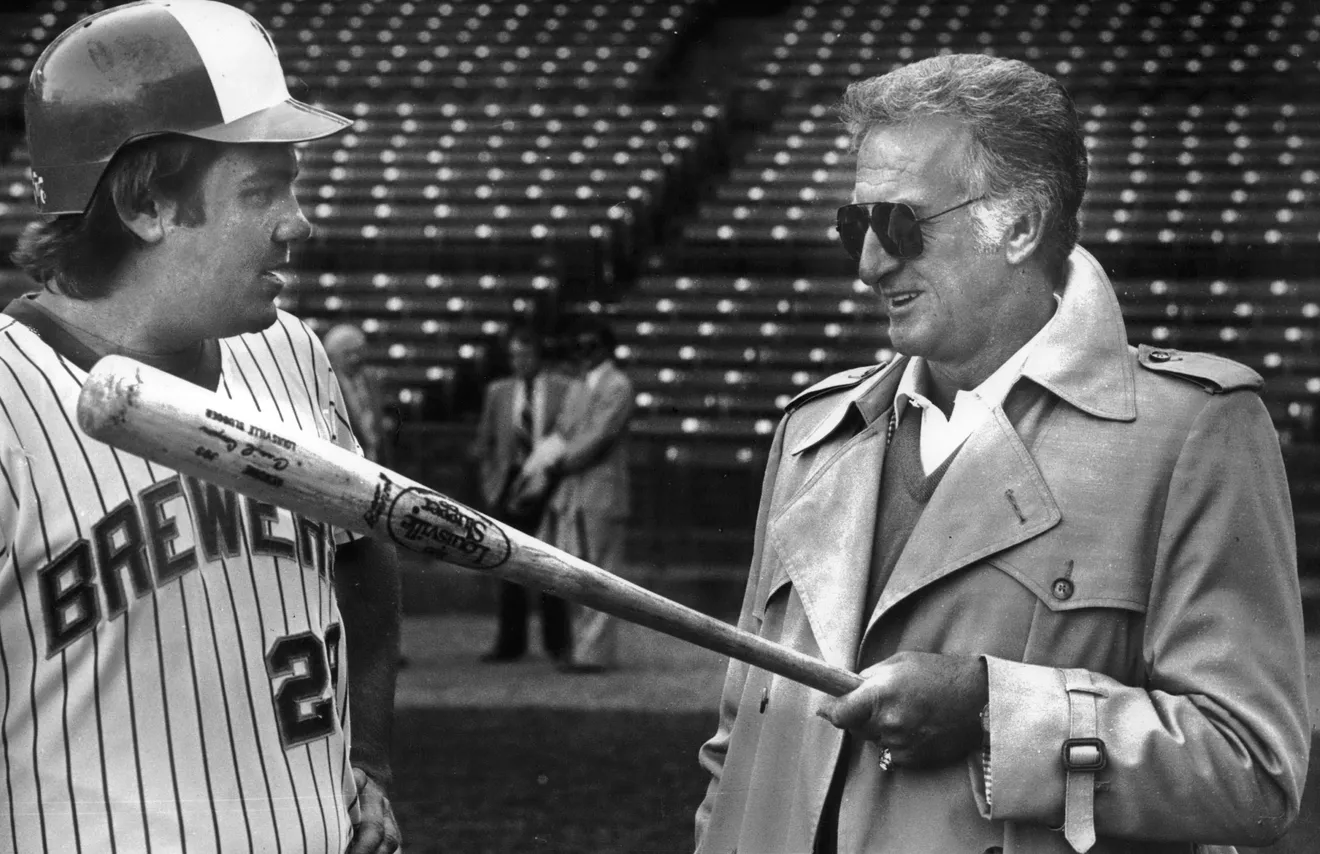 The Rule 5 Draft occurs every December at Major League Baseball’s Winter Meetings. The offseason lockout of 2021-2022 caused the cancellation of the major league phase, although the minor league portion was held as scheduled. To learn more about the minutiae of the Rule 5 Draft, click here. The Milwaukee Brewers have selected 29 players in the Rule 5 Draft. Not every transaction goes smoothly, as some players get returned to their original teams. Infielder Colin Walsh (2015) was returned to the Oakland A’s in June 2016 after appearing in 38 of the Brewers' first 46 games, posting a unique batting line of .085/.317/.106 across 63 plate appearances. In 2006, the Detroit Tigers reportedly paid Milwaukee $75,000 to draft left-handed pitcher Edward Campusano. The pitcher was then traded to Detroit and was in the running for a bullpen spot with the Tigers. In March 2007, Campusano underwent reconstructive elbow surgery and missed the entire season. He was returned to the Chicago Cubs that October. Right-handed pitcher Eduardo Morlan was chosen in the 2008 Rule 5 Draft from Tampa Bay. He was returned to the Rays the following March. He pitched in Double-A for the Rays in 2009 and in 2010 before getting released two months into the season. The Brewers signed him a day later and assigned him to Double-A Huntsville. Despite posting an ERA of 2.74 and earning three saves in 32 appearances, Morlan was released by Milwaukee after the season. Not every pick is accompanied by such drama. Here are five picks that turned out well for Milwaukee. #5 Jeff Bennett, RHP (from Pittsburgh) Bennett had been the Pirates’ 19th-round pick in the 1998 Amateur Draft. He struggled through six years, finally making it to Triple-A Nashville, which was then a Pittsburgh affiliate. In the 2003 Rule 5 Draft, he was picked fifth by Milwaukee. Bennett was primarily used in middle relief, low-leverage spots, and appeared in 60 games for Milwaukee in 2004, which ranked third on the staff. He posted a decent 91 ERA+ but had an ugly 5.15 FIP. His best day as a Brewer came on June 18 when he pitched two scoreless, hitless innings while striking out two in a 4-1 win over Minnesota, earning his sixth of eight holds on the year. Bennett was sent down to Nashville—now a Brewers farm team—for the 2005 season. Despite posting an ERA of 3.03, 13 saves, and a 1.11 WHIP in 49 games for the Sounds, the Brewers declined to offer Bennett a contract after the season. The Atlanta Braves inked him to a minor league contract in early 2006, but the pitcher missed the entire year due to undergoing Tommy John surgery. He pitched from 2007-09 in Atlanta before being released by the Braves in late July. Tampa Bay signed him, and Bennett appeared in 11 games. After a short, failed stint with the Rays in 2010, he was signed in mid-season by the Brewers. Bennett made 12 appearances in Nashville but was jettisoned after posting an ERA of 11.32. In the latter days of his career, Bennett pitched in Mexico and a couple of Independent leagues, and even reached as high as Triple-A Albuquerque with the Dodgers before retiring in 2015. #4 José Mercedes, RHP (from Baltimore) Mercedes was signed by Baltimore in 1989 as an international free agent. After pitching two seasons in the Dominican Republic, he made his American debut in 1992, pitching in Rookie and Single-A ball, making 13 starts in 16 appearances and posting a 2.29 ERA and a WHIP of 1.20. He moved up to Double-A Bowie in 1993 but struggled in 23 starts with an ERA of 4.78 and 1.60 WHIP. In December, he was selected by the Brewers with the third pick of the Rule 5 Draft. Mercedes suffered an abdominal strain in spring training and started the season on the 15-day disabled list. He made three rehab starts at Triple-A New Orleans before being activated by the Brewers in late May. Mercedes made his big-league debut on May 31, going 5 1/3 innings while allowing three hits and two walks while striking out two in a long relief stint in a 7-4 loss to Texas. He made 19 relief appearances before the season ended with the baseball strike. After just five appearances in early 1995, Mercedes went on the DL again, this time with an irritation to the ulnar nerve in his right elbow, and missed the rest of the season. Mercedes started the 1996 campaign at Triple-A New Orleans and was called up to Milwaukee in mid-June, but he only lasted five weeks, as he was waived and assigned to New Orleans. The following year was make-or-break, and Mercedes performed well for Milwaukee and had his best season as a big leaguer. He led the Brewers with two complete games and one shutout among his 23 starts, along with six relief appearances. His 159 innings were the third-best on the staff. He posted an ERA+ of 123. Mercedes started in Milwaukee in 1998 but was on shaky ground after six appearances (four starts). After allowing 12 hits and 11 runs in just 3 1/3 innings on May 4, Mercedes went on the 15-day DL with a right shoulder injury. He underwent surgery in mid-July and missed the rest of the season, and was subsequently released by the Brewers in December. He won 14 games for Baltimore in 2000, but then led the American League with 17 losses the following year. Mercedes pitched in five contests for the Montreal Expos in 2003, his final big-league season. #3 Alberto Reyes, RHP (from Montreal) Reyes was a menacing, 6-foot-1, 230-pound right-hander who was signed as an international free agent by Montreal in early 1988. He made his professional debut in 1990 as a starter but would pitch almost exclusively in relief after that. In his five years as an Expo farmhand, Reyes only made it to Double-A Harrisburg before being selected in the 1994 Rule 5 Draft by the Brewers. In his first season as a Brewer, Reyes made 27 appearances before his season ended in late July due to a torn ulnar collateral ligament in his right elbow that required Tommy John surgery. Reyes posted an ERA+ of 206 and a WHIP of 1.11 across a small sample of 33 1/3 innings. He returned in late 1996 and pitched in 13 games as Single-A Beloit before getting called up to Milwaukee in September, where he made five appearances. Reyes began the 1997 campaign at Triple-A Tucson. He was called up for one game in May and then sent back down. Reyes returned to Milwaukee in late July and finished the season there, posting a substandard ERA+ of 86 and an FIP of 4.19. The injury bug derailed Reyes’ season again in 1998, although he still managed to make 50 appearances despite missing six weeks late in the season. He ranked third on the staff in games pitched and posted an ERA+ of 109 and a FIP of 4.89. Reyes pitched in 26 games for the Brewers in 1999 before getting dealt to the Baltimore Orioles in mid-July for pitcher Rocky Coppinger. Reyes bounced around over the next 10 years, making stops with Baltimore, Los Angeles Dodgers, Pittsburgh, New York Yankees, and St. Louis before finishing his career with two years in Tampa Bay, including posting a career-high 26 saves in 2007. #2 Ned Yost, C (from New York Mets) Edgar Frederick Yost III was originally chosen in the second round of the 1974 MLB January draft (Regular Phase) by the Montreal Expos but declined to sign. Six months later, he was selected seventh overall in the June Secondary Phase draft by the New York Mets. Yost played for four years in the Mets organization and had his best year in 1977 at two stops, batting .297/.358/.521 with 17 doubles and 13 HRs in just 259 at-bats. In December, the Brewers picked Yost with the seventh pick in the Rule 5 Draft. Yost spent the next two years at the Triple-A level in the Brewers organization (I could not find any details on why he wasn’t required to play in the majors in 1978). Yost began the 1980 season with Milwaukee, and after playing sparingly over the first three weeks, was sent back down to Vancouver. He was recalled in September and got a hit in his first game back, a single off Minnesota Twins pitcher Albert Williams. In 1981, Yost served as the third catcher behind Ted Simmons and Charlie Moore and got only 27 at-bats, but he did jack three home runs among his six hits. The following year, Yost was the primary backup behind Simmons and hit .276/.324/.429 across 98 at-bats as the Brewers won the American League crown. With less than a week left in the season and Milwaukee battling with Baltimore for supremacy in the American League East, Yost hit a clutch three-run homer in the top of the 9th inning off Boston’s Mark Clear to give the Brewers a 6-3 win. Yost only had one plate appearance in the postseason, drawing a walk in a World Series Game 6 13-1 loss to St. Louis. Yost started 57 games behind the plate in 1983, still playing behind Simmons. Yost set career highs with runs, hits, home runs, and RBI. After the season, Yost was traded to the Texas Rangers for catcher Jim Sundberg. Yost set a career high in 1984 with 242 at-bats but only slashed .182/.201/.273 and was released after the campaign. Montreal picked him up, but he only got 11 at-bats at the end of the 1985 season. Yost played the next two seasons in the Atlanta Braves organization before retiring. After his playing career, Yost managed in the minors for Atlanta and served as a long-time coach with the team. He managed the Brewers from 2003 to 2008 and the Kansas City Royals from 2010 to 2019. #1 Mark Brouhard, OF (from California) Brouhard was selected in the fourth round of the 1976 January Draft—Regular Phase by the California Angels. In four years in the Angels chain (Rookie, Single-A, Double-A), Brouhard had a combined batting line of .313/.378/.507 with 72 home runs and was named the Double-A Texas League Most Valuable Player in 1979 by virtue of batting .350 with 28 home runs and 107 RBI. Yet the Angels did not add him to their 40-man roster and lost him when the Brewers selected him in the 1979 Rule 5 Draft. ‘Big Bro’ managed to get 125 AB in 1980 with Milwaukee, playing the outfield corners and a few starts at first base. He batted only .232/.278/.400 but did show extra-base power with six doubles and five homers. In 1981, Brouhard started at Triple-A Vancouver but only played 16 games there before an injury to Paul Molitor led to Brouhard being called back to Milwaukee. He batted .274/.305/.371 across 186 at-bats. He posted a nearly average OPS+ of 99 and legged out a career-high three triples. Brouhard was unable to play in the postseason due to a pulled calf muscle. The following season, Brouhard started the year in Milwaukee and made a brief detour to Vancouver in August after losing playing time to Charlie Moore and Marshall Edwards. He returned at the end of the month, just in time to make the postseason roster. Although his season wasn’t spectacular, he set a career high with an OPS of .771 and an OPS+ mark of 116. Brouhard appeared in only one game in the postseason, but what he did in that contest was enough for him to make the top of this Rule 5 list and make him an instant Brewers legend. The Brewers trailed the California Angels two games to one in the American League Championship Series. Brouhard was inserted in the starting lineup after an injury kept usual starter Ben Oglivie out. Batting seventh and playing left field, all Brouhard did was collect a single, double, and home run, knocking in three runs and scoring four (the latter tying a playoff record). Despite that, Brouhard never got off the bench for the rest of the postseason. Over the next three seasons, Brouhard mostly split time between Milwaukee and Vancouver, accumulating only 490 big-league at-bats, batting .257/.304/.404 with 14 home runs. Brouhard finished up his playing days overseas in Japan, along with 55 minor league games back with California, his original organization. Final Thoughts Unfortunately, the Brewers have not been able to pick up players such as George Bell, Josh Hamilton, or Roberto Clemente, who became solid players. The Brewers' list of Rule 5 successes is a short one. And sometimes a player that you don’t have room for goes on to star for another team. In 2024, Brewer farmhand Shane Smith was lost to the Chicago White Sox and became an All-Star last season. The Brewers just haven’t been that lucky. Not many of the players that the Brewers have grabbed in the Rule 5 Draft have turned out to be success stories. Do you have a player that you felt was left off this list? Start the conversation in the comments section below!
- 6 comments
-
- 2
-
-
- jeff bennett
- jose mercedes
- (and 3 more)
-
Image courtesy of Rick Wood--Milwaukee Journal Sentinel The Rule 5 Draft occurs every December at Major League Baseball’s Winter Meetings. The offseason lockout of 2021-2022 caused the cancellation of the major league phase, although the minor league portion was held as scheduled. To learn more about the minutiae of the Rule 5 Draft, click here. The Milwaukee Brewers have selected 29 players in the Rule 5 Draft. Not every transaction goes smoothly, as some players get returned to their original teams. Infielder Colin Walsh (2015) was returned to the Oakland A’s in June 2016 after appearing in 38 of the Brewers' first 46 games, posting a unique batting line of .085/.317/.106 across 63 plate appearances. In 2006, the Detroit Tigers reportedly paid Milwaukee $75,000 to draft left-handed pitcher Edward Campusano. The pitcher was then traded to Detroit and was in the running for a bullpen spot with the Tigers. In March 2007, Campusano underwent reconstructive elbow surgery and missed the entire season. He was returned to the Chicago Cubs that October. Right-handed pitcher Eduardo Morlan was chosen in the 2008 Rule 5 Draft from Tampa Bay. He was returned to the Rays the following March. He pitched in Double-A for the Rays in 2009 and in 2010 before getting released two months into the season. The Brewers signed him a day later and assigned him to Double-A Huntsville. Despite posting an ERA of 2.74 and earning three saves in 32 appearances, Morlan was released by Milwaukee after the season. Not every pick is accompanied by such drama. Here are five picks that turned out well for Milwaukee. #5 Jeff Bennett, RHP (from Pittsburgh) Bennett had been the Pirates’ 19th-round pick in the 1998 Amateur Draft. He struggled through six years, finally making it to Triple-A Nashville, which was then a Pittsburgh affiliate. In the 2003 Rule 5 Draft, he was picked fifth by Milwaukee. Bennett was primarily used in middle relief, low-leverage spots, and appeared in 60 games for Milwaukee in 2004, which ranked third on the staff. He posted a decent 91 ERA+ but had an ugly 5.15 FIP. His best day as a Brewer came on June 18 when he pitched two scoreless, hitless innings while striking out two in a 4-1 win over Minnesota, earning his sixth of eight holds on the year. Bennett was sent down to Nashville—now a Brewers farm team—for the 2005 season. Despite posting an ERA of 3.03, 13 saves, and a 1.11 WHIP in 49 games for the Sounds, the Brewers declined to offer Bennett a contract after the season. The Atlanta Braves inked him to a minor league contract in early 2006, but the pitcher missed the entire year due to undergoing Tommy John surgery. He pitched from 2007-09 in Atlanta before being released by the Braves in late July. Tampa Bay signed him, and Bennett appeared in 11 games. After a short, failed stint with the Rays in 2010, he was signed in mid-season by the Brewers. Bennett made 12 appearances in Nashville but was jettisoned after posting an ERA of 11.32. In the latter days of his career, Bennett pitched in Mexico and a couple of Independent leagues, and even reached as high as Triple-A Albuquerque with the Dodgers before retiring in 2015. #4 José Mercedes, RHP (from Baltimore) Mercedes was signed by Baltimore in 1989 as an international free agent. After pitching two seasons in the Dominican Republic, he made his American debut in 1992, pitching in Rookie and Single-A ball, making 13 starts in 16 appearances and posting a 2.29 ERA and a WHIP of 1.20. He moved up to Double-A Bowie in 1993 but struggled in 23 starts with an ERA of 4.78 and 1.60 WHIP. In December, he was selected by the Brewers with the third pick of the Rule 5 Draft. Mercedes suffered an abdominal strain in spring training and started the season on the 15-day disabled list. He made three rehab starts at Triple-A New Orleans before being activated by the Brewers in late May. Mercedes made his big-league debut on May 31, going 5 1/3 innings while allowing three hits and two walks while striking out two in a long relief stint in a 7-4 loss to Texas. He made 19 relief appearances before the season ended with the baseball strike. After just five appearances in early 1995, Mercedes went on the DL again, this time with an irritation to the ulnar nerve in his right elbow, and missed the rest of the season. Mercedes started the 1996 campaign at Triple-A New Orleans and was called up to Milwaukee in mid-June, but he only lasted five weeks, as he was waived and assigned to New Orleans. The following year was make-or-break, and Mercedes performed well for Milwaukee and had his best season as a big leaguer. He led the Brewers with two complete games and one shutout among his 23 starts, along with six relief appearances. His 159 innings were the third-best on the staff. He posted an ERA+ of 123. Mercedes started in Milwaukee in 1998 but was on shaky ground after six appearances (four starts). After allowing 12 hits and 11 runs in just 3 1/3 innings on May 4, Mercedes went on the 15-day DL with a right shoulder injury. He underwent surgery in mid-July and missed the rest of the season, and was subsequently released by the Brewers in December. He won 14 games for Baltimore in 2000, but then led the American League with 17 losses the following year. Mercedes pitched in five contests for the Montreal Expos in 2003, his final big-league season. #3 Alberto Reyes, RHP (from Montreal) Reyes was a menacing, 6-foot-1, 230-pound right-hander who was signed as an international free agent by Montreal in early 1988. He made his professional debut in 1990 as a starter but would pitch almost exclusively in relief after that. In his five years as an Expo farmhand, Reyes only made it to Double-A Harrisburg before being selected in the 1994 Rule 5 Draft by the Brewers. In his first season as a Brewer, Reyes made 27 appearances before his season ended in late July due to a torn ulnar collateral ligament in his right elbow that required Tommy John surgery. Reyes posted an ERA+ of 206 and a WHIP of 1.11 across a small sample of 33 1/3 innings. He returned in late 1996 and pitched in 13 games as Single-A Beloit before getting called up to Milwaukee in September, where he made five appearances. Reyes began the 1997 campaign at Triple-A Tucson. He was called up for one game in May and then sent back down. Reyes returned to Milwaukee in late July and finished the season there, posting a substandard ERA+ of 86 and an FIP of 4.19. The injury bug derailed Reyes’ season again in 1998, although he still managed to make 50 appearances despite missing six weeks late in the season. He ranked third on the staff in games pitched and posted an ERA+ of 109 and a FIP of 4.89. Reyes pitched in 26 games for the Brewers in 1999 before getting dealt to the Baltimore Orioles in mid-July for pitcher Rocky Coppinger. Reyes bounced around over the next 10 years, making stops with Baltimore, Los Angeles Dodgers, Pittsburgh, New York Yankees, and St. Louis before finishing his career with two years in Tampa Bay, including posting a career-high 26 saves in 2007. #2 Ned Yost, C (from New York Mets) Edgar Frederick Yost III was originally chosen in the second round of the 1974 MLB January draft (Regular Phase) by the Montreal Expos but declined to sign. Six months later, he was selected seventh overall in the June Secondary Phase draft by the New York Mets. Yost played for four years in the Mets organization and had his best year in 1977 at two stops, batting .297/.358/.521 with 17 doubles and 13 HRs in just 259 at-bats. In December, the Brewers picked Yost with the seventh pick in the Rule 5 Draft. Yost spent the next two years at the Triple-A level in the Brewers organization (I could not find any details on why he wasn’t required to play in the majors in 1978). Yost began the 1980 season with Milwaukee, and after playing sparingly over the first three weeks, was sent back down to Vancouver. He was recalled in September and got a hit in his first game back, a single off Minnesota Twins pitcher Albert Williams. In 1981, Yost served as the third catcher behind Ted Simmons and Charlie Moore and got only 27 at-bats, but he did jack three home runs among his six hits. The following year, Yost was the primary backup behind Simmons and hit .276/.324/.429 across 98 at-bats as the Brewers won the American League crown. With less than a week left in the season and Milwaukee battling with Baltimore for supremacy in the American League East, Yost hit a clutch three-run homer in the top of the 9th inning off Boston’s Mark Clear to give the Brewers a 6-3 win. Yost only had one plate appearance in the postseason, drawing a walk in a World Series Game 6 13-1 loss to St. Louis. Yost started 57 games behind the plate in 1983, still playing behind Simmons. Yost set career highs with runs, hits, home runs, and RBI. After the season, Yost was traded to the Texas Rangers for catcher Jim Sundberg. Yost set a career high in 1984 with 242 at-bats but only slashed .182/.201/.273 and was released after the campaign. Montreal picked him up, but he only got 11 at-bats at the end of the 1985 season. Yost played the next two seasons in the Atlanta Braves organization before retiring. After his playing career, Yost managed in the minors for Atlanta and served as a long-time coach with the team. He managed the Brewers from 2003 to 2008 and the Kansas City Royals from 2010 to 2019. #1 Mark Brouhard, OF (from California) Brouhard was selected in the fourth round of the 1976 January Draft—Regular Phase by the California Angels. In four years in the Angels chain (Rookie, Single-A, Double-A), Brouhard had a combined batting line of .313/.378/.507 with 72 home runs and was named the Double-A Texas League Most Valuable Player in 1979 by virtue of batting .350 with 28 home runs and 107 RBI. Yet the Angels did not add him to their 40-man roster and lost him when the Brewers selected him in the 1979 Rule 5 Draft. ‘Big Bro’ managed to get 125 AB in 1980 with Milwaukee, playing the outfield corners and a few starts at first base. He batted only .232/.278/.400 but did show extra-base power with six doubles and five homers. In 1981, Brouhard started at Triple-A Vancouver but only played 16 games there before an injury to Paul Molitor led to Brouhard being called back to Milwaukee. He batted .274/.305/.371 across 186 at-bats. He posted a nearly average OPS+ of 99 and legged out a career-high three triples. Brouhard was unable to play in the postseason due to a pulled calf muscle. The following season, Brouhard started the year in Milwaukee and made a brief detour to Vancouver in August after losing playing time to Charlie Moore and Marshall Edwards. He returned at the end of the month, just in time to make the postseason roster. Although his season wasn’t spectacular, he set a career high with an OPS of .771 and an OPS+ mark of 116. Brouhard appeared in only one game in the postseason, but what he did in that contest was enough for him to make the top of this Rule 5 list and make him an instant Brewers legend. The Brewers trailed the California Angels two games to one in the American League Championship Series. Brouhard was inserted in the starting lineup after an injury kept usual starter Ben Oglivie out. Batting seventh and playing left field, all Brouhard did was collect a single, double, and home run, knocking in three runs and scoring four (the latter tying a playoff record). Despite that, Brouhard never got off the bench for the rest of the postseason. Over the next three seasons, Brouhard mostly split time between Milwaukee and Vancouver, accumulating only 490 big-league at-bats, batting .257/.304/.404 with 14 home runs. Brouhard finished up his playing days overseas in Japan, along with 55 minor league games back with California, his original organization. Final Thoughts Unfortunately, the Brewers have not been able to pick up players such as George Bell, Josh Hamilton, or Roberto Clemente, who became solid players. The Brewers' list of Rule 5 successes is a short one. And sometimes a player that you don’t have room for goes on to star for another team. In 2024, Brewer farmhand Shane Smith was lost to the Chicago White Sox and became an All-Star last season. The Brewers just haven’t been that lucky. Not many of the players that the Brewers have grabbed in the Rule 5 Draft have turned out to be success stories. Do you have a player that you felt was left off this list? Start the conversation in the comments section below! View full article
-
I was thinking more along the line of results...not going to expect very much. Remember how everybody thought Cortes was gonna be a stud?
-
Still not sold on this trade. Like I had mentioned earlier, Milwaukee traded a solid RHP reliever and a solid OF/utility guy for a solid LHP. On its face, it seems like KC got the better end of the deal. 'Nestor Cortes: Part Deux.' (and yes I know Cortes was a starter. Talking results here.)
-
Inside The Milwaukee Brewers Players Project: Closers of the 1990s
Michael Trzinski posted an article in Brewers
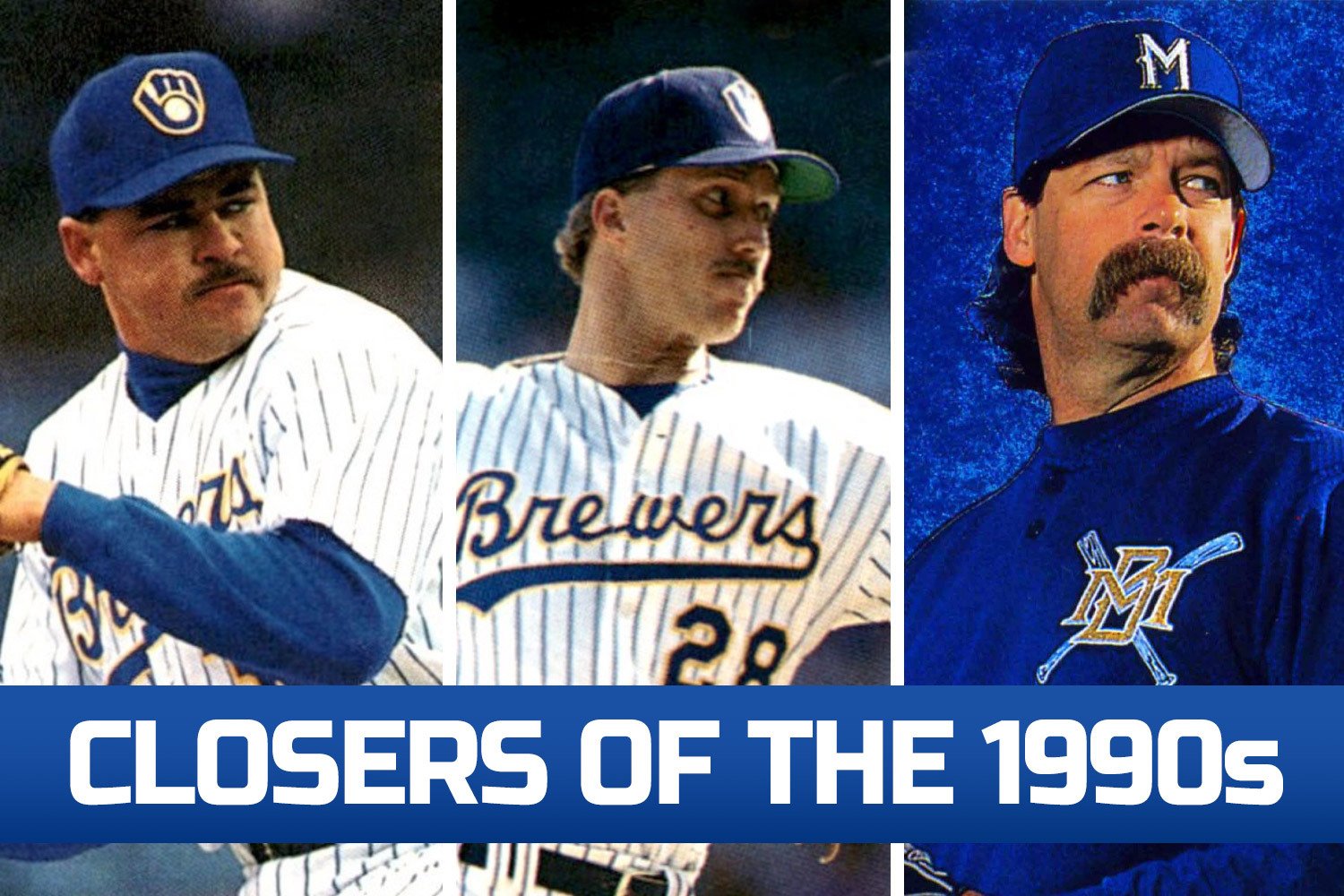 During the 1990s, the Brewers had three main closers, and although they didn't shine for long, they all shone brightly before flaring out. Doug Henry was the main man for Milwaukee from 1991-93, earning 61 saves. That number ranks 10th in Brewer history. Mike Fetters took over after Henry and notched 71 saves from 1994-96. Overall, he has 79 saves, which is tied with Bob Wickman for sixth place. Doug Jones posted 36 saves at age 40 in 1997 and had 12 the following season. His total of 49 ranks 16th.
-
- 1
-
-
- doug henry
- mike fetters
- (and 1 more)
-
During the 1990s, the Brewers had three main closers, and although they didn't shine for long, they all shone brightly before flaring out. Doug Henry was the main man for Milwaukee from 1991-93, earning 61 saves. That number ranks 10th in Brewer history. Mike Fetters took over after Henry and notched 71 saves from 1994-96. Overall, he has 79 saves, which is tied with Bob Wickman for sixth place. Doug Jones posted 36 saves at age 40 in 1997 and had 12 the following season. His total of 49 ranks 16th. View full article
-
Plus, he's got a cool name! 😎
-
Doug Jones was a late bloomer. The right-hander was drafted by the Brewers in the third round of the 1978 MLB January Draft--Regular Phase. Back in those days, major league baseball had four different drafts with two held in January and two held in June, depending on your status in high school or college. Jones began his pro career as a starting pitcher and moved steadily up the chain for four years before he got called up to Milwaukee. Jones began the 1982 season in Milwaukee but was sent down in late-April to make room for Jim Slaton. He spent the rest of 1982 at Triple-A Vancouver, and then at Vancouver and Double-A El Paso in 1983 and 1984. With the Brewers now soured on Jones, he was granted free agency after the 1984 season. Hungry for pitching help, the Cleveland Indians signed Jones before the 1985 season. He spent most of the next two years in the minors before getting called up to Cleveland in September and earned his first major league win and save, using a new change-up grip taught to him by former Vancouver teammate Willie Mueller. Jones made the Indians out of camp in 1987 but after struggling in April, was sent back down to Triple-A Buffalo where he excelled. In June, Cleveland sent for him and he ended with eight saves to finish out the year. Jones picked up where he left off in 1988, earning All-Star status for three years from 1988-1990, compiling 112 saves during that period. He struggled in 1991 and lost his closer job and then became a free agent after the season. Jones signed with the Houston Astros and notched 62 saves in two years, making the All-Star team in 1992. In December 1993, Jones was traded with Jeff Juden to Philadelphia for Mitch 'Wild Thing' Williams. He was named to his fifth and final All-Star team at age 37 in 1994, earning 27 saves for the Phillies. After one and a-half lackluster seasons with Baltimore and the Chicago Cubs, the Brewers signed Jones as a free agent in the middle of the 1996 campaign. In 1997, Jones earned a then-Brewer record 36 saves but slumped in 1998, recording 12 saves in the first half of the season but posted subpar numbers of a 83 ERA+ and a FIP of 5.99. He was traded to back to Cleveland for Eric Plunk. He earned 13 saves over the next two-plus years with the Indians and the Oakland A's. He retired after the 2000 season at age 43 with 303 saves, 12th best in major league history at the time. All but one of the saves were recorded after age 30. He passed away on November 22, 2021 from Covid-related complications. View full player
- 1 reply
-
- 1
-
-
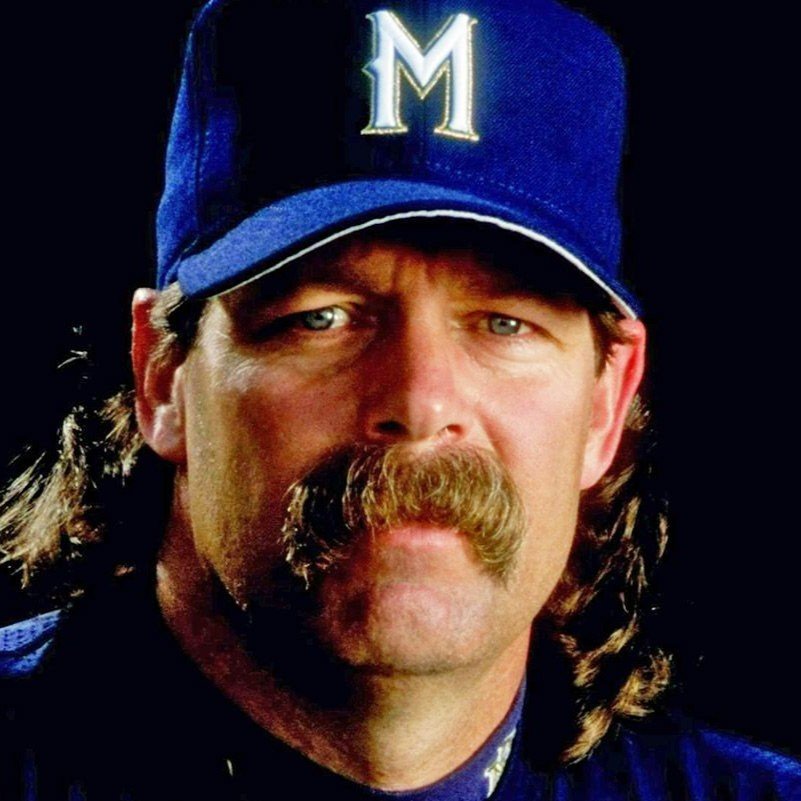 Doug Jones was a late bloomer. The right-hander was drafted by the Brewers in the third round of the 1978 MLB January Draft--Regular Phase. Back in those days, major league baseball had four different drafts with two held in January and two held in June, depending on your status in high school or college. Jones began his pro career as a starting pitcher and moved steadily up the chain for four years before he got called up to Milwaukee. Jones began the 1982 season in Milwaukee but was sent down in late-April to make room for Jim Slaton. He spent the rest of 1982 at Triple-A Vancouver, and then at Vancouver and Double-A El Paso in 1983 and 1984. With the Brewers now soured on Jones, he was granted free agency after the 1984 season. Hungry for pitching help, the Cleveland Indians signed Jones before the 1985 season. He spent most of the next two years in the minors before getting called up to Cleveland in September and earned his first major league win and save, using a new change-up grip taught to him by former Vancouver teammate Willie Mueller. Jones made the Indians out of camp in 1987 but after struggling in April, was sent back down to Triple-A Buffalo where he excelled. In June, Cleveland sent for him and he ended with eight saves to finish out the year. Jones picked up where he left off in 1988, earning All-Star status for three years from 1988-1990, compiling 112 saves during that period. He struggled in 1991 and lost his closer job and then became a free agent after the season. Jones signed with the Houston Astros and notched 62 saves in two years, making the All-Star team in 1992. In December 1993, Jones was traded with Jeff Juden to Philadelphia for Mitch 'Wild Thing' Williams. He was named to his fifth and final All-Star team at age 37 in 1994, earning 27 saves for the Phillies. After one and a-half lackluster seasons with Baltimore and the Chicago Cubs, the Brewers signed Jones as a free agent in the middle of the 1996 campaign. In 1997, Jones earned a then-Brewer record 36 saves but slumped in 1998, recording 12 saves in the first half of the season but posted subpar numbers of a 83 ERA+ and a FIP of 5.99. He was traded to back to Cleveland for Eric Plunk. He earned 13 saves over the next two-plus years with the Indians and the Oakland A's. He retired after the 2000 season at age 43 with 303 saves, 12th best in major league history at the time. All but one of the saves were recorded after age 30. He passed away on November 22, 2021 from Covid-related complications.
 -
It took Doug Henry six seasons to make it to the big leagues, but once he did, he shone brightly for the Milwaukee Brewers for a brief period. The club called him up one week after the major league All-Star game in 1991 from Triple-A Denver, where he had notched 14 saves. In early August, three-time All-Star closer Dan Plesac decided he wanted to be a starter, so Henry took over the high-leverage role. The right-hander saved 15 games and posted an incredible 406 ERA+. He earned enough votes to finish eighth in the American League Rookie of the Year voting and would be the Brewers closer for the next two seasons, saving 46 games for Milwaukee. Henry was drafted in the 16th round of the 1982 MLB Amateur Draft but instead elected to attend Arizona State University and was consequently selected in the eighth round of the 1985 draft by the Brewers. He was mostly a starter in his first two seasons at Single-A Beloit but was switched to the bullpen in 1988, where he would stay the rest of his career. After his solid rookie campaign, Henry set a career-high with 29 saves in 1992, ranking in a tie for eighth in the American League, finishing well behind league leader Dennis Eckersley's 51 saves. Henry struggled in 1993, saving only 17 games while suffering seven blown saves. In 1994, Henry lost the closer's role to Mike Fetters and failed to earn a single save in 25 appearances. He spent 16 games in the minors at Double-A and Triple-A combined. After the 1994 season, Henry was traded to the New York Mets for a pair of PTBNL, one of which would be infielder Fernando Viña, who would play five years in Milwaukee. Henry bounced arounds the bigs the rest of his career, playing two years with the Mets, two years with the San Francisco Giants, three seasons with the Houston Astros, and one year in his final big league stop for the Kansas City Royals. Henry saved only 21 games in his last seven seasons, compared to 61 in three-plus years as a Brewer. After his playing career ended, Henry coached at UW-Whitewater in 2004 and then spent the next two decades coaching in various organizations, including the Braves, Royals, and Angels. In 2025, Henry was the pitching coach for the Tri-City (Washington) Dust Devils, an Angels affiliate. View full player
-
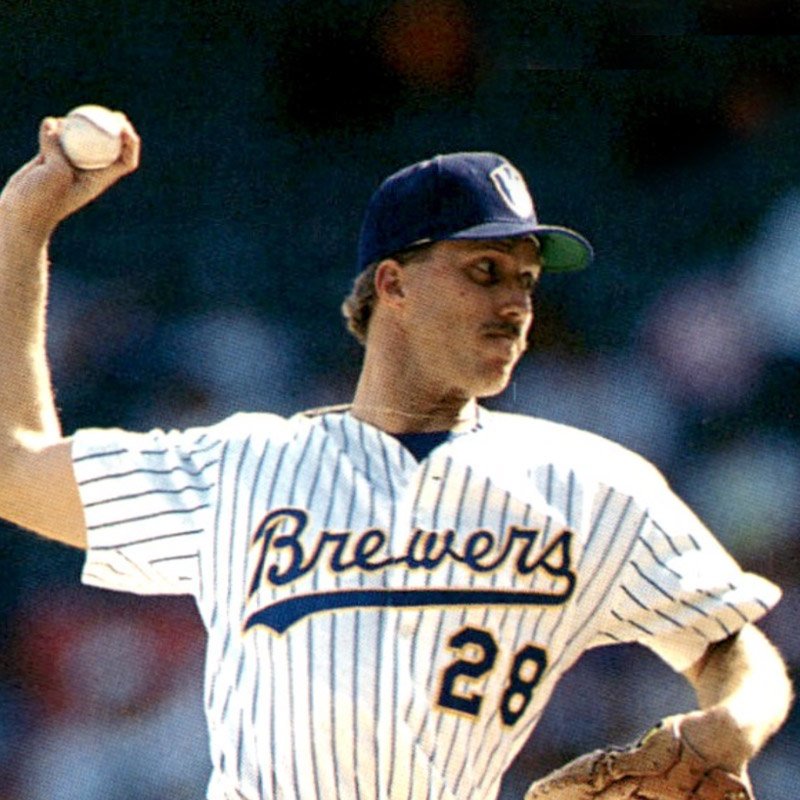 It took Doug Henry six seasons to make it to the big leagues, but once he did, he shone brightly for the Milwaukee Brewers for a brief period. The club called him up one week after the major league All-Star game in 1991 from Triple-A Denver, where he had notched 14 saves. In early August, three-time All-Star closer Dan Plesac decided he wanted to be a starter, so Henry took over the high-leverage role. The right-hander saved 15 games and posted an incredible 406 ERA+. He earned enough votes to finish eighth in the American League Rookie of the Year voting and would be the Brewers closer for the next two seasons, saving 46 games for Milwaukee. Henry was drafted in the 16th round of the 1982 MLB Amateur Draft but instead elected to attend Arizona State University and was consequently selected in the eighth round of the 1985 draft by the Brewers. He was mostly a starter in his first two seasons at Single-A Beloit but was switched to the bullpen in 1988, where he would stay the rest of his career. After his solid rookie campaign, Henry set a career-high with 29 saves in 1992, ranking in a tie for eighth in the American League, finishing well behind league leader Dennis Eckersley's 51 saves. Henry struggled in 1993, saving only 17 games while suffering seven blown saves. In 1994, Henry lost the closer's role to Mike Fetters and failed to earn a single save in 25 appearances. He spent 16 games in the minors at Double-A and Triple-A combined. After the 1994 season, Henry was traded to the New York Mets for a pair of PTBNL, one of which would be infielder Fernando Viña, who would play five years in Milwaukee. Henry bounced arounds the bigs the rest of his career, playing two years with the Mets, two years with the San Francisco Giants, three seasons with the Houston Astros, and one year in his final big league stop for the Kansas City Royals. Henry saved only 21 games in his last seven seasons, compared to 61 in three-plus years as a Brewer. After his playing career ended, Henry coached at UW-Whitewater in 2004 and then spent the next two decades coaching in various organizations, including the Braves, Royals, and Angels. In 2025, Henry was the pitching coach for the Tri-City (Washington) Dust Devils, an Angels affiliate.
 -
Samuel Langhorne Clemens to you, sir! 🥸
-
Nothing wrong with that. I was just going off what the so-called 'experts' are predicting.
-
Pretty much my thought.
-
Made, Peña, and Pratt are 1-2-3 on most lists as the Brewers top prospects. Made and Peña have each played SS, 2B, and 3B in pro ball. Pratt has played all but three games at SS. The MLB ETA for Pratt is 2027, and 2028 for the other two. Realistically (for now anyway), Turang is the only middle IF (2B, SS, 3B) that will still be entrenched at his position in 2028 and beyond. Durbin and Ortiz are solid, but could be replaced at some point. That said, the Brewers will most likely have room for only two of this trio. It would make sense to trade one of them for a piece that they would need at the major league level. Not exactly sure what that would be at this time, but a spot will pop up somewhere. The brain trust has to get out its crystal ball and find out which of the three will have the 'least bright' future. And then trade him. Will it be Pratt? Maybe. A lot depends on what happens in the next couple years, but to me, it wouldn't make sense to waste one of these guys as a utilityman. Thoughts?
-
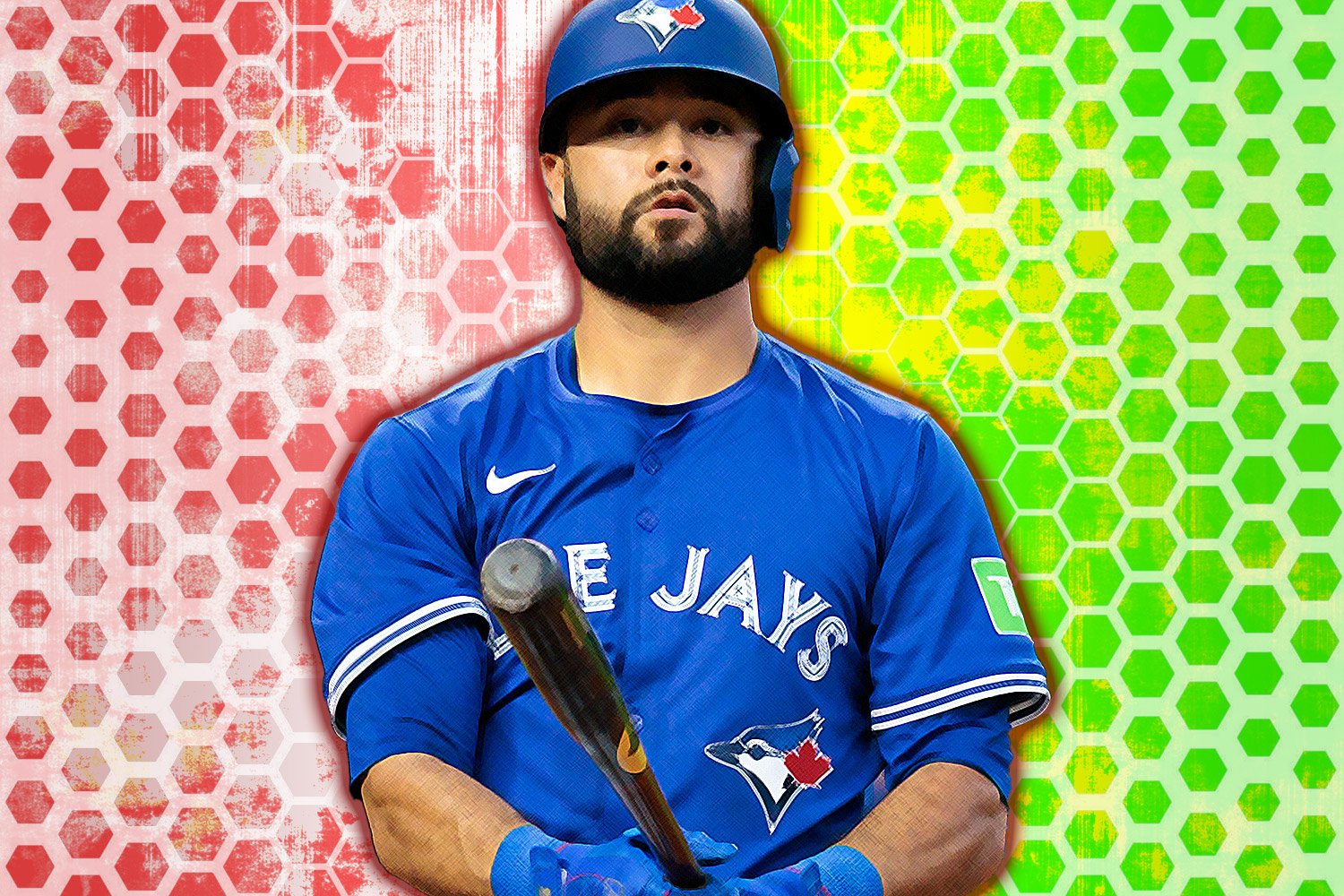 It is no secret that the Brewers are not totally happy with the offense of shortstop Joey Ortiz. Although Ortiz appeared in a career-high 149 games last season, he was removed for a pinch-hitter 34 times by manager Pat Murphy. Right now, Andruw Monasterio is the main backup, while Brice Turang and Caleb Durbin can play at short if needed. Would it make sense for the Brewers to spend a little money in the free agent market if the price was right? Of the handful of shortstops testing the waters of free agency, one stands out for Milwaukee with his skill, versatility, and the possibility that the team can make a one-year deal at a reasonable price. Isiah Kiner-Falefa would come to the Brewers fresh off World Series action with the Toronto Blue Jays, bringing Milwaukee some much-needed postseason experience. Kiner-Falefa, who will turn 31 in March, has appeared in 21 postseason games and would give a young Milwaukee club a boost in the clubhouse and on the field. There are two main issues to deal with: · Ortiz is superior to Kiner-Falefa on defense, with Joey O. better by a 12 to -3 rating in Outs Above Average, and a 10 to -4 advantage in Fielding Run Value. · IKF is much better than Ortiz at the plate when facing right-handed pitchers. Player Year(s) OPS v. LH OPS v. RH Ortiz 2025 .734 .537 Career .743 .612 Kiner-Falefa 2025 .536 .668 Career .643 .666 So, what’s the problem? The fact that IKF is better against right-handed pitching means he would get most of the playing time. The breakdown was about 72% right-handed starters and 28% southpaws that pitched against Milwaukee last season. On the surface, Ortiz would only make about 45 starts if he were in the lineup against left-handers only. Since the Brewers are looking to Kiner-Falefa to be more of a ‘semi-platoon’ guy, they would have to make some adjustments to get Ortiz 350-400 ABs for his superiority against lefties and on defense, while finding about half that amount for IKF. Since Ortiz is better defensively, the Brewers would want him in the lineup anytime groundball specialist Quinn Priester is on the mound. ‘The Reverend’ induced grounders at a rate of 55.1% last year, right around his career average. When Priester is on the rubber, Ortiz should be in the starting lineup. The difference against southpaws, at least in 2025, showed Ortiz with a huge advantage over Kiner-Falefa. That should keep Kiner-Falefa on the bench most of the time—if not all—against lefties. The edge IKF had over Ortiz against righties was not as significant, but it was still a pretty large difference. Digging deeper, Ortiz had his best month against righties in August with an .830 OPS, even though he hit no home runs. Add in his .748 OPS in June, and one can see that success against right-handers is attainable. Murphy will just have to find a way to get the ‘hot’ bat into the lineup. Unfortunately, Joey O. fell off a cliff in September with his worst OPS of the year (.482). Ortiz had a double and a triple in September in 70 at-bats along with one free pass. No wonder his OPS cratered. Perhaps the secret to Ortiz’s success would be for IKF to spell him against righties, giving Ortiz a break once or twice a week, depending on who is swinging the bat well. Ortiz could be a late-inning defensive replacement on the days he isn’t in the lineup. Kiner-Falefa can also play second or third and could be a valuable utility man. Where he would fit in would remain to be seen. In fact, IKF has played all three outfield spots and even made 66 starts behind the plate for the Texas Rangers in 2018-19. Maybe the Brewers wouldn’t need that third catcher after all. Is this all a pipe dream? Can the Brewers sign Kiner-Falefa? If he were amenable to a one-year pact in the $7 million range, it would be a decent deal for Milwaukee. What do you think about IKF? Would he be a welcome addition to the Brewers' roster? At what price? How would you break down the starts for each player? Get the conversation started in the comments section below.
-
- 1
-
-
- isiah kiner falefa
- joey ortiz
- (and 1 more)
-
It is no secret that the Brewers are not totally happy with the offense of shortstop Joey Ortiz. Although Ortiz appeared in a career-high 149 games last season, he was removed for a pinch-hitter 34 times by manager Pat Murphy. Right now, Andruw Monasterio is the main backup, while Brice Turang and Caleb Durbin can play at short if needed. Would it make sense for the Brewers to spend a little money in the free agent market if the price was right? Of the handful of shortstops testing the waters of free agency, one stands out for Milwaukee with his skill, versatility, and the possibility that the team can make a one-year deal at a reasonable price. Isiah Kiner-Falefa would come to the Brewers fresh off World Series action with the Toronto Blue Jays, bringing Milwaukee some much-needed postseason experience. Kiner-Falefa, who will turn 31 in March, has appeared in 21 postseason games and would give a young Milwaukee club a boost in the clubhouse and on the field. There are two main issues to deal with: · Ortiz is superior to Kiner-Falefa on defense, with Joey O. better by a 12 to -3 rating in Outs Above Average, and a 10 to -4 advantage in Fielding Run Value. · IKF is much better than Ortiz at the plate when facing right-handed pitchers. Player Year(s) OPS v. LH OPS v. RH Ortiz 2025 .734 .537 Career .743 .612 Kiner-Falefa 2025 .536 .668 Career .643 .666 So, what’s the problem? The fact that IKF is better against right-handed pitching means he would get most of the playing time. The breakdown was about 72% right-handed starters and 28% southpaws that pitched against Milwaukee last season. On the surface, Ortiz would only make about 45 starts if he were in the lineup against left-handers only. Since the Brewers are looking to Kiner-Falefa to be more of a ‘semi-platoon’ guy, they would have to make some adjustments to get Ortiz 350-400 ABs for his superiority against lefties and on defense, while finding about half that amount for IKF. Since Ortiz is better defensively, the Brewers would want him in the lineup anytime groundball specialist Quinn Priester is on the mound. ‘The Reverend’ induced grounders at a rate of 55.1% last year, right around his career average. When Priester is on the rubber, Ortiz should be in the starting lineup. The difference against southpaws, at least in 2025, showed Ortiz with a huge advantage over Kiner-Falefa. That should keep Kiner-Falefa on the bench most of the time—if not all—against lefties. The edge IKF had over Ortiz against righties was not as significant, but it was still a pretty large difference. Digging deeper, Ortiz had his best month against righties in August with an .830 OPS, even though he hit no home runs. Add in his .748 OPS in June, and one can see that success against right-handers is attainable. Murphy will just have to find a way to get the ‘hot’ bat into the lineup. Unfortunately, Joey O. fell off a cliff in September with his worst OPS of the year (.482). Ortiz had a double and a triple in September in 70 at-bats along with one free pass. No wonder his OPS cratered. Perhaps the secret to Ortiz’s success would be for IKF to spell him against righties, giving Ortiz a break once or twice a week, depending on who is swinging the bat well. Ortiz could be a late-inning defensive replacement on the days he isn’t in the lineup. Kiner-Falefa can also play second or third and could be a valuable utility man. Where he would fit in would remain to be seen. In fact, IKF has played all three outfield spots and even made 66 starts behind the plate for the Texas Rangers in 2018-19. Maybe the Brewers wouldn’t need that third catcher after all. Is this all a pipe dream? Can the Brewers sign Kiner-Falefa? If he were amenable to a one-year pact in the $7 million range, it would be a decent deal for Milwaukee. What do you think about IKF? Would he be a welcome addition to the Brewers' roster? At what price? How would you break down the starts for each player? Get the conversation started in the comments section below. View full article
-
Anything is possible, especially if Jansen enjoyed his time in Milwaukee. That I do not know.
- 6 replies
-
- 2
-
-
- william contreras
- jeferson quero
- (and 3 more)