Jake McKibbin
-
Posts
2,394 -
Joined
-
Last visited
-
Days Won
6
Content Type
Profiles
Forums
Blogs
Events
News
2026 Milwaukee Brewers Top Prospects Ranking
Milwaukee Brewers Videos
2022 Milwaukee Brewers Draft Picks
Milwaukee Brewers Free Agent & Trade Rumors, Notes, & Tidbits
Guides & Resources
2023 Milwaukee Brewers Draft Picks
2024 Milwaukee Brewers Draft Picks
The Milwaukee Brewers Players Project
2025 Milwaukee Brewers Draft Pick Tracker
2026 Milwaukee Brewers Draft Tracker: Picks & Bonuses
Store
Downloads
Gallery
Everything posted by Jake McKibbin
-
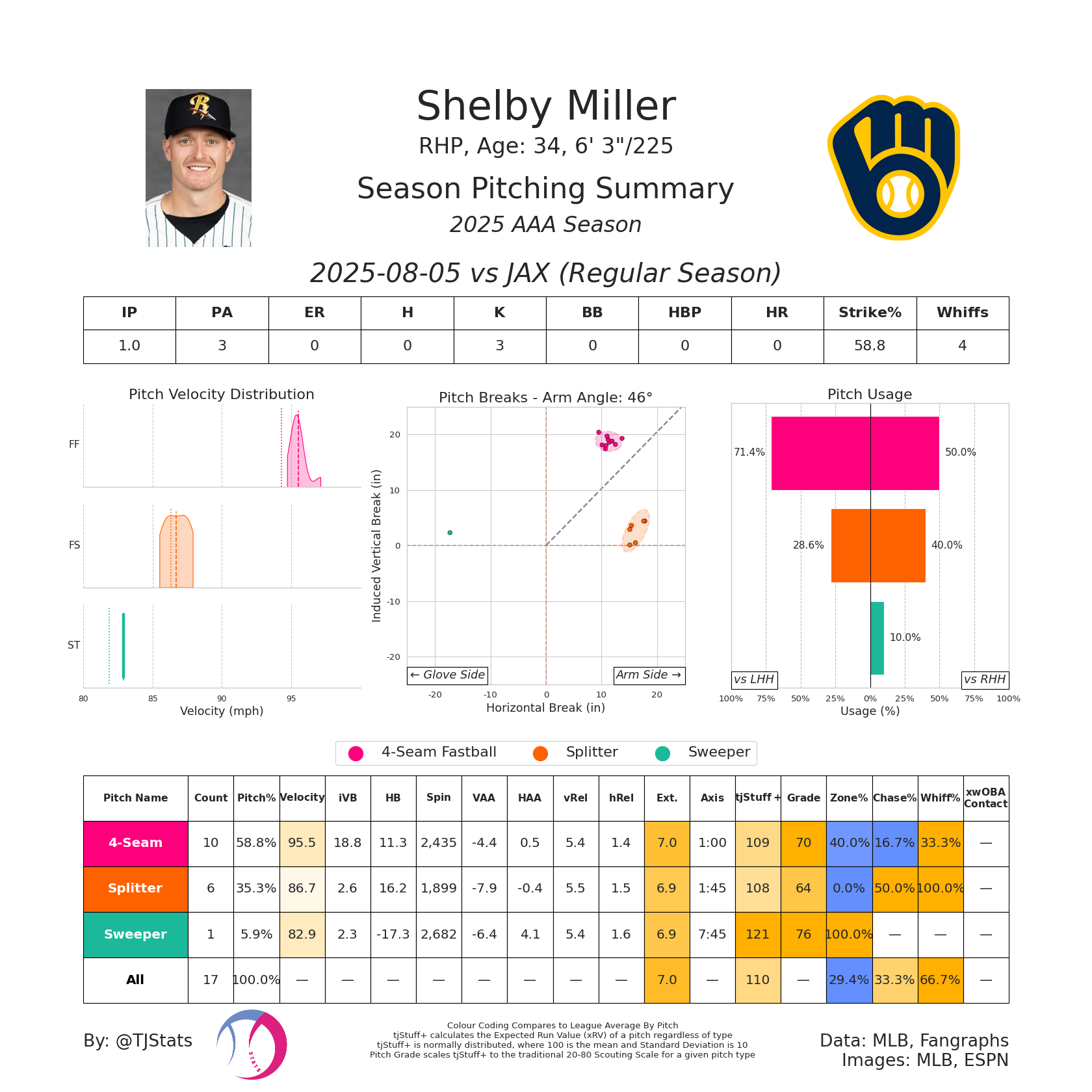
This is filthy stuff indeed Joseph. That sweeper, from that arm slot.. wow! The fact that only five of 17 pitches were inside the strike zone may make them request another outing in Triple A, but that's the only drawback I can see. The arm seems to be in perfect working order
-
Josh Adamczewski, 2B, Milwaukee Brewers, 20 Adamczewski made some noise last year on the complex when he put together an impressive 142 plate appearances before getting promoted to Single-A. He was good last year in Single-A, but Adamczewski has taken a big step forward this year. After running a ground ball rate of 52 percent last season, he currently sits at 38 percent in 2025. The air rate is good, and Adamczewski has pulled the ball more consistently this season. Adamczewski is in a better spot to hit than he was last year. The vertical bat angle looks so much better. Adamczewski’s hands are slightly lower during his load, and he is doing a great job of staying inside the ball more. A lot of things look similar here, but the minor tweaks might be paying off for Adamczewski. The contact and approach are fine, but given the .350 batting average makes it appear the hit tool is much better than it is. Adamczewski has the batted ball angles to help get to power, and lets his exit velocities play up. He likely will have average game power, but don’t expect stolen bases to be a part of his game for fantasy purposes.
-
Ethan Dorchies, RHP, Milwaukee Brewers, 18 The Brewers snagged Dorchies in the tenth round of the 2024 draft, giving him a bonus right around slot. Not a highly regarded prep arm, Dorchies was committed to the University of Illinois-Chicago, but the 6’5” righty is showing that more schools and pro teams should have been in on him. A dominant stint at the complex level earned Dorchies a promotion to Single-A. Between both levels, he has tossed 56.1 innings and has a 1.92 ERA with a 30 percent strikeout rate. Dorchies' worst start of the season came when I saw him, as he allowed four earned runs over five innings of work. It was more runs than his previous eight starts combined. Dorchies has seen solid improvement on his fastball over the last few years. While he sits 92-94 mph, the four-seam reaches 95 mph. It does not have standout traits, averaging around 15 inches of IVB from a 5’5” release height, but it does come in with a solid VAA and nearly seven feet of extension. Dorchies can also mix in a sinker with good running life. There is still plenty of projection on his frame as well to add velocity. From a secondary standpoint, Dorchies throws a solid slider and splitter. The slider sits in the low-80s with around seven inches of horizontal break and late depth. From the lower release height, it is a tough pitch for hitters to pick up. The split shows solid fade, but big-time depth to it. Dorchies will even mix a cutter and a two-plane curveball.
-
Jayden Dubanewicz, RHP, Milwaukee Brewers, 19 Dubanewicz was drafted in the 16th round last summer by the Brewers as a relatively young 18-year-old out of Stoneman Douglas High School. The Brewers gave Dubanewicz a $665k bonus, over $500k above slot, to keep him away from his commitment to Florida. Listed at 6’3, Dubanewicz has plenty of projection on his frame and loose and whippy arm action, but has solid command. He impressed me in my looks and showed a solid arsenal of pitches that could lead to him being a solid starting pitcher with the command he brings to the table. The fastball that presently works around 92-94 mph can touch 95, and it comes from a funky slot which gives hitters tough looks. Dubanewicz creates good sinking action and plenty of arm-side run. He will mix a four-seam that has 15.5 inches of IVB from a 5’7” release height, which is a couple of inches higher than his sinker that gets more run. Mixing in a slider, curveball, and changeup, Dubanewicz has a deep arsenal of pitches. The slider is the primary secondary that sits 81-84 mph with around six inches of sweeping action. The changeup sits at 85-87 mph, but has around 16 inches of fade and late depth. I know you can look at the strikeout rate and be concerned, but the stuff is there for Dubanewicz to miss plenty of bats.
-
José Anderson, OF, Milwaukee Brewers, 18 Anderson was among the strong Brewers DSL crew last summer, breaking out and mashing eight home runs with 20 extra-base hits while slashing .283/.403/.512. The centerfielder received just a $60k bonus when he signed, but is already proving his worth as he showed strong contact and solid power. Taking some aggressive swings, Anderson has shown the ability to hit the ball hard, having exit velocities that are well above-average for his age. It plays up due to the fact that he puts the ball in the air over 65 percent of the time and has shown strong pull rates. There are traits here that could make Anderson a solid prospect, but there is also a ton of whiff. Breaking balls ate Anderson up this week, so it will be something to watch, but given the tools, if Anderson hits, he could be a fun player
-
Luis Peña, INF, Milwaukee Brewers, 18 Peña looked much more comfortable this week than when I saw him in April, when he was dealing with a lower-body injury. The clock times were much better as I got a home-to-first sprint at 3.97 seconds, showing incredible speed. While he did not do anything that necessarily stood out in a big way, Peña put a ton of balls in play and showed improved speed. The contact rates have trended in the wrong direction all year, but Peña is still limiting strikeouts, which is the important thing. Much like Made, there is still a lot of work to do, but that is okay, given Peña is 18 years old. The exit velocities have been strong, the foot speed is there, and Peña is still running respectable contact rates. He is a fun prospect with plenty to dream on.
-
Chris Clegg is a dynasty guy with some brilliant insight into players and he went to watch the mudcats last week, so here are a couple of his write-ups (from his free email) Jesús Made, SS, Carolina Mudcats, 18 Made just looks the part. A young 18-year-old, Made had a high Baseball IQ and great instincts. Freshly promoted to High-A, there are questions surrounding Made’s surface numbers this year in Single-A. Leaving the Mudcats with a .267/.373/.388 slash line with just four home runs, some have jumped off the Made bandwagon. That’s okay, I would buy the shares. At the plate, I got multiple swings from both the left and right sides of the plate, and the swings are smooth and fast. The bat speed is electric, and Made makes loud contact. Every day that passes, Made looks more comfortable in the box, and his contact rates are steadily rising. He has actually surpassed Luis Peña in contact rate at this point and Made has a stellar approach. Since the start of July, Made has an 82 percent contact rate with the approach looking good. The exit velocities are still strong, with Made running a 90th percentile exit velocity north of 105 mph. The average for an 18-year-old is closer to 97 mph. The swing could use some tweaks, and that will probably take place during the offseason. The biggest change that needs to happen is to shorten the swing and get a tad more loft. His clock times are above-average, but his instincts on the base paths are good. Made has all the intangibles. He is incredibly young and being pushed rather aggressively. The Brewers believe in him and you should too
-
Old friend Mason Molina on the bump today against the Wisconsin debutants
-
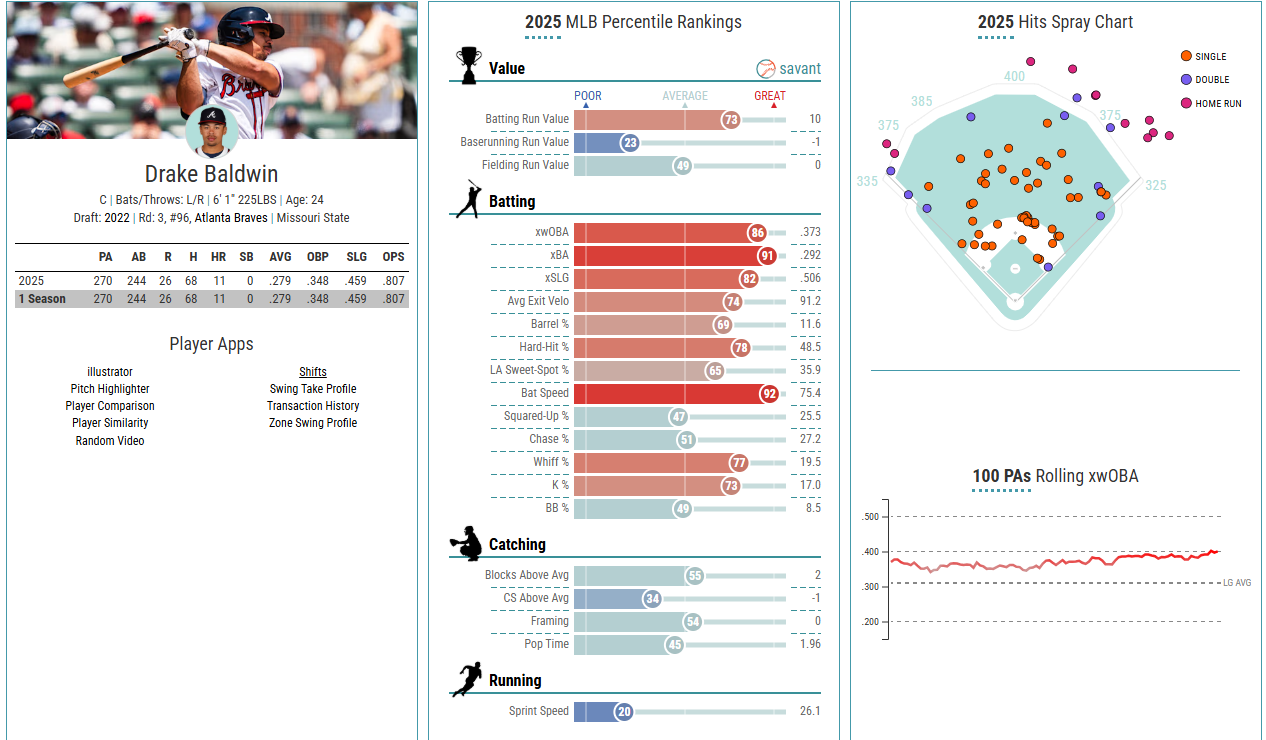
For me it should be Drake Baldwin. Catcher with an .807 OPS, crushing baseballs with great underlying metrics and average defense. Its tough to accumulate WAR the same way as a catcher when you have more rest days than every other hitter, but Baldwin has been awesome and has been there all season.
-
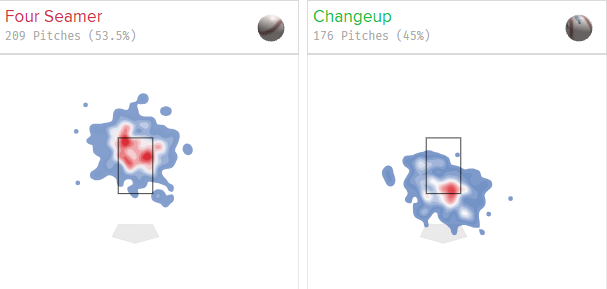
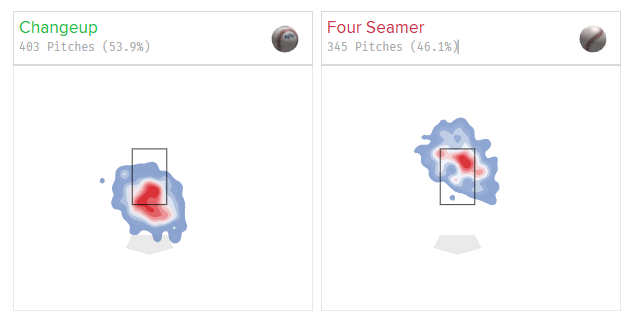
They're just screenshots from Savant which orders them depending on usage
-
The way the Yankees are sequencing for Williams makes absolutely no sense to me Here's how the Brewers used him last year: High up and away to right handers with more fastballs than changeups, and when he dropped that changeup in there off the same tunnel, it finishes in the low and in portion of the strike zone. he could manoeuvre that fastball around the top of the zone, but he needed it to set the tone for him. Now the Yankees: Four seamer predominantly up and in to right handers, up and away left handers which wouldn't tunnel at all with his changeup when he's locating it down on the opposite side of the zone. If I had to hazard a guess, hitters are picking up which pitch is which really early because they just aren't tunnelling at all, and its causing any contact against him to be loud. Williams had one of the best average exit velocities from 2022-24, but he's getting barrelled up at a big rate this year. Surely the Yankees are smarter than that?
-
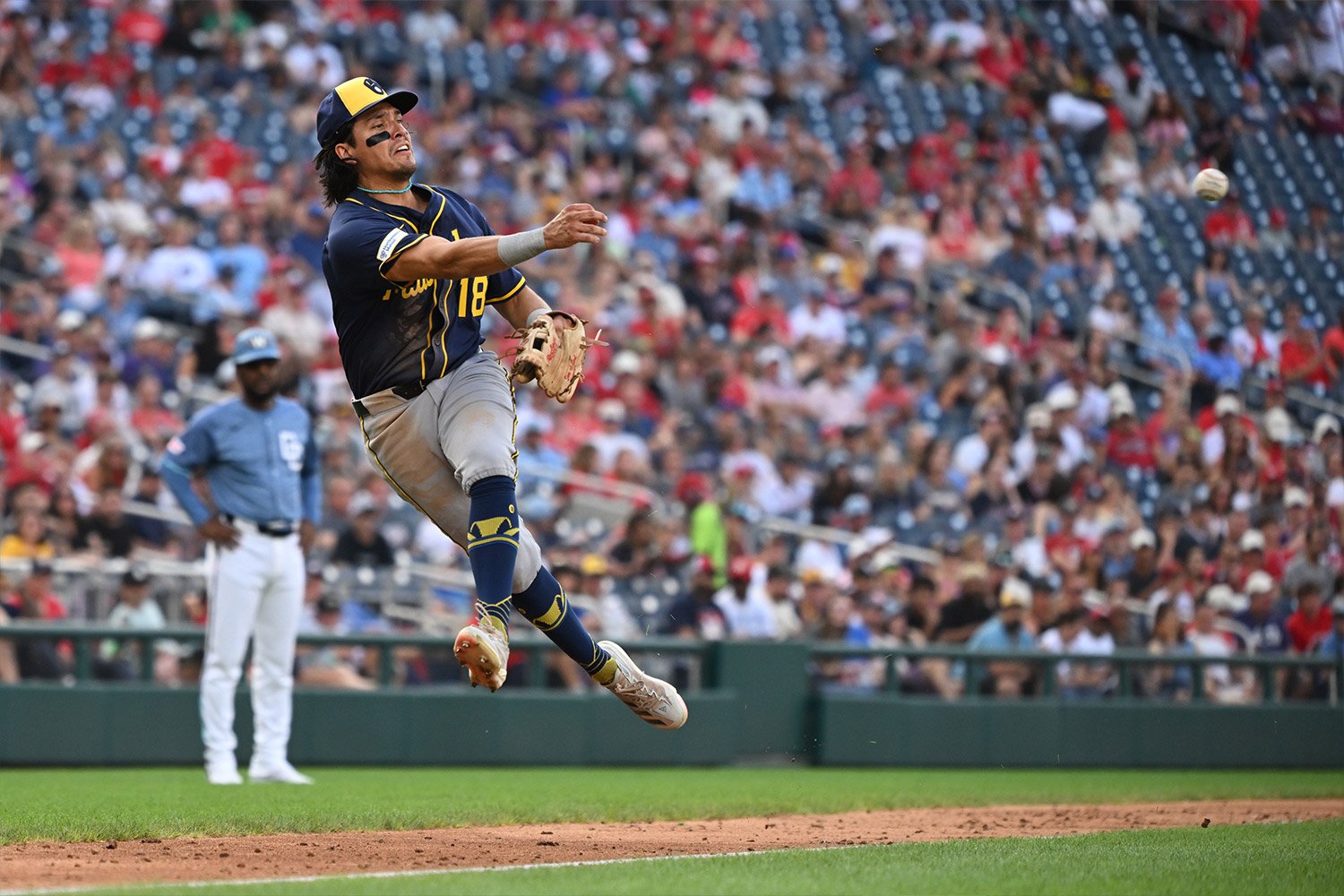 Anthony Seigler is a canonically Brewers hitter, showcasing elite bat-to-ball skills and plate discipline without a lot of raw power. He's slashing just .188/.250/.188, which begs the question as to why Seigler is getting continued opportunities on the strong side of the platoon compared to Caleb Durbin. The simplistic reason is that his slash line is a result of a small sample size of batted balls, and his expected numbers are .280/.333/.419, but that doesn't quite tell the whole story. Seigler's plate appearances have been long, drawn-out affairs that often precipitate perfect launch angles and balls into the outfield grass, and he has been unfortunate with how many of these have been directed right at fielders. He lacks the power to clear the fences with any regularity, but he does spray the ball around quite effectively as a left-handed hitter. To add to this, Seigler's performance at Triple A provided a larger sample of at-bats. It produced a profile that isn't often seen, with incredible consistency of good exit velocities without high-end, booming contact. Most hitters with a high average exit velocity are skewed by their volume of batted balls at 112 mph+, whereas Seigler just seems to find the barrel of the bat with a smooth, easy swing over and over again. Here are his stats as a left-handed hitter (from Eli-Ben Porat) in Triple A before he got called up: The big thing to note here is that no pitch gave Seigler any real concern in terms of chase rates or in-zone contact, while he slugged well when swinging in the strike zone on nearly all offerings. That's changed very slightly in the majors, where he has struggled to catch up to some of the velocity on show. Pitchers are pounding him with fastballs on the outer third, and Seigler hasn't quite adjusted. He hasn't been able to get to the pull side, and it's holding him back just a little. The swing decisions have been impressive, but he hasn't been walking much (as pitchers haven't found much to fear in his profile yet), and he's not quite contacting the ball with the same authority as he did in Nashville. All of that is perfectly normal for any hitter given the big jump in quality from Triple A to the majors; however, the Brewers don't have a lot of time for Seigler to figure it out, perhaps a couple of weeks. That's not to say he'll be demoted, but he might see far less frequent playing time after that point. The other issue the Brewers have is that Caleb Durbin is looking more and more impressive against right-handers of late, with month-by-month production boosting since May: While his season-long splits haven't been amazing, Durbin's relentless tenacity has far surpassed expectations with the glove at third base. More importantly, Durbin has already gone through the process of adjusting to big league pitching that Seigler just hasn't. Seigler's underlying performance looks fantastic, and his at-bats are great to the naked eye, but there's only so long that can hold up when the Brewers are chasing every little win around the margins to keep their hot stretch going. There's every reason to believe that Anthony Seigler's luck can turn at any point, but that point needs to come sooner rather than later. What do you think of the Anthony Siegler and Caleb Durbin platoon used by the Brewers of late? Do you trust Seigler's surface performance or his quality of contact more in the early going? Let us know your thoughts in the comments below!
 -
Image courtesy of © Rafael Suanes-Imagn Images Anthony Seigler is a canonically Brewers hitter, showcasing elite bat-to-ball skills and plate discipline without a lot of raw power. He's slashing just .188/.250/.188, which begs the question as to why Seigler is getting continued opportunities on the strong side of the platoon compared to Caleb Durbin. The simplistic reason is that his slash line is a result of a small sample size of batted balls, and his expected numbers are .280/.333/.419, but that doesn't quite tell the whole story. Seigler's plate appearances have been long, drawn-out affairs that often precipitate perfect launch angles and balls into the outfield grass, and he has been unfortunate with how many of these have been directed right at fielders. He lacks the power to clear the fences with any regularity, but he does spray the ball around quite effectively as a left-handed hitter. To add to this, Seigler's performance at Triple A provided a larger sample of at-bats. It produced a profile that isn't often seen, with incredible consistency of good exit velocities without high-end, booming contact. Most hitters with a high average exit velocity are skewed by their volume of batted balls at 112 mph+, whereas Seigler just seems to find the barrel of the bat with a smooth, easy swing over and over again. Here are his stats as a left-handed hitter (from Eli-Ben Porat) in Triple A before he got called up: The big thing to note here is that no pitch gave Seigler any real concern in terms of chase rates or in-zone contact, while he slugged well when swinging in the strike zone on nearly all offerings. That's changed very slightly in the majors, where he has struggled to catch up to some of the velocity on show. Pitchers are pounding him with fastballs on the outer third, and Seigler hasn't quite adjusted. He hasn't been able to get to the pull side, and it's holding him back just a little. The swing decisions have been impressive, but he hasn't been walking much (as pitchers haven't found much to fear in his profile yet), and he's not quite contacting the ball with the same authority as he did in Nashville. All of that is perfectly normal for any hitter given the big jump in quality from Triple A to the majors; however, the Brewers don't have a lot of time for Seigler to figure it out, perhaps a couple of weeks. That's not to say he'll be demoted, but he might see far less frequent playing time after that point. The other issue the Brewers have is that Caleb Durbin is looking more and more impressive against right-handers of late, with month-by-month production boosting since May: While his season-long splits haven't been amazing, Durbin's relentless tenacity has far surpassed expectations with the glove at third base. More importantly, Durbin has already gone through the process of adjusting to big league pitching that Seigler just hasn't. Seigler's underlying performance looks fantastic, and his at-bats are great to the naked eye, but there's only so long that can hold up when the Brewers are chasing every little win around the margins to keep their hot stretch going. There's every reason to believe that Anthony Seigler's luck can turn at any point, but that point needs to come sooner rather than later. What do you think of the Anthony Siegler and Caleb Durbin platoon used by the Brewers of late? Do you trust Seigler's surface performance or his quality of contact more in the early going? Let us know your thoughts in the comments below! View full article
-
I just came here to share this. It was posted 13 minutes ago. This is incredible levels of on the ball my good sir
-
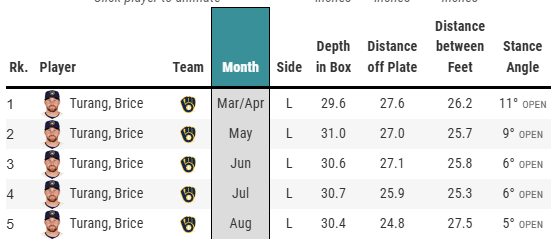
One other interesting thing is that turang has been standing closer to the plate than usualy through July and the start of August The outer third has given him problems all year with weak contact and rolled over ground balls, so I wonder if that's going to help him once his timing and swing decisions adjust to cover the whole plate better
- 10 replies
-
- 3
-

-
- brice turang
- connor dawson
- (and 1 more)
-
Hey Jack! Just curious on this, to your trained eye, do you think Turang's just adjusting to his new approach at the plate or is there an issue with that approach that's causing the struggles with any non fastballs?
-
Let's keep nationalism out of it. I'm from a place where that hasn't historically been a great thing
-
Shelby Miller Is Exactly The Bullpen Arm The Brewers Needed
Jake McKibbin posted an article in Brewers
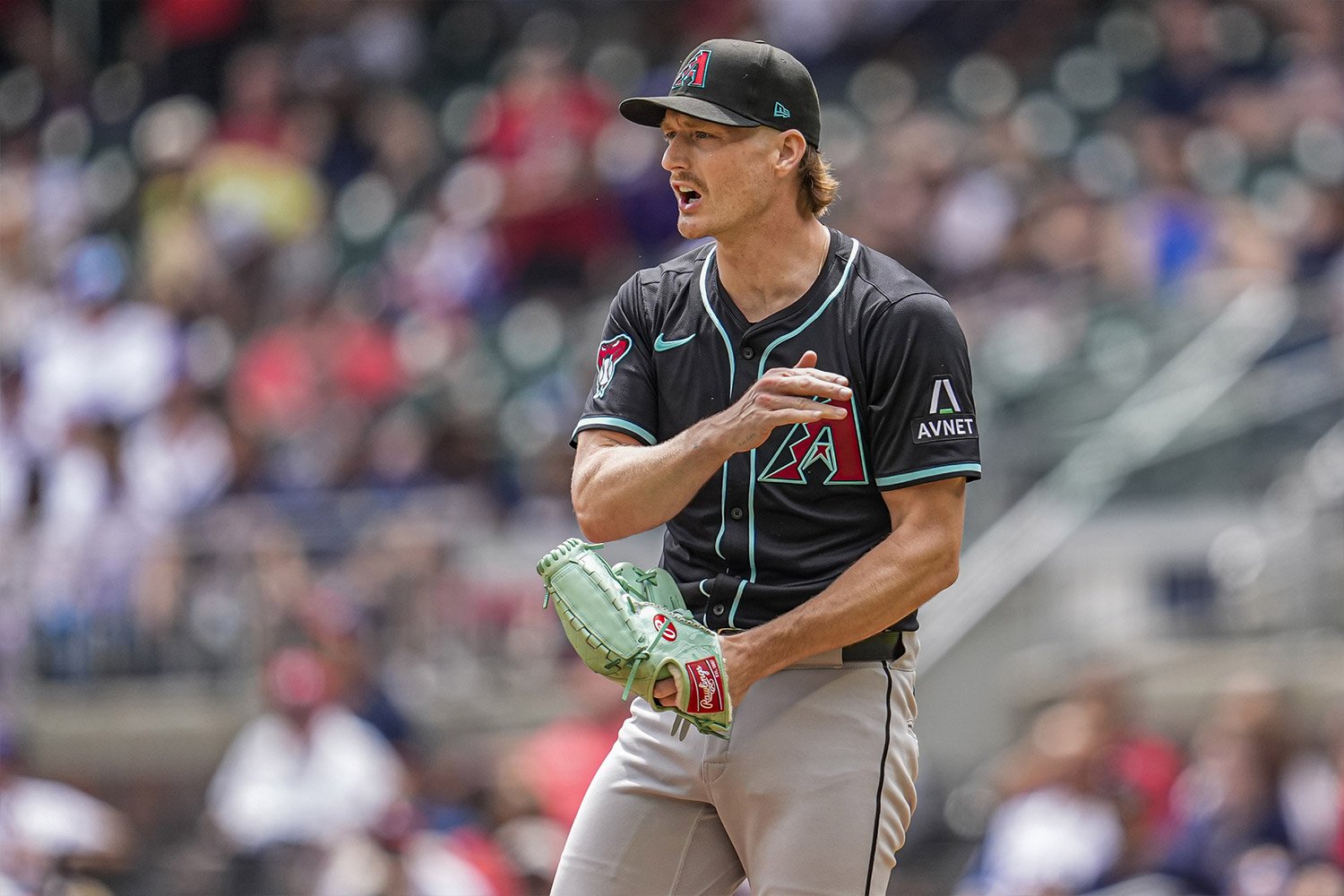 Shelby Miller isn't a sexy addition like some of the Brewers' National League rivals have acquired on a wild trade deadline day. Still, he fits exactly what the Brewers needed: another arm capable of getting outs at the back end of the bullpen. Miller has shown himself a really tough arm to get on top of this season, with some significant upticks in movement and velocity leading to a 1.98 ERA. Miller relies heavily on his four-seam fastball, with almost 65% usage this season, to get outs, and it features an intriguing shape. Using Jeremy Machino's model that compares expected movement of each pitch with how much a pitcher actually obtains, we can see it garners a little more rise and a lot more horizontal movement than expected, allowing it to miss a lot of barrels. What we can tell from the above graph is that Miller gets more horizontal break on both his splitter and his four-seamer than hitters would expect from his three-quarters release point. A lot of this comes from seam orientation on the baseball, and is a key factor in surprising hitters. Quinn Priester's sinker is a great example of this; it doesn't look particularly special on the surface, but when factoring in his arm slot, it drops a ton more than hitters expect, creating a lot of ground balls. Although Miller got more induced vertical break while he was with Detroit in 2024, he actually got slightly less rise vs expectation last season and a lot less horizontal movement on his fastball. The whole arsenal has kicked into gear, as you can see from Thomas Nestico's stuff model comparison: Shelby Miller is now getting more movement both horizontally and vertically than we saw in 2024, where his walk problems and some home run misfortune hit hard. This season, he's managed to curtail the walks quite effectively by getting more swing and miss, and less overall damage because he's able to put away hitters. The more pitches you throw in an at-bat, the more likely you are to leave a mistake pitch over the plate. The improvement in sheer stuff is added to by the new sweeper that has more or less replaced the hard cutter from 2024. It's very much a pitch used to get quick outs and weak contact when that's required, often in favorable counts, but its strong glove side movement adds a wrinkle that helps both the four-seamer and splitter play up even more. Shelby Miller is better in 2025 than he's ever been. He's getting more chases, fewer swings inside the strike zone, and considerably more swings and misses this season. He's been dominant in 2025 and should allow the Brewers more maneuverability and options when they reach the 7th, 8th, and 9th innings of a tight ball game. All of that for merely absorbing $2 million of Jordan Montgomery's salary and either cash or a player to be named later. The Brewers found value in a market of excessive overpays and have reinforced an area of their roster that had shown some shakiness around Jared Koenig of late. Miller projects to return sometime next week after a short rehab assignment, and they should expect him to hit the ground running.
 -
Image courtesy of © Dale Zanine-Imagn Images Shelby Miller isn't a sexy addition like some of the Brewers' National League rivals have acquired on a wild trade deadline day. Still, he fits exactly what the Brewers needed: another arm capable of getting outs at the back end of the bullpen. Miller has shown himself a really tough arm to get on top of this season, with some significant upticks in movement and velocity leading to a 1.98 ERA. Miller relies heavily on his four-seam fastball, with almost 65% usage this season, to get outs, and it features an intriguing shape. Using Jeremy Machino's model that compares expected movement of each pitch with how much a pitcher actually obtains, we can see it garners a little more rise and a lot more horizontal movement than expected, allowing it to miss a lot of barrels. What we can tell from the above graph is that Miller gets more horizontal break on both his splitter and his four-seamer than hitters would expect from his three-quarters release point. A lot of this comes from seam orientation on the baseball, and is a key factor in surprising hitters. Quinn Priester's sinker is a great example of this; it doesn't look particularly special on the surface, but when factoring in his arm slot, it drops a ton more than hitters expect, creating a lot of ground balls. Although Miller got more induced vertical break while he was with Detroit in 2024, he actually got slightly less rise vs expectation last season and a lot less horizontal movement on his fastball. The whole arsenal has kicked into gear, as you can see from Thomas Nestico's stuff model comparison: Shelby Miller is now getting more movement both horizontally and vertically than we saw in 2024, where his walk problems and some home run misfortune hit hard. This season, he's managed to curtail the walks quite effectively by getting more swing and miss, and less overall damage because he's able to put away hitters. The more pitches you throw in an at-bat, the more likely you are to leave a mistake pitch over the plate. The improvement in sheer stuff is added to by the new sweeper that has more or less replaced the hard cutter from 2024. It's very much a pitch used to get quick outs and weak contact when that's required, often in favorable counts, but its strong glove side movement adds a wrinkle that helps both the four-seamer and splitter play up even more. Shelby Miller is better in 2025 than he's ever been. He's getting more chases, fewer swings inside the strike zone, and considerably more swings and misses this season. He's been dominant in 2025 and should allow the Brewers more maneuverability and options when they reach the 7th, 8th, and 9th innings of a tight ball game. All of that for merely absorbing $2 million of Jordan Montgomery's salary and either cash or a player to be named later. The Brewers found value in a market of excessive overpays and have reinforced an area of their roster that had shown some shakiness around Jared Koenig of late. Miller projects to return sometime next week after a short rehab assignment, and they should expect him to hit the ground running. View full article
-
He might mean Montgomery! But the kicker is, Montgomery is just a cash dump for the Diamondbacks. Honestly the Arizona owner after his comments last season would probably have paid a hefty price just to kick him out. I guess that's what they did given the relief pitching market and how little they'll get back for Miller
-
I can't verify this but .. the Brewers wouldn't take kindly to that if true
-
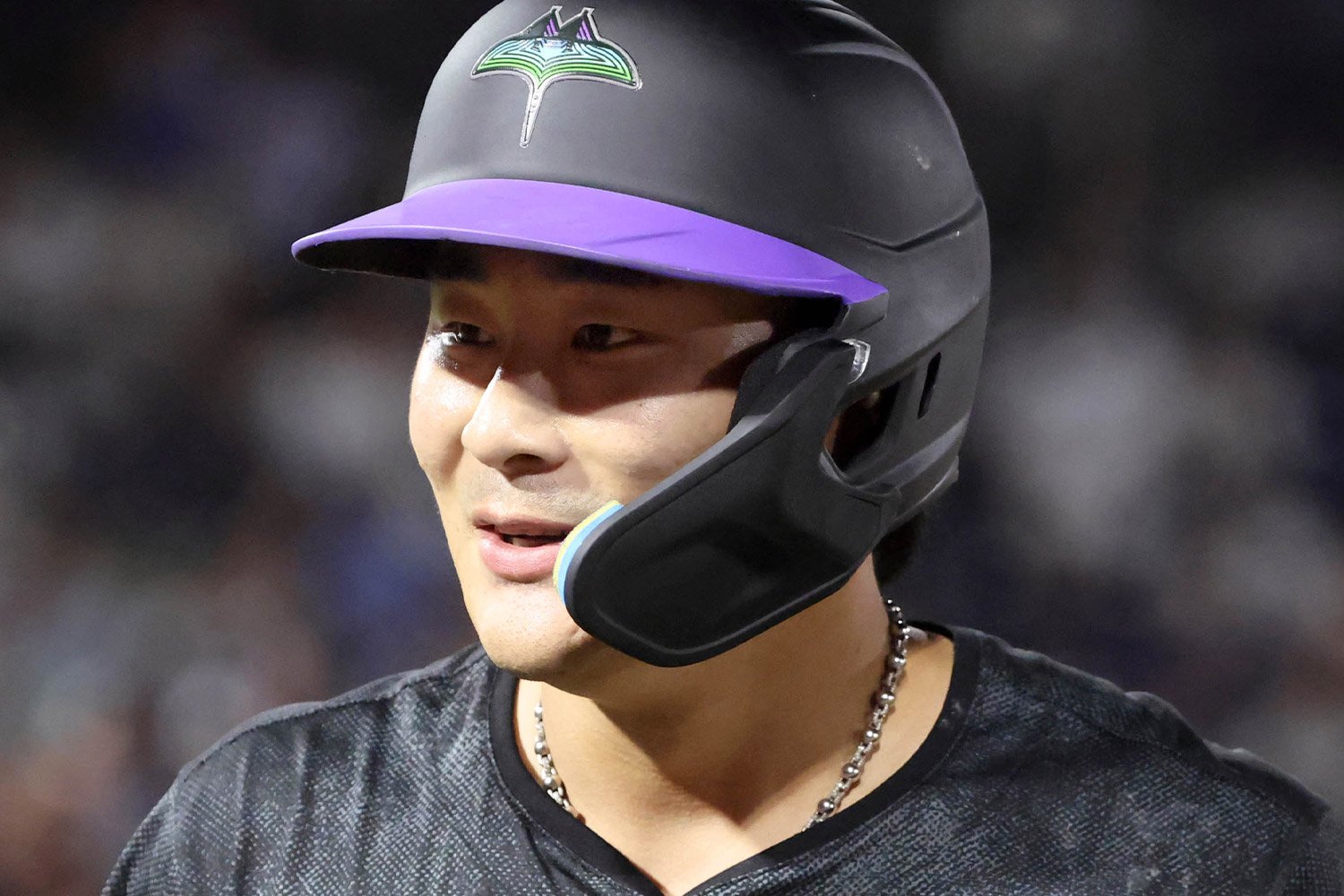 Ha-Seong Kim would have been an ideal addition for the Brewers earlier in the season, albeit he has spent a lot of the year on the injured list. Capable of pull side power, Kim's fantastic swing decisions and low strikeout rate would mesh well with the Brewers while also showcasing great defensive grades over the last three seasons. Kim is being linked with the New York Yankees, who are concerned by the defensive performances of Anthony Volpe in 2025. He's a base-stealing threat and one of the smoothest shortstops in the league, who provides a consistent ~ .700 OPS that marks a substantial upgrade on the output from Joey Ortiz thus far. He has back tightness at present, and has struggled with injuries this year, which should lower the cost but does present some risk to any acquisition. How much would you give to see the versatile former Padre in the six hole through August and September?
 -
Ha-Seong Kim would have been an ideal addition for the Brewers earlier in the season, albeit he has spent a lot of the year on the injured list. Capable of pull side power, Kim's fantastic swing decisions and low strikeout rate would mesh well with the Brewers while also showcasing great defensive grades over the last three seasons. Kim is being linked with the New York Yankees, who are concerned by the defensive performances of Anthony Volpe in 2025. He's a base-stealing threat and one of the smoothest shortstops in the league, who provides a consistent ~ .700 OPS that marks a substantial upgrade on the output from Joey Ortiz thus far. He has back tightness at present, and has struggled with injuries this year, which should lower the cost but does present some risk to any acquisition. How much would you give to see the versatile former Padre in the six hole through August and September? View full rumor
-
Trade deadline day thread
Jake McKibbin replied to Brock Beauchamp's topic in Milwaukee Brewers Talk
Oh. My. Lord. Well, those Padres sure are something