Harold Hutchison
-
Posts
6,909 -
Joined
-
Last visited
Content Type
Profiles
Forums
Blogs
Events
News
2026 Milwaukee Brewers Top Prospects Ranking
Milwaukee Brewers Videos
2022 Milwaukee Brewers Draft Picks
Milwaukee Brewers Free Agent & Trade Rumors, Notes, & Tidbits
Guides & Resources
2023 Milwaukee Brewers Draft Picks
2024 Milwaukee Brewers Draft Picks
The Milwaukee Brewers Players Project
2025 Milwaukee Brewers Draft Pick Tracker
2026 Milwaukee Brewers Draft Tracker: Picks & Bonuses
Store
Downloads
Gallery
Everything posted by Harold Hutchison
-
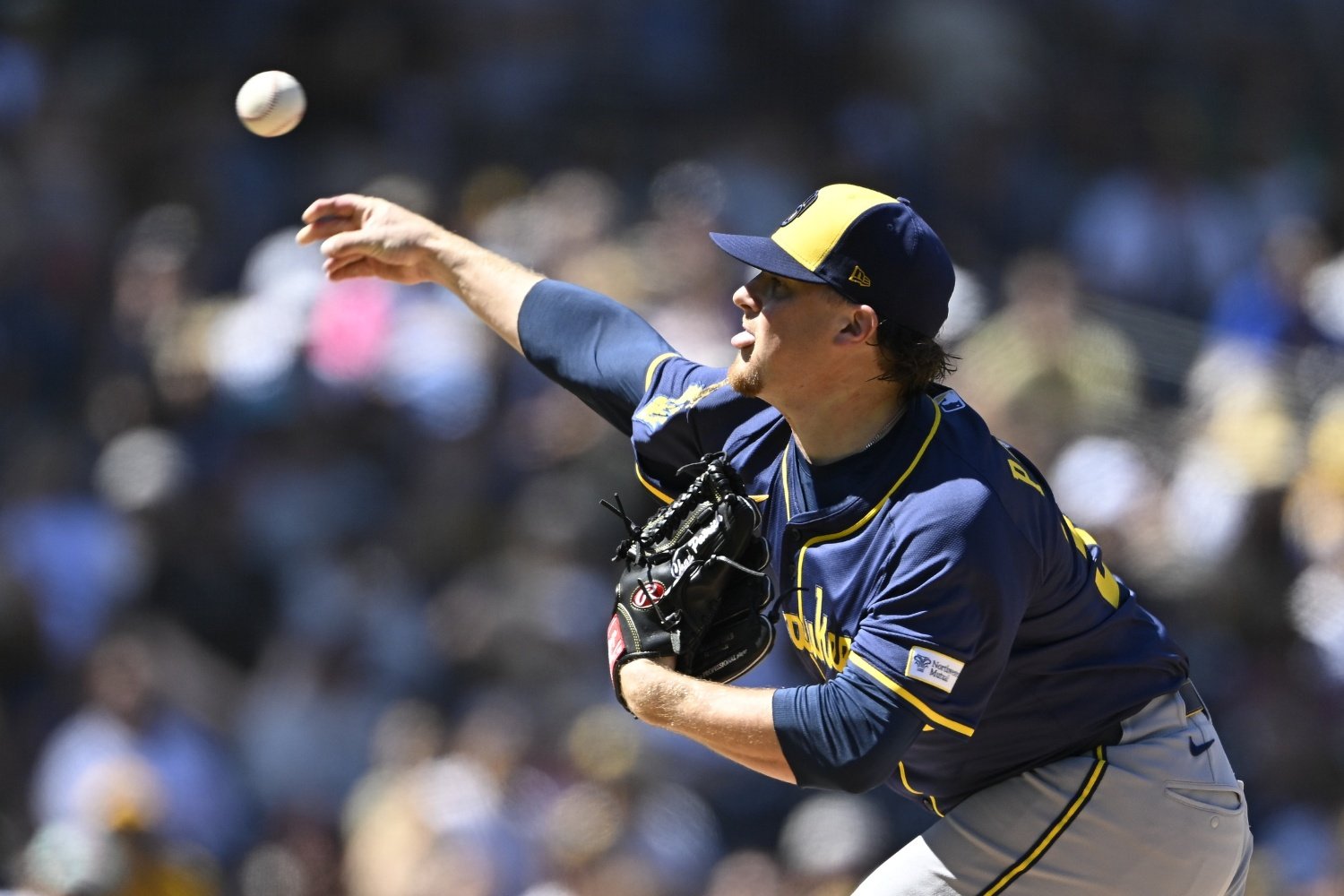 By the numbers, Pat Murphy has done a superb job in his two seasons as manager of the Milwaukee Brewers, notching two division titles and winning more games than any other team in baseball. But the team made an early exit in 2024, in heartbreaking fashion. Could that happen again, despite their having earned a bye this time around and being able to rest while they await the winner of the Wild Card Series? Right now, the Brewers are in a bit of a pinch with their starting rotation, due to injuries to Jose Quintana and Brandon Woodruff. Chad Patrick pitched very well early in the season, but as was noted in a review of Robert Gasser’s 2025 debut with the Crew, Murphy doesn’t seem to trust him. Patrick’s numbers, though, have been solid: A 3.56 ERA over 23 starts and an additional three relief appearances in the regular season. His ERA is lower than those of Jacob Misiorowski and the injured Quintana. Patrick’s latest outing was only three innings, but he racked up six strikeouts against two hits and two walks. Why Murphy doesn’t want to trust Patrick as a starter is a bit of a mystery. Patrick helped keep the team competitive when injuries ravaged the rotation early on, setting the stage for the Crew to take command of the NL Central. He was out of sight (and thus, out of mind) for much of the team's torrid July and August, but during that sojourn in the minors, he added a slurve—a very hard breaking ball, for such a big-moving one—and has struck out 30.3% of opposing batters since. He looks like a hurler with the potential to dominate in October. Also languishing in the doghouse (despite an excellent 2024 and some solid work in the bullpen) is Tobias Myers. In fact, calling Myers a solid bullpen option may be quite the understatement. In 15 outings as a reliever, he’s posted a 2.13 ERA over 25 1/3 innings, with a WHIP of 0.99. Myers also has a track record of stepping up in the postseason. In last year's Wild Card Series against the Mets, he pitched five shutout innings, ending up with a no-decision. The Crew lost the game he started by a score of 2-1, but that was due to the offense only pushing a single run across the plate. A look at how a postseason pitching staff figures to come together may be in order. As of now, Freddy Peralta and Quinn Priester are the top two in the rotation, with Misiorowski the third by default for the NLDS. That leaves room for 10 relievers, though it's unlikely that the team will carry that many. Given the recent shakiness of Misiorowski, the Crew may want to look to Myers, Patrick, Aaron Ashby and DL Hall to eat innings or piggyback. That would make sense, at least according to the stats. The question is whether Murphy will actually let Patrick and Myers take the mound in close games in a playoff series. Murphy has leaned heavily on Abner Uribe, Jared Koenig and Nick Mears (as well as Ashby) when hunting wins. If closer Trevor Megill does make it back and onto the playoff roster, it will get difficult to find space for Patrick and Myers—let alone to find high-leverage work for them. Quietly, both Patrick and Myers have done well in 2025, but if Murphy won’t use them, they can’t help the Brewers bring the Commissioner’s Trophy to The Ueck. They might be the best test of how flexible the manager is, at a juncture of the season when flexibility is vital.
 -
Image courtesy of © Denis Poroy-Imagn Images By the numbers, Pat Murphy has done a superb job in his two seasons as manager of the Milwaukee Brewers, notching two division titles and winning more games than any other team in baseball. But the team made an early exit in 2024, in heartbreaking fashion. Could that happen again, despite their having earned a bye this time around and being able to rest while they await the winner of the Wild Card Series? Right now, the Brewers are in a bit of a pinch with their starting rotation, due to injuries to Jose Quintana and Brandon Woodruff. Chad Patrick pitched very well early in the season, but as was noted in a review of Robert Gasser’s 2025 debut with the Crew, Murphy doesn’t seem to trust him. Patrick’s numbers, though, have been solid: A 3.56 ERA over 23 starts and an additional three relief appearances in the regular season. His ERA is lower than those of Jacob Misiorowski and the injured Quintana. Patrick’s latest outing was only three innings, but he racked up six strikeouts against two hits and two walks. Why Murphy doesn’t want to trust Patrick as a starter is a bit of a mystery. Patrick helped keep the team competitive when injuries ravaged the rotation early on, setting the stage for the Crew to take command of the NL Central. He was out of sight (and thus, out of mind) for much of the team's torrid July and August, but during that sojourn in the minors, he added a slurve—a very hard breaking ball, for such a big-moving one—and has struck out 30.3% of opposing batters since. He looks like a hurler with the potential to dominate in October. Also languishing in the doghouse (despite an excellent 2024 and some solid work in the bullpen) is Tobias Myers. In fact, calling Myers a solid bullpen option may be quite the understatement. In 15 outings as a reliever, he’s posted a 2.13 ERA over 25 1/3 innings, with a WHIP of 0.99. Myers also has a track record of stepping up in the postseason. In last year's Wild Card Series against the Mets, he pitched five shutout innings, ending up with a no-decision. The Crew lost the game he started by a score of 2-1, but that was due to the offense only pushing a single run across the plate. A look at how a postseason pitching staff figures to come together may be in order. As of now, Freddy Peralta and Quinn Priester are the top two in the rotation, with Misiorowski the third by default for the NLDS. That leaves room for 10 relievers, though it's unlikely that the team will carry that many. Given the recent shakiness of Misiorowski, the Crew may want to look to Myers, Patrick, Aaron Ashby and DL Hall to eat innings or piggyback. That would make sense, at least according to the stats. The question is whether Murphy will actually let Patrick and Myers take the mound in close games in a playoff series. Murphy has leaned heavily on Abner Uribe, Jared Koenig and Nick Mears (as well as Ashby) when hunting wins. If closer Trevor Megill does make it back and onto the playoff roster, it will get difficult to find space for Patrick and Myers—let alone to find high-leverage work for them. Quietly, both Patrick and Myers have done well in 2025, but if Murphy won’t use them, they can’t help the Brewers bring the Commissioner’s Trophy to The Ueck. They might be the best test of how flexible the manager is, at a juncture of the season when flexibility is vital. View full article
-
Jesus MadeLuis PenaCooper PrattMelvin HernandezJeferson QueroLogan HendersonErnesto MartinezCraig YohoEthan MurrayTyler BlackJosh AdamczewskiMarco DingesAndrew FischerMike BoeveLuke AdamsBrady EbelEric BitontiBlake BurkeBraylon PayneBishop Letson
-
The Brewers have a deep and highly capable farm system. It’s not just in the number of high-quality prospects they acquire every year in the draft, but it’s shown in a lot of the moves that don’t seem like much. For instance, about 13 months ago, the Brewers signed an undrafted free agent listed as a second baseman. This year, that player was assigned to the ACL Brewers, and all he did was lead players with more than 100 at-bats in OBP, OPS, and triples, while also finishing second in runs, third in walks and RBI, fourth in hits, and tied for fifth in home runs while splitting time between second base and left field. The player in question? Jadyn Fielder is the son of Brewers star Prince Fielder. Jadyn would have some big shoes to fill – his dad was arguably the best first baseman in Brewers history – but his offensive skill set points to Jadyn having his own offensive identity. For starters, Jadyn brings more game speed, stealing eight bases and hitting five triples in just 48 games. In full-season pro ball, Prince topped that stolen base total twice – and he only hit 13 triples across his entire professional career (plus at least two inside-the-park home runs). Jadyn, like his dad, though, brings an incredible array of on-base skills. In this case, Jadyn earns it, given his lack of home run power (Prince was intentionally walked 191 times in his pro career, mostly due to opposing teams deciding to chicken out). Jadyn has not had any intentional walks to date in his career – his dad had one in his first professional action in 2022, followed by another 16 with Single-A Beloit. Fielder has his dad and grandpa beat in terms of defense, playing a competent second base and left field in the ACL on a regular basis. Could his real future lie at first base or DH, given the depth the Brewers have in the outfield? Possible, but the fact that he can play those positions gives him one extra tool, at least in his early career – buying time to work on the power. The key question is how Jadyn might develop moving forward. Could he gain more power? That's possible, especially considering his father and grandfather each hit 50 home runs in a season during their MLB careers and topped the 40-home run mark as well. Will his speed and defense remain strong? That’s a valid concern, given the careers of Prince and Cecil, but if the bat develops, the Crew will find a place in the lineup for him. The early signs and production for Jadyn Fielder look promising for Milwaukee. Despite his famous last name, he is still a somewhat underrated prospect for the Brewers who could become a major contributor. The team’s recent history shows this isn’t unprecedented, with examples like cult hero Andruw Monasterio, low-profile rookie Isaac Collins, and pitchers like Brent Suter, all of whom became key contributors despite modest prospect reputations. It's early in his career, and there's a long road to Milwaukee, but Brewers fans should not be surprised if Jadyn Fielder makes it to Uecker Stadium at American Family Field. View full article
-
The Next Brewers Star Just Might Have A Familiar Name
Harold Hutchison posted an article in Minor Leagues
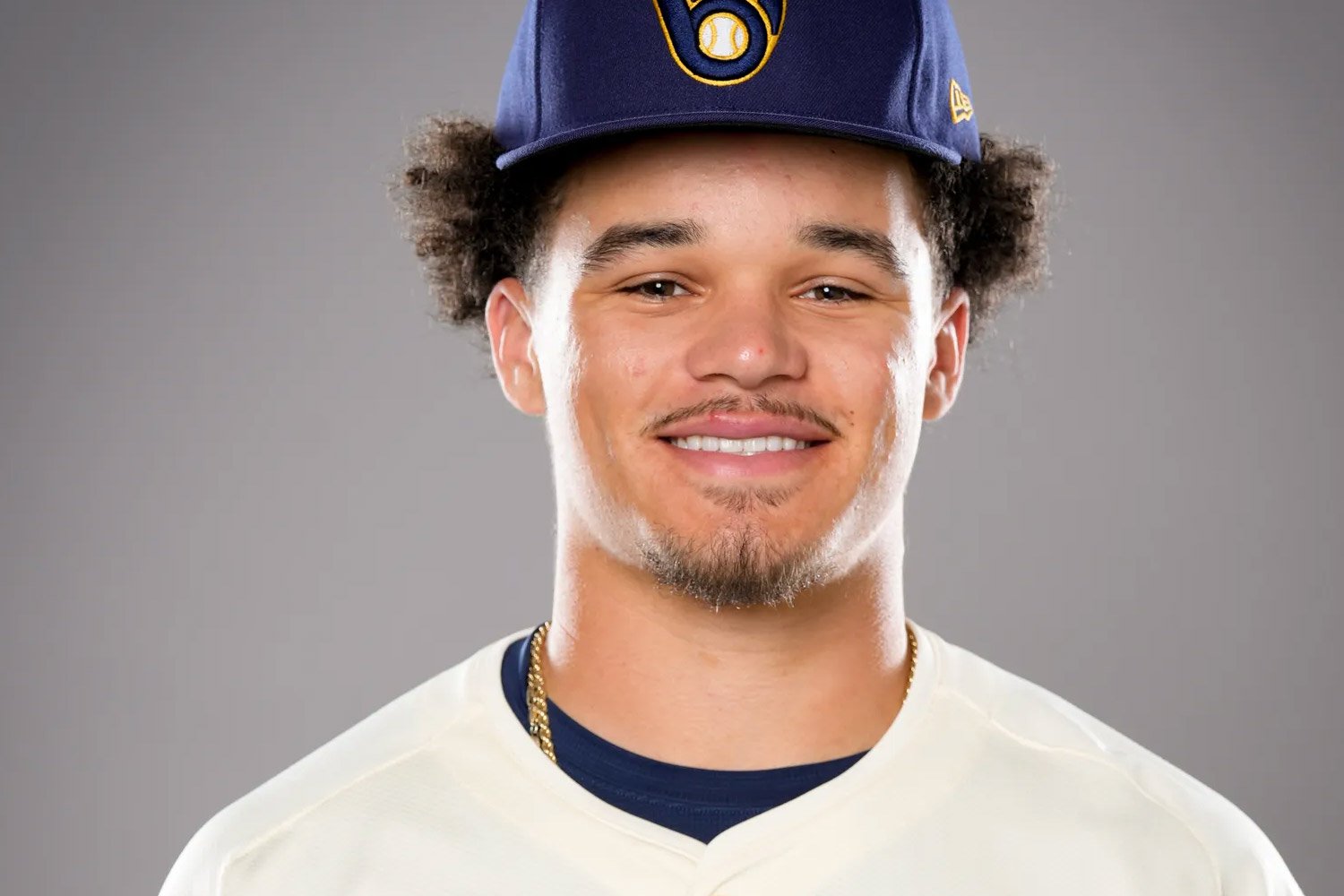 The Brewers have a deep and highly capable farm system. It’s not just in the number of high-quality prospects they acquire every year in the draft, but it’s shown in a lot of the moves that don’t seem like much. For instance, about 13 months ago, the Brewers signed an undrafted free agent listed as a second baseman. This year, that player was assigned to the ACL Brewers, and all he did was lead players with more than 100 at-bats in OBP, OPS, and triples, while also finishing second in runs, third in walks and RBI, fourth in hits, and tied for fifth in home runs while splitting time between second base and left field. The player in question? Jadyn Fielder is the son of Brewers star Prince Fielder. Jadyn would have some big shoes to fill – his dad was arguably the best first baseman in Brewers history – but his offensive skill set points to Jadyn having his own offensive identity. For starters, Jadyn brings more game speed, stealing eight bases and hitting five triples in just 48 games. In full-season pro ball, Prince topped that stolen base total twice – and he only hit 13 triples across his entire professional career (plus at least two inside-the-park home runs). Jadyn, like his dad, though, brings an incredible array of on-base skills. In this case, Jadyn earns it, given his lack of home run power (Prince was intentionally walked 191 times in his pro career, mostly due to opposing teams deciding to chicken out). Jadyn has not had any intentional walks to date in his career – his dad had one in his first professional action in 2022, followed by another 16 with Single-A Beloit. Fielder has his dad and grandpa beat in terms of defense, playing a competent second base and left field in the ACL on a regular basis. Could his real future lie at first base or DH, given the depth the Brewers have in the outfield? Possible, but the fact that he can play those positions gives him one extra tool, at least in his early career – buying time to work on the power. The key question is how Jadyn might develop moving forward. Could he gain more power? That's possible, especially considering his father and grandfather each hit 50 home runs in a season during their MLB careers and topped the 40-home run mark as well. Will his speed and defense remain strong? That’s a valid concern, given the careers of Prince and Cecil, but if the bat develops, the Crew will find a place in the lineup for him. The early signs and production for Jadyn Fielder look promising for Milwaukee. Despite his famous last name, he is still a somewhat underrated prospect for the Brewers who could become a major contributor. The team’s recent history shows this isn’t unprecedented, with examples like cult hero Andruw Monasterio, low-profile rookie Isaac Collins, and pitchers like Brent Suter, all of whom became key contributors despite modest prospect reputations. It's early in his career, and there's a long road to Milwaukee, but Brewers fans should not be surprised if Jadyn Fielder makes it to Uecker Stadium at American Family Field.
 -
Please add Jadyn Fielder to the list.
-
Image courtesy of © Mark Hoffman/Milwaukee Journal Sentinel / USA TODAY NETWORK via Imagn Images With the injury to Joey Ortiz, you might think Milwaukee is in a bad spot at shortstop. The suggestion to have Cooper Pratt (eventually) come up from Double-A Biloxi to take over has emerged here, and it’s a tempting possibility. It's highly unlikely that the Crew will start the service clock (or even make premature 40-man roster moves) with a top prospect, though, when Ortiz's backup has stepped in so admirably thus far. The hamstring injury to Ortiz led to Andruw Monasterio getting some serious playing time, this time at shortstop. Monasterio could end up a cult hero for the Crew again, just as he did in 2023, en route to becoming Brewer Fanatic’s top rookie for that season—despite having been a minor-league free agent scooped off the scrap heap of affiliated professional ball, in his mid-20s. Monasterio’s offensive profile has been about making solid contact, generally avoiding strikeouts, and proving some solid OBP skills when he’s in the lineup. In 2024, he didn’t get a lot of playing time. Ortiz locked down third base, Brice Turang was winning a Gold Glove (and Platinum Glove) at second base, and Willy Adames played shortstop as close to every day as he could. Monasterio had 125 at-bats the entire season, coming in sporadic bunches when the team hit a pocket of the schedule heavy on left-handed opposing starters. He never got into a groove. Monasterio’s profile has held up in 2025, though, as he's adjusted to that sparing usage and been consistently ready when called upon. He has a very stout .272/.322/.457 line, albeit in just 81 at-bats, for an OPS+ of 116. That’s a big upgrade from Ortiz’s overall production in 2025 (.233/.284/.328, for a 72 OPS+). In fact, Monasterio’s already matched his 2023 home run total (three) in less than 30% of the at-bats—in essence, providing some secondary power for the Crew at the bottom of the order. In fact, a comparable offensive figure is none other than rookie Isaac Collins, who’s posted a .273/.370/.425 line, good for a 124 OPS+. Like Monasterio, Collins was unheralded as a prospect, although he was acquired via the minor-league Rule 5 draft. Blake Perkins completes the trifecta of minor-league leftovers-turned-solid producers, and Monasterio's superior power this year (relative to 2024) matches the trend for Perkins. Collins and Monasterio would, at their current production, be formidable at the bottom of the order for the Brewers. They're valuable lineup extenders with some sneaky pop, and they'll fit especially well when Jackson Chourio returns from his Triple-A rehab stint. The Brewers have almost no choice but to ride Monasterio at short until Ortiz gets healthy, but since the elder statesman of the team's bench has proved to be a hot hand, that feels more like a promise than a threat right now. Monasterio is helping the team score runs, including some clutch heroics (like his pinch-hit three-run homer against the Reds, which helped the team take its 14th straight win). Ortiz’s struggles in the early part of the season gave way to an uninspiring but steady profile that worked fine at the bottom of the order from late May on, but Monasterio has matched or exceeded the level that Ortiz settled at even after turning the corner. This isn’t to say Ortiz isn't more valuable than Monasterio. His defense has helped prevent a lot of runs. As he recovers from this injury, though, the team will have to evaluate both his ability to get back into form at the plate and the viability of his great fielding. If the compressed timeline of the remaining season doesn't leave him time to fully recover, he might not be the defender he usually is. In that case, Monasterio might deserve more playing time even once the incumbent starter returns. If Ortiz is unable to return to play this year, and if Monasterio performs well down the stretch and into October, a new set of highly intriguing questions arises. Could Milwaukee consider trading Ortiz, with four more years of team control remaining, this winter? Could Monasterio be a good enough stopgap while Pratt, Jesus Made and Luis Pena surge toward the majors to justify cashing in Ortiz for what would be some serious trade value? It's a backburner thought, for now, but with so much uncertainty around Ortiz's injury and its unfortunate timing, it does make a certain amount of sense. The story of the 2025 Brewers has been players stepping up. Monasterio’s just the latest in this trend, but for him, it’s something he’s done before. View full article
-
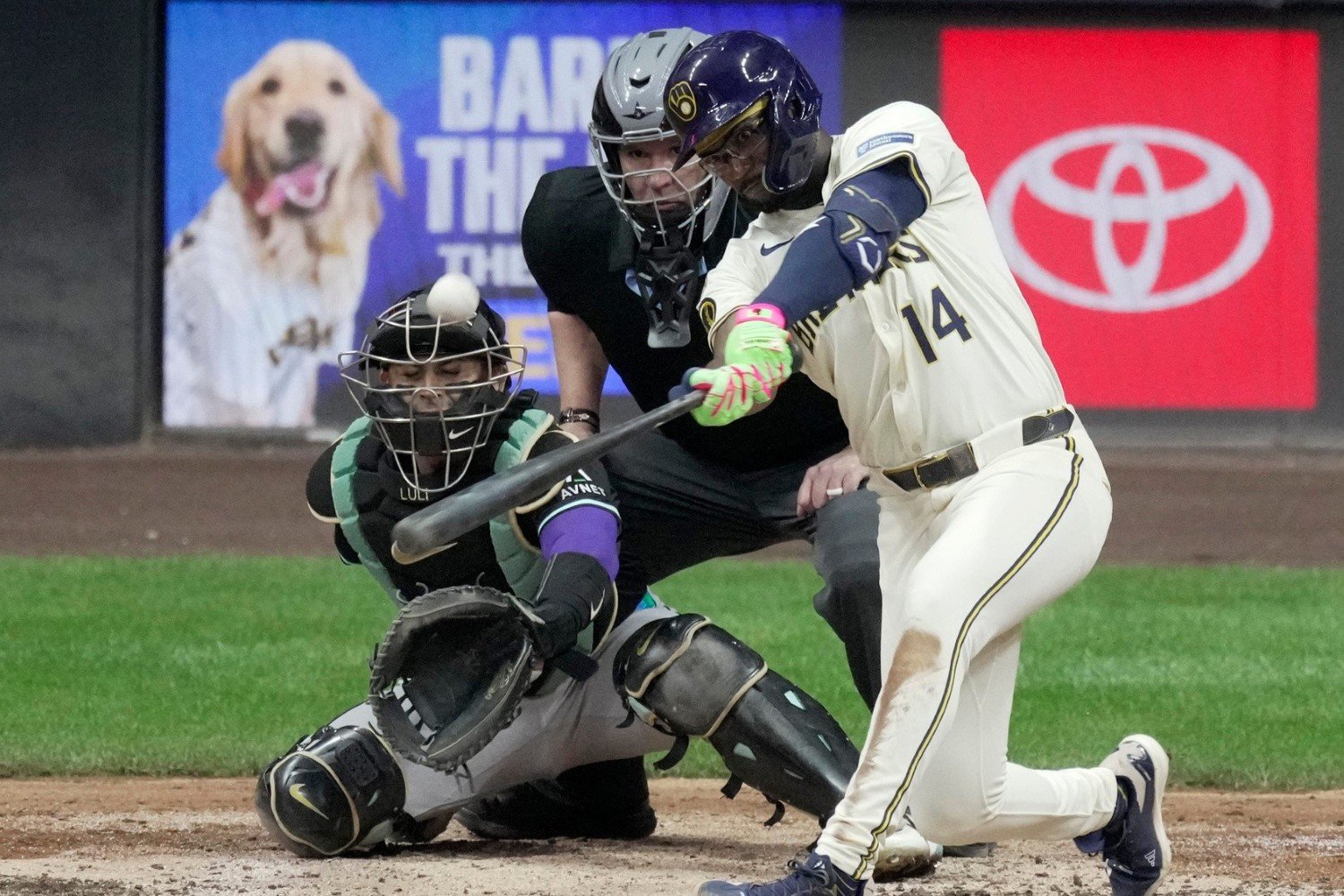 With the injury to Joey Ortiz, you might think Milwaukee is in a bad spot at shortstop. The suggestion to have Cooper Pratt (eventually) come up from Double-A Biloxi to take over has emerged here, and it’s a tempting possibility. It's highly unlikely that the Crew will start the service clock (or even make premature 40-man roster moves) with a top prospect, though, when Ortiz's backup has stepped in so admirably thus far. The hamstring injury to Ortiz led to Andruw Monasterio getting some serious playing time, this time at shortstop. Monasterio could end up a cult hero for the Crew again, just as he did in 2023, en route to becoming Brewer Fanatic’s top rookie for that season—despite having been a minor-league free agent scooped off the scrap heap of affiliated professional ball, in his mid-20s. Monasterio’s offensive profile has been about making solid contact, generally avoiding strikeouts, and proving some solid OBP skills when he’s in the lineup. In 2024, he didn’t get a lot of playing time. Ortiz locked down third base, Brice Turang was winning a Gold Glove (and Platinum Glove) at second base, and Willy Adames played shortstop as close to every day as he could. Monasterio had 125 at-bats the entire season, coming in sporadic bunches when the team hit a pocket of the schedule heavy on left-handed opposing starters. He never got into a groove. Monasterio’s profile has held up in 2025, though, as he's adjusted to that sparing usage and been consistently ready when called upon. He has a very stout .272/.322/.457 line, albeit in just 81 at-bats, for an OPS+ of 116. That’s a big upgrade from Ortiz’s overall production in 2025 (.233/.284/.328, for a 72 OPS+). In fact, Monasterio’s already matched his 2023 home run total (three) in less than 30% of the at-bats—in essence, providing some secondary power for the Crew at the bottom of the order. In fact, a comparable offensive figure is none other than rookie Isaac Collins, who’s posted a .273/.370/.425 line, good for a 124 OPS+. Like Monasterio, Collins was unheralded as a prospect, although he was acquired via the minor-league Rule 5 draft. Blake Perkins completes the trifecta of minor-league leftovers-turned-solid producers, and Monasterio's superior power this year (relative to 2024) matches the trend for Perkins. Collins and Monasterio would, at their current production, be formidable at the bottom of the order for the Brewers. They're valuable lineup extenders with some sneaky pop, and they'll fit especially well when Jackson Chourio returns from his Triple-A rehab stint. The Brewers have almost no choice but to ride Monasterio at short until Ortiz gets healthy, but since the elder statesman of the team's bench has proved to be a hot hand, that feels more like a promise than a threat right now. Monasterio is helping the team score runs, including some clutch heroics (like his pinch-hit three-run homer against the Reds, which helped the team take its 14th straight win). Ortiz’s struggles in the early part of the season gave way to an uninspiring but steady profile that worked fine at the bottom of the order from late May on, but Monasterio has matched or exceeded the level that Ortiz settled at even after turning the corner. This isn’t to say Ortiz isn't more valuable than Monasterio. His defense has helped prevent a lot of runs. As he recovers from this injury, though, the team will have to evaluate both his ability to get back into form at the plate and the viability of his great fielding. If the compressed timeline of the remaining season doesn't leave him time to fully recover, he might not be the defender he usually is. In that case, Monasterio might deserve more playing time even once the incumbent starter returns. If Ortiz is unable to return to play this year, and if Monasterio performs well down the stretch and into October, a new set of highly intriguing questions arises. Could Milwaukee consider trading Ortiz, with four more years of team control remaining, this winter? Could Monasterio be a good enough stopgap while Pratt, Jesus Made and Luis Pena surge toward the majors to justify cashing in Ortiz for what would be some serious trade value? It's a backburner thought, for now, but with so much uncertainty around Ortiz's injury and its unfortunate timing, it does make a certain amount of sense. The story of the 2025 Brewers has been players stepping up. Monasterio’s just the latest in this trend, but for him, it’s something he’s done before.
 -
Should Anthony Seigler Be Deployed Behind The Dish In 2026?
Harold Hutchison posted an article in Brewers
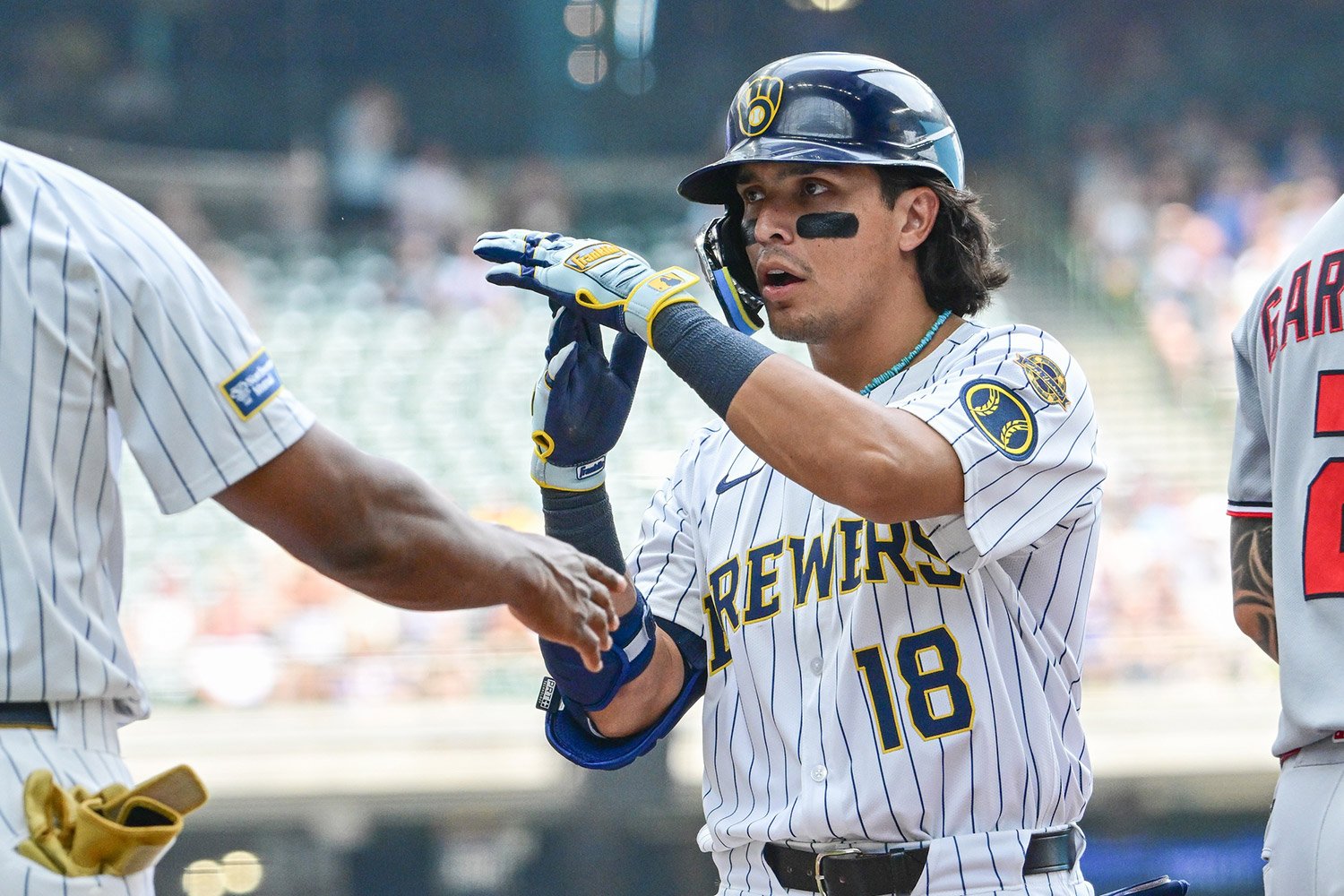 Brewers fans have to wonder about Anthony Seigler. The one-time Yankees prospect has posted some disappointing numbers on the surface (.194/.250/.194), but underlying metrics have been much better, but can he buy himself some time by returning to his roots? Seigler first came to Milwaukee as a switch-hitting, switch-throwing minor-league free agent catcher who also saw time at other positions, including a shift to second base in the 2024 season. Lately, he has only been hitting left-handed, which helped his offensive numbers some in Triple-A Nashville and in Milwaukee, he’s primarily played third base, while splitting time between catcher and second base with the Sounds. But what about his future? That can be quite uncertain. Not because Seigler isn’t talented or lacks potential – far from it – but he’s got a lot of competition. Cooper Pratt, Jesus Made, Luis Pena, Luke Adams, Mike Boeve, and Ethan Murray are just a few of the names that come to mind in the infield over the 2026-2027 timeframe in the higher levels of the minor-league system. You can also add in Tyler Black, Caleb Durbin, Isaac Collins, and Joey Ortiz from the 40-man roster, for starters. Short version, this is a highly-talented organization, one that will have a lot of good options, and Seigler is just one of them. However, Seigler could fill an important role for the 2026 Brewers – where an opening just may be waiting for him: backup catcher. Danny Jansen, acquired in a deadline deal with the Rays, is a pending free agent, and the Crew (or Jansen) probably will not exercise his $12 million mutual option for 2026. Jeferson Quero’s comeback from a 2024 season in which he had one plate appearance at Triple-A Nashville (a walk) has been complicated by injuries and an adjustment to the pitching at that level, although he has recently heated up. Many of the other catchers have low ceilings. The only other real prospect behind the plate at Double A or above is Darrien Miller, a pending minor-league free agent at the age of 24 who’s rediscovered a bit of power (six homers in 222 at-bats), and has long demonstrated the ability to get on base, but who’s struggled to hit the Uecker line (.205 batting average over two seasons at Double-A Biloxi). Siegler’s only donned the tools of ignorance briefly in Milwaukee, but his past experience – and the Brewers’ track record of improving catchers’ defense – may be beneficial for Seigler and the Crew. For starters, he will have something free agents won’t have: Experience with future rotation mainstays Logan Henderson and Jacob Misiorowski from his time with the Sounds. This is not a small consideration. One of Milwaukee’s biggest weapons is the chemistry in its clubhouse. Every trade or free agent signing can alter that in the negative (see the 2022 Josh Hader trade as an example). Keeping things “in the family,” if you will, is a far less risky approach. Second, Seigler offers a solid option off the bench, especially with his recent offensive development – he can give William Contreras a game off and not be a black hole in the lineup. He also becomes a potential platoon partner for Quero when he arrives in MLB. Third, Seigler also offers flexibility. When Quero forces his way to Milwaukee, the Brewers could arguably build a “super bench” with Seigler, Collins, and either Black or Ernesto Martinez (depending on what moves they make in the 2025-2026 offseason) alongside Quero, allowing Contreras to DH more with a greater degree of confidence. Then again, the Brewers could use Seigler as the number two catcher and wait to start Quero’s service time clock, allowing Contreras to rebuild trade value with an offensive resurgence in 2026. Or for another option, the Brewers could move Contreras in, who has two years of team control left, in the 2025-2026 offseason and bring in a haul of prospects at multiple positions by pillaging a farm system from a team like Cleveland, Texas, or Toronto. That would turn the Esteury Ruiz trade into an even bigger win, and make the Hader deal a long-term win. Anthony Seigler has much to offer the Brewers. The question is whether the Brewers will be willing to move him to a position where he can make that difference.
 -
Image courtesy of © Benny Sieu-Imagn Images Brewers fans have to wonder about Anthony Seigler. The one-time Yankees prospect has posted some disappointing numbers on the surface (.194/.250/.194), but underlying metrics have been much better, but can he buy himself some time by returning to his roots? Seigler first came to Milwaukee as a switch-hitting, switch-throwing minor-league free agent catcher who also saw time at other positions, including a shift to second base in the 2024 season. Lately, he has only been hitting left-handed, which helped his offensive numbers some in Triple-A Nashville and in Milwaukee, he’s primarily played third base, while splitting time between catcher and second base with the Sounds. But what about his future? That can be quite uncertain. Not because Seigler isn’t talented or lacks potential – far from it – but he’s got a lot of competition. Cooper Pratt, Jesus Made, Luis Pena, Luke Adams, Mike Boeve, and Ethan Murray are just a few of the names that come to mind in the infield over the 2026-2027 timeframe in the higher levels of the minor-league system. You can also add in Tyler Black, Caleb Durbin, Isaac Collins, and Joey Ortiz from the 40-man roster, for starters. Short version, this is a highly-talented organization, one that will have a lot of good options, and Seigler is just one of them. However, Seigler could fill an important role for the 2026 Brewers – where an opening just may be waiting for him: backup catcher. Danny Jansen, acquired in a deadline deal with the Rays, is a pending free agent, and the Crew (or Jansen) probably will not exercise his $12 million mutual option for 2026. Jeferson Quero’s comeback from a 2024 season in which he had one plate appearance at Triple-A Nashville (a walk) has been complicated by injuries and an adjustment to the pitching at that level, although he has recently heated up. Many of the other catchers have low ceilings. The only other real prospect behind the plate at Double A or above is Darrien Miller, a pending minor-league free agent at the age of 24 who’s rediscovered a bit of power (six homers in 222 at-bats), and has long demonstrated the ability to get on base, but who’s struggled to hit the Uecker line (.205 batting average over two seasons at Double-A Biloxi). Siegler’s only donned the tools of ignorance briefly in Milwaukee, but his past experience – and the Brewers’ track record of improving catchers’ defense – may be beneficial for Seigler and the Crew. For starters, he will have something free agents won’t have: Experience with future rotation mainstays Logan Henderson and Jacob Misiorowski from his time with the Sounds. This is not a small consideration. One of Milwaukee’s biggest weapons is the chemistry in its clubhouse. Every trade or free agent signing can alter that in the negative (see the 2022 Josh Hader trade as an example). Keeping things “in the family,” if you will, is a far less risky approach. Second, Seigler offers a solid option off the bench, especially with his recent offensive development – he can give William Contreras a game off and not be a black hole in the lineup. He also becomes a potential platoon partner for Quero when he arrives in MLB. Third, Seigler also offers flexibility. When Quero forces his way to Milwaukee, the Brewers could arguably build a “super bench” with Seigler, Collins, and either Black or Ernesto Martinez (depending on what moves they make in the 2025-2026 offseason) alongside Quero, allowing Contreras to DH more with a greater degree of confidence. Then again, the Brewers could use Seigler as the number two catcher and wait to start Quero’s service time clock, allowing Contreras to rebuild trade value with an offensive resurgence in 2026. Or for another option, the Brewers could move Contreras in, who has two years of team control left, in the 2025-2026 offseason and bring in a haul of prospects at multiple positions by pillaging a farm system from a team like Cleveland, Texas, or Toronto. That would turn the Esteury Ruiz trade into an even bigger win, and make the Hader deal a long-term win. Anthony Seigler has much to offer the Brewers. The question is whether the Brewers will be willing to move him to a position where he can make that difference. View full article
-
Image courtesy of © Benny Sieu-Imagn Images When Andrew Vaughn came to bat in the bottom of the fourth inning against Pirates pitcher Andrew Heaney on August 11, the Brewers were in a commanding position, having gone up 5-1 by plating four runs in the previous inning. That inning had been used as an example of how the Brewers have gone on an incredible run, but what Vaughn did is arguably more important—a sign that the Brewers have taken the next step forward with their offense. Breaking Down the At-Bat Vaughn came up to bat with runners on the corners and one out, thanks to a leadoff double by Isaac Collins, a single by William Contreras, and a fielder’s choice from Christian Yelich. Now, the at-bat was only two pitches, so it wasn’t an epic battle where Vaughn fought through. In terms of Win Probability Added, it was +1.2%, taking the Brewers to 95% in that game. Heaney’s first pitch, a sinker, went “just a bit outside,” to borrow the phrase Bob Uecker uttered during Major League. That brought the count to 1-0. Heaney then fired an 81.4-mph changeup over the heart of the plate in the upper middle portion of the strike zone per MLB Gameday. This is a pitch that Vaughn could easily crush for extra bases. But instead, he did something that seems completely counterintuitive. He bunted, sending the ball onto the first-base side of the infield. Pirates first baseman Liover Peguero scooped the ball and shoveled it to Heaney, who tagged Vaughn out. Isaac Collins scored on the play, with Yelich going to second. The Brewers were up 6-1, in a game they’d eventually win 7-1. So why focus on this at-bat? Two major reasons. One is what it means in a strategic sense on the field. The second is what that at-bat just said about the “off-the-field” situation for the Brewers. The On-The-Field Implications Vaughn’s bunt represents the next step in the evolution of the Brewers’ offense. During the heartbreaking NL Wild Card Series against the Mets, the 2024 Brewers addressed what was arguably the fatal flaw of the 2018 team that got to Game 7 of the NLCS, by proving they could play small ball. The 2025 Brewers have scored 650 runs in their 126 games to date—just over five runs a game. The 2024 Crew scored 4.79 runs a game. That’s a third of a run more, even with Willy Adames gone via free agency, William Contreras having his power sapped while playing through an injury, Rhys Hoskins and Jackson Chourio missing some time on the injured list, and Joey Ortiz slumping for a significant part of the season. How did that happen? First, the Crew’s had a healthy Christian Yelich, who has been hitting a bunch of homers. Vaughn’s breakthrough has also helped, but the team also got a boost in power from two of their “small ball specialists," Brice Turang and Sal Frelick. In 2024, they combined for nine home runs. In 2025, Frelick has equaled that total, and Turang’s added 13 more. Yelich, Turang, and Frelick’s increased production has made up for virtually everything they lost when Adames departed. Vaughn’s squeeze play is the other side of the coin. In 2024, the Crew had two ways to score, with distinct groups for the power hitters and the “small ball” squad, with some overlap. The 2025 Brewers have greatly increased that overlap. This is going to affect how teams have to play the Crew. There is an unpredictability that adds even more pressure. Vaughn came relatively close to beating out that bunt, and faster sluggers (like a healthy Chourio or Yelich) would likely have been safe. However, with improved power from Turang and Frelick, the flipside is also there: they might swing away on a team expecting a bunt, and do even more damage. But Vaughn, arguably the hottest hitter on the team, laying down the bunt also implies a lot about the off-the-field situation for the Brewers. Team Baseball We’ve seen the Brewers talk about “the power of friendship” during their run. But Vaughn’s bunt is very reminiscent of the end of the Brewers-themed movie “Mr. 3000,” where Stan Ross (played by Bernie Mac) sacrifices the chance to reach the milestone to enable the team to win the game. Vaughn’s bunt is somewhat similar. Given the 1-0 count, he could be expected to go for the fences, especially with a fat changeup about letter-high. Vaughn could have gotten a base hit. or (with the way he’s been hitting) he could have lashed a double that would have easily plated both Collins and Yelich, or dumped the ball in the bleachers. Instead, whether it was a call by Pat Murphy or his own initiative, Vaughn chose the approach of bunting. Like the Richmond Greyhounds in Season 3 of “Ted Lasso,” this Brewers team is not focused on the individual players as much as it is playing, if you will, “Total Baseball.” In short, this is a team that can pick each other up, as they demonstrated in the comeback wins that came after that blowout victory against Pittsburgh. In the words of NFL great Walter Payton, they “never die easy.” Overview Vaughn’s bunt is a lot more meaningful when it comes to understanding the 2025 Brewers than Win Probability Added would indicate. In essence, it shows that the team’s offense has continued the evolution hinted at in the 2024 team, one that could mean big things come the playoffs. View full article
-
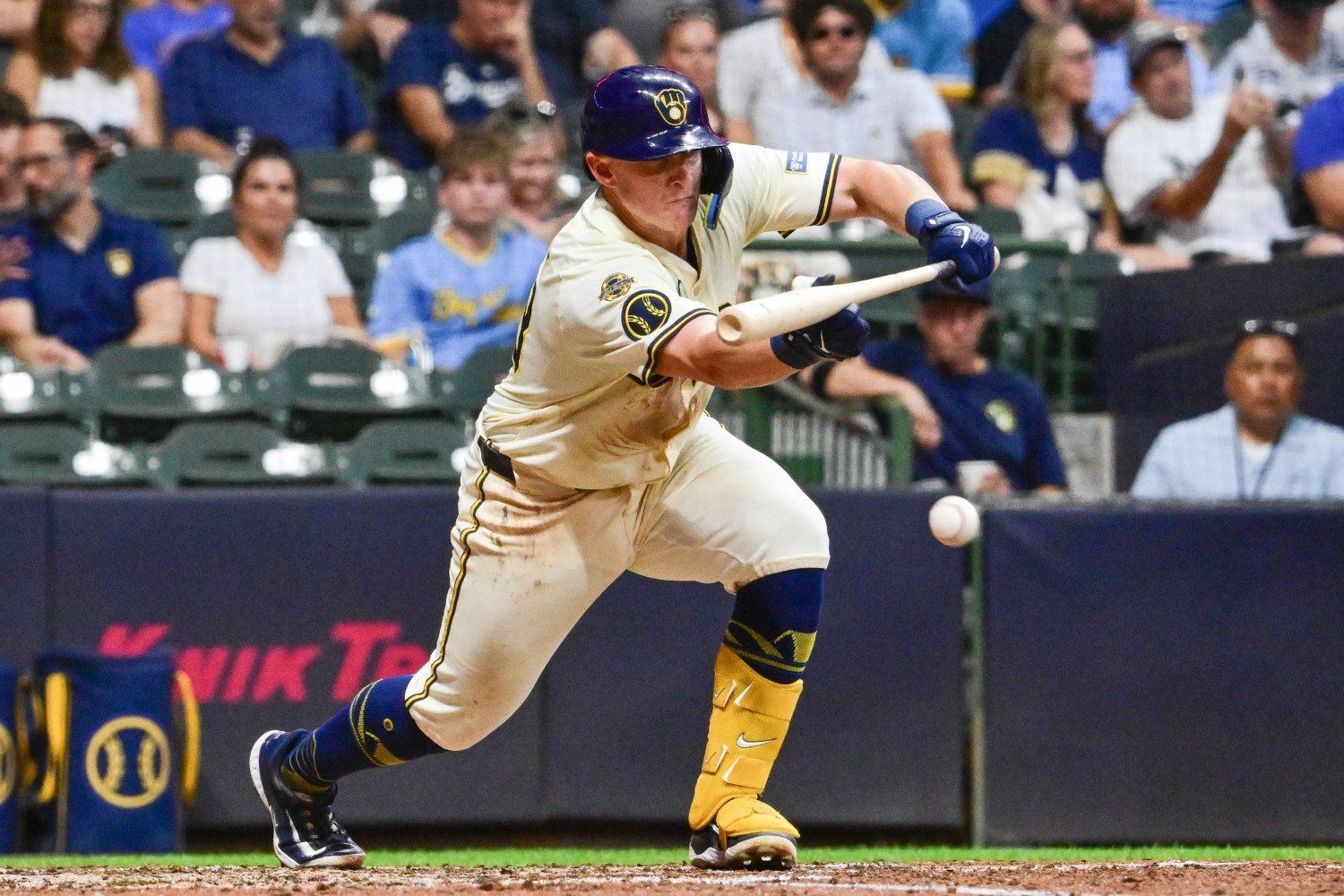 When Andrew Vaughn came to bat in the bottom of the fourth inning against Pirates pitcher Andrew Heaney on August 11, the Brewers were in a commanding position, having gone up 5-1 by plating four runs in the previous inning. That inning had been used as an example of how the Brewers have gone on an incredible run, but what Vaughn did is arguably more important—a sign that the Brewers have taken the next step forward with their offense. Breaking Down the At-Bat Vaughn came up to bat with runners on the corners and one out, thanks to a leadoff double by Isaac Collins, a single by William Contreras, and a fielder’s choice from Christian Yelich. Now, the at-bat was only two pitches, so it wasn’t an epic battle where Vaughn fought through. In terms of Win Probability Added, it was +1.2%, taking the Brewers to 95% in that game. Heaney’s first pitch, a sinker, went “just a bit outside,” to borrow the phrase Bob Uecker uttered during Major League. That brought the count to 1-0. Heaney then fired an 81.4-mph changeup over the heart of the plate in the upper middle portion of the strike zone per MLB Gameday. This is a pitch that Vaughn could easily crush for extra bases. But instead, he did something that seems completely counterintuitive. He bunted, sending the ball onto the first-base side of the infield. Pirates first baseman Liover Peguero scooped the ball and shoveled it to Heaney, who tagged Vaughn out. Isaac Collins scored on the play, with Yelich going to second. The Brewers were up 6-1, in a game they’d eventually win 7-1. So why focus on this at-bat? Two major reasons. One is what it means in a strategic sense on the field. The second is what that at-bat just said about the “off-the-field” situation for the Brewers. The On-The-Field Implications Vaughn’s bunt represents the next step in the evolution of the Brewers’ offense. During the heartbreaking NL Wild Card Series against the Mets, the 2024 Brewers addressed what was arguably the fatal flaw of the 2018 team that got to Game 7 of the NLCS, by proving they could play small ball. The 2025 Brewers have scored 650 runs in their 126 games to date—just over five runs a game. The 2024 Crew scored 4.79 runs a game. That’s a third of a run more, even with Willy Adames gone via free agency, William Contreras having his power sapped while playing through an injury, Rhys Hoskins and Jackson Chourio missing some time on the injured list, and Joey Ortiz slumping for a significant part of the season. How did that happen? First, the Crew’s had a healthy Christian Yelich, who has been hitting a bunch of homers. Vaughn’s breakthrough has also helped, but the team also got a boost in power from two of their “small ball specialists," Brice Turang and Sal Frelick. In 2024, they combined for nine home runs. In 2025, Frelick has equaled that total, and Turang’s added 13 more. Yelich, Turang, and Frelick’s increased production has made up for virtually everything they lost when Adames departed. Vaughn’s squeeze play is the other side of the coin. In 2024, the Crew had two ways to score, with distinct groups for the power hitters and the “small ball” squad, with some overlap. The 2025 Brewers have greatly increased that overlap. This is going to affect how teams have to play the Crew. There is an unpredictability that adds even more pressure. Vaughn came relatively close to beating out that bunt, and faster sluggers (like a healthy Chourio or Yelich) would likely have been safe. However, with improved power from Turang and Frelick, the flipside is also there: they might swing away on a team expecting a bunt, and do even more damage. But Vaughn, arguably the hottest hitter on the team, laying down the bunt also implies a lot about the off-the-field situation for the Brewers. Team Baseball We’ve seen the Brewers talk about “the power of friendship” during their run. But Vaughn’s bunt is very reminiscent of the end of the Brewers-themed movie “Mr. 3000,” where Stan Ross (played by Bernie Mac) sacrifices the chance to reach the milestone to enable the team to win the game. Vaughn’s bunt is somewhat similar. Given the 1-0 count, he could be expected to go for the fences, especially with a fat changeup about letter-high. Vaughn could have gotten a base hit. or (with the way he’s been hitting) he could have lashed a double that would have easily plated both Collins and Yelich, or dumped the ball in the bleachers. Instead, whether it was a call by Pat Murphy or his own initiative, Vaughn chose the approach of bunting. Like the Richmond Greyhounds in Season 3 of “Ted Lasso,” this Brewers team is not focused on the individual players as much as it is playing, if you will, “Total Baseball.” In short, this is a team that can pick each other up, as they demonstrated in the comeback wins that came after that blowout victory against Pittsburgh. In the words of NFL great Walter Payton, they “never die easy.” Overview Vaughn’s bunt is a lot more meaningful when it comes to understanding the 2025 Brewers than Win Probability Added would indicate. In essence, it shows that the team’s offense has continued the evolution hinted at in the 2024 team, one that could mean big things come the playoffs.
 -
Image courtesy of © Benny Sieu-Imagn Images Is Brice Turang losing a step on defense? How one piece of film shows that numbers like OAA and DRS aren’t the whole story. Recently, some concern has been raised about Brice Turang’s defense, which seems odd since he is the 2024 Platinum Glove winner and also has a Gold Glove at second base. However, could the numbers be missing some of the story? Let’s look at one play in particular cited in the discussion, which took place on June 23 against the Pirates at American Family Field. Here’s how the play was described in that article: Even before we go into detail, this is a play that I’d use to make the case for Turang getting another Gold Glove and Platinum Glove. For starters, let’s take what Turang did at face value: He gunned down the lead baserunner, Nick Gonzales, who was going for third base. That’s a huge play in and of itself. It’s far easier to score a run with a runner on third base – it’s just 90 feet away. Any base hit will plate the runner, as opposed to the runner being on second – see how Blake Perkins’ throw nailing a runner trying to score from second on a single ended game one of the Mets series by. If there are less than two outs, the hitter just needs to make good contact to have a decent shot at an RBI. By snuffing out the runner at third, Turang took that ease of scoring away from the Pirates. That is before we even get into the actual specifics around the play – to wit, the situation the Brewers were in when Turang threw out the runner at third. Because the stats don’t happen in a vacuum, and context matters, in a May 2023 article, I mentioned some comments then-manager Craig Counsell made during a forum after the 2016 season: He said that while Orlando Arcia would go 0-for-4, he was still helping the Brewers win in ways that didn’t show up in the box score. Craig Counsell’s words are illustrated in this play from June 23. The box score and the stats are actually misleading. Spencer Horowitz got a hit, but it was entirely meaningless. The recap from Baseball Reference reveals that the play took place with two outs in the top of the seventh inning with the Brewers down 5-4. In other words, Turang’s heads-up play on the Horowitz grounder didn’t just make it harder for the Pirates to score; it ended the top of the seventh inning. It kept the game as a one-run game, something the Crew has been able to come back from on multiple occasions over this season (they’ve come back from even bigger deficits, as they showed Sunday). But there’s even more context to consider with Turang’s play. That play came on Aaron Ashby’s 23rd pitch of the seventh inning – Horowitz and the three previous Pirates hitters had worked the count against the Brewers’ lefty and put together a string of at-bats. That’s a lot of pitches to secure three outs. Now, Ashby would go three innings that day, throwing 52 pitches, but could he have done so if Turang hadn’t nailed the runner at third? Odds are, probably not. If Ashby ends up going only two innings, and another reliever gets called in for the ninth inning, that affects the team for the next game, as the reliever may need rest. In the next two games against the Pirates on June 24 and June 25, both of which the Crew won, the team used four relievers each game, three of whom, Grant Anderson, Rob Zastryzny, and Abner Uribe, made back-to-back appearances. Ultimately, the Brewers lost the June 23 game, 5-4. But Turang’s heads-up play in the top of the seventh kept it close – a one-run game – and it arguably allowed Aaron Ashby to give the rest of the bullpen (aside from Nick Mears) a day off, allowing Murphy to use Anderson, Zastryzny, and Uribe in the next two games. In this case, the stats and the basic box score didn’t just fail to tell the story; in a sense, they told you the wrong story about Brice Turang’s defensive skill. View full article
-
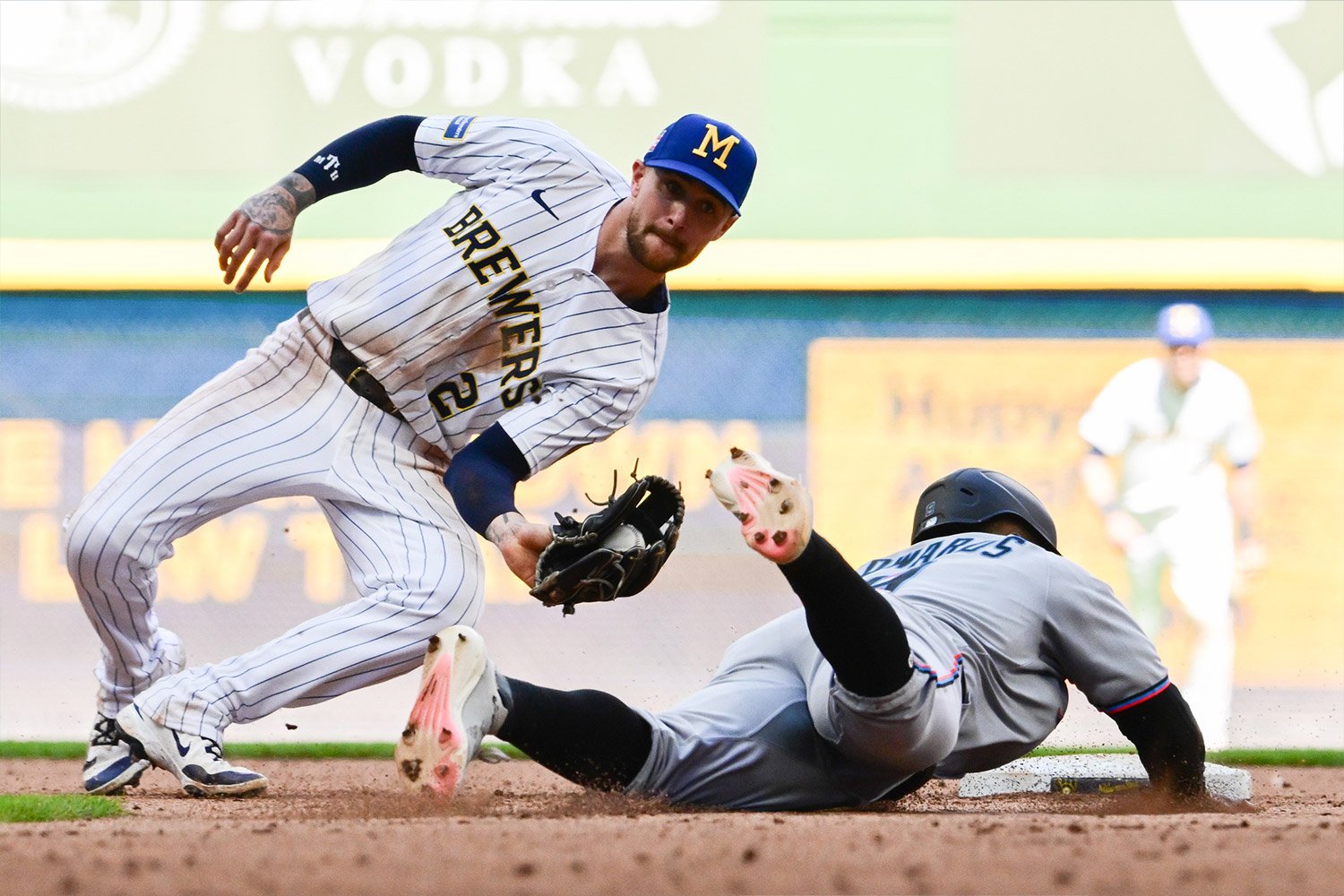 Is Brice Turang losing a step on defense? How one piece of film shows that numbers like OAA and DRS aren’t the whole story. Recently, some concern has been raised about Brice Turang’s defense, which seems odd since he is the 2024 Platinum Glove winner and also has a Gold Glove at second base. However, could the numbers be missing some of the story? Let’s look at one play in particular cited in the discussion, which took place on June 23 against the Pirates at American Family Field. Here’s how the play was described in that article: Even before we go into detail, this is a play that I’d use to make the case for Turang getting another Gold Glove and Platinum Glove. For starters, let’s take what Turang did at face value: He gunned down the lead baserunner, Nick Gonzales, who was going for third base. That’s a huge play in and of itself. It’s far easier to score a run with a runner on third base – it’s just 90 feet away. Any base hit will plate the runner, as opposed to the runner being on second – see how Blake Perkins’ throw nailing a runner trying to score from second on a single ended game one of the Mets series by. If there are less than two outs, the hitter just needs to make good contact to have a decent shot at an RBI. By snuffing out the runner at third, Turang took that ease of scoring away from the Pirates. That is before we even get into the actual specifics around the play – to wit, the situation the Brewers were in when Turang threw out the runner at third. Because the stats don’t happen in a vacuum, and context matters, in a May 2023 article, I mentioned some comments then-manager Craig Counsell made during a forum after the 2016 season: He said that while Orlando Arcia would go 0-for-4, he was still helping the Brewers win in ways that didn’t show up in the box score. Craig Counsell’s words are illustrated in this play from June 23. The box score and the stats are actually misleading. Spencer Horowitz got a hit, but it was entirely meaningless. The recap from Baseball Reference reveals that the play took place with two outs in the top of the seventh inning with the Brewers down 5-4. In other words, Turang’s heads-up play on the Horowitz grounder didn’t just make it harder for the Pirates to score; it ended the top of the seventh inning. It kept the game as a one-run game, something the Crew has been able to come back from on multiple occasions over this season (they’ve come back from even bigger deficits, as they showed Sunday). But there’s even more context to consider with Turang’s play. That play came on Aaron Ashby’s 23rd pitch of the seventh inning – Horowitz and the three previous Pirates hitters had worked the count against the Brewers’ lefty and put together a string of at-bats. That’s a lot of pitches to secure three outs. Now, Ashby would go three innings that day, throwing 52 pitches, but could he have done so if Turang hadn’t nailed the runner at third? Odds are, probably not. If Ashby ends up going only two innings, and another reliever gets called in for the ninth inning, that affects the team for the next game, as the reliever may need rest. In the next two games against the Pirates on June 24 and June 25, both of which the Crew won, the team used four relievers each game, three of whom, Grant Anderson, Rob Zastryzny, and Abner Uribe, made back-to-back appearances. Ultimately, the Brewers lost the June 23 game, 5-4. But Turang’s heads-up play in the top of the seventh kept it close – a one-run game – and it arguably allowed Aaron Ashby to give the rest of the bullpen (aside from Nick Mears) a day off, allowing Murphy to use Anderson, Zastryzny, and Uribe in the next two games. In this case, the stats and the basic box score didn’t just fail to tell the story; in a sense, they told you the wrong story about Brice Turang’s defensive skill.
 -
Grading Two Deals The Brewers Didn’t Make At The Trade Deadline
Harold Hutchison posted an article in Brewers
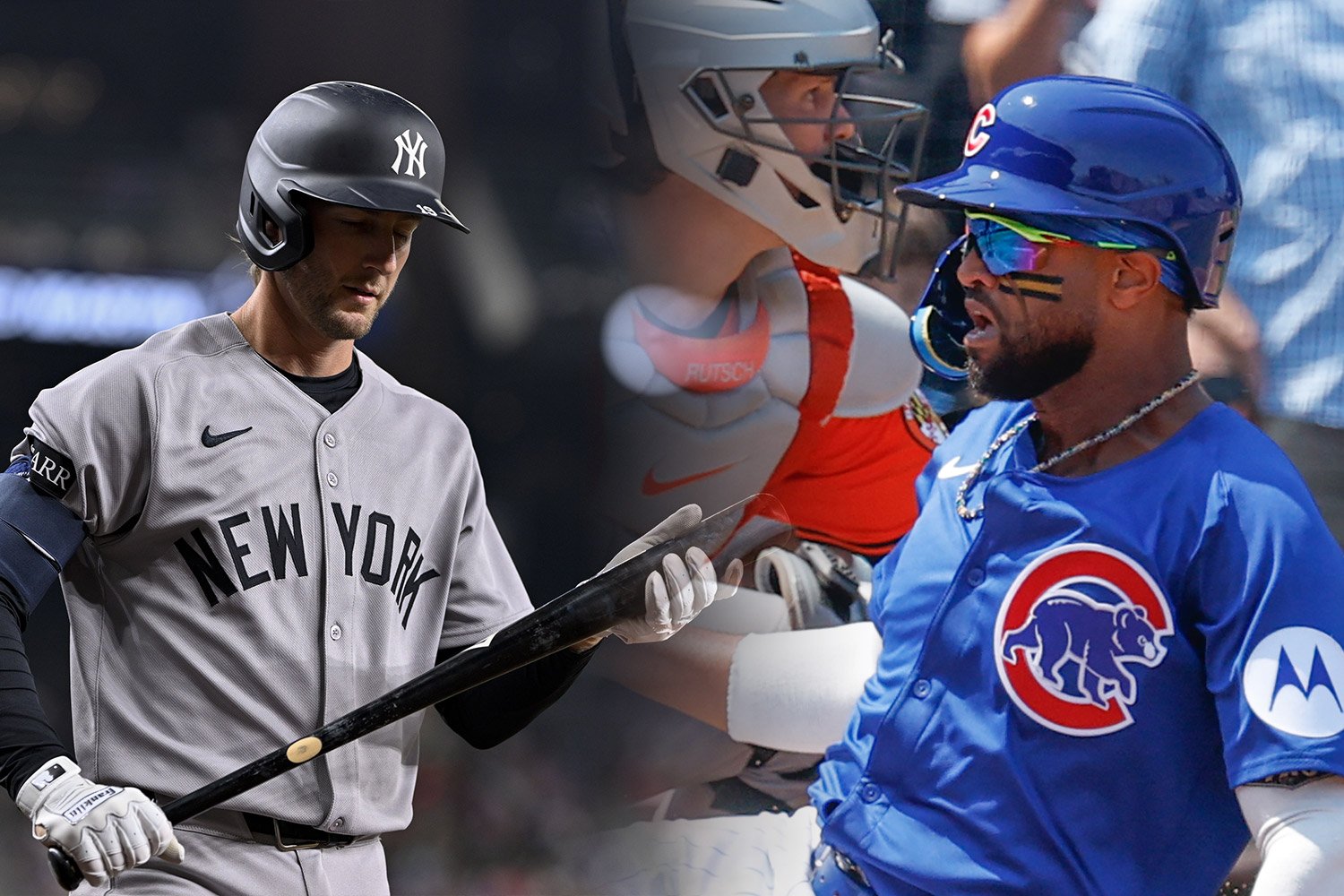 In the book “Nine Innings,” Daniel Okrent went into the franchise-altering trade during the 1980-1981 offseason that brought Ted Simmons, Rollie Fingers, and Pete Vuckovich to the Brewers. He also mentioned one deal that could have brought Bruce Sutter to the Crew instead, but which didn’t happen because the Cubs insisted that the return include Paul Molitor. Thankfully, the Crew told the Cubs to forget it, pulled the trigger on that seven-player deal with the team from St. Louis, and history went as we knew it – Molitor put together a Hall of Fame career mostly with the Brewers (later departing to the Blue Jays as a free agent in the heart-breaking 1992-1993 offseason). Sutter, though, ended up being the closer on the 1982 Cardinals team that beat the Brewers in the World Series. With that in mind, let’s look at two trades the Brewers didn’t make prior to the July 31 trading deadline. Acquiring 3B Ryan McMahon from the Rockies Ryan McMahon is not a horrible player – he’s been a solid starter since Opening Day 2021. But a closer look reveals some red flags. The first being his $16 million per year contract running through 2027. Second, there is an iffy offensive profile: McMahon has played about half his games in Coors Field, one of the most hitter-friendly establishments in MLB. Yet in the same five years he posted those 14.0 WAR, he posted an OPS+ of 95. When you look at the return the Rockies got from the Yankees, pitching prospects Josh Grosz and Griffin Herring, who ended up at #5 and #18 in the Rockies system, according to MLB Pipeline, it seems a comparable price would arguably have been Bishop Letson and Tyson Hardin, one a potential top-flight starter for Milwaukee down the road who is on the 60-day injured list, the other a college reliever who has turned into a solid rotation prospect (a 12th-round steal so far). That was a high price for a player whose defense has been good, but not good enough for Gold Gloves, while also bringing along an iffy offensive profile that includes a lot of strikeouts and who would cost the team $16 million a year. It was a deal the Yankees could afford, being the Yankees. The Crew couldn’t afford the short-term or long-term costs. Grade: A+ Acquiring IF/OF Willi Castro from the Twins With the injury to Jackson Chourio, the Brewers have a bit of a hole in their lineup. In the few games so far, that hasn’t been an issue, thanks to the renewed power of William Contreras, Andrew Vaughn’s hot streak since coming over in the Aaron Civale trade, and the acquisition of Danny Jansen. Still, with Sal Frelick potentially banged up, Castro’s versatility and his bat may have been very useful to have, as detailed in July. The highlights were his versatility (he plays all four infield and all three outfield positions competently) and a solid bat (he posted a 103 OPS+ before the Twins traded him to the Cubs). He also would have added another switch-hitter to the Crew’s lineup (alongside Blake Perkins and Isaac Collins). The cost would have been some talent in return, perhaps Carlos Rodriguez and another pitching prospect, but it would have been a short-term rental. Make no mistake, this would have been the Crew trading a potential asset down the road for three months of Castro. Grade: C Overview Brewers fans are wondering if the team did enough at the trade deadline to get a deep run into the playoffs in the 2025 offseason. That answer won’t be known until sometime in October. Will the deals the Crew didn’t make come back to haunt them? We may never know that answer for sure, but we may get a hint in October as well.
 -
In the book “Nine Innings,” Daniel Okrent went into the franchise-altering trade during the 1980-1981 offseason that brought Ted Simmons, Rollie Fingers, and Pete Vukovich to the Brewers. He also mentioned one deal that could have brought Bruce Sutter to the Crew instead, but which didn’t happen because the Cubs insisted that the return include Paul Molitor. Thankfully, the Crew told the Cubs to forget it, pulled the trigger on that seven-player deal with the team from St. Louis, and history went as we knew it – Molitor put together a Hall of Fame career mostly with the Brewers (later departing to the Blue Jays as a free agent in the heart-breaking 1992-1993 offseason). Sutter, though, ended up being the closer on the 1982 Cardinals team that beat the Brewers in the World Series. With that in mind, let’s look at two trades the Brewers didn’t make prior to the July 31 trading deadline. Acquiring 3B Ryan McMahon from the Rockies Ryan McMahon is not a horrible player – he’s been a solid starter since Opening Day 2021. But a closer look reveals some red flags. The first being his $16 million per year contract running through 2027. Second, there is an iffy offensive profile: McMahon has played about half his games in Coors Field, one of the most hitter-friendly establishments in MLB. Yet in the same five years he posted those 14.0 WAR, he posted an OPS+ of 95. When you look at the return the Rockies got from the Yankees, pitching prospects Josh Grosz and Griffin Herring, who ended up at #5 and #18 in the Rockies system, according to MLB Pipeline, it seems a comparable price would arguably have been Bishop Letson and Tyson Hardin, one a potential top-flight starter for Milwaukee down the road who is on the 60-day injured list, the other a college reliever who has turned into a solid rotation prospect (a 12th-round steal so far). That was a high price for a player whose defense has been good, but not good enough for Gold Gloves while also bringing along an iffy offensive profile that includes a lot of strikeouts and who would cost the team $16 million a year. It was a deal the Yankees could afford, being the Yankees. The Crew couldn’t afford the short-term or long-term costs. Grade: A+ Acquiring IF/OF Willi Castro from the Twins With the injury to Jackson Chourio, the Brewers have a bit of a hole in their lineup. In the few games so far, that hasn’t been an issue, thanks to the renewed power of William Contreras, Andrew Vaughn’s hot streak since coming over in the Aaron Civale trade, and the acquisition of Danny Jansen. Still, with Sal Frelick potentially banged up, Castro’s versatility and his bat may have been very useful to have, as detailed in July. The highlights were his versatility (he plays all four infield and all three outfield positions competently) and a solid bat (he posted a 103 OPS+ before the Twins traded him to the Cubs). He also would have added another switch-hitter to the Crew’s lineup (alongside Blake Perkins and Isaac Collins). The cost would have been some talent in return, perhaps Carlos Rodriguez and another pitching prospect, and but it would have been a short-term rental. Make no mistake, this would have been the Crew trading a potential asset down the road for three months of Castro. Grade: C Overview Brewers fans are wondering if the team did enough at the trade deadline to get a deep run into the playoffs in the 2025 offseason. That answer won’t be known until sometime in October. Will the deals the Crew didn’t make come back to haunt them? We may never know that answer for sure, but we may get a hint in October as well. View full article
-
How badly will the DFA of Bryan Hudson sting the Crew, though? Those roster moves will also have an effect on the Crew.
-
I wonder if Jose Quintana can be given a QO...
-
Agreed. I'd rather send Brock Wilken to the Twins for Castro, $1.5 million in international bonus moneyand their 2026 competitive balance pick than get Kwan.
-
Who says Martinez is on the heavy side? I'd plug him into the Bauers role (backup 1B/corner OF), let Vaughn have the bulk of the ABs for 2026. Or, the Crew could, if Vaughn keeps up his current pace in Milwaukee, flip him for some help.
-
Who says Collins comes out? Brewers get Kwan, they put him in left. Collins moves to right, Frelick to third, Durbin to second, Turang to short, Ortiz to the bench.
-
Plus, O'Hearn is a free agent after the season. At the very least, it looks like the Crew could go with a platoon of Vaughn and Ernesto Martinez, who's hit very well when he's been on the field for Nashville.
-
A lot of it is Smith's three years of control. That's going to come at a higher cost than, say, Castro, who would be a rest-of-the-season rental. Personally, I'd offer Mears, Anderson, Carlos Rodriguez and Brock Wilken as the package for Smith, Fitz-Gerald, and Kim, and see what Texas says.
- 16 replies
-
- 4
-

-

-
- josh smith
- grant anderson
- (and 1 more)
-
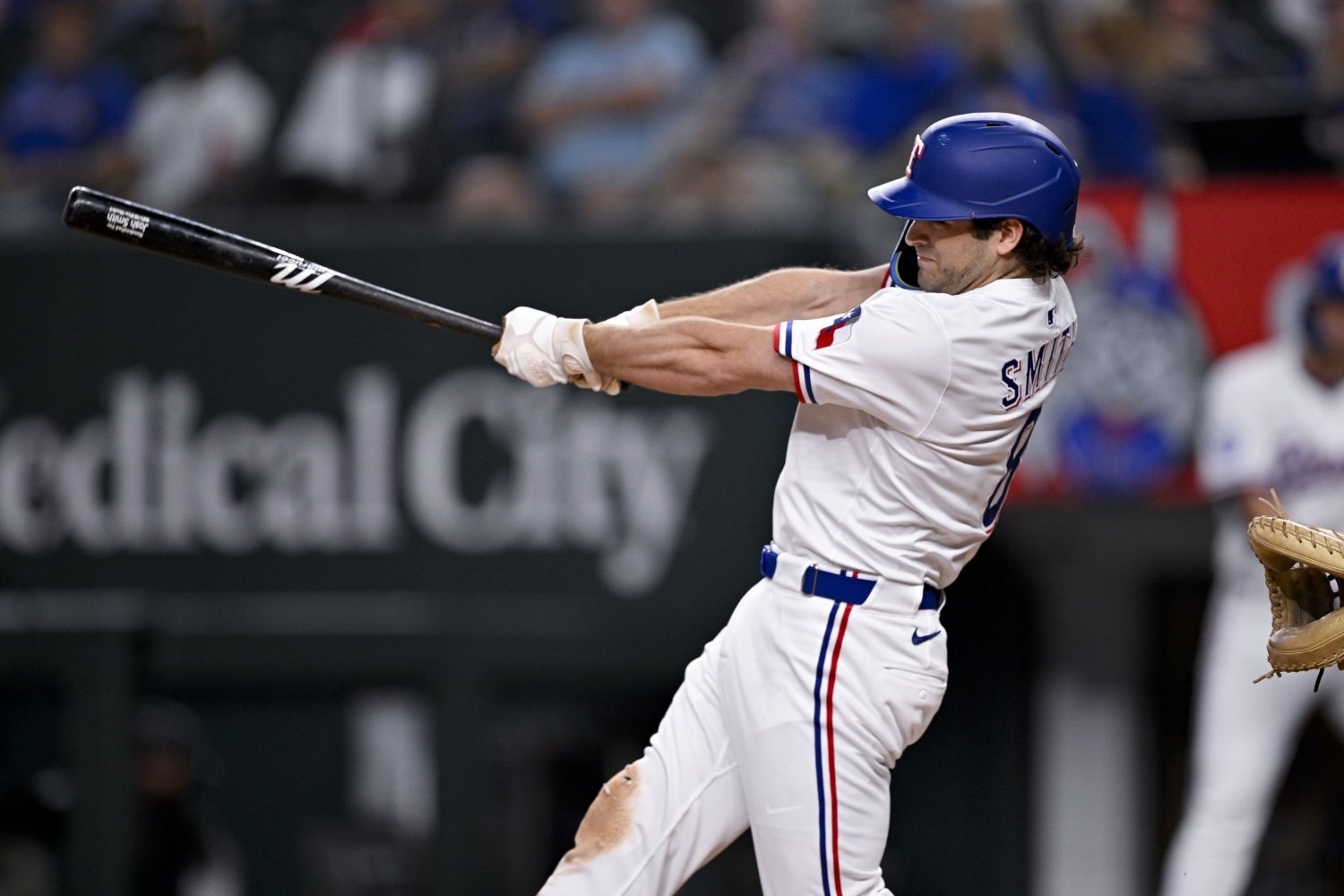 As the trade deadline nears, Milwaukee is looking for a little more offensive punch, even as they have now surpassed the Cubs for the NL Central lead. But how should the Crew go about bolstering their offense? One option has been to go to the Twins to acquire Willi Castro. There is another path for the Crew, though—one that could also help them create space for more multi-inning relief-pitching capability and bolster their offense. It could even complement the deal for Castro. Taking Stock Of Texas The Texas Rangers are 1.5 games out of the third AL Wild Card spot, currently held by the Boston Red Sox. They're tied with the Rays and just one game ahead of Cleveland in a muddled chase for those Wild Card berths. Their big need: The bullpen. To boil a big thing down small: they recently designated their saves leader (Luke Jackson) for assignment. This is a team that could use some late-inning help. Old friend Hoby Milner has been solid for the Rangers, as is Robert Garcia, but their depth chart has effectively had a Joel Payamps equivalent at the top of it all year. Real, high-leverage relief depth would go a long way for them. The Rangers haven’t had a problem scoring runs. They have four players who would rank third on the Crew in home runs, and a fifth player in double figures. But the Crew doesn’t need to target any of them. Rather, the prime asset the Crew needs to ask for is Josh Smith, a utility player under team control through the 2028 season. He’s a highly versatile player (having played all four infield positions and all three outfield spots), with a left-handed bat that has posted a 123 OPS+—just the answer for the Crew’s offensive production issues on the left side of the infield. The Brewers’ Bountiful Bullpen Of course, Milwaukee can help the Rangers out, too. In this case, it’s the simple fact that their bullpen depth is such that a pitcher they might turn to in the sixth or seventh inning would be a viable late-inning option for teams that aren’t so loaded. Creating space for more multi-inning options is important for the Crew, given the innings limits multiple key pitchers face. Plus, Logan Henderson and Chad Patrick, who pitched well in Milwaukee, are currently in Nashville and are arguably the answer to the Crew’s desire for an upgrade. In this case, the Crew could send Texas Grant Anderson and Nick Mears—just the boost the Texas bullpen could use for their push for the playoffs. Anderson and Mears have given the Crew 1.5 WAR, according to Baseball Reference. If they replace Jackson and Jacob Webb, the Rangers get a lot better in a hurry. Leads can be converted into wins much more reliably. The Total Package That said, the Rangers will want more than two relievers from the back end of the Brewers bullpen for Josh Smith. The Crew would need to add one or two other pieces. One might be a young pitching prospect, like Henderson, Patrick, or Coleman Crow. Alternatively, it could be a higher-end position prospect like Braylon Payne, Cooper Pratt, Josh Adamczewski or Blake Burke. For the sake of discussion, let's say it's Adamczewski. Let's also say that they throw in Dominican Summer League outfielder Kenny Fenelon. In return, they could ask the Rangers for a prospect or two in addition to Smith. Devin Fitz-Gerald and Seong-Jung Kim could be possibilities to come over to the Crew, along with Smith. On its own, the deal would give Milwaukee an offensive upgrade at third against right-handed pitchers, and allow them to shift Caleb Durbin to second and Brice Turang to shortstop if Joey Ortiz continues to struggle. It would also net them a prospect for the Crew’s future. If combined with the proposed Castro trade, the entire left side of Milwaukee’s infield gets a boost, with players who could bolster the bench upon the return of a healthy Sal Frelick. Big moves often get the talk, but the Crew has shown they can do just as well with deals that don’t look like much at first glance. In this case, the Crew could come out ahead, not just in the short term, but down the road, as well.
- 16 comments
-
- 4
-
-
-
- josh smith
- grant anderson
- (and 1 more)
-
Image courtesy of © Jerome Miron-Imagn Images As the trade deadline nears, Milwaukee is looking for a little more offensive punch, even as they have now surpassed the Cubs for the NL Central lead. But how should the Crew go about bolstering their offense? One option has been to go to the Twins to acquire Willi Castro. There is another path for the Crew, though—one that could also help them create space for more multi-inning relief-pitching capability and bolster their offense. It could even complement the deal for Castro. Taking Stock Of Texas The Texas Rangers are 1.5 games out of the third AL Wild Card spot, currently held by the Boston Red Sox. They're tied with the Rays and just one game ahead of Cleveland in a muddled chase for those Wild Card berths. Their big need: The bullpen. To boil a big thing down small: they recently designated their saves leader (Luke Jackson) for assignment. This is a team that could use some late-inning help. Old friend Hoby Milner has been solid for the Rangers, as is Robert Garcia, but their depth chart has effectively had a Joel Payamps equivalent at the top of it all year. Real, high-leverage relief depth would go a long way for them. The Rangers haven’t had a problem scoring runs. They have four players who would rank third on the Crew in home runs, and a fifth player in double figures. But the Crew doesn’t need to target any of them. Rather, the prime asset the Crew needs to ask for is Josh Smith, a utility player under team control through the 2028 season. He’s a highly versatile player (having played all four infield positions and all three outfield spots), with a left-handed bat that has posted a 123 OPS+—just the answer for the Crew’s offensive production issues on the left side of the infield. The Brewers’ Bountiful Bullpen Of course, Milwaukee can help the Rangers out, too. In this case, it’s the simple fact that their bullpen depth is such that a pitcher they might turn to in the sixth or seventh inning would be a viable late-inning option for teams that aren’t so loaded. Creating space for more multi-inning options is important for the Crew, given the innings limits multiple key pitchers face. Plus, Logan Henderson and Chad Patrick, who pitched well in Milwaukee, are currently in Nashville and are arguably the answer to the Crew’s desire for an upgrade. In this case, the Crew could send Texas Grant Anderson and Nick Mears—just the boost the Texas bullpen could use for their push for the playoffs. Anderson and Mears have given the Crew 1.5 WAR, according to Baseball Reference. If they replace Jackson and Jacob Webb, the Rangers get a lot better in a hurry. Leads can be converted into wins much more reliably. The Total Package That said, the Rangers will want more than two relievers from the back end of the Brewers bullpen for Josh Smith. The Crew would need to add one or two other pieces. One might be a young pitching prospect, like Henderson, Patrick, or Coleman Crow. Alternatively, it could be a higher-end position prospect like Braylon Payne, Cooper Pratt, Josh Adamczewski or Blake Burke. For the sake of discussion, let's say it's Adamczewski. Let's also say that they throw in Dominican Summer League outfielder Kenny Fenelon. In return, they could ask the Rangers for a prospect or two in addition to Smith. Devin Fitz-Gerald and Seong-Jung Kim could be possibilities to come over to the Crew, along with Smith. On its own, the deal would give Milwaukee an offensive upgrade at third against right-handed pitchers, and allow them to shift Caleb Durbin to second and Brice Turang to shortstop if Joey Ortiz continues to struggle. It would also net them a prospect for the Crew’s future. If combined with the proposed Castro trade, the entire left side of Milwaukee’s infield gets a boost, with players who could bolster the bench upon the return of a healthy Sal Frelick. Big moves often get the talk, but the Crew has shown they can do just as well with deals that don’t look like much at first glance. In this case, the Crew could come out ahead, not just in the short term, but down the road, as well. View full article