Jake McKibbin
-
Posts
2,395 -
Joined
-
Last visited
-
Days Won
6
Content Type
Profiles
Forums
Blogs
Events
News
2026 Milwaukee Brewers Top Prospects Ranking
Milwaukee Brewers Videos
2022 Milwaukee Brewers Draft Picks
Milwaukee Brewers Free Agent & Trade Rumors, Notes, & Tidbits
Guides & Resources
2023 Milwaukee Brewers Draft Picks
2024 Milwaukee Brewers Draft Picks
The Milwaukee Brewers Players Project
2025 Milwaukee Brewers Draft Pick Tracker
2026 Milwaukee Brewers Draft Tracker: Picks & Bonuses
Store
Downloads
Gallery
Everything posted by Jake McKibbin
-
If you have a look through her twitter account, you'll see a lot of what she's been working with and using, and as mentioned above she got a role in the AFL as a coach this season off the back of things. It's not just passion, but I'd say the Brewers have hired someone because of their eye for detail as a coach and ability to improve hitters over a period of time. With that in mind, despite no specific instruction otherwise, I'd say it's safer to assume Gauci worked at a high level in Driveline edit: @wiguy94has got the details Edit 2: I'm addition to wiguys search, here are a list of some of the players using Driveline so far this offseason Working with major league regulars and stars, her input and knowledge will be a huge asset for what isn't a renowned strength of the brewers system in developing bats
-
I thinkthe important thing to remember is that being a good player isn't a mandate for being a good coach. There have been a lot over the years with just that résumé, but Gauci has worked in a really interesting role for a while with drive line and also has coaching experience with the Scottsdale scorpions in AFL this season. She's fresh and new, and honestly her passion for baseball seems to have filtered to those around her in her career so far. We're not asking Luisa to hit 100 mph fastballs out of the park, we're asking her to understand baseball mechanics and techniques and pass those onto the players. I will say in my experience of high level sports (none of which were baseball) I actually found the best coaches weren't ex players so often as students of the games they loved
-
This
-
I agree on all fronts, especially regarding corobo, plus quero has a great defensive profile, but also the pop in his bat can make him that plus major leaguer
-
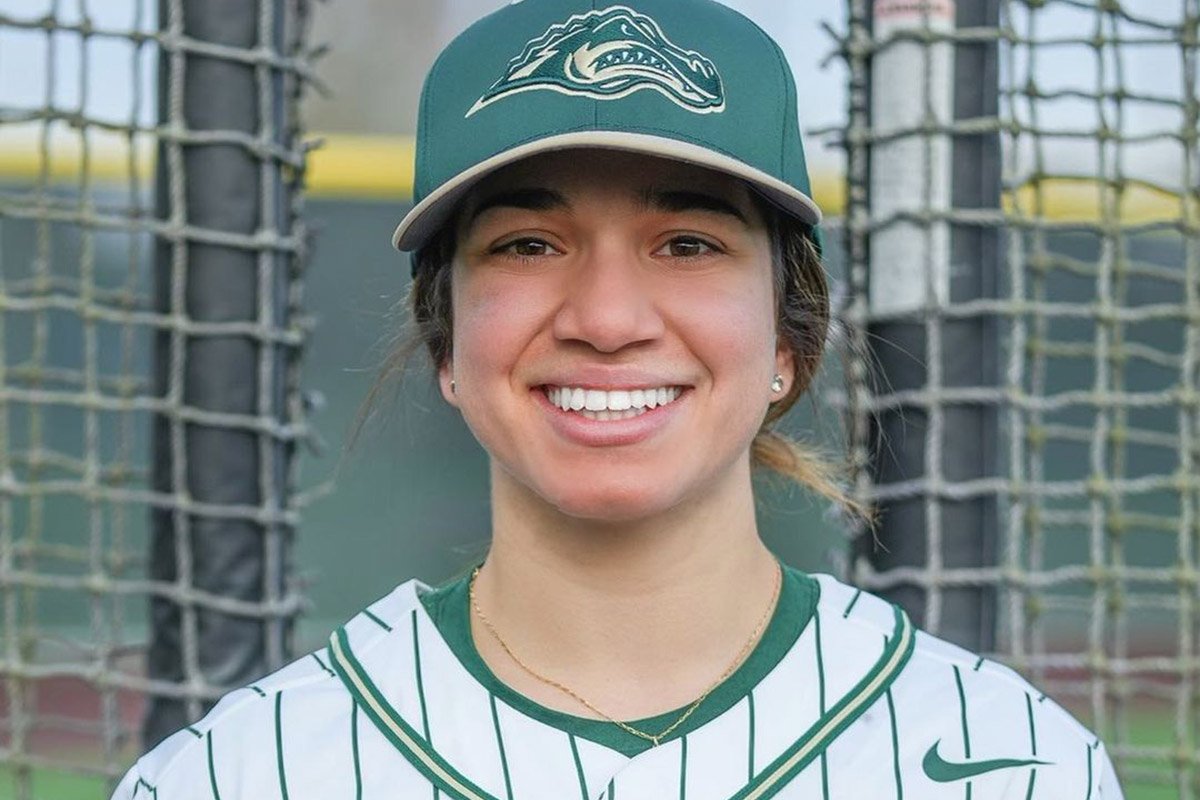 Luisa Gauci has a reputation as a strong modern baseball mind, with four years of experience with Driveline baseball, bringing a particular data-driven set of skills to the coaching role that should bring a lot of excitement to the Brewers minor league affiliates. Her journey from Australia to the minor league coach is intriguing, and it could benefit the forward-thinking Brewers immensely. Gauci left Brisbane, Australia, at the age of 16 to pursue her baseball dreams, becoming the first woman to earn a baseball scholarship in the North West Atlantic Conference; she was only growing up in the sport because her mother mistook baseball for softball... and the baseball field was five minutes closer to home. Her teammates in LA were taken aback at first, but to quote one of them, “She’s a hustler, and she can ball.” From there, she got a job with the baseball institute “Driveline,” an organization that uses specialist motion capture technology, personalized coaching, and physical therapy to train young players. For the last four years, Gauci has worked with the best resources baseball offers, bringing her modernized experience to play for the Brewers' young, malleable talent. With high-upside bats like Cooper Pratt, Eric Bitonti, Yophery Rodriguez, and more, Gauci will no doubt be champing at the bit to get into her new role. Gauci was asked about her ambitions after her scholarship, to which she said: "After I transfer to a four-year [university], I'm planning on working in professional baseball," she said. "I want to work on the field not just in the front office. So hopefully, I can be a bench coach one day, a first base coach, or pretty much anything on the field." It seems she’s well on the way to accessing her dreams. Best of luck, Luisa!
 -
Luisa Gauci has had a trailblazer’s career in her playing days and more recent coaching roles. Can her modern approach to the game significantly boost the Brewers' minor-league hitters? Image courtesy of Luisa Gauci Luisa Gauci has a reputation as a strong modern baseball mind, with four years of experience with Driveline baseball, bringing a particular data-driven set of skills to the coaching role that should bring a lot of excitement to the Brewers minor league affiliates. Her journey from Australia to the minor league coach is intriguing, and it could benefit the forward-thinking Brewers immensely. Gauci left Brisbane, Australia, at the age of 16 to pursue her baseball dreams, becoming the first woman to earn a baseball scholarship in the North West Atlantic Conference; she was only growing up in the sport because her mother mistook baseball for softball... and the baseball field was five minutes closer to home. Her teammates in LA were taken aback at first, but to quote one of them, “She’s a hustler, and she can ball.” From there, she got a job with the baseball institute “Driveline,” an organization that uses specialist motion capture technology, personalized coaching, and physical therapy to train young players. For the last four years, Gauci has worked with the best resources baseball offers, bringing her modernized experience to play for the Brewers' young, malleable talent. With high-upside bats like Cooper Pratt, Eric Bitonti, Yophery Rodriguez, and more, Gauci will no doubt be champing at the bit to get into her new role. Gauci was asked about her ambitions after her scholarship, to which she said: "After I transfer to a four-year [university], I'm planning on working in professional baseball," she said. "I want to work on the field not just in the front office. So hopefully, I can be a bench coach one day, a first base coach, or pretty much anything on the field." It seems she’s well on the way to accessing her dreams. Best of luck, Luisa! View full article
-
I think it's a huge plus, especially with made, Quintana seems perhaps more likely to be a pure left hander at some point, but it does add to the intrigue. Which of the two would you consider more exciting, the Power prospect or hit tool one?
-
 Starting with their 2023 draft class, the Brewers have seemingly altered their draft approach to acquire more high-upside talent, particularly with the bats, which has continued into the 2024 international draft. Their prowess is growing in the international market, with recent acquisitions in Jeferson Quero, Yophery Rodriguez, and Jackson Chourio, all in MLB Pipeline’s top 10 Brewers prospects. The Brewers hope to have uncovered another gem or two in their draft class; let’s see what the scouts think of each of their new stars. Jorge Quintana (12th Pipeline, 19th largest bonus per Baseball America) - Shortstop Pipeline Tools: Hit 55, Power 50, Run 50, Arm 50, Field 55 Quintana is considered one of the more polished hitters in the draft from both sides of the plate. At 6 '2" and only 16 years old, there’s a potential he outgrows shortstop, which may happen anyway due to average or fringy speed, albeit he has good actions and quickness. Quintana looks slightly better from the left-hand side of the plate, with good plate discipline and a solid ability to put the barrel to the ball, and according to Baseball America, he has one of the best offensive track records of players available to sign in 2024. The Brewers have bid to capture what they see as an untapped market in Venezuela, an approach that landed them Chourio, so it’s no surprise to see them scouring the country again. MLB pipeline talks about Quintana showing gap-to-gap power and traces of real home run pop already. Combined with his hit tool, his bat is an interesting proposition even before he develops and fills out his large frame. It will most likely be the tool that carries him to the majors, but he’s no slouch defensively and is expected to hold his own on the infield. Jesus Made (22nd Pipeline, 41st largest bonus per Baseball America) - Shortstop Pipeline Tools: Hit 50, Power 55, Run 50, Arm 50, Field 55 Another switch-hitter, Made, shows the potential for huge power from both sides of the plate despite a lot of strength projection remaining on his lean 6‘1" frame. He has solid bat-to-ball skills, but it’s expected that he will need the power element to carry him through the minor leagues. He has an above-average arm that can allow him to succeed at third base should she be moved away from shortstop. However, scouts raved about his defensive actions that could allow him to stick there. https://www.mlb.com/video/top-int-l-prospects-made-ss-x4343 Pipeline notes that Made has a slight upward swing, which can be a concern as you move up the levels and lead to issues with the hit tool however it’s producing strong batted ball contact and power surges at this point, both into the gaps and over the fence. They also say that he has a real chance to stick at shortstop because of his ability to make “the routine and the extraordinary plays” combined with above-average speed and quickness. This prospect has a huge upside at just 16 years old and is a name to watch out for when the Dominican Summer League begins. Luis Peña (44th largest bonus per Baseball America, no Pipeline ranking) - Shortstop Another high-upside shortstop, Peña, isn’t rated by Pipeline. However, the Brewers are giving him a similar value as Jesus Made. Ben Badler of Baseball America described him as a quick-burst athlete with plus-plus speed. His athleticism is more impressive than his defensive actions at shortstop, meaning he could be the usual Brewers prospect transitioning from short to center field this season. He is considered to have a mature, solid tool set for his age, with explosive bat speed that allows him to drive the ball into the gaps. Badler also notes that his swing can get a bit too big at times, but he has solid bat-to-ball skills for his age, with a plus arm and lightning speed. Another potential jewel for the Brewers system, players with his explosive makeup can ascend rapidly through the minors. Luis Corobo (Unconfirmed Bonus, Unranked) - Catcher As tweeted by Curt Hogg, Corobo has been compared defensively to a young stud behind the plate, Jeferson Quero, at that age. We don’t know much about him at this point other than that, but it’s a lofty comparison, given the quality Quero possesses behind the plate. He was the first confirmed signing for the Brewers 2024 draft class, but it is an intriguing comparison. The Brewers are looking for more power from their international core over the hit tool centric approach they used in these markets. As a result, all three shortstops have the potential to skyrocket in the way that Jackson Chourio and Yophery Rodriguez managed in prior seasons. Which of the above prospects would get you most excited? Let us know in the comments below!
 -
With the anticipated signings of Jorge Quintana (12th MLB Pipeline) and Jesus Made (22nd MLB Pipeline on top of Luis Peña, the Brewers have high-ceiling talent in the coming international class. Here’s the lowdown on the Brewers’ new crop of young shortstops and an intriguing new catching talent. Starting with their 2023 draft class, the Brewers have seemingly altered their draft approach to acquire more high-upside talent, particularly with the bats, which has continued into the 2024 international draft. Their prowess is growing in the international market, with recent acquisitions in Jeferson Quero, Yophery Rodriguez, and Jackson Chourio, all in MLB Pipeline’s top 10 Brewers prospects. The Brewers hope to have uncovered another gem or two in their draft class; let’s see what the scouts think of each of their new stars. Jorge Quintana (12th Pipeline, 19th largest bonus per Baseball America) - Shortstop Pipeline Tools: Hit 55, Power 50, Run 50, Arm 50, Field 55 Quintana is considered one of the more polished hitters in the draft from both sides of the plate. At 6 '2" and only 16 years old, there’s a potential he outgrows shortstop, which may happen anyway due to average or fringy speed, albeit he has good actions and quickness. Quintana looks slightly better from the left-hand side of the plate, with good plate discipline and a solid ability to put the barrel to the ball, and according to Baseball America, he has one of the best offensive track records of players available to sign in 2024. The Brewers have bid to capture what they see as an untapped market in Venezuela, an approach that landed them Chourio, so it’s no surprise to see them scouring the country again. MLB pipeline talks about Quintana showing gap-to-gap power and traces of real home run pop already. Combined with his hit tool, his bat is an interesting proposition even before he develops and fills out his large frame. It will most likely be the tool that carries him to the majors, but he’s no slouch defensively and is expected to hold his own on the infield. Jesus Made (22nd Pipeline, 41st largest bonus per Baseball America) - Shortstop Pipeline Tools: Hit 50, Power 55, Run 50, Arm 50, Field 55 Another switch-hitter, Made, shows the potential for huge power from both sides of the plate despite a lot of strength projection remaining on his lean 6‘1" frame. He has solid bat-to-ball skills, but it’s expected that he will need the power element to carry him through the minor leagues. He has an above-average arm that can allow him to succeed at third base should she be moved away from shortstop. However, scouts raved about his defensive actions that could allow him to stick there. https://www.mlb.com/video/top-int-l-prospects-made-ss-x4343 Pipeline notes that Made has a slight upward swing, which can be a concern as you move up the levels and lead to issues with the hit tool however it’s producing strong batted ball contact and power surges at this point, both into the gaps and over the fence. They also say that he has a real chance to stick at shortstop because of his ability to make “the routine and the extraordinary plays” combined with above-average speed and quickness. This prospect has a huge upside at just 16 years old and is a name to watch out for when the Dominican Summer League begins. Luis Peña (44th largest bonus per Baseball America, no Pipeline ranking) - Shortstop Another high-upside shortstop, Peña, isn’t rated by Pipeline. However, the Brewers are giving him a similar value as Jesus Made. Ben Badler of Baseball America described him as a quick-burst athlete with plus-plus speed. His athleticism is more impressive than his defensive actions at shortstop, meaning he could be the usual Brewers prospect transitioning from short to center field this season. He is considered to have a mature, solid tool set for his age, with explosive bat speed that allows him to drive the ball into the gaps. Badler also notes that his swing can get a bit too big at times, but he has solid bat-to-ball skills for his age, with a plus arm and lightning speed. Another potential jewel for the Brewers system, players with his explosive makeup can ascend rapidly through the minors. Luis Corobo (Unconfirmed Bonus, Unranked) - Catcher As tweeted by Curt Hogg, Corobo has been compared defensively to a young stud behind the plate, Jeferson Quero, at that age. We don’t know much about him at this point other than that, but it’s a lofty comparison, given the quality Quero possesses behind the plate. He was the first confirmed signing for the Brewers 2024 draft class, but it is an intriguing comparison. The Brewers are looking for more power from their international core over the hit tool centric approach they used in these markets. As a result, all three shortstops have the potential to skyrocket in the way that Jackson Chourio and Yophery Rodriguez managed in prior seasons. Which of the above prospects would get you most excited? Let us know in the comments below! View full article
-
I think a big part is we still have no idea how they're filling some of the more obvious gaps on their roster, and if they've truly committed to it. If Jake Bauers breaks out then it's amazing, but that's certainly not the expectation at this point in time. Combined with trading Houser away and losing what would likely be solid starting innings from a rotation needing depth... I think that's the most confusing for me if they want to keep Burnes and compete
-
I can't see woodruff accepting this offer in that the first two years are okay value wise, but after that the team hasn't paid enough up front or taken enough risk to justify the team friendly team options and he most certainly won't defer that amount of value, he's not got the income threads of a Shohei Ohtani So maybe 22.5 over first two (essentially for one season of pitching while returning from injury) but that's not going to get him long term unfortunately
-
To be fair any trade made would have almost been just for an arbitration of 14m plus any qualifying offer would have been accepted, meaning around 32m plus a trace piece to the brewers. So that wasn't going to work in hindsight, but was worth a shot to see if some eejits like the Angels would bite Also insurance sounds great but no company would do that cheaply, the premiums would be almost as costly as the contract in the first place. As I mentioned, the big thing here is the team options which could be a very handy piece.
-
You're probably right, but the team could do this deal on the flyer that it works out, and they have a set of relatively team friendly option years if it goes well. I think they'd need that cut off to take the gamble though. He'll likely need some guaranteed money to make the deal, as mitigation in case things do go sideways. However I do think the Mahle deal should work given Woodruff would basically be getting this season as an advance of next season's performance, so it's almost $22m for one season, with team options after that. It could be too pricey for the Brewers, but I genuinely believe that contract is one that's 50/50 as of now, and will only swing one way or the other depending on results. And it won't be a huge loss for either side given the cut off option for Brewers in 2025 or Woodruff gets taken under team option and makes a relatively fair amount over those seasons I'm what will likely be a young, prearbitration brewers rotation to make the space for his contract
-
Could the Brewers Reunite with Brandon Woodruff, After All?
Jake McKibbin posted an article in Brewers
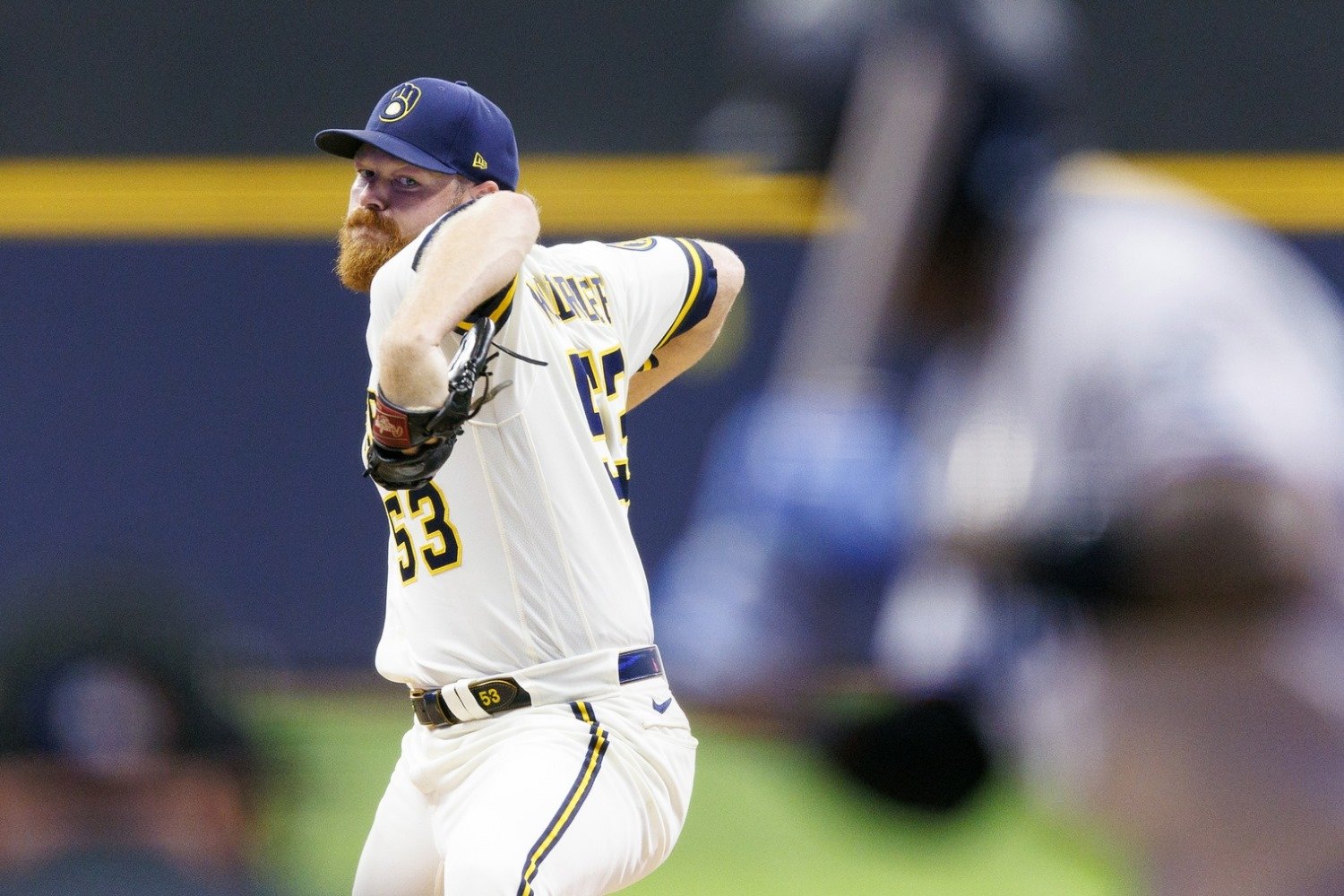 Brandon Woodruff's Brewers tenure ended (or was, at least, officially interrupted) in a cruelly unfortunate way. His being ruled out for most (if not all) of 2024 presents both an opportunity and a risk for the Brewers. He had a 2.28 ERA over 67 innings, creating 2.4 bWAR in roughly a third of Corbin Burnes's innings, but his injuries proved catastrophic for his chances of a nine-figure contract in free agency. What it provides the Brewers, however, is the chance to take a flyer on a high-upside pitcher to include in their rotation for multiple years from 2025 onward, at a reasonable price--during which time they’ll also hope to have lots of other talent in the form of Jackson Chourio and Jacob Misiorowski up and running in the major leagues. The risk, however, is sizable, and it remains to be seen whether this would be a worthy investment on their part. The Injury Despite Woodruff’s suggestions of a potential return in the second half of 2024, anterior capsule surgeries like the one he had typically require 12-14 months of rehab. There are many pitchers who have never been the same post-recovery. However, in more recent times, Julio Urias is a prime example of a pitcher returning to supreme form. He recorded a 2.49 ERA in almost 80 innings in 2019, then a 2.96 ERA across 185⅔ in 2021, an elite pitching performance. That being said, Urias was 20 when he had the operation, and the concern with Woodruff is twofold: He’s now 30 years old, still young for those with this surgery, but it’s his second serious shoulder injury in one season Woodruff is a pitcher who relies on elite velocity and spin to overpower hitters with his fastball. Any loss in arm speed in the recovery process could be catastrophic for his performance levels. While there is no certainty in anything when it comes to the shoulder, the fact that he has been so injury-prone this year creates a serious doubt as to whether he can stay healthy for a full season, never mind perform alongside the cream of the crop at the top level of the sport. The Brewers Competitive Window Looking at the Brewers' prospective starting rotation and considering their offensive struggles last year, it remains to be seen just how competitive they can be in 2024, meaning that 2025-2027 might be a perfect time for them to have an ace in their back pocket. With a year for Chourio to develop in the majors, and the expected arrivals of high upside talent of pitchers Jacob Misiorowski, Robert Gasser, Carlos F. Rodriguez and maybe even Josh Knoth (to go along with Aaron Ashby and Freddy Peralta), the rotation could be an area of serious strength during that window. That being said, players like Woodruff do not come around often, and to have someone of his caliber (should he be fit and healthy) immediately in line to replace Burnes over multiple years would be an incredible boost to their chances. Woodruff showed that he can be a Cy Young candidate when firing last year, including after his return from a subscapularis tear (also on the front of his shoulder). The Contract Earlier this winter, Tyler Mahle signed a two year, $22-million contract with the Texas Rangers, with $5.5 million due in the first year and $16.5 million coming in 2025, as well as potential incentives on innings totals that could stretch it out to a $27-million deal. There are a few differentiating factors between the two, however: Mahle is scheduled to come back around the All-Star break in 2024, whereas Woodruff is highly unlikely to make any appearance Woodruff is a tier above Mahle, who’s career-best season was 180 innings of 3.75-ERA ball in 2021 Woodruff was estimated to make $14 million in arbitration, before getting hurt, and $20 million in 2025 if he accepted a qualifying offer, meaning the Brewers cut ties at roughly $34 million over the two seasons--though, of course, a healthy Woodruff would have turned down that 2025 salary. Factoring in each of the above, the Brewers will want to have Woodruff for at least two years of potential pitching availability, meaning any contract is likely to be either a three-year deal, or a not-too-team-friendly team option for a season or two after 2025. The price for one year of Woodruff's pitching, with all that’s up in the air, may be along the lines of $22 million, so if we use that as a benchmark and go down the team option route. If Woodruff got a deal for 2024 and 2025 for around $22 million in total, the Brewers may want a two-year team option at the end of the deal, as a return for their faith. It probably wouldn't be overly team-friendly, but the shortness of the contract will help. This would be somewhat unprecedented, but maybe a two-year team option worth $50 million would make sense, for a total value of $75 million or so across four seasons if the option were exercised. If we go down the straight three-year contract path, Woodruff is more likely to get a deal somewhere in the vicinity of $45-50 million, again using the length to avoid long-term financial crisis but also providing Woodruff with a contract that will set him up for life after baseball. Is it worth it? For two years of a fully fit and firing Brandon Woodruff in his prime, that’s a steal for the Brewers, but because the risk around him is massive, it's not a completely lopsided one. There is a significant possibility of recurring injuries that might provide something of a drag on a small-market team’s profitability and ability to invest in other resources during what should be prime seasons of competitiveness. The price may also be driven up by David Stearns (who seems intent on picking up as many former Brewers players as possible with the Mets) and the Yankees sniffing around. What do you think Brewer Fanatics? Would you make either one of these deals?
 -
Brandon Woodruff has yet to decide upon his destination for the upcoming season, should there be one at all. Factoring in the timing of the Brewers' competitive window, his price, and his injury prognosis, does it make sense to reunite with Woodruff? Image courtesy of © Jeff Hanisch-USA TODAY Sports Brandon Woodruff's Brewers tenure ended (or was, at least, officially interrupted) in a cruelly unfortunate way. His being ruled out for most (if not all) of 2024 presents both an opportunity and a risk for the Brewers. He had a 2.28 ERA over 67 innings, creating 2.4 bWAR in roughly a third of Corbin Burnes's innings, but his injuries proved catastrophic for his chances of a nine-figure contract in free agency. What it provides the Brewers, however, is the chance to take a flyer on a high-upside pitcher to include in their rotation for multiple years from 2025 onward, at a reasonable price--during which time they’ll also hope to have lots of other talent in the form of Jackson Chourio and Jacob Misiorowski up and running in the major leagues. The risk, however, is sizable, and it remains to be seen whether this would be a worthy investment on their part. The Injury Despite Woodruff’s suggestions of a potential return in the second half of 2024, anterior capsule surgeries like the one he had typically require 12-14 months of rehab. There are many pitchers who have never been the same post-recovery. However, in more recent times, Julio Urias is a prime example of a pitcher returning to supreme form. He recorded a 2.49 ERA in almost 80 innings in 2019, then a 2.96 ERA across 185⅔ in 2021, an elite pitching performance. That being said, Urias was 20 when he had the operation, and the concern with Woodruff is twofold: He’s now 30 years old, still young for those with this surgery, but it’s his second serious shoulder injury in one season Woodruff is a pitcher who relies on elite velocity and spin to overpower hitters with his fastball. Any loss in arm speed in the recovery process could be catastrophic for his performance levels. While there is no certainty in anything when it comes to the shoulder, the fact that he has been so injury-prone this year creates a serious doubt as to whether he can stay healthy for a full season, never mind perform alongside the cream of the crop at the top level of the sport. The Brewers Competitive Window Looking at the Brewers' prospective starting rotation and considering their offensive struggles last year, it remains to be seen just how competitive they can be in 2024, meaning that 2025-2027 might be a perfect time for them to have an ace in their back pocket. With a year for Chourio to develop in the majors, and the expected arrivals of high upside talent of pitchers Jacob Misiorowski, Robert Gasser, Carlos F. Rodriguez and maybe even Josh Knoth (to go along with Aaron Ashby and Freddy Peralta), the rotation could be an area of serious strength during that window. That being said, players like Woodruff do not come around often, and to have someone of his caliber (should he be fit and healthy) immediately in line to replace Burnes over multiple years would be an incredible boost to their chances. Woodruff showed that he can be a Cy Young candidate when firing last year, including after his return from a subscapularis tear (also on the front of his shoulder). The Contract Earlier this winter, Tyler Mahle signed a two year, $22-million contract with the Texas Rangers, with $5.5 million due in the first year and $16.5 million coming in 2025, as well as potential incentives on innings totals that could stretch it out to a $27-million deal. There are a few differentiating factors between the two, however: Mahle is scheduled to come back around the All-Star break in 2024, whereas Woodruff is highly unlikely to make any appearance Woodruff is a tier above Mahle, who’s career-best season was 180 innings of 3.75-ERA ball in 2021 Woodruff was estimated to make $14 million in arbitration, before getting hurt, and $20 million in 2025 if he accepted a qualifying offer, meaning the Brewers cut ties at roughly $34 million over the two seasons--though, of course, a healthy Woodruff would have turned down that 2025 salary. Factoring in each of the above, the Brewers will want to have Woodruff for at least two years of potential pitching availability, meaning any contract is likely to be either a three-year deal, or a not-too-team-friendly team option for a season or two after 2025. The price for one year of Woodruff's pitching, with all that’s up in the air, may be along the lines of $22 million, so if we use that as a benchmark and go down the team option route. If Woodruff got a deal for 2024 and 2025 for around $22 million in total, the Brewers may want a two-year team option at the end of the deal, as a return for their faith. It probably wouldn't be overly team-friendly, but the shortness of the contract will help. This would be somewhat unprecedented, but maybe a two-year team option worth $50 million would make sense, for a total value of $75 million or so across four seasons if the option were exercised. If we go down the straight three-year contract path, Woodruff is more likely to get a deal somewhere in the vicinity of $45-50 million, again using the length to avoid long-term financial crisis but also providing Woodruff with a contract that will set him up for life after baseball. Is it worth it? For two years of a fully fit and firing Brandon Woodruff in his prime, that’s a steal for the Brewers, but because the risk around him is massive, it's not a completely lopsided one. There is a significant possibility of recurring injuries that might provide something of a drag on a small-market team’s profitability and ability to invest in other resources during what should be prime seasons of competitiveness. The price may also be driven up by David Stearns (who seems intent on picking up as many former Brewers players as possible with the Mets) and the Yankees sniffing around. What do you think Brewer Fanatics? Would you make either one of these deals? View full article
-
At first glance, absolutely, however I'd say in theory there are a couple of reasons. His back might actually be affected more by first base given the stretching and torque of twisting around, plus the increased involvement compared to left field (where again he was admirable last year) The Brewers also have more bat first infielders in the upper minors than they've had for a long time. Likely Tyler Black ends up there, or Brock Wilken (more likely Black) It's also in theory and easier spot to upgrade than the outfield, and can trade outfield depth for such quality in other positions by keeping Yelich there
-
He'll be there, but he'll not be full time there if only because they'll want Contreras bat in there as often as possible on days when he's not catching. But a platoon between the two is likely the plan as things stand His back seems to be struggling more with the torque of the waist and shoulder rotation than as a result of fielding, however I'd believe barring injury woes in the outfield he'll be DHing more than 20 times next year. More likely 50-60 range, or 40% of the time. Cant see it being full time though at this point. Also the freshmen will need to hit significantly better this season to justify regular outfield spots
-
For the first time since signing his big contract extension, Christian Yelich demonstrated that he can impact the baseball over a period longer than a week, including some gaudy slugging numbers in June and July. He once again showed signs of his most dominant self before back issues resurfaced in August and even once he returned in September. How can he carry this form through an entire season in 2024? Image courtesy of © Jayne Kamin-Oncea-USA TODAY Sports Let’s be clear: Christian Yelich’s back health seemed instrumental to the season he put up, stealing 20 bases for the first time since 2019 and falling just short of the 20 home run mark. Add in the improved defense, and it’s fair to say this may have been his healthiest year in a while, but his success came down to far more than just his back. With an .800 OPS for the first time since 2019 and more consistent power surges from June onwards, is it fair to say that Yelich could, in fact, be on the comeback trail? The Approach In previous seasons, Yelich sometimes had a passivity at the plate, which prevented him from accessing his slugging capabilities. I wrote an article earlier this year on how Yelich’s first pitch swing rate has a remarkable correlation to his slugging numbers, which rebounded significantly this season. In short, Yelich wanted to work the count and get on base rather than drive the ball and punish pitchers. Here are his stats through each count in 2023 compared to 2022 per FanGraphs: The biggest difference between these is in the Isolated power stat. In counts where he got ahead, the only time he had an ISO (Isolated Power) above .200 was in a 3-0 count. In 2023, he achieved this in every batter-friendly count save the 2-1. In particular, I should draw attention to those gaudy numbers in a 2-0 situation, which highlights why pitchers pitch around him so often. It also means that if they try and get ahead early, his ability to do damage on that first pitch is critical. One other approach-related point is seen above. Ignoring his monstrous ground ball rates for a second during his prime months of 2023 (June and July), it’s interesting to note the raised number of balls he hit to center field rather than pulling them. Yelich has more than enough power to clear the fences in straightaway center, and the reduced shift may allow him more freedom to take advantage of the shortstop and second base gap. It resulted in a big increase in the hard-hit balls during these months and is something they may look to do more of in 2024. Can His Back Hold Up? In short, yes, but with a supplement. Christian Yelich will likely need some breaks here and there to rest his back when it starts playing up, but the key for him will be not if he has these breaks but whether or not he can quickly find the power stroke that makes him one of the more dangerous hitters in baseball. With the outfield mix going into 2024 featuring several flying young studs, he can afford more time at DH with William Contreras (injury permitting). His bat is his carrying tool, and in hindsight, it appears clear that Yelich should have been rested far earlier in August despite his on-base prowess. His hard hit rates plummeted, suggesting an underlying injury; however, when he returned after a two-week break in September, across 31 plate appearances, Yelich had ten hits, with three doubles and two home runs for a .400/.516/.760 slash line. If and when he does need stretches on the Injured List, this type of return to strength will be pivotal. 130 games of a slugging Yelich is far more valuable than 150 games of on-base-focused Yelich, something the Brewers will address in their approach in 2024. Where Can He Still Improve? One of the big areas in which Yelich still struggled was against left-handed pitching, specifically due to one pitch. Identifying and laying off the slider going down and away from him was a real issue, particularly when you compare to his contact in every other zone; As you can see, not only did he swing and miss excessively, but he also had a meager expected batting average against this pitch, whether inside or out of the zone. Contrast that with the damage when he can force pitchers onto the plate’s inner part, and it could take him another notch up. Overall on the year, Yelich hit .234/.302/.331 against southpaws, and addressing this issue with the slider could go a long way to providing some added impetus both for the Brewer's struggles against starting left-handers and for his season-ending stat line. Overall, Yelich showed considerably more promise in 2023 than he has for a long time, with long runs of demonstrable power giving the results that justify his hefty contract. If he can focus on the above adjustments he made in 2023 and better manage the back alongside the team, there’s earnest hope that Christian Yelich could bring out an OPS in the .900 range again. View full article
-
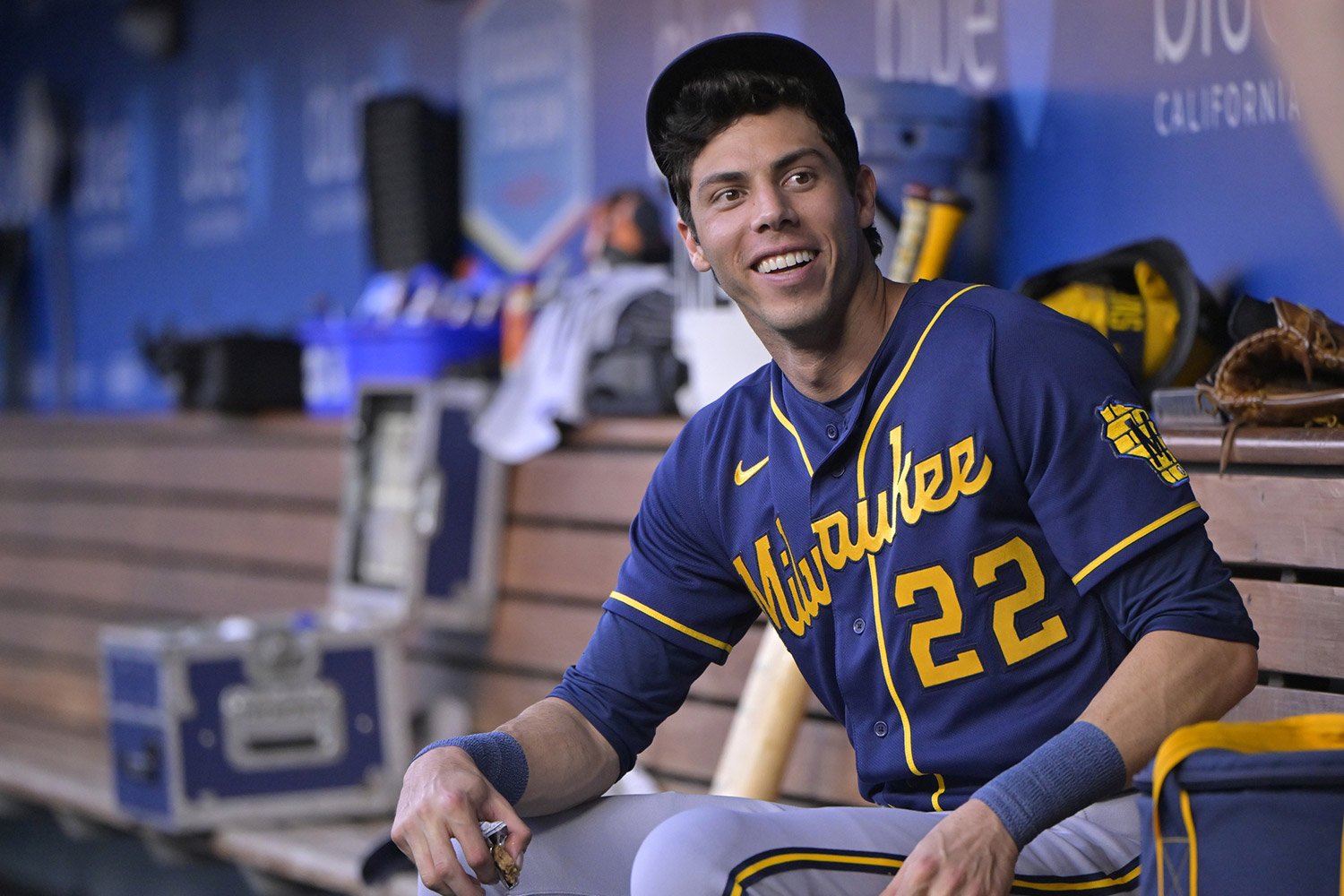 Let’s be clear: Christian Yelich’s back health seemed instrumental to the season he put up, stealing 20 bases for the first time since 2019 and falling just short of the 20 home run mark. Add in the improved defense, and it’s fair to say this may have been his healthiest year in a while, but his success came down to far more than just his back. With an .800 OPS for the first time since 2019 and more consistent power surges from June onwards, is it fair to say that Yelich could, in fact, be on the comeback trail? The Approach In previous seasons, Yelich sometimes had a passivity at the plate, which prevented him from accessing his slugging capabilities. I wrote an article earlier this year on how Yelich’s first pitch swing rate has a remarkable correlation to his slugging numbers, which rebounded significantly this season. In short, Yelich wanted to work the count and get on base rather than drive the ball and punish pitchers. Here are his stats through each count in 2023 compared to 2022 per FanGraphs: The biggest difference between these is in the Isolated power stat. In counts where he got ahead, the only time he had an ISO (Isolated Power) above .200 was in a 3-0 count. In 2023, he achieved this in every batter-friendly count save the 2-1. In particular, I should draw attention to those gaudy numbers in a 2-0 situation, which highlights why pitchers pitch around him so often. It also means that if they try and get ahead early, his ability to do damage on that first pitch is critical. One other approach-related point is seen above. Ignoring his monstrous ground ball rates for a second during his prime months of 2023 (June and July), it’s interesting to note the raised number of balls he hit to center field rather than pulling them. Yelich has more than enough power to clear the fences in straightaway center, and the reduced shift may allow him more freedom to take advantage of the shortstop and second base gap. It resulted in a big increase in the hard-hit balls during these months and is something they may look to do more of in 2024. Can His Back Hold Up? In short, yes, but with a supplement. Christian Yelich will likely need some breaks here and there to rest his back when it starts playing up, but the key for him will be not if he has these breaks but whether or not he can quickly find the power stroke that makes him one of the more dangerous hitters in baseball. With the outfield mix going into 2024 featuring several flying young studs, he can afford more time at DH with William Contreras (injury permitting). His bat is his carrying tool, and in hindsight, it appears clear that Yelich should have been rested far earlier in August despite his on-base prowess. His hard hit rates plummeted, suggesting an underlying injury; however, when he returned after a two-week break in September, across 31 plate appearances, Yelich had ten hits, with three doubles and two home runs for a .400/.516/.760 slash line. If and when he does need stretches on the Injured List, this type of return to strength will be pivotal. 130 games of a slugging Yelich is far more valuable than 150 games of on-base-focused Yelich, something the Brewers will address in their approach in 2024. Where Can He Still Improve? One of the big areas in which Yelich still struggled was against left-handed pitching, specifically due to one pitch. Identifying and laying off the slider going down and away from him was a real issue, particularly when you compare to his contact in every other zone; As you can see, not only did he swing and miss excessively, but he also had a meager expected batting average against this pitch, whether inside or out of the zone. Contrast that with the damage when he can force pitchers onto the plate’s inner part, and it could take him another notch up. Overall on the year, Yelich hit .234/.302/.331 against southpaws, and addressing this issue with the slider could go a long way to providing some added impetus both for the Brewer's struggles against starting left-handers and for his season-ending stat line. Overall, Yelich showed considerably more promise in 2023 than he has for a long time, with long runs of demonstrable power giving the results that justify his hefty contract. If he can focus on the above adjustments he made in 2023 and better manage the back alongside the team, there’s earnest hope that Christian Yelich could bring out an OPS in the .900 range again.
 -
Kutter Crawford pitched to a 4.74 ERA in over 200 innings for the Red Sox in the last two seasons, which is not inspiring. However, his underlying metrics suggest a player primed to break out in a big way, and with the Red Sox feeling the pressure to show some intent, he could be a very valuable player in a trade with the Brewers, either for an Alex Verdugo replacement in the outfield, or a marquee player like Corbin Burnes. Here’s why. Image courtesy of David Butler II-USA TODAY Sports The Red Sox have very obvious needs, as it stands, in terms of their starting rotation and outfield if they want to compete in 2024. For such a large franchise, the pressure is growing to show a more competitive product on the field, which the Brewers can help address. However, this will come at a cost, and Kutter Crawford is likely to be a centerpiece of any trade. Crawford made massive strides in 2023 that weren’t borne out in his final stat line, particularly behind his four-seam fastball. Crawford used elite command in the upper part of the strike zone to hold hitters to just a .177 batting average against his primary offering. With above-average swing and miss, his spin rates are elite and promote an average break of almost three inches over the norm. As a result, he coaxed hitters into getting under the ball a lot, something the Brewers' rapid outfield mix would gobble up with glee, which can be a hindrance with the Green Monster in left field. He has similar above-average movement profiles on his cutter (another incredibly well-located pitch that he likes to go high and away to right-handers with) and his curveball. The cutter ran into some misfortune this year in terms of his expected stat line, but the curveball was destroyed, leading to some pitch development behind the scenes. In June, Crawford debuted a sweeper as an off-speed offering, which showed serious promise, with hitters going just .128/.205 against it alongside a 36.5% swing and miss rate. It has the potential to separate itself as the main off-speed pitch in 2024, something that could take his performance to the next level. The interesting thing about the sweeper is that it doesn't generate great movement characteristics. However, the strength of Crawford's rising fastball and cutter make it play up to a highly competitive level, laying a platform for success over his remaining years of team control. The Brewers have shown great success in coaching up off-speed pitches, something that Crawford's split-finger may benefit from. Still, the main premise is that replacing his curveball with the sweeper or even balancing the pitch mix substantially between the two is a fast-track pass to better results on the pitch. His dominant fastball helped him to an xERA of just 3.25 last season, with solid chase rates, hard hit rates, and walk rates. He has all the makings of a number two or three starter in the right organization. Why does he suit the Brewers? The Brewers' internal scouting department has a propensity for targeting pitchers with a feel for creating movement on the ball. These traits have created a dominant rotation in the past, with Corbin Burnes, Brandon Woodruff, Freddy Peralta, and Eric Lauer all showing high spin fastballs to generate above-average swing and miss. Crawford fits this bill, and further development to his off-speed pitches (he also worked on a splitter this past year) could see him ascend to the next tier of starting pitcher. He is arbitration-eligible in 2026 and is under team control through the 2028 season, giving the team a lot of time to produce some high upside from him. Crawford is also a lower profile acquisition in terms of hype, which could allow better players to accompany him as part of a deal for Burnes than, say, a Brayan Bello would bring in. Matt Arnold has expressly stated he wants to feel like the Brewers are winning every trade they get into. With Yamamoto off the market, Burnes is likely to get a lot more attention from some desperate big market clubs, and as such, the price will have to be substantial to pry him from the Brewers. Kutter Crawford could be the central piece of that package from the Red Sox. Another aspect to consider is the desire for solid pull-side power from the right-hand side in Fenway Park, something the Brewers currently have in an outfielder. Joey Wiemer has a lot of work on to quiet his swing and reach his potential. However, his ceiling is indisputable, and his towering pull power, combined with the electric defense and cannon arm, would suit the Red Sox to a tee. View full article
-
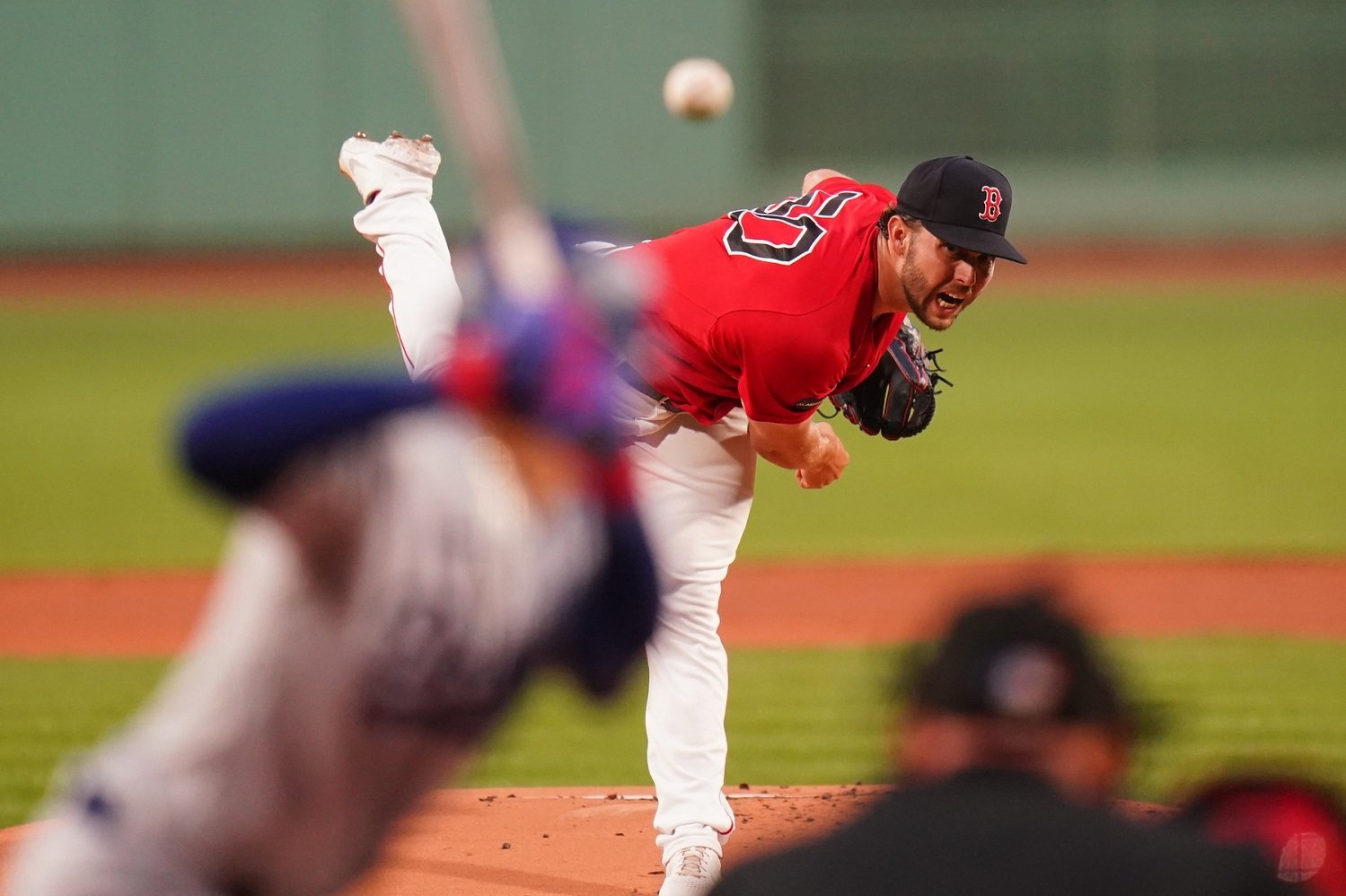 The Red Sox have very obvious needs, as it stands, in terms of their starting rotation and outfield if they want to compete in 2024. For such a large franchise, the pressure is growing to show a more competitive product on the field, which the Brewers can help address. However, this will come at a cost, and Kutter Crawford is likely to be a centerpiece of any trade. Crawford made massive strides in 2023 that weren’t borne out in his final stat line, particularly behind his four-seam fastball. Crawford used elite command in the upper part of the strike zone to hold hitters to just a .177 batting average against his primary offering. With above-average swing and miss, his spin rates are elite and promote an average break of almost three inches over the norm. As a result, he coaxed hitters into getting under the ball a lot, something the Brewers' rapid outfield mix would gobble up with glee, which can be a hindrance with the Green Monster in left field. He has similar above-average movement profiles on his cutter (another incredibly well-located pitch that he likes to go high and away to right-handers with) and his curveball. The cutter ran into some misfortune this year in terms of his expected stat line, but the curveball was destroyed, leading to some pitch development behind the scenes. In June, Crawford debuted a sweeper as an off-speed offering, which showed serious promise, with hitters going just .128/.205 against it alongside a 36.5% swing and miss rate. It has the potential to separate itself as the main off-speed pitch in 2024, something that could take his performance to the next level. The interesting thing about the sweeper is that it doesn't generate great movement characteristics. However, the strength of Crawford's rising fastball and cutter make it play up to a highly competitive level, laying a platform for success over his remaining years of team control. The Brewers have shown great success in coaching up off-speed pitches, something that Crawford's split-finger may benefit from. Still, the main premise is that replacing his curveball with the sweeper or even balancing the pitch mix substantially between the two is a fast-track pass to better results on the pitch. His dominant fastball helped him to an xERA of just 3.25 last season, with solid chase rates, hard hit rates, and walk rates. He has all the makings of a number two or three starter in the right organization. Why does he suit the Brewers? The Brewers' internal scouting department has a propensity for targeting pitchers with a feel for creating movement on the ball. These traits have created a dominant rotation in the past, with Corbin Burnes, Brandon Woodruff, Freddy Peralta, and Eric Lauer all showing high spin fastballs to generate above-average swing and miss. Crawford fits this bill, and further development to his off-speed pitches (he also worked on a splitter this past year) could see him ascend to the next tier of starting pitcher. He is arbitration-eligible in 2026 and is under team control through the 2028 season, giving the team a lot of time to produce some high upside from him. Crawford is also a lower profile acquisition in terms of hype, which could allow better players to accompany him as part of a deal for Burnes than, say, a Brayan Bello would bring in. Matt Arnold has expressly stated he wants to feel like the Brewers are winning every trade they get into. With Yamamoto off the market, Burnes is likely to get a lot more attention from some desperate big market clubs, and as such, the price will have to be substantial to pry him from the Brewers. Kutter Crawford could be the central piece of that package from the Red Sox. Another aspect to consider is the desire for solid pull-side power from the right-hand side in Fenway Park, something the Brewers currently have in an outfielder. Joey Wiemer has a lot of work on to quiet his swing and reach his potential. However, his ceiling is indisputable, and his towering pull power, combined with the electric defense and cannon arm, would suit the Red Sox to a tee.
 -
Bruh was loving April 20th a lil much 😂 It makes a ton of sense, but I think the crew would've had serious eyes on Drew Thorpe and him going to the padres may have flummoxed the deal. Or it'll cost the Yankees a ton in terms of quantity of prospects
-
Interesting, I'd agree the Yankees may want him more, but the Giants system is really pitching heavy with more intriguing high end talent The Braces are a shout I hadn't considered, I think for them it's how they feel about the playoffs. Their offense is so good, and with Fried and Strider that's some serious top end talent. If any of smith shaver etc develops, there's your playoff rotation, so maybe less of a need to go overboard?
-
The signing of Shohei Ohtani and Yoshinobu Yamamoto with the Dodgers has left some big market teams feeling a little more desperate for various reasons and some pressure to contend heavily in 2024. The San Francisco Giants and New York Yankees have their reasons for attempting a coup of one of the game's premier starting pitchers, but the competition may create a heavy price. Here’s what the trades may look like. Image courtesy of © MARK HOFFMAN/MILWAUKEE JOURNAL SENTINEL / USA TODAY NETWORK Such a highly prized catch as Burnes is expected to have a remarkably low salary in the $16 million range, increasing his value to potential suitors, something that couldn’t be said of recent Dodgers acquisition Tyler Glasnow. The Brewers will likely want a return involving at least one high-ceiling pitcher, though the farm systems of the big markets aren't quite as high-end as they may like, providing a potential deterrent. Burnes may also be more open to a long-term deal after a front-row seat to the Brandon Woodruff saga, which increases his potential attractiveness. However, Scott Boras's clients usually go to free agency. New York Yankees The Yankees invested heavily in acquiring Juan Soto from the Padres, who did a raid on several high-upside arms that the Brewers may have had their eyes on. In acquiring Soto, with just 2024 remaining before hitting free agency, the organization has signaled its intention to compete on a higher level than they’ve managed in the past few years. After Carlos Rodon’s signing went horribly in 2023, they need a pitcher to follow on from Gerrit Cole, and there’s no better candidate than Corbin Burnes. Chase Hampton, their number 5 prospect, would have to head the Yankees package. Hampton is a right-handed pitcher at Double A with a high spin rate fastball in the 91-95 mph range that plays at least plus, touching 98 mph on occasion. The feel for spin extends to his breaking pitches with high potential and movement on his curveball and slider, which could lead to him being a strong number two starter. Since turning pro, he has also added a cutter into the mix. A solid frame at 6’2" and 220 lbs, Hampton struggled a little at Double A this season but produced a 3.63 ERA in 106 ⅔ innings over 20 starts. Scouts put his struggles down to sequencing more than anything and believes he’ll move quickly in 2024, but his stuff is electric. The Yankees are high on Will Warren, too, so it’s not decimating their pitching pipeline. The issue after Hampton for the Yankees is the dominant outfield talent, while the Brewers may be looking more for middle infielders in a trade. The Brewers may also want Luis Gil, a high-upside pitcher who looked good in 2021 before needing Tommy John surgery at the beginning of 2022 with 38 strikeouts in 29 ⅓ innings and a 3.07 ERA. Gil has undoubted quality in his raw stuff, averaging almost 97 mph with the fastball and a wipeout slider that hitters flailing all ends up. There may be other bits in the trade, but expect these two to be the primary part of a significant switch. There may be other pitchers, including Will Warren, who pitched to a solid 3.61 ERA in Triple A and has a nasty slider. The Yankees can’t afford to bring in Soto and no one else; they need to bolster their rotation, which will exact a high toll. San Francisco Giants An element of concern is beginning to circulate over whether high-quality players want to sign long-term deals in San Francisco, given the sheer volume of rejections they’ve faced recently. Struggling to compete with the Dodgers in the market for their new Japanese phenoms, the Giants need to make a splash, something the signing of Burnes would accomplish. With a year to showcase the city as something a player will appreciate, this deal could take advantage of a certain desperation. Jung Hoo Lee is unlikely to be the star they crave so that Burnes would be a huge acquisition for fans of this ancient franchise, and they have a much better-stocked farm system than the Yankees. With Kyle Harrison likely off the table, eyes should next turn to Carson Whisenhunt, the Giants' number three prospect (MLB no. 70) with one of the best changeups in the minor leagues. Rising from Low-A to Double-A ball, he had 66 ⅓ innings on the season with a 2.17 ERA, 97 strikeouts, and just 24 walks, mainly brought about by a truly dominant six starts in High A. His changeup produced a swing-and-miss rate of 59% in his 2021 college season and is the highlight of his offerings, playing off his 93-94 mph sinking fastball. Command is key to his success with the fastball, but his development was sadly cut short with an elbow strain in July, thankfully avoiding Tommy John surgery. The Giants have a gluttony of pitching in their top 30 prospects, something the Brewers may find particularly appealing, and with Whisenhunt expected to return in spring training, there is a huge ceiling for him. He needs to develop his frame to add some velocity to the fastball and work on a third offering, but he has all the tools to be an elite starting pitcher. Alongside Whisenhunt, no. 10 prospect Hayden Birdsong has some intriguing pitches in his arsenal. A 60-grade fastball with supreme movement in the 93-97 mph range combined with an above-average to plus curveball with impressive depth, while he has the makings of a solid changeup, Birdsong has a lot of potential but struggled in Double A to finish 2023. He struck out 172 in 112 ⅓ innings on the season, but the 47 walks hurt him a little. He improved in High A with his control before being promoted aggressively to Double A in August, and the hope is it will continue to develop as he progresses through the system. The raw stuff is there; if the control can be refined, the sky's the limit for Birdsong. There are likely other pieces to be attached here, and I've suggested high-ceiling players over their more solid counterparts. However, it's worth noting the Giants appear very ready to splurge more than they should, as evidenced by league sentiment over Jung Hoo Lee's contract. The Brewers may get an absolute haul from the Giants, who are close to being able to contend in 2024; Burnes may even push them there on his own. View full article
-
The Giants and Yankees May Go Big in Pursuit of Corbin Burnes
Jake McKibbin posted an article in Brewers
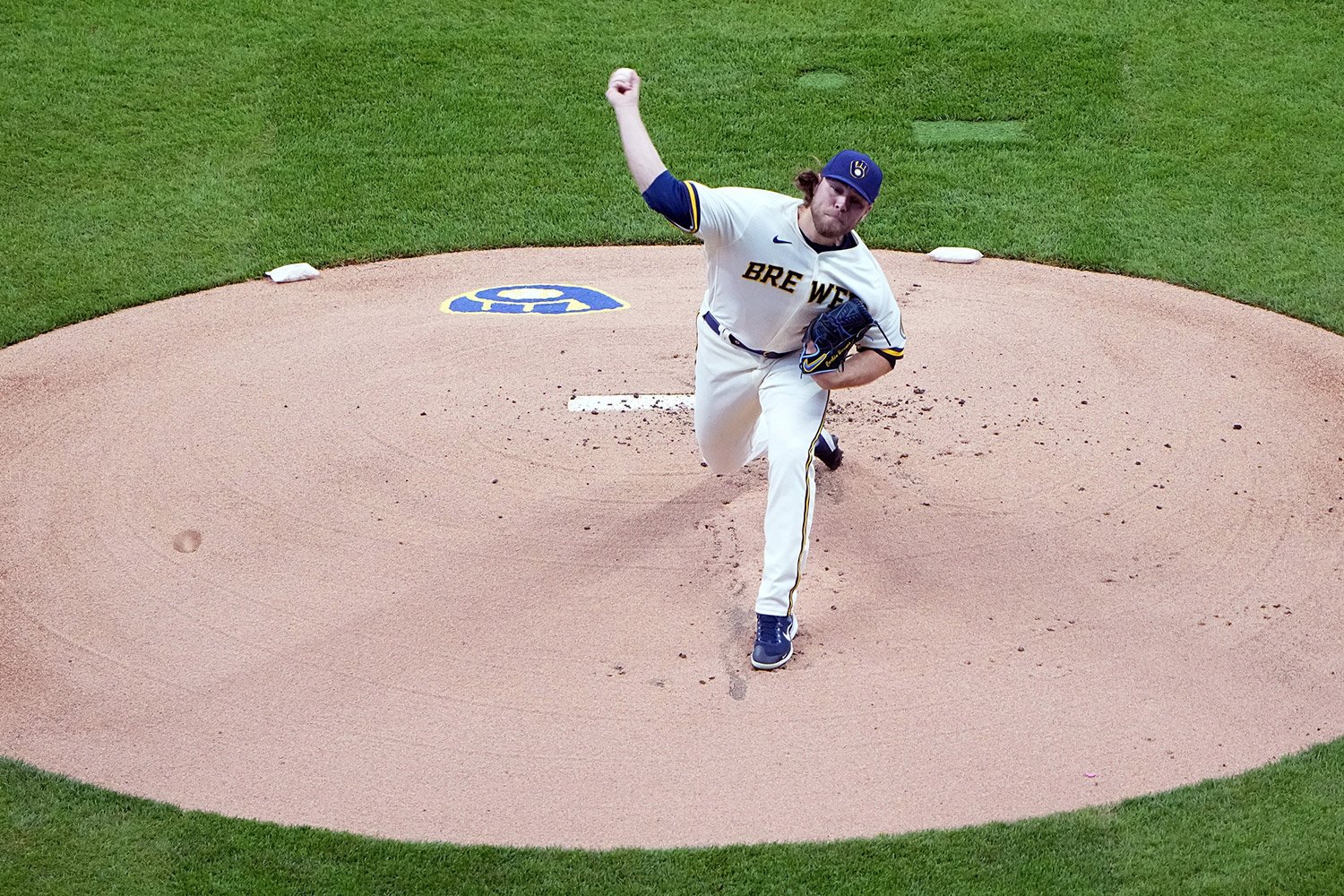 Such a highly prized catch as Burnes is expected to have a remarkably low salary in the $16 million range, increasing his value to potential suitors, something that couldn’t be said of recent Dodgers acquisition Tyler Glasnow. The Brewers will likely want a return involving at least one high-ceiling pitcher, though the farm systems of the big markets aren't quite as high-end as they may like, providing a potential deterrent. Burnes may also be more open to a long-term deal after a front-row seat to the Brandon Woodruff saga, which increases his potential attractiveness. However, Scott Boras's clients usually go to free agency. New York Yankees The Yankees invested heavily in acquiring Juan Soto from the Padres, who did a raid on several high-upside arms that the Brewers may have had their eyes on. In acquiring Soto, with just 2024 remaining before hitting free agency, the organization has signaled its intention to compete on a higher level than they’ve managed in the past few years. After Carlos Rodon’s signing went horribly in 2023, they need a pitcher to follow on from Gerrit Cole, and there’s no better candidate than Corbin Burnes. Chase Hampton, their number 5 prospect, would have to head the Yankees package. Hampton is a right-handed pitcher at Double A with a high spin rate fastball in the 91-95 mph range that plays at least plus, touching 98 mph on occasion. The feel for spin extends to his breaking pitches with high potential and movement on his curveball and slider, which could lead to him being a strong number two starter. Since turning pro, he has also added a cutter into the mix. A solid frame at 6’2" and 220 lbs, Hampton struggled a little at Double A this season but produced a 3.63 ERA in 106 ⅔ innings over 20 starts. Scouts put his struggles down to sequencing more than anything and believes he’ll move quickly in 2024, but his stuff is electric. The Yankees are high on Will Warren, too, so it’s not decimating their pitching pipeline. The issue after Hampton for the Yankees is the dominant outfield talent, while the Brewers may be looking more for middle infielders in a trade. The Brewers may also want Luis Gil, a high-upside pitcher who looked good in 2021 before needing Tommy John surgery at the beginning of 2022 with 38 strikeouts in 29 ⅓ innings and a 3.07 ERA. Gil has undoubted quality in his raw stuff, averaging almost 97 mph with the fastball and a wipeout slider that hitters flailing all ends up. There may be other bits in the trade, but expect these two to be the primary part of a significant switch. There may be other pitchers, including Will Warren, who pitched to a solid 3.61 ERA in Triple A and has a nasty slider. The Yankees can’t afford to bring in Soto and no one else; they need to bolster their rotation, which will exact a high toll. San Francisco Giants An element of concern is beginning to circulate over whether high-quality players want to sign long-term deals in San Francisco, given the sheer volume of rejections they’ve faced recently. Struggling to compete with the Dodgers in the market for their new Japanese phenoms, the Giants need to make a splash, something the signing of Burnes would accomplish. With a year to showcase the city as something a player will appreciate, this deal could take advantage of a certain desperation. Jung Hoo Lee is unlikely to be the star they crave so that Burnes would be a huge acquisition for fans of this ancient franchise, and they have a much better-stocked farm system than the Yankees. With Kyle Harrison likely off the table, eyes should next turn to Carson Whisenhunt, the Giants' number three prospect (MLB no. 70) with one of the best changeups in the minor leagues. Rising from Low-A to Double-A ball, he had 66 ⅓ innings on the season with a 2.17 ERA, 97 strikeouts, and just 24 walks, mainly brought about by a truly dominant six starts in High A. His changeup produced a swing-and-miss rate of 59% in his 2021 college season and is the highlight of his offerings, playing off his 93-94 mph sinking fastball. Command is key to his success with the fastball, but his development was sadly cut short with an elbow strain in July, thankfully avoiding Tommy John surgery. The Giants have a gluttony of pitching in their top 30 prospects, something the Brewers may find particularly appealing, and with Whisenhunt expected to return in spring training, there is a huge ceiling for him. He needs to develop his frame to add some velocity to the fastball and work on a third offering, but he has all the tools to be an elite starting pitcher. Alongside Whisenhunt, no. 10 prospect Hayden Birdsong has some intriguing pitches in his arsenal. A 60-grade fastball with supreme movement in the 93-97 mph range combined with an above-average to plus curveball with impressive depth, while he has the makings of a solid changeup, Birdsong has a lot of potential but struggled in Double A to finish 2023. He struck out 172 in 112 ⅓ innings on the season, but the 47 walks hurt him a little. He improved in High A with his control before being promoted aggressively to Double A in August, and the hope is it will continue to develop as he progresses through the system. The raw stuff is there; if the control can be refined, the sky's the limit for Birdsong. There are likely other pieces to be attached here, and I've suggested high-ceiling players over their more solid counterparts. However, it's worth noting the Giants appear very ready to splurge more than they should, as evidenced by league sentiment over Jung Hoo Lee's contract. The Brewers may get an absolute haul from the Giants, who are close to being able to contend in 2024; Burnes may even push them there on his own.