


Jason Wang
-
Posts
955 -
Joined
-
Last visited
-
Days Won
1
Content Type
Profiles
Forums
Blogs
Events
News
2026 Milwaukee Brewers Top Prospects Ranking
Milwaukee Brewers Videos
2022 Milwaukee Brewers Draft Picks
Milwaukee Brewers Free Agent & Trade Rumors, Notes, & Tidbits
Guides & Resources
2023 Milwaukee Brewers Draft Picks
2024 Milwaukee Brewers Draft Picks
The Milwaukee Brewers Players Project
2025 Milwaukee Brewers Draft Pick Tracker
2026 Milwaukee Brewers Draft Tracker: Picks & Bonuses
Store
Downloads
Gallery
Everything posted by Jason Wang
-

Keep Calm, and Wait for Rowdy
Jason Wang replied to Jake McKibbin's topic in Brewer Fanatic Front Page News
i heard that acuna based his game off of rowdy's- 12 replies
-
- 2
-

-

-
- 2023 trade deadline
- rowdy tellez
- (and 2 more)
-
Keep Calm, and Wait for Rowdy
Jason Wang replied to Jake McKibbin's topic in Brewer Fanatic Front Page News
@Jake McKibbin would you argue that given these circumstances, where the Brewers are at in regards to the division, the postseason picture, and the overall state of baseball, that it's Tellez Time? -
Santana is a veteran bat with some big hits on his resume, but will his arrival be enough to move the needle? Can he resolve the issues the team has been having at first base? How will he fit into the depth chart? Image courtesy of © Ray Acevedo-USA TODAY Sports Santana is a veteran bat with some big hits on his resume, but will his arrival be enough to move the needle? Can he resolve the issues the team has been having at first base? How will he fit into the depth chart? How Will This Trade Help Down The Stretch? Carlos Santana has primarily played first base for the Pittsburgh Pirates this season, slashing a satisfactory .235/.321/.412 for a .732 OPS and an OPS+ of 98. He also led the team with RBI at 53. While he’s a long way from his standout 2019 season which saw him post a .911 OPS and an OPS+ of 136 with the Cleveland Guardians, he’s got some key characteristics that could benefit the team through the remainder of the season. While he’s not quite the lefty-crusher some fans may have been hoping for, he performs just as well against them as he does righties, posting a .735 OPS against righties and a .723 OPS against southpaws, a marked improvement over Rowdy Tellez’s dismal .505 OPS in that second split. Santana has also had elite plate discipline throughout his career, averaging a 15.0% walk rate over his decade and a half in the majors. While it has dipped slightly to 11.5% this year, it’s still an improvement over Tellez’s 9.4% rate and we might even see a return to normalcy in the second half. Furthermore, Santana has been great defensively this year. While this isn’t usually what people look for in first basemen, Santana’s six defensive runs saved and two OAA (78th percentile) are worth calling out. In comparison, Tellez has -1 DRS and -3 OAA. That being said, at 37 years old, he's no spring chicken. He’ll become a free agent at season's end, so depending on how he performs and fits in with the team, he may serve purely as a short-term rental to solidify a playoff push. However, his age also comes with benefits of its own, as (in addition to being a slight offensive and defensive improvement over Tellez), he's known to be a great locker room presence and senior leader. What Was Given Up? In exchange for Santana’s services, the Brewers sent 18-year old shortstop prospect Jhonny Severino to the Pirates. Signed in 2022 for $1.2 million out of the Dominican Republic, Severino has posted impressive numbers in rookie ball thus far, slashing .250/.289/.583 for an OPS of .872 over 52 plate appearances. While it’s always hard to judge who came out on top in any trade, this transaction is a meeting of alternate goals. The Brewers are holding onto the NL Central lead by just 1.5 games over the Cincinnati Reds, and it has been close for the past few weeks. In order to secure their spot in the playoffs, they needed to add extra bats, especially at first base. Tellez is on the 10-day IL and has been floundering all season; Darin Ruf is still on the 60-day IL; and that left the Brewers with Owen Miller, an unorthodox first baseman without a ton of power. This move is (hopefully) the first of a few to widen the gap between Milwaukee and the remainder of the division. Given Santana's OBP-over-power profile at this stage, the more complementary moves the team makes beyond this one, the wiser it will look. On the other hand, Pittsburgh is likely going to miss the playoffs for the eighth time in a row, and were looking to bolster their farm system. After taking pitching phenom Paul Skenes in this year’s draft, Severino is another young piece of the puzzle. In a sort of win-win situation, the Brewers get more major-league offense while giving up a relatively unproven prospect, and the Pirates get a speculative lottery ticket to potentially bring their team back to October. View full article
-
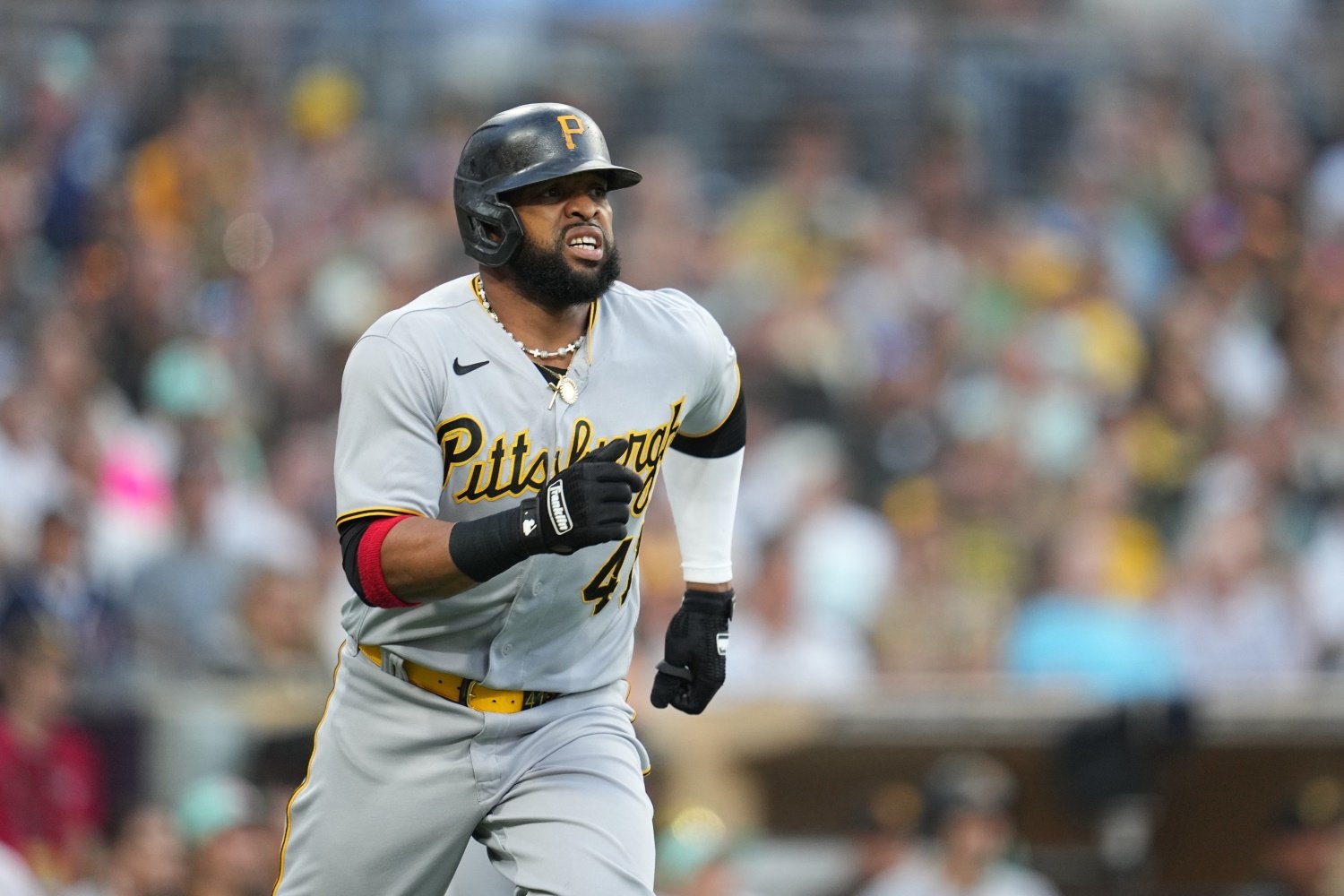 How Will This Trade Help Down The Stretch? Carlos Santana has primarily played first base for the Pittsburgh Pirates this season, slashing a satisfactory .235/.321/.412 for a .732 OPS and an OPS+ of 98. He also led the team with RBI at 53. While he’s a long way from his standout 2019 season which saw him post a .911 OPS and an OPS+ of 136 with the Cleveland Guardians, he’s got some key characteristics that could benefit the team through the remainder of the season. While he’s not quite the lefty-crusher some fans may have been hoping for, he performs just as well against them as he does righties, posting a .735 OPS against righties and a .723 OPS against southpaws, a marked improvement over Rowdy Tellez’s dismal .505 OPS in that second split. Santana has also had elite plate discipline throughout his career, averaging a 15.0% walk rate over his decade and a half in the majors. While it has dipped slightly to 11.5% this year, it’s still an improvement over Tellez’s 9.4% rate and we might even see a return to normalcy in the second half. Furthermore, Santana has been great defensively this year. While this isn’t usually what people look for in first basemen, Santana’s six defensive runs saved and two OAA (78th percentile) are worth calling out. In comparison, Tellez has -1 DRS and -3 OAA. That being said, at 37 years old, he's no spring chicken. He’ll become a free agent at season's end, so depending on how he performs and fits in with the team, he may serve purely as a short-term rental to solidify a playoff push. However, his age also comes with benefits of its own, as (in addition to being a slight offensive and defensive improvement over Tellez), he's known to be a great locker room presence and senior leader. What Was Given Up? In exchange for Santana’s services, the Brewers sent 18-year old shortstop prospect Jhonny Severino to the Pirates. Signed in 2022 for $1.2 million out of the Dominican Republic, Severino has posted impressive numbers in rookie ball thus far, slashing .250/.289/.583 for an OPS of .872 over 52 plate appearances. While it’s always hard to judge who came out on top in any trade, this transaction is a meeting of alternate goals. The Brewers are holding onto the NL Central lead by just 1.5 games over the Cincinnati Reds, and it has been close for the past few weeks. In order to secure their spot in the playoffs, they needed to add extra bats, especially at first base. Tellez is on the 10-day IL and has been floundering all season; Darin Ruf is still on the 60-day IL; and that left the Brewers with Owen Miller, an unorthodox first baseman without a ton of power. This move is (hopefully) the first of a few to widen the gap between Milwaukee and the remainder of the division. Given Santana's OBP-over-power profile at this stage, the more complementary moves the team makes beyond this one, the wiser it will look. On the other hand, Pittsburgh is likely going to miss the playoffs for the eighth time in a row, and were looking to bolster their farm system. After taking pitching phenom Paul Skenes in this year’s draft, Severino is another young piece of the puzzle. In a sort of win-win situation, the Brewers get more major-league offense while giving up a relatively unproven prospect, and the Pirates get a speculative lottery ticket to potentially bring their team back to October.
-
3 of the Brewers’ Best Big-League Trade Pieces
Jason Wang replied to Jason Wang's topic in Brewer Fanatic Front Page News
Payamps is an incredibly valuable asset for any team and his contract is a big reason for that, but the Brewers bullpen doesn't really need him. I saw this is as a sort of "sell-high" situation where perhaps we would be able get something monstrous for him. Perhaps the title was misleading, but I saw it as three of the players that would have the highest price on the trade market based on the team's needs as well as numbers from Baseball Trade Values. -
Most of the conversation surrounding the trade deadline has involved what pieces the Brewers can acquire. There has been some conversation about the tradability of some minor-league pieces, but what about the major leaguers? Here are three pieces that might fetch a great price. Image courtesy of Brewer Fanatic Most of the conversation surrounding the trade deadline has involved what pieces the Brewers can acquire. There has been some conversation about the tradability of some minor-league pieces, but what about the major leaguers? Here are three pieces that might fetch a great price. 1. Joel Payamps (RP) Joel Payamps has been exceptional in his first year with the Brewers. Holding a 1.71 ERA in 47 1/3 innings pitched, he has been an integral part of the standout bullpen. He boasts exceptional command (4.4% BB%, 96th percentile) and a respectable 29.5% strikeout rate (88th percentile) One interesting thing about Payamps is that he has four pitches in his arsenal, an unusually diverse toolbox for a short reliever. While his primary weapon is his slider (42.3%), his sinker (23.9%), four-seam fastball (21.9%) and changeup (11.8%) are used a decent amount of the time. In terms of run value, the four-seamer (6) is almost as effective as his slider (7) and is used as his primary putaway pitch, sealing the deal 30.8%. Luckily, he is one of many star relievers the Brewers have right now, meaning it shouldn’t hurt too much to let him walk. He also won’t be a free agent until 2027, and his salary is quite low (1 year, $731k, just clear of the league minimum). A potentially interested team might be the Texas Rangers who have a wealth of position players to trade but one of the worst bullpens in the sport, posting a reliever ERA of 4.77, 27th in MLB. 2. Brandon Woodruff (SP) Although he has been sidelined by injury for most of this season, Woodruff’s seven-year tenure with Milwaukee has seen him post a 3.14 ERA over 625 innings. However, the Brewers are blessed with exceptional starting pitchers and have even more pieces, like Eric Lauer and Aaron Ashby, kicking around the system. Furthermore, with highly-touted pitching prospect Jacob Misiorowski recently being called up to Double A, the rotation is starting to get crowded. The team has essentially been operating without Woodruff already, as he’s pitched just 11 1/3 innings this season, and they’ve performed well, posting a starter ERA of 4.03, ninth-best in MLB. There are a number of teams who would be lucky to have him, and his trade value is quite high, with Baseball Trade Values giving him a median estimated trade value of 24, higher than great players like the aforementioned Misiorowski and Joey Wiemer. Two teams who could really use the help in their rotations are the Cincinnati Reds and the Arizona Diamondbacks. Both teams are similar, struggling with starter ERA (5.34 for Cincinnati, 4.73 for Arizona) while posting impressive offensive numbers (.745 team OPS for Cincinnati, .756 team OPS for Arizona). 3. Garrett Mitchell (OF) Garrett Mitchell hasn’t quite had the chance to have a real rookie season with the Brewers yet, getting just 130 plate appearances over the past two seasons with the team. There hasn’t been enough time to really gauge how he’ll perform at the major-league level and what his contributions will be in the future, but one thing that’s certain is that the Brewers have a surplus of outfielders. With Sal Frelick getting called up and making an electric debut and Jackson Chourio expected to get his major-league callup in 2024, the Brewers have more than enough young talent to go around the outfield. While the Brewers haven’t hit very well at all this season, Mitchell himself was never much of a needle mover, slashing .259/.306/.466 for a .772 OPS and 108 OPS+, so there isn’t much evidence that his presence would have significantly improved the offense. Nonetheless, Mitchell is still a valuable player and could contribute to any number of teams. The Minnesota Twins are one of the teams that could have some interest in adding Mitchell to the lineup for the long term, especially since their depth chart for center field lists Michael A. Taylor (83 OPS+), Nick Gordon (60-day IL), Willi Castro (89 OPS+), and Joey Gallo (103 OPS+, 31st percentile OAA). It's clear that position is not the team's best. Of course, it'll be tough to get full value for Mitchell, because (whereas Woodruff is, at least, on a rehab assignment and closing in on a return to the roster) he's out for the season, and won't help any contender until 2024. Still, he'd be an attractive piece for clubs with room in their projected outfield over the long term. View full article
-
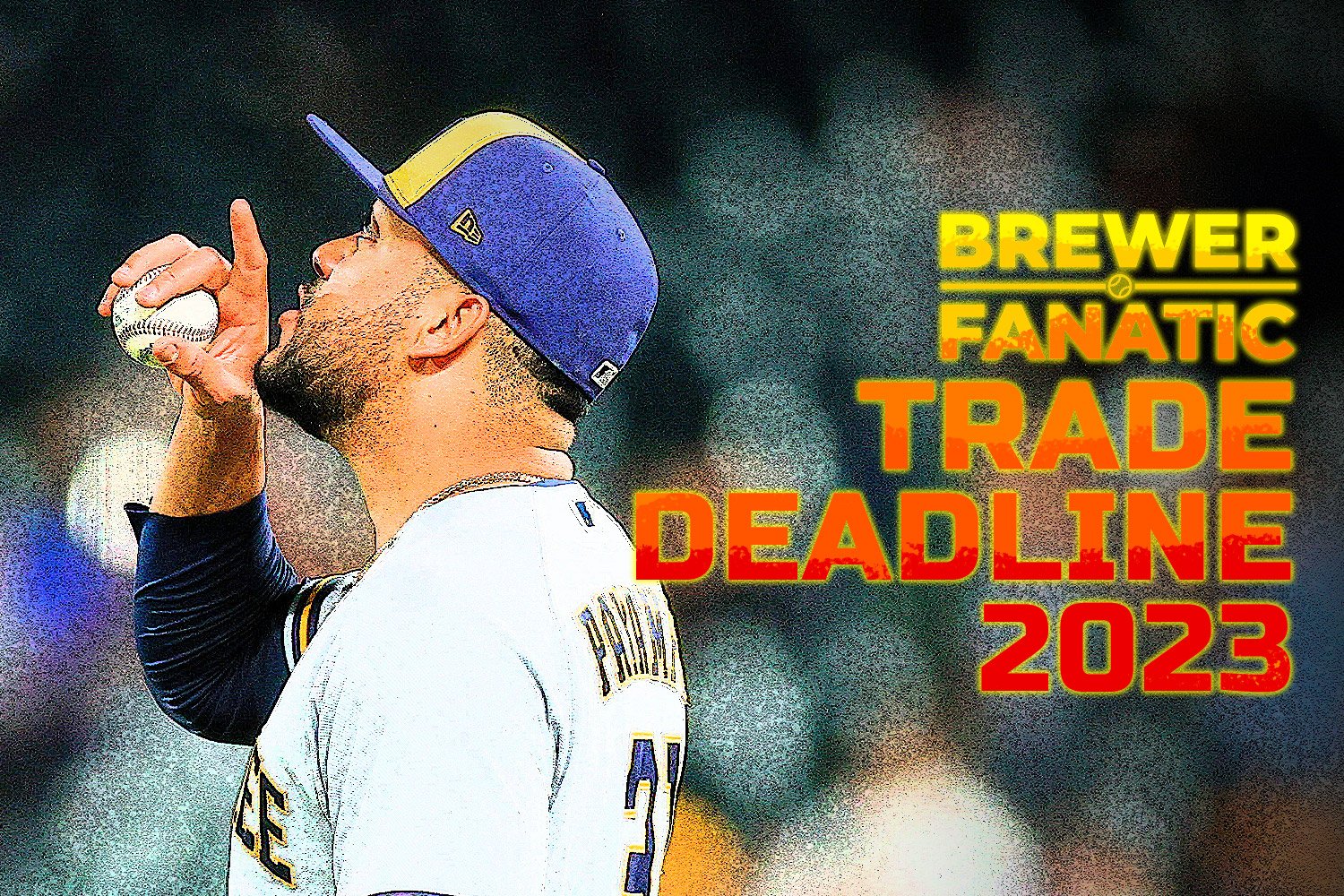 1. Joel Payamps (RP) Joel Payamps has been exceptional in his first year with the Brewers. Holding a 1.71 ERA in 47 1/3 innings pitched, he has been an integral part of the standout bullpen. He boasts exceptional command (4.4% BB%, 96th percentile) and a respectable 29.5% strikeout rate (88th percentile) One interesting thing about Payamps is that he has four pitches in his arsenal, an unusually diverse toolbox for a short reliever. While his primary weapon is his slider (42.3%), his sinker (23.9%), four-seam fastball (21.9%) and changeup (11.8%) are used a decent amount of the time. In terms of run value, the four-seamer (6) is almost as effective as his slider (7) and is used as his primary putaway pitch, sealing the deal 30.8%. Luckily, he is one of many star relievers the Brewers have right now, meaning it shouldn’t hurt too much to let him walk. He also won’t be a free agent until 2027, and his salary is quite low (1 year, $731k, just clear of the league minimum). A potentially interested team might be the Texas Rangers who have a wealth of position players to trade but one of the worst bullpens in the sport, posting a reliever ERA of 4.77, 27th in MLB. 2. Brandon Woodruff (SP) Although he has been sidelined by injury for most of this season, Woodruff’s seven-year tenure with Milwaukee has seen him post a 3.14 ERA over 625 innings. However, the Brewers are blessed with exceptional starting pitchers and have even more pieces, like Eric Lauer and Aaron Ashby, kicking around the system. Furthermore, with highly-touted pitching prospect Jacob Misiorowski recently being called up to Double A, the rotation is starting to get crowded. The team has essentially been operating without Woodruff already, as he’s pitched just 11 1/3 innings this season, and they’ve performed well, posting a starter ERA of 4.03, ninth-best in MLB. There are a number of teams who would be lucky to have him, and his trade value is quite high, with Baseball Trade Values giving him a median estimated trade value of 24, higher than great players like the aforementioned Misiorowski and Joey Wiemer. Two teams who could really use the help in their rotations are the Cincinnati Reds and the Arizona Diamondbacks. Both teams are similar, struggling with starter ERA (5.34 for Cincinnati, 4.73 for Arizona) while posting impressive offensive numbers (.745 team OPS for Cincinnati, .756 team OPS for Arizona). 3. Garrett Mitchell (OF) Garrett Mitchell hasn’t quite had the chance to have a real rookie season with the Brewers yet, getting just 130 plate appearances over the past two seasons with the team. There hasn’t been enough time to really gauge how he’ll perform at the major-league level and what his contributions will be in the future, but one thing that’s certain is that the Brewers have a surplus of outfielders. With Sal Frelick getting called up and making an electric debut and Jackson Chourio expected to get his major-league callup in 2024, the Brewers have more than enough young talent to go around the outfield. While the Brewers haven’t hit very well at all this season, Mitchell himself was never much of a needle mover, slashing .259/.306/.466 for a .772 OPS and 108 OPS+, so there isn’t much evidence that his presence would have significantly improved the offense. Nonetheless, Mitchell is still a valuable player and could contribute to any number of teams. The Minnesota Twins are one of the teams that could have some interest in adding Mitchell to the lineup for the long term, especially since their depth chart for center field lists Michael A. Taylor (83 OPS+), Nick Gordon (60-day IL), Willi Castro (89 OPS+), and Joey Gallo (103 OPS+, 31st percentile OAA). It's clear that position is not the team's best. Of course, it'll be tough to get full value for Mitchell, because (whereas Woodruff is, at least, on a rehab assignment and closing in on a return to the roster) he's out for the season, and won't help any contender until 2024. Still, he'd be an attractive piece for clubs with room in their projected outfield over the long term.
-
The Tradability of the Farm System: Part One
Jason Wang replied to Jake McKibbin's topic in Brewer Fanatic Front Page News
Had the privilege of seeing Misiorowski pitch at the Futures Game and he has some of the most filthy, slimy, grimy, mucky, polluted, obscene, indecent, lewd, soiled stuff I've seen. Good to call out that he's off limits especially since he's the best pitching prospect we have.- 9 replies
-
- 2
-
-

-
- trade deadline
- jackson chourio
- (and 3 more)
-
3 Uncovered Trade Gems for the Brewers
Jason Wang replied to Jason Wang's topic in Brewer Fanatic Front Page News
So curious how they come up with these values. Is it magic? A Ouija board? Does it depend on the player's horoscope sign? Who knows? -
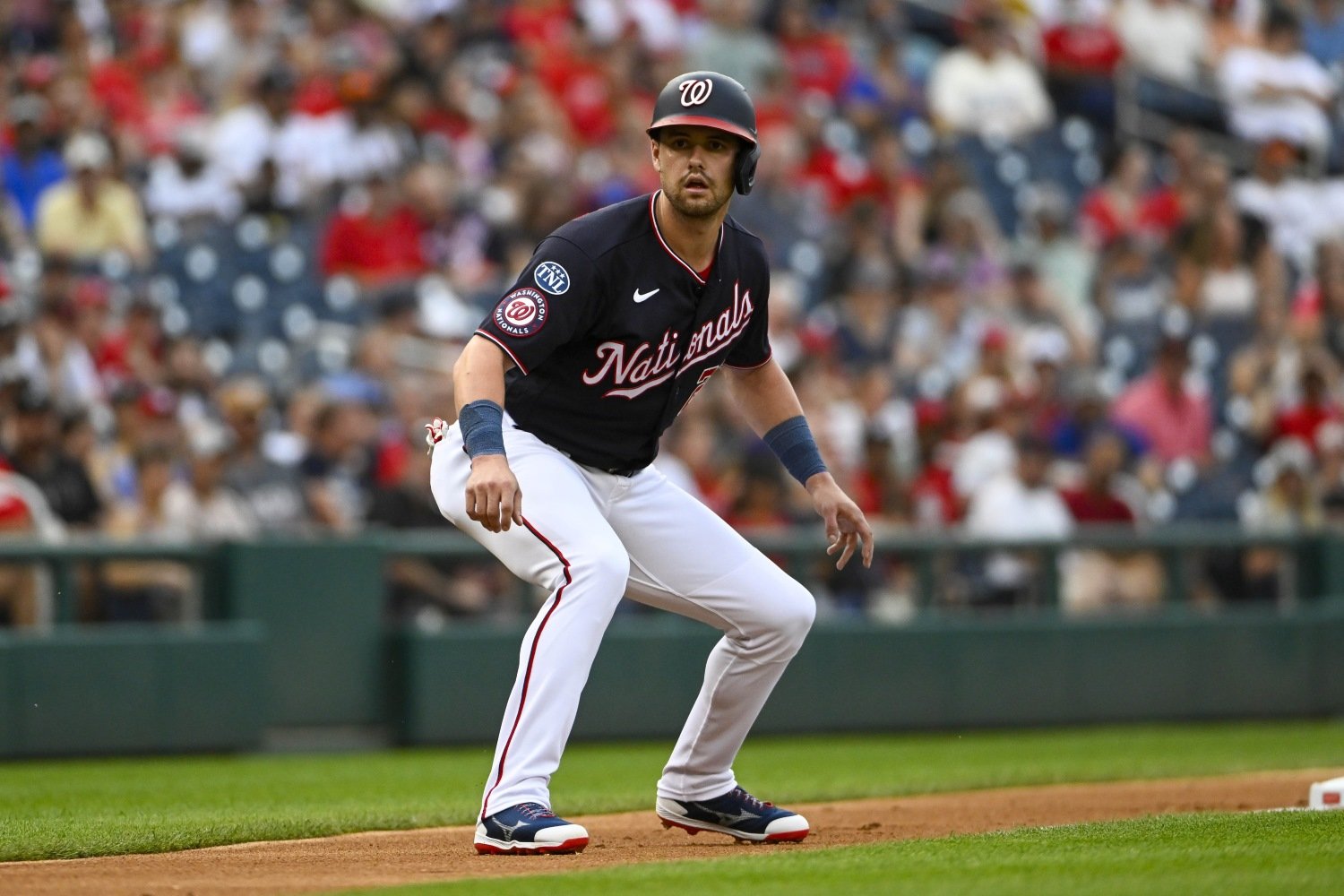 1) Lane Thomas (WSN, OF) Spending pretty much all of his time in right field thus far this season, he’s the best bat on the Nationals, slashing .292/.339/.490 for an OPS of .829 and an OPS+ of 130. His best feature (other than his smile)? He crushes lefties. Over 131 plate appearances against left-handed pitching this season, he’s slashed an incredible .364/.412/.653 for an OPS of 1.065. Meanwhile, the current Brewers lineup is posting a team OPS of .680 against LHP, second worst in MLB. Thomas has a few concerning characteristics, however. While his OPS is better than league average, batted-ball data would suggest he’s gotten lucky along the way, posting a 32nd-percentile xwOBA. He also strikes out quite a bit (25th-percentile K%) and doesn’t walk much (15th-percentile BB%). His defense also leaves something to be desired, as he's posted -2 Defensive Runs Saved (DRS) and -3 Outs Above Average (OAA). The Brewers' depth chart at right field lists Tyrone Taylor, Brian Anderson (10-day IL), Joey Wiemer, Owen Miller, Blake Perkins, and Raimel Tapia. While Thomas’s glove isn’t quite up to scratch, his offensive contributions would likely eclipse any of the names currently in right field, and the exceptional defense by the other Brewers outfielders might be able to compensate. Lane Thomas is currently signed through 2023 on a one-year, $2.2-million deal and will be a free agent in 2026. 2) Connor Joe (PIT, OF/1B) In addition to splitting time in the outfield corners, Joe has also spent 136 innings playing first base this season. He’s performed decently at the plate, slashing .242/.331/.423 for an OPS of .754 and an OPS+ of 105. Similar to Thomas, he also performs exceptionally well against southpaws, posting a .912 OPS over 111 plate appearances. His OPS against righties is a little lackluster at .654, but he could have value as a platoon guy. Also similar to Thomas, he strikes out a considerable amount (16th-percentile K%), but he has some pop, decent plate discipline (68th-percentile BB%), and an excellent chase rate (97th percentile). He may not be as much of an impact bat as your ideal first baseman, but with the current depth chart listing Rowdy Tellez (10-day IL), Darin Ruf (60-day IL), and Owen Miller (91 OPS+), can the Brewers really afford to be picky? Joe is currently on a one-year, $735,000 deal and will be a free agent in 2028. 3) Justin Turner (BOS, DH/1B) Turner is having another strong year in a career marked by rigid consistency and may be a great acquisition piece, especially since he’s primarily served as a DH for the Red Sox this year while also playing 213 innings at first base. His slash line of .289/.358/.478 is good for an OPS+ of 122, which would constitute a big upgrade over the Brewers’ existing options at DH. The current depth chart lists Jesse Winker (59 OPS+), Darin Ruf, Christian Yelich, and William Contreras. To continue the theme, Turner performs extremely well against left-handed pitching, posting a .972 OPS over 117 plate appearances thus far this season. He has also steadily improved his offense over the course of the season, starting with a .723 OPS in April, .792 OPS in May, .865 OPS in June, and 1.074 OPS so far in July. His stock is quite literally rising. However, unlike the theme, he does not strike out often and has an 84th percentile K%. He doesn’t chase (77th percentile), whiff (87th percentile), and has been known to take the occasional stroll to first base (52nd-percentile BB%). His defense isn’t anything to write home about, but as a designated hitter, that’s the definition of a nonissue. That being said, Turner might be a little too rich for the Brewers’ tastes, as he's currently on a one-year, $15-million contract. He’ll also be a free agent in 2024, so he might not stick around for very long, assuming he does make the trip out to the Badger State.
-
MLB Trade Rumors have been dominated by some of the sport’s biggest names, like Shohei Ohtani, Nolan Arenado, and Pete Alonso. However, given the Brewers' limited payroll, they will likely divert their attention away from the brightest stars and toward slightly more obscure value. Here are three players that could add some value to the team, without costing an arm and a leg. Image courtesy of © Brad Mills-USA TODAY Sports MLB Trade Rumors have been dominated by some of the sport’s biggest names, like Shohei Ohtani, Nolan Arenado, and Pete Alonso. However, given the Brewers' limited payroll, they will likely divert their attention away from the brightest stars and toward slightly more obscure value. Here are three players that could add some value to the team, without costing an arm and a leg. 1) Lane Thomas (WSN, OF) Spending pretty much all of his time in right field thus far this season, he’s the best bat on the Nationals, slashing .292/.339/.490 for an OPS of .829 and an OPS+ of 130. His best feature (other than his smile)? He crushes lefties. Over 131 plate appearances against left-handed pitching this season, he’s slashed an incredible .364/.412/.653 for an OPS of 1.065. Meanwhile, the current Brewers lineup is posting a team OPS of .680 against LHP, second worst in MLB. Thomas has a few concerning characteristics, however. While his OPS is better than league average, batted-ball data would suggest he’s gotten lucky along the way, posting a 32nd-percentile xwOBA. He also strikes out quite a bit (25th-percentile K%) and doesn’t walk much (15th-percentile BB%). His defense also leaves something to be desired, as he's posted -2 Defensive Runs Saved (DRS) and -3 Outs Above Average (OAA). The Brewers' depth chart at right field lists Tyrone Taylor, Brian Anderson (10-day IL), Joey Wiemer, Owen Miller, Blake Perkins, and Raimel Tapia. While Thomas’s glove isn’t quite up to scratch, his offensive contributions would likely eclipse any of the names currently in right field, and the exceptional defense by the other Brewers outfielders might be able to compensate. Lane Thomas is currently signed through 2023 on a one-year, $2.2-million deal and will be a free agent in 2026. 2) Connor Joe (PIT, OF/1B) In addition to splitting time in the outfield corners, Joe has also spent 136 innings playing first base this season. He’s performed decently at the plate, slashing .242/.331/.423 for an OPS of .754 and an OPS+ of 105. Similar to Thomas, he also performs exceptionally well against southpaws, posting a .912 OPS over 111 plate appearances. His OPS against righties is a little lackluster at .654, but he could have value as a platoon guy. Also similar to Thomas, he strikes out a considerable amount (16th-percentile K%), but he has some pop, decent plate discipline (68th-percentile BB%), and an excellent chase rate (97th percentile). He may not be as much of an impact bat as your ideal first baseman, but with the current depth chart listing Rowdy Tellez (10-day IL), Darin Ruf (60-day IL), and Owen Miller (91 OPS+), can the Brewers really afford to be picky? Joe is currently on a one-year, $735,000 deal and will be a free agent in 2028. 3) Justin Turner (BOS, DH/1B) Turner is having another strong year in a career marked by rigid consistency and may be a great acquisition piece, especially since he’s primarily served as a DH for the Red Sox this year while also playing 213 innings at first base. His slash line of .289/.358/.478 is good for an OPS+ of 122, which would constitute a big upgrade over the Brewers’ existing options at DH. The current depth chart lists Jesse Winker (59 OPS+), Darin Ruf, Christian Yelich, and William Contreras. To continue the theme, Turner performs extremely well against left-handed pitching, posting a .972 OPS over 117 plate appearances thus far this season. He has also steadily improved his offense over the course of the season, starting with a .723 OPS in April, .792 OPS in May, .865 OPS in June, and 1.074 OPS so far in July. His stock is quite literally rising. However, unlike the theme, he does not strike out often and has an 84th percentile K%. He doesn’t chase (77th percentile), whiff (87th percentile), and has been known to take the occasional stroll to first base (52nd-percentile BB%). His defense isn’t anything to write home about, but as a designated hitter, that’s the definition of a nonissue. That being said, Turner might be a little too rich for the Brewers’ tastes, as he's currently on a one-year, $15-million contract. He’ll also be a free agent in 2024, so he might not stick around for very long, assuming he does make the trip out to the Badger State. View full article
-
The Return of the Full Corbin Burnes
Jason Wang replied to Jake McKibbin's topic in Brewer Fanatic Front Page News
wade miley after not getting a shoutout from jake yet
-
Very true - average and OBP are still quite low, he's being saved by his near .500 SLG.
-
100%. It's a tight market and most bats that are worth pursuing are either critical pieces of their respective teams or on legitimate contenders that are likely hoping to preserve their core.
-
I should have called this out but after a pitiful May and June, July is looking like a rebound month for Rooker, posting a .783 OPS in July vs a .616 and .620 OPS in May and June respectively.
-
The Brewers Should Target These 1B & DH At The Trade Deadline
Jason Wang posted an article in Brewers
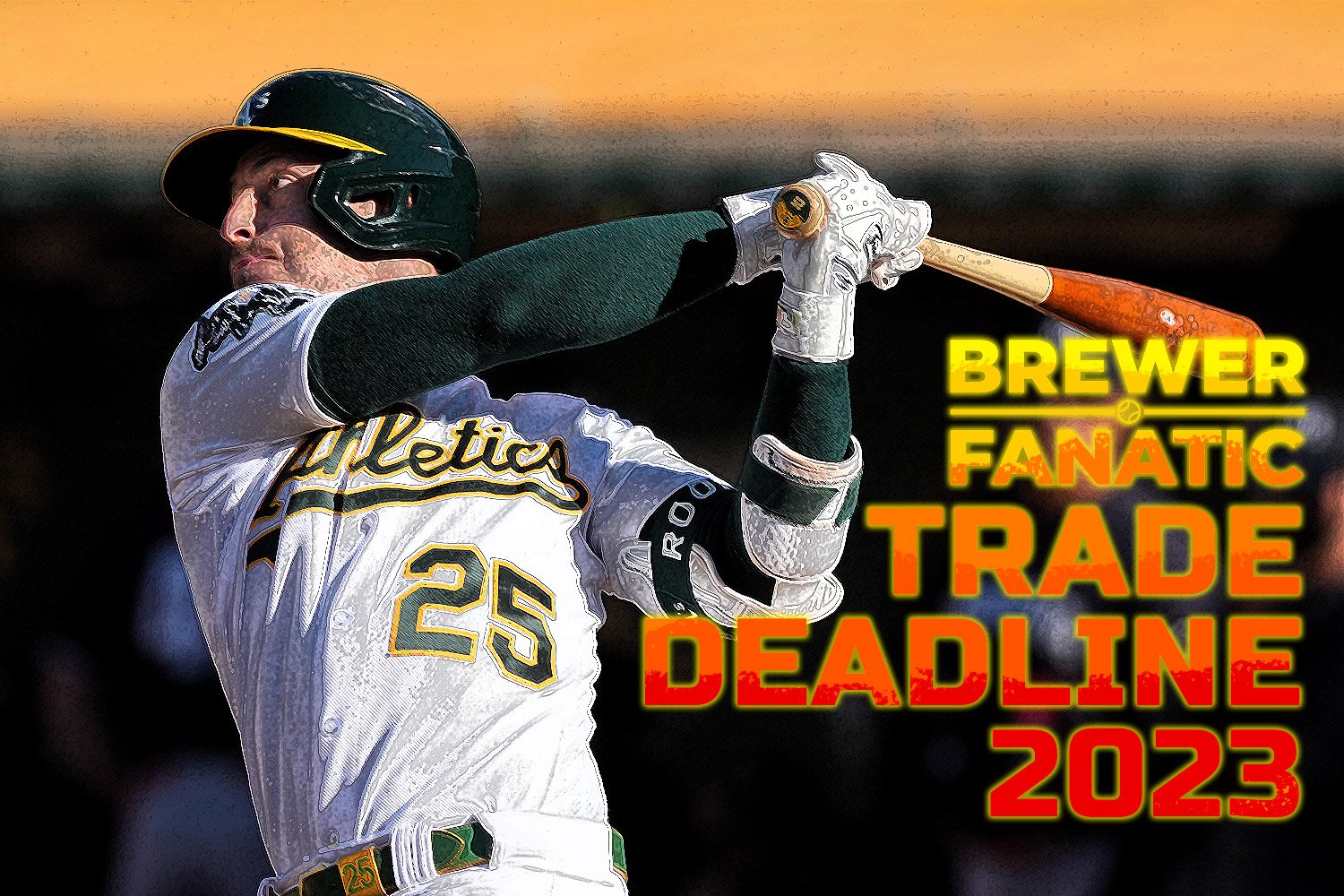 1. Brendan Donovan (STL, 1B) In an ideal world, the Brewers would strike a deal for reigning NL MVP Paul Goldschmidt, but given his somewhat large contract and Cardinals executive John Mozeliak recently stating that the team has no plans to trade him or Nolan Arenado, we’ll have to settle for the next best thing. Brendan Donovan has primarily played second base for the Cardinals this year, but has also served as the backup first baseman and appeared in 11 games as the designated hitter. He’s been a strong offensive bat, slashing .284/.370/.432 for an OPS of .802 and an OPS+ of 120. His contract situation is also not too bad, with him being signed through the remainder of 2023 and not being eligible for free agency until 2028. While not the rosiest of situations, this season is not yet over for the Cardinals, but if they do want to make it to the postseason, they absolutely need to fix their abysmal pitching situation. With a strong pitching staff to exchange, a deal with Milwaukee could be made. Furthermore, the Cardinals are vying for a wild card spot, as winning the division is pretty much out of the question, so trading with the favorite Brewers doesn’t hurt their odds too much. There are rumors of Donovan being sent to Boston, so if Milwaukee wants a valuable hitting piece like Donovan, they’ll have to move quickly. 2. Brent Rooker (OAK, DH) While he’s cooled down significantly from his hot start this season, Rooker is still a meaningful offensive contributor to the Athletics. Primarily serving as a designated hitter, he's slashing .239/.332/.467 for an OPS of .800 and an OPS+ of 127. He’s also spent significant time in the outfield so he has value outside of just being a bat if the Brewers choose to utilize him in that way. His contract situation is remarkably similar to Brendan Donovan’s, being signed through 2023 and being eligible to test free agency in 2028. Oakland also needs improved pitching, and has been active in the market, recently trading Shintaro Fujinami to the Baltimore Orioles in exchange for lefty prospect Easton Lucas. With one of the worst rotations and bullpens in the entire league, Oakland might be open to sacrificing a power bat for a couple of strong arms. Then again, who knows what Oakland’s front office even wants these days (other than to leave Oakland). 3. Andrew Vaughn (CHW, 1B) Andrew Vaughn is like a slightly less impressive Donovan. On the bright side, he’s a full-time first baseman, but his offense is a little less impressive, slashing .244/..316/.422 for a .738 OPS and 102 OPS+. That being said, he still has much to offer. The White Sox are pretty much doomed this season, projected as having a 1.4% chance to make the playoffs. After a disappointing past few years, the front office is probably more likely to make some moves to revitalize the franchise. Similar to the Cardinals, they also need pitching to bolster a decent lineup. The real target should be Eloy Jimenez, but he’s more of a key piece to the franchise than Vaughn and has a much more expensive contract, so Vaughn seems more in line with precedent Brewers front office decisions. He is signed through 2023 and isn’t eligible for free agency until 2027.
-
It’s no secret that the Milwaukee Brewers are severely lacking quality people for two of the most important hitting positions. With Rowdy Tellez’s IL stint recently extended and his already-lackluster season in mind, it’s time to start looking for other options. And no, a Keston Hiura promotion is not the ideal solution here. Image courtesy of Brewer Fanatic It’s no secret that the Milwaukee Brewers are severely lacking quality people for two of the most important hitting positions. With Rowdy Tellez’s IL stint recently extended and his already-lackluster season in mind, it’s time to start looking for other options. And no, a Keston Hiura promotion is not the ideal solution here. 1. Brendan Donovan (STL, 1B) In an ideal world, the Brewers would strike a deal for reigning NL MVP Paul Goldschmidt, but given his somewhat large contract and Cardinals executive John Mozeliak recently stating that the team has no plans to trade him or Nolan Arenado, we’ll have to settle for the next best thing. Brendan Donovan has primarily played second base for the Cardinals this year, but has also served as the backup first baseman and appeared in 11 games as the designated hitter. He’s been a strong offensive bat, slashing .284/.370/.432 for an OPS of .802 and an OPS+ of 120. His contract situation is also not too bad, with him being signed through the remainder of 2023 and not being eligible for free agency until 2028. While not the rosiest of situations, this season is not yet over for the Cardinals, but if they do want to make it to the postseason, they absolutely need to fix their abysmal pitching situation. With a strong pitching staff to exchange, a deal with Milwaukee could be made. Furthermore, the Cardinals are vying for a wild card spot, as winning the division is pretty much out of the question, so trading with the favorite Brewers doesn’t hurt their odds too much. There are rumors of Donovan being sent to Boston, so if Milwaukee wants a valuable hitting piece like Donovan, they’ll have to move quickly. 2. Brent Rooker (OAK, DH) While he’s cooled down significantly from his hot start this season, Rooker is still a meaningful offensive contributor to the Athletics. Primarily serving as a designated hitter, he's slashing .239/.332/.467 for an OPS of .800 and an OPS+ of 127. He’s also spent significant time in the outfield so he has value outside of just being a bat if the Brewers choose to utilize him in that way. His contract situation is remarkably similar to Brendan Donovan’s, being signed through 2023 and being eligible to test free agency in 2028. Oakland also needs improved pitching, and has been active in the market, recently trading Shintaro Fujinami to the Baltimore Orioles in exchange for lefty prospect Easton Lucas. With one of the worst rotations and bullpens in the entire league, Oakland might be open to sacrificing a power bat for a couple of strong arms. Then again, who knows what Oakland’s front office even wants these days (other than to leave Oakland). 3. Andrew Vaughn (CHW, 1B) Andrew Vaughn is like a slightly less impressive Donovan. On the bright side, he’s a full-time first baseman, but his offense is a little less impressive, slashing .244/..316/.422 for a .738 OPS and 102 OPS+. That being said, he still has much to offer. The White Sox are pretty much doomed this season, projected as having a 1.4% chance to make the playoffs. After a disappointing past few years, the front office is probably more likely to make some moves to revitalize the franchise. Similar to the Cardinals, they also need pitching to bolster a decent lineup. The real target should be Eloy Jimenez, but he’s more of a key piece to the franchise than Vaughn and has a much more expensive contract, so Vaughn seems more in line with precedent Brewers front office decisions. He is signed through 2023 and isn’t eligible for free agency until 2027. View full article
-
The Return of the Full Corbin Burnes
Jason Wang replied to Jake McKibbin's topic in Brewer Fanatic Front Page News
I also think the pitch timer had something to do with it. His pitch tempo was 21.1 seconds with bases empty and 24.7 with runners on in 2022. This year, it's 16.7 and 20.6 seconds, the fastest it has ever been in his career for 4-5 seconds. Baseball Savant considers tempo the time in between pitches where as pitch clock is obviously from the catcher return to pitch release but it still gives a general idea of how much he's had to accelerate things. It would explain his brutal start and return to normalcy in recent games. -
didn't we all
-
Good callout! On the bright side, he's not chasing much (97th percentile Chase Rate) and he has an elite walk rate at 17.6% which makes for a super interesting player. Not sure how the market is for first basemen but he might be a nice consolation prize the Brewers could probably get for pretty cheap, like 2 or 3 Zaffiro's Pizzas.
-
The Milwaukee Brewers are on top of the NL Central for a few reasons. While the team has its weaknesses, there are a couple of positions where the Brewers have depth to spare--enough to trade away to bolster its comparatively feeble offense. Here are the top three areas that the Milwaukee front office might trim down before this year’s trade deadline to get some new bats. The Milwaukee Brewers are on top of the NL Central for a few reasons. While the team has its weaknesses, there are a couple of positions where the Brewers have depth to spare--enough to trade away to bolster its comparatively feeble offense. Here are the top three areas that the Milwaukee front office might trim down before this year’s trade deadline to get some new bats. 3) Starting Pitching Before Wade Miley recently headed to the 15-day IL with elbow discomfort, the Brewers were operating on a six-man rotation. Furthermore, Brandon Woodruff and Aaron Ashby are expected to make their returns sooner rather than later, and Eric Lauer is still kicking around on the 40-man roster . Assuming that Milwaukee had everyone to work with, pretty much all of their starters would be useful as middle or end-of-the-rotation guys, at the very least. There are plenty of teams who are in desperate need of more solid pitching pieces and have some position players to spare. A good example would be the Cincinnati Reds, who currently have an ERA of 5.58 for their starting pitchers--28th in MLB. The Reds have the opposite problem: a surfeit of great players at positions where the Brewers need help, namely Spencer Steer at first base and Will Benson in the outfield. While it may be odd for the two top contenders in the NL Central to trade some of their most valuable players with each other, perhaps it can be a win-win scenario where all boats rise with the tide. An alternative option could be a trade for Ryan Noda, the first baseman for the Oakland Athletics. Oakland has a similar issue, posting an abysmal 6.29 team ERA for starters, while Noda has posted excellent stats in his rookie season, slashing .225/.374/.402. Furthermore, Oakland fans are well aware that the Athletics’ front office is more than willing to trade their best position players year after year for minor-league prospects or other cheap, long-term pieces. 2) Outfielders The Brewers have both great skill and optionality in the outfield, with players such as Christian Yelich, Joey Wiemer, Blake Perkins, and even Owen Miller performing well. Furthermore, the team’s top two prospects, Jackson Chourio and Sal Frelick, are standout outfielders at Double A and Triple A, respectively. Even fifth-ranked prospect Tyler Black has been known to dabble in the outfield at times. Perkins might fetch a good price, as his defense-focused playing style would add value for many teams lacking such a skillset (looking at you, Phillies), and his lack of offense can be upgraded to add a much-needed bat to the Brewers lineup. While there is depth in the farm system, none of the prospects are quite fully baked. Past the top five, most of the other prospects are in the lower levels of the minors (High-A and below) and Frelick, the lone man in Nashville, has been slashing just .229/.319/.300, signaling a need for more time before heading to The Show. 1) Relievers The Brewers have had a great bullpen all year--one of the best in baseball. A 3.90 ERA for all relievers is actually skewed by a few pitchers who have already been removed from the major-league roster for their poor performances, including Matt Bush and Javy Guerra. The five qualified relievers have ERA+ figures of 149 or better, with Elvis Peguero having the highest ERA at 2.92. Even with injuries and poor performances affecting the bullpen, there seems to be an unending supply of strong arms to fill in the gaps. While the front office is unlikely to surrender any core pieces, some of the newer faces might help teams who struggle with pitching in the later innings. One team that might need the help would be the Chicago White Sox. At 16 games below .500, their playoff hopes are slim to none and it’s clear their rebuild has not worked, so it might be time to try again. They also have a 4.71 reliever ERA, 26th in MLB. Some pieces that might add some incremental but much-appreciated value would be 1B Andrew Vaughn (.742 OPS, 103 OPS+) or OF Andrew Benintendei (.731 OPS, 103 OPS+). View full article
-
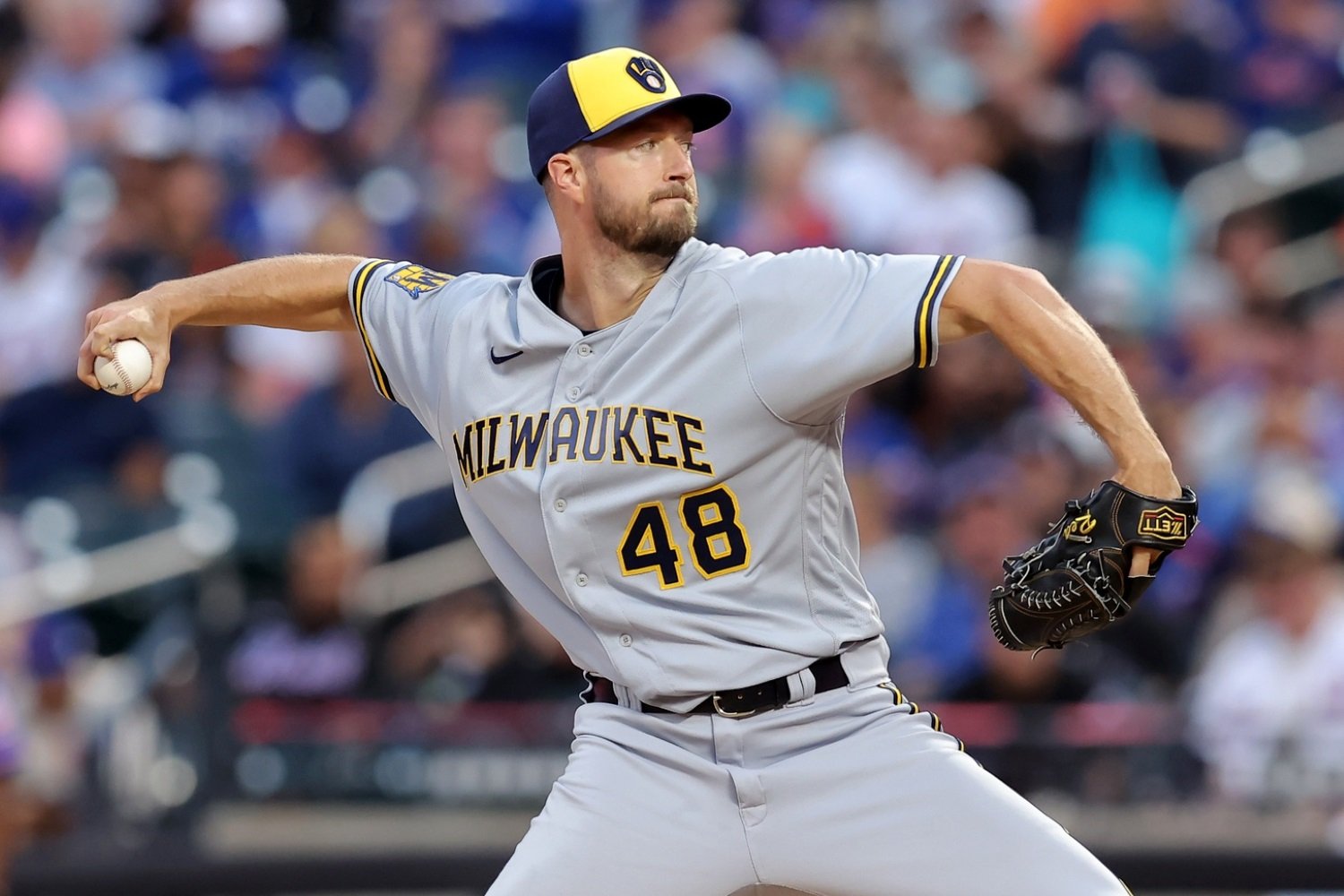 3) Starting Pitching Before Wade Miley recently headed to the 15-day IL with elbow discomfort, the Brewers were operating on a six-man rotation. Furthermore, Brandon Woodruff and Aaron Ashby are expected to make their returns sooner rather than later, and Eric Lauer is still kicking around on the 40-man roster . Assuming that Milwaukee had everyone to work with, pretty much all of their starters would be useful as middle or end-of-the-rotation guys, at the very least. There are plenty of teams who are in desperate need of more solid pitching pieces and have some position players to spare. A good example would be the Cincinnati Reds, who currently have an ERA of 5.58 for their starting pitchers--28th in MLB. The Reds have the opposite problem: a surfeit of great players at positions where the Brewers need help, namely Spencer Steer at first base and Will Benson in the outfield. While it may be odd for the two top contenders in the NL Central to trade some of their most valuable players with each other, perhaps it can be a win-win scenario where all boats rise with the tide. An alternative option could be a trade for Ryan Noda, the first baseman for the Oakland Athletics. Oakland has a similar issue, posting an abysmal 6.29 team ERA for starters, while Noda has posted excellent stats in his rookie season, slashing .225/.374/.402. Furthermore, Oakland fans are well aware that the Athletics’ front office is more than willing to trade their best position players year after year for minor-league prospects or other cheap, long-term pieces. 2) Outfielders The Brewers have both great skill and optionality in the outfield, with players such as Christian Yelich, Joey Wiemer, Blake Perkins, and even Owen Miller performing well. Furthermore, the team’s top two prospects, Jackson Chourio and Sal Frelick, are standout outfielders at Double A and Triple A, respectively. Even fifth-ranked prospect Tyler Black has been known to dabble in the outfield at times. Perkins might fetch a good price, as his defense-focused playing style would add value for many teams lacking such a skillset (looking at you, Phillies), and his lack of offense can be upgraded to add a much-needed bat to the Brewers lineup. While there is depth in the farm system, none of the prospects are quite fully baked. Past the top five, most of the other prospects are in the lower levels of the minors (High-A and below) and Frelick, the lone man in Nashville, has been slashing just .229/.319/.300, signaling a need for more time before heading to The Show. 1) Relievers The Brewers have had a great bullpen all year--one of the best in baseball. A 3.90 ERA for all relievers is actually skewed by a few pitchers who have already been removed from the major-league roster for their poor performances, including Matt Bush and Javy Guerra. The five qualified relievers have ERA+ figures of 149 or better, with Elvis Peguero having the highest ERA at 2.92. Even with injuries and poor performances affecting the bullpen, there seems to be an unending supply of strong arms to fill in the gaps. While the front office is unlikely to surrender any core pieces, some of the newer faces might help teams who struggle with pitching in the later innings. One team that might need the help would be the Chicago White Sox. At 16 games below .500, their playoff hopes are slim to none and it’s clear their rebuild has not worked, so it might be time to try again. They also have a 4.71 reliever ERA, 26th in MLB. Some pieces that might add some incremental but much-appreciated value would be 1B Andrew Vaughn (.742 OPS, 103 OPS+) or OF Andrew Benintendei (.731 OPS, 103 OPS+).
-
It's so hard to find objective defensive stats. Pretty much all of them, even simple fielding percentage, include subjectivity of whether things are errors or "above average outs." When writing about players, I try to ignore my internal biases and "eye tests" as it feels too opinionated to me, but you're right. OAA might not tell the whole story.
-
lol this reminds me of this gem:
-
Very true! Honestly just need more offense.


