



Michael Trzinski
-
Posts
923 -
Joined
-
Last visited
-
Days Won
1
Content Type
Profiles
Forums
Blogs
Events
News
2026 Milwaukee Brewers Top Prospects Ranking
Milwaukee Brewers Videos
2022 Milwaukee Brewers Draft Picks
Milwaukee Brewers Free Agent & Trade Rumors, Notes, & Tidbits
Guides & Resources
2023 Milwaukee Brewers Draft Picks
2024 Milwaukee Brewers Draft Picks
The Milwaukee Brewers Players Project
2025 Milwaukee Brewers Draft Pick Tracker
2026 Milwaukee Brewers Draft Tracker: Picks & Bonuses
Store
Downloads
Gallery
Everything posted by Michael Trzinski
-
When Milwaukee Brewers GM David Stearns traded Jonathan Villar, number seven prospect Luis Ortiz, and another player to the Baltimore Orioles for Jonathan Schoop in 2018, many fans wondered why. The Brewers had Travis Shaw, who had moved from third base to second base in favor of recently acquired Mike Moustakas, along with the newcomer Schoop. That meant someone would be the odd man out, and seemed to be a strange trade when it was obvious that the Brewers needed a starting pitcher more than they did infield depth. As it turned out, the pitching was good enough as the Brewers made it all the way to the National League Championship Series before falling to the Los Angeles Dodgers in seven games. Schoop on the other hand, lasted only until the end of the season and was granted free agency. Schoop (pronounced 'Scope') was signed as an international free agent in 2008 by the Baltimore Orioles. He was another in a line a major stars to come from Willemstad, Curaçao and was preceded by closer Kenley Jansen and Hall of Fame outfielder Andruw Jones. The right-handed batting second baseman made his way up the Orioles minor league system and made his big league debut on September 25, 2013 and went 2-for-3 with a home run in his first game. In 2014, Schoop became the O's starting second baseman. In 2015 he suffered a knee injury and missed nearly three months. The next two years combined, he only missed two games total as he slammed 57 homers in those seasons, earning All-Star status in 2017. After a half-season in Baltimore in 2018, Schoop was traded to the Brewers. The trade was a bad one for Milwaukee, as Schoop played in only 46 games and batted .202/.246/.331 with only four HRs. He was granted free agency after the season. The Minnesota Twins signed Schoop as a free agent in December 2018 but he only played one year for the Twinkies, batting .256/.304/.473 with 23 HRs in 433 at-bats. He moved to Detroit as a free agent during the Covid season of 2020 and then had one of his better years in 2021, batting .278/.320/.435 with 22 homers, 30 doubles, and 84 RBI. Schoop had his worst season in 2022 with a .561 POS and an OPS+ of 60. After similar production in the first half of 2023, he was designated for assignment and released by Detroit in mid-July. The last two seasons, Schoop has played for the Algodoneros de Union Laguna team in the Mexican League along with 'fellow Jonathan' Villar. View full player
-
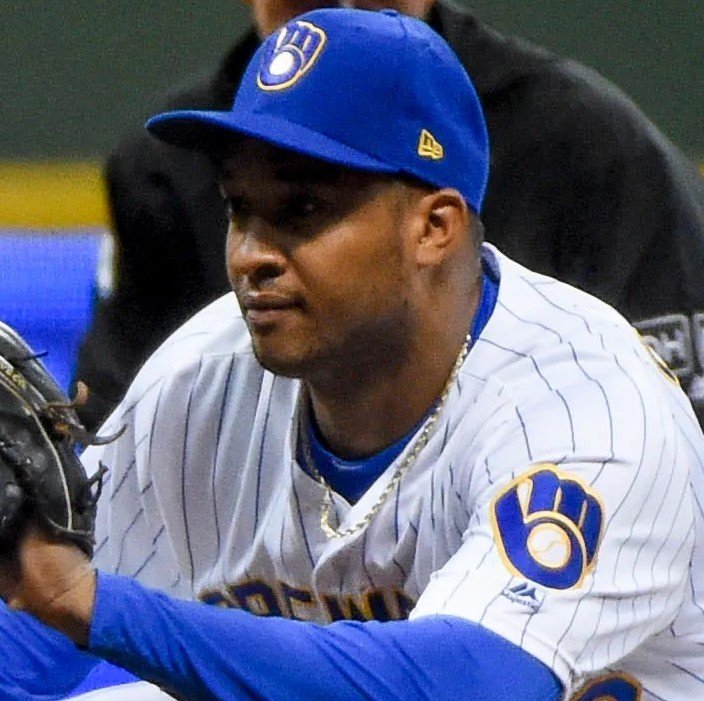 When Milwaukee Brewers GM David Stearns traded Jonathan Villar, number seven prospect Luis Ortiz, and another player to the Baltimore Orioles for Jonathan Schoop in 2018, many fans wondered why. The Brewers had Travis Shaw, who had moved from third base to second base in favor of recently acquired Mike Moustakas, along with the newcomer Schoop. That meant someone would be the odd man out, and seemed to be a strange trade when it was obvious that the Brewers needed a starting pitcher more than they did infield depth. As it turned out, the pitching was good enough as the Brewers made it all the way to the National League Championship Series before falling to the Los Angeles Dodgers in seven games. Schoop on the other hand, lasted only until the end of the season and was granted free agency. Schoop (pronounced 'Scope') was signed as an international free agent in 2008 by the Baltimore Orioles. He was another in a line a major stars to come from Willemstad, Curaçao and was preceded by closer Kenley Jansen and Hall of Fame outfielder Andruw Jones. The right-handed batting second baseman made his way up the Orioles minor league system and made his big league debut on September 25, 2013 and went 2-for-3 with a home run in his first game. In 2014, Schoop became the O's starting second baseman. In 2015 he suffered a knee injury and missed nearly three months. The next two years combined, he only missed two games total as he slammed 57 homers in those seasons, earning All-Star status in 2017. After a half-season in Baltimore in 2018, Schoop was traded to the Brewers. The trade was a bad one for Milwaukee, as Schoop played in only 46 games and batted .202/.246/.331 with only four HRs. He was granted free agency after the season. The Minnesota Twins signed Schoop as a free agent in December 2018 but he only played one year for the Twinkies, batting .256/.304/.473 with 23 HRs in 433 at-bats. He moved to Detroit as a free agent during the Covid season of 2020 and then had one of his better years in 2021, batting .278/.320/.435 with 22 homers, 30 doubles, and 84 RBI. Schoop had his worst season in 2022 with a .561 POS and an OPS+ of 60. After similar production in the first half of 2023, he was designated for assignment and released by Detroit in mid-July. The last two seasons, Schoop has played for the Algodoneros de Union Laguna team in the Mexican League along with 'fellow Jonathan' Villar.
 -
@Tim Muma, as a fellow baseball historian, I say 'well done!'
-
I know the MLBPA would NEVER agree to this, but there should be a limit on a contract, like three or four years max. And no contract should be guaranteed. If you are injured, you get a minimum (let's say $5m) plus extra for whatever incentives you might reach. So when Joe Ballplayer gets injured in the second game of the season and is out for the year, he gets $5m, not the $30m that his contract calls for. Baseball needs some sanity, and neither the owners nor the players will give that right now. At some point, because of the greed from all sides, baseball will die. How long can the 'Average Joe' fan afford to pay for $150 tickets, $100 parking, and $20 beers? It's not here yet, but will be soon.
-
I agree, but maybe if the offense could have scored an extra run or two, it *could* have made a difference.
-
I think that bottom line, Milwaukee just ran into a buzzsaw starting foursome. And BTW, I would argue that Rick Wise's performance on June 23, 1971 was even better than Ohtani's. It was not the postseason but Wise threw a no-hitter for the Phillies against the Reds. He was one free pass away from a perfect game, and while he was at it, he hit two HRs with three RBI. Not a bad game!
-
Arguably, the Brewers thought the Burnes trade was a fat deal. I think there is still potential for that to be the case, but after two years, I wouldn't say so.
-
Jonathan Villar holds a special place in Milwaukee Brewers lore as one of only two Brewers to lead the major leagues in stolen bases. In 2004, Scott Podsednik stole 70 bases to pace both leagues and 12 years later, Villar pilfered 62 bags to lead the major leagues in 2016. Despite playing in only 365 games as a Brewer, Villar ranks 15th on the career steals list for Milwaukee with 99 stolen bases. Jonathan Rafael Villar was signed as an international free agent out of the Dominican Republic in 2008 by the Philadelphia Phillies. The switch-hitting infielder stole 82 bases over three seasons at the lower levels of the minors for the Phillies when he was traded with two other players to the Houston Astros for pitcher Roy Oswalt. Villar moved his way steadily through the Astros chain and made his big league debut with Houston in 2013, collecting four hits in eight ABs in his first two games. In his first three years he split time between Triple-A and Houston before being traded to Milwaukee for pitcher Cy Sneed after the 2015 campaign. Villar made an immediate impact with the Brewers in 2016, setting career highs with 38 doubles, 62 steals, 79 walks, an .826 OPS, and a 117 OPS+. Villar began the season at shortstop but moved to third base when top prospect Orlando Arcia was called up. The following season, Villar moved again, this time to second base when the Brewers acquired 3B Travis Shaw. In early June, Villar was only hitting .213/.283/.342 when he injured his back while diving for a grounder. He came back a couple weeks later and played mostly at second, but also played six games in center field. He finished the season with a batting line of . 241/.293/.372. Villar played at second base in 2018 before being traded with two others to the Baltimore Orioles for infielder Jonathan Schoop just before the July trade deadline. Villar bounced around the majors the final five years of his career, playing for Baltimore, Miami, Toronto, New York Mets, Chicago Cubs, and the Los Angeles Angels. From 2023-2025, Villar played in the Mexican League. View full player
-
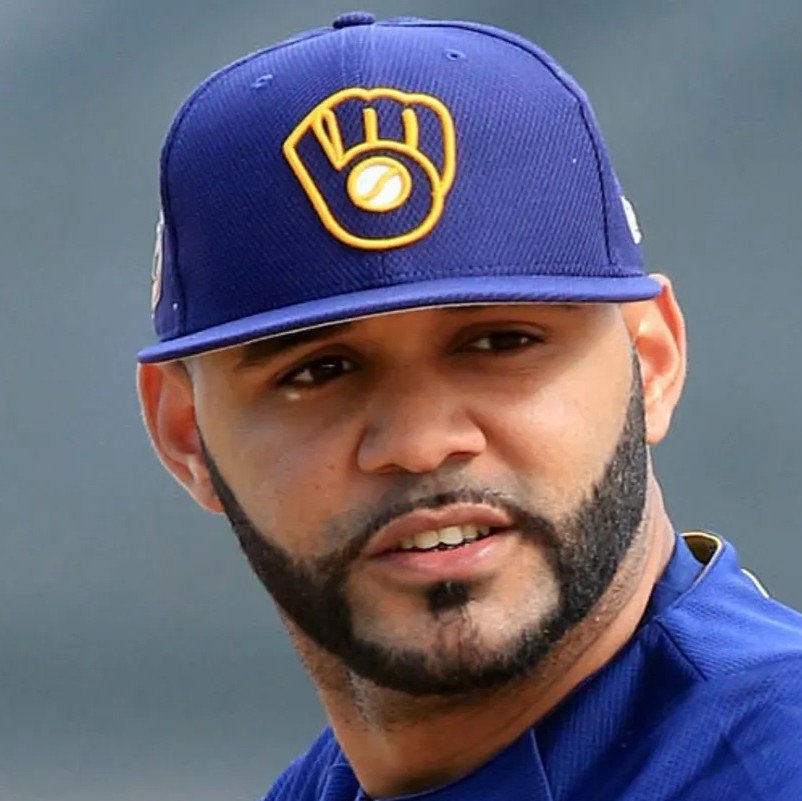 Jonathan Villar holds a special place in Milwaukee Brewers lore as one of only two Brewers to lead the major leagues in stolen bases. In 2004, Scott Podsednik stole 70 bases to pace both leagues and 12 years later, Villar pilfered 62 bags to lead the major leagues in 2016. Despite playing in only 365 games as a Brewer, Villar ranks 15th on the career steals list for Milwaukee with 99 stolen bases. Jonathan Rafael Villar was signed as an international free agent out of the Dominican Republic in 2008 by the Philadelphia Phillies. The switch-hitting infielder stole 82 bases over three seasons at the lower levels of the minors for the Phillies when he was traded with two other players to the Houston Astros for pitcher Roy Oswalt. Villar moved his way steadily through the Astros chain and made his big league debut with Houston in 2013, collecting four hits in eight ABs in his first two games. In his first three years he split time between Triple-A and Houston before being traded to Milwaukee for pitcher Cy Sneed after the 2015 campaign. Villar made an immediate impact with the Brewers in 2016, setting career highs with 38 doubles, 62 steals, 79 walks, an .826 OPS, and a 117 OPS+. Villar began the season at shortstop but moved to third base when top prospect Orlando Arcia was called up. The following season, Villar moved again, this time to second base when the Brewers acquired 3B Travis Shaw. In early June, Villar was only hitting .213/.283/.342 when he injured his back while diving for a grounder. He came back a couple weeks later and played mostly at second, but also played six games in center field. He finished the season with a batting line of . 241/.293/.372. Villar played at second base in 2018 before being traded with two others to the Baltimore Orioles for infielder Jonathan Schoop just before the July trade deadline. Villar bounced around the majors the final five years of his career, playing for Baltimore, Miami, Toronto, New York Mets, Chicago Cubs, and the Los Angeles Angels. From 2023-2025, Villar played in the Mexican League.
 -
Image courtesy of © Jayne Kamin-Oncea-Imagn Images The special season for the Milwaukee Brewers probably started on January 16, 2025. That was the day that beloved announcer and very special friend of the Brewers, Bob Uecker, passed away. Still mourning the loss of ‘Ueck,’ Milwaukee had a good preseason, winning 16 of 30 games in Arizona. Hopes were high for the regular season. They were ready for Opening Day at Yankee Stadium. The Yankees, however, had different ideas, as they swept the Brewers in three games, outscoring the Crew by a combined run total of 36-14. To add insult to injury, the Kansas City Royals beat the Brewers 11-1 on the last day of March, leaving the Brewers with a record of 0-4 as they entered April. The Brewers held first place in the National League Central for one day in April, but then dropped to the middle of the pack until mid-June. Milwaukee climbed to second place behind the hated Chicago Cubs after a streak that included 21 wins in 28 games from mid-June to mid-July, when they took over the NL Central lead for the first and final time on July 20. Milwaukee won the division title by five games. Milwaukee faced its NL Central foe, Chicago, for the first time in franchise history in the NL Division Series. The Brewers won the first two games easily at Uecker Field but then dropped a pair at Wrigley Field to knot the NLDS matchup at two apiece. Behind a highly partisan crowd at ‘The Ueck,’ the Brewers earned a trip to the NLCS series with a 3-1 Game 5 victory over Chicago. That led to a seven-game NLCS with the overpriced Los Angeles Dodgers. The Dodgers' ownership believes in buying championships, with a payroll of $350M this season. Only two other teams exceeded $300M this year: the New York Mets and the New York Yankees. The Brewers' payroll of $121M pales in comparison. The Collective Bargaining Agreement between Major League Baseball and the Major League Baseball Players Association expires on December 1, 2026. If the Dodgers win another World Series, the owners are going to push hard for a salary cap. But that is a story for another day. Those hated Dodgers—complete with their little ‘Happy Dance’—have beaten the Brewers three straight times to take a commanding lead in the NLCS. Game 4 is on tap for Friday night in Los Angeles, and if the two squads continue playing like they have been the last few days, Milwaukee will fall short in yet another bid for a World Series appearance. The Brewers that dominated the Chicago Cubs in the first two games of the NLDS have disappeared. In those contests, Brewers batters batted .343 (24-for-70), scored 16 runs, and hit .450 (9-for-20) with runners in scoring position. In the six games since (three each against Chicago and Los Angeles), the Brewers are batting .140 (25-for-179), scored nine runs, and are batting .125 (3-for-24) with RISP. In the NLCS alone, the Brewers are batting .101 (9-for-89), scored three runs, and are 1-for-8 with RISP. This series has been completely dominated by Los Angeles. The starting pitching for the Dodgers has been outstanding, with Blake Snell, Yoshinobu Yamamoto, and Tyler Glasnow combining for 22.2 innings while allowing seven hits, two runs, and four walks. They have struck out 25 Milwaukee batters. The Dodgers have scored only 10 runs in three games, but that has been enough. It doesn’t get any easier tonight as Shohei Ohtani will take his turn on the mound for Los Angeles. The Brew Crew will counter with left-hander Jose Quintana and hope the 36-year-old can revert to his early-season form. The Brewers have to figure out a way to get to Game 5 and then must win that one, too. From here on out, every game is an elimination game. The postseason that began with so much promise now has Brewers pitching running on fumes. All the clutch hitting that happened in the Chicago series seems like a distant memory. For Brewers fans, we can only hope that our team has a little more of the supernatural in them. Anything less means a quick exit from this series and has us saying, ‘wait until next year!’ Again. View full article
-
Is The Magical Season of the Brewers Coming to a Disappointing End?
Michael Trzinski posted an article in Brewers
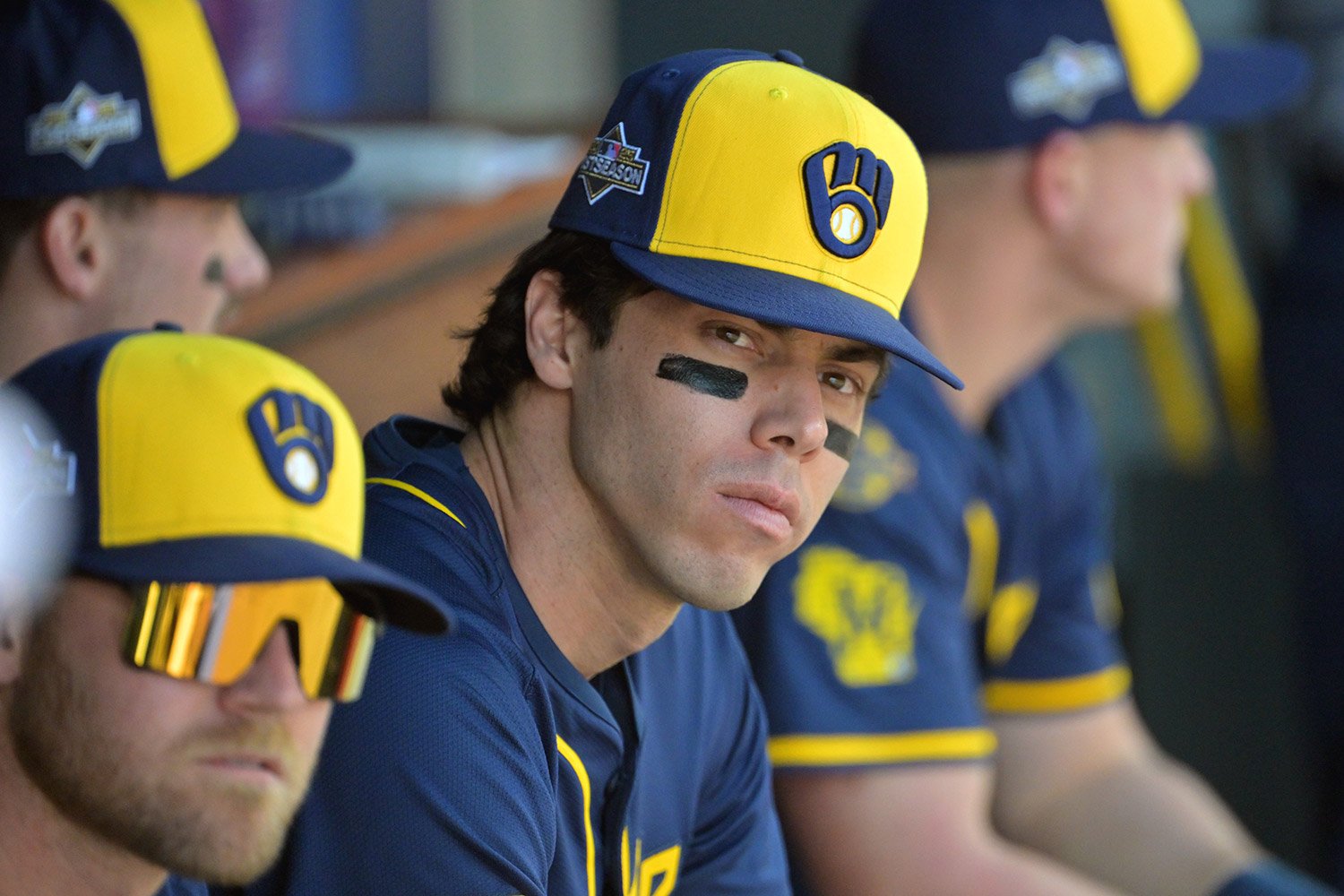 The special season for the Milwaukee Brewers probably started on January 16, 2025. That was the day that beloved announcer and very special friend of the Brewers, Bob Uecker, passed away. Still mourning the loss of ‘Ueck,’ Milwaukee had a good preseason, winning 16 of 30 games in Arizona. Hopes were high for the regular season. They were ready for Opening Day at Yankee Stadium. The Yankees, however, had different ideas, as they swept the Brewers in three games, outscoring the Crew by a combined run total of 36-14. To add insult to injury, the Kansas City Royals beat the Brewers 11-1 on the last day of March, leaving the Brewers with a record of 0-4 as they entered April. The Brewers held first place in the National League Central for one day in April, but then dropped to the middle of the pack until mid-June. Milwaukee climbed to second place behind the hated Chicago Cubs after a streak that included 21 wins in 28 games from mid-June to mid-July, when they took over the NL Central lead for the first and final time on July 20. Milwaukee won the division title by five games. Milwaukee faced its NL Central foe, Chicago, for the first time in franchise history in the NL Division Series. The Brewers won the first two games easily at Uecker Field but then dropped a pair at Wrigley Field to knot the NLDS matchup at two apiece. Behind a highly partisan crowd at ‘The Ueck,’ the Brewers earned a trip to the NLCS series with a 3-1 Game 5 victory over Chicago. That led to a seven-game NLCS with the overpriced Los Angeles Dodgers. The Dodgers' ownership believes in buying championships, with a payroll of $350M this season. Only two other teams exceeded $300M this year: the New York Mets and the New York Yankees. The Brewers' payroll of $121M pales in comparison. The Collective Bargaining Agreement between Major League Baseball and the Major League Baseball Players Association expires on December 1, 2026. If the Dodgers win another World Series, the owners are going to push hard for a salary cap. But that is a story for another day. Those hated Dodgers—complete with their little ‘Happy Dance’—have beaten the Brewers three straight times to take a commanding lead in the NLCS. Game 4 is on tap for Friday night in Los Angeles, and if the two squads continue playing like they have been the last few days, Milwaukee will fall short in yet another bid for a World Series appearance. The Brewers that dominated the Chicago Cubs in the first two games of the NLDS have disappeared. In those contests, Brewers batters batted .343 (24-for-70), scored 16 runs, and hit .450 (9-for-20) with runners in scoring position. In the six games since (three each against Chicago and Los Angeles), the Brewers are batting .140 (25-for-179), scored nine runs, and are batting .125 (3-for-24) with RISP. In the NLCS alone, the Brewers are batting .101 (9-for-89), scored three runs, and are 1-for-8 with RISP. This series has been completely dominated by Los Angeles. The starting pitching for the Dodgers has been outstanding, with Blake Snell, Yoshinobu Yamamoto, and Tyler Glasnow combining for 22.2 innings while allowing seven hits, two runs, and four walks. They have struck out 25 Milwaukee batters. The Dodgers have scored only 10 runs in three games, but that has been enough. It doesn’t get any easier tonight as Shohei Ohtani will take his turn on the mound for Los Angeles. The Brew Crew will counter with left-hander Jose Quintana and hope the 36-year-old can revert to his early-season form. The Brewers have to figure out a way to get to Game 5 and then must win that one, too. From here on out, every game is an elimination game. The postseason that began with so much promise now has Brewers pitching running on fumes. All the clutch hitting that happened in the Chicago series seems like a distant memory. For Brewers fans, we can only hope that our team has a little more of the supernatural in them. Anything less means a quick exit from this series and has us saying, ‘wait until next year!’ Again.
 -
I knew that would come back to bite my butt when Joe Pavelski's lookalike went 2-for-5 with a HR.
-
True, but you talked about the past. Freeman WAS great, now he is merely good. Vaughn has been a very good player for Milwaukee. That's what I went by...
-
Image courtesy of © Michael McLoone-Imagn Images The Brewers earned their way into the National League Championship Series by virtue of their 3-1 victory over the Chicago Cubs in Game 5 of the NLDS Saturday evening at Uecker Field. The Los Angeles Dodgers had a slightly easier path, needing only four games against the Philadelphia Phillies to grab their spot. The Brewers and Dodgers are meeting for the third time in the postseason. In 2018, the Dodgers won in seven games, with three of the first four contests decided by one run. The Dodgers got hammered by the Boston Red Sox in five games in the World Series. Two years later, in the 'Covid Season' of 2020, the Dodgers took two games from the Brewers in Chavez Ravine en route to a six-game win over the Tampa Bay Rays in the Fall Classic. Although baseball is a team game, it helps to break things down into some individual matchups. Here's a comparison of players by position for each team. CATCHER Will Smith (LA) vs. William Contreras (MIL) Smith is expected to get the bulk of the playing time behind the dish, but Verona, Wis. native Ben Rortvedt could play, as well. Smith is still returning to full strength after a prolonged absence due to injury, and only went 2-for-13 in the NLDS. However, he batted .296/.404/.497 with 17 home runs during the regular season. He threw out 27% of runners trying to steal against him and had a -8 FanGraphs Defensive Runs Saved (DRS). 'Wild Bill' should get the vast majority of time as the backstop for the Brewers. Contreras is 6-for-20 with a pair of clutch homers during the playoffs, and slashed .260/.355/.399 with 17 home runs of his own during the season. He also threw out 27% of base thieves and had a DRS of 0, indicating he was an average defender at the most important position in the game. Edge: Slight edge to Contreras FIRST BASE Freddie Freeman (LA) vs. Andrew Vaughn (MIL) Last year's World Series MVP had a solid regular season for the Dodgers, batting .295/.367/.502 with 24 home runs. In the postseason, he is only 5-for-23, with no homers or RBIs. On defense, the DRS for Freeman is -7, near the bottom of all first basemen. He's getting old, and it's eating into his range at first—but he remains a dangerous slugger. Vaughn was two different hitters during the regular season: pretty bad for the White Sox, and pretty dang good for Milwaukee, hitting .308/.375/.493 with 9 homers and 46 RBIs in just 221 at-bats. The 'King' has stayed hot, going 4-for-14 with two huge homers against the Cubs. On defense, he is just a smidge better than Freeman, at least according to his -4 DRS. Edge: Even SECOND BASE Tommy Edman (LA) vs. Brice Turang (MIL) Edman split time at second during the regular season with two other playersm but has taken over the job full-time in the playoffs. He batted .225/.274/.382 with 13 home runs in just 97 games. He's performed similarly in the playoffs, going 5-for-20 with two homers. Defensively, his DRS is -1. Turang had a breakout year for the Brewers, batting .288/.359/.435 with 18 homers and a team-high 24 steals. In the playoffs, he is 3-for-20 with one homer. The Brewers are hoping he can regain his regular-season batting form. His DRS is +6; you can count the better defenders at the keystone on one hand. Edge: Turang THIRD BASE Max Muncy (LA) vs. Caleb Durbin (MIL) Muncy sat out Game 4 with a lefty pitching for Philly, and it could happen again if Jose Quintana or one of the lefty relievers begins a game for the Brewers. Muncy played in 100 games and batted .243/.376/.470 with 19 homers. He had a .564 OPS against southpaws, but a healthy .923 OPS against righties. In the playoffs, he is 4-for-16 with a two-base hit. In the field, his DRS is +3. Durbin has been a pleasant surprise for the Brewers, solidifying a weakness at the position at the start of the season. He hit .256/.334/.387, with 11 homers and 18 stolen bases in 136 games. Durbin is 4-for-16 with two RBIs in the playoffs. He has a DRS of +5. Edge: Slight edge to Muncy SHORTSTOP Mookie Betts (LA) vs. Joey Ortiz (MIL) Betts is in his 12th season and is still going strong. During the season, he batted .258/.326/.406, with 20 homers and only eight steals, down from his usual numbers. He is the hottest Dodgers bat right now, going 10-for-26 with three doubles and a triple in the playoffs. He has a DRS of +17, best in the majors at SS. Ortiz struggles with the bat, hitting only .230/.276/.317 during the season with 7 homers and 14 steals. In the playoffs, he's just 2-for-13, making him a likely candidate to be pinch-hit for. Although Ortiz looks solid in the field, his DRS is -2. Edge: HUGE edge to Betts LEFT FIELD Enrique Hernández (LA) vs. Jackson Chourio (MIL) Hernández, formerly known as Kiké, is getting most of the playing time in left this postseason for the Dodgers, but he has played some third base, as well. During the season, he batted only .203/.255/.366, with 10 jacks in 232 at-bats. The playoffs are a different story: 7-for-22 with two doubles and four RBIs. Defensively, he has a -1 DRS, but only played 72 innings at the position in the regular season. Chourio is still battling that nagging hamstring issue, but a day of rest will help. In the regular season, he batted .270/.308/.463 with 21 homers and 21 steals. He is still allergic to free passes, as he drew only 30 during the season. He's been red-hot in the postseason, hitting 7-for-18 with a homer and a team-leading six RBIs. He has played all three outfield spots, but has a -1 DRS as a left fielder. Edge: Chourio CENTER FIELD Andy Pages (LA) vs. Blake Perkins (MIL) Pages has become a reliable, everyday player for the Dodgers. He played in 156 games and batted .272/.313/.461 with 27 homers and 14 steals, both second-best on the team. The playoffs have been the opposite, with Pages hitting a dreadful 1-for-24. He has a -1 DRS. Perkins only played in 54 games during the regular season due to injuries, and was also on the bereavement list due to the passing of his mother in August. His season totals are down as a result, hitting .226/.298/.348 with 11 extra-base hits and seven steals. He is 3-for-14 with a two-base hit thus far in the postseason. His DRS number is zero, but we know he's better than that. Edge: Pages RIGHT FIELD Teoscar Hernández (LA) vs. Sal Frelick (MIL) Hernández is in his 10th season and has always put up good power numbers, including 25 homers to go with his batting line of .247/.284/.454 in 134 games. He has been a beast in the postseason, hitting a team-leading three homers and notching 9 RBIs while going 8-for-26. He is shaky on defense, with a DRS of +1 but some really ugly plays on his lowlight reel. Frelick was chasing a batting crown (for those who like batting average), hitting .298 as September began, A 12-for-60 streak the last three weeks dropped him to .288/.351/.405. He popped 12 homers and stole 19 bags and was solid in the field, hoping for a repeat of last year's Gold Glove effort. In the playoffs, so far, Frelick is a pedestrian 4-for-17. His +9 DRS is second-best in the National League. Edge: Slight edge to Frelick DESIGNATED HITTER Shohei Ohtani (LA) vs. Christian Yelich (MIL) Ohtani is one of the best players in baseball, and he is only 30 years old. He can hit home runs, steal bases, and even pitch. He started one game in the NLDS and figures to start anohter during the Dodger Stadium phase of this series. His otherworldly batting numbers: .282/.392/.622, with 55 home runs and 20 steals. He also led the NL with 146 runs scored. Yelich is a shadow of his former self, but he still has his moments. If both players were in their primes, this would be something much closer to a toss-up. As it is, Yelich played in 150 games and batted .264/.343/.452, with 29 homers and 103 RBIs, both team bests. He also stole 16 bases. Edge: Ohtani BENCH Los Angeles: Ben Rortvedt (C), Miguel Rojas (INF), Alex Call (OF), Dalton Rushing (C). Milwaukee: Jake Bauers (1B-OF), Isaac Collins (OF), Andruw Monasterio (INF), Brandon Lockridge (OF). Edge: Slight edge to Milwaukee STARTING PITCHING Los Angeles: Blake Snell (LH), Yoshinobu Yamamoto (RH), Tyler Glasnow (RH), Shohei Ohtani (RH). Milwaukee: Freddy Peralta (RH). After that, it is a bunch of question marks. Is Brandon Woodruff healthy enough to return? (Alas: no.) Can Quinn Priester return to his regular-season self? Is Quintana ready to join the starting staff? Others include Aaron Ashby, Jacob Misiorowski, Chad Patrick, and Robert Gasser. Will Pat Murphy have a bunch of bullpen games, or will one or more of the pitchers step up and throw a few quality innings in a game? Edge: BIG edge to Los Angeles RELIEF PITCHING Los Angeles: Alex Vesia (LH), Blake Treinen (RH), Emmet Sheehan (RH), Jack Dreyer (LH), Roki Sasaki (RH). Milwaukee: Ashby (LH), Patrick (RH), Megill (RH), Jared Koenig (LH), Nick Mears (RH), Abner Uribe (RH), Grant Anderson (RH). The only known factor in the LA pen is the closer Sasaki, who took over the high-leverage spot due to an injury to Tanner Scott, who will be out for this series, too. Sheehan and Dreyer, though, are really good homegrown arms who have emerged as useful pieces late this season. Edge: Milwaukee WHO WILL WIN? If Milwaukee can regain their summer swagger, the Brewers could easily take this series. If the Brewers can get into the Dodgers bullpen early, the same result. But if the Dodgers' starters pitch five or six effective innings, they have the advantage. Either way, it should be an interesting series, but it would be nice for Milwaukee—after everything they have gone through in the last year—to pull this one out and head to the World Series. Time will tell. View full article
-
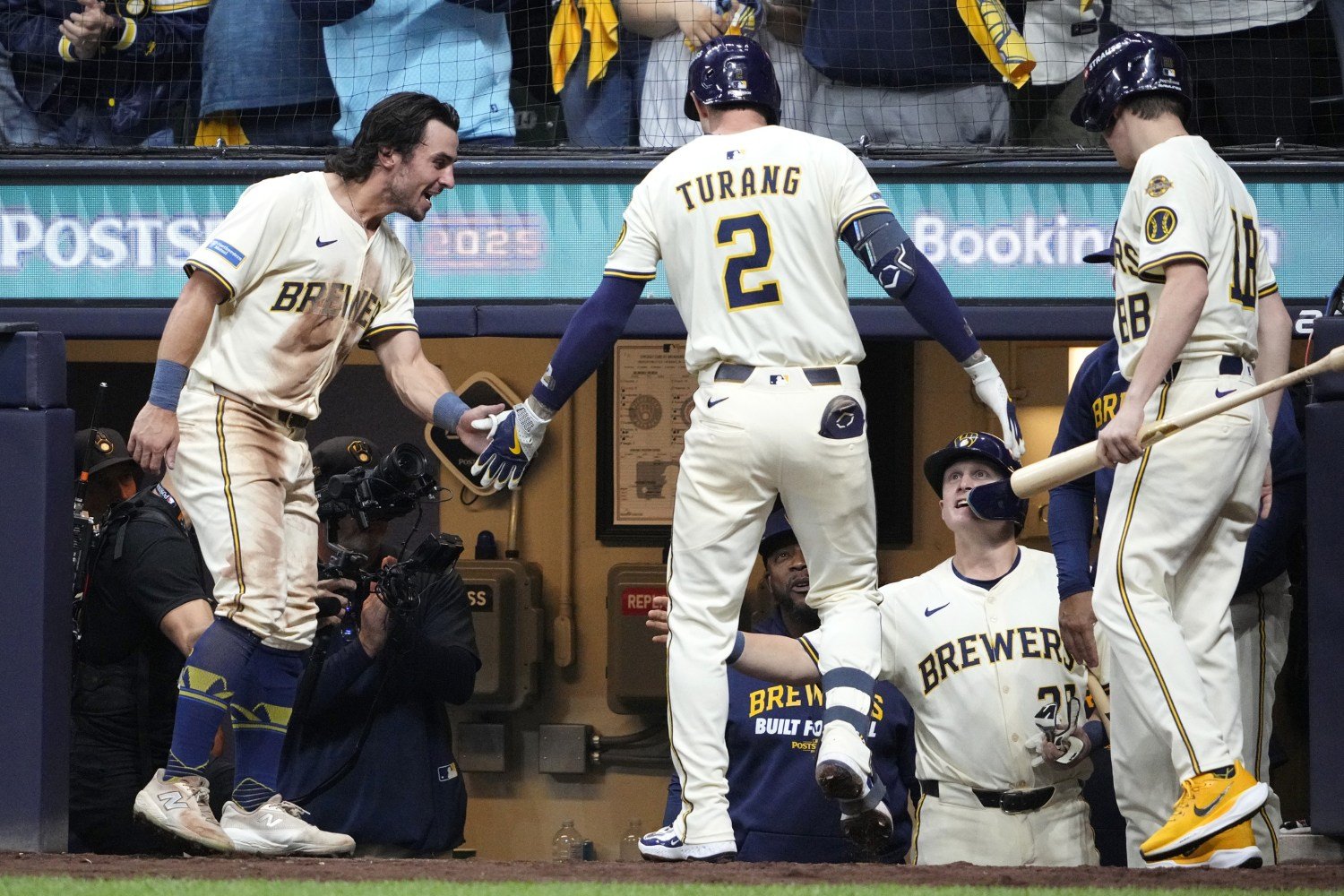 The Brewers earned their way into the National League Championship Series by virtue of their 3-1 victory over the Chicago Cubs in Game 5 of the NLDS Saturday evening at Uecker Field. The Los Angeles Dodgers had a slightly easier path, needing only four games against the Philadelphia Phillies to grab their spot. The Brewers and Dodgers are meeting for the third time in the postseason. In 2018, the Dodgers won in seven games, with three of the first four contests decided by one run. The Dodgers got hammered by the Boston Red Sox in five games in the World Series. Two years later, in the 'Covid Season' of 2020, the Dodgers took two games from the Brewers in Chavez Ravine en route to a six-game win over the Tampa Bay Rays in the Fall Classic. Although baseball is a team game, it helps to break things down into some individual matchups. Here's a comparison of players by position for each team. CATCHER Will Smith (LA) vs. William Contreras (MIL) Smith is expected to get the bulk of the playing time behind the dish, but Verona, Wis. native Ben Rortvedt could play, as well. Smith is still returning to full strength after a prolonged absence due to injury, and only went 2-for-13 in the NLDS. However, he batted .296/.404/.497 with 17 home runs during the regular season. He threw out 27% of runners trying to steal against him and had a -8 FanGraphs Defensive Runs Saved (DRS). 'Wild Bill' should get the vast majority of time as the backstop for the Brewers. Contreras is 6-for-20 with a pair of clutch homers during the playoffs, and slashed .260/.355/.399 with 17 home runs of his own during the season. He also threw out 27% of base thieves and had a DRS of 0, indicating he was an average defender at the most important position in the game. Edge: Slight edge to Contreras FIRST BASE Freddie Freeman (LA) vs. Andrew Vaughn (MIL) Last year's World Series MVP had a solid regular season for the Dodgers, batting .295/.367/.502 with 24 home runs. In the postseason, he is only 5-for-23, with no homers or RBIs. On defense, the DRS for Freeman is -7, near the bottom of all first basemen. He's getting old, and it's eating into his range at first—but he remains a dangerous slugger. Vaughn was two different hitters during the regular season: pretty bad for the White Sox, and pretty dang good for Milwaukee, hitting .308/.375/.493 with 9 homers and 46 RBIs in just 221 at-bats. The 'King' has stayed hot, going 4-for-14 with two huge homers against the Cubs. On defense, he is just a smidge better than Freeman, at least according to his -4 DRS. Edge: Even SECOND BASE Tommy Edman (LA) vs. Brice Turang (MIL) Edman split time at second during the regular season with two other playersm but has taken over the job full-time in the playoffs. He batted .225/.274/.382 with 13 home runs in just 97 games. He's performed similarly in the playoffs, going 5-for-20 with two homers. Defensively, his DRS is -1. Turang had a breakout year for the Brewers, batting .288/.359/.435 with 18 homers and a team-high 24 steals. In the playoffs, he is 3-for-20 with one homer. The Brewers are hoping he can regain his regular-season batting form. His DRS is +6; you can count the better defenders at the keystone on one hand. Edge: Turang THIRD BASE Max Muncy (LA) vs. Caleb Durbin (MIL) Muncy sat out Game 4 with a lefty pitching for Philly, and it could happen again if Jose Quintana or one of the lefty relievers begins a game for the Brewers. Muncy played in 100 games and batted .243/.376/.470 with 19 homers. He had a .564 OPS against southpaws, but a healthy .923 OPS against righties. In the playoffs, he is 4-for-16 with a two-base hit. In the field, his DRS is +3. Durbin has been a pleasant surprise for the Brewers, solidifying a weakness at the position at the start of the season. He hit .256/.334/.387, with 11 homers and 18 stolen bases in 136 games. Durbin is 4-for-16 with two RBIs in the playoffs. He has a DRS of +5. Edge: Slight edge to Muncy SHORTSTOP Mookie Betts (LA) vs. Joey Ortiz (MIL) Betts is in his 12th season and is still going strong. During the season, he batted .258/.326/.406, with 20 homers and only eight steals, down from his usual numbers. He is the hottest Dodgers bat right now, going 10-for-26 with three doubles and a triple in the playoffs. He has a DRS of +17, best in the majors at SS. Ortiz struggles with the bat, hitting only .230/.276/.317 during the season with 7 homers and 14 steals. In the playoffs, he's just 2-for-13, making him a likely candidate to be pinch-hit for. Although Ortiz looks solid in the field, his DRS is -2. Edge: HUGE edge to Betts LEFT FIELD Enrique Hernández (LA) vs. Jackson Chourio (MIL) Hernández, formerly known as Kiké, is getting most of the playing time in left this postseason for the Dodgers, but he has played some third base, as well. During the season, he batted only .203/.255/.366, with 10 jacks in 232 at-bats. The playoffs are a different story: 7-for-22 with two doubles and four RBIs. Defensively, he has a -1 DRS, but only played 72 innings at the position in the regular season. Chourio is still battling that nagging hamstring issue, but a day of rest will help. In the regular season, he batted .270/.308/.463 with 21 homers and 21 steals. He is still allergic to free passes, as he drew only 30 during the season. He's been red-hot in the postseason, hitting 7-for-18 with a homer and a team-leading six RBIs. He has played all three outfield spots, but has a -1 DRS as a left fielder. Edge: Chourio CENTER FIELD Andy Pages (LA) vs. Blake Perkins (MIL) Pages has become a reliable, everyday player for the Dodgers. He played in 156 games and batted .272/.313/.461 with 27 homers and 14 steals, both second-best on the team. The playoffs have been the opposite, with Pages hitting a dreadful 1-for-24. He has a -1 DRS. Perkins only played in 54 games during the regular season due to injuries, and was also on the bereavement list due to the passing of his mother in August. His season totals are down as a result, hitting .226/.298/.348 with 11 extra-base hits and seven steals. He is 3-for-14 with a two-base hit thus far in the postseason. His DRS number is zero, but we know he's better than that. Edge: Pages RIGHT FIELD Teoscar Hernández (LA) vs. Sal Frelick (MIL) Hernández is in his 10th season and has always put up good power numbers, including 25 homers to go with his batting line of .247/.284/.454 in 134 games. He has been a beast in the postseason, hitting a team-leading three homers and notching 9 RBIs while going 8-for-26. He is shaky on defense, with a DRS of +1 but some really ugly plays on his lowlight reel. Frelick was chasing a batting crown (for those who like batting average), hitting .298 as September began, A 12-for-60 streak the last three weeks dropped him to .288/.351/.405. He popped 12 homers and stole 19 bags and was solid in the field, hoping for a repeat of last year's Gold Glove effort. In the playoffs, so far, Frelick is a pedestrian 4-for-17. His +9 DRS is second-best in the National League. Edge: Slight edge to Frelick DESIGNATED HITTER Shohei Ohtani (LA) vs. Christian Yelich (MIL) Ohtani is one of the best players in baseball, and he is only 30 years old. He can hit home runs, steal bases, and even pitch. He started one game in the NLDS and figures to start anohter during the Dodger Stadium phase of this series. His otherworldly batting numbers: .282/.392/.622, with 55 home runs and 20 steals. He also led the NL with 146 runs scored. Yelich is a shadow of his former self, but he still has his moments. If both players were in their primes, this would be something much closer to a toss-up. As it is, Yelich played in 150 games and batted .264/.343/.452, with 29 homers and 103 RBIs, both team bests. He also stole 16 bases. Edge: Ohtani BENCH Los Angeles: Ben Rortvedt (C), Miguel Rojas (INF), Alex Call (OF), Dalton Rushing (C). Milwaukee: Jake Bauers (1B-OF), Isaac Collins (OF), Andruw Monasterio (INF), Brandon Lockridge (OF). Edge: Slight edge to Milwaukee STARTING PITCHING Los Angeles: Blake Snell (LH), Yoshinobu Yamamoto (RH), Tyler Glasnow (RH), Shohei Ohtani (RH). Milwaukee: Freddy Peralta (RH). After that, it is a bunch of question marks. Is Brandon Woodruff healthy enough to return? (Alas: no.) Can Quinn Priester return to his regular-season self? Is Quintana ready to join the starting staff? Others include Aaron Ashby, Jacob Misiorowski, Chad Patrick, and Robert Gasser. Will Pat Murphy have a bunch of bullpen games, or will one or more of the pitchers step up and throw a few quality innings in a game? Edge: BIG edge to Los Angeles RELIEF PITCHING Los Angeles: Alex Vesia (LH), Blake Treinen (RH), Emmet Sheehan (RH), Jack Dreyer (LH), Roki Sasaki (RH). Milwaukee: Ashby (LH), Patrick (RH), Megill (RH), Jared Koenig (LH), Nick Mears (RH), Abner Uribe (RH), Grant Anderson (RH). The only known factor in the LA pen is the closer Sasaki, who took over the high-leverage spot due to an injury to Tanner Scott, who will be out for this series, too. Sheehan and Dreyer, though, are really good homegrown arms who have emerged as useful pieces late this season. Edge: Milwaukee WHO WILL WIN? If Milwaukee can regain their summer swagger, the Brewers could easily take this series. If the Brewers can get into the Dodgers bullpen early, the same result. But if the Dodgers' starters pitch five or six effective innings, they have the advantage. Either way, it should be an interesting series, but it would be nice for Milwaukee—after everything they have gone through in the last year—to pull this one out and head to the World Series. Time will tell.
 -
Jason, I think the biggest problem for Milwaukee (and Murphy) will be trying to get four or five innings out of the starters each game. If that doesn't happen too often, it's going to be a long (short) series.
-
It was a nice bunt, moved runners to 2nd/3rd with one out and the top two hitters in the line-up coming up. You would have figured at least one run...
- 3 replies
-
- 1
-

-
- joey ortiz
- brice turang
- (and 1 more)
-
It may just be me, but doesn't it seem like Joey O is late on everything? It seems like he is constantly hitting foul balls into the first base stands. Needs to start the swing a bit sooner, mayhaps...
-
Kolten Wong was born in Hilo, Hawaii and was born to play baseball. His father Kolen "Kaha" Wong played collegiate baseball at USC and played two years of minor league ball in the Cleveland Indians organization. After baseball, Kaha took part-time jobs so he could teach his son Kolten the game of baseball. Kolten Wong also became friends with Ultimate Fighting Championship star B.J. Penn and worked out at the Penn family gym, where Kolten learned to to swing a bat. Wong graduated from Kamehameha HS in 2008 after earning Big Island Interscholastic Federation Player of the Year honors in both football and baseball his senior year. He was drafted in the 16th round of the 2009 MLB Amateur Draft but didn't sign after the Twins offered him 'only' $50,000, instead attending the University of Hawaii. Wong would go on to play three years at UH and was a three-time All-Western Athletic Conference first team selection. In 2010, he played in the Cape Cod League and was named to the All-Star name and also earned most valuable player honors. After his junior year, Wong was selected in the first round (22nd overall) of the 2011 MLB Draft by the St. Louis Cardinals. After nearly three full years in the minors, 'Wonger' made his big league debut as an August call-up with the Cards, but struggled in his six-week stint, hitting only .153/.194/.169 across 62 plate appearances. Strangely, he collected five of his nine hits in a two-game span in mid-August. Wong broke camp with the Cards in 2014 but was demoted to Triple-A in late April after batting only .225/.276/.268. He returned three weeks later and was in the bigs for good. Wong placed third in NL Rookie of the Year balloting. The 5-foot-7, 185-pound second baseman spent eight years with St. Louis before being signed as a free agent by Milwaukee February 2021. Wong played two seasons in Milwaukee, playing in a combined 250 games while slashing .262/.337/.439 across 989 plate appearances. In 2021, Wong set career highs with 32 doubles, and the following year he set career bests with 15 homers and an OPS+ of 116. In December 2022, he was traded to the Seattle Mariners for Abraham Toro and Jesse Winker. Wong was released after four disappointing months by the M's and was picked up by the Los Angeles Dodgers. He spent time in the minors and played in only 20 games for LA before becoming a free agent. Wong signed with the Orioles and then with the Arizona Diamondbacks after being released by Baltimore. He spent a month at Triple-A with Reno and was released in May 2024. Wong announced his retirement a year later. Wong finished his 11-year big league career with 973 hits, 86 HRs, and 120 stolen bases. A line-drive hitter with some pop is one of the top players from Hawaii. He was inducted into the Cape Cod Baseball League Hall of Fame in 2016 and had his uniform (number 14) retired by the University of Hawaii in 2017. View full player
-
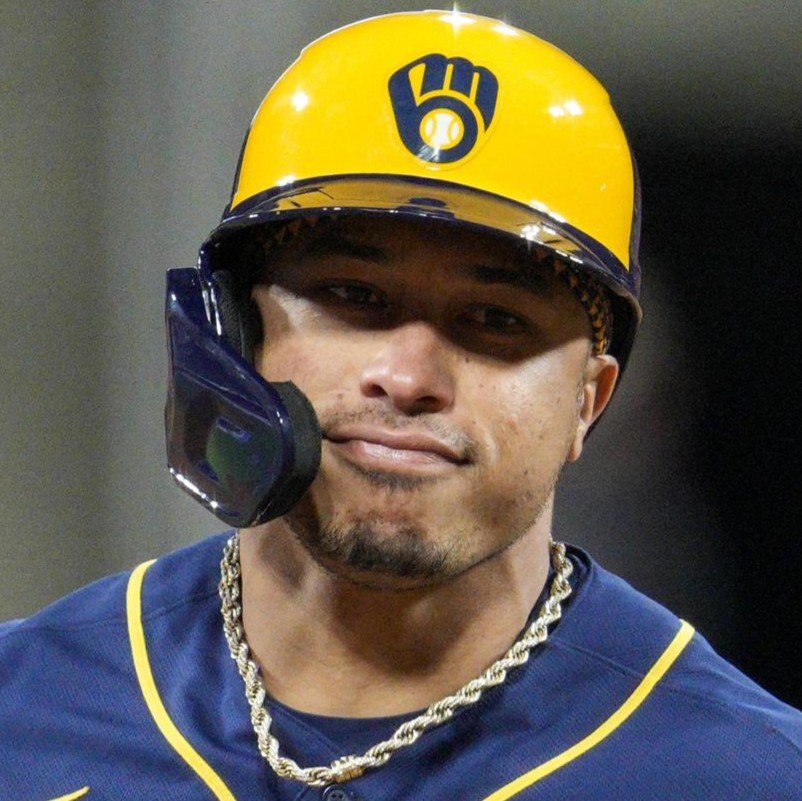 Kolten Wong was born in Hilo, Hawaii and was born to play baseball. His father Kolen "Kaha" Wong played collegiate baseball at USC and played two years of minor league ball in the Cleveland Indians organization. After baseball, Kaha took part-time jobs so he could teach his son Kolten the game of baseball. Kolten Wong also became friends with Ultimate Fighting Championship star B.J. Penn and worked out at the Penn family gym, where Kolten learned to to swing a bat. Wong graduated from Kamehameha HS in 2008 after earning Big Island Interscholastic Federation Player of the Year honors in both football and baseball his senior year. He was drafted in the 16th round of the 2009 MLB Amateur Draft but didn't sign after the Twins offered him 'only' $50,000, instead attending the University of Hawaii. Wong would go on to play three years at UH and was a three-time All-Western Athletic Conference first team selection. In 2010, he played in the Cape Cod League and was named to the All-Star name and also earned most valuable player honors. After his junior year, Wong was selected in the first round (22nd overall) of the 2011 MLB Draft by the St. Louis Cardinals. After nearly three full years in the minors, 'Wonger' made his big league debut as an August call-up with the Cards, but struggled in his six-week stint, hitting only .153/.194/.169 across 62 plate appearances. Strangely, he collected five of his nine hits in a two-game span in mid-August. Wong broke camp with the Cards in 2014 but was demoted to Triple-A in late April after batting only .225/.276/.268. He returned three weeks later and was in the bigs for good. Wong placed third in NL Rookie of the Year balloting. The 5-foot-7, 185-pound second baseman spent eight years with St. Louis before being signed as a free agent by Milwaukee February 2021. Wong played two seasons in Milwaukee, playing in a combined 250 games while slashing .262/.337/.439 across 989 plate appearances. In 2021, Wong set career highs with 32 doubles, and the following year he set career bests with 15 homers and an OPS+ of 116. In December 2022, he was traded to the Seattle Mariners for Abraham Toro and Jesse Winker. Wong was released after four disappointing months by the M's and was picked up by the Los Angeles Dodgers. He spent time in the minors and played in only 20 games for LA before becoming a free agent. Wong signed with the Orioles and then with the Arizona Diamondbacks after being released by Baltimore. He spent a month at Triple-A with Reno and was released in May 2024. Wong announced his retirement a year later. Wong finished his 11-year big league career with 973 hits, 86 HRs, and 120 stolen bases. A line-drive hitter with some pop is one of the top players from Hawaii. He was inducted into the Cape Cod Baseball League Hall of Fame in 2016 and had his uniform (number 14) retired by the University of Hawaii in 2017.
 -
The Brewers DO have an advantage at 'The Ueck,' but not as much of an advantage as the Cubs have in front of their lunatic fanbase at 'The Dump.' 😎
- 2 replies
-
- 2
-

-
- jacob misiorowski
- 2025 postseason
- (and 1 more)
-
I'll go back to a point about two hours before game time. WHY was Lockridge in the starting lineup? Pinch-runner? Yes. D-replacement? Yes. Starter? NO.
- 15 replies
-
- 1
-

-
- pat murphy
- sal frelick
- (and 2 more)
-
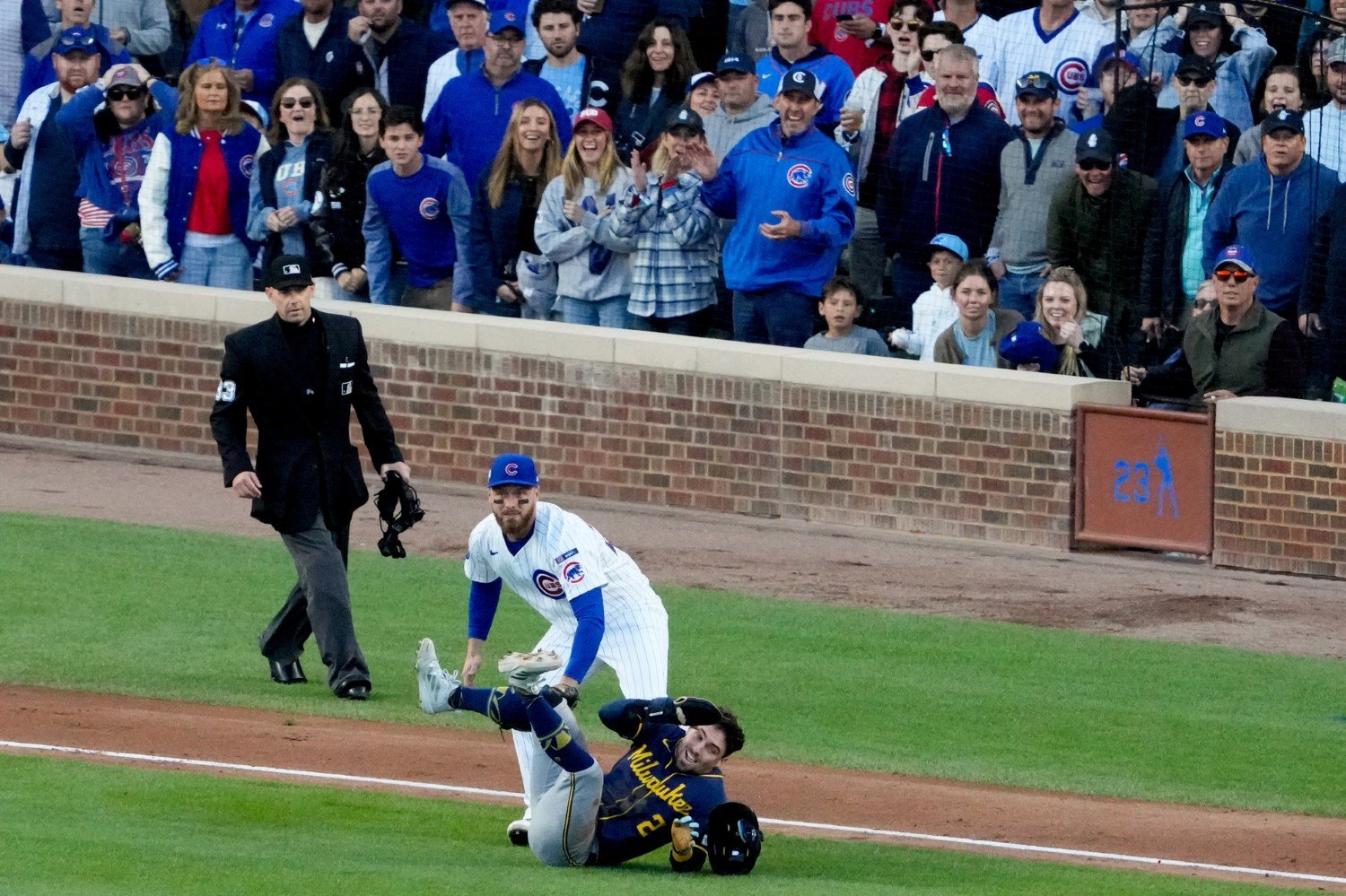 In front of a crowd that was overwhelmingly made up of Cubs partisans at Wrigley Field Wednesday afternoon, the Cubs gave up one run in the first inning to go down 1-0 early—but followed that with four runs of their own in the bottom of the first. They held off the Brewers, as Milwaukee scored single runs in the fourth and seventh frames but fell to the Cubs, 4-3, in Game 3 of the NLDS. Busch Strikes Again Back in the lineup against right-hander Quinn Priester, Michael Busch launched a full-count pitch to the first row of the right-field bleachers (into a 15-mph wind) for a leadoff jack. It was the third homer of the postseason for Busch, all three of them leading off an inning. The two against Milwaukee led off the game for Chicago. Priester was wild all inning, allowing a single to Nico Hoerner before a free pass to Kyle Tucker. Seiya Suzuki flied to right, and Ian Happ walked to load the bases. Beleaguered Pete Crow-Armstrong (we’ll talk more about him later) delivered a clutch two-out single to right, to knock in two runs and give the Cubs a 3-1 lead. Happ later scored on a wild pitch by Nick Mears, to increase the Chicago lead to 4-1. Brewers Missed Opportunities Milwaukee missed on scoring chances in three key innings. In the first, Milwaukee had the bases loaded with one out. Sal Frelick flied to left, scoring Christian Yelich, who had led off with a double over the first-base bag. Caleb Durbin flied to center to end the threat, though, leaving two runners on base. The Brewers had a golden opportunity in the fourth inning, too, but scored only one run. Frelick and Durbin singled, before Jake Bauers singled to center to knock in Frelick. With Durbin on third, Brandon Lockridge laid down a safety squeeze to first. Durbin broke for home, but Busch’s throw to catcher Carson Kelly at home drove Durbin back toward third. Two throws later, Durbin was called out on a 3-2-5-3 putout for the second out. The good news is that Bauers moved to third and Lockridge moved to second on the ‘hotbox’ play. Unfortunately, Joey Ortiz then grounded out to third with two runners in scoring position for the final out. The eighth inning was perhaps the most frustrating. Jackson Chourio led off with a double to left-center that Crow-Armstong dove for, but saw tick off the end of his blue-and-red glove. Brice Turang struck out, but William Contreras drew a free pass. Frelick grounded to second for a 4-6 force to put runners at first and third. Durbin walked to load the sacks again, but Bauers struck out on a 1-2 pitch from Brad Keller to end the inning. Those three innings cost Milwaukee the game. Opie’s Ups and Downs Pete Crow-Armstrong is ‘a riddle wrapped in a mystery inside an enigma.’ One minute, he can be a superstar, and the next minute, you would think he should be sent down to Triple-A Iowa. The third-year player was an All-Star this season and should win multiple Gold Glove awards. But Crow-Armstrong, who has some of the vibes of Opie Taylor from The Andy Griffith Show, is an emotional player who frequently lets those reactions get the best of him. In the first inning, he lined a two-out base hit to right that scored a pair of runs. In the bottom of the third, he was called out on a very bad check-swing strike. Manager Craig Counsell came out of the dugout to rescue him, and Justin Turner had words with him in the dugout to calm him down. In the sixth inning, Crow-Armstrong flied out to right and was screaming as he rounded first base. I understand emotions, but if the youngster wants to become the player that Cubs management thinks he can be, he needs to dial back the highs and the lows. This and That Hall of Fame hurler Fergie Jenkins led the seventh-inning stretch anthem, ‘Take Me Out to the Ballgame.’ What did Isaac Collins do to anger Pat Murphy? Collins, in the running for NL Rookie of the Year, has only three at-bats in the postseason after hitting .263/.368/.411 in the regular season. Admittedly, though, he did bat .187/.318/.297 after returning from paternity leave in mid-August, and he's been worse in the field lately, too. Top Performers Jake Bauers, 2-for-4, R, HR, 2 RBI Sal Frelick, 1-for-3, R, SF, RBI Christian Yelich, 1-for-5, R, 2B Jackson Chourio, 1-for-4, 2B Not So Great, Bob Quinn Priester, 0.2 IP, 3 H, 4 ER, 2 BB, 1 K What’s on Tap? The Brewers and the Cubs meet Thursday night at Wrigley Field, with the Brewers trying to close out the NLDS and the Cubs trying to even the series at 2-2. Freddy Peralta is expected to start for Milwaukee, while Chicago will turn back to Matthew Boyd. The game starts at 8:08 PM CT.
-
- 1
-
-
- quinn priester
- pat murphy
- (and 2 more)
-
Image courtesy of © David Banks-Imagn Images In front of a crowd that was overwhelmingly made up of Cubs partisans at Wrigley Field Wednesday afternoon, the Cubs gave up one run in the first inning to go down 1-0 early—but followed that with four runs of their own in the bottom of the first. They held off the Brewers, as Milwaukee scored single runs in the fourth and seventh frames but fell to the Cubs, 4-3, in Game 3 of the NLDS. Busch Strikes Again Back in the lineup against right-hander Quinn Priester, Michael Busch launched a full-count pitch to the first row of the right-field bleachers (into a 15-mph wind) for a leadoff jack. It was the third homer of the postseason for Busch, all three of them leading off an inning. The two against Milwaukee led off the game for Chicago. Priester was wild all inning, allowing a single to Nico Hoerner before a free pass to Kyle Tucker. Seiya Suzuki flied to right, and Ian Happ walked to load the bases. Beleaguered Pete Crow-Armstrong (we’ll talk more about him later) delivered a clutch two-out single to right, to knock in two runs and give the Cubs a 3-1 lead. Happ later scored on a wild pitch by Nick Mears, to increase the Chicago lead to 4-1. Brewers Missed Opportunities Milwaukee missed on scoring chances in three key innings. In the first, Milwaukee had the bases loaded with one out. Sal Frelick flied to left, scoring Christian Yelich, who had led off with a double over the first-base bag. Caleb Durbin flied to center to end the threat, though, leaving two runners on base. The Brewers had a golden opportunity in the fourth inning, too, but scored only one run. Frelick and Durbin singled, before Jake Bauers singled to center to knock in Frelick. With Durbin on third, Brandon Lockridge laid down a safety squeeze to first. Durbin broke for home, but Busch’s throw to catcher Carson Kelly at home drove Durbin back toward third. Two throws later, Durbin was called out on a 3-2-5-3 putout for the second out. The good news is that Bauers moved to third and Lockridge moved to second on the ‘hotbox’ play. Unfortunately, Joey Ortiz then grounded out to third with two runners in scoring position for the final out. The eighth inning was perhaps the most frustrating. Jackson Chourio led off with a double to left-center that Crow-Armstong dove for, but saw tick off the end of his blue-and-red glove. Brice Turang struck out, but William Contreras drew a free pass. Frelick grounded to second for a 4-6 force to put runners at first and third. Durbin walked to load the sacks again, but Bauers struck out on a 1-2 pitch from Brad Keller to end the inning. Those three innings cost Milwaukee the game. Opie’s Ups and Downs Pete Crow-Armstrong is ‘a riddle wrapped in a mystery inside an enigma.’ One minute, he can be a superstar, and the next minute, you would think he should be sent down to Triple-A Iowa. The third-year player was an All-Star this season and should win multiple Gold Glove awards. But Crow-Armstrong, who has some of the vibes of Opie Taylor from The Andy Griffith Show, is an emotional player who frequently lets those reactions get the best of him. In the first inning, he lined a two-out base hit to right that scored a pair of runs. In the bottom of the third, he was called out on a very bad check-swing strike. Manager Craig Counsell came out of the dugout to rescue him, and Justin Turner had words with him in the dugout to calm him down. In the sixth inning, Crow-Armstrong flied out to right and was screaming as he rounded first base. I understand emotions, but if the youngster wants to become the player that Cubs management thinks he can be, he needs to dial back the highs and the lows. This and That Hall of Fame hurler Fergie Jenkins led the seventh-inning stretch anthem, ‘Take Me Out to the Ballgame.’ What did Isaac Collins do to anger Pat Murphy? Collins, in the running for NL Rookie of the Year, has only three at-bats in the postseason after hitting .263/.368/.411 in the regular season. Admittedly, though, he did bat .187/.318/.297 after returning from paternity leave in mid-August, and he's been worse in the field lately, too. Top Performers Jake Bauers, 2-for-4, R, HR, 2 RBI Sal Frelick, 1-for-3, R, SF, RBI Christian Yelich, 1-for-5, R, 2B Jackson Chourio, 1-for-4, 2B Not So Great, Bob Quinn Priester, 0.2 IP, 3 H, 4 ER, 2 BB, 1 K What’s on Tap? The Brewers and the Cubs meet Thursday night at Wrigley Field, with the Brewers trying to close out the NLDS and the Cubs trying to even the series at 2-2. Freddy Peralta is expected to start for Milwaukee, while Chicago will turn back to Matthew Boyd. The game starts at 8:08 PM CT. View full article
-
Image courtesy of © Mark Hoffman/Milwaukee Journal Sentinel / USA TODAY NETWORK via Imagn Images Pat Murphy's first move of the night backfired badly. After just four batters in the top of the first inning, the Chicago Cubs had three runs on the scoreboard, courtesy of Seiya Suzuki’s three-run blast to deep left field against lefty Aaron Ashby. The visitors' jubilation wouldn't last long, though. Not to be left out, the Brewers tied the game on Andrew Vaughn’s three-run homer in the bottom half of the inning—and would go on to add a pair of circuit clouts and use a very proficient bullpen outing to grab a 7-3 win in Game 2 of the NLDS match-up, sweeping both games in Milwaukee. Two Outs? No Problem. The Brewers got two-out singles by William Contreras and Christian Yelich in the first, before Vaughn slammed a homer to left field. In the third inning, ‘Wild Bill’ smashed a solo shot to left, taking a few seconds to admire his handiwork before starting his trot. One inning later, the Brewers put the game away, when Jackson Chourio crushed a ball off the hitter's background in center field with two outs, scoring Caleb Durbin and Joey Ortiz to run up the final tallies in the contest. Overall, the Brewers were 9-for-18 with two outs, impressive in any league. The Miz Leads the Bullpen Considering that he was doubtful to make the postseason roster, Jacob Misiorowski went above and beyond in his first playoff action, allowing one hit and two walks while striking out four in three innings; he garnered the win. Nick Mears, Chad Patrick, Jared Koenig, and Trevor Megill allowed no baserunners in 3 1/3 combined innings, while whiffing three Cubs. Abner Uribe continued his dominance by striking out the side in the ninth. Who’s Got The Best Defense? The Brewers had three web gems in the game, while the vaunted Chicago defense committed another error. With a runner on first and one out in the top of the fifth, Suzuki hit a fly ball down the right-field line. Sal Frelick got a great jump on the ball and made a fine catch in foul territory, while jumping on the wall padding in front of the right-field stands. The next batter, Ian Happ, hit a slicing foul down the left field line that a gimpy Chourio caught in foul ground, after losing his hat. Two innings later, Michael Busch hit a chopper down the first base line that Vaughn caught in foul territory and flipped to Koenig for the third out, beating the runner by a half-step. Top Performers William Contreras, 2-for-4, 2 R, HR, RBI Jackson Chourio, 1-for-4, R, HR, 3 RBI Christian Yelich, 3-for-4, R Andrew Vaughn, 1-for-3, R, HR, 3 RBI Joey Ortiz, 2-for-4, R Jacob Misiorowski, 3 IP, 1 H, 2 BB, 4 K Not So Great, Bob Brice Turang, 0-for-4, K What’s On Tap? After yet another day off, the NLDS will continue at Wrigley Field on Wednesday afternoon, with the Brewers’ Quinn Priester facing Jameson Taillon of the Cubs in a Game 3 closeout opportunity. View full article

