



Michael Trzinski
-
Posts
923 -
Joined
-
Last visited
-
Days Won
1
Content Type
Profiles
Forums
Blogs
Events
News
2026 Milwaukee Brewers Top Prospects Ranking
Milwaukee Brewers Videos
2022 Milwaukee Brewers Draft Picks
Milwaukee Brewers Free Agent & Trade Rumors, Notes, & Tidbits
Guides & Resources
2023 Milwaukee Brewers Draft Picks
2024 Milwaukee Brewers Draft Picks
The Milwaukee Brewers Players Project
2025 Milwaukee Brewers Draft Pick Tracker
2026 Milwaukee Brewers Draft Tracker: Picks & Bonuses
Store
Downloads
Gallery
Everything posted by Michael Trzinski
-
I was thinking of a BA around .280 also. And the other counting numbers seem fair. We have a young kid who *shouldn't* be expected to be a superstar in his first couple years. I would expect a 'breakout' season in 2026...and beyond.
-
Michael Robert Blazek was born in Las Vegas, Nevada and graduated from Arbor View High School. Although he signed a letter of intent to attend the University of Nevada, he signed with the St. Louis Cardinals after he was drafted in the 35th round of the 2007 MLB Amateur Draft. Blazek spent seven years toiling in the minors before getting his first shot at the bigs in 2013 with the Cardinals. After just 11 games with the Redbirds, the right-hander was sent to the Brewers as the PTBNL in the John Axford deal. Blazek spent the 2014 season at Triple-A Nashville and then made the big-league team after having a good spring in 2015. Blazek had a career year with highs in games (45), innings (55.2), strikeouts (47), ERA+ (164) and FIP (3.17). He bumped his bWAR up to 1.2 with one hit in four ABs with an RBI double. In 2016, Blazek was on the injured list twice and also spent time at Triple-A Colorado Springs but still managed to appear in 41 games. His numbers didn’t match the previous year, as he posted an ERA+ of 76 and FIP of 5.71. Blazek began the 2017 season in Colorado Springs and started 13 of his 26 games, pitching to an ERA of 3.71 while improving his K:BB rate to 2:1. He was called up to Milwaukee in July and pitched well in his first four relief stints, pitching 6.1 scoreless innings. On July 27, Blazek made his only ML start, and it was a disaster. In 2.1 innings against the Washington Nationals, he gave up eight runs and seven hits, including six home runs. He allowed five home runs in the third inning alone, four of them consecutive. The five round-trippers in one inning were a major league record. He was designated for assignment two weeks later and spent the rest of the year in Colorado Springs. In January 2018, Blazek was signed as a free agent by the Arizona Diamondbacks. He made three stops in the Arizona chain but never made it to Arizona that year. The following April, Blazek signed with the Lincoln Saltdogs, an independent team, but before the season, he was signed to a free agent contract with the Nationals. He spent most of the season with Triple-A Fresno and was called up to Washington for only four games, in which he posted an ERA+ of 67 and an 8.81 FIP. He elected free agency after the season. Blazek signed with the South Maryland Blue Crabs of the independent Atlantic League for 2020, but the season was canceled due to the Covid pandemic. View full player
-
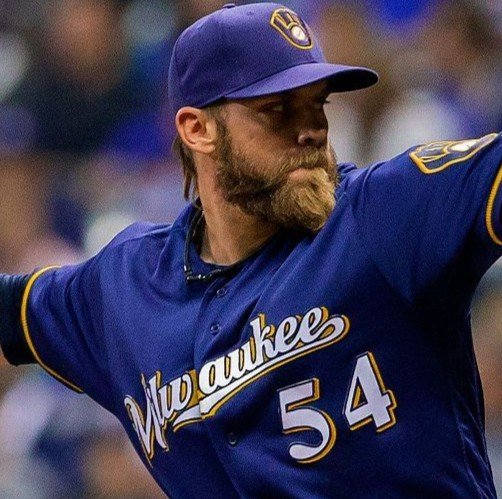 Michael Robert Blazek was born in Las Vegas, Nevada and graduated from Arbor View High School. Although he signed a letter of intent to attend the University of Nevada, he signed with the St. Louis Cardinals after he was drafted in the 35th round of the 2007 MLB Amateur Draft. Blazek spent seven years toiling in the minors before getting his first shot at the bigs in 2013 with the Cardinals. After just 11 games with the Redbirds, the right-hander was sent to the Brewers as the PTBNL in the John Axford deal. Blazek spent the 2014 season at Triple-A Nashville and then made the big-league team after having a good spring in 2015. Blazek had a career year with highs in games (45), innings (55.2), strikeouts (47), ERA+ (164) and FIP (3.17). He bumped his bWAR up to 1.2 with one hit in four ABs with an RBI double. In 2016, Blazek was on the injured list twice and also spent time at Triple-A Colorado Springs but still managed to appear in 41 games. His numbers didn’t match the previous year, as he posted an ERA+ of 76 and FIP of 5.71. Blazek began the 2017 season in Colorado Springs and started 13 of his 26 games, pitching to an ERA of 3.71 while improving his K:BB rate to 2:1. He was called up to Milwaukee in July and pitched well in his first four relief stints, pitching 6.1 scoreless innings. On July 27, Blazek made his only ML start, and it was a disaster. In 2.1 innings against the Washington Nationals, he gave up eight runs and seven hits, including six home runs. He allowed five home runs in the third inning alone, four of them consecutive. The five round-trippers in one inning were a major league record. He was designated for assignment two weeks later and spent the rest of the year in Colorado Springs. In January 2018, Blazek was signed as a free agent by the Arizona Diamondbacks. He made three stops in the Arizona chain but never made it to Arizona that year. The following April, Blazek signed with the Lincoln Saltdogs, an independent team, but before the season, he was signed to a free agent contract with the Nationals. He spent most of the season with Triple-A Fresno and was called up to Washington for only four games, in which he posted an ERA+ of 67 and an 8.81 FIP. He elected free agency after the season. Blazek signed with the South Maryland Blue Crabs of the independent Atlantic League for 2020, but the season was canceled due to the Covid pandemic.
 -
Gerardo Enrique Parra was born in Santa Barbara, Venezuela and was signed in 2004 by the Arizona Diamondbacks. He made his professional debut at Missoula (Montana) in the rookie Pioneer League, slashing .328/.386/.469 with 23 stolen bases. The left-handed hitting Parra made his debut in ‘The Show’ in his third year. Called up in mid-May, Parra slashed .290/.324/.404 and finished eighth in the National League Rookie of the Year award balloting. Over the next four-plus years, Parra was a consistent performer in the Diamondbacks outfield, averaging 141 games per season. Over that time, he slashed .274/.331/.400 with 151 extra-base hits and 41 stolen bases. The outfielder won a Gold Glove in 2011 and 2013. Parra was traded to the Brewers before the July 2014 trading deadline for pitcher Anthony Banda and outfielder Mitch Haniger. In 46 games for Milwaukee, Parra slashed .268/.318/.390 across 123 at-bats. In 2015 Parra had a 2.0 bWAR, third best on the Brewers. His batting line of .328/.369/.517 across 323 at-bats included a team-high five triples and an OPS+ of 140. In July Parra was smoking-hot with a slash line of .435/.495/.718 in 85 at-bats. On July 31 he was traded to the Baltimore Orioles for pitcher Zach Davies. His time in Baltimore was disappointing as he posted a sub-par OPS+ of 69. He was granted free agency and signed with the Colorado Rockies the following January. Parra lasted three seasons in Denver and had a combined slash line of .283/.320/.407 with an OPS+ of 80 through the 2018 season. Once again a free agent, Parra signed with the San Francisco Giants in January 2019. He lasted only 30 games before his .198/.278/.267 slash line caused the Giants to release him. He was soon picked up by the Washington Nationals and batted .250/.300/.447 in 89 games. Parra appeared four times in the World Series that the Nationals won in seven games. After, Parra became a free agent and spent the 2020 season in Japan before returning to the Nationals in 2021. After splitting the year between Triple-A Rochester and Washington, Parra signed a minor league contract for 2022. In May he was released and a few days later, retired. View full player
-
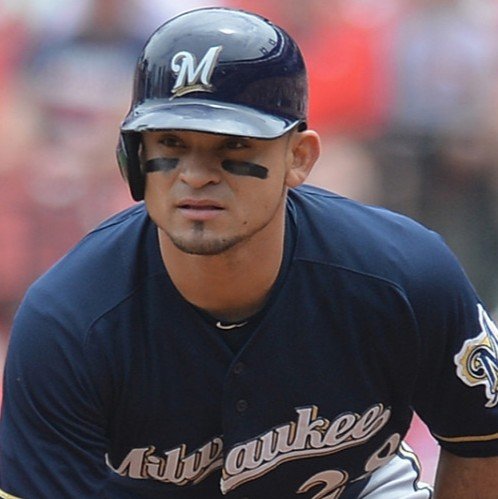 Gerardo Enrique Parra was born in Santa Barbara, Venezuela and was signed in 2004 by the Arizona Diamondbacks. He made his professional debut at Missoula (Montana) in the rookie Pioneer League, slashing .328/.386/.469 with 23 stolen bases. The left-handed hitting Parra made his debut in ‘The Show’ in his third year. Called up in mid-May, Parra slashed .290/.324/.404 and finished eighth in the National League Rookie of the Year award balloting. Over the next four-plus years, Parra was a consistent performer in the Diamondbacks outfield, averaging 141 games per season. Over that time, he slashed .274/.331/.400 with 151 extra-base hits and 41 stolen bases. The outfielder won a Gold Glove in 2011 and 2013. Parra was traded to the Brewers before the July 2014 trading deadline for pitcher Anthony Banda and outfielder Mitch Haniger. In 46 games for Milwaukee, Parra slashed .268/.318/.390 across 123 at-bats. In 2015 Parra had a 2.0 bWAR, third best on the Brewers. His batting line of .328/.369/.517 across 323 at-bats included a team-high five triples and an OPS+ of 140. In July Parra was smoking-hot with a slash line of .435/.495/.718 in 85 at-bats. On July 31 he was traded to the Baltimore Orioles for pitcher Zach Davies. His time in Baltimore was disappointing as he posted a sub-par OPS+ of 69. He was granted free agency and signed with the Colorado Rockies the following January. Parra lasted three seasons in Denver and had a combined slash line of .283/.320/.407 with an OPS+ of 80 through the 2018 season. Once again a free agent, Parra signed with the San Francisco Giants in January 2019. He lasted only 30 games before his .198/.278/.267 slash line caused the Giants to release him. He was soon picked up by the Washington Nationals and batted .250/.300/.447 in 89 games. Parra appeared four times in the World Series that the Nationals won in seven games. After, Parra became a free agent and spent the 2020 season in Japan before returning to the Nationals in 2021. After splitting the year between Triple-A Rochester and Washington, Parra signed a minor league contract for 2022. In May he was released and a few days later, retired.
 -
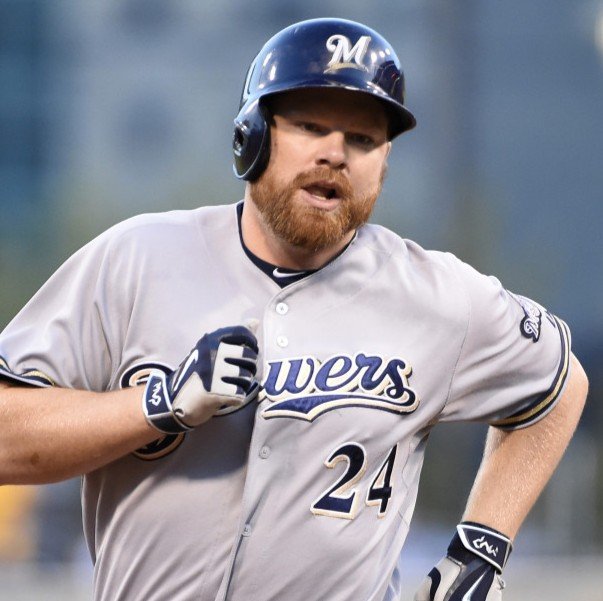 Adam Alan Lind was born in Muncie, Indiana and attended Highland High School in nearby Anderson. He was named Indiana Mr. Baseball by the Indiana high school baseball coaches after batting .675 with 15 doubles, three triples, 16 home runs, and 47 RBIs his senior year. The southpaw swinging first sacker was picked in the 8th round of the 2002 MLB Amateur Draft by the Minnesota Twins but elected not to sign, instead attending the University of South Alabama. Lind had a nice sophomore year, batting .392 with 12 home runs and 60 RBIs and was selected in the third round of the 2004 MLB Draft by the Toronto Blue Jays. Lind moved rapidly through the Blue Jays chain, making his big-league debut at the end of his third season. He did not disappoint, slashing .367/.415/.600 across 60 at-bats. The big (6-foot-2, 195-pound) slugger split the next two seasons between Toronto and Triple-A Syracuse. He broke out in 2009, winning a Silver Slugger Award for Toronto on the strength of his .305/.370/.562 batting line with 35 homers and 114 RBIs. Over the next five years, Lind missed a few games due to injury and slumps but still slashed .265/.321/.450 with 89 home runs in 607 games. After the 2014 campaign, Lind was traded to the Brewers for pitcher Marco Estrada. Lind had a nice season for the Brewers with an OPS+ of 126 and bWAR of 3.6, which was best on the team. After the season he was traded to the Seattle Mariners for two minor league pitchers and Freddy Peralta. He spent 2016 with the Mariners and slipped a bit with an OPS+ of 94 with 20 home runs and moved to the Washington Nationals the next year as a free agent. He slashed .303/.362/.513 across 267 at-bats with 14 home runs as a part-time starter. In 2018, Lind played in the Yankees and Red Sox organizations but was released by the Red Sox in August. Lind finished his major league career with 200 home runs and a batting line of .272/.330/.465.
 -
Adam Alan Lind was born in Muncie, Indiana and attended Highland High School in nearby Anderson. He was named Indiana Mr. Baseball by the Indiana high school baseball coaches after batting .675 with 15 doubles, three triples, 16 home runs, and 47 RBIs his senior year. The southpaw swinging first sacker was picked in the 8th round of the 2002 MLB Amateur Draft by the Minnesota Twins but elected not to sign, instead attending the University of South Alabama. Lind had a nice sophomore year, batting .392 with 12 home runs and 60 RBIs and was selected in the third round of the 2004 MLB Draft by the Toronto Blue Jays. Lind moved rapidly through the Blue Jays chain, making his big-league debut at the end of his third season. He did not disappoint, slashing .367/.415/.600 across 60 at-bats. The big (6-foot-2, 195-pound) slugger split the next two seasons between Toronto and Triple-A Syracuse. He broke out in 2009, winning a Silver Slugger Award for Toronto on the strength of his .305/.370/.562 batting line with 35 homers and 114 RBIs. Over the next five years, Lind missed a few games due to injury and slumps but still slashed .265/.321/.450 with 89 home runs in 607 games. After the 2014 campaign, Lind was traded to the Brewers for pitcher Marco Estrada. Lind had a nice season for the Brewers with an OPS+ of 126 and bWAR of 3.6, which was best on the team. After the season he was traded to the Seattle Mariners for two minor league pitchers and Freddy Peralta. He spent 2016 with the Mariners and slipped a bit with an OPS+ of 94 with 20 home runs and moved to the Washington Nationals the next year as a free agent. He slashed .303/.362/.513 across 267 at-bats with 14 home runs as a part-time starter. In 2018, Lind played in the Yankees and Red Sox organizations but was released by the Red Sox in August. Lind finished his major league career with 200 home runs and a batting line of .272/.330/.465. View full player
-
Proprioception? @Matthew Truebloodyou crack me up. Makes me want to work on my body control 🙋♂️
-
Awesome tribute, @Tim Muma
-
I didn't include him because he is still playing...
-
You are correct. I should have clarified--those were three of the *many* pitchers who didn't pan out. (Do you see what I did there? Used the word 'pan' with the word 'Gold?') Here is a complete list of 1st round busts: (Didn't play in the bigs at all, overall pick listed) 2015 Nathan Kirby (40) 2009 Eric Arnett (26) 2009 Kyle Heckathorn (47) 2008 Evan Frederickson (35) 2001 Mike Jones (12) 1993 Joe Wagner (39) 1991 Tyrone Hill (15) (Played in MLB, # of MLB games listed) 2011 Jed Bradley (6) 2004 Mark Rogers (11) 1997 Kyle Peterson (20) 1974 Butch Edge (6)
- 5 replies
-
- 2
-

-
- jm gold
- kodi medeiros
- (and 1 more)
-
Every June, Major League Baseball teams make selections in the MLB Amateur Draft. Some of the players chosen are high schoolers, and others are college players. All teams delve into the history of the players, including prior injuries, and even study psychological reports to see if the player can handle the professional baseball life. In 1970--the year of the Brewers' first draft--only 11 of the first 20 selections in the draft played in the major leagues. Kodi Medeiros, one of the players profiled in this piece, was picked in the 2014 MLB Draft. From that draft class, 14 of the first 20 players picked by big league teams made it to the majors. Although teams have gotten better at zeroing in on future big-league players, it doesn't always work that way. This is the story of three first-round pitchers the Brewers chose who never made it to the bigs. Rick O'Keeffe Rick O'Keeffe was rated as one of the top pitchers going into the 1975 MLB Amateur Draft. Dozens of pro and college scouts attended every game O'Keeffe pitched for Yorktown (New York) High School his senior year. Despite the pressure, O'Keeffe pitched three no-hitters during his final high school season. When draft day came, Milwaukee chose the 6-foot-6 red-headed left-hander with the fifth pick in the first round. He was tabbed before players such as Rick Cerone, Clint Hurdle, and Dale Berra. O'Keeffe had two decent seasons in the low minors for Milwaukee but was traded to Cincinnati in his third season. The Reds hoped the southpaw could harness his control, but that didn't happen, as O'Keeffe had a walk rate of 11.4% over five-plus seasons in the Reds organization. Cincinnati gave up and traded him to Toronto. After one forgettable season in the Blue Jays chain, O'Keeffe missed all of 1983 due to injuries. After making one final attempt in 1984, O'Keeffe retired from baseball. J.M. Gold J.M. Gold had credentials similar to those of Rick O'Keeffe. Gold was a tall, lanky, right-handed pitcher from the East Coast (Toms River, New Jersey), one of the top prospects as a senior in high school. Peter Gammons had Gold as the #2 high school prospect in the 1998 MLB Draft. Milwaukee grabbed him as the 13th overall pick in the first round. After a tough season at Single-A Beloit, Gold injured his arm in 2000 and underwent Tommy John surgery. Returning to rookie ball in 2001, Gold did well and was promoted to High-A High Desert in 2002. His season began with him being robbed at gunpoint and suffering from pneumonia and ended with shoulder surgery that summer. In 2003, Gold once again had shoulder woes and had major shoulder surgery in October. After failing to recover from his injuries, the Brewers released Gold in May 2004. Kodi Medeiros Kodi Medeiros was the Hawaii Player of the Year 2014 as a pitcher after being named to the 2013 All-State team as an outfielder. Medeiros returned to the mound in 2014, had a monster year, and was picked 12th by the Brewers in the first round. The southpaw had issues with control, allowing walks at a rate of 11.1% over four-plus seasons in the Brewers organization. In 2018, Medeiros was part of a trade that saw reliever Joakim Soria come to Milwaukee. Medeiros had an okay season at Double-A Birmingham in 2018, but his 2019 season at the same stop was plagued with wildness and injury. He sat out the Covid season of 2020 and returned the following year but scuffled at Triple-A Charlotte with an ERA of 5.52 in 30 appearances. He was released by the White Sox and signed with the Los Angeles Angels before the 2022 season. After just 10 games at Triple-A Salt Lake, Medeiros was released. He announced his retirement the following March. O'Keeffe, Gold, and Medeiros all looked like slam-dunk, sure-fire future big leaders, but injuries and a lack of progress scuttled their careers before they could even get a sip of Starbucks at the big-league level. Sometimes, it just doesn't work out how you want it to. View full article
-
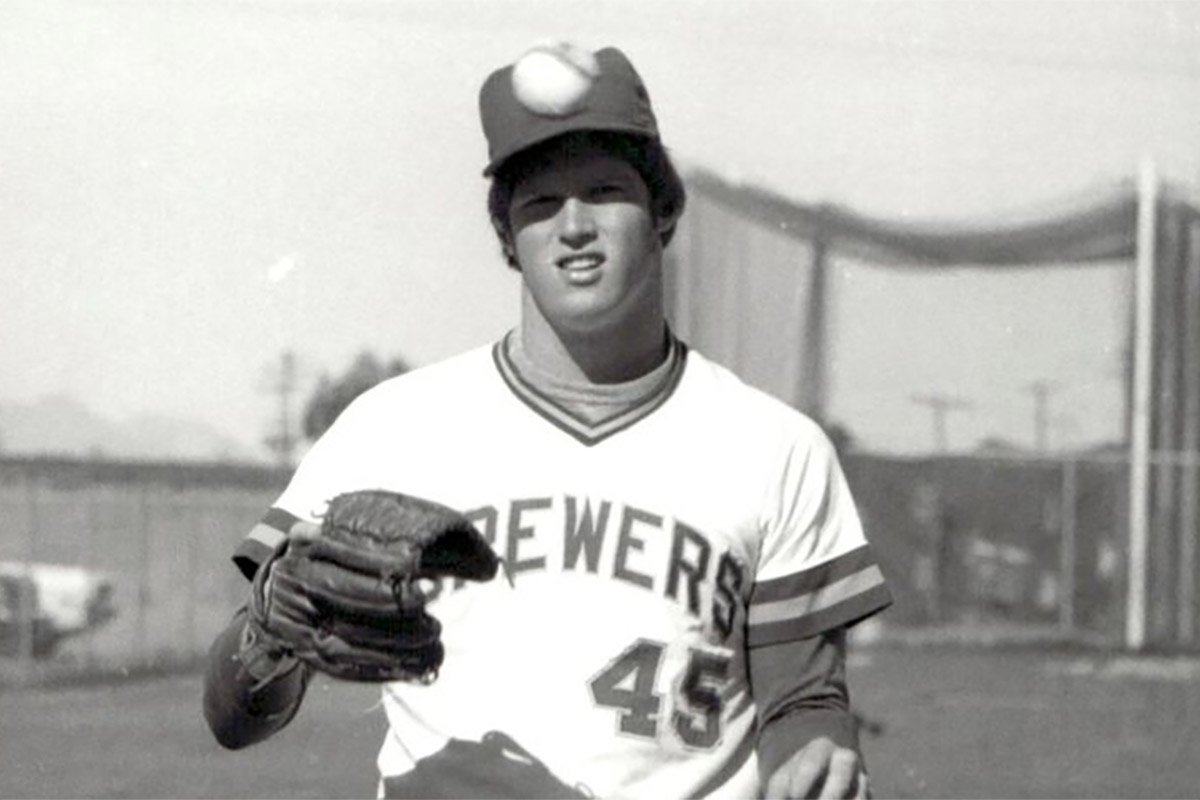 Rick O'Keeffe Rick O'Keeffe was rated as one of the top pitchers going into the 1975 MLB Amateur Draft. Dozens of pro and college scouts attended every game O'Keeffe pitched for Yorktown (New York) High School his senior year. Despite the pressure, O'Keeffe pitched three no-hitters during his final high school season. When draft day came, Milwaukee chose the 6-foot-6 red-headed left-hander with the fifth pick in the first round. He was tabbed before players such as Rick Cerone, Clint Hurdle, and Dale Berra. O'Keeffe had two decent seasons in the low minors for Milwaukee but was traded to Cincinnati in his third season. The Reds hoped the southpaw could harness his control, but that didn't happen, as O'Keeffe had a walk rate of 11.4% over five-plus seasons in the Reds organization. Cincinnati gave up and traded him to Toronto. After one forgettable season in the Blue Jays chain, O'Keeffe missed all of 1983 due to injuries. After making one final attempt in 1984, O'Keeffe retired from baseball. J.M. Gold J.M. Gold had credentials similar to those of Rick O'Keeffe. Gold was a tall, lanky, right-handed pitcher from the East Coast (Toms River, New Jersey), one of the top prospects as a senior in high school. Peter Gammons had Gold as the #2 high school prospect in the 1998 MLB Draft. Milwaukee grabbed him as the 13th overall pick in the first round. After a tough season at Single-A Beloit, Gold injured his arm in 2000 and underwent Tommy John surgery. Returning to rookie ball in 2001, Gold did well and was promoted to High-A High Desert in 2002. His season began with him being robbed at gunpoint and suffering from pneumonia and ended with shoulder surgery that summer. In 2003, Gold once again had shoulder woes and had major shoulder surgery in October. After failing to recover from his injuries, the Brewers released Gold in May 2004. Kodi Medeiros Kodi Medeiros was the Hawaii Player of the Year 2014 as a pitcher after being named to the 2013 All-State team as an outfielder. Medeiros returned to the mound in 2014, had a monster year, and was picked 12th by the Brewers in the first round. The southpaw had issues with control, allowing walks at a rate of 11.1% over four-plus seasons in the Brewers organization. In 2018, Medeiros was part of a trade that saw reliever Joakim Soria come to Milwaukee. Medeiros had an okay season at Double-A Birmingham in 2018, but his 2019 season at the same stop was plagued with wildness and injury. He sat out the Covid season of 2020 and returned the following year but scuffled at Triple-A Charlotte with an ERA of 5.52 in 30 appearances. He was released by the White Sox and signed with the Los Angeles Angels before the 2022 season. After just 10 games at Triple-A Salt Lake, Medeiros was released. He announced his retirement the following March. O'Keeffe, Gold, and Medeiros all looked like slam-dunk, sure-fire future big leaders, but injuries and a lack of progress scuttled their careers before they could even get a sip of Starbucks at the big-league level. Sometimes, it just doesn't work out how you want it to.
- 5 comments
-
- 1
-
-
- jm gold
- kodi medeiros
- (and 1 more)
-
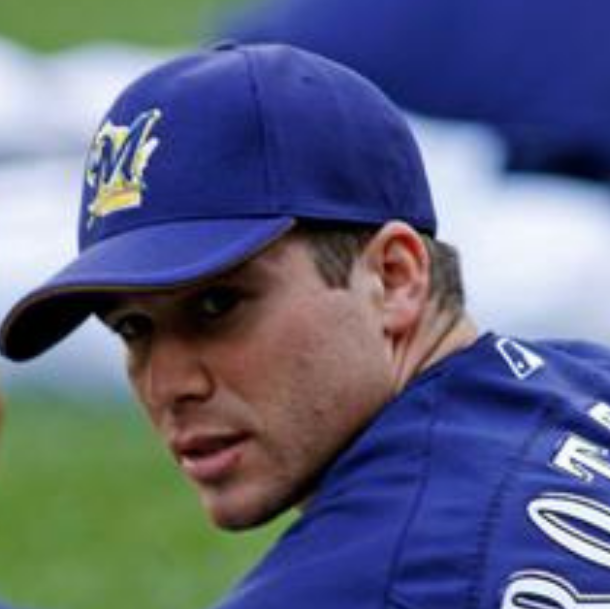 Vincent Antonio Rottino was born in Racine, Wisconsin and attended St. Catherine’s High School, graduating in 1998. Rottino committed to the University of Wisconsin-La Crosse and played there for four years, earning Division III All-American status his senior season, as well as setting UW-L season records for with 80 hits, 53 runs, 19 doubles, and 15 home runs. He batted .410 and slugged .759. He wasn’t selected in the 2002 MLB Amateur Draft but was signed as a free agent by the Brewers in February 2003. Although signed as a catcher, Rottino played six positions as a rookie. He reached the majors after four years in the minors where he batted a combined .306 (504-for 1,647), including a monster 2004 season at Single-A Beloit with a slash line of .304/.352/.482 along with 17 homers and 124 RBIs. The right-handed hitting Rottino made his big-league debut with Milwaukee as a September call-up in 2006 but only got 14 at-bats. Rottino saw limited big-league action the next two seasons, appearing in only nine games total. While playing in the minors in 2009, the Brewers traded Rottino to the Los Angeles Dodgers for pitcher Claudio Vargas at the trade deadline. Rottino bounced around in the Dodgers and Marlins organizations in 2009-2010 before returning to the bigs for the Marlins in 2011. He was released after playing in eight games and signed with the New York Mets as a free agent. In 2012, Rottino was waived after getting a career-high 33 at-bats and two homers with the Mets. The Cleveland Indians picked him up and he batted 28 more times for Cleveland before being released after the season. Rottino spent a year in Japan and another season in Korea before returning to the United States in 2015. He spent a year in the minors for the Marlins and the following season in the White Sox organization before calling it quits in September 2016. Rottino is currently a Brewers TV analyst.
 -
Vincent Antonio Rottino was born in Racine, Wisconsin and attended St. Catherine’s High School, graduating in 1998. Rottino committed to the University of Wisconsin-La Crosse and played there for four years, earning Division III All-American status his senior season, as well as setting UW-L season records for with 80 hits, 53 runs, 19 doubles, and 15 home runs. He batted .410 and slugged .759. He wasn’t selected in the 2002 MLB Amateur Draft but was signed as a free agent by the Brewers in February 2003. Although signed as a catcher, Rottino played six positions as a rookie. He reached the majors after four years in the minors where he batted a combined .306 (504-for 1,647), including a monster 2004 season at Single-A Beloit with a slash line of .304/.352/.482 along with 17 homers and 124 RBIs. The right-handed hitting Rottino made his big-league debut with Milwaukee as a September call-up in 2006 but only got 14 at-bats. Rottino saw limited big-league action the next two seasons, appearing in only nine games total. While playing in the minors in 2009, the Brewers traded Rottino to the Los Angeles Dodgers for pitcher Claudio Vargas at the trade deadline. Rottino bounced around in the Dodgers and Marlins organizations in 2009-2010 before returning to the bigs for the Marlins in 2011. He was released after playing in eight games and signed with the New York Mets as a free agent. In 2012, Rottino was waived after getting a career-high 33 at-bats and two homers with the Mets. The Cleveland Indians picked him up and he batted 28 more times for Cleveland before being released after the season. Rottino spent a year in Japan and another season in Korea before returning to the United States in 2015. He spent a year in the minors for the Marlins and the following season in the White Sox organization before calling it quits in September 2016. Rottino is currently a Brewers TV analyst. View full player
-
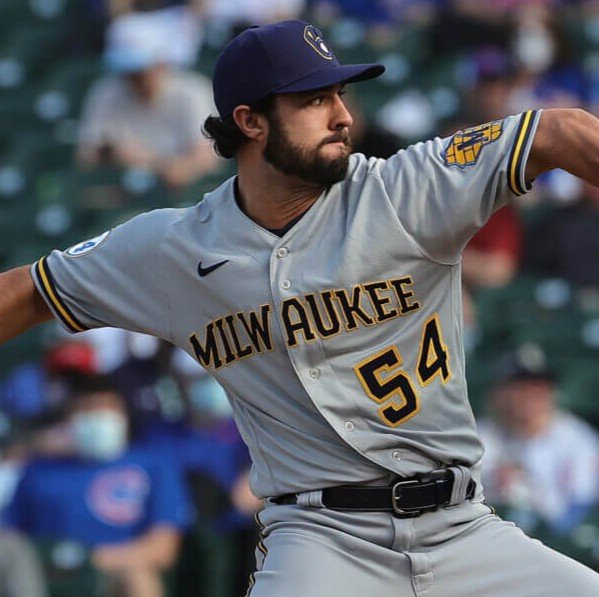 Jonathon Paul Feyereisen was born in River Falls, Wisconsin and graduated from River Falls High School in 2011. After three years at the University of Wisconsin-Stevens Point, Feyereisen was selected in the 16th round of the 2014 MLB Amateur Draft by the Cleveland Indians. The right-hander was assigned to Mahoning Valley in the Low-A New York-Penn League that summer and went 17 innings (15 games) without allowing a run. He struck out 24 while walking only one batter. He earned four saves and three victories. The following season he moved up to Lake County in Single-A Midwest League and began the season with 14 scoreless innings before giving up a run. He finished the season at Lynchburg at High-A and his combined stats showed an ERA of 2.08 with 12 saves. He began the 2016 campaign at Double-A Akron before getting traded at the trade deadline to the New York Yankees with three other players for relief ace Andrew Miller, who played an integral part in the Indians run to the 2016 World Series. Despite solid numbers at Double-A/Triple-A for the Yankees, Feyereisen languished in the bush leagues. Over 2017-2019, Feyereisen pitched in 114 games (184.2 innings) and posted an ERA of 3.07, but his higher-than-average BB rate was 11.1%. On September 1, the Yankees traded Feyereisen to the Brewers. The Covid season of 2020 was a wasted year as Feyereisen appeared in just six games. The following season, Feyereisen was enjoying success in the first month of the season and had a stretch of eight scoreless innings over nine appearances, allowing just one hit and two free passes while striking out 11. In mid-May, Feyereisen was traded with Drew Rasmussen to the Tampa Bay Rays for Trevor Richards and Willy Adames. Feyereisen pitched well for Tampa Bay the next two seasons, including a dazzling 2022 when he allowed only one unearned run over 24.1 innings (22 games) for a FIP of 1.67. After the season, Feyereisen underwent surgery to ‘clean up’ the rotator cuff and labrum in his right shoulder. A week later, he was traded to the Los Angeles Dodgers. Feyereisen did not pitch at all in 2023 due to rehabbing his bum shoulder. In 2024, Feyereisen split time between Triple-A Oklahoma City and Los Angeles, but after an ERA+ of 49 and FIP of 6.71 across 10 games for the big club, the pitcher elected free agency. As of mid-January 2025, Feyereisen remains a free agent.
 -
Jonathon Paul Feyereisen was born in River Falls, Wisconsin and graduated from River Falls High School in 2011. After three years at the University of Wisconsin-Stevens Point, Feyereisen was selected in the 16th round of the 2014 MLB Amateur Draft by the Cleveland Indians. The right-hander was assigned to Mahoning Valley in the Low-A New York-Penn League that summer and went 17 innings (15 games) without allowing a run. He struck out 24 while walking only one batter. He earned four saves and three victories. The following season he moved up to Lake County in Single-A Midwest League and began the season with 14 scoreless innings before giving up a run. He finished the season at Lynchburg at High-A and his combined stats showed an ERA of 2.08 with 12 saves. He began the 2016 campaign at Double-A Akron before getting traded at the trade deadline to the New York Yankees with three other players for relief ace Andrew Miller, who played an integral part in the Indians run to the 2016 World Series. Despite solid numbers at Double-A/Triple-A for the Yankees, Feyereisen languished in the bush leagues. Over 2017-2019, Feyereisen pitched in 114 games (184.2 innings) and posted an ERA of 3.07, but his higher-than-average BB rate was 11.1%. On September 1, the Yankees traded Feyereisen to the Brewers. The Covid season of 2020 was a wasted year as Feyereisen appeared in just six games. The following season, Feyereisen was enjoying success in the first month of the season and had a stretch of eight scoreless innings over nine appearances, allowing just one hit and two free passes while striking out 11. In mid-May, Feyereisen was traded with Drew Rasmussen to the Tampa Bay Rays for Trevor Richards and Willy Adames. Feyereisen pitched well for Tampa Bay the next two seasons, including a dazzling 2022 when he allowed only one unearned run over 24.1 innings (22 games) for a FIP of 1.67. After the season, Feyereisen underwent surgery to ‘clean up’ the rotator cuff and labrum in his right shoulder. A week later, he was traded to the Los Angeles Dodgers. Feyereisen did not pitch at all in 2023 due to rehabbing his bum shoulder. In 2024, Feyereisen split time between Triple-A Oklahoma City and Los Angeles, but after an ERA+ of 49 and FIP of 6.71 across 10 games for the big club, the pitcher elected free agency. As of mid-January 2025, Feyereisen remains a free agent. View full player
-
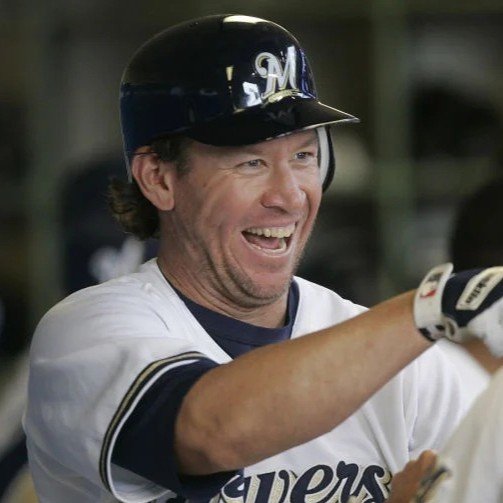 Damian Donald Miller was born in La Crosse, Wisconsin and attended high school in nearby West Salem. Miller was an all-conference player in football, basketball, and baseball his senior year. Miller attended Viterbo College in La Crosse under Coach Ed Servais, whose nephew Scott Servais was an eleven-year veteran of major league play, and up until the end of the 2024 season was the manager of the Seattle Mariners. In three years at Viterbo, Miller set school career records with 29 doubles, 87 RBIs, and a .419 batting average. After his junior year, Miller was tabbed in the 20th round of the 1990 MLB Amateur Draft by the Minnesota Twins. Miller took a Crash Davis-type route to the bigs, playing eight seasons before getting ‘The Call,’ He finally made it to Minnesota in Aug 1997, but in 25 games (18 starts) performed well, slashing .273/.282/.379 across 66 at-bats. After the season, Miller was chosen by the Arizona Diamondbacks in the 1997 expansion draft. After spending a few weeks at Triple-A Tucson—where he hit .349 across 63 at-bats—Miller was called up to the big club and would spend most of the next five years as Catcher1 for the D-Backs, appearing in 467 games and slashing .269/.336/.437 with 48 HRs. He earned his only All-Star game nod in 2002 and went 2-for-3 with a pair of doubles and an RBI in the infamous 7-7 tie at Miller Park. After the season, Miller was traded to the Chicago Cubs. Miller hit a career-low of .233 for the Cubs and went a combined 3-for-21 in the NLDS against Atlanta and NLCS loss against Florida. In December, Miller was traded to the Oakland Athletics. Miller hit .272 in 2004 with the A’s and had career-highs with 108 hits, 25 doubles, and 58 RBIs. The backstop became a free agent and signed a reported three-year, $8.75 million deal with the Brewers. Miller was the main catcher his first two years with Milwaukee and appeared in a combined 215 games and played solidly on defense with a fielding percentage of .997 and threw out runners at an above-average rate of 31.8%. In what would be his final year in baseball, Miller backed up Johnny Estrada in 2007 and only played in 58 games, slashing .237/.296/.348 across 186 at-bats. In June, Miller hit a three-run, walk-off HR on ‘La Crosse Day’ in a 6-3 win over the Houston Astros. On July 2, Miller went 4-for-5 with two home runs and seven RBIs. Miller drew interest from the Yankees and the Padres before the 2008 season but chose instead to retire in May.
 -
Damian Donald Miller was born in La Crosse, Wisconsin and attended high school in nearby West Salem. Miller was an all-conference player in football, basketball, and baseball his senior year. Miller attended Viterbo College in La Crosse under Coach Ed Servais, whose nephew Scott Servais was an eleven-year veteran of major league play, and up until the end of the 2024 season was the manager of the Seattle Mariners. In three years at Viterbo, Miller set school career records with 29 doubles, 87 RBIs, and a .419 batting average. After his junior year, Miller was tabbed in the 20th round of the 1990 MLB Amateur Draft by the Minnesota Twins. Miller took a Crash Davis-type route to the bigs, playing eight seasons before getting ‘The Call,’ He finally made it to Minnesota in Aug 1997, but in 25 games (18 starts) performed well, slashing .273/.282/.379 across 66 at-bats. After the season, Miller was chosen by the Arizona Diamondbacks in the 1997 expansion draft. After spending a few weeks at Triple-A Tucson—where he hit .349 across 63 at-bats—Miller was called up to the big club and would spend most of the next five years as Catcher1 for the D-Backs, appearing in 467 games and slashing .269/.336/.437 with 48 HRs. He earned his only All-Star game nod in 2002 and went 2-for-3 with a pair of doubles and an RBI in the infamous 7-7 tie at Miller Park. After the season, Miller was traded to the Chicago Cubs. Miller hit a career-low of .233 for the Cubs and went a combined 3-for-21 in the NLDS against Atlanta and NLCS loss against Florida. In December, Miller was traded to the Oakland Athletics. Miller hit .272 in 2004 with the A’s and had career-highs with 108 hits, 25 doubles, and 58 RBIs. The backstop became a free agent and signed a reported three-year, $8.75 million deal with the Brewers. Miller was the main catcher his first two years with Milwaukee and appeared in a combined 215 games and played solidly on defense with a fielding percentage of .997 and threw out runners at an above-average rate of 31.8%. In what would be his final year in baseball, Miller backed up Johnny Estrada in 2007 and only played in 58 games, slashing .237/.296/.348 across 186 at-bats. In June, Miller hit a three-run, walk-off HR on ‘La Crosse Day’ in a 6-3 win over the Houston Astros. On July 2, Miller went 4-for-5 with two home runs and seven RBIs. Miller drew interest from the Yankees and the Padres before the 2008 season but chose instead to retire in May. View full player
-
Well said, @Jack Stern
-
Did you ever take someone for granted? Maybe not at first, but as time went along? I’m sure many Milwaukee fans have taken Bob Uecker for granted. Uecker is a legend, not only in the eyes of Brewers fans but also in the eyes of this nation. Uecker passed away today at the age of 90, and now we all must deal with the loss of a person who was a part of our lives in many ways. Image courtesy of © Milwaukee Journal Sentinel Bob Uecker was born in Milwaukee on January 26, 1934. Uecker served in the Army for two years, and upon his return home in 1956, he signed a contract with the Milwaukee Braves for $3,000. He spent six years in the Braves minor league chain, and despite his claim that he was a terrible player, he had years where he batted .310, .312, and .332. Uecker made his major league debut in 1962, and although he spent the whole season with the Braves, he only played 33 games and had a batting line of .250/.324/.328 across 71 at-bats. Uecker hit his first big league homer in the last game of the season. In 1963, Uecker played mostly at Triple-A Denver but also had two stints in Milwaukee, where he played in just 13 games. During spring training before the 1964 season, the Braves had four catchers in camp. Uecker told Braves management that he would quit baseball if sent down to the minors, where he had spent seven of the previous eight years. The Braves traded Uecker to the St. Louis Cardinals for outfielder Gary Kolb and catcher Jimmie Coker. The 6-foot-1, 190-pound Uecker became the backup to starting catcher Tim McCarver. “Ueck” played in only 40 games and slashed .198/.315/.236 across 106 at-bats. His busiest month was September, when he played in 13 games, starting 11 times to spell McCarver, who played in 143 games that season. Uecker had a pair of two-hit games in the month as the Cardinals came from 7.5 games behind first-place Philadelphia to win the National League pennant on the campaign's final day. Years later, McCarver said he thought that the Cardinals might not have won the pennant without the comedic Uecker to keep the clubhouse loose. The Cardinals beat the New York Yankees in the World Series in seven games, and although Uecker was on the roster, he did not see any playing time during the Fall Classic. A hilarious Uecker moment was when he found a marching band member’s tuba in the outfield prior to Game 1 and shagged fly balls with the instrument during batting practice. Uecker spent the 1965 season in St. Louis and then bounced around the next two seasons in Philadelphia and Atlanta. During spring training in 1968, Uecker and two Atlanta teammates were involved in a fight at a nightclub in West Palm Beach, Florida. Uecker was struck by a beer bottle and required 48 stitches to close the wound. After re-aggravating an injury on the field that he had suffered in a motorcycle accident, the Braves released Uecker on April 2. In 1969, Uecker worked with Ernie Johnson and Milo Hamilton on WSB-TV, doing television work for the Braves. Uecker did an opening act for comedian Don Rickles, appeared nearly 100 times with Johnny Carson, and worked as a scout for the Brewers in the early 70s. In September 1971, the Brewers announced that Uecker would broadcast games on TV and WTMJ radio and began his long-standing career on the airwaves in Milwaukee and beyond. Uecker also worked on ABC Monday Night Baseball from 1976-1982. During that time, Uecker worked All-Star, League Championship, and World Series games. We also knew him as the 'Voice of the Brewers,' a man who spent more than five decades painting the pictures of thousands of ballgames on the airwaves from County Stadium, Miller Park, Am Fam Field, and dozens of ballparks across this great country. Bob Uecker has been a member of our ‘family’ for over 50 years. Everyone has a Uecker story and can recite lines from his movies and commercials. Even though most of us didn’t know him and had never met him, we all ‘knew’ Bob Uecker. He made every Brewers broadcast personal, with him speaking to every one of us. The players on the team loved him, especially his long-time friend Robin Yount. Who can ever forget the scene in the Milwaukee locker room last year after the loss in the NLWC series? Hugs and tears were abundant, with players like Christian Yelich in the middle of it with Uecker. There was love and admiration in that room. That is how all of us feel about Bob Uecker. Bob Uecker has passed away, and it is a sad day in Milwaukee and the baseball community. There is no doubt in my mind that Bob is sitting in the Front Row in Heaven. May you Rest in Peace, Ueck. We will miss you. View full article
-
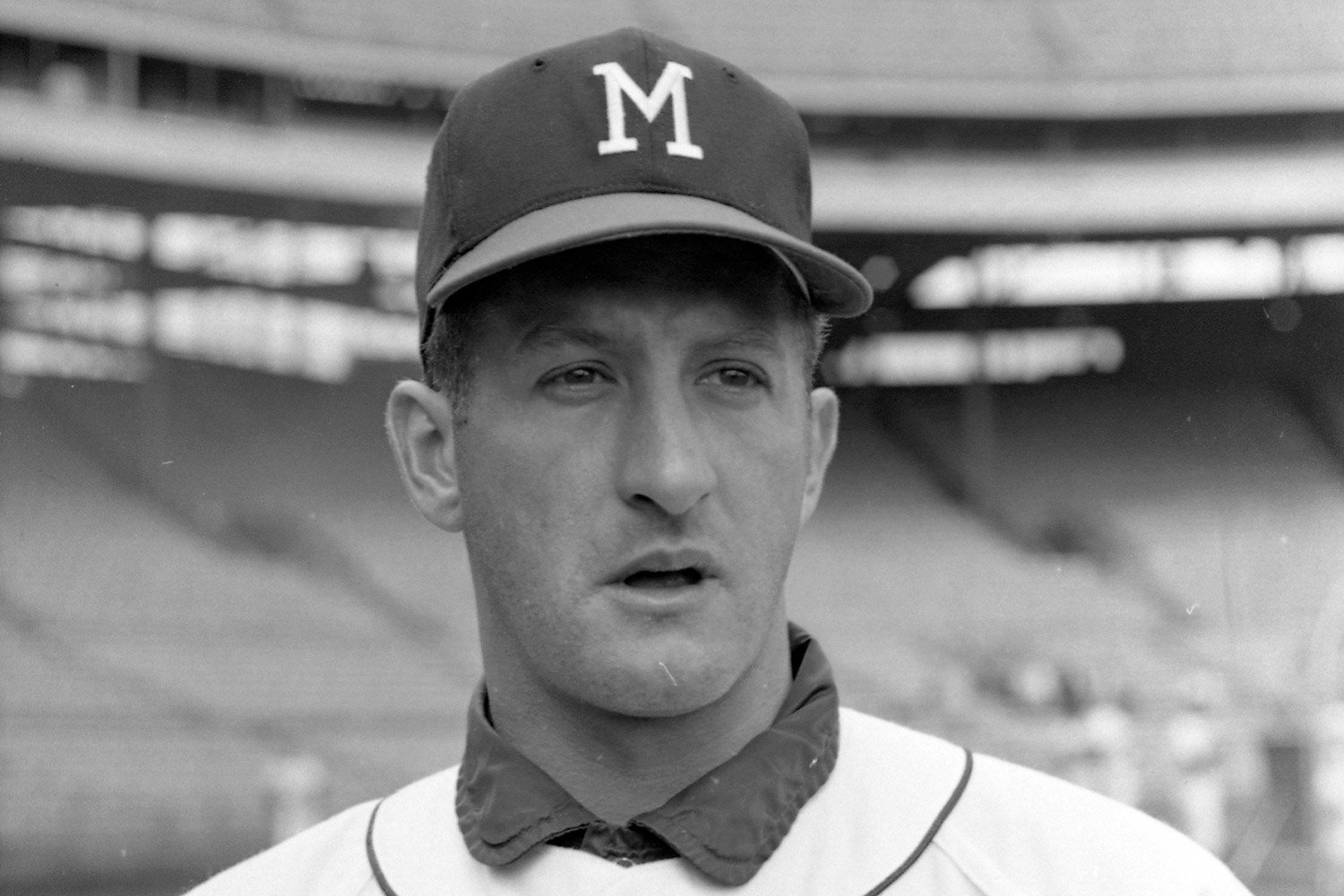 Bob Uecker was born in Milwaukee on January 26, 1934. Uecker served in the Army for two years, and upon his return home in 1956, he signed a contract with the Milwaukee Braves for $3,000. He spent six years in the Braves minor league chain, and despite his claim that he was a terrible player, he had years where he batted .310, .312, and .332. Uecker made his major league debut in 1962, and although he spent the whole season with the Braves, he only played 33 games and had a batting line of .250/.324/.328 across 71 at-bats. Uecker hit his first big league homer in the last game of the season. In 1963, Uecker played mostly at Triple-A Denver but also had two stints in Milwaukee, where he played in just 13 games. During spring training before the 1964 season, the Braves had four catchers in camp. Uecker told Braves management that he would quit baseball if sent down to the minors, where he had spent seven of the previous eight years. The Braves traded Uecker to the St. Louis Cardinals for outfielder Gary Kolb and catcher Jimmie Coker. The 6-foot-1, 190-pound Uecker became the backup to starting catcher Tim McCarver. “Ueck” played in only 40 games and slashed .198/.315/.236 across 106 at-bats. His busiest month was September, when he played in 13 games, starting 11 times to spell McCarver, who played in 143 games that season. Uecker had a pair of two-hit games in the month as the Cardinals came from 7.5 games behind first-place Philadelphia to win the National League pennant on the campaign's final day. Years later, McCarver said he thought that the Cardinals might not have won the pennant without the comedic Uecker to keep the clubhouse loose. The Cardinals beat the New York Yankees in the World Series in seven games, and although Uecker was on the roster, he did not see any playing time during the Fall Classic. A hilarious Uecker moment was when he found a marching band member’s tuba in the outfield prior to Game 1 and shagged fly balls with the instrument during batting practice. Uecker spent the 1965 season in St. Louis and then bounced around the next two seasons in Philadelphia and Atlanta. During spring training in 1968, Uecker and two Atlanta teammates were involved in a fight at a nightclub in West Palm Beach, Florida. Uecker was struck by a beer bottle and required 48 stitches to close the wound. After re-aggravating an injury on the field that he had suffered in a motorcycle accident, the Braves released Uecker on April 2. In 1969, Uecker worked with Ernie Johnson and Milo Hamilton on WSB-TV, doing television work for the Braves. Uecker did an opening act for comedian Don Rickles, appeared nearly 100 times with Johnny Carson, and worked as a scout for the Brewers in the early 70s. In September 1971, the Brewers announced that Uecker would broadcast games on TV and WTMJ radio and began his long-standing career on the airwaves in Milwaukee and beyond. Uecker also worked on ABC Monday Night Baseball from 1976-1982. During that time, Uecker worked All-Star, League Championship, and World Series games. We also knew him as the 'Voice of the Brewers,' a man who spent more than five decades painting the pictures of thousands of ballgames on the airwaves from County Stadium, Miller Park, Am Fam Field, and dozens of ballparks across this great country. Bob Uecker has been a member of our ‘family’ for over 50 years. Everyone has a Uecker story and can recite lines from his movies and commercials. Even though most of us didn’t know him and had never met him, we all ‘knew’ Bob Uecker. He made every Brewers broadcast personal, with him speaking to every one of us. The players on the team loved him, especially his long-time friend Robin Yount. Who can ever forget the scene in the Milwaukee locker room last year after the loss in the NLWC series? Hugs and tears were abundant, with players like Christian Yelich in the middle of it with Uecker. There was love and admiration in that room. That is how all of us feel about Bob Uecker. Bob Uecker has passed away, and it is a sad day in Milwaukee and the baseball community. There is no doubt in my mind that Bob is sitting in the Front Row in Heaven. May you Rest in Peace, Ueck. We will miss you.
 -
@Kyle Ginsbachnicely put!
-
I rarely tear up when a celebrity dies, but I did today. Rest in Peace in the Front Row in Heaven, Ueck. God's Peace 💔
- 140 replies
-
- 10
-
-

-
I never met him but listened to him 100s of times on the radio. His knowledge, wit, and humility made him a unique person, not only in baseball, but in 'real life.' May you Rest in Peace, Ueck. Surely you are in the Front Row in Heaven. God's Peace 💔

