


Brewers Video
It would be hubris—hideous hubris—to suggest that the NL Central race is over already. Sure, the season starts early these days, so even though it's only June 18, the Brewers have already played 71 of their 162 games. Sure, they have a comfy 5.5-game lead in the standings table, and the teams who looked most likely to give them a run for their money this year (the Pirates and the Cubs) are even further back. Much can happen in 100 days, though, and that's how much time is left in this long season. One year and one day ago, I wrote an article entitled "The Brewers Can Absolutely Catch the Cubs," and that turned out to be true. They were 5.5 games behind Chicago at the time.
That said, though: this thing is pretty close to over. The 2026 Cardinals aren't the 2025 Brewers; those Brewers were better. The 2026 Brewers aren't the 2025 Cubs; these Brewers are better. Milwaukee is a well-run, deep, dynamic team that hasn't even had everything go right this year, and that is dominating, anyway. They're 104-58 in their last 162 regular-season games. They're going to win this division. Even the news that Quinn Priester won't be back this year (hardly news, by now, really) doesn't change that.
Specifically, FanGraphs gives the Crew an 83% chance to win the NL Central, the highest point they've reached this year.
.png.827fc749e3c952d297cb368f70dd5dab.png)
The projection system there gives the Cardinals, Cubs and Pirates each about a 5% chance to catch Milwaukee, but if you have an 83% chance of winning something, you'd also rather have three rivals dividing the rest of the pie than see one more serious one lurking. There's little the Crew could do to press the pedal harder to the floor, anyway, but these data make it clear: they don't need to. They can afford, for instance, the slightly risky maneuver of designating Luis Rengifo for assignment to install Cooper Pratt at shortstop. They can afford not only to lose Priester, but to give Jacob Misiorowski extra rest between starts so he can still be fully operational come October. This team is living on Easy Street.
That doesn't mean they should slow down, or that they shouldn't be proactive as the summer wears on. Whether it's another prospect promotion that encourages medium-term development as well as patching a hole on the roster, or making a trade before the deadline on August 3, the team should work hard to improve their chances. It's just that the chances they work hard to improve should be those of remaining a thriving Midwestern hegemon for many more years, and those of winning a World Series soon. If they make a major addition later this summer, it should be someone who materially bolsters their hopes of getting past the Dodgers this time, rather than a depth starter or fortifying secondary setup man. If they turn over Sal Frelick's job to Luis Lara or replace Brandon Sproat in the starting rotation, it should be because that serves the long-term development of the players they most believe are part of their future, not because it might help them win one or two more games before the end of September.
Some teams build great farm systems and string together a few division titles, but find they can't get over the hump in October. Eventually, many of them decide to go 'all-in' and swap some future wins for the chance at present glory. The Brewers almost certainly won't do that, and they almost certainly shouldn't, either. However, they also shouldn't remain unduly conservative. The freedom allowed by a nice cushion in the division standings isn't the freedom not to act; it's the freedom to act with precision and patience.
This is the golden era of Milwaukee Brewers baseball. It's never been better than this, and it might never be better than this again. But 'this' isn't confined to this summer. It's also about last year, and the one before, and the two or three or five to come. The Brewers' responsibility over the next six weeks is to show that they understand all of that—that they prove to the fans that they understand the hunger for a championship, without overdoing it and giving up the delirious joy of a team that wins the division almost every year. That sounds difficult, but if you're the Brewers, it's really not. What was difficult was building the best organization in the game, in terms of scouting, development, instruction and execution. After doing all that, risk management is just about rolling the dice and not counting the bounces.
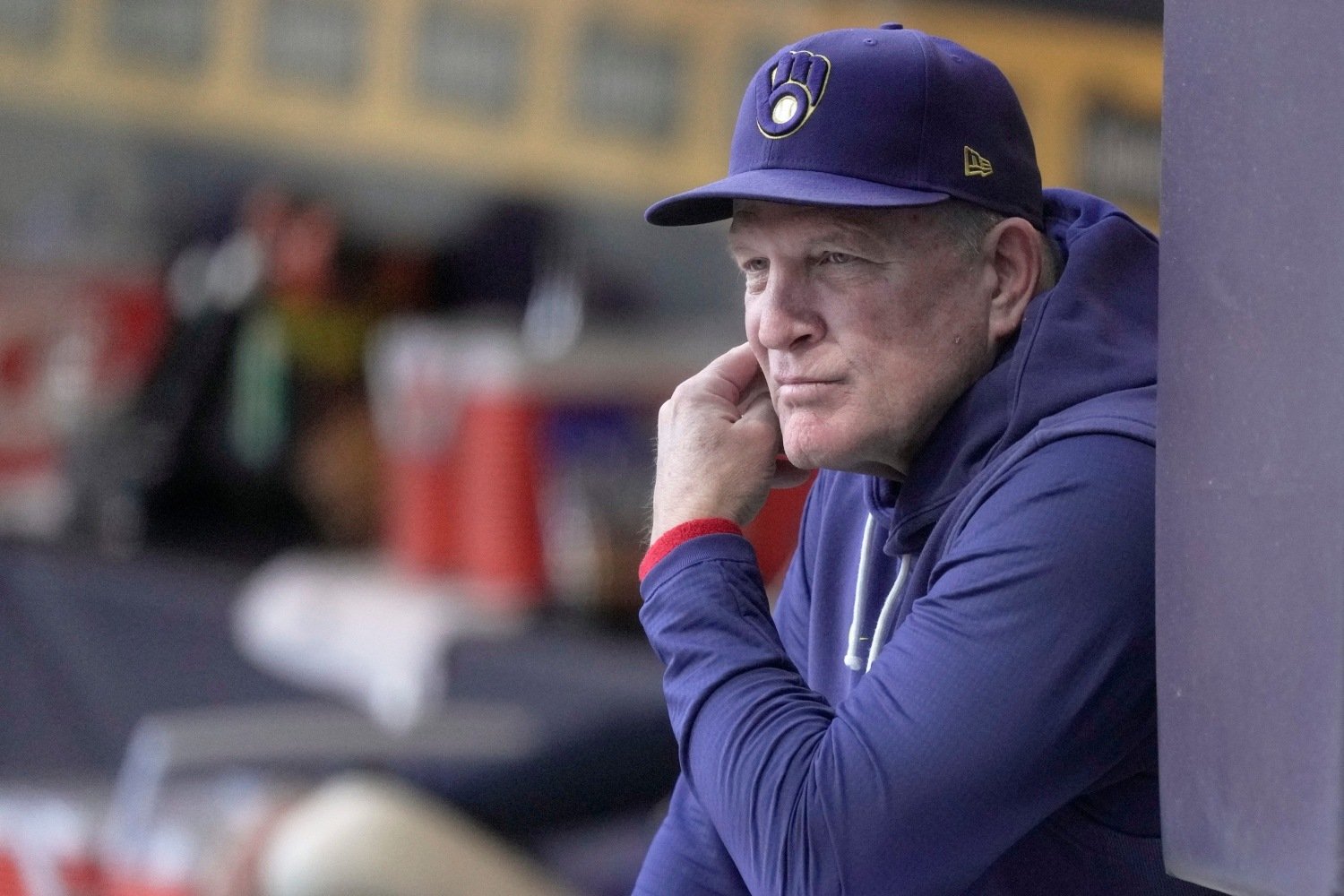
Do you approve of the job Pat Murphy is doing as Brewers manager?

Follow Brewer Fanatic For Milwaukee Brewers News & Analysis



-
 2
2


Recommended Comments
Create an account or sign in to comment
You need to be a member in order to leave a comment
Create an account
Sign up for a new account in our community. It's easy!
Register a new accountSign in
Already have an account? Sign in here.
Sign In Now