Harold Hutchison
-
Posts
6,909 -
Joined
-
Last visited
Content Type
Profiles
Forums
Blogs
Events
News
2026 Milwaukee Brewers Top Prospects Ranking
Milwaukee Brewers Videos
2022 Milwaukee Brewers Draft Picks
Milwaukee Brewers Free Agent & Trade Rumors, Notes, & Tidbits
Guides & Resources
2023 Milwaukee Brewers Draft Picks
2024 Milwaukee Brewers Draft Picks
The Milwaukee Brewers Players Project
2025 Milwaukee Brewers Draft Pick Tracker
2026 Milwaukee Brewers Draft Tracker: Picks & Bonuses
Store
Downloads
Gallery
Everything posted by Harold Hutchison
-
Image courtesy of © Dave Kallmann / Milwaukee Journal Sentinel / USA TODAY NETWORK via Imagn Images In 2025, the Brewers had a revolving door in center field, due to injuries to Garrett Mitchell and Blake Perkins early in the season. The result was that Jackson Chourio ended up spending most of his games being flanked on both sides in the outfield, and he acquitted himself fairly well. That said, could center field go much better for the Brewers? 2025 Review Blake Perkins’s broken leg late in spring training was just the start. Shortly into the season, Garrett Mitchell was lost for a while, and then for the season. Eventually, the Brewers settled on Chourio in center, keeping Gold Glover Sal Frelick in right. It worked out, mostly because Isaac Collins turned out to be a capable option in left with above-average offense and near-Gold Glove defense. But now, Collins is gone and Chourio appears to be headed back to left field. So, whom do the Brewers have slated for center? Current Roster Situation On the 40-man roster, the Brewers have Mitchell, Perkins, Chourio, and Frelick, all of whom are solid options for just about any major-league team. Akil Baddoo had some flashes of playing capably in center field during his time in Detroit, though he was quickly shifted to left and hasn't even been great in a corner the last two seasons. Brandon Lockridge and Steward Berroa will likely be at Triple-A Nashville, but did have appearances for the Brewers in center field last season. Recent free-agent signee Luis Rengifo also has seen MLB action in center field, while former top-100 prospect Tyler Black has played the position in the minor leagues. Realistically, neither Rengifo nor Black is a credible center fielder at this point, but they're behind the glass the team can break if a true emergency occurs. On the NRI side, Luis Lara is a top prospect, continuing to do more than his size suggests is possible. Jett Williams has a future as a regular for the Brewers, be it on the infield or in center, and Eduardo Garcia has proven a capable option when he isn’t playing on the left side of the infield. Minor-league free agent Greg Jones is deeper down the depth chart. Best-Case Scenario Garrett Mitchell starts at least 120 games in center field. Mitchell is a dynamic offensive player whose potential was just emerging. If he's healthy and undiminished by the injuries that have wrecked his last three years, he’s a legitimate 20-20 threat alongside Chourio. Mitchell may need some rest, with Blake Perkins being a Gold Glove finalist (and competent offensively), and it’s likely that Jett Williams will see time in center when he arrives at The Ueck. This is not the only good-news scenario for the Brewers in center field, but at this time, Mitchell is the player the Brewers would most like to see put together a healthy season, if for no other reason than the potential return in a trade (the Brewers dealt both Collins and Durbin) could be maximized, as opposed to seeing Mitchell designated for assignment or non-tendered after the season. Worst-Case Scenario Jackson Chourio is the primary starter in center field for the second straight season. As is the case when we covered this in 2025, there are 29 managers in MLB who would happily have him playing center field. In Milwaukee’s case, though, it means that Mitchell, Perkins and Williams, among others, are either on the injured list or slumping. The Brewers survived 2025, thanks to the emergence of Isaac Collins and contributions from Jake Bauers, who handled left field with an assist from Christian Yelich. They don’t want to have their outfield held together by duct tape and panic transactions in 2026. Overview As was the case in 2025, the Brewers have a lot of good options in center field—at least when you look at it on paper. The team prefers to get a lot of center fielders and to move some to the corner spots, depending on their individual skills, giving them a lot of capable players. But the games are played on dirt and grass, not paper. The 2025 season showed that. The team seemed to run out of gas in the playoffs, and the early-season injuries may have led manager Pat Murphy to lean heavily on the players who were healthy. As was the case in 2025, the real question of whether things go well or poorly in 2026 is how far down the depth chart the Brewers have to go. View full article
-
Brewers' Best- and Worst-Case Scenarios for 2026: Center Field
Harold Hutchison posted an article in Brewers
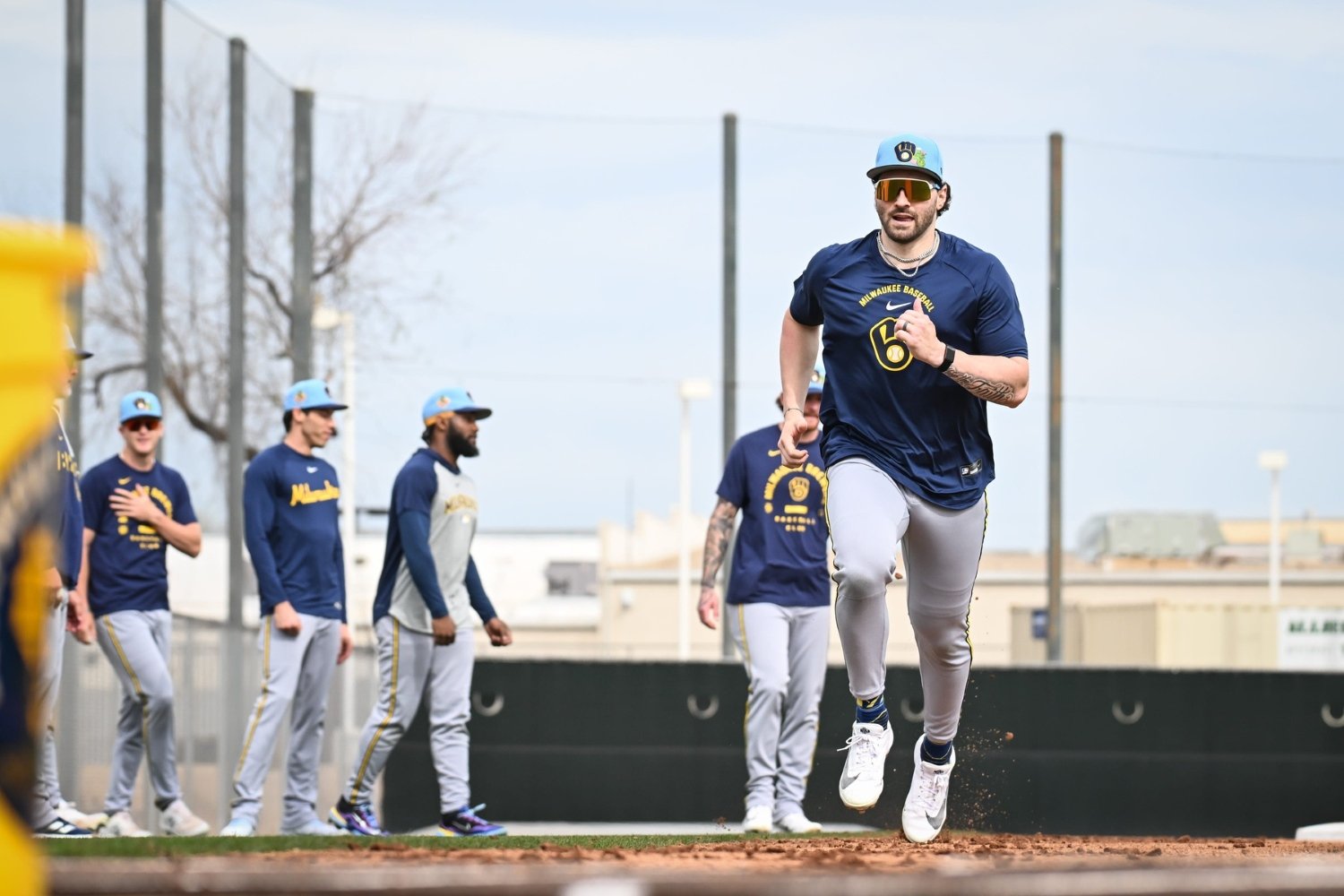 In 2025, the Brewers had a revolving door in center field, due to injuries to Garrett Mitchell and Blake Perkins early in the season. The result was that Jackson Chourio ended up spending most of his games being flanked on both sides in the outfield, and he acquitted himself fairly well. That said, could center field go much better for the Brewers? 2025 Review Blake Perkins’s broken leg late in spring training was just the start. Shortly into the season, Garrett Mitchell was lost for a while, and then for the season. Eventually, the Brewers settled on Chourio in center, keeping Gold Glover Sal Frelick in right. It worked out, mostly because Isaac Collins turned out to be a capable option in left with above-average offense and near-Gold Glove defense. But now, Collins is gone and Chourio appears to be headed back to left field. So, whom do the Brewers have slated for center? Current Roster Situation On the 40-man roster, the Brewers have Mitchell, Perkins, Chourio, and Frelick, all of whom are solid options for just about any major-league team. Akil Baddoo had some flashes of playing capably in center field during his time in Detroit, though he was quickly shifted to left and hasn't even been great in a corner the last two seasons. Brandon Lockridge and Steward Berroa will likely be at Triple-A Nashville, but did have appearances for the Brewers in center field last season. Recent free-agent signee Luis Rengifo also has seen MLB action in center field, while former top-100 prospect Tyler Black has played the position in the minor leagues. Realistically, neither Rengifo nor Black is a credible center fielder at this point, but they're behind the glass the team can break if a true emergency occurs. On the NRI side, Luis Lara is a top prospect, continuing to do more than his size suggests is possible. Jett Williams has a future as a regular for the Brewers, be it on the infield or in center, and Eduardo Garcia has proven a capable option when he isn’t playing on the left side of the infield. Minor-league free agent Greg Jones is deeper down the depth chart. Best-Case Scenario Garrett Mitchell starts at least 120 games in center field. Mitchell is a dynamic offensive player whose potential was just emerging. If he's healthy and undiminished by the injuries that have wrecked his last three years, he’s a legitimate 20-20 threat alongside Chourio. Mitchell may need some rest, with Blake Perkins being a Gold Glove finalist (and competent offensively), and it’s likely that Jett Williams will see time in center when he arrives at The Ueck. This is not the only good-news scenario for the Brewers in center field, but at this time, Mitchell is the player the Brewers would most like to see put together a healthy season, if for no other reason than the potential return in a trade (the Brewers dealt both Collins and Durbin) could be maximized, as opposed to seeing Mitchell designated for assignment or non-tendered after the season. Worst-Case Scenario Jackson Chourio is the primary starter in center field for the second straight season. As is the case when we covered this in 2025, there are 29 managers in MLB who would happily have him playing center field. In Milwaukee’s case, though, it means that Mitchell, Perkins and Williams, among others, are either on the injured list or slumping. The Brewers survived 2025, thanks to the emergence of Isaac Collins and contributions from Jake Bauers, who handled left field with an assist from Christian Yelich. They don’t want to have their outfield held together by duct tape and panic transactions in 2026. Overview As was the case in 2025, the Brewers have a lot of good options in center field—at least when you look at it on paper. The team prefers to get a lot of center fielders and to move some to the corner spots, depending on their individual skills, giving them a lot of capable players. But the games are played on dirt and grass, not paper. The 2025 season showed that. The team seemed to run out of gas in the playoffs, and the early-season injuries may have led manager Pat Murphy to lean heavily on the players who were healthy. As was the case in 2025, the real question of whether things go well or poorly in 2026 is how far down the depth chart the Brewers have to go.
- 1 comment
-
- 1
-

-
- jackson chourio
- garrett mitchell
- (and 1 more)
-
Image courtesy of © Jayne Kamin-Oncea-Imagn Images The Brewers found a solid left fielder in 2025—so solid, another team wanted him, and was willing to take a low-leverage reliever as well in exchange for Ángel Zerpa. Isaac Collins was, like the recently-traded Andruw Monasterio, one of those unheralded pickups who paid off big-time for Milwaukee. Who will fill Collins’s shoes in left field? 2025 Review The Brewers started with Jackson Chourio in left, but injuries to center fielders Blake Perkins and Garrett Mitchell soon pushed Chourio to center. Collins took over, led the team’s regular starters in OBP, posted a 118 OPS+, and provided 2.1 Wins Above Replacement (WAR), according to Baseball Reference. In addition to Collins and Chourio, Jake Bauers and Christian Yelich saw some time in left field for the Brewers in 2025. Chourio, Bauers, and Yelich remain on the roster, as do Tyler Black and Brandon Lockridge, who put in brief appearances in left for Milwaukee. Current Roster Situation Chourio is arguably the lead contender to replace Collins. He performed superbly in left in 2024, notching 3.8 rWAR as a rookie, despite a horrendous slump to start the season. This will be very likely if Mitchell and Perkins stay healthy. If that is the case, then Chourio should be just fine in left field, where his defense is more than adequate. Other options on the roster (or among the NRIs) who have experience in left field or who could cover the position include Jett Williams, Akil Baddoo, Bauers, Yelich, Lockridge, Black, Steward Berroa, recent free-agent pickup Luis Rengifo, Greg Jones, and Luke Adams. Baddoo, Bauers, Yelich, Lockridge, and Black may be the top choices among those called up. Baddoo is a lefty bat with some pop. Bauers has been a corner outfielder and backup first baseman in 2024 and 2025 for the Brewers. Yelich is a former MVP who still plays a competent left field. Black is a former top-100 prospect in search of a defensive home to go with some OBP skills and above-average speed. Lockridge has flashed speed and defense in the majors, and showed good OBP skills in the minors. The trades the team made to respond to injuries last year have given them ample options heading into this season. Best-Case Scenario Chourio locks down left field and plays 140-145 games there. This is less a reflection on Chourio, who is the Brewers’ franchise cornerstone for the next six to eight years, and more a reflection on the other two outfield positions. There are, of course, multiple other scenarios where the Brewers fare well in left field. But for the 2026 season, a good sign for the Brewers will be Chourio being the left fielder day in and day out, because it means a lot of other positions have worked out well. Worst-Case Scenario Multiple players end up with 15 or more starts in left field. This, again, may not reflect on Chourio so much as the team as a whole. If Chourio isn’t in left field 90% of the time, they’ve had injury problems, either with Chourio or with other players, forcing Chourio to play elsewhere. While the team’s depth in left field means they will have someone competent, other positions may have more of a downgrade as a result. Overview Left field is not going to easily turn into a disaster for Milwaukee. The team has several players who could fill the position competently. The “worst-case” scenarios Milwaukee faces in 2026 will likely be the effects of having to address shortfalls or a rash of injuries at other positions. View full article
-
Brewers' Best- and Worst-Case Scenarios for 2026: Left Field
Harold Hutchison posted an article in Brewers
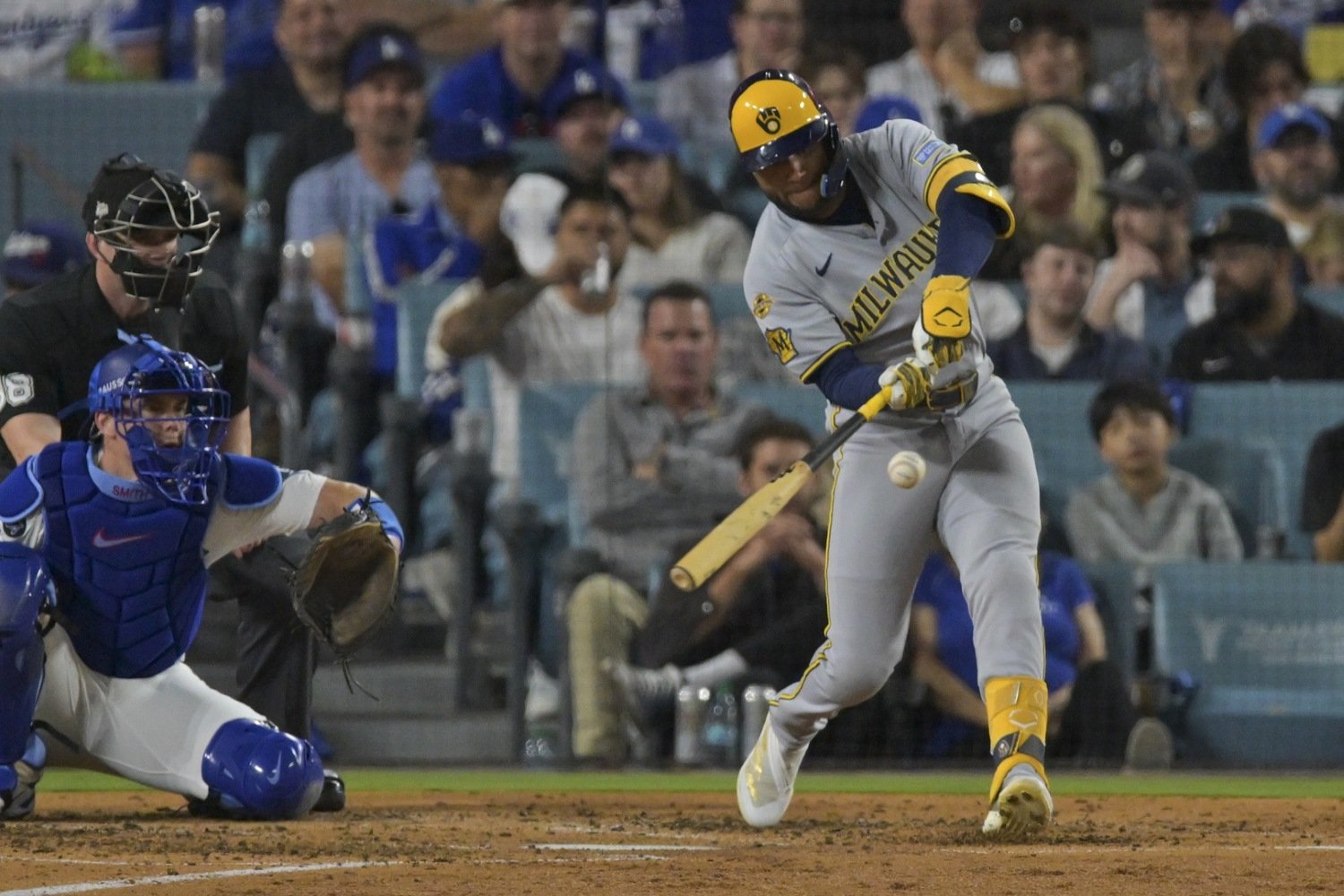 The Brewers found a solid left fielder in 2025—so solid, another team wanted him, and was willing to take a low-leverage reliever as well in exchange for Ángel Zerpa. Isaac Collins was, like the recently-traded Andruw Monasterio, one of those unheralded pickups who paid off big-time for Milwaukee. Who will fill Collins’s shoes in left field? 2025 Review The Brewers started with Jackson Chourio in left, but injuries to center fielders Blake Perkins and Garrett Mitchell soon pushed Chourio to center. Collins took over, led the team’s regular starters in OBP, posted a 118 OPS+, and provided 2.1 Wins Above Replacement (WAR), according to Baseball Reference. In addition to Collins and Chourio, Jake Bauers and Christian Yelich saw some time in left field for the Brewers in 2025. Chourio, Bauers, and Yelich remain on the roster, as do Tyler Black and Brandon Lockridge, who put in brief appearances in left for Milwaukee. Current Roster Situation Chourio is arguably the lead contender to replace Collins. He performed superbly in left in 2024, notching 3.8 rWAR as a rookie, despite a horrendous slump to start the season. This will be very likely if Mitchell and Perkins stay healthy. If that is the case, then Chourio should be just fine in left field, where his defense is more than adequate. Other options on the roster (or among the NRIs) who have experience in left field or who could cover the position include Jett Williams, Akil Baddoo, Bauers, Yelich, Lockridge, Black, Steward Berroa, recent free-agent pickup Luis Rengifo, Greg Jones, and Luke Adams. Baddoo, Bauers, Yelich, Lockridge, and Black may be the top choices among those called up. Baddoo is a lefty bat with some pop. Bauers has been a corner outfielder and backup first baseman in 2024 and 2025 for the Brewers. Yelich is a former MVP who still plays a competent left field. Black is a former top-100 prospect in search of a defensive home to go with some OBP skills and above-average speed. Lockridge has flashed speed and defense in the majors, and showed good OBP skills in the minors. The trades the team made to respond to injuries last year have given them ample options heading into this season. Best-Case Scenario Chourio locks down left field and plays 140-145 games there. This is less a reflection on Chourio, who is the Brewers’ franchise cornerstone for the next six to eight years, and more a reflection on the other two outfield positions. There are, of course, multiple other scenarios where the Brewers fare well in left field. But for the 2026 season, a good sign for the Brewers will be Chourio being the left fielder day in and day out, because it means a lot of other positions have worked out well. Worst-Case Scenario Multiple players end up with 15 or more starts in left field. This, again, may not reflect on Chourio so much as the team as a whole. If Chourio isn’t in left field 90% of the time, they’ve had injury problems, either with Chourio or with other players, forcing Chourio to play elsewhere. While the team’s depth in left field means they will have someone competent, other positions may have more of a downgrade as a result. Overview Left field is not going to easily turn into a disaster for Milwaukee. The team has several players who could fill the position competently. The “worst-case” scenarios Milwaukee faces in 2026 will likely be the effects of having to address shortfalls or a rash of injuries at other positions.
- 5 comments
-
- 1
-
-
- jackson chourio
- tyler black
- (and 1 more)
-
Brewers’ Best and Worst Case Scenarios For 2026: Shortstop
Harold Hutchison posted an article in Brewers
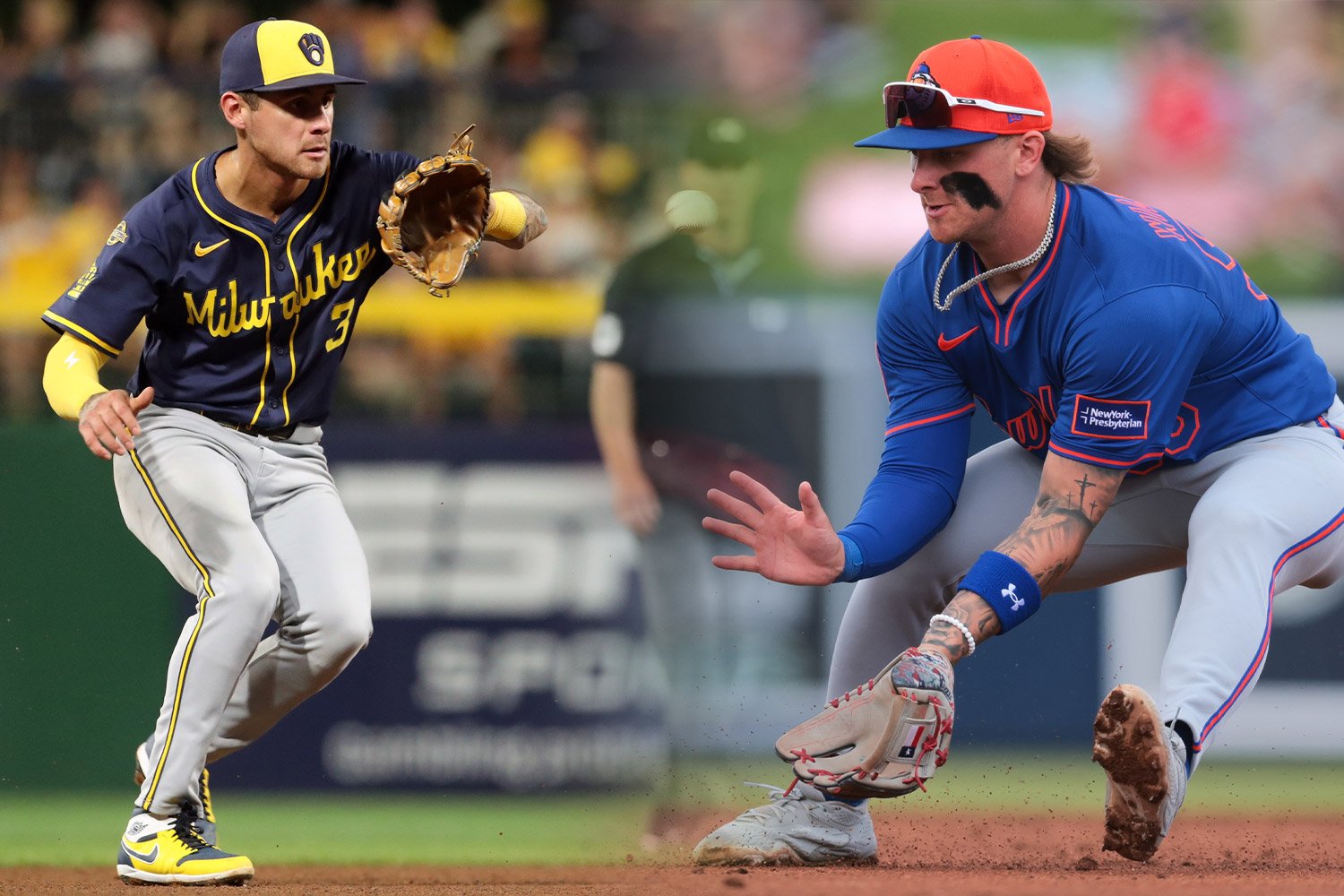 The Brewers have a bright future at shortstop – between Cooper Pratt and Jesus Made, they could have a generational talent at the position. Both are top-100 prospects, both are relatively young, and both could be. Jett Williams is also a potential contender there, boasting top-100 prospect talent, though he could end up at any number of positions. Then there is Joey Ortiz, who posted a positive WAR value (barely) despite a horrendous season at the plate in 2025. 2025 Brewers Shortstop Review The Brewers faced some serious struggles at shortstop in 2025, at least in terms of offense. Joey Ortiz’s OPS+ dropped from 102 in 2024 to 66 in 2025. That would have been bad enough, but Willy Adames posted a 119 OPS+ for Milwaukee in 2024, making the drop-off at the plate that much worse for Milwaukee. The Brewers got some offensive punch when Andruw Monasterio took over for Ortiz after an injury shelved him late in the 2025 regular season. Monasterio had been a cult hero and competent infield backup since the 2023 season, when he arrived after a scary incident involving Adames, then stayed to hold down the hot corner, but he’s with the Red Sox now after a six-person deal that also sent Caleb Durbin and Anthony Seigler to Boston. Current Shortstop Roster Situation Ortiz, new acquisition David Hamilton (a one-time Brewers prospect dealt to Boston in the Hunter Renfroe trade), and Platinum Glove winner Brice Turang are the natural shortstops on the 40-man roster. Top 100 prospects Pratt, Made, and Williams are NRIs to spring training. Eduardo Garcia is a one-time shortstop prospect who’s played all over the diamond due to the emergence of Pratt and Made. Eddys Leonard, a minor-league free agent signing, could be a contender, either as a starter somewhere or as a super sub. In essence, the question isn’t if Joey Ortiz will be displaced. It’s more about who does the displacing, when it happens, and why it happens. Ideally, the Brewers will debut their new shortstop along with a new third baseman, both of whom would be home-grown, on Opening Day 2027, with plenty of good choices to choose from. Best Case Scenario A Top 100 prospect displaces Ortiz at shortstop around the middle of 2026, despite a return to Ortiz’s offensive form from the first half of 2024. This would likely entail the following: Ortiz would have been hitting well, while Cooper Pratt and/or Jett Williams would have been performing so well that Milwaukee has no choice but to call them both up. Ortiz would then become part of a midseason deal that Milwaukee uses to either further bolster its farm system or address a key need that emerges during the regular season. This is not to say Ortiz is a bad player. At the very least, he is an excellent defensive shortstop with trouble producing at the plate. You could do far worse than that, especially for a salary at or close to the major-league minimum. But the way the Brewers have drafted over the past few years, as well as their signings in international free agency, leave them arguably overstocked at shortstop. How deep? Freddy Zamora and Eduardo Garcia were one-time top prospects who have been bypassed by Pratt and Made, and neither of them is a horrible player - Zamora has good OBP skills, doesn't strike out a ton, and can steal a few bases and play decent defense. Garcia's got pop, speed, excellent defense, and improved his walk rate big-time in 2025. Worst Case Scenario The 2025 version of Joey Ortiz gets over 40 starts. This would mean that multiple top 100 prospects are not performing well or have ended up on the injured list, while the Brewers are unable to move Hamilton from third base. There are some other ways for a shortstop to go poorly, as well. The Brewers could end up with Turang or Hamilton at the position as well, with the team trading prospects in a panic deal to shore up their infield. Depth is a commodity the Brewers cannot afford to lose, especially since their farm system lost six players in the minor-league portion of the Rule 5 draft, including Zavier Warren, a switch-hitting supersub listed as a first baseman, in addition to the panic trade made early in the 2025 season for Quinn Priester. Brewers Shortstop Overview While the Brewers have long-term depth and very good prospects, the Durbin deal that brought two solid left-handed starting pitching prospects and Hamilton came at a price: shortstop Monasterio. Milwaukee’s operating without much of a safety blanket, although the team has multiple prospects and one-time top prospects (Williams, Pratt, Zamora, Garcia) who could be surprisingly capable. Keep in mind, the Brewers have had unheralded prospects become valuable assets – with the recently departed Monasterio being one such under-the-radar pickup. In this case, Garcia and Zamora could easily fall into this category, despite their higher-round pedigree.
-
- 1
-
-
- cooper pratt
- jesus made
- (and 2 more)
-
Image courtesy of © Charles LeClaire-Imagn Images / © Sam Navarro-Imagn Images The Brewers have a bright future at shortstop – between Cooper Pratt and Jesus Made, they could have a generational talent at the position. Both are top-100 prospects, both are relatively young, and both could be. Jett Williams is also a potential contender there, boasting top-100 prospect talent, though he could end up at any number of positions. Then there is Joey Ortiz, who posted a positive WAR value (barely) despite a horrendous season at the plate in 2025. 2025 Brewers Shortstop Review The Brewers faced some serious struggles at shortstop in 2025, at least in terms of offense. Joey Ortiz’s OPS+ dropped from 102 in 2024 to 66 in 2025. That would have been bad enough, but Willy Adames posted a 119 OPS+ for Milwaukee in 2024, making the drop-off at the plate that much worse for Milwaukee. The Brewers got some offensive punch when Andruw Monasterio took over for Ortiz after an injury shelved him late in the 2025 regular season. Monasterio had been a cult hero and competent infield backup since the 2023 season, when he arrived after a scary incident involving Adames, then stayed to hold down the hot corner, but he’s with the Red Sox now after a six-person deal that also sent Caleb Durbin and Anthony Seigler to Boston. Current Shortstop Roster Situation Ortiz, new acquisition David Hamilton (a one-time Brewers prospect dealt to Boston in the Hunter Renfroe trade), and Platinum Glove winner Brice Turang are the natural shortstops on the 40-man roster. Top 100 prospects Pratt, Made, and Williams are NRIs to spring training. Eduardo Garcia is a one-time shortstop prospect who’s played all over the diamond due to the emergence of Pratt and Made. Eddys Leonard, a minor-league free agent signing, could be a contender, either as a starter somewhere or as a super sub. In essence, the question isn’t if Joey Ortiz will be displaced. It’s more about who does the displacing, when it happens, and why it happens. Ideally, the Brewers will debut their new shortstop along with a new third baseman, both of whom would be home-grown, on Opening Day 2027, with plenty of good choices to choose from. Best Case Scenario A Top 100 prospect displaces Ortiz at shortstop around the middle of 2026, despite a return to Ortiz’s offensive form from the first half of 2024. This would likely entail the following: Ortiz would have been hitting well, while Cooper Pratt and/or Jett Williams would have been performing so well that Milwaukee has no choice but to call them both up. Ortiz would then become part of a midseason deal that Milwaukee uses to either further bolster its farm system or address a key need that emerges during the regular season. This is not to say Ortiz is a bad player. At the very least, he is an excellent defensive shortstop with trouble producing at the plate. You could do far worse than that, especially for a salary at or close to the major-league minimum. But the way the Brewers have drafted over the past few years, as well as their signings in international free agency, leave them arguably overstocked at shortstop. How deep? Freddy Zamora and Eduardo Garcia were one-time top prospects who have been bypassed by Pratt and Made, and neither of them is a horrible player - Zamora has good OBP skills, doesn't strike out a ton, and can steal a few bases and play decent defense. Garcia's got pop, speed, excellent defense, and improved his walk rate big-time in 2025. Worst Case Scenario The 2025 version of Joey Ortiz gets over 40 starts. This would mean that multiple top 100 prospects are not performing well or have ended up on the injured list, while the Brewers are unable to move Hamilton from third base. There are some other ways for a shortstop to go poorly, as well. The Brewers could end up with Turang or Hamilton at the position as well, with the team trading prospects in a panic deal to shore up their infield. Depth is a commodity the Brewers cannot afford to lose, especially since their farm system lost six players in the minor-league portion of the Rule 5 draft, including Zavier Warren, a switch-hitting supersub listed as a first baseman, in addition to the panic trade made early in the 2025 season for Quinn Priester. Brewers Shortstop Overview While the Brewers have long-term depth and very good prospects, the Durbin deal that brought two solid left-handed starting pitching prospects and Hamilton came at a price: shortstop Monasterio. Milwaukee’s operating without much of a safety blanket, although the team has multiple prospects and one-time top prospects (Williams, Pratt, Zamora, Garcia) who could be surprisingly capable. Keep in mind, the Brewers have had unheralded prospects become valuable assets – with the recently departed Monasterio being one such under-the-radar pickup. In this case, Garcia and Zamora could easily fall into this category, despite their higher-round pedigree. View full article
-
Caleb Durbin made the Devin Williams trade an easy win for the Brewers in 2025, eventually holding down the third base job and finishing third in the Rookie of the Year voting. Like fellow top-5 vote-getter Isaac Collins, Durbin is now gone. The Brewers included him in a trade, along with cult hero Andruw Monasterio and utility player Anthony Seigler. That still leaves a few internal options for the Brewers at the hot corner. How can that be? Let’s take a deeper dive. 2025 Review Durbin was called up in the second half of April, after Oliver Dunn and Vinny Capra couldn’t hack it at the plate while holding down the hot corner and Tyler Black (who isn't really a third baseman, anyway) on the injured list with a hamate injury that sapped what little pop he'd previously had. Durbin posted 2.8 Wins Above Replacement, according to Baseball Reference. That made him a solid starter. Durbin was sent to the Red Sox for left-handed pitchers Kyle Harrison and Shane Drohan, as well as infielder David Hamilton, who was part of the package Milwaukee sent Boston for Hunter Renfroe before the 2022 season. Current Roster Situation The question is: how will Durbin be replaced? On the 40-man roster and among the NRIs, Black, Cooper Pratt, and Jett Williams are all one-time or current top-100 prospects in MLB. They all have the potential to produce similarly, on the offensive side, to Durbin, though Black's prospect status is now much more suspect and the other two might not be ready just yet. This doesn’t include other contenders, like Eddys Leonard, Eduardo Garcia, Brock Wilken, Luke Adams, and Jesus Made, though of course, some of those guys aren't ready (or have very low ceilings) themselves. Hamilton has seen limited action at third base in the majors, but he has flashed some offensive upside in the past and might be the best defender in this group. Deeper in the minors, the Brewers have Andrew Fischer, Mike Boeve, Eric Bitonti, Juan Baez, Filippo di Turi, and Luis Pena as potential rapid risers. All have featured potent bats in one form or another during their professional careers. It's a deep position in a deep organization. It's just the immediate future about which there's tremendous uncertainty. Best-Case Scenario A Top 100 prospect replaces Durbin at third base out of spring training. This is not because Hamilton is a horrible player; he's probably better than Monasterio. But if Williams or (less likely) Pratt can keep Hamilton securely on the bench, the Brewers' offense probably ends up being much more potent, which could make a difference in October. Pratt is a minor-league Gold Glove winner who is a natural shortstop, but may not be long for that position due to the presence of Made. Pratt’s offensive profile offers OBP skills and a bit more natural pop than Durbin had. Williams, who is about Durbin’s size, brings a much more dynamic offensive profile, albeit at the price of more strikeouts and greater questions about the bat-to-ball skills. His versatility may make him a more viable super-sub option than starter. Worst-Case Scenario The team eschews an external upgrade to replace Durbin, but none of the above-mentioned cadre of guys pan out. In a panic, the team turns back to Joey Ortiz at third base, or is forced to disrupt the development of Williams or Pratt by pressing them into service before they're ready. The infield defense and the lineup suffer, leaving the front office to scramble for a trade to address the problem in June or July. Overview There are a number of ways for third base to go nightmarishly wrong, at this moment. Trading Durbin was a calculated but substantial risk, unless the team has another move up their sleeves. But the Brewers boast a lot of good options at third base for 2027 and beyond, and that’s a nice position to be in. If someone proves ready a year early or they go patch the position in the final weeks of the offseason, so much the better. View full article
-
Brewers’ Best- and Worst-Case Scenarios for 2026: Third Base
Harold Hutchison posted an article in Brewers
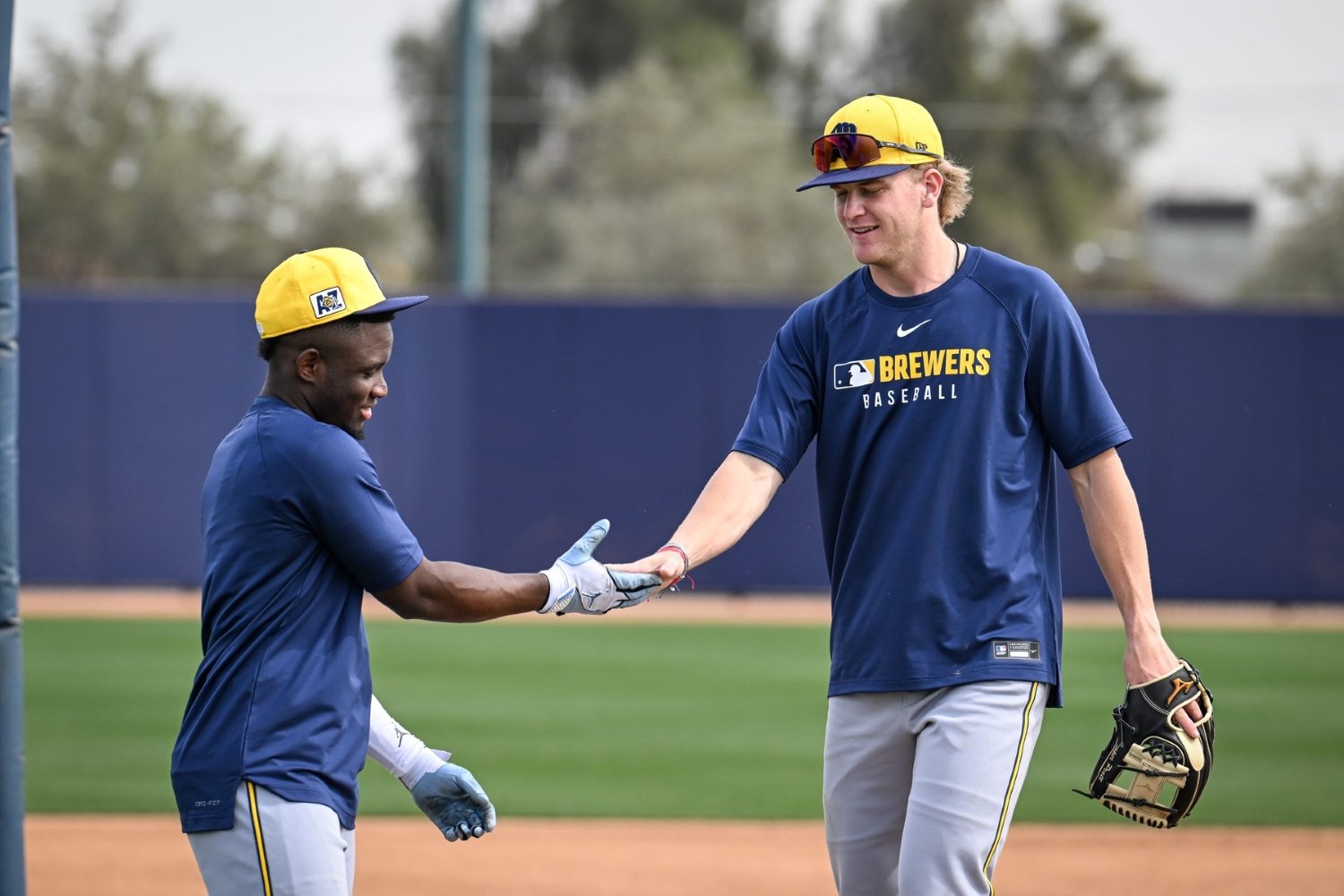 Caleb Durbin made the Devin Williams trade an easy win for the Brewers in 2025, eventually holding down the third base job and finishing third in the Rookie of the Year voting. Like fellow top-5 vote-getter Isaac Collins, Durbin is now gone. The Brewers included him in a trade, along with cult hero Andruw Monasterio and utility player Anthony Seigler. That still leaves a few internal options for the Brewers at the hot corner. How can that be? Let’s take a deeper dive. 2025 Review Durbin was called up in the second half of April, after Oliver Dunn and Vinny Capra couldn’t hack it at the plate while holding down the hot corner and Tyler Black (who isn't really a third baseman, anyway) on the injured list with a hamate injury that sapped what little pop he'd previously had. Durbin posted 2.8 Wins Above Replacement, according to Baseball Reference. That made him a solid starter. Durbin was sent to the Red Sox for left-handed pitchers Kyle Harrison and Shane Drohan, as well as infielder David Hamilton, who was part of the package Milwaukee sent Boston for Hunter Renfroe before the 2022 season. Current Roster Situation The question is: how will Durbin be replaced? On the 40-man roster and among the NRIs, Black, Cooper Pratt, and Jett Williams are all one-time or current top-100 prospects in MLB. They all have the potential to produce similarly, on the offensive side, to Durbin, though Black's prospect status is now much more suspect and the other two might not be ready just yet. This doesn’t include other contenders, like Eddys Leonard, Eduardo Garcia, Brock Wilken, Luke Adams, and Jesus Made, though of course, some of those guys aren't ready (or have very low ceilings) themselves. Hamilton has seen limited action at third base in the majors, but he has flashed some offensive upside in the past and might be the best defender in this group. Deeper in the minors, the Brewers have Andrew Fischer, Mike Boeve, Eric Bitonti, Juan Baez, Filippo di Turi, and Luis Pena as potential rapid risers. All have featured potent bats in one form or another during their professional careers. It's a deep position in a deep organization. It's just the immediate future about which there's tremendous uncertainty. Best-Case Scenario A Top 100 prospect replaces Durbin at third base out of spring training. This is not because Hamilton is a horrible player; he's probably better than Monasterio. But if Williams or (less likely) Pratt can keep Hamilton securely on the bench, the Brewers' offense probably ends up being much more potent, which could make a difference in October. Pratt is a minor-league Gold Glove winner who is a natural shortstop, but may not be long for that position due to the presence of Made. Pratt’s offensive profile offers OBP skills and a bit more natural pop than Durbin had. Williams, who is about Durbin’s size, brings a much more dynamic offensive profile, albeit at the price of more strikeouts and greater questions about the bat-to-ball skills. His versatility may make him a more viable super-sub option than starter. Worst-Case Scenario The team eschews an external upgrade to replace Durbin, but none of the above-mentioned cadre of guys pan out. In a panic, the team turns back to Joey Ortiz at third base, or is forced to disrupt the development of Williams or Pratt by pressing them into service before they're ready. The infield defense and the lineup suffer, leaving the front office to scramble for a trade to address the problem in June or July. Overview There are a number of ways for third base to go nightmarishly wrong, at this moment. Trading Durbin was a calculated but substantial risk, unless the team has another move up their sleeves. But the Brewers boast a lot of good options at third base for 2027 and beyond, and that’s a nice position to be in. If someone proves ready a year early or they go patch the position in the final weeks of the offseason, so much the better.
- 6 comments
-
- 1
-
-
- cooper pratt
- caleb durbin
- (and 2 more)
-
Seigler had another 22 starts behind the plate for Nashville, which is about what a MLB backup could get in 2026 behind a durable catcher like Contreras.
-
Image courtesy of © Dave Kallmann / Milwaukee Journal Sentinel / USA TODAY NETWORK via Imagn Images / © Sam Navarro-Imagn Images Most Brewers fans enjoyed the bulk of the 2025 season, with the team setting a franchise record for wins and beating the Cubs in the National League Division Series (a bit of payback for the Cubs signing away Craig Counsell in the 2023-2024 offseason). The 2025 NLCS, where the team ran out of gas, is more forgettable, but the Brewers could avoid that by rethinking their bench. The Brewers usually operate with the maximum allowed 13 pitchers, leaving them 13 position players. Nine position players are spoken for in the everyday lineup, thanks to the National League catching up with the times and adopting the designated hitter. That leaves four spots on the bench. How should Milwaukee use them? One will obviously have to be for the backup catcher. But the Brewers should think out of the box when it comes to the other three. Instead of just having the conventional approach of a fourth outfielder, a backup infielder, and a platoon option at first base (who may or may not be able to handle corner outfield spots), the team may want to turn to versatility instead. How well can this work? The 2018 season provides an example: Javier Baez, then with the Cubs. He mostly played at second base, third base, and shortstop, but he also saw action as a pinch-hitter and first baseman that year, and in the two previous seasons had been at corner outfield spots. He posted 6.8 Wins Above Replacement that year, per Baseball-Reference, and was the runner-up in the NL MVP race to Christian Yelich. He's dropped off the face of the earth offensively with the Tigers, but his versatility still propelled him to 1.9 WAR in 2025, again via Baseball-Reference. The recently traded Isaac Collins could’ve been another example. While he mostly held down left field in 2025, he also saw action at second base, third base, center field, and right field during his professional time with the Brewers (counting the minor leagues). Believe it or not, between the 40-man roster and the non-roster invitees as of Jan. 31, the Brewers could assemble a supersub bench. Here are some of the contenders. Jett Williams Williams is part of the return Milwaukee netted in the Freddy Peralta trade, and multiple Brewers may already be nervous about him. The reason why is pretty obvious. His bat profiles as a very potent one – one that adds power to superb OBP skills, speed, and versatility. It’s not hard to imagine him on Milwaukee’s bench in 2026, covering all three outfield positions, as well as shortstop, second base, and third base. He’s a more versatile version of Baez – and that could be very valuable indeed. Anthony Seigler Seigler has mostly played infield the last two seasons, but he originally came up as a catcher and also saw action there for Triple-A Nashville in 2025. Given the durability of William Contreras, Seigler might be a choice to take a third catcher role, simply because he could contribute elsewhere on the field, including on the pitching mound, occasionally, keeping him from getting rusty. Andruw Monasterio Monasterio has seen less action in 2024 and 2025 combined than he did in his rookie campaign of 2023. However, he brings a competent bat to the plate, and his versatility (playing all four infield positions and left field) is an asset as well. While his offensive floor has been high, he’s also not a likely Silver Slugger candidate, either. Still, he's reliable. Tyler Black Black’s biggest problem has been the lack of a defensive home. The Brewers have tried him at second base, center field, third base, first base, left field, right field, and he’s even seen action at designated hitter. As a supersub, his experience all over the diamond could allow him to give other Brewers a rest, while not sacrificing as much on offense. His bat has never really been in question, just the ability to hold a single position down on defense. Eduardo Garcia Garcia received an invitation to the big-league camp after first signing as an international free agent in July 2019. At one point seen as the Brewers’ shortstop of the future alongside catcher of the future Jeferson Quero, he seemed to stall out after injuries and high strikeout totals, while Cooper Pratt and Jesus Made emerged ahead of him at shortstop. However, he seemed to put his bat together more in 2025, his age-22 season, and he’s now morphed into a very versatile player, handling all three outfield spots as well as second base, third base, and shortstop. His defense, speed, and even occasional pop aren’t in question, just the consistency of his hit-to-contact tool. He's also only 23 years old. By turning to supersubs with higher offensive performance who could play all over, the Brewers might be able to become even more potent in the playoffs, having given players like Sal Frelick, Brice Turang, Caleb Durbin, and Jackson Chourio a chance to rest during the regular season, but also having the option to ride a "hot hand" with minimal disruption. Do you think the Brewers should turn to supersubs on the bench? Let us know in the comments below! View full article
-
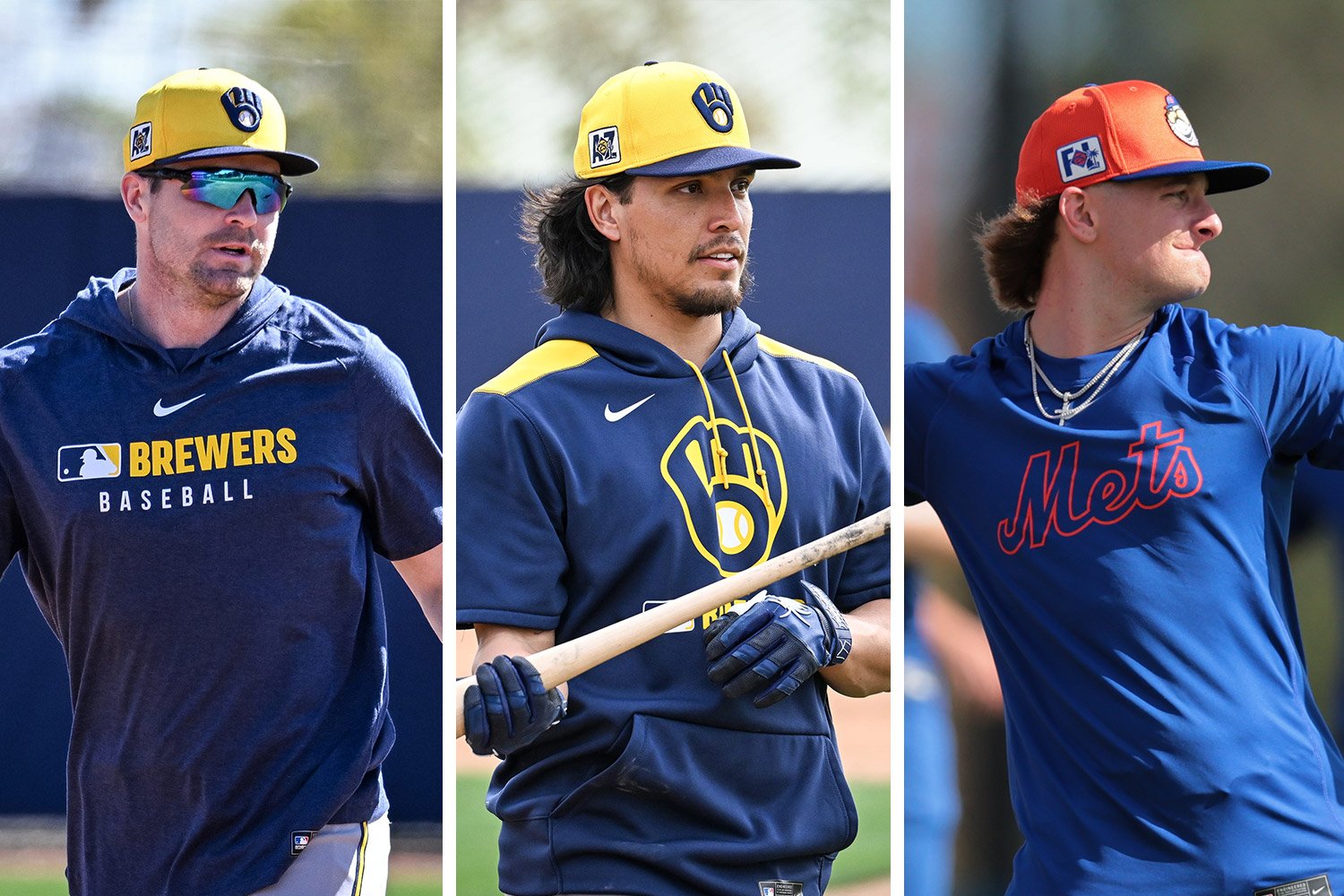 Most Brewers fans enjoyed the bulk of the 2025 season, with the team setting a franchise record for wins and beating the Cubs in the National League Division Series (a bit of payback for the Cubs signing away Craig Counsell in the 2023-2024 offseason). The 2025 NLCS, where the team ran out of gas, is more forgettable, but the Brewers could avoid that by rethinking their bench. The Brewers usually operate with the maximum allowed 13 pitchers, leaving them 13 position players. Nine position players are spoken for in the everyday lineup, thanks to the National League catching up with the times and adopting the designated hitter. That leaves four spots on the bench. How should Milwaukee use them? One will obviously have to be for the backup catcher. But the Brewers should think out of the box when it comes to the other three. Instead of just having the conventional approach of a fourth outfielder, a backup infielder, and a platoon option at first base (who may or may not be able to handle corner outfield spots), the team may want to turn to versatility instead. How well can this work? The 2018 season provides an example: Javier Baez, then with the Cubs. He mostly played at second base, third base, and shortstop, but he also saw action as a pinch-hitter and first baseman that year, and in the two previous seasons had been at corner outfield spots. He posted 6.8 Wins Above Replacement that year, per Baseball-Reference, and was the runner-up in the NL MVP race to Christian Yelich. He's dropped off the face of the earth offensively with the Tigers, but his versatility still propelled him to 1.9 WAR in 2025, again via Baseball-Reference. The recently traded Isaac Collins could’ve been another example. While he mostly held down left field in 2025, he also saw action at second base, third base, center field, and right field during his professional time with the Brewers (counting the minor leagues). Believe it or not, between the 40-man roster and the non-roster invitees as of Jan. 31, the Brewers could assemble a supersub bench. Here are some of the contenders. Jett Williams Williams is part of the return Milwaukee netted in the Freddy Peralta trade, and multiple Brewers may already be nervous about him. The reason why is pretty obvious. His bat profiles as a very potent one – one that adds power to superb OBP skills, speed, and versatility. It’s not hard to imagine him on Milwaukee’s bench in 2026, covering all three outfield positions, as well as shortstop, second base, and third base. He’s a more versatile version of Baez – and that could be very valuable indeed. Anthony Seigler Seigler has mostly played infield the last two seasons, but he originally came up as a catcher and also saw action there for Triple-A Nashville in 2025. Given the durability of William Contreras, Seigler might be a choice to take a third catcher role, simply because he could contribute elsewhere on the field, including on the pitching mound, occasionally, keeping him from getting rusty. Andruw Monasterio Monasterio has seen less action in 2024 and 2025 combined than he did in his rookie campaign of 2023. However, he brings a competent bat to the plate, and his versatility (playing all four infield positions and left field) is an asset as well. While his offensive floor has been high, he’s also not a likely Silver Slugger candidate, either. Still, he's reliable. Tyler Black Black’s biggest problem has been the lack of a defensive home. The Brewers have tried him at second base, center field, third base, first base, left field, right field, and he’s even seen action at designated hitter. As a supersub, his experience all over the diamond could allow him to give other Brewers a rest, while not sacrificing as much on offense. His bat has never really been in question, just the ability to hold a single position down on defense. Eduardo Garcia Garcia received an invitation to the big-league camp after first signing as an international free agent in July 2019. At one point seen as the Brewers’ shortstop of the future alongside catcher of the future Jeferson Quero, he seemed to stall out after injuries and high strikeout totals, while Cooper Pratt and Jesus Made emerged ahead of him at shortstop. However, he seemed to put his bat together more in 2025, his age-22 season, and he’s now morphed into a very versatile player, handling all three outfield spots as well as second base, third base, and shortstop. His defense, speed, and even occasional pop aren’t in question, just the consistency of his hit-to-contact tool. He's also only 23 years old. By turning to supersubs with higher offensive performance who could play all over, the Brewers might be able to become even more potent in the playoffs, having given players like Sal Frelick, Brice Turang, Caleb Durbin, and Jackson Chourio a chance to rest during the regular season, but also having the option to ride a "hot hand" with minimal disruption. Do you think the Brewers should turn to supersubs on the bench? Let us know in the comments below!
- 8 comments
-
- 1
-
-
- jett williams
- anthony seigler
- (and 3 more)
-
Image courtesy of © Eakin Howard-Imagn Images The Brewers were blessed in 2024 and 2025, as Brice Turang’s offense took some quantum leaps in each of those seasons. He went from a barely adequate starter to a perennial Platinum Glove threat with a lethal offensive profile, posting a 121 OPS+ and racking up 28 doubles and 18 home runs. He’s also been reliable, playing in 311 out of 324 games the last two seasons. Let’s see how second base breaks down for your 2026 Milwaukee Brewers. Brewers Second Base 2025 Review Turang, who won a Gold Glove and the Platinum Glove in 2024, posting 4.7 WAR per Baseball Reference, managed to be even better in 2025. His OPS and OPS+ were the best among any Brewer with more than 300 at-bats. His defense was still superb, even if he was robbed of the Gold Glove by Nico Hoerner. The only drop-off/regression that Brewers fans saw was a decline in stolen bases, from 50 to 24, a career low for Turang, who was also caught a career-high eight times. Then again, Turang’s power surge upped his WAR to 5.6 in 2025, per Baseball Reference. Brewers Current Roster Situation Turang is the incumbent starter and is arguably on the cusp of eclipsing Rickie Weeks as the best second baseman in team history. He’s blown past other notables at the position like Fernando Vina and Jim Gantner. Caleb Durbin and Andruw Monasterio each saw ten games at second in 2025. Both would be capable choices at the position, but the offensive and defensive prowess of Turang would be noticeably absent. Other players with some experience at the position on the 40-man roster and among the NRIs are Tyler Black, Anthony Seigler, Eddys Leonard, Jesus Made, Cooper Pratt, Eduardo Garcia, and Jett Wiliams. In the high minors, the Brewers also have Ethan Murray and Freddy Zamora, while further down on the farm, Josh Adamczewski, Luis Pena, Jadyn Fielder, and Filippo di Turi could be fast risers in the organization due to their bats. In short, in the next few years, the Brewers could have the proverbial overflowing cup at second. Brewers Second Base Best-Case Scenario Brice Turang gets roughly 140 starts at second base, getting time off from the presence of players like Black and Williams, while delivering 2025’s at the plate profile with 2024’s basepath production. Turang could be a 20-50 player for the next few years with Gold Glove-caliber defense. This is one area where Milwaukee may not get pure power, but a guy who takes extra bases and steals bases can be very useful in scoring runs. HI paying fewer games would not be a bad thing, either: He’s played 155 games the last two seasons, but the team did appear to run out of gas against the Dodgers in the 2025 NLCS, and a few more games off might help the team out in October. There are plenty of options. Brewers Second Base Worst-Case Scenario Andruw Monasterio sees more than 20 games at second base. This is not because Monasterio would be horrible – in fact, he’s a competent option at the position. The problem would be that Turang and other higher-ceiling options were injured or ineffective, leaving the Brewers no choice but to go further down their depth chart. Overview There are a lot of ways for second base to go very well for Milwaukee, both for 2026 and the long term. Turang is probably the most familiar option, and if he is a 20-50 player, it will be hard for the Crew to get any better than his performance – or keep him around past 2027 (free agency and a massive payday will beckon). That said, if Caleb Durbin gets a lot of time at second, due to Turang moving to shortstop to fill in for a slumping Joey Ortiz, that’s not a bad outcome for Milwaukee, either. Neither is Jett Williams, Cooper Pratt, or Tyler Black taking playing time. Later in the season, one of Made, Adamczewski, Pena, or Garcia could be a viable choice. Brewers fans will likely have some very talented second basemen in the near future – worthy successors or complements to their current one. View full article
-
Brewers’ Best and Worst Case Scenarios For 2026: Second Base
Harold Hutchison posted an article in Brewers
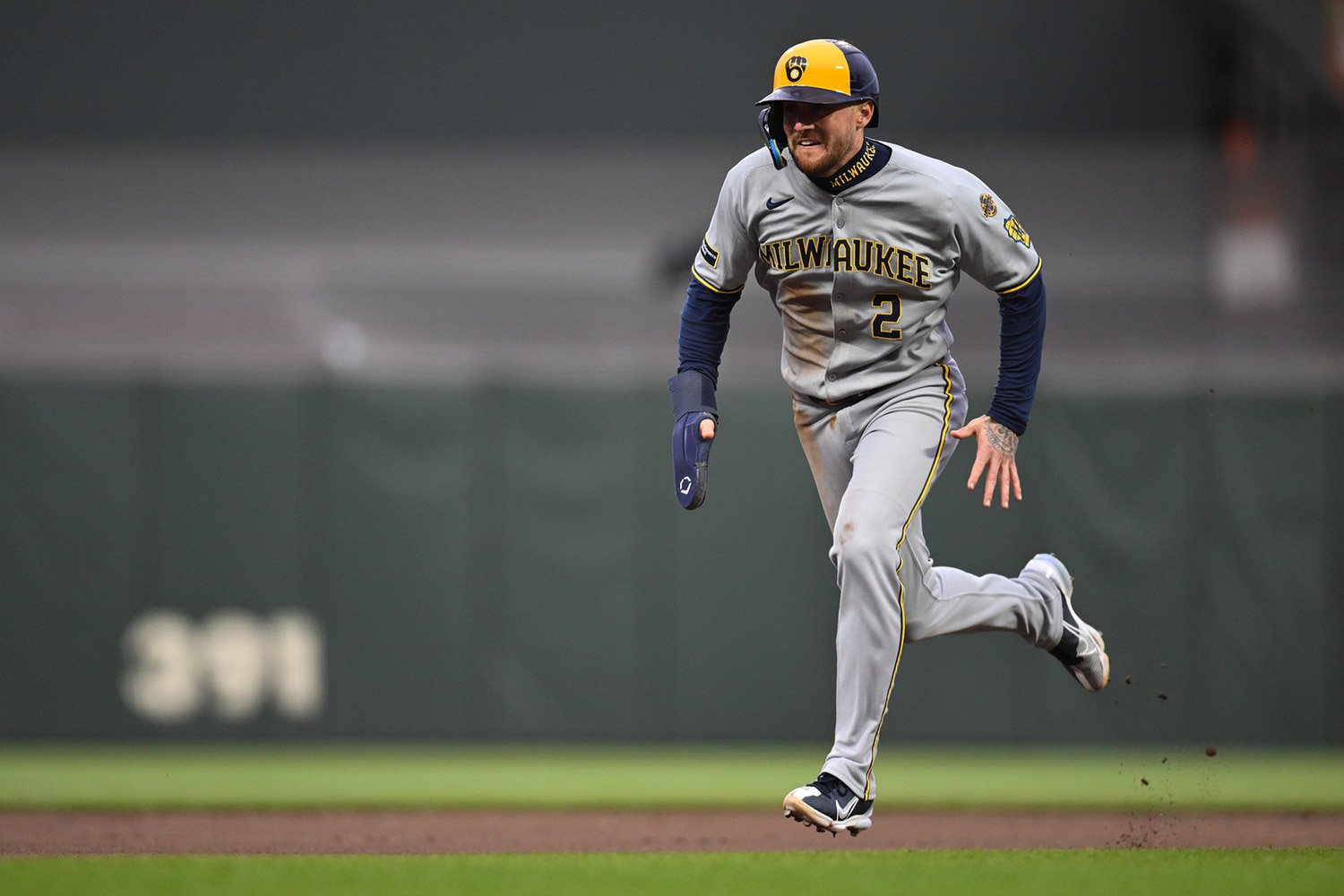 The Brewers were blessed in 2024 and 2025, as Brice Turang’s offense took some quantum leaps in each of those seasons. He went from a barely adequate starter to a perennial Platinum Glove threat with a lethal offensive profile, posting a 121 OPS+ and racking up 28 doubles and 18 home runs. He’s also been reliable, playing in 311 out of 324 games the last two seasons. Let’s see how second base breaks down for your 2026 Milwaukee Brewers. Brewers Second Base 2025 Review Turang, who won a Gold Glove and the Platinum Glove in 2024, posting 4.7 WAR per Baseball Reference, managed to be even better in 2025. His OPS and OPS+ were the best among any Brewer with more than 300 at-bats. His defense was still superb, even if he was robbed of the Gold Glove by Nico Hoerner. The only drop-off/regression that Brewers fans saw was a decline in stolen bases, from 50 to 24, a career low for Turang, who was also caught a career-high eight times. Then again, Turang’s power surge upped his WAR to 5.6 in 2025, per Baseball Reference. Brewers Current Roster Situation Turang is the incumbent starter and is arguably on the cusp of eclipsing Rickie Weeks as the best second baseman in team history. He’s blown past other notables at the position like Fernando Vina and Jim Gantner. Caleb Durbin and Andruw Monasterio each saw ten games at second in 2025. Both would be capable choices at the position, but the offensive and defensive prowess of Turang would be noticeably absent. Other players with some experience at the position on the 40-man roster and among the NRIs are Tyler Black, Anthony Seigler, Eddys Leonard, Jesus Made, Cooper Pratt, Eduardo Garcia, and Jett Wiliams. In the high minors, the Brewers also have Ethan Murray and Freddy Zamora, while further down on the farm, Josh Adamczewski, Luis Pena, Jadyn Fielder, and Filippo di Turi could be fast risers in the organization due to their bats. In short, in the next few years, the Brewers could have the proverbial overflowing cup at second. Brewers Second Base Best-Case Scenario Brice Turang gets roughly 140 starts at second base, getting time off from the presence of players like Black and Williams, while delivering 2025’s at the plate profile with 2024’s basepath production. Turang could be a 20-50 player for the next few years with Gold Glove-caliber defense. This is one area where Milwaukee may not get pure power, but a guy who takes extra bases and steals bases can be very useful in scoring runs. HI paying fewer games would not be a bad thing, either: He’s played 155 games the last two seasons, but the team did appear to run out of gas against the Dodgers in the 2025 NLCS, and a few more games off might help the team out in October. There are plenty of options. Brewers Second Base Worst-Case Scenario Andruw Monasterio sees more than 20 games at second base. This is not because Monasterio would be horrible – in fact, he’s a competent option at the position. The problem would be that Turang and other higher-ceiling options were injured or ineffective, leaving the Brewers no choice but to go further down their depth chart. Overview There are a lot of ways for second base to go very well for Milwaukee, both for 2026 and the long term. Turang is probably the most familiar option, and if he is a 20-50 player, it will be hard for the Crew to get any better than his performance – or keep him around past 2027 (free agency and a massive payday will beckon). That said, if Caleb Durbin gets a lot of time at second, due to Turang moving to shortstop to fill in for a slumping Joey Ortiz, that’s not a bad outcome for Milwaukee, either. Neither is Jett Williams, Cooper Pratt, or Tyler Black taking playing time. Later in the season, one of Made, Adamczewski, Pena, or Garcia could be a viable choice. Brewers fans will likely have some very talented second basemen in the near future – worthy successors or complements to their current one.
 -
In the aggregate, Hoskins, Bauers, and Vaughn got to 2.9 WAR per Baseball Reference.
- 7 replies
-
- 1
-
-
- andrew vaughn
- jake bauers
- (and 2 more)
-
Image courtesy of © Jovanny Hernandez / Milwaukee Journal Sentinel / USA TODAY NETWORK via Imagn Images For a Brewers franchise that has had some legendary first basemen in its history (Cecil Cooper, Prince Fielder, Richie Sexson), first base has been more of a hodgepodge in the last six seasons, featuring four different starters, each of whom posted a negative Wins Above Replacement (WAR) at least once, according to Baseball Reference. No primary starter has posted a WAR above 1.5 since Jesús Aguilar in 2018. Can that change in 2026? Let’s take a look. 2025 Review Rhys Hoskins, Andrew Vaughn, and Jake Bauers combined to provide adequate production at first base over the 2025 season. Hoskins missed time with an injury and was then displaced by Vaughn, who was on a hot streak. But the Brewers have had a couple of players have hot streaks when they arrived, only to fade away, like Rowdy Tellez and the aforementioned Aguilar. Vaughn's staying power as a slugger is a key question about the position entering 2026. Current Roster Situation Vaughn and Bauers could form a soft platoon at first base for Milwaukee, at least to start the 2026 season. Behind them, there is Andruw Monasterio, who handled first base for 15 games in 2025, and Tyler Black, a former top-100 prospect who could be more suited as a supersub. William Contreras could handle first base, in case Vaughn is injured or reverts to his form with the White Sox, especially if Jeferson Quero has an excellent spring and forces Milwaukee to call him up from Nashville. In the upper minors, the Brewers will have Blake Burke and Luke Adams. The former, the team’s 2024 sandwich-round pick acquired in the Corbin Burnes trade, is a lefty masher, while the latter has split time between the hot corner and the cold, getting on base often both by drawing walks and joining the Caleb Durbin “plunk me” club, while still having a potent bat of his own. Third-base prospects Brock Wilken and Andrew Fischer could also slide across the infield. Best-Case Scenario For the Brewers, the best-case scenario would involve Vaughn getting the bulk (about 130) of the starts at first base, with the other 32 (give or take) going to either Bauers. This would indicate that Vaughn’s breakout in Milwaukee was for real and not just a hot streak, which also would have positive implications for the 2026-2027 offseason: the Brewers might be able to net a decent return by trading Vaughn. Recall that the Adam Lind deal worked out very nicely for Milwaukee. Worst-Case Scenario Andruw Monasterio gets more than 10 starts at first base. If this is happening, then the Brewers have had things go south, either on the injury front or because players have slumped, while prospects in the minors aren’t ready to step up, either. Monasterio’s not an incompetent hitter, but his offensive ceiling is very limited. If he becomes the team’s best option, then expect the Brewers to make a sudden deal to bolster the position or elect to rush up a top prospect. Either way, it will not be a good situation. Overview First base can either go really well for the Brewers, or it can be a significant weakness on the team. Milwaukee’s faced both extremes over the last six years. There are also a lot of middle-case scenarios, which could include Contreras seeing time at the position (this would mark some good news at catcher regarding Quero’s development/health), Black getting a lot of starts (he won’t have the power of Vaughn or Bauers, but he can draw walks), or one of Burke, Adams, and Wilken forcing their way to Milwaukee with their performance. View full article
-
Milwaukee Brewers Best- and Worst-Case Scenarios For 2026: First Base
Harold Hutchison posted an article in Brewers
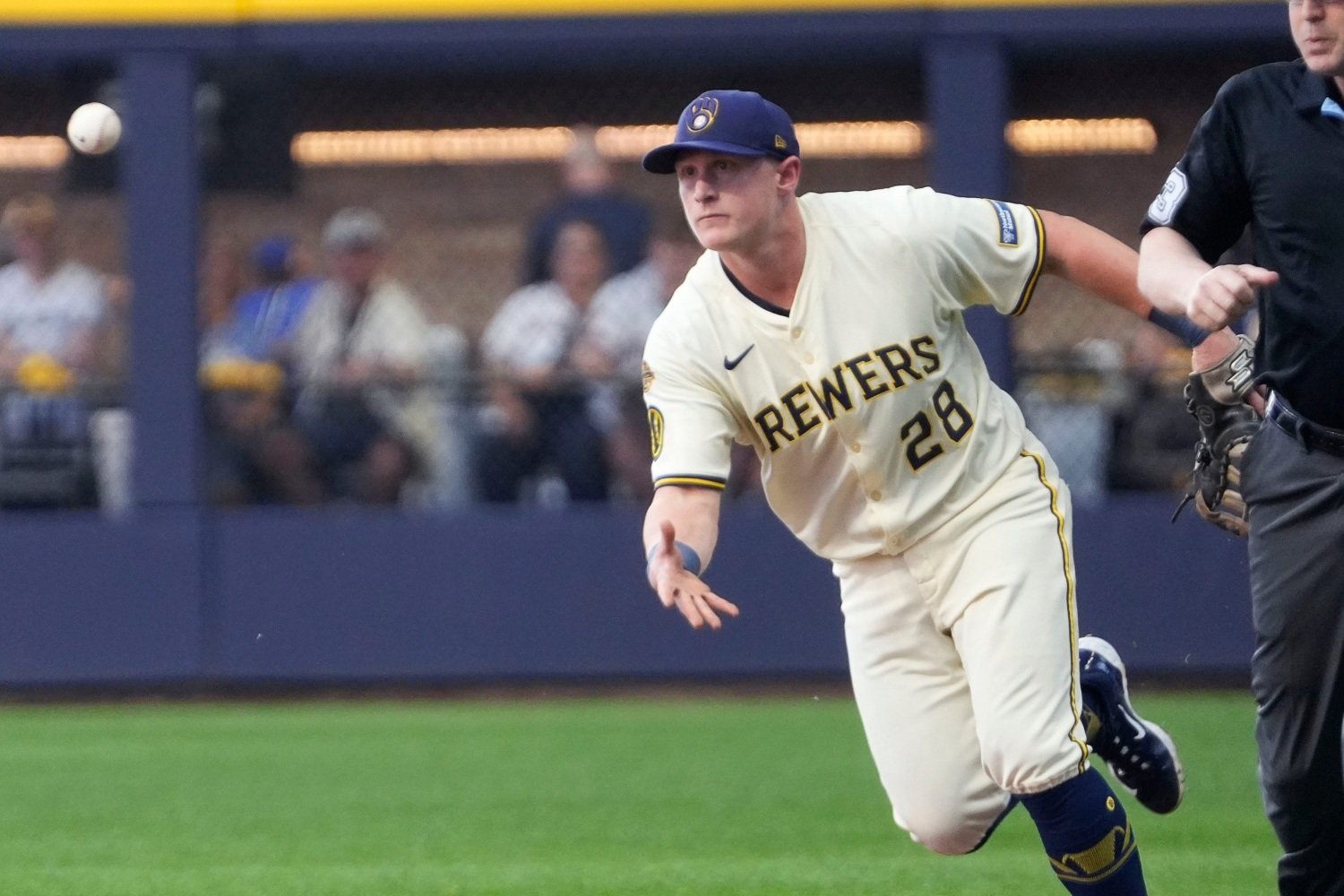 For a Brewers franchise that has had some legendary first basemen in its history (Cecil Cooper, Prince Fielder, Richie Sexson), first base has been more of a hodgepodge in the last six seasons, featuring four different starters, each of whom posted a negative Wins Above Replacement (WAR) at least once, according to Baseball Reference. No primary starter has posted a WAR above 1.5 since Jesús Aguilar in 2018. Can that change in 2026? Let’s take a look. 2025 Review Rhys Hoskins, Andrew Vaughn, and Jake Bauers combined to provide adequate production at first base over the 2025 season. Hoskins missed time with an injury and was then displaced by Vaughn, who was on a hot streak. But the Brewers have had a couple of players have hot streaks when they arrived, only to fade away, like Rowdy Tellez and the aforementioned Aguilar. Vaughn's staying power as a slugger is a key question about the position entering 2026. Current Roster Situation Vaughn and Bauers could form a soft platoon at first base for Milwaukee, at least to start the 2026 season. Behind them, there is Andruw Monasterio, who handled first base for 15 games in 2025, and Tyler Black, a former top-100 prospect who could be more suited as a supersub. William Contreras could handle first base, in case Vaughn is injured or reverts to his form with the White Sox, especially if Jeferson Quero has an excellent spring and forces Milwaukee to call him up from Nashville. In the upper minors, the Brewers will have Blake Burke and Luke Adams. The former, the team’s 2024 sandwich-round pick acquired in the Corbin Burnes trade, is a lefty masher, while the latter has split time between the hot corner and the cold, getting on base often both by drawing walks and joining the Caleb Durbin “plunk me” club, while still having a potent bat of his own. Third-base prospects Brock Wilken and Andrew Fischer could also slide across the infield. Best-Case Scenario For the Brewers, the best-case scenario would involve Vaughn getting the bulk (about 130) of the starts at first base, with the other 32 (give or take) going to either Bauers. This would indicate that Vaughn’s breakout in Milwaukee was for real and not just a hot streak, which also would have positive implications for the 2026-2027 offseason: the Brewers might be able to net a decent return by trading Vaughn. Recall that the Adam Lind deal worked out very nicely for Milwaukee. Worst-Case Scenario Andruw Monasterio gets more than 10 starts at first base. If this is happening, then the Brewers have had things go south, either on the injury front or because players have slumped, while prospects in the minors aren’t ready to step up, either. Monasterio’s not an incompetent hitter, but his offensive ceiling is very limited. If he becomes the team’s best option, then expect the Brewers to make a sudden deal to bolster the position or elect to rush up a top prospect. Either way, it will not be a good situation. Overview First base can either go really well for the Brewers, or it can be a significant weakness on the team. Milwaukee’s faced both extremes over the last six years. There are also a lot of middle-case scenarios, which could include Contreras seeing time at the position (this would mark some good news at catcher regarding Quero’s development/health), Black getting a lot of starts (he won’t have the power of Vaughn or Bauers, but he can draw walks), or one of Burke, Adams, and Wilken forcing their way to Milwaukee with their performance.
 -
Image courtesy of © Benny Sieu-Imagn Images The Brewers have enjoyed the fruits of a heist since Opening Day 2023. Through a brilliant move, they secured the long-term services of William Contreras, plus the useful Joel Payamps, for the price of Esteury Ruiz, who’s since been dealt to two other teams. Will catcher still be a strength in 2026? 2025 Review Contreras held down the fort again in 2025, playing through a broken finger. It cost him somewhat at the plate and in terms of WAR (he dropped from 4.9 WAR in 2024 to 3.9 in 2025), but he was still a borderline All-Star-caliber player. That didn’t leave much for backups Eric Haase and Danny Jansen to do, although both contributed by allowing Contreras to serve as the DH on occasion. Current Roster Situation At the start of February, the Brewers have Contreras and former Top 100 prospect Jeferson Quero on the 40-man roster. Contreras figures to be the starter, though barring a financial miracle, his days at Uecker Field are probably numbered. The big question is who takes the No. 2 spot. Backup catchers in Milwaukee haven’t had much to do at times, but it never hurts to have quality when it's needed. Quero could be an option even by Opening Day, and has been the Brewers' catcher of the future for the last few years. The theory behind him as the backup to Contreras would be that he could spend 2026 acclimating to MLB pitching and easing in as the eventual starter. However, he’s still coming off two injury-riddled seasons and may need to play every day, and that can only happen in Triple-A Nashville, given Contreras’s presence. Anthony Seigler is also on the 40-man roster and played 22 games at catcher in Nashville last season, but he's more of a utility man and emergency backstop. Then we turn to various non-roster invitees. Veteran Reese McGuire was signed as a free agent, and received an invitation to spring training. He's the co-favorite (alongside Quero) to be the backup come late March. Ramon Rodriguez had only 81 at-bats in a 2025 season lost to injury. Darrien Miller has been in the organization for a long time, and his OBP skills are strong. Matthew Wood has looked solid, despite being overshadowed by Quero and Marco Dinges. Wood and Miller are both only 24, though neither will be more than a second-tier backup in the majors. Best-Case Scenario for 2026 The best-case scenario for the Brewers is for Contreras to pick up about 120 starts behind the plate and another 30 or so at designated hitter, with one of the NRIs taking the backup job, allowing Quero a full season at Nashville to give the Brewers an idea of what he will look like at maturity. McGuire and Miller would be the top contenders, with McGuire holding the obvious edge. If Contreras posts something akin to his 2024 numbers, the Brewers could then get a major haul to recharge their farm system. Worst-Case Scenario for 2026 Contreras has a lengthy stay on the injured list, and Jeferson Quero struggles as his fill-in. The Brewers were lucky that Contreras was able to power through and deliver above-average offense (111 OPS+) even in an injury-diminished campaign. If they are unlucky this time around, the catcher position goes from a strength to a question mark in 2026, and it will also affect the return the Brewers receive in the likely event Contreras is traded in the 2026-2027 offseason. Overview There are a number of ways for the catcher spot to go wrong for Milwaukee. Contreras could be injured. The Brewers could end up with Quero sitting on the bench a lot in Milwaukee, because nobody else seizes the backup catcher slot. Catcher can also go right in multiple ways, including Quero delivering average to above-average offense and forcing his way into playing time in Milwaukee. The interesting discussion in Arizona will be who backs up the big guy, but the outcomes for this season all hinge on Contreras himself. View full article
-
Milwaukee Brewers Best- and Worst-Case Scenarios for 2026: Catcher
Harold Hutchison posted an article in Brewers
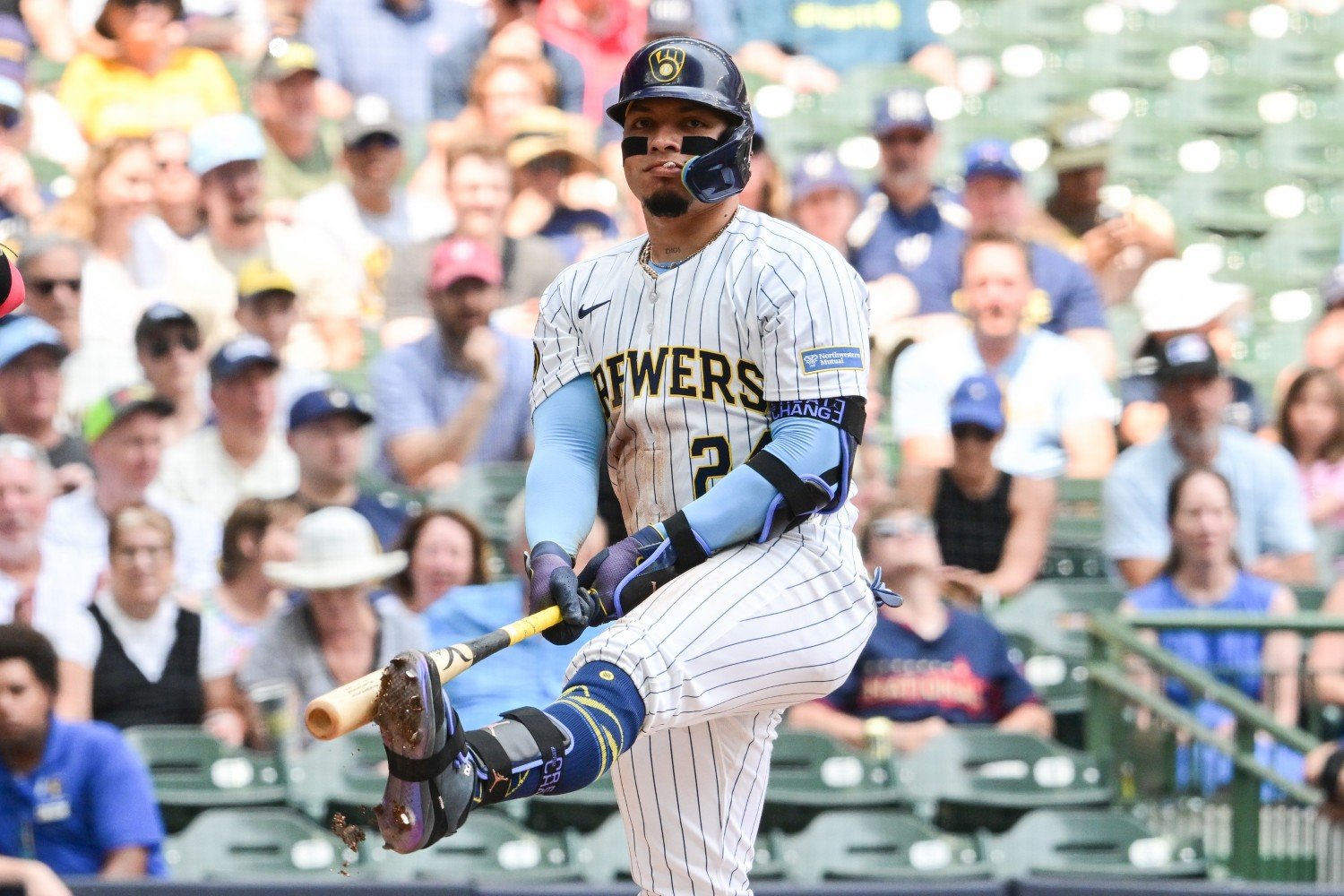 The Brewers have enjoyed the fruits of a heist since Opening Day 2023. Through a brilliant move, they secured the long-term services of William Contreras, plus the useful Joel Payamps, for the price of Esteury Ruiz, who’s since been dealt to two other teams. Will catcher still be a strength in 2026? 2025 Review Contreras held down the fort again in 2025, playing through a broken finger. It cost him somewhat at the plate and in terms of WAR (he dropped from 4.9 WAR in 2024 to 3.9 in 2025), but he was still a borderline All-Star-caliber player. That didn’t leave much for backups Eric Haase and Danny Jansen to do, although both contributed by allowing Contreras to serve as the DH on occasion. Current Roster Situation At the start of February, the Brewers have Contreras and former Top 100 prospect Jeferson Quero on the 40-man roster. Contreras figures to be the starter, though barring a financial miracle, his days at Uecker Field are probably numbered. The big question is who takes the No. 2 spot. Backup catchers in Milwaukee haven’t had much to do at times, but it never hurts to have quality when it's needed. Quero could be an option even by Opening Day, and has been the Brewers' catcher of the future for the last few years. The theory behind him as the backup to Contreras would be that he could spend 2026 acclimating to MLB pitching and easing in as the eventual starter. However, he’s still coming off two injury-riddled seasons and may need to play every day, and that can only happen in Triple-A Nashville, given Contreras’s presence. Anthony Seigler is also on the 40-man roster and played 22 games at catcher in Nashville last season, but he's more of a utility man and emergency backstop. Then we turn to various non-roster invitees. Veteran Reese McGuire was signed as a free agent, and received an invitation to spring training. He's the co-favorite (alongside Quero) to be the backup come late March. Ramon Rodriguez had only 81 at-bats in a 2025 season lost to injury. Darrien Miller has been in the organization for a long time, and his OBP skills are strong. Matthew Wood has looked solid, despite being overshadowed by Quero and Marco Dinges. Wood and Miller are both only 24, though neither will be more than a second-tier backup in the majors. Best-Case Scenario for 2026 The best-case scenario for the Brewers is for Contreras to pick up about 120 starts behind the plate and another 30 or so at designated hitter, with one of the NRIs taking the backup job, allowing Quero a full season at Nashville to give the Brewers an idea of what he will look like at maturity. McGuire and Miller would be the top contenders, with McGuire holding the obvious edge. If Contreras posts something akin to his 2024 numbers, the Brewers could then get a major haul to recharge their farm system. Worst-Case Scenario for 2026 Contreras has a lengthy stay on the injured list, and Jeferson Quero struggles as his fill-in. The Brewers were lucky that Contreras was able to power through and deliver above-average offense (111 OPS+) even in an injury-diminished campaign. If they are unlucky this time around, the catcher position goes from a strength to a question mark in 2026, and it will also affect the return the Brewers receive in the likely event Contreras is traded in the 2026-2027 offseason. Overview There are a number of ways for the catcher spot to go wrong for Milwaukee. Contreras could be injured. The Brewers could end up with Quero sitting on the bench a lot in Milwaukee, because nobody else seizes the backup catcher slot. Catcher can also go right in multiple ways, including Quero delivering average to above-average offense and forcing his way into playing time in Milwaukee. The interesting discussion in Arizona will be who backs up the big guy, but the outcomes for this season all hinge on Contreras himself.
 -
Maybe the Crew could send Ashby to Cleveland - get a CB pick and a prospect.
-
Image courtesy of © Michael McLoone-Imagn Images Brewers fans continue to react and accustom themselves to the Freddy Peralta trade that took place last week. Milwaukee got utility man Jett Williams and right-handed pitcher Brandon Sproat for Peralta and Tobias Myers, which has far reaching and overlapping implications. Let's break them down a bit more. The Good Perhaps the biggest benefit the Brewers got was the reinforcement of the farm system. On the face of it, it looks to be similar to the return in the Corbin Burnes deal, in which the Brewers got DL Hall and Joey Ortiz, plus a Competitive Balance pick that became Blake Burke. The difference? This time, the Brewers got two players from the Mets’ farm system, both of whom landed in the top six slots of MLB Pipeline’s Top 30 list for Milwaukee. Sproat is a better version of Quinn Priester, who should fit in well with Jacob Misiorowski, Logan Henderson, Priester, Chad Patrick and Robert Gasser as long-term pieces in the starting rotation. Williams is arguably the more intriguing of the two. He appears to be a more potent version of Isaac Collins, a highly versatile infielder-outfielder who could play second base and the outfield. Unlike Collins, Williams has some real pop in his bat and also plays a passable shortstop, should his readiness for the majors coincide with further regression by Ortiz. Had he not been traded, Collins could have spelled Brewers starters at multiple positions. Williams could easily fill that role for Milwaukee, making him a crucial asset in 2026, even with a raw bat. Bulking up the farm system isn't an objective worth trading good players for, in itself, but really, it's just one way to see that the Brewers got two more players who look likely to be solid contributors in the short and medium term, and who are under team control past the end of this decade. Sustaining the winning machine in Milwaukee requires this kind of refueling. The Bad On the face of it, the bad includes the fact that the Brewers traded their ace. Even with a very deep rotation, which had a dozen viable options, Peralta is a major loss. It makes Brandon Woodruff the team’s number one starter, unless Misiorowski harnesses his stuff or Henderson can stay healthy. While Brandon Sproat has a chance to be very good, he’s not the proven commodity Peralta was. So the Brewers' rotation has suffered a slight downgrade. Nor was Peralta the only useful arm the Brewers surrendered. Myers, a mainstay of the 2024 rotation, will not be arbitration-eligible until after 2027 and would be under team control through 2030. The Brewers probably didn't have much more use for Myers, given their depth, and the Mets were unwilling to send both Williams and Sproat without getting a second arm in return, but there's opportunity cost (at least) in giving up Myers as a second piece, and he could yet blossom into a mid-rotation starter. The Ugly The Peralta trade is just the latest in an ugly cycle that’s been hitting Milwaukee for decades, whereby the team finds itself priced out of the market to keep the stars it has developed in its farm system. Major League Baseball has a problem. Any baseball fan who doesn’t root for a big-spending, big-market club can see it clearly. While the Brewers have clearly had an excellent run since 2017, in each of the last four seasons, the team had to trade a top-of-the-line player because it's effectively priced out of the premium free-agent market. Some of that is a choice by the Attanasio family and the rest of the Brewers' ownership group, but some of it, too, is a harsh and inexorable economic reality. One way or another, the league needs to better distribute revenue and even out the pain of spending (if not the spending itself) among the 30 teams. Until that happens, these moves will remain annual occurrences, and while it can be fun to watch the Brewers nail it over and over again, that they feel the need to do so is an ugly truth. What are your thoughts about the positive and negative aspects of the Freddy Peralta trade? Let us know in the comments below! View full article
-
The Good, Bad, and Ugly Facts of the Freddy Peralta Trade
Harold Hutchison posted an article in Brewers
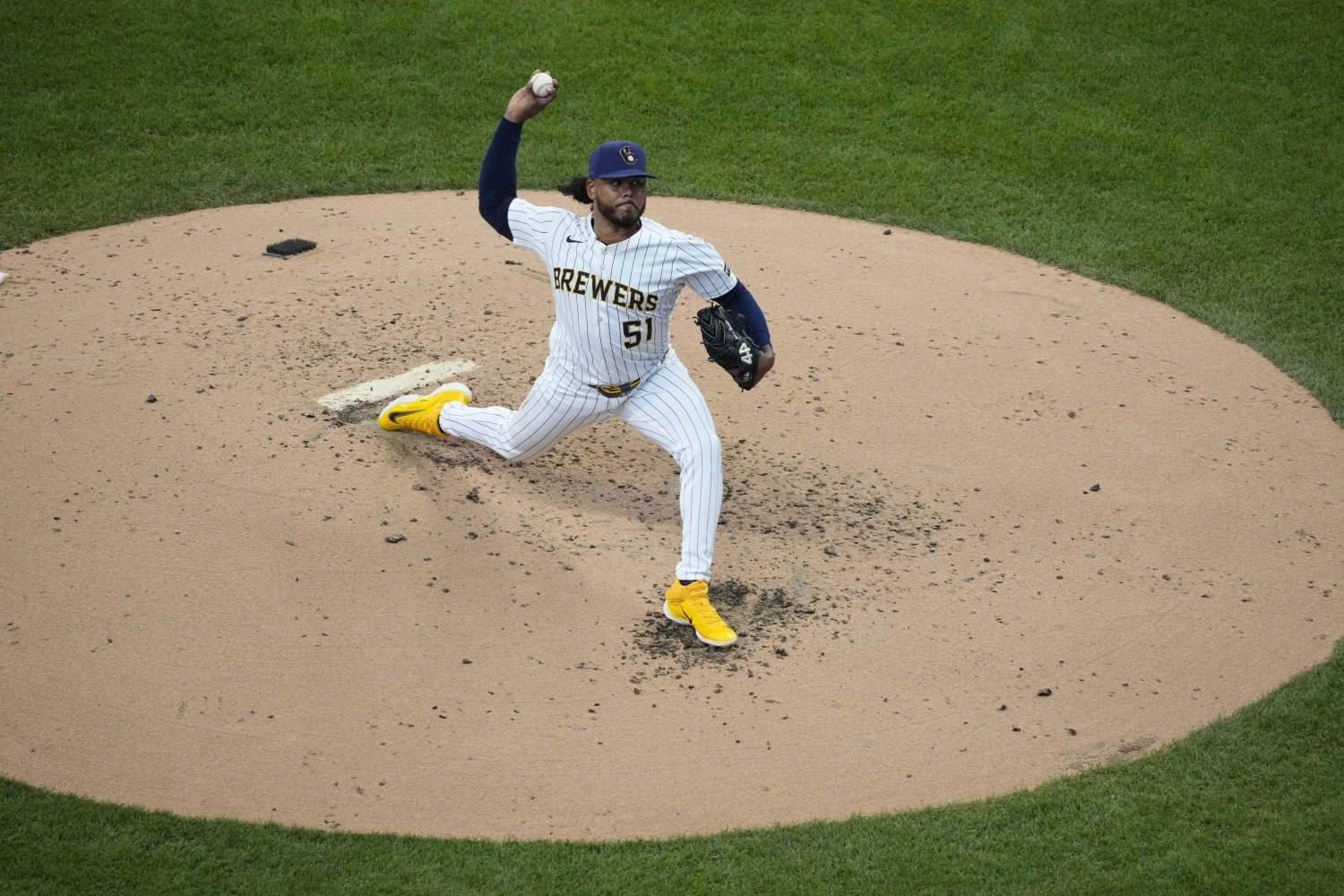 Brewers fans continue to react and accustom themselves to the Freddy Peralta trade that took place last week. Milwaukee got utility man Jett Williams and right-handed pitcher Brandon Sproat for Peralta and Tobias Myers, which has far reaching and overlapping implications. Let's break them down a bit more. The Good Perhaps the biggest benefit the Brewers got was the reinforcement of the farm system. On the face of it, it looks to be similar to the return in the Corbin Burnes deal, in which the Brewers got DL Hall and Joey Ortiz, plus a Competitive Balance pick that became Blake Burke. The difference? This time, the Brewers got two players from the Mets’ farm system, both of whom landed in the top six slots of MLB Pipeline’s Top 30 list for Milwaukee. Sproat is a better version of Quinn Priester, who should fit in well with Jacob Misiorowski, Logan Henderson, Priester, Chad Patrick and Robert Gasser as long-term pieces in the starting rotation. Williams is arguably the more intriguing of the two. He appears to be a more potent version of Isaac Collins, a highly versatile infielder-outfielder who could play second base and the outfield. Unlike Collins, Williams has some real pop in his bat and also plays a passable shortstop, should his readiness for the majors coincide with further regression by Ortiz. Had he not been traded, Collins could have spelled Brewers starters at multiple positions. Williams could easily fill that role for Milwaukee, making him a crucial asset in 2026, even with a raw bat. Bulking up the farm system isn't an objective worth trading good players for, in itself, but really, it's just one way to see that the Brewers got two more players who look likely to be solid contributors in the short and medium term, and who are under team control past the end of this decade. Sustaining the winning machine in Milwaukee requires this kind of refueling. The Bad On the face of it, the bad includes the fact that the Brewers traded their ace. Even with a very deep rotation, which had a dozen viable options, Peralta is a major loss. It makes Brandon Woodruff the team’s number one starter, unless Misiorowski harnesses his stuff or Henderson can stay healthy. While Brandon Sproat has a chance to be very good, he’s not the proven commodity Peralta was. So the Brewers' rotation has suffered a slight downgrade. Nor was Peralta the only useful arm the Brewers surrendered. Myers, a mainstay of the 2024 rotation, will not be arbitration-eligible until after 2027 and would be under team control through 2030. The Brewers probably didn't have much more use for Myers, given their depth, and the Mets were unwilling to send both Williams and Sproat without getting a second arm in return, but there's opportunity cost (at least) in giving up Myers as a second piece, and he could yet blossom into a mid-rotation starter. The Ugly The Peralta trade is just the latest in an ugly cycle that’s been hitting Milwaukee for decades, whereby the team finds itself priced out of the market to keep the stars it has developed in its farm system. Major League Baseball has a problem. Any baseball fan who doesn’t root for a big-spending, big-market club can see it clearly. While the Brewers have clearly had an excellent run since 2017, in each of the last four seasons, the team had to trade a top-of-the-line player because it's effectively priced out of the premium free-agent market. Some of that is a choice by the Attanasio family and the rest of the Brewers' ownership group, but some of it, too, is a harsh and inexorable economic reality. One way or another, the league needs to better distribute revenue and even out the pain of spending (if not the spending itself) among the 30 teams. Until that happens, these moves will remain annual occurrences, and while it can be fun to watch the Brewers nail it over and over again, that they feel the need to do so is an ugly truth. What are your thoughts about the positive and negative aspects of the Freddy Peralta trade? Let us know in the comments below!
- 1 comment
-
- 1
-
-
- freddy peralta
- jett williams
- (and 1 more)
-
Image courtesy of © Sam Navarro-Imagn Images New Brewers prospect Jett Williams brings versatility to the table, with some serious OBP skills, power, and speed and experience at shortstop, second base and center field. His versatility and upside are why the Brewers wanted him, but they make him an (almost) immediate threat to the playing time of some of the team's incumbents. Williams might start the season in the minors, but he should be ready to play in the big leagues sometime this year. The Brewers usually keep all 13 allowed pitchers, so after accounting for the nine starters each day, they have just four spots for bench players, one of which will be held by the backup catcher. So, which Brewers could be bumped off, should Williams seize a job—be it off the roster, or out of the regular mix? Andruw Monasterio Monasterio has been an unsung cult hero for the Brewers since he came up in 2023, including being Brewer Fanatic’s top rookie that year as the team’s primary third baseman down the stretch. Since then, he’s been one of the top options off the Brewers bench, playing all four infield positions adroitly. His playing time has been sparser the last two seasons (251 at-bats total in 2024 and 2025, compared to 282 in 2023). Williams brings a similar type of versatility and a more potent bat. Monasterio is eligible for arbitration after this season, and while he’s solid, his time may be running out. It's possible for Monasterio and Williams to coexist on the 26-man roster, and even on the same bench, but it sure seems unlikely. Joey Ortiz Ortiz will get a shot to redeem himself after a horrid 2025 at the plate. His outstanding defense at short kept him in positive WAR territory, per Baseball Reference, but the leash will be justifiably short. He could lose out (directly or indirectly) to Williams if the offensive struggles continue. The direct path is Williams taking over at shortstop, though few see him as a shortstop in the majors. Indirectly, Williams could take over second base as Brice Turang slides to the other side of the keystone, displacing Ortiz. Blake Perkins Perkins has been the Brewers’ fourth outfielder since the 2024 season. He’s a pesky switch-hitter with some speed, a little pop, and Gold Glove-caliber defense. He’d be a competent starter on some teams, but in Milwaukee, he’s backing up Garrett Mitchell—which could still mean a lot of playing time—and jostling with Jackson Chourio. Williams has more pop, and also plays a pretty good center field, which could edge Perkins out of Milwaukee. Garrett Mitchell Mitchell has a dynamic bat, excellent speed, and is a skillful defender when he’s on the field. The big problem for Mitchell is a series of injuries that have kept him off the field for large portions of the past three seasons, meaning a lot of his service time has come on the injured list. Another injury that costs Mitchell significant time in the offseason, and Williams could take over, providing the same dynamism, albeit as a right-handed hitter. Brandon Lockridge For Lockridge, it’s not about being on the major-league roster; that is not his biggest worry. The Brewers' 40-man roster is also quite crowded, and if and when Williams is added, it could squeeze Lockridge. Williams is the team’s seventh non-roster invite, joining Eddys Leonard as an infielder, but he also plays a competent outfield, and his bat is more dynamic than Lockridge’s. Depending on injuries and offensive performance, Lockridge could be the odd man out for the Brewers, even though they appear to like him quite a bit. Which player do you think should be the most nervous about Jett Williams’ arrival? Let us know in the comments below! View full article
-
5 Brewers Who Are Looking Over Their Shoulder At Jett Williams
Harold Hutchison posted an article in Brewers
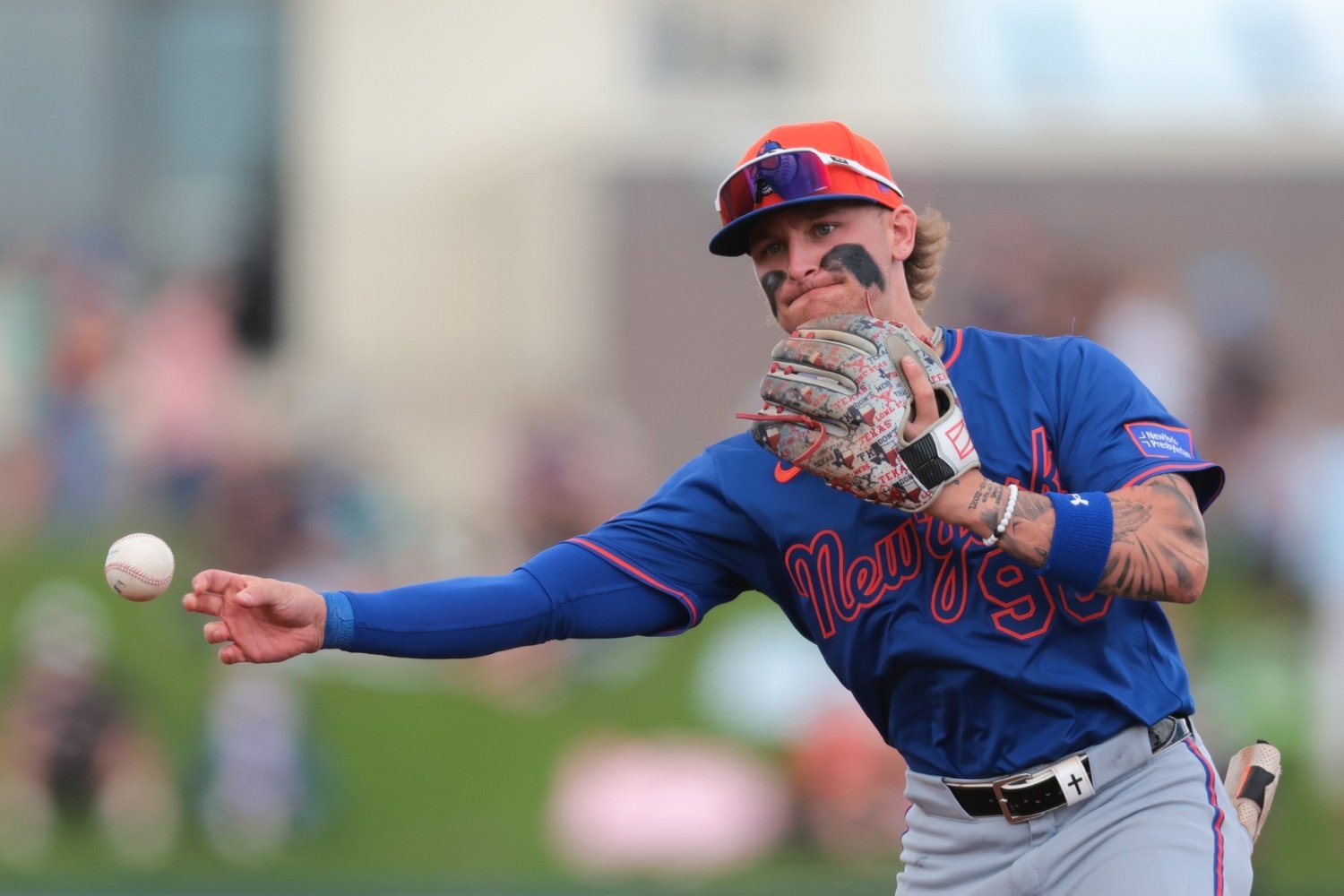 New Brewers prospect Jett Williams brings versatility to the table, with some serious OBP skills, power, and speed and experience at shortstop, second base and center field. His versatility and upside are why the Brewers wanted him, but they make him an (almost) immediate threat to the playing time of some of the team's incumbents. Williams might start the season in the minors, but he should be ready to play in the big leagues sometime this year. The Brewers usually keep all 13 allowed pitchers, so after accounting for the nine starters each day, they have just four spots for bench players, one of which will be held by the backup catcher. So, which Brewers could be bumped off, should Williams seize a job—be it off the roster, or out of the regular mix? Andruw Monasterio Monasterio has been an unsung cult hero for the Brewers since he came up in 2023, including being Brewer Fanatic’s top rookie that year as the team’s primary third baseman down the stretch. Since then, he’s been one of the top options off the Brewers bench, playing all four infield positions adroitly. His playing time has been sparser the last two seasons (251 at-bats total in 2024 and 2025, compared to 282 in 2023). Williams brings a similar type of versatility and a more potent bat. Monasterio is eligible for arbitration after this season, and while he’s solid, his time may be running out. It's possible for Monasterio and Williams to coexist on the 26-man roster, and even on the same bench, but it sure seems unlikely. Joey Ortiz Ortiz will get a shot to redeem himself after a horrid 2025 at the plate. His outstanding defense at short kept him in positive WAR territory, per Baseball Reference, but the leash will be justifiably short. He could lose out (directly or indirectly) to Williams if the offensive struggles continue. The direct path is Williams taking over at shortstop, though few see him as a shortstop in the majors. Indirectly, Williams could take over second base as Brice Turang slides to the other side of the keystone, displacing Ortiz. Blake Perkins Perkins has been the Brewers’ fourth outfielder since the 2024 season. He’s a pesky switch-hitter with some speed, a little pop, and Gold Glove-caliber defense. He’d be a competent starter on some teams, but in Milwaukee, he’s backing up Garrett Mitchell—which could still mean a lot of playing time—and jostling with Jackson Chourio. Williams has more pop, and also plays a pretty good center field, which could edge Perkins out of Milwaukee. Garrett Mitchell Mitchell has a dynamic bat, excellent speed, and is a skillful defender when he’s on the field. The big problem for Mitchell is a series of injuries that have kept him off the field for large portions of the past three seasons, meaning a lot of his service time has come on the injured list. Another injury that costs Mitchell significant time in the offseason, and Williams could take over, providing the same dynamism, albeit as a right-handed hitter. Brandon Lockridge For Lockridge, it’s not about being on the major-league roster; that is not his biggest worry. The Brewers' 40-man roster is also quite crowded, and if and when Williams is added, it could squeeze Lockridge. Williams is the team’s seventh non-roster invite, joining Eddys Leonard as an infielder, but he also plays a competent outfield, and his bat is more dynamic than Lockridge’s. Depending on injuries and offensive performance, Lockridge could be the odd man out for the Brewers, even though they appear to like him quite a bit. Which player do you think should be the most nervous about Jett Williams’ arrival? Let us know in the comments below!
- 11 comments
-
- 1
-
-
- jett williams
- joey ortiz
- (and 4 more)
-
Image courtesy of © Dave Kallmann / Milwaukee Journal Sentinel / USA TODAY NETWORK via Imagn Images The Brewers appear to need a number two catcher as spring training is mere weeks away, which is surprising as Top 100 prospect Jeferson Quero is on the 40-man roster, even as he’s recovered from an injury that cost him all of 2024. Talk about signing a veteran centered on the chance the Brewers could reunite with Victor Caratini, whose bat has improved since his first stint in Milwaukee. There was speculation from Sports Illustrated that Milwaukee was a dark horse to pick up free agent J.T. Realmuto. Neither of those happened. Per the FanGraphs free-agent tracker, Caratini signed a two-year $14 million deal with the Twins, while Realmuto worked out a three-year deal to stay in Philadelphia. The best free-agent catcher left on the market is Christian Vazquez, who posted a 52 OPS+ for the Twins in 2025. FanGraphs estimates that he could get a one-year deal worth $5 million. Thanks to the latest drama about the Brewers' broadcast deal, Milwaukee may not be able to afford $5 million for a backup catcher. In a sense, though, things may work out well for the Brewer, simply because those two moves give a returning non-roster invitee the chance to shine. Darrien Miller came to big-league camp in 2025, which was intriguing given that the Crew had Quero on the 40-man roster, even though his power had declined in 2024 from his 2023 season. Miller returns to the big-league camp in 2026 after a 2025 that saw him fail to reach the Uecker line in terms of batting average while playing at Double-A Biloxi. That said, during that season, he regained a power stroke, hitting seven home runs and driving in 37 in 66 fewer at-bats than in 2024, while his OBP skills remained elite (57 walks and getting plunked 17 times). Is Miller the answer the Brewers are seeking as their backup backstop? At first glance, people might think that it isn’t a good idea. Over the last two seasons, he’s slashed a .203/.387/.308 line in Double-A Biloxi, a .695 OPS. These numbers are not horrific in one of the most pitching-friendly leagues in professional baseball. How pitching-friendly is the Southern League? Cooper Pratt posted a .691 OPS in 2025. Despite those seemingly uninspiring numbers over two years, the Brewers re-signed him after he reached minor-league free agency. Teams don’t usually bring back minor-league free agents and invite them to spring training in back-to-back seasons if they think the player is a dud. So, the team obviously sees something in Miller worth keeping him around. As it turns out, Miller could be very valuable to Milwaukee for the next five to six years, given his lengthy tenure with the organization. Since he was drafted in 2019, he’s worked with a lot of young pitchers in that organization, some of whom reached Milwaukee (Jacob Misiorowski, Logan Henderson, and Craig Yoho), others who could be in Milwaukee soon (Coleman Crow, Tate Kuehner, and Mark Manfredi jump to mind). In other words, this is right around the timeframe where these pitchers are under team control. This sort of working relationship and mutual familiarity among batterymates can’t be picked up via sabermetrics, but it does have an effect. The Brewers have long valued team chemistry – witness the haste with which they traded the disgruntled Aaron Civale and their desire to avoid arbitration hearings (which soured relationships with Josh Hader and Corbin Burnes). But Miller also has some offensive skills the Brewers value. He’s been exceptional at drawing walks over his professional career (271 in 1,515 professional at-bats in minor-league baseball and winter ball in Australia). He also could compete with Caleb Durbin in terms of being willing to get plunked for the team (he’s been hit by pitches 102 times over his career), meaning almost a quarter of his at-bats end with him on base without needing a hit. Miller brings some other advantages for the Brewers: He would be cost-controlled through 2028 at the very least (possibly longer if he and Quero swap places between Milwaukee and Nashville in what could very likely be William Contreras’ final season in Milwaukee, barring a miracle). He also bats left-handed, which would complement the largely right-handed catchers currently on the 40-man roster. Miller is also only 25 and would be nearing his physical peak years. Milwaukee's search for a backup catcher in 2026 - and beyond - may be over, with the solution right before their eyes. View full article
-
Is Milwaukee’s Backup Backstop For 2026 Already Coming To Maryvale?
Harold Hutchison posted an article in Brewers
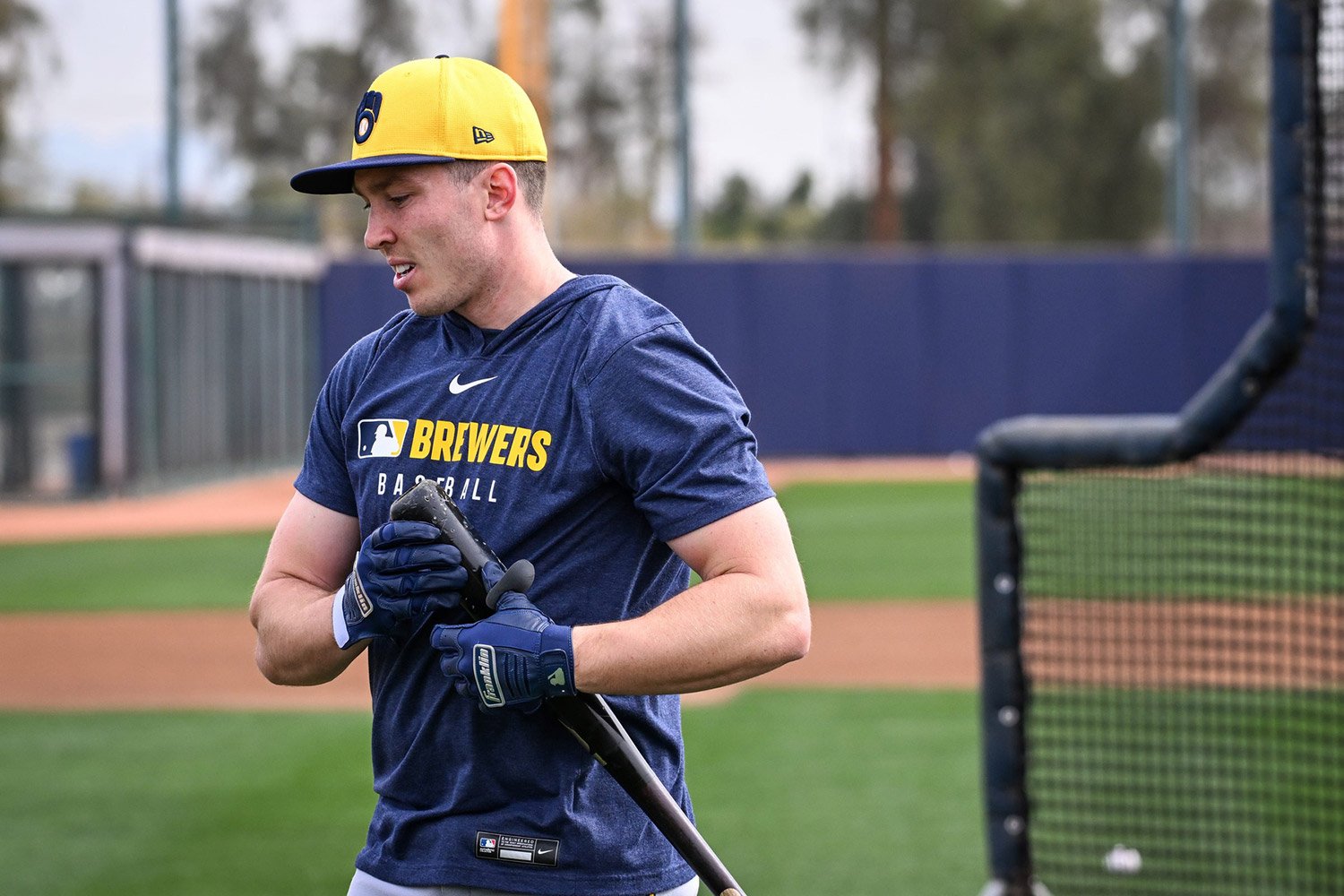 The Brewers appear to need a number two catcher as spring training is mere weeks away, which is surprising as Top 100 prospect Jeferson Quero is on the 40-man roster, even as he’s recovered from an injury that cost him all of 2024. Talk about signing a veteran centered on the chance the Brewers could reunite with Victor Caratini, whose bat has improved since his first stint in Milwaukee. There was speculation from Sports Illustrated that Milwaukee was a dark horse to pick up free agent J.T. Realmuto. Neither of those happened. Per the FanGraphs free-agent tracker, Caratini signed a two-year $14 million deal with the Twins, while Realmuto worked out a three-year deal to stay in Philadelphia. The best free-agent catcher left on the market is Christian Vazquez, who posted a 52 OPS+ for the Twins in 2025. FanGraphs estimates that he could get a one-year deal worth $5 million. Thanks to the latest drama about the Brewers' broadcast deal, Milwaukee may not be able to afford $5 million for a backup catcher. In a sense, though, things may work out well for the Brewer, simply because those two moves give a returning non-roster invitee the chance to shine. Darrien Miller came to big-league camp in 2025, which was intriguing given that the Crew had Quero on the 40-man roster, even though his power had declined in 2024 from his 2023 season. Miller returns to the big-league camp in 2026 after a 2025 that saw him fail to reach the Uecker line in terms of batting average while playing at Double-A Biloxi. That said, during that season, he regained a power stroke, hitting seven home runs and driving in 37 in 66 fewer at-bats than in 2024, while his OBP skills remained elite (57 walks and getting plunked 17 times). Is Miller the answer the Brewers are seeking as their backup backstop? At first glance, people might think that it isn’t a good idea. Over the last two seasons, he’s slashed a .203/.387/.308 line in Double-A Biloxi, a .695 OPS. These numbers are not horrific in one of the most pitching-friendly leagues in professional baseball. How pitching-friendly is the Southern League? Cooper Pratt posted a .691 OPS in 2025. Despite those seemingly uninspiring numbers over two years, the Brewers re-signed him after he reached minor-league free agency. Teams don’t usually bring back minor-league free agents and invite them to spring training in back-to-back seasons if they think the player is a dud. So, the team obviously sees something in Miller worth keeping him around. As it turns out, Miller could be very valuable to Milwaukee for the next five to six years, given his lengthy tenure with the organization. Since he was drafted in 2019, he’s worked with a lot of young pitchers in that organization, some of whom reached Milwaukee (Jacob Misiorowski, Logan Henderson, and Craig Yoho), others who could be in Milwaukee soon (Coleman Crow, Tate Kuehner, and Mark Manfredi jump to mind). In other words, this is right around the timeframe where these pitchers are under team control. This sort of working relationship and mutual familiarity among batterymates can’t be picked up via sabermetrics, but it does have an effect. The Brewers have long valued team chemistry – witness the haste with which they traded the disgruntled Aaron Civale and their desire to avoid arbitration hearings (which soured relationships with Josh Hader and Corbin Burnes). But Miller also has some offensive skills the Brewers value. He’s been exceptional at drawing walks over his professional career (271 in 1,515 professional at-bats in minor-league baseball and winter ball in Australia). He also could compete with Caleb Durbin in terms of being willing to get plunked for the team (he’s been hit by pitches 102 times over his career), meaning almost a quarter of his at-bats end with him on base without needing a hit. Miller brings some other advantages for the Brewers: He would be cost-controlled through 2028 at the very least (possibly longer if he and Quero swap places between Milwaukee and Nashville in what could very likely be William Contreras’ final season in Milwaukee, barring a miracle). He also bats left-handed, which would complement the largely right-handed catchers currently on the 40-man roster. Miller is also only 25 and would be nearing his physical peak years. Milwaukee's search for a backup catcher in 2026 - and beyond - may be over, with the solution right before their eyes.