



Tim Muma
-
Posts
436 -
Joined
-
Last visited
-
Days Won
1
Content Type
Profiles
Forums
Blogs
Events
News
2026 Milwaukee Brewers Top Prospects Ranking
Milwaukee Brewers Videos
2022 Milwaukee Brewers Draft Picks
Milwaukee Brewers Free Agent & Trade Rumors, Notes, & Tidbits
Guides & Resources
2023 Milwaukee Brewers Draft Picks
2024 Milwaukee Brewers Draft Picks
The Milwaukee Brewers Players Project
2025 Milwaukee Brewers Draft Pick Tracker
2026 Milwaukee Brewers Draft Tracker: Picks & Bonuses
Store
Downloads
Gallery
Everything posted by Tim Muma
-
 I agree this isn't a "too good to be true" offer and a deal isn't "likely"; however, Jimenez's value is lessened due to his injury history and being a DH who can occasionally play the outfield. And like noted, the contract structure makes it tough to figure out - from both ends - what makes the most sense for the clubs. Many times a team that has an oft-injured player gets frustrated because they have invested in him and he's just not reliable. A new team that has a true need in that area (offense) might be more willing to take a chance and have their own way to keep him healthy. Like I said, I was sort of thinking about his as an option, but wasn't sold. When I heard Bruce Levine specifically mention the Brewers talking to the Sox about him, it felt legit enough to discuss.
 -
Even with the acquisition of Carlos Santana, it's time for the Milwaukee Brewers to take a risk to grab a true power bat. GM Matt Arnold recently stated they want to maintain their run prevention strategy, potentially limiting the talent pool for adding offense. However, they've been willing to carry a "DH-only" who can't hit, so they should be thrilled to acquire a primary DH who can produce runs. Image courtesy of © Matt Blewett-USA TODAY Sports With the 41-62 Chicago White Sox trading away Lucas Giolito and Reynaldo Lopez on Wednesday, the Southsiders are open for business. And while the Brewers could target a few of Chicago's relievers at the trade deadline, rolling the dice on the oft-injured Eloy Jimenez is the aggressive move they should explore. According to longtime Chicago baseball reporter Bruce Levine on Thursday, the Brewers have already contacted the White Sox about Jimenez's availability. After bursting on the scene in 2019 with 31 home runs in 122 games, Jimenez's problem has been staying on the field. The 26-year-old is hitting .286/.330/.485/.815 (121 OPS+) in 285 plate appearances, playing in just 68 of the club's 103 contests. Last season, Jimenez posted a 141 OPS+ with a .358 OBP and .500 SLG across 84 games. Again, terrific rate stats, but a lot of missed time. But if you're the Brewers, looking at the collective DH "production" should be enough to gamble. Milwaukee's DH statistics and MLB ranking through July 26: AVG: .210 (28th) OBP: .305 (20th) SLG: .317 (29th) OPS: .621 (29th) wRC: 23 (30th) wOBA: .254 (30th) The Brewers have also gotten just seven homers from the DH role, better only than the Detroit Tigers (4). Jesse Winker has taken 42 percent of the plate appearances at DH, but it's been a black hole except when Christian Yelich or William Contreras held down the spot. Jimenez has been healthy and hot since the All-Star break. In his last nine contests, Jimenez owns a .387/.441/.581/1.022 line, though the Sox have lost five in a row. His last IL stint came in early June with nagging leg soreness, the most common reason Jimenez has missed time in his career. Thus, the best thing a team can do is keep him in the DH role. With the Brewers' glutton of outfielders, there's no reason that would be a problem in Milwaukee. Figuring out what the White Sox would want in return becomes the more significant challenge. Jimenez is a tricky asset to evaluate. When he is healthy, he's a valuable middle-of-the-order run producer. However, he has not played in more than 84 games in a season since 2019, and rarely playing in the field limits his value. His contract creates even more uncertainty. Jimenez is set to make about $13.8 million next season, which is hardly noteworthy for one year. But he also has a team option for $16.5 million in 2025 and $18.5 million in 2026, both with a $3 million buyout. So it gives the club plenty of flexibility over the next few years. If Jimenez is healthy and smashing the ball in his age 27-29 seasons, he's easily worth it. If the production dips or the injuries are too much, the team can bail for a drop in the bucket. But again, that causes some problems in determining what the Brewers should give up for his services, which could be for one, two, or three additional seasons. These are the same reasons Chicago might balk at making a deal unless Milwaukee blows them away. Of course, the Chicago front office says they are looking to compete in 2024, but how can they think they will turn around a team - currently 21 games under .500 - in one season? They're losing multiple veterans, have seen a decline in others, and appear to have their competitive window closing from their recent rebuild. They have some younger guys to build around with Luis Robert Jr. as the centerpiece, but they would be wise to plan a soft, quick reboot over the next two or three seasons. So what would the White Sox accept? They likely would be interested in middle infielders and pitching (because you always need pitching). Chicago also has very few intriguing outfield prospects do develop over over the next few seasons. Because of Jimenez's injury risk and lack of position, the Brewers probably aren't giving up any of their top guys. And as always, we don't know how Milwaukee's front office views its own players or who the White Sox might desire. Brewers send: Outfielder Hendry Mendez (#13 in the Brewers' system) He is just 19 years old in High-A with a solid hit tool (55-grade). Contact skill is his primary offensive weapon, but with a 6-foot-2 frame, some power could develop. Shortstop Freddy Zamora (#20) He is more advanced than the White Sox middle infield prospects. He could be ready for MLB in 2024 with his strong defense and good contact skills. Outfielder Jace Avina (#23) Rated with plus-plus power (60-grade), it would be an intriguing draw to the White Sox. He's just 20 years old and at least three years away from a shot in MLB. Right-handed pitcher Joseph Hernandez (#25) Known for a wicked slider, he's had solid success at the Single-A and High-A levels as a starter. Some say the 23-year-old is destined for the bullpen, where the slider can dominate righties. So, what do you think about making this deal? Are you even interested in Jimenez? Is this too much to give up or too little to entice Chicago? From the Brewers' perspective, the various ways you could handle Jimenez in future years (keep him, buy him out, or trade him again) can limit the risk more than a typical trade. View full article
-
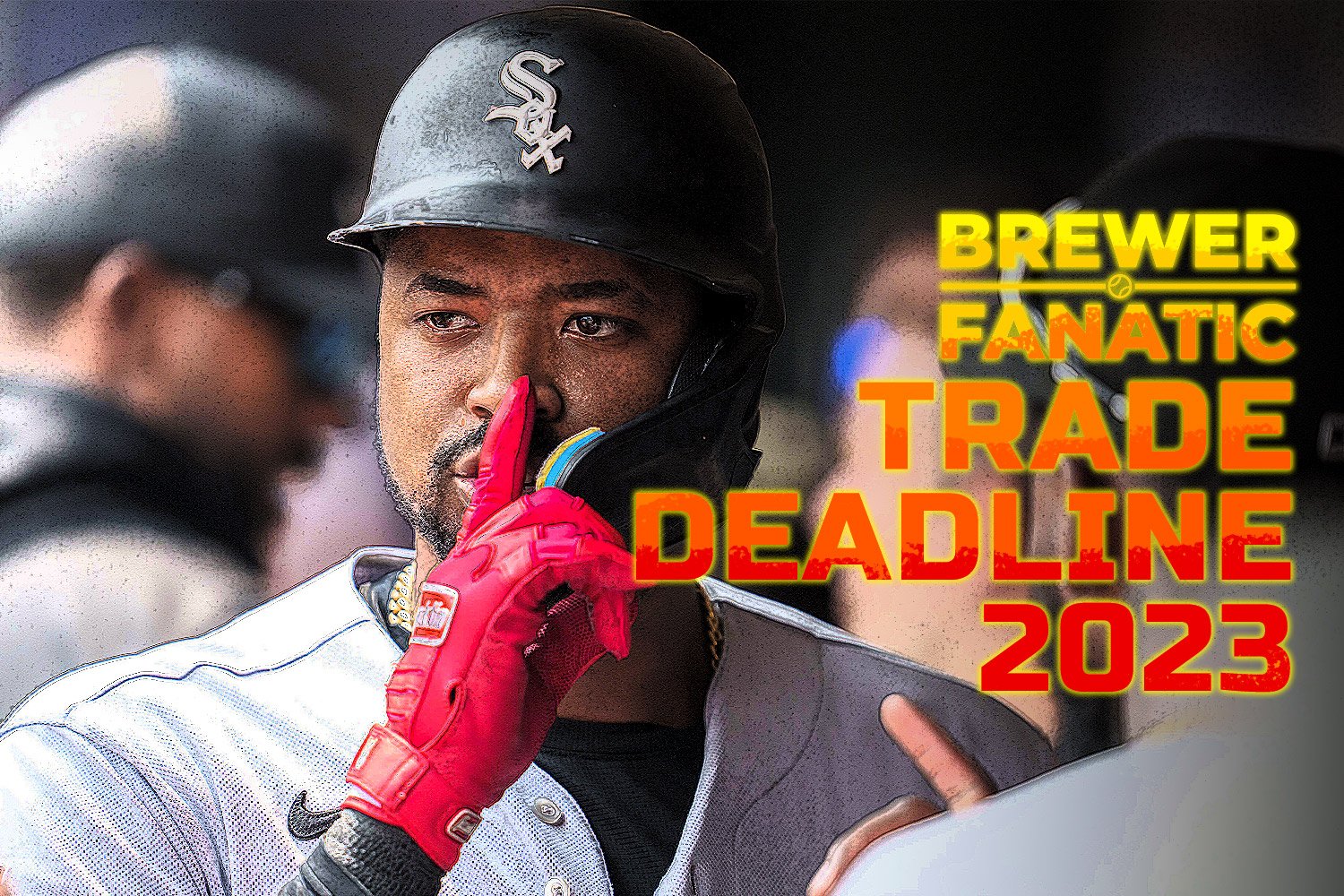 With the 41-62 Chicago White Sox trading away Lucas Giolito and Reynaldo Lopez on Wednesday, the Southsiders are open for business. And while the Brewers could target a few of Chicago's relievers at the trade deadline, rolling the dice on the oft-injured Eloy Jimenez is the aggressive move they should explore. According to longtime Chicago baseball reporter Bruce Levine on Thursday, the Brewers have already contacted the White Sox about Jimenez's availability. After bursting on the scene in 2019 with 31 home runs in 122 games, Jimenez's problem has been staying on the field. The 26-year-old is hitting .286/.330/.485/.815 (121 OPS+) in 285 plate appearances, playing in just 68 of the club's 103 contests. Last season, Jimenez posted a 141 OPS+ with a .358 OBP and .500 SLG across 84 games. Again, terrific rate stats, but a lot of missed time. But if you're the Brewers, looking at the collective DH "production" should be enough to gamble. Milwaukee's DH statistics and MLB ranking through July 26: AVG: .210 (28th) OBP: .305 (20th) SLG: .317 (29th) OPS: .621 (29th) wRC: 23 (30th) wOBA: .254 (30th) The Brewers have also gotten just seven homers from the DH role, better only than the Detroit Tigers (4). Jesse Winker has taken 42 percent of the plate appearances at DH, but it's been a black hole except when Christian Yelich or William Contreras held down the spot. Jimenez has been healthy and hot since the All-Star break. In his last nine contests, Jimenez owns a .387/.441/.581/1.022 line, though the Sox have lost five in a row. His last IL stint came in early June with nagging leg soreness, the most common reason Jimenez has missed time in his career. Thus, the best thing a team can do is keep him in the DH role. With the Brewers' glutton of outfielders, there's no reason that would be a problem in Milwaukee. Figuring out what the White Sox would want in return becomes the more significant challenge. Jimenez is a tricky asset to evaluate. When he is healthy, he's a valuable middle-of-the-order run producer. However, he has not played in more than 84 games in a season since 2019, and rarely playing in the field limits his value. His contract creates even more uncertainty. Jimenez is set to make about $13.8 million next season, which is hardly noteworthy for one year. But he also has a team option for $16.5 million in 2025 and $18.5 million in 2026, both with a $3 million buyout. So it gives the club plenty of flexibility over the next few years. If Jimenez is healthy and smashing the ball in his age 27-29 seasons, he's easily worth it. If the production dips or the injuries are too much, the team can bail for a drop in the bucket. But again, that causes some problems in determining what the Brewers should give up for his services, which could be for one, two, or three additional seasons. These are the same reasons Chicago might balk at making a deal unless Milwaukee blows them away. Of course, the Chicago front office says they are looking to compete in 2024, but how can they think they will turn around a team - currently 21 games under .500 - in one season? They're losing multiple veterans, have seen a decline in others, and appear to have their competitive window closing from their recent rebuild. They have some younger guys to build around with Luis Robert Jr. as the centerpiece, but they would be wise to plan a soft, quick reboot over the next two or three seasons. So what would the White Sox accept? They likely would be interested in middle infielders and pitching (because you always need pitching). Chicago also has very few intriguing outfield prospects do develop over over the next few seasons. Because of Jimenez's injury risk and lack of position, the Brewers probably aren't giving up any of their top guys. And as always, we don't know how Milwaukee's front office views its own players or who the White Sox might desire. Brewers send: Outfielder Hendry Mendez (#13 in the Brewers' system) He is just 19 years old in High-A with a solid hit tool (55-grade). Contact skill is his primary offensive weapon, but with a 6-foot-2 frame, some power could develop. Shortstop Freddy Zamora (#20) He is more advanced than the White Sox middle infield prospects. He could be ready for MLB in 2024 with his strong defense and good contact skills. Outfielder Jace Avina (#23) Rated with plus-plus power (60-grade), it would be an intriguing draw to the White Sox. He's just 20 years old and at least three years away from a shot in MLB. Right-handed pitcher Joseph Hernandez (#25) Known for a wicked slider, he's had solid success at the Single-A and High-A levels as a starter. Some say the 23-year-old is destined for the bullpen, where the slider can dominate righties. So, what do you think about making this deal? Are you even interested in Jimenez? Is this too much to give up or too little to entice Chicago? From the Brewers' perspective, the various ways you could handle Jimenez in future years (keep him, buy him out, or trade him again) can limit the risk more than a typical trade.
 -
While injuries have played a role in the Milwaukee Brewers' offensive struggles, many regular starters are also contributing to concerning team-wide trends. They've played less than 30 percent of the schedule, so there is plenty of time to turn things around. However, the longer the offense sits at the bottom of these statistical categories, the tougher it will be to right the ship. Image courtesy of © Paul Halfacre-USA TODAY Sports The Milwaukee Brewers entered the weekend ranked 20th in runs scored per game (4.26) and 21st in OPS+ (94). After a hot start to the season, the bats have frozen. In some ways, the club is fortunate to be ranked that highly, as they opened play Friday as the worst team in five statistical offensive categories. Highest Ground Ball Percentage (GB%) As I tell the players I coach, "Ground balls are outs." The Brewers have a 47.2 GB%, the worst mark in baseball. Line drives are your best chance at hits, while fly balls give you power production. Grounders have a function in particular scenarios, but overall, that is a frightening percentage of bouncing balls that explains a lack of run-scoring. Among Brewers batters with at least 40 plate appearances, nine players have a GB% higher than the MLB mean. The league-wide ground-ball rate this season is 42.8%, and since most of the players above are regularly in the starting lineup, that causes significant problems consistently sustaining offense. Some believed the new shifting rules would positively impact the effectiveness of grounders. That hasn't been the case for Milwaukee, and several of their guys have had this issue before. They don't need a complete 180-degree turn on their tendencies, but a tweak by a few hitters would go a long way in helping the offense. Lowest OPS When Hitters are Ahead in the Count Hitting a baseball is the hardest thing to do in sports, especially at the big-league level, with constant 95 MPH heaters and ridiculous movement. Thus, when a batter gets ahead in the count, it's vital that the men in the box do a lot of damage. The 2023 Brewers start the weekend with the worst OPS when ahead in the count (.864). Part of this issue likely stems from their mostly-passive approach at the plate. Milwaukee ranks 24th in MLB in Z-Swing%, the percentage of times they swing at a pitch within the strike zone. The positive of the lineup's patience is that it has led them to the sixth-best walk percentage (9.5 BB%). On the flip side, the Brewers own the fourth-worst strikeout percentage (25 K%), so there is a tradeoff. And it appears the club has had problems turning on the aggressiveness with the count in its favor, often limiting the team's production. Highest Soft-Hit Percentage (Soft%) This statistical struggle is likely linked to the Brewers' issues hitting while ahead in the count. Entering play Sunday, Milwaukee owned the highest Soft-Hit Percentage (Soft%), a recipe for disaster over the long haul. It doesn't take a genius to understand that softly hit baseballs are more often turned into outs. So what is causing the regular soft contact? Connecting with the barrel is ideal, and the Brewers rank 15th in baseball in barrel percentage (Barrel%). Despite being right in the middle of the league in Barrel%, their hitters are third-worst in average exit velocity (87.7 MPH). Thus, the Soft% concern isn't about missing the barrel. It might stem from weak swings, contact on pitches outside the zone, and too many infield pop-ups. The Brewers have the second-highest Infield Fly Ball Percentage (IFFB%) in baseball at 11.4 percent, lessening the opportunity for quality exit velocity and increasing the chance of an out to roughly 99 percent. Tied for Most Times Grounded Into Double Plays (GIDP) When you hit as many grounders as the Brewers do, your chances of hitting into a double play increase. There's also an element of bad luck in this type of stat, but a hitter's approach and understanding of the situation can play significant roles. Regardless of the reasons, a twin killing is called the pitcher's best friend for a reason. It's also a quite noticeable, frequent occurrence if you're "watching" on Twitter. Hitting into rally-stifling double plays not only derails the inning in which it happens, but can completely take the wind out of an offense's sails the later in the game it occurs. Whether or not the Brewers can find ways to avoid double plays remains to be seen. The fact remains that this is one of the five stats that is contributing heavily to the offense's demise. Fewest Doubles in Baseball I'm not trying to argue that doubles are the most essential key to offensive success. But when your club is dead last in MLB in that category like the Brewers are, it's disconcerting. There's a strong belief that doubles are the precursor to homers. A bunch of two-baggers could become round-trippers with a bit more air, a few more MPH of exit velocity, or a little luck. Not only that, but more doubles mean fewer hits are needed to score runs. As for the home runs, Milwaukee ranks 13th. So while they've hit for moderate overall power, the lack of doubles is not due to a ton of dingers. Instead, the Brewers have the fifth-worst extra-base hit percentage (XBH%), calculating the percentage of plate appearances that end in an extra-base hit. Thus, the Crew must rely heavily on timely hitting and the long ball to score because so many of their hits are singles. With modern pitching, it's a tall task to get tons of singles and win most of your games. With four months still left in the season, a lot can change. How much the Brewers can alter their modus operandi in these areas will determine the direction of the offense. Milwaukee doesn't need to be close to the best in any of the above stats, but finding its way to the middle of the pack would ensure more runs are scored consistently, taking the pressure off the pitching and defense as well. View full article
-
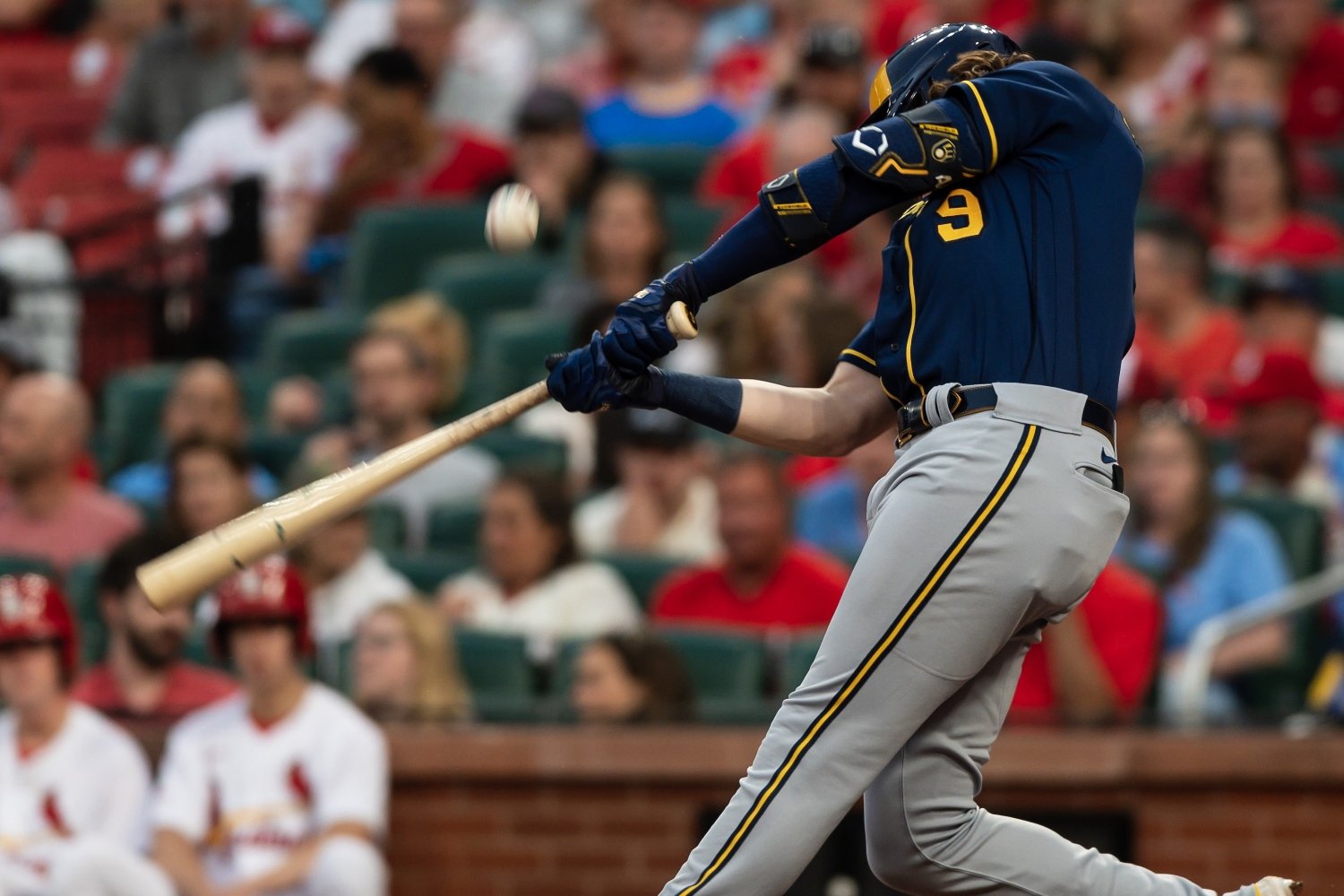 The Milwaukee Brewers entered the weekend ranked 20th in runs scored per game (4.26) and 21st in OPS+ (94). After a hot start to the season, the bats have frozen. In some ways, the club is fortunate to be ranked that highly, as they opened play Friday as the worst team in five statistical offensive categories. Highest Ground Ball Percentage (GB%) As I tell the players I coach, "Ground balls are outs." The Brewers have a 47.2 GB%, the worst mark in baseball. Line drives are your best chance at hits, while fly balls give you power production. Grounders have a function in particular scenarios, but overall, that is a frightening percentage of bouncing balls that explains a lack of run-scoring. Among Brewers batters with at least 40 plate appearances, nine players have a GB% higher than the MLB mean. The league-wide ground-ball rate this season is 42.8%, and since most of the players above are regularly in the starting lineup, that causes significant problems consistently sustaining offense. Some believed the new shifting rules would positively impact the effectiveness of grounders. That hasn't been the case for Milwaukee, and several of their guys have had this issue before. They don't need a complete 180-degree turn on their tendencies, but a tweak by a few hitters would go a long way in helping the offense. Lowest OPS When Hitters are Ahead in the Count Hitting a baseball is the hardest thing to do in sports, especially at the big-league level, with constant 95 MPH heaters and ridiculous movement. Thus, when a batter gets ahead in the count, it's vital that the men in the box do a lot of damage. The 2023 Brewers start the weekend with the worst OPS when ahead in the count (.864). Part of this issue likely stems from their mostly-passive approach at the plate. Milwaukee ranks 24th in MLB in Z-Swing%, the percentage of times they swing at a pitch within the strike zone. The positive of the lineup's patience is that it has led them to the sixth-best walk percentage (9.5 BB%). On the flip side, the Brewers own the fourth-worst strikeout percentage (25 K%), so there is a tradeoff. And it appears the club has had problems turning on the aggressiveness with the count in its favor, often limiting the team's production. Highest Soft-Hit Percentage (Soft%) This statistical struggle is likely linked to the Brewers' issues hitting while ahead in the count. Entering play Sunday, Milwaukee owned the highest Soft-Hit Percentage (Soft%), a recipe for disaster over the long haul. It doesn't take a genius to understand that softly hit baseballs are more often turned into outs. So what is causing the regular soft contact? Connecting with the barrel is ideal, and the Brewers rank 15th in baseball in barrel percentage (Barrel%). Despite being right in the middle of the league in Barrel%, their hitters are third-worst in average exit velocity (87.7 MPH). Thus, the Soft% concern isn't about missing the barrel. It might stem from weak swings, contact on pitches outside the zone, and too many infield pop-ups. The Brewers have the second-highest Infield Fly Ball Percentage (IFFB%) in baseball at 11.4 percent, lessening the opportunity for quality exit velocity and increasing the chance of an out to roughly 99 percent. Tied for Most Times Grounded Into Double Plays (GIDP) When you hit as many grounders as the Brewers do, your chances of hitting into a double play increase. There's also an element of bad luck in this type of stat, but a hitter's approach and understanding of the situation can play significant roles. Regardless of the reasons, a twin killing is called the pitcher's best friend for a reason. It's also a quite noticeable, frequent occurrence if you're "watching" on Twitter. Hitting into rally-stifling double plays not only derails the inning in which it happens, but can completely take the wind out of an offense's sails the later in the game it occurs. Whether or not the Brewers can find ways to avoid double plays remains to be seen. The fact remains that this is one of the five stats that is contributing heavily to the offense's demise. Fewest Doubles in Baseball I'm not trying to argue that doubles are the most essential key to offensive success. But when your club is dead last in MLB in that category like the Brewers are, it's disconcerting. There's a strong belief that doubles are the precursor to homers. A bunch of two-baggers could become round-trippers with a bit more air, a few more MPH of exit velocity, or a little luck. Not only that, but more doubles mean fewer hits are needed to score runs. As for the home runs, Milwaukee ranks 13th. So while they've hit for moderate overall power, the lack of doubles is not due to a ton of dingers. Instead, the Brewers have the fifth-worst extra-base hit percentage (XBH%), calculating the percentage of plate appearances that end in an extra-base hit. Thus, the Crew must rely heavily on timely hitting and the long ball to score because so many of their hits are singles. With modern pitching, it's a tall task to get tons of singles and win most of your games. With four months still left in the season, a lot can change. How much the Brewers can alter their modus operandi in these areas will determine the direction of the offense. Milwaukee doesn't need to be close to the best in any of the above stats, but finding its way to the middle of the pack would ensure more runs are scored consistently, taking the pressure off the pitching and defense as well.
 -
Baseball is a game of constant adjustments, based on both your own skills and the strategy of the opposition. The Milwaukee Brewers' Willy Adames appears to be altering his approach at the plate in 2023 to be more selective, and to make the pitcher come to him in most at-bats. Will it pay off for him and the team in the long run? Image courtesy of © Matt Kartozian-USA TODAY Sports Even before looking at the stats, Willy Adames's patience at the dish was quite noticeable in the first few weeks of the season. His improvement in that area significantly impacted the Brewers' hot start. It's also intriguing, because some players have trouble changing their hitting style once they've achieved some MLB success. Of course, for those always looking to take things to the next level, plate discipline can develop for players as they gain experience. At younger ages and lower levels of pro baseball, hitters can be free-swingers, with pitchers catching a lot of the plate with less velocity and movement or being so wild it's easy to take pitches out of the zone for balls. Learning to be selective against pitchers who throw hard, have multiple pitches they can throw for strikes, and always have a plan to get a batter out is a more difficult process, and there's no surefire way to do it without getting a prolonged look at those advanced hurlers. The basic stats jump off the page and tell of Adames writing a new chapter as a hitter, at least through the first 24 games. Adames entered Wednesday afternoon's game with a .371 OBP, a marked improvement over his .325 career mark. Last season, he finished with an unsightly .298 OBP. His best season (.348) came in 2018, across just 85 games. Of course, when Adames came to the Brewers in July of 2021, he posted a .366 OBP in 95 contests. Adames' jump in OBP (yes, small sample) has been helped by his batting average being 18 points higher than last year. However, his increase in walks is the main driving force. Entering play Wednesday, Adames leads the Brewers in walks and ranks sixth in MLB, with 17. He would rack up 106 walks at that pace, if he plays 150 games. His career high is 57, so that's unrealistic, but it's a great sign. Adames is miles ahead of his career average and career-best seasons in walk percentage (BB%) and strikeout percentage (K%) thus far. Adames's progress in these areas isn't a coincidence. As noted, the eye test said he was doing a better job of laying off the junk and being selective in the strike zone to make more frequent contact on pitches over the plate. Looking at his plate discipline figures since 2021, Adames is swinging slightly less often at pitches outside of the zone (O-Swing%) but more often than his career average. On the flip side, Adames is swinging less often at pitches in the zone (Z-Swing%), leading to his best contact percentage at those offerings (Z-Contact%). Interestingly, pitchers are throwing far fewer pitches over the plate (Zone%) to Adames this season, though that statistic (being beyond his direct control and prone to in-season fluctuations) might not yet have much meaning. Here are the numbers: Again, Adames isn't swinging that much less at pitches off the plate, but because he's seeing many more balls in those chase locations, it's leading to more balls. Meanwhile, his added contact on pitches in the zone naturally leads to fewer strikeouts. While he will still have some poor at-bats where contact escapes him (see Tuesday night's eighth-inning plate appearance, with the tying run in scoring position), Adames has done a better job of putting the ball in play when it matters. The one potential downside to Adames's combo of patience and increased contact in the strike zone could lie in a lower exit velocity. He is currently in the 23rd percentile for average exit velocity, and 53rd for maximum exit velocity, according to Baseball Savant. He was in the 48th and 69th percentiles, respectively, last season. It could be that he's altering his mechanics and shortening his swing too much in certain situations, thereby missing out on chances to drive the ball. Again, it's early, and the goal for Adames will be finding the balance between patience and contact with aggressiveness and power. In the long run, the Brewers should benefit from Adames improving his plate discipline and forcing pitchers to throw more strikes. If he will be hitting second or third in the lineup, Milwaukee needs an OBP well above his 2022 level. If he can find a way to keep his OBP around .340 while also hitting 30 homers, the Brewers' offense will have acquired a more consistent weapon to help carry the lineup in 2023. View full article
-
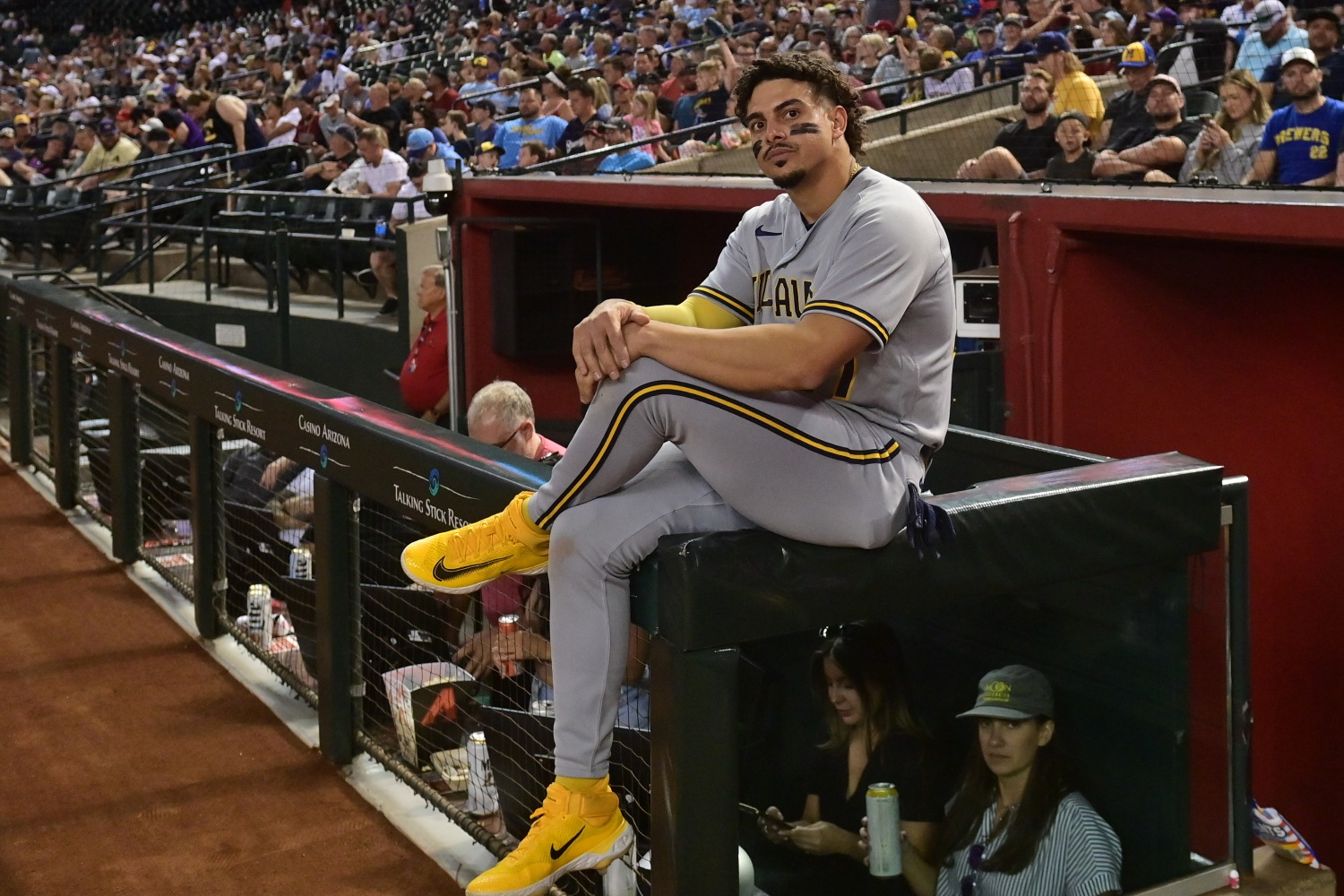 Even before looking at the stats, Willy Adames's patience at the dish was quite noticeable in the first few weeks of the season. His improvement in that area significantly impacted the Brewers' hot start. It's also intriguing, because some players have trouble changing their hitting style once they've achieved some MLB success. Of course, for those always looking to take things to the next level, plate discipline can develop for players as they gain experience. At younger ages and lower levels of pro baseball, hitters can be free-swingers, with pitchers catching a lot of the plate with less velocity and movement or being so wild it's easy to take pitches out of the zone for balls. Learning to be selective against pitchers who throw hard, have multiple pitches they can throw for strikes, and always have a plan to get a batter out is a more difficult process, and there's no surefire way to do it without getting a prolonged look at those advanced hurlers. The basic stats jump off the page and tell of Adames writing a new chapter as a hitter, at least through the first 24 games. Adames entered Wednesday afternoon's game with a .371 OBP, a marked improvement over his .325 career mark. Last season, he finished with an unsightly .298 OBP. His best season (.348) came in 2018, across just 85 games. Of course, when Adames came to the Brewers in July of 2021, he posted a .366 OBP in 95 contests. Adames' jump in OBP (yes, small sample) has been helped by his batting average being 18 points higher than last year. However, his increase in walks is the main driving force. Entering play Wednesday, Adames leads the Brewers in walks and ranks sixth in MLB, with 17. He would rack up 106 walks at that pace, if he plays 150 games. His career high is 57, so that's unrealistic, but it's a great sign. Adames is miles ahead of his career average and career-best seasons in walk percentage (BB%) and strikeout percentage (K%) thus far. Adames's progress in these areas isn't a coincidence. As noted, the eye test said he was doing a better job of laying off the junk and being selective in the strike zone to make more frequent contact on pitches over the plate. Looking at his plate discipline figures since 2021, Adames is swinging slightly less often at pitches outside of the zone (O-Swing%) but more often than his career average. On the flip side, Adames is swinging less often at pitches in the zone (Z-Swing%), leading to his best contact percentage at those offerings (Z-Contact%). Interestingly, pitchers are throwing far fewer pitches over the plate (Zone%) to Adames this season, though that statistic (being beyond his direct control and prone to in-season fluctuations) might not yet have much meaning. Here are the numbers: Again, Adames isn't swinging that much less at pitches off the plate, but because he's seeing many more balls in those chase locations, it's leading to more balls. Meanwhile, his added contact on pitches in the zone naturally leads to fewer strikeouts. While he will still have some poor at-bats where contact escapes him (see Tuesday night's eighth-inning plate appearance, with the tying run in scoring position), Adames has done a better job of putting the ball in play when it matters. The one potential downside to Adames's combo of patience and increased contact in the strike zone could lie in a lower exit velocity. He is currently in the 23rd percentile for average exit velocity, and 53rd for maximum exit velocity, according to Baseball Savant. He was in the 48th and 69th percentiles, respectively, last season. It could be that he's altering his mechanics and shortening his swing too much in certain situations, thereby missing out on chances to drive the ball. Again, it's early, and the goal for Adames will be finding the balance between patience and contact with aggressiveness and power. In the long run, the Brewers should benefit from Adames improving his plate discipline and forcing pitchers to throw more strikes. If he will be hitting second or third in the lineup, Milwaukee needs an OBP well above his 2022 level. If he can find a way to keep his OBP around .340 while also hitting 30 homers, the Brewers' offense will have acquired a more consistent weapon to help carry the lineup in 2023.
 -
An MLB team getting off to a hot start is an obvious positive for any season. For the 2023 Milwaukee Brewers, there are a few ancillary benefits that could mean even more for the club, especially with a roster that blends young players learning the trade and top-level veterans whose time with the team could be limited. Image courtesy of © Orlando Ramirez-USA TODAY Sports It's hard to argue the Milwaukee Brewers could have opened the season more successfully. Considering they just wrapped up a 10-game west coast road trip without a day off, the Brewers' 15-6 mark, the best record in the NL, is quite impressive. But the solid two-and-a-half-week opening of 2023 could serve the club in three other areas, both now and in the future. 1) Shaking Off Bad Vibes from the End of 2022 and the Offseason It's no secret that fans were extremely upset by the end of last season, as they watched the Brewers fall short of the playoffs for the first time since 2017. Much of the ire focused on the front office's decision to trade closer Josh Hader to the San Diego Padres in July, while the Brewers sat in first place in the NL Central. It didn't help that the only Major Leaguer they got back pitched poorly with the Brewers. But it went beyond one player. Milwaukee's clubhouse suddenly seemed fractured, with some players distraught over their teammate and friend leaving the club and others wondering how the move actually helped the contending team. The season's last two months felt like a slog, with constant questions about the team's vibe. The criticism continued into the offseason, with the fanbase questioning principal owner Mark Attanasio's commitment to the franchise. Many already saw the Hader trade mainly as a money-motivated deal, and as the winter rolled on, the Brewers barely spent a dime. A slow start to 2023 could have been catastrophic for the impact on the field and in the stands. Instead, the mix of talented veterans and hungry youngsters has reinvigorated Brewers backers. Though the style of play (which has a "gamer" feel to it) has been part of the excitement, winning 15 of their first 21 contests is the most significant factor in Milwaukee's positive mood swing. Suddenly, the talk around town (ok, social media) is about the team playing with purpose and how there is a new feeling among this group. The players have acknowledged the improved vibe as well. In fact, manager Craig Counsell made it a point of emphasis to bring the men together to create a stronger bond, one that might have slipped away over the past few seasons. It's always a question: Which comes first, the fun, loose culture, or the winning? Guys like Rowdy Tellez have talked about feeding off the team's connectedness and playing better because of the atmosphere. Most people view the season's final two months as the most important games to win. I'd argue the first few months are far more vital for a team like the 2023 Brewers, because the performance leading up to the trade deadline usually determines the strategy (2022 not included). Stacking up early victories not only breeds confidence among the players and staff, but makes the front office think about what the club can do to take another step forward. With multiple top-level players reaching free agency after the 2024 season (Corbin Burnes, Brandon Woodruff, and Willy Adames), a losing record at the All-Star break or end of July might motivate GM Matt Arnold to move one or more veterans for prospects. That would likely mean the end of a postseason push this year. But this terrific 21-game opening raises the Brewers' playoff potential quite a bit, and the front office might start to think, "Yeah, we've got something here." Even if Milwaukee doesn't make a big splash at the trade deadline, simply hanging onto their top pieces for the stretch run would be a victory for the club and the fans. For now, the team has some breathing room should it stumble, and all signs point to a huge opportunity to add at the deadline instead of subtracting. Seeing the Milwaukee Brewers' 15-6 record sitting atop the NL standings is enough to make fans smile for days. As with most things in baseball, going beyond the numbers adds to the joy and excitement. Things can change quickly, but a fast start is an ideal way to reintroduce people to the team and set up the club for a full season of fun. View full article
-
 It's hard to argue the Milwaukee Brewers could have opened the season more successfully. Considering they just wrapped up a 10-game west coast road trip without a day off, the Brewers' 15-6 mark, the best record in the NL, is quite impressive. But the solid two-and-a-half-week opening of 2023 could serve the club in three other areas, both now and in the future. 1) Shaking Off Bad Vibes from the End of 2022 and the Offseason It's no secret that fans were extremely upset by the end of last season, as they watched the Brewers fall short of the playoffs for the first time since 2017. Much of the ire focused on the front office's decision to trade closer Josh Hader to the San Diego Padres in July, while the Brewers sat in first place in the NL Central. It didn't help that the only Major Leaguer they got back pitched poorly with the Brewers. But it went beyond one player. Milwaukee's clubhouse suddenly seemed fractured, with some players distraught over their teammate and friend leaving the club and others wondering how the move actually helped the contending team. The season's last two months felt like a slog, with constant questions about the team's vibe. The criticism continued into the offseason, with the fanbase questioning principal owner Mark Attanasio's commitment to the franchise. Many already saw the Hader trade mainly as a money-motivated deal, and as the winter rolled on, the Brewers barely spent a dime. A slow start to 2023 could have been catastrophic for the impact on the field and in the stands. Instead, the mix of talented veterans and hungry youngsters has reinvigorated Brewers backers. Though the style of play (which has a "gamer" feel to it) has been part of the excitement, winning 15 of their first 21 contests is the most significant factor in Milwaukee's positive mood swing. Suddenly, the talk around town (ok, social media) is about the team playing with purpose and how there is a new feeling among this group. The players have acknowledged the improved vibe as well. In fact, manager Craig Counsell made it a point of emphasis to bring the men together to create a stronger bond, one that might have slipped away over the past few seasons. It's always a question: Which comes first, the fun, loose culture, or the winning? Guys like Rowdy Tellez have talked about feeding off the team's connectedness and playing better because of the atmosphere. Most people view the season's final two months as the most important games to win. I'd argue the first few months are far more vital for a team like the 2023 Brewers, because the performance leading up to the trade deadline usually determines the strategy (2022 not included). Stacking up early victories not only breeds confidence among the players and staff, but makes the front office think about what the club can do to take another step forward. With multiple top-level players reaching free agency after the 2024 season (Corbin Burnes, Brandon Woodruff, and Willy Adames), a losing record at the All-Star break or end of July might motivate GM Matt Arnold to move one or more veterans for prospects. That would likely mean the end of a postseason push this year. But this terrific 21-game opening raises the Brewers' playoff potential quite a bit, and the front office might start to think, "Yeah, we've got something here." Even if Milwaukee doesn't make a big splash at the trade deadline, simply hanging onto their top pieces for the stretch run would be a victory for the club and the fans. For now, the team has some breathing room should it stumble, and all signs point to a huge opportunity to add at the deadline instead of subtracting. Seeing the Milwaukee Brewers' 15-6 record sitting atop the NL standings is enough to make fans smile for days. As with most things in baseball, going beyond the numbers adds to the joy and excitement. Things can change quickly, but a fast start is an ideal way to reintroduce people to the team and set up the club for a full season of fun.
- 1 comment
-
- 1
-

-
- joey wiemer
- garrett mitchell
- (and 2 more)
-
Kolten Wong quickly became a fan favorite with the Milwaukee Brewers. The veteran second baseman had plenty of great moments with the Crew, but GM Matt Arnold felt it was time to move on before the 2023 season, with rookie Brice Turang waiting in the wings. That looks, at the moment, like a wise decision. Image courtesy of © Stephen Brashear-USA TODAY Sports It took many in baseball by surprise when the Brewers exercised Kolten Wong's $10-million player option for 2023. Between the price tag and his decline on both sides of the ball, most felt the money and roster spot could be better used elsewhere. Less than a month later, the Brewers traded Wong to the Seattle Mariners for Jesse Winker and Abraham Toro. That opened the door for many possibilities at second base, but the Brewers didn't decide to which they would commit until days before the season began. The answer came in the form of their highly-touted prospect, Brice Turang. The 23-year-old rookie made his major-league debut at Wrigley Field on Opening Day, starting at second base and hitting ninth. A few days later, Turang blasted his first career homer, a grand slam in the Brewers' home opener in front of his family. That's how you start a career, and he has continued to be a major upgrade over Wong through the club's first 19 games. Everyone knows we're talking about an extremely small sample, but even the eye test shows you how much more explosive and athletic Turang is compared to Wong--in the field, at the plate, and on the bases. Let's start on the defensive end, where Wong quickly turned from a Gold Glove second-sacker into a liability. Among the 25 second basemen with 600+ innings at the position in 2022, Wong ranked last in Outs Above Average (OAA) and fielding percentage, and tied for 13th in Defensive Runs Saved (DRS). It was apparent to the naked eye that Wong lost a step or two, and had more trouble collecting grounders and throwing accurately than ever before. This was a trend over the past three full seasons. With the new shifting rules coming in 2023, it looked like it could be a disaster to keep Wong at second base. Instead, the Brewers turned to Turang, who already had a terrific defensive reputation as a shortstop in the minors. It's already been clear how much more ground Turang covers, and his stronger arm gives Milwaukee an edge at the position. According to Statcast, Wong had the weakest arm among the 70 players who made at least 100 throws as a second baseman in 2022. If you want to compare the stats in 2023, Turang is tied for first among 22 qualified second basemen in DRS (2), while Wong is last at a -5 DRS. They're even in OAA, and Turang has zero errors compared to Wong's one. Again, it's extremely early. But in terms of practical value in a limited-shift world, it's Turang by a mile. Take Ultimate Zone Rating per 150 games (UZR/150), which tries to measure defense as a whole, taking into account things like range and double-play ability. Turang's UZR/150 is third (5.6) in baseball at second base, while Wong's -7.7 is 13th. Zero is considered average. Turang is anything but average in the field. Turang might not be lighting the world on fire in 2023, but he's held his own and is running circles around Wong at the plate (yes, a small sample). Turang: .264/.328/.396/.724 (98 OPS+) Wong: .098/.190/.098/.288 (-13 OPS+) And let's not ignore the baserunning when comparing Turang to Wong. Last season, Wong ranked 459th in Statcast's sprint speed at 26 feet/second. That was in the 21st percentile in baseball (he is in the 52nd percentile in 2023). Turang sits in the 97th percentile across MLB this year, tied for 10th at 29.4 feet/second. That kind of speed puts pressure on the defense that can lead to infield hits, errors, and runs that otherwise wouldn't happen. Add all of this up, plus the price difference (about $9 million less for Turang), and the Milwaukee Brewers look like geniuses to open the 2023 season. There's a long way to go, and Turang will see peaks and valleys, but there's almost no comparison right now between the Crew's youngster and the veteran he replaced. View full article
-
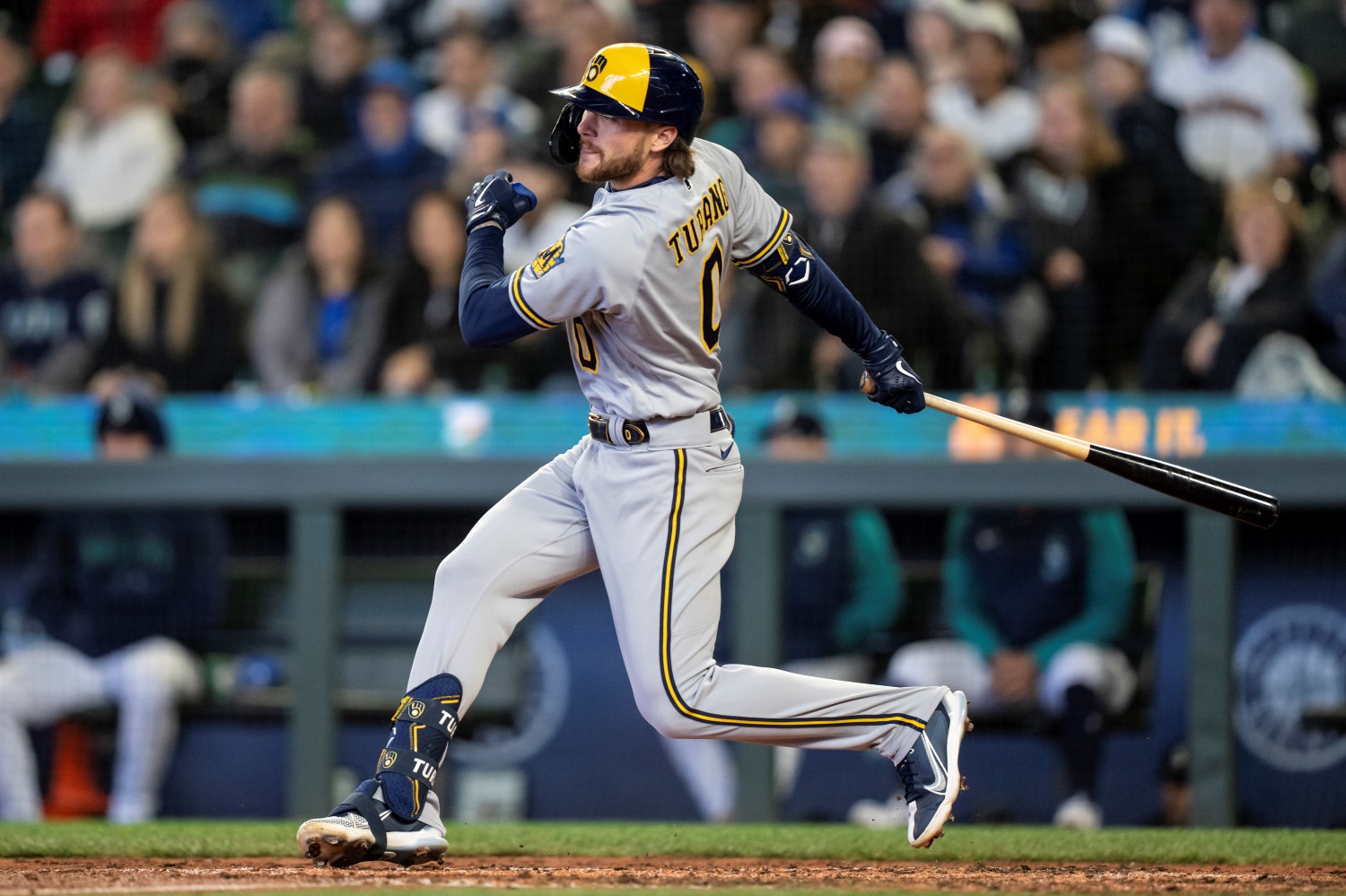 It took many in baseball by surprise when the Brewers exercised Kolten Wong's $10-million player option for 2023. Between the price tag and his decline on both sides of the ball, most felt the money and roster spot could be better used elsewhere. Less than a month later, the Brewers traded Wong to the Seattle Mariners for Jesse Winker and Abraham Toro. That opened the door for many possibilities at second base, but the Brewers didn't decide to which they would commit until days before the season began. The answer came in the form of their highly-touted prospect, Brice Turang. The 23-year-old rookie made his major-league debut at Wrigley Field on Opening Day, starting at second base and hitting ninth. A few days later, Turang blasted his first career homer, a grand slam in the Brewers' home opener in front of his family. That's how you start a career, and he has continued to be a major upgrade over Wong through the club's first 19 games. Everyone knows we're talking about an extremely small sample, but even the eye test shows you how much more explosive and athletic Turang is compared to Wong--in the field, at the plate, and on the bases. Let's start on the defensive end, where Wong quickly turned from a Gold Glove second-sacker into a liability. Among the 25 second basemen with 600+ innings at the position in 2022, Wong ranked last in Outs Above Average (OAA) and fielding percentage, and tied for 13th in Defensive Runs Saved (DRS). It was apparent to the naked eye that Wong lost a step or two, and had more trouble collecting grounders and throwing accurately than ever before. This was a trend over the past three full seasons. With the new shifting rules coming in 2023, it looked like it could be a disaster to keep Wong at second base. Instead, the Brewers turned to Turang, who already had a terrific defensive reputation as a shortstop in the minors. It's already been clear how much more ground Turang covers, and his stronger arm gives Milwaukee an edge at the position. According to Statcast, Wong had the weakest arm among the 70 players who made at least 100 throws as a second baseman in 2022. If you want to compare the stats in 2023, Turang is tied for first among 22 qualified second basemen in DRS (2), while Wong is last at a -5 DRS. They're even in OAA, and Turang has zero errors compared to Wong's one. Again, it's extremely early. But in terms of practical value in a limited-shift world, it's Turang by a mile. Take Ultimate Zone Rating per 150 games (UZR/150), which tries to measure defense as a whole, taking into account things like range and double-play ability. Turang's UZR/150 is third (5.6) in baseball at second base, while Wong's -7.7 is 13th. Zero is considered average. Turang is anything but average in the field. Turang might not be lighting the world on fire in 2023, but he's held his own and is running circles around Wong at the plate (yes, a small sample). Turang: .264/.328/.396/.724 (98 OPS+) Wong: .098/.190/.098/.288 (-13 OPS+) And let's not ignore the baserunning when comparing Turang to Wong. Last season, Wong ranked 459th in Statcast's sprint speed at 26 feet/second. That was in the 21st percentile in baseball (he is in the 52nd percentile in 2023). Turang sits in the 97th percentile across MLB this year, tied for 10th at 29.4 feet/second. That kind of speed puts pressure on the defense that can lead to infield hits, errors, and runs that otherwise wouldn't happen. Add all of this up, plus the price difference (about $9 million less for Turang), and the Milwaukee Brewers look like geniuses to open the 2023 season. There's a long way to go, and Turang will see peaks and valleys, but there's almost no comparison right now between the Crew's youngster and the veteran he replaced.
 -
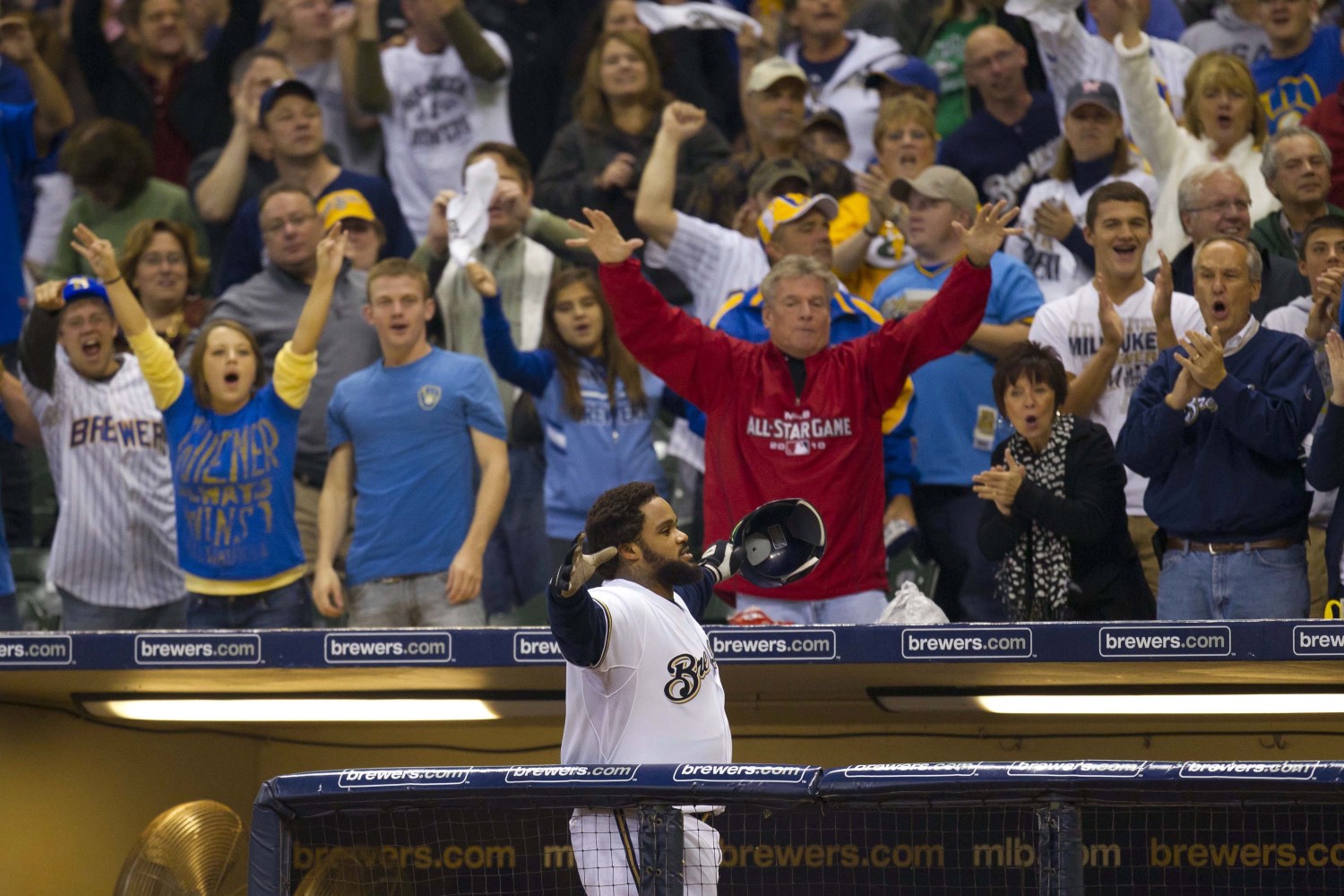 The battle between two of the most recognizable Milwaukee Brewers since 2010 for the "Favorite Title" turned into a blowout in the end. We'll never know if Christian Yelich's past few seasons killed his chances, but to fall to Prince Fielder by a 69-31 percent final score is disappointing for the current left fielder. Early in voting, the two went back and forth. However, as many experts predicted, Fielder was simply too popular, and was officially crowned the champion of the Favorite Brewers Bracket (2010-2019). Despite having not played a game for the Brewers since 2011, Fielder created enough of a legacy in Milwaukee to come out on top. The burly first baseman had a handful of the franchise's top seasons in certain categories, including the two best home run seasons (50, 46), the most RBI in a season in Brewers history (141), and multiple top-10 spots in slugging percentage and OPS. Fielder is also the all-time Brewers leader in career OBP (.390), slugging percentage (.540), and OPS (.929), but Milwaukee's Prince was more than just stats, or he wouldn't be the fans' favorite. Fielder twice played in all 162 games in a season and missed just one game in 2010. He wanted to be on the field, competing for his teammates and fans. Fielder went all-out, pushing himself to help the club defensively and with his baserunning. His hard-nosed style and boyish smile connected with those in the stands, so the fans kept him near to their hearts even after he left for Detroit via free agency. Yelich is experiencing some diminution of affection from Brewers fans. Nobody was better in 2018-2019, as Yelich took home one MVP and was in line for a second straight before his terrible injury ended the second season early. Yelich backers have been put to the test recently. While he hasn't been one of the worst players on the team, he hasn't come close to living up to his two peak seasons, and some Brewers fans have grown tired of him. However, the rancor clearly hasn't reached critical levels yet, since Yelich made it this far in the tournament. With Fielder earning the title, what does it mean for Yelich and all the others who came up short? Well, there isn't much you can do for the guys out of the league. Maybe hang out more often at American Family Field, or be a staple on the TV broadcasts. Players still getting a run in the show can become more approachable, and someone who engages the audience while still playing at a high level. Being a part of a championship club would definitely help as well. But today, we celebrate Fielder and his march from 64 to number one. Thank you to everyone for voting and participating in this labor of love. Hopefully, you enjoyed some trips down memory lane and a few "who's better" conversations along the way. And now remember, if we have a 2020-2029 Favorite Brewers Bracket, you'll see plenty of current Brewers in the bracket, and they will have a chance to wear the new (cheesehead) crown.
 -
A total of 63 matchups drew fans' attention and votes in the Favorite Milwaukee Brewers Bracket (2010-2019 edition). After all the predictions, arguments, and results, we have our champion for the previous decade. Image courtesy of © Jeff Hanisch-USA TODAY Sports The battle between two of the most recognizable Milwaukee Brewers since 2010 for the "Favorite Title" turned into a blowout in the end. We'll never know if Christian Yelich's past few seasons killed his chances, but to fall to Prince Fielder by a 69-31 percent final score is disappointing for the current left fielder. Early in voting, the two went back and forth. However, as many experts predicted, Fielder was simply too popular, and was officially crowned the champion of the Favorite Brewers Bracket (2010-2019). Despite having not played a game for the Brewers since 2011, Fielder created enough of a legacy in Milwaukee to come out on top. The burly first baseman had a handful of the franchise's top seasons in certain categories, including the two best home run seasons (50, 46), the most RBI in a season in Brewers history (141), and multiple top-10 spots in slugging percentage and OPS. Fielder is also the all-time Brewers leader in career OBP (.390), slugging percentage (.540), and OPS (.929), but Milwaukee's Prince was more than just stats, or he wouldn't be the fans' favorite. Fielder twice played in all 162 games in a season and missed just one game in 2010. He wanted to be on the field, competing for his teammates and fans. Fielder went all-out, pushing himself to help the club defensively and with his baserunning. His hard-nosed style and boyish smile connected with those in the stands, so the fans kept him near to their hearts even after he left for Detroit via free agency. Yelich is experiencing some diminution of affection from Brewers fans. Nobody was better in 2018-2019, as Yelich took home one MVP and was in line for a second straight before his terrible injury ended the second season early. Yelich backers have been put to the test recently. While he hasn't been one of the worst players on the team, he hasn't come close to living up to his two peak seasons, and some Brewers fans have grown tired of him. However, the rancor clearly hasn't reached critical levels yet, since Yelich made it this far in the tournament. With Fielder earning the title, what does it mean for Yelich and all the others who came up short? Well, there isn't much you can do for the guys out of the league. Maybe hang out more often at American Family Field, or be a staple on the TV broadcasts. Players still getting a run in the show can become more approachable, and someone who engages the audience while still playing at a high level. Being a part of a championship club would definitely help as well. But today, we celebrate Fielder and his march from 64 to number one. Thank you to everyone for voting and participating in this labor of love. Hopefully, you enjoyed some trips down memory lane and a few "who's better" conversations along the way. And now remember, if we have a 2020-2029 Favorite Brewers Bracket, you'll see plenty of current Brewers in the bracket, and they will have a chance to wear the new (cheesehead) crown. View full article
-
That would take some research, but the thing is, it doesn't necessarily matter. He may not have thrown much in the upper third in 2020-2021, but it didn't matter. By the 2nd half of last year, Burnes was getting hit more, so that may have been when hitters adjusted their approaches. Now he needs to counteract their approach. It seems he has also had more issues with command overall, which adds to the issue. If he was as consistently on-point as he was in 2021, this problem probably matters less. But he can DEFINITELY use his cutter up in the zone. Many pitchers with less velocity still utilize that pitch.
-
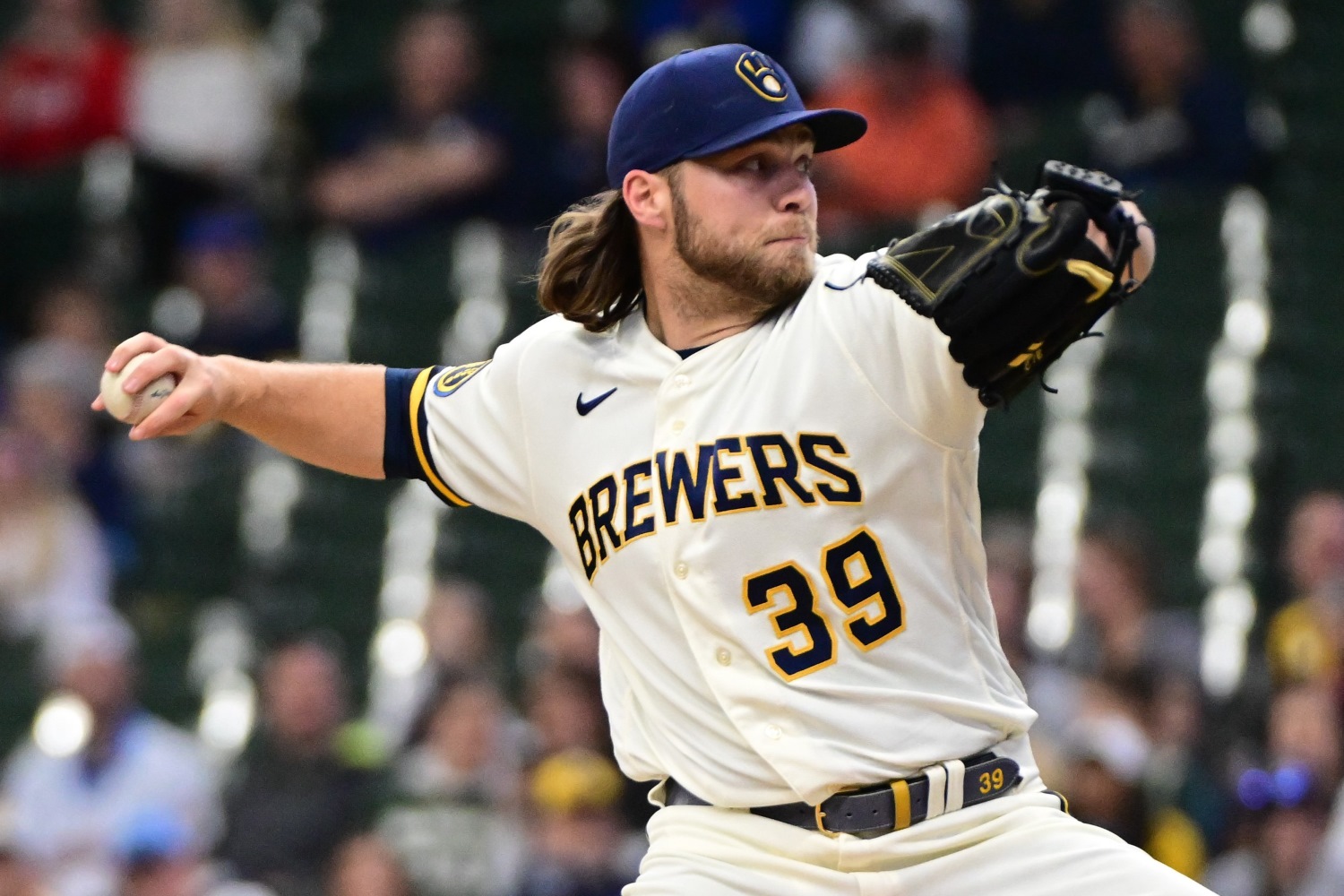 Corbin Burnes, whom most saw as a Cy Young candidate again this season, gave up six earned runs and seven hits in 4.1 innings on Wednesday against the Mets. Fortunately for the Milwaukee Brewers, the offense bailed him out. Still, the runs allowed are a concern, and there is a recognizable pattern in his troubles. His refusal to pitch in the upper third of the strike zone stood out the most in his Wednesday start. The issue isn't new, but it bit him hard this time. Of Burnes' 93 pitches, 62 were in the lower third, 19 in the middle third, and just 12 in the upper portion of the zone. That means a pitch ventured above the belt just 13 percent of the time. In fact, of his 12 pitches "up," seven were mistakes (e.g., curveball up and away to a lefty). When big-league hitters (especially veteran ones like those who populate the New York lineup) know they can ignore a pitch or a location, they can zero in on an area and attack. Hitting is as much about playing the percentages and "guessing" right as it is about hand-eye coordination, bat speed, and skill. With that in mind, if you look at Burnes' pitch locations from 2022, you can see the problem: his lack of upper-third deliveries. The first image is the "Chase" zone, where batters would be tempted to swing at pitches clearly outside the zone. The second image is the "Shadow" area, where it's half strike zone and half out of the zone. CHASE ZONE SHADOW ZONE Of course, no one is asking Burnes to throw his slider, curve, or changeup above the belt, but the cutter, four-seamer, and even the sinker can be utilized upstairs, thanks to the velocity. Changing the hitter's eye level when seeing pitches is vital, altering the look of the ball coming out of the same arm slot. It also helps to create doubt and set up other pitches. For example, if Burnes throws a cutter just above the zone, then throws a curve that starts at the top of the zone, it's more likely a hitter takes the pitch, thinking it's another high heater. Alternatively, maybe his bat path goes over the top of the curve as his brain sees a flatter pitch with more velocity. Ignoring one-third of the strike does nothing but help hitters, and that could have been part of the reason he struggled for stretches during the second half of last season. As for Wednesday, take slugger Pete Alonso against Burnes. He saw four pitches, all of them down and away, in his first at-bat. Alonso fouled one off, took one for a strike, and struck out on a foul tip to end the appearance. In his second battle with Burnes, Alonso clearly looked for a pitch down to ambush. He got the sinker at the bottom of the zone and in the middle of the plate, went low through his legs, and ripped the ball at 105.8 miles per hour to right-center to tie the game at four.
 -
Milwaukee Brewers ace Corbin Burnes has had a rough start to 2023. You can blame Opening Day's troubles on the poor weather conditions, but a lack of diverse pitch locations killed him at home against the New York Mets. Image courtesy of © Benny Sieu-USA TODAY Sports Corbin Burnes, whom most saw as a Cy Young candidate again this season, gave up six earned runs and seven hits in 4.1 innings on Wednesday against the Mets. Fortunately for the Milwaukee Brewers, the offense bailed him out. Still, the runs allowed are a concern, and there is a recognizable pattern in his troubles. His refusal to pitch in the upper third of the strike zone stood out the most in his Wednesday start. The issue isn't new, but it bit him hard this time. Of Burnes' 93 pitches, 62 were in the lower third, 19 in the middle third, and just 12 in the upper portion of the zone. That means a pitch ventured above the belt just 13 percent of the time. In fact, of his 12 pitches "up," seven were mistakes (e.g., curveball up and away to a lefty). When big-league hitters (especially veteran ones like those who populate the New York lineup) know they can ignore a pitch or a location, they can zero in on an area and attack. Hitting is as much about playing the percentages and "guessing" right as it is about hand-eye coordination, bat speed, and skill. With that in mind, if you look at Burnes' pitch locations from 2022, you can see the problem: his lack of upper-third deliveries. The first image is the "Chase" zone, where batters would be tempted to swing at pitches clearly outside the zone. The second image is the "Shadow" area, where it's half strike zone and half out of the zone. CHASE ZONE SHADOW ZONE Of course, no one is asking Burnes to throw his slider, curve, or changeup above the belt, but the cutter, four-seamer, and even the sinker can be utilized upstairs, thanks to the velocity. Changing the hitter's eye level when seeing pitches is vital, altering the look of the ball coming out of the same arm slot. It also helps to create doubt and set up other pitches. For example, if Burnes throws a cutter just above the zone, then throws a curve that starts at the top of the zone, it's more likely a hitter takes the pitch, thinking it's another high heater. Alternatively, maybe his bat path goes over the top of the curve as his brain sees a flatter pitch with more velocity. Ignoring one-third of the strike does nothing but help hitters, and that could have been part of the reason he struggled for stretches during the second half of last season. As for Wednesday, take slugger Pete Alonso against Burnes. He saw four pitches, all of them down and away, in his first at-bat. Alonso fouled one off, took one for a strike, and struck out on a foul tip to end the appearance. In his second battle with Burnes, Alonso clearly looked for a pitch down to ambush. He got the sinker at the bottom of the zone and in the middle of the plate, went low through his legs, and ripped the ball at 105.8 miles per hour to right-center to tie the game at four. View full article
-
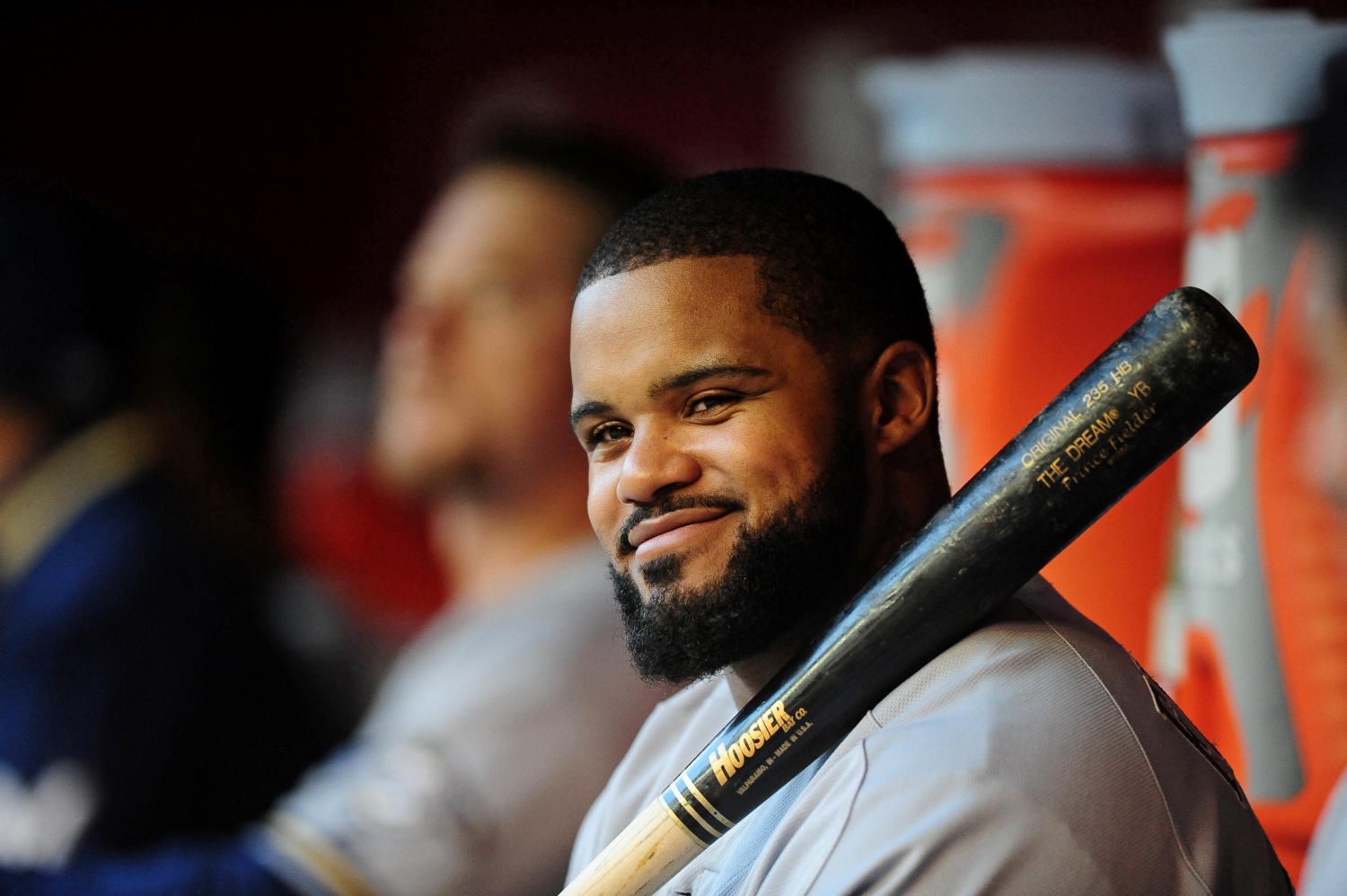 After nearly 10,000 votes in the Favorite Milwaukee Brewers Bracket, two of Cream City's favorites will battle head-to-head for the championship. How will the final vote turn out? There has been a fair share of tight contests throughout the tourney, though the higher seeds have almost always come out on top. Now two of the number-one seeds clash to close out the tourney. CHAMPIONSHIP: #1 Prince Fielder vs. #1 Christian Yelich Yelich knocked off fellow one-seed and current teammate Corbin Burnes by a 68-32 percent result. Despite the apparent hordes of fans who express their disdain for Yelich, it was a relatively comfortable victory over Burnes. Did Yelich build enough popularity through his 2018-2019 campaigns to overcome his recent decline? Or perhaps Burnes never connected as well to the fanbase. Either way, Yelich is in the championship. He'll take on Fielder, who defeated second-seeded Carlos Gómez 70-30 percent in the Final Four. Fielder has been like a bowling ball through the brackets, proving the impact he made on Brewers fans across his seven seasons in Milwaukee. Gómez had pulled off the upset of Ryan Braun to reach the Final Four, but he didn't have enough left in the tank to knock off the big first baseman. So it comes down to a pair of left-handed hitters. One is an MVP with the highest single-season slugging percentage in Brewers' history (.671). The other is the club's all-time leader in career OPS (.929) and the franchise's single-season home run record holder (50). Both Fielder and Yelich had a couple of enormous seasons, though Fielder's power and production remained more consistent. They both hold the team's record for runs created in a season (150), ironically neither of those coming in Yelich's MVP year or Fielder's 50-homer season. But all that is technically meaningless as we look to determine the favorite among the fans. There is the entire 64-man field narrowed down to these two. And for those who have said Robin Yount would win this and Paul Molitor would be in the running. Yes, we know. This bracket focuses on Brewers who played between 2010-2019. Embrace the most recent decade and make your final decision on who should take home the trophy. Click on the Twitter link below to vote, share the opportunity with other fans, and leave comments to argue for or against one of the combatants.
 -
The Connecticut Huskies won the NCAA men's basketball championship, and now you must crown the winner of the more important tournament. After a big-name Final Four, the Favorite Milwaukee Brewers Bracket (2010-2019) is down to its last two survivors. Your votes will determine who sits on top. Image courtesy of © Mark J. Rebilas-USA TODAY Sports After nearly 10,000 votes in the Favorite Milwaukee Brewers Bracket, two of Cream City's favorites will battle head-to-head for the championship. How will the final vote turn out? There has been a fair share of tight contests throughout the tourney, though the higher seeds have almost always come out on top. Now two of the number-one seeds clash to close out the tourney. CHAMPIONSHIP: #1 Prince Fielder vs. #1 Christian Yelich Yelich knocked off fellow one-seed and current teammate Corbin Burnes by a 68-32 percent result. Despite the apparent hordes of fans who express their disdain for Yelich, it was a relatively comfortable victory over Burnes. Did Yelich build enough popularity through his 2018-2019 campaigns to overcome his recent decline? Or perhaps Burnes never connected as well to the fanbase. Either way, Yelich is in the championship. He'll take on Fielder, who defeated second-seeded Carlos Gómez 70-30 percent in the Final Four. Fielder has been like a bowling ball through the brackets, proving the impact he made on Brewers fans across his seven seasons in Milwaukee. Gómez had pulled off the upset of Ryan Braun to reach the Final Four, but he didn't have enough left in the tank to knock off the big first baseman. So it comes down to a pair of left-handed hitters. One is an MVP with the highest single-season slugging percentage in Brewers' history (.671). The other is the club's all-time leader in career OPS (.929) and the franchise's single-season home run record holder (50). Both Fielder and Yelich had a couple of enormous seasons, though Fielder's power and production remained more consistent. They both hold the team's record for runs created in a season (150), ironically neither of those coming in Yelich's MVP year or Fielder's 50-homer season. But all that is technically meaningless as we look to determine the favorite among the fans. There is the entire 64-man field narrowed down to these two. And for those who have said Robin Yount would win this and Paul Molitor would be in the running. Yes, we know. This bracket focuses on Brewers who played between 2010-2019. Embrace the most recent decade and make your final decision on who should take home the trophy. Click on the Twitter link below to vote, share the opportunity with other fans, and leave comments to argue for or against one of the combatants. View full article
-
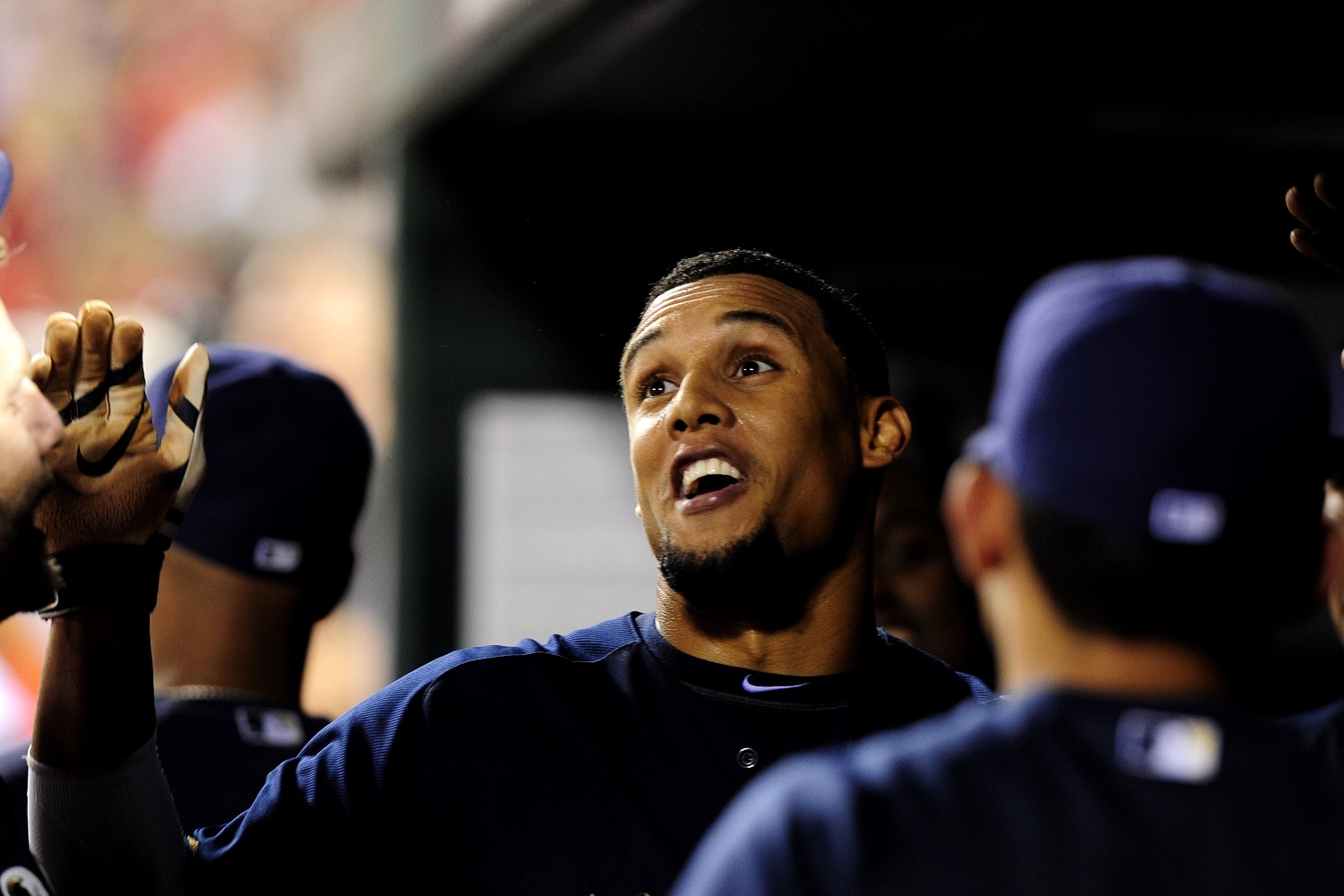 The real Final Four set a high standard for wild action, but you can match it in the Favorite Brewers Bracket version of events. It's all big boys at this point, though one upset sent small shockwaves through the fanbase. It would be heartbreak for any of the last four Brewers to be knocked out now, and it all comes down to your votes. YOUNT REGION CHAMP vs. COOPER REGION CHAMP #2 Carlos Gómez vs. #1 Prince Fielder The energetic center fielder came out hot against top-seeded Ryan Braun in the Elite Eight, and Gómez went the distance for a 57-43 percent victory. It would be fascinating to hear the reasoning behind the votes Gómez received over Braun. Was it Gómez's electric and fun style? Did Braun's PED use and suspension play a significant role? That's the beauty of focusing on who is the "favorite" player versus the "best." Meanwhile, Fielder continued to bully his opponents, this time closer Josh Hader. The hefty lefty slugger took 87 percent of the vote as he bombed away from start to finish. Though some might have had animosity toward Fielder for leaving Milwaukee via free agency, time heals all wounds, and fans are clearly focusing on the memorable seasons he delivered before departing. As for this Final Four contest, Gómez proved he could knock off anybody in the bracket. He trashed the committee's best-laid plans to feature Braun versus Fielder, and now he seeks an upset win to fly into the championship. It would be difficult to see Gómez having enough in the tank to take down another of the franchise's best players, but that is why they play the games. MOLITOR REGION CHAMP vs. SHEETS REGION CHAMP #1 Christian Yelich vs. #1 Corbin Burnes Yelich saw a sizable drop in his usual vote total, but he still coasted to the Final Four with a 76-24 percent win over third-seeded Jonathan Lucroy. Despite Lucroy's underdog victory over Yovani Gallardo in the previous round, Yelich had too much support to earn an Elite Eight win. Despite plenty of criticism over the past few seasons, Yelich stands two steps shy of the favorite Brewer crown in the 2010-2019 era. Burnes went toe-to-toe with co-ace Brandon Woodruff in the Elite Eight, and he came away with a slight edge over his teammate. These two were neck-and-neck throughout the contest, but Burnes had a little extra in the tank to sneak away with bragging rights (53-47 percent). If Woodruff signs an extension and Burnes is gone in free agency or a trade, the 2020-2029 favorite Brewers Bracket might see the results switched. But this tournament's results pit Yelich against Burnes in the Final Four. If you had 2018 MVP Yelich squaring off against 2021 Cy Young Burnes, it would be an epic on-field battle and extremely fun to watch. In the bracket, it remains an intriguing matchup of pitcher versus hitter for a trip to the championship. Which version of Yelich will fans vote based on? How deep does the fandom run for Burnes with the future uncertainty? It's not Mike Trout against Shohei Ohtani, but it's pretty good. There you have it! The Final Four of the Favorite Brewers Bracket (2010-2019). Keep on voting (LINK BELOW), spread the word, and share your thoughts on the players and matchups in the comments. While you watch the culmination of an NCAA festival that busted your bracket, you can be comforted knowing you have some control over this tournament's results.
 -
After a brief pause to celebrate Opening Day, we bring you back to the Favorite Milwaukee Brewers Bracket as we reach the Final Four. Two of the Elite Eight matchups were tight, and two were blowouts. Do those margins of victory mean anything as we advance? Image courtesy of © Jeff Curry-USA TODAY Sports The real Final Four set a high standard for wild action, but you can match it in the Favorite Brewers Bracket version of events. It's all big boys at this point, though one upset sent small shockwaves through the fanbase. It would be heartbreak for any of the last four Brewers to be knocked out now, and it all comes down to your votes. YOUNT REGION CHAMP vs. COOPER REGION CHAMP #2 Carlos Gómez vs. #1 Prince Fielder The energetic center fielder came out hot against top-seeded Ryan Braun in the Elite Eight, and Gómez went the distance for a 57-43 percent victory. It would be fascinating to hear the reasoning behind the votes Gómez received over Braun. Was it Gómez's electric and fun style? Did Braun's PED use and suspension play a significant role? That's the beauty of focusing on who is the "favorite" player versus the "best." Meanwhile, Fielder continued to bully his opponents, this time closer Josh Hader. The hefty lefty slugger took 87 percent of the vote as he bombed away from start to finish. Though some might have had animosity toward Fielder for leaving Milwaukee via free agency, time heals all wounds, and fans are clearly focusing on the memorable seasons he delivered before departing. As for this Final Four contest, Gómez proved he could knock off anybody in the bracket. He trashed the committee's best-laid plans to feature Braun versus Fielder, and now he seeks an upset win to fly into the championship. It would be difficult to see Gómez having enough in the tank to take down another of the franchise's best players, but that is why they play the games. MOLITOR REGION CHAMP vs. SHEETS REGION CHAMP #1 Christian Yelich vs. #1 Corbin Burnes Yelich saw a sizable drop in his usual vote total, but he still coasted to the Final Four with a 76-24 percent win over third-seeded Jonathan Lucroy. Despite Lucroy's underdog victory over Yovani Gallardo in the previous round, Yelich had too much support to earn an Elite Eight win. Despite plenty of criticism over the past few seasons, Yelich stands two steps shy of the favorite Brewer crown in the 2010-2019 era. Burnes went toe-to-toe with co-ace Brandon Woodruff in the Elite Eight, and he came away with a slight edge over his teammate. These two were neck-and-neck throughout the contest, but Burnes had a little extra in the tank to sneak away with bragging rights (53-47 percent). If Woodruff signs an extension and Burnes is gone in free agency or a trade, the 2020-2029 favorite Brewers Bracket might see the results switched. But this tournament's results pit Yelich against Burnes in the Final Four. If you had 2018 MVP Yelich squaring off against 2021 Cy Young Burnes, it would be an epic on-field battle and extremely fun to watch. In the bracket, it remains an intriguing matchup of pitcher versus hitter for a trip to the championship. Which version of Yelich will fans vote based on? How deep does the fandom run for Burnes with the future uncertainty? It's not Mike Trout against Shohei Ohtani, but it's pretty good. There you have it! The Final Four of the Favorite Brewers Bracket (2010-2019). Keep on voting (LINK BELOW), spread the word, and share your thoughts on the players and matchups in the comments. While you watch the culmination of an NCAA festival that busted your bracket, you can be comforted knowing you have some control over this tournament's results. View full article
-
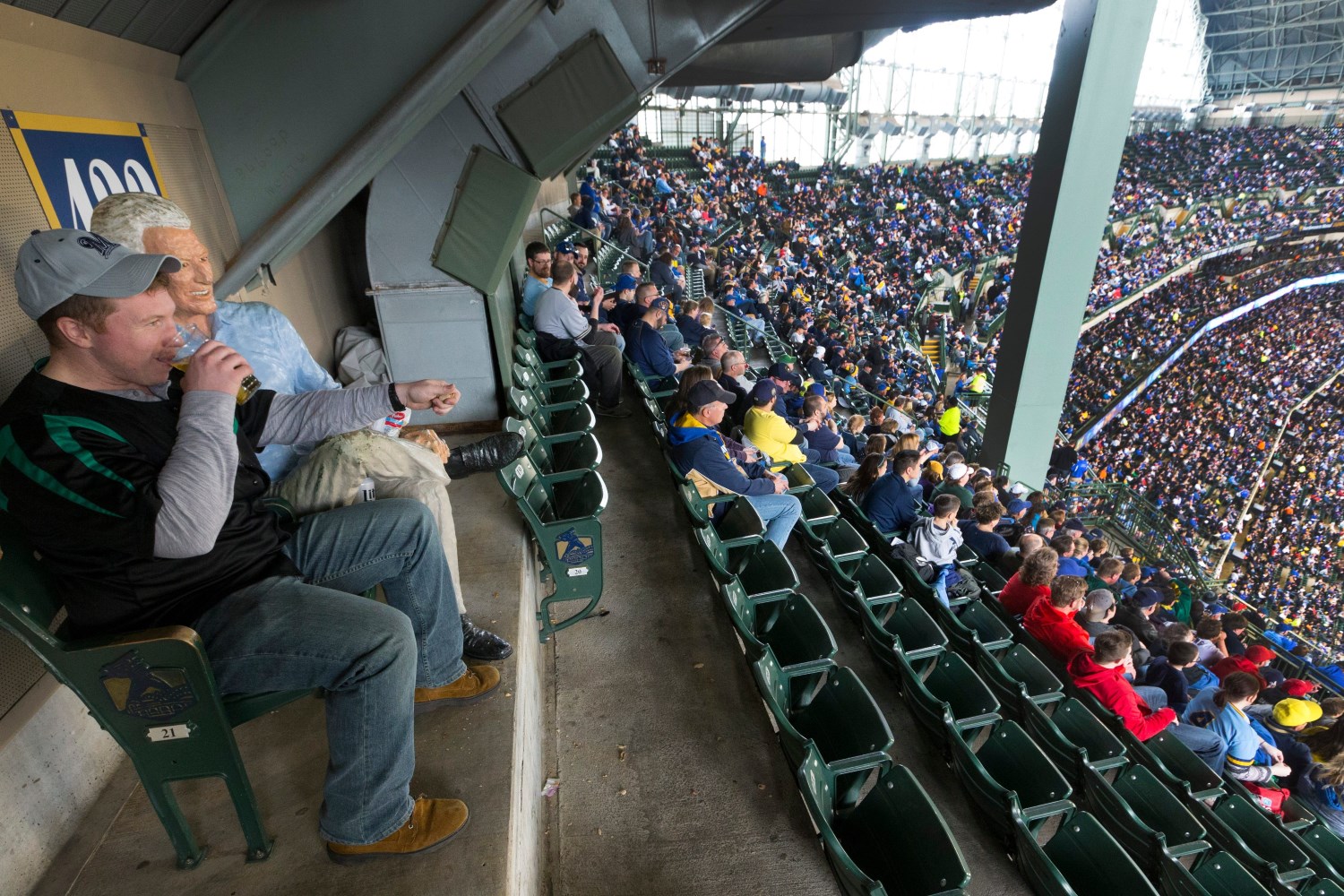 The 2023 Milwaukee Brewers open the new season at Wrigley Field in Chicago. While it shouldn't be quite as cold as a regular Christmas, there will be a chill in the air and possibly some snow lying around. But that shouldn't put a damper on Opening Day, a traditional date each year celebrated by millions, much like Christmas. (Read in your best "old-timey" voice, or as Bob Uecker.) 'Twas the night before Opening Day, when all through the park, the stands echoed silence, the diamond laid dark. The pennants and bunting hung stoically still in the air, freshly crisp, with a windy spring chill. Kids' baseballs have nestled all snug in their mitts, holding bats under pillows while dreaming of hits. Players working all night on the curve of their caps, excited to awaken from their long winter naps. Soon the fans will gather with a buzz and some chatter, shouting praises and jeers, and "Hey, batter, batter!" The sun's rays creep down the right field line, enriching the green of the outfield's shine. Each line gently set with an artist's deft touch, like a stud, All-Star hitter coming through in the clutch. The infield is soft with a flawless, smooth finish, ensuring defenders' fine skills won't diminish. Hours from first pitch, the boys take some grounders, a part of the game left over from rounders. Oh, how I've longed for the sharp crack of lumber and watching fielders give chase, barely seeing their number. Still filling the lots with cars all around, a rhythm emerges with a harmonic sound. Giddy fans get warmed up in their own unique way by grilling and eating and drinking all day. First pitch is approaching as fans make their way to the seats they've staked claim to for Opening Day. The Championship season commences so soon. In the blink of an eye, we'll be wrapping up June. Lineup exchanges, quick shaking of hands, an aura of hope overtaking the stands. Stars and stripes waving, the Anthem sung proud. Anticipation building - it's about to get loud. A toss down to second, a brush of the plate. "Play!" shouts the umpire; no longer we wait. The pitcher stares in with cool, anxious eyes. Holding their breath, the spectators rise. He winds, kicks, and fires - boom, it's strike one! My Christmas is here as the season's begun. Every day now a gift from here 'til November, dreaming this is a year Milwaukee Brewers fans remember.
 -
For some Milwaukee Brewers fans, Opening Day is akin to Christmas morning, with the buildup all year, the excitement of new "toys," and the childlike feeling of happiness they experience. Ideally, that feeling lasts for months, not days. In the spirit of Christmas and Opening Day, it's only fitting to have a poem that mirrors the impact of anticipation. Image courtesy of © Mark Hoffman / Milwaukee Journal Sentinel / USA TODAY NETWORK The 2023 Milwaukee Brewers open the new season at Wrigley Field in Chicago. While it shouldn't be quite as cold as a regular Christmas, there will be a chill in the air and possibly some snow lying around. But that shouldn't put a damper on Opening Day, a traditional date each year celebrated by millions, much like Christmas. (Read in your best "old-timey" voice, or as Bob Uecker.) 'Twas the night before Opening Day, when all through the park, the stands echoed silence, the diamond laid dark. The pennants and bunting hung stoically still in the air, freshly crisp, with a windy spring chill. Kids' baseballs have nestled all snug in their mitts, holding bats under pillows while dreaming of hits. Players working all night on the curve of their caps, excited to awaken from their long winter naps. Soon the fans will gather with a buzz and some chatter, shouting praises and jeers, and "Hey, batter, batter!" The sun's rays creep down the right field line, enriching the green of the outfield's shine. Each line gently set with an artist's deft touch, like a stud, All-Star hitter coming through in the clutch. The infield is soft with a flawless, smooth finish, ensuring defenders' fine skills won't diminish. Hours from first pitch, the boys take some grounders, a part of the game left over from rounders. Oh, how I've longed for the sharp crack of lumber and watching fielders give chase, barely seeing their number. Still filling the lots with cars all around, a rhythm emerges with a harmonic sound. Giddy fans get warmed up in their own unique way by grilling and eating and drinking all day. First pitch is approaching as fans make their way to the seats they've staked claim to for Opening Day. The Championship season commences so soon. In the blink of an eye, we'll be wrapping up June. Lineup exchanges, quick shaking of hands, an aura of hope overtaking the stands. Stars and stripes waving, the Anthem sung proud. Anticipation building - it's about to get loud. A toss down to second, a brush of the plate. "Play!" shouts the umpire; no longer we wait. The pitcher stares in with cool, anxious eyes. Holding their breath, the spectators rise. He winds, kicks, and fires - boom, it's strike one! My Christmas is here as the season's begun. Every day now a gift from here 'til November, dreaming this is a year Milwaukee Brewers fans remember. View full article
-
I actually like Strzelecki quite a bit. Last year, when things got blown up in Colorado, I was mad they didn't go to him sooner when their big lead started to evaporate. I still just acknowledge that he has to "prove" it with a good follow-up season. And I do agree on the variance. There can be some benefit to unfamiliarity as well. It might only work for this season, but that's all you care about right now, in terms of the bullpen.
-
As far as right field. I get that Frelick/Wiemer will likely be up soon. I note that in the piece. I am just not a fan of "playing around" without your, in theory, best team available. The Brewers missed the playoffs by 2 games (technically) last year since Philly owned the tiebreaker. Did those 2 extra losses happen in March/April? Could have been the difference, so why mess around? And this season, the 1st half has extra importance. If this team is scufflling at the trade deadline, they will move guys & punt on this year with an eye on the future. I obviously want them to win as much as possible, so I hope it works out or they hold their own in RF until reinforcements come.
-
In terms of the unproven arms in the bullpen. Yes, there is always some of that. This year there is A LOT. And not only unproven - as in young - but guys with ugly numbers. Now, relief pitching is volatile and can swing good or bad in a heartbeat...and the Brewers do great work with their pitching lab. BUT...to look at what they have and NOT believe it's a major concern? Hard disagree with you there.
- 16 replies
-
- 1
-
-
- eric lauer
- willy adames
- (and 3 more)


