



Tim Muma
-
Posts
436 -
Joined
-
Last visited
-
Days Won
1
Content Type
Profiles
Forums
Blogs
Events
News
2026 Milwaukee Brewers Top Prospects Ranking
Milwaukee Brewers Videos
2022 Milwaukee Brewers Draft Picks
Milwaukee Brewers Free Agent & Trade Rumors, Notes, & Tidbits
Guides & Resources
2023 Milwaukee Brewers Draft Picks
2024 Milwaukee Brewers Draft Picks
The Milwaukee Brewers Players Project
2025 Milwaukee Brewers Draft Pick Tracker
2026 Milwaukee Brewers Draft Tracker: Picks & Bonuses
Store
Downloads
Gallery
Everything posted by Tim Muma
-

Article: Brandon Drury is a Perfect Fit for the Brewers
Tim Muma replied to Tim Muma's topic in Milwaukee Brewers Talk
I don't disagree there is some risk & his 2022 could be a mirage. However, plenty of guys "find it" for a few years mid-career when they know they will have full-time work. I believe his profile the last 2 seasons shows a window of higher performance for another year or two. It is a risk-reward play for sure. The Brewers need another bat yet, unless you believe in Toro. The lineup still lacks enough reliable punch. -
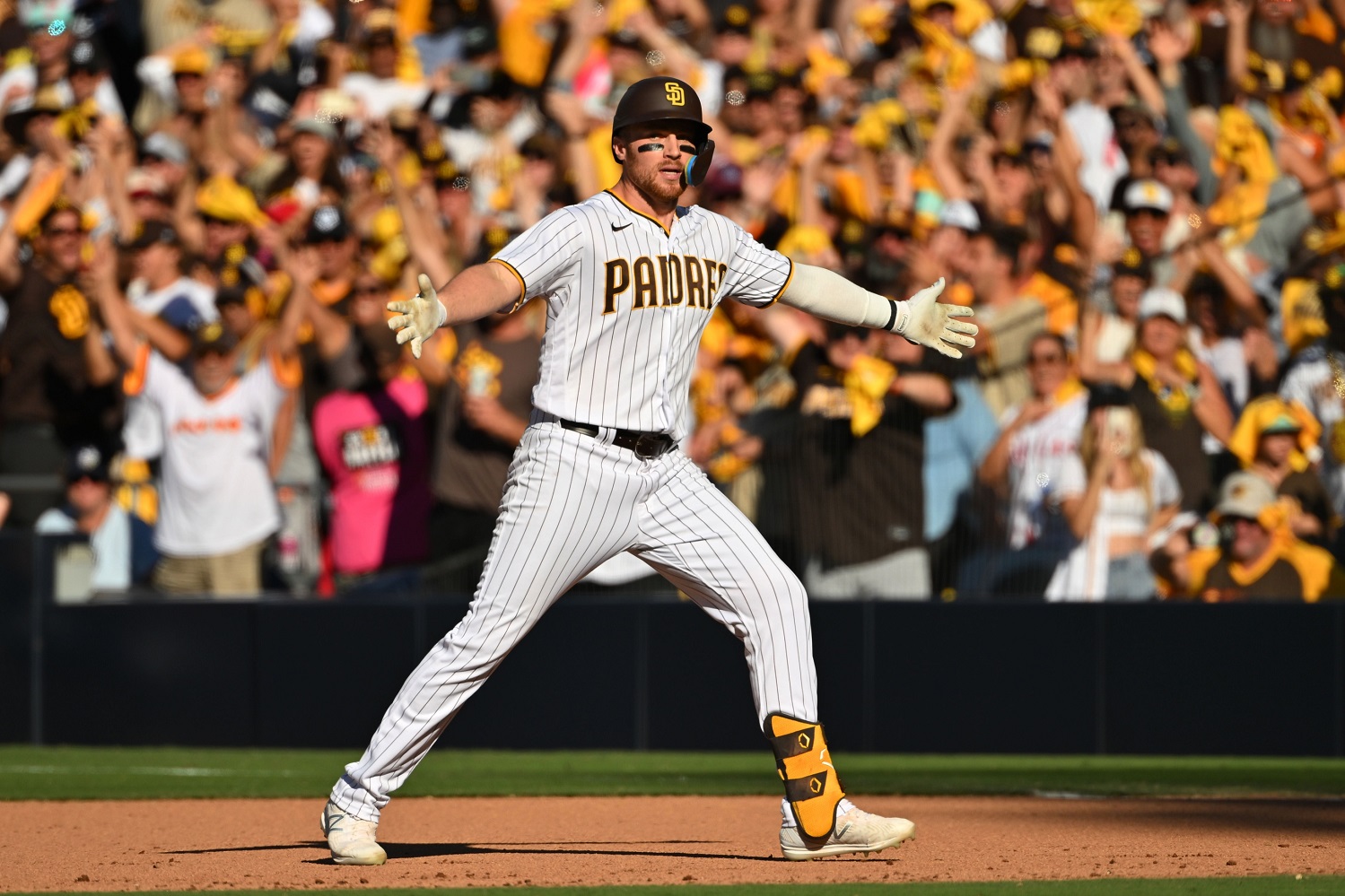 There are many aspects to Brandon Drury's game that fit perfectly within the Milwaukee Brewers' philosophies. And without a rock-solid third baseman readily available for GM Matt Arnold on the free agent or trade markets, adding value in other ways makes sense. Drury isn't a star, and some might argue his numbers were extremely skewed by Great American Ballpark in Cincinnati. While those assessments may be partially accurate, Drury offers plenty to the Brewers that would improve the club's lineup. Undoubtedly, playing in a home run hitter's park in Cincy contributed to Drury's career-high 28 dingers in 2022. However, Great American Ballpark accounted for less than half (12) of his homers. A lot of his success came from simply getting a full-time opportunity. Last season was the first time Drury amassed more than 500 plate appearances in his career. Not surprisingly, he also had career-bests in RBI (87), runs scored (87), and extra-base hits (61). But it wasn't just about counting stats. Drury also posted a personal best .492 SLG and .813 OPS, good for a 122 OPS+ (meaning he was 22% better than the league average). His Statcast numbers show his strong suits in 2022 What is also encouraging to see is Drury's improvement over the past couple of years in making hard contact. An uptick in the frequency of hard-hit balls and average exit velocity shows a legit reason for enhanced numbers. Hitting the ball harder more consistently helped his batting average of balls in play (BABIP). Interestingly, despite his best production coming in 2022, that wasn't his best season for BABIP, which might indicate last year's stats were legitimate and not luck-based. Producing against left-handed pitchers is another area where Drury can improve the Brewers' fortune. Most fans know how much Milwaukee has struggled against southpaws the last few seasons. And some may think didn't we try this "lefty masher" thing with Andrew McCutchen last season with little (if any) improvement? Yes, but Cutch was also 35 years old when the risk of a decline is much higher. Drury is only 30, and in the past two seasons, he has punished lefties, especially in the power department: 2021: .278/.297/.583/.881 2022: .299/.329/.626/.955 With the acquisition of Jesse Winker, Rowdy Tellez the current first baseman, and prospect Brice Turang possibly on the roster as left-handed bats at various positions, Drury would be another piece to complement the strong-side platoon. Therein lies the other perfect fit for the Brewers: positional versatility. Drury can handle third base, second base, and first base defensively. He can even play a corner outfield spot in a pinch - maybe even better than Christian Yelich or Winker at this point. Assuming Milwaukee isn't adding a perennial All-Star bat to the lineup, platoons and matchups will again be the Crew's best option to optimize their offense. Moving a guy around the diamond like Drury also allows for strategic days off, injury management, and future roster moves if the Brewers look to make a deal in the offseason or at the trade deadline. Adding Drury to the club also shouldn't break the bank. The MLB Trade Rumors staff predicted a two-year, $18 million deal for Drury. A $9 million average annual value (AAV) feels more than fair and accurate. However, with some of the contracts being handed out (Josh Bell at two years for $33 million), the Brewers might need to get creative. They could offer Drury two years at $19 million with a mutual option for a third year at $11 million, including a $3 million buyout. That would essentially guarantee Drury an $11 million AAV over the first two seasons (he would get the extra $3 million regardless). So what concerns would people have about Drury? He did scuffle in the last couple of months when we went to San Diego. In fairness, almost every hitter who switched teams at the trade deadline also struggled to perform up to their previous levels. At the same time, he had nine doubles and eight home runs in 46 games with the Padres, suitable for a 109 OPS+. His defense also isn't spectacular at any position, and some might see him as redundant with Mike Brosseau already on the roster. Drury also doesn't help to diversify the Brewers' lineup overall since he, like others, strikes out plenty and owns a career .320 OBP. Plus, while $8-$10 million per season pales compared to other contracts, it could prohibit other moves. I liked Drury a lot as a trade deadline acquisition with a hot bat this past season. Initially, he didn't seem like a great option (at that cost) for the Brewers in 2023 and beyond. But after a deeper look and seeing a lack of exciting offensive threats in Milwaukee's salary range, Drury actually fits well. Every player comes with his own set of risks, and it's up to the front office to figure out which ones will overcome those concerns to reap the rewards.
 -
Brandon Drury would have been a terrific addition when the Milwaukee Brewers needed a bat at the 2022 trade deadline. We'll never know the offers on the table, but the San Diego Padres ponied up with the right prospect, and Milwaukee moved on. As a free agent, all he would cost is money, and he looks like a perfect fit. There are many aspects to Brandon Drury's game that fit perfectly within the Milwaukee Brewers' philosophies. And without a rock-solid third baseman readily available for GM Matt Arnold on the free agent or trade markets, adding value in other ways makes sense. Drury isn't a star, and some might argue his numbers were extremely skewed by Great American Ballpark in Cincinnati. While those assessments may be partially accurate, Drury offers plenty to the Brewers that would improve the club's lineup. Undoubtedly, playing in a home run hitter's park in Cincy contributed to Drury's career-high 28 dingers in 2022. However, Great American Ballpark accounted for less than half (12) of his homers. A lot of his success came from simply getting a full-time opportunity. Last season was the first time Drury amassed more than 500 plate appearances in his career. Not surprisingly, he also had career-bests in RBI (87), runs scored (87), and extra-base hits (61). But it wasn't just about counting stats. Drury also posted a personal best .492 SLG and .813 OPS, good for a 122 OPS+ (meaning he was 22% better than the league average). His Statcast numbers show his strong suits in 2022 What is also encouraging to see is Drury's improvement over the past couple of years in making hard contact. An uptick in the frequency of hard-hit balls and average exit velocity shows a legit reason for enhanced numbers. Hitting the ball harder more consistently helped his batting average of balls in play (BABIP). Interestingly, despite his best production coming in 2022, that wasn't his best season for BABIP, which might indicate last year's stats were legitimate and not luck-based. Producing against left-handed pitchers is another area where Drury can improve the Brewers' fortune. Most fans know how much Milwaukee has struggled against southpaws the last few seasons. And some may think didn't we try this "lefty masher" thing with Andrew McCutchen last season with little (if any) improvement? Yes, but Cutch was also 35 years old when the risk of a decline is much higher. Drury is only 30, and in the past two seasons, he has punished lefties, especially in the power department: 2021: .278/.297/.583/.881 2022: .299/.329/.626/.955 With the acquisition of Jesse Winker, Rowdy Tellez the current first baseman, and prospect Brice Turang possibly on the roster as left-handed bats at various positions, Drury would be another piece to complement the strong-side platoon. Therein lies the other perfect fit for the Brewers: positional versatility. Drury can handle third base, second base, and first base defensively. He can even play a corner outfield spot in a pinch - maybe even better than Christian Yelich or Winker at this point. Assuming Milwaukee isn't adding a perennial All-Star bat to the lineup, platoons and matchups will again be the Crew's best option to optimize their offense. Moving a guy around the diamond like Drury also allows for strategic days off, injury management, and future roster moves if the Brewers look to make a deal in the offseason or at the trade deadline. Adding Drury to the club also shouldn't break the bank. The MLB Trade Rumors staff predicted a two-year, $18 million deal for Drury. A $9 million average annual value (AAV) feels more than fair and accurate. However, with some of the contracts being handed out (Josh Bell at two years for $33 million), the Brewers might need to get creative. They could offer Drury two years at $19 million with a mutual option for a third year at $11 million, including a $3 million buyout. That would essentially guarantee Drury an $11 million AAV over the first two seasons (he would get the extra $3 million regardless). So what concerns would people have about Drury? He did scuffle in the last couple of months when we went to San Diego. In fairness, almost every hitter who switched teams at the trade deadline also struggled to perform up to their previous levels. At the same time, he had nine doubles and eight home runs in 46 games with the Padres, suitable for a 109 OPS+. His defense also isn't spectacular at any position, and some might see him as redundant with Mike Brosseau already on the roster. Drury also doesn't help to diversify the Brewers' lineup overall since he, like others, strikes out plenty and owns a career .320 OBP. Plus, while $8-$10 million per season pales compared to other contracts, it could prohibit other moves. I liked Drury a lot as a trade deadline acquisition with a hot bat this past season. Initially, he didn't seem like a great option (at that cost) for the Brewers in 2023 and beyond. But after a deeper look and seeing a lack of exciting offensive threats in Milwaukee's salary range, Drury actually fits well. Every player comes with his own set of risks, and it's up to the front office to figure out which ones will overcome those concerns to reap the rewards. View full article
-
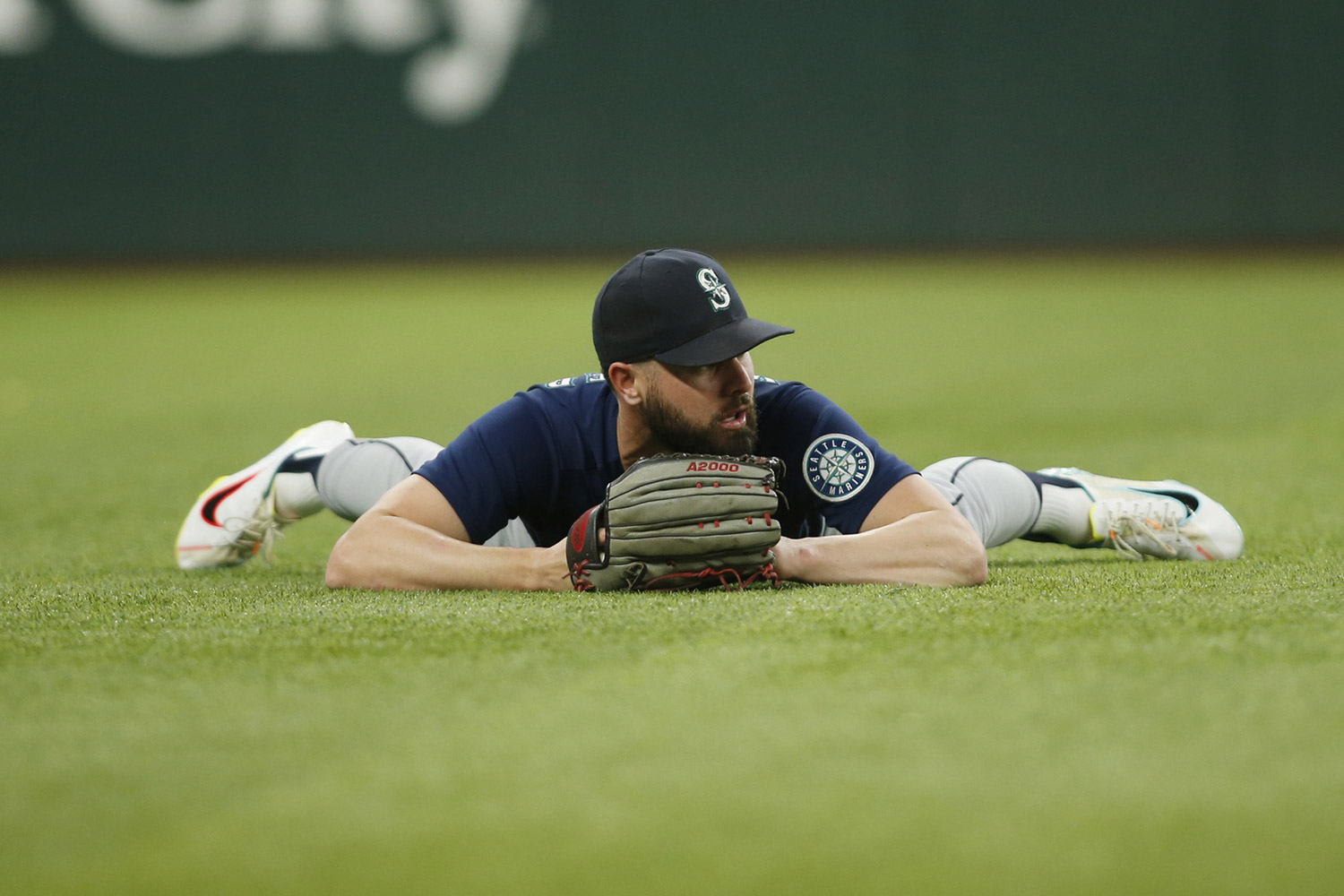 From 2017-2021, Jesse Winker posted some terrific numbers with a .385 OBP, .504 SLG, and 129 OPS+. However, he averaged only 83 games played during that stretch, partly due to struggles against left-handed pitching and a handful of injuries. Winker played in 136 contests for the Seattle Mariners in 2022, but his slugging dipped to .344 as he battled through more injuries. Worse, some who covered the club also heard about other issues with Winker. Ryan Divish, a Mariners beat reporter for the Seattle Times, has shared harsh criticisms about Winker in recent months on radio shows and his podcast. Divish's critiques don't come based on his own opinion or observations. Instead, "yes, teammates had complaints." Divish expressed several concerns heard around the team, including: "I think by the end of the season, it's what scouts call a tired act. "I think some teammates were done with him. Tired of putting up with him." "I don't think he puts in the time to be better defensively or have a better arm or any of the work that should be done." "When the season ended, and you could tell there was some discontent among the players, like a disconnect with Jesse. You know you heard grumblings..." Hearing these potential issues are often tough to take. First, this could be a simple "bad fit" in a clubhouse. Perhaps Winker's personality clashed with the leaders of the team. It doesn't necessarily mean Winker is a problem everywhere he goes. For example, it didn't seem like there were the same concerns while Winker played for the Cincinnati Reds. That doesn't automatically mean Winker isn't a problem, either. Regardless of the specifics behind Winker's troubles in Seattle, it's curious GM Matt Arnold and the Brewers would target a potential clubhouse distraction in a trade. Milwaukee's front office has long expressed interest in creating a strong and cohesive culture among the team. Of course, despite those ideal plans, the 2022 team failed to reach the postseason. Some pointed to the Josh Hader trade as one primary reason for the team's struggles. Not just the loss of their All-Star closer but how many players mentally and emotionally struggled after losing a teammate and friend. Perhaps this is why the Brewers are not worrying about keeping the clubhouse "perfect" going forward since it only does so much. One sharp, intelligent baseball mind in the industry said that maybe they felt the Brewers' culture was a bit too fragile, so close that they couldn't handle a break in their bond. Does a team need a few "rough-around-the-edges" types of guys? In the words of former Brooklyn Dodgers' manager Leo Durocher, nice guys finish last. As for Winker, he also battled those injuries that ultimately required surgery after the season. The pain and frustration of those issues may have compounded factors. That isn't to excuse a player from putting in work or being a quality teammate; however, that could have also played a role. Conversations surrounding the character, clubhouse culture, and other non-measurables will often beget the question, "Does winning create chemistry, or does the team culture influence higher performance?" It's possible everything is accurate, and Winker is a guy who fractures a team when things aren't going well for him. If he had been able to produce along his career numbers (.288/.388/.496/.885 vs. right-handed pitchers) instead of a sub .700 OPS, it's likely we wouldn't have heard a peep. Just like in the "real world," high performance often allows people to get away with more personality flaws than others. The 2023 Brewers may be adjusting their perception to a scale that values a little more talent for slightly less character. You can argue the merits either way. Can you have too many "nice guys" who always get along? Does that clubhouse have too much of a "ho-hum" mentality when the going gets tough? All of this could be moot if Milwaukee slips Winker in another trade. Winker will also become a free agent after the 2023 season, so it behooves him to be the best he can be, on and off the field. Many teams have won championships with less-than-perfect teammates. Other clubs swore they rode team chemistry to a title. The 2023 Milwaukee Brewers might be hoping that a little shakeup in the dugout can spark a more inspired brand of ball - or they think Winker will be just fine among their team leaders. (I reached out to Winker's agency for a comment but have not heard back)
 -
In search of a power bat for the middle of their lineup, the Milwaukee Brewers acquired outfielder Jesse Winker from the Seattle Mariners. His left-handed stick should play well at American Family Field, but some reports from the Great Northwest say he might not play nice with teammates. From 2017-2021, Jesse Winker posted some terrific numbers with a .385 OBP, .504 SLG, and 129 OPS+. However, he averaged only 83 games played during that stretch, partly due to struggles against left-handed pitching and a handful of injuries. Winker played in 136 contests for the Seattle Mariners in 2022, but his slugging dipped to .344 as he battled through more injuries. Worse, some who covered the club also heard about other issues with Winker. Ryan Divish, a Mariners beat reporter for the Seattle Times, has shared harsh criticisms about Winker in recent months on radio shows and his podcast. Divish's critiques don't come based on his own opinion or observations. Instead, "yes, teammates had complaints." Divish expressed several concerns heard around the team, including: "I think by the end of the season, it's what scouts call a tired act. "I think some teammates were done with him. Tired of putting up with him." "I don't think he puts in the time to be better defensively or have a better arm or any of the work that should be done." "When the season ended, and you could tell there was some discontent among the players, like a disconnect with Jesse. You know you heard grumblings..." Hearing these potential issues are often tough to take. First, this could be a simple "bad fit" in a clubhouse. Perhaps Winker's personality clashed with the leaders of the team. It doesn't necessarily mean Winker is a problem everywhere he goes. For example, it didn't seem like there were the same concerns while Winker played for the Cincinnati Reds. That doesn't automatically mean Winker isn't a problem, either. Regardless of the specifics behind Winker's troubles in Seattle, it's curious GM Matt Arnold and the Brewers would target a potential clubhouse distraction in a trade. Milwaukee's front office has long expressed interest in creating a strong and cohesive culture among the team. Of course, despite those ideal plans, the 2022 team failed to reach the postseason. Some pointed to the Josh Hader trade as one primary reason for the team's struggles. Not just the loss of their All-Star closer but how many players mentally and emotionally struggled after losing a teammate and friend. Perhaps this is why the Brewers are not worrying about keeping the clubhouse "perfect" going forward since it only does so much. One sharp, intelligent baseball mind in the industry said that maybe they felt the Brewers' culture was a bit too fragile, so close that they couldn't handle a break in their bond. Does a team need a few "rough-around-the-edges" types of guys? In the words of former Brooklyn Dodgers' manager Leo Durocher, nice guys finish last. As for Winker, he also battled those injuries that ultimately required surgery after the season. The pain and frustration of those issues may have compounded factors. That isn't to excuse a player from putting in work or being a quality teammate; however, that could have also played a role. Conversations surrounding the character, clubhouse culture, and other non-measurables will often beget the question, "Does winning create chemistry, or does the team culture influence higher performance?" It's possible everything is accurate, and Winker is a guy who fractures a team when things aren't going well for him. If he had been able to produce along his career numbers (.288/.388/.496/.885 vs. right-handed pitchers) instead of a sub .700 OPS, it's likely we wouldn't have heard a peep. Just like in the "real world," high performance often allows people to get away with more personality flaws than others. The 2023 Brewers may be adjusting their perception to a scale that values a little more talent for slightly less character. You can argue the merits either way. Can you have too many "nice guys" who always get along? Does that clubhouse have too much of a "ho-hum" mentality when the going gets tough? All of this could be moot if Milwaukee slips Winker in another trade. Winker will also become a free agent after the 2023 season, so it behooves him to be the best he can be, on and off the field. Many teams have won championships with less-than-perfect teammates. Other clubs swore they rode team chemistry to a title. The 2023 Milwaukee Brewers might be hoping that a little shakeup in the dugout can spark a more inspired brand of ball - or they think Winker will be just fine among their team leaders. (I reached out to Winker's agency for a comment but have not heard back) View full article
-
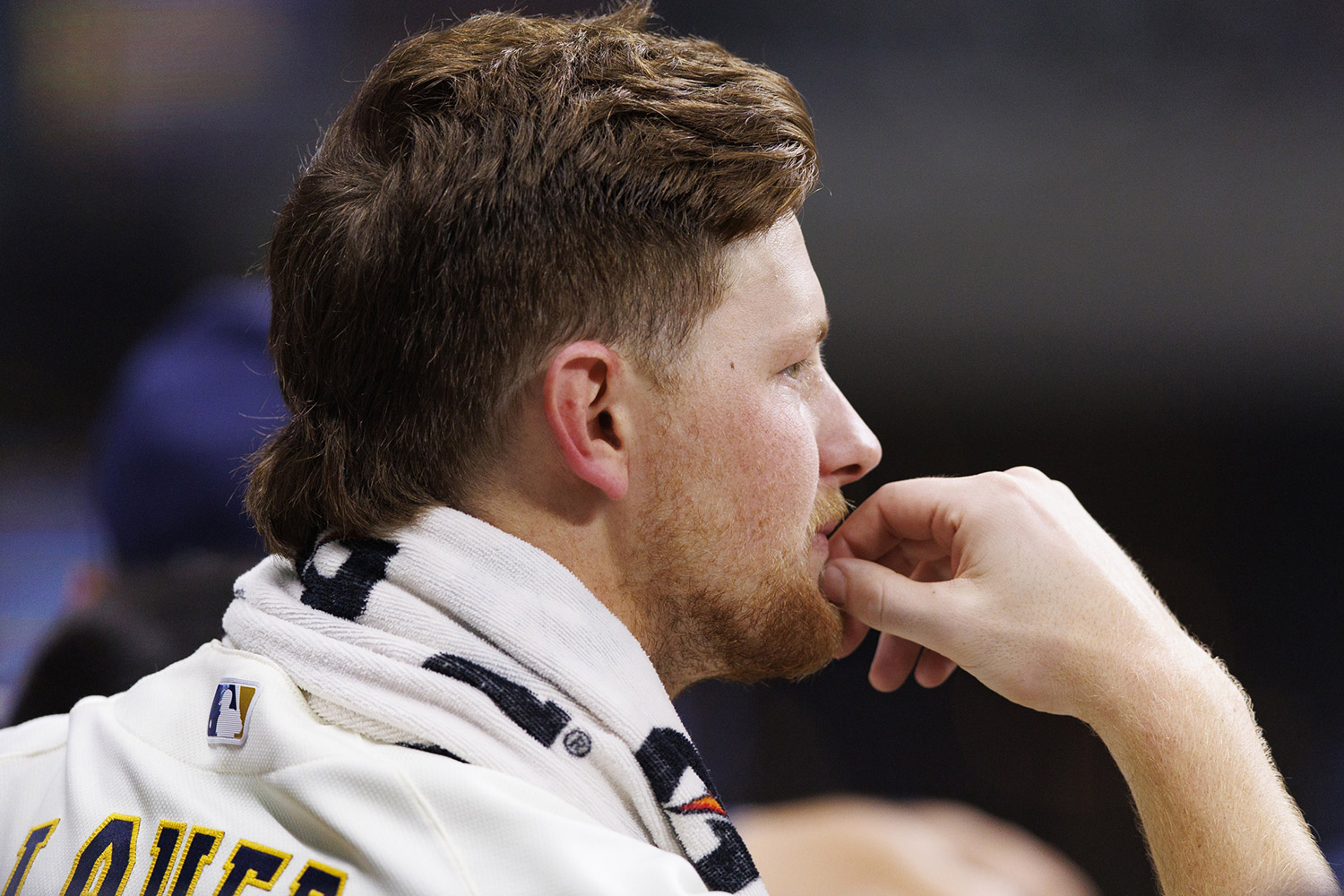 Undoubtedly, Eric Lauer has provided terrific value for the Milwaukee Brewers over the past two seasons. Early in 2022, Lauer performed like a co-ace with lights-out stuff. Through his first seven starts, Lauer posted a 2.16 ERA with 54 strikeouts and only eight walks (6.75 K/BB). He would finish the season with a 3.69 ERA across 158.2 innings, second most on the Brewers behind Corbin Burnes. That's not the production from a pitcher you cast aside for the heck of it, especially with two seasons of control remaining. On the flip side, one could point to several areas of concern that would lead the Brewers to try to sell high. Teams are always looking to add solid starting pitchers to their rosters, and a few clubs clearly need to upgrade their rotations. Lauer projects to make around $5.2 million in arbitration in 2023, which would also be appealing to front offices in search of an arm. So while Lauer isn't going to tilt the field as much as Burnes or Woodruff, he could offer more to a team than many of the free-agent options and at a much better cost - beyond the personnel they would have to give up. Looking at his Statcast rankings from 2022, they don't jump out at you. A lot of average rankings could mean trouble in the near future, and stats further indicate negative regression is coming. Aside from the many low percentiles, there are other reasons GM Matt Arnold could see now as the best time to move Lauer: Home Runs Allowed Lauer missed being a "qualified starter" by less than four innings, but it's close enough to see he would have tied for the second-worst home runs per nine innings (HR/9) rate in baseball. His 1.5 HR/9 in 2022 jumped from 1.3 HR/9 in 2021, as he permitted 27 long balls in 29 starts. If he increased his strikeout rate, you would feel slightly better about the gopher balls; however, with the pitch clock coming in 2023, many believe strikeouts will go down. Too Many Free Passes Among qualified pitchers in 2022, Lauer would have finished with the third-worst walks per nine innings rate (BB/9) at 3.3. This also declined from the previous season when he had a career-best 3.1 BB/9. That is quite telling on its own. The combo of a higher homer rate and walk rate is a recipe for disaster, though Lauer has managed to succeed despite this the last two seasons. Fielding Independent Pitching (FIP) FIP was created to assess better what a pitcher controls and how that would look as a separate "ERA." Because of his walks and home runs allowed, Lauer owned a 4.50 FIP in 2022. Comparing that to his 3.69 ERA, some argue he was fortunate, considering his FIP was almost a full point higher. He had a similar difference in 2021 (3.19 ERA vs. 4.04 FIP), which could mean one of two things. He either outperforms his FIP as a part of his skill set, or he is playing with fire and could soon blow up carrying the much higher FIP. Clubhouse Presence Look, I'm not in the clubhouse, and I am not pretending to know how Lauer's multiple strong statements came across to his teammates (or the front office). However, we all should acknowledge that some of his comments might have rubbed players and staff the wrong way when talking about the front office "sending the wrong message" with the Josh Hader trade and how they weren't trying to put the team in the best position to win in 2022. Even if what he says is true, most prefer keeping those conversations in-house, not blasted to the public. If he has burned some bridges or fractured the group somehow, Milwaukee could see it as addition by subtraction. Additional Rotation Options If you're trading Lauer, you're likely keeping Burnes and Woodruff. Past those two, Milwaukee would still have Freddy Peralta, Aaron Ashby, and Houser to go with potential call-ups from the minors, such as Ethan Small and Robert Gasser (acquired in the Josh Hader trade). There are also many free-agent options that would be valuable mid-level starters the Brewers could afford to snatch for a couple of seasons. With one free agent arm, Milwaukee would essentially have eight arms for the rotation, not counting smaller moves the club is likely to make. Those are a few reasons the Brewers would entertain trading Lauer this off-season. And despite those potential negatives, he should have enough value to another club to offer a fairly significant return - at least more than Houser. Teams like the Toronto Blue Jays, Baltimore Orioles, Minnesota Twins, and Texas Rangers are searching hard for starting pitcher options. Even clubs like the New York Mets (free agent losses) and Los Angeles Dodgers (injuries and prospects) could be in the market. Could the Brewers offer Lauer and a prospect to the Blue Jays for one of their three catchers like Danny Jansen or Alejandro Kirk? Would the Orioles or Rangers be willing to part with one or two solid prospects from their terrific farm systems ranked first and sixth, respectively? Options abound across multiple teams, and the Brewers should be open to any creative paths to success in 2023 and beyond.
 -
In an offseason that seems to contain so much uncertainty, perhaps it's one of the "other" Milwaukee Brewers starting pitchers who get traded. While the focus has been on Corbin Burnes, Brandon Woodruff, and even Adrian Houser, left-hander Eric Lauer might be the best option to swing a deal. Undoubtedly, Eric Lauer has provided terrific value for the Milwaukee Brewers over the past two seasons. Early in 2022, Lauer performed like a co-ace with lights-out stuff. Through his first seven starts, Lauer posted a 2.16 ERA with 54 strikeouts and only eight walks (6.75 K/BB). He would finish the season with a 3.69 ERA across 158.2 innings, second most on the Brewers behind Corbin Burnes. That's not the production from a pitcher you cast aside for the heck of it, especially with two seasons of control remaining. On the flip side, one could point to several areas of concern that would lead the Brewers to try to sell high. Teams are always looking to add solid starting pitchers to their rosters, and a few clubs clearly need to upgrade their rotations. Lauer projects to make around $5.2 million in arbitration in 2023, which would also be appealing to front offices in search of an arm. So while Lauer isn't going to tilt the field as much as Burnes or Woodruff, he could offer more to a team than many of the free-agent options and at a much better cost - beyond the personnel they would have to give up. Looking at his Statcast rankings from 2022, they don't jump out at you. A lot of average rankings could mean trouble in the near future, and stats further indicate negative regression is coming. Aside from the many low percentiles, there are other reasons GM Matt Arnold could see now as the best time to move Lauer: Home Runs Allowed Lauer missed being a "qualified starter" by less than four innings, but it's close enough to see he would have tied for the second-worst home runs per nine innings (HR/9) rate in baseball. His 1.5 HR/9 in 2022 jumped from 1.3 HR/9 in 2021, as he permitted 27 long balls in 29 starts. If he increased his strikeout rate, you would feel slightly better about the gopher balls; however, with the pitch clock coming in 2023, many believe strikeouts will go down. Too Many Free Passes Among qualified pitchers in 2022, Lauer would have finished with the third-worst walks per nine innings rate (BB/9) at 3.3. This also declined from the previous season when he had a career-best 3.1 BB/9. That is quite telling on its own. The combo of a higher homer rate and walk rate is a recipe for disaster, though Lauer has managed to succeed despite this the last two seasons. Fielding Independent Pitching (FIP) FIP was created to assess better what a pitcher controls and how that would look as a separate "ERA." Because of his walks and home runs allowed, Lauer owned a 4.50 FIP in 2022. Comparing that to his 3.69 ERA, some argue he was fortunate, considering his FIP was almost a full point higher. He had a similar difference in 2021 (3.19 ERA vs. 4.04 FIP), which could mean one of two things. He either outperforms his FIP as a part of his skill set, or he is playing with fire and could soon blow up carrying the much higher FIP. Clubhouse Presence Look, I'm not in the clubhouse, and I am not pretending to know how Lauer's multiple strong statements came across to his teammates (or the front office). However, we all should acknowledge that some of his comments might have rubbed players and staff the wrong way when talking about the front office "sending the wrong message" with the Josh Hader trade and how they weren't trying to put the team in the best position to win in 2022. Even if what he says is true, most prefer keeping those conversations in-house, not blasted to the public. If he has burned some bridges or fractured the group somehow, Milwaukee could see it as addition by subtraction. Additional Rotation Options If you're trading Lauer, you're likely keeping Burnes and Woodruff. Past those two, Milwaukee would still have Freddy Peralta, Aaron Ashby, and Houser to go with potential call-ups from the minors, such as Ethan Small and Robert Gasser (acquired in the Josh Hader trade). There are also many free-agent options that would be valuable mid-level starters the Brewers could afford to snatch for a couple of seasons. With one free agent arm, Milwaukee would essentially have eight arms for the rotation, not counting smaller moves the club is likely to make. Those are a few reasons the Brewers would entertain trading Lauer this off-season. And despite those potential negatives, he should have enough value to another club to offer a fairly significant return - at least more than Houser. Teams like the Toronto Blue Jays, Baltimore Orioles, Minnesota Twins, and Texas Rangers are searching hard for starting pitcher options. Even clubs like the New York Mets (free agent losses) and Los Angeles Dodgers (injuries and prospects) could be in the market. Could the Brewers offer Lauer and a prospect to the Blue Jays for one of their three catchers like Danny Jansen or Alejandro Kirk? Would the Orioles or Rangers be willing to part with one or two solid prospects from their terrific farm systems ranked first and sixth, respectively? Options abound across multiple teams, and the Brewers should be open to any creative paths to success in 2023 and beyond. View full article
-
All I am going to say is that at least one person on here is going to love my article posting on Friday. ?
-
All I am going to say is that at least one person on here is going to love my article posting on Friday. ?
-
You know, I just never understood the condescending responses on here. Why not just have a good baseball discussion. "Do I realize how talented & young Ashby is?" Come on. As for my thoughts...I see the Brewers favoring using a 6-man rotation at times again. I don't believe Houser should be in the rotation, so Eflin for example wouldn't be taking away Ashby's opportunities. Also, I love Ashby's raw ability & have touted him online plenty; however, he he has a decent amount developing left, and if he is struggling while the Brewers are trying to win, I don't think they just send him out automatically. Also, he might end up being better suited as a reliever anyway if he can't figure out his command. As for Lauer, there is major volatility there with more than 3 BB/9 & his propensity to give up homers. Also, I believe in FIP. His ERAs of 3.19 & 3.69 the past 2 seasons are a big difference from the 4.04 & 4.50 FIPs respectively. Eflin, pitching in a better home run hitters park & with terrible defense behind him owns FIPs of 3.68 & 3.56 the last 2 years. More neutral home park in Milwaukee & even an average defense gets his actual ERA way lower. That is how I see Eflin being better than Lauer going forward. I could be wrong on all counts, but please don't treat me like I am pulling crap out of the air. I research & analyze & learn as much as I can as a lifelong player, coach, fan, and part time writer/media person.
-
For those saying the Brewers are signing a 4th or 5th starter if no one gets moved so they will go cheaper. Maybe...maybe not. You could be right, but I see it all differently. For one, I would certainly take Eflin or Stripling over Houser & Ashby & probably Lauer in a full season. Plus the Brewers could be looking at a 6-man rotation again. That makes the 4th guy more important than the average #4 (IMO). We also don't know about Freddy & how his shoulder will be year to year. You also need to look at this starter as a 2 or 3 year investment. Maybe the Brewers don't deal guys this offseason, but maybe at the deadline or next offseason multiple pitchers could be gone.. And having a guy like this in tow could open up more possibilities for trades, too. They also have bullpen experience. Sure...you guys might be right that Milwaukee will just dumpster dive, but I get the feeling they make a play for someone better with a touch more cost because of the greater upside & future need.
-
For those saying the Brewers are signing a 4th or 5th starter if no one gets moved so they will go cheaper. Maybe...maybe not. You could be right, but I see it all differently. For one, I would certainly take Eflin or Stripling over Houser & Ashby & probably Lauer in a full season. Plus the Brewers could be looking at a 6-man rotation again. That makes the 4th guy more important than the average #4 (IMO). We also don't know about Freddy & how his shoulder will be year to year. You also need to look at this starter as a 2 or 3 year investment. Maybe the Brewers don't deal guys this offseason, but maybe at the deadline or next offseason multiple pitchers could be gone.. And having a guy like this in tow could open up more possibilities for trades, too. They also have bullpen experience. Sure...you guys might be right that Milwaukee will just dumpster dive, but I get the feeling they make a play for someone better with a touch more cost because of the greater upside & future need.
-
I see Lyles a notch below these guys...and Eflin especially could be significantly better in terms of production. And with Lyles making $7 million last season, I'm not sure he makes substantially less money. Do I think Stripling & Wacha will post their 2022 numbers? Probably not as good (Stripling better chance than Wacha). But I think Lyles ends up around a 4.75 ERA with Eflin and Stripling under 4 and Wacha 4.20 range. Just my view on them personally. Lyles 2021 - 5.15 ERA, 5.34 FIP, 1.39 WHIP Lyles 2022 - 4.42 ERA, 4.40 FIP, 1.39 WHIP Eflin 2021 - 4.17 ERA, 3.68 FIP, 1.25 WHIP Eflin 2022 - 4.04 ERA, 3.56 FIP, 1.12 WHIP Stripling 2021 - 4.80 ERA, 5.21 FIP, 1.27 WHIP Stripling 2022 - 3.01 ERA, 3.11 FIP, 1.02 WHIP Wacha 2021 - 5.05 ERA, 4.47 FIP, 1.31 WHIP Wacha 2022 - 3.32 ERA, 4.14 FIP, 1.12 WHIP
-
I see Lyles a notch below these guys...and Eflin especially could be significantly better in terms of production. And with Lyles making $7 million last season, I'm not sure he makes substantially less money. Do I think Stripling & Wacha will post their 2022 numbers? Probably not as good (Stripling better chance than Wacha). But I think Lyles ends up around a 4.75 ERA with Eflin and Stripling under 4 and Wacha 4.20 range. Just my view on them personally. Lyles 2021 - 5.15 ERA, 5.34 FIP, 1.39 WHIP Lyles 2022 - 4.42 ERA, 4.40 FIP, 1.39 WHIP Eflin 2021 - 4.17 ERA, 3.68 FIP, 1.25 WHIP Eflin 2022 - 4.04 ERA, 3.56 FIP, 1.12 WHIP Stripling 2021 - 4.80 ERA, 5.21 FIP, 1.27 WHIP Stripling 2022 - 3.01 ERA, 3.11 FIP, 1.02 WHIP Wacha 2021 - 5.05 ERA, 4.47 FIP, 1.31 WHIP Wacha 2022 - 3.32 ERA, 4.14 FIP, 1.12 WHIP
-
I almost included Quintana in here as I wanted them to grab him at the deadline. However, I don't trust he will keep it up this season, unless facing the Brewers, of course. That may have been the best argument for Milwaukee...to prevent him from starting against the Brewers.
-
I almost included Quintana in here as I wanted them to grab him at the deadline. However, I don't trust he will keep it up this season, unless facing the Brewers, of course. That may have been the best argument for Milwaukee...to prevent him from starting against the Brewers.
-
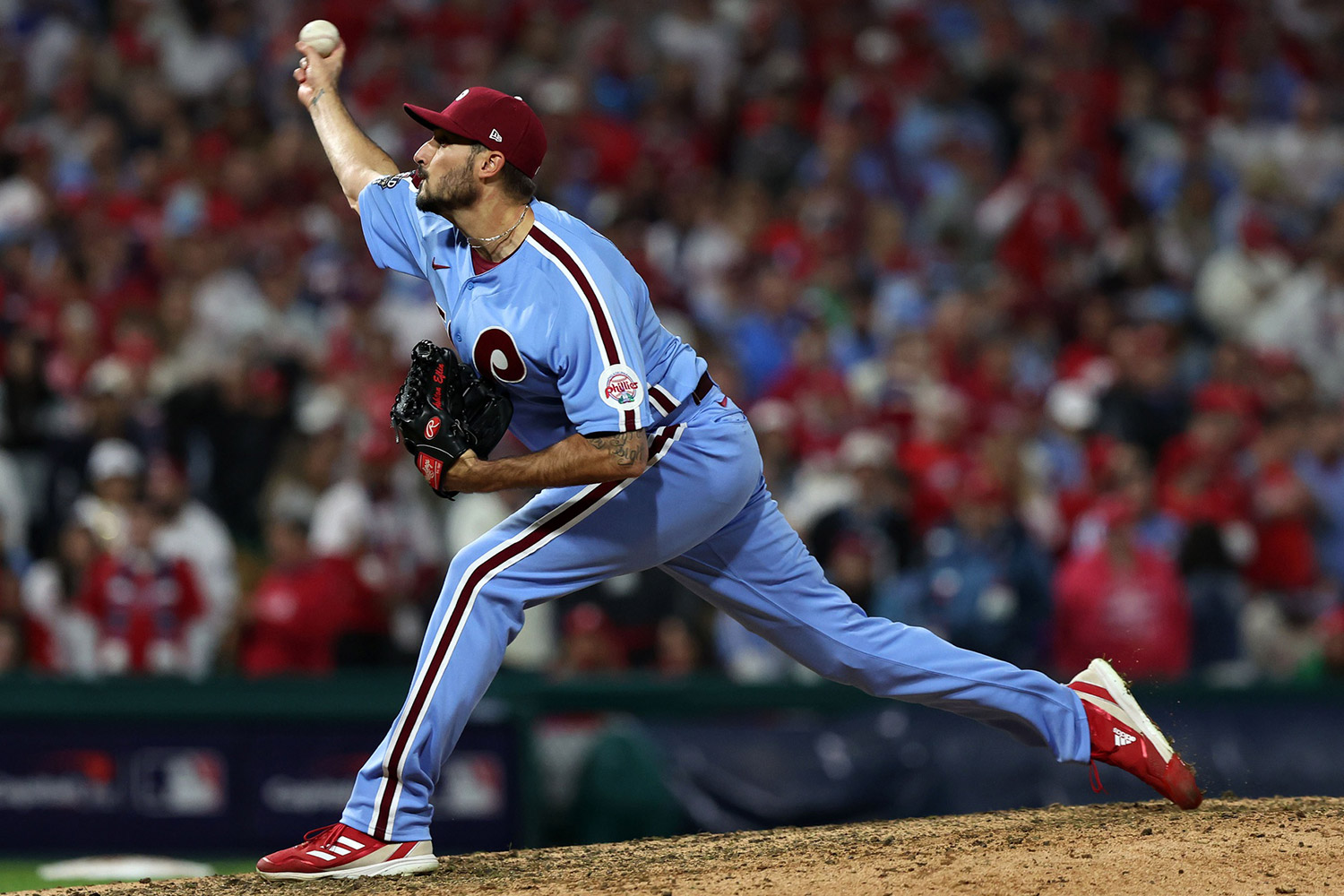 It's unlikely pitchers like Carlos Rodon, Jacob deGrom, or even Jameson Taillon end up in a Brewers jersey. Each of the top eight free-agent starters expects anywhere from three-to-five years for at least $13 million per season. That's probably more than the Brewers are willing to spend with their current roster, especially with other necessary upgrades. However, there are a few hurlers on the next level that can provide the value Milwaukee needs. Zach Eflin (29 years old in April) MLB Trade Rumors Prediction: Two years, $22 million Eflin has owned a 4.08 ERA since the start of 2020 across 49 appearances (41 starts). But his FIP (Fielding Independent Pitching) is just 3.57, thanks to a poor Philadelphia Phillies defense behind him. His 23.4% strikeout rate over that time would put him 22nd among qualified starters, while his 4.6% walk rate remains fantastic. Eflin's primary concern would be his home run ratio, sitting at 1.16 homers per nine innings. Of course, half his games were played at Citizens Bank Park, one of the top homer-friendly ballparks since its opening. As you can see from the Baseball Savant numbers above, Eflin was among MLB's best in exit velocity allowed, hard hit percentage, and walk percentage, ranking above the 90th percentile. Those figures counteract the concern with a pitcher who doesn't get as many whiffs as most frontline starters. The Brewers will receive terrific value if Eflin takes two years for $22 million. GM Matt Arnold should feel comfortable going to three years up to $32 million for Eflin, who has proven he can pitch effectively out of the bullpen. That lowers the risk of the third year if he struggles as a starter in 2023-2024. Ross Stripling (33 years old to start 2023) MLB Trade Rumors prediction: Two years, $18 million After a solid beginning to his career as a swingman starter and reliever, Stripling scuffled in 2020 with a slight improvement in 2021. Last season he bounced back for the Toronto Blue Jays, posting a 3.01 ERA across 134.1 innings (24 starts). Stripling relies on getting weak contact and 45% groundballs in his career. He's walked a higher percentage than Eflin but cut his BB% to 3.7% in 2022, and his career rate is better than the league average. Another solid arm for a two-year deal would be a perfect fit, especially for less than $10 million per season. Like with Eflin, his versatility to pitch in relief offers additional options for the Brewers across multiple seasons. Michael Wacha (31 years old to start 2023) MLB Trade Rumors prediction: Two years, $16 million If you're surprised, Wacha is only 31; that makes two of us. The right-hander came up as a 21-year-old and enjoyed six great seasons (3.77) ERA) before dealing with injuries, leading to a 5.11 ERA from 2019-2021. With a 3.32 ERA in Boston last season, Wacha hopes he has rediscovered his form. In fairness, he was a bit lucky in 2022. Wacha's FIP of 4.14 indicates his ERA outperformed his actual output, partially due to his worst strikeout-per-nine-inning rate since 2019 (7.4). The positive was Wacha's 1.115 WHIP and dropping HR/9 rate from 1.7 in 2021 to 1.3 last season. Two years for $18 million isn't a huge commitment, but Wacha has the most risk of these three starters. As a guy with an average strikeout percentage (20.2%) this past season, Wacha produces fewer ground balls than a team would like. Perhaps the Brewers' pitching lab could bump up his skills a notch. Improving his strikeout rate or groundball percentage would make Wacha a solid fixture in the 2023 rotation. Whether or not the Brewers trade Corbin Burnes, Brandon Woodruff, or Adrian Houser, they need to ensure they are covered for a full 162 games by adding to their depth. These three hurlers provide experience, a track record, and value in the middle-to-back of a rotation that expects to lead the club back into the postseason. Do you have a favorite among the three, or do you hate them all?
 -
This past season's injuries and regression exposed the Milwaukee Brewers' lack of starting pitcher depth. While they won't look to acquire a top-line free-agent starter, the Brewers should kick the tires on a mid-level arm to provide quality innings. It's unlikely pitchers like Carlos Rodon, Jacob deGrom, or even Jameson Taillon end up in a Brewers jersey. Each of the top eight free-agent starters expects anywhere from three-to-five years for at least $13 million per season. That's probably more than the Brewers are willing to spend with their current roster, especially with other necessary upgrades. However, there are a few hurlers on the next level that can provide the value Milwaukee needs. Zach Eflin (29 years old in April) MLB Trade Rumors Prediction: Two years, $22 million Eflin has owned a 4.08 ERA since the start of 2020 across 49 appearances (41 starts). But his FIP (Fielding Independent Pitching) is just 3.57, thanks to a poor Philadelphia Phillies defense behind him. His 23.4% strikeout rate over that time would put him 22nd among qualified starters, while his 4.6% walk rate remains fantastic. Eflin's primary concern would be his home run ratio, sitting at 1.16 homers per nine innings. Of course, half his games were played at Citizens Bank Park, one of the top homer-friendly ballparks since its opening. As you can see from the Baseball Savant numbers above, Eflin was among MLB's best in exit velocity allowed, hard hit percentage, and walk percentage, ranking above the 90th percentile. Those figures counteract the concern with a pitcher who doesn't get as many whiffs as most frontline starters. The Brewers will receive terrific value if Eflin takes two years for $22 million. GM Matt Arnold should feel comfortable going to three years up to $32 million for Eflin, who has proven he can pitch effectively out of the bullpen. That lowers the risk of the third year if he struggles as a starter in 2023-2024. Ross Stripling (33 years old to start 2023) MLB Trade Rumors prediction: Two years, $18 million After a solid beginning to his career as a swingman starter and reliever, Stripling scuffled in 2020 with a slight improvement in 2021. Last season he bounced back for the Toronto Blue Jays, posting a 3.01 ERA across 134.1 innings (24 starts). Stripling relies on getting weak contact and 45% groundballs in his career. He's walked a higher percentage than Eflin but cut his BB% to 3.7% in 2022, and his career rate is better than the league average. Another solid arm for a two-year deal would be a perfect fit, especially for less than $10 million per season. Like with Eflin, his versatility to pitch in relief offers additional options for the Brewers across multiple seasons. Michael Wacha (31 years old to start 2023) MLB Trade Rumors prediction: Two years, $16 million If you're surprised, Wacha is only 31; that makes two of us. The right-hander came up as a 21-year-old and enjoyed six great seasons (3.77) ERA) before dealing with injuries, leading to a 5.11 ERA from 2019-2021. With a 3.32 ERA in Boston last season, Wacha hopes he has rediscovered his form. In fairness, he was a bit lucky in 2022. Wacha's FIP of 4.14 indicates his ERA outperformed his actual output, partially due to his worst strikeout-per-nine-inning rate since 2019 (7.4). The positive was Wacha's 1.115 WHIP and dropping HR/9 rate from 1.7 in 2021 to 1.3 last season. Two years for $18 million isn't a huge commitment, but Wacha has the most risk of these three starters. As a guy with an average strikeout percentage (20.2%) this past season, Wacha produces fewer ground balls than a team would like. Perhaps the Brewers' pitching lab could bump up his skills a notch. Improving his strikeout rate or groundball percentage would make Wacha a solid fixture in the 2023 rotation. Whether or not the Brewers trade Corbin Burnes, Brandon Woodruff, or Adrian Houser, they need to ensure they are covered for a full 162 games by adding to their depth. These three hurlers provide experience, a track record, and value in the middle-to-back of a rotation that expects to lead the club back into the postseason. Do you have a favorite among the three, or do you hate them all? View full article
-
Article: Is Now the Right Time to Trade Corbin Burnes?
Tim Muma replied to Tim Muma's topic in Milwaukee Brewers Talk
I am sorry, but you made a mocking statement about it ("the author thinks...), but I am making a big deal about it? I just responded to you. And for the record, that is why I said he won it 2 SEASONS ago, not years. Again, I view the 2022 Brewers' SEASON over. Also, to say "Be a better man" is quite condescending as well. I'm all good, man. I hope everything is ok with you to feel the need to go there -
Article: Is Now the Right Time to Trade Corbin Burnes?
Tim Muma replied to Tim Muma's topic in Milwaukee Brewers Talk
I am sorry, but you made a mocking statement about it ("the author thinks...), but I am making a big deal about it? I just responded to you. And for the record, that is why I said he won it 2 SEASONS ago, not years. Again, I view the 2022 Brewers' SEASON over. Also, to say "Be a better man" is quite condescending as well. I'm all good, man. I hope everything is ok with you to feel the need to go there -
Article: Is Now the Right Time to Trade Corbin Burnes?
Tim Muma replied to Tim Muma's topic in Milwaukee Brewers Talk
BTW...the author considers the 2022 season over for the Brewers. So Burnes' Cy Young was 2 seasons ago to the author. -
Article: Is Now the Right Time to Trade Corbin Burnes?
Tim Muma replied to Tim Muma's topic in Milwaukee Brewers Talk
BTW...the author considers the 2022 season over for the Brewers. So Burnes' Cy Young was 2 seasons ago to the author. -
Article: Is Now the Right Time to Trade Corbin Burnes?
Tim Muma replied to Tim Muma's topic in Milwaukee Brewers Talk
That is fine if your opinion is that it would be the "wrong" perspective. Without actual names/players to discuss the value, it's impossible to make certain claims. I enjoy writing trade idea pieces, but I also acknowledge only the teams involved truly know what they feel is best, how they want to move forward, what risks are worth taking. I'm one that will take proven MLB guys with team control, even with some risk and extra money. The Marlins take in the Yelich deal should be a warning, too. They thought they made out well. And Yelich wasn't an MVP at that point. As for the idea that it's an entirely different situation. Maybe...but you say they are a contender. You would be content with their outfield being strong enough offensively as a contender? I guess we differ a bit there, too. I like Frelick a lot. I'm not a Mitchell fan. I need to see/learn more about Ruiz. Wiemer feels average. Chourino - we know the upside - but he's not here this season. My point still remains, people were extremely excited for Santana, Broxton & Phillips being there to lead the charge for years after 2017. I liked Santana (but he fizzled out). I did NOT like Broxton and thought Phillips was a 4th outfielder...hence I wanted Yelich. Brewers went with Cain, too, because they weren't sold on any of the 3 every day and long term. In my world...I am intrigued by Westburg from Baltimore to play 3B. Maybe they can swing a deal with the Orioles that doesn't involve Burnes or Woodruff. IF they were to trade Burnes, I believe Texas would be far more likely, with the Dodgers always a possibility because of their player capital and willingness to go big. I'm also not opposed to keeping Burnes for now and seeing how 2023 plays out until the deadline and re-evaluate. -
Article: Is Now the Right Time to Trade Corbin Burnes?
Tim Muma replied to Tim Muma's topic in Milwaukee Brewers Talk
That is fine if your opinion is that it would be the "wrong" perspective. Without actual names/players to discuss the value, it's impossible to make certain claims. I enjoy writing trade idea pieces, but I also acknowledge only the teams involved truly know what they feel is best, how they want to move forward, what risks are worth taking. I'm one that will take proven MLB guys with team control, even with some risk and extra money. The Marlins take in the Yelich deal should be a warning, too. They thought they made out well. And Yelich wasn't an MVP at that point. As for the idea that it's an entirely different situation. Maybe...but you say they are a contender. You would be content with their outfield being strong enough offensively as a contender? I guess we differ a bit there, too. I like Frelick a lot. I'm not a Mitchell fan. I need to see/learn more about Ruiz. Wiemer feels average. Chourino - we know the upside - but he's not here this season. My point still remains, people were extremely excited for Santana, Broxton & Phillips being there to lead the charge for years after 2017. I liked Santana (but he fizzled out). I did NOT like Broxton and thought Phillips was a 4th outfielder...hence I wanted Yelich. Brewers went with Cain, too, because they weren't sold on any of the 3 every day and long term. In my world...I am intrigued by Westburg from Baltimore to play 3B. Maybe they can swing a deal with the Orioles that doesn't involve Burnes or Woodruff. IF they were to trade Burnes, I believe Texas would be far more likely, with the Dodgers always a possibility because of their player capital and willingness to go big. I'm also not opposed to keeping Burnes for now and seeing how 2023 plays out until the deadline and re-evaluate. -
Article: Is Now the Right Time to Trade Corbin Burnes?
Tim Muma replied to Tim Muma's topic in Milwaukee Brewers Talk
There is risk to every move. Mullins certainly carries risk and I agree you want some of the BAL prospects who MIGHT be off limits. At the same time, the Brewers might feel their best option is a trade to BAL that seems light, because they also make a separate move that will be a better than thought return for one of their own prospects and/or Renfroe. There's no guarantee the Brewers get a "better deal" than Mullins and 3 prospects. Do they keep him for a year (or 1/2 year) and try again? Risk getting less value later because of injury, decline, fewer years left, etc.? I don't think they SHOULD necessarily trade him now or for a package from Baltimore. The Texas and Baltimore mentions were examples of teams that would make sense because they have the prospects, the hunger to push toward competing, and the money to extend Burnes.


