Bashopolis
-
Posts
108 -
Joined
-
Last visited
Content Type
Profiles
Forums
Blogs
Events
News
2026 Milwaukee Brewers Top Prospects Ranking
Milwaukee Brewers Videos
2022 Milwaukee Brewers Draft Picks
Milwaukee Brewers Free Agent & Trade Rumors, Notes, & Tidbits
Guides & Resources
2023 Milwaukee Brewers Draft Picks
2024 Milwaukee Brewers Draft Picks
The Milwaukee Brewers Players Project
2025 Milwaukee Brewers Draft Pick Tracker
2026 Milwaukee Brewers Draft Tracker: Picks & Bonuses
Store
Downloads
Gallery
Everything posted by Bashopolis
-
I agree with giving Koenig the 10th. Not sure why Williams is even up. This was an attempt to steel a game while still resting Williams for the Phillies series. It didn’t work. But it was the right call if the Brewers were going to try to take 2 out of 3 from Phillies and stay in the race for a first round bye. With the rest of the bullpen used they needed Williams and, likely being called up today, Hudson available for the Phillies series.
- 4 replies
-
- 1
-

-
- joey ortiz
- sal frelick
- (and 3 more)
-
First game starter likely depends on match ups and series length. I would generally want to throw someone else in game one and leave Peralta for a more favorable match up in game 2 in a 3 game series. DL Hall may very likely be the starter in game 1 with the bullpen being fresh.
-
It's nothing but good news at 1 Brewers Way. Image courtesy of © Benny Sieu-USA TODAY Sports When we last checked in on the Brewers playoff odds, on August 6th, the Brewers had a 62-49 record and a six-game lead in the Central division. They were headed into a tough part of their schedule, with ten out of their next 13 games against teams headed for the playoffs. The Brewers crushed it over that 13-game stretch. They went 10-3 (.769 winning percentage). These winning ways have greatly improved Brewers' chances to win the division and leave the Brewers with the decision about how hard to push for a top seed in the playoffs. This is the second in a series of articles exploring the Brewers' odds of winning the division and securing a bye for the first round of the playoffs. For statistics and probability rates, we will rely heavily on FanGraphs. Making the Playoffs: While going 10-3 over the last two weeks, the Brewers' chances of clinching a wildcard spot in the playoffs went down to around ½ of 1%. Not very likely. This has more to do with the woeful performance of the other central division teams. The Brewers' path to the playoffs is much more likely to come through winning the division. Considering the woeful performance of the other Central Division teams, Winning the Division: As the Brewers ascended over the last two weeks, the rest of the central division rolled over. The Crew now has an 11-game lead over the field. The field is significantly flawed by teams that can’t seem to play .500 baseball consistently. This isn’t to say that the central division is in the bag, but the Brewers are at the self-checkout aisle buying one bag of chips with no one in front of them. The bag is wide open, and the electronic voice is ready to thank them for shopping. If the Brewers win even a third of their remaining games, the Cardinals must win over 2/3 of theirs to win the division. Each of these scenarios happening on their own seems very unlikely, but the chances of both of them happening are extremely slight. FanGraphs’ projections give the Brewers a 98.6% chance of winning the division. A First Round Bye: In today’s MLB, the top two division winners get a first-round bye in the playoffs. Can the Brewers secure a bye? This is where things currently sit in the race for a bye: Wins Losses Win Percentage Projected Win Total Phillies 73 51 0.589 95.418 Dodgers 74 52 0.587 96.667 Brewers 72 52 0.581 94.122 Over the last two weeks, the Brewers have increased their overall win percentage from .559 to .581 and are now within a game of the projected win totals for the Phillies and Dodgers. They have tightened the race. Looking forward, the Dodgers have the lowest average strength of opposing schedule in each game, with opponents’ average win percentage being .495. But their schedule offers a dichotomy of opponents with eleven games against the Rockies, Marlins, and Angels. They also face current playoff teams sixteen times over the next 37 games. Among the three division leaders, the Phillies face teams with the highest average win percentage over their remaining schedule at .503. The Brewers get a head-to-head shot against them during a three-game series at home on September 16, 17, and 18. One determinant of how difficult the Phillies' path to a bye will be the New York Mets. The Phillies play the Mets for three games before the Brewers series and another four games after the Brewers series. If the Mets are still competing for a playoff spot in mid-September, that makes for a difficult stretch for the Phillies. The Brewers average opponent’s win percentage is .497. The Brewers bookend the Phillies series with a home and away series with the Diamondbacks for seven games. That ten-game stretch could be difficult for the Brewers as well. And where the Mets sit in the playoff picture when the Brewers play them in the last series of the year could be a factor. If the Mets are out of it by then, those last three games of the season become much easier. Every team wants to be playing meaningful baseball in September. If there ever was a meaningful race to win the Central Division, it is all but over now. If the Brewers want their games down the stretch to be meaningful, it will likely be about competing for that first-round bye. Otherwise, they may as well sit back and eat that bag of chips. View full article
-
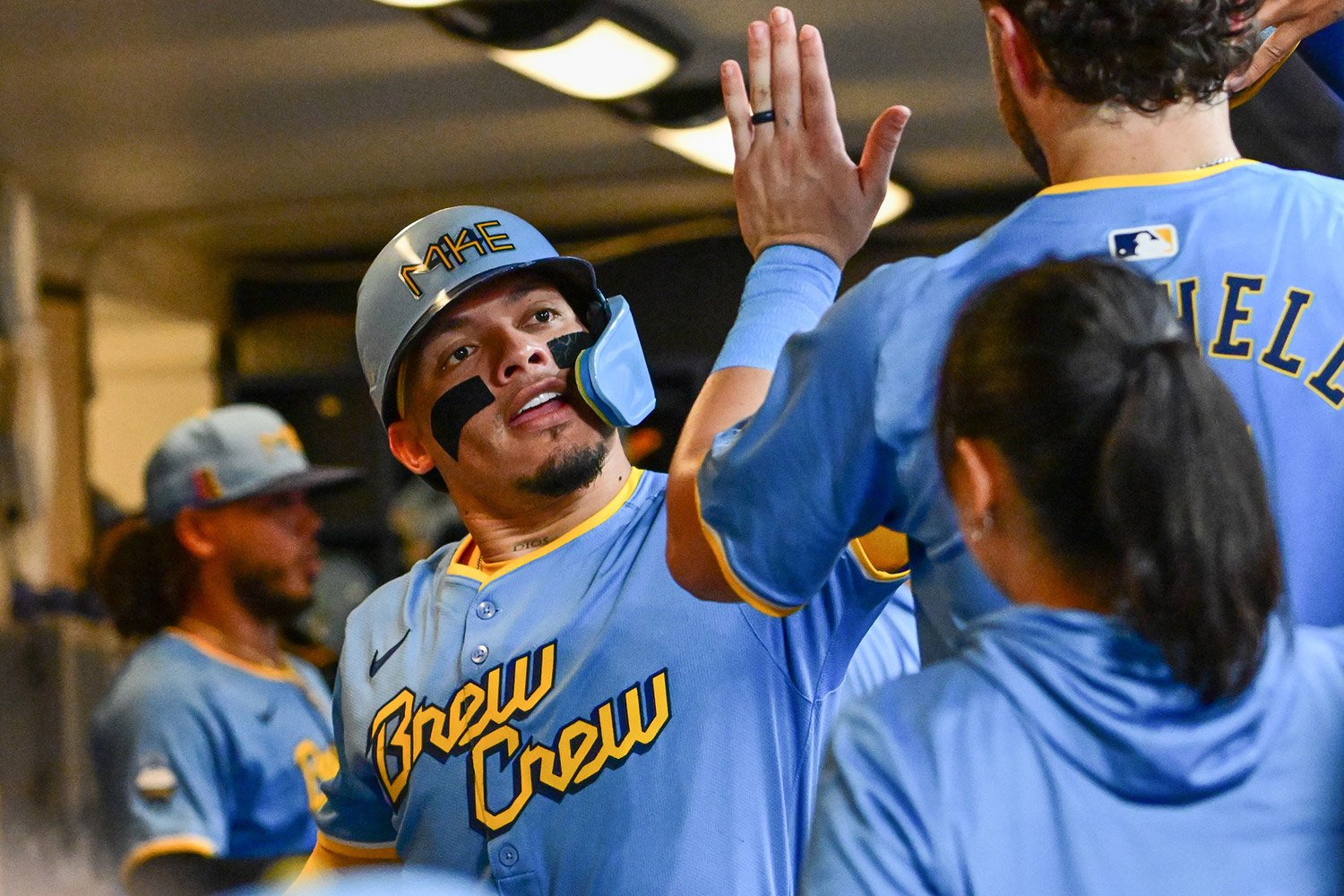 When we last checked in on the Brewers playoff odds, on August 6th, the Brewers had a 62-49 record and a six-game lead in the Central division. They were headed into a tough part of their schedule, with ten out of their next 13 games against teams headed for the playoffs. The Brewers crushed it over that 13-game stretch. They went 10-3 (.769 winning percentage). These winning ways have greatly improved Brewers' chances to win the division and leave the Brewers with the decision about how hard to push for a top seed in the playoffs. This is the second in a series of articles exploring the Brewers' odds of winning the division and securing a bye for the first round of the playoffs. For statistics and probability rates, we will rely heavily on FanGraphs. Making the Playoffs: While going 10-3 over the last two weeks, the Brewers' chances of clinching a wildcard spot in the playoffs went down to around ½ of 1%. Not very likely. This has more to do with the woeful performance of the other central division teams. The Brewers' path to the playoffs is much more likely to come through winning the division. Considering the woeful performance of the other Central Division teams, Winning the Division: As the Brewers ascended over the last two weeks, the rest of the central division rolled over. The Crew now has an 11-game lead over the field. The field is significantly flawed by teams that can’t seem to play .500 baseball consistently. This isn’t to say that the central division is in the bag, but the Brewers are at the self-checkout aisle buying one bag of chips with no one in front of them. The bag is wide open, and the electronic voice is ready to thank them for shopping. If the Brewers win even a third of their remaining games, the Cardinals must win over 2/3 of theirs to win the division. Each of these scenarios happening on their own seems very unlikely, but the chances of both of them happening are extremely slight. FanGraphs’ projections give the Brewers a 98.6% chance of winning the division. A First Round Bye: In today’s MLB, the top two division winners get a first-round bye in the playoffs. Can the Brewers secure a bye? This is where things currently sit in the race for a bye: Wins Losses Win Percentage Projected Win Total Phillies 73 51 0.589 95.418 Dodgers 74 52 0.587 96.667 Brewers 72 52 0.581 94.122 Over the last two weeks, the Brewers have increased their overall win percentage from .559 to .581 and are now within a game of the projected win totals for the Phillies and Dodgers. They have tightened the race. Looking forward, the Dodgers have the lowest average strength of opposing schedule in each game, with opponents’ average win percentage being .495. But their schedule offers a dichotomy of opponents with eleven games against the Rockies, Marlins, and Angels. They also face current playoff teams sixteen times over the next 37 games. Among the three division leaders, the Phillies face teams with the highest average win percentage over their remaining schedule at .503. The Brewers get a head-to-head shot against them during a three-game series at home on September 16, 17, and 18. One determinant of how difficult the Phillies' path to a bye will be the New York Mets. The Phillies play the Mets for three games before the Brewers series and another four games after the Brewers series. If the Mets are still competing for a playoff spot in mid-September, that makes for a difficult stretch for the Phillies. The Brewers average opponent’s win percentage is .497. The Brewers bookend the Phillies series with a home and away series with the Diamondbacks for seven games. That ten-game stretch could be difficult for the Brewers as well. And where the Mets sit in the playoff picture when the Brewers play them in the last series of the year could be a factor. If the Mets are out of it by then, those last three games of the season become much easier. Every team wants to be playing meaningful baseball in September. If there ever was a meaningful race to win the Central Division, it is all but over now. If the Brewers want their games down the stretch to be meaningful, it will likely be about competing for that first-round bye. Otherwise, they may as well sit back and eat that bag of chips.
 -
My bigger question is: Why is Misiorowski considered a potential starter and Yoho is considered a reliever. Yoho has better control. A larger arsenal with three plus pitches. A body shape that would lead to better stamina. And a delivery which isn’t as max effort every pitch. Sure Yoho has always been a relief pitcher all his career but why don’t they try him as a starter?
-
Hoby Milner likely has a minor injury that will free up space in the 26 for Hall to get 3 or 4 multi-inning bullpen games. As Hudson and McGill are ready Ross may have another injury. We are getting closer to slightly expanded rosters, I think the Brewers work shuffles to make sure they don’t totally cut anyone who has been contributing.
-
What Are The Brewers' Playoff Odds & Can They Capture A Bye?
Bashopolis posted an article in Brewers
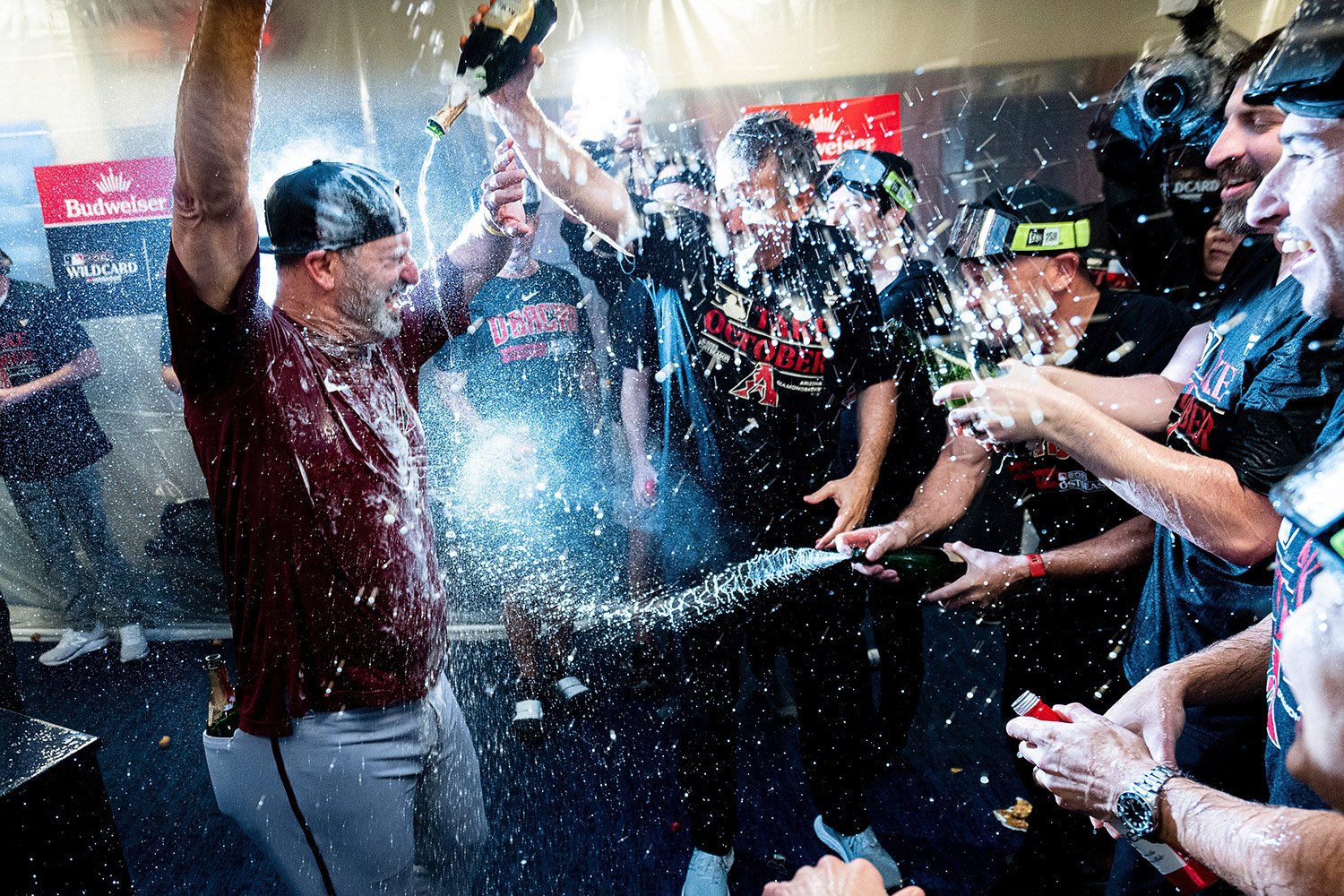 The Brewers, as of today, August 6, 2024, have a record of 62-49 and are six games ahead of the Pirates and Cardinals in the Central division of the National League. If they maintain their .559 winning percentage, they will win 90.5 games this year. This is the first of a series of articles exploring the Brewers' odds of making it into the postseason. With 49 games left, what must the Brewers do to make the playoffs? Win the division? Or secure a first-round bye in the playoffs? For statistics and probability rates, we will rely heavily on the excellent work from FanGraphs. Making the Playoffs When giving the Brewers a 50% chance of winning each remaining game, they have an 85.3% chance of making the playoffs. This has a lot to do with their likelihood of winning the division rather than their standing among other wild card teams. Although the Brewers would currently lead the wild card standings, they are only three games out of losing a wild card slot and missing the playoffs if some other team beats them out for the NL Central title. Winning the Division Considering the mediocrity on display within the NL Central, winning the division buoys the Brewers' playoff chances. If the Brewers maintain their current winning percentage and finish with 91 wins, the Pirates or Cardinals would need to win 69% of their remaining games to tie with the Brewers at the end of the year. This result, although possible, is unlikely for teams that have shown themselves to play .500 ball so far this year consistently. If the Brewers simply win half their games for the rest of the season, they will still win 87 games. FanGraphs gives them an almost 77% chance of winning the division in this scenario. Every other division team has an under 10% odds of capturing the pennant. The Brewers' chances improve against the Cardinals but diminish slightly when compared to. The Pirates when we look at each team’s schedule for the remaining games. The Brewers' opponents winning percentage is .492. The Cardinals' is 499. The Pirates have the easiest schedule going forward with a .484 opponents winning percentage. The Brewers would likely have to underperform their current record to give the Cardinals and Pirates a legitimate shot at winning the division. This is a possibility, considering Yelich's loss and record over the last month. If the Brewers simply go .500 over the next 49 games, then either the Cardinals or the Pirates would need to win 60% of their games. It's still unlikely for these teams, but it's possible. An eight to ten-game winning streak by either “contending” team would lower their winning percentage required for the rest of the games to around .50%. A First Round Bye In today’s Major League Baseball, the top two division winners get a first-round bye in the playoffs. The third-division winner is treated much like a wild card entry. All they get for winning the division is a gold star placed next to their name in the wild card round of the playoff bracket and perhaps a pat on their collective heads. That gold star isn’t worth much except for the home field advantage in the wild card round, which the first wild card team also receives. Can the Brewers secure a bye? The teams they are chasing have projected win totals of 95 games based on their current winning percentage. The Brewers must win 65% of their remaining games to reach 95 wins. In June, the Brewers' best month, they won 59% of their games. The Brewers likely will have to count on creating their own hot streak and either the Phillies or the Dodgers falling from their season’s pace. If the Brewers match their hot June the rest of the way, and either the Phillies or Dodgers play closer to .500 ball, then there is a chance for the Brewers to get a first-round bye. The good news is that the Brewers only need one of the two teams to falter, not both.
 -
We're officially in the dog days of baseball. As of today, where do the Milwaukee Brewers stand in their postseason chances? Image courtesy of © Jovanny Hernandez / Milwaukee Journal Sentinel / USA TODAY NETWORK The Brewers, as of today, August 6, 2024, have a record of 62-49 and are six games ahead of the Pirates and Cardinals in the Central division of the National League. If they maintain their .559 winning percentage, they will win 90.5 games this year. This is the first of a series of articles exploring the Brewers' odds of making it into the postseason. With 49 games left, what must the Brewers do to make the playoffs? Win the division? Or secure a first-round bye in the playoffs? For statistics and probability rates, we will rely heavily on the excellent work from FanGraphs. Making the Playoffs When giving the Brewers a 50% chance of winning each remaining game, they have an 85.3% chance of making the playoffs. This has a lot to do with their likelihood of winning the division rather than their standing among other wild card teams. Although the Brewers would currently lead the wild card standings, they are only three games out of losing a wild card slot and missing the playoffs if some other team beats them out for the NL Central title. Winning the Division Considering the mediocrity on display within the NL Central, winning the division buoys the Brewers' playoff chances. If the Brewers maintain their current winning percentage and finish with 91 wins, the Pirates or Cardinals would need to win 69% of their remaining games to tie with the Brewers at the end of the year. This result, although possible, is unlikely for teams that have shown themselves to play .500 ball so far this year consistently. If the Brewers simply win half their games for the rest of the season, they will still win 87 games. FanGraphs gives them an almost 77% chance of winning the division in this scenario. Every other division team has an under 10% odds of capturing the pennant. The Brewers' chances improve against the Cardinals but diminish slightly when compared to. The Pirates when we look at each team’s schedule for the remaining games. The Brewers' opponents winning percentage is .492. The Cardinals' is 499. The Pirates have the easiest schedule going forward with a .484 opponents winning percentage. The Brewers would likely have to underperform their current record to give the Cardinals and Pirates a legitimate shot at winning the division. This is a possibility, considering Yelich's loss and record over the last month. If the Brewers simply go .500 over the next 49 games, then either the Cardinals or the Pirates would need to win 60% of their games. It's still unlikely for these teams, but it's possible. An eight to ten-game winning streak by either “contending” team would lower their winning percentage required for the rest of the games to around .50%. A First Round Bye In today’s Major League Baseball, the top two division winners get a first-round bye in the playoffs. The third-division winner is treated much like a wild card entry. All they get for winning the division is a gold star placed next to their name in the wild card round of the playoff bracket and perhaps a pat on their collective heads. That gold star isn’t worth much except for the home field advantage in the wild card round, which the first wild card team also receives. Can the Brewers secure a bye? The teams they are chasing have projected win totals of 95 games based on their current winning percentage. The Brewers must win 65% of their remaining games to reach 95 wins. In June, the Brewers' best month, they won 59% of their games. The Brewers likely will have to count on creating their own hot streak and either the Phillies or the Dodgers falling from their season’s pace. If the Brewers match their hot June the rest of the way, and either the Phillies or Dodgers play closer to .500 ball, then there is a chance for the Brewers to get a first-round bye. The good news is that the Brewers only need one of the two teams to falter, not both. View full article
-
2017 deserves an honorable mention. Yes, Hiura did have a little success but little else came out of that year.
-
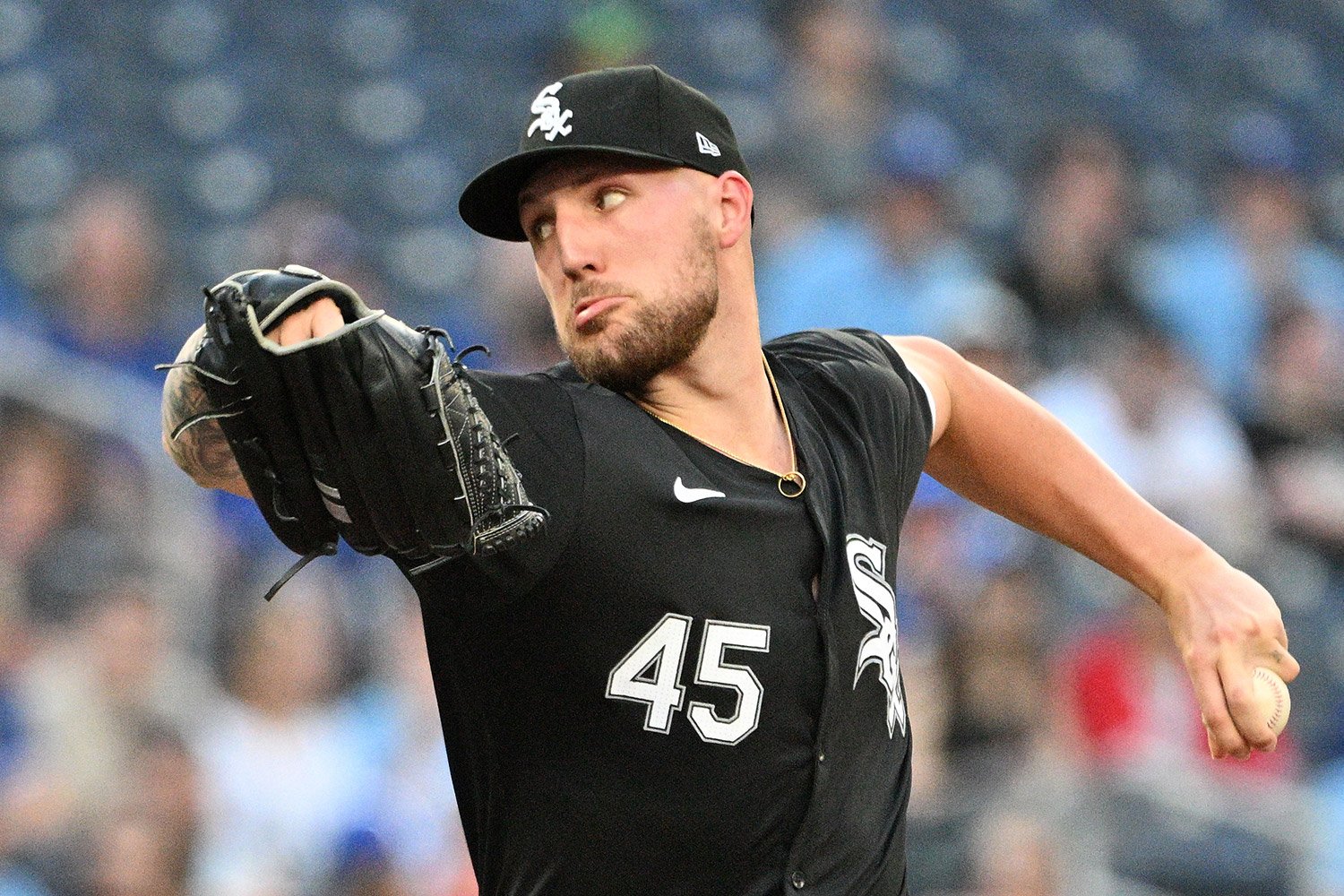 The Brewers may be active at this trade deadline, but they likely will not trade top prospects for an ace pitcher. Instead, they will rely on the starting pitching depth that they already have. Due to the expanded postseason format and parity in the leagues, there are too few sellers and too many buyers at the trade deadline. And a deadline trade for that starting pitcher isn’t enough of a difference-maker for this team. The Brewers still have starting pitching depth: Injured starters DL Hall and Joe Ross are expected back before the trade deadline. Jakob Junis has just returned. When added to stable rotation pieces (Freddy Peralta, Colin Rea, Bryse Wilson, and Tobias Myers), that makes for a fairly deep stable of arms. Add in minor league shuttle starters Aaron Ashby and Carlos Rodriguez, and this rotation can be eight or nine deep by the middle of July. None of these pitchers likely provide top-of-the-rotation results, but the Brewers will be able to improve their overall starting pitcher’s production by picking the best of the lot and controlling how deep they go into games. Considering this, the prospect cost for a top-of-the-rotation starter will be higher than the Brewers will want to give up. The Brewers tend to refrain from trading off top-tier prospects at the deadline. In 2023, when facing a greater need for hitting than this year’s need for pitching, the Brewers worked around the margins and acquired a couple of rental players who became free agents at the end of the year, in Carlos Santana and Mark Canha. This is more likely where you will see the Brewers working again this year. The Brewers won’t trade six years of Jeferson Quero, Jacob Misirowski, or Tyler Black for a rental, and the market for controllable talent heavily favors the sellers at the trade deadline. The wide-open Wild Card races limit the number of teams selling. Teams who are selling controllable talent can ask for a premium. The Brewers tend to feel they can get better value trading during the offseason. Finally, before trading prospects, the Brewers must consider what they buy. They have a stable lead over mediocre competition in the Central division. Do the Brewers need a top-of-the-rotation starting pitcher to win the division? That may depend on whether any other Central team makes important additions at the deadline – which is unlikely. Do they need this pitcher to make the playoffs? Probably not. With all the Wild Card slots and a weak Central division, the Brewers' likelihood of making the playoffs is currently 85.9%, per FanGraphs, which doesn't project or account for any trades. If not needed for the regular season, would the Brewers go for a big trade for an ace to make a difference in the playoffs? "Many bites at the apple" is still the organization’s philosophy; they are just careful not to be caught using the phrase. The Brewers' goal is to make the playoffs each year. Adding one ace pitcher will not necessarily make this team a favorite in a playoff series against the Phillies, Braves, or Dodgers. The organization probably hopes a better World Series contention window will be open from 2025 through 2028, rather than focusing all their attention and resources on 2024. Selling their future to improve their chances of getting out of the first round of the playoffs this year is not a Brewers-type move. They might be wrong about all of that, of course. It's important that the organization not get overconfident, or take this very promising season for granted. The list of in-house starters above is long, but undistinguished, and it's very important that Matt Arnold and company make calls and find out exactly what all the available upgrades would cost. In saying that they won't be the most likely suitor for big-name arms, we have to be careful to say that they still should be, or at least that they should be actively interested. It's good not to mortgage the future. It would be very bad to sit and wait for the future to arrive, rather than taking concrete steps to seize and shape it. It likely isn’t necessary to add an ace to stay in playoff contention this year. And this team is not so special that they will sacrifice the future just for a better chance to make it out of the first round of the playoffs. The Brewers will make some deadline moves, but it is doubtful they will step out of character and land a top-tier starting pitcher.
 -
The weakest link on this Brewers team is obviously the starting pitching. But will the Brewers go out at the trade deadline and make a big splash by adding a front-of-the-rotation starter? Probably not. Image courtesy of © Dan Hamilton-USA TODAY Sports The Brewers may be active at this trade deadline, but they likely will not trade top prospects for an ace pitcher. Instead, they will rely on the starting pitching depth that they already have. Due to the expanded postseason format and parity in the leagues, there are too few sellers and too many buyers at the trade deadline. And a deadline trade for that starting pitcher isn’t enough of a difference-maker for this team. The Brewers still have starting pitching depth: Injured starters DL Hall and Joe Ross are expected back before the trade deadline. Jakob Junis has just returned. When added to stable rotation pieces (Freddy Peralta, Colin Rea, Bryse Wilson, and Tobias Myers), that makes for a fairly deep stable of arms. Add in minor league shuttle starters Aaron Ashby and Carlos Rodriguez, and this rotation can be eight or nine deep by the middle of July. None of these pitchers likely provide top-of-the-rotation results, but the Brewers will be able to improve their overall starting pitcher’s production by picking the best of the lot and controlling how deep they go into games. Considering this, the prospect cost for a top-of-the-rotation starter will be higher than the Brewers will want to give up. The Brewers tend to refrain from trading off top-tier prospects at the deadline. In 2023, when facing a greater need for hitting than this year’s need for pitching, the Brewers worked around the margins and acquired a couple of rental players who became free agents at the end of the year, in Carlos Santana and Mark Canha. This is more likely where you will see the Brewers working again this year. The Brewers won’t trade six years of Jeferson Quero, Jacob Misirowski, or Tyler Black for a rental, and the market for controllable talent heavily favors the sellers at the trade deadline. The wide-open Wild Card races limit the number of teams selling. Teams who are selling controllable talent can ask for a premium. The Brewers tend to feel they can get better value trading during the offseason. Finally, before trading prospects, the Brewers must consider what they buy. They have a stable lead over mediocre competition in the Central division. Do the Brewers need a top-of-the-rotation starting pitcher to win the division? That may depend on whether any other Central team makes important additions at the deadline – which is unlikely. Do they need this pitcher to make the playoffs? Probably not. With all the Wild Card slots and a weak Central division, the Brewers' likelihood of making the playoffs is currently 85.9%, per FanGraphs, which doesn't project or account for any trades. If not needed for the regular season, would the Brewers go for a big trade for an ace to make a difference in the playoffs? "Many bites at the apple" is still the organization’s philosophy; they are just careful not to be caught using the phrase. The Brewers' goal is to make the playoffs each year. Adding one ace pitcher will not necessarily make this team a favorite in a playoff series against the Phillies, Braves, or Dodgers. The organization probably hopes a better World Series contention window will be open from 2025 through 2028, rather than focusing all their attention and resources on 2024. Selling their future to improve their chances of getting out of the first round of the playoffs this year is not a Brewers-type move. They might be wrong about all of that, of course. It's important that the organization not get overconfident, or take this very promising season for granted. The list of in-house starters above is long, but undistinguished, and it's very important that Matt Arnold and company make calls and find out exactly what all the available upgrades would cost. In saying that they won't be the most likely suitor for big-name arms, we have to be careful to say that they still should be, or at least that they should be actively interested. It's good not to mortgage the future. It would be very bad to sit and wait for the future to arrive, rather than taking concrete steps to seize and shape it. It likely isn’t necessary to add an ace to stay in playoff contention this year. And this team is not so special that they will sacrifice the future just for a better chance to make it out of the first round of the playoffs. The Brewers will make some deadline moves, but it is doubtful they will step out of character and land a top-tier starting pitcher. View full article
-
Black is past Super 2 deadline so no real reason to keep him down. It will be interesting to see who’s at bats he will be taking. Can’t imagine they will have him as a last option off the bench.
-
The National League Central isn't shaking out how pundits expected. But which team is the real threat to the Brewers' divisional hopes? The Brewers weren’t supposed to be leading the National League Central this year. National pundits felt they would be rebuilding or retooling or just not that good. It isn’t a surprise to Brewers fans that the team has put together the pieces to be a winning team. What is surprising is just how poor the competition has been. No other team in the NL Central has a winning record. If this was the sausage race during the sixth inning, you might wonder why only the Bratwurst is running. Preseason, ESPN predicted the Brewers to finish with a 79-83 record. They predicted the Cubs and the Cardinals would fight for supremacy in a mediocre central division. Will the Brewers win this division by default, or will one of the other central division teams join the race? The Chicago Cubs: Maybe a new manager wasn’t the answer? That may seem harsh, but the Cubs do seem to be underperforming. They are 16th in baseball in runs scored but tenth-lowest in runs given up. The issue is when the Cubs are giving up runs. The Cubs have the third-worst WHIP when leading games and have given up the second-most home runs in late and close games. Of the central division teams, The Cubs may have the easiest path toward contending. Their starting pitching corps is good but the relief pitching is 24th in the league in ERA. Either through figuring things out internally or through trades for a reliever or two, the Cubs could quickly increase their potential to win close games. On offense, two veteran players (Ian Happ and Dansby Swanson) have been underperforming so far this year. If they can perform to expectations, the Cub's offense is better than the league average. And if they are buyers at the deadline, they could try to go big. The St. Louis Cardinals: The St. Louis Cardinals just don’t score enough runs. They are 27th in runs scored. The Cardinals are in the bottom third in OPS in baseball and do not have team speed to overcome poor hitting. Paul Goldschmidt and Nolan Arenado are underperforming and may revert to norms, but they may also just continue down their aging curves. Pitching is league average, but the top four starters are age 34 or above. It would be optimistic to expect them to continue to not miss starts due to injuries. The Cards have committed the seventh most errors in the league and are sixth worst in defensive efficiency. For the Cardinals to compete, they will have to see improvement in their aging stars, continue health from aging pitchers, and create some type of sustainable momentum. One potential upside for the Cardinals is the return of Willson Contreras. He could stabilize the lineup and improve on-field focus. There is always the potential that the Cards will find “their way.” We have seen them go on late-season runs before, so it would be brash to count them out. The Upstart Pirates and Reds: Both teams could catch fire and make it an actual race. The Reds are scoring runs at a clip a bit better than the league average, and the Pirates are pitching better. Of these two teams, the Pirates have the greatest potential this year. Their starting pitching is getting better with the addition of Paul Skenes. And they should be able to improve the poorly performing bullpen through internal options. Going forward, the lineup may settle down as they focus on giving at-bats to those performing better. If they get hot, will management make some trades to fill holes in the outfield? Or do they stay the course and focus on the future? Many sources thought the Reds were ready to compete this year. But their bullpen is thin, and they have trouble finding fourth or fifth starters each time they go through the rotation. The lineup is good, young, and has the potential to get better, but some outfield prospects are underperforming in their sophomore year. This is not to say the Reds cannot go on a hot streak and jump back into the race. Their offensive talent has the potential to dominate in stretches. But it seems less likely they will have the pitching to sustain them for a long enough run this season. If the Brewers keep winning, they can dictate how the other central division teams approach the trade deadline. Even with expanded playoffs, front offices tend not to be aggressive buyers at the deadline when their team is under .500 and seven games back in the division. If a rival goes on a run and can climb a few games over .500, they may be willing to gamble a little in hopes of securing a wildcard slot in the playoffs. However, considering how these teams have shown their deficiencies so far, this may not happen. It is possible that the Milwaukee Brewers, the team the national pundits projected not to be competitive this year, may end up winning the central division by default. View full article
-
What NL Central Team Is The Biggest Threat To The Brewers This Season?
Bashopolis posted an article in Brewers
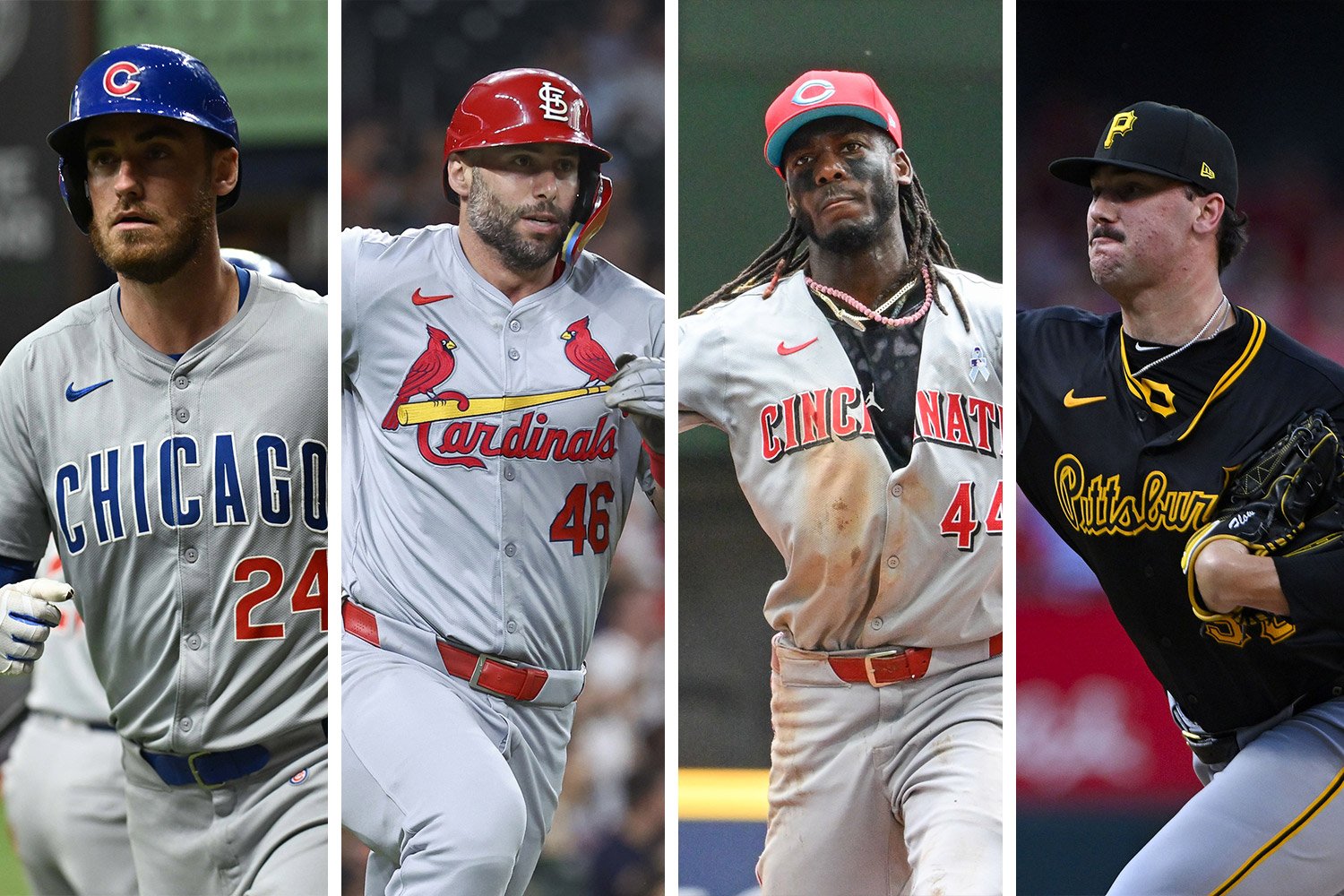 The Brewers weren’t supposed to be leading the National League Central this year. National pundits felt they would be rebuilding or retooling or just not that good. It isn’t a surprise to Brewers fans that the team has put together the pieces to be a winning team. What is surprising is just how poor the competition has been. No other team in the NL Central has a winning record. If this was the sausage race during the sixth inning, you might wonder why only the Bratwurst is running. Preseason, ESPN predicted the Brewers to finish with a 79-83 record. They predicted the Cubs and the Cardinals would fight for supremacy in a mediocre central division. Will the Brewers win this division by default, or will one of the other central division teams join the race? The Chicago Cubs: Maybe a new manager wasn’t the answer? That may seem harsh, but the Cubs do seem to be underperforming. They are 16th in baseball in runs scored but tenth-lowest in runs given up. The issue is when the Cubs are giving up runs. The Cubs have the third-worst WHIP when leading games and have given up the second-most home runs in late and close games. Of the central division teams, The Cubs may have the easiest path toward contending. Their starting pitching corps is good but the relief pitching is 24th in the league in ERA. Either through figuring things out internally or through trades for a reliever or two, the Cubs could quickly increase their potential to win close games. On offense, two veteran players (Ian Happ and Dansby Swanson) have been underperforming so far this year. If they can perform to expectations, the Cub's offense is better than the league average. And if they are buyers at the deadline, they could try to go big. The St. Louis Cardinals: The St. Louis Cardinals just don’t score enough runs. They are 27th in runs scored. The Cardinals are in the bottom third in OPS in baseball and do not have team speed to overcome poor hitting. Paul Goldschmidt and Nolan Arenado are underperforming and may revert to norms, but they may also just continue down their aging curves. Pitching is league average, but the top four starters are age 34 or above. It would be optimistic to expect them to continue to not miss starts due to injuries. The Cards have committed the seventh most errors in the league and are sixth worst in defensive efficiency. For the Cardinals to compete, they will have to see improvement in their aging stars, continue health from aging pitchers, and create some type of sustainable momentum. One potential upside for the Cardinals is the return of Willson Contreras. He could stabilize the lineup and improve on-field focus. There is always the potential that the Cards will find “their way.” We have seen them go on late-season runs before, so it would be brash to count them out. The Upstart Pirates and Reds: Both teams could catch fire and make it an actual race. The Reds are scoring runs at a clip a bit better than the league average, and the Pirates are pitching better. Of these two teams, the Pirates have the greatest potential this year. Their starting pitching is getting better with the addition of Paul Skenes. And they should be able to improve the poorly performing bullpen through internal options. Going forward, the lineup may settle down as they focus on giving at-bats to those performing better. If they get hot, will management make some trades to fill holes in the outfield? Or do they stay the course and focus on the future? Many sources thought the Reds were ready to compete this year. But their bullpen is thin, and they have trouble finding fourth or fifth starters each time they go through the rotation. The lineup is good, young, and has the potential to get better, but some outfield prospects are underperforming in their sophomore year. This is not to say the Reds cannot go on a hot streak and jump back into the race. Their offensive talent has the potential to dominate in stretches. But it seems less likely they will have the pitching to sustain them for a long enough run this season. If the Brewers keep winning, they can dictate how the other central division teams approach the trade deadline. Even with expanded playoffs, front offices tend not to be aggressive buyers at the deadline when their team is under .500 and seven games back in the division. If a rival goes on a run and can climb a few games over .500, they may be willing to gamble a little in hopes of securing a wildcard slot in the playoffs. However, considering how these teams have shown their deficiencies so far, this may not happen. It is possible that the Milwaukee Brewers, the team the national pundits projected not to be competitive this year, may end up winning the central division by default.
 -
What's the difference between the 2023 and 2024 Brewers' offense? Frozen ropes. Image courtesy of © Katie Stratman-USA TODAY Sports The Milwaukee Brewers have created a dynamic offense that ranked seventh in Major League Baseball in runs scored in 2024. The biggest difference between this year’s offense and the 2023 team, which ranked 17th in the league in runs, is better outcomes on batted balls in play. The Brewers ranked first in MLB in batting average on balls in play in 2024 with a .316 rate compared to 2023, when their BABIP was .292, which was the eighth worst in the league. A significantly higher BABIP leads to the Brewers having the third-best On-Base Percentage (.331) in baseball in 2024 compared to .317 or 22nd ranking in 2023. Can the Brewers maintain this high BABIP? There is a certain level of luck in this statistic, but the Brewers are also making their own luck. Team speed is one factor. The Brewers rank seventh in MLB in infield hits. More significantly, the Brewers, as a team, have dedicated themselves to hitting line drives harder rather than focusing on launch angle in 2024. The Brewers rank twenty-ninth in launch angle among the major league teams in 2024. Although the team’s average launch angle is up to 11 degrees from 10.2 degrees in 2023, this has been accomplished through continuing a focus on hitting line drives. Two players having breakout seasons are examples of how this approach is working. Blake Perkins went from trying to sell out for home runs with a 14.8% average launch angle and a paltry 29.3 hard hit percentage to remaking his swing to focus on hitting the ball hard on a line. In 2024, Perkins has reduced his average launch angle to 7.5%, is making more hard contact (39%), and has become an above-average offensive center fielder. The best example of a player eschewing the launch angle revolution for a line drive approach is Brice Turang. After a pretty dismal 2023 at the plate, Turang has worked to lower his launch angle rather than trying to raise it. His 2023 average launch angle was 12.6%. It is 6.5% this year. With this adjustment, Turang is more often hitting the ball hard. In 2024, 32.4% of balls were in play, compared to 27% in 2023. Turang has increased his OPS by over 150 points. The Brewers are second in the league in line drive rate this year (22.3%, 2nd in MLB). This is consistent with the 2023 ranking, during which the Brewers hit line drives 22.2% of batted balls. The 2024 Brewers, while maintaining this emphasis, have reduced fly balls (2024: 24.6% 23rd ranked, 2023: 25.3% 8th ranked) and pop-ups (2024: 6.8% 21st ranked, 2023: 7.2% 8th ranked) rates. Through this focus on line drives, the Brewers have increased their percentage of hard-hit balls to 39.8% from 38% in 2023. This team will punish balls they swing at in the zone while maintaining the lowest chase rate in MLB of 25.3%. Combine this with team speed, and there is reason to anticipate that this Brewers team will continue to be one of the best on-base teams in the majors through the rest of the season. For the 2024 Brewers, a strong batting average on balls in play is sustainable and will continue to lead to top-tier run production. View full article
-
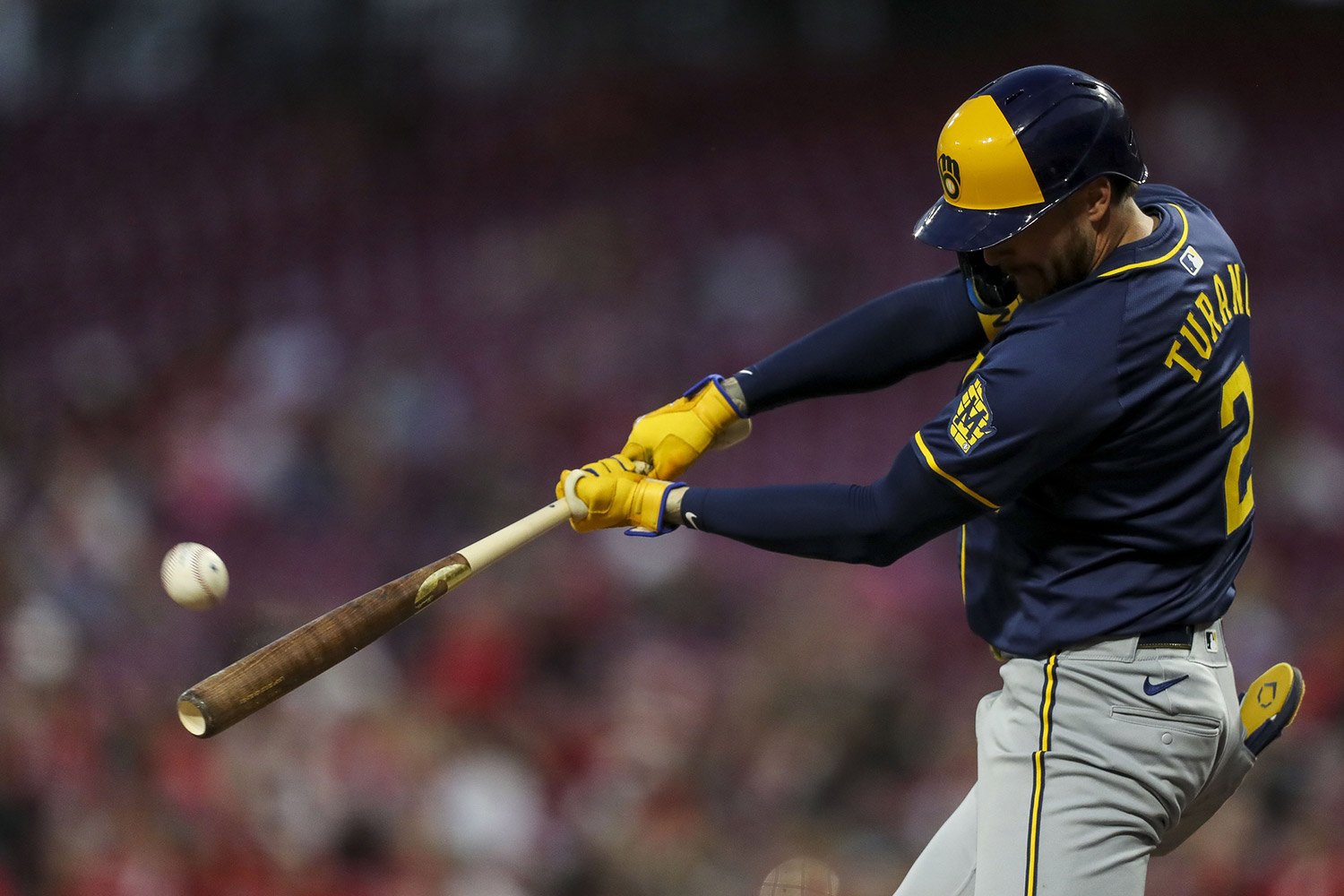 The Milwaukee Brewers have created a dynamic offense that ranked seventh in Major League Baseball in runs scored in 2024. The biggest difference between this year’s offense and the 2023 team, which ranked 17th in the league in runs, is better outcomes on batted balls in play. The Brewers ranked first in MLB in batting average on balls in play in 2024 with a .316 rate compared to 2023, when their BABIP was .292, which was the eighth worst in the league. A significantly higher BABIP leads to the Brewers having the third-best On-Base Percentage (.331) in baseball in 2024 compared to .317 or 22nd ranking in 2023. Can the Brewers maintain this high BABIP? There is a certain level of luck in this statistic, but the Brewers are also making their own luck. Team speed is one factor. The Brewers rank seventh in MLB in infield hits. More significantly, the Brewers, as a team, have dedicated themselves to hitting line drives harder rather than focusing on launch angle in 2024. The Brewers rank twenty-ninth in launch angle among the major league teams in 2024. Although the team’s average launch angle is up to 11 degrees from 10.2 degrees in 2023, this has been accomplished through continuing a focus on hitting line drives. Two players having breakout seasons are examples of how this approach is working. Blake Perkins went from trying to sell out for home runs with a 14.8% average launch angle and a paltry 29.3 hard hit percentage to remaking his swing to focus on hitting the ball hard on a line. In 2024, Perkins has reduced his average launch angle to 7.5%, is making more hard contact (39%), and has become an above-average offensive center fielder. The best example of a player eschewing the launch angle revolution for a line drive approach is Brice Turang. After a pretty dismal 2023 at the plate, Turang has worked to lower his launch angle rather than trying to raise it. His 2023 average launch angle was 12.6%. It is 6.5% this year. With this adjustment, Turang is more often hitting the ball hard. In 2024, 32.4% of balls were in play, compared to 27% in 2023. Turang has increased his OPS by over 150 points. The Brewers are second in the league in line drive rate this year (22.3%, 2nd in MLB). This is consistent with the 2023 ranking, during which the Brewers hit line drives 22.2% of batted balls. The 2024 Brewers, while maintaining this emphasis, have reduced fly balls (2024: 24.6% 23rd ranked, 2023: 25.3% 8th ranked) and pop-ups (2024: 6.8% 21st ranked, 2023: 7.2% 8th ranked) rates. Through this focus on line drives, the Brewers have increased their percentage of hard-hit balls to 39.8% from 38% in 2023. This team will punish balls they swing at in the zone while maintaining the lowest chase rate in MLB of 25.3%. Combine this with team speed, and there is reason to anticipate that this Brewers team will continue to be one of the best on-base teams in the majors through the rest of the season. For the 2024 Brewers, a strong batting average on balls in play is sustainable and will continue to lead to top-tier run production.
 -
It would have been better for Chourio to have taken a bit more time at AAA. If you want a player to be an exceptional player, it is good for them to gain the experience being exceptional in the minors. Chourio never had that opportunity at AAA. So he came to the majors without that experience on which to build. At this point, I would make a decision closer to early July. If he struggles and loses playing time when Mitchel is back then it may be good to get him at least 1.5 months of everyday AAA at bats with a hope of him providing an impact in September.
-
Blacks position on the team right now is minor league player so he won’t get 4 years of arbitration. Once he reaches super 2 cut off then the Brewers can bring him up.
-
I’m not sure what is incorrect? The Brewers currently have Contreras lockup pre-free agency until his age 30 season. An extension would add years of control beyond this. Being a catcher is the most physically demanding position. You don’t see many catchers age 34 or older catching even 120 games a season. if Contreras is willing to be locked up through age 32 or 33 great. But he probably won’t do it. He likely wants to get a long term contract timed with when he can first hit free agency. what did I miss?
-
The other reason is to keep Black out of potential to be a Super 2 arbitration player. That is still a thing and if Black mashed when he does come up than it could get expensive.
-
On most courses par is a 36.
-
It's not just Craig Counsell. It's a lifestyle choice. Image courtesy of © Kamil Krzaczynski-USA TODAY Sports This is visceral. This is cultural. It may be inherited or, in some strange way, related to a biological compass similar to what loons use to migrate thousands of miles back home every summer. If you are a member of a community north of Kenosha, you hate the Cubs. If you are in Wisconsin and don’t hate the Cubs, then you are likely a sad Illinois transplant clogging up our roads, our lakes, our restaurants, and our lives—but we still appreciate all the money you spend here. The feelings around the Cubs aren’t as much hate as a righteous sense of ethical superiority. The Cubs represent the worst of sports—a very bad franchise with too much money to be as cheap as they are, no soul, and no sense of fair play. Their fans are often tone-deaf, obnoxious blowhards who never shut up. But we still appreciate the rivalry—it is a lot of fun. For so many years, the Cubs have been a sad story. Some years, they had good teams but found innovative ways to fail. Those exasperatingly dedicated lifelong Cubs fans had hope and optimism, and at times, they had a team with talent but somehow always lost. Some years, the best thing about being a Brewers fan was watching the Cubs fans lose their minds when their hopes and dreams were shattered. Those were some good times. Then the Cubs won. And things fell out of balance with the Universe. There were times more Cubs fans were at Brewers home games than Brewers fans. Drunken, loud, obnoxious Cubs fans claim Old Style is a real beer. Things had to change, and they did. The Brewers began competing for division titles. It was no longer enough to cheer for the Cubs' scintillating failures. It was time to beat the rivals head-to-head. And the Brewers began doing that in 2017. Early in the year, the Cubs called a phantom rain day rather than face the Brewers on the field of play. This is the equivalent of a hockey player turtling rather than standing up for himself. The entire city of Chicago should feel shame. In late September, the Brewers and a large contingent of their fans went into that urine-scented roofless warehouse the Cubs call a stadium and snatched the division championship on the last day of the season. Since 2018, the Brewers have gone 54 -39 against our friendly Illinois buddies (FIBs) from the flat lands down south. It barely seems like a rivalry. During this period, there were some bean ball acquisitions and other shenanigans to keep some inkling of a rivalry in place. The Cubs proved to be a bunch of whiners, not winners. The Brewers have recently owned the Cubs, much like how Illinois drivers get to own their speeding tickets when they venture into the north woods of Wisconsin. The Cubs, desperate to rekindle this rivalry, did the unspeakable. Unable to build a team or manage the team they had, the Cubs were desperate. They lured away our favorite son. The Cubs' hiring of Craig Counsell is a dastardly, underhanded trick by a desperate franchise, but it shouldn’t surprise any of us. The Cubs and the Cubs fans believe they can buy everything from the lakefront property in Door County to the Brewers manager. But in the end, they will again be left with an emptiness in the pit of their soul because each October, they have to return to their traffic, high taxes, tolls, and failing infrastructure that is Chicagoland. And then they realize that no matter what they may buy, they are still below Milwaukee, Wisconsin and that isn’t going to change. View full article
-
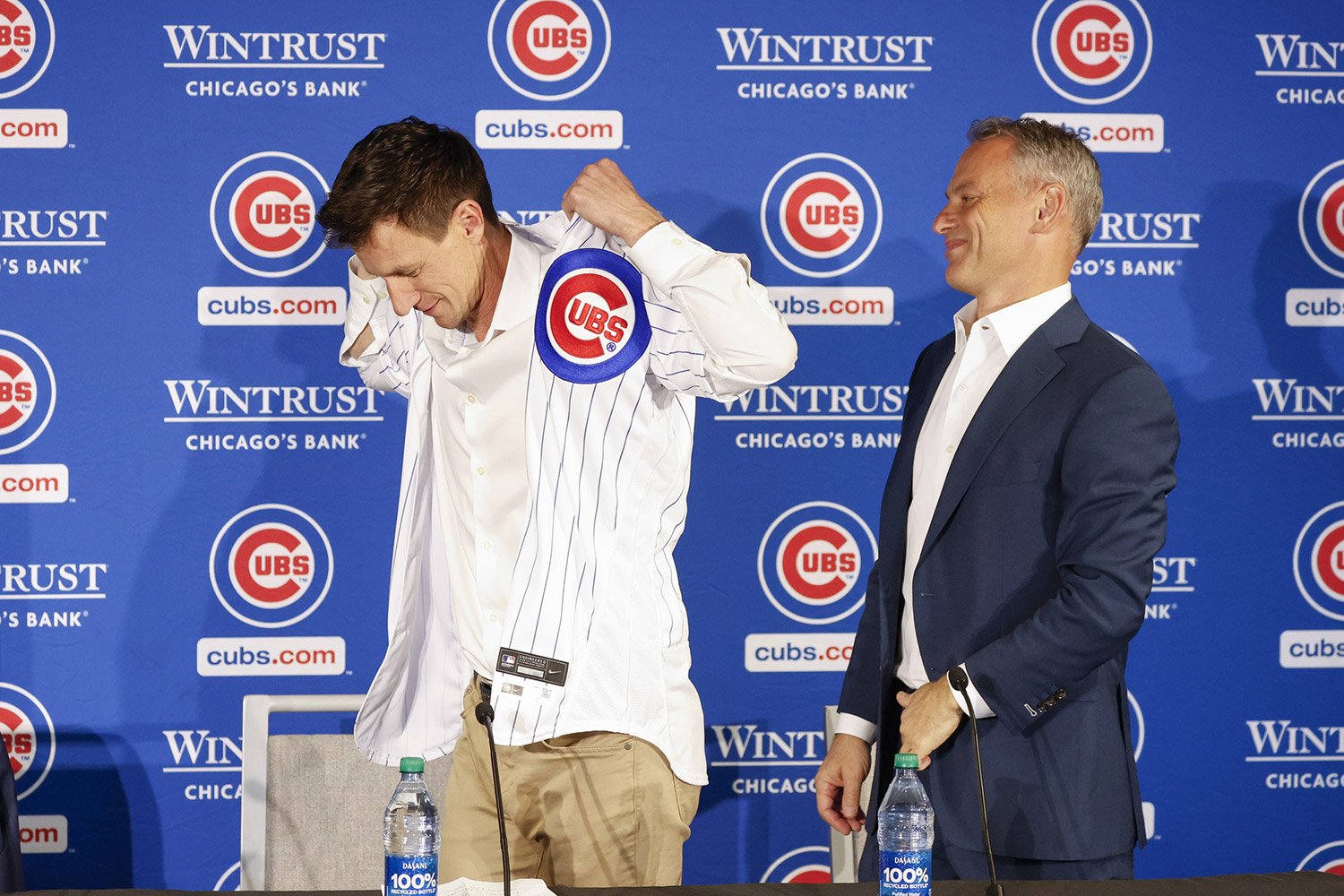 This is visceral. This is cultural. It may be inherited or, in some strange way, related to a biological compass similar to what loons use to migrate thousands of miles back home every summer. If you are a member of a community north of Kenosha, you hate the Cubs. If you are in Wisconsin and don’t hate the Cubs, then you are likely a sad Illinois transplant clogging up our roads, our lakes, our restaurants, and our lives—but we still appreciate all the money you spend here. The feelings around the Cubs aren’t as much hate as a righteous sense of ethical superiority. The Cubs represent the worst of sports—a very bad franchise with too much money to be as cheap as they are, no soul, and no sense of fair play. Their fans are often tone-deaf, obnoxious blowhards who never shut up. But we still appreciate the rivalry—it is a lot of fun. For so many years, the Cubs have been a sad story. Some years, they had good teams but found innovative ways to fail. Those exasperatingly dedicated lifelong Cubs fans had hope and optimism, and at times, they had a team with talent but somehow always lost. Some years, the best thing about being a Brewers fan was watching the Cubs fans lose their minds when their hopes and dreams were shattered. Those were some good times. Then the Cubs won. And things fell out of balance with the Universe. There were times more Cubs fans were at Brewers home games than Brewers fans. Drunken, loud, obnoxious Cubs fans claim Old Style is a real beer. Things had to change, and they did. The Brewers began competing for division titles. It was no longer enough to cheer for the Cubs' scintillating failures. It was time to beat the rivals head-to-head. And the Brewers began doing that in 2017. Early in the year, the Cubs called a phantom rain day rather than face the Brewers on the field of play. This is the equivalent of a hockey player turtling rather than standing up for himself. The entire city of Chicago should feel shame. In late September, the Brewers and a large contingent of their fans went into that urine-scented roofless warehouse the Cubs call a stadium and snatched the division championship on the last day of the season. Since 2018, the Brewers have gone 54 -39 against our friendly Illinois buddies (FIBs) from the flat lands down south. It barely seems like a rivalry. During this period, there were some bean ball acquisitions and other shenanigans to keep some inkling of a rivalry in place. The Cubs proved to be a bunch of whiners, not winners. The Brewers have recently owned the Cubs, much like how Illinois drivers get to own their speeding tickets when they venture into the north woods of Wisconsin. The Cubs, desperate to rekindle this rivalry, did the unspeakable. Unable to build a team or manage the team they had, the Cubs were desperate. They lured away our favorite son. The Cubs' hiring of Craig Counsell is a dastardly, underhanded trick by a desperate franchise, but it shouldn’t surprise any of us. The Cubs and the Cubs fans believe they can buy everything from the lakefront property in Door County to the Brewers manager. But in the end, they will again be left with an emptiness in the pit of their soul because each October, they have to return to their traffic, high taxes, tolls, and failing infrastructure that is Chicagoland. And then they realize that no matter what they may buy, they are still below Milwaukee, Wisconsin and that isn’t going to change.
 -
The Milwaukee Brewers' starting pitchers aren’t going deep into games. The Crew average the fewest innings per start in MLB this season, at 4.8. Although the team is winning, will this create issues later in the season? Image courtesy of © Reggie Hildred-USA TODAY Sports Historically, there is a strong correlation between a team having starting pitching that goes deep into games and making the playoffs. Since 2021, 66 percent of the teams who have made the playoffs were in the top 10 in the league in starting pitcher innings thrown per game. However, 2023 provided us with a couple of significant exceptions. The Rays and the Dodgers won 99 and 100 games, while being in the lowest third of the league in innings pitched by starting pitchers. Those teams thrived by having bullpens that were as effective late in the season as they were in April. They managed workloads on their key bullpen pitchers throughout the season. The bullpen innings total isn’t as important as the load management for key pitchers within that bullpen. How the Brewers are doing at this load management may be cause for some concern. Each of the Brewers’ top five relief pitchers is on pace for either more innings or more appearances this year than last. Here's the breakdown, with appearances listed as a percentage of all team games, rather than a raw total. 2023 IP 2024 IP (Proj.) 2023 App. % 2024 App. % (Proj.) Hoby Milner 64.1 67.2 45% 50% Elvis Peguero 61.1 78 36% 41% Joel Payamps 70.2 62 43% 44% Abner Uribe* 54 72.6 33% 41% Bryan Hudson* 64 84 33% 37% * Totals include minor-league innings and appearances. Individually, these may be a statistical quirk of matchups early in the season, but taken together, they constitute a troublesome trend. The Brewers' top five relief pitchers are on pace to pitch 16% more innings and be used in 5% more games than last year. Particularly concerning are the usage level for Milner and the usage and projected innings for Peguero. The season is young, and early trends can turn around quickly. At a game-by-game level, there doesn’t seem to be a glaring mismanagement of the bullpen. Baseball seasons are day-by-day battles that are each part of a long, drawn-out campaign. This may be a case of a new manager focusing a bit more on the day-to-day, with hopes that the long-term trend will turn around. And it well might. A Devin Williams return after the All-Star Game would be huge in adjusting workloads for every other bullpen arm. Adding a closer means fewer innings for everyone else. The Brewers may be able to use this as an opportunity for a little rest and reset for a specific pitcher who has had heavy use. Relying on a Williams return may be a bit risky. Finding innovative ways to increase the use of the other bullpen pitchers may be a more immediate response. Using openers and/or piggyback starters to limit the appearances and innings of core late-inning relievers could help alleviate some of the strain. Tampa Bay wins with heavy bullpen usage through the use of openers or stacking bulk inning pitchers. If the Brewers can increase the innings of Trevor Megill, Jared Koenig or J.B. Bukauskas (and other shuttle arms) by using them creatively, this will limit the number of innings heaped upon the back-end bullpen arms. The Brewers are not going to win the division with traditional starting pitching that goes deep into games. To stay strong through a long season, they will have to find ways to balance their bullpen innings and reverse a troubling trend of overusing their key contributors. View full article
-
Monitoring the Seasonal Workloads of Brewers' Top Relief Arms
Bashopolis posted an article in Brewers
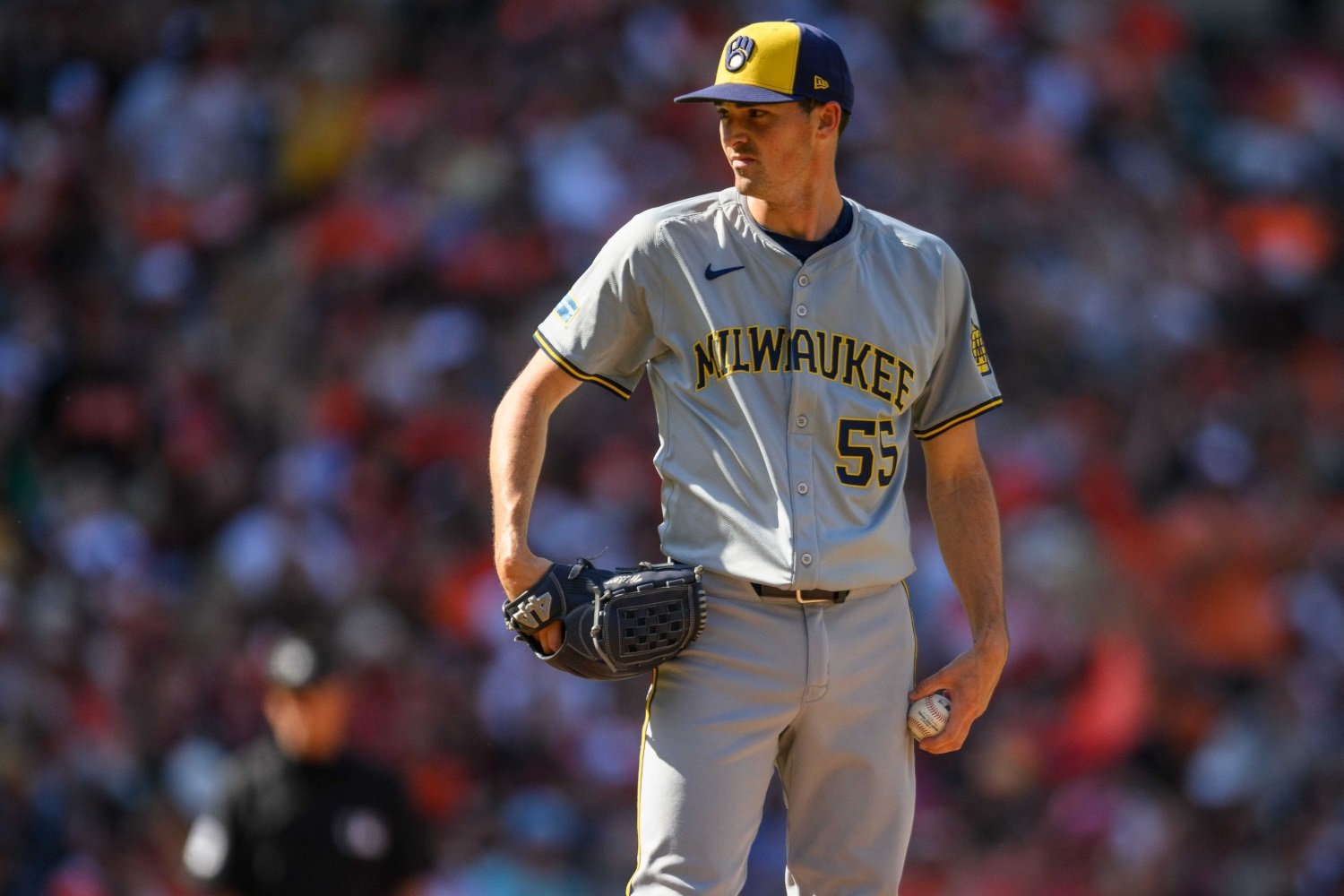 Historically, there is a strong correlation between a team having starting pitching that goes deep into games and making the playoffs. Since 2021, 66 percent of the teams who have made the playoffs were in the top 10 in the league in starting pitcher innings thrown per game. However, 2023 provided us with a couple of significant exceptions. The Rays and the Dodgers won 99 and 100 games, while being in the lowest third of the league in innings pitched by starting pitchers. Those teams thrived by having bullpens that were as effective late in the season as they were in April. They managed workloads on their key bullpen pitchers throughout the season. The bullpen innings total isn’t as important as the load management for key pitchers within that bullpen. How the Brewers are doing at this load management may be cause for some concern. Each of the Brewers’ top five relief pitchers is on pace for either more innings or more appearances this year than last. Here's the breakdown, with appearances listed as a percentage of all team games, rather than a raw total. 2023 IP 2024 IP (Proj.) 2023 App. % 2024 App. % (Proj.) Hoby Milner 64.1 67.2 45% 50% Elvis Peguero 61.1 78 36% 41% Joel Payamps 70.2 62 43% 44% Abner Uribe* 54 72.6 33% 41% Bryan Hudson* 64 84 33% 37% * Totals include minor-league innings and appearances. Individually, these may be a statistical quirk of matchups early in the season, but taken together, they constitute a troublesome trend. The Brewers' top five relief pitchers are on pace to pitch 16% more innings and be used in 5% more games than last year. Particularly concerning are the usage level for Milner and the usage and projected innings for Peguero. The season is young, and early trends can turn around quickly. At a game-by-game level, there doesn’t seem to be a glaring mismanagement of the bullpen. Baseball seasons are day-by-day battles that are each part of a long, drawn-out campaign. This may be a case of a new manager focusing a bit more on the day-to-day, with hopes that the long-term trend will turn around. And it well might. A Devin Williams return after the All-Star Game would be huge in adjusting workloads for every other bullpen arm. Adding a closer means fewer innings for everyone else. The Brewers may be able to use this as an opportunity for a little rest and reset for a specific pitcher who has had heavy use. Relying on a Williams return may be a bit risky. Finding innovative ways to increase the use of the other bullpen pitchers may be a more immediate response. Using openers and/or piggyback starters to limit the appearances and innings of core late-inning relievers could help alleviate some of the strain. Tampa Bay wins with heavy bullpen usage through the use of openers or stacking bulk inning pitchers. If the Brewers can increase the innings of Trevor Megill, Jared Koenig or J.B. Bukauskas (and other shuttle arms) by using them creatively, this will limit the number of innings heaped upon the back-end bullpen arms. The Brewers are not going to win the division with traditional starting pitching that goes deep into games. To stay strong through a long season, they will have to find ways to balance their bullpen innings and reverse a troubling trend of overusing their key contributors.