



Jack Stern
-
Posts
764 -
Joined
-
Last visited
-
Days Won
2
Content Type
Profiles
Forums
Blogs
Events
News
2026 Milwaukee Brewers Top Prospects Ranking
Milwaukee Brewers Videos
2022 Milwaukee Brewers Draft Picks
Milwaukee Brewers Free Agent & Trade Rumors, Notes, & Tidbits
Guides & Resources
2023 Milwaukee Brewers Draft Picks
2024 Milwaukee Brewers Draft Picks
The Milwaukee Brewers Players Project
2025 Milwaukee Brewers Draft Pick Tracker
2026 Milwaukee Brewers Draft Tracker: Picks & Bonuses
Store
Downloads
Gallery
Everything posted by Jack Stern
-
 Image courtesy of © Michael McLoone-Imagn Images On the pitching side, the way the Brewers vanquished the Cubs in Game 5 of the NLDS mirrored how they got to this point. Of the 13 pitchers Milwaukee rostered in New York on Opening Day, only five were on the NLDS roster. The team retooled their staff on the fly during the regular season, by promoting players from the minor leagues and making in-season acquisitions. “What you thought about a certain player at the start of the year can certainly evolve,” general manager Matt Arnold said leading into the series. “We’re not always right on guys, and I love being proven wrong in a lot of cases. But you have to find out. I think the big thing is just building up a number of players that have ingredients that you like, and then hopefully that can come together with the coaching that we have and try to get the most out of those players.” Early in the year, the Brewers were forced to piece things together with their pitching staff. They were doing the same with their season on the line on Saturday. In both instances, it worked. “Next man up, right?” said Blake Perkins. In keeping with the season-long theme, Jacob Misiorowski and Chad Patrick combined for 5 ⅔ of the nine innings. Patrick excelled as a first-half fill-in for injured starting pitchers, but was optioned to Triple-A Nashville once the rotation returned to full strength. Eventually, he moved to a swingman role. Misiorowski did not debut until June. It was the second time in the series that Misiorowski stepped up as the centerpiece of an all-hands-on-deck pitching plan. After Seiya Suzuki greeted him with a game-tying home run to open the second inning, he allowed just two singles in four crucial innings, leaning heavily on his cutter-like slider and his curveball. Best known for his outlier fastball, the right-hander used his heater a career-low 31% of the time. “I think it was just an adjustment,” Misiorowski said. “Suzuki jumping on a heater, and kind of realizing, ‘Oh, that’s what they’re going to go with,’ and going with it.” “We’re definitely not winning this series if not for him,” Christian Yelich said. “He pitched a ton of big innings for us in Game 2, and tonight he was really unbelievable. Really settled the game down and set the tone for the rest of the guys out of the pen.” Misiorowski worked seven innings in the series, but Patrick was not far behind, logging 4 ⅔ scoreless frames while pitching in four of the five games. On Saturday, he put out a sixth-inning fire by inducing a Suzuki lineout and striking out Ian Happ looking with a perfectly painted back-door cutter. He then returned for a perfect seventh with two more punchouts, paving the way for Abner Uribe to earn his first career two-inning save. “Chad was big, coming in and getting a bunch of big outs. And Uribe for two in the end there was awesome,” Yelich said. “That’s why you celebrate. You celebrate with your teammates and friends that you’ve got to grind throughout the season with and watch them take huge strides in their career.” On the offensive side, the Brewers got the job done in a manner less emblematic of their usual success, but in a way that was going to be necessary in this particular matchup. Milwaukee’s offense finished the regular season 22nd in home runs and 25th in isolated power, instead scoring many of its runs by grinding out plate appearances, putting the ball in play, and taking more extra bases than any other team. That approach leaves lineups vulnerable to batted-ball luck in short samples, and an excellent Cubs defense could foil it. The Brewers needed to drive enough balls over the fence to combat both of those realities. That’s precisely how the decisive game transpired. The Brewers hit 22 balls within the field of play, but only three went for hits. Instead, they scored all three of their runs on solo homers, each coming from players who boast ample raw power and took turns carrying the lineup throughout the season. William Contreras, who can hit the ball harder than most but often pounds it into the ground, opened the scoring with his first-inning shot. Andrew Vaughn, a midseason acquisition who posted a 141 OPS+ as the replacement for an injured Rhys Hoskins, put the Brewers up for good with his blast in the fourth. “Big moment there,” Vaughn said. “Just swung the momentum in our dugout. It was huge, got everybody fired up.” Brice Turang, who tapped into his impressive raw power during a strong second half but entered the night just 3-for-20 in the series, snapped out of his funk and provided insurance with the longest round-tripper of the night, smacking an outer-third slider 416 feet off the batter’s eye. “We just talked [between at-bats] about, ‘Hey, Brice, you’re a great hitter, man. This is just a couple games,’” Pat Murphy said. “‘You’re doing great. You’re not getting results, but you’re doing great. Just keep swinging the bat.’” Inexperienced pitchers who emerged as in-season replacements stepped up again under the bright lights. An offense that didn’t slug consistently during the regular season did so when it mattered most. The result was Milwaukee’s first playoff series win since 2018, a trip to the NLCS, and the relief of breaking a hex that spanned five postseasons. “I’ve been on the other end of it. This is a whole lot better,” Perkins said. “Just a big win for us tonight, big win for the organization, for the fanbase, for everybody,” Yelich said. “We really wanted to make sure we were able to deliver tonight and throughout this series. Just a great night overall.” View full article
 -
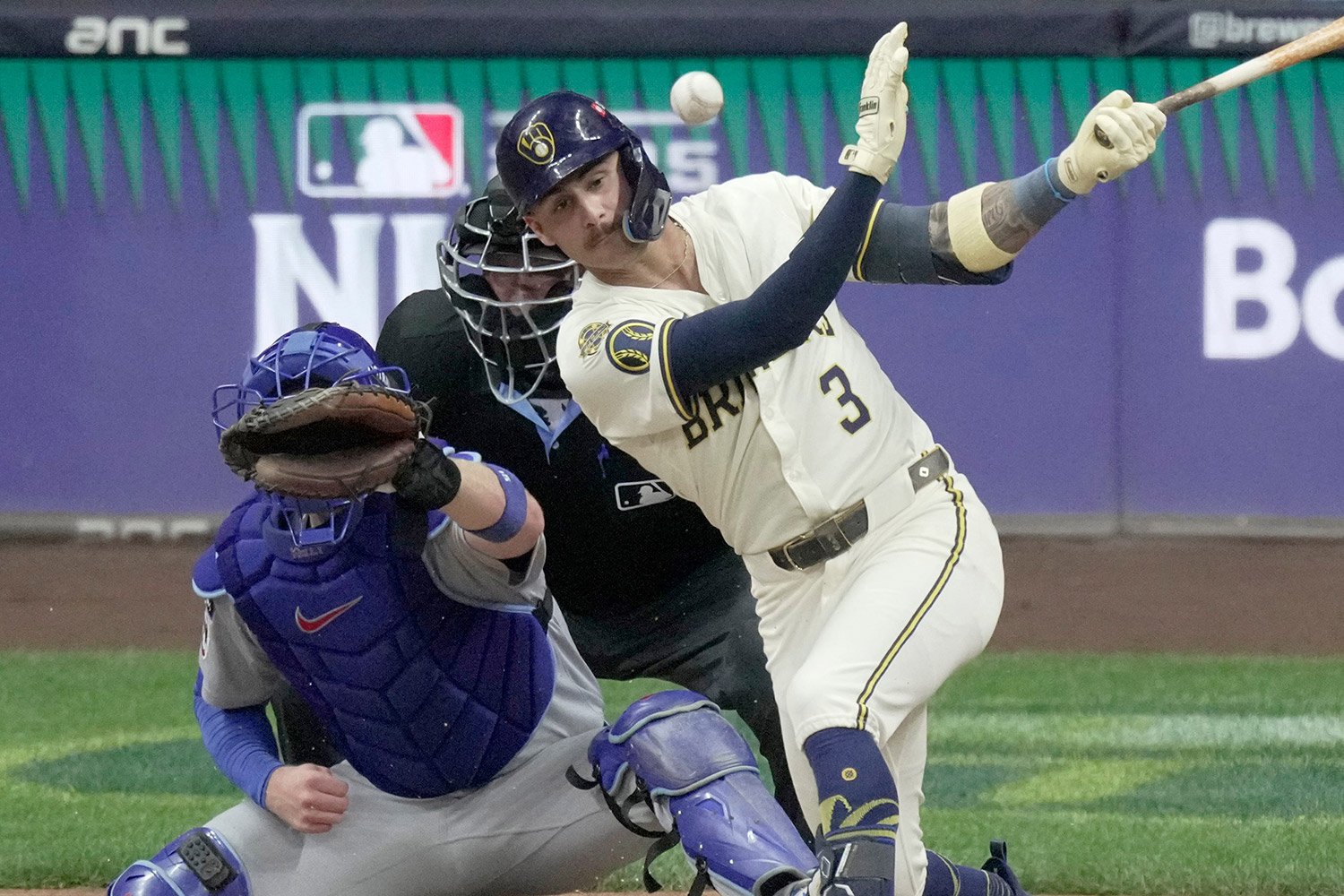 The evening began with Pat Murphy quoting a Shakespearean tragedy. "To be or not to be, that is the question," Murphy recited to reporters in the Wrigley Field media room two hours before Game 4 of the NLDS. "Whether it's nobler in the mind to suffer the slings and arrows of begotten fortune, or bear arms – I'll stop. What is that, Hamlet? Was that pretty good?" Hours later, Murphy and the Brewers were faced with another question, one they were likely to encounter rather quickly in the postseason: to let Joey Ortiz swing the bat in a key situation, or to take it out of his hands? Ortiz's offensive struggles this season were well documented. His bat went especially cold after returning from the injured list for September, as he posted just a .482 OPS in the regular season's final month. The Brewers value his glove highly enough that his starting role was never in question for October, but the question was how eager they would be to substitute a superior hitter in a pivotal run-scoring situation. Murphy pinch-hit for him before the ninth inning 18 times throughout the year, typically replacing him with Andruw Monasterio at shortstop. Such a moment presented itself in the fifth inning on Thursday. Sal Frelick doubled and Blake Perkins walked against Matthew Boyd to open the inning, bringing Ortiz to the plate as the tying run. With nobody out, it wasn't a situation where the Brewers had to replace him with a better hitter. They chose to keep his glove in the game. "We have a choice to make in the game, taking out a guy that's one of the best defensive shortstops," Murphy said. "It's early in the game. It's in the fourth inning. Who do you suggest we pinch-hit there, you know what I mean? And then use two players?" The Brewers didn't let him swing, though. Instead, Ortiz dropped down a sacrifice bunt on the first pitch to advance the runners. Christian Yelich struck out, and Jackson Chourio chased Danny Palencia's first-pitch fastball for a jam-shot popout. A promising inning flamed out quickly with nobody crossing the plate. "I thought putting a bunt down and getting us on the board to get us going," Murphy explained of the thought process. "We've got Yeli coming up. Yeli has hit Boyd well, too, and Boyd made great pitches in that at-bat." In the vast majority of cases, sacrificing does not spur scoring. If anything, it kills big innings. The average number of runs a team scores in an inning decreases when it trades an out for advancing runners. While there is no complete public data for the 2025 season, here are the numbers from 2021 through 2024, as compiled by Ben Clemens of FanGraphs. The before and after scenarios surrounding Ortiz's bunt are highlighted in yellow. After Ortiz's sacrifice, a medium-depth flyout would have scored one run, but the number of total runs the Brewers could expect to score in the inning slightly decreased. The best approach is to give the hitter a chance at producing a positive outcome that will drive in runners and keep the inning going. Murphy knows this, which is why he refused to call for a bunt when a struggling Brice Turang hit with Jackson Chourio on second and no outs while trailing by a run the night before. "In my opinion, you don't give up an out there if it's that type of hitter," Murphy said. "He's our version of a middle-of-the-order guy. You're not going to bunt him. You're going to try to win the game." The calculus changes with Ortiz, whose .276 on-base percentage and .317 slugging percentage forced the Brewers to shift from an opportunistic thought process to a risk-averse one. Had he gotten out while failing to advance the runners or hit into a routine double play, they would have faced one of the run expectancies highlighted in blue. Either of those outcomes would be far more detrimental than a bunt. Of course, counting on Ortiz to get it down was inherently risky. In his two seasons in Milwaukee, he has attempted a bunt 31 times and successfully executed the sacrifice only nine times, a horrendous 29% success rate. Even so, it was still the safest route because a standard Ortiz at-bat posed such a serious threat to the Brewers' scoring odds. Therein lies the dilemma. Ortiz's defense is invaluable, but his poor offense effectively forces the Brewers to forgo an opportunity for a big inning if he comes up to bat with runners on base. Playing for one run or to avoid the worst-case scenario is not the best approach in a multi-run deficit, yet they felt they had no other choice on Thursday. Their best scoring threat quickly evaporated, and the Cubs ultimately shut them out. That cannot happen in an elimination game on Saturday. If Ortiz's spot comes up in a key run-scoring setup in the middle innings, Murphy may need to be more aggressive in hitting for his shortstop at the risk of a worse defender finishing the night at shortstop. With their season on the line, the Brewers can't go down conservatively.
- 3 comments
-
- 1
-

-
- joey ortiz
- brice turang
- (and 1 more)
-
Image courtesy of © Mark Hoffman/Milwaukee Journal Sentinel / USA TODAY NETWORK via Imagn Images The evening began with Pat Murphy quoting a Shakespearean tragedy. "To be or not to be, that is the question," Murphy recited to reporters in the Wrigley Field media room two hours before Game 4 of the NLDS. "Whether it's nobler in the mind to suffer the slings and arrows of begotten fortune, or bear arms – I'll stop. What is that, Hamlet? Was that pretty good?" Hours later, Murphy and the Brewers were faced with another question, one they were likely to encounter rather quickly in the postseason: to let Joey Ortiz swing the bat in a key situation, or to take it out of his hands? Ortiz's offensive struggles this season were well documented. His bat went especially cold after returning from the injured list for September, as he posted just a .482 OPS in the regular season's final month. The Brewers value his glove highly enough that his starting role was never in question for October, but the question was how eager they would be to substitute a superior hitter in a pivotal run-scoring situation. Murphy pinch-hit for him before the ninth inning 18 times throughout the year, typically replacing him with Andruw Monasterio at shortstop. Such a moment presented itself in the fifth inning on Thursday. Sal Frelick doubled and Blake Perkins walked against Matthew Boyd to open the inning, bringing Ortiz to the plate as the tying run. With nobody out, it wasn't a situation where the Brewers had to replace him with a better hitter. They chose to keep his glove in the game. "We have a choice to make in the game, taking out a guy that's one of the best defensive shortstops," Murphy said. "It's early in the game. It's in the fourth inning. Who do you suggest we pinch-hit there, you know what I mean? And then use two players?" The Brewers didn't let him swing, though. Instead, Ortiz dropped down a sacrifice bunt on the first pitch to advance the runners. Christian Yelich struck out, and Jackson Chourio chased Danny Palencia's first-pitch fastball for a jam-shot popout. A promising inning flamed out quickly with nobody crossing the plate. "I thought putting a bunt down and getting us on the board to get us going," Murphy explained of the thought process. "We've got Yeli coming up. Yeli has hit Boyd well, too, and Boyd made great pitches in that at-bat." In the vast majority of cases, sacrificing does not spur scoring. If anything, it kills big innings. The average number of runs a team scores in an inning decreases when it trades an out for advancing runners. While there is no complete public data for the 2025 season, here are the numbers from 2021 through 2024, as compiled by Ben Clemens of FanGraphs. The before and after scenarios surrounding Ortiz's bunt are highlighted in yellow. After Ortiz's sacrifice, a medium-depth flyout would have scored one run, but the number of total runs the Brewers could expect to score in the inning slightly decreased. The best approach is to give the hitter a chance at producing a positive outcome that will drive in runners and keep the inning going. Murphy knows this, which is why he refused to call for a bunt when a struggling Brice Turang hit with Jackson Chourio on second and no outs while trailing by a run the night before. "In my opinion, you don't give up an out there if it's that type of hitter," Murphy said. "He's our version of a middle-of-the-order guy. You're not going to bunt him. You're going to try to win the game." The calculus changes with Ortiz, whose .276 on-base percentage and .317 slugging percentage forced the Brewers to shift from an opportunistic thought process to a risk-averse one. Had he gotten out while failing to advance the runners or hit into a routine double play, they would have faced one of the run expectancies highlighted in blue. Either of those outcomes would be far more detrimental than a bunt. Of course, counting on Ortiz to get it down was inherently risky. In his two seasons in Milwaukee, he has attempted a bunt 31 times and successfully executed the sacrifice only nine times, a horrendous 29% success rate. Even so, it was still the safest route because a standard Ortiz at-bat posed such a serious threat to the Brewers' scoring odds. Therein lies the dilemma. Ortiz's defense is invaluable, but his poor offense effectively forces the Brewers to forgo an opportunity for a big inning if he comes up to bat with runners on base. Playing for one run or to avoid the worst-case scenario is not the best approach in a multi-run deficit, yet they felt they had no other choice on Thursday. Their best scoring threat quickly evaporated, and the Cubs ultimately shut them out. That cannot happen in an elimination game on Saturday. If Ortiz's spot comes up in a key run-scoring setup in the middle innings, Murphy may need to be more aggressive in hitting for his shortstop at the risk of a worse defender finishing the night at shortstop. With their season on the line, the Brewers can't go down conservatively. View full article
-
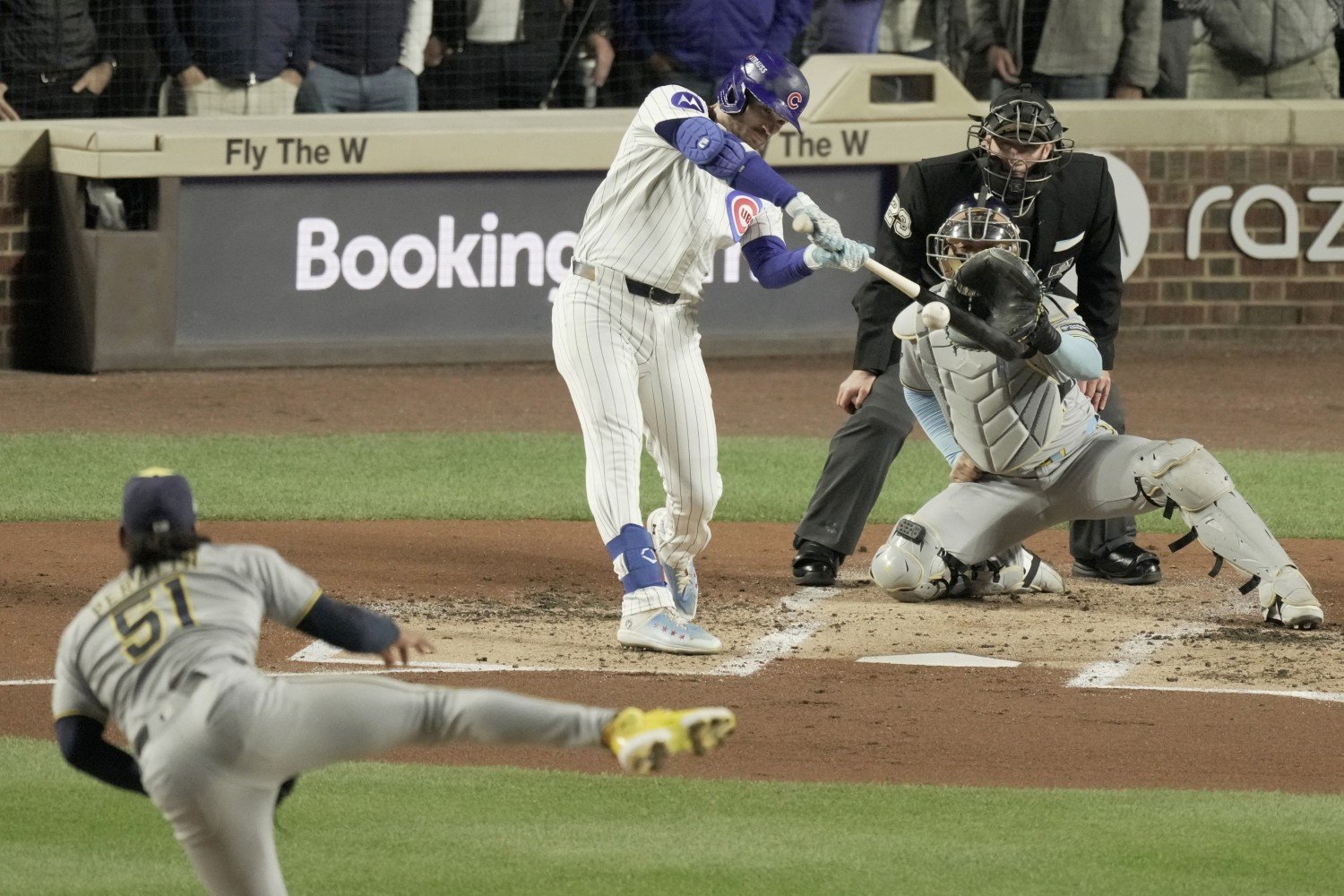 For the fourth time in as many NLDS games, a Brewers starting pitcher failed to contain the Chicago Cubs in the first inning. For the second straight night, it put Milwaukee in an early multi-run deficit that it could not overcome. This time, that early scoring came against Freddy Peralta—in the form of an Ian Happ three-run homer, on a fastball over the heart of the plate. "I thought it was one pitch in the first inning he'd take back," Pat Murphy said. "He had two outs, and he made a pitch too much down the middle. Happ has been really good for them." "I think it could've been a better pitch," said William Contreras. "But credit to him for connecting on that pitch and putting a good swing on it." Peralta's evaluation differed. "It was just a pitch that he was able to hit, and he hit it exactly how he wanted," he said. "But for me, it wasn't a mistake. It was the pitch that we wanted, and he just was able to hit it really hard." While he could have located it higher, it was not as bad a pitch as it may have appeared in real time. Happ struggles to get on top of elevated velocity as a left-handed batter, slugging just .200 in the regular season against four-seamers in the upper third of the zone. Peralta got his heater just high enough for Statcast to assign it to that region. The location wasn't the main culprit, anyway. Peralta's first inning went sideways because he could not work ahead of hitters with what seemed to be his game plan going in. Peralta is far less fastball-heavy than he was in his early years, but several of his more secondary-dominant outings have been those against the Cubs since the start of the second half. He used his heater 48.2% of the time against them on July 30, 43.2% on August 18, and 43.1% in Game 1 of the NLDS. It wasn't surprising, then, that Peralta continued that trend in Game 4. When Happ stepped to the plate, he had thrown only nine fastballs of his 21 pitches. The problem was that he was erratic early on with those secondaries, particularly with his changeup. It's emerged as his most valuable non-fastball offering over the last two seasons, especially in those Cubs starts. Peralta threw just three in the zone in the first inning, and the other five were not remotely competitive, including the one he bounced in the dirt with his first pitch to Happ. Peralta would land a changeup for a strike with his next pitch, but it wasn't enough to keep Happ from hunting a fastball. When he got one, he was ready. Like the night before, the damage was done, again establishing the wrong tone early for a Brewers team that looked little like the group that jumped out to a commanding 2-0 lead in the series. "The [1-1] pitch to Happ changed the game," Murphy said. Peralta settled in after the first, blanking the Cubs over his next three innings. The game plan worked when he executed pitches. Throwing his fastball just a third of the time, he induced 15 whiffs out of 42 swings and struck out six. "Other than [the home run], I thought he threw the ball really well and gave us a chance, kept them at bay," Murphy said. "There was some momentum in the second inning, and he kept them at bay. I thought he did a really nice job." The Brewers needed that version of him from the get-go, though. Instead, he was not sharp early and put his team in an early hole. It reaffirmed what's been the case for years: Peralta is a very good, highly valuable starting pitcher—a high-percentile outcome for his development and the fruit of the work he's put in over the years—but not a great one. He remains one step shy of fully realizing his tantalizing potential as a top-tier ace. The hope now is that he'll receive more opportunities to start big games this month. After entering Chicago in a great position to advance to the NLCS, the Brewers return home with their backs against the wall and must fight to keep their season alive. "Hopefully, the tables will turn when we get into Game 5 at our place. But we have to find out how bad we're going to fight back," Murphy said. "We have all season."
-
- 1
-
-
- freddy peralta
- william contreras
- (and 1 more)
-
Image courtesy of © Mark Hoffman-USA TODAY Network via Imagn Images For the fourth time in as many NLDS games, a Brewers starting pitcher failed to contain the Chicago Cubs in the first inning. For the second straight night, it put Milwaukee in an early multi-run deficit that it could not overcome. This time, that early scoring came against Freddy Peralta—in the form of an Ian Happ three-run homer, on a fastball over the heart of the plate. "I thought it was one pitch in the first inning he'd take back," Pat Murphy said. "He had two outs, and he made a pitch too much down the middle. Happ has been really good for them." "I think it could've been a better pitch," said William Contreras. "But credit to him for connecting on that pitch and putting a good swing on it." Peralta's evaluation differed. "It was just a pitch that he was able to hit, and he hit it exactly how he wanted," he said. "But for me, it wasn't a mistake. It was the pitch that we wanted, and he just was able to hit it really hard." While he could have located it higher, it was not as bad a pitch as it may have appeared in real time. Happ struggles to get on top of elevated velocity as a left-handed batter, slugging just .200 in the regular season against four-seamers in the upper third of the zone. Peralta got his heater just high enough for Statcast to assign it to that region. The location wasn't the main culprit, anyway. Peralta's first inning went sideways because he could not work ahead of hitters with what seemed to be his game plan going in. Peralta is far less fastball-heavy than he was in his early years, but several of his more secondary-dominant outings have been those against the Cubs since the start of the second half. He used his heater 48.2% of the time against them on July 30, 43.2% on August 18, and 43.1% in Game 1 of the NLDS. It wasn't surprising, then, that Peralta continued that trend in Game 4. When Happ stepped to the plate, he had thrown only nine fastballs of his 21 pitches. The problem was that he was erratic early on with those secondaries, particularly with his changeup. It's emerged as his most valuable non-fastball offering over the last two seasons, especially in those Cubs starts. Peralta threw just three in the zone in the first inning, and the other five were not remotely competitive, including the one he bounced in the dirt with his first pitch to Happ. Peralta would land a changeup for a strike with his next pitch, but it wasn't enough to keep Happ from hunting a fastball. When he got one, he was ready. Like the night before, the damage was done, again establishing the wrong tone early for a Brewers team that looked little like the group that jumped out to a commanding 2-0 lead in the series. "The [1-1] pitch to Happ changed the game," Murphy said. Peralta settled in after the first, blanking the Cubs over his next three innings. The game plan worked when he executed pitches. Throwing his fastball just a third of the time, he induced 15 whiffs out of 42 swings and struck out six. "Other than [the home run], I thought he threw the ball really well and gave us a chance, kept them at bay," Murphy said. "There was some momentum in the second inning, and he kept them at bay. I thought he did a really nice job." The Brewers needed that version of him from the get-go, though. Instead, he was not sharp early and put his team in an early hole. It reaffirmed what's been the case for years: Peralta is a very good, highly valuable starting pitcher—a high-percentile outcome for his development and the fruit of the work he's put in over the years—but not a great one. He remains one step shy of fully realizing his tantalizing potential as a top-tier ace. The hope now is that he'll receive more opportunities to start big games this month. After entering Chicago in a great position to advance to the NLCS, the Brewers return home with their backs against the wall and must fight to keep their season alive. "Hopefully, the tables will turn when we get into Game 5 at our place. But we have to find out how bad we're going to fight back," Murphy said. "We have all season." View full article
-
Tough First Inning Took Brewers Out of Driver's Seat in NLDS Game 3
Jack Stern posted an article in Brewers
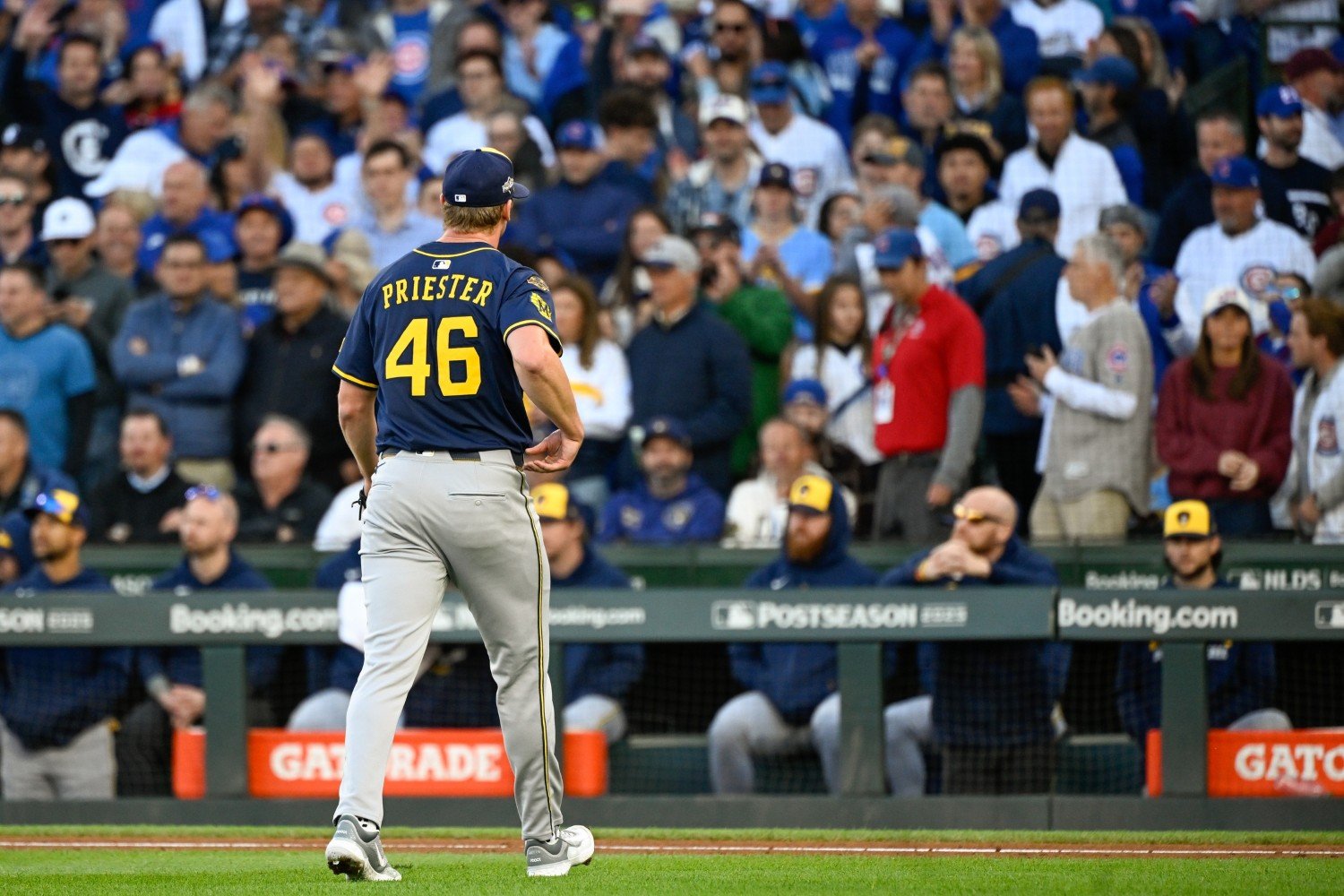 The Brewers made the right call in delaying Quinn Priester's first postseason start to Game 3 of the NLDS. While he blossomed into one of their most dependable starters during the regular season, his arsenal does not match up well against the Cubs. By enacting a bullpen game in Game 2, Milwaukee gave itself the best chance to grab a commanding 2-0 lead in the series. The tradeoff was that Priester would make his playoff debut on the road, in front of a spirited Chicago crowd, but with three opportunities to win one more game, the Brewers were playing with house money. Sure enough, Priester's outing did not go well, but he further complicated his task by spraying the ball all over and catching too much plate when he did throw strikes. The outcome was four runs allowed and just two outs recorded, but he would not have found much success against anyone with pitches to these locations: "I think the moment got to him a little bit," Pat Murphy said postgame. "He's not technically a rookie, but that's his first postseason appearance. He had a long layoff. It's in his hometown. I feel for him, because that's not typically how he's done this year." Priester, meanwhile, took full responsibility for his outing, saying the onus was on him to make an in-game adjustment and work with what he had on Wednesday. Murphy and the Brewers may stress the importance of playing the game pitch by pitch regardless of the score, but the reality is that a 53-pitch first inning and an early multi-run deficit set a different tone for a game than promptly jumping out to a lead. Priester was not in control, and that theme seemed to linger for his team the entire evening. The Brewers enjoyed big first innings in each of the first two games, looking like a team in total command of the situation—and of their opponent. While they were competitive enough on Wednesday—the bullpen blanked the Cubs the rest of the way, and the offense chipped back to within one run—they performed like a group trying to play catch-up. That tone left them playing short of their best, resulting in multiple missed opportunities to turn the game around. Jake Bauers's RBI single in the fourth cut the deficit to two runs, put runners on the corners with one out, and brought the go-ahead run to the plate in Brandon Lockridge. With Jameson Taillon on the ropes, the Brewers attempted to apply more pressure with a safety squeeze play. Unfortunately, the play went awry on multiple fronts. With third baseman Matt Shaw playing closer to the bag for a right-on-right matchup, Caleb Durbin had a smaller lead off the bag. Lockridge then bunted the ball too hard to first baseman Michael Busch, who had Durbin dead to rights at the plate, initiating a rundown. Catcher Carson Kelly fired the ball to Shaw, who chased Durbin toward the plate. It seemed Durbin had a chance to beat Shaw or his potential flip to Busch with a dive into home, but he instead turned back to keep the play going and ensure the runners moved up to second and third. He was ultimately tagged out, and Joey Ortiz then grounded out to end the threat. While certainly not an easy play for a baserunner (and a hard one to fault him for, given that he did enable those runners to advance), it stood out as a moment where Durbin made a conservative decision over an aggressive one. His manager preferred that he try to score. "I wish Caleb would've kept going," Murphy said. "I think if he would've just accelerated and believed and dove in there, it would've taken a great throw. Certainly, it's going to be close enough, [Lockridge is] going to be safe at first, and now we've got something going." For much of the night, the Brewers' swing decisions mirrored their typically refined plate discipline. They had some shakier at-bats as the game progressed, though, especially in key situations in the eighth inning. After Jackson Chourio's leadoff double, Brice Turang uncharacteristically chased two breaking balls off the plate for a strikeout. Between William Contreras and Caleb Durbin walks, Sal Frelick bounced into a fielder's choice on the first pitch he saw. Brad Keller then punched out Bauers to end the inning, in a matchup that swung in the pitcher's favor after he landed a 1-1 changeup for a strike. "You've got to get the big hit sometimes," Murphy said. "We didn't get the big hit." The Brewers still find themselves in a favorable position. Thanks to José Quintana and Grant Anderson combining for five innings of scoreless relief, their pitching remains in fine shape with two more opportunities left to close out the series. Even in a game where they were not in control, their opponent narrowly hung on to defeat them by a run. Wednesday was a reminder that the Cubs won't go down quietly, though, and that the Brewers are much better off establishing their own tone early against a worthy opponent.
-
- 1
-
-
- quinn priester
- caleb durbin
- (and 5 more)
-
Image courtesy of © Matt Marton-Imagn Images The Brewers made the right call in delaying Quinn Priester's first postseason start to Game 3 of the NLDS. While he blossomed into one of their most dependable starters during the regular season, his arsenal does not match up well against the Cubs. By enacting a bullpen game in Game 2, Milwaukee gave itself the best chance to grab a commanding 2-0 lead in the series. The tradeoff was that Priester would make his playoff debut on the road, in front of a spirited Chicago crowd, but with three opportunities to win one more game, the Brewers were playing with house money. Sure enough, Priester's outing did not go well, but he further complicated his task by spraying the ball all over and catching too much plate when he did throw strikes. The outcome was four runs allowed and just two outs recorded, but he would not have found much success against anyone with pitches to these locations: "I think the moment got to him a little bit," Pat Murphy said postgame. "He's not technically a rookie, but that's his first postseason appearance. He had a long layoff. It's in his hometown. I feel for him, because that's not typically how he's done this year." Priester, meanwhile, took full responsibility for his outing, saying the onus was on him to make an in-game adjustment and work with what he had on Wednesday. Murphy and the Brewers may stress the importance of playing the game pitch by pitch regardless of the score, but the reality is that a 53-pitch first inning and an early multi-run deficit set a different tone for a game than promptly jumping out to a lead. Priester was not in control, and that theme seemed to linger for his team the entire evening. The Brewers enjoyed big first innings in each of the first two games, looking like a team in total command of the situation—and of their opponent. While they were competitive enough on Wednesday—the bullpen blanked the Cubs the rest of the way, and the offense chipped back to within one run—they performed like a group trying to play catch-up. That tone left them playing short of their best, resulting in multiple missed opportunities to turn the game around. Jake Bauers's RBI single in the fourth cut the deficit to two runs, put runners on the corners with one out, and brought the go-ahead run to the plate in Brandon Lockridge. With Jameson Taillon on the ropes, the Brewers attempted to apply more pressure with a safety squeeze play. Unfortunately, the play went awry on multiple fronts. With third baseman Matt Shaw playing closer to the bag for a right-on-right matchup, Caleb Durbin had a smaller lead off the bag. Lockridge then bunted the ball too hard to first baseman Michael Busch, who had Durbin dead to rights at the plate, initiating a rundown. Catcher Carson Kelly fired the ball to Shaw, who chased Durbin toward the plate. It seemed Durbin had a chance to beat Shaw or his potential flip to Busch with a dive into home, but he instead turned back to keep the play going and ensure the runners moved up to second and third. He was ultimately tagged out, and Joey Ortiz then grounded out to end the threat. While certainly not an easy play for a baserunner (and a hard one to fault him for, given that he did enable those runners to advance), it stood out as a moment where Durbin made a conservative decision over an aggressive one. His manager preferred that he try to score. "I wish Caleb would've kept going," Murphy said. "I think if he would've just accelerated and believed and dove in there, it would've taken a great throw. Certainly, it's going to be close enough, [Lockridge is] going to be safe at first, and now we've got something going." For much of the night, the Brewers' swing decisions mirrored their typically refined plate discipline. They had some shakier at-bats as the game progressed, though, especially in key situations in the eighth inning. After Jackson Chourio's leadoff double, Brice Turang uncharacteristically chased two breaking balls off the plate for a strikeout. Between William Contreras and Caleb Durbin walks, Sal Frelick bounced into a fielder's choice on the first pitch he saw. Brad Keller then punched out Bauers to end the inning, in a matchup that swung in the pitcher's favor after he landed a 1-1 changeup for a strike. "You've got to get the big hit sometimes," Murphy said. "We didn't get the big hit." The Brewers still find themselves in a favorable position. Thanks to José Quintana and Grant Anderson combining for five innings of scoreless relief, their pitching remains in fine shape with two more opportunities left to close out the series. Even in a game where they were not in control, their opponent narrowly hung on to defeat them by a run. Wednesday was a reminder that the Cubs won't go down quietly, though, and that the Brewers are much better off establishing their own tone early against a worthy opponent. View full article
-
Image courtesy of © Benny Sieu-Imagn Images Jacob Misiorowski threw fewer than half of his pitches on Monday night in the strike zone, including just over a third of them in his first inning. He issued two walks. He wasn't particularly efficient. It didn't matter. He made enough competitive pitches, and the outcomes of those pitches mattered most. Misiorowski induced 20 swings. Eight were swings and misses, six were foul balls, and the remaining six were balls in play—with an average exit velocity of 83.3 mph. In other words, he overpowered the Cubs, who never came especially close to barreling up his stuff during his three scoreless innings. It demonstrated why the Brewers included Misiorowski on their NLDS roster over fellow multi-inning relievers Tobias Myers and DL Hall, both of whom enjoyed more surface-level success and have previous playoff experience. Myers pitched to a 1.91 ERA out of the bullpen in the regular season, but struck out just 18.2% of opponents in that role. Hall posted a 3.49 ERA and excelled at missing barrels, but he benefited from an unsustainably low .202 BABIP to overcome poor strikeout (17.4%) and walk (11.0%) rates. Misiorowski, meanwhile, limped to an unsightly 6.06 ERA over his final eight appearances, but he was closer to his more dominant form than the results indicated. His stuff was still playing well in the strike zone. Whereas Myers and Hall don't blow anyone away, Misiorowski's electric right arm is matchup-proof, and can dismantle even the best hitters. That matters in the playoffs, where having swing-and-miss bullpen arms becomes even more critical. "I think he will help us," Murphy said at the onset of the series. "He's not going to start, but he'll come in the game. He's got great stuff, and I think he'll hone it in and pitch well." The Brewers were right, and the payoff for their belief came quickly. Misiorowski delivered precisely the outing they needed in what Murphy previewed as an "all-hands-on-deck" pitching effort for Game 2. Over the weekend, the club was coy on its plans behind Aaron Ashby, whom it tabbed as a short-range starter to neutralize the best left-handed bats in the top half of the Chicago order. Afterward, though, Murphy revealed that the intention was for Misiorowski to play a role. "We were thinking somewhere between 30 and 50 pitches, and we were thinking that he'd let us know when he was gassed," Murphy said. "He was very emotional, and you guys know what he's been through, but he responded. I think that's a really good sign." Postseason adrenaline seemed to unlock an extra tick of velocity for the flamethrowing rookie. His signature fastball averaged 101.5 mph, up from his regular-season average of 99.3. Only four of the 35 heaters he threw clocked in below triple digits. He hit 104.2 and 104.3 with his third and fourth pitches of the night. "In the postseason, the atmosphere, coming out of the bullpen, and all the energy he brings—I probably could have told you he was going to throw 104 today," Ashby said. "When he was warming up, actually, I was talking to our infielders and I go, 'He's going to throw 104 right here,' and he did," Andrew Vaughn said. "So it was kind of funny." "There was so much adrenaline, and I wasn't really feeling anything," Misiorowski said. "I was just kind of doing it." The main difference between the two versions of Misiorowski has been his response when things start to go sideways. On Monday, he bent in each inning, but did not break. He issued a one-out walk to Seiya Suzuki in the third, during a stretch of six straight balls thrown, but he came back from a 2-0 count to strike out Ian Happ and coaxed a groundout to the mound from Carson Kelly. He also rebounded from a two-out walk in the fourth and retired three hitters in order after a leadoff single in the fifth. "You guys get all enthralled with MPH," Murphy said. "I'm enthralled that he wasn't giving up free bases, kept his composure with runners on, that type of thing." "Proud of him, for sure," Ashby said. "Like every pitcher in this game, you go through ups and downs. Guys make adjustments. He made an adjustment today, and he executed really well." If the Brewers make a deep postseason run, it will not be the last time they task Misiorowski with recording key outs. It may not always look smooth, but in this role, it doesn't need to. When he makes enough competitive pitches, his rare combination of raw stuff and deception is a nightmare for any hitter. He may be an all-or-nothing wild card, but you can't benefit from the all if you're unwilling to risk getting the nothing. View full article
-
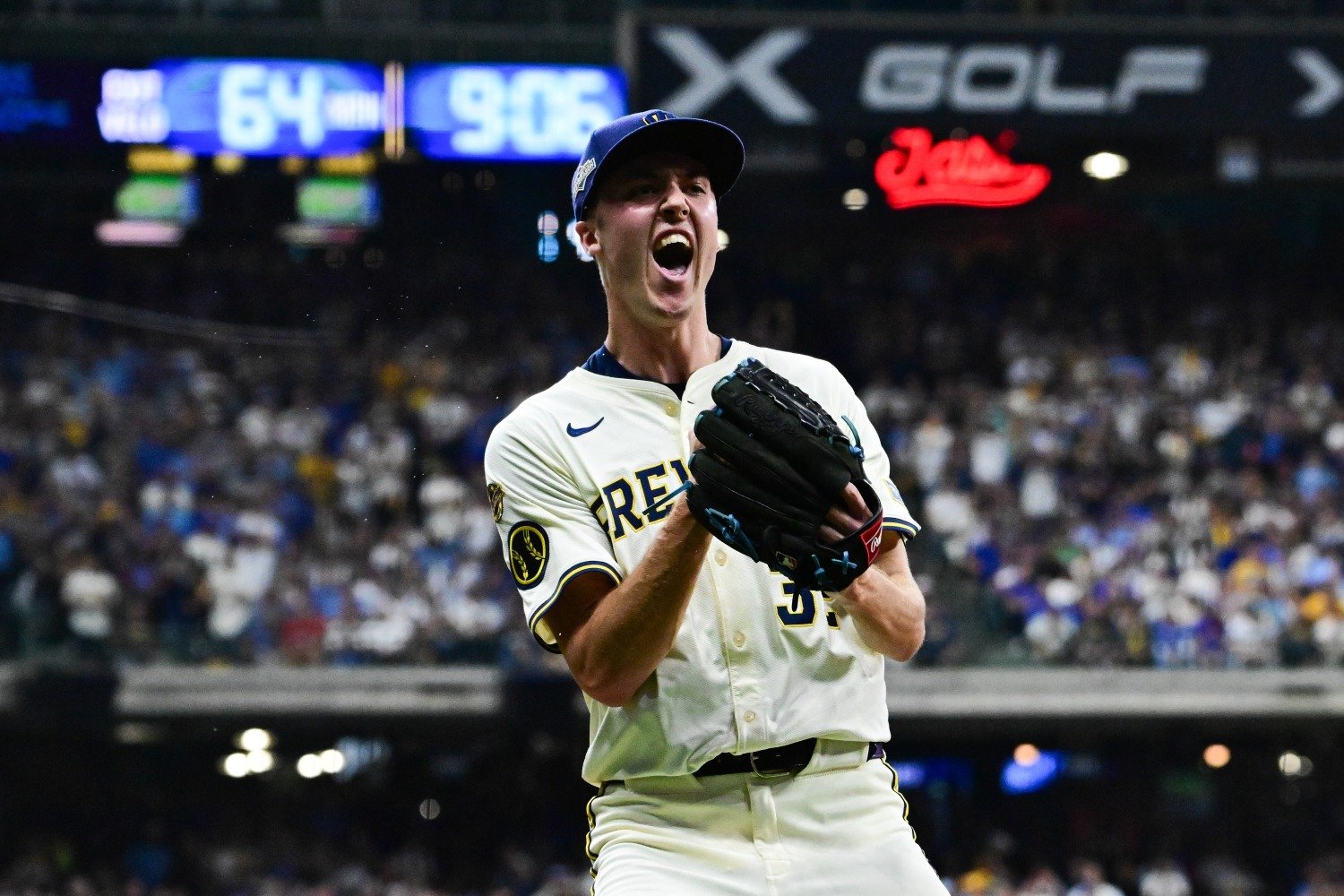 Jacob Misiorowski threw fewer than half of his pitches on Monday night in the strike zone, including just over a third of them in his first inning. He issued two walks. He wasn't particularly efficient. It didn't matter. He made enough competitive pitches, and the outcomes of those pitches mattered most. Misiorowski induced 20 swings. Eight were swings and misses, six were foul balls, and the remaining six were balls in play—with an average exit velocity of 83.3 mph. In other words, he overpowered the Cubs, who never came especially close to barreling up his stuff during his three scoreless innings. It demonstrated why the Brewers included Misiorowski on their NLDS roster over fellow multi-inning relievers Tobias Myers and DL Hall, both of whom enjoyed more surface-level success and have previous playoff experience. Myers pitched to a 1.91 ERA out of the bullpen in the regular season, but struck out just 18.2% of opponents in that role. Hall posted a 3.49 ERA and excelled at missing barrels, but he benefited from an unsustainably low .202 BABIP to overcome poor strikeout (17.4%) and walk (11.0%) rates. Misiorowski, meanwhile, limped to an unsightly 6.06 ERA over his final eight appearances, but he was closer to his more dominant form than the results indicated. His stuff was still playing well in the strike zone. Whereas Myers and Hall don't blow anyone away, Misiorowski's electric right arm is matchup-proof, and can dismantle even the best hitters. That matters in the playoffs, where having swing-and-miss bullpen arms becomes even more critical. "I think he will help us," Murphy said at the onset of the series. "He's not going to start, but he'll come in the game. He's got great stuff, and I think he'll hone it in and pitch well." The Brewers were right, and the payoff for their belief came quickly. Misiorowski delivered precisely the outing they needed in what Murphy previewed as an "all-hands-on-deck" pitching effort for Game 2. Over the weekend, the club was coy on its plans behind Aaron Ashby, whom it tabbed as a short-range starter to neutralize the best left-handed bats in the top half of the Chicago order. Afterward, though, Murphy revealed that the intention was for Misiorowski to play a role. "We were thinking somewhere between 30 and 50 pitches, and we were thinking that he'd let us know when he was gassed," Murphy said. "He was very emotional, and you guys know what he's been through, but he responded. I think that's a really good sign." Postseason adrenaline seemed to unlock an extra tick of velocity for the flamethrowing rookie. His signature fastball averaged 101.5 mph, up from his regular-season average of 99.3. Only four of the 35 heaters he threw clocked in below triple digits. He hit 104.2 and 104.3 with his third and fourth pitches of the night. "In the postseason, the atmosphere, coming out of the bullpen, and all the energy he brings—I probably could have told you he was going to throw 104 today," Ashby said. "When he was warming up, actually, I was talking to our infielders and I go, 'He's going to throw 104 right here,' and he did," Andrew Vaughn said. "So it was kind of funny." "There was so much adrenaline, and I wasn't really feeling anything," Misiorowski said. "I was just kind of doing it." The main difference between the two versions of Misiorowski has been his response when things start to go sideways. On Monday, he bent in each inning, but did not break. He issued a one-out walk to Seiya Suzuki in the third, during a stretch of six straight balls thrown, but he came back from a 2-0 count to strike out Ian Happ and coaxed a groundout to the mound from Carson Kelly. He also rebounded from a two-out walk in the fourth and retired three hitters in order after a leadoff single in the fifth. "You guys get all enthralled with MPH," Murphy said. "I'm enthralled that he wasn't giving up free bases, kept his composure with runners on, that type of thing." "Proud of him, for sure," Ashby said. "Like every pitcher in this game, you go through ups and downs. Guys make adjustments. He made an adjustment today, and he executed really well." If the Brewers make a deep postseason run, it will not be the last time they task Misiorowski with recording key outs. It may not always look smooth, but in this role, it doesn't need to. When he makes enough competitive pitches, his rare combination of raw stuff and deception is a nightmare for any hitter. He may be an all-or-nothing wild card, but you can't benefit from the all if you're unwilling to risk getting the nothing.
- 1 comment
-
- 2
-
-
- jacob misiorowski
- pat murphy
- (and 2 more)
-
Image courtesy of © Jovanny Hernandez / Milwaukee Journal Sentinel / USA TODAY NETWORK via Imagn Images In past postseasons, the Brewers have not hesitated to get creative with their pitching plans. Before the start of the NLDS over the weekend, there were signs that some unconventional arrangements were around the corner. "I think what we're looking at is Game 1 [Freddy Peralta], and then beyond that, it's all hands on deck," general manager Matt Arnold said on Friday. It was a vague statement, and the next few days have yet to bring much more clarity. Beyond announcing that Aaron Ashby would be first out of the chute on Monday, the Brewers have remained coy on who would cover innings for Game 2. Quinn Priester might seem like the obvious choice as the bulk guy, but Pat Murphy suggested on Sunday that the club itself has yet to make that call. "I don't know if Priester will be next," Murphy said. "I really don't." It stands to reason that the right-hander will at least be available in some capacity. Priester emerged as the Brewers' most reliable starter behind Peralta in the regular season, posting a 3.32 ERA, 3.96 SIERA, and 80 DRA-, with a 56.1% ground ball rate in 29 outings. They have reasons to use him unconventionally, though. While Priester has weapons in his five-pitch arsenal that can play against left-handed batters, they've fared better against his usual mix of sinkers, sliders, and cutters than right-handed opponents. Lefties have hit .249/.331/.405, a noticeable enough split that the Brewers used an opener in front of him five times during the regular season to limit his exposure to powerful left-handed bats at the top of an order. By delaying the start of his outing, Priester could cover the same number of innings while facing those hitters two times, instead of three. The Cubs' lineup warrants an opener. Left-handers Michael Busch (151 wRC+ against righties) and Kyle Tucker (137) have been their two best bats this year, and switch-hitting Ian Happ is far better from the left side (123) than from the right (96). They match up worse against Ashby, who yielded just two extra-base hits to a left-handed hitter all year. Beyond the platoon game, the Cubs are an unfavorable matchup for Priester's arsenal. In the regular season, 62% of his pitches were sinkers or cutters – the two pitches against which Chicago made its loudest contact. Ashby has leaned more on his sinker this year than in any other season of his career, but he can also pivot to his two big breaking balls or changeup when necessary. The Brewers also deliberately chose Robert Gasser, another southpaw whose best pitch is the signature sweeper that he's thrown over a third of the time in each of the last two seasons. Gasser is not fully stretched out, but he is another length option behind Ashby. Where Priester fits into the mix could depend on the game situation. Perhaps he'll follow Ashby for a few innings and get one matchup apiece against the Cubs' best lefties during the middle innings. He might work strictly against their righties near the bottom of the lineup, in a truncated outing. If another early Brewers outburst stakes him to a big lead, he could function as an innings-eater to save other bullpen arms. Conversely, if it's a close game and Craig Counsell shakes up his lineup to limit pockets favorable for Priester, he may not pitch at all. Murphy teased during the final stretch of the regular season that the Brewers could deploy players in different roles, based on matchups. Arnold characterized Peralta as their lone traditional playoff starter. The first round of new and surprising pitching looks could be on tap for their second postseason game. View full article
-
.png.42562a9842878f0f96601d14c5fbed2f.png) In past postseasons, the Brewers have not hesitated to get creative with their pitching plans. Before the start of the NLDS over the weekend, there were signs that some unconventional arrangements were around the corner. "I think what we're looking at is Game 1 [Freddy Peralta], and then beyond that, it's all hands on deck," general manager Matt Arnold said on Friday. It was a vague statement, and the next few days have yet to bring much more clarity. Beyond announcing that Aaron Ashby would be first out of the chute on Monday, the Brewers have remained coy on who would cover innings for Game 2. Quinn Priester might seem like the obvious choice as the bulk guy, but Pat Murphy suggested on Sunday that the club itself has yet to make that call. "I don't know if Priester will be next," Murphy said. "I really don't." It stands to reason that the right-hander will at least be available in some capacity. Priester emerged as the Brewers' most reliable starter behind Peralta in the regular season, posting a 3.32 ERA, 3.96 SIERA, and 80 DRA-, with a 56.1% ground ball rate in 29 outings. They have reasons to use him unconventionally, though. While Priester has weapons in his five-pitch arsenal that can play against left-handed batters, they've fared better against his usual mix of sinkers, sliders, and cutters than right-handed opponents. Lefties have hit .249/.331/.405, a noticeable enough split that the Brewers used an opener in front of him five times during the regular season to limit his exposure to powerful left-handed bats at the top of an order. By delaying the start of his outing, Priester could cover the same number of innings while facing those hitters two times, instead of three. The Cubs' lineup warrants an opener. Left-handers Michael Busch (151 wRC+ against righties) and Kyle Tucker (137) have been their two best bats this year, and switch-hitting Ian Happ is far better from the left side (123) than from the right (96). They match up worse against Ashby, who yielded just two extra-base hits to a left-handed hitter all year. Beyond the platoon game, the Cubs are an unfavorable matchup for Priester's arsenal. In the regular season, 62% of his pitches were sinkers or cutters – the two pitches against which Chicago made its loudest contact. Ashby has leaned more on his sinker this year than in any other season of his career, but he can also pivot to his two big breaking balls or changeup when necessary. The Brewers also deliberately chose Robert Gasser, another southpaw whose best pitch is the signature sweeper that he's thrown over a third of the time in each of the last two seasons. Gasser is not fully stretched out, but he is another length option behind Ashby. Where Priester fits into the mix could depend on the game situation. Perhaps he'll follow Ashby for a few innings and get one matchup apiece against the Cubs' best lefties during the middle innings. He might work strictly against their righties near the bottom of the lineup, in a truncated outing. If another early Brewers outburst stakes him to a big lead, he could function as an innings-eater to save other bullpen arms. Conversely, if it's a close game and Craig Counsell shakes up his lineup to limit pockets favorable for Priester, he may not pitch at all. Murphy teased during the final stretch of the regular season that the Brewers could deploy players in different roles, based on matchups. Arnold characterized Peralta as their lone traditional playoff starter. The first round of new and surprising pitching looks could be on tap for their second postseason game.
In past postseasons, the Brewers have not hesitated to get creative with their pitching plans. Before the start of the NLDS over the weekend, there were signs that some unconventional arrangements were around the corner. "I think what we're looking at is Game 1 [Freddy Peralta], and then beyond that, it's all hands on deck," general manager Matt Arnold said on Friday. It was a vague statement, and the next few days have yet to bring much more clarity. Beyond announcing that Aaron Ashby would be first out of the chute on Monday, the Brewers have remained coy on who would cover innings for Game 2. Quinn Priester might seem like the obvious choice as the bulk guy, but Pat Murphy suggested on Sunday that the club itself has yet to make that call. "I don't know if Priester will be next," Murphy said. "I really don't." It stands to reason that the right-hander will at least be available in some capacity. Priester emerged as the Brewers' most reliable starter behind Peralta in the regular season, posting a 3.32 ERA, 3.96 SIERA, and 80 DRA-, with a 56.1% ground ball rate in 29 outings. They have reasons to use him unconventionally, though. While Priester has weapons in his five-pitch arsenal that can play against left-handed batters, they've fared better against his usual mix of sinkers, sliders, and cutters than right-handed opponents. Lefties have hit .249/.331/.405, a noticeable enough split that the Brewers used an opener in front of him five times during the regular season to limit his exposure to powerful left-handed bats at the top of an order. By delaying the start of his outing, Priester could cover the same number of innings while facing those hitters two times, instead of three. The Cubs' lineup warrants an opener. Left-handers Michael Busch (151 wRC+ against righties) and Kyle Tucker (137) have been their two best bats this year, and switch-hitting Ian Happ is far better from the left side (123) than from the right (96). They match up worse against Ashby, who yielded just two extra-base hits to a left-handed hitter all year. Beyond the platoon game, the Cubs are an unfavorable matchup for Priester's arsenal. In the regular season, 62% of his pitches were sinkers or cutters – the two pitches against which Chicago made its loudest contact. Ashby has leaned more on his sinker this year than in any other season of his career, but he can also pivot to his two big breaking balls or changeup when necessary. The Brewers also deliberately chose Robert Gasser, another southpaw whose best pitch is the signature sweeper that he's thrown over a third of the time in each of the last two seasons. Gasser is not fully stretched out, but he is another length option behind Ashby. Where Priester fits into the mix could depend on the game situation. Perhaps he'll follow Ashby for a few innings and get one matchup apiece against the Cubs' best lefties during the middle innings. He might work strictly against their righties near the bottom of the lineup, in a truncated outing. If another early Brewers outburst stakes him to a big lead, he could function as an innings-eater to save other bullpen arms. Conversely, if it's a close game and Craig Counsell shakes up his lineup to limit pockets favorable for Priester, he may not pitch at all. Murphy teased during the final stretch of the regular season that the Brewers could deploy players in different roles, based on matchups. Arnold characterized Peralta as their lone traditional playoff starter. The first round of new and surprising pitching looks could be on tap for their second postseason game.- 5 comments
-
- 1
-
-
- quinn priester
- aaron ashby
- (and 1 more)
-
Brewers Came Out Swinging Against Matthew Boyd, Cubs in Game 1 Win
Jack Stern posted an article in Brewers
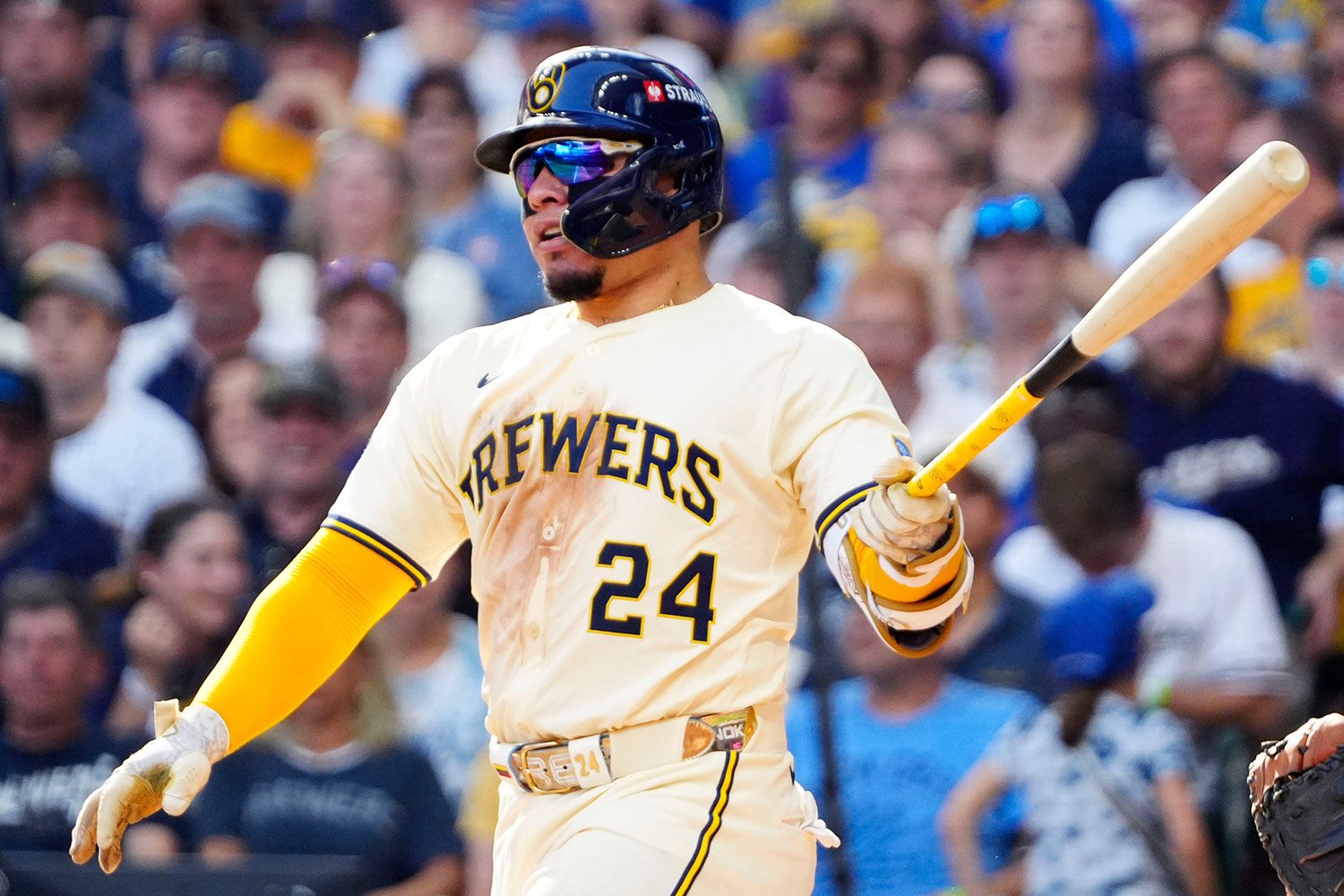 Pat Murphy's message to the Brewers clubhouse before Game 1 of the NLDS was simple: be ready. "We talked during the week. One of the things we made a point of, or maybe the main thing we talked about, is, 'Promise me you'll be ready the first pitch,'" he recalled. "When the bell rings, you're ready. You don't get a couple rounds to figure out whether or not you want to fight. Be ready in the first round." That would be pertinent advice in any situation, but especially so on Saturday afternoon. The Brewers, returning to action after a five-day bye, could not ease back into a game against the Chicago Cubs, who disposed of the San Diego Padres on Thursday and can counter many of Milwaukee's strengths. Michael Busch's home run on Freddy Peralta's fourth pitch of the game rudely reaffirmed that reality. Their patient offense needed to respond against Matthew Boyd, one of baseball's best strike-throwers. Boyd finished the regular season with the 13th-lowest walk rate and the third-highest zone rate among qualified starters. The Brewers, meanwhile, finished a second straight season with baseball's lowest swing rate, including the lowest on first pitches. Craig Counsell remarked the day before that their hitters "don't swing much" under Murphy's orders. Murphy wasn't having that notion on Saturday morning. "(Counsell) didn't finish that," he quipped. "I tell them, 'Don't swing, jump in front of it. Try to get hit by a pitch.' When I was a bench coach, he didn't like that. … But we're not going to just sit and take. It's not what we do. We might take more than others because we've got young guys and it takes them a few pitches to get adjusted." A few hours later, his hitters came out swinging against Boyd, so much so that they bounced him from the game two outs into the first inning. After leadoff man Jackson Chourio took a 2-0 called strike, the Brewers swung at each of his next 12 in-zone pitches before his exit, including three straight doubles on as many pitches to kick off a six-run frame. "We came in with an approach," said Blake Perkins, whose RBI single after an 11-pitch at-bat ended Boyd's day. "As you guys saw, it was very aggressive." It was perhaps the offense's most active start to a game all year. Between Boyd and Michael Soroka, the Brewers offered at 16 in-zone pitches in the first inning, more than in any of their regular-season games. "We hit some balls where they weren't, and we were ready," Murphy said. "I loved the at-bats early." That hot start put the Brewers in a favorable position the rest of the afternoon. Freddy Peralta, pitching with an eight-run lead for much of the day, worked into the sixth inning. Murphy could stay away from Abner Uribe in the series opener, using Aaron Ashby, Jared Koenig, and Nick Mears for outings of 20 pitches or fewer to close it out. A five-game series isn't won in Game 1, but outside of Jackson Chourio's hopefully minor hamstring injury, the Brewers couldn't find themselves in a much better position. An early punch in the mouth put Chicago on the defensive. It also helped Milwaukee keep its bullpen relatively fresh, while the Cubs are still reeling a bit from emptying their relief corps last week. The next task is taking advantage of that position. The Brewers can't let up, especially against a team that can frustrate lineups by playing excellent defense and slugs more than Murphy's woodpeckers. "We know what we're trying to accomplish, and we're going to focus on doing that and focus on ourselves," said Brice Turang. "It's just taking that energy and, however you do it, taking it and moving it on to the next day."
-
- 1
-
-
- pat murphy
- jackson chourio
- (and 3 more)
-
Image courtesy of © Jovanny Hernandez / Milwaukee Journal Sentinel / USA TODAY NETWORK via Imagn Images Pat Murphy's message to the Brewers clubhouse before Game 1 of the NLDS was simple: be ready. "We talked during the week. One of the things we made a point of, or maybe the main thing we talked about, is, 'Promise me you'll be ready the first pitch,'" he recalled. "When the bell rings, you're ready. You don't get a couple rounds to figure out whether or not you want to fight. Be ready in the first round." That would be pertinent advice in any situation, but especially so on Saturday afternoon. The Brewers, returning to action after a five-day bye, could not ease back into a game against the Chicago Cubs, who disposed of the San Diego Padres on Thursday and can counter many of Milwaukee's strengths. Michael Busch's home run on Freddy Peralta's fourth pitch of the game rudely reaffirmed that reality. Their patient offense needed to respond against Matthew Boyd, one of baseball's best strike-throwers. Boyd finished the regular season with the 13th-lowest walk rate and the third-highest zone rate among qualified starters. The Brewers, meanwhile, finished a second straight season with baseball's lowest swing rate, including the lowest on first pitches. Craig Counsell remarked the day before that their hitters "don't swing much" under Murphy's orders. Murphy wasn't having that notion on Saturday morning. "(Counsell) didn't finish that," he quipped. "I tell them, 'Don't swing, jump in front of it. Try to get hit by a pitch.' When I was a bench coach, he didn't like that. … But we're not going to just sit and take. It's not what we do. We might take more than others because we've got young guys and it takes them a few pitches to get adjusted." A few hours later, his hitters came out swinging against Boyd, so much so that they bounced him from the game two outs into the first inning. After leadoff man Jackson Chourio took a 2-0 called strike, the Brewers swung at each of his next 12 in-zone pitches before his exit, including three straight doubles on as many pitches to kick off a six-run frame. "We came in with an approach," said Blake Perkins, whose RBI single after an 11-pitch at-bat ended Boyd's day. "As you guys saw, it was very aggressive." It was perhaps the offense's most active start to a game all year. Between Boyd and Michael Soroka, the Brewers offered at 16 in-zone pitches in the first inning, more than in any of their regular-season games. "We hit some balls where they weren't, and we were ready," Murphy said. "I loved the at-bats early." That hot start put the Brewers in a favorable position the rest of the afternoon. Freddy Peralta, pitching with an eight-run lead for much of the day, worked into the sixth inning. Murphy could stay away from Abner Uribe in the series opener, using Aaron Ashby, Jared Koenig, and Nick Mears for outings of 20 pitches or fewer to close it out. A five-game series isn't won in Game 1, but outside of Jackson Chourio's hopefully minor hamstring injury, the Brewers couldn't find themselves in a much better position. An early punch in the mouth put Chicago on the defensive. It also helped Milwaukee keep its bullpen relatively fresh, while the Cubs are still reeling a bit from emptying their relief corps last week. The next task is taking advantage of that position. The Brewers can't let up, especially against a team that can frustrate lineups by playing excellent defense and slugs more than Murphy's woodpeckers. "We know what we're trying to accomplish, and we're going to focus on doing that and focus on ourselves," said Brice Turang. "It's just taking that energy and, however you do it, taking it and moving it on to the next day." View full article
-
The 2025 Milwaukee Brewers have built their offensive identity around applying pressure. Ask any hitter or coach about their success, and it’s one of the first phrases you’ll hear in response. At their best, Brewers hitters put up a stubborn battle against each pitch, combining for the lowest chase rate among 30 teams and striving to put those in the strike zone in play. When they do, they sprint full-throttle down the line. Once they’re on first base, they try to advance an extra 90 feet at any opportunity. The Brewers force opponents to pitch quickly and to make plays quickly. When they don’t, this offense has made them pay. It’s hard to argue with the regular-season results. Despite ranking 25th in isolated power (.145), Milwaukee’s offense scored the third-most runs in baseball. It placed second in on-base percentage (.332) and ninth in wRC+ (107). Opposing defenses were less efficient against the Brewers than any other team, slumping to a -28 Fielding Run Value (last) and letting them reach on an error 43 times (third-most). Applying pressure, an approach that had Pat Murphy likening his hitters to woodpeckers, worked over the course of a regular season. The Brewers will soon find out whether it’s a viable strategy in the postseason, where they will immediately square off against arguably the greatest potential foil to their brand of offense: the division-rival Chicago Cubs. Milwaukee went 6-7 against Chicago this year, a reflection of how well both clubs counter the other’s strengths. The Cubs do that best in the field, where they make the plays that the Brewers challenge their opponents to execute. Chicago’s defense has arguably been the best in the National League this year. In the regular season, it led the NL in FRV (41), Defensive Runs Saved (83), and Deserved Runs Prevented (20.9). The Cubs roll out excellent defenders at five of the seven non-battery positions. Player Position DRS FRV DRP Michael Busch 1B 2 -1 1.2 Nico Hoerner 2B 17 12 5.5 Dansby Swanson SS 7 3 -1.2 Matt Shaw 3B 12 -1 2.7 Ian Happ LF 9 0 13.5 Pete Crow-Armstrong CF 15 21 9.6 Kyle Tucker RF -1 0 -5.2 That defense responding well to pressure helped the Cubs punch their ticket to the NLDS. The San Diego Padres threatened a ninth-inning comeback in Game 3 of the Wild Card Series. After Jackson Merrill led off the inning with a solo home run to make it a 3-1 game, two hit-by-pitches brought the go-ahead run to the plate with one out. Jake Cronenworth chopped a shallow 72-mph grounder toward shortstop for a potential infield single, but Shaw charged left and got a handle on the ball in time to retire him by just less than half a stride. QWb8UxZRHH19Fth-.mp4 It’s precisely the kind of sequence the Brewers have pulled off successfully all season long: creating traffic on the bases, then daring a defender to make a challenging play on a well-placed grounder. For lesser teams, this kind of play often ended in disaster. The third baseman didn’t get there, hung onto the ball for an infield single, or rushed the throw before getting his grip and footwork in order and fired it up the line. Shaw completed the play, even showing the wherewithal to take an extra beat before throwing when the ball nearly slipped out of his hand. Such plays could go against the Brewers throughout the NLDS, rather than in their favor. They already experienced it in some of their regular-season showdowns. Milwaukee hitters actually made better contact against the Cubs than they did overall on the season, yet saw fewer balls in play fall for hits, because that elite defense snatched them up. Opponent R/G BA OBP SLG xBA xOBP xSLG HardHit% Barrel% Whiff% BABIP MLB 4.98 .256 .329 .402 .255 .330 .401 40.1% 6.8% 22.6% .302 CHC 4.30 .239 .314 .393 .256 .331 .417 44.3% 8.0% 20.1% .276 October would already be a new test of how far the Brewers could succeed with middling in-game power. Their run-prevention and baserunning excellence mean they need not slug with the most potent lineups to win games, but they need enough big swings to cut through playoff randomness and make a deep run—and they may need more against the Cubs than anyone else. View full article
-
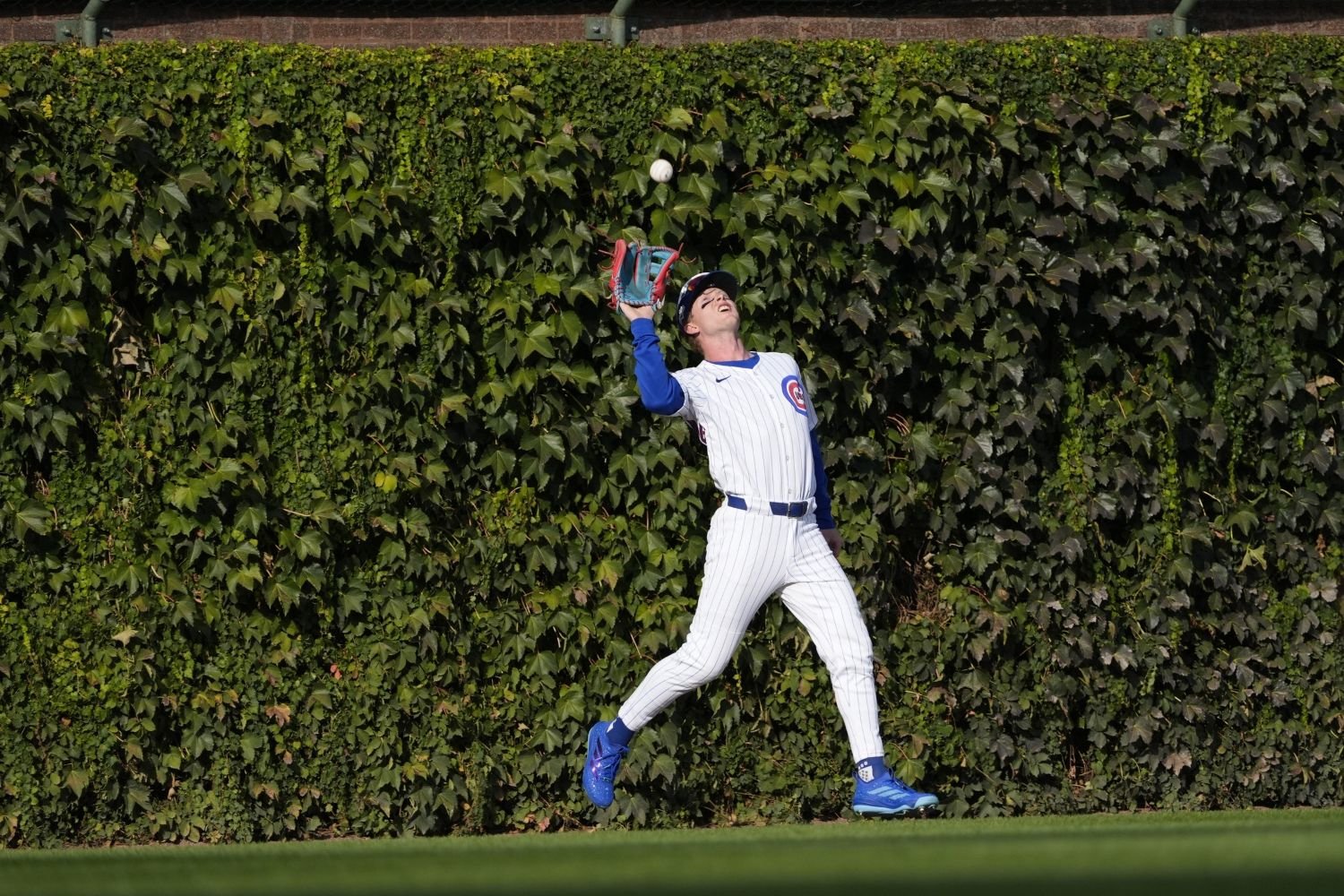 The 2025 Milwaukee Brewers have built their offensive identity around applying pressure. Ask any hitter or coach about their success, and it’s one of the first phrases you’ll hear in response. At their best, Brewers hitters put up a stubborn battle against each pitch, combining for the lowest chase rate among 30 teams and striving to put those in the strike zone in play. When they do, they sprint full-throttle down the line. Once they’re on first base, they try to advance an extra 90 feet at any opportunity. The Brewers force opponents to pitch quickly and to make plays quickly. When they don’t, this offense has made them pay. It’s hard to argue with the regular-season results. Despite ranking 25th in isolated power (.145), Milwaukee’s offense scored the third-most runs in baseball. It placed second in on-base percentage (.332) and ninth in wRC+ (107). Opposing defenses were less efficient against the Brewers than any other team, slumping to a -28 Fielding Run Value (last) and letting them reach on an error 43 times (third-most). Applying pressure, an approach that had Pat Murphy likening his hitters to woodpeckers, worked over the course of a regular season. The Brewers will soon find out whether it’s a viable strategy in the postseason, where they will immediately square off against arguably the greatest potential foil to their brand of offense: the division-rival Chicago Cubs. Milwaukee went 6-7 against Chicago this year, a reflection of how well both clubs counter the other’s strengths. The Cubs do that best in the field, where they make the plays that the Brewers challenge their opponents to execute. Chicago’s defense has arguably been the best in the National League this year. In the regular season, it led the NL in FRV (41), Defensive Runs Saved (83), and Deserved Runs Prevented (20.9). The Cubs roll out excellent defenders at five of the seven non-battery positions. Player Position DRS FRV DRP Michael Busch 1B 2 -1 1.2 Nico Hoerner 2B 17 12 5.5 Dansby Swanson SS 7 3 -1.2 Matt Shaw 3B 12 -1 2.7 Ian Happ LF 9 0 13.5 Pete Crow-Armstrong CF 15 21 9.6 Kyle Tucker RF -1 0 -5.2 That defense responding well to pressure helped the Cubs punch their ticket to the NLDS. The San Diego Padres threatened a ninth-inning comeback in Game 3 of the Wild Card Series. After Jackson Merrill led off the inning with a solo home run to make it a 3-1 game, two hit-by-pitches brought the go-ahead run to the plate with one out. Jake Cronenworth chopped a shallow 72-mph grounder toward shortstop for a potential infield single, but Shaw charged left and got a handle on the ball in time to retire him by just less than half a stride. QWb8UxZRHH19Fth-.mp4 It’s precisely the kind of sequence the Brewers have pulled off successfully all season long: creating traffic on the bases, then daring a defender to make a challenging play on a well-placed grounder. For lesser teams, this kind of play often ended in disaster. The third baseman didn’t get there, hung onto the ball for an infield single, or rushed the throw before getting his grip and footwork in order and fired it up the line. Shaw completed the play, even showing the wherewithal to take an extra beat before throwing when the ball nearly slipped out of his hand. Such plays could go against the Brewers throughout the NLDS, rather than in their favor. They already experienced it in some of their regular-season showdowns. Milwaukee hitters actually made better contact against the Cubs than they did overall on the season, yet saw fewer balls in play fall for hits, because that elite defense snatched them up. Opponent R/G BA OBP SLG xBA xOBP xSLG HardHit% Barrel% Whiff% BABIP MLB 4.98 .256 .329 .402 .255 .330 .401 40.1% 6.8% 22.6% .302 CHC 4.30 .239 .314 .393 .256 .331 .417 44.3% 8.0% 20.1% .276 October would already be a new test of how far the Brewers could succeed with middling in-game power. Their run-prevention and baserunning excellence mean they need not slug with the most potent lineups to win games, but they need enough big swings to cut through playoff randomness and make a deep run—and they may need more against the Cubs than anyone else.
 -
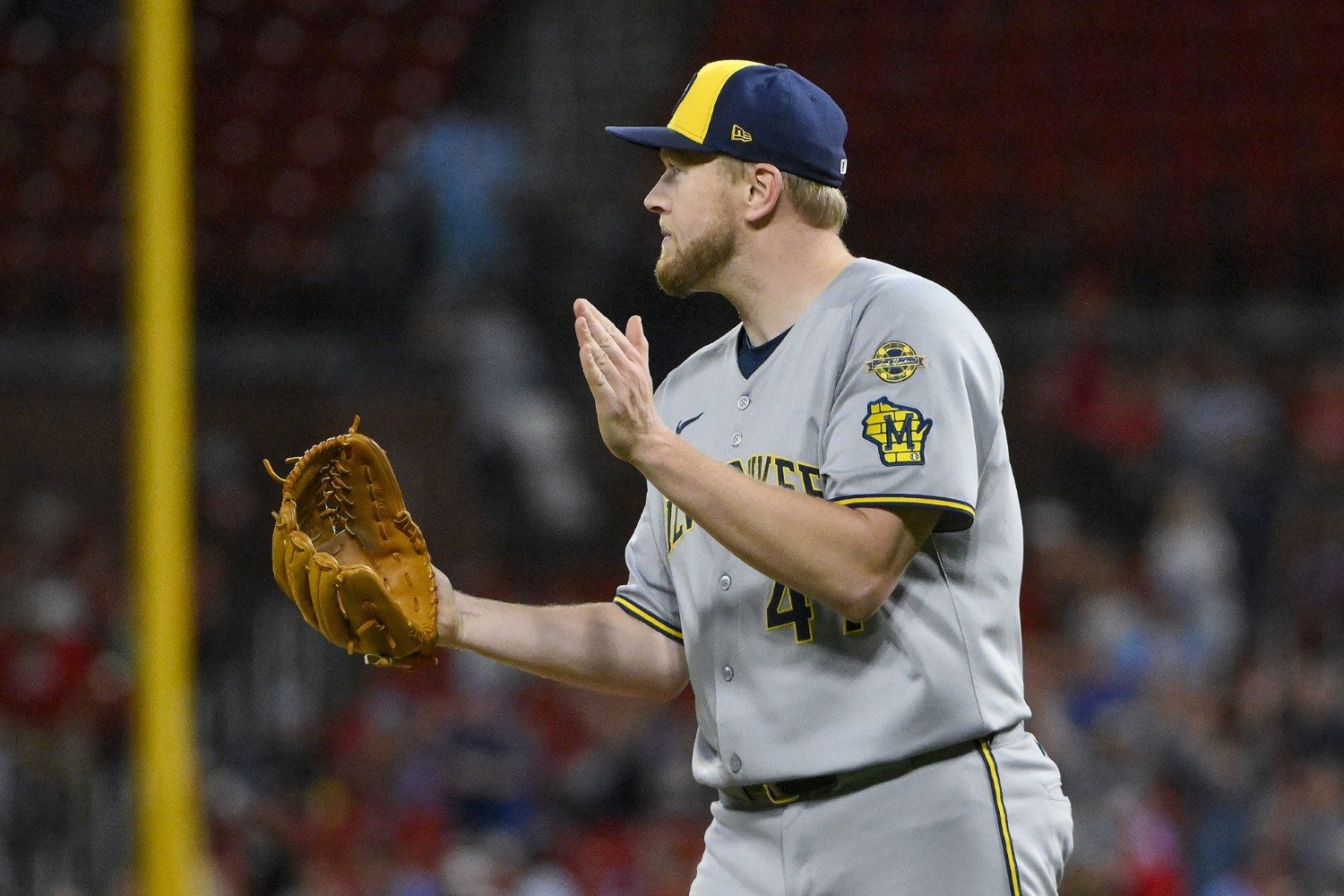 Jared Koenig’s regular season was a productive follow-up to last year’s breakout. The crossfire left-hander appeared in 72 games, second-most among Brewers relievers, posting a 2.86 ERA with peripherals that matched or bested his rookie campaign. In one facet, though, it was a tale of two seasons. Koenig carried pronounced platoon splits through July that had him looking most suited for a specialist role down the stretch and into October. Lefties slashed .213/.259/.293, but righties tagged him for a .312/.385/.505 line. He flipped the script once the calendar turned to August, fueling two months of late-season dominance. Koenig allowed just three earned runs across 22 innings the rest of the way, with righties hitting just .140/.232/.260 against him. The turnaround followed from a new approach. In the first half, Koenig attacked righties as he does lefties, pairing his deceptive sinker and cutter combo over the heart of the plate to produce uncomfortable takes and late swings. They slugged .525 against the cutter through July, though, so he’s since relegated it to a show-me pitch and featured his changeup more. Koenig also appears to have lowered his sights. He’s still attacking righties aggressively in the zone with his sinker, but around the knees, instead of at the letters. That sinker-changeup pairing near the bottom of the zone has been far more effective. Righties went from slugging .475 with a 9.7% barrel rate against Koenig’s sinker through July to slugging .172 with a 5.6% barrel rate the rest of the season. His changeup, meanwhile, generated whiffs on 44.4% of swings over the final two months. The return to his most dominant form came at just the right time, for a Milwaukee bullpen that lost Shelby Miller and Trevor Megill to injuries late in the year. Their absences forced Koenig to pitch even further toward the back ends of games, where he and Abner Uribe helped carry the relief corps to a 2.91 ERA in September, the fourth-best in baseball. With Miller out for the year and Megill’s role in question without his best velocity, Koenig and Uribe will remain Pat Murphy’s most trusted short relievers. By quashing his platoon problem, Koenig is back to being Murphy’s Swiss Army knife. The Brewers are likely to lean heavily on their bullpen in the postseason, and he could be tasked with some of the biggest outs.
 -
Image courtesy of © Jeff Curry-Imagn Images Jared Koenig’s regular season was a productive follow-up to last year’s breakout. The crossfire left-hander appeared in 72 games, second-most among Brewers relievers, posting a 2.86 ERA with peripherals that matched or bested his rookie campaign. In one facet, though, it was a tale of two seasons. Koenig carried pronounced platoon splits through July that had him looking most suited for a specialist role down the stretch and into October. Lefties slashed .213/.259/.293, but righties tagged him for a .312/.385/.505 line. He flipped the script once the calendar turned to August, fueling two months of late-season dominance. Koenig allowed just three earned runs across 22 innings the rest of the way, with righties hitting just .140/.232/.260 against him. The turnaround followed from a new approach. In the first half, Koenig attacked righties as he does lefties, pairing his deceptive sinker and cutter combo over the heart of the plate to produce uncomfortable takes and late swings. They slugged .525 against the cutter through July, though, so he’s since relegated it to a show-me pitch and featured his changeup more. Koenig also appears to have lowered his sights. He’s still attacking righties aggressively in the zone with his sinker, but around the knees, instead of at the letters. That sinker-changeup pairing near the bottom of the zone has been far more effective. Righties went from slugging .475 with a 9.7% barrel rate against Koenig’s sinker through July to slugging .172 with a 5.6% barrel rate the rest of the season. His changeup, meanwhile, generated whiffs on 44.4% of swings over the final two months. The return to his most dominant form came at just the right time, for a Milwaukee bullpen that lost Shelby Miller and Trevor Megill to injuries late in the year. Their absences forced Koenig to pitch even further toward the back ends of games, where he and Abner Uribe helped carry the relief corps to a 2.91 ERA in September, the fourth-best in baseball. With Miller out for the year and Megill’s role in question without his best velocity, Koenig and Uribe will remain Pat Murphy’s most trusted short relievers. By quashing his platoon problem, Koenig is back to being Murphy’s Swiss Army knife. The Brewers are likely to lean heavily on their bullpen in the postseason, and he could be tasked with some of the biggest outs. View full article
-
Image courtesy of © Jeff Curry-Imagn Images The best regular season in Brewers franchise history featured plenty of twists and turns, but once this year's team found its identity, its formula for winning remained consistent, including roles throughout the roster. Outside of an injured Rhys Hoskins ceding his role to Andrew Vaughn, Pat Murphy's preferred starters stayed in the lineup when healthy, and his high-leverage relievers remained consistent. Now the Brewers turn their attention to the postseason, which is often regarded as a different game than the regular season because each pitch carries added magnitude in smaller samples. It's still the same sport at its core, though. Teams typically don't abandon the brand of baseball that got them into the dance. That will be especially true for this group, whose relentless, pitch-by-pitch approach Murphy believes could give them an advantage over other clubs. "You're not looking to win a batting title in the postseason, you're looking to win pitches," Murphy said during the final series of the regular season. "So all the things we do all year kind of match up with how you've got to go about this. And I think that's going to be—even though nobody believes it—I think that's going to be a big plus for us, because we're playing this type of baseball all year." The short-term nature of the playoffs does change the calculus of roster construction and in-game decisions, which is worth noting as Brewers decision-makers select 26 players for the NLDS; arrange lineups and pitching plans; and make moves during games. Patience and a big-picture view are key during the regular season. Over 162 games, players receive opportunities in all kinds of situations against myriad opponents. Maneuvering matchups and situations to gain an edge each night is still a key part of the game, but for the most part, things tend to even out, so teams proactively rest some players and proactively involve others, even when doing so might not optimize the effort to win that game. It's a different story in the postseason. The smaller sample size makes the outcome of each pitch more impactful to a team's fate, elevating the importance of strategy and the game within the game to an extreme. Instead of playing the probabilities that will bring you out on top at the end of 162, you must play the ones that will bring you out on top that night. Specific situations—having the perfect pitcher to match up against a certain hitter, the right pinch-hitter against a certain pitcher, or the right pinch-runner for a particular game state—that are less consequential in a regular-season game could be the difference between advancing and going home. Players on hot or cold streaks may not have time for things to even out. "You're not playing for the psyche of the player, the longevity of the season, what you need out of them to help," Murphy said. "You're thinking [about] this seven-game series or this five-game series." That means players who filled a certain role throughout the regular season are sometimes used differently in October. If a regular position player does not match up well against an opponent, he may be relegated to a hyperspecific part-time role for a series. Conversely, other players might get more opportunities in the lineup or out of the bullpen in key spots. "We're going to play the way we play, but we're going to be open-minded and flexible, because we are in a win tonight mode like never before," Murphy said. "That doesn't get you tomorrow, necessarily, so winning tonight could mean you've got to be a little more flexible. Yeah, you played left field for us all year, but you might just pinch-hit. But I need that one at-bat to be the same as when you were playing, and not get in your own head, because this is about the team." Left field could be among the positions to look different from much of the regular season. Isaac Collins held it down for most of the season and emerged as a Rookie of the Year candidate. But his recent defensive downturn, Jake Bauers's 1.018 OPS in September, and the need for Blake Perkins's glove sliding Jackson Chourio from center field to left all ate into his playing time down the stretch. On the bench, the Brewers must decide whether Hoskins can deliver a game-changing swing off the bench, after he went 1-for-10 in a limited pinch-hitting role. If not, there's no room for him on the roster at all. In the bullpen, Nick Mears's reliance on his slider could limit him to specific right-on-right matchups, rather than the general high-leverage role he filled for much of the year. Trevor Megill may not jump back into the ninth inning after a month-long absence. Will Grant Anderson's upshoot four-seam fastball and right-handed sweeper be effective against Padres or Cubs hitters, or would Tobias Myers stack up better for the most likely matchups? Chad Patrick's trio of fastballs looked great in limited relief work, making him a sneaky choice to get high-leverage outings despite his lack of bullpen experience. These are the kinds of discussions the Brewers must resolve by the morning of October 4, when NLDS rosters are due before Game 1. They already started feeling things out after clinching the division, including giving Bauers more starts in left and using Patrick for three outs in the late innings with a two-run lead on Sunday. This team's on-field identity will not change. They will still try to beat opponents with constant action on the bases, forcing them to play clean baseball, and playing strong defense. Things will look a bit different on the management side, as the front office and coaching staff must adapt their roster usage to best fit the context of each plate appearance, game, and series. The rule of thumb in October is to expect surprises, and there will inevitably be several in the coming days. View full article
-
Pat Murphy and the Brewers Are Prepared to be 'Flexible' in MLB Postseason
Jack Stern posted an article in Brewers
 The best regular season in Brewers franchise history featured plenty of twists and turns, but once this year's team found its identity, its formula for winning remained consistent, including roles throughout the roster. Outside of an injured Rhys Hoskins ceding his role to Andrew Vaughn, Pat Murphy's preferred starters stayed in the lineup when healthy, and his high-leverage relievers remained consistent. Now the Brewers turn their attention to the postseason, which is often regarded as a different game than the regular season because each pitch carries added magnitude in smaller samples. It's still the same sport at its core, though. Teams typically don't abandon the brand of baseball that got them into the dance. That will be especially true for this group, whose relentless, pitch-by-pitch approach Murphy believes could give them an advantage over other clubs. "You're not looking to win a batting title in the postseason, you're looking to win pitches," Murphy said during the final series of the regular season. "So all the things we do all year kind of match up with how you've got to go about this. And I think that's going to be—even though nobody believes it—I think that's going to be a big plus for us, because we're playing this type of baseball all year." The short-term nature of the playoffs does change the calculus of roster construction and in-game decisions, which is worth noting as Brewers decision-makers select 26 players for the NLDS; arrange lineups and pitching plans; and make moves during games. Patience and a big-picture view are key during the regular season. Over 162 games, players receive opportunities in all kinds of situations against myriad opponents. Maneuvering matchups and situations to gain an edge each night is still a key part of the game, but for the most part, things tend to even out, so teams proactively rest some players and proactively involve others, even when doing so might not optimize the effort to win that game. It's a different story in the postseason. The smaller sample size makes the outcome of each pitch more impactful to a team's fate, elevating the importance of strategy and the game within the game to an extreme. Instead of playing the probabilities that will bring you out on top at the end of 162, you must play the ones that will bring you out on top that night. Specific situations—having the perfect pitcher to match up against a certain hitter, the right pinch-hitter against a certain pitcher, or the right pinch-runner for a particular game state—that are less consequential in a regular-season game could be the difference between advancing and going home. Players on hot or cold streaks may not have time for things to even out. "You're not playing for the psyche of the player, the longevity of the season, what you need out of them to help," Murphy said. "You're thinking [about] this seven-game series or this five-game series." That means players who filled a certain role throughout the regular season are sometimes used differently in October. If a regular position player does not match up well against an opponent, he may be relegated to a hyperspecific part-time role for a series. Conversely, other players might get more opportunities in the lineup or out of the bullpen in key spots. "We're going to play the way we play, but we're going to be open-minded and flexible, because we are in a win tonight mode like never before," Murphy said. "That doesn't get you tomorrow, necessarily, so winning tonight could mean you've got to be a little more flexible. Yeah, you played left field for us all year, but you might just pinch-hit. But I need that one at-bat to be the same as when you were playing, and not get in your own head, because this is about the team." Left field could be among the positions to look different from much of the regular season. Isaac Collins held it down for most of the season and emerged as a Rookie of the Year candidate. But his recent defensive downturn, Jake Bauers's 1.018 OPS in September, and the need for Blake Perkins's glove sliding Jackson Chourio from center field to left all ate into his playing time down the stretch. On the bench, the Brewers must decide whether Hoskins can deliver a game-changing swing off the bench, after he went 1-for-10 in a limited pinch-hitting role. If not, there's no room for him on the roster at all. In the bullpen, Nick Mears's reliance on his slider could limit him to specific right-on-right matchups, rather than the general high-leverage role he filled for much of the year. Trevor Megill may not jump back into the ninth inning after a month-long absence. Will Grant Anderson's upshoot four-seam fastball and right-handed sweeper be effective against Padres or Cubs hitters, or would Tobias Myers stack up better for the most likely matchups? Chad Patrick's trio of fastballs looked great in limited relief work, making him a sneaky choice to get high-leverage outings despite his lack of bullpen experience. These are the kinds of discussions the Brewers must resolve by the morning of October 4, when NLDS rosters are due before Game 1. They already started feeling things out after clinching the division, including giving Bauers more starts in left and using Patrick for three outs in the late innings with a two-run lead on Sunday. This team's on-field identity will not change. They will still try to beat opponents with constant action on the bases, forcing them to play clean baseball, and playing strong defense. Things will look a bit different on the management side, as the front office and coaching staff must adapt their roster usage to best fit the context of each plate appearance, game, and series. The rule of thumb in October is to expect surprises, and there will inevitably be several in the coming days.
- 2 comments
-
- 3
-
-
- pat murphy
- jake bauers
- (and 4 more)
-
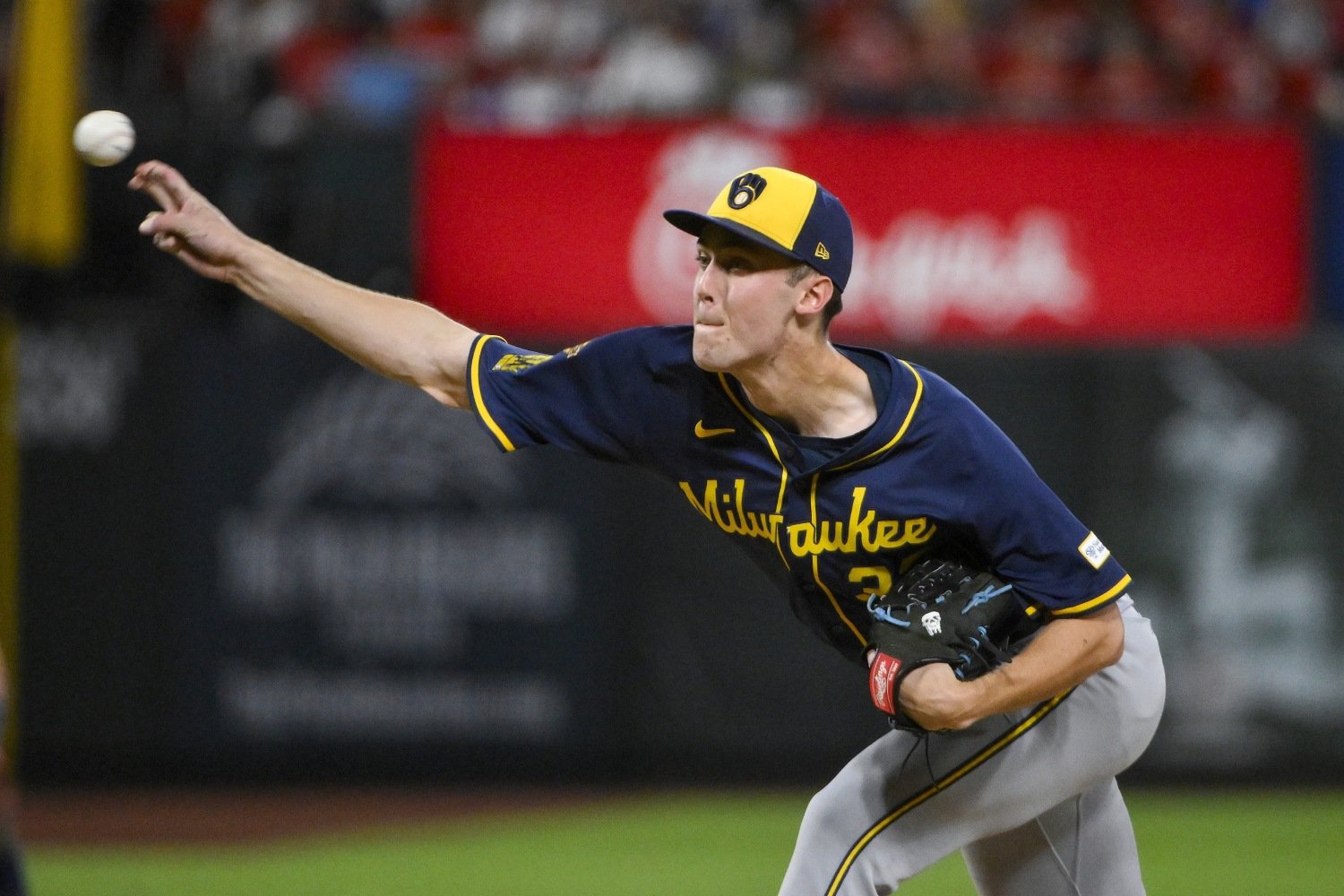 Jacob Misiorowski’s rookie campaign has been a tale of two seasons. The flame-throwing right-hander took baseball by storm during his first seven starts, but he has pitched to a 6.23 ERA in his last seven, while averaging just over four innings per outing. In St. Louis, Pat Murphy poured cold water on Misiorowski starting postseason games, and he was available out of the bullpen in San Diego. The 23-year-old won’t be a reliable playoff piece in any role, until he corrects the issues that have plagued his second half—but fortunately, those are not as serious as his results might look. Nor are they unusual for a young pitcher. While not in his dominant form from June and July, he has since been much closer to it than his ERA suggests. Split ERA FIP SIERA DRA K% BB% Zone% Strike% First 7 GS 2.70 3.15 3.04 3.37 36.4% 10.9% 57.2% 67.8% Last 7 GS 6.23 4.10 3.95 3.89 28.2% 10.7% 56.3% 64.7% Misiorowski hasn’t been hit all that hard during this stretch, and process-based metrics say he has still pitched like an above-average starter. His strikeout rate is down, but it's still just under 30%. It might be easy to point to worse control as the problem, but his walk and zone rates are nearly identical to the first half of his season. Those percentages do not capture sequencing, though. Misiorowski is still throwing enough strikes, but not at the right times. Through his first seven outings, he threw 25% of his total pitches while behind in the count, and 20% of plate appearances against him ended in such counts. In his last seven, those percentages have risen to 31% and 34%, respectively. One of the takeaways from Misiorowski’s first several outings was how well he controlled the game, but it has since looked as though the game is too often controlling him. It’s given opposing hitters—who were already likely to adopt a patient approach, given his occasional wildness—more room to wait him out, working their way into favorable counts before taking better swings when he comes back into the zone. Misiorowski’s results have remained strong when he works ahead, even during this rough patch. When he falls behind, though, hitters have taken much greater advantage. Simplifying things could restore him to a more effective state. Murphy opined in St. Louis that Misiorowski ought to refocus on his triple-digit fastball over his cutter-like slider, which has remained his go-to secondary pitch despite yielding a .387 wOBA and -2 run value and getting hit especially hard the last two months. A relief role would allow him to let that heater work in the zone for an inning or two, without worrying about pacing himself or sequencing pitches to disrupt hitters’ timing across multiple trips through the order. Whether he appears in that capacity next week is unclear. Misiorowski pitched as a reliever in Triple-A down the stretch a year ago, but has worked exclusively as a starter this year, with the Brewers seemingly intent on keeping him on a consistent schedule to ease the transition to the big leagues. Throwing him into the bullpen to sink or swim in a playoff series would be a substantial disruption to that routine. Perhaps the club will omit Misiorowski from its NLDS roster and work with him on that transition behind the scenes for future rounds. Whatever his role ultimately becomes, he remains capable of recording big outs in key situations this year. Misiorowski is closer to his best self than he looks, and everything can fall back into place—if he gets back on the attack with his best stuff.
 -
Image courtesy of © Jeff Curry-Imagn Images Jacob Misiorowski’s rookie campaign has been a tale of two seasons. The flame-throwing right-hander took baseball by storm during his first seven starts, but he has pitched to a 6.23 ERA in his last seven, while averaging just over four innings per outing. In St. Louis, Pat Murphy poured cold water on Misiorowski starting postseason games, and he was available out of the bullpen in San Diego. The 23-year-old won’t be a reliable playoff piece in any role, until he corrects the issues that have plagued his second half—but fortunately, those are not as serious as his results might look. Nor are they unusual for a young pitcher. While not in his dominant form from June and July, he has since been much closer to it than his ERA suggests. Split ERA FIP SIERA DRA K% BB% Zone% Strike% First 7 GS 2.70 3.15 3.04 3.37 36.4% 10.9% 57.2% 67.8% Last 7 GS 6.23 4.10 3.95 3.89 28.2% 10.7% 56.3% 64.7% Misiorowski hasn’t been hit all that hard during this stretch, and process-based metrics say he has still pitched like an above-average starter. His strikeout rate is down, but it's still just under 30%. It might be easy to point to worse control as the problem, but his walk and zone rates are nearly identical to the first half of his season. Those percentages do not capture sequencing, though. Misiorowski is still throwing enough strikes, but not at the right times. Through his first seven outings, he threw 25% of his total pitches while behind in the count, and 20% of plate appearances against him ended in such counts. In his last seven, those percentages have risen to 31% and 34%, respectively. One of the takeaways from Misiorowski’s first several outings was how well he controlled the game, but it has since looked as though the game is too often controlling him. It’s given opposing hitters—who were already likely to adopt a patient approach, given his occasional wildness—more room to wait him out, working their way into favorable counts before taking better swings when he comes back into the zone. Misiorowski’s results have remained strong when he works ahead, even during this rough patch. When he falls behind, though, hitters have taken much greater advantage. Simplifying things could restore him to a more effective state. Murphy opined in St. Louis that Misiorowski ought to refocus on his triple-digit fastball over his cutter-like slider, which has remained his go-to secondary pitch despite yielding a .387 wOBA and -2 run value and getting hit especially hard the last two months. A relief role would allow him to let that heater work in the zone for an inning or two, without worrying about pacing himself or sequencing pitches to disrupt hitters’ timing across multiple trips through the order. Whether he appears in that capacity next week is unclear. Misiorowski pitched as a reliever in Triple-A down the stretch a year ago, but has worked exclusively as a starter this year, with the Brewers seemingly intent on keeping him on a consistent schedule to ease the transition to the big leagues. Throwing him into the bullpen to sink or swim in a playoff series would be a substantial disruption to that routine. Perhaps the club will omit Misiorowski from its NLDS roster and work with him on that transition behind the scenes for future rounds. Whatever his role ultimately becomes, he remains capable of recording big outs in key situations this year. Misiorowski is closer to his best self than he looks, and everything can fall back into place—if he gets back on the attack with his best stuff. View full article
-
Image courtesy of © Jeff Curry-Imagn Images With a Chicago Cubs loss against the Cincinnati Reds on Sunday afternoon, the Brewers clinched their third straight NL Central title and their fourth in five seasons. Milwaukee will play in the postseason for the seventh time in eight years. Since 2017, its 761 regular-season wins trail only the Los Angeles Dodgers in the National League. The shape of that success has varied throughout the years, typically to maximize which players, coaches, and executives are most available to a team in baseball's smallest market. In 2018, the Brewers fell one win shy of a pennant with a patchwork rotation and a great bullpen, and by contorting their defensive positioning with shifts to pack their lineup with as many power hitters as possible. In 2021, excellent starting pitching carried them to their next division championship. The last two seasons, they've fashioned their run-prevention around elite defense and their offense around taking extra bases to compete with teams who slug more than they do. Losing key figures has not stopped the train, either. Over time, the Brewers lost president of baseball operations David Stearns and manager Craig Counsell; traded away elite players on expiring contracts; and let others depart in free agency. After all that, this year's team is two wins away from setting a new franchise record for single-season excellence. Given the circumstances early in the year, it's perhaps the most impressive entry in this era of Milwaukee baseball. The Brewers traveled to New York with an entire starting rotation on the injured list and set a dubious MLB record, becoming the first team in history to be outscored by 32 runs through its first four games. By May 17, they had suffered eight blowout losses of at least seven runs in their first 46 games and were four games under .500. Manager Pat Murphy was benching starters and calling repeated postgame team meetings to address fundamentally unsound performances. With nearly a third of the season in the books, the Brewers did not resemble a contending team. They quickly turned things around, to carry the best record in baseball into the final week of the regular season and control their own destiny for the top seed in the postseason. Activations of previously injured players, in-season acquisitions, and promotions phased out the pitchers responsible for the early-season blowouts. On offense, Isaac Collins, Brice Turang, and Sal Frelick enjoyed breakouts, and Andrew Vaughn turned his season around in place of an injured Rhys Hoskins. The mistakes gave way to some of the tightest fundamental play in the league. The Brewers haven't looked back since. With another playoff appearance, the club continues to check off the first step in its blueprint for winning its first World Series. They're getting yet another bite at the apple. Next up comes the challenge of advancing in the postseason. For all their regular-season success, the Brewers have not won a playoff series since 2018, which has understandably become a contentious shortcoming for a fanbase now expecting more from a perennial contender. October baseball is chaotic, and bypassing the three-game Wild Card round and heading straight to the five-game NLDS could help the Brewers in that regard. The reality, however, remains that they must perform better under the bright lights than they have in recent years. Perhaps this will be the year the baseball gods smile on the Brewers and reward the front office's approach. Legitimate questions remain about whether this team can scrap its way to postseason wins, particularly if the offense fails to hit for enough power in a small sample. For now, though, this group deserves credit for overcoming the many obstacles thrown its way to continue the golden age of Milwaukee baseball. Regular-season success may not guarantee a title, but that shouldn't make it any less impressive. View full article
-
Another Division Title Reinforces Brewers' Regular-Season Greatness
Jack Stern posted an article in Brewers
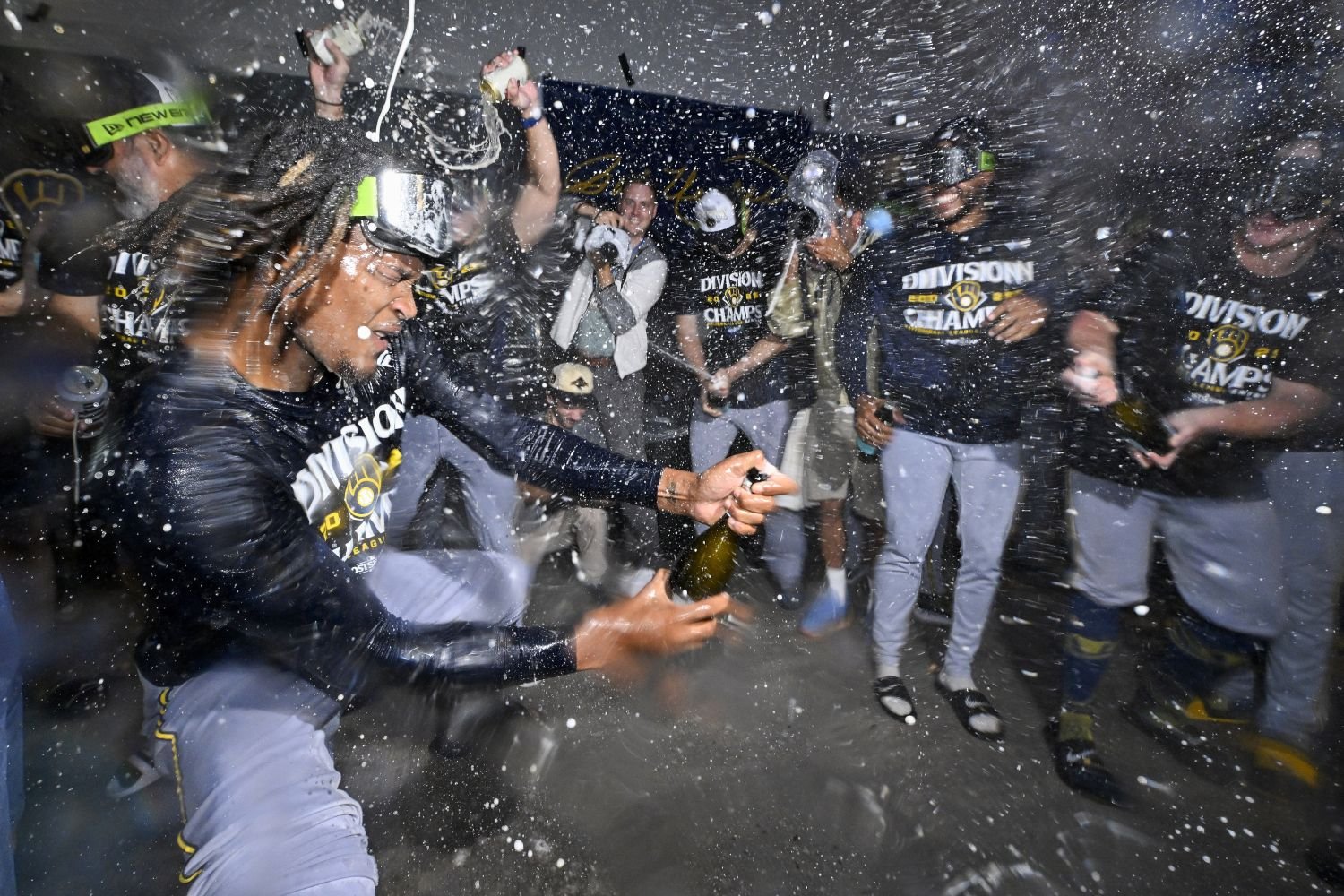 With a Chicago Cubs loss against the Cincinnati Reds on Sunday afternoon, the Brewers clinched their third straight NL Central title and their fourth in five seasons. Milwaukee will play in the postseason for the seventh time in eight years. Since 2017, its 761 regular-season wins trail only the Los Angeles Dodgers in the National League. The shape of that success has varied throughout the years, typically to maximize which players, coaches, and executives are most available to a team in baseball's smallest market. In 2018, the Brewers fell one win shy of a pennant with a patchwork rotation and a great bullpen, and by contorting their defensive positioning with shifts to pack their lineup with as many power hitters as possible. In 2021, excellent starting pitching carried them to their next division championship. The last two seasons, they've fashioned their run-prevention around elite defense and their offense around taking extra bases to compete with teams who slug more than they do. Losing key figures has not stopped the train, either. Over time, the Brewers lost president of baseball operations David Stearns and manager Craig Counsell; traded away elite players on expiring contracts; and let others depart in free agency. After all that, this year's team is two wins away from setting a new franchise record for single-season excellence. Given the circumstances early in the year, it's perhaps the most impressive entry in this era of Milwaukee baseball. The Brewers traveled to New York with an entire starting rotation on the injured list and set a dubious MLB record, becoming the first team in history to be outscored by 32 runs through its first four games. By May 17, they had suffered eight blowout losses of at least seven runs in their first 46 games and were four games under .500. Manager Pat Murphy was benching starters and calling repeated postgame team meetings to address fundamentally unsound performances. With nearly a third of the season in the books, the Brewers did not resemble a contending team. They quickly turned things around, to carry the best record in baseball into the final week of the regular season and control their own destiny for the top seed in the postseason. Activations of previously injured players, in-season acquisitions, and promotions phased out the pitchers responsible for the early-season blowouts. On offense, Isaac Collins, Brice Turang, and Sal Frelick enjoyed breakouts, and Andrew Vaughn turned his season around in place of an injured Rhys Hoskins. The mistakes gave way to some of the tightest fundamental play in the league. The Brewers haven't looked back since. With another playoff appearance, the club continues to check off the first step in its blueprint for winning its first World Series. They're getting yet another bite at the apple. Next up comes the challenge of advancing in the postseason. For all their regular-season success, the Brewers have not won a playoff series since 2018, which has understandably become a contentious shortcoming for a fanbase now expecting more from a perennial contender. October baseball is chaotic, and bypassing the three-game Wild Card round and heading straight to the five-game NLDS could help the Brewers in that regard. The reality, however, remains that they must perform better under the bright lights than they have in recent years. Perhaps this will be the year the baseball gods smile on the Brewers and reward the front office's approach. Legitimate questions remain about whether this team can scrap its way to postseason wins, particularly if the offense fails to hit for enough power in a small sample. For now, though, this group deserves credit for overcoming the many obstacles thrown its way to continue the golden age of Milwaukee baseball. Regular-season success may not guarantee a title, but that shouldn't make it any less impressive.
 -
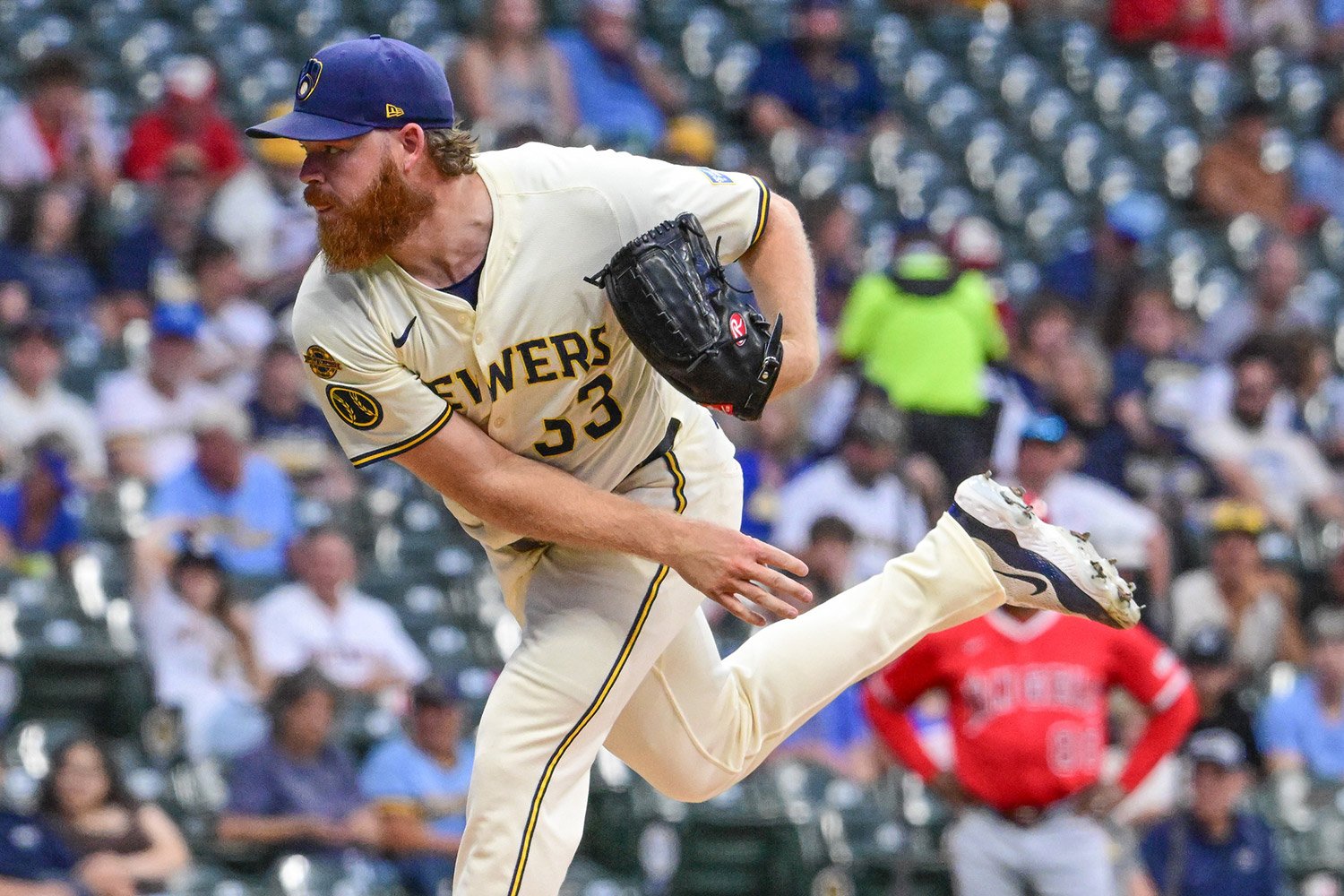 The Brewers retained all of their young pitching depth at the trade deadline, and that depth has since been tested a few times. The staff will have to absorb another blow right before the postseason, as Brandon Woodruff hit the injured list on Sunday with what Brewers manager Pat Murphy characterized as a moderate right lat strain. Woodruff told media that he sustained the injury during his bullpen session on Saturday. He’ll be evaluated by a doctor in St. Louis and receive an opinion from Dr. Keith Meister, who performed his shoulder surgery in October 2023. Woodruff will be eligible to return from the injured list for the NLDS, but a moderate lat strain typically requires at least a month to heal and often takes longer. He spoke of his season in the past tense on Sunday, hinting that he’s aware his comeback season could be over. At the very least, it ends what was a productive regular season for Woodruff when healthy enough to take the mound. Despite losing a few ticks of velocity after surgery, he authored a 3.20 ERA with a 3.18 FIP, 2.91 SIERA, 80 DRA-, and 32.3% strikeout rate in 12 starts. He did not work deep into starts as consistently as he once did, but those peripherals rivaled his prime seasons. It’s the Brewers’ second injury to a veteran starter in the last week. Jose Quintana hit the shelf with a calf strain last Wednesday and is working to return for the NLDS. Trevor Megill has also plateaued in his efforts to return from a flexor strain, and it’s currently up in the air whether he’ll be back to pitch during the club’s final home series next weekend before the playoffs. The club will secure a first-round bye to the Division Series upon clinching the NL Central, which could happen on Sunday with a win or a Chicago Cubs loss. While the Brewers have yet to announce their rotation for that series, it seemed that Freddy Peralta, Woodruff, and Quinn Priester would start the first three playoff games. If Woodruff’s absence extends well into October, it could bump Priester up to Game 2. Milwaukee has a few options to backfill his innings now and in the postseason. Chad Patrick slid back into the rotation for Quintana and could be a candidate to start Game 3. It could be Quintana if he's ready to pitch by then. Robert Gasser began converting to a multi-inning relief role in Triple-A Nashville, but the Brewers recalled him to start on Sunday and could stretch him back out. Jacob Misiorowski could get a playoff start, but Murphy said Woodruff’s injury won’t impact his role as the club mulls moving him to the bullpen.
- 2 comments
-
- 1
-
-
- brandon woodruff
- chad patrick
- (and 2 more)
-
Image courtesy of © Benny Sieu-Imagn Images The Brewers retained all of their young pitching depth at the trade deadline, and that depth has since been tested a few times. The staff will have to absorb another blow right before the postseason, as Brandon Woodruff hit the injured list on Sunday with what Brewers manager Pat Murphy characterized as a moderate right lat strain. Woodruff told media that he sustained the injury during his bullpen session on Saturday. He’ll be evaluated by a doctor in St. Louis and receive an opinion from Dr. Keith Meister, who performed his shoulder surgery in October 2023. Woodruff will be eligible to return from the injured list for the NLDS, but a moderate lat strain typically requires at least a month to heal and often takes longer. He spoke of his season in the past tense on Sunday, hinting that he’s aware his comeback season could be over. At the very least, it ends what was a productive regular season for Woodruff when healthy enough to take the mound. Despite losing a few ticks of velocity after surgery, he authored a 3.20 ERA with a 3.18 FIP, 2.91 SIERA, 80 DRA-, and 32.3% strikeout rate in 12 starts. He did not work deep into starts as consistently as he once did, but those peripherals rivaled his prime seasons. It’s the Brewers’ second injury to a veteran starter in the last week. Jose Quintana hit the shelf with a calf strain last Wednesday and is working to return for the NLDS. Trevor Megill has also plateaued in his efforts to return from a flexor strain, and it’s currently up in the air whether he’ll be back to pitch during the club’s final home series next weekend before the playoffs. The club will secure a first-round bye to the Division Series upon clinching the NL Central, which could happen on Sunday with a win or a Chicago Cubs loss. While the Brewers have yet to announce their rotation for that series, it seemed that Freddy Peralta, Woodruff, and Quinn Priester would start the first three playoff games. If Woodruff’s absence extends well into October, it could bump Priester up to Game 2. Milwaukee has a few options to backfill his innings now and in the postseason. Chad Patrick slid back into the rotation for Quintana and could be a candidate to start Game 3. It could be Quintana if he's ready to pitch by then. Robert Gasser began converting to a multi-inning relief role in Triple-A Nashville, but the Brewers recalled him to start on Sunday and could stretch him back out. Jacob Misiorowski could get a playoff start, but Murphy said Woodruff’s injury won’t impact his role as the club mulls moving him to the bullpen. View full article
.png.42562a9842878f0f96601d14c5fbed2f.png)
