



Jack Stern
-
Posts
764 -
Joined
-
Last visited
-
Days Won
2
Content Type
Profiles
Forums
Blogs
Events
News
2026 Milwaukee Brewers Top Prospects Ranking
Milwaukee Brewers Videos
2022 Milwaukee Brewers Draft Picks
Milwaukee Brewers Free Agent & Trade Rumors, Notes, & Tidbits
Guides & Resources
2023 Milwaukee Brewers Draft Picks
2024 Milwaukee Brewers Draft Picks
The Milwaukee Brewers Players Project
2025 Milwaukee Brewers Draft Pick Tracker
2026 Milwaukee Brewers Draft Tracker: Picks & Bonuses
Store
Downloads
Gallery
Everything posted by Jack Stern
-
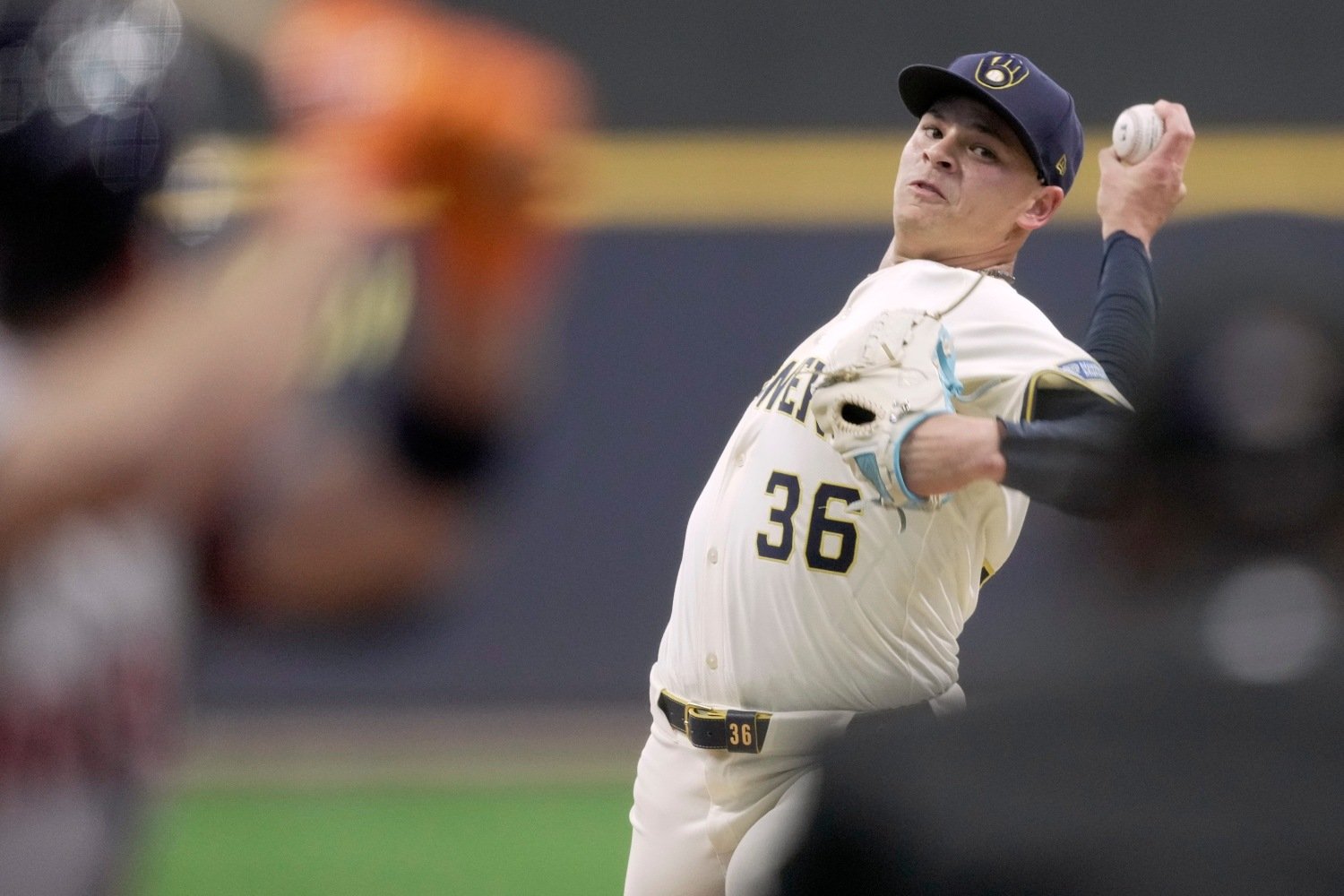 A spring training oblique strain and a handful of underwhelming starts limited Tobias Myers's opportunities in the Brewers' starting rotation in 2025. In those starts, Myers wasn't mixing speeds much, eschewing what had been an effective changeup the year before. Rediscovering a proper offspeed offering became one of his focuses with Triple-A Nashville, and he ultimately landed on a split-change. It was a small tweak, but its impact could ripple into next season. The splitter significantly altered Myers's identity as a pitcher, and it could be his ticket to more innings in 2026. After settling on that new pitch, Myers said he expected to throw it plenty. It immediately became a weapon against hitters from either side of the plate, holding opponents to a .131 wOBA while inducing whiffs on 39.2% of swings. Myers not only made it his preferred weapon against left-handed hitters, but even used it at roughly the same rate as his cutter and slider against righties. Those shifts in usage prompted different sequencing. Myers hit his stride as a rookie once he and the Brewers established his fastball-cutter-slider triad, particularly against right-handed batters. That meant tunneling pitches to start right down the middle, with the heater staying true over the plate and the secondaries breaking low and to the glove side. Myers needed more tricks in his bag against lefties, including more elevated fastballs and cutters, but the back-foot slider was still a significant part of his approach down the stretch. By August, Myers's focus shifted to setting up a splitter that emphasized depth, tailing in the opposite direction of his slider and cutter. That meant working more on the north-south game, shifting his fastball usage further up and in to righties. Going to a mostly fastball-splitter pairing against lefties (nearly 80% of his pitches in such matchups after he debuted the latter on July 23) led Myers to zero in on the bottom of the zone with both offerings. Those new plans of attack made him a more well-rounded pitcher. In 2024, righties managed just a .275 wOBA against Myers, but lefties posted a more capable .320 mark. After he debuted the splitter in the big leagues on Jul. 23, 2025, lefties floundered to a .229 wOBA, compared to .278 for righties. His strikeout rate remained below-average at 18.5%, but he generated whiffs on 25.4% of swings, a higher rate than in his successful rookie campaign. It wasn't all sunshine and roses, as righties did more damage against Myers's fastball in that time, particularly in the inner third of the zone. That may necessitate returning to his former sequences in some of those matchups, even if it means limiting his usage of a highly successful splitter. Even if his 2025 season did not transpire as he may have preferred, Myers took advantage of the opportunity it afforded him to mature as a pitcher. He arguably profiles better as a starter now than he did a year ago, though it may be tough for him to crack a deep Milwaukee rotation—particularly if the club retains Freddy Peralta. In any case, Myers's contributions next season might be closer to his rookie year than his sophomore campaign. The split-change is a difference-maker for the late-blooming righty.
 -
 Image courtesy of © Mark Hoffman / Milwaukee Journal Sentinel / USA TODAY NETWORK via Imagn Images A spring training oblique strain and a handful of underwhelming starts limited Tobias Myers's opportunities in the Brewers' starting rotation in 2025. In those starts, Myers wasn't mixing speeds much, eschewing what had been an effective changeup the year before. Rediscovering a proper offspeed offering became one of his focuses with Triple-A Nashville, and he ultimately landed on a split-change. It was a small tweak, but its impact could ripple into next season. The splitter significantly altered Myers's identity as a pitcher, and it could be his ticket to more innings in 2026. After settling on that new pitch, Myers said he expected to throw it plenty. It immediately became a weapon against hitters from either side of the plate, holding opponents to a .131 wOBA while inducing whiffs on 39.2% of swings. Myers not only made it his preferred weapon against left-handed hitters, but even used it at roughly the same rate as his cutter and slider against righties. Those shifts in usage prompted different sequencing. Myers hit his stride as a rookie once he and the Brewers established his fastball-cutter-slider triad, particularly against right-handed batters. That meant tunneling pitches to start right down the middle, with the heater staying true over the plate and the secondaries breaking low and to the glove side. Myers needed more tricks in his bag against lefties, including more elevated fastballs and cutters, but the back-foot slider was still a significant part of his approach down the stretch. By August, Myers's focus shifted to setting up a splitter that emphasized depth, tailing in the opposite direction of his slider and cutter. That meant working more on the north-south game, shifting his fastball usage further up and in to righties. Going to a mostly fastball-splitter pairing against lefties (nearly 80% of his pitches in such matchups after he debuted the latter on July 23) led Myers to zero in on the bottom of the zone with both offerings. Those new plans of attack made him a more well-rounded pitcher. In 2024, righties managed just a .275 wOBA against Myers, but lefties posted a more capable .320 mark. After he debuted the splitter in the big leagues on Jul. 23, 2025, lefties floundered to a .229 wOBA, compared to .278 for righties. His strikeout rate remained below-average at 18.5%, but he generated whiffs on 25.4% of swings, a higher rate than in his successful rookie campaign. It wasn't all sunshine and roses, as righties did more damage against Myers's fastball in that time, particularly in the inner third of the zone. That may necessitate returning to his former sequences in some of those matchups, even if it means limiting his usage of a highly successful splitter. Even if his 2025 season did not transpire as he may have preferred, Myers took advantage of the opportunity it afforded him to mature as a pitcher. He arguably profiles better as a starter now than he did a year ago, though it may be tough for him to crack a deep Milwaukee rotation—particularly if the club retains Freddy Peralta. In any case, Myers's contributions next season might be closer to his rookie year than his sophomore campaign. The split-change is a difference-maker for the late-blooming righty. View full article
 -
10 Milwaukee Brewers Receive Bonuses Via MLB's Pre-Arbitration Bonus Pool
Jack Stern posted an article in Brewers
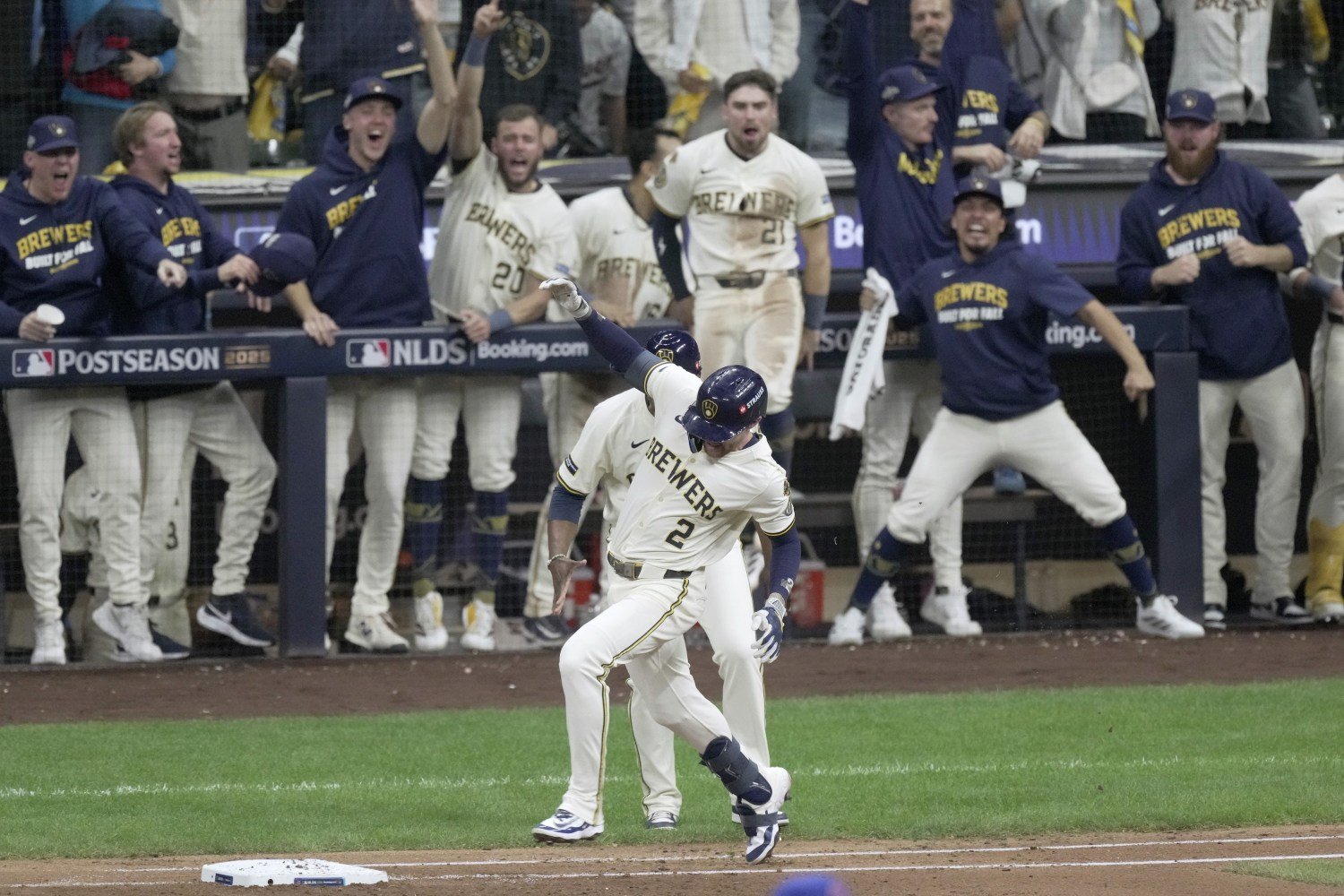 The payment breakdown of Major League Baseball's 2025 pre-arbitration bonus pool became public on Tuesday. Eligible Brewers players received a combined $4,742,392 in bonuses, making Milwaukee the first club with at least 10 recipients in a season since the pool's implementation in 2022. Here are the players and their earnings, as reported by the Associated Press. Brice Turang ($1,155,884) Caleb Durbin ($707,139) Isaac Collins ($631,766) Sal Frelick ($507,232) Jackson Chourio ($414,477) Quinn Priester ($307,705) Chad Patrick ($305,643) Abner Uribe ($271,917) Aaron Ashby ($228,384) Joey Ortiz ($212,245) For many of those names, that's a solid chunk of change compared to their base salaries. Turang led the way with a bonus that was 149% of his 2025 salary, after a season in which he posted a career-best 124 wRC+ and started to transmute his raw power into in-game results. Durbin and Collins about doubled their earnings after emerging as legitimate Rookie of the Year candidates in their first full big-league seasons. Priester and Patrick, who stabilized the rotation at times throughout the year, added about 40% of their league-minimum salaries. MLB introduced the pre-arbitration bonus pool as part of the 2022-2026 collective bargaining agreement to reward players for producing early in their careers. It's meant to ameliorate the tension created by the fact that when young stars first reach the majors, they have virtually no earning power. Every team pays into a $50-million pool, which is then distributed to all players who are not yet eligible for arbitration—including those (like Chourio and Ashby) who signed extensions. Award-based bonuses are bestowed based on a player's finish in MVP, Cy Young, Rookie of the Year, or All-MLB Team voting. The remaining funds are awarded using a WAR-based formula. Most of this year's Milwaukee recipients will be eligible for more bonuses next year. Only Turang is arbitration-eligible in 2026, due to his Super Two status. Jacob Misiorowski, Logan Henderson, and Robert Gasser are among the candidates for added earnings a year from now, depending on how much they contribute next season. For now, the length of this list underscores the depth of Milwaukee's corps of players under long-term team and cost control, and the combination of these payments and their forthcoming playoff shares should make the clubhouse a happier place come spring training.
- 5 comments
-
- 1
-

-
- brice turang
- sal frelick
- (and 5 more)
-
Image courtesy of © Mark Hoffman-USA TODAY Network via Imagn Images The payment breakdown of Major League Baseball's 2025 pre-arbitration bonus pool became public on Tuesday. Eligible Brewers players received a combined $4,742,392 in bonuses, making Milwaukee the first club with at least 10 recipients in a season since the pool's implementation in 2022. Here are the players and their earnings, as reported by the Associated Press. Brice Turang ($1,155,884) Caleb Durbin ($707,139) Isaac Collins ($631,766) Sal Frelick ($507,232) Jackson Chourio ($414,477) Quinn Priester ($307,705) Chad Patrick ($305,643) Abner Uribe ($271,917) Aaron Ashby ($228,384) Joey Ortiz ($212,245) For many of those names, that's a solid chunk of change compared to their base salaries. Turang led the way with a bonus that was 149% of his 2025 salary, after a season in which he posted a career-best 124 wRC+ and started to transmute his raw power into in-game results. Durbin and Collins about doubled their earnings after emerging as legitimate Rookie of the Year candidates in their first full big-league seasons. Priester and Patrick, who stabilized the rotation at times throughout the year, added about 40% of their league-minimum salaries. MLB introduced the pre-arbitration bonus pool as part of the 2022-2026 collective bargaining agreement to reward players for producing early in their careers. It's meant to ameliorate the tension created by the fact that when young stars first reach the majors, they have virtually no earning power. Every team pays into a $50-million pool, which is then distributed to all players who are not yet eligible for arbitration—including those (like Chourio and Ashby) who signed extensions. Award-based bonuses are bestowed based on a player's finish in MVP, Cy Young, Rookie of the Year, or All-MLB Team voting. The remaining funds are awarded using a WAR-based formula. Most of this year's Milwaukee recipients will be eligible for more bonuses next year. Only Turang is arbitration-eligible in 2026, due to his Super Two status. Jacob Misiorowski, Logan Henderson, and Robert Gasser are among the candidates for added earnings a year from now, depending on how much they contribute next season. For now, the length of this list underscores the depth of Milwaukee's corps of players under long-term team and cost control, and the combination of these payments and their forthcoming playoff shares should make the clubhouse a happier place come spring training. View full article
- 5 replies
-
- 1
-
-
- brice turang
- sal frelick
- (and 5 more)
-
Image courtesy of © Mark Hoffman / Milwaukee Journal Sentinel / USA TODAY NETWORK via Imagn Images With nearly the entire roster that won a franchise-record 97 games in the regular season still under club control for 2026, the Brewers need not pursue much turnover this winter. If there’s any area that could use reshuffling, it’s a portion of the bullpen. In an era where many bullpens are tasked with covering more than 40% of a team’s regular-season innings with a 13-pitcher limit, front offices need the flexibility to shuttle a handful of relievers between Triple-A and the big leagues throughout the season to pace workloads. The current makeup of the Brewers’ projected 2026 relief corps leaves little room to do so. Six of Milwaukee’s best eight relievers will carry at least one minor-league option into next season, but four of them – Abner Uribe, Trevor Megill, Jared Koenig, and Aaron Ashby – are valuable high-leverage arms who must remain on the roster if healthy. In practicality, that leaves Grant Anderson and DL Hall as the Brewers’ lone optionable arms, and even those two boast unique strengths that could keep them on the roster nearly full-time. The rubber-armed Anderson appeared no worse for wear after logging 69 2/3 innings, while Hall was a useful long reliever who occasionally opened for right-handed starters with pronounced platoon splits. Perhaps the Brewers feel those two spots offer enough flexibility as they are, but they could benefit from adding another optionable slot to their bullpen. At minimum, the casualty would have to be one of Nick Mears or Rob Zastryzny, the two relievers on the 40-man roster who cannot be optioned. Mears’s importance to next year’s team is debatable after an up-and-down 2025. After an illness in spring training delayed his debut, a diminished fastball upon his return proved much easier to barrel and led to fewer strikeouts. However, mechanical changes unlocked nearly pinpoint control, allowing him to post a 0.51 ERA and 1.89 FIP over his first 19 appearances and emerge as Pat Murphy’s preferred fireman. The relative lack of strikeouts and the heaviest workload of his big-league career seemingly caught up to Mears in the second half. His walk rate nearly tripled from 3.6% before the All-Star break to 9.9% after, and he limped to a 5.59 ERA and 6.34 FIP. Interestingly, though, his fastball qualities improved. While it was still hit hard when put in play, Mears rediscovered that extra tick of velocity, raising its stuff grades to just above average and reintroducing more whiffs. Split FB Velo FB Stuff+ FB StuffPro FB Whiff% FB xwOBA 1st Half 95.1 95 0.1 12.1% .376 2nd Half 96.1 102 -0.2 21.5% .369 Through one lens, Mears flamed out after an unsustainable workload and could be in for regression in 2026. Through another, he’s due for a better year because his stuff is trending in the right direction. While the Brewers tendered him a contract for next season, his unclear outlook and lack of roster flexibility could make trading him for a lottery ticket a tempting option. Zastrynzy, meanwhile, has dealt with injuries in both of his seasons in Milwaukee but has pitched to a 2.12 ERA, 4.09 FIP, and 4.27 SIERA over 29 2/3 innings when healthy. His strikeout and walk rates have been below average, but he has generated whiffs and weak contact at outstanding rates. The greatest knock against Zastrynzy may be that he’s redundant at times in a bullpen that already features Koenig, Ashby, and Hall as left-handed options. Mears and Zastrynzy profile as useful middle relievers in the right bullpens, but Milwaukee may not be the best fit for both at once. The Brewers could use another flex spot for shuttle arms like Craig Yoho, Easton McGee, and Sammy Peralta, to say nothing of the stable of minor-league starters they could deploy out of the bullpen throughout the season. The offseason is still in its infancy, but at this moment, moving one of their non-optionable veterans is the easiest way to create more breathing room on the depth chart. View full article
-
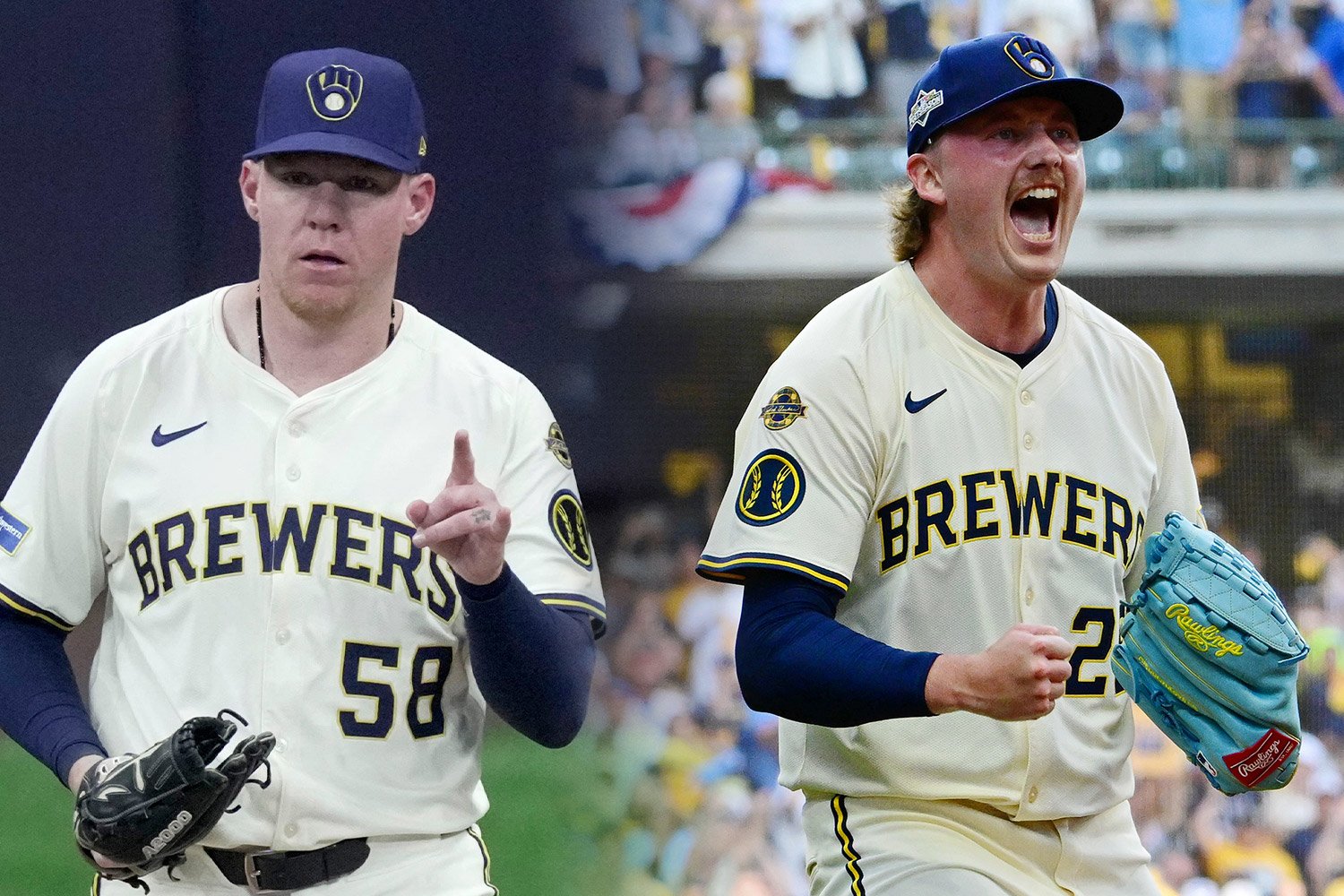 With nearly the entire roster that won a franchise-record 97 games in the regular season still under club control for 2026, the Brewers need not pursue much turnover this winter. If there’s any area that could use reshuffling, it’s a portion of the bullpen. In an era where many bullpens are tasked with covering more than 40% of a team’s regular-season innings with a 13-pitcher limit, front offices need the flexibility to shuttle a handful of relievers between Triple-A and the big leagues throughout the season to pace workloads. The current makeup of the Brewers’ projected 2026 relief corps leaves little room to do so. Six of Milwaukee’s best eight relievers will carry at least one minor-league option into next season, but four of them – Abner Uribe, Trevor Megill, Jared Koenig, and Aaron Ashby – are valuable high-leverage arms who must remain on the roster if healthy. In practicality, that leaves Grant Anderson and DL Hall as the Brewers’ lone optionable arms, and even those two boast unique strengths that could keep them on the roster nearly full-time. The rubber-armed Anderson appeared no worse for wear after logging 69 2/3 innings, while Hall was a useful long reliever who occasionally opened for right-handed starters with pronounced platoon splits. Perhaps the Brewers feel those two spots offer enough flexibility as they are, but they could benefit from adding another optionable slot to their bullpen. At minimum, the casualty would have to be one of Nick Mears or Rob Zastryzny, the two relievers on the 40-man roster who cannot be optioned. Mears’s importance to next year’s team is debatable after an up-and-down 2025. After an illness in spring training delayed his debut, a diminished fastball upon his return proved much easier to barrel and led to fewer strikeouts. However, mechanical changes unlocked nearly pinpoint control, allowing him to post a 0.51 ERA and 1.89 FIP over his first 19 appearances and emerge as Pat Murphy’s preferred fireman. The relative lack of strikeouts and the heaviest workload of his big-league career seemingly caught up to Mears in the second half. His walk rate nearly tripled from 3.6% before the All-Star break to 9.9% after, and he limped to a 5.59 ERA and 6.34 FIP. Interestingly, though, his fastball qualities improved. While it was still hit hard when put in play, Mears rediscovered that extra tick of velocity, raising its stuff grades to just above average and reintroducing more whiffs. Split FB Velo FB Stuff+ FB StuffPro FB Whiff% FB xwOBA 1st Half 95.1 95 0.1 12.1% .376 2nd Half 96.1 102 -0.2 21.5% .369 Through one lens, Mears flamed out after an unsustainable workload and could be in for regression in 2026. Through another, he’s due for a better year because his stuff is trending in the right direction. While the Brewers tendered him a contract for next season, his unclear outlook and lack of roster flexibility could make trading him for a lottery ticket a tempting option. Zastrynzy, meanwhile, has dealt with injuries in both of his seasons in Milwaukee but has pitched to a 2.12 ERA, 4.09 FIP, and 4.27 SIERA over 29 2/3 innings when healthy. His strikeout and walk rates have been below average, but he has generated whiffs and weak contact at outstanding rates. The greatest knock against Zastrynzy may be that he’s redundant at times in a bullpen that already features Koenig, Ashby, and Hall as left-handed options. Mears and Zastrynzy profile as useful middle relievers in the right bullpens, but Milwaukee may not be the best fit for both at once. The Brewers could use another flex spot for shuttle arms like Craig Yoho, Easton McGee, and Sammy Peralta, to say nothing of the stable of minor-league starters they could deploy out of the bullpen throughout the season. The offseason is still in its infancy, but at this moment, moving one of their non-optionable veterans is the easiest way to create more breathing room on the depth chart.
 -
Image courtesy of © Charles LeClaire-Imagn Images Brandon Woodruff will continue his tenure with the club into 2026, as Ken Rosenthal reported on Tuesday afternoon that the Brewers' former ace is accepting Milwaukee's qualifying offer. Woodruff's future with the Brewers was a major offseason storyline, for a few reasons. For starters, his injury woes over the past three seasons made it difficult to confidently project his value on the open market. The 32-year-old has taken the mound just 23 times over the last three years, pitching just 131 ⅔ innings. He made his return from shoulder surgery this year, but a right lat strain ended his season in September after 12 starts. Both Woodruff and the Brewers said his shoulder remained fully healthy, though, and they extended him a $22.025-million qualifying offer, an unprecedented salary commitment to a pitcher for the franchise. Some outlets projected he would land a three-year deal north of $60 million in free agency. He'll instead take the short-term route, with Rosenthal also noting that the two sides could still agree to a new multi-year contract with a lesser annual value. Woodruff's return brings some clarity to his short-term future, but it also raises new questions—the first being what he'll contribute on the field. He predictably lost three ticks of fastball velocity this year, but his pitch shapes and strong command remained intact, and he added a cutter during his rehab. That allowed his stuff to play just as well as it did in his prime, culminating in a 3.20 ERA, 2.18 xERA, and 81 DRA-. It's difficult to imagine the Brewers committing more than $20 million to their former ace if they did not expect additional velocity and durability from a fully healthy shoulder in 2026. Even so, it's an uncharacteristic gamble for a front office that usually prefers to maintain financial flexibility with more measured investments. That leads into the second question: how the Brewers will construct the rest of their pitching staff with Woodruff back in the fold. Cot's Contracts now projects their 2026 luxury tax payroll to exceed $130 million. Woodruff's presence in the clubhouse and on the books could make trading Freddy Peralta more palatable, especially with Logan Henderson, Robert Gasser, Tobias Myers, and Coleman Crow on the 40-man roster as capable rotation options. Plenty of moving parts remain throughout the pitching mix, both on and off the field. Some answers will become clearer in the coming weeks, while others will not until next summer. The only certainty, for now, is that Woodruff is still a Brewer. View full article
-
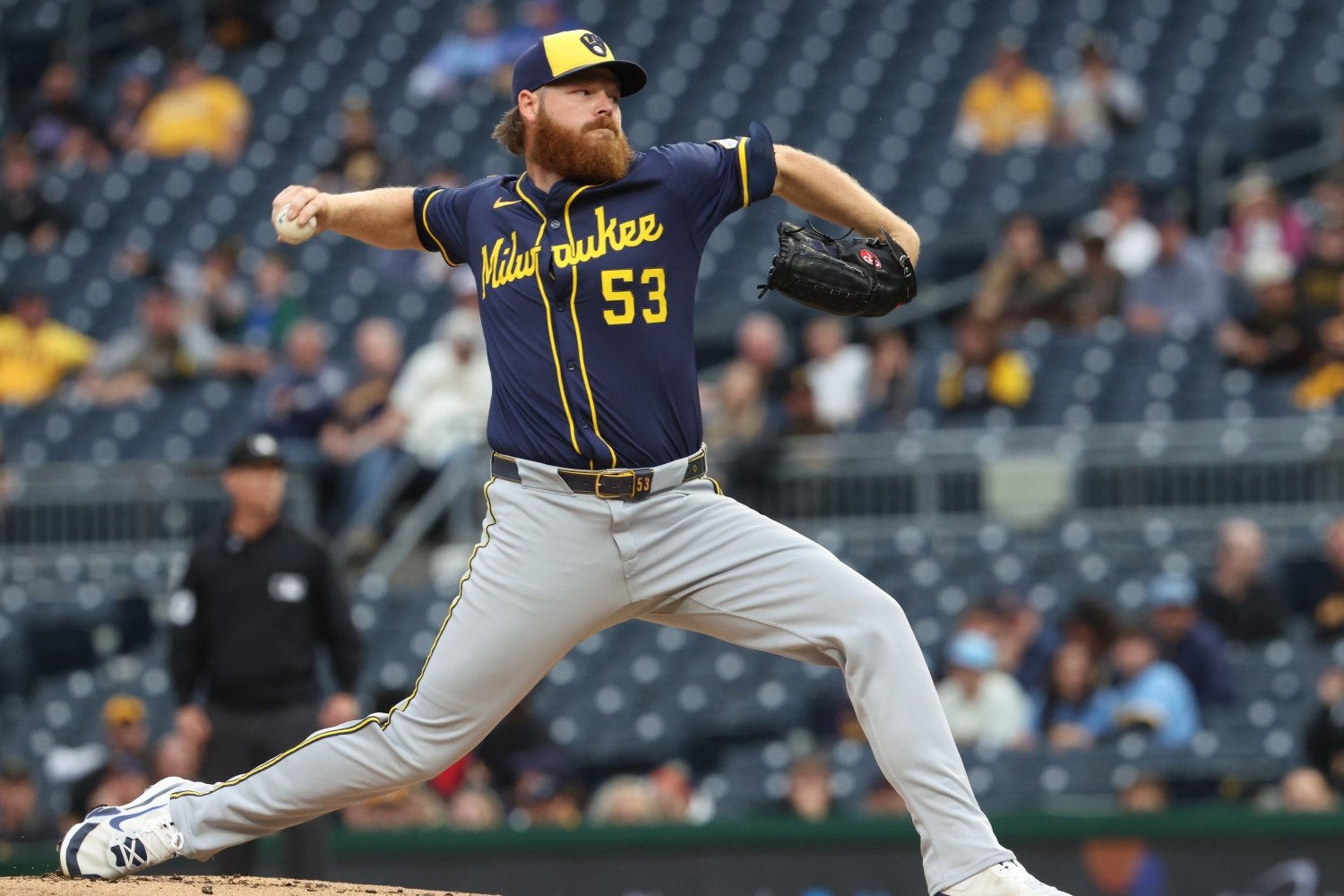 Brandon Woodruff will continue his tenure with the club into 2026, as Ken Rosenthal reported on Tuesday afternoon that the Brewers' former ace is accepting Milwaukee's qualifying offer. Woodruff's future with the Brewers was a major offseason storyline, for a few reasons. For starters, his injury woes over the past three seasons made it difficult to confidently project his value on the open market. The 32-year-old has taken the mound just 23 times over the last three years, pitching just 131 ⅔ innings. He made his return from shoulder surgery this year, but a right lat strain ended his season in September after 12 starts. Both Woodruff and the Brewers said his shoulder remained fully healthy, though, and they extended him a $22.025-million qualifying offer, an unprecedented salary commitment to a pitcher for the franchise. Some outlets projected he would land a three-year deal north of $60 million in free agency. He'll instead take the short-term route, with Rosenthal also noting that the two sides could still agree to a new multi-year contract with a lesser annual value. Woodruff's return brings some clarity to his short-term future, but it also raises new questions—the first being what he'll contribute on the field. He predictably lost three ticks of fastball velocity this year, but his pitch shapes and strong command remained intact, and he added a cutter during his rehab. That allowed his stuff to play just as well as it did in his prime, culminating in a 3.20 ERA, 2.18 xERA, and 81 DRA-. It's difficult to imagine the Brewers committing more than $20 million to their former ace if they did not expect additional velocity and durability from a fully healthy shoulder in 2026. Even so, it's an uncharacteristic gamble for a front office that usually prefers to maintain financial flexibility with more measured investments. That leads into the second question: how the Brewers will construct the rest of their pitching staff with Woodruff back in the fold. Cot's Contracts now projects their 2026 luxury tax payroll to exceed $130 million. Woodruff's presence in the clubhouse and on the books could make trading Freddy Peralta more palatable, especially with Logan Henderson, Robert Gasser, Tobias Myers, and Coleman Crow on the 40-man roster as capable rotation options. Plenty of moving parts remain throughout the pitching mix, both on and off the field. Some answers will become clearer in the coming weeks, while others will not until next summer. The only certainty, for now, is that Woodruff is still a Brewer.
- 14 comments
-
- 1
-
-
- brandon woodruff
- freddy peralta
- (and 5 more)
-
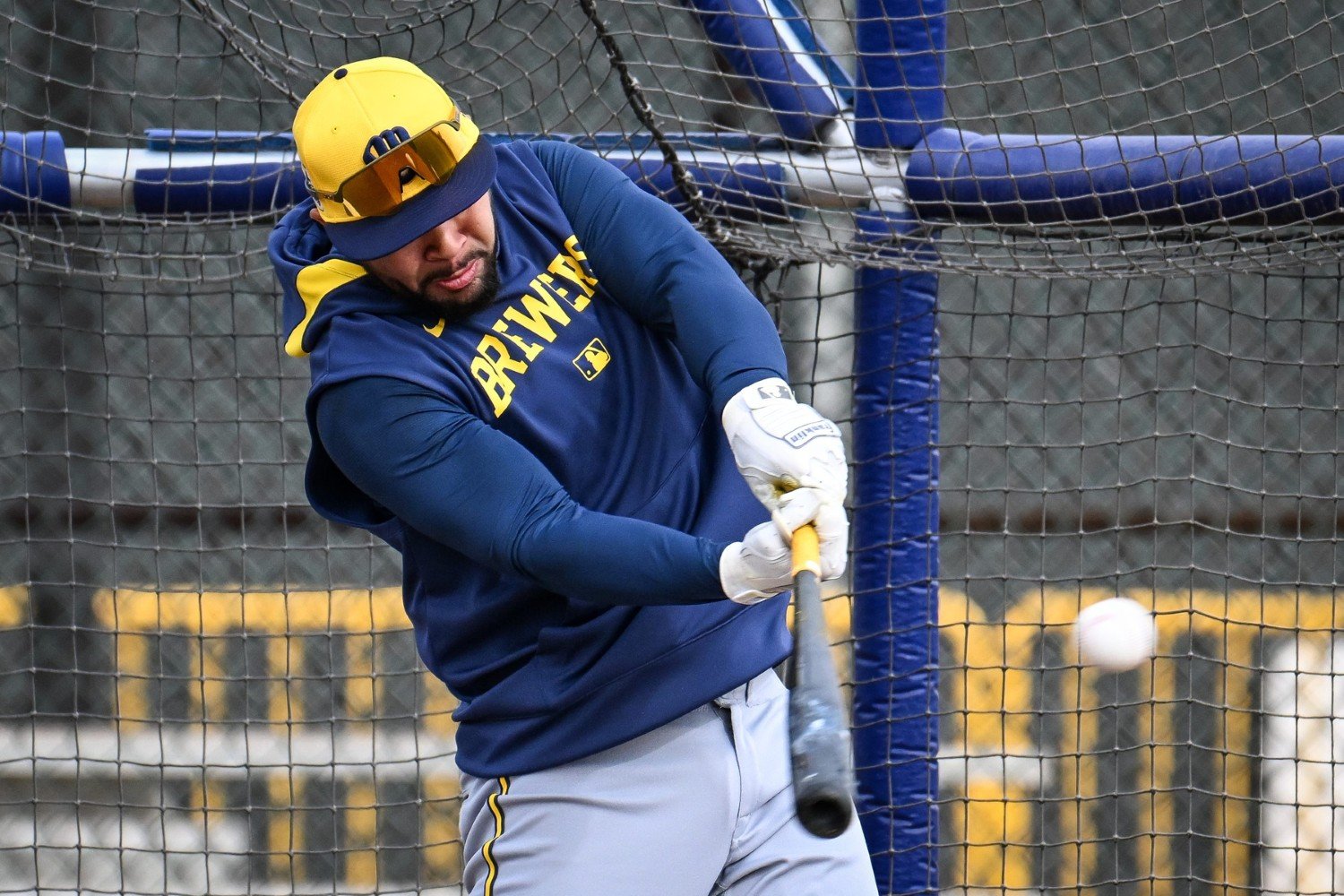 After spending nearly a month with the Brewers as a member of their taxi squad from late September through their postseason run to the NLCS, Jeferson Quero has returned to game action in winter ball. In the hitter-friendly Venezuelan Winter League, he has slashed .269/.356/.558 with four home runs. "He's a great kid, and he's a good player, and we're seeing it in winter ball right now," Brewers president of baseball operations and general manager Matt Arnold said earlier this week at MLB's annual GM Meetings in Las Vegas. "He's doing great. I feel like I get a new highlight emailed or texted to me every [day]. 'Hey, he hit another homer.' It's cool." With veterans Eric Haase and Danny Jansen no longer in the organization, Quero is the only full-time catcher on the 40-man roster, other than William Contreras. (Anthony Seigler is there, too, but has been predominantly an infielder for the last three seasons.) The Brewers could add a veteran to the mix this offseason to bolster their depth, but barring such an acquisition, Quero is in line to make his major-league debut next year as Contreras's backup. "We're always looking for depth, and competition is a good thing," Arnold said of Milwaukee's catching mix. "But I think Jeferson is a really special kid." A couple of years ago, it seemed Quero's moment would come much sooner. He breezed through three levels in his first two years of full-season ball, despite being nearly four years younger than his average peer at High A and Double A. His strong bat-to-ball skills played just fine against older pitching, and the hope was that he could translate more of his raw power into games down the line. Defensively, his elite throwing arm and mature handling of pitching staffs turned heads. Entering his age-21 season, Quero looked like the complete package and appeared on the cusp of reaching the majors. The Brewers selected his contract in November 2023 to protect him from that winter's Rule 5 draft, and he began the following season in Triple-A Nashville. Unfortunately, a pair of injury-marred seasons slowed what had been a quick ascent. Quero's first regular-season plate appearance of 2024 would be his last, as he suffered a torn labrum in his right shoulder on a dive back into first base and underwent season-ending surgery. A hamstring injury delayed his return to play until June 2025, after which the Brewers frequently utilized him as a DH to ease him back into the rigors of catching. When he did catch, Quero was not his usual self behind the plate. Most notably, his dominance over opposing running games (quantified by Baseball Prospectus as Swipe Runs) cratered. Season Framing Runs Blocking Runs Swipe Runs CS% CDA 2022 5.4 1.5 4.3 31% 12.3 2023 7.0 -0.5 4.5 35% 10.7 2025 -0.3 -0.2 -1.1 19% -1.6 In Quero's defense, that framing number should be taken with a grain of salt in a small sample of 34 games, and many of the successful steal attempts against him occurred on poorly-located pitches that put him in a suboptimal throwing position. Even so, it was clear that his formerly 70-grade arm was much closer to good than elite after major surgery. After he posted a subpar 29.7% hard-hit rate with an unremarkable 90th-percentile exit velocity of 102.8 mph, Quero's power surge in winter ball could be a sign that he's finally closing in on full strength after two trying years. His outlook in 2026 hinges heavily on his throwing and receiving trending toward their previous levels, along with improving his plate discipline to maximize his contact skills. While his walk rate was in line with the Triple-A average, his 36.8% chase rate ranked in the 11th percentile of hitters. Quero could still benefit from more minor-league seasoning, but the Brewers could instead work on those swing decisions at the big-league level, especially if he's only playing in a part-time capacity. They may also be more patient with the flaws in his game, because they hold his intangibles in such high regard. Quero's demeanor in spring training impressed Pat Murphy, who dubbed him "maybe my favorite prospect that's ever been with the Brewers." He's also an excellent game caller, and he showed an impressive knack for reading swings and sequencing pitches while catching live at-bats during the team's five-day bye before the NLDS. Those positive first impressions (coupled with a sparse free-agent catching market) could make the backup role Quero's to lose come spring training. "Whether that's on Opening Day or a couple years from now, I'm very excited about his future," Arnold said. DiamondCentric's John Bonnes contributed reporting to this story.
 -
Image courtesy of © Dave Kallmann / Milwaukee Journal Sentinel / USA TODAY NETWORK via Imagn Images After spending nearly a month with the Brewers as a member of their taxi squad from late September through their postseason run to the NLCS, Jeferson Quero has returned to game action in winter ball. In the hitter-friendly Venezuelan Winter League, he has slashed .269/.356/.558 with four home runs. "He's a great kid, and he's a good player, and we're seeing it in winter ball right now," Brewers president of baseball operations and general manager Matt Arnold said earlier this week at MLB's annual GM Meetings in Las Vegas. "He's doing great. I feel like I get a new highlight emailed or texted to me every [day]. 'Hey, he hit another homer.' It's cool." With veterans Eric Haase and Danny Jansen no longer in the organization, Quero is the only full-time catcher on the 40-man roster, other than William Contreras. (Anthony Seigler is there, too, but has been predominantly an infielder for the last three seasons.) The Brewers could add a veteran to the mix this offseason to bolster their depth, but barring such an acquisition, Quero is in line to make his major-league debut next year as Contreras's backup. "We're always looking for depth, and competition is a good thing," Arnold said of Milwaukee's catching mix. "But I think Jeferson is a really special kid." A couple of years ago, it seemed Quero's moment would come much sooner. He breezed through three levels in his first two years of full-season ball, despite being nearly four years younger than his average peer at High A and Double A. His strong bat-to-ball skills played just fine against older pitching, and the hope was that he could translate more of his raw power into games down the line. Defensively, his elite throwing arm and mature handling of pitching staffs turned heads. Entering his age-21 season, Quero looked like the complete package and appeared on the cusp of reaching the majors. The Brewers selected his contract in November 2023 to protect him from that winter's Rule 5 draft, and he began the following season in Triple-A Nashville. Unfortunately, a pair of injury-marred seasons slowed what had been a quick ascent. Quero's first regular-season plate appearance of 2024 would be his last, as he suffered a torn labrum in his right shoulder on a dive back into first base and underwent season-ending surgery. A hamstring injury delayed his return to play until June 2025, after which the Brewers frequently utilized him as a DH to ease him back into the rigors of catching. When he did catch, Quero was not his usual self behind the plate. Most notably, his dominance over opposing running games (quantified by Baseball Prospectus as Swipe Runs) cratered. Season Framing Runs Blocking Runs Swipe Runs CS% CDA 2022 5.4 1.5 4.3 31% 12.3 2023 7.0 -0.5 4.5 35% 10.7 2025 -0.3 -0.2 -1.1 19% -1.6 In Quero's defense, that framing number should be taken with a grain of salt in a small sample of 34 games, and many of the successful steal attempts against him occurred on poorly-located pitches that put him in a suboptimal throwing position. Even so, it was clear that his formerly 70-grade arm was much closer to good than elite after major surgery. After he posted a subpar 29.7% hard-hit rate with an unremarkable 90th-percentile exit velocity of 102.8 mph, Quero's power surge in winter ball could be a sign that he's finally closing in on full strength after two trying years. His outlook in 2026 hinges heavily on his throwing and receiving trending toward their previous levels, along with improving his plate discipline to maximize his contact skills. While his walk rate was in line with the Triple-A average, his 36.8% chase rate ranked in the 11th percentile of hitters. Quero could still benefit from more minor-league seasoning, but the Brewers could instead work on those swing decisions at the big-league level, especially if he's only playing in a part-time capacity. They may also be more patient with the flaws in his game, because they hold his intangibles in such high regard. Quero's demeanor in spring training impressed Pat Murphy, who dubbed him "maybe my favorite prospect that's ever been with the Brewers." He's also an excellent game caller, and he showed an impressive knack for reading swings and sequencing pitches while catching live at-bats during the team's five-day bye before the NLDS. Those positive first impressions (coupled with a sparse free-agent catching market) could make the backup role Quero's to lose come spring training. "Whether that's on Opening Day or a couple years from now, I'm very excited about his future," Arnold said. DiamondCentric's John Bonnes contributed reporting to this story. View full article
-
Image courtesy of © David Banks-Imagn Images Pat Murphy has now taken home hardware in each of his first two campaigns leading the Brewers, as the Baseball Writers' Association of America named him the National League Manager of the Year for the second straight season on Tuesday night. Murphy received 27 of 30 first-place votes. The 66-year-old became the third manager to win the award in consecutive seasons in either league, joining former Atlanta Braves manager Bobby Cox and Tampa Bay Rays manager Kevin Cash. Stephen Vogt, a repeat winner in the American League, joined him a few minutes later as the fourth. Murphy downplayed the recognition a year ago, deferring praise to his players and coaching staff. He struck the same tone in a conference call on Tuesday night. "I think there's a lot of other coaches on our staff that do it better than I do," Murphy said. "I think I get far too much credit for things like this, you know what I mean? Players win games." Because it's impossible to accurately quantify a manager's role in his team's success, the award effectively credits club-wide efforts to one person. The skipper of a team that overcomes adversity or outperforms external projections is often in line for votes. The Brewers have checked those boxes the last two seasons, going 93-69 in 2024 and a franchise-best 97-65 this year, winning the NL Central over the much bigger-spending Chicago Cubs both years. "We had the right who," Murphy said. "We had guys that are aware and hungry, and that makes the manager look good at the end of the day." Even so, Murphy has been integral in setting the tone for those players with his handling of interpersonal relationships inside the clubhouse. From that standpoint, he may be even more deserving of the award this time around. The Brewers didn't just improve on their previous season; they did so after a 21-25 start that had them in fourth place in the division on May 17. Murphy, who has often applied elements of an aggressive management style from his college coaching days to the big leagues, benched players on a few occasions for poor fundamental play and called multiple team meetings. He also publicly stated that the group had "misplaced [its] edge" and challenged his players to perform more competitively. The turnaround did not come immediately, and Murphy's efforts to correct course could have alienated players if not executed properly. Ultimately, though, the Brewers responded. Milwaukee went 76-40 through the rest of the regular season, securing baseball's best record, winning the division by five games, and advancing to the NLCS for the first time since 2018. "I think this year, the way we started—as opposed to [2024], we started so hot, and things were clicking—[2025] didn't start like that," Murphy recalled. "There were so many injuries and so many question marks, and so many guys searching for their best self. I think what clicks is the resiliency they had and the desire they had to get on it as quickly as possible." The Brewers' run ended unceremoniously when they ran out of steam against the Los Angeles Dodgers in an NLCS sweep. That came, in part, because Murphy and the staff allowed players to assume heavy workloads during the regular season. That's the sometimes detrimental product of his "Win Tonight" mentality, which can be a double-edged sword for a scrappy roster. Striking the proper balance between managing for tonight and for future wins remains an area for improvement moving forward, but it's hard to quibble with the results under Murphy's leadership. View full article
-
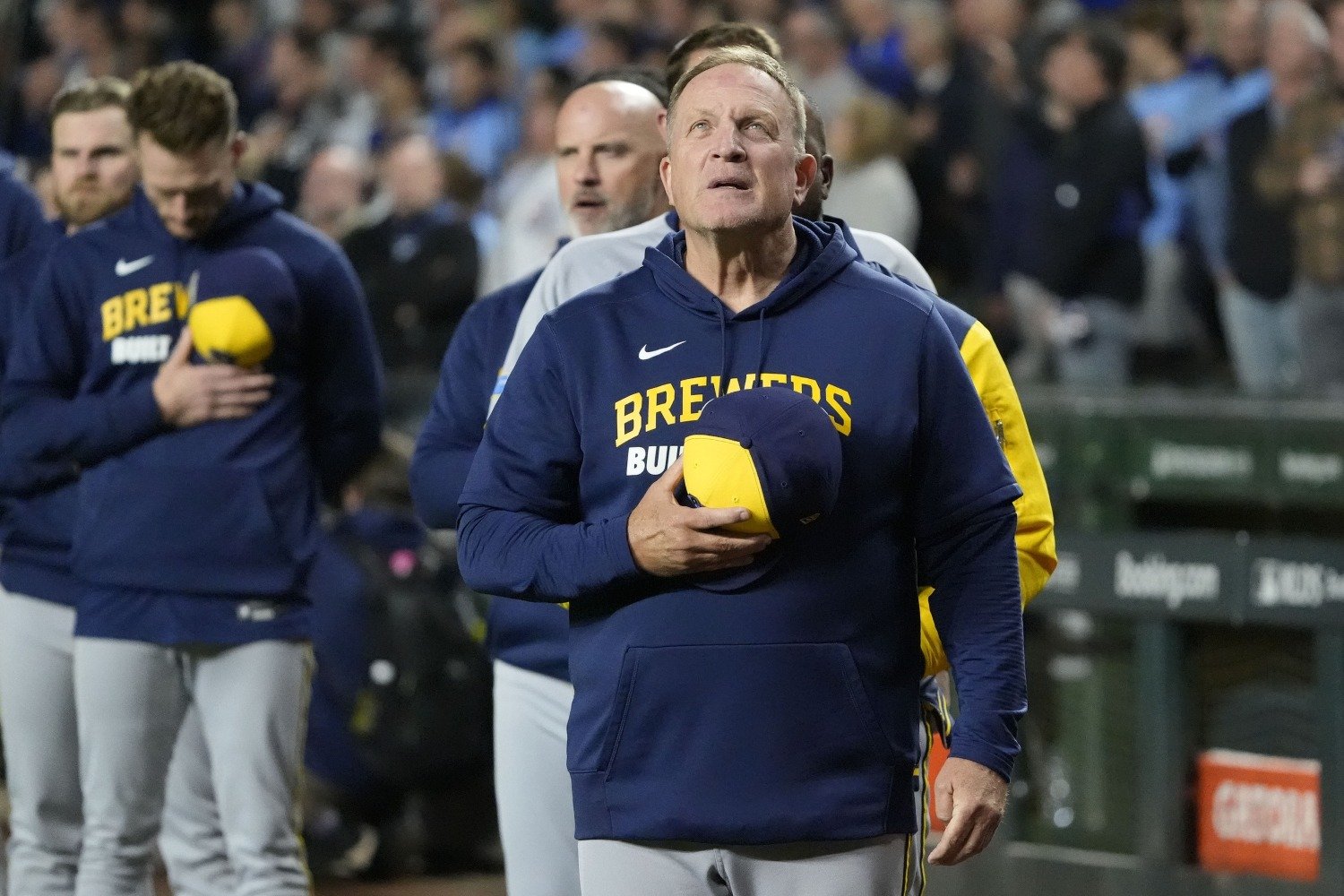 Pat Murphy has now taken home hardware in each of his first two campaigns leading the Brewers, as the Baseball Writers' Association of America named him the National League Manager of the Year for the second straight season on Tuesday night. Murphy received 27 of 30 first-place votes. The 66-year-old became the third manager to win the award in consecutive seasons in either league, joining former Atlanta Braves manager Bobby Cox and Tampa Bay Rays manager Kevin Cash. Stephen Vogt, a repeat winner in the American League, joined him a few minutes later as the fourth. Murphy downplayed the recognition a year ago, deferring praise to his players and coaching staff. He struck the same tone in a conference call on Tuesday night. "I think there's a lot of other coaches on our staff that do it better than I do," Murphy said. "I think I get far too much credit for things like this, you know what I mean? Players win games." Because it's impossible to accurately quantify a manager's role in his team's success, the award effectively credits club-wide efforts to one person. The skipper of a team that overcomes adversity or outperforms external projections is often in line for votes. The Brewers have checked those boxes the last two seasons, going 93-69 in 2024 and a franchise-best 97-65 this year, winning the NL Central over the much bigger-spending Chicago Cubs both years. "We had the right who," Murphy said. "We had guys that are aware and hungry, and that makes the manager look good at the end of the day." Even so, Murphy has been integral in setting the tone for those players with his handling of interpersonal relationships inside the clubhouse. From that standpoint, he may be even more deserving of the award this time around. The Brewers didn't just improve on their previous season; they did so after a 21-25 start that had them in fourth place in the division on May 17. Murphy, who has often applied elements of an aggressive management style from his college coaching days to the big leagues, benched players on a few occasions for poor fundamental play and called multiple team meetings. He also publicly stated that the group had "misplaced [its] edge" and challenged his players to perform more competitively. The turnaround did not come immediately, and Murphy's efforts to correct course could have alienated players if not executed properly. Ultimately, though, the Brewers responded. Milwaukee went 76-40 through the rest of the regular season, securing baseball's best record, winning the division by five games, and advancing to the NLCS for the first time since 2018. "I think this year, the way we started—as opposed to [2024], we started so hot, and things were clicking—[2025] didn't start like that," Murphy recalled. "There were so many injuries and so many question marks, and so many guys searching for their best self. I think what clicks is the resiliency they had and the desire they had to get on it as quickly as possible." The Brewers' run ended unceremoniously when they ran out of steam against the Los Angeles Dodgers in an NLCS sweep. That came, in part, because Murphy and the staff allowed players to assume heavy workloads during the regular season. That's the sometimes detrimental product of his "Win Tonight" mentality, which can be a double-edged sword for a scrappy roster. Striking the proper balance between managing for tonight and for future wins remains an area for improvement moving forward, but it's hard to quibble with the results under Murphy's leadership.
 -
Image courtesy of © Charles LeClaire-Imagn Images Some changes are coming to the Brewers' coaching staff. The club announced on Thursday afternoon that associate manager Rickie Weeks will transition out of the dugout, taking on a new role as special assistant in baseball operations and domestic/international scouting. The former Milwaukee second baseman returned to the organization in 2022 as part of the player development staff, and the club named him associate manager when it promoted Pat Murphy to manager after the 2023 season. At the time, those moves signaled that Weeks was the long-term successor of Craig Counsell, with former bench coach Murphy serving as a bridge while he learned the ropes of working on a big-league staff. That's not how things played out, though. Murphy will likely win his second consecutive National League Manager of the Year Award next week and should remain in his post for the duration of his original three-year contract. (In fact, an extension for Murphy this winter would be no surprise to anyone.) Weeks, meanwhile, will transition to the front office, where he'll be involved in player acquisition with an emphasis on scouting prospects for the amateur draft and international free agent market. The club notably announced that it will not hire a new associate manager to replace Weeks, instead reassigning his duties to other coaches. It's not the first time they've gone that route. After former run prevention coordinator Walker McKinven left for a gig with the Chicago White Sox, assistant pitching coach Jim Henderson and assistant coach Daniel de Mondesert assumed his responsibilities this year. Between de Mondesert, major league field coordinator and catching guru Nestor Corredor, infield coach Matt Erickson, and base coaches Julio Borbón and Jason Lane, the Brewers have ample in-house candidates to take on Weeks's responsibilities, assuming most of them remain with the team for 2026. Even so, it's notable that they will carry on without a traditional dugout deputy behind Murphy. Staffs are growing throughout baseball, though, particularly in Milwaukee, and the increased personnel has led to roles evolving beyond the longstanding coaching framework. Weeks's former title was a break from the norm, as was employing two pitching coaches and three hitting coaches. One of those hitting instructors is reportedly headed elsewhere, marking another change to Murphy's staff. Fansided's Robert Murray reported on Wednesday night that the Kansas City Royals are hiring Connor Dawson, who had been with the Brewers since the 2022 season. It's not yet clear whether Milwaukee will hire another coach to work with Eric Theisen under lead hitting coach Al LeBoeuf. View full article
-
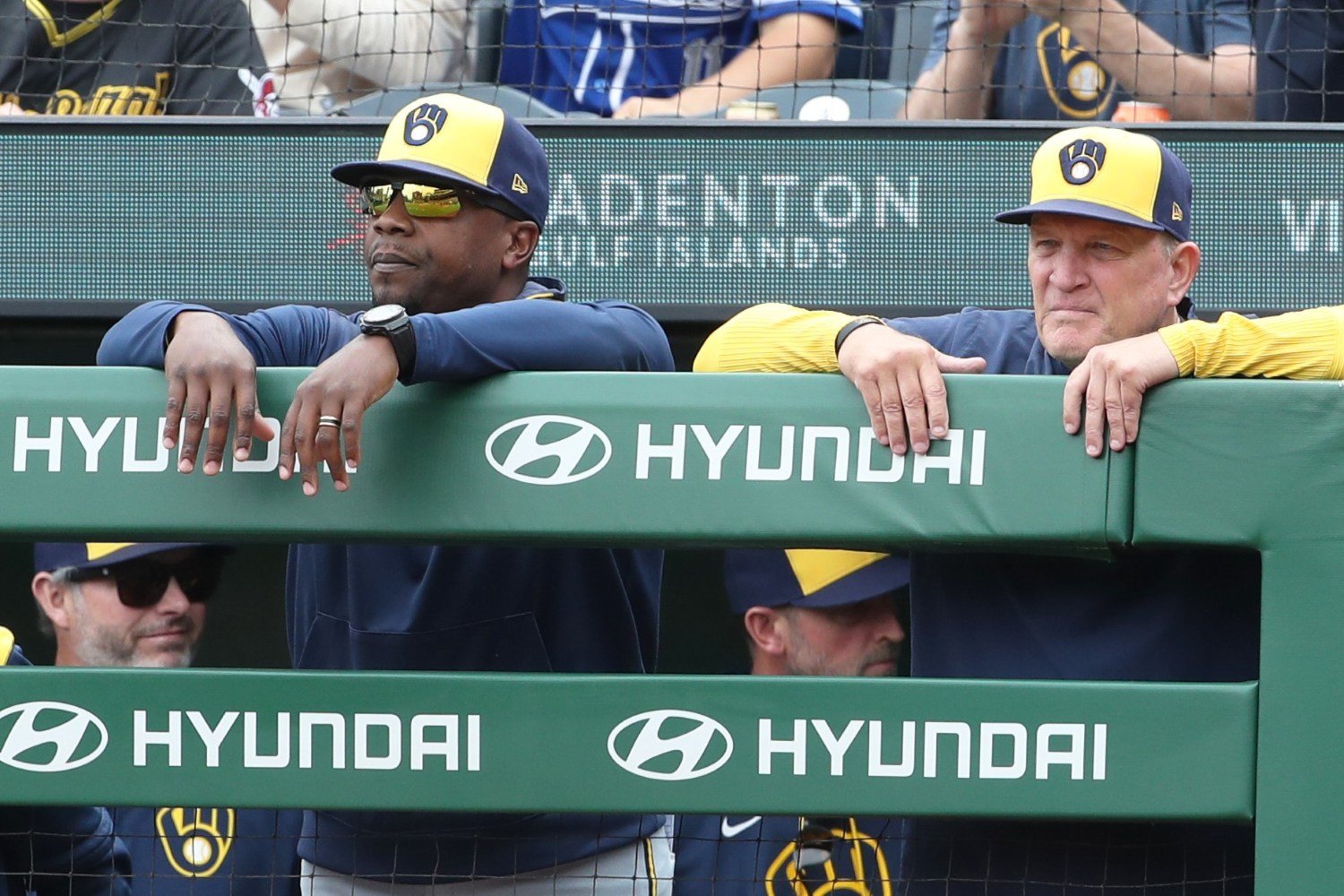 Some changes are coming to the Brewers' coaching staff. The club announced on Thursday afternoon that associate manager Rickie Weeks will transition out of the dugout, taking on a new role as special assistant in baseball operations and domestic/international scouting. The former Milwaukee second baseman returned to the organization in 2022 as part of the player development staff, and the club named him associate manager when it promoted Pat Murphy to manager after the 2023 season. At the time, those moves signaled that Weeks was the long-term successor of Craig Counsell, with former bench coach Murphy serving as a bridge while he learned the ropes of working on a big-league staff. That's not how things played out, though. Murphy will likely win his second consecutive National League Manager of the Year Award next week and should remain in his post for the duration of his original three-year contract. (In fact, an extension for Murphy this winter would be no surprise to anyone.) Weeks, meanwhile, will transition to the front office, where he'll be involved in player acquisition with an emphasis on scouting prospects for the amateur draft and international free agent market. The club notably announced that it will not hire a new associate manager to replace Weeks, instead reassigning his duties to other coaches. It's not the first time they've gone that route. After former run prevention coordinator Walker McKinven left for a gig with the Chicago White Sox, assistant pitching coach Jim Henderson and assistant coach Daniel de Mondesert assumed his responsibilities this year. Between de Mondesert, major league field coordinator and catching guru Nestor Corredor, infield coach Matt Erickson, and base coaches Julio Borbón and Jason Lane, the Brewers have ample in-house candidates to take on Weeks's responsibilities, assuming most of them remain with the team for 2026. Even so, it's notable that they will carry on without a traditional dugout deputy behind Murphy. Staffs are growing throughout baseball, though, particularly in Milwaukee, and the increased personnel has led to roles evolving beyond the longstanding coaching framework. Weeks's former title was a break from the norm, as was employing two pitching coaches and three hitting coaches. One of those hitting instructors is reportedly headed elsewhere, marking another change to Murphy's staff. Fansided's Robert Murray reported on Wednesday night that the Kansas City Royals are hiring Connor Dawson, who had been with the Brewers since the 2022 season. It's not yet clear whether Milwaukee will hire another coach to work with Eric Theisen under lead hitting coach Al LeBoeuf.
- 2 comments
-
- 1
-
-
- rickie weeks
- connor dawson
- (and 4 more)
-
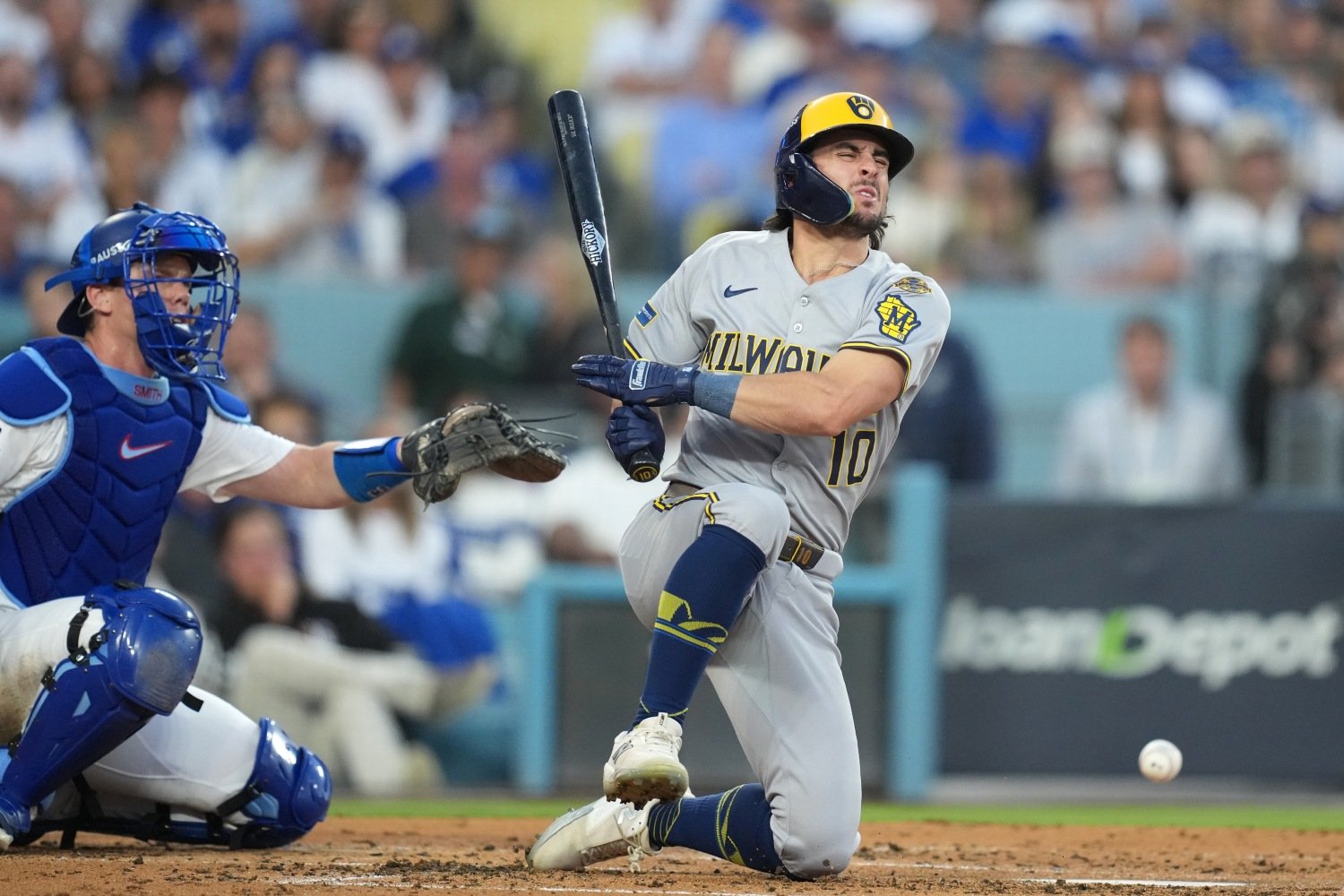 After slashing .255/.326/.339 with five home runs through his first two big-league seasons, Sal Frelick posted a career-best .288/.351/.405 line with 12 home runs in 2025. With a 114 wRC+, it was his first campaign of above-average offense, elevating him from a capable glove-first right fielder to tying with William Contreras as the Brewers' second-best position player by fWAR. He got there by improving his batted-ball profile, without compromising his contact skills. Frelick increased his average bat speed by 1.9 mph, the 13th-highest gain among qualified hitters from 2024 to 2025, while making what looked like a concerted effort to hit the right pitches further out in front of his body. Those changes allowed him to hit more balls harder to his pull side, boosting his production on contact. As Matt Trueblood wrote last month, he specifically eliminated some of his least valuable batted balls and created more of his best ones. Season Avg. Bat Speed (MPH) Intercept vs. Center of Mass (inches) Attack Angle HardHit% Pull% BABIP wOBAcon 2023 67.1 22.7 6° 23.6% 29.3% .286 .307 2024 66.3 24.8 6° 19.5% 29.5% .306 .301 2025 68.2 27.8 9° 27.4% 41.0% .317 .345 Process-based metrics recognized that Frelick improved, but not to the extent of his results. Baseball Prospectus viewed his offensive performance as average, rather than good, crediting him with a deserved .264/.332/.375 line and a 101 DRC+. Statcast was more bearish, assigning him an expected .263/.332/.351 and a .306 xwOBA that ranked in the 20th percentile of hitters. The issue is that it's still difficult to fully buy into his power surge. For Frelick to sustain it—let alone further improve upon it—he'll likely have to swing the bat even faster and hit the ball even harder more often. Those will never be his greatest strengths, but his improved bat speed and hard-hit rate still ranked in the 7th and 4th percentiles, respectively. It's hard to generate double-digit home-run power with that lack of thump. The average home run in 2025 left the bat at 104.6 mph, but Frelick's 12 of them averaged 101.5 mph. He hit five of his round-trippers (41.7%, the third-highest rate among hitters who went deep at least 10 times) less than 100 mph, meaning a significant chunk of them were struck well but not driven like a standard, surefire blast. Frelick caught those five pitches on the barrel at the perfect time and at the ideal angle, allowing them to travel far enough without generating typical home-run power on his own. That's not a new playbook. Houston Astros third baseman Isaac Paredes has built a career on creating more power than expected from poor bat speed and exit velocities, by pulling the ball at the proper launch angles. Caleb Durbin does it to a lesser extent, too. It's too early to say whether Frelick's excellent bat control affords him that ability, though. Given the razor-thin line between that kind of homer and a routine flyout (and how valuable his on-base ability is to Milwaukee's offense), it probably isn't a gambit he should attempt too often, anyway. If a handful of those pulled fly balls find gloves instead of carrying into the first few rows of seating, Frelick could drop 30 to 50 points of slugging average despite swinging the bat very similarly to how he did in 2025. He'll never be a slugger; nor does he need to be. However, he will likely need another round of growth similar to the one he just experienced to remain a catalyst in the Brewers' lineup, rather than a supporting character. In his fourth big-league season, he should aim to continue raising his floor, even closer to the gear he's flashed when fully unloading his best swing.
 -
Image courtesy of © Kirby Lee-Imagn Images After slashing .255/.326/.339 with five home runs through his first two big-league seasons, Sal Frelick posted a career-best .288/.351/.405 line with 12 home runs in 2025. With a 114 wRC+, it was his first campaign of above-average offense, elevating him from a capable glove-first right fielder to tying with William Contreras as the Brewers' second-best position player by fWAR. He got there by improving his batted-ball profile, without compromising his contact skills. Frelick increased his average bat speed by 1.9 mph, the 13th-highest gain among qualified hitters from 2024 to 2025, while making what looked like a concerted effort to hit the right pitches further out in front of his body. Those changes allowed him to hit more balls harder to his pull side, boosting his production on contact. As Matt Trueblood wrote last month, he specifically eliminated some of his least valuable batted balls and created more of his best ones. Season Avg. Bat Speed (MPH) Intercept vs. Center of Mass (inches) Attack Angle HardHit% Pull% BABIP wOBAcon 2023 67.1 22.7 6° 23.6% 29.3% .286 .307 2024 66.3 24.8 6° 19.5% 29.5% .306 .301 2025 68.2 27.8 9° 27.4% 41.0% .317 .345 Process-based metrics recognized that Frelick improved, but not to the extent of his results. Baseball Prospectus viewed his offensive performance as average, rather than good, crediting him with a deserved .264/.332/.375 line and a 101 DRC+. Statcast was more bearish, assigning him an expected .263/.332/.351 and a .306 xwOBA that ranked in the 20th percentile of hitters. The issue is that it's still difficult to fully buy into his power surge. For Frelick to sustain it—let alone further improve upon it—he'll likely have to swing the bat even faster and hit the ball even harder more often. Those will never be his greatest strengths, but his improved bat speed and hard-hit rate still ranked in the 7th and 4th percentiles, respectively. It's hard to generate double-digit home-run power with that lack of thump. The average home run in 2025 left the bat at 104.6 mph, but Frelick's 12 of them averaged 101.5 mph. He hit five of his round-trippers (41.7%, the third-highest rate among hitters who went deep at least 10 times) less than 100 mph, meaning a significant chunk of them were struck well but not driven like a standard, surefire blast. Frelick caught those five pitches on the barrel at the perfect time and at the ideal angle, allowing them to travel far enough without generating typical home-run power on his own. That's not a new playbook. Houston Astros third baseman Isaac Paredes has built a career on creating more power than expected from poor bat speed and exit velocities, by pulling the ball at the proper launch angles. Caleb Durbin does it to a lesser extent, too. It's too early to say whether Frelick's excellent bat control affords him that ability, though. Given the razor-thin line between that kind of homer and a routine flyout (and how valuable his on-base ability is to Milwaukee's offense), it probably isn't a gambit he should attempt too often, anyway. If a handful of those pulled fly balls find gloves instead of carrying into the first few rows of seating, Frelick could drop 30 to 50 points of slugging average despite swinging the bat very similarly to how he did in 2025. He'll never be a slugger; nor does he need to be. However, he will likely need another round of growth similar to the one he just experienced to remain a catalyst in the Brewers' lineup, rather than a supporting character. In his fourth big-league season, he should aim to continue raising his floor, even closer to the gear he's flashed when fully unloading his best swing. View full article
-
Will Brewers Reassess Workload Management After Hitting a Wall in October?
Jack Stern posted an article in Brewers
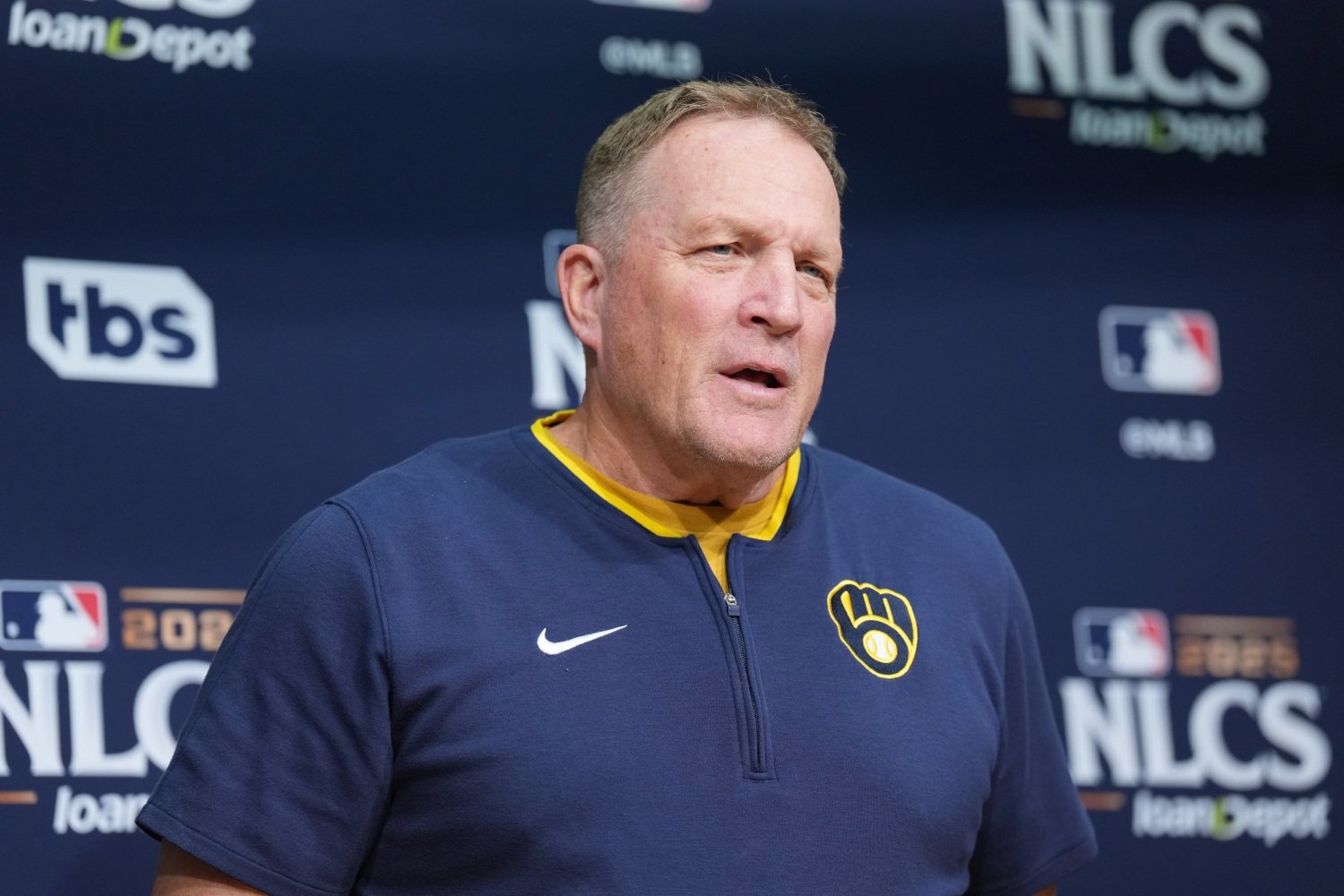 A week after their season ended with the Dodgers unceremoniously sweeping them out of the NLCS, Pat Murphy and the Brewers are in the reflection stage. “There's definitely things to take note of,” Murphy said at a season-ending press conference on Thursday. “The day that we lost in Los Angeles, that was my first day of notes—‘postseason recommendations,’ like, ‘what are things that are apparent here?’” Most apparent was that Milwaukee didn’t just lose the series, but rarely looked competitive throughout those four games. Even though Dodgers starting pitchers would have been tough on any offense, the Brewers could have averaged more than one run per game. Instead, they bore little resemblance to the scrappy group that clawed its way to October’s top seed with the best regular season in franchise history. They looked overmatched, but what’s more, they looked worn out. “We didn't put our best foot forward,” Murphy said. “But there's all sorts of things to learn from it about, how do we get them playing consistent?” One of those potential lessons—and a topic the Brewers must at least discuss over the winter—is enforcing stricter workload management. There were signs that the group was wearing down in the regular season’s final weeks, mainly on the positional side, but also in the bullpen. Several Milwaukee hitters saw their average bat speed decrease in September. Abner Uribe, who was one of eight relievers to pitch in at least 75 games this year, lost a couple of ticks of velocity. Timely home runs and big pitching performances by Jacob Misiorowski and Chad Patrick carried the Brewers through the NLDS in five games, but Murphy acknowledged before the series finale that his players were “pretty drained,” both physically and mentally. While no team is playing at 100% nearly 170 games into the year, he said on Thursday that it continued into the next round. “I think the Cubs series just emotionally took so much out of them, and then to have to come back the next day and play was difficult on the guys,” Murphy said. “But that’s another learning situation for us, so here we go.” While he made more attempts to ease workloads leading into the playoffs, Murphy has been unafraid to push the envelope to win the game in front of him each night, including early in the season. When William Contreras and Sal Frelick fought to remain in the lineup each night while battling hand and knee injuries, he typically obliged. The same was true of Uribe, Nick Mears, and later Aaron Ashby, even as they racked up appearances and innings at unsustainable rates. “Do we know for sure that if Contreras caught 10 [fewer] games, we would have been better [in the playoffs]?” Murphy asked rhetorically. “No. But it speaks to the fact of how big of a grind it is, especially when you play like we play.” To his point, it’s impossible to say how much those earlier workloads affected the Brewers come October. The reality, though, was that the well ran dry nearly two weeks before the World Series, the endgame of the franchise’s competitive aspirations. The way they play and how much they play throughout the regular season seemed to be contributing factors. “We have a bunch of guys that are, for lack of a better term, overachievers, guys that play above their physical talent,” Murphy said. “Is there something about that that crushes them after a while? They play so hard. A [Caleb Durbin], a [Brice Turang], a Sal—is there something to that, that we need to protect them, that they're a little bit fragile while they're young? Do we need to schedule the off days differently?” Murphy’s answer to that question suggested that he remains wary of toning down the aggressive approach that led the Brewers to division titles in each of his first two seasons at the helm. “I hate to lose that 'win tonight' mentality, or show them any signs of not trying to win tonight,” he said. “I think that hurts your team more, and you could end up sitting at home because you're going to rest guys when they've got a lot of fuel left in the tank.” There must be enough fuel left in October, though. It's a challenging balance to strike, but part of the job nonetheless. Whether the adjustments are physical, mental, emotional, or all of the above, the Brewers must leave their players better equipped to play deep into the fall next year.
- 12 comments
-
- 1
-
-
- pat murphy
- william contreras
- (and 4 more)
-
Image courtesy of © Kirby Lee-Imagn Images A week after their season ended with the Dodgers unceremoniously sweeping them out of the NLCS, Pat Murphy and the Brewers are in the reflection stage. “There's definitely things to take note of,” Murphy said at a season-ending press conference on Thursday. “The day that we lost in Los Angeles, that was my first day of notes—‘postseason recommendations,’ like, ‘what are things that are apparent here?’” Most apparent was that Milwaukee didn’t just lose the series, but rarely looked competitive throughout those four games. Even though Dodgers starting pitchers would have been tough on any offense, the Brewers could have averaged more than one run per game. Instead, they bore little resemblance to the scrappy group that clawed its way to October’s top seed with the best regular season in franchise history. They looked overmatched, but what’s more, they looked worn out. “We didn't put our best foot forward,” Murphy said. “But there's all sorts of things to learn from it about, how do we get them playing consistent?” One of those potential lessons—and a topic the Brewers must at least discuss over the winter—is enforcing stricter workload management. There were signs that the group was wearing down in the regular season’s final weeks, mainly on the positional side, but also in the bullpen. Several Milwaukee hitters saw their average bat speed decrease in September. Abner Uribe, who was one of eight relievers to pitch in at least 75 games this year, lost a couple of ticks of velocity. Timely home runs and big pitching performances by Jacob Misiorowski and Chad Patrick carried the Brewers through the NLDS in five games, but Murphy acknowledged before the series finale that his players were “pretty drained,” both physically and mentally. While no team is playing at 100% nearly 170 games into the year, he said on Thursday that it continued into the next round. “I think the Cubs series just emotionally took so much out of them, and then to have to come back the next day and play was difficult on the guys,” Murphy said. “But that’s another learning situation for us, so here we go.” While he made more attempts to ease workloads leading into the playoffs, Murphy has been unafraid to push the envelope to win the game in front of him each night, including early in the season. When William Contreras and Sal Frelick fought to remain in the lineup each night while battling hand and knee injuries, he typically obliged. The same was true of Uribe, Nick Mears, and later Aaron Ashby, even as they racked up appearances and innings at unsustainable rates. “Do we know for sure that if Contreras caught 10 [fewer] games, we would have been better [in the playoffs]?” Murphy asked rhetorically. “No. But it speaks to the fact of how big of a grind it is, especially when you play like we play.” To his point, it’s impossible to say how much those earlier workloads affected the Brewers come October. The reality, though, was that the well ran dry nearly two weeks before the World Series, the endgame of the franchise’s competitive aspirations. The way they play and how much they play throughout the regular season seemed to be contributing factors. “We have a bunch of guys that are, for lack of a better term, overachievers, guys that play above their physical talent,” Murphy said. “Is there something about that that crushes them after a while? They play so hard. A [Caleb Durbin], a [Brice Turang], a Sal—is there something to that, that we need to protect them, that they're a little bit fragile while they're young? Do we need to schedule the off days differently?” Murphy’s answer to that question suggested that he remains wary of toning down the aggressive approach that led the Brewers to division titles in each of his first two seasons at the helm. “I hate to lose that 'win tonight' mentality, or show them any signs of not trying to win tonight,” he said. “I think that hurts your team more, and you could end up sitting at home because you're going to rest guys when they've got a lot of fuel left in the tank.” There must be enough fuel left in October, though. It's a challenging balance to strike, but part of the job nonetheless. Whether the adjustments are physical, mental, emotional, or all of the above, the Brewers must leave their players better equipped to play deep into the fall next year. View full article
-
Image courtesy of © Kirby Lee-Imagn Images The parallel was striking. With the Brewers needing everything to go right to keep their season alive, they started a pitcher who needed to be nearly perfect to succeed. At this stage of his career, José Quintana is a capable back-of-the-rotation starter—at least in the regular season. His 3.96 ERA this year was deceiving, though. Quintana's strikeout, walk, ground ball, and hard-hit rates were all well below average, translating to a 5.47 Deserved Run Average (DRA). He would need both pinpoint location on the edges of the strike zone and great defense behind him to tame a potent Dodgers lineup. Unsurprisingly, Quintana wasn't perfect. He allowed three runs on six hits, while recording just six outs. He wasn't the reason Milwaukee's storybook 2025 season ended on Friday night, though. He was pitching in a do-or-die situation, after his teammates dropped the first three games of the series. Each moment in a baseball game carries some impact (great or small) on a team's likelihood of winning. Pinning a victory or loss exclusively on any player, group, or play is a futile exercise. The Brewers' most glaring and undeniable shortcoming in the series, though, was their lack of offense. Blake Snell, Yoshinobu Yamamoto, Tyler Glasnow, and Shohei Ohtani were fantastic. Most lineups would have fared poorly, given how well each of those four pitched, but many groups (including plenty of alternate-universe versions of this one) would have done better than Milwaukee's .119/.191/.193 line in the series. By OPS, that was the fifth-worst four-game stretch of postseason offense by any team in the modern era. Hanging crooked numbers on those starters may not have been realistic, but averaging one run per game simply was not good enough. Part of the job in the postseason is having competitive plate appearances against great pitchers and making them work for each out. The Brewers did precisely that for much of the regular season, inflating pitch counts by refusing to chase and making frequent contact. Those strengths disintegrated in the NLCS, save for a few fleeting moments scattered throughout the series. A similar story played out each night. Milwaukee hitters chased, whiffed, and did not look remotely competitive during the vast majority of their plate appearances. For whatever reason, they continued to swing at torrents of offspeed pitches from Snell and Yamamoto as if they were fastballs, rendering what was already a challenging task impossible. Even after getting into a vulnerable bullpen a bit earlier in Games 3 and 4, they did little to apply pressure to those relievers. For a team that prided itself on playing relentlessly and bouncing back from adversity, it was a jarring finish. The 2025 Brewers overcame the worst 0-4 start in MLB history and a record that remained below .500 until May 28 to win a franchise-record 97 regular-season games and secure home-field advantage throughout the postseason. All of a sudden, they stopped punching back. With the outs ticking down on their season, Ohtani sent Pat Murphy's Average Joes packing with a historic performance. Their season ended as meekly as it began. As he labored for six outs in an elimination game, Quintana was an emblem of the roster flanking him: a group of bona fide big-leaguers that was greater than the sum of its parts in a fantastic regular season, but not good enough in October to reach the postseason finish line. Now the Brewers find themselves in the familiar position of reviewing why things failed to work on a bigger stage, and what (if anything) they should have done differently. That's been the catch associated with Milwaukee's sustained regular-season dominance. When a team punches its ticket to the postseason, it also incurs the high likelihood of a disappointing exit. Any outcome other than a championship will sting, and prompt tough questions. Zooming out, this group still deserves credit for its accomplishments, and next year's team should get another bite at the apple. For many, though, that may not ease the immediate frustration of another season falling short of the ultimate goal. View full article
-
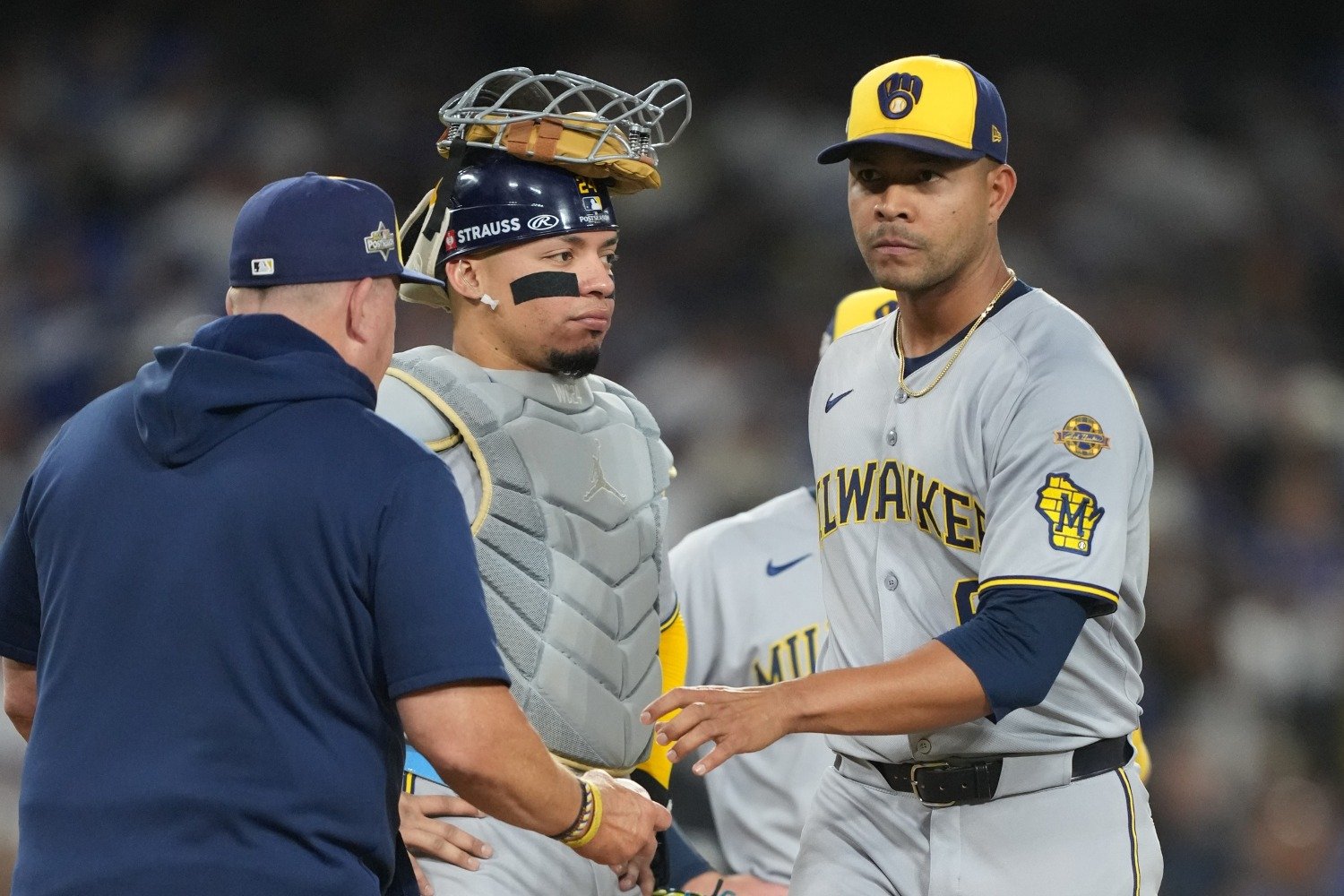 The parallel was striking. With the Brewers needing everything to go right to keep their season alive, they started a pitcher who needed to be nearly perfect to succeed. At this stage of his career, José Quintana is a capable back-of-the-rotation starter—at least in the regular season. His 3.96 ERA this year was deceiving, though. Quintana's strikeout, walk, ground ball, and hard-hit rates were all well below average, translating to a 5.47 Deserved Run Average (DRA). He would need both pinpoint location on the edges of the strike zone and great defense behind him to tame a potent Dodgers lineup. Unsurprisingly, Quintana wasn't perfect. He allowed three runs on six hits, while recording just six outs. He wasn't the reason Milwaukee's storybook 2025 season ended on Friday night, though. He was pitching in a do-or-die situation, after his teammates dropped the first three games of the series. Each moment in a baseball game carries some impact (great or small) on a team's likelihood of winning. Pinning a victory or loss exclusively on any player, group, or play is a futile exercise. The Brewers' most glaring and undeniable shortcoming in the series, though, was their lack of offense. Blake Snell, Yoshinobu Yamamoto, Tyler Glasnow, and Shohei Ohtani were fantastic. Most lineups would have fared poorly, given how well each of those four pitched, but many groups (including plenty of alternate-universe versions of this one) would have done better than Milwaukee's .119/.191/.193 line in the series. By OPS, that was the fifth-worst four-game stretch of postseason offense by any team in the modern era. Hanging crooked numbers on those starters may not have been realistic, but averaging one run per game simply was not good enough. Part of the job in the postseason is having competitive plate appearances against great pitchers and making them work for each out. The Brewers did precisely that for much of the regular season, inflating pitch counts by refusing to chase and making frequent contact. Those strengths disintegrated in the NLCS, save for a few fleeting moments scattered throughout the series. A similar story played out each night. Milwaukee hitters chased, whiffed, and did not look remotely competitive during the vast majority of their plate appearances. For whatever reason, they continued to swing at torrents of offspeed pitches from Snell and Yamamoto as if they were fastballs, rendering what was already a challenging task impossible. Even after getting into a vulnerable bullpen a bit earlier in Games 3 and 4, they did little to apply pressure to those relievers. For a team that prided itself on playing relentlessly and bouncing back from adversity, it was a jarring finish. The 2025 Brewers overcame the worst 0-4 start in MLB history and a record that remained below .500 until May 28 to win a franchise-record 97 regular-season games and secure home-field advantage throughout the postseason. All of a sudden, they stopped punching back. With the outs ticking down on their season, Ohtani sent Pat Murphy's Average Joes packing with a historic performance. Their season ended as meekly as it began. As he labored for six outs in an elimination game, Quintana was an emblem of the roster flanking him: a group of bona fide big-leaguers that was greater than the sum of its parts in a fantastic regular season, but not good enough in October to reach the postseason finish line. Now the Brewers find themselves in the familiar position of reviewing why things failed to work on a bigger stage, and what (if anything) they should have done differently. That's been the catch associated with Milwaukee's sustained regular-season dominance. When a team punches its ticket to the postseason, it also incurs the high likelihood of a disappointing exit. Any outcome other than a championship will sting, and prompt tough questions. Zooming out, this group still deserves credit for its accomplishments, and next year's team should get another bite at the apple. For many, though, that may not ease the immediate frustration of another season falling short of the ultimate goal.
 -
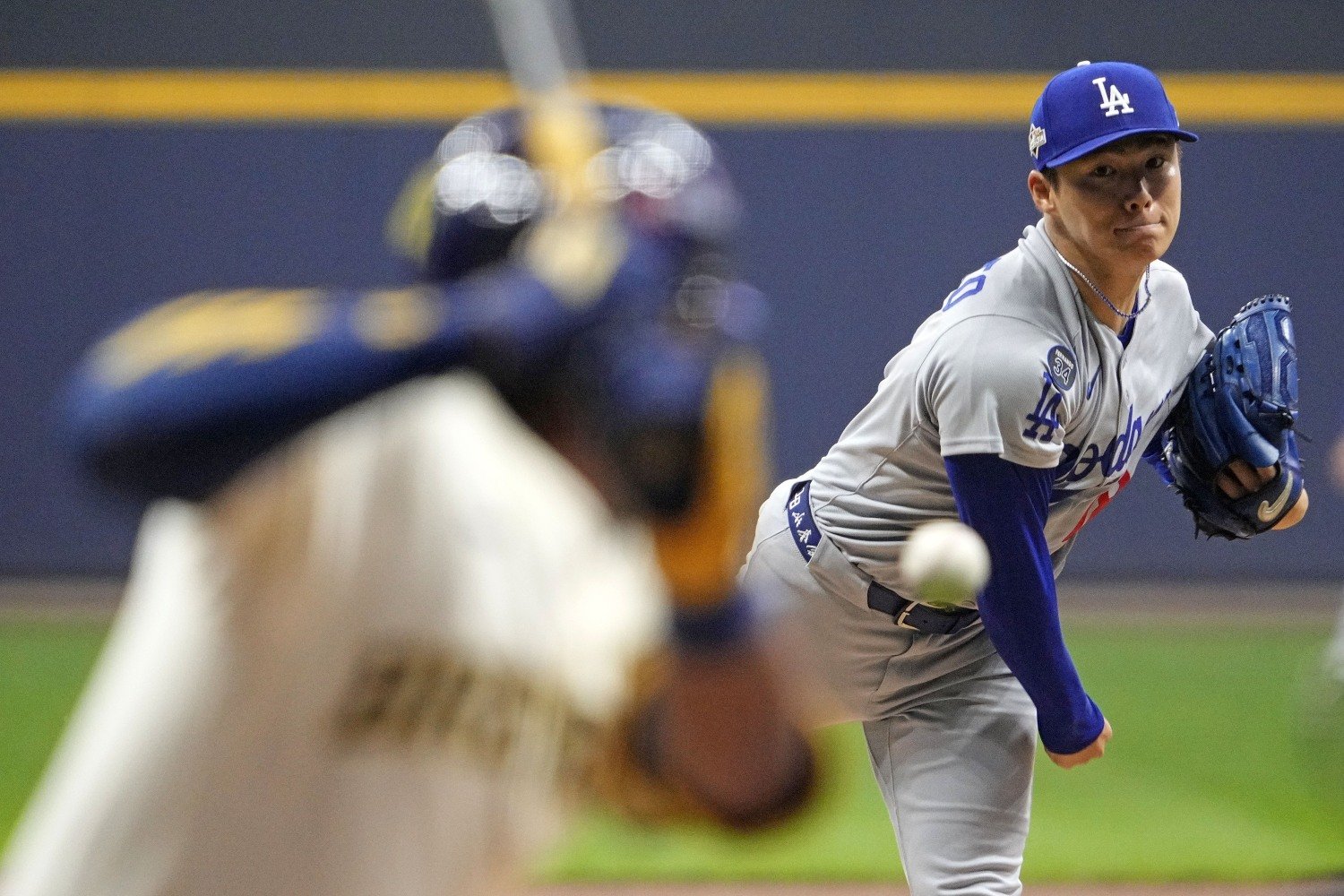 After Blake Snell left the Brewers looking like an entirely different offense in Game 1 of the NLCS, they looked even worse the following night. After Jackson Chourio’s leadoff home run on Yoshinobu Yamamoto’s first pitch, Yamamoto silenced them the rest of the way, tossing a complete game as the Dodgers breezed to a 5-1 win. Snell needed just 103 pitches to cruise through 24 outs; Yamamoto went the distance on 111 pitches. Against Snell, the Brewers chased 33% of out-of-zone pitches and whiffed on 45% of their swings; they whiffed less against Yamamoto but chased a whopping 40% of pitches outside the zone. “We chased way more than we’ve chased all year,” Pat Murphy said. “We’ve been the best in baseball at not chasing. These pitchers brought out the worst in us.” During Snell’s outing, the Brewers looked unprepared for the changeup-heavy mix he used—one he implemented in the anticipation that they would try to jump on his fastball. Against Yamamoto, it was an even more glaring version of the same issue. Their swing decisions against the right-hander’s four-seam fastball—an aggressive 72% in-zone swing rate and a modest 22% chase rate—were solid. The problem was that Milwaukee hitters looked as though they were seeing a fastball out of the hand on most pitches, even though Yamamoto only threw his four-seamer and two-seamer a combined 32% of the time. That allowed him to carve through their lineup with his splitter and curveball. Several Brewers hitters, perhaps seeing those curveballs as fastballs, gave up on ones that started above the zone and dropped in for strikes. Meanwhile, they chased 52% of splitters outside the zone, seemingly misidentifying them as heaters before they dove beneath their knees. “This guy’s split looks like a heater,” Murphy said. “Comes out of the same tunnel. It looks exactly the same. He’s got an impeccable delivery. He doesn’t miss a lot. And the ball shows up as a heater—bang, goes down.” “It was moving late,” said Christian Yelich, who chased back-to-back splitters below the zone in a fourth-inning strikeout as part of an 0-for-4 night. “He did a good job of setting it up a lot, setting up his pitches. It’s good sequencing. He just made it tough on us, keeping everybody off balance. He was doing a really good job of landing it at the bottom and going just below that. Same with the breaking balls.” Through the first four innings, Yamamoto induced a 52% chase rate. The Brewers chased less and showed signs of trying to adjust during their third and fourth turns against him, but they remained caught in between his fastball and splitter pairing. “He kind of approached each at-bat differently,” Yelich said. “It wasn’t really the same attack plan every time.” After dropping the first two games, the odds are stacked heavily against the Brewers as the series moves to Los Angeles. Teams that took a 2-0 lead in a best-of-seven series have gone on to win that series 84% of the time. To advance to the World Series, Milwaukee must buck history while playing three games on the road in three days, and counting on Jacob Misiorowski and José Quintana to record a significant number of outs. “I understand that 90% of teams that have been in this situation don’t win the series,” Murphy said. “But this team has been counted out a lot this year, and I think there’s some fight left in them.” The Brewers showed in Game 1 that they can make life difficult for an unstable Dodgers bullpen, but exploiting that relief corps requires getting past the starter. That won’t get much easier against Tyler Glasnow and Shohei Ohtani, who will start Games 3 and 4, respectively. Glasnow does not throw a changeup, but Ohtani has improved his splitter shape this year and could deploy it more than usual after his teammates’ success. “We’ve got to take better at-bats,” Jackson Chourio said through translator Daniel de Mondesert. “That’s kind of where it begins.” “It seems like you can go an entire game without seeing a pitch over the heart of the plate, so obviously, it’s tough,” said Jake Bauers. “That being said, we’ve got to take it upon ourselves to try and do something to disrupt their timing and get them a little bit more uncomfortable on the mound.”
- 1 comment
-
- 1
-
-
- jackson chourio
- christian yelich
- (and 2 more)
-
Image courtesy of © Michael McLoone-Imagn Images After Blake Snell left the Brewers looking like an entirely different offense in Game 1 of the NLCS, they looked even worse the following night. After Jackson Chourio’s leadoff home run on Yoshinobu Yamamoto’s first pitch, Yamamoto silenced them the rest of the way, tossing a complete game as the Dodgers breezed to a 5-1 win. Snell needed just 103 pitches to cruise through 24 outs; Yamamoto went the distance on 111 pitches. Against Snell, the Brewers chased 33% of out-of-zone pitches and whiffed on 45% of their swings; they whiffed less against Yamamoto but chased a whopping 40% of pitches outside the zone. “We chased way more than we’ve chased all year,” Pat Murphy said. “We’ve been the best in baseball at not chasing. These pitchers brought out the worst in us.” During Snell’s outing, the Brewers looked unprepared for the changeup-heavy mix he used—one he implemented in the anticipation that they would try to jump on his fastball. Against Yamamoto, it was an even more glaring version of the same issue. Their swing decisions against the right-hander’s four-seam fastball—an aggressive 72% in-zone swing rate and a modest 22% chase rate—were solid. The problem was that Milwaukee hitters looked as though they were seeing a fastball out of the hand on most pitches, even though Yamamoto only threw his four-seamer and two-seamer a combined 32% of the time. That allowed him to carve through their lineup with his splitter and curveball. Several Brewers hitters, perhaps seeing those curveballs as fastballs, gave up on ones that started above the zone and dropped in for strikes. Meanwhile, they chased 52% of splitters outside the zone, seemingly misidentifying them as heaters before they dove beneath their knees. “This guy’s split looks like a heater,” Murphy said. “Comes out of the same tunnel. It looks exactly the same. He’s got an impeccable delivery. He doesn’t miss a lot. And the ball shows up as a heater—bang, goes down.” “It was moving late,” said Christian Yelich, who chased back-to-back splitters below the zone in a fourth-inning strikeout as part of an 0-for-4 night. “He did a good job of setting it up a lot, setting up his pitches. It’s good sequencing. He just made it tough on us, keeping everybody off balance. He was doing a really good job of landing it at the bottom and going just below that. Same with the breaking balls.” Through the first four innings, Yamamoto induced a 52% chase rate. The Brewers chased less and showed signs of trying to adjust during their third and fourth turns against him, but they remained caught in between his fastball and splitter pairing. “He kind of approached each at-bat differently,” Yelich said. “It wasn’t really the same attack plan every time.” After dropping the first two games, the odds are stacked heavily against the Brewers as the series moves to Los Angeles. Teams that took a 2-0 lead in a best-of-seven series have gone on to win that series 84% of the time. To advance to the World Series, Milwaukee must buck history while playing three games on the road in three days, and counting on Jacob Misiorowski and José Quintana to record a significant number of outs. “I understand that 90% of teams that have been in this situation don’t win the series,” Murphy said. “But this team has been counted out a lot this year, and I think there’s some fight left in them.” The Brewers showed in Game 1 that they can make life difficult for an unstable Dodgers bullpen, but exploiting that relief corps requires getting past the starter. That won’t get much easier against Tyler Glasnow and Shohei Ohtani, who will start Games 3 and 4, respectively. Glasnow does not throw a changeup, but Ohtani has improved his splitter shape this year and could deploy it more than usual after his teammates’ success. “We’ve got to take better at-bats,” Jackson Chourio said through translator Daniel de Mondesert. “That’s kind of where it begins.” “It seems like you can go an entire game without seeing a pitch over the heart of the plate, so obviously, it’s tough,” said Jake Bauers. “That being said, we’ve got to take it upon ourselves to try and do something to disrupt their timing and get them a little bit more uncomfortable on the mound.” View full article
-
Image courtesy of © Michael McLoone-Imagn Images The Brewers pieced together nine innings of two-run baseball from their pitching staff against a vaunted Los Angeles Dodgers lineup in Game 1 of the NLCS, but the hurler on the other side rendered that effort moot. Blake Snell dismantled Milwaukee hitters one by one for most of the night, facing the minimum over eight shutout innings. "I think it's the most dominant performance against us [this season]," Pat Murphy said. It was an assessment shared by the bulk guy who worked (for part of the proceedings) opposite Snell. "Incredible," Quinn Priester said. "He's won two Cy Youngs for a reason." Snell breezed through their lineup of woodpeckers with striking efficiency. It was just the third time all year that a starting pitcher completed eight innings against the Brewers. That's a reflection of their offensive identity, which makes it challenging for opposing starters to work deep into games. Even when a pitcher's stuff and execution make him tough to hit on a given day, the Brewers still do everything they can to grind him down, inflating his pitch count to force an earlier exit. They refuse to chase pitches outside the zone; work deep counts; and put strikes in play when they do swing. Milwaukee's offense finished the regular season with the lowest chase rate and third-highest contact rate in baseball. They chased an opposing starter from the game within five or fewer innings 88 times; only two teams did it more. Snell gave them no opportunities to do that to him, reducing the Brewers to a lineup that bore no resemblance to the group that inflicted death by paper cuts on countless pitchers throughout the season. They whiffed 22 times out of 49 swings. They chased 33% of his out-of-zone pitches. Only 10 at-bats exceeded four pitches, allowing Snell to record 24 outs on just 103 pitches. "His breaking ball was so good, he could flip it in there for a strike and then have the one below [the zone]," Murphy said. "It was really hard to discern, and the changeup was dominant to right-handers. So it was really, really difficult to get a bead on it. "We couldn't get anything going. Those pitches are really hard to bunt. They're really hard to put in play." His hitters had the same praise to share, and the same dearth of real answers. "We faced one of the best pitchers in the game," Christian Yelich said. "He was on. When he's executing like that, it's going to be a tough night. We've got a lot of young guys in here, a lot of these guys' first time facing him." Snell and catcher Will Smith seemed to anticipate that Brewers hitters would try to get on top of his signature riding four-seamer, so they flipped the script on them, using his changeup 37% of the time, the second-highest rate of any outing of his career. It coaxed 14 of those whiffs out of 23 swings, and all five balls in play against it were groundouts. Even that undersells how hard he leaned away from the heat. To righty batters, he threw 35 changeups, nine curveballs and four sliders, against just 14 fastballs. If the Crew were trying to find a fastball to hit, Snell couldn't have confounded their approach much more completely. "I think it's just understanding what they were trying to do," Snell said. "I pitch off what they're telling me. So I just felt like they were really aggressive to a certain pitch, and it seemed to be that way, so I threw differently." Murphy has long admired the man who served as Snell's catcher, and noticed the way he called the game for his star lefty. "Will Smith, the way he called the game, it was unusual the way he did it," Murphy said. "He didn't go back and forth, back and forth. He went changeup, changeup, changeup. The ball was moving so much. It was such a great pitch." The moment Snell left the game, the Brewers reverted to their usual form. They drew three walks and saw 33 pitches in the ninth inning against Roki Sasaki and Blake Treinen, putting the tying run in scoring position before Brice Turang struck out to secure Game 1 for the Dodgers. Ultimately, it was too little, too late. The positive takeaway is that the Dodgers bullpen remains vulnerable, and Milwaukee's approach can amplify and exploit that weakness. They must get into that bullpen sooner, though, which means forcing Snell and the other three high-powered starters they'll face in the series to work for each out. View full article
-
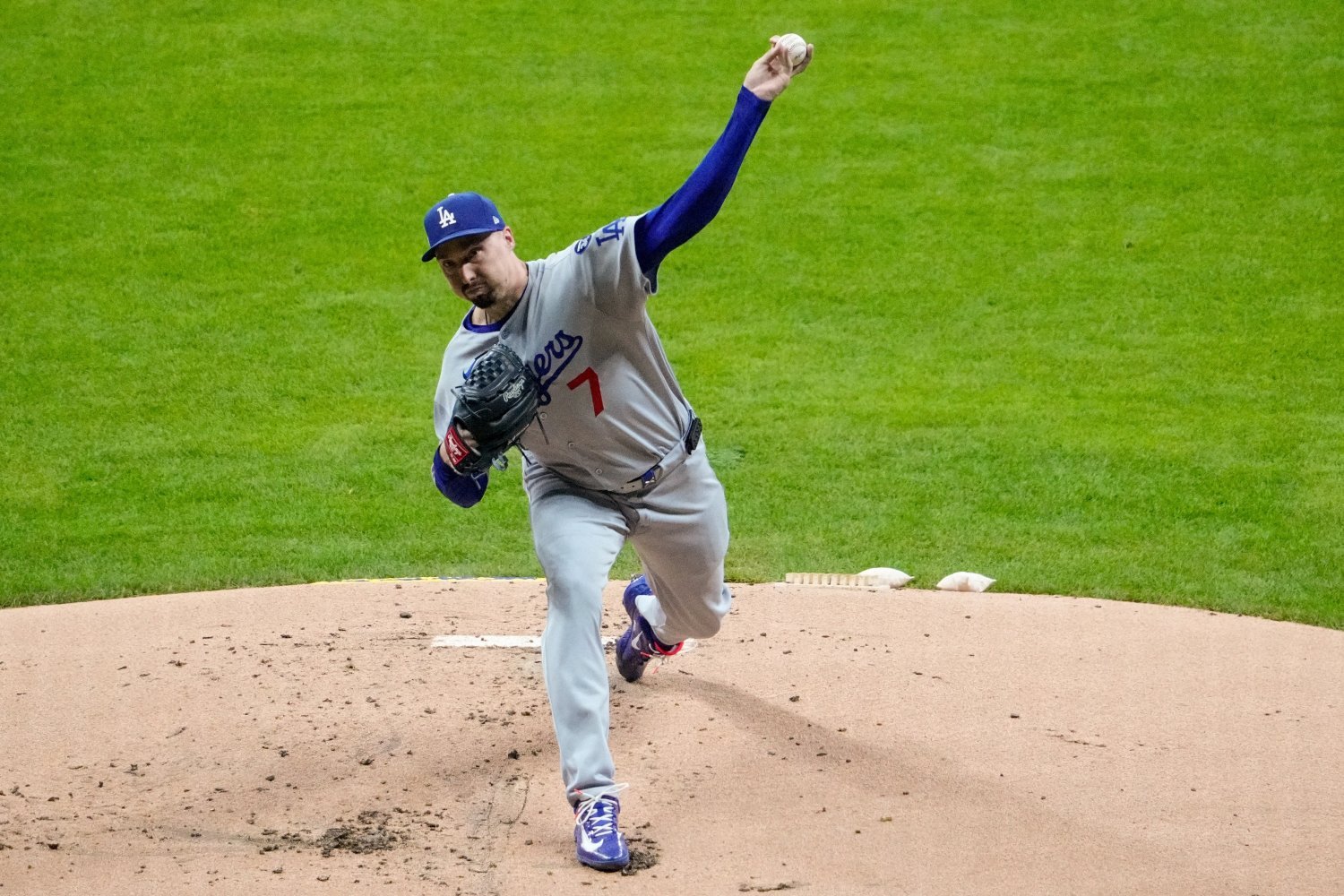 The Brewers pieced together nine innings of two-run baseball from their pitching staff against a vaunted Los Angeles Dodgers lineup in Game 1 of the NLCS, but the hurler on the other side rendered that effort moot. Blake Snell dismantled Milwaukee hitters one by one for most of the night, facing the minimum over eight shutout innings. "I think it's the most dominant performance against us [this season]," Pat Murphy said. It was an assessment shared by the bulk guy who worked (for part of the proceedings) opposite Snell. "Incredible," Quinn Priester said. "He's won two Cy Youngs for a reason." Snell breezed through their lineup of woodpeckers with striking efficiency. It was just the third time all year that a starting pitcher completed eight innings against the Brewers. That's a reflection of their offensive identity, which makes it challenging for opposing starters to work deep into games. Even when a pitcher's stuff and execution make him tough to hit on a given day, the Brewers still do everything they can to grind him down, inflating his pitch count to force an earlier exit. They refuse to chase pitches outside the zone; work deep counts; and put strikes in play when they do swing. Milwaukee's offense finished the regular season with the lowest chase rate and third-highest contact rate in baseball. They chased an opposing starter from the game within five or fewer innings 88 times; only two teams did it more. Snell gave them no opportunities to do that to him, reducing the Brewers to a lineup that bore no resemblance to the group that inflicted death by paper cuts on countless pitchers throughout the season. They whiffed 22 times out of 49 swings. They chased 33% of his out-of-zone pitches. Only 10 at-bats exceeded four pitches, allowing Snell to record 24 outs on just 103 pitches. "His breaking ball was so good, he could flip it in there for a strike and then have the one below [the zone]," Murphy said. "It was really hard to discern, and the changeup was dominant to right-handers. So it was really, really difficult to get a bead on it. "We couldn't get anything going. Those pitches are really hard to bunt. They're really hard to put in play." His hitters had the same praise to share, and the same dearth of real answers. "We faced one of the best pitchers in the game," Christian Yelich said. "He was on. When he's executing like that, it's going to be a tough night. We've got a lot of young guys in here, a lot of these guys' first time facing him." Snell and catcher Will Smith seemed to anticipate that Brewers hitters would try to get on top of his signature riding four-seamer, so they flipped the script on them, using his changeup 37% of the time, the second-highest rate of any outing of his career. It coaxed 14 of those whiffs out of 23 swings, and all five balls in play against it were groundouts. Even that undersells how hard he leaned away from the heat. To righty batters, he threw 35 changeups, nine curveballs and four sliders, against just 14 fastballs. If the Crew were trying to find a fastball to hit, Snell couldn't have confounded their approach much more completely. "I think it's just understanding what they were trying to do," Snell said. "I pitch off what they're telling me. So I just felt like they were really aggressive to a certain pitch, and it seemed to be that way, so I threw differently." Murphy has long admired the man who served as Snell's catcher, and noticed the way he called the game for his star lefty. "Will Smith, the way he called the game, it was unusual the way he did it," Murphy said. "He didn't go back and forth, back and forth. He went changeup, changeup, changeup. The ball was moving so much. It was such a great pitch." The moment Snell left the game, the Brewers reverted to their usual form. They drew three walks and saw 33 pitches in the ninth inning against Roki Sasaki and Blake Treinen, putting the tying run in scoring position before Brice Turang struck out to secure Game 1 for the Dodgers. Ultimately, it was too little, too late. The positive takeaway is that the Dodgers bullpen remains vulnerable, and Milwaukee's approach can amplify and exploit that weakness. They must get into that bullpen sooner, though, which means forcing Snell and the other three high-powered starters they'll face in the series to work for each out.
 -
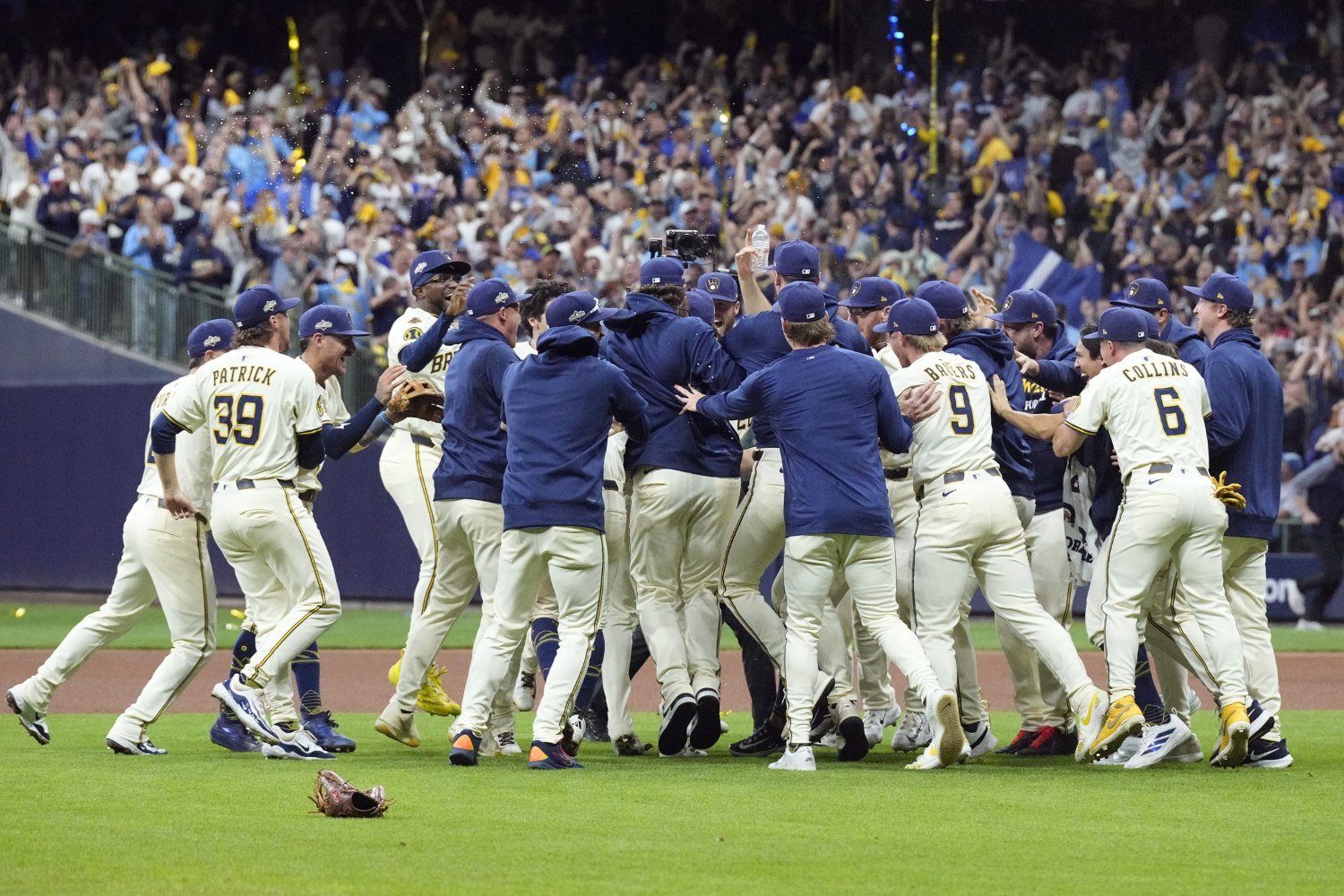 On the pitching side, the way the Brewers vanquished the Cubs in Game 5 of the NLDS mirrored how they got to this point. Of the 13 pitchers Milwaukee rostered in New York on Opening Day, only five were on the NLDS roster. The team retooled their staff on the fly during the regular season, by promoting players from the minor leagues and making in-season acquisitions. “What you thought about a certain player at the start of the year can certainly evolve,” general manager Matt Arnold said leading into the series. “We’re not always right on guys, and I love being proven wrong in a lot of cases. But you have to find out. I think the big thing is just building up a number of players that have ingredients that you like, and then hopefully that can come together with the coaching that we have and try to get the most out of those players.” Early in the year, the Brewers were forced to piece things together with their pitching staff. They were doing the same with their season on the line on Saturday. In both instances, it worked. “Next man up, right?” said Blake Perkins. In keeping with the season-long theme, Jacob Misiorowski and Chad Patrick combined for 5 ⅔ of the nine innings. Patrick excelled as a first-half fill-in for injured starting pitchers, but was optioned to Triple-A Nashville once the rotation returned to full strength. Eventually, he moved to a swingman role. Misiorowski did not debut until June. It was the second time in the series that Misiorowski stepped up as the centerpiece of an all-hands-on-deck pitching plan. After Seiya Suzuki greeted him with a game-tying home run to open the second inning, he allowed just two singles in four crucial innings, leaning heavily on his cutter-like slider and his curveball. Best known for his outlier fastball, the right-hander used his heater a career-low 31% of the time. “I think it was just an adjustment,” Misiorowski said. “Suzuki jumping on a heater, and kind of realizing, ‘Oh, that’s what they’re going to go with,’ and going with it.” “We’re definitely not winning this series if not for him,” Christian Yelich said. “He pitched a ton of big innings for us in Game 2, and tonight he was really unbelievable. Really settled the game down and set the tone for the rest of the guys out of the pen.” Misiorowski worked seven innings in the series, but Patrick was not far behind, logging 4 ⅔ scoreless frames while pitching in four of the five games. On Saturday, he put out a sixth-inning fire by inducing a Suzuki lineout and striking out Ian Happ looking with a perfectly painted back-door cutter. He then returned for a perfect seventh with two more punchouts, paving the way for Abner Uribe to earn his first career two-inning save. “Chad was big, coming in and getting a bunch of big outs. And Uribe for two in the end there was awesome,” Yelich said. “That’s why you celebrate. You celebrate with your teammates and friends that you’ve got to grind throughout the season with and watch them take huge strides in their career.” On the offensive side, the Brewers got the job done in a manner less emblematic of their usual success, but in a way that was going to be necessary in this particular matchup. Milwaukee’s offense finished the regular season 22nd in home runs and 25th in isolated power, instead scoring many of its runs by grinding out plate appearances, putting the ball in play, and taking more extra bases than any other team. That approach leaves lineups vulnerable to batted-ball luck in short samples, and an excellent Cubs defense could foil it. The Brewers needed to drive enough balls over the fence to combat both of those realities. That’s precisely how the decisive game transpired. The Brewers hit 22 balls within the field of play, but only three went for hits. Instead, they scored all three of their runs on solo homers, each coming from players who boast ample raw power and took turns carrying the lineup throughout the season. William Contreras, who can hit the ball harder than most but often pounds it into the ground, opened the scoring with his first-inning shot. Andrew Vaughn, a midseason acquisition who posted a 141 OPS+ as the replacement for an injured Rhys Hoskins, put the Brewers up for good with his blast in the fourth. “Big moment there,” Vaughn said. “Just swung the momentum in our dugout. It was huge, got everybody fired up.” Brice Turang, who tapped into his impressive raw power during a strong second half but entered the night just 3-for-20 in the series, snapped out of his funk and provided insurance with the longest round-tripper of the night, smacking an outer-third slider 416 feet off the batter’s eye. “We just talked [between at-bats] about, ‘Hey, Brice, you’re a great hitter, man. This is just a couple games,’” Pat Murphy said. “‘You’re doing great. You’re not getting results, but you’re doing great. Just keep swinging the bat.’” Inexperienced pitchers who emerged as in-season replacements stepped up again under the bright lights. An offense that didn’t slug consistently during the regular season did so when it mattered most. The result was Milwaukee’s first playoff series win since 2018, a trip to the NLCS, and the relief of breaking a hex that spanned five postseasons. “I’ve been on the other end of it. This is a whole lot better,” Perkins said. “Just a big win for us tonight, big win for the organization, for the fanbase, for everybody,” Yelich said. “We really wanted to make sure we were able to deliver tonight and throughout this series. Just a great night overall.”
-
- 2
-
-
- jacob misiorowski
- chad patrick
- (and 5 more)
