



Jack Stern
-
Posts
764 -
Joined
-
Last visited
-
Days Won
2
Content Type
Profiles
Forums
Blogs
Events
News
2026 Milwaukee Brewers Top Prospects Ranking
Milwaukee Brewers Videos
2022 Milwaukee Brewers Draft Picks
Milwaukee Brewers Free Agent & Trade Rumors, Notes, & Tidbits
Guides & Resources
2023 Milwaukee Brewers Draft Picks
2024 Milwaukee Brewers Draft Picks
The Milwaukee Brewers Players Project
2025 Milwaukee Brewers Draft Pick Tracker
2026 Milwaukee Brewers Draft Tracker: Picks & Bonuses
Store
Downloads
Gallery
Everything posted by Jack Stern
-
 Image courtesy of © Mike Watters-Imagn Images There was little question that Pat Murphy remained the best fit to manage the Brewers beyond 2026, but it's now official. Instead of managing this season as a lame duck, Murphy and the Brewers signed a new three-year contract with a club option for 2029. "I feel lucky. I feel fortunate," Murphy said from his office at American Family Fields of Phoenix on Friday morning. "I know how tough it is to get here, but I think with it comes a responsibility. I didn't need to be certain that I was wanted. I didn't need this to happen. I just felt like it probably is the best to get it done, and I don't want to be with any other organization. I feel really connected. Going on my 11th season, I feel really part of it, and I feel like this is where I'm supposed to be." In two seasons under Murphy, the Brewers have gone 190-134 in the regular season and won a franchise-record 97 games last season. The 67-year-old moved into the manager's chair in November 2023 after Craig Counsell signed with the division-rival Cubs and has kept the club highly competitive amid what could have been more tumultuous turnover. "Things didn't change a ton when he took over," said Christian Yelich. "Obviously, him and 'Couns' have different personalities and different ways of going about things, but he was familiar with us and the way we did things. I was glad that he was the one that was taking over. Obviously, it went really well for a couple of years." Murphy has been specifically hailed for his leadership in the clubhouse, balancing his trademark humor with a no-nonsense, straight-shooting approach to the game that has resonated with players. "I think players know when it's time to have fun with him and joke around, but know when it's time to lock it in, and you have to do your job," Yelich said. "There's high expectations, and you have to meet those expectations, or there's going to be some discussions if you don't. I think it's fine knowing where you stand with the manager and knowing that you don't ever have to wonder. With Murph, he's going to tell you good or bad." A longtime college coach before joining the professional ranks, Murphy's reputation as an old-school coach seemed to clash with a forward-thinking front office that relies heavily on analytics. However, he has proven he understands the modern game enough to effectively blend his perspective with the information he receives from the ivory tower. "I think there's value in the old school mentality, absolutely," president of baseball operations Matt Arnold said. "But he's not completely old school. He's not closed-minded. There's a difference between those two. I think he's very open to ideas and continuing to get better. I think that's the goal here for all of us. We all want to get better." "I've learned so much about how the game is run," Murphy said. "How the game is run from the top down. I'm constantly growing myself. I think of myself coming out of college, trying to be a college coach, and then turn into a major league coach, like, wow. The education that I needed in order to do that, I've learned so much." Some of those college elements are still evident in Murphy's style. Because those players are far less polished than professionals, the college playing environment is an unpredictable bloodbath condensed into a 60-game season. Coaching in that setting for nearly 30 years solidified Murphy's "win tonight" approach, which often prompts him to green-light aggressive player workloads, even as many teams set strict usage guardrails as part of load-management plans. "Every game might be the difference between a seeding in the postseason," Murphy said. "Every game, no matter where it is and what the environment. It's a good thing to build into your computer, you know? And I can't shake it. So that's why every game means so much. "Sometimes, perspective-wise, that's not the best, but I think as a core value, I think it really rubs off, and it resonates with people that these all matter. There's no reason to believe that you can give anything away. It's that competitive. So I think that part. But the season is so much longer, it really challenges you." Murphy acknowledged last October that such a hard-nosed approach may have worn some players down by the postseason, where the Brewers were swept by the Los Angeles Dodgers in the NLCS. Finding the right balance between winning tonight and planning for the future may still be his greatest weakness, but he's been self-aware and open to feedback. "That's part of the job," he said. "You've got to try to stay the course in the right way. I'm hungry. I'm still hungry. I still want to learn. I still want to impact people." He could have the opportunity to continue impacting people in Milwaukee for up to four more seasons. "I think it's important to know where you're going to be. I really didn't have any doubt that this was going to work out, and I'm really grateful, really thankful." View full article
 -
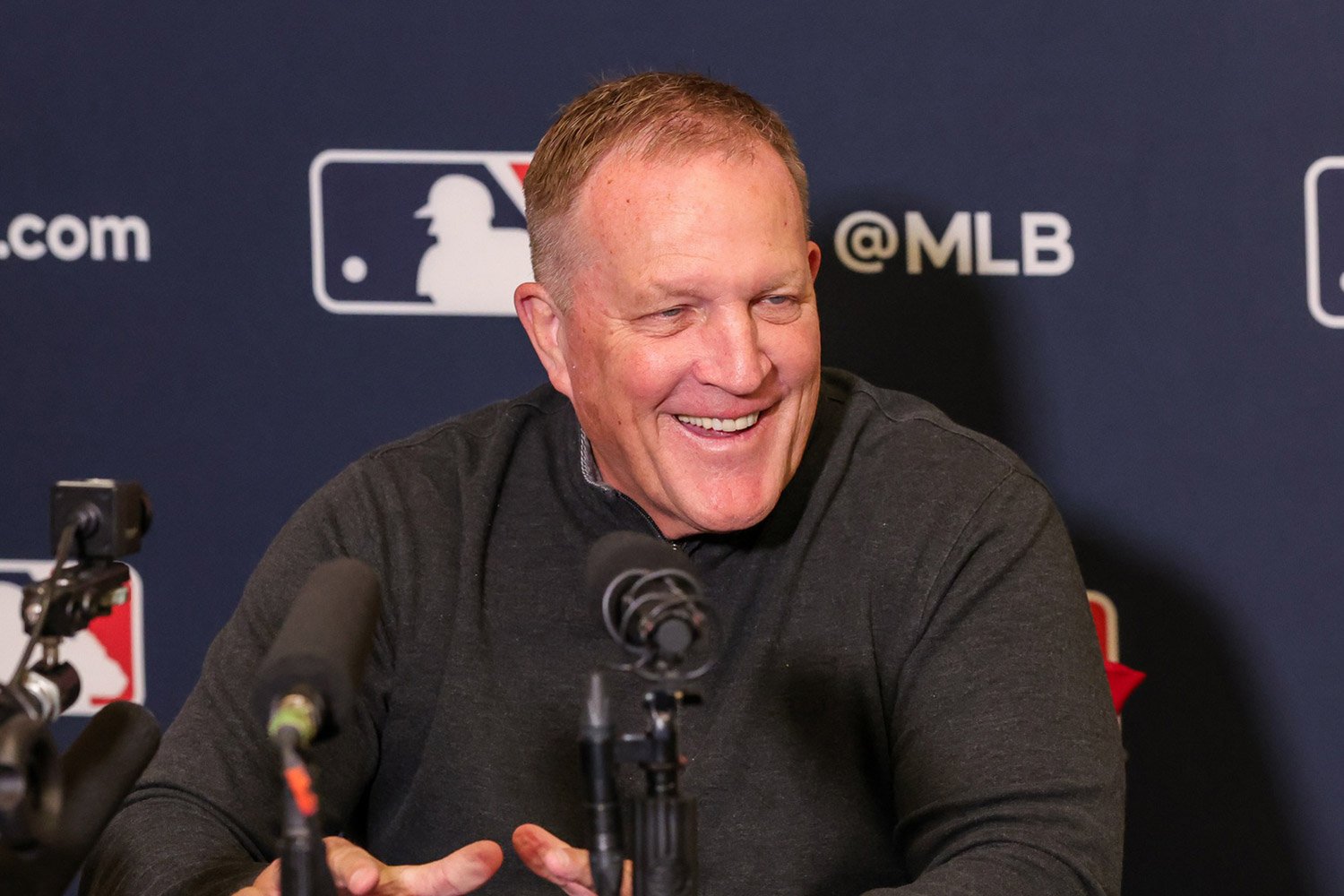 There was little question that Pat Murphy remained the best fit to manage the Brewers beyond 2026, but it's now official. Instead of managing this season as a lame duck, Murphy and the Brewers signed a new three-year contract with a club option for 2029. "I feel lucky. I feel fortunate," Murphy said from his office at American Family Fields of Phoenix on Friday morning. "I know how tough it is to get here, but I think with it comes a responsibility. I didn't need to be certain that I was wanted. I didn't need this to happen. I just felt like it probably is the best to get it done, and I don't want to be with any other organization. I feel really connected. Going on my 11th season, I feel really part of it, and I feel like this is where I'm supposed to be." In two seasons under Murphy, the Brewers have gone 190-134 in the regular season and won a franchise-record 97 games last season. The 67-year-old moved into the manager's chair in November 2023 after Craig Counsell signed with the division-rival Cubs and has kept the club highly competitive amid what could have been more tumultuous turnover. "Things didn't change a ton when he took over," said Christian Yelich. "Obviously, him and 'Couns' have different personalities and different ways of going about things, but he was familiar with us and the way we did things. I was glad that he was the one that was taking over. Obviously, it went really well for a couple of years." Murphy has been specifically hailed for his leadership in the clubhouse, balancing his trademark humor with a no-nonsense, straight-shooting approach to the game that has resonated with players. "I think players know when it's time to have fun with him and joke around, but know when it's time to lock it in, and you have to do your job," Yelich said. "There's high expectations, and you have to meet those expectations, or there's going to be some discussions if you don't. I think it's fine knowing where you stand with the manager and knowing that you don't ever have to wonder. With Murph, he's going to tell you good or bad." A longtime college coach before joining the professional ranks, Murphy's reputation as an old-school coach seemed to clash with a forward-thinking front office that relies heavily on analytics. However, he has proven he understands the modern game enough to effectively blend his perspective with the information he receives from the ivory tower. "I think there's value in the old school mentality, absolutely," president of baseball operations Matt Arnold said. "But he's not completely old school. He's not closed-minded. There's a difference between those two. I think he's very open to ideas and continuing to get better. I think that's the goal here for all of us. We all want to get better." "I've learned so much about how the game is run," Murphy said. "How the game is run from the top down. I'm constantly growing myself. I think of myself coming out of college, trying to be a college coach, and then turn into a major league coach, like, wow. The education that I needed in order to do that, I've learned so much." Some of those college elements are still evident in Murphy's style. Because those players are far less polished than professionals, the college playing environment is an unpredictable bloodbath condensed into a 60-game season. Coaching in that setting for nearly 30 years solidified Murphy's "win tonight" approach, which often prompts him to green-light aggressive player workloads, even as many teams set strict usage guardrails as part of load-management plans. "Every game might be the difference between a seeding in the postseason," Murphy said. "Every game, no matter where it is and what the environment. It's a good thing to build into your computer, you know? And I can't shake it. So that's why every game means so much. "Sometimes, perspective-wise, that's not the best, but I think as a core value, I think it really rubs off, and it resonates with people that these all matter. There's no reason to believe that you can give anything away. It's that competitive. So I think that part. But the season is so much longer, it really challenges you." Murphy acknowledged last October that such a hard-nosed approach may have worn some players down by the postseason, where the Brewers were swept by the Los Angeles Dodgers in the NLCS. Finding the right balance between winning tonight and planning for the future may still be his greatest weakness, but he's been self-aware and open to feedback. "That's part of the job," he said. "You've got to try to stay the course in the right way. I'm hungry. I'm still hungry. I still want to learn. I still want to impact people." He could have the opportunity to continue impacting people in Milwaukee for up to four more seasons. "I think it's important to know where you're going to be. I really didn't have any doubt that this was going to work out, and I'm really grateful, really thankful."
 -
Image courtesy of © Dave Kallmann / Milwaukee Journal Sentinel / USA TODAY NETWORK via Imagn Images In camp with the Brewers after they acquired him as part of a six-player trade with the Boston Red Sox, Shane Drohan brings a familiar objective to his new surroundings. "I want to pitch in the big leagues," he said. "It's always been the goal." That goal, Drohan admitted, was pushed to the back burner for a couple of seasons by injuries, including shoulder issues that sidelined him for most of 2024. But after a breakout 2025 that saw him pitch to a 2.27 ERA and 65 DRA- with a 35.3% strikeout rate in Triple-A, the 27-year-old is on the cusp of his major-league debut. After the injury, Drohan slowed things down, both off the field and on the mound. When he returned a year after shoulder surgery, he was a vastly improved pitcher. From a health standpoint, Drohan was stronger from rehabbing and working in the weight room, which helped the ball come out of his hand crisper and more accurately than before. He added a tick of velocity to every pitch in his arsenal, and the induced vertical break of his fastball increased from 14 to 16 inches, meaning it had more carry at the top of the strike zone. His cutter gained even more. "I had the muscles contracting again in the rotator cuff," he said. "That wasn't happening before. So I feel like that was kind of like the uptick in velo and uptick in carry on the fastball, just quality of stuff. Everything went up, just because the shoulder was properly functioning. And on the strength and conditioning side, it's kind of been a year-to-year process of just putting on size to put more force on the ball." The time away also gave Drohan a chance to refine his slider. After he made its shape more compact and consistent, it emerged as his best offering last year. Opponents chased 49.5% of sliders outside the zone and whiffed on 42.2% of swings. "When I came back from the injury, it was just better and tighter because I had more reps with it, just working on it when I was rehabbing," he said. Drohan also slowed his delivery to better leverage his added strength down the mound. Earlier in his career, he focused on delivering the ball as quickly as possible. It's possible for a pitcher to move too quickly, though, which was what happened to Drohan. "I felt like in years past, I was pretty wound up in my delivery and just not as free as I'd like to be," he said. To establish a more natural tempo, he switched to a fuller wind-up. Drohan's delivery took slightly longer, but his improved rhythm and added strength allowed him to move more explosively toward the plate as he started moving forward. drohan.mp4 "It's just that the timing of it seems a lot better," he said. "I think it was also just the strength and conditioning. I'm just a lot stronger. I don't have to worry about moving as ridiculously fast as I used to down the mound. I just have more weight now. I can put more force into the ground." For all the positives last season brought, Drohan still missed three months with a forearm strain, which is often a precursor to more serious elbow injuries. He downplayed the severity of the injury and confirmed he is fully healthy. "I think the little forearm strain that popped up last year was almost like a reaction thing from the shoulder being strong again," he said. "The rest of my arm just wasn't used to the force that the arm was producing, because in years past, it just wasn't producing that force. So I think the forearm kind of just freaked out a little bit." Drohan said he spent most of those three months building back up as a starter, after a three-week shutdown. When he returned, he maintained his velocity gains through the rest of the year. "When I came back, I threw well," he said. "The stuff felt really good, so it was a good sign." A pair of trying seasons may have stalled Drohan's journey to the big leagues, but they made him a more polished product than he was during his first, unsuccessful stint in the upper minors. Now he's joining a Brewers pitching staff that can further develop him. "It's pretty hard to ignore the success they've had here on the mound," he said. "Starters, relievers, everybody. I wasn't too dialed in on their exact mindset and teaching certain things, but it was very easy to just watch the Brewers play. They get guys to pitch really well." It's taken longer than it has for many prospects, but Drohan is finally positioned to reach his goal. "I feel like I learned a lot in those two years. I feel ready to pitch in the big leagues." View full article
-
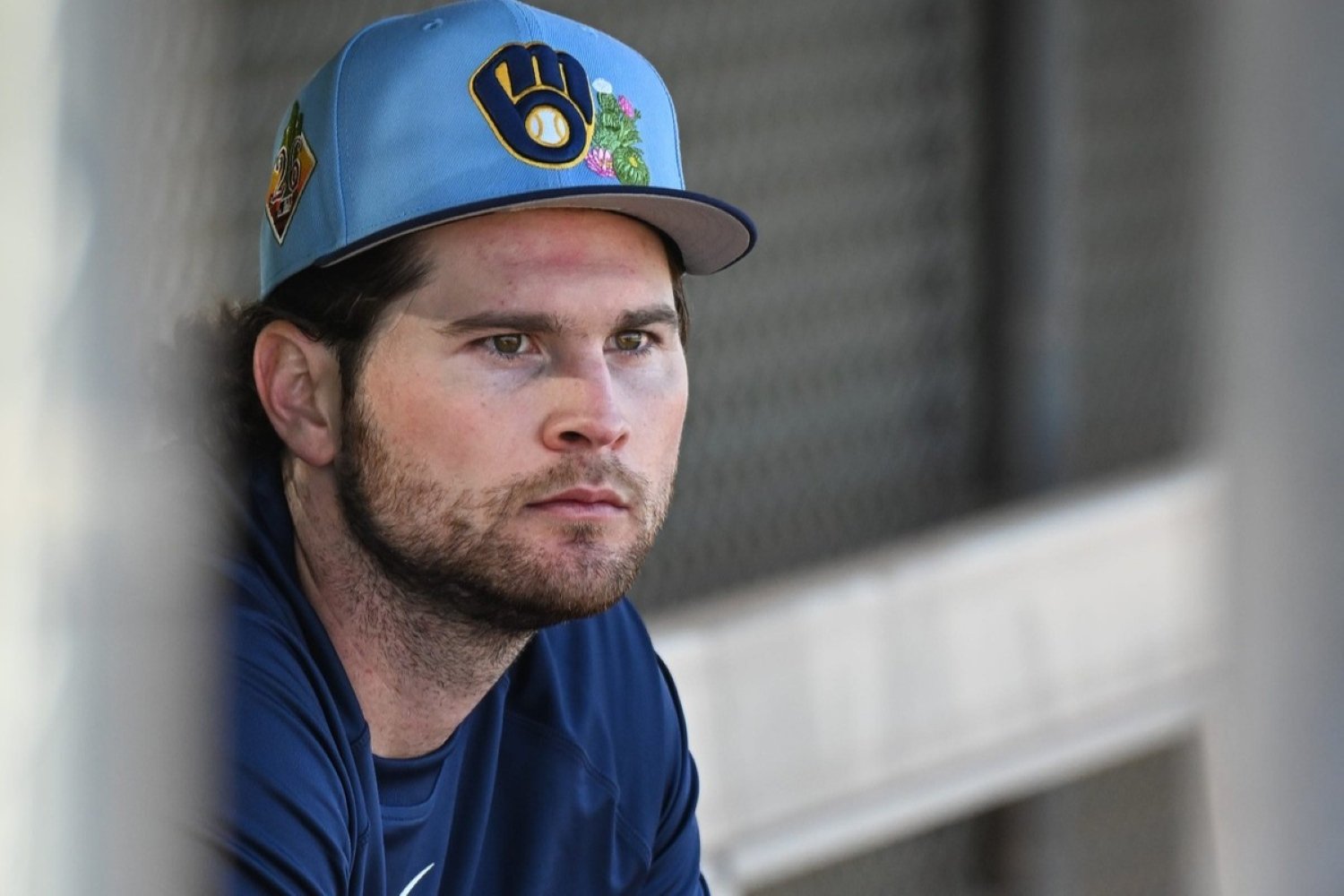 In camp with the Brewers after they acquired him as part of a six-player trade with the Boston Red Sox, Shane Drohan brings a familiar objective to his new surroundings. "I want to pitch in the big leagues," he said. "It's always been the goal." That goal, Drohan admitted, was pushed to the back burner for a couple of seasons by injuries, including shoulder issues that sidelined him for most of 2024. But after a breakout 2025 that saw him pitch to a 2.27 ERA and 65 DRA- with a 35.3% strikeout rate in Triple-A, the 27-year-old is on the cusp of his major-league debut. After the injury, Drohan slowed things down, both off the field and on the mound. When he returned a year after shoulder surgery, he was a vastly improved pitcher. From a health standpoint, Drohan was stronger from rehabbing and working in the weight room, which helped the ball come out of his hand crisper and more accurately than before. He added a tick of velocity to every pitch in his arsenal, and the induced vertical break of his fastball increased from 14 to 16 inches, meaning it had more carry at the top of the strike zone. His cutter gained even more. "I had the muscles contracting again in the rotator cuff," he said. "That wasn't happening before. So I feel like that was kind of like the uptick in velo and uptick in carry on the fastball, just quality of stuff. Everything went up, just because the shoulder was properly functioning. And on the strength and conditioning side, it's kind of been a year-to-year process of just putting on size to put more force on the ball." The time away also gave Drohan a chance to refine his slider. After he made its shape more compact and consistent, it emerged as his best offering last year. Opponents chased 49.5% of sliders outside the zone and whiffed on 42.2% of swings. "When I came back from the injury, it was just better and tighter because I had more reps with it, just working on it when I was rehabbing," he said. Drohan also slowed his delivery to better leverage his added strength down the mound. Earlier in his career, he focused on delivering the ball as quickly as possible. It's possible for a pitcher to move too quickly, though, which was what happened to Drohan. "I felt like in years past, I was pretty wound up in my delivery and just not as free as I'd like to be," he said. To establish a more natural tempo, he switched to a fuller wind-up. Drohan's delivery took slightly longer, but his improved rhythm and added strength allowed him to move more explosively toward the plate as he started moving forward. drohan.mp4 "It's just that the timing of it seems a lot better," he said. "I think it was also just the strength and conditioning. I'm just a lot stronger. I don't have to worry about moving as ridiculously fast as I used to down the mound. I just have more weight now. I can put more force into the ground." For all the positives last season brought, Drohan still missed three months with a forearm strain, which is often a precursor to more serious elbow injuries. He downplayed the severity of the injury and confirmed he is fully healthy. "I think the little forearm strain that popped up last year was almost like a reaction thing from the shoulder being strong again," he said. "The rest of my arm just wasn't used to the force that the arm was producing, because in years past, it just wasn't producing that force. So I think the forearm kind of just freaked out a little bit." Drohan said he spent most of those three months building back up as a starter, after a three-week shutdown. When he returned, he maintained his velocity gains through the rest of the year. "When I came back, I threw well," he said. "The stuff felt really good, so it was a good sign." A pair of trying seasons may have stalled Drohan's journey to the big leagues, but they made him a more polished product than he was during his first, unsuccessful stint in the upper minors. Now he's joining a Brewers pitching staff that can further develop him. "It's pretty hard to ignore the success they've had here on the mound," he said. "Starters, relievers, everybody. I wasn't too dialed in on their exact mindset and teaching certain things, but it was very easy to just watch the Brewers play. They get guys to pitch really well." It's taken longer than it has for many prospects, but Drohan is finally positioned to reach his goal. "I feel like I learned a lot in those two years. I feel ready to pitch in the big leagues."
 -
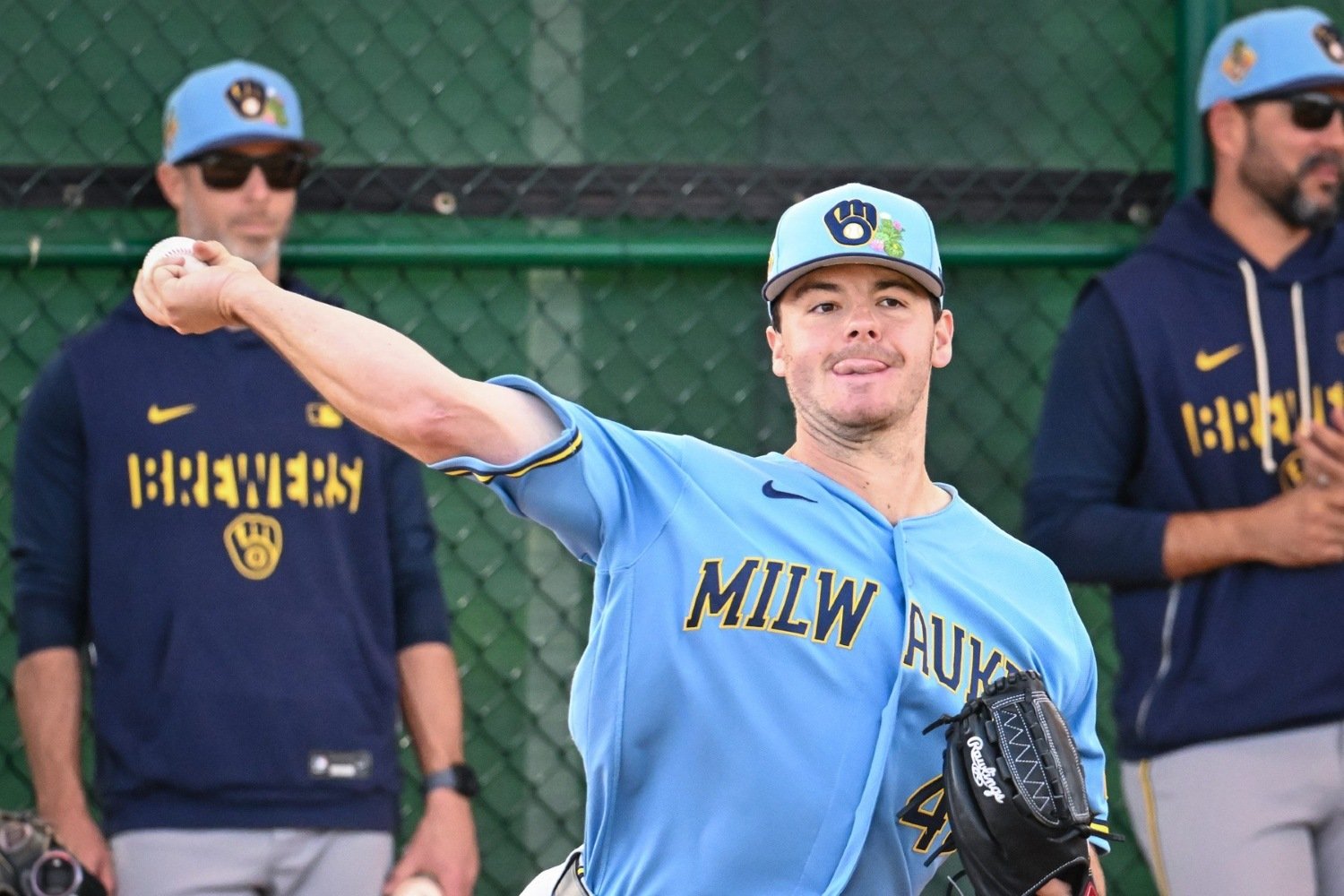 Among the young pitchers vying for a rotation spot in Brewers camp, Logan Henderson may have the most impressive big-league résumé so far—except, it's one of those CVs that fits on an index card. In five starts last season, the 23-year-old posted a sparkling 1.78 ERA, 3.20 SIERA, and 33.3% strikeout rate. Henderson induced whiffs on 27.6% of swings while working almost exclusively with his signature fastball and changeup pairing, both of which have deceptive movement from his low arm slot. The two offerings comprised 89% of his pitches thrown. Still, questions remained about the rest of his arsenal. As an extreme pronation-biased pitcher (meaning his wrist naturally turns inward before he releases the baseball, leading his thumb to point downward and his palm to face outward), Henderson excels at throwing pitches with arm-side run but has struggled to make the ball break the other way. Even though his fastball and changeup have excellent separation, he knows he'll need that different look to stick as a big-league starter. "I had the success with the four-seam and changeup last year and felt if I was going to get burned, I was going to get burned on one of my best two pitches," Henderson said. "I still feel that way, but at the same time, the book is out on me, and I know that I need the third and fourth pitch." Last season, Henderson threw a cutter and a short bullet slider as those third and fourth pitches. Public stuff models liked the slider more because of its depth, and Henderson felt it was in a decent spot by season's end, but he always felt more comfortable with the cutter, which had more consistent glove-side movement. The slider, meanwhile, often backed up. All along, Henderson thought of reviving the curveball he threw in college as a pitch with true glove-side break. That thought grew as he watched Los Angeles Dodgers starter Yoshinobu Yamamoto slice through the Brewers' lineup in last year's NLCS with his secondary pitches. "I don't quite have the stuff that he has, but similar four-seams, low slot," Henderson said. "His curveball is incredible, and it's hard not to go, 'What if I had a curveball? What if I started throwing that again?'" Pitching coach Chris Hook told Henderson during the series that the pitch could work nicely with his existing arsenal, so he reintroduced it over the offseason. When he threw his first session of live at-bats on Wednesday, Henderson threw curveballs instead of sliders. "I wouldn't say that the slider's completely gone, but the aim is more towards throwing the curveball right now, and I think that fits my arsenal a little bit better than the slider did," he said. Henderson's slot gives the pitch a slurve-like shape, similar to the breaking ball Chad Patrick added during the second half of last season. Most importantly, he's spinning it in a way that creates true glove-side break. "I wouldn't say it's a true 12-6—maybe you've got a little bit of slurve to it—but I would say it's pretty much a true curveball," he said. "I've got a low three-quarter arm slot, and it's about what you'd expect from that arm slot. It turns left more than the slider did, for sure." Henderson has yet to dive into the movement metrics, but he feels the pitch doesn't need any tweaks to its shape. The next step is getting more comfortable locating and sequencing it in competition. "The movement's there, for sure," he said. "It's about execution now, and being able to throw it in spots I want to, when I want to. It's definitely a work in progress, but I showed it a couple of times in lives today, and it was okay. But I really am pleased with the progress on it so far. I think it's gonna help my arsenal a lot." There was nothing fluky about the swings and misses Henderson's best two pitches generated last year. If he now has a legitimate breaking ball to support them, he could leapfrog some of his teammates in a wide-open rotation battle.
 -
Image courtesy of © Dave Kallmann / Milwaukee Journal Sentinel / USA TODAY NETWORK via Imagn Images Among the young pitchers vying for a rotation spot in Brewers camp, Logan Henderson may have the most impressive big-league résumé so far—except, it's one of those CVs that fits on an index card. In five starts last season, the 23-year-old posted a sparkling 1.78 ERA, 3.20 SIERA, and 33.3% strikeout rate. Henderson induced whiffs on 27.6% of swings while working almost exclusively with his signature fastball and changeup pairing, both of which have deceptive movement from his low arm slot. The two offerings comprised 89% of his pitches thrown. Still, questions remained about the rest of his arsenal. As an extreme pronation-biased pitcher (meaning his wrist naturally turns inward before he releases the baseball, leading his thumb to point downward and his palm to face outward), Henderson excels at throwing pitches with arm-side run but has struggled to make the ball break the other way. Even though his fastball and changeup have excellent separation, he knows he'll need that different look to stick as a big-league starter. "I had the success with the four-seam and changeup last year and felt if I was going to get burned, I was going to get burned on one of my best two pitches," Henderson said. "I still feel that way, but at the same time, the book is out on me, and I know that I need the third and fourth pitch." Last season, Henderson threw a cutter and a short bullet slider as those third and fourth pitches. Public stuff models liked the slider more because of its depth, and Henderson felt it was in a decent spot by season's end, but he always felt more comfortable with the cutter, which had more consistent glove-side movement. The slider, meanwhile, often backed up. All along, Henderson thought of reviving the curveball he threw in college as a pitch with true glove-side break. That thought grew as he watched Los Angeles Dodgers starter Yoshinobu Yamamoto slice through the Brewers' lineup in last year's NLCS with his secondary pitches. "I don't quite have the stuff that he has, but similar four-seams, low slot," Henderson said. "His curveball is incredible, and it's hard not to go, 'What if I had a curveball? What if I started throwing that again?'" Pitching coach Chris Hook told Henderson during the series that the pitch could work nicely with his existing arsenal, so he reintroduced it over the offseason. When he threw his first session of live at-bats on Wednesday, Henderson threw curveballs instead of sliders. "I wouldn't say that the slider's completely gone, but the aim is more towards throwing the curveball right now, and I think that fits my arsenal a little bit better than the slider did," he said. Henderson's slot gives the pitch a slurve-like shape, similar to the breaking ball Chad Patrick added during the second half of last season. Most importantly, he's spinning it in a way that creates true glove-side break. "I wouldn't say it's a true 12-6—maybe you've got a little bit of slurve to it—but I would say it's pretty much a true curveball," he said. "I've got a low three-quarter arm slot, and it's about what you'd expect from that arm slot. It turns left more than the slider did, for sure." Henderson has yet to dive into the movement metrics, but he feels the pitch doesn't need any tweaks to its shape. The next step is getting more comfortable locating and sequencing it in competition. "The movement's there, for sure," he said. "It's about execution now, and being able to throw it in spots I want to, when I want to. It's definitely a work in progress, but I showed it a couple of times in lives today, and it was okay. But I really am pleased with the progress on it so far. I think it's gonna help my arsenal a lot." There was nothing fluky about the swings and misses Henderson's best two pitches generated last year. If he now has a legitimate breaking ball to support them, he could leapfrog some of his teammates in a wide-open rotation battle. View full article
-
Gerson Garabito Believes He's in the Right Place With the Brewers
Jack Stern posted an article in Brewers
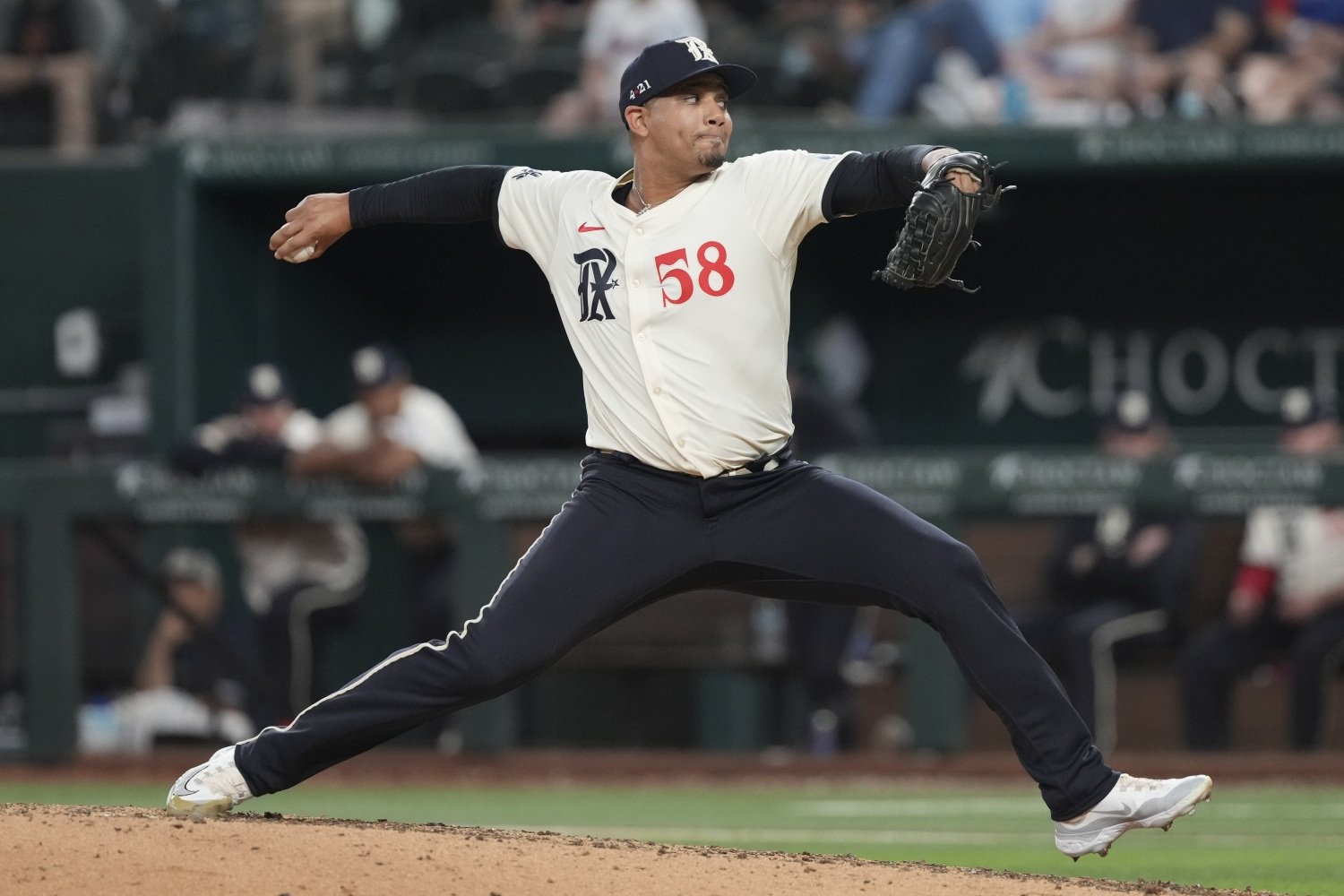 Gerson Garabito navigated a long and winding path to the big leagues. Signed as an international free agent by the Kansas City Royals in 2012, the right-hander spent nine minor-league seasons with three different organizations before making his big-league debut with the Texas Rangers at age 28. "It was a long time, just trying to keep everything together," Garabito, in big-league camp with the Brewers on a minor-league deal, recalled from his locker on Tuesday. "The first couple years, it was kind of tough for me because I had no control of my fastball." After two years of pitching exclusively in winter ball, Garabito showed enough with Texas's Triple-A affiliate in 2024 to finally get the call to the majors. He would spend parts of the next two seasons bouncing between the two levels, with uninspiring results. With the Rangers, he pitched to a 5.77 ERA, 4.97 FIP, and 113 DRA-. After he struggled to an 8.53 ERA and 7.38 FIP in 10 Triple-A starts last year, they released him in June to sign with the Samsung Lions of the Korean Baseball Organization. Garabito's performance took off after the change of scenery. In 15 starts in the KBO, he posted a 2.64 ERA (a 59 ERA-, 41% better than the league average) and 3.94 FIP (88 FIP-) with a 25.7% strikeout rate. "This is baseball," he said. "Baseball, one day you're the best pitcher, the best player, and some days you are the worst. But this is something we just learn from that." On the strength of that success, Garabito received an offer from another Korean team to remain overseas in 2026, but after his agent informed him of Milwaukee's interest and its success in developing pitchers, Garabito accepted their offer to return to the United States. "I said, 'Okay, let's go there, then, because I like that,'" he said. With multiple fastball variations in his five-pitch arsenal, including a heavy sinker, it's easy to see why the Brewers called. It stands to reason they'll have him lean into that sinker, but Garabito said he has not yet had conversations about pitch usage or mechanical changes with his new pitching coaches, who are just getting to know him in his first bullpens of the spring. "The first couple days, they're just going to see you, how you look and what you need," he said. "After maybe a week, maybe two weeks, they're going to say, 'We need to work on this.' But right now, everything is going good." Garabito is not on the 40-man roster and is unlikely to break camp with the team. Still, he'll get some feedback on the best way to maximize his abilities and the opportunity this spring to prove his stuff can play against big-league hitters. These next few weeks could lay the groundwork for a big-league role later in the year. "I'm glad to be here right now," he said.
 -
Image courtesy of © Jim Cowsert-Imagn Images Gerson Garabito navigated a long and winding path to the big leagues. Signed as an international free agent by the Kansas City Royals in 2012, the right-hander spent nine minor-league seasons with three different organizations before making his big-league debut with the Texas Rangers at age 28. "It was a long time, just trying to keep everything together," Garabito, in big-league camp with the Brewers on a minor-league deal, recalled from his locker on Tuesday. "The first couple years, it was kind of tough for me because I had no control of my fastball." After two years of pitching exclusively in winter ball, Garabito showed enough with Texas's Triple-A affiliate in 2024 to finally get the call to the majors. He would spend parts of the next two seasons bouncing between the two levels, with uninspiring results. With the Rangers, he pitched to a 5.77 ERA, 4.97 FIP, and 113 DRA-. After he struggled to an 8.53 ERA and 7.38 FIP in 10 Triple-A starts last year, they released him in June to sign with the Samsung Lions of the Korean Baseball Organization. Garabito's performance took off after the change of scenery. In 15 starts in the KBO, he posted a 2.64 ERA (a 59 ERA-, 41% better than the league average) and 3.94 FIP (88 FIP-) with a 25.7% strikeout rate. "This is baseball," he said. "Baseball, one day you're the best pitcher, the best player, and some days you are the worst. But this is something we just learn from that." On the strength of that success, Garabito received an offer from another Korean team to remain overseas in 2026, but after his agent informed him of Milwaukee's interest and its success in developing pitchers, Garabito accepted their offer to return to the United States. "I said, 'Okay, let's go there, then, because I like that,'" he said. With multiple fastball variations in his five-pitch arsenal, including a heavy sinker, it's easy to see why the Brewers called. It stands to reason they'll have him lean into that sinker, but Garabito said he has not yet had conversations about pitch usage or mechanical changes with his new pitching coaches, who are just getting to know him in his first bullpens of the spring. "The first couple days, they're just going to see you, how you look and what you need," he said. "After maybe a week, maybe two weeks, they're going to say, 'We need to work on this.' But right now, everything is going good." Garabito is not on the 40-man roster and is unlikely to break camp with the team. Still, he'll get some feedback on the best way to maximize his abilities and the opportunity this spring to prove his stuff can play against big-league hitters. These next few weeks could lay the groundwork for a big-league role later in the year. "I'm glad to be here right now," he said. View full article
-
Image courtesy of © Dave Kallmann / Milwaukee Journal Sentinel / USA TODAY NETWORK via Imagn Images Brewers principal owner Mark Attanasio, flanked by president of baseball operations Matt Arnold and president of business operations Rick Schlesinger, addressed the media on Tuesday morning. Among other topics, Attanasio discussed the Brewers' current competitiveness, where they want to improve, and the organization's player development system. Here are a few key notes. After Last Year's NLCS Defeat, Brewers Are Still Learning From the Dodgers (and Others) The Brewers have been one of baseball's most forward-thinking front offices for the last decade, but Attanasio said they are constantly looking for shortcomings or flaws in their process. That includes looking at what other successful clubs do that they can emulate. "You somewhat stay in your lane, you're self-aware and know what you're good at, but you have to be open to what others are doing," Attanasio said. In making his point, Attanasio pointed to the Los Angeles Dodgers, who swept the Brewers in last year's NLCS and are again projected to have a luxury tax payroll of around $400 million. While the Dodgers' spending has been at the heart of a brewing labor dispute that figures to lead to a lockdown next offseason, Attanaio focused on a reality that isn't acknowledged as often: the Dodgers aren't just rich; they're rich and smart. Many of baseball's brightest executives work under Andrew Friedman. "Everybody talks about the Dodgers' payroll, but it's probably the smartest group that there is," Attanasio said. "Whatever we can add in players, they've got more. Whatever guys Matt can hire [in the front office]—and he hires the best and the brightest—they have more. And when we play them, we're smart enough to see they're doing some things maybe we're not. So Matt and his group think about that." Player Development Regulation Changes Could Become Another Obstacle to Navigate As a small-market team, the Brewers allocate much of their budget behind the scenes to player development. It's a key reason why they've remained competitive every season for nearly a decade, while developing one of baseball's best farm systems. "I think anyone will tell you we have a state-of-the-art facility here in Phoenix and a state-of-the-art facility in the Dominican," Attanasio said. "I can't hang a banner for Baseball America's top farm system, executives of the year across the board, and Grade-A facilities, but I'm saying it starts from this macro perspective. Because if you get that wrong, it doesn't matter." Part of that success stems from the Brewers tracking and applying the right analytics at those facilities. To this point, teams could determine which data was most valuable and choose which tracking systems to install at their facilities to collect it. This year, MLB is regulating the use of that technology. All 30 teams must use the same league-mandated devices across all levels, just as all 30 MLB ballparks use Hawk-Eye cameras for Statcast tracking. That change could help teams that are behind the times analytically, but it also forces those on the cutting edge to tear down their existing information systems and adopt what they consider inferior technology. Attanasio said the Brewers won't use it as an excuse. "We feel that whatever the system is, whenever it looks like the cards are stacked against us, we're going to compete," he said. "We've done that for 21 years." However, he also acknowledged that forcing the smartest teams to change how they operate could negatively affect competitive balance, even if the intent is to improve it. "We're trying to have competitive balance so the fans can come out and have hope for all 30 teams," Attanasio said. "If there are some advantages that certain teams have because of what they're doing, you've got to be careful about taking those advantages away, because then maybe you disrupt balance somewhat." No Public Updates on Pat Murphy's Future Murphy is entering the final season of the three-year contract he signed when the Brewers named him their new manager before the 2024 season. Most teams extend their current manager before their final contract year to avoid a lame duck situation, but there have been no updates about Murphy's future. Both sides have sidestepped the question, which Attanasio did again on Tuesday. "Everybody loves Murph, there's no doubt," Attanasio said. "But we don't talk about contracts. We do talk about stability. We've had a huge amount of stability here, and that's the goal." View full article
-
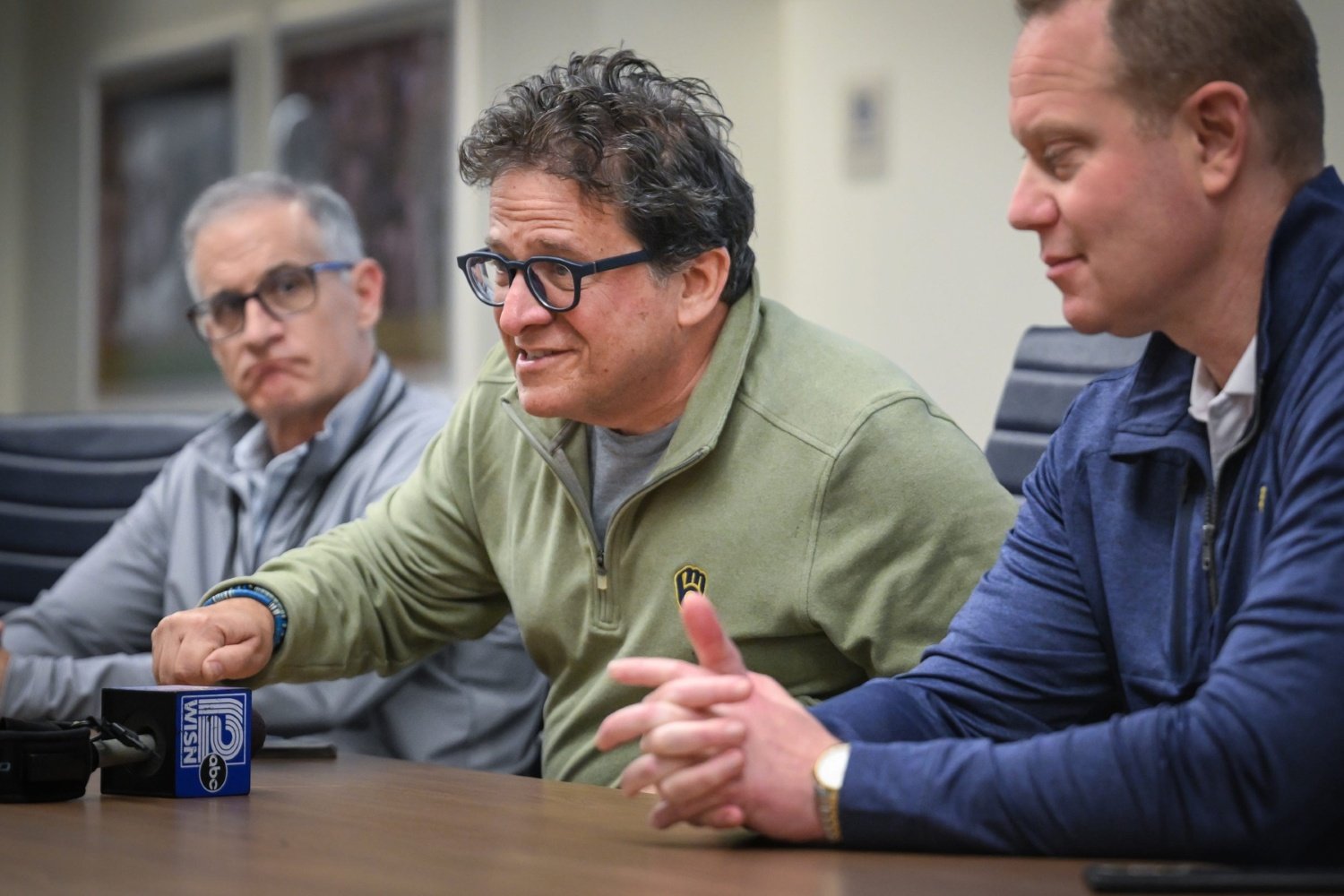 Brewers principal owner Mark Attanasio, flanked by president of baseball operations Matt Arnold and president of business operations Rick Schlesinger, addressed the media on Tuesday morning. Among other topics, Attanasio discussed the Brewers' current competitiveness, where they want to improve, and the organization's player development system. Here are a few key notes. After Last Year's NLCS Defeat, Brewers Are Still Learning From the Dodgers (and Others) The Brewers have been one of baseball's most forward-thinking front offices for the last decade, but Attanasio said they are constantly looking for shortcomings or flaws in their process. That includes looking at what other successful clubs do that they can emulate. "You somewhat stay in your lane, you're self-aware and know what you're good at, but you have to be open to what others are doing," Attanasio said. In making his point, Attanasio pointed to the Los Angeles Dodgers, who swept the Brewers in last year's NLCS and are again projected to have a luxury tax payroll of around $400 million. While the Dodgers' spending has been at the heart of a brewing labor dispute that figures to lead to a lockdown next offseason, Attanaio focused on a reality that isn't acknowledged as often: the Dodgers aren't just rich; they're rich and smart. Many of baseball's brightest executives work under Andrew Friedman. "Everybody talks about the Dodgers' payroll, but it's probably the smartest group that there is," Attanasio said. "Whatever we can add in players, they've got more. Whatever guys Matt can hire [in the front office]—and he hires the best and the brightest—they have more. And when we play them, we're smart enough to see they're doing some things maybe we're not. So Matt and his group think about that." Player Development Regulation Changes Could Become Another Obstacle to Navigate As a small-market team, the Brewers allocate much of their budget behind the scenes to player development. It's a key reason why they've remained competitive every season for nearly a decade, while developing one of baseball's best farm systems. "I think anyone will tell you we have a state-of-the-art facility here in Phoenix and a state-of-the-art facility in the Dominican," Attanasio said. "I can't hang a banner for Baseball America's top farm system, executives of the year across the board, and Grade-A facilities, but I'm saying it starts from this macro perspective. Because if you get that wrong, it doesn't matter." Part of that success stems from the Brewers tracking and applying the right analytics at those facilities. To this point, teams could determine which data was most valuable and choose which tracking systems to install at their facilities to collect it. This year, MLB is regulating the use of that technology. All 30 teams must use the same league-mandated devices across all levels, just as all 30 MLB ballparks use Hawk-Eye cameras for Statcast tracking. That change could help teams that are behind the times analytically, but it also forces those on the cutting edge to tear down their existing information systems and adopt what they consider inferior technology. Attanasio said the Brewers won't use it as an excuse. "We feel that whatever the system is, whenever it looks like the cards are stacked against us, we're going to compete," he said. "We've done that for 21 years." However, he also acknowledged that forcing the smartest teams to change how they operate could negatively affect competitive balance, even if the intent is to improve it. "We're trying to have competitive balance so the fans can come out and have hope for all 30 teams," Attanasio said. "If there are some advantages that certain teams have because of what they're doing, you've got to be careful about taking those advantages away, because then maybe you disrupt balance somewhat." No Public Updates on Pat Murphy's Future Murphy is entering the final season of the three-year contract he signed when the Brewers named him their new manager before the 2024 season. Most teams extend their current manager before their final contract year to avoid a lame duck situation, but there have been no updates about Murphy's future. Both sides have sidestepped the question, which Attanasio did again on Tuesday. "Everybody loves Murph, there's no doubt," Attanasio said. "But we don't talk about contracts. We do talk about stability. We've had a huge amount of stability here, and that's the goal."
 -
Image courtesy of © Rick Cinclair/Telegram & Gazette / USA TODAY NETWORK Kyle Harrison is the more recognizable of the two left-handed pitchers the Brewers acquired from the Red Sox in the Caleb Durbin trade earlier this week. However, president of baseball operations Matt Arnold stressed that the club also thinks highly of Shane Drohan, who owns an unassuming 4.29 ERA and 4.52 FIP across five minor-league seasons and has yet to make his big-league debut at age 27. “Our scouts really, really like this guy,” Arnold said on Monday. “He was a very big part of [the trade] for us as well.” After Boston made him its fifth-round pick out of Florida State in 2020, Drohan made it to Triple-A Worcester in 2023, but injuries and control issues stalled his progress there. Shoulder surgery wiped out most of his 2024 campaign (which included a brief stay in the Chicago White Sox organization as a Rule 5 pick), and he missed three months last year with forearm inflammation. When healthy, he has walked 11.4% of hitters over his minor-league career. Drohan’s ability to miss bats, however, has always been apparent. Thanks to a deceptive arsenal delivered from a low arm slot, he owns a career 26.3% strikeout rate as a professional. By cleaning up that five-pitch mix last year, the southpaw elevated his game to new heights, posting a 2.27 ERA, 68 DRA-, and 35.3% strikeout rate in 47 2/3 Triple-A innings. “He’s kind of flown under the radar a little bit more than Harrison, but this guy dominated in Triple-A last year,” Arnold said, adding that the club has no concerns related to that forearm injury. “I mean, he was very good. Strikes out a lot of guys and has really good stuff.” Visually, Drohan’s delivery looked more athletic. Here’s a comparison of the southpaw throwing a breaking pitch in his previous healthy season in 2023 and in 2025, both with the bases empty. drohan.mp4 Drohan moves quicker in the earlier clip, but his delivery is stiffer. Pitching out of a fuller windup in the 2025 clip, he takes longer to get to his release point, but he gets deeper into his back leg before rotating more explosively toward the plate. The result is a well-located, sharper slider that gets a chase low and away. With those changes, Drohan added a tick of velocity to each of his pitches, increased the backspin-induced carry of his four-seam fastball, and tightened his cutter and slider into more consistent and distinct shapes. His control also improved, as he cut his walk rate to 8.4% in Triple-A. Those developments turned Drohan into one of the top swing-and-miss pitchers in minor-league baseball. He generated whiffs on 37.3% of swings, which ranked in the 99th percentile of Triple-A pitchers. His riding cutter, which opponents tagged for a .504 xwOBA, was the only pitch not to produce a plus whiff rate. The rest of his arsenal was dominant. Drohan’s improved four-seamer played well at the top of the zone, and his fading changeup baffled hitters, thanks to nearly 10 mph of separation off the heater. His shortened gyro slider remained in the strike zone longer before its late movement took effect, leading to more chases and weak contact. His curveball, regarded by some evaluators as his best pitch before he refined his slider, offers bigger movement when necessary from a similar slot to the rest of his pitches. Drohan could scrap his cutter in a relief role, where his fastball-slider pairing would be enough to carve through most hitters. If he remains a starter, he and the Brewers must determine the best way to use the pitch. He found the most success when back-dooring it to right-handed hitters, which is how Quinn Priester began using his similarly shaped cutter to lefties throughout last summer. Drohan’s swing-and-miss upside has never been in question, and with improved control, he’s closer to missing big-league bats. The question is how consistently he’ll tap into that upside, and in what role. He figures to be further down the depth chart than the myriad bona fide starters in camp, but he has the arsenal to start. Don’t be surprised if he’s recording pivotal outs in Milwaukee by season’s end. View full article
-
The Brewers Are Buying Into Shane Drohan's Upside at the Right Time
Jack Stern posted an article in Brewers
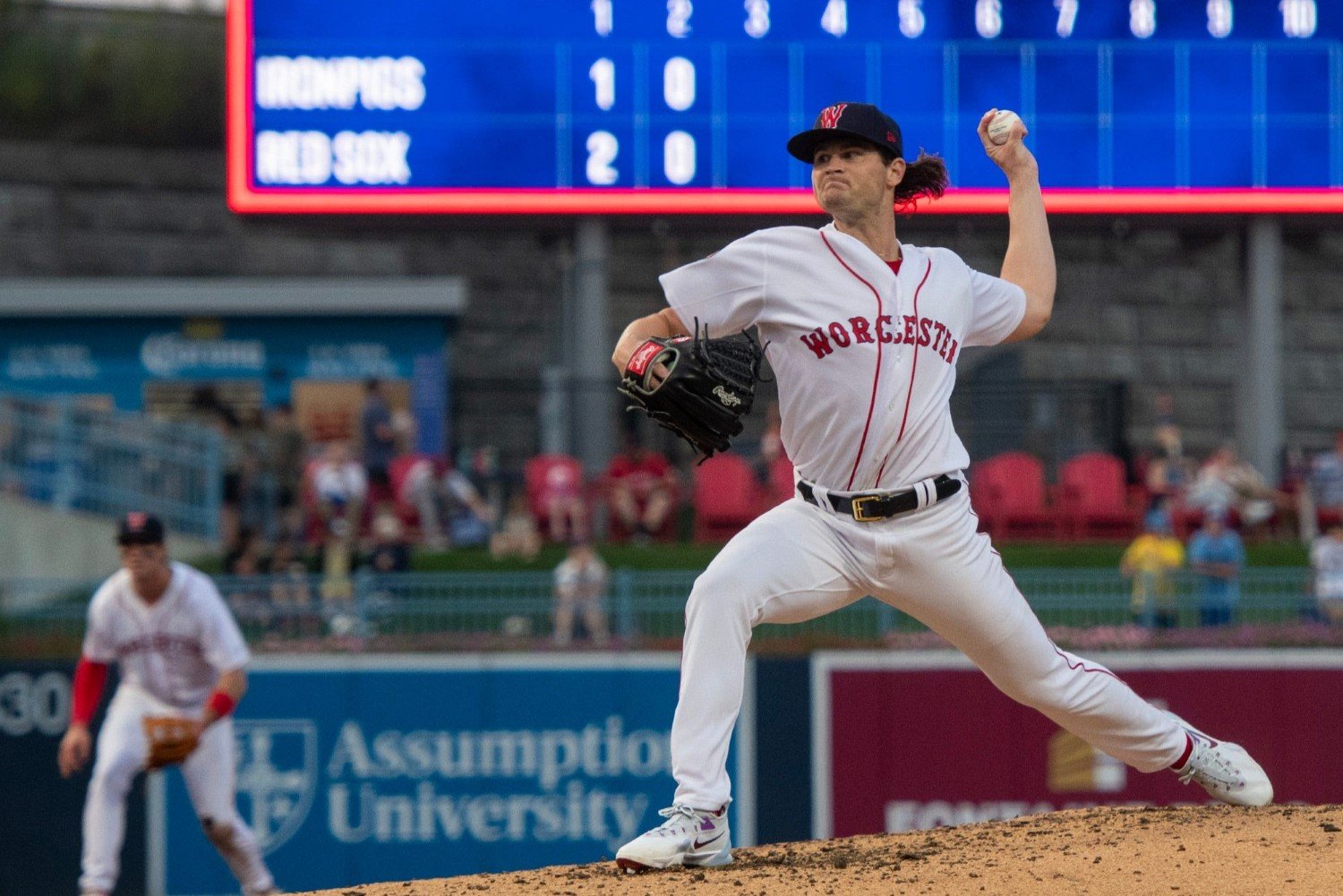 Kyle Harrison is the more recognizable of the two left-handed pitchers the Brewers acquired from the Red Sox in the Caleb Durbin trade earlier this week. However, president of baseball operations Matt Arnold stressed that the club also thinks highly of Shane Drohan, who owns an unassuming 4.29 ERA and 4.52 FIP across five minor-league seasons and has yet to make his big-league debut at age 27. “Our scouts really, really like this guy,” Arnold said on Monday. “He was a very big part of [the trade] for us as well.” After Boston made him its fifth-round pick out of Florida State in 2020, Drohan made it to Triple-A Worcester in 2023, but injuries and control issues stalled his progress there. Shoulder surgery wiped out most of his 2024 campaign (which included a brief stay in the Chicago White Sox organization as a Rule 5 pick), and he missed three months last year with forearm inflammation. When healthy, he has walked 11.4% of hitters over his minor-league career. Drohan’s ability to miss bats, however, has always been apparent. Thanks to a deceptive arsenal delivered from a low arm slot, he owns a career 26.3% strikeout rate as a professional. By cleaning up that five-pitch mix last year, the southpaw elevated his game to new heights, posting a 2.27 ERA, 68 DRA-, and 35.3% strikeout rate in 47 2/3 Triple-A innings. “He’s kind of flown under the radar a little bit more than Harrison, but this guy dominated in Triple-A last year,” Arnold said, adding that the club has no concerns related to that forearm injury. “I mean, he was very good. Strikes out a lot of guys and has really good stuff.” Visually, Drohan’s delivery looked more athletic. Here’s a comparison of the southpaw throwing a breaking pitch in his previous healthy season in 2023 and in 2025, both with the bases empty. drohan.mp4 Drohan moves quicker in the earlier clip, but his delivery is stiffer. Pitching out of a fuller windup in the 2025 clip, he takes longer to get to his release point, but he gets deeper into his back leg before rotating more explosively toward the plate. The result is a well-located, sharper slider that gets a chase low and away. With those changes, Drohan added a tick of velocity to each of his pitches, increased the backspin-induced carry of his four-seam fastball, and tightened his cutter and slider into more consistent and distinct shapes. His control also improved, as he cut his walk rate to 8.4% in Triple-A. Those developments turned Drohan into one of the top swing-and-miss pitchers in minor-league baseball. He generated whiffs on 37.3% of swings, which ranked in the 99th percentile of Triple-A pitchers. His riding cutter, which opponents tagged for a .504 xwOBA, was the only pitch not to produce a plus whiff rate. The rest of his arsenal was dominant. Drohan’s improved four-seamer played well at the top of the zone, and his fading changeup baffled hitters, thanks to nearly 10 mph of separation off the heater. His shortened gyro slider remained in the strike zone longer before its late movement took effect, leading to more chases and weak contact. His curveball, regarded by some evaluators as his best pitch before he refined his slider, offers bigger movement when necessary from a similar slot to the rest of his pitches. Drohan could scrap his cutter in a relief role, where his fastball-slider pairing would be enough to carve through most hitters. If he remains a starter, he and the Brewers must determine the best way to use the pitch. He found the most success when back-dooring it to right-handed hitters, which is how Quinn Priester began using his similarly shaped cutter to lefties throughout last summer. Drohan’s swing-and-miss upside has never been in question, and with improved control, he’s closer to missing big-league bats. The question is how consistently he’ll tap into that upside, and in what role. He figures to be further down the depth chart than the myriad bona fide starters in camp, but he has the arsenal to start. Don’t be surprised if he’s recording pivotal outs in Milwaukee by season’s end.
 -
Image courtesy of © Benny Sieu-Imagn Images Caleb Durbin’s long-term future with the Brewers was likely to be a supporting role, rather than a multi-year residency as the starting third baseman. While his 105 wRC+ and 2.6 fWAR as a rookie demonstrated his high floor, Durbin was unlikely to improve upon that production. His hard-hit rate, barrel rate, and expected wOBA on contact were all in the bottom 4 percent of big-league hitters. As a short player without much power, he has already maxed out his abilities. Given that low ceiling, Durbin was likely to become replaceable sooner, rather than later. Surprisingly, the Brewers feel they can replace him now. On Monday, they dealt him to the Boston Red Sox (with Andruw Monasterio, Anthony Seigler, and their competitive balance round B pick in the 2026 Draft) for left-handers Kyle Harrison and Shane Drohan and infielder David Hamilton. With pitchers and catchers reporting to spring training this week, the deal leaves the roster in an odd place. The Brewers now have even more bodies in what was already a crowded rotation picture, and the three players who combined for 85% of last year’s innings at third base are gone. For that matter, Vinny Capra and Oliver Dunn are gone, too. They combined for just over 200 innings at the position last year. The rotation additions might seem redundant, but the Brewers don’t view them that way. Acquiring even more controllable starters remained enticing to them after they traded away Freddy Peralta last month. While Peralta’s 65 ERA- last year was seventh among qualified starters, replacing his volume will be the greater challenge. He started at least 30 games in each of his last three seasons in Milwaukee, including 33 in 2025. That kind of durability has become increasingly rare in modern baseball, where frequent arm injuries limit availability and starters work fewer innings even when healthy. The Brewers will need a collection of arms to backfill Peralta’s innings. “It’s no longer just the five-man rotation where every guy’s going to give you five innings anymore,” president of baseball operations Matt Arnold said on Monday morning. “It’s a combination of your entire staff.” The Brewers have seen firsthand how quickly injuries can chew through a depth chart. A slew of spring training ailments contributed to a pair of season-opening blowouts in New York and left Elvin Rodríguez starting their home opener. Excluding openers, Milwaukee used 14 different starting pitchers last season and 13 the year before. “We know we’re going to have injuries,” Arnold said. “You guys saw what we were dealing with at the start of last year, when not everybody’s 100%. That’s going to happen again, and we know that. But having a number of guys here, like Harrison and Drohan, really does raise the floor for us.” While there’s no such thing as having too much pitching, the Brewers are testing how much pitching is the best use of a team’s resources—and how many starters they can realistically develop in that role at once. Milwaukee’s 40-man roster currently contains as many as 15 potential starters, although Aaron Ashby, DL Hall, and Ángel Zerpa could remain relievers after the additions of Harrison, Drohan, and Brandon Sproat. With another crop of prospects (Tate Kuehner, Brett Wichrowski, and K.C. Hunt) progressing to the upper minors, finding consistent starts for nearly 20 pitchers between the majors and Triple-A Nashville could get tricky. Meanwhile, the left side of the infield is unclear. After acquiring Jett Williams in the Peralta deal and Hamilton (Monasterio’s likely replacement) for Durbin, the Brewers have enough players to man the dirt, but only Joey Ortiz has experience at third base. Arnold also pointed toward infield prospects like Jesus Made, Cooper Pratt, and Andrew Fischer, each of whom is carving a rapid path toward the big leagues. “There’s just a lot of these types of guys coming in our system that we feel can absolutely handle the left side of the infield and have really high upside,” Arnold said. “And so we feel like we have the ingredients now to weather the loss of somebody like Caleb Durbin.” Still, as things currently stand, the Brewers will have to fill third base with an infielder who does not profile well at the position. They could use their rotation depth to trade for a more proven option, such as Houston Astros third baseman Isaac Paredes or Washington Nationals shortstop CJ Abrams. Ramón Urías, Enrique Hernández, and Jose Iglesias are among the lower-cost free agents still available. They could decide against further additions, though. Paredes would supply the power the Brewers need, but he lacks the speed, defense, and versatility they usually prioritize. Those veteran free agents are not clearly better than their internal options. Furthermore, reporting from the Milwaukee Journal-Sentinel suggests that the Brewers’ stated confidence in their current infield is genuine, not just posturing for trade talks. Arnold said the Brewers remain open to outside acquisitions, but if the current mix holds, they will use spring training to test different arrangements and determine the best one. “We’re not really married to any one particular permutation of the infield here,” he said. “I think there are a number of different ways we could sort this out.” One option is handing third base to Williams. At 5-foot-7 and with a suspect throwing arm, the 22-year-old profiles best at second base or in center field. Durbin is, notably, the same height and had the same defensive concerns as a prospect, but Matt Erickson successfully converted him to a capable third baseman last year. Arnold confirmed that Williams will receive reps at third this spring, along with shortstop, second base, and outfield. The Brewers are also open to trying Ortiz (who could slide back to third) and Brice Turang (a former shortstop) at other positions, based on how Williams or other players look defensively. “We want to put him in a position to succeed, because he hasn’t played third base yet,” Arnold said of Williams. “But he certainly has the ingredients to do so. So we’re going to give him some reps there, along with other guys as well.” The Brewers either have another move in the hopper that will tie their infield together, or they’re taking a pair of calculated gambles. There’s a world in which injuries make nearly 20 starters the right number to fill innings, while some combination of Ortiz, Williams, and Pratt provides solid production at shortstop and third base. There’s another in which the Brewers don’t have enough innings for their myriad arms, as the left side of their infield struggles. View full article
-
Brewers' Trade of Caleb Durbin Raises More Questions Than It Answers
Jack Stern posted an article in Brewers
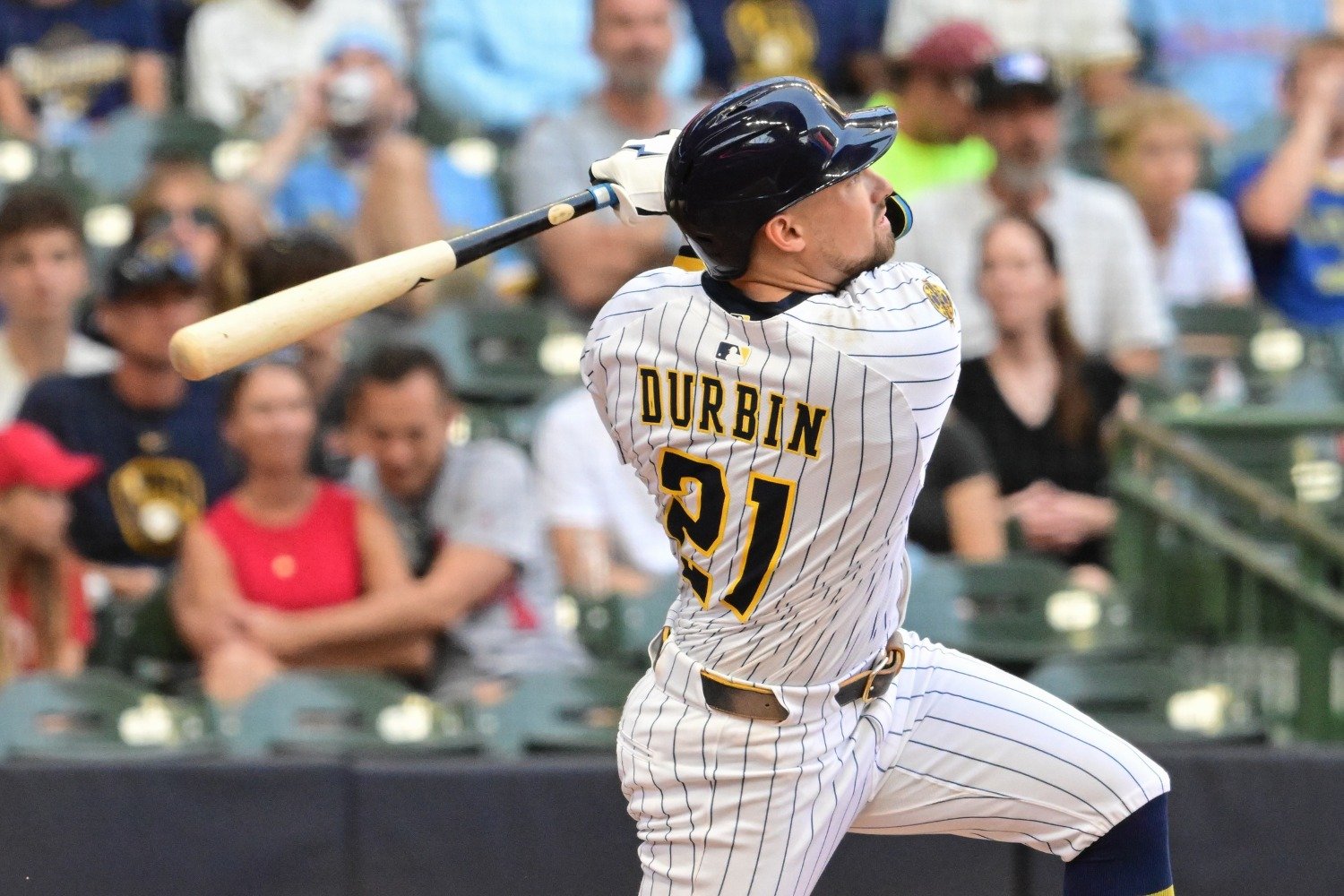 Caleb Durbin’s long-term future with the Brewers was likely to be a supporting role, rather than a multi-year residency as the starting third baseman. While his 105 wRC+ and 2.6 fWAR as a rookie demonstrated his high floor, Durbin was unlikely to improve upon that production. His hard-hit rate, barrel rate, and expected wOBA on contact were all in the bottom 4 percent of big-league hitters. As a short player without much power, he has already maxed out his abilities. Given that low ceiling, Durbin was likely to become replaceable sooner, rather than later. Surprisingly, the Brewers feel they can replace him now. On Monday, they dealt him to the Boston Red Sox (with Andruw Monasterio, Anthony Seigler, and their competitive balance round B pick in the 2026 Draft) for left-handers Kyle Harrison and Shane Drohan and infielder David Hamilton. With pitchers and catchers reporting to spring training this week, the deal leaves the roster in an odd place. The Brewers now have even more bodies in what was already a crowded rotation picture, and the three players who combined for 85% of last year’s innings at third base are gone. For that matter, Vinny Capra and Oliver Dunn are gone, too. They combined for just over 200 innings at the position last year. The rotation additions might seem redundant, but the Brewers don’t view them that way. Acquiring even more controllable starters remained enticing to them after they traded away Freddy Peralta last month. While Peralta’s 65 ERA- last year was seventh among qualified starters, replacing his volume will be the greater challenge. He started at least 30 games in each of his last three seasons in Milwaukee, including 33 in 2025. That kind of durability has become increasingly rare in modern baseball, where frequent arm injuries limit availability and starters work fewer innings even when healthy. The Brewers will need a collection of arms to backfill Peralta’s innings. “It’s no longer just the five-man rotation where every guy’s going to give you five innings anymore,” president of baseball operations Matt Arnold said on Monday morning. “It’s a combination of your entire staff.” The Brewers have seen firsthand how quickly injuries can chew through a depth chart. A slew of spring training ailments contributed to a pair of season-opening blowouts in New York and left Elvin Rodríguez starting their home opener. Excluding openers, Milwaukee used 14 different starting pitchers last season and 13 the year before. “We know we’re going to have injuries,” Arnold said. “You guys saw what we were dealing with at the start of last year, when not everybody’s 100%. That’s going to happen again, and we know that. But having a number of guys here, like Harrison and Drohan, really does raise the floor for us.” While there’s no such thing as having too much pitching, the Brewers are testing how much pitching is the best use of a team’s resources—and how many starters they can realistically develop in that role at once. Milwaukee’s 40-man roster currently contains as many as 15 potential starters, although Aaron Ashby, DL Hall, and Ángel Zerpa could remain relievers after the additions of Harrison, Drohan, and Brandon Sproat. With another crop of prospects (Tate Kuehner, Brett Wichrowski, and K.C. Hunt) progressing to the upper minors, finding consistent starts for nearly 20 pitchers between the majors and Triple-A Nashville could get tricky. Meanwhile, the left side of the infield is unclear. After acquiring Jett Williams in the Peralta deal and Hamilton (Monasterio’s likely replacement) for Durbin, the Brewers have enough players to man the dirt, but only Joey Ortiz has experience at third base. Arnold also pointed toward infield prospects like Jesus Made, Cooper Pratt, and Andrew Fischer, each of whom is carving a rapid path toward the big leagues. “There’s just a lot of these types of guys coming in our system that we feel can absolutely handle the left side of the infield and have really high upside,” Arnold said. “And so we feel like we have the ingredients now to weather the loss of somebody like Caleb Durbin.” Still, as things currently stand, the Brewers will have to fill third base with an infielder who does not profile well at the position. They could use their rotation depth to trade for a more proven option, such as Houston Astros third baseman Isaac Paredes or Washington Nationals shortstop CJ Abrams. Ramón Urías, Enrique Hernández, and Jose Iglesias are among the lower-cost free agents still available. They could decide against further additions, though. Paredes would supply the power the Brewers need, but he lacks the speed, defense, and versatility they usually prioritize. Those veteran free agents are not clearly better than their internal options. Furthermore, reporting from the Milwaukee Journal-Sentinel suggests that the Brewers’ stated confidence in their current infield is genuine, not just posturing for trade talks. Arnold said the Brewers remain open to outside acquisitions, but if the current mix holds, they will use spring training to test different arrangements and determine the best one. “We’re not really married to any one particular permutation of the infield here,” he said. “I think there are a number of different ways we could sort this out.” One option is handing third base to Williams. At 5-foot-7 and with a suspect throwing arm, the 22-year-old profiles best at second base or in center field. Durbin is, notably, the same height and had the same defensive concerns as a prospect, but Matt Erickson successfully converted him to a capable third baseman last year. Arnold confirmed that Williams will receive reps at third this spring, along with shortstop, second base, and outfield. The Brewers are also open to trying Ortiz (who could slide back to third) and Brice Turang (a former shortstop) at other positions, based on how Williams or other players look defensively. “We want to put him in a position to succeed, because he hasn’t played third base yet,” Arnold said of Williams. “But he certainly has the ingredients to do so. So we’re going to give him some reps there, along with other guys as well.” The Brewers either have another move in the hopper that will tie their infield together, or they’re taking a pair of calculated gambles. There’s a world in which injuries make nearly 20 starters the right number to fill innings, while some combination of Ortiz, Williams, and Pratt provides solid production at shortstop and third base. There’s another in which the Brewers don’t have enough innings for their myriad arms, as the left side of their infield struggles.
- 11 comments
-
- 1
-

-
- caleb durbin
- jett williams
- (and 4 more)
-
Image courtesy of © Raymond Carlin III-Imagn Images With a plethora of young starters set to compete for rotation spots in spring training—most of them already on the 40-man roster—minor-league signee Gerson Garabito probably won’t be in the running for the Brewers’ Opening Day roster. Still, Garabito will be among the pitchers reporting to big-league camp in the coming days, where he’ll get an opportunity to make an impression for later in the season. Andruw Monasterio, Jared Koenig, Anthony Seigler, and Easton McGee are among the recent non-roster invitees to find their way to Milwaukee in the middle of a season after being further down the depth chart in spring. For a club that has gone through plenty of arms throughout the last few seasons, Garabito could be next. The 30-year-old Dominican made his debut in 2024 for the Texas Rangers, for whom he pitched to a 5.77 ERA and 4.96 FIP over 34 ⅓ innings across parts of two seasons. They released him last June to sign with the Samsung Lions of the Korean Baseball Organization (KBO), where he posted a 2.64 ERA and 3.94 FIP in 15 starts. Stuff models are not enamored with Garabito’s arsenal. He had a 92 Stuff+ and 0.1 StuffPro (where 0 is average and lower is better) in his eight big-league innings in 2025. However, he throws five pitches, with a few interesting shapes. Most notably, his sinker had 3.5 more inches of sink than expected from his three-quarters arm slot, while his four-seamer had an extra inch of carry. That heavy sinker figures to become the foundation of his pitch mix in the Brewers organization, which has been among the top five teams in sinker usage over the past two seasons. One of their greatest development successes last year was Quinn Priester, who throws a similar bowling-ball two-seamer. In fact, Garabito’s velocity, pitch shapes, and arm angle are eerily similar to Priester’s before his 2025 breakout. There are a few key differences between the two pitchers. Garabito’s four-seamer has more spin and carry than Priester’s did, and his curveball has more of a sweeping slider shape. That’s because Priester throws his curveball from a higher slot than the rest of his pitches to get more traditional 1-to-7 movement, but Garabito uses a lower slot to give his hook more lateral break. That means Garabito may not make all of the same changes as Priester, who refashioned his four-seamer into a cutter last year and threw his curveball less. His four-seamer has a better shape, and his slider has more backspin, leaving him with less room to switch to a cutter. Because his curveball plays more like a bigger slider, it’s been his go-to breaking ball against righties, whereas Priester typically threw his to lefties. The primary focus, though, could be similar. While the Brewers brought along Priester’s other pitches as the season progressed, their initial tweaks simplified things by letting his sinker play in the heart of the strike zone. Identifying that sinker as his best pitch, they upped its usage from 30% to 42%, eliminated his changeup, and moved him to the middle of the rubber to get him in the zone more often. Each of those adjustments could benefit Garabito. Between the big leagues and Triple A, his sinker produced a monstrous 72% ground ball rate. Like Priester, his changeup had very similar spin-induced movement. Pitching from the extreme third-base side of the rubber, he’s struggled with walks throughout his career, including 12.2% and 11.3% walk rates in Triple A and in the KBO last year, respectively. The Brewers’ plan for Garabito’s arsenal will soon become apparent. It could look familiar, and it might have him soaking up big-league innings later in the summer. View full article
-
Will the Brewers Apply a Familiar Blueprint to Gerson Garabito's Arsenal?
Jack Stern posted an article in Brewers
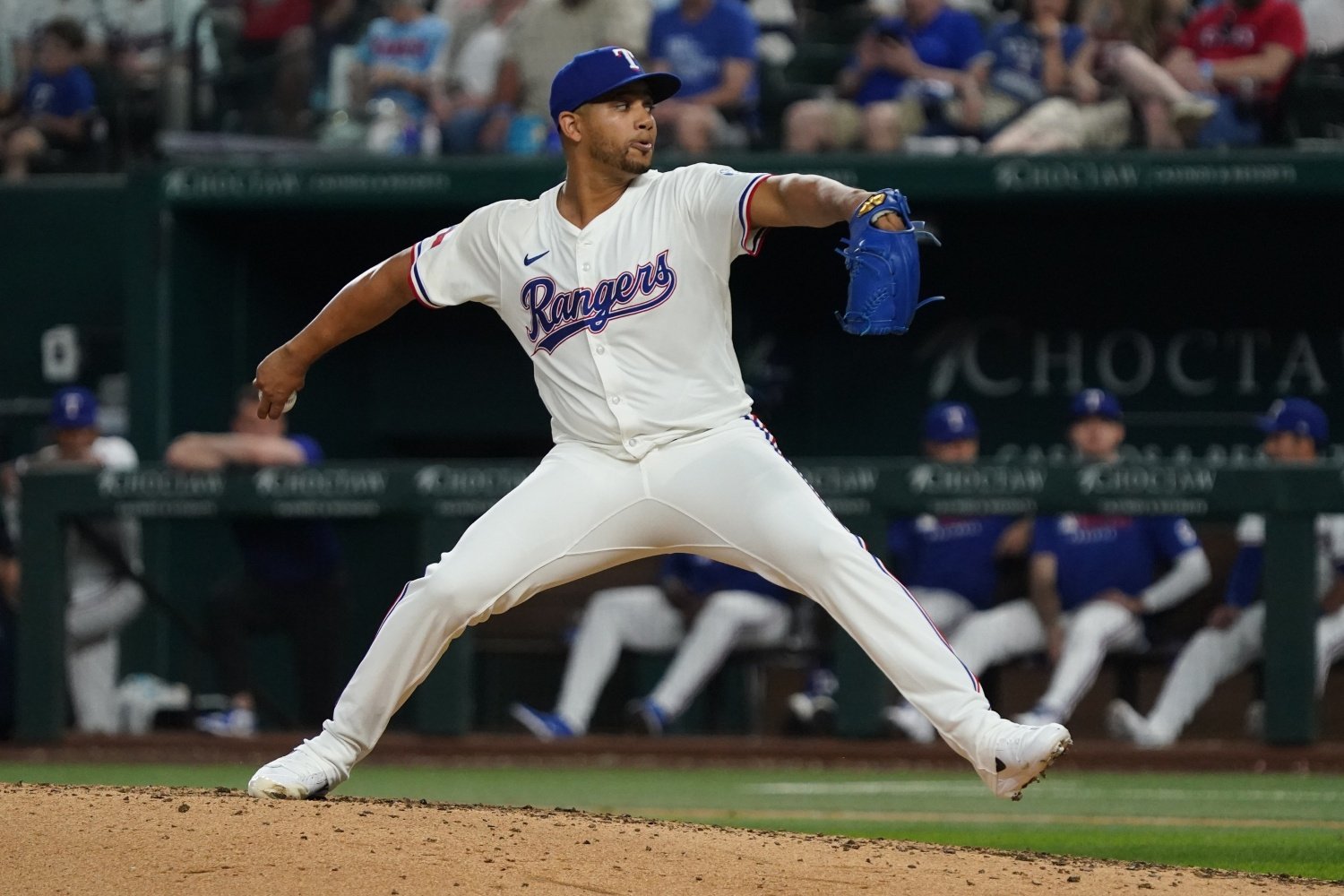 With a plethora of young starters set to compete for rotation spots in spring training—most of them already on the 40-man roster—minor-league signee Gerson Garabito probably won’t be in the running for the Brewers’ Opening Day roster. Still, Garabito will be among the pitchers reporting to big-league camp in the coming days, where he’ll get an opportunity to make an impression for later in the season. Andruw Monasterio, Jared Koenig, Anthony Seigler, and Easton McGee are among the recent non-roster invitees to find their way to Milwaukee in the middle of a season after being further down the depth chart in spring. For a club that has gone through plenty of arms throughout the last few seasons, Garabito could be next. The 30-year-old Dominican made his debut in 2024 for the Texas Rangers, for whom he pitched to a 5.77 ERA and 4.96 FIP over 34 ⅓ innings across parts of two seasons. They released him last June to sign with the Samsung Lions of the Korean Baseball Organization (KBO), where he posted a 2.64 ERA and 3.94 FIP in 15 starts. Stuff models are not enamored with Garabito’s arsenal. He had a 92 Stuff+ and 0.1 StuffPro (where 0 is average and lower is better) in his eight big-league innings in 2025. However, he throws five pitches, with a few interesting shapes. Most notably, his sinker had 3.5 more inches of sink than expected from his three-quarters arm slot, while his four-seamer had an extra inch of carry. That heavy sinker figures to become the foundation of his pitch mix in the Brewers organization, which has been among the top five teams in sinker usage over the past two seasons. One of their greatest development successes last year was Quinn Priester, who throws a similar bowling-ball two-seamer. In fact, Garabito’s velocity, pitch shapes, and arm angle are eerily similar to Priester’s before his 2025 breakout. There are a few key differences between the two pitchers. Garabito’s four-seamer has more spin and carry than Priester’s did, and his curveball has more of a sweeping slider shape. That’s because Priester throws his curveball from a higher slot than the rest of his pitches to get more traditional 1-to-7 movement, but Garabito uses a lower slot to give his hook more lateral break. That means Garabito may not make all of the same changes as Priester, who refashioned his four-seamer into a cutter last year and threw his curveball less. His four-seamer has a better shape, and his slider has more backspin, leaving him with less room to switch to a cutter. Because his curveball plays more like a bigger slider, it’s been his go-to breaking ball against righties, whereas Priester typically threw his to lefties. The primary focus, though, could be similar. While the Brewers brought along Priester’s other pitches as the season progressed, their initial tweaks simplified things by letting his sinker play in the heart of the strike zone. Identifying that sinker as his best pitch, they upped its usage from 30% to 42%, eliminated his changeup, and moved him to the middle of the rubber to get him in the zone more often. Each of those adjustments could benefit Garabito. Between the big leagues and Triple A, his sinker produced a monstrous 72% ground ball rate. Like Priester, his changeup had very similar spin-induced movement. Pitching from the extreme third-base side of the rubber, he’s struggled with walks throughout his career, including 12.2% and 11.3% walk rates in Triple A and in the KBO last year, respectively. The Brewers’ plan for Garabito’s arsenal will soon become apparent. It could look familiar, and it might have him soaking up big-league innings later in the summer.
 -
Potential Separators to Watch For in Brewers' Rotation Battle
Jack Stern posted an article in Brewers
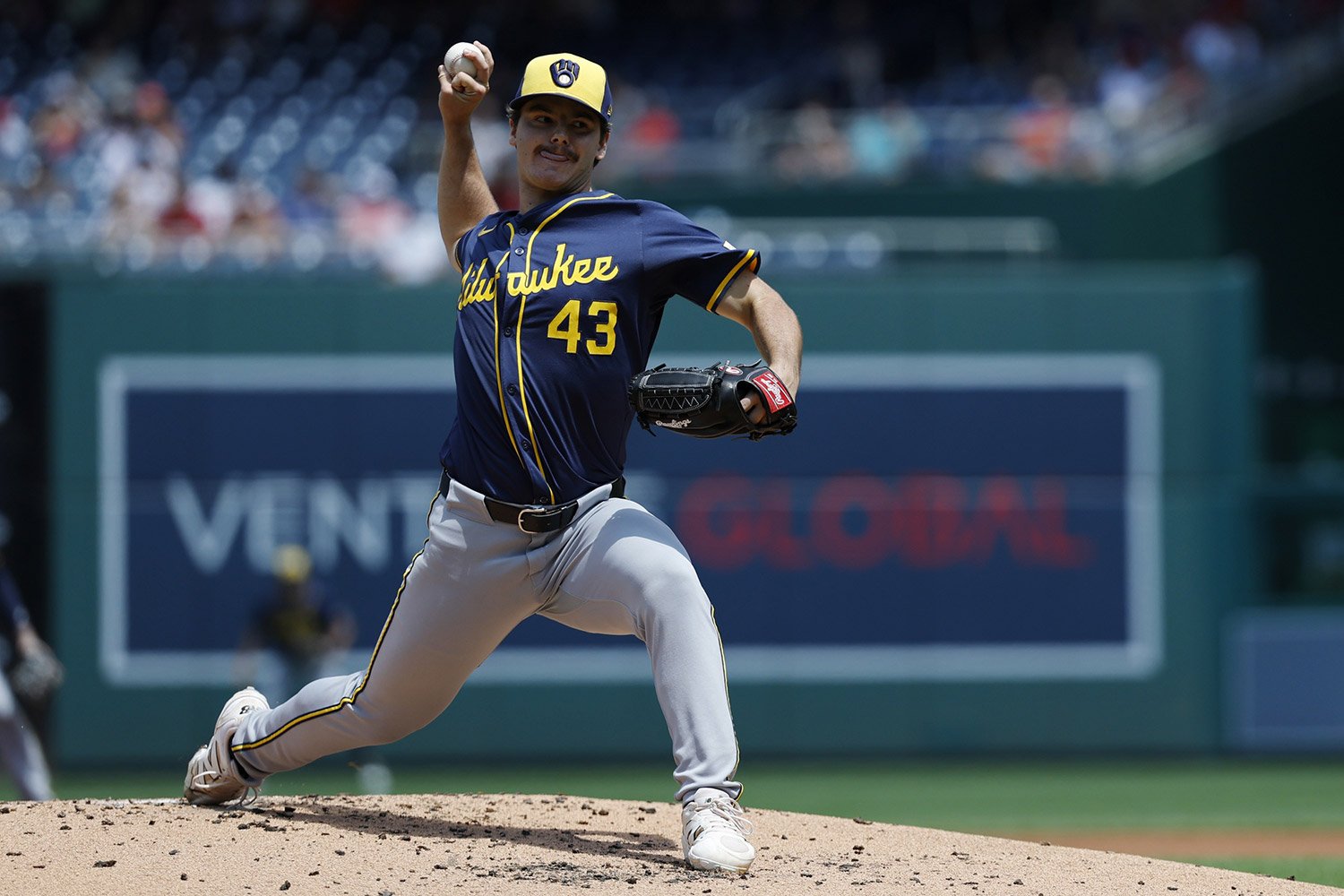 With pitchers and catchers reporting to spring training in less than two weeks, Brandon Woodruff and Quinn Priester look like the only true locks for spots in the Brewers’ rotation on opening day. Jacob Misiorowski and Chad Patrick are not guarantees, but their performances last year leave them well-positioned for the third and fourth slots. After those four, the club has plenty of young candidates for the fifth spot, but each with limited track records and, in some cases, concerns surrounding their arsenals as starting pitchers. Here are some potential developments that could separate a few arms from the rest of the pack next month. Logan Henderson’s Breaking Ball Of the contenders for the fifth rotation spot, Henderson may have the most impressive big-league resume to date, pitching to a 1.78 ERA, 3.20 SIERA, and 99 DRA- with a 33.3% strikeout rate in five starts last season. However, he profiles worse as a starter than most others do. That sample showed that his fastball and changeup combination can rack up whiffs against big-league hitters who haven’t seen him much, but those two pitches are not enough to effectively work multiple turns through an order. In those five outings, the Brewers only let Henderson face nine hitters a third time through, largely because his stuff was already less deceptive by the second turn. TTO BF Whiff% Chase% wOBA xwOBA 1st 45 27.2% 37.2% .189 .273 2nd 45 26.4% 29.9% .337 .368 3rd 9 35.0% 21.1% .077 .089 The same ability that makes Henderson’s fastball and changeup so good also makes it difficult for him to develop other pitches. As a pronator, he excels at generating pure backspin and sidespin by turning his wrist in toward his body at release, but he struggles to get his hand to the outside of the baseball to spin a breaking pitch. So far, Henderson has worked on a cutter and a short gyro slider, but Adam McCalvy reported in December that he spent the winter reviving the curveball he threw as an amateur. While Henderson is unlikely to get to a true curveball shape as a low-slot pronator, trying to get to the front of the ball at release could give him an offering with more consistent glove-side movement, supplying the balance his arsenal needs as a starter. Brandon Sproat’s Command Whereas Henderson’s arsenal needs more diversity, Sproat’s six-pitch mix can keep hitters off balance and doesn’t need much more development. That could give him a leg up on his peers, but he’ll have to demonstrate in camp that his command is big-league ready. FanGraphs currently tags Sproat with just 35-grade present-day command, and his walk rates in two minor-league seasons were lackluster for a starting pitcher. While the Brewers typically avoid forcing their pitchers into the same box mechanically, Chris Hook and the pitching development crew could tweak Sproat’s unorthodox delivery to get his hand more on time when his front foot lands. Will the Brewers Prefer a Left-Hander? Woodruff, Priester, Misiorowski, and Patrick are all right-handed, as are many of the prospects behind them. If the Brewers would rather round out their rotation with a southpaw, it could boost Robert Gasser’s case for the final spot. Like Sproat, Gasser has a complete starter’s arsenal, and he has better command. If the club sticks to its usual approach, lefty swingmen Aaron Ashby and DL Hall will also be stretched out in Arizona and could make rotation bids. There may need to be more matchup-related factors at play for handedness to swing the decision. The Brewers open the season by playing the Chicago White Sox and Tampa Bay Rays. While the White Sox have a few decent left-handed bats, namely the recently signed Munetaka Murakami, many of the Rays’ best hitters are right-handed. Veteran Additions Pat Murphy pushed the front office to add veteran Jose Quintana last spring, and even though the Brewers are deeper in the rotation than they were at this time a year ago, he has already voiced concerns about starting depth in the wake of the Freddy Peralta trade. The Brewers also signed Tyler Alexander at the start of camp and could make a similar move again. In addition to Quintana, Zack Littell, Tyler Anderson, and Patrick Corbin are among the veteran innings-eaters who remain unsigned. The Brewers also developed a positive relationship with Jordan Montgomery, who was still rehabbing from Tommy John surgery when the Brewers acquired him with Shelby Miller at last year’s trade deadline. Should the sides agree to a reunion, his reported timeline may not put him on pace to open the year on an active roster.
- 8 comments
-
- 3
-

-
-
- logan henderson
- brandon sproat
- (and 1 more)
-
Image courtesy of © Geoff Burke-Imagn Images With pitchers and catchers reporting to spring training in less than two weeks, Brandon Woodruff and Quinn Priester look like the only true locks for spots in the Brewers’ rotation on opening day. Jacob Misiorowski and Chad Patrick are not guarantees, but their performances last year leave them well-positioned for the third and fourth slots. After those four, the club has plenty of young candidates for the fifth spot, but each with limited track records and, in some cases, concerns surrounding their arsenals as starting pitchers. Here are some potential developments that could separate a few arms from the rest of the pack next month. Logan Henderson’s Breaking Ball Of the contenders for the fifth rotation spot, Henderson may have the most impressive big-league resume to date, pitching to a 1.78 ERA, 3.20 SIERA, and 99 DRA- with a 33.3% strikeout rate in five starts last season. However, he profiles worse as a starter than most others do. That sample showed that his fastball and changeup combination can rack up whiffs against big-league hitters who haven’t seen him much, but those two pitches are not enough to effectively work multiple turns through an order. In those five outings, the Brewers only let Henderson face nine hitters a third time through, largely because his stuff was already less deceptive by the second turn. TTO BF Whiff% Chase% wOBA xwOBA 1st 45 27.2% 37.2% .189 .273 2nd 45 26.4% 29.9% .337 .368 3rd 9 35.0% 21.1% .077 .089 The same ability that makes Henderson’s fastball and changeup so good also makes it difficult for him to develop other pitches. As a pronator, he excels at generating pure backspin and sidespin by turning his wrist in toward his body at release, but he struggles to get his hand to the outside of the baseball to spin a breaking pitch. So far, Henderson has worked on a cutter and a short gyro slider, but Adam McCalvy reported in December that he spent the winter reviving the curveball he threw as an amateur. While Henderson is unlikely to get to a true curveball shape as a low-slot pronator, trying to get to the front of the ball at release could give him an offering with more consistent glove-side movement, supplying the balance his arsenal needs as a starter. Brandon Sproat’s Command Whereas Henderson’s arsenal needs more diversity, Sproat’s six-pitch mix can keep hitters off balance and doesn’t need much more development. That could give him a leg up on his peers, but he’ll have to demonstrate in camp that his command is big-league ready. FanGraphs currently tags Sproat with just 35-grade present-day command, and his walk rates in two minor-league seasons were lackluster for a starting pitcher. While the Brewers typically avoid forcing their pitchers into the same box mechanically, Chris Hook and the pitching development crew could tweak Sproat’s unorthodox delivery to get his hand more on time when his front foot lands. Will the Brewers Prefer a Left-Hander? Woodruff, Priester, Misiorowski, and Patrick are all right-handed, as are many of the prospects behind them. If the Brewers would rather round out their rotation with a southpaw, it could boost Robert Gasser’s case for the final spot. Like Sproat, Gasser has a complete starter’s arsenal, and he has better command. If the club sticks to its usual approach, lefty swingmen Aaron Ashby and DL Hall will also be stretched out in Arizona and could make rotation bids. There may need to be more matchup-related factors at play for handedness to swing the decision. The Brewers open the season by playing the Chicago White Sox and Tampa Bay Rays. While the White Sox have a few decent left-handed bats, namely the recently signed Munetaka Murakami, many of the Rays’ best hitters are right-handed. Veteran Additions Pat Murphy pushed the front office to add veteran Jose Quintana last spring, and even though the Brewers are deeper in the rotation than they were at this time a year ago, he has already voiced concerns about starting depth in the wake of the Freddy Peralta trade. The Brewers also signed Tyler Alexander at the start of camp and could make a similar move again. In addition to Quintana, Zack Littell, Tyler Anderson, and Patrick Corbin are among the veteran innings-eaters who remain unsigned. The Brewers also developed a positive relationship with Jordan Montgomery, who was still rehabbing from Tommy John surgery when the Brewers acquired him with Shelby Miller at last year’s trade deadline. Should the sides agree to a reunion, his reported timeline may not put him on pace to open the year on an active roster. View full article
-
Jett Williams Embodies the Next Evolution of Brewers Baseball
Jack Stern posted an article in Brewers
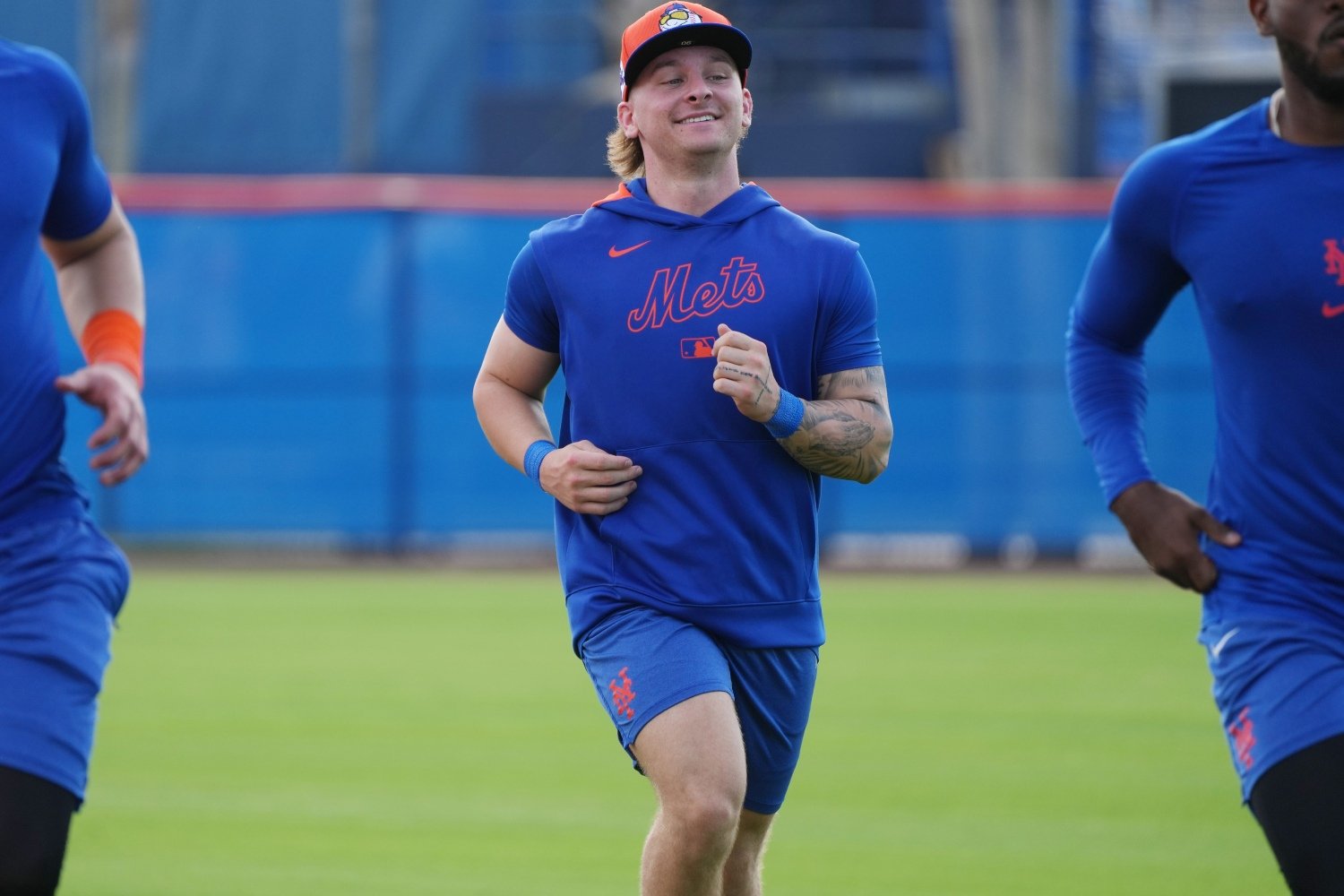 The focus on Jett Williams’s height has already become a bit tiresome, but it’s unlikely to fade anytime soon. Listed at 5-foot-7, the 22-year-old isn’t even the shortest player on his new team, which he described on Monday as “a bunch of short guys who are a little bit scrappy.” According to Stathead, the 2025 Brewers featured 17 position players under 6 feet tall, tying them with Atlanta for the second-most in baseball. In many ways, Williams’s brand of baseball matches his scrappy teammates, too. The Brewers emphasize swing decisions, swinging less than any other team as part of an on-base-centric approach. According to Baseball Prospectus, Williams’s 43% swing rate ranked in the 13th percentile of qualified minor-league hitters last year. A 13.3% walk rate helped him post a .363 on-base percentage. Tagged by FanGraphs with 60-grade speed, he stole 34 bases in 130 minor-league games last year. However, Williams’s approach when he does swing diverges from most of Milwaukee’s smaller hitters, who have below-average raw power and hit plenty of ground balls. Williams has frequently pulled the ball in the air, with average raw power. None of his peers had that combination last year. Williams’s closest comparators in size, Caleb Durbin and Sal Frelick, pulled enough fly balls to hit 11 and 12 homers in 2025, respectively. Durbin excelled at it in the minor leagues, too. However, due to their low 90th-percentile exit velocities, both appear to have maxed out their power. Without dramatic changes to their physiques and approaches, regularly hitting double-digit homers is unlikely. That’s where Williams separates himself. His 90th-percentile exit velocity in Triple A effectively tied him with Brice Turang, who is four inches taller and went on a second-half power binge despite a low pull-in-the-air rate. FanGraphs assigned Williams 50-grade raw power, and he hit seven home runs in 151 Triple-A plate appearances. Watching Williams hit reveals that, unlike other short Brewers, he’s not looking to slap the ball around the field at low trajectories. Like Durbin, he loads with an early leg kick and keeps his weight on his back leg as the pitch comes in. He then unleashes that energy with a faster and steeper swing than Durbin’s, with his barrel meeting the ball at an upward trajectory in front of the plate. The downside is that this approach could make Williams’s hit tool less reliable against big-league pitching. Early leg kicks and steep bat paths make some hitters vulnerable against velocity at the top of the zone. Williams whiffed on 28.4% of swings against four-seam fastballs in Triple A, where his 78% in-zone contact rate ranked in the 19th percentile. The Brewers, meanwhile, have failed to successfully develop hitters with faster and steeper swings, with Keston Hiura and Garrett Mitchell among those to be eaten alive by high fastballs in the big leagues. Opinions of Williams’s bat-to-ball ability vary. Baseball America and MLB Pipeline gave it a 55 grade in their most recent updates; FanGraphs, citing those potential concerns with high velocity, gave it a present grade of 30 and a future grade of 40. Much of his future value may hinge on whether the Brewers can get him to make enough contact. While Williams’s profile features plenty of the scrappiness the Brewers are known for, he’s not just another Pat Murphy favorite with a high floor and a low offensive ceiling. He has more raw power, and an approach geared toward hitting more home runs. Those traits create a wider range of potential outcomes for his development, but it was time that Milwaukee rolled the dice on a riskier hitter with more upside. Williams gives them the best of both worlds: more pop, but still plenty of grit.
 -
Image courtesy of © Jim Rassol-Imagn Images The focus on Jett Williams’s height has already become a bit tiresome, but it’s unlikely to fade anytime soon. Listed at 5-foot-7, the 22-year-old isn’t even the shortest player on his new team, which he described on Monday as “a bunch of short guys who are a little bit scrappy.” According to Stathead, the 2025 Brewers featured 17 position players under 6 feet tall, tying them with Atlanta for the second-most in baseball. In many ways, Williams’s brand of baseball matches his scrappy teammates, too. The Brewers emphasize swing decisions, swinging less than any other team as part of an on-base-centric approach. According to Baseball Prospectus, Williams’s 43% swing rate ranked in the 13th percentile of qualified minor-league hitters last year. A 13.3% walk rate helped him post a .363 on-base percentage. Tagged by FanGraphs with 60-grade speed, he stole 34 bases in 130 minor-league games last year. However, Williams’s approach when he does swing diverges from most of Milwaukee’s smaller hitters, who have below-average raw power and hit plenty of ground balls. Williams has frequently pulled the ball in the air, with average raw power. None of his peers had that combination last year. Williams’s closest comparators in size, Caleb Durbin and Sal Frelick, pulled enough fly balls to hit 11 and 12 homers in 2025, respectively. Durbin excelled at it in the minor leagues, too. However, due to their low 90th-percentile exit velocities, both appear to have maxed out their power. Without dramatic changes to their physiques and approaches, regularly hitting double-digit homers is unlikely. That’s where Williams separates himself. His 90th-percentile exit velocity in Triple A effectively tied him with Brice Turang, who is four inches taller and went on a second-half power binge despite a low pull-in-the-air rate. FanGraphs assigned Williams 50-grade raw power, and he hit seven home runs in 151 Triple-A plate appearances. Watching Williams hit reveals that, unlike other short Brewers, he’s not looking to slap the ball around the field at low trajectories. Like Durbin, he loads with an early leg kick and keeps his weight on his back leg as the pitch comes in. He then unleashes that energy with a faster and steeper swing than Durbin’s, with his barrel meeting the ball at an upward trajectory in front of the plate. The downside is that this approach could make Williams’s hit tool less reliable against big-league pitching. Early leg kicks and steep bat paths make some hitters vulnerable against velocity at the top of the zone. Williams whiffed on 28.4% of swings against four-seam fastballs in Triple A, where his 78% in-zone contact rate ranked in the 19th percentile. The Brewers, meanwhile, have failed to successfully develop hitters with faster and steeper swings, with Keston Hiura and Garrett Mitchell among those to be eaten alive by high fastballs in the big leagues. Opinions of Williams’s bat-to-ball ability vary. Baseball America and MLB Pipeline gave it a 55 grade in their most recent updates; FanGraphs, citing those potential concerns with high velocity, gave it a present grade of 30 and a future grade of 40. Much of his future value may hinge on whether the Brewers can get him to make enough contact. While Williams’s profile features plenty of the scrappiness the Brewers are known for, he’s not just another Pat Murphy favorite with a high floor and a low offensive ceiling. He has more raw power, and an approach geared toward hitting more home runs. Those traits create a wider range of potential outcomes for his development, but it was time that Milwaukee rolled the dice on a riskier hitter with more upside. Williams gives them the best of both worlds: more pop, but still plenty of grit. View full article
-
Image courtesy of © Brad Penner-Imagn Images Freddy Peralta was not the first key player the Brewers traded away as he neared free agency; nor will he be the last. This is the established cycle of Milwaukee player development: acquire players before they establish themselves in the big leagues, enjoy the best years of their careers on bargain salaries, and restart the process by trading them away for young, controllable talent when they get prohibitively expensive. It’s not the most exciting way to run a franchise, but this is the best way for the Brewers to utilize their resources. It allows them to assemble a competitive roster every year, which they believe puts them in the best position to win a World Series. Rather than putting all of their chips on the table for a potentially unsuccessful playoff run and then needing to do a complete teardown and prolonged rebuild, they accept the pain of dealing away cornerstones even as they mold new ones. The media latched onto Peralta’s trade candidacy because the Brewers had done this before, with Josh Hader, Corbin Burnes, and Devin Williams. Peralta’s case was different, though. Like Willy Adames, whom the Brewers kept until free agency, he was a respected clubhouse pillar. He’ll also make just $8 million in 2026, even after the best season of his career. Compared to Burnes or Williams, it was going to take more to pry Peralta away from Milwaukee. The Brewers ultimately pulled the trigger on a return that wasn’t quite overwhelming, but they received a suitable package from the New York Mets, who sent more talent than the Baltimore Orioles did for Burnes two years ago. Utility man Jett Williams and right-hander Brandon Sproat were Baseball America’s Nos. 4 and 5 Mets prospects, respectively, and were both in the Top 100 overall. Both have six full seasons of club control. “Jett and Brandon are two of the top up-and-coming talents in baseball,” president of baseball operations Matt Arnold said, adding that both players will compete for roster spots in spring training. “We are adding both a dynamic athlete and exciting arm to the organization that we see impacting the major-league team for years to come.” Williams has the most prospect buzz and the highest ceiling of the two. At 5-foot-7, it may be tempting to think the 22-year-old is another Pat Murphy guy whose gritty style of play makes him an average big-leaguer without flashy athleticism. In reality, the speedster has legitimate power for his size, which he leverages well with an uppercut swing that consistently pulls balls in the air. He hit 17 home runs in 572 minor-league plate appearances last year, including seven in 151 Triple-A plate appearances. There’s disagreement over Williams’s hit tool. While Baseball America and MLB Pipeline give his hitting a 55 grade, FanGraphs gave it a present grade of 30 and a future grade of 40 in June. His contact and strikeout rates were average in the lower minors, but his 78% in-zone contact rate in Triple-A ranked in the 19th percentile. The Brewers have developed contact-oriented hitters like Sal Frelick, Brice Turang, and Caleb Durbin into capable big-leaguers, but they have not succeeded with more suspect bat-to-ball hitters like Williams. He’s a project worth taking on, though. Milwaukee has enough position players with high floors and needs hitters with more power potential. Because his bat is still unpolished and he’s better suited for second base or center field than shortstop, Williams seems unlikely to be an immediate Joey Ortiz replacement. He’ll be best served by finishing his development in Triple A before reaching the majors in a multi-positional role. While Williams received more love on most prospect lists, the Brewers are best equipped to get the most out of Sproat, who could become the true jewel of the deal. He developed an above-average sinker last year, which became his primary fastball instead of his four-seamer when he reached the big leagues in September. He throws three distinct breaking balls, each of which grades well. Sproat’s 2025 results were below-average in Triple A and in four major-league starts, but he posted a 92 DRA- across the two levels, and his 112 Stuff+ after his callup ranked ninth among starters who threw at least 20 innings in September. He creates a wide range of shapes from a three-quarter arm slot, giving the Brewers plenty to mold to their liking. Chris Hook can also get to work optimizing his whippy delivery to clean up his inconsistent command. Because his changeup has a similar shape to his sinker and a velocity difference of only 5 mph, Sproat will likely join the list of pitchers to scrap it in games upon arriving in Milwaukee. The Brewers may also turn his shorter slider into a true cutter to give him three fastballs. Based on their usual approach, a sinker and sweeper combination will probably become Sproat’s bread and butter against righties, while lefties will see more high four-seamers and curveballs. The Brewers also sent Tobias Myers to the Mets in the deal. The 27-year-old posted a 73 ERA- as a rookie in 2024, but his lackluster peripherals caught up to him last year. Even if he rebounds a bit thanks to the split-changeup he added last summer, it’s still likely his career has already peaked, and he was buried on the Brewers’ pitching depth chart. Sproat profiles as a more impactful starter moving forward. Time will tell how Milwaukee fares without Peralta, who averaged nearly 32 starts across the last three regular seasons, but it received a solid return and still boasts a deep rotation. Sproat, Logan Henderson, Robert Gasser, and Coleman Crow are among the young pitchers set to make starts this year. Jacob Misiorowski and Chad Patrick also profile as breakout candidates, and the Brewers are also optimistic that Brandon Woodruff will be more durable in his second season after returning from shoulder surgery. Trading away star players while remaining competitive is a delicate balance. The Brewers haven’t always struck it perfectly, but it seems they’ve done so nicely with Peralta. View full article
-
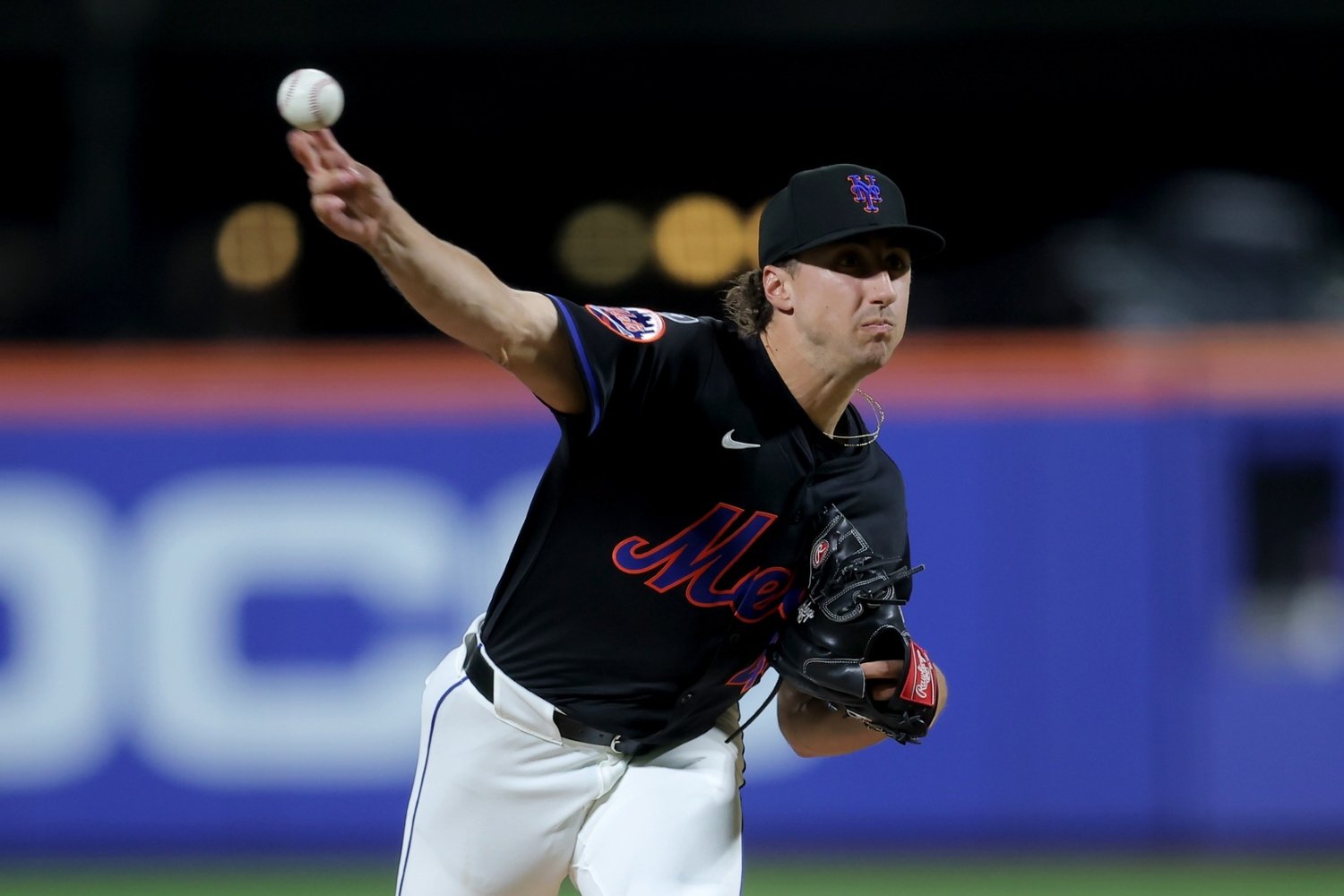 Freddy Peralta was not the first key player the Brewers traded away as he neared free agency; nor will he be the last. This is the established cycle of Milwaukee player development: acquire players before they establish themselves in the big leagues, enjoy the best years of their careers on bargain salaries, and restart the process by trading them away for young, controllable talent when they get prohibitively expensive. It’s not the most exciting way to run a franchise, but this is the best way for the Brewers to utilize their resources. It allows them to assemble a competitive roster every year, which they believe puts them in the best position to win a World Series. Rather than putting all of their chips on the table for a potentially unsuccessful playoff run and then needing to do a complete teardown and prolonged rebuild, they accept the pain of dealing away cornerstones even as they mold new ones. The media latched onto Peralta’s trade candidacy because the Brewers had done this before, with Josh Hader, Corbin Burnes, and Devin Williams. Peralta’s case was different, though. Like Willy Adames, whom the Brewers kept until free agency, he was a respected clubhouse pillar. He’ll also make just $8 million in 2026, even after the best season of his career. Compared to Burnes or Williams, it was going to take more to pry Peralta away from Milwaukee. The Brewers ultimately pulled the trigger on a return that wasn’t quite overwhelming, but they received a suitable package from the New York Mets, who sent more talent than the Baltimore Orioles did for Burnes two years ago. Utility man Jett Williams and right-hander Brandon Sproat were Baseball America’s Nos. 4 and 5 Mets prospects, respectively, and were both in the Top 100 overall. Both have six full seasons of club control. “Jett and Brandon are two of the top up-and-coming talents in baseball,” president of baseball operations Matt Arnold said, adding that both players will compete for roster spots in spring training. “We are adding both a dynamic athlete and exciting arm to the organization that we see impacting the major-league team for years to come.” Williams has the most prospect buzz and the highest ceiling of the two. At 5-foot-7, it may be tempting to think the 22-year-old is another Pat Murphy guy whose gritty style of play makes him an average big-leaguer without flashy athleticism. In reality, the speedster has legitimate power for his size, which he leverages well with an uppercut swing that consistently pulls balls in the air. He hit 17 home runs in 572 minor-league plate appearances last year, including seven in 151 Triple-A plate appearances. There’s disagreement over Williams’s hit tool. While Baseball America and MLB Pipeline give his hitting a 55 grade, FanGraphs gave it a present grade of 30 and a future grade of 40 in June. His contact and strikeout rates were average in the lower minors, but his 78% in-zone contact rate in Triple-A ranked in the 19th percentile. The Brewers have developed contact-oriented hitters like Sal Frelick, Brice Turang, and Caleb Durbin into capable big-leaguers, but they have not succeeded with more suspect bat-to-ball hitters like Williams. He’s a project worth taking on, though. Milwaukee has enough position players with high floors and needs hitters with more power potential. Because his bat is still unpolished and he’s better suited for second base or center field than shortstop, Williams seems unlikely to be an immediate Joey Ortiz replacement. He’ll be best served by finishing his development in Triple A before reaching the majors in a multi-positional role. While Williams received more love on most prospect lists, the Brewers are best equipped to get the most out of Sproat, who could become the true jewel of the deal. He developed an above-average sinker last year, which became his primary fastball instead of his four-seamer when he reached the big leagues in September. He throws three distinct breaking balls, each of which grades well. Sproat’s 2025 results were below-average in Triple A and in four major-league starts, but he posted a 92 DRA- across the two levels, and his 112 Stuff+ after his callup ranked ninth among starters who threw at least 20 innings in September. He creates a wide range of shapes from a three-quarter arm slot, giving the Brewers plenty to mold to their liking. Chris Hook can also get to work optimizing his whippy delivery to clean up his inconsistent command. Because his changeup has a similar shape to his sinker and a velocity difference of only 5 mph, Sproat will likely join the list of pitchers to scrap it in games upon arriving in Milwaukee. The Brewers may also turn his shorter slider into a true cutter to give him three fastballs. Based on their usual approach, a sinker and sweeper combination will probably become Sproat’s bread and butter against righties, while lefties will see more high four-seamers and curveballs. The Brewers also sent Tobias Myers to the Mets in the deal. The 27-year-old posted a 73 ERA- as a rookie in 2024, but his lackluster peripherals caught up to him last year. Even if he rebounds a bit thanks to the split-changeup he added last summer, it’s still likely his career has already peaked, and he was buried on the Brewers’ pitching depth chart. Sproat profiles as a more impactful starter moving forward. Time will tell how Milwaukee fares without Peralta, who averaged nearly 32 starts across the last three regular seasons, but it received a solid return and still boasts a deep rotation. Sproat, Logan Henderson, Robert Gasser, and Coleman Crow are among the young pitchers set to make starts this year. Jacob Misiorowski and Chad Patrick also profile as breakout candidates, and the Brewers are also optimistic that Brandon Woodruff will be more durable in his second season after returning from shoulder surgery. Trading away star players while remaining competitive is a delicate balance. The Brewers haven’t always struck it perfectly, but it seems they’ve done so nicely with Peralta.
- 13 comments
-
- 2
-
-
- freddy peralta
- jett williams
- (and 2 more)
-
Image courtesy of © Erik Williams-Imagn Images The Brewers have had a predictably quiet offseason. Milwaukee is returning most of the roster that won a league-leading 97 regular-season games last year. ZiPS projects them for at least 2 fWAR—the benchmark for a capable starter—at every position but first base. Because the existing team has a high floor and a small budget, signing mid-tier free agents would be a poor use of resources. To get the most bang for their buck, the Brewers would have to go big, but most of the top free agents are out of their price range, particularly amid the financial fallout of the club terminating its broadcast rights deal with Main Street Sports Group. That leaves low-risk, high-reward acquisitions as the best way for the Brewers to round out their roster, which could still use more power and another bench infielder behind Andruw Monasterio and Anthony Seigler. Brendan Rodgers might be the best free agent to check both boxes. Rodgers was a potential target a year ago, before the Brewers acquired Caleb Durbin to round out their infield. The former Colorado Rockies top prospect ultimately signed a minor-league contract with the Houston Astros, with whom he limped to a career-worst .191/.266/.278 line (55 wRC+) in 128 plate appearances. He hit the injured list on June 18 with an oblique strain. While on a rehab assignment, he collided with shortstop Edwin Díaz while fielding a ground ball, sustaining a concussion and a nasal fracture that ended his season. There were some promising signs in Rodgers’s bat when he was healthy. He added 2.4 mph of average bat speed, which allowed him to hit the ball harder. He also nearly doubled his rate of balls pulled in the air. Season Avg. Bat Speed (MPH) Avg Exit Velo (MPH) Barrel% HardHit% Pull Air% xwOBAcon 2024 71.7 89.3 5.6% 44.1% 9.9% .369 2025 74.1 90.5 14.3% 48.6% 17.1% .421 Because he was making louder contact, Rodgers’s .296 xwOBA and 98 DRC+ suggested he was better than his results indicated. Even those marks were unremarkable, though. Rodgers was swinging faster and meeting the ball in front of the plate more consistently, but his bat-to-ball ability suffered amid those changes. Not much of a contact hitter to begin with, he saw his whiff rate skyrocket from 25.9% to 37.8% last year. His 35.9% strikeout rate was a career-worst mark. That much swing-and-miss won’t cut it, but Rodgers could figure things out with more time to acclimate to a new approach or some adjustments that bring him to the right mix of power and contact. He’s still under 30 years old, and there’s some upside in his bat if he’s healthy. There would be no risk for the Brewers in signing him to a minor-league deal to compete in spring training for a roster spot. The greatest question surrounding Rodgers may be his usefulness in the field as a backup infielder. A former minor-league shortstop, he quickly moved to second base in the big leagues, where his defense has been inconsistent. His suspect arm could complicate his ability to fill in at third base, although the Brewers made do with Durbin’s below-average throwing at the hot corner last year. Even if Rodgers isn’t the perfect fit, he may be a worthwhile bargain. View full article
-
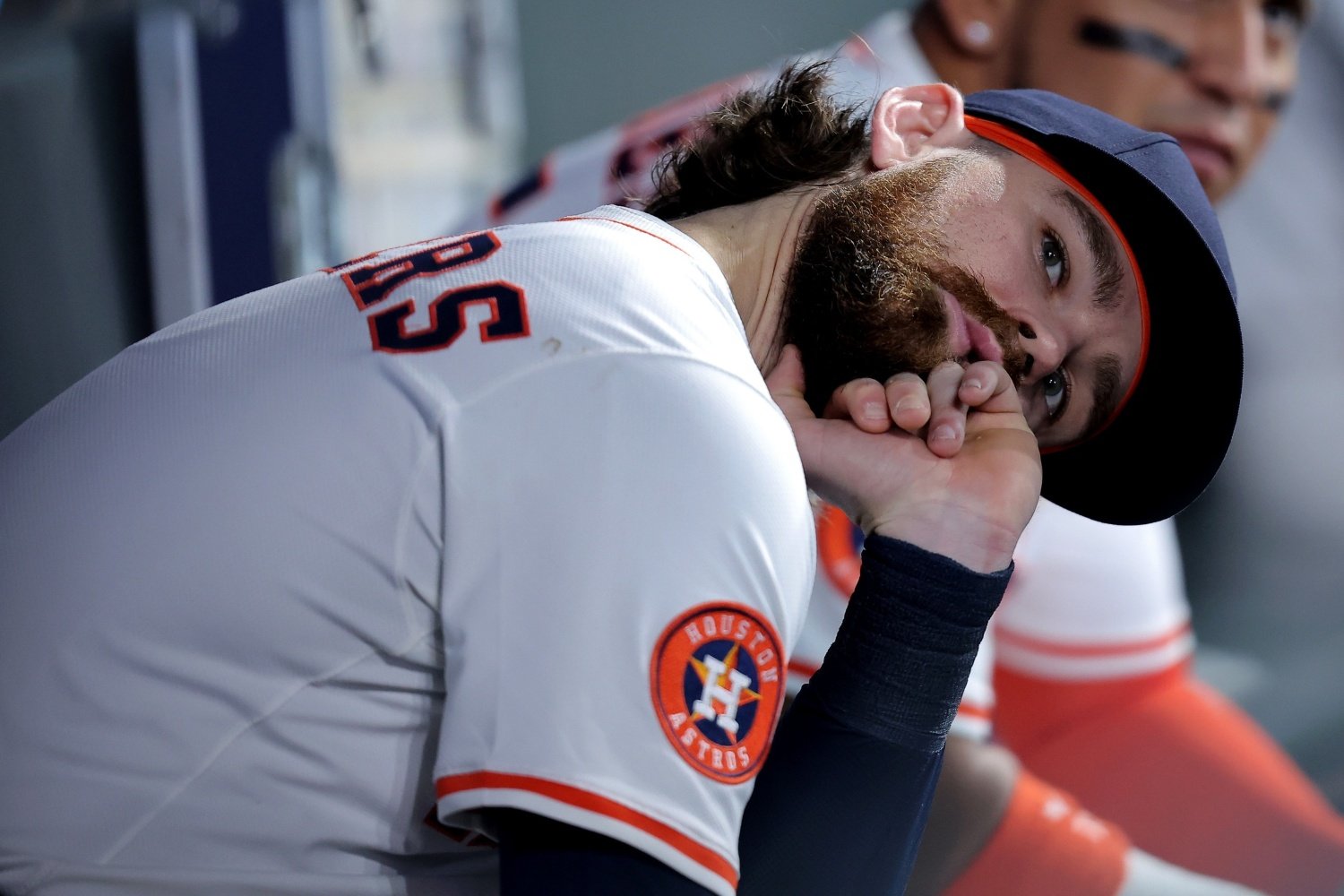 The Brewers have had a predictably quiet offseason. Milwaukee is returning most of the roster that won a league-leading 97 regular-season games last year. ZiPS projects them for at least 2 fWAR—the benchmark for a capable starter—at every position but first base. Because the existing team has a high floor and a small budget, signing mid-tier free agents would be a poor use of resources. To get the most bang for their buck, the Brewers would have to go big, but most of the top free agents are out of their price range, particularly amid the financial fallout of the club terminating its broadcast rights deal with Main Street Sports Group. That leaves low-risk, high-reward acquisitions as the best way for the Brewers to round out their roster, which could still use more power and another bench infielder behind Andruw Monasterio and Anthony Seigler. Brendan Rodgers might be the best free agent to check both boxes. Rodgers was a potential target a year ago, before the Brewers acquired Caleb Durbin to round out their infield. The former Colorado Rockies top prospect ultimately signed a minor-league contract with the Houston Astros, with whom he limped to a career-worst .191/.266/.278 line (55 wRC+) in 128 plate appearances. He hit the injured list on June 18 with an oblique strain. While on a rehab assignment, he collided with shortstop Edwin Díaz while fielding a ground ball, sustaining a concussion and a nasal fracture that ended his season. There were some promising signs in Rodgers’s bat when he was healthy. He added 2.4 mph of average bat speed, which allowed him to hit the ball harder. He also nearly doubled his rate of balls pulled in the air. Season Avg. Bat Speed (MPH) Avg Exit Velo (MPH) Barrel% HardHit% Pull Air% xwOBAcon 2024 71.7 89.3 5.6% 44.1% 9.9% .369 2025 74.1 90.5 14.3% 48.6% 17.1% .421 Because he was making louder contact, Rodgers’s .296 xwOBA and 98 DRC+ suggested he was better than his results indicated. Even those marks were unremarkable, though. Rodgers was swinging faster and meeting the ball in front of the plate more consistently, but his bat-to-ball ability suffered amid those changes. Not much of a contact hitter to begin with, he saw his whiff rate skyrocket from 25.9% to 37.8% last year. His 35.9% strikeout rate was a career-worst mark. That much swing-and-miss won’t cut it, but Rodgers could figure things out with more time to acclimate to a new approach or some adjustments that bring him to the right mix of power and contact. He’s still under 30 years old, and there’s some upside in his bat if he’s healthy. There would be no risk for the Brewers in signing him to a minor-league deal to compete in spring training for a roster spot. The greatest question surrounding Rodgers may be his usefulness in the field as a backup infielder. A former minor-league shortstop, he quickly moved to second base in the big leagues, where his defense has been inconsistent. His suspect arm could complicate his ability to fill in at third base, although the Brewers made do with Durbin’s below-average throwing at the hot corner last year. Even if Rodgers isn’t the perfect fit, he may be a worthwhile bargain.
- 9 comments
-
- 1
-
-
- brendan rodgers
- andruw monasterio
- (and 2 more)
-
Image courtesy of © Katie Stratman-Imagn Images While Joey Ortiz may have tested his manager’s patience with his poor plate discipline throughout a trying 2025 season, the Brewers continued to give him a long leash as their everyday shortstop. It seems there’s still plenty of slack left on that leash, as president of baseball operations Matt Arnold said during last month’s Winter Meetings that the team remains confident in Ortiz’s upside. The Brewers should remain open-minded about the position, but they shouldn’t feel a pressing need to upgrade. Even if Ortiz does not reach that perceived ceiling, he’s still a capable big-leaguer at a premium defensive position, and the organization’s long-term solution at shortstop could reach the majors within the next two seasons. Even though his 67 wRC+ last year was the third-lowest among qualified hitters, Ortiz’s defense still made him worth 1.4 fWAR. His 0.3 bWAR was closer to replacement level because it was calculated using his -2 Defensive Runs Saved rather than his +10 Fielding Run Value, but given his defensive improvements throughout the summer, the latter seems to be a better preview of how valuable his glove will be this year. To replace Ortiz, the Brewers would need to find a shortstop who is clearly better than him. The free agents in their price range wouldn’t move that needle; only the recently-signed Bo Bichette is projected by FanGraphs’ Depth Charts system for a higher 2026 fWAR than Ortiz’s 2.5. Player 2025 fWAR Projected 2026 fWAR Joey Ortiz 1.4 2.5 Ha-Seong Kim (signed by ATL) 0.3 2.4 Willi Castro (signed by COL) 0.5 1.4 Miguel Rojas (signed by LAD) 1.7 0.6 Isiah Kiner-Falefa 0.7 0.5 Jon Berti -0.4 0.5 Jose Iglesias -0.2 0.4 Because even the worst version of Ortiz was still above replacement-level in 2025, he’s at least a capable holdover while the organization’s best shortstop prospects continue developing in the upper minors. Cooper Pratt appears poised to start the season in Triple-A, and Jesús Made seems to be on Jackson Chourio’s track of beginning his third professional season in Double-A and debuting in 2027. It’s also possible that a reworked group of hitting coaches led by Eric Theisen gets Ortiz in a better hitting position. His strong 84.6% contact rate in 2025 indicated that his hit tool hadn’t disappeared. Most of his issues stemmed from timing; Ortiz had above-average bat speed, but he usually started his swing so late in a pitch’s trajectory that he rarely had a chance to extend his arms and get his barrel through the zone by the time he made contact. Ortiz’s leash will expire eventually if he doesn’t significantly improve his offense, but he remains the Brewers’ best option at shortstop for now. Giving him another shot in 2026 is the right call. View full article

