



Jack Stern
-
Posts
764 -
Joined
-
Last visited
-
Days Won
2
Content Type
Profiles
Forums
Blogs
Events
News
2026 Milwaukee Brewers Top Prospects Ranking
Milwaukee Brewers Videos
2022 Milwaukee Brewers Draft Picks
Milwaukee Brewers Free Agent & Trade Rumors, Notes, & Tidbits
Guides & Resources
2023 Milwaukee Brewers Draft Picks
2024 Milwaukee Brewers Draft Picks
The Milwaukee Brewers Players Project
2025 Milwaukee Brewers Draft Pick Tracker
2026 Milwaukee Brewers Draft Tracker: Picks & Bonuses
Store
Downloads
Gallery
Everything posted by Jack Stern
-
 The Brewers' enigmatic center fielder knows how poorly he's fared against elevated heaters, so much so that he's put holding his own against them at the heart of his approach. The Brewers' enigmatic center fielder knows how poorly he's fared against elevated heaters, so much so that he's put holding his own against them at the heart of his approach. When Garrett Mitchell lined an elevated Antonio Senzetla fastball for a double on Wednesday night, it was just the second non-bunt hit on a high fastball in his big-league career. All hitters have varying weaknesses, but Mitchell's swing has so far featured a gaping hole against velocity at the top third of the strike zone or above. According to Statcast, he has hit .051 in 59 career at-bats ending on a high fastball and whiffed on 50% of his swings at such pitches. Being a near-automatic out on what has become an increasingly common pitch in modern baseball, along with a high ground-ball rate preventing him from turning his raw strength into consistent game power, has made Mitchell a challenging player to project despite his undeniable talent. He has arguably the highest ceiling in the Milwaukee outfield behind Jackson Chourio, but his weaknesses have long raised serious red flags. Mitchell is aware of those shortcomings and is working to address them. As part of his training at Driveline Baseball last winter, he focused on working behind the baseball, allowing him to pull it in the air without selling out for a contact point out in front of the plate. His primary emphasis, though, was curbing his greatest weakness of hitting high fastballs. "For the most part, it's every hitter's weakness in some regard," Mitchell said. "Just a tough pitch to get to. So a lot of my work is just trying to be able to control that, whether it's recognizing strike to ball, fouling them off on a two-strike approach, or even just making good quality contact with it." Mitchell is not looking to change his profile and start destroying high fastballs. Instead, he's trying to shrink his hole at the top of the zone enough to force pitchers to attack him in ways that better play to his strengths. Sometimes, all that takes is a good enough swing to foul that fastball straight back or enough discernment to watch it for a ball. "You don't necessarily have to crush it every single time," he said. "I'm just playing that game with (the pitcher) of, if you're going to throw it there and the swing looks good enough, you go, 'Oh, maybe I don't want to try that again.'" Attacking with high fastballs will always be part of the plan against Mitchell, even if he improves against them. However, each additional pitch he can coax into other areas of the zone is impactful. As poorly as he's fared at the top, he's found big-league success by being just as lethal against pitches at his belt and knees. Maximizing that damage is key. "I do damage on pitches down in the zone or down and in," Mitchell said. "If I can keep getting you to push to that spot, now you're playing my game." It's too early to say whether he has reached his goal, but there are preliminary signs he is on the right track. Mitchell pinpointed a plate appearance against Kansas City Royals left-hander Cole Ragans last week. He fouled off a high fastball with two strikes, then took another for ball four when Ragans climbed the ladder further. "To me," Mitchell said, "that was a perfect example of an at-bat where you have to protect because you never know, but then also having the recognition to go, 'Okay, I just saw that one above the zone and fouled it off,' but then take the next one and spit on it.'" Statistically, things are trending in the right direction. Mitchell is seeing fewer high fastballs, and while his whiff rate against them remains much higher than the league average, it's fallen considerably from previous seasons. Season High FB% High FB Whiff% 2022 26.3% 45.7% 2023 28.4% 60.0% 2024 30.8% 50.0% 2025 23.2% 35.7% Still, that's not good enough to give pitchers serious reservations about elevating against him. Pat Murphy, while encouraged that his center fielder is working to narrow that hole in his swing, said he still needs to see more progress from him offensively. He's aware of Mitchell's high ceiling if he makes those strides. "He's just a very, very small margin away from being very, very good," Murphy said. Mitchell has the right mindset. He's not eschewing his identity as a hitter in pursuit of improvement. Instead, he's working within the framework of how his body moves and trying to minimize his weaknesses to maximize his strengths. He and the Brewers will soon learn if that work will translate into results. View full article
 -
Brewers Taking a Long-Term Gamble on Quinn Priester and His New Fastballs
Jack Stern posted an article in Brewers
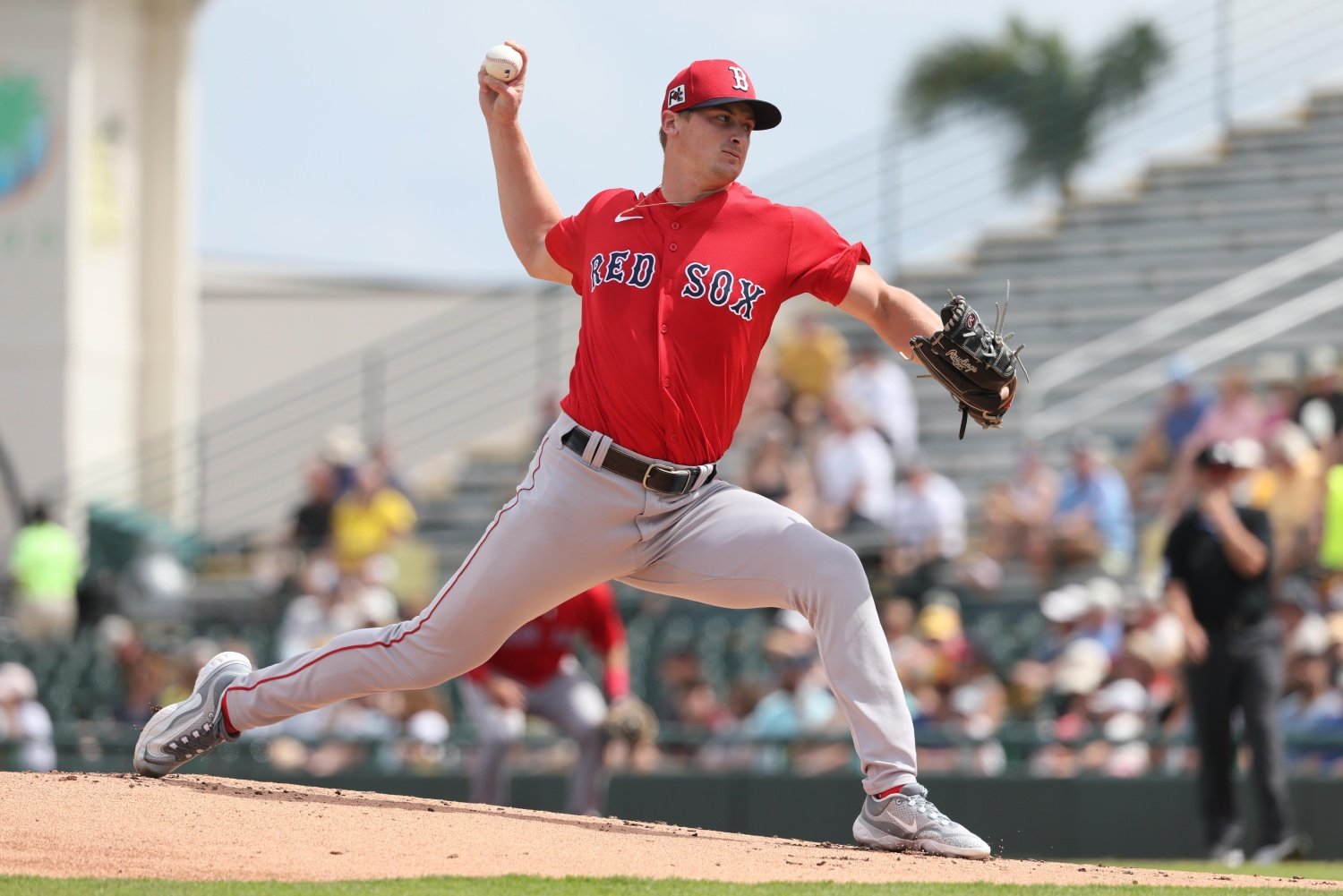 The Brewers replenished their depleted rotation depth on Monday, acquiring right-hander Quinn Priester from the Boston Red Sox. While he slots in now as an immediate stopgap, Milwaukee could have made a smaller trade (Dallas Keuchel a year ago) or signed a cheap veteran free agent (Julio Teherán in 2023) to eat innings until reinforcements like Jose Quintana and Tobias Myers arrive. Instead, the club is trying to satisfy two needs with one move. The real key to this deal is Priester’s full six seasons of club control and the potential long-term value he could provide as a middle-of-the-rotation starter. Controllable starting pitching does not come cheap, especially in-season. The Brewers parted with outfield prospect Yophery Rodriguez, one of their competitive balance draft picks, a player to be named later, and cash. That’s a hefty package and has been perceived by some as an overpay, but it will prove a fair deal if Priester becomes what the club expects he will. Matt Arnold told MLB.com’s Adam McCalvy that Brewers scouts have been fond of the 24-year-old since high school and see him as a long-term contributor. Priester has not looked the part of a big-league starter in two brief stints, pitching to a 6.23 ERA, 5.72 FIP, and 113 DRA- in 99 ⅔ innings. However, he debuted some modifications with Boston in spring training that could mesh nicely with the approach of Chris Hook and company. The right-hander’s breaking pitches were scouted as his best and have generated plenty of swings and misses in the minor leagues. His fastballs have been problematic, though. They’ve had unremarkable movement and velocity, and Priester’s position on the rubber and traditional high-three-quarters delivery do nothing to help them play up. As such, those heaters have yielded frequent loud contact. Triple-A opponents slugged .453 against Priester’s sinker and four-seamer last year, posting a 47.7% hard-hit rate and 91.2-mph average exit velocity. Big-league hitters smacked them at similar rates. Priester has since added velocity and improved his fastball shapes. His sinker is now harder, with a couple more inches of run, and he has reworked what was a dreadfully straight four-seamer into a hard, riding cutter. He’s also throwing a firmer, shorter version of his signature curveball, which should play better with those heaters. Thomas Nestico’s pitch-grading models like both fastballs more than their previous iterations, and the Brewers presumably agree. As an organization that has increasingly encouraged its high-volume pitchers to tunnel multiple fastball variants, it would not be surprising if they intend to lean heavily into Priester’s new sinker-cutter pairing. Reasons for skepticism remain, though. Baseball Prospectus’ models still see both pitches as below average. In Priester’s first Triple-A start of the year, the sinker’s StuffPro run value was 1.2, and his cutter’s was 0.6. That cutter shape is not quite where it needs to be, either, as he has struggled thus far to generate consistent glove-side movement. Commanding its riding action in tandem with the heaviness of his sinker could also prove challenging. Because Priester is just as much a long-term project as an immediate rotation addition, it may take time to evaluate this trade. In a perfect world, he will only need to make a few starts before several injured hurlers return, then head to Triple-A Nashville to continue calibrating his modified pitch mix. Even in his current form, he fits better under the Brewers’ style of run prevention than he did with his former organizations. Time will tell whether acquiring him was the proper use of prospect and draft capital.
 -
Milwaukee's front office paid a steep price for the former first-rounder because they view him as a long-term rotation mainstay. Some fresh adjustments have him closer to that status, but he's not there yet. Image courtesy of © Kim Klement Neitzel-Imagn Images Milwaukee's front office paid a steep price for the former first-rounder because they view him as a long-term rotation mainstay. Some fresh adjustments have him closer to that status, but he's not there yet. The Brewers replenished their depleted rotation depth on Monday, acquiring right-hander Quinn Priester from the Boston Red Sox. While he slots in now as an immediate stopgap, Milwaukee could have made a smaller trade (Dallas Keuchel a year ago) or signed a cheap veteran free agent (Julio Teherán in 2023) to eat innings until reinforcements like Jose Quintana and Tobias Myers arrive. Instead, the club is trying to satisfy two needs with one move. The real key to this deal is Priester’s full six seasons of club control and the potential long-term value he could provide as a middle-of-the-rotation starter. Controllable starting pitching does not come cheap, especially in-season. The Brewers parted with outfield prospect Yophery Rodriguez, one of their competitive balance draft picks, a player to be named later, and cash. That’s a hefty package and has been perceived by some as an overpay, but it will prove a fair deal if Priester becomes what the club expects he will. Matt Arnold told MLB.com’s Adam McCalvy that Brewers scouts have been fond of the 24-year-old since high school and see him as a long-term contributor. Priester has not looked the part of a big-league starter in two brief stints, pitching to a 6.23 ERA, 5.72 FIP, and 113 DRA- in 99 ⅔ innings. However, he debuted some modifications with Boston in spring training that could mesh nicely with the approach of Chris Hook and company. The right-hander’s breaking pitches were scouted as his best and have generated plenty of swings and misses in the minor leagues. His fastballs have been problematic, though. They’ve had unremarkable movement and velocity, and Priester’s position on the rubber and traditional high-three-quarters delivery do nothing to help them play up. As such, those heaters have yielded frequent loud contact. Triple-A opponents slugged .453 against Priester’s sinker and four-seamer last year, posting a 47.7% hard-hit rate and 91.2-mph average exit velocity. Big-league hitters smacked them at similar rates. Priester has since added velocity and improved his fastball shapes. His sinker is now harder, with a couple more inches of run, and he has reworked what was a dreadfully straight four-seamer into a hard, riding cutter. He’s also throwing a firmer, shorter version of his signature curveball, which should play better with those heaters. Thomas Nestico’s pitch-grading models like both fastballs more than their previous iterations, and the Brewers presumably agree. As an organization that has increasingly encouraged its high-volume pitchers to tunnel multiple fastball variants, it would not be surprising if they intend to lean heavily into Priester’s new sinker-cutter pairing. Reasons for skepticism remain, though. Baseball Prospectus’ models still see both pitches as below average. In Priester’s first Triple-A start of the year, the sinker’s StuffPro run value was 1.2, and his cutter’s was 0.6. That cutter shape is not quite where it needs to be, either, as he has struggled thus far to generate consistent glove-side movement. Commanding its riding action in tandem with the heaviness of his sinker could also prove challenging. Because Priester is just as much a long-term project as an immediate rotation addition, it may take time to evaluate this trade. In a perfect world, he will only need to make a few starts before several injured hurlers return, then head to Triple-A Nashville to continue calibrating his modified pitch mix. Even in his current form, he fits better under the Brewers’ style of run prevention than he did with his former organizations. Time will tell whether acquiring him was the proper use of prospect and draft capital. View full article
-
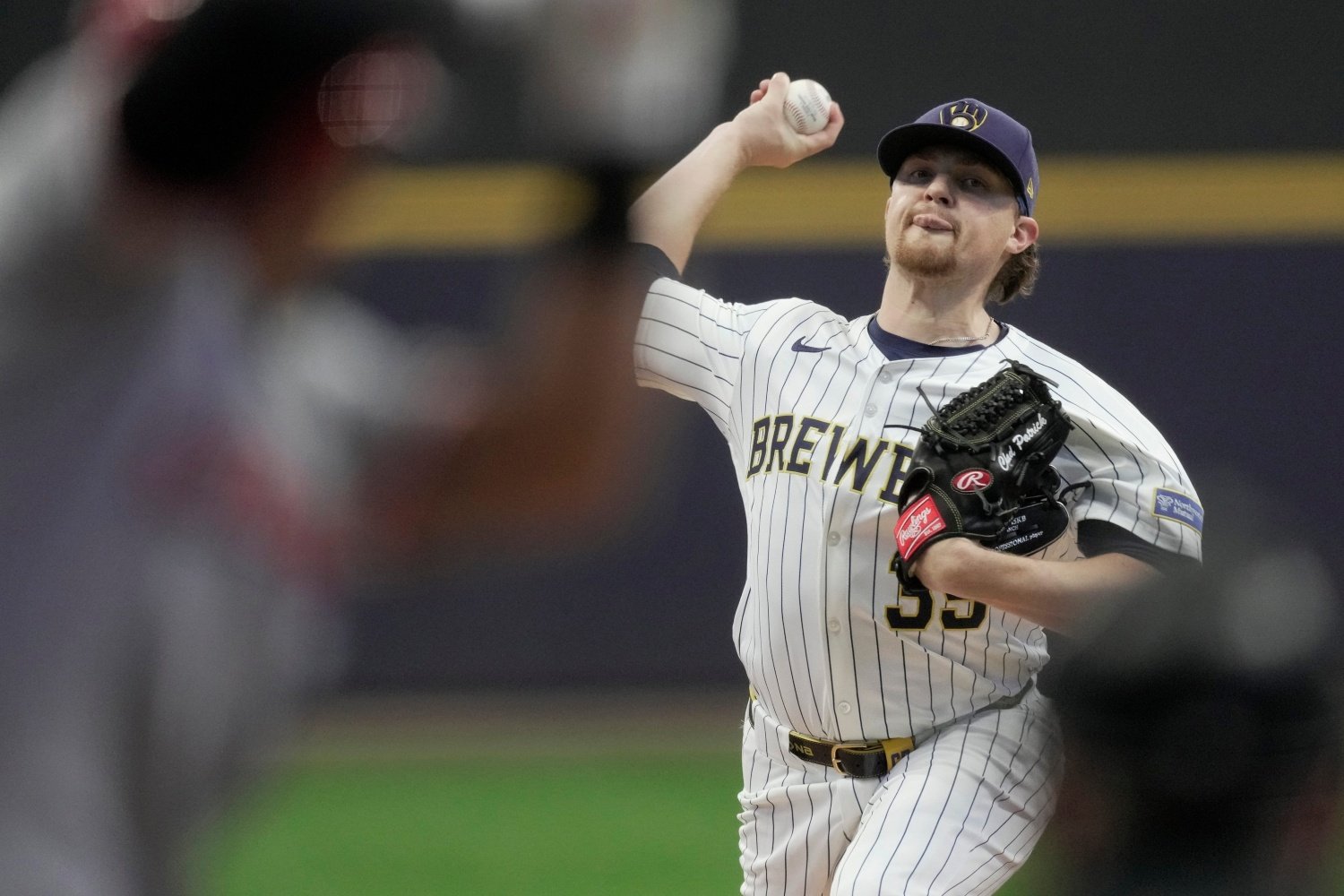 For the second time in the Brewers’ first regular-season homestand, Chad Patrick set the tone in a bounce-back victory. Last Tuesday, Patrick led the team to its first victory in his first big-league start. On Sunday, he kept the Cincinnati Reds at bay into the sixth inning as Milwaukee took the series with an 8-2 win. Patrick was optioned to minor-league camp in early March, but after a slew of injuries ravaged the starting rotation, he found himself on his first Opening Day roster and (shortly thereafter) making starts. His latest effort was especially encouraging on a day when Nestor Cortes hit the injured list, making Freddy Peralta the lone starter standing from the initial projected rotation. “He’s stepping up for us, for sure,” said Brice Turang. “Which is great. We always need guys to do that.” Most notably, the 26-year-old has looked comfortable on a big-league mound. “You wouldn’t know that he just started his major-league career,” Pat Murphy said. “Very poised. Sensible with his stuff.” “He’s very mature, and he knows what he does well,” said Eric Haase, who has caught both of Patrick’s starts after working with him in Nashville last year. “I think that’s the biggest thing.” The right-hander’s strength is a cutter and four-seam fastball combination that he rode to a Triple-A pitching Triple Crown (and recognition as the International League Pitcher of the Year) last season. Those two offerings constituted two-thirds of his pitches thrown in 2024. It’s been even more extreme in these two starts, where 83% of his pitches have been cutters or four-seamers. “Being able to go north and south with the heater, and then the cutter,” Patrick said of his game plan on Sunday. “The cutter’s always going to be there. Today, it played really well.” “It’s just establishing the top of the zone more than anything,” Haase elaborated. “He throws a couple of strikes up there, and then the eyes start looking towards the top of the zone, which opens up the cutter down, the fastballs down. It’s just kind of playing with eye levels.” Even if there was some thought of mixing eye levels, Patrick and Haase have so far lived overwhelmingly around the top of the zone. The behavior of Patrick’s cutter allows him to thrive up there. The pitch has assumed a wide range of shapes, enabling it to play to all quadrants, but most often, it cuts and rides. He can spin it so that it defies gravity and “stays up” more than hitters expect of a cutter, an effect boosted by his three-quarters release. Patrick’s cutter currently boasts the fourth-highest induced vertical break of any qualified big-league cutter this year, and its -5.2° vertical approach angle is the seventh-flattest. Name Cutter iVB Cutter HB VAA Kenley Jansen 18.2 -3.8 -5.3 Aaron Civale 14.5 -3.8 -5.9 Ryan Pepiot 14.3 -1.0 -5.2 Chad Patrick 12.7 -1.3 -5.2 Emmanuel Clase 12.3 -3.7 -5.3 Appearing on a list with Kenley Jansen and Emmanuel Clase should warrant some attention. While not an elite weapon like those cutters, Patrick’s is more versatile and unique than most. Murphy noted that the rookie has plenty of room for improvement—he won’t get too far with his current 1.43 strikeout-to-walk ratio—but Patrick’s stuff has evaded the barrels of two big-league teams so far, and those productive starts could not have come at a better time for an ailing pitching staff. “Just him gaining that confidence that he belongs and he can help us,” Murphy said. “That’s twice in this series and twice in this homestand. It’s kind of significant.”
 -
It's been rough sailing for the Milwaukee pitching staff, but the rookie righthander has helped keep them afloat. Image courtesy of © Mark Hoffman/Milwaukee Journal Sentinel / USA TODAY NETWORK via Imagn Images It's been rough sailing for the Milwaukee pitching staff, but the rookie righthander has helped keep them afloat. For the second time in the Brewers’ first regular-season homestand, Chad Patrick set the tone in a bounce-back victory. Last Tuesday, Patrick led the team to its first victory in his first big-league start. On Sunday, he kept the Cincinnati Reds at bay into the sixth inning as Milwaukee took the series with an 8-2 win. Patrick was optioned to minor-league camp in early March, but after a slew of injuries ravaged the starting rotation, he found himself on his first Opening Day roster and (shortly thereafter) making starts. His latest effort was especially encouraging on a day when Nestor Cortes hit the injured list, making Freddy Peralta the lone starter standing from the initial projected rotation. “He’s stepping up for us, for sure,” said Brice Turang. “Which is great. We always need guys to do that.” Most notably, the 26-year-old has looked comfortable on a big-league mound. “You wouldn’t know that he just started his major-league career,” Pat Murphy said. “Very poised. Sensible with his stuff.” “He’s very mature, and he knows what he does well,” said Eric Haase, who has caught both of Patrick’s starts after working with him in Nashville last year. “I think that’s the biggest thing.” The right-hander’s strength is a cutter and four-seam fastball combination that he rode to a Triple-A pitching Triple Crown (and recognition as the International League Pitcher of the Year) last season. Those two offerings constituted two-thirds of his pitches thrown in 2024. It’s been even more extreme in these two starts, where 83% of his pitches have been cutters or four-seamers. “Being able to go north and south with the heater, and then the cutter,” Patrick said of his game plan on Sunday. “The cutter’s always going to be there. Today, it played really well.” “It’s just establishing the top of the zone more than anything,” Haase elaborated. “He throws a couple of strikes up there, and then the eyes start looking towards the top of the zone, which opens up the cutter down, the fastballs down. It’s just kind of playing with eye levels.” Even if there was some thought of mixing eye levels, Patrick and Haase have so far lived overwhelmingly around the top of the zone. The behavior of Patrick’s cutter allows him to thrive up there. The pitch has assumed a wide range of shapes, enabling it to play to all quadrants, but most often, it cuts and rides. He can spin it so that it defies gravity and “stays up” more than hitters expect of a cutter, an effect boosted by his three-quarters release. Patrick’s cutter currently boasts the fourth-highest induced vertical break of any qualified big-league cutter this year, and its -5.2° vertical approach angle is the seventh-flattest. Name Cutter iVB Cutter HB VAA Kenley Jansen 18.2 -3.8 -5.3 Aaron Civale 14.5 -3.8 -5.9 Ryan Pepiot 14.3 -1.0 -5.2 Chad Patrick 12.7 -1.3 -5.2 Emmanuel Clase 12.3 -3.7 -5.3 Appearing on a list with Kenley Jansen and Emmanuel Clase should warrant some attention. While not an elite weapon like those cutters, Patrick’s is more versatile and unique than most. Murphy noted that the rookie has plenty of room for improvement—he won’t get too far with his current 1.43 strikeout-to-walk ratio—but Patrick’s stuff has evaded the barrels of two big-league teams so far, and those productive starts could not have come at a better time for an ailing pitching staff. “Just him gaining that confidence that he belongs and he can help us,” Murphy said. “That’s twice in this series and twice in this homestand. It’s kind of significant.” View full article
-
The cerebral control specialist felt Milwaukee would be an excellent fit for him, and his early experience has confirmed it. He'll get opportunities to bounce back from a career-worst season and eat innings for an injury-thinned Brewers staff. Image courtesy of © Brad Penner-Imagn Images The cerebral control specialist felt Milwaukee would be an excellent fit for him, and his early experience has confirmed it. He'll get opportunities to bounce back from a career-worst season and eat innings for an injury-thinned Brewers staff. Bouncing between roles is nothing new for Tyler Alexander, who (by now) is plenty comfortable with his niche. That’s precisely why the Brewers signed the 30-year-old swingman at the outset of spring training. “You learn along the way,” the left-hander reflected from his locker at American Family Fields of Phoenix. “You take the bad, you take the good, and you sort of figure out a routine that works best for both. And that's what I learned, is to take kind of a reliever mindset into my starts. You just kind of learn.” The Brewers, as they’ve done with past depth starters, had Alexander follow his usual routine of stretching out in Arizona. “I've kind of done the same thing for the last four years in terms of my build-up in spring training, where you build up to four, maybe five innings, and then that way I'm stretched out as a starter, or I'm ready to slide into that long relief role,” he said. “I’m just prepared to throw innings in whatever manner that is.” Alexander pitched twice in relief in New York during opening weekend, but Aaron Civale’s hamstring strain promptly kicked him back to preparing like a starter. As of this writing, the Brewers have not announced a starter for Friday night against the Cincinnati Reds, but they’ve lined up Alexander to be available as a bulk-innings pitcher. Like Colin Rea, Bryse Wilson, and others before him, the former Detroit Tiger and Tampa Bay Ray is an unassuming innings-eater who lacks velocity but understands the angles he must create to help his kitchen-sink arsenal play up the most. That means generating different looks depending on a hitter’s handedness. Righties saw plenty of cutters and four-seamers last year, while lefties saw sweeping sliders and sinkers. A glove-side mover is the linchpin to each approach, and both pitches have cycled through various forms throughout the last few seasons. Alexander’s cutter has oscillated between a true cutter and a slider-like pitch. It held the former shape for most of 2023, but after he lowered his arm slot last season, it morphed back into the latter version. “That's kind of fluctuated throughout the years,” Alexander said of the cutter’s shape. “As my arm slot and different things change, that pitch changes.” This spring, he aimed to restore that riding cutter shape from his lower slot. The early returns have been promising. In two relief appearances in New York, Alexander’s cutter had nearly three more inches of lift on average, two fewer inches of glove-side movement, and an extra tick of velocity. That shape best allows the cutter to serve its intended purpose. Along with his four-seamer, Alexander uses it predominantly to attack right-handed hitters high and inside. “If I can have everything play up and in to a righty with my four-seam, with my cutter, and then maybe a front hip two-seam, that opens up everything away,” he explained. “I can throw changeups. I can throw anything back door, sweepers or cutters. I can even stick a four-seam down there. But my game plan to righties is hard in, soft down and away.” Alexander originally introduced the sweeper while pitching for the Tigers in 2022, as a slurve-like pitch to replace his short slider. “I wanted something (as a) ball out of the hand that moved a lot, so I switched to, in my mind, a Rich Hill curveball with a Nestor Cortes sweeper grip. So I gripped the sweeper and tried to throw it more like a slider, so it ended up being a big, loopy breaking ball, which I loved.” He and the Tigers eventually concluded that the slurve did not tunnel well with the rest of his arsenal—to land it in the strike zone, Alexander needed to release it higher and further toward the left-handed batter’s box—so in 2023, they reverted to his original slider. When he joined the Rays last season, they wanted to resurrect it as an actual sweeper: a sidespinning breaking ball with minimal drop and extreme horizontal movement. “They wanted me to hold vert on it,” he recalled. “Instead of thinking of a curveball with depth, they wanted something sweepy.” The Rays helped Alexander achieve the right shape with the pitch, adding a few inches of carry and glove-side break. It became the cornerstone of his attack against same-handed opponents. Lefties managed just a .190 wOBA against the sweeper, which also set up the other shapes and locations Alexander needed to retire them. The overall left-handed wOBA against him fell from .347 in 2023 to .326 last year. “The sweeper has opened up a lot of room to lefties,” he said. “When I throw it well, when it’s effective, I can throw it down the middle and sweep it away, which gives me four-seam away, gives me two-seam in, or four-seam up and in, it gives me something down and back-door to them.” Both parties also felt the sweeper played better with the cutter than the short slider did. It allowed him to relegate the cutter, which would jam righties but break toward a lefty’s sweet spot, to more of a show-me pitch in those situations. “I’ve gotten away from throwing cutters to lefties late (in the count). I throw it a little early,” Alexander said, later elaborating how its shape plays differently based on the matchup. “To righties, I'm looking to break their bat. To lefties, it tends to run into the barrel. So I throw it early to show that I have it, and then I can play off of it.” The veteran also worked this spring to improve his two-seamer’s effectiveness and make his changeup a more prominent piece of his arsenal, including in left-on-left matchups. His experience along the way confirmed that after a year with the Rays, the Brewers were a great next stop. “They find something you're very good at, and then you lean on it,” Alexander said of Tampa Bay’s pitching gurus. “What they would do is say, ‘Hey, this pitch was at its best in this year. Let's try to get that. This pitch was best in this year.’ So they kind of pick and choose what pitch was best in what year, and then try to put together your arsenal that way.” That approach helped him, but Milwaukee’s pitching development environment suits him especially well. “I find it's a little bit more feel-based here, which I like. I'm pretty feel-based. Not that I dislike Tampa. I thought they were very good for my career, but a little bit too reliant on analytics, maybe. Here, it’s analytics combined with the eye test, which I think is best for me because I’m very feel-based.” Both sides are hoping that comfort will bear fruit. Alexander noted they each need something from one another. He wants to correct the shortcomings that produced a career-worst 5.10 ERA last year, and the injury-ravaged Brewers’ staff requires innings. After a pair of season-opening cameos, Friday night may be his first extended opportunity to show what he can contribute. View full article
-
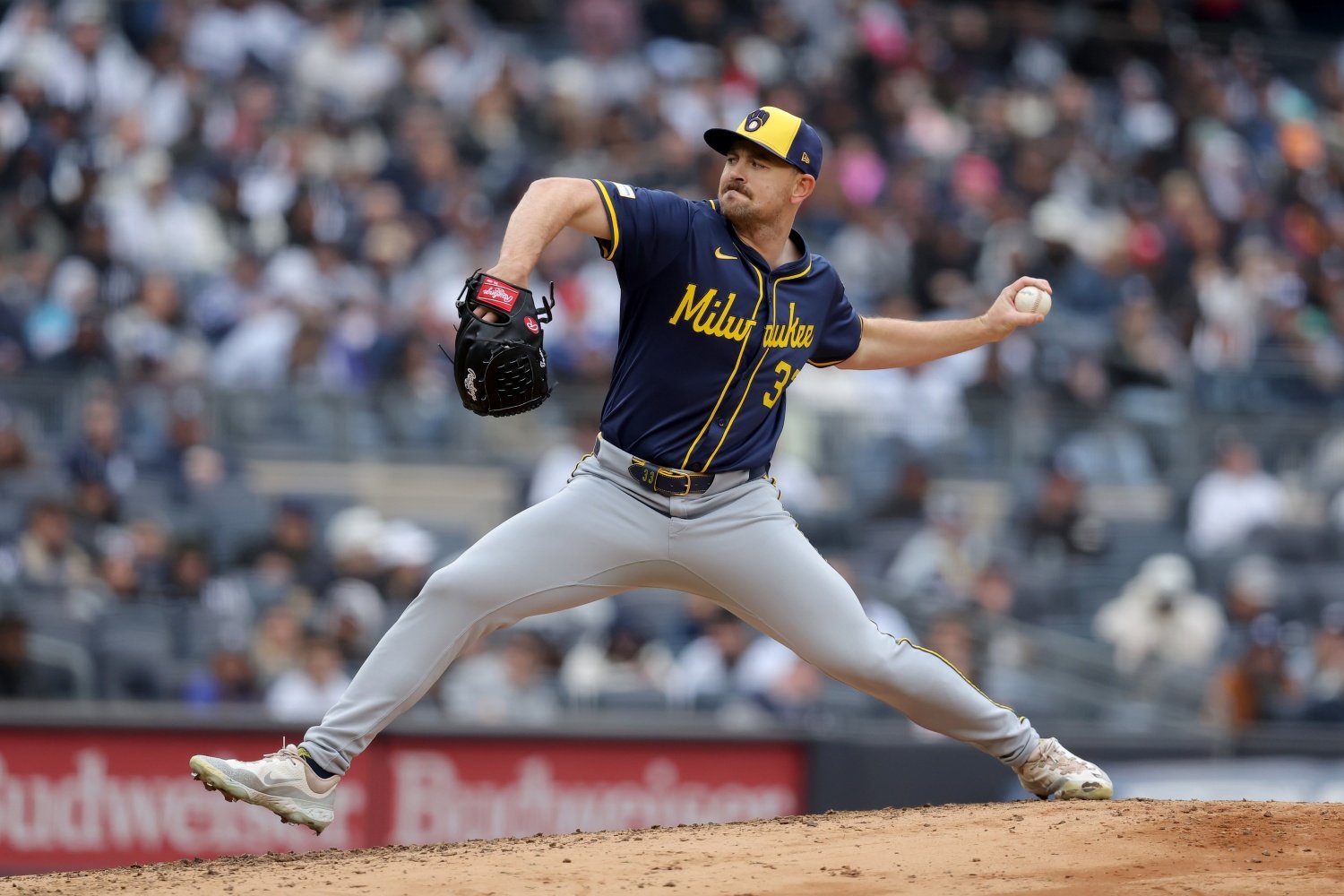 Bouncing between roles is nothing new for Tyler Alexander, who (by now) is plenty comfortable with his niche. That’s precisely why the Brewers signed the 30-year-old swingman at the outset of spring training. “You learn along the way,” the left-hander reflected from his locker at American Family Fields of Phoenix. “You take the bad, you take the good, and you sort of figure out a routine that works best for both. And that's what I learned, is to take kind of a reliever mindset into my starts. You just kind of learn.” The Brewers, as they’ve done with past depth starters, had Alexander follow his usual routine of stretching out in Arizona. “I've kind of done the same thing for the last four years in terms of my build-up in spring training, where you build up to four, maybe five innings, and then that way I'm stretched out as a starter, or I'm ready to slide into that long relief role,” he said. “I’m just prepared to throw innings in whatever manner that is.” Alexander pitched twice in relief in New York during opening weekend, but Aaron Civale’s hamstring strain promptly kicked him back to preparing like a starter. As of this writing, the Brewers have not announced a starter for Friday night against the Cincinnati Reds, but they’ve lined up Alexander to be available as a bulk-innings pitcher. Like Colin Rea, Bryse Wilson, and others before him, the former Detroit Tiger and Tampa Bay Ray is an unassuming innings-eater who lacks velocity but understands the angles he must create to help his kitchen-sink arsenal play up the most. That means generating different looks depending on a hitter’s handedness. Righties saw plenty of cutters and four-seamers last year, while lefties saw sweeping sliders and sinkers. A glove-side mover is the linchpin to each approach, and both pitches have cycled through various forms throughout the last few seasons. Alexander’s cutter has oscillated between a true cutter and a slider-like pitch. It held the former shape for most of 2023, but after he lowered his arm slot last season, it morphed back into the latter version. “That's kind of fluctuated throughout the years,” Alexander said of the cutter’s shape. “As my arm slot and different things change, that pitch changes.” This spring, he aimed to restore that riding cutter shape from his lower slot. The early returns have been promising. In two relief appearances in New York, Alexander’s cutter had nearly three more inches of lift on average, two fewer inches of glove-side movement, and an extra tick of velocity. That shape best allows the cutter to serve its intended purpose. Along with his four-seamer, Alexander uses it predominantly to attack right-handed hitters high and inside. “If I can have everything play up and in to a righty with my four-seam, with my cutter, and then maybe a front hip two-seam, that opens up everything away,” he explained. “I can throw changeups. I can throw anything back door, sweepers or cutters. I can even stick a four-seam down there. But my game plan to righties is hard in, soft down and away.” Alexander originally introduced the sweeper while pitching for the Tigers in 2022, as a slurve-like pitch to replace his short slider. “I wanted something (as a) ball out of the hand that moved a lot, so I switched to, in my mind, a Rich Hill curveball with a Nestor Cortes sweeper grip. So I gripped the sweeper and tried to throw it more like a slider, so it ended up being a big, loopy breaking ball, which I loved.” He and the Tigers eventually concluded that the slurve did not tunnel well with the rest of his arsenal—to land it in the strike zone, Alexander needed to release it higher and further toward the left-handed batter’s box—so in 2023, they reverted to his original slider. When he joined the Rays last season, they wanted to resurrect it as an actual sweeper: a sidespinning breaking ball with minimal drop and extreme horizontal movement. “They wanted me to hold vert on it,” he recalled. “Instead of thinking of a curveball with depth, they wanted something sweepy.” The Rays helped Alexander achieve the right shape with the pitch, adding a few inches of carry and glove-side break. It became the cornerstone of his attack against same-handed opponents. Lefties managed just a .190 wOBA against the sweeper, which also set up the other shapes and locations Alexander needed to retire them. The overall left-handed wOBA against him fell from .347 in 2023 to .326 last year. “The sweeper has opened up a lot of room to lefties,” he said. “When I throw it well, when it’s effective, I can throw it down the middle and sweep it away, which gives me four-seam away, gives me two-seam in, or four-seam up and in, it gives me something down and back-door to them.” Both parties also felt the sweeper played better with the cutter than the short slider did. It allowed him to relegate the cutter, which would jam righties but break toward a lefty’s sweet spot, to more of a show-me pitch in those situations. “I’ve gotten away from throwing cutters to lefties late (in the count). I throw it a little early,” Alexander said, later elaborating how its shape plays differently based on the matchup. “To righties, I'm looking to break their bat. To lefties, it tends to run into the barrel. So I throw it early to show that I have it, and then I can play off of it.” The veteran also worked this spring to improve his two-seamer’s effectiveness and make his changeup a more prominent piece of his arsenal, including in left-on-left matchups. His experience along the way confirmed that after a year with the Rays, the Brewers were a great next stop. “They find something you're very good at, and then you lean on it,” Alexander said of Tampa Bay’s pitching gurus. “What they would do is say, ‘Hey, this pitch was at its best in this year. Let's try to get that. This pitch was best in this year.’ So they kind of pick and choose what pitch was best in what year, and then try to put together your arsenal that way.” That approach helped him, but Milwaukee’s pitching development environment suits him especially well. “I find it's a little bit more feel-based here, which I like. I'm pretty feel-based. Not that I dislike Tampa. I thought they were very good for my career, but a little bit too reliant on analytics, maybe. Here, it’s analytics combined with the eye test, which I think is best for me because I’m very feel-based.” Both sides are hoping that comfort will bear fruit. Alexander noted they each need something from one another. He wants to correct the shortcomings that produced a career-worst 5.10 ERA last year, and the injury-ravaged Brewers’ staff requires innings. After a pair of season-opening cameos, Friday night may be his first extended opportunity to show what he can contribute.
 -
How Pat Murphy and His Coaching Staff Construct Brewers' Lineup
Jack Stern posted an article in Brewers
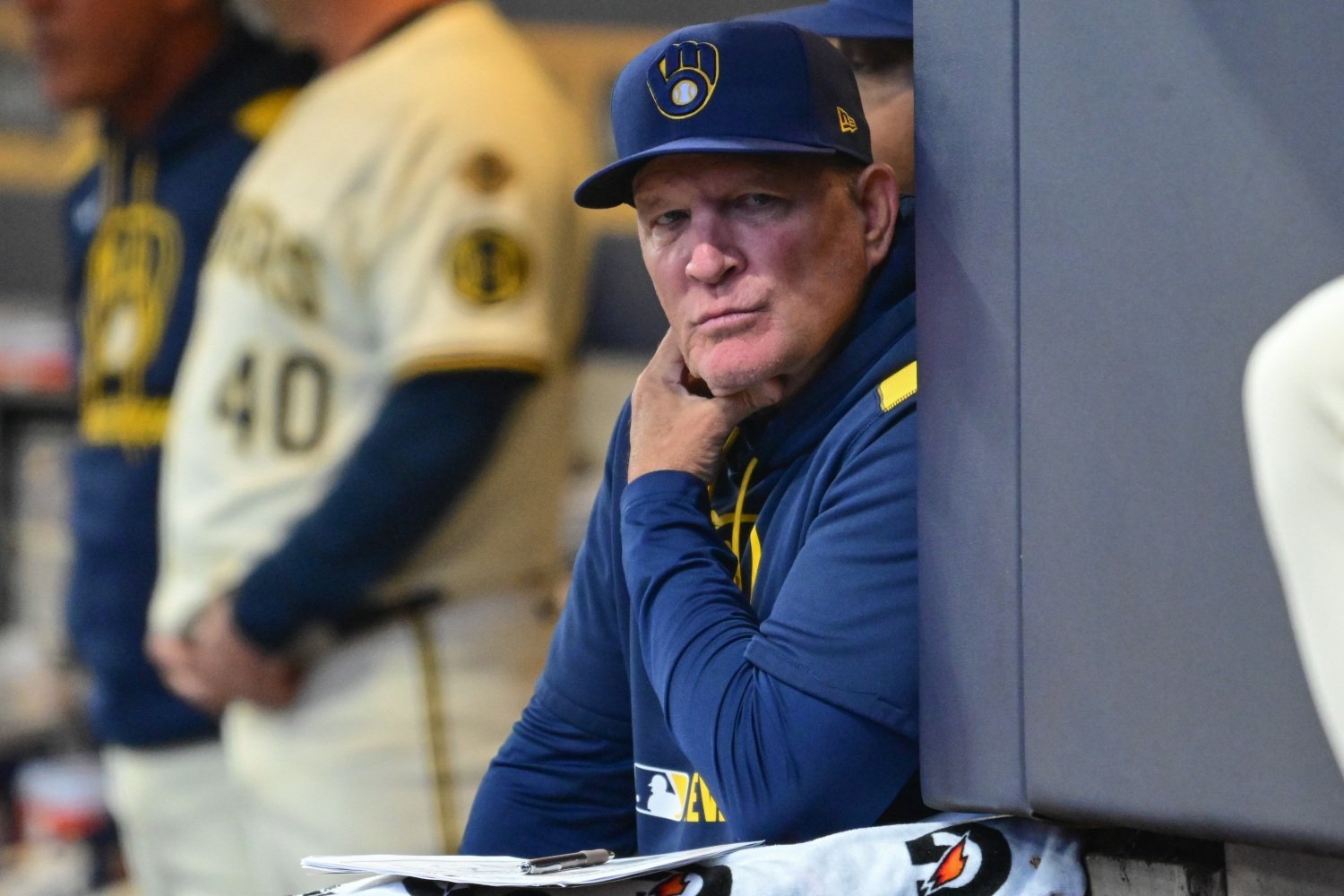 Two evergreen sources of baseball debate are bullpen management and lineup construction. Show enough people a lineup card, and you're sure to field passionate arguments that Player X should be hitting fifth instead of third, or second instead of seventh. The sabermetric consensus is that batting order does not dramatically influence scoring over a 162-game season. In large samples, it's who is in the lineup that matters, not where they are hitting. The Brewers' skipper believes that lineup construction matters, but he tries not to overthink things. Here was how Pat Murphy lined things up when the Brewers faced a right-handed starter for the first time in the 2025 regular season: Brice Turang Jackson Chourio Christian Yelich William Contreras Sal Frelick Jake Bauers Garrett Mitchell Joey Ortiz Oliver Dunn The bottom of the order shifted a bit on Tuesday, with Hoskins back in at first base, Mitchell receiving a day off, and Contreras sliding to DH, but the first five spots remained the same. The framework was unchanged. Murphy's starting point is simple. "I think your best hitters hit the most," he said, citing the possibility of one extra plate appearance for some of those players if the batting order turns over a fifth time late in a game. "(Who) you qualify as 'best hitters' (are) guys that have the combination of being able to get on base and do damage and not leave the zone at the same time. So they're on base a lot, they can do damage, or they're extreme at one of those – extreme on base, (reaching) second base." To Murphy, the players he typically pencils atop his lineup fit those molds. Turang's career .305 on-base percentage puts him toward the bottom of Brewers hitters, but Murphy believes in his skill set and especially values his base-stealing ability. If Turang bats with the bases empty and no outs, reaches on a walk or single, and steals second base, that sequence is materially the same as hitting a double. Chourio and Yelich boast power and speed, and Contreras has the raw power of a cleanup hitter. From there, Murphy gets a bit more creative. Frelick bats ahead of Rhys Hoskins (or, on Sunday, Bauers) in the five-hole and often batted before traditional middle-of-the-order power threats last year. That's because Murphy is playing the numbers, which say the fifth spot frequently leads off an inning. "The five-hole hitter leads off more than any other position except the one-hole over a season," he explained. "Statistically, that's what they've figured out." It would be easier to opt for a traditional slugger in the five-hole, Murphy added, if the Brewers had more bona fide power bats. They don't, so he views treating it as a second leadoff spot as the best way to set up beneficial sequences for his offense. "If you don't have that typical damage guy, [the five hitter is] another good hitter, one of your five best hitters, a combination of all we talk about, but also might have to lead off a bunch and [is] not a base-clogger," Murphy said. "That's kind of what I'm thinking with this year's group." Finally, Murphy tries to stagger the handedness of his hitters to avoid reliever-friendly matchup pockets and limit unfavorable exposure for his hitters. (The left-handed trio of Frelick, Bauers, and Mitchell was an exception, because Hoskins could pinch-hit. Bauers's spot between the two outfielders was a trap laid for Yankees manager Aaron Boone, though obviously, that didn't come into play in the course of that particular game.) That practice predates his time as manager—Craig Counsell emphasized it for years—and is now a common tactic. He referred to the Brewers' current opponent, the Kansas City Royals. "They got a kid over there, for instance, [Ángel] Zerpa, that is really good against lefties. So you want to kind of not stack it so they have that advantage." There may be additional nuances to consider nightly, but adherence to those three principles builds the framework Murphy and his staff use in most games. Above all else, he wants his best hitters to receive as many opportunities as possible and allow the game to unfold in a way that matches his lineup's strengths.
 -
It's a question with no definitive answer: What's the best way to order a lineup, and does it even matter? Here's how Pat Murphy and the Brewers approach it. Image courtesy of © Benny Sieu-Imagn Images It's a question with no definitive answer: What's the best way to order a lineup, and does it even matter? Here's how Pat Murphy and the Brewers approach it. Two evergreen sources of baseball debate are bullpen management and lineup construction. Show enough people a lineup card, and you're sure to field passionate arguments that Player X should be hitting fifth instead of third, or second instead of seventh. The sabermetric consensus is that batting order does not dramatically influence scoring over a 162-game season. In large samples, it's who is in the lineup that matters, not where they are hitting. The Brewers' skipper believes that lineup construction matters, but he tries not to overthink things. Here was how Pat Murphy lined things up when the Brewers faced a right-handed starter for the first time in the 2025 regular season: Brice Turang Jackson Chourio Christian Yelich William Contreras Sal Frelick Jake Bauers Garrett Mitchell Joey Ortiz Oliver Dunn The bottom of the order shifted a bit on Tuesday, with Hoskins back in at first base, Mitchell receiving a day off, and Contreras sliding to DH, but the first five spots remained the same. The framework was unchanged. Murphy's starting point is simple. "I think your best hitters hit the most," he said, citing the possibility of one extra plate appearance for some of those players if the batting order turns over a fifth time late in a game. "(Who) you qualify as 'best hitters' (are) guys that have the combination of being able to get on base and do damage and not leave the zone at the same time. So they're on base a lot, they can do damage, or they're extreme at one of those – extreme on base, (reaching) second base." To Murphy, the players he typically pencils atop his lineup fit those molds. Turang's career .305 on-base percentage puts him toward the bottom of Brewers hitters, but Murphy believes in his skill set and especially values his base-stealing ability. If Turang bats with the bases empty and no outs, reaches on a walk or single, and steals second base, that sequence is materially the same as hitting a double. Chourio and Yelich boast power and speed, and Contreras has the raw power of a cleanup hitter. From there, Murphy gets a bit more creative. Frelick bats ahead of Rhys Hoskins (or, on Sunday, Bauers) in the five-hole and often batted before traditional middle-of-the-order power threats last year. That's because Murphy is playing the numbers, which say the fifth spot frequently leads off an inning. "The five-hole hitter leads off more than any other position except the one-hole over a season," he explained. "Statistically, that's what they've figured out." It would be easier to opt for a traditional slugger in the five-hole, Murphy added, if the Brewers had more bona fide power bats. They don't, so he views treating it as a second leadoff spot as the best way to set up beneficial sequences for his offense. "If you don't have that typical damage guy, [the five hitter is] another good hitter, one of your five best hitters, a combination of all we talk about, but also might have to lead off a bunch and [is] not a base-clogger," Murphy said. "That's kind of what I'm thinking with this year's group." Finally, Murphy tries to stagger the handedness of his hitters to avoid reliever-friendly matchup pockets and limit unfavorable exposure for his hitters. (The left-handed trio of Frelick, Bauers, and Mitchell was an exception, because Hoskins could pinch-hit. Bauers's spot between the two outfielders was a trap laid for Yankees manager Aaron Boone, though obviously, that didn't come into play in the course of that particular game.) That practice predates his time as manager—Craig Counsell emphasized it for years—and is now a common tactic. He referred to the Brewers' current opponent, the Kansas City Royals. "They got a kid over there, for instance, [Ángel] Zerpa, that is really good against lefties. So you want to kind of not stack it so they have that advantage." There may be additional nuances to consider nightly, but adherence to those three principles builds the framework Murphy and his staff use in most games. Above all else, he wants his best hitters to receive as many opportunities as possible and allow the game to unfold in a way that matches his lineup's strengths. View full article
-
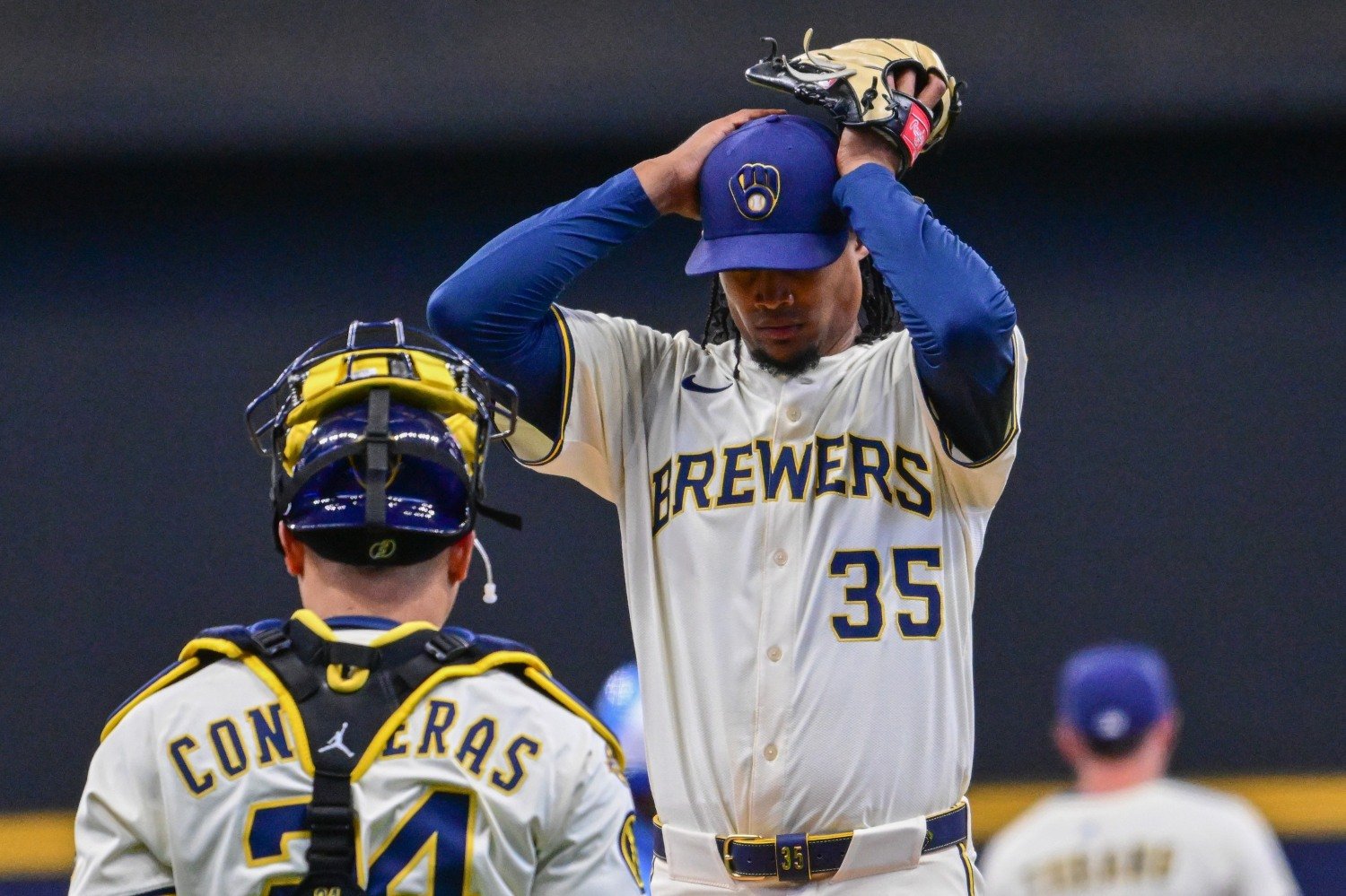 “A really long way to go,” Christian Yelich said of the Brewers’ season-opening sweep by the Yankees in New York. “Even if we were 3-0 right now, it wouldn’t really mean a whole lot. You’ve just got to keep going.” Yelich was right. Performances in small samples do not elicit as many strong reactions during the middle of a season, but fall under the microscope at the start of the year. Either way, they are rarely worth fretting over. However, after a third straight non-competitive blowout dropped the Brewers to 0-4, the club is already facing challenges that last year’s team did not—ones that could sink their season quickly, without a prompt and proper response. The day began with the news that Aaron Civale will miss time due to a left hamstring strain, reducing what initially seemed like a durable and experienced rotation to just two established starters three games into the season. It ended with candid remarks by Pat Murphy on the state of his run-prevention unit, which has surrendered 43 runs in its last three games. “We’re decimated on the mound,” he said. “I’ve made it clear who was going to be on the team, who’s injured, building up, et cetera. A number of guys who don’t have that much experience [now have to pitch].” Even so, there’s no excuse for the results so far. Losing streaks and team-wide lulls are typical of a long season, even for great clubs. Repeated blowouts out of the gates are not. “Losing’s not fun,” said spot starter Elvin Rodríguez, who allowed four runs in as many innings in his regular-season debut. “Nobody is happy we’ve been losing.” A hallmark of last year’s team was its ability to respond quickly when health and performance began tipping in the wrong direction. That capability (along with some good fortune at the right moments) kept the Brewers from losing more than three games in a row at any point in 2024. This year’s group has already seen that streak end, and is facing an extreme test of its relentlessness. It’s early, but it’s not overly dramatic to say the Brewers are in precarious territory, and their response this week could dictate the trajectory of their season. There is little room, if any, to let things snowball further and bounce back to meet their initial expectations. According to Stathead, at -32 runs, Milwaukee just set a new MLB record for the worst run differential through the first four games of a season. The previous record holder, the 1978 Baltimore Orioles, finished with a 90-71 record, but only 10 of 37 teams with an initial run differential of -19 or worse finished above .500, and only three made the postseason. Players may not admit it to the cameras, but starting so dreadfully brings with it a greater mental burden than non-competitive midseason performances. While not an unconquerable hurdle, rough starts can drag down stats and records for weeks, and seeing those numbers every night on a video board does not make the job easier on the field. Moving past them to focus on the process is mandatory, but difficult. “You can point fingers and start blaming things, and it’s just not healthy,” Murphy said. “We’re all in kind of an ugly state when you don’t get the result you want. And you get so emotionally attached to that result, you get away from what you really should be attached to, which is the process. “You talk about the pitching separately from the offense… it all affects each other,” he elaborated. “When you’re down, can you steal, can you put the ball on the ground, hit and run? Can you do those types of things that made us a strong offense? It’s kind of discouraging for [hitters], so it’s really hard. And then you play lackluster defense. All sorts of things are related to each other, so we’ve got to get off to a good start. We haven’t done that.” Playing tense won’t turn things around, and it’s still too soon to press the panic button. That said, this team’s identity, good or bad, could solidify in the coming days.
 -
After starting the regular season by suffering a slew of pitching injuries and making dubious history, the Brewers find themselves in an unusually precarious position just four games in. Image courtesy of © Benny Sieu-Imagn Images After starting the regular season by suffering a slew of pitching injuries and making dubious history, the Brewers find themselves in an unusually precarious position just four games in. “A really long way to go,” Christian Yelich said of the Brewers’ season-opening sweep by the Yankees in New York. “Even if we were 3-0 right now, it wouldn’t really mean a whole lot. You’ve just got to keep going.” Yelich was right. Performances in small samples do not elicit as many strong reactions during the middle of a season, but fall under the microscope at the start of the year. Either way, they are rarely worth fretting over. However, after a third straight non-competitive blowout dropped the Brewers to 0-4, the club is already facing challenges that last year’s team did not—ones that could sink their season quickly, without a prompt and proper response. The day began with the news that Aaron Civale will miss time due to a left hamstring strain, reducing what initially seemed like a durable and experienced rotation to just two established starters three games into the season. It ended with candid remarks by Pat Murphy on the state of his run-prevention unit, which has surrendered 43 runs in its last three games. “We’re decimated on the mound,” he said. “I’ve made it clear who was going to be on the team, who’s injured, building up, et cetera. A number of guys who don’t have that much experience [now have to pitch].” Even so, there’s no excuse for the results so far. Losing streaks and team-wide lulls are typical of a long season, even for great clubs. Repeated blowouts out of the gates are not. “Losing’s not fun,” said spot starter Elvin Rodríguez, who allowed four runs in as many innings in his regular-season debut. “Nobody is happy we’ve been losing.” A hallmark of last year’s team was its ability to respond quickly when health and performance began tipping in the wrong direction. That capability (along with some good fortune at the right moments) kept the Brewers from losing more than three games in a row at any point in 2024. This year’s group has already seen that streak end, and is facing an extreme test of its relentlessness. It’s early, but it’s not overly dramatic to say the Brewers are in precarious territory, and their response this week could dictate the trajectory of their season. There is little room, if any, to let things snowball further and bounce back to meet their initial expectations. According to Stathead, at -32 runs, Milwaukee just set a new MLB record for the worst run differential through the first four games of a season. The previous record holder, the 1978 Baltimore Orioles, finished with a 90-71 record, but only 10 of 37 teams with an initial run differential of -19 or worse finished above .500, and only three made the postseason. Players may not admit it to the cameras, but starting so dreadfully brings with it a greater mental burden than non-competitive midseason performances. While not an unconquerable hurdle, rough starts can drag down stats and records for weeks, and seeing those numbers every night on a video board does not make the job easier on the field. Moving past them to focus on the process is mandatory, but difficult. “You can point fingers and start blaming things, and it’s just not healthy,” Murphy said. “We’re all in kind of an ugly state when you don’t get the result you want. And you get so emotionally attached to that result, you get away from what you really should be attached to, which is the process. “You talk about the pitching separately from the offense… it all affects each other,” he elaborated. “When you’re down, can you steal, can you put the ball on the ground, hit and run? Can you do those types of things that made us a strong offense? It’s kind of discouraging for [hitters], so it’s really hard. And then you play lackluster defense. All sorts of things are related to each other, so we’ve got to get off to a good start. We haven’t done that.” Playing tense won’t turn things around, and it’s still too soon to press the panic button. That said, this team’s identity, good or bad, could solidify in the coming days. View full article
-
No pitching staff wants to face the Yankees' lineup, but they're an especially rough matchup for a group that relies on mixing fastballs with unremarkable velocity. For the Brewers, it was all downhill from that unfavorable starting point. Image courtesy of © Brad Penner-Imagn Images No pitching staff wants to face the Yankees' lineup, but they're an especially rough matchup for a group that relies on mixing fastballs with unremarkable velocity. For the Brewers, it was all downhill from that unfavorable starting point. It was an opening weekend to forget for the Brewers, who have started the regular season 0-3 for the first time since 2015 after the Yankees bludgeoned them in New York. Milwaukee's run-prevention unit did anything but, coughing up 36 runs (powered by 15 homers) in the series. That was the same total number of tallies the Bronx Bombers posted in a three-game set at American Family Field last April, and they profiled as a similarly challenging draw nearly a year later. The Yankees hit everything. In 2024, their formidable offense trailed only the Los Angeles Dodgers in wRC+, and they then added multiple power bats to replace Juan Soto and upgrade from underperforming veterans Anthony Rizzo and Alex Verdugo. However, they're especially potent against the kind of pitches most Brewers' hurlers throw frequently. Last season, the Yankees slugged .522 against fastballs (four-seamers, sinkers, and cutters) between 85 and 93 mph, the fourth-best mark in baseball. The hitters in this year's New York lineup slugged .524 against them. The Brewers threw 85-to-93-mph fastballs 30.5% of the time in 2024, which was also the sport's fourth-highest rate. In the final two games of this series, half of their pitches—50.6%, to be exact—were in that bucket. The Yankees scored 32 of their 36 runs in those games. Overall, they recorded 18 of their 34 hits and slugged 11 of their 15 home runs against those fastballs. For a decent chunk of that time, the Brewers were somewhat limited by the arsenals of their pitchers. Nestor Cortes has always leaned heavily on his four-seamer and cutter at the top of the strike zone and features just one breaking ball in his arsenal. He also worked behind in the count for much of his unsuccessful season debut, which made experimenting on the fly with a breaker-heavy approach less practical. However, the Brewers had an opportunity to adjust, with Aaron Civale (who threw three distinct breaking pitches down the stretch last year) on the mound in the series finale. Instead, 76% of Civale's pitches on Sunday were fastballs, a greater proportion than his usual mix. He allowed three home runs. In an era where pitch tracking and modeling make game planning more exhaustive and precise than ever before, sticking to the plan as tightly as possible is often a sage strategy. However, reading swings remains a key component of pitch calling. Chris Hook has previously acknowledged that he and the club's other pitching strategists have scrapped the original blueprint when opponents do damage early. The question is when to switch things up, and that line is rarely bright and crisply drawn. Evidently, the Brewers did not feel they had reached that point in New York, but it's worth questioning if they should have used Civale's deep arsenal as an opportunity to alter what was a remarkably unsuccessful approach. That's not to say a different mix would have solved the puzzle. There were plenty of other factors fueling the Yankees' weekend-long outburst, including the historic greatness of Aaron Judge, pitching from behind in the count, catching too much plate with specific pitches, the short right-field porch of Yankee Stadium, and hitter-friendly weather on Saturday. It was a perfect storm that created one ghastly pitching performance after another. Run prevention has been the Brewers' strength for years, and one series does not change that. The club has plenty of time to turn things around, starting with its first homestand of the year, which begins on Monday. View full article
-
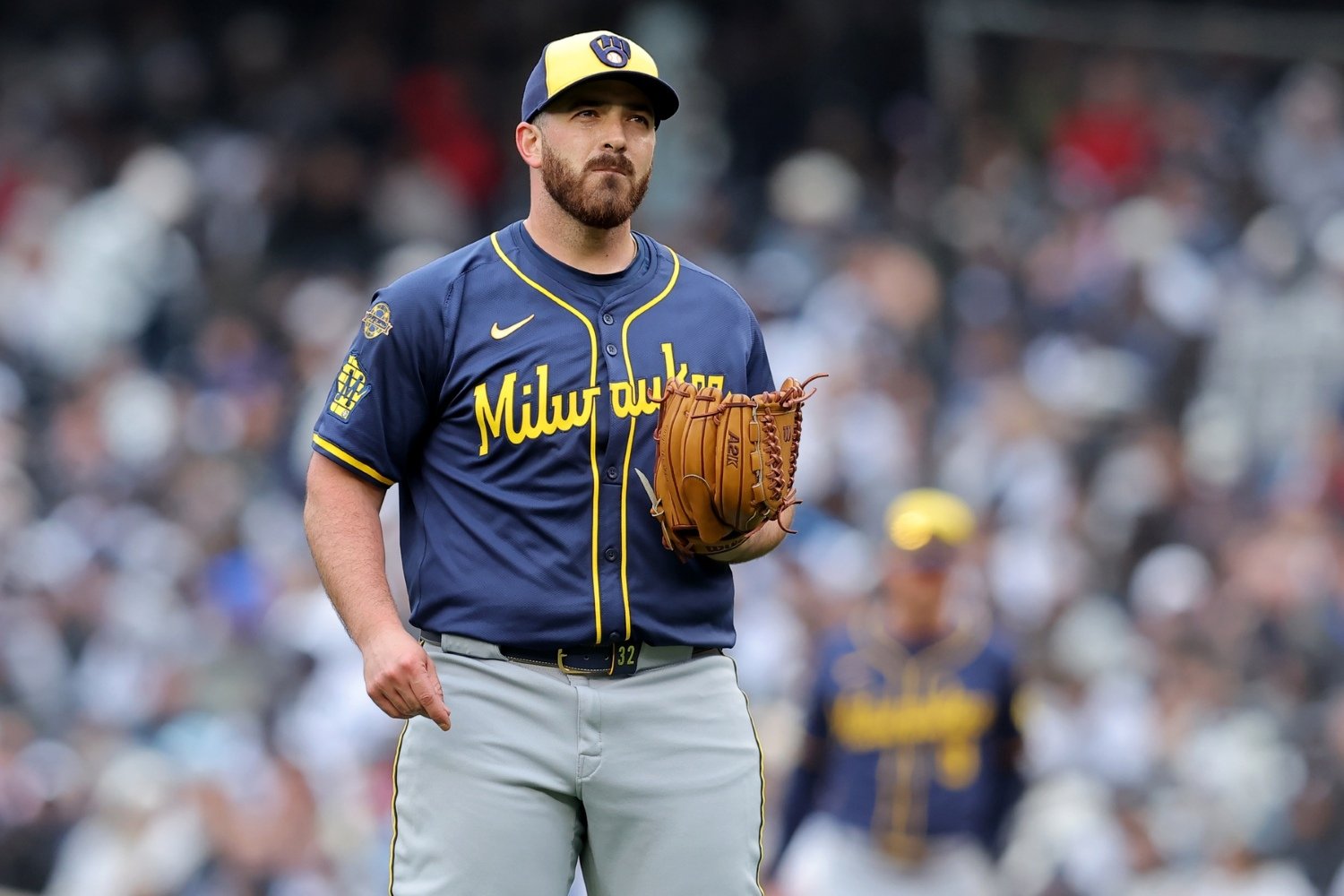 It was an opening weekend to forget for the Brewers, who have started the regular season 0-3 for the first time since 2015 after the Yankees bludgeoned them in New York. Milwaukee's run-prevention unit did anything but, coughing up 36 runs (powered by 15 homers) in the series. That was the same total number of tallies the Bronx Bombers posted in a three-game set at American Family Field last April, and they profiled as a similarly challenging draw nearly a year later. The Yankees hit everything. In 2024, their formidable offense trailed only the Los Angeles Dodgers in wRC+, and they then added multiple power bats to replace Juan Soto and upgrade from underperforming veterans Anthony Rizzo and Alex Verdugo. However, they're especially potent against the kind of pitches most Brewers' hurlers throw frequently. Last season, the Yankees slugged .522 against fastballs (four-seamers, sinkers, and cutters) between 85 and 93 mph, the fourth-best mark in baseball. The hitters in this year's New York lineup slugged .524 against them. The Brewers threw 85-to-93-mph fastballs 30.5% of the time in 2024, which was also the sport's fourth-highest rate. In the final two games of this series, half of their pitches—50.6%, to be exact—were in that bucket. The Yankees scored 32 of their 36 runs in those games. Overall, they recorded 18 of their 34 hits and slugged 11 of their 15 home runs against those fastballs. For a decent chunk of that time, the Brewers were somewhat limited by the arsenals of their pitchers. Nestor Cortes has always leaned heavily on his four-seamer and cutter at the top of the strike zone and features just one breaking ball in his arsenal. He also worked behind in the count for much of his unsuccessful season debut, which made experimenting on the fly with a breaker-heavy approach less practical. However, the Brewers had an opportunity to adjust, with Aaron Civale (who threw three distinct breaking pitches down the stretch last year) on the mound in the series finale. Instead, 76% of Civale's pitches on Sunday were fastballs, a greater proportion than his usual mix. He allowed three home runs. In an era where pitch tracking and modeling make game planning more exhaustive and precise than ever before, sticking to the plan as tightly as possible is often a sage strategy. However, reading swings remains a key component of pitch calling. Chris Hook has previously acknowledged that he and the club's other pitching strategists have scrapped the original blueprint when opponents do damage early. The question is when to switch things up, and that line is rarely bright and crisply drawn. Evidently, the Brewers did not feel they had reached that point in New York, but it's worth questioning if they should have used Civale's deep arsenal as an opportunity to alter what was a remarkably unsuccessful approach. That's not to say a different mix would have solved the puzzle. There were plenty of other factors fueling the Yankees' weekend-long outburst, including the historic greatness of Aaron Judge, pitching from behind in the count, catching too much plate with specific pitches, the short right-field porch of Yankee Stadium, and hitter-friendly weather on Saturday. It was a perfect storm that created one ghastly pitching performance after another. Run prevention has been the Brewers' strength for years, and one series does not change that. The club has plenty of time to turn things around, starting with its first homestand of the year, which begins on Monday.
 -
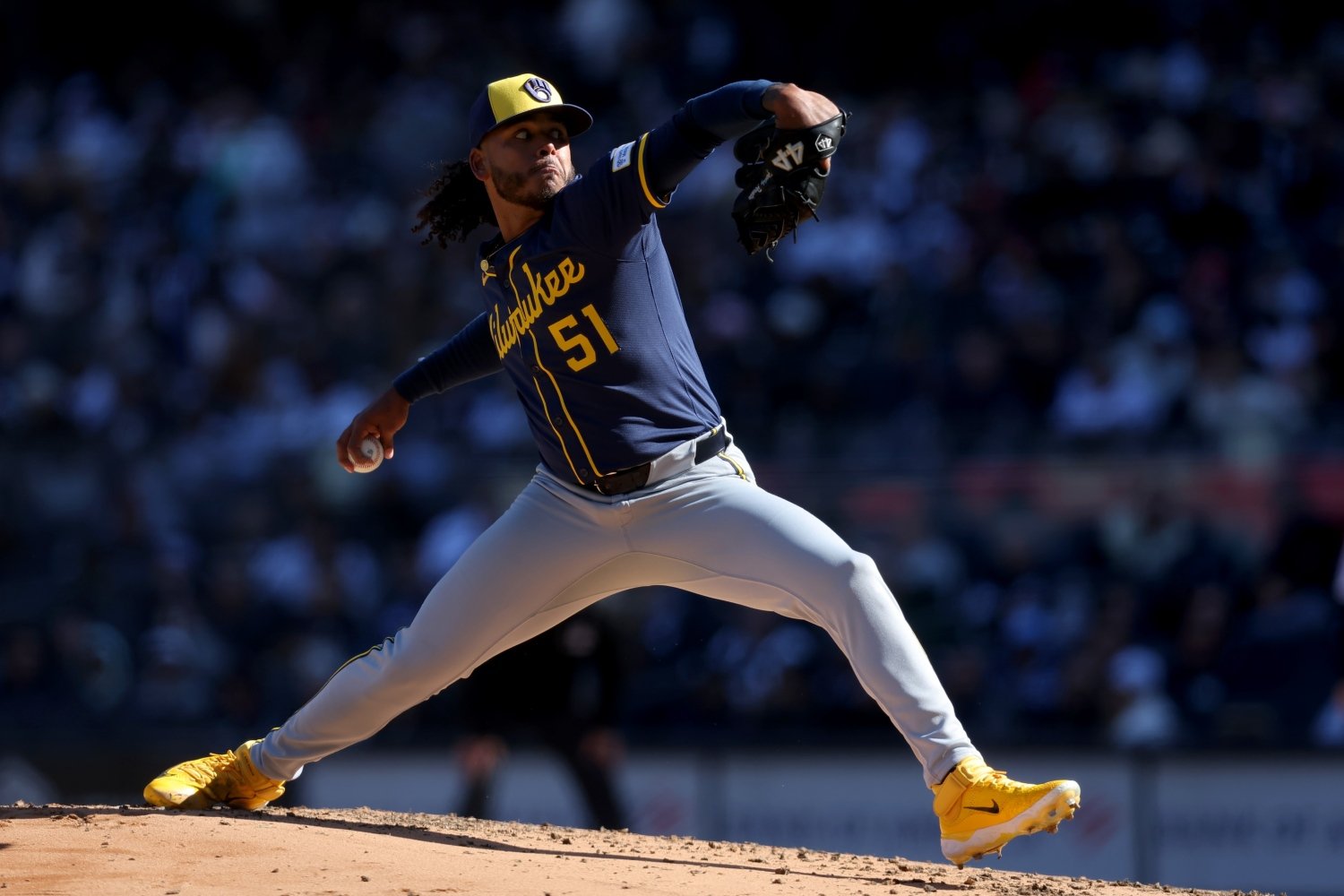 On the surface, Freddy Peralta's second career Opening Day start was a standard Peralta outing. The right-hander was not particularly efficient, requiring 93 pitches to complete five innings, but he held the New York Yankees to just a pair of runs while striking out eight. On a deeper level, Peralta navigated those five innings differently from his usual mode of operation. The afternoon was a reminder that he is not getting guys out the same way he once did and a preview of how he might alter his standard approach as the season progresses. Peralta has not been "Fastball Freddy" since the turn of the decade. After throwing his signature heater nearly 80% of the time in his first two seasons, he's kept its usage around 50% in each of the last four seasons while mixing in more breaking balls and changeups. The cambio took a step forward in 2024. Peralta added just over an inch of arm-side fade to it, on average, and threw it a career-high 17.5% of the time. The pitch held opponents to a .277 wOBA, induced whiffs on 36.9% of swings, and posted a +4 pitching run value, the best of any offering in Peralta's arsenal. On Thursday, 25.8% of Peralta's pitches were changeups, his third-highest career usage rate within a start. He even threw it 21.9% of the time to right-handed batters. The changeup (which was firmer than usual, averaging 90 mph) carried Peralta through his start by compensating for a fastball that was hit hard. Peralta ramped up his changeup usage as the outing went along, after throwing only two in the first inning, which suggests he and William Contreras tweaked the original game plan on the fly in response to his feel for it and the early swings against his fastball. Pitchers must work with what they have on a given day, especially a less consistent hurler like Peralta. Thursday's mix may soon become his default, though. While Peralta's changeup was more valuable than ever last year, the opposite was true of his fastball, which yielded a .338 wOBA and +1 run value. That's because it's become less of an outlier in its shape. Hitters have described Peralta's four-seamer as an "invisible fastball" that gets on them quickly and seems to disappear late, an effect he created from a unique blend of deceptive ingredients: above-average spin, a low arm slot, elite extension, and a crossfire delivery that hid the ball until release. Vertical approach angle (VAA) is the closest metric to a catch-all for those attributes, and Peralta's four-seam VAA was among the flattest in baseball for years. In recent seasons, the veteran has raised his arm slot and adopted a shorter and more direct stride, decreasing his VAA. Meanwhile, as more pitchers have followed suit in throwing high four-seamers from low slots, the league-wide VAA for such fastballs has increased from -5.1° in 2019 to -4.7° in 2024. Peralta's fastball still enters the strike zone at a much flatter angle than average, but it's not the unicorn it once was. Some of last year's dip might have been the result of the mechanical issue that forced him to change his mound position, but there's more at work, too. Season Pitcher Run Value Whiff% StuffPro VAA Above Average Extension Arm Angle 2020 7 36.6% -0.3 0.94 7.3 34.9 2021 22 30.9% -0.7 0.94 7.1 36.8 2022 5 24.9% -0.3 0.81 7.0 33.3 2023 17 29.2% -0.3 0.80 6.9 35.8 2024 1 25.2% 0.0 0.57 6.7 39.3 Thursday saw a continuation of this multi-year trend. Peralta's fastball is still a solid pitch, but in today's environment with its current traits, opponents hit it harder and whiff less often. He'll need the offspeed stuff to keep hitters off the heat and open more ways to use it. He generated nine called strikes with his fastball at the bottom of the zone Thursday, because Yankee hitters were expecting low changeups and breaking balls to dive below their knees. Changing eye levels also made the high fastball more effective as the game progressed. Peralta generated just three whiffs on high fastballs through his first four innings, but notched the same number in his fifth and final frame, alone. His fastball will remain his most-used pitch, but Peralta's changeup is catching up to his fastball as his most impactful. It may take a few more starts before he commits to consistently throwing it more, but don't be surprised if it assumes a greater role in his mix as 2025 progresses.
 -
The Brewers' Opening Day starter has worked through multiple soft evolutions in recent seasons. His first outing of 2025 featured a preview of the next adjustment he may have to make. Image courtesy of © Brad Penner-Imagn Images The Brewers' Opening Day starter has worked through multiple soft evolutions in recent seasons. His first outing of 2025 featured a preview of the next adjustment he may have to make. On the surface, Freddy Peralta's second career Opening Day start was a standard Peralta outing. The right-hander was not particularly efficient, requiring 93 pitches to complete five innings, but he held the New York Yankees to just a pair of runs while striking out eight. On a deeper level, Peralta navigated those five innings differently from his usual mode of operation. The afternoon was a reminder that he is not getting guys out the same way he once did and a preview of how he might alter his standard approach as the season progresses. Peralta has not been "Fastball Freddy" since the turn of the decade. After throwing his signature heater nearly 80% of the time in his first two seasons, he's kept its usage around 50% in each of the last four seasons while mixing in more breaking balls and changeups. The cambio took a step forward in 2024. Peralta added just over an inch of arm-side fade to it, on average, and threw it a career-high 17.5% of the time. The pitch held opponents to a .277 wOBA, induced whiffs on 36.9% of swings, and posted a +4 pitching run value, the best of any offering in Peralta's arsenal. On Thursday, 25.8% of Peralta's pitches were changeups, his third-highest career usage rate within a start. He even threw it 21.9% of the time to right-handed batters. The changeup (which was firmer than usual, averaging 90 mph) carried Peralta through his start by compensating for a fastball that was hit hard. Peralta ramped up his changeup usage as the outing went along, after throwing only two in the first inning, which suggests he and William Contreras tweaked the original game plan on the fly in response to his feel for it and the early swings against his fastball. Pitchers must work with what they have on a given day, especially a less consistent hurler like Peralta. Thursday's mix may soon become his default, though. While Peralta's changeup was more valuable than ever last year, the opposite was true of his fastball, which yielded a .338 wOBA and +1 run value. That's because it's become less of an outlier in its shape. Hitters have described Peralta's four-seamer as an "invisible fastball" that gets on them quickly and seems to disappear late, an effect he created from a unique blend of deceptive ingredients: above-average spin, a low arm slot, elite extension, and a crossfire delivery that hid the ball until release. Vertical approach angle (VAA) is the closest metric to a catch-all for those attributes, and Peralta's four-seam VAA was among the flattest in baseball for years. In recent seasons, the veteran has raised his arm slot and adopted a shorter and more direct stride, decreasing his VAA. Meanwhile, as more pitchers have followed suit in throwing high four-seamers from low slots, the league-wide VAA for such fastballs has increased from -5.1° in 2019 to -4.7° in 2024. Peralta's fastball still enters the strike zone at a much flatter angle than average, but it's not the unicorn it once was. Some of last year's dip might have been the result of the mechanical issue that forced him to change his mound position, but there's more at work, too. Season Pitcher Run Value Whiff% StuffPro VAA Above Average Extension Arm Angle 2020 7 36.6% -0.3 0.94 7.3 34.9 2021 22 30.9% -0.7 0.94 7.1 36.8 2022 5 24.9% -0.3 0.81 7.0 33.3 2023 17 29.2% -0.3 0.80 6.9 35.8 2024 1 25.2% 0.0 0.57 6.7 39.3 Thursday saw a continuation of this multi-year trend. Peralta's fastball is still a solid pitch, but in today's environment with its current traits, opponents hit it harder and whiff less often. He'll need the offspeed stuff to keep hitters off the heat and open more ways to use it. He generated nine called strikes with his fastball at the bottom of the zone Thursday, because Yankee hitters were expecting low changeups and breaking balls to dive below their knees. Changing eye levels also made the high fastball more effective as the game progressed. Peralta generated just three whiffs on high fastballs through his first four innings, but notched the same number in his fifth and final frame, alone. His fastball will remain his most-used pitch, but Peralta's changeup is catching up to his fastball as his most impactful. It may take a few more starts before he commits to consistently throwing it more, but don't be surprised if it assumes a greater role in his mix as 2025 progresses. View full article
-
.png.08e4bd865a457311539d7fb89e35c271.png) It was the obvious outcome for the entirety of spring training, and Pat Murphy made it official on Sunday: Vinny Capra has made the Brewers’ Opening Day roster. It will be the first Opening Day for the infielder, who slashed .283/.353/.739 this spring and hit six home runs to tie with teammate Rhys Hoskins (and five others) for the Cactus League lead. Spring training stats are noisy and often meaningless. Authentic signs of improvement, if any, are found in process-based adjustments and (sometimes) the metrics accompanying them. Capra checked those boxes after spending his offseason training to increase hit bat speed. His procedure was a bit unorthodox. Many hitters train bat speed by swinging weighted bats, but Capra worked predominantly with Chicago-based mentor and mixed martial arts trainer Dimitri Therios. “Throwing punches, kicks—the form of it is very similar to baseball,” he explained. “It's just the transfer of energy from the ground up, so the rotational power is essentially the same. “You got to kind of build the engine, I guess, to swing harder … I was trying to work on rotational speed and have things moving away from my body, like [when] you swing, and I guess it transferred over as best as it could. Trying to use the ground, too. That was a big thing, staying grounded in the swing and using my legs the best way possible.” Without numbers in front of him, Capra could not speak directly to his progression, and the absence of public bat tracking at most Cactus League stadiums means no one can definitively say (from the outside) that he is swinging harder. Mechanically, though, he feels improvement. “I think the main impact is just how hard I'm hitting it. That was the main goal," he said. "How we get there doesn't necessarily matter, if it's bat speed or mechanical changes, but that's kind of the end result.” There have been quantifiable signs of growth on that front. In 489 Triple-A plate appearances last season, Capra hit seven batted balls with an exit velocity of at least 105 mph. He hit three in just 55 plate appearances this spring—and again, not all of those trips to the plate even came under the electronic eyes of the Statcast system. Bat tracking data will provide quick answers to how much Capra’s unique training helped him. For now, he sees an initial payoff in making the roster and hopes it will help him contribute. He is still not a serious power threat, nor will he be a lineup mainstay, but he has the profile to help in a utility role. “You like to see things go forward, right? And more so, it's being able to contribute at this level, and that's going to hopefully help win ballgames every day if you can do a little bit of something. I think that was kind of the main goal coming in.”
It was the obvious outcome for the entirety of spring training, and Pat Murphy made it official on Sunday: Vinny Capra has made the Brewers’ Opening Day roster. It will be the first Opening Day for the infielder, who slashed .283/.353/.739 this spring and hit six home runs to tie with teammate Rhys Hoskins (and five others) for the Cactus League lead. Spring training stats are noisy and often meaningless. Authentic signs of improvement, if any, are found in process-based adjustments and (sometimes) the metrics accompanying them. Capra checked those boxes after spending his offseason training to increase hit bat speed. His procedure was a bit unorthodox. Many hitters train bat speed by swinging weighted bats, but Capra worked predominantly with Chicago-based mentor and mixed martial arts trainer Dimitri Therios. “Throwing punches, kicks—the form of it is very similar to baseball,” he explained. “It's just the transfer of energy from the ground up, so the rotational power is essentially the same. “You got to kind of build the engine, I guess, to swing harder … I was trying to work on rotational speed and have things moving away from my body, like [when] you swing, and I guess it transferred over as best as it could. Trying to use the ground, too. That was a big thing, staying grounded in the swing and using my legs the best way possible.” Without numbers in front of him, Capra could not speak directly to his progression, and the absence of public bat tracking at most Cactus League stadiums means no one can definitively say (from the outside) that he is swinging harder. Mechanically, though, he feels improvement. “I think the main impact is just how hard I'm hitting it. That was the main goal," he said. "How we get there doesn't necessarily matter, if it's bat speed or mechanical changes, but that's kind of the end result.” There have been quantifiable signs of growth on that front. In 489 Triple-A plate appearances last season, Capra hit seven batted balls with an exit velocity of at least 105 mph. He hit three in just 55 plate appearances this spring—and again, not all of those trips to the plate even came under the electronic eyes of the Statcast system. Bat tracking data will provide quick answers to how much Capra’s unique training helped him. For now, he sees an initial payoff in making the roster and hopes it will help him contribute. He is still not a serious power threat, nor will he be a lineup mainstay, but he has the profile to help in a utility role. “You like to see things go forward, right? And more so, it's being able to contribute at this level, and that's going to hopefully help win ballgames every day if you can do a little bit of something. I think that was kind of the main goal coming in.” -
"We've talked about what I needed to do to kind of become a little bit better of a player," the Brewers' newly-minted utility infielder said after receiving the good news over the weekend. He did it, and a trip to New York awaits. "We've talked about what I needed to do to kind of become a little bit better of a player," the Brewers' newly-minted utility infielder said after receiving the good news over the weekend. He did it, and a trip to New York awaits. It was the obvious outcome for the entirety of spring training, and Pat Murphy made it official on Sunday: Vinny Capra has made the Brewers’ Opening Day roster. It will be the first Opening Day for the infielder, who slashed .283/.353/.739 this spring and hit six home runs to tie with teammate Rhys Hoskins (and five others) for the Cactus League lead. Spring training stats are noisy and often meaningless. Authentic signs of improvement, if any, are found in process-based adjustments and (sometimes) the metrics accompanying them. Capra checked those boxes after spending his offseason training to increase hit bat speed. His procedure was a bit unorthodox. Many hitters train bat speed by swinging weighted bats, but Capra worked predominantly with Chicago-based mentor and mixed martial arts trainer Dimitri Therios. “Throwing punches, kicks—the form of it is very similar to baseball,” he explained. “It's just the transfer of energy from the ground up, so the rotational power is essentially the same. “You got to kind of build the engine, I guess, to swing harder … I was trying to work on rotational speed and have things moving away from my body, like [when] you swing, and I guess it transferred over as best as it could. Trying to use the ground, too. That was a big thing, staying grounded in the swing and using my legs the best way possible.” Without numbers in front of him, Capra could not speak directly to his progression, and the absence of public bat tracking at most Cactus League stadiums means no one can definitively say (from the outside) that he is swinging harder. Mechanically, though, he feels improvement. “I think the main impact is just how hard I'm hitting it. That was the main goal," he said. "How we get there doesn't necessarily matter, if it's bat speed or mechanical changes, but that's kind of the end result.” There have been quantifiable signs of growth on that front. In 489 Triple-A plate appearances last season, Capra hit seven batted balls with an exit velocity of at least 105 mph. He hit three in just 55 plate appearances this spring—and again, not all of those trips to the plate even came under the electronic eyes of the Statcast system. Bat tracking data will provide quick answers to how much Capra’s unique training helped him. For now, he sees an initial payoff in making the roster and hopes it will help him contribute. He is still not a serious power threat, nor will he be a lineup mainstay, but he has the profile to help in a utility role. “You like to see things go forward, right? And more so, it's being able to contribute at this level, and that's going to hopefully help win ballgames every day if you can do a little bit of something. I think that was kind of the main goal coming in.” View full article
-
The Brewers' would-be fourth outfielder admitted disappointment in having to stay on the sidelines, but he's doing his best to remain in shape and engaged in the game he loves. Image courtesy of © Charles LeClaire-Imagn Images The Brewers' would-be fourth outfielder admitted disappointment in having to stay on the sidelines, but he's doing his best to remain in shape and engaged in the game he loves. Blake Perkins’s recovery from a fractured right shin is progressing slower than he or the Brewers initially anticipated. “I was told to continue to be patient,” Perkins told reporters on Sunday. “The fracture, I guess, is just in a tough spot. It’s just going to possibly take a little bit longer than I would have hoped, or anyone would have hoped, coming into it.” Perkins clarified that he did not suffer a setback. He is simply bound to his body’s healing process, which requires more time. Since he was cleared for light activity last week, he’s been throwing and running on an anti-gravity treadmill at 30 percent of his body weight. It could take a bit before Perkins can commence a true ramp-up, though. Naturally, frustration has accompanied his inability to be on the field. “I think when you’re injured—at least, when I’ve been injured—it kind of hurts to go out there and watch when I can’t be a part of it,” he admitted. However, Perkins has still taken advantage of the opportunities presented to him in spring training to remain physically and mentally sharp, so he can ramp up as quickly as possible. He is using other cardio machines to stay in shape without putting pressure on his legs, and he has stood in to see pitches against the Trajekt machine the Brewers use to simulate real-life pitchers. He’s also staying engaged in games in which he cannot physically participate. “Yeah, 100 percent,” Perkins said when asked if there are still lessons to learn from the bench. “There’s always questions to ask, so when I sit on the bench, I’m constantly talking to [Rhys Hoskins] and whoever else is out there … I’m not at the away games, so these home games are really the biggest time I can take to survey the field, see what people are doing differently this year, and just be around the game.” With family in town, Perkins has even watched a few games from the stands. “I get to see what it’s like on the other side, which I haven’t been able to do in so long,” he said. “It’s been fun. It’s just [having] small appreciation for things like that, which I wouldn’t have been able to do otherwise.” When his teammates travel to New York on Tuesday, Perkins will remain behind in Arizona to continue rehabbing. He’ll continue trying to make the most of that time. “Trying to take the best out of it that I can,” he said. View full article
-
.png.bd96bdb1c9b476ecd6cb6f2fd2ff04e8.png) Blake Perkins’s recovery from a fractured right shin is progressing slower than he or the Brewers initially anticipated. “I was told to continue to be patient,” Perkins told reporters on Sunday. “The fracture, I guess, is just in a tough spot. It’s just going to possibly take a little bit longer than I would have hoped, or anyone would have hoped, coming into it.” Perkins clarified that he did not suffer a setback. He is simply bound to his body’s healing process, which requires more time. Since he was cleared for light activity last week, he’s been throwing and running on an anti-gravity treadmill at 30 percent of his body weight. It could take a bit before Perkins can commence a true ramp-up, though. Naturally, frustration has accompanied his inability to be on the field. “I think when you’re injured—at least, when I’ve been injured—it kind of hurts to go out there and watch when I can’t be a part of it,” he admitted. However, Perkins has still taken advantage of the opportunities presented to him in spring training to remain physically and mentally sharp, so he can ramp up as quickly as possible. He is using other cardio machines to stay in shape without putting pressure on his legs, and he has stood in to see pitches against the Trajekt machine the Brewers use to simulate real-life pitchers. He’s also staying engaged in games in which he cannot physically participate. “Yeah, 100 percent,” Perkins said when asked if there are still lessons to learn from the bench. “There’s always questions to ask, so when I sit on the bench, I’m constantly talking to [Rhys Hoskins] and whoever else is out there … I’m not at the away games, so these home games are really the biggest time I can take to survey the field, see what people are doing differently this year, and just be around the game.” With family in town, Perkins has even watched a few games from the stands. “I get to see what it’s like on the other side, which I haven’t been able to do in so long,” he said. “It’s been fun. It’s just [having] small appreciation for things like that, which I wouldn’t have been able to do otherwise.” When his teammates travel to New York on Tuesday, Perkins will remain behind in Arizona to continue rehabbing. He’ll continue trying to make the most of that time. “Trying to take the best out of it that I can,” he said.
Blake Perkins’s recovery from a fractured right shin is progressing slower than he or the Brewers initially anticipated. “I was told to continue to be patient,” Perkins told reporters on Sunday. “The fracture, I guess, is just in a tough spot. It’s just going to possibly take a little bit longer than I would have hoped, or anyone would have hoped, coming into it.” Perkins clarified that he did not suffer a setback. He is simply bound to his body’s healing process, which requires more time. Since he was cleared for light activity last week, he’s been throwing and running on an anti-gravity treadmill at 30 percent of his body weight. It could take a bit before Perkins can commence a true ramp-up, though. Naturally, frustration has accompanied his inability to be on the field. “I think when you’re injured—at least, when I’ve been injured—it kind of hurts to go out there and watch when I can’t be a part of it,” he admitted. However, Perkins has still taken advantage of the opportunities presented to him in spring training to remain physically and mentally sharp, so he can ramp up as quickly as possible. He is using other cardio machines to stay in shape without putting pressure on his legs, and he has stood in to see pitches against the Trajekt machine the Brewers use to simulate real-life pitchers. He’s also staying engaged in games in which he cannot physically participate. “Yeah, 100 percent,” Perkins said when asked if there are still lessons to learn from the bench. “There’s always questions to ask, so when I sit on the bench, I’m constantly talking to [Rhys Hoskins] and whoever else is out there … I’m not at the away games, so these home games are really the biggest time I can take to survey the field, see what people are doing differently this year, and just be around the game.” With family in town, Perkins has even watched a few games from the stands. “I get to see what it’s like on the other side, which I haven’t been able to do in so long,” he said. “It’s been fun. It’s just [having] small appreciation for things like that, which I wouldn’t have been able to do otherwise.” When his teammates travel to New York on Tuesday, Perkins will remain behind in Arizona to continue rehabbing. He’ll continue trying to make the most of that time. “Trying to take the best out of it that I can,” he said. -
It was bound to be an eventful weekend of news. The Brewers delivered, further trimming their roster as Opening Day approaches. Image courtesy of © Rick Scuteri-Imagn Images It was bound to be an eventful weekend of news. The Brewers delivered, further trimming their roster as Opening Day approaches. The dominos are starting to drop in the final days of Brewers camp. After a busy weekend of transactions, the roster the club will take to New York is nearly finalized. It started on Friday night when the Brewers scratched Mark Canha from their lineup and traded him to Kansas City for cash or a player to be named. After reuniting with Milwaukee on a minor-league deal last month, Canha looked like a solid bet to break camp as insurance at first base and in the corner outfield spots. His signature plate discipline remains a strength—he walked four times and was hit by a pitch in 28 Cactus League plate appearances—but the veteran recorded just two hits, limping to a .087/.250/.261 line (40 wRC+). Evidently, the Brewers did not see enough to guarantee him a roster spot, so they flipped him to a Royals team that could. “Thought it was a great opportunity for him,” Pat Murphy said that night. “We want to do right by the player, and we couldn't assure him he was going to be on the club yet.” (It's a signature bit of tradecraft and diplomacy by the team. Yes, they traded Canha to a team that should give him plenty of big-league playing time. They could as easily have released him, though. By sending him to Kansas City, they slyly ensured that the good opportunity he found elsewhere wouldn't be on a rival within the division or in a potential NL Wild Card race, at least for now. When the front office has a chance to head off a potential upgrade for an opponent or glean a morsel of value in situations like these, they don't miss it—part of why they so consistently find success at the margins.) More moves followed on Saturday afternoon. The Brewers optioned infielders Caleb Durbin and Tyler Black to Triple-A Nashville and released outfielder Manuel Margot. Durbin’s demotion was somewhat surprising. He was projected for a timeshare with Oliver Dunn at third base, and he seemed ticketed for a spot after repeated votes of confidence from Murphy and the demotion of Monasterio, but it’s the correct decision. A natural second baseman, the 25-year-old struggled mightily to pick up third in camp, complicating his path to playing time. Durbin needs more time to master his reads and mechanics at the hot corner in a low-pressure environment. He’ll likely make his big-league debut sooner than later, though. “I'm higher now on him than I was before camp,” Murphy asserted, indicating that the decision was more about making room for others in the position-player mix. “I love the kid. I love the way he plays. He's going to help us win games. He's a winning player.” That quote notwithstanding, it’s difficult to believe Durbin’s spring showing in the field had nothing to do with the move. Even if he receives time at multiple positions in Triple A, his work at third will be most worth monitoring. Margot, another non-roster invitee, was fighting for a fifth outfielder gig after Blake Perkins fractured his right shin at the onset of camp. While he could always return to Milwaukee on a new minor-league deal, he first gets a chance to gauge other opportunities on the open market. That the Brewers were happy to let him do that exploring himself (whereas they traded Canha) speaks both to the likelihood that he has a big-league roster spot waiting elsewhere and to the team's estimate of his capacity to contribute should he find one. The moves leave 13 healthy position players in big-league spring training, for the same number of roster spots. Barring another addition, the projected bench consists of backup catcher Eric Haase, utility players Vinny Capra and Isaac Collins, and first baseman/outfielder Jake Bauers. Bauers was still in limbo on Saturday afternoon, Murphy said, due to the upward mobility clause in his minor-league contract. Exercising that clause would allow Bauers to survey interest from the rest of the league. If any team promised him a roster spot, the Brewers would have 72 hours to add him to their roster or release him to pursue those opportunities. “We’re pretty close (to a decision),” Murphy said. If the Brewers keep Bauers, they’ll have to make room for him on their 40-man roster. The most straightforward way would be to place Aaron Ashby on the 60-day injured list. The left-hander has stalled in his recovery from an oblique injury and will need time to build back up as a starter upon returning to the mound. On the pitching side, Jose Quintana made his second spring training appearance on Saturday and estimated that he would need two more before he is ready for his regular-season debut. He expects to stay behind in Arizona to start a minor-league game next Thursday. If he requires a final tune-up after that, the earliest he could pitch would be in the final game of the first homestand. That means the Brewers would have to use a spot starter or bullpen game for their fifth game. “It's one of those deals where we don't want to rush this guy in any way, shape, or form,” Murphy said. “He's a starter. We don't want to use him as a reliever, so he might not break (camp) with the club.” Murphy also said the Brewers are still weighing whether to roster Abner Uribe to serve his four-game suspension or wait until late April. That leaves a couple of pitching spots still unresolved, but the roster picture continues to come together as spring training nears its close. View full article
-
.png.2ba5b55a4bbc4a2178936f117bccd1eb.png) The dominos are starting to drop in the final days of Brewers camp. After a busy weekend of transactions, the roster the club will take to New York is nearly finalized. It started on Friday night when the Brewers scratched Mark Canha from their lineup and traded him to Kansas City for cash or a player to be named. After reuniting with Milwaukee on a minor-league deal last month, Canha looked like a solid bet to break camp as insurance at first base and in the corner outfield spots. His signature plate discipline remains a strength—he walked four times and was hit by a pitch in 28 Cactus League plate appearances—but the veteran recorded just two hits, limping to a .087/.250/.261 line (40 wRC+). Evidently, the Brewers did not see enough to guarantee him a roster spot, so they flipped him to a Royals team that could. “Thought it was a great opportunity for him,” Pat Murphy said that night. “We want to do right by the player, and we couldn't assure him he was going to be on the club yet.” (It's a signature bit of tradecraft and diplomacy by the team. Yes, they traded Canha to a team that should give him plenty of big-league playing time. They could as easily have released him, though. By sending him to Kansas City, they slyly ensured that the good opportunity he found elsewhere wouldn't be on a rival within the division or in a potential NL Wild Card race, at least for now. When the front office has a chance to head off a potential upgrade for an opponent or glean a morsel of value in situations like these, they don't miss it—part of why they so consistently find success at the margins.) More moves followed on Saturday afternoon. The Brewers optioned infielders Caleb Durbin and Tyler Black to Triple-A Nashville and released outfielder Manuel Margot. Durbin’s demotion was somewhat surprising. He was projected for a timeshare with Oliver Dunn at third base, and he seemed ticketed for a spot after repeated votes of confidence from Murphy and the demotion of Monasterio, but it’s the correct decision. A natural second baseman, the 25-year-old struggled mightily to pick up third in camp, complicating his path to playing time. Durbin needs more time to master his reads and mechanics at the hot corner in a low-pressure environment. He’ll likely make his big-league debut sooner than later, though. “I'm higher now on him than I was before camp,” Murphy asserted, indicating that the decision was more about making room for others in the position-player mix. “I love the kid. I love the way he plays. He's going to help us win games. He's a winning player.” That quote notwithstanding, it’s difficult to believe Durbin’s spring showing in the field had nothing to do with the move. Even if he receives time at multiple positions in Triple A, his work at third will be most worth monitoring. Margot, another non-roster invitee, was fighting for a fifth outfielder gig after Blake Perkins fractured his right shin at the onset of camp. While he could always return to Milwaukee on a new minor-league deal, he first gets a chance to gauge other opportunities on the open market. That the Brewers were happy to let him do that exploring himself (whereas they traded Canha) speaks both to the likelihood that he has a big-league roster spot waiting elsewhere and to the team's estimate of his capacity to contribute should he find one. The moves leave 13 healthy position players in big-league spring training, for the same number of roster spots. Barring another addition, the projected bench consists of backup catcher Eric Haase, utility players Vinny Capra and Isaac Collins, and first baseman/outfielder Jake Bauers. Bauers was still in limbo on Saturday afternoon, Murphy said, due to the upward mobility clause in his minor-league contract. Exercising that clause would allow Bauers to survey interest from the rest of the league. If any team promised him a roster spot, the Brewers would have 72 hours to add him to their roster or release him to pursue those opportunities. “We’re pretty close (to a decision),” Murphy said. If the Brewers keep Bauers, they’ll have to make room for him on their 40-man roster. The most straightforward way would be to place Aaron Ashby on the 60-day injured list. The left-hander has stalled in his recovery from an oblique injury and will need time to build back up as a starter upon returning to the mound. On the pitching side, Jose Quintana made his second spring training appearance on Saturday and estimated that he would need two more before he is ready for his regular-season debut. He expects to stay behind in Arizona to start a minor-league game next Thursday. If he requires a final tune-up after that, the earliest he could pitch would be in the final game of the first homestand. That means the Brewers would have to use a spot starter or bullpen game for their fifth game. “It's one of those deals where we don't want to rush this guy in any way, shape, or form,” Murphy said. “He's a starter. We don't want to use him as a reliever, so he might not break (camp) with the club.” Murphy also said the Brewers are still weighing whether to roster Abner Uribe to serve his four-game suspension or wait until late April. That leaves a couple of pitching spots still unresolved, but the roster picture continues to come together as spring training nears its close.
The dominos are starting to drop in the final days of Brewers camp. After a busy weekend of transactions, the roster the club will take to New York is nearly finalized. It started on Friday night when the Brewers scratched Mark Canha from their lineup and traded him to Kansas City for cash or a player to be named. After reuniting with Milwaukee on a minor-league deal last month, Canha looked like a solid bet to break camp as insurance at first base and in the corner outfield spots. His signature plate discipline remains a strength—he walked four times and was hit by a pitch in 28 Cactus League plate appearances—but the veteran recorded just two hits, limping to a .087/.250/.261 line (40 wRC+). Evidently, the Brewers did not see enough to guarantee him a roster spot, so they flipped him to a Royals team that could. “Thought it was a great opportunity for him,” Pat Murphy said that night. “We want to do right by the player, and we couldn't assure him he was going to be on the club yet.” (It's a signature bit of tradecraft and diplomacy by the team. Yes, they traded Canha to a team that should give him plenty of big-league playing time. They could as easily have released him, though. By sending him to Kansas City, they slyly ensured that the good opportunity he found elsewhere wouldn't be on a rival within the division or in a potential NL Wild Card race, at least for now. When the front office has a chance to head off a potential upgrade for an opponent or glean a morsel of value in situations like these, they don't miss it—part of why they so consistently find success at the margins.) More moves followed on Saturday afternoon. The Brewers optioned infielders Caleb Durbin and Tyler Black to Triple-A Nashville and released outfielder Manuel Margot. Durbin’s demotion was somewhat surprising. He was projected for a timeshare with Oliver Dunn at third base, and he seemed ticketed for a spot after repeated votes of confidence from Murphy and the demotion of Monasterio, but it’s the correct decision. A natural second baseman, the 25-year-old struggled mightily to pick up third in camp, complicating his path to playing time. Durbin needs more time to master his reads and mechanics at the hot corner in a low-pressure environment. He’ll likely make his big-league debut sooner than later, though. “I'm higher now on him than I was before camp,” Murphy asserted, indicating that the decision was more about making room for others in the position-player mix. “I love the kid. I love the way he plays. He's going to help us win games. He's a winning player.” That quote notwithstanding, it’s difficult to believe Durbin’s spring showing in the field had nothing to do with the move. Even if he receives time at multiple positions in Triple A, his work at third will be most worth monitoring. Margot, another non-roster invitee, was fighting for a fifth outfielder gig after Blake Perkins fractured his right shin at the onset of camp. While he could always return to Milwaukee on a new minor-league deal, he first gets a chance to gauge other opportunities on the open market. That the Brewers were happy to let him do that exploring himself (whereas they traded Canha) speaks both to the likelihood that he has a big-league roster spot waiting elsewhere and to the team's estimate of his capacity to contribute should he find one. The moves leave 13 healthy position players in big-league spring training, for the same number of roster spots. Barring another addition, the projected bench consists of backup catcher Eric Haase, utility players Vinny Capra and Isaac Collins, and first baseman/outfielder Jake Bauers. Bauers was still in limbo on Saturday afternoon, Murphy said, due to the upward mobility clause in his minor-league contract. Exercising that clause would allow Bauers to survey interest from the rest of the league. If any team promised him a roster spot, the Brewers would have 72 hours to add him to their roster or release him to pursue those opportunities. “We’re pretty close (to a decision),” Murphy said. If the Brewers keep Bauers, they’ll have to make room for him on their 40-man roster. The most straightforward way would be to place Aaron Ashby on the 60-day injured list. The left-hander has stalled in his recovery from an oblique injury and will need time to build back up as a starter upon returning to the mound. On the pitching side, Jose Quintana made his second spring training appearance on Saturday and estimated that he would need two more before he is ready for his regular-season debut. He expects to stay behind in Arizona to start a minor-league game next Thursday. If he requires a final tune-up after that, the earliest he could pitch would be in the final game of the first homestand. That means the Brewers would have to use a spot starter or bullpen game for their fifth game. “It's one of those deals where we don't want to rush this guy in any way, shape, or form,” Murphy said. “He's a starter. We don't want to use him as a reliever, so he might not break (camp) with the club.” Murphy also said the Brewers are still weighing whether to roster Abner Uribe to serve his four-game suspension or wait until late April. That leaves a couple of pitching spots still unresolved, but the roster picture continues to come together as spring training nears its close. -
As a Receiver, Eric Haase Has Learned to Evolve With the Game
Jack Stern posted an article in Brewers
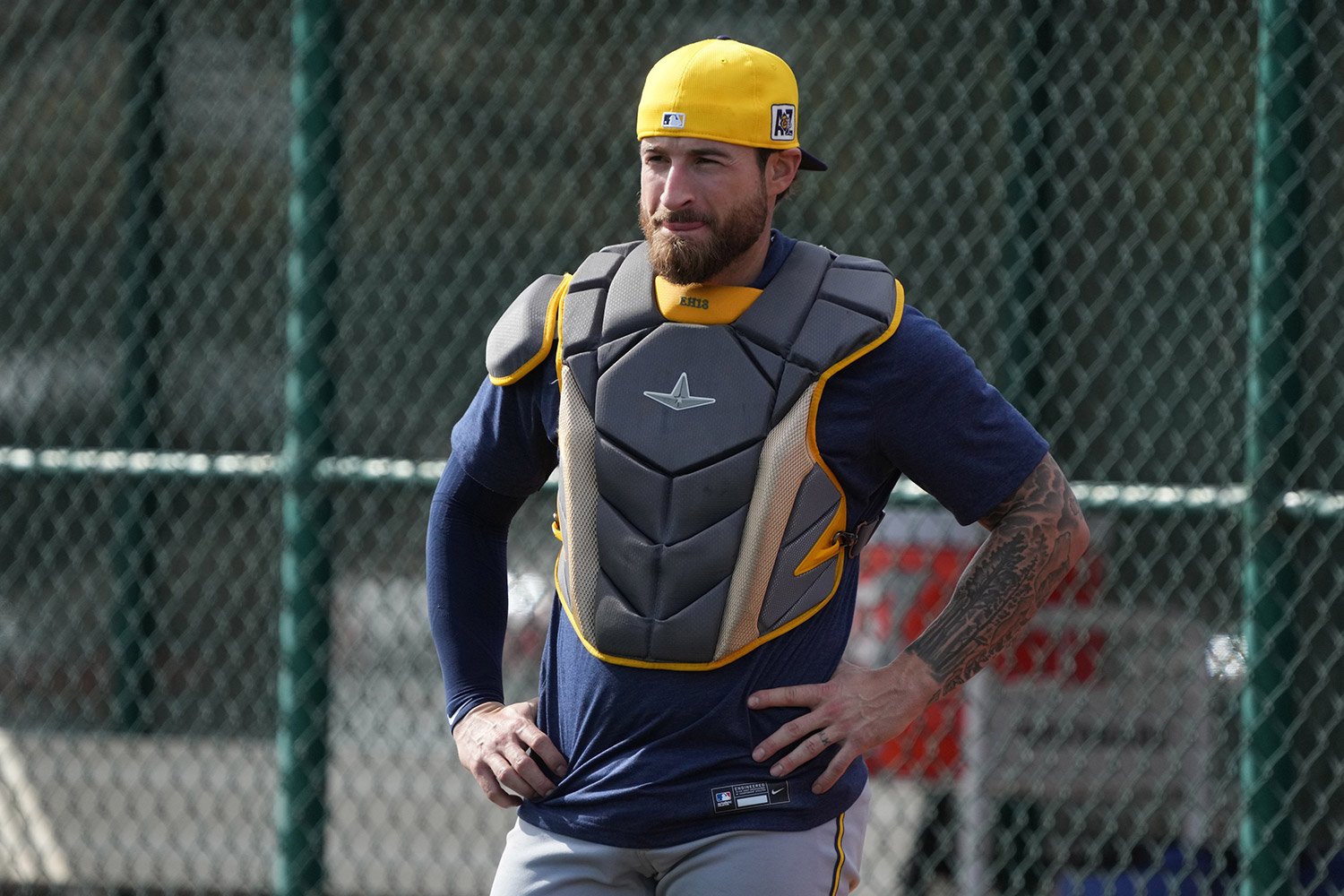 He’ll tell you that his mentality of taking nothing for granted remains unchanged, but Eric Haase finds himself in a much different situation this spring than he did a year ago. Last March, Haase was fighting an uphill battle to break camp with the Brewers as a third catcher, a roster hurdle over which not even his fantastic performance could vault him. Fast forward a year, and a guaranteed pairing of William Contreras and Haase at catcher was one of the few positions already settled before spring training commenced. Drafted out of high school in 2011, the 32-year-old has seen firsthand the evolution of receiving techniques during the last decade-plus. After doing his part in recent years to keep up, he’s improved on his longstanding reputation as a bat-first catcher and suspect defender. Most notably, Haase has reversed what was once one of his greatest weaknesses: framing pitches. For most of his career, Haase set up behind the plate in a traditional squat and graded as a poor receiver. That began to change in 2023 when he started experimenting with a one-knee setup. Haase kicked out his other leg mid-pitch to get closer to the ground, which was supposed to help him better frame low pitches. “It felt good at the bottom of the zone,” he said. “Lower center of gravity, just working up through everything.” Haase’s receiving improved dramatically at the bottom of the zone but remained below average everywhere else, so he felt he had room to refine his mechanics further. After he signed with the Brewers, Walker McKinven et al. encouraged him to eliminate the leg kick most of the time in favor of a calmer and more upright one-knee stance. “Their big thing was, ‘Hey, you're very athletic. You're not really using your athleticism. Here are some different stances or angles or whatnot to put you back into a more athletic position,’” Haase recalled. “And then I guess my natural glove patterns and loads started coming out a little bit better.” With the adjustment, Haase joined a long list of backstops to transform their framing under the tutelage of Milwaukee’s catching instruction team. According to TruMedia, between Triple-A and the big leagues, he accrued a career-high 5.1 Count-Adjusted Framing Runs Above Average last season, up from -0.1 in 2023 and his career-worst of -9.9 runs in 2021. “I'm a little bit more stable going side to side,” Haase explained when asked how the new setup helps him. “Not just one pitch, kind of selling out for at the bottom, kind of how I was before. But it just allows me to be a lot more athletic.” With increased control and receiving range throughout the entire strike zone, most of Haase’s improvement came on high pitches, where he graded as an elite framer last year. The leg kick previously hampered his ability to present the ball up there. “When I was on a knee and kicking out every time, I was taking my head below the top of the strike zone,” he said. “So even if there (were) pitches at the top that were strikes, it's above my head, and that's just a bad look for (the umpire). So just staying on one knee, not kicking out, staying a little bit taller, knowing I can still get to the bottom, really helped me out at the top.” Developed in the minor leagues when traditional receiving still reigned supreme, Haase has successfully transitioned to modern framing. It’s an active process with plenty of glove movement, with the key being to have the proper movement that best presents the pitch. Today’s catchers are setting up increasingly closer to the back of home plate and going to get the ball as it approaches the plate. The idea is not to pull that pitch back into the strike zone but to work around and through the ball with the mitt so that it appears to have crossed well over the plate. “I mean, that's the whole thing with receiving,” Haase said. “You're not really tricking the guy behind you as much as just trying to give them the best look possible. These days, there's so much tracking technology, the days of catching a ball here and moving it there and hoping you trick the guy is probably not going to happen anymore, you know? Those umpires are getting their reports, they can see exactly where pitches are, and those are the best in the world at what they do.” Giving umpires the best look possible requires knowing how to handle different pitchers with a wide range of pitch shapes and varying degrees of command. It’s easiest to catch a pitcher with predictable movement who hits his spots, Haase admitted, but that’s not always the task he’s assigned. “Some guys, their stuff moves a lot more than other guys, even if it could be the same pitch. It's just a constant battle of, ‘How much plate do I need to give them? What angles do I give them? Height of the target?’ And we go ad nauseam about that with pitchers’ meetings and these guys throwing side bullpens and things, so there's a lot of crossover before you're actually on the field, things you can iron out before you get out there.” Fighting that battle is an all-hands-on-deck effort. “Oh, it's a lot,” Haase replied with widened eyes when asked how many individuals contribute to the process. “I mean, shoot, off the top of my head, three, four catching coaches, two, three pitching coaches, and Charlie Greene in the bullpen. Murph’s got his input on stuff. So obviously, there's a lot of areas that you're taking it in from. You're trying to bottleneck and get it down to the product on the field.” While beginning in an upright stance with a knee down has proven to be the best way to control his center of mass and present the ball most of the time, Haase stressed that he’ll never commit to a single constant setup. He is always willing to tweak things based on immediate in-game variables and the continuous evolution of his position. “I could be back on two feet next year,” he said. “I think about it more as just tools in my tool belt, rather than just, ‘Okay, this is my stance, and this is how I do it.’ It's whatever the game is calling for, I try to position myself into that.” Haase’s defense remains far from perfect. He’s made significant strides, though, and now has a hard-earned opportunity to showcase them in the big leagues. Most importantly, he’ll continue putting in the work to adapt as the game demands it.
 -
"It started off coming up all traditional, up on both feet, and that's the only way I knew how to catch," the Brewers' veteran backup catcher said. Throughout the last two seasons, he has transitioned to modern techniques and transformed his capabilities as a receiver. "It started off coming up all traditional, up on both feet, and that's the only way I knew how to catch," the Brewers' veteran backup catcher said. Throughout the last two seasons, he has transitioned to modern techniques and transformed his capabilities as a receiver. He’ll tell you that his mentality of taking nothing for granted remains unchanged, but Eric Haase finds himself in a much different situation this spring than he did a year ago. Last March, Haase was fighting an uphill battle to break camp with the Brewers as a third catcher, a roster hurdle over which not even his fantastic performance could vault him. Fast forward a year, and a guaranteed pairing of William Contreras and Haase at catcher was one of the few positions already settled before spring training commenced. Drafted out of high school in 2011, the 32-year-old has seen firsthand the evolution of receiving techniques during the last decade-plus. After doing his part in recent years to keep up, he’s improved on his longstanding reputation as a bat-first catcher and suspect defender. Most notably, Haase has reversed what was once one of his greatest weaknesses: framing pitches. For most of his career, Haase set up behind the plate in a traditional squat and graded as a poor receiver. That began to change in 2023 when he started experimenting with a one-knee setup. Haase kicked out his other leg mid-pitch to get closer to the ground, which was supposed to help him better frame low pitches. “It felt good at the bottom of the zone,” he said. “Lower center of gravity, just working up through everything.” Haase’s receiving improved dramatically at the bottom of the zone but remained below average everywhere else, so he felt he had room to refine his mechanics further. After he signed with the Brewers, Walker McKinven et al. encouraged him to eliminate the leg kick most of the time in favor of a calmer and more upright one-knee stance. “Their big thing was, ‘Hey, you're very athletic. You're not really using your athleticism. Here are some different stances or angles or whatnot to put you back into a more athletic position,’” Haase recalled. “And then I guess my natural glove patterns and loads started coming out a little bit better.” With the adjustment, Haase joined a long list of backstops to transform their framing under the tutelage of Milwaukee’s catching instruction team. According to TruMedia, between Triple-A and the big leagues, he accrued a career-high 5.1 Count-Adjusted Framing Runs Above Average last season, up from -0.1 in 2023 and his career-worst of -9.9 runs in 2021. “I'm a little bit more stable going side to side,” Haase explained when asked how the new setup helps him. “Not just one pitch, kind of selling out for at the bottom, kind of how I was before. But it just allows me to be a lot more athletic.” With increased control and receiving range throughout the entire strike zone, most of Haase’s improvement came on high pitches, where he graded as an elite framer last year. The leg kick previously hampered his ability to present the ball up there. “When I was on a knee and kicking out every time, I was taking my head below the top of the strike zone,” he said. “So even if there (were) pitches at the top that were strikes, it's above my head, and that's just a bad look for (the umpire). So just staying on one knee, not kicking out, staying a little bit taller, knowing I can still get to the bottom, really helped me out at the top.” Developed in the minor leagues when traditional receiving still reigned supreme, Haase has successfully transitioned to modern framing. It’s an active process with plenty of glove movement, with the key being to have the proper movement that best presents the pitch. Today’s catchers are setting up increasingly closer to the back of home plate and going to get the ball as it approaches the plate. The idea is not to pull that pitch back into the strike zone but to work around and through the ball with the mitt so that it appears to have crossed well over the plate. “I mean, that's the whole thing with receiving,” Haase said. “You're not really tricking the guy behind you as much as just trying to give them the best look possible. These days, there's so much tracking technology, the days of catching a ball here and moving it there and hoping you trick the guy is probably not going to happen anymore, you know? Those umpires are getting their reports, they can see exactly where pitches are, and those are the best in the world at what they do.” Giving umpires the best look possible requires knowing how to handle different pitchers with a wide range of pitch shapes and varying degrees of command. It’s easiest to catch a pitcher with predictable movement who hits his spots, Haase admitted, but that’s not always the task he’s assigned. “Some guys, their stuff moves a lot more than other guys, even if it could be the same pitch. It's just a constant battle of, ‘How much plate do I need to give them? What angles do I give them? Height of the target?’ And we go ad nauseam about that with pitchers’ meetings and these guys throwing side bullpens and things, so there's a lot of crossover before you're actually on the field, things you can iron out before you get out there.” Fighting that battle is an all-hands-on-deck effort. “Oh, it's a lot,” Haase replied with widened eyes when asked how many individuals contribute to the process. “I mean, shoot, off the top of my head, three, four catching coaches, two, three pitching coaches, and Charlie Greene in the bullpen. Murph’s got his input on stuff. So obviously, there's a lot of areas that you're taking it in from. You're trying to bottleneck and get it down to the product on the field.” While beginning in an upright stance with a knee down has proven to be the best way to control his center of mass and present the ball most of the time, Haase stressed that he’ll never commit to a single constant setup. He is always willing to tweak things based on immediate in-game variables and the continuous evolution of his position. “I could be back on two feet next year,” he said. “I think about it more as just tools in my tool belt, rather than just, ‘Okay, this is my stance, and this is how I do it.’ It's whatever the game is calling for, I try to position myself into that.” Haase’s defense remains far from perfect. He’s made significant strides, though, and now has a hard-earned opportunity to showcase them in the big leagues. Most importantly, he’ll continue putting in the work to adapt as the game demands it. View full article
-
Should Logan Henderson Start in Place of the Injured Tobias Myers?
Jack Stern posted an article in Brewers
.png.80ba49f4ac7d4949ea9ab4030a60914d.png) A day after Pat Murphy designated Logan Henderson as a potential rotation replacement for an injured Tobias Myers, he gave a harsh public evaluation of the 23-year-old’s three-inning start in Peoria against the San Diego Padres. “That’s not acceptable,” Murphy said. “That’s not acceptable to walk four people. That’s not who he is. He’s got to be better than that.” The manager was not wrong. Henderson walked just 4.7% of opponents in the minor leagues last year. Filling the strike zone is one of his strengths. But while the free passes drew Murphy’s ire on Monday, it was another foible that indicated Henderson needs more development time in Nashville before the Brewers can seriously consider him for big-league starts. The right-hander has gotten excellent mileage from a great fastball and changeup combination in the minors. Last year in Triple A, his four-seamer averaged 17.3 inches of induced vertical break—often reaching an elite 20 inches—from a below-average release height of 5.28 feet. That makes the ball difficult to get on top of, yielding a 29.3% whiff rate against the pitch. His real bread and butter is a plus changeup that averaged 17.9 inches of arm-side run and falls off the table as it nears the plate; it held Triple-A opponents to a .193 xwOBA with a 32.6% whiff rate. To be a big-league starter, though, Henderson needs a viable third pitch with glove-side movement. He mixed in a cutter in the minors and has added a slider this spring. Both offerings have been inconsistent. They looked passible in Henderson’s previous outing at a Statcast-equipped park on March 5th, but backed up on him a few times in his start this week. It’s understandable that Murphy would propose a strike-thrower with two highly effective pitches as a potential substitute for Myers. However, his absence seems likely to be brief, and the Brewers have several length options (with higher floors) who should be ahead of Henderson on the depth chart. Tyler Alexander could slide into the fourth rotation spot for a few turns, with Connor Thomas, Elvin Rodriguez, and Chad Patrick among the additional candidates. The Brewers don’t need Henderson yet, and he has not quite found the elusive third pitch he’ll need to navigate big-league lineups multiple times within an outing. He may surface in the bullpen at some point this year, but for now, more seasoning in Nashville is the best thing for his development.
A day after Pat Murphy designated Logan Henderson as a potential rotation replacement for an injured Tobias Myers, he gave a harsh public evaluation of the 23-year-old’s three-inning start in Peoria against the San Diego Padres. “That’s not acceptable,” Murphy said. “That’s not acceptable to walk four people. That’s not who he is. He’s got to be better than that.” The manager was not wrong. Henderson walked just 4.7% of opponents in the minor leagues last year. Filling the strike zone is one of his strengths. But while the free passes drew Murphy’s ire on Monday, it was another foible that indicated Henderson needs more development time in Nashville before the Brewers can seriously consider him for big-league starts. The right-hander has gotten excellent mileage from a great fastball and changeup combination in the minors. Last year in Triple A, his four-seamer averaged 17.3 inches of induced vertical break—often reaching an elite 20 inches—from a below-average release height of 5.28 feet. That makes the ball difficult to get on top of, yielding a 29.3% whiff rate against the pitch. His real bread and butter is a plus changeup that averaged 17.9 inches of arm-side run and falls off the table as it nears the plate; it held Triple-A opponents to a .193 xwOBA with a 32.6% whiff rate. To be a big-league starter, though, Henderson needs a viable third pitch with glove-side movement. He mixed in a cutter in the minors and has added a slider this spring. Both offerings have been inconsistent. They looked passible in Henderson’s previous outing at a Statcast-equipped park on March 5th, but backed up on him a few times in his start this week. It’s understandable that Murphy would propose a strike-thrower with two highly effective pitches as a potential substitute for Myers. However, his absence seems likely to be brief, and the Brewers have several length options (with higher floors) who should be ahead of Henderson on the depth chart. Tyler Alexander could slide into the fourth rotation spot for a few turns, with Connor Thomas, Elvin Rodriguez, and Chad Patrick among the additional candidates. The Brewers don’t need Henderson yet, and he has not quite found the elusive third pitch he’ll need to navigate big-league lineups multiple times within an outing. He may surface in the bullpen at some point this year, but for now, more seasoning in Nashville is the best thing for his development. -
Despite the manager throwing his name into the ring to fill a fresh vacancy, it's not yet a fitting time for one of the Brewers' top pitching prospects to join the big-league starting rotation. Image courtesy of © Dave Kallmann / Milwaukee Journal Sentinel / USA TODAY NETWORK via Imagn Images Despite the manager throwing his name into the ring to fill a fresh vacancy, it's not yet a fitting time for one of the Brewers' top pitching prospects to join the big-league starting rotation. A day after Pat Murphy designated Logan Henderson as a potential rotation replacement for an injured Tobias Myers, he gave a harsh public evaluation of the 23-year-old’s three-inning start in Peoria against the San Diego Padres. “That’s not acceptable,” Murphy said. “That’s not acceptable to walk four people. That’s not who he is. He’s got to be better than that.” The manager was not wrong. Henderson walked just 4.7% of opponents in the minor leagues last year. Filling the strike zone is one of his strengths. But while the free passes drew Murphy’s ire on Monday, it was another foible that indicated Henderson needs more development time in Nashville before the Brewers can seriously consider him for big-league starts. The right-hander has gotten excellent mileage from a great fastball and changeup combination in the minors. Last year in Triple A, his four-seamer averaged 17.3 inches of induced vertical break—often reaching an elite 20 inches—from a below-average release height of 5.28 feet. That makes the ball difficult to get on top of, yielding a 29.3% whiff rate against the pitch. His real bread and butter is a plus changeup that averaged 17.9 inches of arm-side run and falls off the table as it nears the plate; it held Triple-A opponents to a .193 xwOBA with a 32.6% whiff rate. To be a big-league starter, though, Henderson needs a viable third pitch with glove-side movement. He mixed in a cutter in the minors and has added a slider this spring. Both offerings have been inconsistent. They looked passible in Henderson’s previous outing at a Statcast-equipped park on March 5th, but backed up on him a few times in his start this week. It’s understandable that Murphy would propose a strike-thrower with two highly effective pitches as a potential substitute for Myers. However, his absence seems likely to be brief, and the Brewers have several length options (with higher floors) who should be ahead of Henderson on the depth chart. Tyler Alexander could slide into the fourth rotation spot for a few turns, with Connor Thomas, Elvin Rodriguez, and Chad Patrick among the additional candidates. The Brewers don’t need Henderson yet, and he has not quite found the elusive third pitch he’ll need to navigate big-league lineups multiple times within an outing. He may surface in the bullpen at some point this year, but for now, more seasoning in Nashville is the best thing for his development. View full article

.png.08e4bd865a457311539d7fb89e35c271.png)
.png.bd96bdb1c9b476ecd6cb6f2fd2ff04e8.png)
.png.2ba5b55a4bbc4a2178936f117bccd1eb.png)
.png.80ba49f4ac7d4949ea9ab4030a60914d.png)