



Jason Wang
-
Posts
955 -
Joined
-
Last visited
-
Days Won
1
Content Type
Profiles
Forums
Blogs
Events
News
2026 Milwaukee Brewers Top Prospects Ranking
Milwaukee Brewers Videos
2022 Milwaukee Brewers Draft Picks
Milwaukee Brewers Free Agent & Trade Rumors, Notes, & Tidbits
Guides & Resources
2023 Milwaukee Brewers Draft Picks
2024 Milwaukee Brewers Draft Picks
The Milwaukee Brewers Players Project
2025 Milwaukee Brewers Draft Pick Tracker
2026 Milwaukee Brewers Draft Tracker: Picks & Bonuses
Store
Downloads
Gallery
Everything posted by Jason Wang
-

Make-or-Break Players on the 2025 Milwaukee Brewers: Sal Frelick
Jason Wang posted an article in Brewers
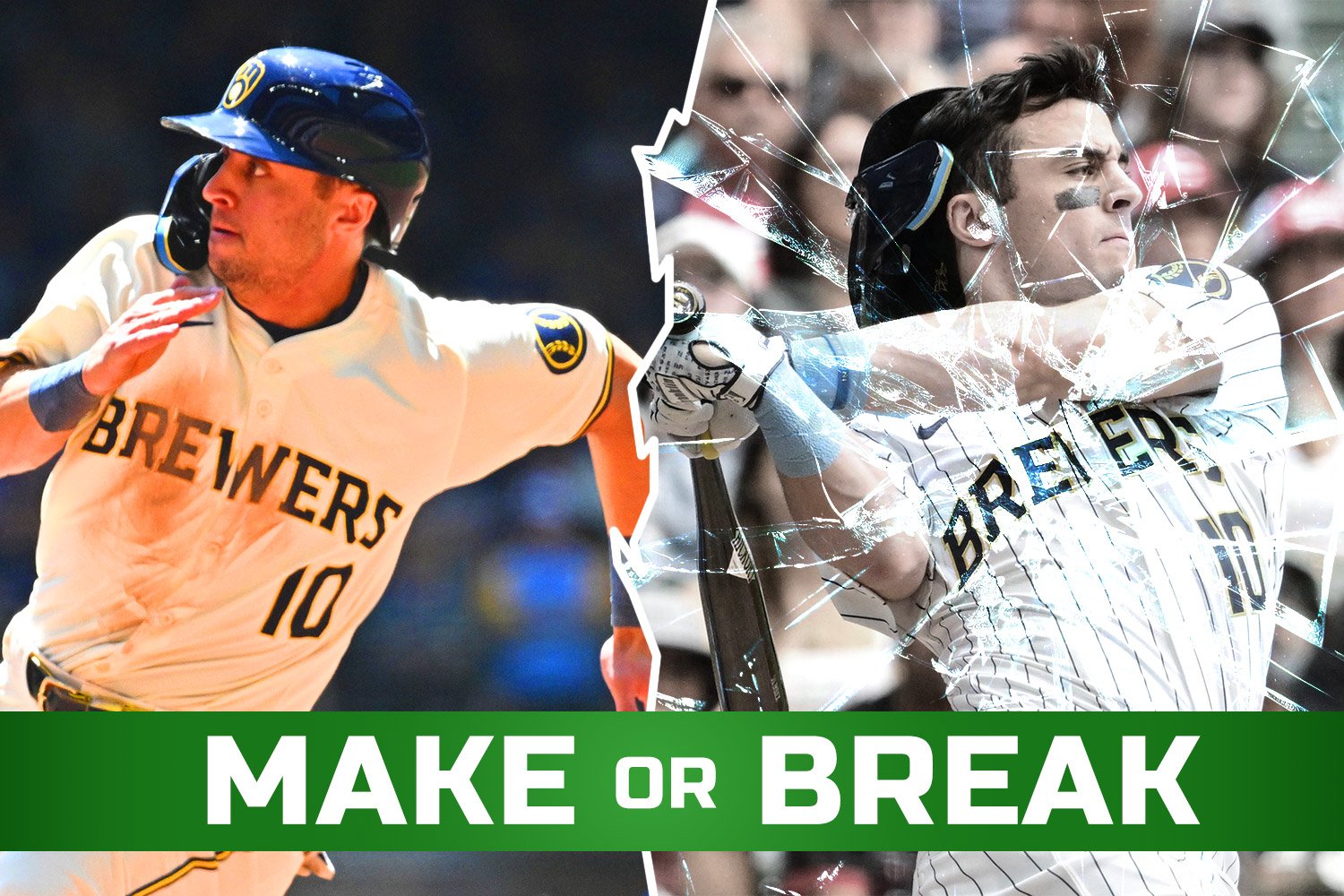 What Went Wrong in 2024? After 747 major-league plate appearances, I think we have enough data to describe Sal Frelick fairly accurately—with numbers to back it up. Defensively, he’s stellar. He won a Gold Glove for his efforts in the outfield last season, accumulating a combined 15 Defensive Runs Saved across all three outfield positions. He spent most of his time in right field, where he found the most success, but he was also an above-average center fielder. With very good speed, he has an exceptional ability to cover long distances and chase down even the farthest-hit fly balls. Sometimes, he even goes a bit over the wall for them. NU53R2VfVjBZQUhRPT1fVkFNSEFnWlFCd1FBWGdCUVV3QUFWVk1FQUZoVFUxRUFWbGNIVVFkVFVGVlZCZ1pV.mp4 Offensively, it’s a different story. As a rookie, he was known more for his glove than his bat, but he still managed a 90 OPS+. With a starting spot in the lineup over a full season, his offensive numbers got a little worse, falling to an 83 OPS+. The most glaring weakness in his hitting is his lack of pop. He placed in the 1st percentile of qualified hitters for average exit velocity (83.4 mph), barrel rate (0.8%), and hard-hit rate (19.5%). This culminated in just two home runs last year, and an ISO of just .076—less than half the league-average ISO of .161. To make matters even worse, his low average launch angle of 9.7 degrees further limits his ability to go for extra bases. But it goes even deeper than that. Thanks to bat-tracking data that was introduced to Statcast, we can get a closer look as to whether a player is truly getting all that he can out of his swing. The two figures that are now measured on Baseball Savant are swing speed and squared-up rate. The former is pretty straightforward, but the latter measures something far more helpful. Statcast defines squared-up rate as: Sal Frelick has 3rd-percentile bat speed, but a 92nd-percentile squared-up rate, meaning he’s actually getting all that he can out of his current swing. With a relatively small 5-foot-8, 185-pound frame, he might just not have the natural oomph of his bigger compatriots. What Can Go Right in 2025? The great thing about baseball is that there isn’t just one way to play the game. Sure, big guys like Aaron Judge and Giancarlo Stanton can get balls out of the park at 110 mph no problem, but smaller guys like Jose Altuve and Donovan Solano have found ways to stick around by playing to their strengths. Frelick’s strength is his bat-to-ball skills. His whiff rate of just 12.9% and his strikeout rate of 14.9% place him among the game’s best contact kings. Interestingly, his chase rate of 25.8% isn’t as exceptional, but it’s definitely better than average. To me, the ideal player for Frelick to strive toward would be Steven Kwan. Both Frelick and Kwan are outstanding outfielders who have smaller frames, with limited natural power. Here is how their key offensive numbers stack up: Average EV LA Sweet-Spot Rate Chase Rate Whiff Rate K Rate BB Rate Steven Kwan 86.3 mph 38.5% 19.2% 8.2% 9.4% 9.8% Sal Frelick 83.4 mph 30.0% 25.8% 12.9% 14.9% 7.4% Kwan has been much better at lifting the ball just the right amount, boasting a launch angle sweet-spot rate in the top quartile of MLB. Additionally, he has a higher walk rate that gives him an additional boost to his on-base percentage, which was .368 in 2024. If Frelick can dial in his skillset to have many of the same qualities, not only could he improve his batting average and overall production at the plate, he could utilize his speed on the basepaths and not just the outfield. How Will This Impact the 2025 Brewers? Last year, the Brewers' offense was actually quite good, posting a team OPS of .729 which landed them 10th in MLB. Unfortunately, they’ve lost Willy Adames, who had the second-highest OPS+ of qualified hitters on the team. Without any major lineup additions to compensate, they’ll have to lean on some of their younger hitters to take a big step forward. With the Cubs looming as a major divisional threat, 2025 might offer the toughest road to a division win for the Brewers in several years. If Frelick can adjust his offensive approach and put up an OPS+ of 100-110 while maintaining his outstanding work in the outfield, it wouldn’t be unreasonable to see him accumulate 3-4 rWAR. In a situation where that could end up being the difference between a playoff spot and watching October from the quasi-comfort of their offseason homes, this improvement might not only be a make-or-break for young Salvatore, it could make or break Milwaukee’s whole season.
 -
Quite a few fresh faces are joining the Arizona team this spring. Who are the players that will be making their organizational debuts, and will they be able to stick around? Quite a few fresh faces are joining the Arizona team this spring. Who are the players that will be making their organizational debuts, and will they be able to stick around? Major League Additions LHP Tyler Alexander A second-round pick by the Tigers in the 2015 draft, Alexander is the Brewers’ most recent major-league acquisition. After five years in Detroit’s rotation, he was designated for assignment and found himself in Tampa Bay. He threw 7 ⅓ perfect innings in May 2024, but things quickly started to regress from there. He had a 5.10 ERA over 107 ⅔ innings and was ultimately non-tendered, leading him to sign a one-year deal with Milwaukee. Jack Stern did a great deep dive on what he could bring to the team and how he currently slots in the rotation, but at the very least, he gives the roster depth while they navigate the back half of their 2024 injury pandemic that still affects players like DL Hall and Robert Gasser. RHP Grant Anderson Anderson was a late selection by the Mariners in the 2018 draft and has been a consistently good minor league arm ever since. While he did earn a call-up in 2023, his results in the big leagues have been subpar, to say the least. He has seemingly struggled to carry over the success he has had in Triple-A, posting a 2.93 ERA over 26 games with Triple-A Round Rock while pitching an 8.10 ERA in 23 games with the Rangers. After Texas signed Joc Pederson, he was designated for assignment to make room on the roster before being traded to the Brewers in exchange for Mason Molina. Jack Stern wrote a more detailed analysis of Anderson, calling him a “funky relief project,” which seems to sum it up quite well. There’s potential there, but it’ll have to be unlocked. RHP Elvin Rodríguez Originally signed as an international free agent by the Angels in 2014, he was sent to the Tigers in 2017 as part of the Justin Upton trade and debuted with Detroit in 2022, making five starts to an incredible 10.62 ERA over 29 ⅔ innings. He later elected free agency after being sent outright to Triple-A Toledo and signed a minor league contract with the Rays. He pitched well enough with Triple-A Durham to get called up and toss 3 ⅓ perfect innings. The next day, he was designated for assignment, and he finished the year with the Tokyo Yakult Swallows. After pitching to a 1.80 ERA for them in 2024, he returned to MLB by signing a one-year deal with Milwaukee that included a club option for 2026. If you want to read more about what he can offer an already stacked pitching staff, check out Jack Stern’s write-up here. LHP Connor Thomas Thomas was drafted in the fifth round of the 2019 draft by the Cardinals and spent his entire minor league career with the organization, hitting a real groove with Triple-A Memphis in 2024. He posted a 2.89 ERA over 90 ⅓ innings, primarily serving as a long reliever. He ended up as a sneaky Rule 5 Draft pick that could have a big impact next season. Jack Stern likened him to fellow long reliever Bryse Wilson in his breakdown, which can be found here. LHP Grant Wolfram One interesting thing about Wolfram is that he was drafted later in college than he was in high school, dropping from the 17th round in 2015 to the 18th round in 2018. He saw steady improvement throughout his minor league career culminating in a strong 2024, posting a 3.34 ERA over 56 ⅔ innings out of the bullpen with Triple-A Round Rock. He elected free agency at the end of the season and chose to sign a major-league deal with the Brewers in December. Matt Trueblood drew parallels between Wolfram and fellow southpaw Bryan Hudson in his breakdown of the move. If that ends up being the case, the bullpen could have even more depth than people were expecting. Non-Roster Invitees RHP Deivi García García was signed in 2015 by the New York Yankees as an international free agent. His first few years of professional baseball were reasonably productive, and he made it to Triple-A Scranton by 2019 and to the major-league rotation by 2020. He struggled at the higher levels of baseball and dealt with a finger injury in 2022, causing his numbers to balloon uncontrollably. After transitioning to the bullpen in 2023, he was designated for assignment and was claimed by the White Sox. His problems followed him to Chicago, posting a 5.40 ERA over 23 ⅓ total innings, and he elected free agency at the end of the season before signing a minor league deal with Milwaukee. He has quite a few issues to iron out and is quite far from earning a spot in the elite Brewers bullpen, but clearly, there’s something the organization sees. It may not be much, but it’s there, and he’s just 25 years old, giving him plenty of time before he hits his athletic prime. RHP Vinny Nittoli Nittoli was a 25th-round pick in the 2014 draft and didn’t make his major league debut until 2021 when he made a single one-inning relief appearance for the Mariners. He has bounced around to 11 different organizations (with two stints in the Mariners, Blue Jays, and Mets systems each) and has never really found a home but has been a consistent minor league grinder. He had a 3.60 ERA over 30 minor league innings in 2024 but had a disastrous three games with Triple-A Syracuse, resulting in Nittoli opting out of his contract to pursue free agency. He signed a minor league deal with the Brewers in September. A 34-year-old minor league journeyman isn’t exactly what most think of when considering possible needle-moving pieces heading into next year. He has been able to find success here and there, but he’s probably too inconsistent to warrant a roster spot. LHP Bruce Zimmermann A fifth-round draft pick by the Braves in 2017, he spent just one year in their system before being traded to the Orioles in exchange for Kevin Gausman. He put up respectable numbers, spending most of his minor league career with Triple-A Norfolk, and he even earned himself 27 major league starts over the course of four seasons. However, his performances were lukewarm at best and he dealt with several injuries. In August 2024, he was designated for assignment and elected free agency at the end of the year before signing a minor league deal with the Brewers in December. At 30 years old, he’s definitely still got some life in him. He had a 4.34 ERA over 76 ⅔ innings in his final season with Triple-A Norfolk, so there’s a potential opening for him in the event the Brewers are forced to endure similar injury luck to last year’s, but it’d be surprising to see him be a mainstay of the rotation. C Jorge Alfaro Known for his luscious locks, Alfaro is no stranger to the major leagues. He has more than 1,700 MLB plate appearances under his belt with five different organizations and most recently spent time with the Rockies and Red Sox in 2023. He signed a minor league contract with the Cubs prior to the start of the 2024 season but was released in late March, relegating him to a short stint in the Dominican Winter League, where he posted a mere .469 OPS. This winter, he was much better but had just 36 plate appearances, so his true abilities over a more meaningful sample size are still up in the air. With William Contreras and Eric Haase, Milwaukee already has sufficient talent in the catching department. While Gary Sánchez was able to get some work as a tertiary option in 2024, Alfaro would also have to compete with top prospect Jeferson Quero who was anticipated to debut last year had he not suffered a devastating injury to his throwing shoulder. Never say never but it would seem that Alfaro’s best years are behind him. 2B Raynel Delgado Delgado was a sixth-round selection by the Guardians in the 2018 draft and spent the entirety of his lengthy minor league career in the system. He had decent numbers in his final year with Triple-A Columbus, posting a .791 OPS over 345 plate appearances, but ultimately elected free agency in November and signed a minor league deal with the Brewers. There are some lingering questions regarding Milwaukee’s infield, but Delgado probably isn’t the answer. Sure, he gives the organization more infield depth, but with Brice Turang, Joey Ortiz, and Caleb Durbin ahead of him on the pecking order, it would take a miracle for him to find significant major-league playing time this season. That said, he’s still just 24 years old, so there’s no guarantee that he won’t eventually find his way to his big-league debut. 2B Anthony Seigler Seigler was taken by the Yankees in the first round of the 2018 draft and was intended to be a catching prospect. He spent nearly all of his time behind the dish in his first four professional seasons but started to pick up some reps at second base in 2023. In 2024, he played all 118 games of the season in his new role and seems to have found his new defensive home. After a reasonably productive season with Double-A Somerset, the 25-year-old elected free agency and signed a minor league deal with Milwaukee. I’d love to see more from Seigler in the minors. This will be his first season against Triple-A opposition which will gauge his readiness for the big leagues. If he performs, he could be another factor in the middle infield equation now or in the near future. He still has years to go before his age starts to weigh against his chances of taking the field as a Brewer. OF Jimmy Herron Herron was taken in the third round of the 2018 draft by the Cubs and spent just a year with the organization before being traded to the Rockies in exchange for international bonus pool money. He has put up strong numbers throughout his minor league journey and most recently posted a .810 OPS over 413 plate appearances with Triple-A Albuquerque. Herron is a little on the older side at 28 years old and faces a tight logjam in the outfield. With the talents of Christian Yelich, Jackson Chourio, and Sal Frelick occupying the corner outfield spots, it will be hard for him to claw his way to the top. He could be a depth piece if he continues to find success at Triple-A but it would surprise me to see him get a meaningful amount of big league plate appearances. OF Jared Oliva Oliva was a seventh-round pick by the Pirates in 2017 and has spent all but 59 plate appearances of his professional career in the minor leagues. After being designated for assignment by Pittsburgh in 2022, he spent time with the Angels and the Mariners, where he posted an .841 OPS over 248 plate appearances with Double-A Arkansas. Oliva finds himself in a boat similar to Herron, although he has already made his debut. He’s 29 years old and has quite a rich pool of talent ahead of him on the roster. He has a slight advantage with more recent experience in center field, and who knows, maybe Garrett Mitchell will return to the injured list as he seems to do every year, but then Oliva would still have to win the spot over Sal Frelick and Blake Perkins, a tall task. View full article
-
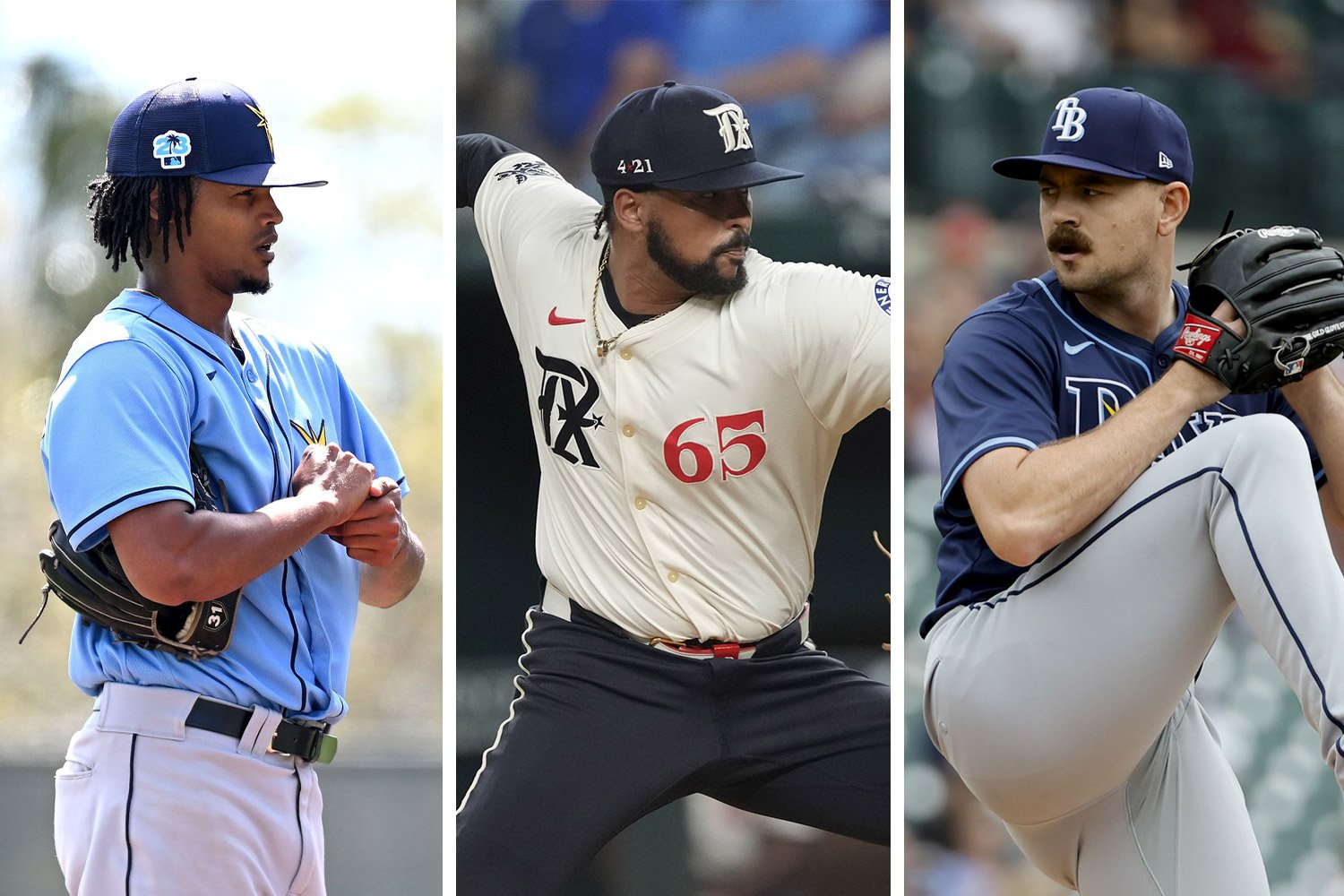 Major League Additions LHP Tyler Alexander A second-round pick by the Tigers in the 2015 draft, Alexander is the Brewers’ most recent major-league acquisition. After five years in Detroit’s rotation, he was designated for assignment and found himself in Tampa Bay. He threw 7 ⅓ perfect innings in May 2024, but things quickly started to regress from there. He had a 5.10 ERA over 107 ⅔ innings and was ultimately non-tendered, leading him to sign a one-year deal with Milwaukee. Jack Stern did a great deep dive on what he could bring to the team and how he currently slots in the rotation, but at the very least, he gives the roster depth while they navigate the back half of their 2024 injury pandemic that still affects players like DL Hall and Robert Gasser. RHP Grant Anderson Anderson was a late selection by the Mariners in the 2018 draft and has been a consistently good minor league arm ever since. While he did earn a call-up in 2023, his results in the big leagues have been subpar, to say the least. He has seemingly struggled to carry over the success he has had in Triple-A, posting a 2.93 ERA over 26 games with Triple-A Round Rock while pitching an 8.10 ERA in 23 games with the Rangers. After Texas signed Joc Pederson, he was designated for assignment to make room on the roster before being traded to the Brewers in exchange for Mason Molina. Jack Stern wrote a more detailed analysis of Anderson, calling him a “funky relief project,” which seems to sum it up quite well. There’s potential there, but it’ll have to be unlocked. RHP Elvin Rodríguez Originally signed as an international free agent by the Angels in 2014, he was sent to the Tigers in 2017 as part of the Justin Upton trade and debuted with Detroit in 2022, making five starts to an incredible 10.62 ERA over 29 ⅔ innings. He later elected free agency after being sent outright to Triple-A Toledo and signed a minor league contract with the Rays. He pitched well enough with Triple-A Durham to get called up and toss 3 ⅓ perfect innings. The next day, he was designated for assignment, and he finished the year with the Tokyo Yakult Swallows. After pitching to a 1.80 ERA for them in 2024, he returned to MLB by signing a one-year deal with Milwaukee that included a club option for 2026. If you want to read more about what he can offer an already stacked pitching staff, check out Jack Stern’s write-up here. LHP Connor Thomas Thomas was drafted in the fifth round of the 2019 draft by the Cardinals and spent his entire minor league career with the organization, hitting a real groove with Triple-A Memphis in 2024. He posted a 2.89 ERA over 90 ⅓ innings, primarily serving as a long reliever. He ended up as a sneaky Rule 5 Draft pick that could have a big impact next season. Jack Stern likened him to fellow long reliever Bryse Wilson in his breakdown, which can be found here. LHP Grant Wolfram One interesting thing about Wolfram is that he was drafted later in college than he was in high school, dropping from the 17th round in 2015 to the 18th round in 2018. He saw steady improvement throughout his minor league career culminating in a strong 2024, posting a 3.34 ERA over 56 ⅔ innings out of the bullpen with Triple-A Round Rock. He elected free agency at the end of the season and chose to sign a major-league deal with the Brewers in December. Matt Trueblood drew parallels between Wolfram and fellow southpaw Bryan Hudson in his breakdown of the move. If that ends up being the case, the bullpen could have even more depth than people were expecting. Non-Roster Invitees RHP Deivi García García was signed in 2015 by the New York Yankees as an international free agent. His first few years of professional baseball were reasonably productive, and he made it to Triple-A Scranton by 2019 and to the major-league rotation by 2020. He struggled at the higher levels of baseball and dealt with a finger injury in 2022, causing his numbers to balloon uncontrollably. After transitioning to the bullpen in 2023, he was designated for assignment and was claimed by the White Sox. His problems followed him to Chicago, posting a 5.40 ERA over 23 ⅓ total innings, and he elected free agency at the end of the season before signing a minor league deal with Milwaukee. He has quite a few issues to iron out and is quite far from earning a spot in the elite Brewers bullpen, but clearly, there’s something the organization sees. It may not be much, but it’s there, and he’s just 25 years old, giving him plenty of time before he hits his athletic prime. RHP Vinny Nittoli Nittoli was a 25th-round pick in the 2014 draft and didn’t make his major league debut until 2021 when he made a single one-inning relief appearance for the Mariners. He has bounced around to 11 different organizations (with two stints in the Mariners, Blue Jays, and Mets systems each) and has never really found a home but has been a consistent minor league grinder. He had a 3.60 ERA over 30 minor league innings in 2024 but had a disastrous three games with Triple-A Syracuse, resulting in Nittoli opting out of his contract to pursue free agency. He signed a minor league deal with the Brewers in September. A 34-year-old minor league journeyman isn’t exactly what most think of when considering possible needle-moving pieces heading into next year. He has been able to find success here and there, but he’s probably too inconsistent to warrant a roster spot. LHP Bruce Zimmermann A fifth-round draft pick by the Braves in 2017, he spent just one year in their system before being traded to the Orioles in exchange for Kevin Gausman. He put up respectable numbers, spending most of his minor league career with Triple-A Norfolk, and he even earned himself 27 major league starts over the course of four seasons. However, his performances were lukewarm at best and he dealt with several injuries. In August 2024, he was designated for assignment and elected free agency at the end of the year before signing a minor league deal with the Brewers in December. At 30 years old, he’s definitely still got some life in him. He had a 4.34 ERA over 76 ⅔ innings in his final season with Triple-A Norfolk, so there’s a potential opening for him in the event the Brewers are forced to endure similar injury luck to last year’s, but it’d be surprising to see him be a mainstay of the rotation. C Jorge Alfaro Known for his luscious locks, Alfaro is no stranger to the major leagues. He has more than 1,700 MLB plate appearances under his belt with five different organizations and most recently spent time with the Rockies and Red Sox in 2023. He signed a minor league contract with the Cubs prior to the start of the 2024 season but was released in late March, relegating him to a short stint in the Dominican Winter League, where he posted a mere .469 OPS. This winter, he was much better but had just 36 plate appearances, so his true abilities over a more meaningful sample size are still up in the air. With William Contreras and Eric Haase, Milwaukee already has sufficient talent in the catching department. While Gary Sánchez was able to get some work as a tertiary option in 2024, Alfaro would also have to compete with top prospect Jeferson Quero who was anticipated to debut last year had he not suffered a devastating injury to his throwing shoulder. Never say never but it would seem that Alfaro’s best years are behind him. 2B Raynel Delgado Delgado was a sixth-round selection by the Guardians in the 2018 draft and spent the entirety of his lengthy minor league career in the system. He had decent numbers in his final year with Triple-A Columbus, posting a .791 OPS over 345 plate appearances, but ultimately elected free agency in November and signed a minor league deal with the Brewers. There are some lingering questions regarding Milwaukee’s infield, but Delgado probably isn’t the answer. Sure, he gives the organization more infield depth, but with Brice Turang, Joey Ortiz, and Caleb Durbin ahead of him on the pecking order, it would take a miracle for him to find significant major-league playing time this season. That said, he’s still just 24 years old, so there’s no guarantee that he won’t eventually find his way to his big-league debut. 2B Anthony Seigler Seigler was taken by the Yankees in the first round of the 2018 draft and was intended to be a catching prospect. He spent nearly all of his time behind the dish in his first four professional seasons but started to pick up some reps at second base in 2023. In 2024, he played all 118 games of the season in his new role and seems to have found his new defensive home. After a reasonably productive season with Double-A Somerset, the 25-year-old elected free agency and signed a minor league deal with Milwaukee. I’d love to see more from Seigler in the minors. This will be his first season against Triple-A opposition which will gauge his readiness for the big leagues. If he performs, he could be another factor in the middle infield equation now or in the near future. He still has years to go before his age starts to weigh against his chances of taking the field as a Brewer. OF Jimmy Herron Herron was taken in the third round of the 2018 draft by the Cubs and spent just a year with the organization before being traded to the Rockies in exchange for international bonus pool money. He has put up strong numbers throughout his minor league journey and most recently posted a .810 OPS over 413 plate appearances with Triple-A Albuquerque. Herron is a little on the older side at 28 years old and faces a tight logjam in the outfield. With the talents of Christian Yelich, Jackson Chourio, and Sal Frelick occupying the corner outfield spots, it will be hard for him to claw his way to the top. He could be a depth piece if he continues to find success at Triple-A but it would surprise me to see him get a meaningful amount of big league plate appearances. OF Jared Oliva Oliva was a seventh-round pick by the Pirates in 2017 and has spent all but 59 plate appearances of his professional career in the minor leagues. After being designated for assignment by Pittsburgh in 2022, he spent time with the Angels and the Mariners, where he posted an .841 OPS over 248 plate appearances with Double-A Arkansas. Oliva finds himself in a boat similar to Herron, although he has already made his debut. He’s 29 years old and has quite a rich pool of talent ahead of him on the roster. He has a slight advantage with more recent experience in center field, and who knows, maybe Garrett Mitchell will return to the injured list as he seems to do every year, but then Oliva would still have to win the spot over Sal Frelick and Blake Perkins, a tall task.
- 3 comments
-
- 1
-

-
- tyler alexander
- grant anderson
- (and 5 more)
-
2025 Brewers Prospect Preview: Braylon Payne
Jason Wang replied to Jamie Cameron's topic in Brewers Minor League Talk
my player comp is shohei ohtani because both bat lefty and have a penchant for bowties -
The Brewers have a knack for turning lemons into lemonade, but will it all soon turn sour? Image courtesy of © Robert Edwards-Imagn Images The Brewers have a knack for turning lemons into lemonade, but will it all soon turn sour? I recently examined Milwaukee’s pitching staff and how, despite their strong numbers, there was a lack of intrinsic “stuff.” In a similar vein, I wrote another article in the middle of last season discussing the surprising number of pitchers on the team with a big difference between their FIPs and ERAs and whether that meant the team’s success was more fantasy than reality. Both are unique characteristics of the Brewers that seem to contradict much of what we know about modern-day analytics. Still, it’s also a testament to the sheer complexity of baseball. Ultimately, it leads to the broader question of whether the team can maintain their pitching productivity while still going against the grain. To their credit, it’s not like they’re intentionally seeking out players with funky arm slots and awkward deliveries over those who can throw hard and spin the ball well. Instead, they do better than most teams by working with what they have. Every pitcher has a unique arsenal, mechanics, delivery, and skillset. Rather than over-indexing on those with apparent qualities, Milwaukee has been excellent at maximizing a pitcher’s strengths rather than trying to fit a square peg into a Wisconsin-shaped hole. Take Bryse Wilson, for example. After being drafted by the Braves in 2016, he made his big-league debut in 2018 and spent the next five seasons as a struggling starter with a 5.54 ERA over 43 starts. After arriving in Milwaukee, he became a long reliever, using his above-average durability but minimizing the downsides of his relatively shallow arsenal. In 2023, he posted a 2.58 ERA over 76 ⅔ innings and was an outstanding bullpen piece. He regressed to a 4.04 ERA in 2024 after he was slotted into the rotation to fill an injury gap. When entering the game in relief, he still had a perfectly serviceable 3.75 ERA. Colin Rea is another instance of this development practice. Before 2023, he had bounced around between several MLB and NPB organizations, never throwing more than 115 innings in a full season outside the minors. When he was signed and tasked with holding down the back of the rotation, he leaned more heavily on a sinker/cutter duo over a traditional four-seam fastball. Also, he introduced a sweeper as his main breaking ball offering. By remaining tricksy and relying on command, his lack of velocity and physics-defying movement didn’t prevent him from being a full-time big-league starter. At the same time, Milwaukee has also had its fair share of obviously talented arms in recent years. Corbin Burnes, Devin Williams, and Josh Hader were homegrown talents (yes, Hader technically was drafted by the Orioles and traded to the Astros, but you get my point) who were highly sought-after by many teams. But an organization can’t depend on exceptional pitching talent to consistently fall into their laps. Especially with the increased prevalence of arm injuries and the Brewers’ dislike of long-term contracts worth hundreds of millions of dollars, it would be impossible for the organization to simply draft or buy their way to consistent success on the mound. As much as people may try, it will likely never be possible to define the caliber of a baseball player solely by a number or set of numbers, especially if those numbers simply measure one aspect of what is inherently a multidimensional game. Even with fine-tuning and multiple iterations, statistics like Stuff+, FIP, and WAR do not capture all a given pitcher can do. It’s true that the game is generally skewing more towards superhuman velocity and spin rates, but don’t be fooled by all the bells and whistles. A pitcher’s job is to get outs; whether they do that by throwing gas or just being a little mischievous doesn’t matter much at the end of the day. Thus far, Milwaukee has done a bang-up job of finding the best use for each of their arms, and there doesn’t seem to be a lot of reason they can’t keep it up for the foreseeable future. View full article
-
 I recently examined Milwaukee’s pitching staff and how, despite their strong numbers, there was a lack of intrinsic “stuff.” In a similar vein, I wrote another article in the middle of last season discussing the surprising number of pitchers on the team with a big difference between their FIPs and ERAs and whether that meant the team’s success was more fantasy than reality. Both are unique characteristics of the Brewers that seem to contradict much of what we know about modern-day analytics. Still, it’s also a testament to the sheer complexity of baseball. Ultimately, it leads to the broader question of whether the team can maintain their pitching productivity while still going against the grain. To their credit, it’s not like they’re intentionally seeking out players with funky arm slots and awkward deliveries over those who can throw hard and spin the ball well. Instead, they do better than most teams by working with what they have. Every pitcher has a unique arsenal, mechanics, delivery, and skillset. Rather than over-indexing on those with apparent qualities, Milwaukee has been excellent at maximizing a pitcher’s strengths rather than trying to fit a square peg into a Wisconsin-shaped hole. Take Bryse Wilson, for example. After being drafted by the Braves in 2016, he made his big-league debut in 2018 and spent the next five seasons as a struggling starter with a 5.54 ERA over 43 starts. After arriving in Milwaukee, he became a long reliever, using his above-average durability but minimizing the downsides of his relatively shallow arsenal. In 2023, he posted a 2.58 ERA over 76 ⅔ innings and was an outstanding bullpen piece. He regressed to a 4.04 ERA in 2024 after he was slotted into the rotation to fill an injury gap. When entering the game in relief, he still had a perfectly serviceable 3.75 ERA. Colin Rea is another instance of this development practice. Before 2023, he had bounced around between several MLB and NPB organizations, never throwing more than 115 innings in a full season outside the minors. When he was signed and tasked with holding down the back of the rotation, he leaned more heavily on a sinker/cutter duo over a traditional four-seam fastball. Also, he introduced a sweeper as his main breaking ball offering. By remaining tricksy and relying on command, his lack of velocity and physics-defying movement didn’t prevent him from being a full-time big-league starter. At the same time, Milwaukee has also had its fair share of obviously talented arms in recent years. Corbin Burnes, Devin Williams, and Josh Hader were homegrown talents (yes, Hader technically was drafted by the Orioles and traded to the Astros, but you get my point) who were highly sought-after by many teams. But an organization can’t depend on exceptional pitching talent to consistently fall into their laps. Especially with the increased prevalence of arm injuries and the Brewers’ dislike of long-term contracts worth hundreds of millions of dollars, it would be impossible for the organization to simply draft or buy their way to consistent success on the mound. As much as people may try, it will likely never be possible to define the caliber of a baseball player solely by a number or set of numbers, especially if those numbers simply measure one aspect of what is inherently a multidimensional game. Even with fine-tuning and multiple iterations, statistics like Stuff+, FIP, and WAR do not capture all a given pitcher can do. It’s true that the game is generally skewing more towards superhuman velocity and spin rates, but don’t be fooled by all the bells and whistles. A pitcher’s job is to get outs; whether they do that by throwing gas or just being a little mischievous doesn’t matter much at the end of the day. Thus far, Milwaukee has done a bang-up job of finding the best use for each of their arms, and there doesn’t seem to be a lot of reason they can’t keep it up for the foreseeable future.
 -
The Brewers have some of the best pitchers in the sport, but you might not know that from their advanced pitch-modeling metrics. Image courtesy of © Michael McLoone-Imagn Images The Brewers have some of the best pitchers in the sport, but you might not know that from their advanced pitch-modeling metrics. Baseball is a numbers game. For hitters, most figures are pretty self-explanatory. Batting average, on-base-plus-slugging, chase rate, and strikeout rate have names that paint a pretty clear picture as to what they measure and how they’re calculated. Pitchers, on the other hand, are a little more difficult to assess. Sure, you can measure objective numbers like velocity, spin rate, and movement, but two pitches with similar numbers can have extremely different results. For example, let’s compare the four-seam fastballs of Tobias Myers and Chris Flexen: Fastball Velocity Fastball Spin Fastball Whiff Rate Fastball Run Value MIL Tobias Myers 92.9 mph 2,223 RPM 19.4% 6 CHW Chris Flexen 91.3 mph 2,144 RPM 13.2% -6 Despite being pretty close in velocity and spin, Myers was able to generate significantly more run value with his four-seam fastball than Flexen. This is a bit of an unfair comparison, and I’m conveniently glossing over several other important factors, but this should be sufficient to show you that just looking at surface-level numbers—even the kind we drooled over as recently as 10 years ago—isn’t nearly enough to tell the whole story. To try and fix this problem, the best minds in baseball came up with a very specific, crystal-clear term that left nothing up to the imagination: Stuff. You’ve likely heard this term tossed around before, and maybe you just assumed it was a general term for a pitcher having impressive velocity and movement on his pitches. Sometimes, of course, it is, but there’s actually a more specific definition. In essence, it’s a catch-all word for a pitcher being good at his job. This brings us back to the Brewers. After having a collective 3.65 ERA in 2024, fifth-best in MLB, one might assume the team’s “Stuff” is off the charts, since the pitchers were all pretty good at their jobs. The opposite is a little closer to reality. Here is a quick primer on how Stuff+ is measured, and the table below displays the 2024 Stuff+ numbers of the potential arms in Milwaukee’s 2025 rotation: Aaron Ashby 113 Brandon Woodruff 106* Nestor Cortes 105 Aaron Civale 104 Freddy Peralta 99 Tobias Myers 97 DL Hall 87 *Data from 2023 since Brandon Woodruff did not pitch in 2024 There are a couple of key takeaways here. First, Ashby leads the pack by a decent margin, but his lack of arsenal depth means he’ll probably be better in the bullpen, especially given how well he did as a reliever last season. Second, Nestor Cortes may be a surprising appearance, but his sinker had a Stuff+ figure of 119 last year. He primarily depends on a four-seam/cutter combination, but Milwaukee could have him increase his usage of his sinker and his slider, which had a Stuff+ of 109. Third, this set of numbers seems to sell the pitching staff pretty short. In fact, as a team, Brewers starters had a cumulative Stuff+ of just 97, placing them 17th in MLB. Upon further consideration, this actually makes sense. Without Corbin Burnes or Woodruff and with plenty of injuries to go around, Milwaukee’s starters relied more on clever tricks than they did on intrinsic pitch quality. Furthermore, Stuff+ doesn’t always translate to on-field success. Nick Mears had a Stuff+ of 119 while pitching for the Brewers, but only managed a 7.30 ERA and 6.25 FIP for the team. Will the Brewers be getting access to more of this so-called “Stuff” anytime soon? Well, the return of Woodruff should help their case, assuming he isn’t dragged down by any long-term side effects from injury. If Jacob Misiorowski debuts, his 70-grade fastball/slider combo should also measure well, but he has some work to do in rounding out the rest of his arsenal before he’s ready to be a big-league starter. Last but not least, we have Robert Gasser. He probably won’t be back until the back half of 2025 at the absolute earliest, but the lefty had an impressive 118 Stuff+ on his slider and is one of the team’s top pitching prospects for a reason. All in all, what the Brewers have done best with their arm talent is to get value for money. Any (rich team's) front office can cough up nine figures for pitchers who are essentially finished products, but it takes a really savvy organization to maximize the potential of what they’ve already got. Whether this ability to outperform their statistical expectations is anything more than a temporary trend is yet to be seen, but for now, if it ain’t broke, don’t fix it. View full article
-
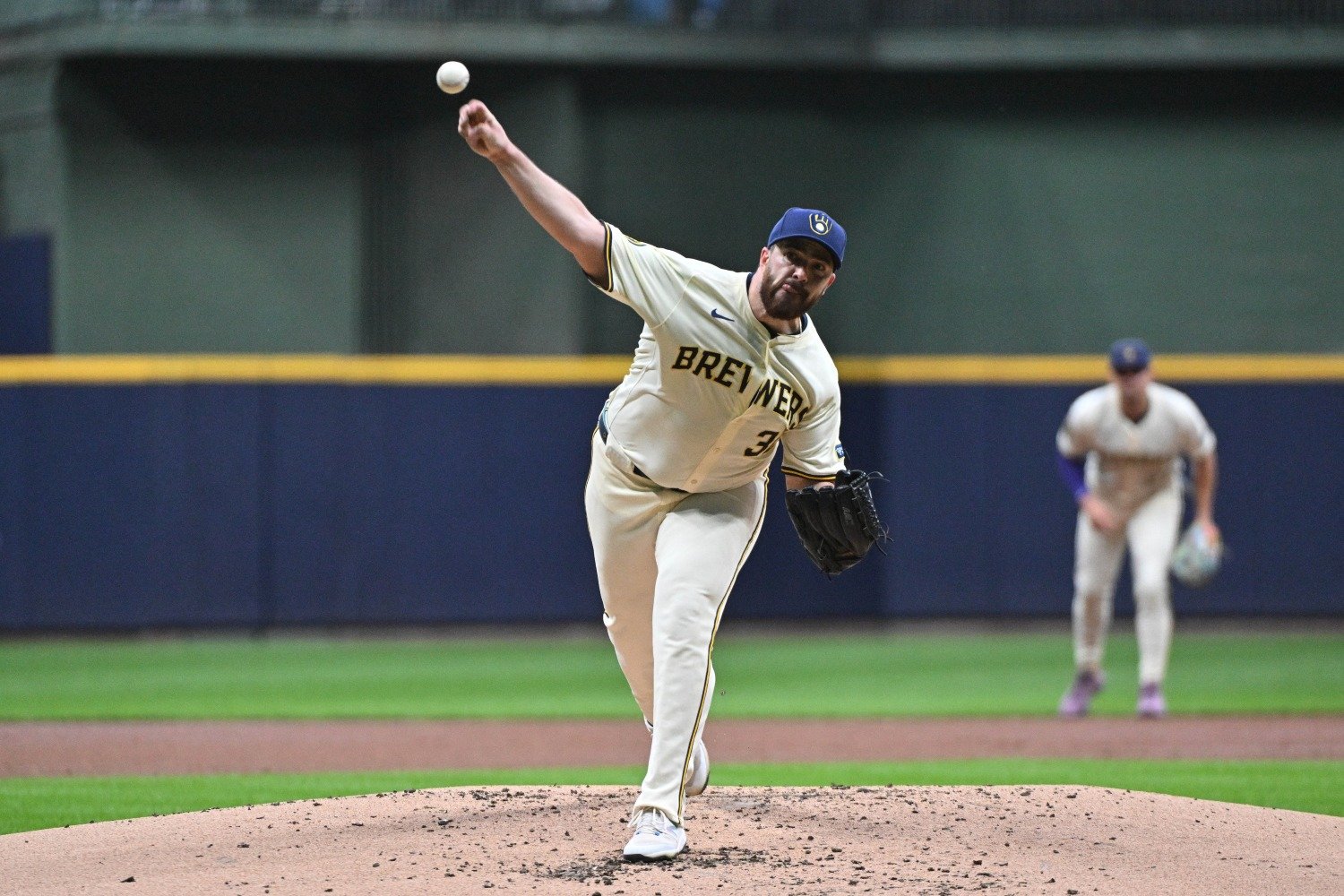 Baseball is a numbers game. For hitters, most figures are pretty self-explanatory. Batting average, on-base-plus-slugging, chase rate, and strikeout rate have names that paint a pretty clear picture as to what they measure and how they’re calculated. Pitchers, on the other hand, are a little more difficult to assess. Sure, you can measure objective numbers like velocity, spin rate, and movement, but two pitches with similar numbers can have extremely different results. For example, let’s compare the four-seam fastballs of Tobias Myers and Chris Flexen: Fastball Velocity Fastball Spin Fastball Whiff Rate Fastball Run Value MIL Tobias Myers 92.9 mph 2,223 RPM 19.4% 6 CHW Chris Flexen 91.3 mph 2,144 RPM 13.2% -6 Despite being pretty close in velocity and spin, Myers was able to generate significantly more run value with his four-seam fastball than Flexen. This is a bit of an unfair comparison, and I’m conveniently glossing over several other important factors, but this should be sufficient to show you that just looking at surface-level numbers—even the kind we drooled over as recently as 10 years ago—isn’t nearly enough to tell the whole story. To try and fix this problem, the best minds in baseball came up with a very specific, crystal-clear term that left nothing up to the imagination: Stuff. You’ve likely heard this term tossed around before, and maybe you just assumed it was a general term for a pitcher having impressive velocity and movement on his pitches. Sometimes, of course, it is, but there’s actually a more specific definition. In essence, it’s a catch-all word for a pitcher being good at his job. This brings us back to the Brewers. After having a collective 3.65 ERA in 2024, fifth-best in MLB, one might assume the team’s “Stuff” is off the charts, since the pitchers were all pretty good at their jobs. The opposite is a little closer to reality. Here is a quick primer on how Stuff+ is measured, and the table below displays the 2024 Stuff+ numbers of the potential arms in Milwaukee’s 2025 rotation: Aaron Ashby 113 Brandon Woodruff 106* Nestor Cortes 105 Aaron Civale 104 Freddy Peralta 99 Tobias Myers 97 DL Hall 87 *Data from 2023 since Brandon Woodruff did not pitch in 2024 There are a couple of key takeaways here. First, Ashby leads the pack by a decent margin, but his lack of arsenal depth means he’ll probably be better in the bullpen, especially given how well he did as a reliever last season. Second, Nestor Cortes may be a surprising appearance, but his sinker had a Stuff+ figure of 119 last year. He primarily depends on a four-seam/cutter combination, but Milwaukee could have him increase his usage of his sinker and his slider, which had a Stuff+ of 109. Third, this set of numbers seems to sell the pitching staff pretty short. In fact, as a team, Brewers starters had a cumulative Stuff+ of just 97, placing them 17th in MLB. Upon further consideration, this actually makes sense. Without Corbin Burnes or Woodruff and with plenty of injuries to go around, Milwaukee’s starters relied more on clever tricks than they did on intrinsic pitch quality. Furthermore, Stuff+ doesn’t always translate to on-field success. Nick Mears had a Stuff+ of 119 while pitching for the Brewers, but only managed a 7.30 ERA and 6.25 FIP for the team. Will the Brewers be getting access to more of this so-called “Stuff” anytime soon? Well, the return of Woodruff should help their case, assuming he isn’t dragged down by any long-term side effects from injury. If Jacob Misiorowski debuts, his 70-grade fastball/slider combo should also measure well, but he has some work to do in rounding out the rest of his arsenal before he’s ready to be a big-league starter. Last but not least, we have Robert Gasser. He probably won’t be back until the back half of 2025 at the absolute earliest, but the lefty had an impressive 118 Stuff+ on his slider and is one of the team’s top pitching prospects for a reason. All in all, what the Brewers have done best with their arm talent is to get value for money. Any (rich team's) front office can cough up nine figures for pitchers who are essentially finished products, but it takes a really savvy organization to maximize the potential of what they’ve already got. Whether this ability to outperform their statistical expectations is anything more than a temporary trend is yet to be seen, but for now, if it ain’t broke, don’t fix it.
 -
It's definitely a thin market for free agent third basemen. In the past, Kiké Hernández has typically been described as a "vibes guy" with, as you mentioned, a strong clutch gene but I think he has the potential to be a lot more. I definitely think he has more upside than Yoán Moncada even with all of his musical talent.
-
To Kiké Hernández, a pair of glasses has been more beneficial than any performance-enhancing drug on the market. Image courtesy of © Isaiah J. Downing-Imagn Images To Kiké Hernández, a pair of glasses has been more beneficial than any performance-enhancing drug on the market. In my humble opinion, the most interesting part of baseball isn’t the history, analytics, or teams' ability to sell beer and hot dogs at exorbitant markups. Instead, what initially brought me to the sport and has kept me around has been the kooky storylines. A few come up every year, and my favorite from the 2024 season has been Kiké Hernández's realization that he has astigmatism, more or less by accident. After more than 3,500 major league plate appearances and a career OPS+ of 93, he was casually chatting with fellow Puerto Rican Martín Maldonado at the start of the season as countrymen often do. Maldonado mentioned that he and his White Sox teammates had taken more thorough eye exams than those in spring training and found that they needed to wear glasses. Intrigued by this revelation, Hernández figured taking similar steps could help improve his first-half OPS of .557. After being diagnosed with right-eye astigmatism, he began wearing prescription glasses, allowing him to post a .766 OPS in the second half of the season. He also managed to carry his success into the postseason, slashing .294/.357/.451 over his 57 playoff plate appearances. This story is just one of several factors that make Hernández a potential hidden gem free agent this offseason. His full-season stats are uninspiring, and he’s on the slightly older side at 33 years old, but there’s good reason to place more stock in his latest accomplishments. Recency bias is a dangerous thing, especially in baseball. Still, there’s reason to believe that the newfound improvement in his eyesight will lead to greater offensive production in the long term. He struggled immensely against fastballs and breaking balls at the start of the season. If we look at his batting average against both pitch types by month, we can see a clear step forward after the All-Star break: Fastball Breaking April .250 .120 May .182 .083 June .194 .200 July .206 .105 August .259 .263 September .360 .263 This improvement becomes even more apparent when we look at his slugging numbers against both pitch types in the same way: Fastball Breaking April .250 .240 May .273 .083 June .361 .333 July .324 .263 August .481 .421 September .480 .632 He was able to get more hits in general and seemingly pummeling the ball with more authority. His new and improved eyesight allowed him to make better swing decisions and, most importantly, improved his hitting against right-handed hitters, a hole in his game that he has had throughout his entire big-league career. He’s quite good as a defender, racking up six Defensive Runs Saved in 2024, but his greatest value is in his overall flexibility. He played 50 innings or more at six different positions (did not play catcher or right field) on the Dodgers but spent most of his time at third base. This has been the case for his entire career, and even if tasked with one primary position, he has been excellent in the infield and the outfield. Long story short, his new team should feel free to plug him in wherever and expect him to get the job done. For the Brewers, he could be an outstanding fit for the current roster and payroll. With the departure of Willy Adames, the one clear weakness in the lineup is at third base. Joey Ortiz is the most likely candidate to move to shortstop, leaving Andruw Monasterio or short-king Caleb Durbin to man the hot corner. We more or less know what we’re getting in Monasterio, who may be a one-win player at best. In contrast, Caleb Durbin could be a total dice-toss that will, at the very least, still need some more time in the Brewers’ minor-league system before he’s fully baked and ready to hit the big leagues. Financially, top-dollar suitors aren’t exactly clamoring for his services. The Dodgers have expressed no interest in bringing him back, especially after they picked up utility infielder Hyeseong Kim and extended Tommy Edman. The Yankees have expressed interest, but in 2025, that means about as much as the Pirates front office saying they would like to compete in the upcoming season. Given his limited market and an inconsistent track record, Milwaukee probably wouldn’t have to break the bank to get him, at least not for a year or two. He may even want a short-term deal to get a full season of spectacled at-bats to boost his player stock before soliciting a more lucrative offer. The Brewers have always moved quite late in free agency and sought value for money. With their current gaps in the infield, a move to acquire Kiké Hernández could be the best of both worlds. View full article
-
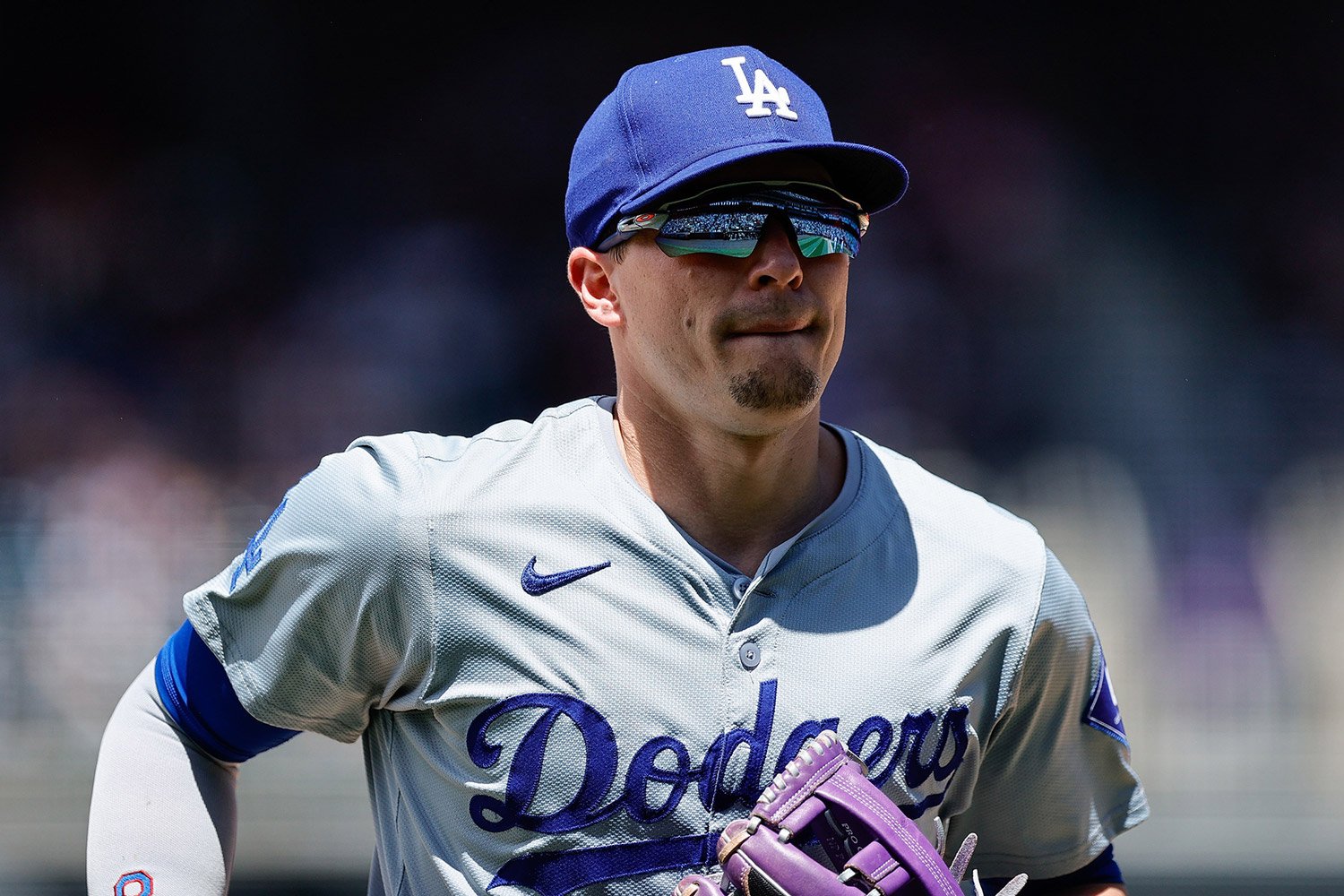 In my humble opinion, the most interesting part of baseball isn’t the history, analytics, or teams' ability to sell beer and hot dogs at exorbitant markups. Instead, what initially brought me to the sport and has kept me around has been the kooky storylines. A few come up every year, and my favorite from the 2024 season has been Kiké Hernández's realization that he has astigmatism, more or less by accident. After more than 3,500 major league plate appearances and a career OPS+ of 93, he was casually chatting with fellow Puerto Rican Martín Maldonado at the start of the season as countrymen often do. Maldonado mentioned that he and his White Sox teammates had taken more thorough eye exams than those in spring training and found that they needed to wear glasses. Intrigued by this revelation, Hernández figured taking similar steps could help improve his first-half OPS of .557. After being diagnosed with right-eye astigmatism, he began wearing prescription glasses, allowing him to post a .766 OPS in the second half of the season. He also managed to carry his success into the postseason, slashing .294/.357/.451 over his 57 playoff plate appearances. This story is just one of several factors that make Hernández a potential hidden gem free agent this offseason. His full-season stats are uninspiring, and he’s on the slightly older side at 33 years old, but there’s good reason to place more stock in his latest accomplishments. Recency bias is a dangerous thing, especially in baseball. Still, there’s reason to believe that the newfound improvement in his eyesight will lead to greater offensive production in the long term. He struggled immensely against fastballs and breaking balls at the start of the season. If we look at his batting average against both pitch types by month, we can see a clear step forward after the All-Star break: Fastball Breaking April .250 .120 May .182 .083 June .194 .200 July .206 .105 August .259 .263 September .360 .263 This improvement becomes even more apparent when we look at his slugging numbers against both pitch types in the same way: Fastball Breaking April .250 .240 May .273 .083 June .361 .333 July .324 .263 August .481 .421 September .480 .632 He was able to get more hits in general and seemingly pummeling the ball with more authority. His new and improved eyesight allowed him to make better swing decisions and, most importantly, improved his hitting against right-handed hitters, a hole in his game that he has had throughout his entire big-league career. He’s quite good as a defender, racking up six Defensive Runs Saved in 2024, but his greatest value is in his overall flexibility. He played 50 innings or more at six different positions (did not play catcher or right field) on the Dodgers but spent most of his time at third base. This has been the case for his entire career, and even if tasked with one primary position, he has been excellent in the infield and the outfield. Long story short, his new team should feel free to plug him in wherever and expect him to get the job done. For the Brewers, he could be an outstanding fit for the current roster and payroll. With the departure of Willy Adames, the one clear weakness in the lineup is at third base. Joey Ortiz is the most likely candidate to move to shortstop, leaving Andruw Monasterio or short-king Caleb Durbin to man the hot corner. We more or less know what we’re getting in Monasterio, who may be a one-win player at best. In contrast, Caleb Durbin could be a total dice-toss that will, at the very least, still need some more time in the Brewers’ minor-league system before he’s fully baked and ready to hit the big leagues. Financially, top-dollar suitors aren’t exactly clamoring for his services. The Dodgers have expressed no interest in bringing him back, especially after they picked up utility infielder Hyeseong Kim and extended Tommy Edman. The Yankees have expressed interest, but in 2025, that means about as much as the Pirates front office saying they would like to compete in the upcoming season. Given his limited market and an inconsistent track record, Milwaukee probably wouldn’t have to break the bank to get him, at least not for a year or two. He may even want a short-term deal to get a full season of spectacled at-bats to boost his player stock before soliciting a more lucrative offer. The Brewers have always moved quite late in free agency and sought value for money. With their current gaps in the infield, a move to acquire Kiké Hernández could be the best of both worlds.
 -
from now on, any time i get anything wrong im going to use that as my defense: "well you just don't know driving/cooking/baseball/yahtzee"
-
this is how jack flaherty would respond to that:
-
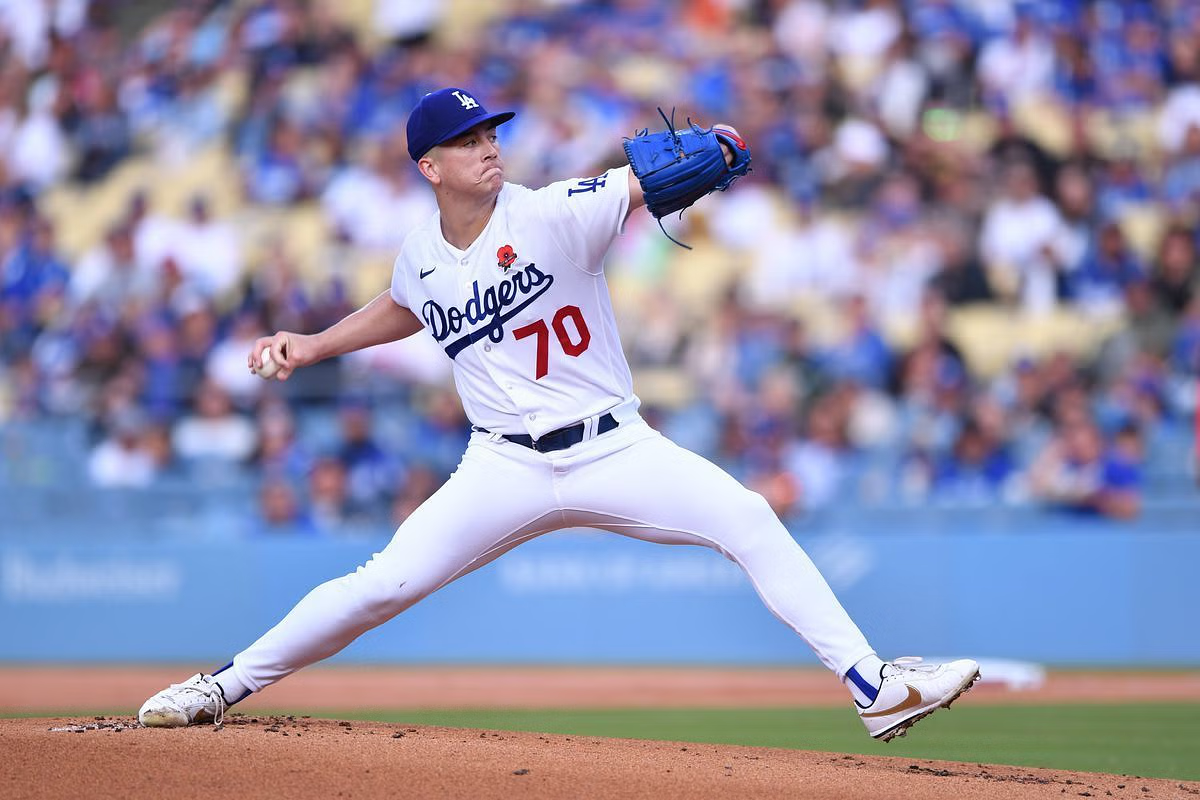
I'd get Bobby Miller for the fit of his pants alone I do also think he's a great pitcher with remarkable upside who would be an awesome project for Milwaukee's pitching development but that's secondary.
- 2 replies
-
- 2
-

-
- bryan hudson
- dustin may
- (and 1 more)
-
Jake Bauers got in 346 PA last year, maybe it's close enough 😄
-
Should the Brewers Turn to Justin Turner to Resuscitate Their Offseason?
Jason Wang posted an article in Brewers
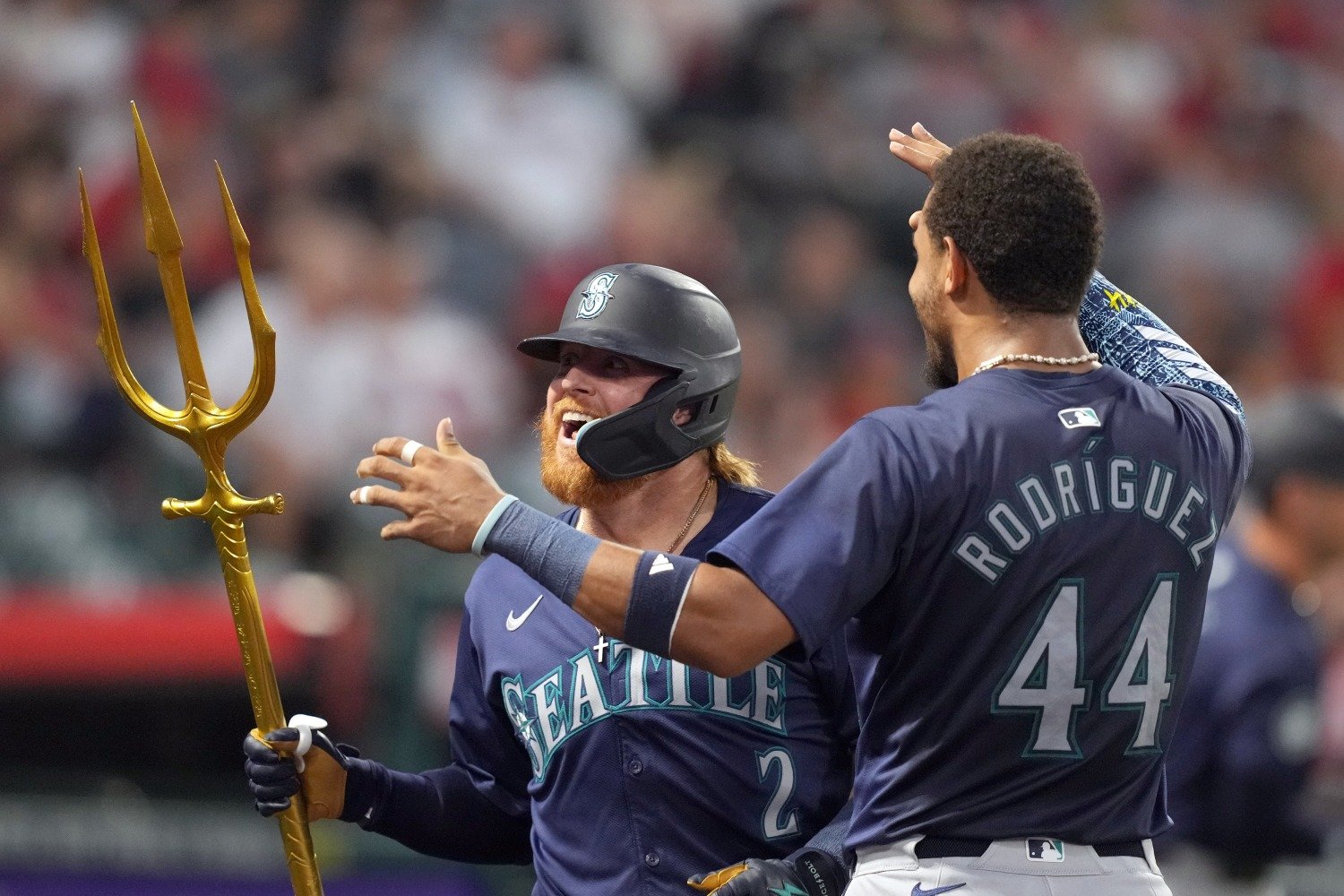 Age is interpreted a little differently in the world of sports. Since the lifetime of a player’s career is relatively short, the age of 30 serves as a common threshold for considering a player old—archaic, even anachronistic, one might say. Chris Paul, a point guard who is currently 39 years old, is now being lovingly referred to as “unc” by his teammates in San Antonio. Baseball is a little different. Because there's less contact and the game emphasizes its skills instead of sheer athleticism, players can stick around for a little longer. Satchel Paige was 46 years old when he earned his eighth and final All-Star nod in 1953. David Ortiz was 40 years old and in the last year of his career, when he led Major League Baseball in doubles (48), slugging percentage (.620), and OPS (1.021). There’s still a lot of value in older players, especially when it comes to mentoring a group of younger, less experienced faces. Justin Turner crossed the 40-year mark last November, but hasn’t shown any major signs of slowing down just yet. In fact, if there’s a single word to describe Turner, it’s 'consistent'. Since 2013, he has never had an OPS+ under 100 for a full season. He started last year’s campaign with the Blue Jays and found himself with the Mariners at the trade deadline, where he became an integral part of an otherwise lackluster offense. Over 190 plate appearances with Seattle, he posted a 128 OPS+. Time waits for no man, and he is no exception. As he has grown older, his athleticism has steadily waned as his Statcast numbers clearly illustrate. He’s in the bottom decile for baserunning value, bat speed, and sprint speed. His average exit velocity and hard-hit rates are better, but still not great, landing him in the bottom quartile of qualified hitters. At this point, most would hang up the cleats and immediately place an order for podcasting equipment. Instead, Turner has changed his approach to compensate for his weaknesses. He makes excellent swing decisions and has top-tier bat-to-ball skills, whiffing on just 17% of his swings last season. He also kept his strikeout rate below 20%, while maintaining nearly an 11% walk rate, making him a tougher out than one might expect. His spray chart also shows another, more nuanced way that he has changed things up to stay relevant in a young man’s game. He’s a master at optimizing launch angles, continuing to hover around the 17° mark that he’s averaged for his whole big-league career. This gives him just enough lift to hit singles to all fields without the extra juice. One might also notice that, while the singles are evenly distributed across the board, his extra-base hits are far more skewed to one side. This is because, in order to get doubles and homers without simply adding more bat speed, he relies on pulling the ball more frequently. He's akin to Isaac Paredes or the Brewers’ very own Rhys Hoskins. This is more of a commentary on a flaw of xwOBA than a complete analysis of the extra value this provides, but FanGraphs has an outstanding article about how pulled balls consistently outperform their xwOBA, specifically at lower exit velocities, which is exactly what Turner has. This is partially due to the fact that xwOBA doesn't really factor in horizontal launch angle—which is a can of worms in and of itself, but hey, we're having a good time so let's get back to praising Justin Turner. His pull rate of 38.7% in 2024 was the highest of any season in his career. This figure has steadily increased over the past few years, so it seems to be an intentional adjustment to his hitting style rather than a simple statistical anomaly. Okay, so we’ve established that he’s baseball’s ageless warrior. That's great and all, but where does he actually fit on the roster? He has been spending the lion’s share of his time as a designated hitter, a position that’s already quite crowded in Milwaukee, but he had his fair share of reps at first base, as well. Of course, the Brewers already have a first baseman who is getting paid $18 million in 2025, so maybe he wouldn’t fit there either. Alas, there is naught but one more spot for him to go: third base. Yes, the last time it was clearly his primary position was 2021. Yes, if you look at his Savant page his arm strength is in the fifth percentile, which is a problem when one is required to throw across the diamond. Yes, his fielding range is probably quite poor, and he’s probably not as limber as Joey Ortiz or Sal Frelick. But there are reasons to have faith. First of all, I’m skeptical about the arm strength thing, since it only tracks attempts and as a designated hitter/first baseman, how often was he really having to throw with all his might? Second, if Turner has proven anything, it’s that age is just a number. Donovan Solano, who is younger but not by much, spent the most time at third base with the Padres last year and did well enough to sign a new one-year deal with the Mariners. Josh Donaldson was 37 years old when he retired as a Brewer and he was still pretty decent in the hot corner. Turner himself played a whole 33 innings of third base in 2024, so what’s 500-700 more innings of work at the spot? I mean, just check out the sheer athleticism he deploys in this clip to put out noted speedster Giancarlo Stanton: In all seriousness, he did make some athletic plays in the field while at first base, so he’s still got a least a little leather left in his glove: In a total worst-case scenario, he can form a sort of DH/first base rotation with Hoskins, the way that Jake Bauers did last year. Could he really be any more "meh" than Bauers was last year? And look, we dismissed the idea of him being a regular at DH or first, but he could certainly be a complementary player in either or both of those roles. Even at DH, Christian Yelich might need days off here and there. Ditto for Hoskins. And Turner would be injury insurance for several players, both directly and indirectly. Milwaukee has a little more to spend this offseason and Justin Turner would comfortably fit into that budget on a one-year deal. It won’t completely alter the future of the franchise or give the city their long-awaited World Series win (on its own, anyway), but it would make them one step closer to competing and give the fans at least something to look forward to this winter.
 -
The team already has a surfeit of young talent, so what about signing someone a little older and wiser? Image courtesy of © Kirby Lee-Imagn Images The team already has a surfeit of young talent, so what about signing someone a little older and wiser? Age is interpreted a little differently in the world of sports. Since the lifetime of a player’s career is relatively short, the age of 30 serves as a common threshold for considering a player old—archaic, even anachronistic, one might say. Chris Paul, a point guard who is currently 39 years old, is now being lovingly referred to as “unc” by his teammates in San Antonio. Baseball is a little different. Because there's less contact and the game emphasizes its skills instead of sheer athleticism, players can stick around for a little longer. Satchel Paige was 46 years old when he earned his eighth and final All-Star nod in 1953. David Ortiz was 40 years old and in the last year of his career, when he led Major League Baseball in doubles (48), slugging percentage (.620), and OPS (1.021). There’s still a lot of value in older players, especially when it comes to mentoring a group of younger, less experienced faces. Justin Turner crossed the 40-year mark last November, but hasn’t shown any major signs of slowing down just yet. In fact, if there’s a single word to describe Turner, it’s 'consistent'. Since 2013, he has never had an OPS+ under 100 for a full season. He started last year’s campaign with the Blue Jays and found himself with the Mariners at the trade deadline, where he became an integral part of an otherwise lackluster offense. Over 190 plate appearances with Seattle, he posted a 128 OPS+. Time waits for no man, and he is no exception. As he has grown older, his athleticism has steadily waned as his Statcast numbers clearly illustrate. He’s in the bottom decile for baserunning value, bat speed, and sprint speed. His average exit velocity and hard-hit rates are better, but still not great, landing him in the bottom quartile of qualified hitters. At this point, most would hang up the cleats and immediately place an order for podcasting equipment. Instead, Turner has changed his approach to compensate for his weaknesses. He makes excellent swing decisions and has top-tier bat-to-ball skills, whiffing on just 17% of his swings last season. He also kept his strikeout rate below 20%, while maintaining nearly an 11% walk rate, making him a tougher out than one might expect. His spray chart also shows another, more nuanced way that he has changed things up to stay relevant in a young man’s game. He’s a master at optimizing launch angles, continuing to hover around the 17° mark that he’s averaged for his whole big-league career. This gives him just enough lift to hit singles to all fields without the extra juice. One might also notice that, while the singles are evenly distributed across the board, his extra-base hits are far more skewed to one side. This is because, in order to get doubles and homers without simply adding more bat speed, he relies on pulling the ball more frequently. He's akin to Isaac Paredes or the Brewers’ very own Rhys Hoskins. This is more of a commentary on a flaw of xwOBA than a complete analysis of the extra value this provides, but FanGraphs has an outstanding article about how pulled balls consistently outperform their xwOBA, specifically at lower exit velocities, which is exactly what Turner has. This is partially due to the fact that xwOBA doesn't really factor in horizontal launch angle—which is a can of worms in and of itself, but hey, we're having a good time so let's get back to praising Justin Turner. His pull rate of 38.7% in 2024 was the highest of any season in his career. This figure has steadily increased over the past few years, so it seems to be an intentional adjustment to his hitting style rather than a simple statistical anomaly. Okay, so we’ve established that he’s baseball’s ageless warrior. That's great and all, but where does he actually fit on the roster? He has been spending the lion’s share of his time as a designated hitter, a position that’s already quite crowded in Milwaukee, but he had his fair share of reps at first base, as well. Of course, the Brewers already have a first baseman who is getting paid $18 million in 2025, so maybe he wouldn’t fit there either. Alas, there is naught but one more spot for him to go: third base. Yes, the last time it was clearly his primary position was 2021. Yes, if you look at his Savant page his arm strength is in the fifth percentile, which is a problem when one is required to throw across the diamond. Yes, his fielding range is probably quite poor, and he’s probably not as limber as Joey Ortiz or Sal Frelick. But there are reasons to have faith. First of all, I’m skeptical about the arm strength thing, since it only tracks attempts and as a designated hitter/first baseman, how often was he really having to throw with all his might? Second, if Turner has proven anything, it’s that age is just a number. Donovan Solano, who is younger but not by much, spent the most time at third base with the Padres last year and did well enough to sign a new one-year deal with the Mariners. Josh Donaldson was 37 years old when he retired as a Brewer and he was still pretty decent in the hot corner. Turner himself played a whole 33 innings of third base in 2024, so what’s 500-700 more innings of work at the spot? I mean, just check out the sheer athleticism he deploys in this clip to put out noted speedster Giancarlo Stanton: In all seriousness, he did make some athletic plays in the field while at first base, so he’s still got a least a little leather left in his glove: In a total worst-case scenario, he can form a sort of DH/first base rotation with Hoskins, the way that Jake Bauers did last year. Could he really be any more "meh" than Bauers was last year? And look, we dismissed the idea of him being a regular at DH or first, but he could certainly be a complementary player in either or both of those roles. Even at DH, Christian Yelich might need days off here and there. Ditto for Hoskins. And Turner would be injury insurance for several players, both directly and indirectly. Milwaukee has a little more to spend this offseason and Justin Turner would comfortably fit into that budget on a one-year deal. It won’t completely alter the future of the franchise or give the city their long-awaited World Series win (on its own, anyway), but it would make them one step closer to competing and give the fans at least something to look forward to this winter. View full article
-
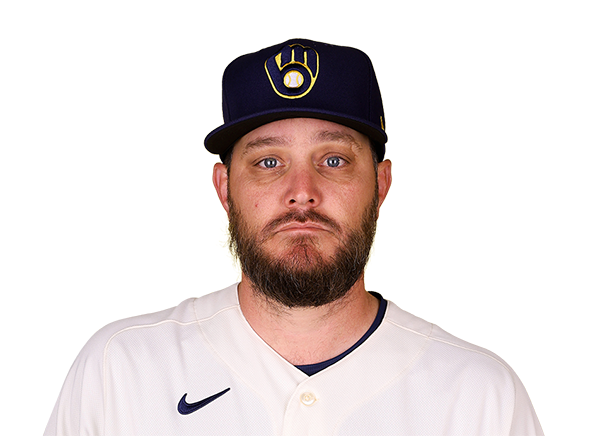
I've read enough. It's time to bring back Wade Miley on a long-term deal. Just look how happy this guy was as a Brewer
-
matt arnold looking at the infield free agent market
- 8 replies
-
- 1
-
-
- nestor cortes
- caleb durbin
- (and 2 more)
-
I assume you're talking about the trade that brought Yelich to Milwaukee and yes, that was a horrible deal for Miami. It might be the worst decision the front office has made aside from getting rid of the home run sculpture.
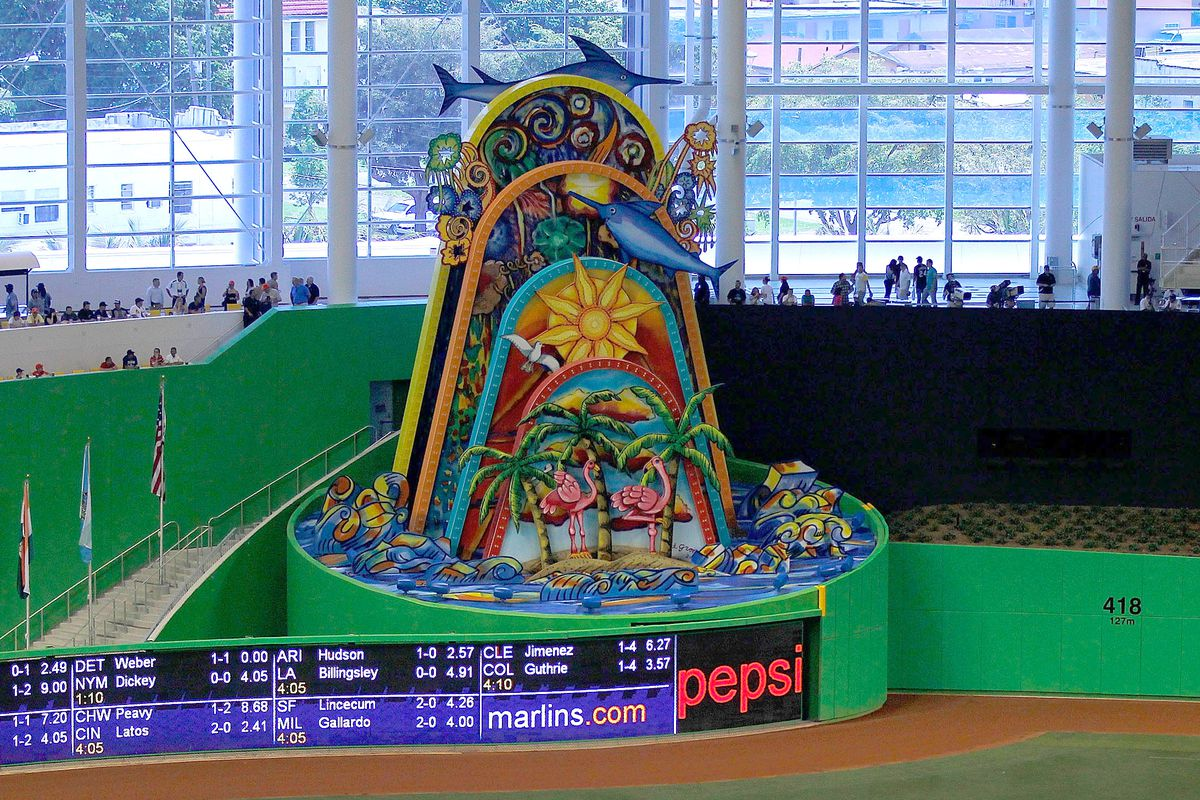
-
Coastal erosion. Paint drying. The Brewers' offseason to date. Quick, find the connection. Image courtesy of © Kiyoshi Mio-Imagn Images Coastal erosion. Paint drying. The Brewers' offseason to date. Quick, find the connection. We’re a little over two months away from Opening Day. For fans of teams like the Dodgers and Yankees, this offseason has seen a flurry of roster activity and hundreds of millions of dollars spent. For Brewers fans, things have seemed more like taking the 18-hour flight from Singapore to New York without looking at anything except the in-flight safety manual. They have made some notable moves, but not many—and we’d really be stretching the definition of “notable” to include some of these: Acquired LHP Nestor Cortes and 2B Caleb Durbin from NYY in exchange for RHP Devin Williams Signed LHP Grant Wolfram Signed RHP Elvin Rodriguez Why, exactly, has it been so boring—and more importantly, will it stay that way? Free Agents Are Never Free Like most years, the biggest moves involve free agent signings and, like most years, Milwaukee showed no interest in taking part in nine-figure bidding wars. The largest-ever contract in team history that wasn’t an extension is still Lorenzo Cain’s five-year, $80-million deal, which was signed in 2018. Thus, given their enduring frugality and the anticipated decrease in broadcasting revenue, it shouldn’t surprise anyone that the team has abstained from big spending. They probably have a little more room in the budget but it’s not game-changing money, at least not for an MLB team. This has understandably caused some unrest among team supporters, who can only dream of their beloved Crew shelling out big-market money to acquire top-tier talent. To make matters worse, the NL Central is one of the cheapest divisions in baseball. Per Cot’s Contracts, the projected 2025 payrolls for the cohort are as follows: Note: The Year End 40-man payroll reflects actual salaries paid out to players each year,f whereas the Competitive Balance Tax payroll is calculated using AAV, bonuses, and other benefits. Chicago Cubs Year End 40-man: $179.8 million (13th) Competitive Balance Tax: $197.9 million (14th) St. Louis Cardinals Year End 40-man: $146.6 million (16th) Competitive Balance Tax: $163.3 million (16th) Milwaukee Brewers Year End 40-man: $108.2 million (22nd) Competitive Balance Tax: $134.9 million (21st) Cincinnati Reds Year End 40-man: $104.6 million (24th) Competitive Balance Tax: $125.5 million (24th) Pittsburgh Pirates Year End 40-man: $81.6 million (24th) Competitive Balance Tax: $103.6 million (26th) The Brewers aren’t really incentivized by their peers to spend more, since they’re all on the lower end of spending. The Cubs and Cardinals lead the pack, but given that their attendance numbers are sixth and seventh in MLB respectively, they could probably afford to spend even more than they are. Instead, we have a group of five teams where everyone is waiting for someone else to kick off the spending spree, rather than doing it themselves. Even then, a "spree" in the NL Central is going to feel a lot like "Tuesday" in the AL East. Milwaukee has won the division by wide margins for the past two years, so why work harder if you can work smarter, or cheaper? Like Your Local Florist on Valentine’s Day, It’s Slim Pickings The biggest transactions of late have been centered around starting pitchers and outfielders, areas in which the Brewers already have commendable depth. Free-agent starters have combined for $1.12 billion (and that’s even before Wade Miley signs his inevitable record-breaking contract, with infinite deferrals). Outfielders have been given another $1.01 billion (the lion’s share of this was given to Juan Soto, but still). On the trade front, Kyle Tucker and Garrett Crochet have been the biggest pieces to change uniforms this offseason. You can even throw Jesús Luzardo in there if you’d like. You can never have too much talent in the rotation (as clearly shown by the Dodgers), but it’s just not Milwaukee's main focus right now. The more pressing need lies in the infield, more specifically getting a guy with some pop to fill the shoes of Willy Adames. Unfortunately, that’s difficult to find. Here is my list of free agents that both possess that quality and are affordable enough for the Brewers: Paul DeJong (kinda?) Brendan Rodgers (sorta?) What about a trade? There were conversations about the Cubs moving Nico Hoerner and he compensates for a lack of home runs with plenty of doubles, but Chicago would never do a deal with their direct competition. Nolan Arenado is way too old and expensive. Alec Bohm hit 44 doubles and 15 home runs last year, but his chances of getting moved have plummeted since the Winter Meetings. Long story short, Milwaukee won’t be able to replace a shortstop who hit 33 doubles and 32 home runs on the way to 112 RBIs last year. There’s a chance they can compensate for the lost production with improvements from Rhys Hoskins, who was supposed to be the team’s power bat anyway, but it won’t come from a new face in the lineup. In my humble opinion, the team will eventually get around to doing something, but don’t expect the needle to be moved by a huge margin. Instead, any forward progress will come from two things: maintaining the health of key players and watching young players continue to improve. Before he hit the IL with back problems, Christian Yelich was the best he has been since 2019. He slashed .315/.406/.504 for a 151 OPS+ over the 315 plate appearances he did have, and had he been present for the playoffs, there’s a chance the result would have been very different. On the opposite timeline was Garrett Mitchell, who didn’t return to action until July but ended up slashing .255/.342/.469 for an OPS+ of 123 while playing stellar defense in center field, amassing 6 Defensive Runs Saved. If the Brewers can get both of these guys in the lineup for a whole season, the team’s offensive potential would take a big step forward. Jackson Chourio was one of the National League’s best rookies last year, and he will continue to get better the more time he spends in the big leagues. He was already forced to make an adjustment last year after getting off to a rough start in the first two months, but once June came around, the weather wasn’t the only thing that heated up quickly. Joey Ortiz and Tobias Myers are two other players who will enter their sophomore seasons with high expectations given the success of their rookie years. If the club does end up making a big move, expect it to be closer to the trade deadline, and only if the fight for the NL Central is too close for comfort. Otherwise, it’ll be the same old Brewers’ MO we’ve seen year in and year out. The Brewers front office hard at work completing their first offseason deal View full article
-
 We’re a little over two months away from Opening Day. For fans of teams like the Dodgers and Yankees, this offseason has seen a flurry of roster activity and hundreds of millions of dollars spent. For Brewers fans, things have seemed more like taking the 18-hour flight from Singapore to New York without looking at anything except the in-flight safety manual. They have made some notable moves, but not many—and we’d really be stretching the definition of “notable” to include some of these: Acquired LHP Nestor Cortes and 2B Caleb Durbin from NYY in exchange for RHP Devin Williams Signed LHP Grant Wolfram Signed RHP Elvin Rodriguez Why, exactly, has it been so boring—and more importantly, will it stay that way? Free Agents Are Never Free Like most years, the biggest moves involve free agent signings and, like most years, Milwaukee showed no interest in taking part in nine-figure bidding wars. The largest-ever contract in team history that wasn’t an extension is still Lorenzo Cain’s five-year, $80-million deal, which was signed in 2018. Thus, given their enduring frugality and the anticipated decrease in broadcasting revenue, it shouldn’t surprise anyone that the team has abstained from big spending. They probably have a little more room in the budget but it’s not game-changing money, at least not for an MLB team. This has understandably caused some unrest among team supporters, who can only dream of their beloved Crew shelling out big-market money to acquire top-tier talent. To make matters worse, the NL Central is one of the cheapest divisions in baseball. Per Cot’s Contracts, the projected 2025 payrolls for the cohort are as follows: Note: The Year End 40-man payroll reflects actual salaries paid out to players each year,f whereas the Competitive Balance Tax payroll is calculated using AAV, bonuses, and other benefits. Chicago Cubs Year End 40-man: $179.8 million (13th) Competitive Balance Tax: $197.9 million (14th) St. Louis Cardinals Year End 40-man: $146.6 million (16th) Competitive Balance Tax: $163.3 million (16th) Milwaukee Brewers Year End 40-man: $108.2 million (22nd) Competitive Balance Tax: $134.9 million (21st) Cincinnati Reds Year End 40-man: $104.6 million (24th) Competitive Balance Tax: $125.5 million (24th) Pittsburgh Pirates Year End 40-man: $81.6 million (24th) Competitive Balance Tax: $103.6 million (26th) The Brewers aren’t really incentivized by their peers to spend more, since they’re all on the lower end of spending. The Cubs and Cardinals lead the pack, but given that their attendance numbers are sixth and seventh in MLB respectively, they could probably afford to spend even more than they are. Instead, we have a group of five teams where everyone is waiting for someone else to kick off the spending spree, rather than doing it themselves. Even then, a "spree" in the NL Central is going to feel a lot like "Tuesday" in the AL East. Milwaukee has won the division by wide margins for the past two years, so why work harder if you can work smarter, or cheaper? Like Your Local Florist on Valentine’s Day, It’s Slim Pickings The biggest transactions of late have been centered around starting pitchers and outfielders, areas in which the Brewers already have commendable depth. Free-agent starters have combined for $1.12 billion (and that’s even before Wade Miley signs his inevitable record-breaking contract, with infinite deferrals). Outfielders have been given another $1.01 billion (the lion’s share of this was given to Juan Soto, but still). On the trade front, Kyle Tucker and Garrett Crochet have been the biggest pieces to change uniforms this offseason. You can even throw Jesús Luzardo in there if you’d like. You can never have too much talent in the rotation (as clearly shown by the Dodgers), but it’s just not Milwaukee's main focus right now. The more pressing need lies in the infield, more specifically getting a guy with some pop to fill the shoes of Willy Adames. Unfortunately, that’s difficult to find. Here is my list of free agents that both possess that quality and are affordable enough for the Brewers: Paul DeJong (kinda?) Brendan Rodgers (sorta?) What about a trade? There were conversations about the Cubs moving Nico Hoerner and he compensates for a lack of home runs with plenty of doubles, but Chicago would never do a deal with their direct competition. Nolan Arenado is way too old and expensive. Alec Bohm hit 44 doubles and 15 home runs last year, but his chances of getting moved have plummeted since the Winter Meetings. Long story short, Milwaukee won’t be able to replace a shortstop who hit 33 doubles and 32 home runs on the way to 112 RBIs last year. There’s a chance they can compensate for the lost production with improvements from Rhys Hoskins, who was supposed to be the team’s power bat anyway, but it won’t come from a new face in the lineup. In my humble opinion, the team will eventually get around to doing something, but don’t expect the needle to be moved by a huge margin. Instead, any forward progress will come from two things: maintaining the health of key players and watching young players continue to improve. Before he hit the IL with back problems, Christian Yelich was the best he has been since 2019. He slashed .315/.406/.504 for a 151 OPS+ over the 315 plate appearances he did have, and had he been present for the playoffs, there’s a chance the result would have been very different. On the opposite timeline was Garrett Mitchell, who didn’t return to action until July but ended up slashing .255/.342/.469 for an OPS+ of 123 while playing stellar defense in center field, amassing 6 Defensive Runs Saved. If the Brewers can get both of these guys in the lineup for a whole season, the team’s offensive potential would take a big step forward. Jackson Chourio was one of the National League’s best rookies last year, and he will continue to get better the more time he spends in the big leagues. He was already forced to make an adjustment last year after getting off to a rough start in the first two months, but once June came around, the weather wasn’t the only thing that heated up quickly. Joey Ortiz and Tobias Myers are two other players who will enter their sophomore seasons with high expectations given the success of their rookie years. If the club does end up making a big move, expect it to be closer to the trade deadline, and only if the fight for the NL Central is too close for comfort. Otherwise, it’ll be the same old Brewers’ MO we’ve seen year in and year out. The Brewers front office hard at work completing their first offseason deal
 -
While most known for his time in sunny San Diego, his stint in Milwaukee was a fitting end to a historic career. Image courtesy of © Jeff Hanisch-Imagn Images While most known for his time in sunny San Diego, his stint in Milwaukee was a fitting end to a historic career. In 2025, the song Hells Bells by AC/DC might be best-known among your average person for being on the Deadpool & Wolverine soundtrack. To others, it’s one of two songs (the other being Enter Sandman by Metallica) that evoke memories of the greatest closers of all time. While Mariano Rivera undoubtedly holds the top spot, Trevor Hoffman is a pretty close second. At 601 career saves, he has 123 more than third-place Lee Smith. Kenley Jansen could take the third spot, but unless he pays several visits to the Fountain of Youth, Hoffman’s place on the statistical podium is safe and sound. After a brief debut with the Marlins, he spent the next 16 years coming out of the bullpen for the Padres where he established his stellar reputation and earned 552 of his saves. By 2009, he was a 41-year-old free agent watching the ownership of his beloved team cut the payroll in half to facilitate a sale. Despite wanting to retire a Friar, Hoffman had to move along. The club offered him just a $4-million contract before withdrawing their offer, forcing him to test the waters elsewhere. Instead, he signed a one-year, $6-million contract with the Brewers. The 2008 campaign had been a down year by his standards, resulting in a 3.77 ERA and just 30 saves. With little reason to believe that he could turn back the clock in his 40s, it was immensely surprising to watch him put up one of his best performances yet, recording a 1.83 ERA (second-lowest for a full season in his career) with 37 saves. He earned his seventh and final All-Star selection for his efforts and at the end of 2009, he signed another one-year, $8-million deal with a mutual option. At this point, Hoffman needed just nine more saves to reach the elusive 600 mark. His status as an all-time great reliever was already settled, and any further accomplishments were just gravy. In fact, since he had just thrown the ball as well as ever, the possibilities seemed endless for a man seemingly unaffected by the march of time. Unfortunately, reality is often disappointing. He struggled immensely in 2010, posting a 5.89 ERA and -0.9 rWAR, the worst single-season numbers he had ever put up. After the first two months, he had accumulated just five saves. Still four saves away from 600, Ken Macha, the manager at the time, decided to move Hoffman to lower-leverage relief innings to try and get his mechanics back on track. After he spent June and July avoiding save situations, he returned to his natural habitat in August. He still struggled but managed to acquire three more saves, bringing him to 599. With just a month of regular season left to play, it really seemed like a dice-toss as to whether he’d be able to drag himself across the finish line. He entered September with a 6.23 ERA and a FIP of 5.40, numbers that would’ve led anyone else to being removed from the roster entirely—let alone taking the ball in save situations. But Trevor Hoffman isn’t anyone else. Furthermore, the Brewers weren’t even close to a playoff spot, so why not aim for history instead? On Sept. 7, he finally got the chance he had been waiting for, entering the game against the Cardinals while up 4-2. Facing the bottom of the St. Louis lineup, he did what he had done best for the past 18 years: dice up major-league hitters. To put a cherry on top, he earned another save against the Mets in his last-ever major-league game, bringing him to a nice prime number in 601. Brewer Fanatic readers know better than most that baseball is a game of statistical obsession. Whether it’s swing adaptability metrics or some nuanced defensive figure made up by some computer program, fans love numbers. Players are no different, and many often chase round-number milestones even if it’s probably not conducive to team success. The most recent example of this was Adam Wainwright’s painstaking chase of his 200th win in his final big-league season, which saw him limp to the end with a 7.40 ERA over 21 starts. With Hoffman, his competitive nature and dogged determination to reach some arbitrary threshold may not have been the best for his overall career numbers, but it gave fans something to cheer for, and it demonstrated one of the subtle aspects of his greatness: that improbable consistency and longevity. He may forever be remembered as a Padre, but his crowning achievement came as a Brewer. View full article


