Jason Wang
-
Posts
955 -
Joined
-
Last visited
-
Days Won
1
Content Type
Profiles
Forums
Blogs
Events
News
2026 Milwaukee Brewers Top Prospects Ranking
Milwaukee Brewers Videos
2022 Milwaukee Brewers Draft Picks
Milwaukee Brewers Free Agent & Trade Rumors, Notes, & Tidbits
Guides & Resources
2023 Milwaukee Brewers Draft Picks
2024 Milwaukee Brewers Draft Picks
The Milwaukee Brewers Players Project
2025 Milwaukee Brewers Draft Pick Tracker
2026 Milwaukee Brewers Draft Tracker: Picks & Bonuses
Store
Downloads
Gallery
Everything posted by Jason Wang
-
 Image courtesy of © Katie Stratman-Imagn Images It has been an action-packed season for Jose Quintana. After signing a modest one-year contract with Milwaukee in March and getting a late start to his pre-season prep, he came out of the gate like gangbusters and posted a 1.14 ERA over his first four starts. Unfortunately, the good fortune didn’t last long. He spent a stint on the injured list, and his next 11 starts combined for a much less appealing 4.45 ERA. Around this year’s trade deadline, there was an impending logjam in Milwaukee’s rotation. Both Quintana and Nestor Cortes were candidates to be moved. There was a strong case to be made that Quintana should’ve been the one traded, but ultimately, Cortes went to the Padres in exchange for Brandon Lockridge. Once again, it seems like Milwaukee knew something that we didn’t. In the four starts he has made since the trade deadline, Quintana has thrown 23 ⅓ innings, with a 2.70 ERA and 3.89 FIP. So is this a real improvement, or just another stretch of lucky results? A particularly nitpicky Quintana critic might highlight that the competition he faced in his last four starts isn’t exactly the stiffest. He pitched against the Nationals (24th in OPS), Atlanta (14th in OPS), Pirates (30th in OPS), and Reds (17th in OPS). Of those teams, the only one with more than a 1% chance to make the postseason (per FanGraphs’s projections) is the Reds, who have a 19.7% chance to crack a Wild Card spot. Nonetheless, even the worst big-league teams are still good enough to be a threat on any given day. Although they were against apparently weaker opponents, these four starts tell us a lot about what is working for him and how he has adapted his game to accept his weaknesses. Earlier in the year, Matthew Trueblood wrote a great piece about how a guy like Quintana can have bottom-of-the-barrel peripherals and rapidly declining stuff while still chewing up the game’s best hitters. This past month, he returned to doing a lot of what was discussed in Matt’s article. Without the ability to miss bats, his strikeout rate was still comfortably below 20% over this stretch of four good starts, but rather than trying to avoid the inevitable, he has been laser-focused on generating weak contact. Here's how his batted-ball data compares from the middle of the season to his most recent outings. ERA Average Exit Velocity Line Drive % Ground Ball % Fly Ball % Home Run/Fly Ball % Pull % Hard-Hit % 5/1 - 7/31 4.45 88.5 mph 17.6% 45.2% 37.2% 14.3% 36.5% 29.6% 8/1 - Present 2.70 88.5 mph 20.8% 36.1% 43.1% 9.7% 33.3% 34.7% It’s a little kooky that his average exit velocity has stayed exactly where it is, but other than that, the major pattern that emerges is that Quintana is getting fewer ground balls and more fly balls. However, fewer of the fly balls are leaving the yard, and if you watch the tape, many of them are settling harmlessly in the gloves of Brewers outfielders. One key contributor to this shift in batted-ball data is yet another change in his pitch mix over these two spans. 4-Seam % Sinker % Curveball Changeup % 5/1 - 7/31 11.10% 44.90% 22.7% 21.4% 8/1 - Present 16.80% 37.20% 25.1% 20.9% Fewer sinkers means fewer ground balls, and more curveballs and fastballs mean more lift. However, he’s sitting in that Goldilocks zone where batters are getting under his pitches just enough to limit the exit velocity. With the way that his year has gone, this shift makes sense. His sinker and changeup have been worth negative run value this year, while his curveball and slurve have been remarkably efficient in comparison. Batters are averaging just .169 and .118 against those pitches, respectively. One characteristic that seems to limit the effectiveness of his sinker is its location. Traditionally, the best sinkers are located down in the zone. Quintana's tendency to leave his sinker a little too high creates hard-hit line drives up the middle, rather than harmless dribblers to middle infielders. So, a heavier reliance on his secondary offerings seems to have helped bridge the gap, at least for now. Furthermore, he has only walked 4.2% of opposing hitters over the past month, which is good no matter what else you're doing. The broader question is whether he’ll be able to keep this up, and the answer is: probably not. It’s difficult to get by as a starter in today’s league with just two pitches and no competitive fastball offering. Sooner or later, scouting reports will catch up; his curveball and changeup could soon follow a similar decline as his sinker. Luckily, it’s an issue that Milwaukee won’t have to think about for much longer, but it could have big implications on the postseason roster. They’ve trusted him to get this far, but how much they'll trust him come October is hard to guess. View full article
 -
what EXACTLY is this CREW BREWING?????
-
Image courtesy of © Michael McLoone-Imagn Images Last year was arguably the best of William Contreras’s major league career. He started the season off as a potential MVP candidate, and although he slowed down significantly in June and July, he finished with strong numbers and set career-best marks in hits (167), home runs (23), RBI (92), stolen bases (9), walks (78), and rWAR (4.9). 2025 has been a different story. For much of the first half of the season, he seemed average at best at the plate, and things only regressed as time went on. Earlier in the year, the good folks here at Brewer Fanatic talked about how playing through a fractured left hand was hampering his effectiveness and questioned why he hadn’t yet been moved to the injured list. On the field, the biggest adverse effect this had was on his power, restricting him to a slugging percentage of just .347 over the 390 plate appearances he had before the All-Star break. However, since the start of the second half, it seems that both he and his stat line have returned to full health. In the 115 plate appearances he has had, he’s slashing .317/.391/.554 with as many home runs as he had in more than three times as many plate appearances in the first half. The biggest sign that things are finally moving in the right direction is his ISO, which has increased from .102 in the first half of the season to .237 in the second half, and the main driver behind this positive shift has been a resurgence in his bat speed. Here are how some of his major bat tracking statistical categories compare before and after the All-Star break: Average Bat Speed Fast Swing Rate Squared-Up % on Contact Pre-ASB 72.8 mph 31.2% 36.1% Post-ASB 74.4 mph 49.7% 28.7% A jump in bat speed of nearly 2 mph is nothing to sneeze at and is a major improvement on its own. However, what might be an even bigger step forward is the massive increase in fast swing rate. Statcast describes fast swings as swings with a bat speed of >=75 mph, and Contreras went from exceeding that threshold less than ⅓ of the time to crossing it nearly half the time. His fast swing rate over this span puts him in the same ballpark as noted sluggers like Kyle Stowers (49.2%) and Bryce Harper (48.0%). This has predictably coincided with a jump in barrel rate and exit velocity. Contreras had an average exit velocity of just 89.8 mph and a barrel rate of just 4.6% in the first half. In the second half, he bumped his average exit velocity all the way up to 93.3 mph with a barrel rate of 9.6%. He has essentially made the shift from being Josh Lowe to being Julio Rodríguez when it comes to quality of contact. Even more encouraging is the fact that the other characteristics of his game that were already good before his power outage have remained. He’s still walking at a near 10% clip over this span and striking out 16.5% of the time. Simply put, he’s still exercising good plate discipline, but he’s now hitting the ball with more authority, something he has done his whole career. He still has a slight launch angle issue, which has limited the amount of home runs he has been able to produce, even with the added pop on his batted balls, but even with flatter flight paths, hard hit balls can still be immensely impactful if they end up as doubles in the gaps. This was most recently apparent in Milwaukee’s recent series against the Pirates, in which Contreras had an exit velocity of 107.6 mph on this RBI double against Paul Skenes. Much of the Brewers' news cycle as of late has surrounded the team’s seeming inability to lose games, even when faced with insurmountable odds and with no clear superstars leading the roster. What most have gotten right about this team is that the responsibility of winning has been placed on everybody’s shoulders. Still, as one of the most talented and longest-tenured members in the lineup, William Contreras’s role in the recent stretch of good fortune shouldn’t be overlooked. He may have given us plenty of reasons to doubt and question his abilities, but his recent results have demonstrated that he’s turned a corner at just the right time. He isn’t just holding his own; he’s leading Milwaukee’s charge towards their next pennant. View full article
-
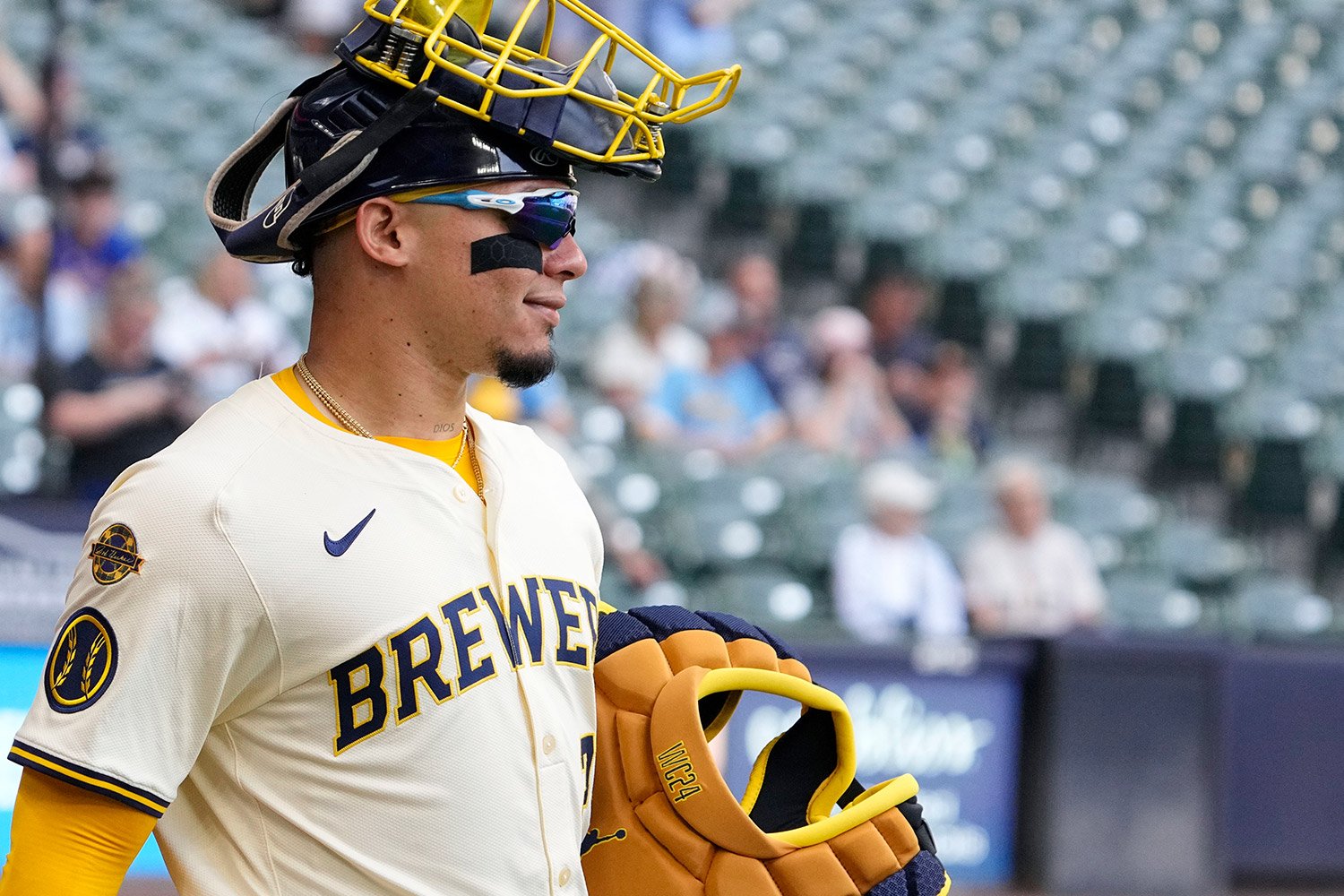 Last year was arguably the best of William Contreras’s major league career. He started the season off as a potential MVP candidate, and although he slowed down significantly in June and July, he finished with strong numbers and set career-best marks in hits (167), home runs (23), RBI (92), stolen bases (9), walks (78), and rWAR (4.9). 2025 has been a different story. For much of the first half of the season, he seemed average at best at the plate, and things only regressed as time went on. Earlier in the year, the good folks here at Brewer Fanatic talked about how playing through a fractured left hand was hampering his effectiveness and questioned why he hadn’t yet been moved to the injured list. On the field, the biggest adverse effect this had was on his power, restricting him to a slugging percentage of just .347 over the 390 plate appearances he had before the All-Star break. However, since the start of the second half, it seems that both he and his stat line have returned to full health. In the 115 plate appearances he has had, he’s slashing .317/.391/.554 with as many home runs as he had in more than three times as many plate appearances in the first half. The biggest sign that things are finally moving in the right direction is his ISO, which has increased from .102 in the first half of the season to .237 in the second half, and the main driver behind this positive shift has been a resurgence in his bat speed. Here are how some of his major bat tracking statistical categories compare before and after the All-Star break: Average Bat Speed Fast Swing Rate Squared-Up % on Contact Pre-ASB 72.8 mph 31.2% 36.1% Post-ASB 74.4 mph 49.7% 28.7% A jump in bat speed of nearly 2 mph is nothing to sneeze at and is a major improvement on its own. However, what might be an even bigger step forward is the massive increase in fast swing rate. Statcast describes fast swings as swings with a bat speed of >=75 mph, and Contreras went from exceeding that threshold less than ⅓ of the time to crossing it nearly half the time. His fast swing rate over this span puts him in the same ballpark as noted sluggers like Kyle Stowers (49.2%) and Bryce Harper (48.0%). This has predictably coincided with a jump in barrel rate and exit velocity. Contreras had an average exit velocity of just 89.8 mph and a barrel rate of just 4.6% in the first half. In the second half, he bumped his average exit velocity all the way up to 93.3 mph with a barrel rate of 9.6%. He has essentially made the shift from being Josh Lowe to being Julio Rodríguez when it comes to quality of contact. Even more encouraging is the fact that the other characteristics of his game that were already good before his power outage have remained. He’s still walking at a near 10% clip over this span and striking out 16.5% of the time. Simply put, he’s still exercising good plate discipline, but he’s now hitting the ball with more authority, something he has done his whole career. He still has a slight launch angle issue, which has limited the amount of home runs he has been able to produce, even with the added pop on his batted balls, but even with flatter flight paths, hard hit balls can still be immensely impactful if they end up as doubles in the gaps. This was most recently apparent in Milwaukee’s recent series against the Pirates, in which Contreras had an exit velocity of 107.6 mph on this RBI double against Paul Skenes. Much of the Brewers' news cycle as of late has surrounded the team’s seeming inability to lose games, even when faced with insurmountable odds and with no clear superstars leading the roster. What most have gotten right about this team is that the responsibility of winning has been placed on everybody’s shoulders. Still, as one of the most talented and longest-tenured members in the lineup, William Contreras’s role in the recent stretch of good fortune shouldn’t be overlooked. He may have given us plenty of reasons to doubt and question his abilities, but his recent results have demonstrated that he’s turned a corner at just the right time. He isn’t just holding his own; he’s leading Milwaukee’s charge towards their next pennant.
 -
he's been drinking too much whole milk
-
Image courtesy of © Michael McLoone-Imagn Images 2024 was a great year for Brice Turang. His game took a big step forward in nearly every aspect. While he was unable to maintain his offensive momentum after the All-Star break, he established himself as one of the best overall defenders in MLB. He received a Platinum Glove for his efforts, and statistically, it should have come as no surprise. He led all of MLB with +22 Defensive Runs Saved and placed in the top decile of qualified players for Outs Above Average. While not immediately concerning, there’s still quite a discrepancy between being ranked first overall in one defensive statistic and being ranked 56th in the other. This year, the difference is somehow even greater. Turang’s seven DRS places him 33rd in MLB, while his OAA of -3 places him 199th. So, how is it that one statistic still rates him as a pretty solid defender while the other grades him out to be quite a bit below average? Unlike stats like wOBA and OPS, which have slightly different formulas but more or less evaluate the same qualities, it’s not too uncommon for players to have very different values between OAA and DRS, and this is because they measure different aspects of baseball defense. MLB has a long, convoluted definition of OAA and even has different definitions for outfielders and infielders. For Turang, we’ll obviously focus on the infield definition, which, according to MLB, is defined by four qualities: How far the fielder has to go to reach the ball How much time does he have to get there How far is he then from the base the runner is heading to On force plays, how fast the batter is, on average So, like a lot of advanced stats like Expected Batting Average, each batted ball is assigned a value based on the above characteristics, and the more challenging the play, the more it counts towards accumulating OAA. In essence, OAA tracks one thing - the ability for a player to get a batted ball into his glove. DRS, on the other hand, has a far more complex formula that is designed to be a far more holistic evaluation of defense. Things like double plays and throwing errors are factored into DRS but are not fully captured in OAA. This is intentional, as OAA is meant to be a fielding and positional metric, not a catch-all defensive statistic. This brings us back to Turang. Broadly speaking, players with poor OAA but high DRS are typically ones who aren’t as mobile but are positioned correctly and don’t make very many mistakes. Although he’s still on the faster end, good positioning makes it such that he doesn’t see a lot of rewarded OAA for making plays on hard-hit balls that come right to him. For example, this ground ball by Dansby Swanson was 102.9 mph off the bat but fielded cleanly without much movement required. Statcast also breaks down OAA by lateral direction, which shows us that he has -6 OAA when moving towards first base, specifically in the 1B/2B hole, which is outlined below as section 2B-2. Sometimes, he doesn’t get to the ball because he seems to be shaded more to the pull side and gets caught off guard when the hitter goes the other way, like with this Jorge Polanco single: While neither one of these was ruled as an error, they likely had a negative impact on his OAA. It’s hard to say for sure since we don’t know exactly how much value Statcast assigns to each play, but we can say that many plays are rewarded by DRS but not by OAA. To me, the best example of this was a play made on June 23rd against the Pirates. On a tough ground ball that Turang ultimately failed to field before Spencer Horwitz made it to the bag, he was still able to make an out at third base with some quick thinking and a strong throw. So there are a couple of takeaways for this season based on these two statistics and watching the tape. First, he has a weakness in fielding balls towards first base. Whether that’s a result of unfortunate positioning, getting a bad jump, or simply a coincidence is unclear. Second, despite this aspect of his game regressing from last year, he’s still a good defender overall. He may not get to every ball in a timely manner, but he’s still able to convert more than his fair share of outs. He isn’t the same elite fielder we saw last year, but few players are able to maintain an elite level of defensive production year over year. It’s a far more nuanced and variable aspect of the sport than hitting, and it’s the same reason why the figures we use to describe a player’s abilities can often tell diverging stories. This is all the more reason to avoid depending on one number to tell the whole story. Turang's tale is as complex as any other’s. Despite his flaws, his valuable contributions with the glove and increased production at the plate still make him one of the most important players on this year’s Brewers roster. View full article
-
Why Brice Turang’s Defensive Stats Don’t Tell The Same Story
Jason Wang posted an article in Brewers
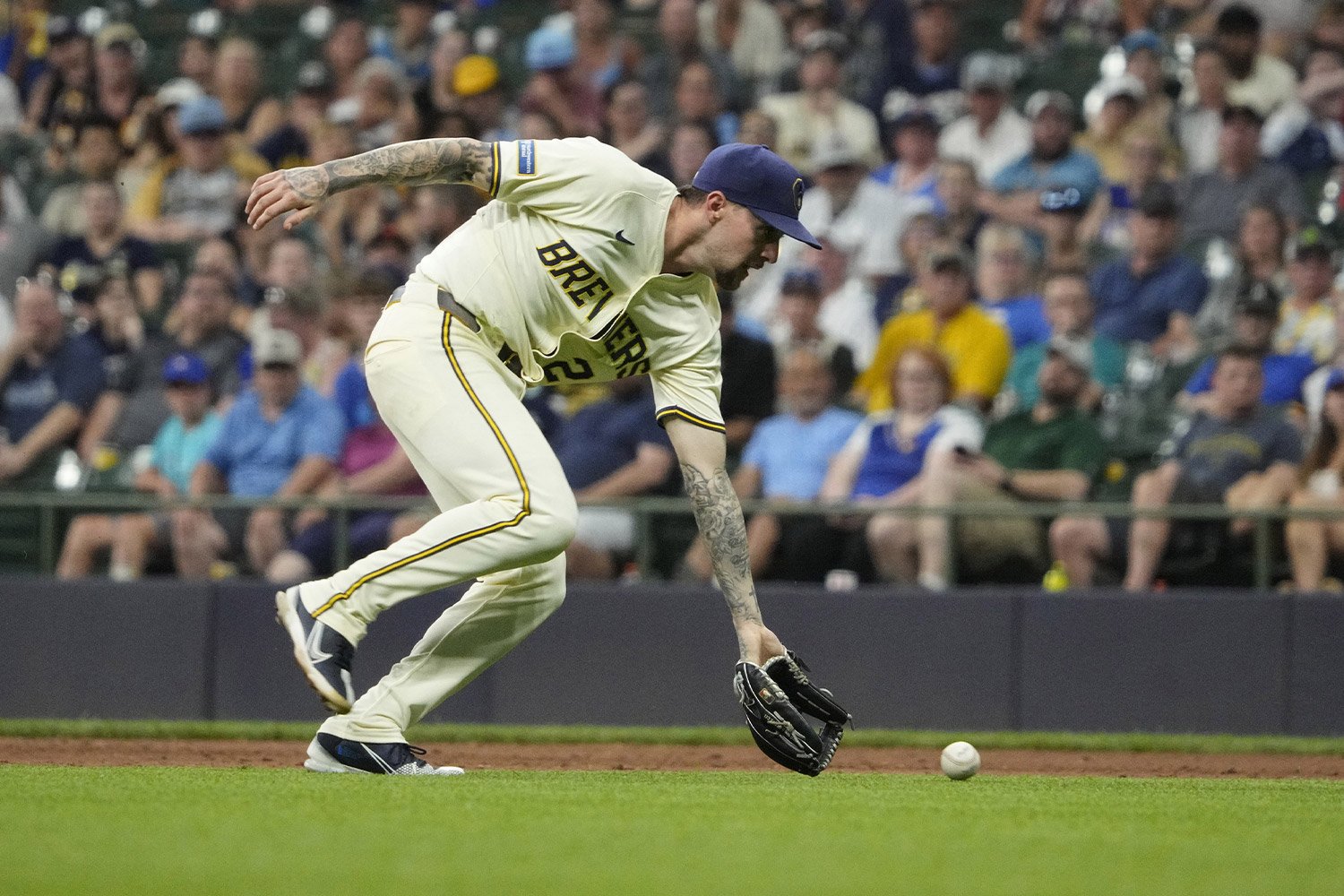 2024 was a great year for Brice Turang. His game took a big step forward in nearly every aspect. While he was unable to maintain his offensive momentum after the All-Star break, he established himself as one of the best overall defenders in MLB. He received a Platinum Glove for his efforts, and statistically, it should have come as no surprise. He led all of MLB with +22 Defensive Runs Saved and placed in the top decile of qualified players for Outs Above Average. While not immediately concerning, there’s still quite a discrepancy between being ranked first overall in one defensive statistic and being ranked 56th in the other. This year, the difference is somehow even greater. Turang’s seven DRS places him 33rd in MLB, while his OAA of -3 places him 199th. So, how is it that one statistic still rates him as a pretty solid defender while the other grades him out to be quite a bit below average? Unlike stats like wOBA and OPS, which have slightly different formulas but more or less evaluate the same qualities, it’s not too uncommon for players to have very different values between OAA and DRS, and this is because they measure different aspects of baseball defense. MLB has a long, convoluted definition of OAA and even has different definitions for outfielders and infielders. For Turang, we’ll obviously focus on the infield definition, which, according to MLB, is defined by four qualities: How far the fielder has to go to reach the ball How much time does he have to get there How far is he then from the base the runner is heading to On force plays, how fast the batter is, on average So, like a lot of advanced stats like Expected Batting Average, each batted ball is assigned a value based on the above characteristics, and the more challenging the play, the more it counts towards accumulating OAA. In essence, OAA tracks one thing - the ability for a player to get a batted ball into his glove. DRS, on the other hand, has a far more complex formula that is designed to be a far more holistic evaluation of defense. Things like double plays and throwing errors are factored into DRS but are not fully captured in OAA. This is intentional, as OAA is meant to be a fielding and positional metric, not a catch-all defensive statistic. This brings us back to Turang. Broadly speaking, players with poor OAA but high DRS are typically ones who aren’t as mobile but are positioned correctly and don’t make very many mistakes. Although he’s still on the faster end, good positioning makes it such that he doesn’t see a lot of rewarded OAA for making plays on hard-hit balls that come right to him. For example, this ground ball by Dansby Swanson was 102.9 mph off the bat but fielded cleanly without much movement required. Statcast also breaks down OAA by lateral direction, which shows us that he has -6 OAA when moving towards first base, specifically in the 1B/2B hole, which is outlined below as section 2B-2. Sometimes, he doesn’t get to the ball because he seems to be shaded more to the pull side and gets caught off guard when the hitter goes the other way, like with this Jorge Polanco single: While neither one of these was ruled as an error, they likely had a negative impact on his OAA. It’s hard to say for sure since we don’t know exactly how much value Statcast assigns to each play, but we can say that many plays are rewarded by DRS but not by OAA. To me, the best example of this was a play made on June 23rd against the Pirates. On a tough ground ball that Turang ultimately failed to field before Spencer Horwitz made it to the bag, he was still able to make an out at third base with some quick thinking and a strong throw. So there are a couple of takeaways for this season based on these two statistics and watching the tape. First, he has a weakness in fielding balls towards first base. Whether that’s a result of unfortunate positioning, getting a bad jump, or simply a coincidence is unclear. Second, despite this aspect of his game regressing from last year, he’s still a good defender overall. He may not get to every ball in a timely manner, but he’s still able to convert more than his fair share of outs. He isn’t the same elite fielder we saw last year, but few players are able to maintain an elite level of defensive production year over year. It’s a far more nuanced and variable aspect of the sport than hitting, and it’s the same reason why the figures we use to describe a player’s abilities can often tell diverging stories. This is all the more reason to avoid depending on one number to tell the whole story. Turang's tale is as complex as any other’s. Despite his flaws, his valuable contributions with the glove and increased production at the plate still make him one of the most important players on this year’s Brewers roster.
 -
You know what's interesting about Peralta is his numbers for the season when broken down by times facing opponent in a game. 1st PA: .586 OPS, 5.17 K/BB 2nd PA: .687 OPS, 2.95 K/BB 3rd PA: .637 OPS, 1.18 K/BB My read on this is it's probably exactly what you're talking about. As guys start to see him more often, they're spitting on his stuff outside of the zone. Interestingly his OPS numbers aren't that far off as he goes through but the strikeout to walk rate gets cut in half like a geometric sequence. His career splits aren't as aggressive but there's still a significant drop in K/BB when he gets to the third time through the order. It also makes his inning count a deceptive underestimate of his workload because this guy will need 108 pitches to get through five innings.
-
Image courtesy of © Geoff Burke-Imagn Images Honorable Mentions Caleb Durbin 60 AB, .283/.389/.400, 17 H, 4 2B, 1 HR, 8 RBI, 9 BB, 3 SB If you haven’t been keeping up recently, Durbin has absolutely turned things around at the plate. After a .561 OPS in May, he posted a .795 OPS in June, a .789 OPS in July, and has stayed hot. He hasn’t gotten any taller, but he has begun pulling the ball in the air, maximizing carry on the ball to compensate for his lack of natural pop. Even with a smaller frame, a perfect barrel from him can still send a pitch 410 feet to center field. His profile embodies what seems to be the Brewers’ guiding offensive principle this year: put the ball in play and see what happens. With a strikeout rate of just 9.3% (98th percentile), that’s exactly what he’s doing. Furthermore, he has a squared up rate of 32.8% (93rd percentile), meaning that he’s making the most out of his swings despite his slow bat speed. Statistical Nugget: Durbin has an OPS of .941 in full counts this season. Isaac Collins 78 AB, .321/.411/.436, 25 H, 3 2B, 2 HR, 11 RBI, 11 BB, 4 SB Collins has quickly become one of the team’s most valuable position players. Far from a marquee prospect or superstar, he started the season coming off the bench but has made himself into an integral starter, getting the lion’s share of playing time in left field while Christian Yelich has been spending more time as a designated hitter. In his first full season, he has managed to post a 127 OPS+, which leads all qualified hitters. There are a lot of parallels between Collins and Durbin. Like Durbin, he struggled at the start of the year, posting a .545 OPS in May before turning it on. He also shares the same power weaknesses and has instead made his money by pulling the ball in the air at an elite rate, but that’s where the similarities end. Collins isn’t quite as good at making contact but maintains a tight strike zone with a chase rate of 19.4% (94th percentile) and has a great walk rate of 12.9% (90th percentile). He has much better bat speed but has struggled to square up the ball as frequently as Durbin, meaning there could still be some juice left to access in that swing of his. Statistical Nugget: This season, Collins has an OPS of .798 after falling behind 0-1 and a .904 OPS after reaching 1-1. Andrew Vaughn 52 AB, .365/.426/.731, 19 H, 4 2B, 5 HR, 21 RBI, 7 BB, 0 SB At the risk of jinxing what has been a magical run for Milwaukee’s interim first baseman, Vaughn has been one of the best hitters in baseball since donning a Brewers uniform. Prior to joining the team, he had a 47 OPS+ with the White Sox over 193 plate appearances. As a Brewer, he has a 211 OPS+ over 81 plate appearances. The way that he has been playing, he’s the power bat Milwaukee has been missing for quite some time. His unexpected success has been a major part of the team’s recent stretch of dominance but one must wonder whether a player with a career OPS+ of 100 over more than 2,500 plate appearances is truly capable of sustaining this offensive outburst. If not, then the team will at least have to hold until Rhys Hoskins returns from the injured list at some point next month. If he truly has turned over a new leaf, then the questions surrounding the health and abilities of Hoskins will become moot as Vaughn will likely continue to hold down the starting spot. Statistical Nugget: This season, Vaughn has a .998 OPS with runners in scoring position. Hitter of the Month – Jackson Chourio 90 AB, .367/.408/.600, 33 H, 7 2B, 4 HR, 17 RBI, 6 BB, 3 SB It’s a pity that Chourio hit the injured list with a hamstring strain just as he was reaching the peak of his powers. After a lukewarm start to the year, his 1.008 OPS in July was enough to lift his season OPS+ to 119, the same mark as his rookie year. He’s still a little swing-happy and walks less than 5% of the time but his natural abilities at the plate have kicked in to compensate for his weaknesses, at least for now. The bad news is that he’s estimated to miss another 2-4 weeks which may halt any momentum he had going into August. This has given Blake Perkins and the newly acquired Brandon Lockridge a chance to stretch their legs and they’ve been playing decently, especially the former. However, only time will tell how much the Brewers will miss the presence of Chourio over the next month. Statistical Nugget: This season, Chourio has a Weighted On Base Average (wOBA) of .286 against fastballs but a wOBA of .568 against offspeed pitches. View full article
-
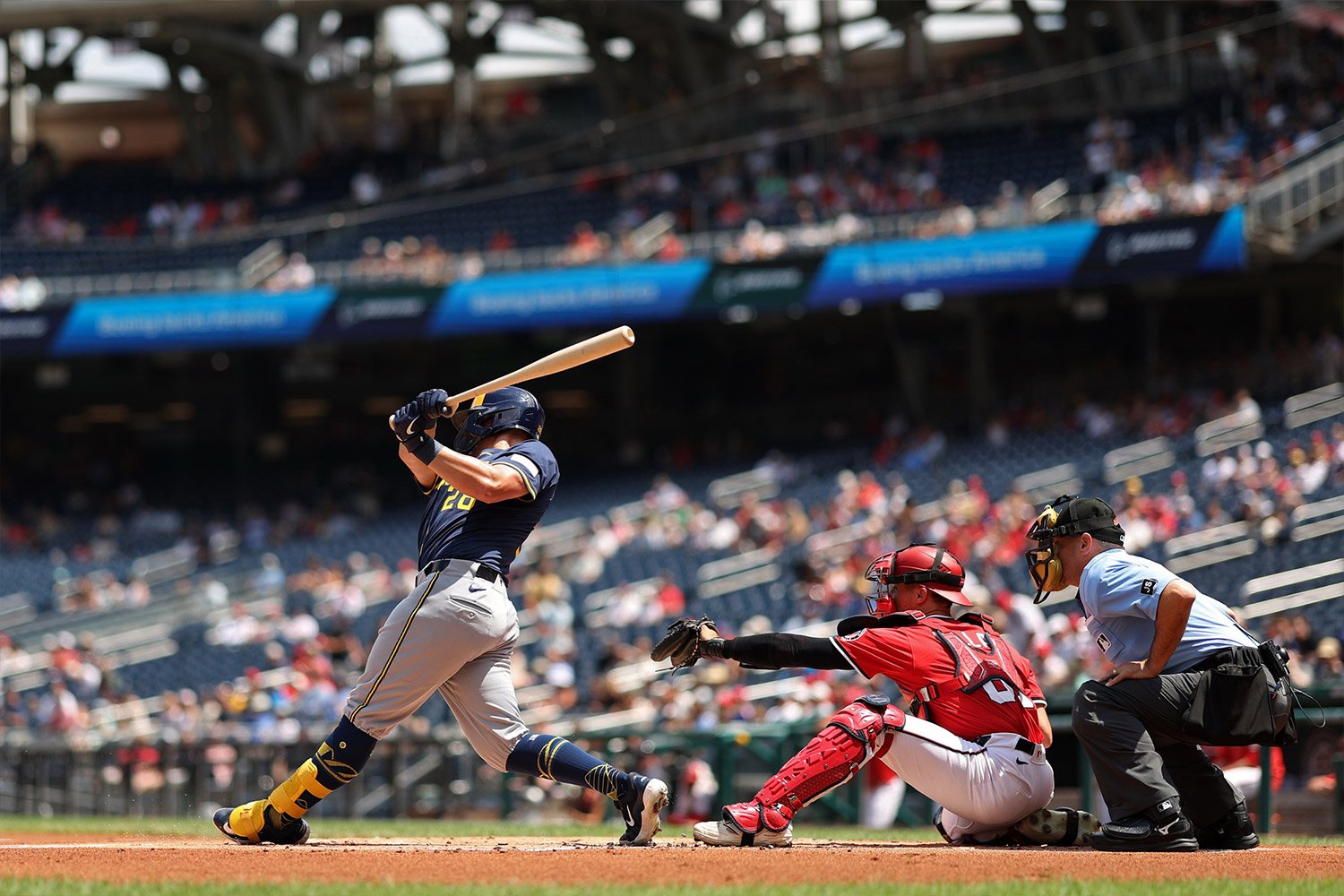 Honorable Mentions Caleb Durbin 60 AB, .283/.389/.400, 17 H, 4 2B, 1 HR, 8 RBI, 9 BB, 3 SB If you haven’t been keeping up recently, Durbin has absolutely turned things around at the plate. After a .561 OPS in May, he posted a .795 OPS in June, a .789 OPS in July, and has stayed hot. He hasn’t gotten any taller, but he has begun pulling the ball in the air, maximizing carry on the ball to compensate for his lack of natural pop. Even with a smaller frame, a perfect barrel from him can still send a pitch 410 feet to center field. His profile embodies what seems to be the Brewers’ guiding offensive principle this year: put the ball in play and see what happens. With a strikeout rate of just 9.3% (98th percentile), that’s exactly what he’s doing. Furthermore, he has a squared up rate of 32.8% (93rd percentile), meaning that he’s making the most out of his swings despite his slow bat speed. Statistical Nugget: Durbin has an OPS of .941 in full counts this season. Isaac Collins 78 AB, .321/.411/.436, 25 H, 3 2B, 2 HR, 11 RBI, 11 BB, 4 SB Collins has quickly become one of the team’s most valuable position players. Far from a marquee prospect or superstar, he started the season coming off the bench but has made himself into an integral starter, getting the lion’s share of playing time in left field while Christian Yelich has been spending more time as a designated hitter. In his first full season, he has managed to post a 127 OPS+, which leads all qualified hitters. There are a lot of parallels between Collins and Durbin. Like Durbin, he struggled at the start of the year, posting a .545 OPS in May before turning it on. He also shares the same power weaknesses and has instead made his money by pulling the ball in the air at an elite rate, but that’s where the similarities end. Collins isn’t quite as good at making contact but maintains a tight strike zone with a chase rate of 19.4% (94th percentile) and has a great walk rate of 12.9% (90th percentile). He has much better bat speed but has struggled to square up the ball as frequently as Durbin, meaning there could still be some juice left to access in that swing of his. Statistical Nugget: This season, Collins has an OPS of .798 after falling behind 0-1 and a .904 OPS after reaching 1-1. Andrew Vaughn 52 AB, .365/.426/.731, 19 H, 4 2B, 5 HR, 21 RBI, 7 BB, 0 SB At the risk of jinxing what has been a magical run for Milwaukee’s interim first baseman, Vaughn has been one of the best hitters in baseball since donning a Brewers uniform. Prior to joining the team, he had a 47 OPS+ with the White Sox over 193 plate appearances. As a Brewer, he has a 211 OPS+ over 81 plate appearances. The way that he has been playing, he’s the power bat Milwaukee has been missing for quite some time. His unexpected success has been a major part of the team’s recent stretch of dominance but one must wonder whether a player with a career OPS+ of 100 over more than 2,500 plate appearances is truly capable of sustaining this offensive outburst. If not, then the team will at least have to hold until Rhys Hoskins returns from the injured list at some point next month. If he truly has turned over a new leaf, then the questions surrounding the health and abilities of Hoskins will become moot as Vaughn will likely continue to hold down the starting spot. Statistical Nugget: This season, Vaughn has a .998 OPS with runners in scoring position. Hitter of the Month – Jackson Chourio 90 AB, .367/.408/.600, 33 H, 7 2B, 4 HR, 17 RBI, 6 BB, 3 SB It’s a pity that Chourio hit the injured list with a hamstring strain just as he was reaching the peak of his powers. After a lukewarm start to the year, his 1.008 OPS in July was enough to lift his season OPS+ to 119, the same mark as his rookie year. He’s still a little swing-happy and walks less than 5% of the time but his natural abilities at the plate have kicked in to compensate for his weaknesses, at least for now. The bad news is that he’s estimated to miss another 2-4 weeks which may halt any momentum he had going into August. This has given Blake Perkins and the newly acquired Brandon Lockridge a chance to stretch their legs and they’ve been playing decently, especially the former. However, only time will tell how much the Brewers will miss the presence of Chourio over the next month. Statistical Nugget: This season, Chourio has a Weighted On Base Average (wOBA) of .286 against fastballs but a wOBA of .568 against offspeed pitches.
 -
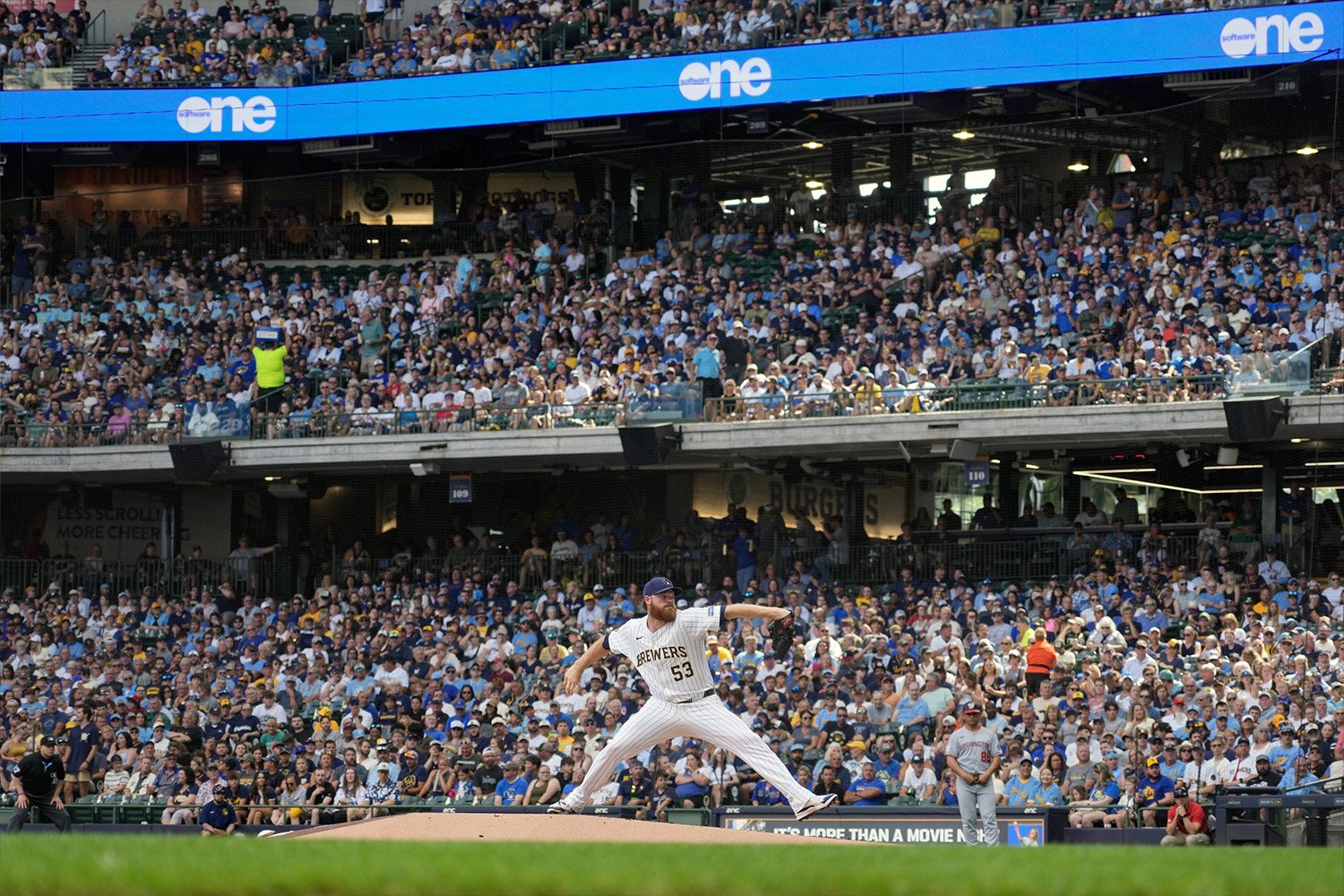 Honorable Mentions DL Hall 8 G, 13 ⅓ IP, 2.70 ERA, 6 H, 4 ER, 5 BB, 10 K, 0.83 WHIP After a rocky start to his Brewers career last year, where he dealt with injury, DL Hall is finally living up to the hype that followed him from Baltimore. He has filled a fantastic niche as a more durable bullpen arm, either pitching multiple relief innings or serving as the opener. He has yet to pitch more than three innings this year, but the results so far seem to indicate that this level of work suits him well. His arsenal has taken a big step forward, particularly his fastball offering which wasn’t particularly effective in 2024 but has now become a lethal weapon. Now fully healthy, almost all of his pitches have found a way to be effective. His slider in particular has caused some problems for opposing hitters, holding them to just a .095 average so far this year. Statistical Nugget: Hall has held opposing batters to a .369 OPS with the bases empty but a .990 OPS with runners in scoring position. Freddy Peralta 6 GS, 32 ⅔ IP, 3.58 ERA, 25 H, 13 ER, 12 BB, 36 K, 1.13 WHIP The Brewers’ resident workhorse continued his strong season in July. He has been a little more susceptible to damage compared to the first few months of the season but overall, he has been pretty consistent, especially by his standards. He has been more reliant on the fastball this season, throwing it 56.1% of the time, more than any other full season in his career. Also receiving more of a spotlight has been his changeup which has replaced his slider as his favorite secondary offering. Statistical Nugget: Peralta has generated a run value of 33 in the shadow portion of the strike zone, more than all but two pitchers: Paul Skenes (34) and Tarik Skubal (36). Quinn Priester 5 G, 29 ⅓ IP, 3.07 ERA, 28 H, 10 ER, 8 BB, 28 K, 1.23 WHIP With each passing day, Quinn Priester looks like more of a steal by the Brewers. Acquired from Boston in exchange for Yophery Rodriguez, a Competitive Balance Round selection, and pitcher John Holobetz, Priester has quickly become one of the team’s most valuable starting pitchers. With a season ERA of 3.27 over 20 starts, it seems like Milwaukee really knew something the Pirates and Red Sox didn’t. A true sinker baller through and through, his overall groundball rate of 57.4% this year is higher than 96% of qualified pitchers. His breaking ball offerings aren’t too bad either with a sweepy slider and a curveball that doesn’t move much but tunnels well enough with the fastball to fool hitters. Statistical Nugget: In high leverage situations, Priester has held opposing hitters to a .448 OPS. Pitcher of the Month - Brandon Woodruff 4 GS, 22 ⅓ IP, 2.01 ERA, 13 H, 5 ER, 3 BB, 29 K, 0.72 WHIP Despite a layoff that spanned a season and a half, Woodruff came back like he never left. He stepped on the mound for the first time this season on July 6th against the Marlins and hasn’t looked back ever since. He has gone six strong innings in all but one of his starts and has been working efficiently, consistently keeping his pitch count under 90. Even in the face of injury and missed time, he’s still turning up the gas on command. Speaking of command, it has been pristine since his return. With a strikeout rate of 35.6% and a walk rate of just 3.8%, he isn’t giving his opponents much of a chance. Other dominant numbers include the .116 average against his four-seam fastball, .240 slugging percentage against his sinker, and 42.5% whiff rate on his changeup. It’s a sample of under 30 innings but so far, he’s been as dominant as we’ve ever seen him. Statistical Nugget: Woodruff has a groundball rate of just 19.4% despite throwing a sinker 29.8% of the time.
 -
Image courtesy of © Jeff Hanisch-Imagn Images Honorable Mentions DL Hall 8 G, 13 ⅓ IP, 2.70 ERA, 6 H, 4 ER, 5 BB, 10 K, 0.83 WHIP After a rocky start to his Brewers career last year, where he dealt with injury, DL Hall is finally living up to the hype that followed him from Baltimore. He has filled a fantastic niche as a more durable bullpen arm, either pitching multiple relief innings or serving as the opener. He has yet to pitch more than three innings this year, but the results so far seem to indicate that this level of work suits him well. His arsenal has taken a big step forward, particularly his fastball offering which wasn’t particularly effective in 2024 but has now become a lethal weapon. Now fully healthy, almost all of his pitches have found a way to be effective. His slider in particular has caused some problems for opposing hitters, holding them to just a .095 average so far this year. Statistical Nugget: Hall has held opposing batters to a .369 OPS with the bases empty but a .990 OPS with runners in scoring position. Freddy Peralta 6 GS, 32 ⅔ IP, 3.58 ERA, 25 H, 13 ER, 12 BB, 36 K, 1.13 WHIP The Brewers’ resident workhorse continued his strong season in July. He has been a little more susceptible to damage compared to the first few months of the season but overall, he has been pretty consistent, especially by his standards. He has been more reliant on the fastball this season, throwing it 56.1% of the time, more than any other full season in his career. Also receiving more of a spotlight has been his changeup which has replaced his slider as his favorite secondary offering. Statistical Nugget: Peralta has generated a run value of 33 in the shadow portion of the strike zone, more than all but two pitchers: Paul Skenes (34) and Tarik Skubal (36). Quinn Priester 5 G, 29 ⅓ IP, 3.07 ERA, 28 H, 10 ER, 8 BB, 28 K, 1.23 WHIP With each passing day, Quinn Priester looks like more of a steal by the Brewers. Acquired from Boston in exchange for Yophery Rodriguez, a Competitive Balance Round selection, and pitcher John Holobetz, Priester has quickly become one of the team’s most valuable starting pitchers. With a season ERA of 3.27 over 20 starts, it seems like Milwaukee really knew something the Pirates and Red Sox didn’t. A true sinker baller through and through, his overall groundball rate of 57.4% this year is higher than 96% of qualified pitchers. His breaking ball offerings aren’t too bad either with a sweepy slider and a curveball that doesn’t move much but tunnels well enough with the fastball to fool hitters. Statistical Nugget: In high leverage situations, Priester has held opposing hitters to a .448 OPS. Pitcher of the Month - Brandon Woodruff 4 GS, 22 ⅓ IP, 2.01 ERA, 13 H, 5 ER, 3 BB, 29 K, 0.72 WHIP Despite a layoff that spanned a season and a half, Woodruff came back like he never left. He stepped on the mound for the first time this season on July 6th against the Marlins and hasn’t looked back ever since. He has gone six strong innings in all but one of his starts and has been working efficiently, consistently keeping his pitch count under 90. Even in the face of injury and missed time, he’s still turning up the gas on command. Speaking of command, it has been pristine since his return. With a strikeout rate of 35.6% and a walk rate of just 3.8%, he isn’t giving his opponents much of a chance. Other dominant numbers include the .116 average against his four-seam fastball, .240 slugging percentage against his sinker, and 42.5% whiff rate on his changeup. It’s a sample of under 30 innings but so far, he’s been as dominant as we’ve ever seen him. Statistical Nugget: Woodruff has a groundball rate of just 19.4% despite throwing a sinker 29.8% of the time. View full article
-
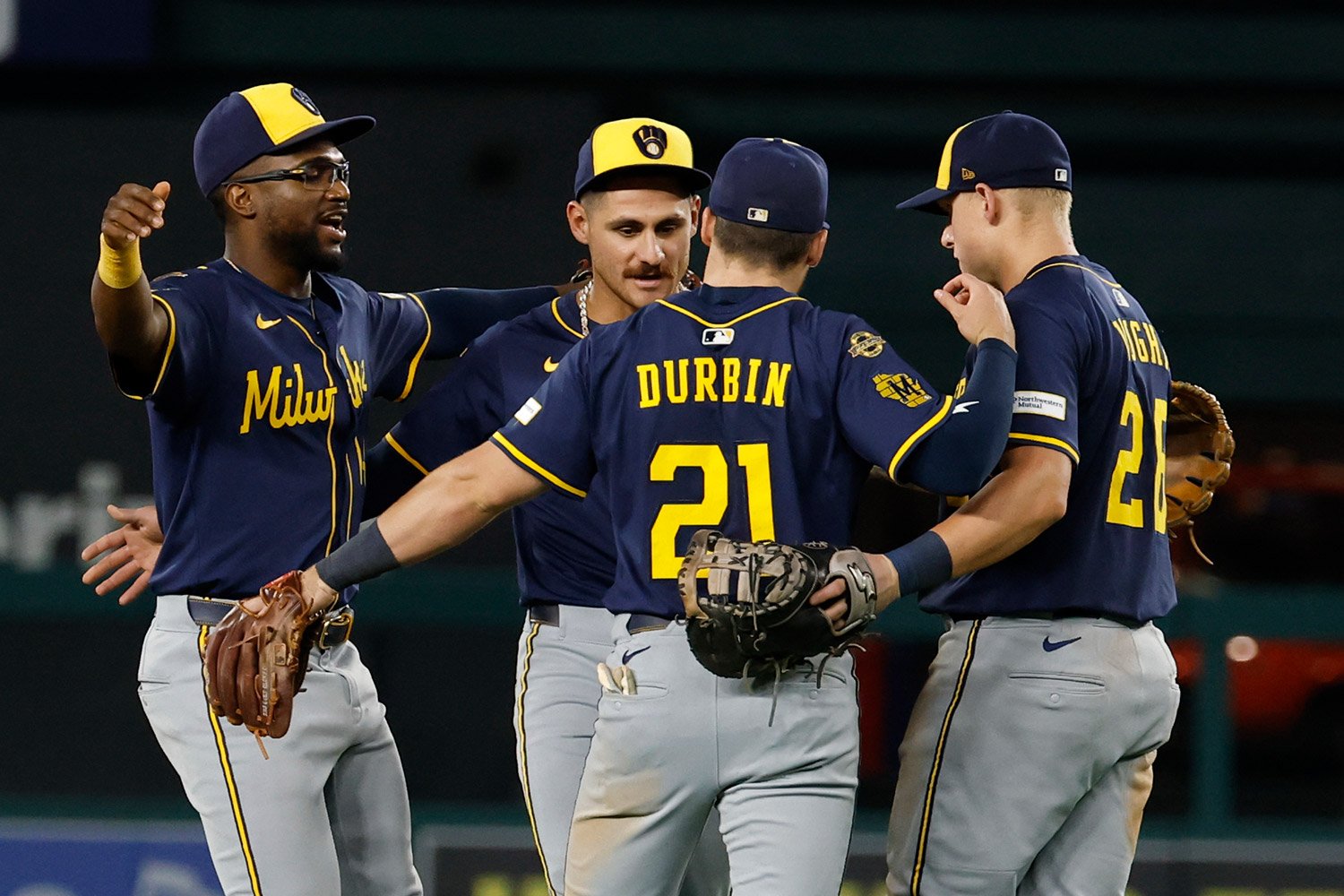 Let’s face it – Milwaukee wasn’t going to be one of the biggest movers at the trade deadline. There was little reason to believe that they’d finally make the moves that fans have been clamoring for, and now that they’re leading the NL Central (albeit by just one game), why would they take risks and have some fun with the roster when they can just coast? It’s a modus operandi that has become all too familiar for fans who have been waiting for the organization to turn a good team into a great one. As per usual, the moves they did make did make them better, but whether the improvements are meaningful enough to create a deep postseason run remains to be seen. To recap, here are all of the big league moves they’ve made since the All-Star break: Additions C Danny Jansen RHP Shelby Miller LHP Jordan Montgomery OF Brandon Lockridge Losses 2B Jadher Areinamo (#24-ranked prospect) LHP Nestor Cortes SS Jorge Quintana Danny Jansen was the first move made by the Brewers this year. In addition to being a solid backup option that should give William Contreras more rest, his numbers against southpaw pitchers and surprising pop should supplement an existing weakness in Milwaukee’s lineup. The Brewers were reportedly quite active in this year’s reliever market, where the best arms were being priced at a premium. Although they missed out on some of the more marquee names like Mason Miller and Jhoan Durán, Milwaukee managed to acquire Shelby Miller without having to forfeit a high-value prospect. Shelby Miller has been outstanding with Arizona this year, posting a 1.98 ERA with a 3.12 FIP and ten saves over the 36 ⅓ innings he has thrown. He has been on the shelf since July 7th with a right forearm strain, but has been making excellent progress and is expected to start a rehab assignment soon. On the other hand, Jordan Montgomery and I have about the same chance of throwing big league innings for the Brewers this year. While my problem is more of a pure skill issue, Montgomery is still recovering from Tommy John surgery and isn’t expected to return until after he hits free agency this offseason. Instead of sending a top prospect to Arizona, Milwaukee opted to pay $2 million of what is now effectively an underwater contract to get the deal done. Brandon Lockridge has put up good numbers in Triple-A but has failed to find the same success at the major league level, currently carrying a 46 OPS+ over 95 plate appearances. He has the potential to be a decent depth piece, but likely won’t be a needle mover for the team this year, especially given the talent the Brewers currently have in the outfield. To be fair, the players they did sign do fill real needs. However, some of the lingering questions about positions like first base and shortstop still remain. Protecting the farm system was clearly a priority as the Brewers only lost one Top 30 prospect in Jadher Areinamo and opted to pay the Diamondbacks in cash instead of talent. In a vacuum, this year was a mixed bag at best and painfully underwhelming at worst. But baseball isn’t played in a vacuum. A few of the Brewers’ most heated rivals were also buyers at the deadline, and depending on the newly acquired talent, could create a serious problem for Milwaukee’s postseason aspirations. The most obvious first place to look is in Chicago. The Cubs, who lorded over the NL Central for quite some time, have been the Brewers’ stiffest competition in the division all year. Here are the moves that they made: Additions LHP Taylor Rogers RHP Michael Soroka RHP Andrew Kittredge UTIL Willi Castro Losses RHP Ryan Gallagher (#8-ranked prospect) SS Ronny Cruz (#13-ranked prospect) OF Christian Franklin (#14-ranked prospect) RHP Sam Armstrong (#17-ranked prospect) OF Ivan Brethowr SS Wilfri De La Cruz The most apparent aspect of their strategy was a far greater willingness to part with prospect talent to get big league help. Willi Castro gives them more infield depth while Taylor Rogers and Andrew Kittredge are solid bullpen options. Unfortunately, despite needing starting pitching the most, they only managed to pick up Michael Soroka, who has a lukewarm 4.87 ERA over 16 starts this season. Like the Brewers, the Cubs didn’t make major improvements. In fact, a totally unbiased person who just so happens to write for Brewer Fanatic might even argue that the Brewers did just a little more to fill in the gaps on their roster. As for the other teams in the NL Central, there are few notable moves to speak of, at least not ones that would shake up the standings. The Cardinals sold three key relievers, the Pirates traded away David Bednar, and the Reds added Ke'Bryan Hayes and Zack Littell. For the remaining months of the season, the division is essentially a two-horse race. But if we zoom out and take a look at the National League as a whole, Milwaukee’s activity at the deadline pales in comparison to the bigger market teams. The Mets, Phillies, and Padres were some of the most aggressive teams this year and picked up plenty of impactful talent. Milwaukee has an upcoming series against all three of those teams before the end of the season and will more than likely face one or more of those teams in at least one postseason series. This is the annual Brew Crew Conundrum. They’ll give you 90-95 regular-season wins one way or another and will also probably win the division. But when it comes down to brass tacks, they just haven’t had the gumption to make a real championship run. After five consecutive first-round exits, you’d think they might want to buck the trend, but 2025 seems to be more of the same. It’s admittedly challenging to compete with larger payrolls and colossal media markets, but Milwaukee’s core of talent makes it worth trying. We can wax poetic about whether we felt the team did too little or just enough, but the next two months will give us the answer we’re so desperately seeking.
- 3 comments
-
- 1
-

-
- danny jansen
- shelby miller
- (and 2 more)
-
Image courtesy of © Geoff Burke-Imagn Images Let’s face it – Milwaukee wasn’t going to be one of the biggest movers at the trade deadline. There was little reason to believe that they’d finally make the moves that fans have been clamoring for, and now that they’re leading the NL Central (albeit by just one game), why would they take risks and have some fun with the roster when they can just coast? It’s a modus operandi that has become all too familiar for fans who have been waiting for the organization to turn a good team into a great one. As per usual, the moves they did make did make them better, but whether the improvements are meaningful enough to create a deep postseason run remains to be seen. To recap, here are all of the big league moves they’ve made since the All-Star break: Additions C Danny Jansen RHP Shelby Miller LHP Jordan Montgomery OF Brandon Lockridge Losses 2B Jadher Areinamo (#24-ranked prospect) LHP Nestor Cortes SS Jorge Quintana Danny Jansen was the first move made by the Brewers this year. In addition to being a solid backup option that should give William Contreras more rest, his numbers against southpaw pitchers and surprising pop should supplement an existing weakness in Milwaukee’s lineup. The Brewers were reportedly quite active in this year’s reliever market, where the best arms were being priced at a premium. Although they missed out on some of the more marquee names like Mason Miller and Jhoan Durán, Milwaukee managed to acquire Shelby Miller without having to forfeit a high-value prospect. Shelby Miller has been outstanding with Arizona this year, posting a 1.98 ERA with a 3.12 FIP and ten saves over the 36 ⅓ innings he has thrown. He has been on the shelf since July 7th with a right forearm strain, but has been making excellent progress and is expected to start a rehab assignment soon. On the other hand, Jordan Montgomery and I have about the same chance of throwing big league innings for the Brewers this year. While my problem is more of a pure skill issue, Montgomery is still recovering from Tommy John surgery and isn’t expected to return until after he hits free agency this offseason. Instead of sending a top prospect to Arizona, Milwaukee opted to pay $2 million of what is now effectively an underwater contract to get the deal done. Brandon Lockridge has put up good numbers in Triple-A but has failed to find the same success at the major league level, currently carrying a 46 OPS+ over 95 plate appearances. He has the potential to be a decent depth piece, but likely won’t be a needle mover for the team this year, especially given the talent the Brewers currently have in the outfield. To be fair, the players they did sign do fill real needs. However, some of the lingering questions about positions like first base and shortstop still remain. Protecting the farm system was clearly a priority as the Brewers only lost one Top 30 prospect in Jadher Areinamo and opted to pay the Diamondbacks in cash instead of talent. In a vacuum, this year was a mixed bag at best and painfully underwhelming at worst. But baseball isn’t played in a vacuum. A few of the Brewers’ most heated rivals were also buyers at the deadline, and depending on the newly acquired talent, could create a serious problem for Milwaukee’s postseason aspirations. The most obvious first place to look is in Chicago. The Cubs, who lorded over the NL Central for quite some time, have been the Brewers’ stiffest competition in the division all year. Here are the moves that they made: Additions LHP Taylor Rogers RHP Michael Soroka RHP Andrew Kittredge UTIL Willi Castro Losses RHP Ryan Gallagher (#8-ranked prospect) SS Ronny Cruz (#13-ranked prospect) OF Christian Franklin (#14-ranked prospect) RHP Sam Armstrong (#17-ranked prospect) OF Ivan Brethowr SS Wilfri De La Cruz The most apparent aspect of their strategy was a far greater willingness to part with prospect talent to get big league help. Willi Castro gives them more infield depth while Taylor Rogers and Andrew Kittredge are solid bullpen options. Unfortunately, despite needing starting pitching the most, they only managed to pick up Michael Soroka, who has a lukewarm 4.87 ERA over 16 starts this season. Like the Brewers, the Cubs didn’t make major improvements. In fact, a totally unbiased person who just so happens to write for Brewer Fanatic might even argue that the Brewers did just a little more to fill in the gaps on their roster. As for the other teams in the NL Central, there are few notable moves to speak of, at least not ones that would shake up the standings. The Cardinals sold three key relievers, the Pirates traded away David Bednar, and the Reds added Ke'Bryan Hayes and Zack Littell. For the remaining months of the season, the division is essentially a two-horse race. But if we zoom out and take a look at the National League as a whole, Milwaukee’s activity at the deadline pales in comparison to the bigger market teams. The Mets, Phillies, and Padres were some of the most aggressive teams this year and picked up plenty of impactful talent. Milwaukee has an upcoming series against all three of those teams before the end of the season and will more than likely face one or more of those teams in at least one postseason series. This is the annual Brew Crew Conundrum. They’ll give you 90-95 regular-season wins one way or another and will also probably win the division. But when it comes down to brass tacks, they just haven’t had the gumption to make a real championship run. After five consecutive first-round exits, you’d think they might want to buck the trend, but 2025 seems to be more of the same. It’s admittedly challenging to compete with larger payrolls and colossal media markets, but Milwaukee’s core of talent makes it worth trying. We can wax poetic about whether we felt the team did too little or just enough, but the next two months will give us the answer we’re so desperately seeking. View full article
- 3 replies
-
- 1
-

-
- danny jansen
- shelby miller
- (and 2 more)
-
Hoskins has been out of action since early July when he sustained a left thumb sprain while making a tag at first base. He was originally expected to be back in the lineup by mid- to late-August, but the most recent updates suggest that he isn't expected to start his rehab assignment until then. Milwaukee did (sort of) hedge against this by acquiring Andrew Vaughn from the White Sox, and he has been playing incredibly well so far, almost suspiciously so. Since joining the team, he's slashing .375/.439/.771 across a sample of 57 plate appearances, which is way above his career norms of .250/.306/.414. It's unclear as to whether the front office truly saw something in him worth making him the Brewers' starting first baseman down the stretch, but if they just saw him as a holdover that has worked out far better than expected, they'll have to start looking for more reinforcements. Ryan O'Hearn stands out as one of the only options at the position that could give the lineup a real boost. With a .456 slugging percentage and 133 OPS+, he's a hitter with qualities that compensate for the current lack of pop. As it stands, Jackson Chourio is the only hitter with a slugging percentage over .450 and the team's combined slugging percentage of .387 places them 23rd in MLB. The only move Milwaukee has made so far is to acquire Danny Jansen to serve as their backup catcher, which does make the team better, but perhaps not enough to push them past their typical first round exit. In an ideal world, Andrew Vaughn would maintain his 234 OPS+ through the end of the season but reality will likely set in before long. Will is true abilities still be enough to take the Brewers to the next level or should they seek more help before it's too late? View full rumor
-
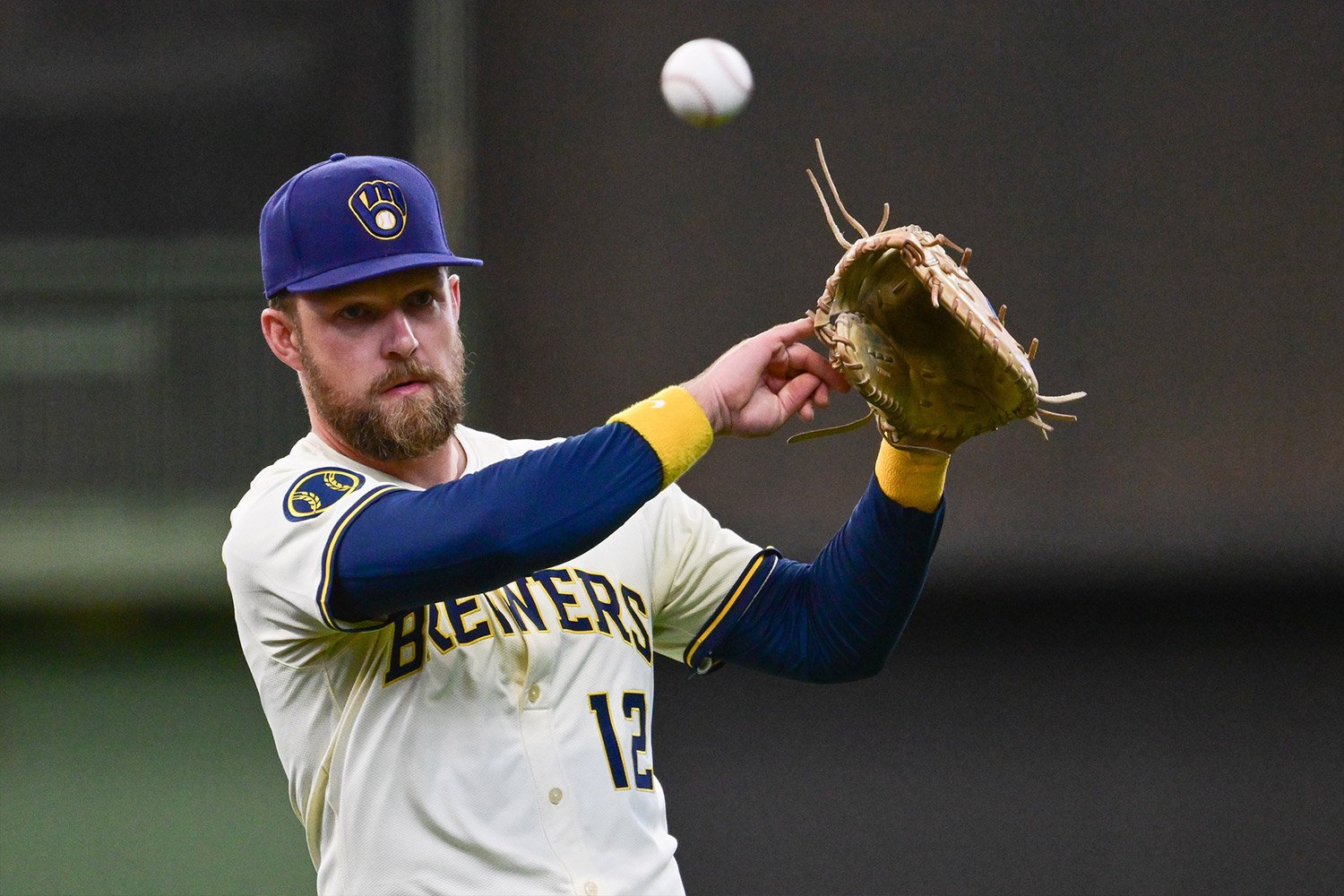 Hoskins has been out of action since early July when he sustained a left thumb sprain while making a tag at first base. He was originally expected to be back in the lineup by mid- to late-August, but the most recent updates suggest that he isn't expected to start his rehab assignment until then. Milwaukee did (sort of) hedge against this by acquiring Andrew Vaughn from the White Sox, and he has been playing incredibly well so far, almost suspiciously so. Since joining the team, he's slashing .375/.439/.771 across a sample of 57 plate appearances, which is way above his career norms of .250/.306/.414. It's unclear as to whether the front office truly saw something in him worth making him the Brewers' starting first baseman down the stretch, but if they just saw him as a holdover that has worked out far better than expected, they'll have to start looking for more reinforcements. Ryan O'Hearn stands out as one of the only options at the position that could give the lineup a real boost. With a .456 slugging percentage and 133 OPS+, he's a hitter with qualities that compensate for the current lack of pop. As it stands, Jackson Chourio is the only hitter with a slugging percentage over .450 and the team's combined slugging percentage of .387 places them 23rd in MLB. The only move Milwaukee has made so far is to acquire Danny Jansen to serve as their backup catcher, which does make the team better, but perhaps not enough to push them past their typical first round exit. In an ideal world, Andrew Vaughn would maintain his 234 OPS+ through the end of the season but reality will likely set in before long. Will is true abilities still be enough to take the Brewers to the next level or should they seek more help before it's too late?
 -
if steven kwan signs with the brewers I will finally have a reason to buy my first jersey and that alone should be reason enough for the team to sign him!
-
Across his 587 innings behind the dish this year, he has been worth 2 Defensive Runs Saved. He is one of the worst at pitch framing (-4 rSZ, -8 Framing Runs Above Average), has a decent catcher ERA of 3.68 (2 rCERA), has had mixed results controlling guys on the base paths (2 rSB, -2 Caught Stealing Runs Above Average), but is outstanding at blocks (9 Blocks Above Average, 2 Blocking Runs Saved). In other words he is good at some things and bad at others. Not sure if that helps 😬
- 28 replies
-
- 1
-

-
- danny jansen
- eric haase
- (and 1 more)
-
He was brought in to fill in whatever gaps the team had, either at third base or pinch running and to his credit, he had pretty solid numbers in the minors but hasn't managed to carry it over to the majors just yet.
-
This is the Year: Brewers Should Go All-In at MLB Trade Deadline
Jason Wang posted an article in Brewers
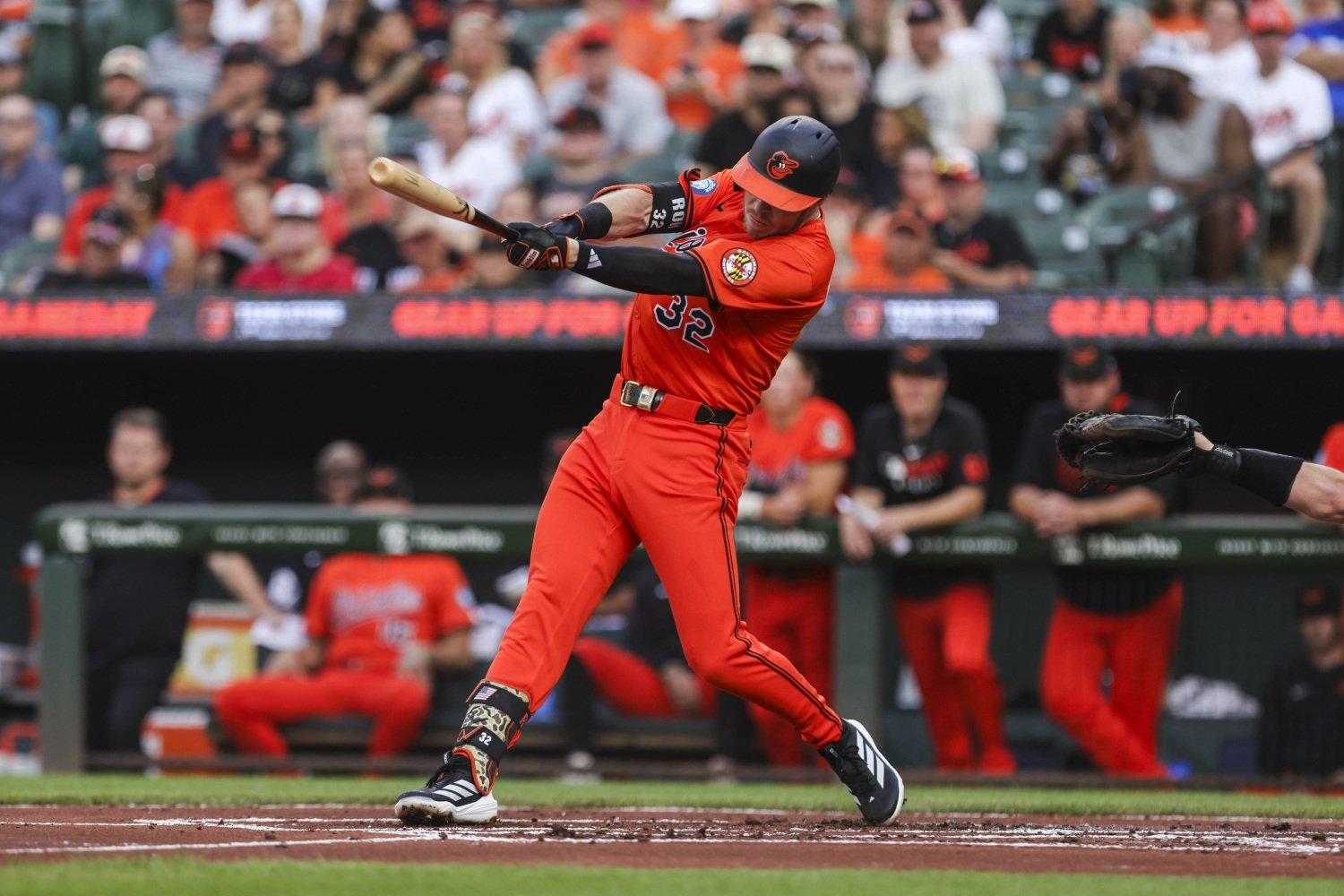 Back in May, when things were at their worst, I ironically wrote a piece about how lousy things were looking for the Brewers. Since then, they’ve turned things around, and although they fell one win short of their true goal of granting the city of Milwaukee free George Webb burgers, they now have 61 wins and are in a great position for the playoffs. Despite the Cubs’ best efforts to reload in the offseason with Kyle Tucker and whatever clone of Pete Crow-Armstrong they’ve now molded into an MVP-caliber player, the Brewers have caught up. According to FanGraphs, Milwaukee entered Sunday with a 92.1% chance to make the postseason, but more importantly, they also held a 41.1% chance to win the division and a 25.1% chance to clinch a bye. This is where the team ends up every year. They’ve become a perennial presence in the playoffs over the past several seasons, but seem to have one key weakness. And whatever that weakness is, invariably, it shows up glaringly in October. After losing in the 2018 NLCS to the Dodgers, the Brewers have won exactly two playoff games. Somehow, this is the same number of playoff wins as the Miami Marlins have over the same span. So, with a few days left before the trade deadline, the front office faces a tough decision. They can do what they usually do and stay the course for the most part, making a few small moves to pick up an unorthodox reliever or platoon bat before being unceremoniously bounced in the first round of the postseason. Or, they can do what they rarely do and commit to the current roster. The latter option is far from an easy task. After all, there are few positions on the roster that are clear weaknesses and that have straightforward replacements available to be acquired. However, the good folks at Brewer Fanatic have already done the scouting work necessary to identify a few good options. In fact, Matthew Trueblood recently looked at 105 of them. There are a few names that stand out on the list. Eugenio Suárez and Ryan O’Hearn could help fix the lineup’s current lack of corner infield pop, and O’Hearn in particular could lift a sagging first base tandem of Rhys Hoskins and Jake Bauers, both of whom are currently sidelined by injury. If the Brewers value positional flexibility, Willi Castro could be a great utility piece to help fill whatever gaps arise down the stretch. Of course, all three of these are rental players who would hit free agency at the end of the season, a characteristic to which Milwaukee’s front office is typically averse. This is the habit that should be broken this year. Risk aversion is a spectrum, but those who break no eggs make pretty crummy omelettes. It’s understandable to want to maximize value for money and prospects, but this season has been different. From starting the year by being beaten by the Yankees so badly it made torpedo bats a talking point, to going on an 11-game winning streak against tough competition, the Brewers have endured the valleys and are now ascending the peak. Despite its flaws and lack of any real superstars, this roster has shown resilience and the ability for anyone to step up on any given night and do what needs to be done to secure the win. It’s clear that their usual trade deadline strategy works great for obtaining regular season wins, but it hasn’t yet led to any meaningful championship progress, so why not change it up? How does that saying go: the definition of insanity is not doing anything at the trade deadline despite having the ability to meaningfully upgrade what’s already a very competitive roster? In a worst-case scenario, Milwaukee trades away a few of their Top-30 prospects and still makes their usual first-round exit. Would this constitute a failure? Maybe, but it would have probably been preceded by good decisions. After all, when is the last time the Brewers signed a bad free agent contract or got fleeced in a trade? Baseball is an unpredictable sport. The more one tries to control the chaos, the more they tend to seal their own fate. For too long, it seems like the front office has tried to minimize risk. As a result, their potential upside has been inherently limited. So why not try taking a leap of faith? If it goes well, then great. If not, we’ll all grieve for a bit, then have a laugh about it and say we tried. After all, you know what they say: there’s always next year.
 -
Image courtesy of © Lexi Thompson-Imagn Images Back in May, when things were at their worst, I ironically wrote a piece about how lousy things were looking for the Brewers. Since then, they’ve turned things around, and although they fell one win short of their true goal of granting the city of Milwaukee free George Webb burgers, they now have 61 wins and are in a great position for the playoffs. Despite the Cubs’ best efforts to reload in the offseason with Kyle Tucker and whatever clone of Pete Crow-Armstrong they’ve now molded into an MVP-caliber player, the Brewers have caught up. According to FanGraphs, Milwaukee entered Sunday with a 92.1% chance to make the postseason, but more importantly, they also held a 41.1% chance to win the division and a 25.1% chance to clinch a bye. This is where the team ends up every year. They’ve become a perennial presence in the playoffs over the past several seasons, but seem to have one key weakness. And whatever that weakness is, invariably, it shows up glaringly in October. After losing in the 2018 NLCS to the Dodgers, the Brewers have won exactly two playoff games. Somehow, this is the same number of playoff wins as the Miami Marlins have over the same span. So, with a few days left before the trade deadline, the front office faces a tough decision. They can do what they usually do and stay the course for the most part, making a few small moves to pick up an unorthodox reliever or platoon bat before being unceremoniously bounced in the first round of the postseason. Or, they can do what they rarely do and commit to the current roster. The latter option is far from an easy task. After all, there are few positions on the roster that are clear weaknesses and that have straightforward replacements available to be acquired. However, the good folks at Brewer Fanatic have already done the scouting work necessary to identify a few good options. In fact, Matthew Trueblood recently looked at 105 of them. There are a few names that stand out on the list. Eugenio Suárez and Ryan O’Hearn could help fix the lineup’s current lack of corner infield pop, and O’Hearn in particular could lift a sagging first base tandem of Rhys Hoskins and Jake Bauers, both of whom are currently sidelined by injury. If the Brewers value positional flexibility, Willi Castro could be a great utility piece to help fill whatever gaps arise down the stretch. Of course, all three of these are rental players who would hit free agency at the end of the season, a characteristic to which Milwaukee’s front office is typically averse. This is the habit that should be broken this year. Risk aversion is a spectrum, but those who break no eggs make pretty crummy omelettes. It’s understandable to want to maximize value for money and prospects, but this season has been different. From starting the year by being beaten by the Yankees so badly it made torpedo bats a talking point, to going on an 11-game winning streak against tough competition, the Brewers have endured the valleys and are now ascending the peak. Despite its flaws and lack of any real superstars, this roster has shown resilience and the ability for anyone to step up on any given night and do what needs to be done to secure the win. It’s clear that their usual trade deadline strategy works great for obtaining regular season wins, but it hasn’t yet led to any meaningful championship progress, so why not change it up? How does that saying go: the definition of insanity is not doing anything at the trade deadline despite having the ability to meaningfully upgrade what’s already a very competitive roster? In a worst-case scenario, Milwaukee trades away a few of their Top-30 prospects and still makes their usual first-round exit. Would this constitute a failure? Maybe, but it would have probably been preceded by good decisions. After all, when is the last time the Brewers signed a bad free agent contract or got fleeced in a trade? Baseball is an unpredictable sport. The more one tries to control the chaos, the more they tend to seal their own fate. For too long, it seems like the front office has tried to minimize risk. As a result, their potential upside has been inherently limited. So why not try taking a leap of faith? If it goes well, then great. If not, we’ll all grieve for a bit, then have a laugh about it and say we tried. After all, you know what they say: there’s always next year. View full article
-
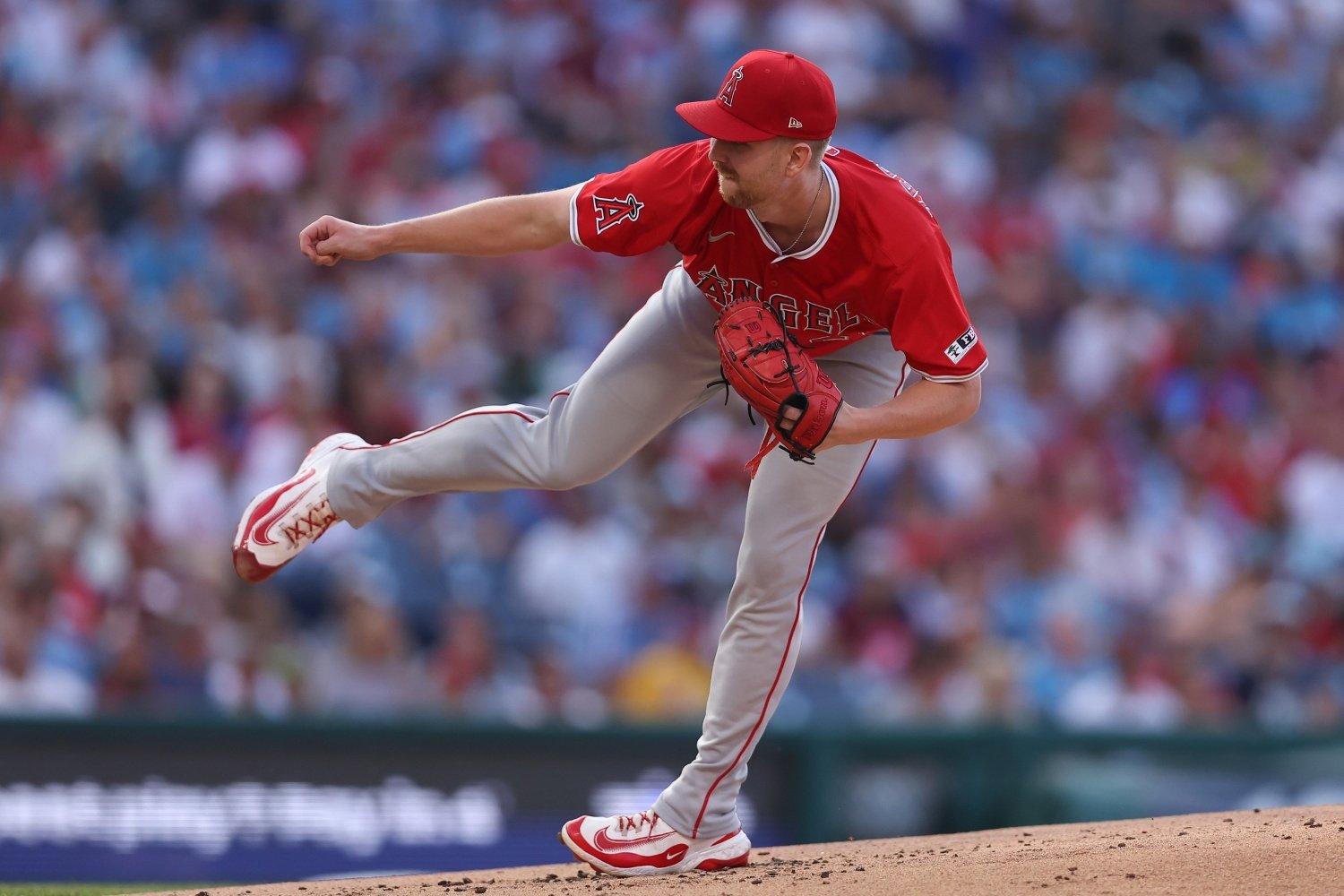 Over the weekend, I wrote an article giving a high-level overview of where Milwaukee’s roster stood and what positions could use an upgrade. If you haven’t yet given that article a read, I’d recommend doing so, but in case you’re strapped for time, the overall takeaway was that the team currently has two potentially critical weaknesses: shortstop and the bullpen. So, how do the available players at this year’s deadline help solve those problems? Let’s start with shortstop. It’s no secret that Joey Ortiz has had his fair share of struggles this season. While the defensive statistics may contradict what fans see every night on television, his offensive output is uncontroversially poor. However, there are two major factors that will likely keep him on the roster for the remainder of the season. First, he’s starting to turn things around at the plate. Here is how his OPS has looked month-by-month. Month PA OPS March/April 116 .484 May 83 .489 June 90 .748 July 46 .683 While these numbers are hardly otherworldly, they have steadily gotten better. The second factor that works in his favor is the total lack of real upgrades. The shortstops on selling teams are either not for sale (e.g., Gunnar Henderson, Bobby Witt Jr., Corey Seager) or barely—if at all—an upgrade over Ortiz (Taylor Walls, Nick Allen, Ezequiel Tovar). So, ignoring contract concerns altogether, there just aren’t very many realistic options to begin with. Two players perhaps worth a closer look are Xavier Edwards and Otto López, both of whom are having good seasons with the Marlins. However, both come with plenty of team control, which would drive up Miami’s asking price and would end up creating a middle infield logjam in the future. Furthermore, given his pedigree and remaining team control, Milwaukee is hardly in a rush to ditch Ortiz, even if he has performed less than ideally this year. For the Brewers, third base is similarly murk, despite the increased availability of impact talent. Eugenio Suárez and Ryan McMahon are the main names gaining traction, but Milwaukee would hardly go for such expensive and mainstream options. In fact, there’s a lot to suggest that sticking it out with Caleb Durbin might be the move. Like Ortiz, Durbin got off to a rough start at the plate but has shown improvement, albeit at a quicker pace. He posted a .795 OPS in the month of June and has been hot in July, hitting to a .968 OPS. Thus, with the homegrown option on the upswing, there’s little incentive to sacrifice any of the organization’s prospect equity. The bullpen, however, is one place where there could be real upgrades made. The Brewers already have Trevor Megill, so it’s unlikely they’ll be willing to match the bids of other teams for high-leverage talent like Emmanuel Clase or Jhoan Duran. If anything, the organization’s M.O. is to find a funky guy with an unassuming profile but one or two knockout qualities, and shape him in their own image. Nick Mears and Grant Anderson are two relievers who fit this mold and have been outstanding in their roles this year. Jake McKibbin recently proposed Gregory Soto as a possible target who would add another lefty with a great soft contact profile. Reid Detmers is a southpaw who has good whiff and strikeout rates, but has struggled to limit walks and hard contact this year with the Angels. If Milwaukee wanted to get really spicy, they could go for someone like the Rays’ Mason Montgomery, who profiles as an even more extreme version of Detmers with a 13.2% walk rate and a 9.6% barrel rate. However, his Stuff+ metrics are outstanding, with top-notch grades on his four-seam fastball and slider. He was shaky enough at the big-league level to get optioned in early July, but he could be exactly the type of project the Brewers excel at developing. The Angels’ Ryan Zeferjahn is another intriguing bullpen option, with brutal surface-level numbers but more appealing underlying qualities. Top-quartile whiff and strikeout rates and excellent Stuff+ grades for his fastball (120) and slider (126) haven’t yet been able to balance out his command issues, but he’d be another possible option for the Brewers to pursue. While the roster’s relief pitching needs some refining, the rotation seems as stable as ever. Although some believed Freddy Peralta would be moved, Matt Arnold has all but confirmed that he’s here to stay, at least for this year. With Brandon Woodruff back to business and the other three arms holding down the fort, the Brewers have a surplus of starters. Either the team will rock with a six-man rotation, or they'll trade away the excess depth (in the person of either Nestor Cortes or Jose Quintana). First base is more of a toss-up than any of the aforementioned positions. Rhys Hoskins had been great all year until hitting a complete roadblock in June, managing just a .532 OPS. He hit the injured list with a sprained thumb and isn’t expected to return until August, putting Milwaukee in an uncomfortable position. With Jake Bauers also injured, they’ve temporarily filled the gap by promoting Andrew Vaughn, previously acquired from the White Sox. He has been productive over a small sample, but his last few seasons don’t exactly inspire confidence that he’ll be able to sustain his current performance. There are even some rumors that claim Hoskins could be traded, which could mean that Milwaukee chooses to replace him entirely for the remainder of the season. Will Josh Naylor, Ryan O’Hearn, or someone else take his spot, or does the front office still believe in his ability to be productive down the stretch? This, to me, is the biggest question heading into this year’s trade deadline for the Brewers. A lot of things are clicking for this team. With the help of an 11-game win streak, Milwaukee has caught up to the Chicago Cubs in the standings and are now all but a shoo-in to this year’s playoff picture. Now, the question isn’t so much whether they have the pieces to make it there, as it is whether they have the pieces to make a real run at the World Series. Until the dust from the trade deadline clears, all we can do is sit, wait, and ruminate.
- 2 comments
-
- 1
-
-
- 2025 trade deadline
- ryan zeferjahn
- (and 4 more)
-
Image courtesy of © Bill Streicher-Imagn Images Over the weekend, I wrote an article giving a high-level overview of where Milwaukee’s roster stood and what positions could use an upgrade. If you haven’t yet given that article a read, I’d recommend doing so, but in case you’re strapped for time, the overall takeaway was that the team currently has two potentially critical weaknesses: shortstop and the bullpen. So, how do the available players at this year’s deadline help solve those problems? Let’s start with shortstop. It’s no secret that Joey Ortiz has had his fair share of struggles this season. While the defensive statistics may contradict what fans see every night on television, his offensive output is uncontroversially poor. However, there are two major factors that will likely keep him on the roster for the remainder of the season. First, he’s starting to turn things around at the plate. Here is how his OPS has looked month-by-month. Month PA OPS March/April 116 .484 May 83 .489 June 90 .748 July 46 .683 While these numbers are hardly otherworldly, they have steadily gotten better. The second factor that works in his favor is the total lack of real upgrades. The shortstops on selling teams are either not for sale (e.g., Gunnar Henderson, Bobby Witt Jr., Corey Seager) or barely—if at all—an upgrade over Ortiz (Taylor Walls, Nick Allen, Ezequiel Tovar). So, ignoring contract concerns altogether, there just aren’t very many realistic options to begin with. Two players perhaps worth a closer look are Xavier Edwards and Otto López, both of whom are having good seasons with the Marlins. However, both come with plenty of team control, which would drive up Miami’s asking price and would end up creating a middle infield logjam in the future. Furthermore, given his pedigree and remaining team control, Milwaukee is hardly in a rush to ditch Ortiz, even if he has performed less than ideally this year. For the Brewers, third base is similarly murk, despite the increased availability of impact talent. Eugenio Suárez and Ryan McMahon are the main names gaining traction, but Milwaukee would hardly go for such expensive and mainstream options. In fact, there’s a lot to suggest that sticking it out with Caleb Durbin might be the move. Like Ortiz, Durbin got off to a rough start at the plate but has shown improvement, albeit at a quicker pace. He posted a .795 OPS in the month of June and has been hot in July, hitting to a .968 OPS. Thus, with the homegrown option on the upswing, there’s little incentive to sacrifice any of the organization’s prospect equity. The bullpen, however, is one place where there could be real upgrades made. The Brewers already have Trevor Megill, so it’s unlikely they’ll be willing to match the bids of other teams for high-leverage talent like Emmanuel Clase or Jhoan Duran. If anything, the organization’s M.O. is to find a funky guy with an unassuming profile but one or two knockout qualities, and shape him in their own image. Nick Mears and Grant Anderson are two relievers who fit this mold and have been outstanding in their roles this year. Jake McKibbin recently proposed Gregory Soto as a possible target who would add another lefty with a great soft contact profile. Reid Detmers is a southpaw who has good whiff and strikeout rates, but has struggled to limit walks and hard contact this year with the Angels. If Milwaukee wanted to get really spicy, they could go for someone like the Rays’ Mason Montgomery, who profiles as an even more extreme version of Detmers with a 13.2% walk rate and a 9.6% barrel rate. However, his Stuff+ metrics are outstanding, with top-notch grades on his four-seam fastball and slider. He was shaky enough at the big-league level to get optioned in early July, but he could be exactly the type of project the Brewers excel at developing. The Angels’ Ryan Zeferjahn is another intriguing bullpen option, with brutal surface-level numbers but more appealing underlying qualities. Top-quartile whiff and strikeout rates and excellent Stuff+ grades for his fastball (120) and slider (126) haven’t yet been able to balance out his command issues, but he’d be another possible option for the Brewers to pursue. While the roster’s relief pitching needs some refining, the rotation seems as stable as ever. Although some believed Freddy Peralta would be moved, Matt Arnold has all but confirmed that he’s here to stay, at least for this year. With Brandon Woodruff back to business and the other three arms holding down the fort, the Brewers have a surplus of starters. Either the team will rock with a six-man rotation, or they'll trade away the excess depth (in the person of either Nestor Cortes or Jose Quintana). First base is more of a toss-up than any of the aforementioned positions. Rhys Hoskins had been great all year until hitting a complete roadblock in June, managing just a .532 OPS. He hit the injured list with a sprained thumb and isn’t expected to return until August, putting Milwaukee in an uncomfortable position. With Jake Bauers also injured, they’ve temporarily filled the gap by promoting Andrew Vaughn, previously acquired from the White Sox. He has been productive over a small sample, but his last few seasons don’t exactly inspire confidence that he’ll be able to sustain his current performance. There are even some rumors that claim Hoskins could be traded, which could mean that Milwaukee chooses to replace him entirely for the remainder of the season. Will Josh Naylor, Ryan O’Hearn, or someone else take his spot, or does the front office still believe in his ability to be productive down the stretch? This, to me, is the biggest question heading into this year’s trade deadline for the Brewers. A lot of things are clicking for this team. With the help of an 11-game win streak, Milwaukee has caught up to the Chicago Cubs in the standings and are now all but a shoo-in to this year’s playoff picture. Now, the question isn’t so much whether they have the pieces to make it there, as it is whether they have the pieces to make a real run at the World Series. Until the dust from the trade deadline clears, all we can do is sit, wait, and ruminate. View full article
-
On a more serious note, I will say that a couple of things may have made it more difficult to see the forest from the trees Getting mollywhopped by the Yankees to start the year May was the worst month for a couple of key players like Caleb Durbin, Isaac Collins, Christian Yelich The bullpen was pretty bad in May and has since turned over quite a few pieces like Joel Payamps, Elvin Rodríguez, and Tyler Alexander This is a pretty accurate assessment of the situation at the time. It's not that these players weren't able to be productive, they just weren't productive at the time. Now that they've had more time to figure it out, and we've gotten some major pitching help, the Brewers are, as the kids might say, "so back." That said let's hope they don't flip the switch and go 0-10 at some point later this year 😬
-
dude they gotta be cheating it's gotta be black magic somebody check the milk formula