



Tim Muma
-
Posts
436 -
Joined
-
Last visited
-
Days Won
1
Content Type
Profiles
Forums
Blogs
Events
News
2026 Milwaukee Brewers Top Prospects Ranking
Milwaukee Brewers Videos
2022 Milwaukee Brewers Draft Picks
Milwaukee Brewers Free Agent & Trade Rumors, Notes, & Tidbits
Guides & Resources
2023 Milwaukee Brewers Draft Picks
2024 Milwaukee Brewers Draft Picks
The Milwaukee Brewers Players Project
2025 Milwaukee Brewers Draft Pick Tracker
2026 Milwaukee Brewers Draft Tracker: Picks & Bonuses
Store
Downloads
Gallery
Everything posted by Tim Muma
-
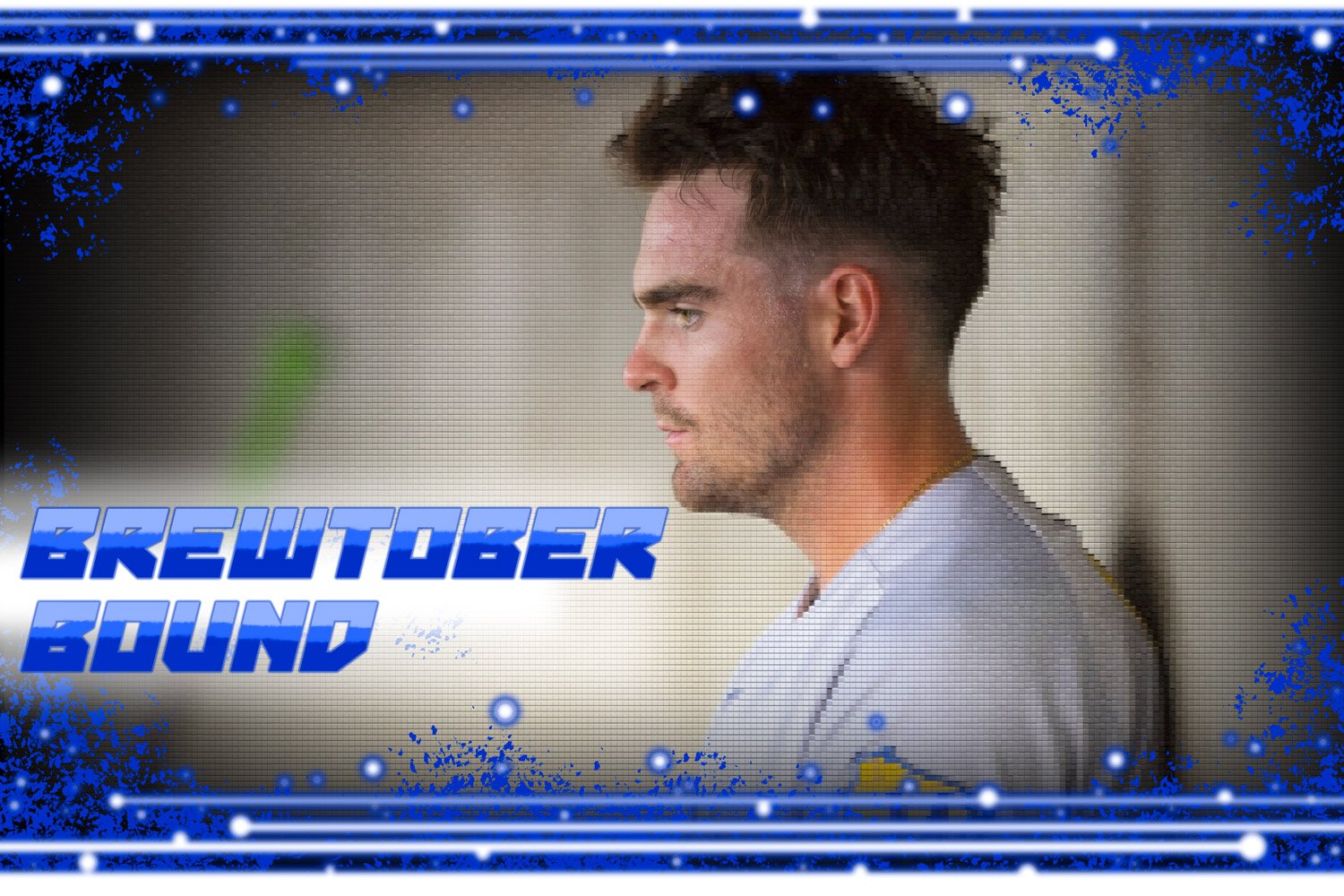 With the opening round of the playoffs featuring a maximum of three games, teams like the Brewers can be creative with their roster construction. With plenty of pitching in tow, they can look to ride the hot hand for an extra stick-swinging weapon on the bench. That guy is Brewers Minor League Co-Player of the Year Tyler Black (you were probably thinking of the other Co-Player of the Year, Jackson Chourio). In 63 September at-bats with the Triple-A Nashville Sounds, Black owned a .413 average, .519 OBP and .683 SLG. That includes five doubles, three triples and two home runs to go with 14 RBI and 18 runs in 18 games.What he has done recently isn't a fluke; the man can flat-out rake. Black has 558 plate appearances this season between Nashville and the Double-A Biloxi Shuckers and does just about everything well offensively. How fun would it be to see the Brewers roll the dice on their fifth-ranked prospect (56th overall, according to MLB.com)? Even better than watching Black tear up Triple-A in September or dominate Double-A earlier this season, his production was consistent between both levels. His overall minor league stats in 2023: 18 home runs 25 doubles 12 triples 55 extra-base hits 105 runs 73 runs batted in 55 stolen bases 16 hit-by-pitches (I had to throw that beauty in there) Black is an offensive Swiss army knife to deploy anytime in the game. He provides another left-handed stick to counteract the opponents' bullpen moves, fights his way to get on base however he can, delivers some pop off the bench, and gives Counsell another strong base running option. The 23-year-old corner infielder (mostly) is a perfect fit as a "bonus" player to carry in the playoffs. The bonus refers to teams needing fewer pitchers on the roster in a short series. Out of the 26 active guys the Brewers will carry, they could run with only 11 hurlers instead of the usual 13. Which hurlers Milwaukee relies on will partly depend on the opponent, but the club only needs three starters and one or two long relievers. Plus, it isn't clear struggling lefty Andrew Chafin will get a spot. Regardless, it means more position players. Of course, there are other bench options for the Brewers to consider: Outfielder Garrett Mitchell provides speed and quality defense as a left-handed hitting option. DH Jesse Winker offers veteran experience and the ability to reach base at a higher clip than almost anyone on the club. Utility man Owen Miller gives the team positional versatility and a right-handed option off the bench who rarely strikes out. Outfielder Joey Wiemer plays elite defense and has a high upside as a runner and potential power bat against lefties. However, Milwaukee could use a few of these options and still include Black. There's no guarantee Brian Anderson will make the playoff cut since he has played just three times since Aug. 22. Also, Blake Perkins has delivered some value defensively, but he could be another currently active position player on the outside looking in. Once again, these uncertainties open the door a bit further for a Black appearance in the postseason. He would certainly fit into this year's theme of the Brewers relying quite a bit on "The Freshman." Among the number of rookies making contributions to the Crew's division title, a handful have made a significant impact, much like Black could do come October. A few other potential obstacles could prevent this gutsy move from happening. He has never played in an MLB game It's extremely rare for a player to make his MLB debut in a postseason contest. The lack of experience, the increased pressure and the general uncertainty of a fresh rookie in the playoffs are all reasons it has only occurred five times in MLB history. It most recently happened in 2020 when Ryan Weathers (San Diego Padres), Shane McClanahan (Tampa Bay Rays) and Alex Kirilloff (Minnesota Twins) all took the leap. Black would need to be added to the 40-man roster In order to put Black on the Brewers' 40-man roster, someone would need to come off, which could mean they move to another organization. Depending on Milwaukee's plans for 2024, there could be some options that are easier to swallow. Mitchell, Winker, Wiemer and Miller are already on the 40-man and wouldn't require that additional move. Adding Black to the 40-man could also impact the Brewers' plans with him going forward, but that's a conversation for another time. His hot hand cooling off The Sounds played their last game on Sept. 24, so Black hasn't seen live action since then. Unless the Brewers made the sudden decision to get him some playing time in the next few regular season games, that's a decent layoff to the start of Game One on Oct. 3. Black was at American Family Field Tuesday night to be honored for his Co-Player of the Year Award, so it wouldn't be a stretch to get him a uniform and some playing time. There haven't been any official rumors of an imminent move to bring Black to the club now or in the playoffs, but stranger things have happened. It would be a fun and fascinating storyline, even if it were just for a pair of Wild Card series games. Just imagine a tie game in the bottom of the 11th and Counsell calls on a kid to make his MLB debut with the winning run on second base and a chance to advance in the playoffs. That would be epic, no matter the outcome. The excitement alone is enough to want to see it happen. Will the Brewers be so bold when the playoff roster for the Wild Card series is released Tuesday morning?
 -
 Major League Baseball permanently instituted the universal DH across both leagues in 2022, primarily with the goal of increasing offense as pitchers became far more futile at the plate. Ironically, the DH actually helps the Milwaukee Brewers' pitching staff more than their run-scoring efforts, and it will be especially valuable in the playoffs, where not having a DH derailed the 2021 club. Image courtesy of Brock Beauchamp & Brewer Fanatic During the Brewers' last postseason appearance, the National League did not have the DH. For a team that relied on its elite pitching, one would have thought that gave Milwaukee an additional advantage when facing better lineups. On the contrary, though, the lack of a DH came back to haunt the Brewers in their 3-1 NLDS loss to the Atlanta Braves by influencing their in-game pitching decisions. In Game Three of the 2021 NLDS, the Brewers had runners at second and third with no outs in the top of the fifth inning of a scoreless game. After a groundout failed to bring in a run, manager Craig Counsell pinch-hit Daniel Vogelbach for stellar starter Freddy Peralta in search of the lead. Milwaukee did not score, and Peralta, who had five strikeouts in four scoreless frames, watched as reliever Adrian Houser gave up two singles and a home run to the first three batters he faced. Atlanta went up 3-0, and won by that same tally. Then, in Game Four (a win-or-go-home contest for the Brewers), Counsell made the opposite choice. Starting pitcher Eric Lauer came to bat with runners on the corners and one out. Already leading 2-0, Counsell let Lauer hit for himself and drop down a sacrifice bunt, instead of using a position player to try to drive in the runner from third with one out. The sac bunt moved a runner to second base, but it didn't bring home the man from third. After a walk to Kolten Wong, Willy Adames struck out, and the Brewers couldn't tack on another run. What made the decision to stick with Lauer worse was that he then allowed a single, walk and hit-by-pitch in the bottom of the same inning. He gave way to Hunter Strickland with the bases loaded and two outs, and the Braves promptly tied the game at 2-2. It was a three-run (non-)swing, with the Brewers failing to score the extra run in the top of the frame and Lauer giving up two runs in the bottom half. Was either decision wrong? It's tough to say, because we focus on the outcomes, which resulted in an 0-for-2 from Milwaukee's perspective as the underdog Braves eliminated them. How might things have turned out differently for the Brewers if the DH was in play that postseason? Now, the NL has the DH, and the NL Central champions are again built around pitching. Instinctively, the thought is that the DH will help Milwaukee's offense, which was a significant issue in the 2021 NLDS. While it certainly helps to add another bat like Mark Canha or Josh Donaldson in that spot, the DH is much more important for the Brewers' stellar pitching. Milwaukee's most significant edge over the playoff field rests in the top of their starting rotation (Corbin Burnes, Brandon Woodruff and Peralta) and the best of their bullpen. Without having to worry about their pitchers batting, Counsell and his staff can make every decision based solely on their talented arms. There's no more need to think of pinch-hitting for a pitcher cruising in the fourth or fifth because you desperately need a run. On the other hand, there's no longer a scenario where a manager has to give up an out to keep his pitcher on the mound. This applies to starters and relievers, especially when you get into the matchup games in the middle-to-late frames. Removing the decision to pull or keep a pitcher in the game favors the Brewers more than any other club in the postseason. Counsell will be more willing to let one of his big three starters begin (or finish) an extra inning, which could be valuable within that single game and across a series. He also often does a masterful job mixing and matching his bullpen arms to maximize impact and efficiency. It allows the Brewers to keep guys in across frames, setting up favorable confrontations and finding ways to steal outs without overworking the top bullpen arms. While there's some risk to having relievers pitch more than one inning, there are benefits, too. For one, every time the bullpen door swings open, there's a chance the new reliever will have a bad day. If the current pitcher is dealing (nasty stuff, pinpoint control, etc.), it might be the better or safer play to ride the "hot hand" for another inning. The Brewers can, at least, start the new frame with the arm already doing the job. The other positive is rest for one of the other elite guys in the pen. Particularly in a more extended series, letting one pitcher (say, Trevor Megill) handle multiple frames might allow Counsell to stay away from one of the top relievers like Abner Uribe and Devin Williams. That extra day off could be the difference between a lights-out appearance tomorrow and a tired arm that leads to an ugly outing, costing the club a game or the series. In both those situations, navigating around a pitcher in the batting order would make things more challenging. Sure, managers could utilize a double-switch to ensure you have a position player hitting in future innings, but that often means a less productive bat or a worse matchup at some other point in the game. With the DH, Counsell can focus solely on the best possible pitching option from first pitch to Out No. 27, and not have to think about much else. The ability to play 100 percent to your team's strength is an enormous positive. When you have a team like the Brewers, where everything is predicated on elite pitching and defense, removing those extra decisions becomes especially valuable. Thus, while the DH might help Milwaukee score an extra run here or there, the offense-friendly rule boosts the Brewers' run prevention to even greater heights. If they are to make a postseason run, the DH will be a major contributor, in a backward sort of way. View full article
- 2 replies
-
- 1
-

-
- craig counsell
- freddy peralta
- (and 3 more)
-
 During the Brewers' last postseason appearance, the National League did not have the DH. For a team that relied on its elite pitching, one would have thought that gave Milwaukee an additional advantage when facing better lineups. On the contrary, though, the lack of a DH came back to haunt the Brewers in their 3-1 NLDS loss to the Atlanta Braves by influencing their in-game pitching decisions. In Game Three of the 2021 NLDS, the Brewers had runners at second and third with no outs in the top of the fifth inning of a scoreless game. After a groundout failed to bring in a run, manager Craig Counsell pinch-hit Daniel Vogelbach for stellar starter Freddy Peralta in search of the lead. Milwaukee did not score, and Peralta, who had five strikeouts in four scoreless frames, watched as reliever Adrian Houser gave up two singles and a home run to the first three batters he faced. Atlanta went up 3-0, and won by that same tally. Then, in Game Four (a win-or-go-home contest for the Brewers), Counsell made the opposite choice. Starting pitcher Eric Lauer came to bat with runners on the corners and one out. Already leading 2-0, Counsell let Lauer hit for himself and drop down a sacrifice bunt, instead of using a position player to try to drive in the runner from third with one out. The sac bunt moved a runner to second base, but it didn't bring home the man from third. After a walk to Kolten Wong, Willy Adames struck out, and the Brewers couldn't tack on another run. What made the decision to stick with Lauer worse was that he then allowed a single, walk and hit-by-pitch in the bottom of the same inning. He gave way to Hunter Strickland with the bases loaded and two outs, and the Braves promptly tied the game at 2-2. It was a three-run (non-)swing, with the Brewers failing to score the extra run in the top of the frame and Lauer giving up two runs in the bottom half. Was either decision wrong? It's tough to say, because we focus on the outcomes, which resulted in an 0-for-2 from Milwaukee's perspective as the underdog Braves eliminated them. How might things have turned out differently for the Brewers if the DH was in play that postseason? Now, the NL has the DH, and the NL Central champions are again built around pitching. Instinctively, the thought is that the DH will help Milwaukee's offense, which was a significant issue in the 2021 NLDS. While it certainly helps to add another bat like Mark Canha or Josh Donaldson in that spot, the DH is much more important for the Brewers' stellar pitching. Milwaukee's most significant edge over the playoff field rests in the top of their starting rotation (Corbin Burnes, Brandon Woodruff and Peralta) and the best of their bullpen. Without having to worry about their pitchers batting, Counsell and his staff can make every decision based solely on their talented arms. There's no more need to think of pinch-hitting for a pitcher cruising in the fourth or fifth because you desperately need a run. On the other hand, there's no longer a scenario where a manager has to give up an out to keep his pitcher on the mound. This applies to starters and relievers, especially when you get into the matchup games in the middle-to-late frames. Removing the decision to pull or keep a pitcher in the game favors the Brewers more than any other club in the postseason. Counsell will be more willing to let one of his big three starters begin (or finish) an extra inning, which could be valuable within that single game and across a series. He also often does a masterful job mixing and matching his bullpen arms to maximize impact and efficiency. It allows the Brewers to keep guys in across frames, setting up favorable confrontations and finding ways to steal outs without overworking the top bullpen arms. While there's some risk to having relievers pitch more than one inning, there are benefits, too. For one, every time the bullpen door swings open, there's a chance the new reliever will have a bad day. If the current pitcher is dealing (nasty stuff, pinpoint control, etc.), it might be the better or safer play to ride the "hot hand" for another inning. The Brewers can, at least, start the new frame with the arm already doing the job. The other positive is rest for one of the other elite guys in the pen. Particularly in a more extended series, letting one pitcher (say, Trevor Megill) handle multiple frames might allow Counsell to stay away from one of the top relievers like Abner Uribe and Devin Williams. That extra day off could be the difference between a lights-out appearance tomorrow and a tired arm that leads to an ugly outing, costing the club a game or the series. In both those situations, navigating around a pitcher in the batting order would make things more challenging. Sure, managers could utilize a double-switch to ensure you have a position player hitting in future innings, but that often means a less productive bat or a worse matchup at some other point in the game. With the DH, Counsell can focus solely on the best possible pitching option from first pitch to Out No. 27, and not have to think about much else. The ability to play 100 percent to your team's strength is an enormous positive. When you have a team like the Brewers, where everything is predicated on elite pitching and defense, removing those extra decisions becomes especially valuable. Thus, while the DH might help Milwaukee score an extra run here or there, the offense-friendly rule boosts the Brewers' run prevention to even greater heights. If they are to make a postseason run, the DH will be a major contributor, in a backward sort of way.
 -
Everyone knows the Milwaukee Brewers will need their elite pitching to thrive in the postseason. However, recent MLB playoff success has been driven by hitting home runs, something the Brewers haven't done much of this season. When you break down the numbers, this is a significant concern. Image courtesy of Brock Beauchamp & Brewer Fanatic Entering Wednesday, the Brewers ranked 25th out of 30 MLB clubs in home runs. Their 153 dingers to date would place them 26th in franchise history. Neither standing instills confidence, though they have some time to move up these lists. The problem is that the Brewers will likely finish shy of 175 taters on the season, indicating a run to the World Series is not likely. The 2015 Kansas City Royals are the last team to reach the World Series with fewer than 175 home runs in a season (not counting 2020). While doing the "little things" in the playoffs can make a big difference, the ability to strike for multiple runs on one swing is often the game-changer come October. Because of the incredible pitching you find in the postseason, it's an enormous challenge to string together hits and runs to score consistently. This has become especially true since that 2015 Royals squad eight years ago. Interestingly, the 2015 season was the last time teams scored more runs per game in the playoffs (4.36) than in the regular season (4.25). More ridiculous arms in the bullpen and managers' willingness to take out starters early and use their top pitchers in any spot have played prominent roles in reducing scoring. Thus, the sudden two-run home run or random solo shot has become increasingly valuable. According to a piece Fangraphs ran last November, between 2015 and 2022, teams who did not hit a home run went 43-135 in the postseason. The chart below from the article breaks it down. Of course, the more home runs you hit, the more you will score and the better chance a team has to win a game. But it's jarring to see that playoff winning percentage jumps from .242 to .651 if a club hits two dingers, versus zero. The Brewers have the sixth-most games without a homer this year, failing to do so in 56 of their 151 contests (37.1 percent). They've gone 21-35 in those games, the seventh-best winning percentage (.375). While that is more than 130 points better than the recent postseason success teams have had without a homer and a testament to Milwaukee's 2023 pitching staff, it's easier to eke out those victories in the regular season. Does that mean Brewers fans should give up on any dreams of a long playoff run this year? Not at all--especially since Milwaukee can do what the 2015 Royals did: ride three top-end starting pitchers, a lockdown bullpen and one of the best defenses in baseball. It's no coincidence that the last homer-deficient team to reach the World Series was built like the Brewers. If you don't have above-average power, you're not likely to have an especially robust offense in October. If your offense isn't going to lead you to the promised land, you need elite pitching and glove work to back them up. As frustrating as the Crew's offense can be, the hope is that Milwaukee's pitchers and fielders make life even worse on the opposition. In the end, the Brewers will still need the long ball--at least occasionally. When they do homer, success follows. Milwaukee is 64-31 when they hit at least one dinger, good for a .673 winning percentage. In fact, the Brewers have gone 16-2 their last 18 contests with a homer, including seven in a row after Tuesday's 7-3 victory. Things like a healthy Christian Yelich, a locked-in Willy Adames and a passion-fueled William Contreras will be vital in producing home runs. Plus, some clutch power from trade deadline acquisitions in Mark Canha and Carlos Santana could make the difference between the offense early this season and the production that could come in the playoffs. They've been a better offense in the second half, and especially since the Aug. 1 deadline, though that improvement has almost exclusively been in on-base ability. The team is still slugging under .400 over the last seven weeks. Stolen bases, bunts and sacrifice flies can all be ingredients to an important win, but like it or not, the home run needs to be part of the special sauce if the Brewers will make it through the Wild Card round and pull off any upsets beyond that. Here's to the bats getting hot and heavy at the right time. View full article
-
 Entering Wednesday, the Brewers ranked 25th out of 30 MLB clubs in home runs. Their 153 dingers to date would place them 26th in franchise history. Neither standing instills confidence, though they have some time to move up these lists. The problem is that the Brewers will likely finish shy of 175 taters on the season, indicating a run to the World Series is not likely. The 2015 Kansas City Royals are the last team to reach the World Series with fewer than 175 home runs in a season (not counting 2020). While doing the "little things" in the playoffs can make a big difference, the ability to strike for multiple runs on one swing is often the game-changer come October. Because of the incredible pitching you find in the postseason, it's an enormous challenge to string together hits and runs to score consistently. This has become especially true since that 2015 Royals squad eight years ago. Interestingly, the 2015 season was the last time teams scored more runs per game in the playoffs (4.36) than in the regular season (4.25). More ridiculous arms in the bullpen and managers' willingness to take out starters early and use their top pitchers in any spot have played prominent roles in reducing scoring. Thus, the sudden two-run home run or random solo shot has become increasingly valuable. According to a piece Fangraphs ran last November, between 2015 and 2022, teams who did not hit a home run went 43-135 in the postseason. The chart below from the article breaks it down. Of course, the more home runs you hit, the more you will score and the better chance a team has to win a game. But it's jarring to see that playoff winning percentage jumps from .242 to .651 if a club hits two dingers, versus zero. The Brewers have the sixth-most games without a homer this year, failing to do so in 56 of their 151 contests (37.1 percent). They've gone 21-35 in those games, the seventh-best winning percentage (.375). While that is more than 130 points better than the recent postseason success teams have had without a homer and a testament to Milwaukee's 2023 pitching staff, it's easier to eke out those victories in the regular season. Does that mean Brewers fans should give up on any dreams of a long playoff run this year? Not at all--especially since Milwaukee can do what the 2015 Royals did: ride three top-end starting pitchers, a lockdown bullpen and one of the best defenses in baseball. It's no coincidence that the last homer-deficient team to reach the World Series was built like the Brewers. If you don't have above-average power, you're not likely to have an especially robust offense in October. If your offense isn't going to lead you to the promised land, you need elite pitching and glove work to back them up. As frustrating as the Crew's offense can be, the hope is that Milwaukee's pitchers and fielders make life even worse on the opposition. In the end, the Brewers will still need the long ball--at least occasionally. When they do homer, success follows. Milwaukee is 64-31 when they hit at least one dinger, good for a .673 winning percentage. In fact, the Brewers have gone 16-2 their last 18 contests with a homer, including seven in a row after Tuesday's 7-3 victory. Things like a healthy Christian Yelich, a locked-in Willy Adames and a passion-fueled William Contreras will be vital in producing home runs. Plus, some clutch power from trade deadline acquisitions in Mark Canha and Carlos Santana could make the difference between the offense early this season and the production that could come in the playoffs. They've been a better offense in the second half, and especially since the Aug. 1 deadline, though that improvement has almost exclusively been in on-base ability. The team is still slugging under .400 over the last seven weeks. Stolen bases, bunts and sacrifice flies can all be ingredients to an important win, but like it or not, the home run needs to be part of the special sauce if the Brewers will make it through the Wild Card round and pull off any upsets beyond that. Here's to the bats getting hot and heavy at the right time.
 -
The return of the elite-thinking version of manager Craig Counsell on Saturday is a positive sign for the Milwaukee Brewers. His in-game strategies were back on point, which led to a series win over the New York Yankees and bodes well for the stretch run to the playoffs. The Brewers would strike for three runs in the top of the eighth, partly thanks to another aggressive Counsell move. Up by two with the bases loaded and one out, he sent Victor Caratini to pinch-hit for Miller against a right-handed pitcher. Some managers fear putting in their backup catcher unless it's an emergency, but Counsell knew how valuable that third run would be and that Caratini gave them the better shot. He delivered with a sacrifice fly to go up 5-2, and that was all she wrote. It was a masterful performance by Counsell all game. In the end, Milwaukee would pull away for a 9-2 win when the outcome was in the balance just two frames before. The tack-on runs also allowed Willams another day of rest, which could be significant for the stretch run. Counsell's decisions slightly tilted the field Milwaukee's way, as they normally do when he's on his game. He's not perfect, but if the Brewers get the elite version of their manager for the next three weeks and in the playoffs, it could be a really fun autumn. View full article
-
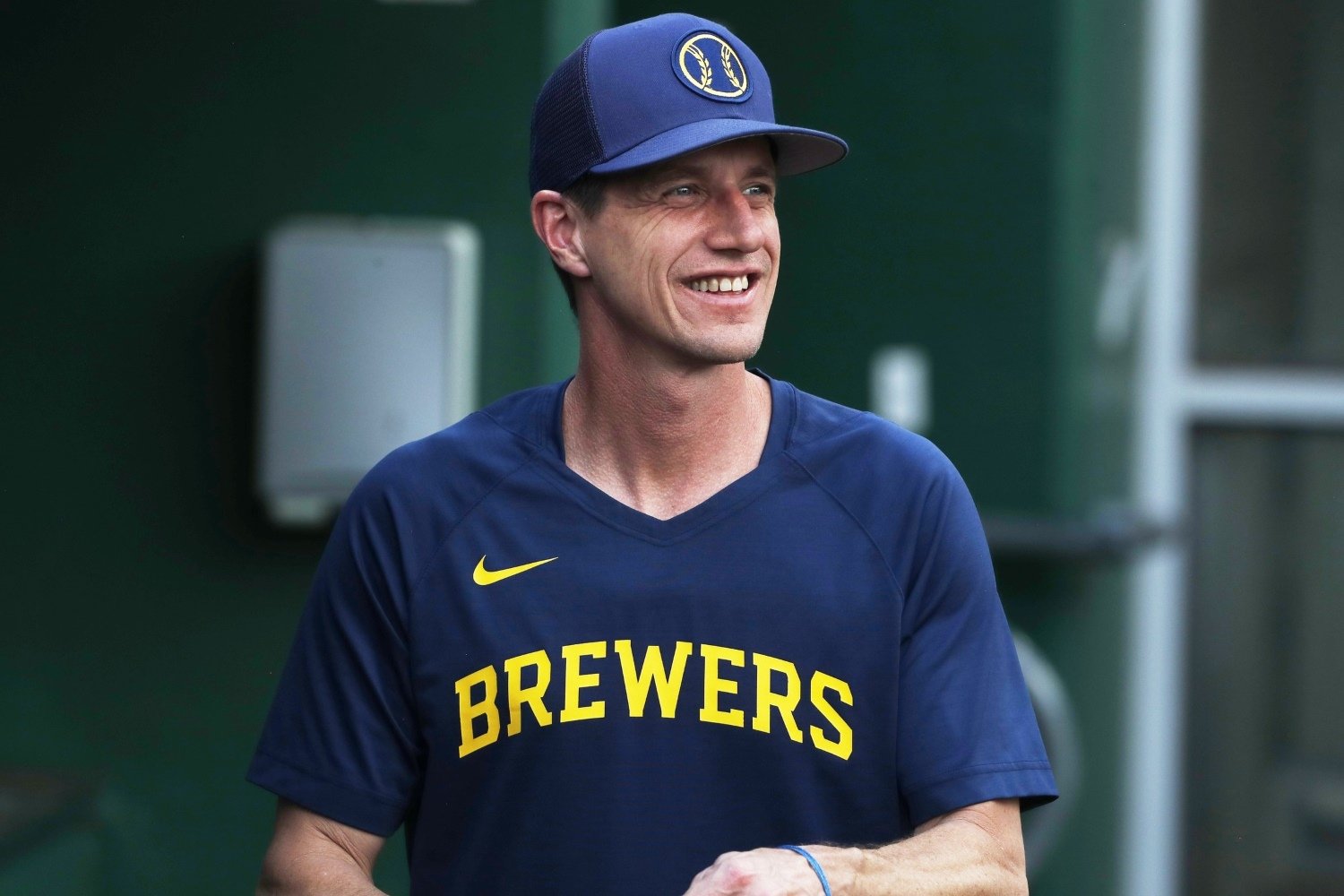 Counsell's confusing late-game decisions in Pittsburgh Wednesday played a massive role in the Brewers' series defeat to the Pirates. Just three days later, Milwaukee's manager was just as instrumental in the Crew's victory, putting on a masterclass in the Bronx. Like players, managers have bad days--maybe even slumps--that they must bounce back from during a long season. Although he's never won a Manager of the Year Award (a travesty), Saturday's leadership should remind everyone of the edge Counsell gives the Brewers, including in the postseason. It began in the fourth inning, as Milwaukee's defense (coupled with Wade Miley's loss of command) allowed the Yankees to tie the game 2-2 and load the bases. Though Miley had gotten three separate ground balls that could or should have been outs, his pitch count reached dangerous levels for a hurler who had completed just three and two-thirds innings. With the game tilting in New York's favor and Counsell sensing a chance to escape the frame without further damage, he summoned Elvis Peguero from the bullpen. He would need just three pitches to get D.J. LeMahieu to ground out and end the threat. That was the type of aggressive, win-today move Counsell has made with tremendous success in past Septembers. It was a difficult call, knowing the club has another 15 consecutive days with a game. He knew that to win the game, he'd need the bullpen to cover at least 16 outs, and that that could throw the pitching staff into scramble mode the rest of the month. Counsell made the tough call, Peguero got out of the jam and tossed a scoreless fifth inning, and the Brewers eventually turned a close game into a blowout. So why did Counsell choose the bold course? A few reasons: He knew if he could keep the game close, the Brewers' bullpen is superior to New York's, meaning Milwaukee had a better chance to pull out the victory in the later innings. With Corbin Burnes starting on Sunday, Counsell was comfortable using up several relievers, knowing he likely wouldn't need many guys to throw then--assuming Burnes pitches well. Because the Yankees had Gerrit Cole pitching on Sunday, Saturday's game still presented the Brewers with the best chance to win the series, which is the key to winning the NL Central division. The Chicago Cubs had already lost, meaning a Brewers' victory would put them four games up in the standings and add pressure on the Cubs to make up another game with one less day remaining on the calendar. Essentially, all the pros and probabilities of victory backed the attack-mode mentality, and it worked like a charm. Of course, that wasn't Counsell's only solid move. Rowdy Tellez was due to lead off the top of the seventh inning, with the game still tied at two. New York brought in left-hander Wandy Peralta to open the frame, so Counsell countered with Owen Miller. Though Tellez probably wasn't happy with the move (and Miller ended up striking out), it was the right call. Feelings shouldn't matter at this point, and Counsell played the platoon advantage, hoping to get a couple of guys on to start the inning. Some might have wondered, "Why not Joey Wiemer?" You might need Wiemer as a defensive replacement (which they later did), and Tellez was the DH, so using Miller doesn't hurt your late-game subs. In the bottom of the seventh, Counsell again went to a high-leverage arm earlier than usual. This time, Joel Payamps took the seventh instead of his regular eighth-inning duties. Why? Because the Yankees had the top of their lineup coming up, with LeMahieu due second, followed by Aaron Judge and Jasson Dominguez. Put in your best available pitcher (other than closer Devin Williams) to face their best hitters instead of waiting for the eighth. Payamps gave up a ground-ball single in an otherwise scoreless frame. It was a perfectly-timed decision by the manager and a well-executed outing by the player. That really was the game right there. The Brewers would strike for three runs in the top of the eighth, partly thanks to another aggressive Counsell move. Up by two with the bases loaded and one out, he sent Victor Caratini to pinch-hit for Miller against a right-handed pitcher. Some managers fear putting in their backup catcher unless it's an emergency, but Counsell knew how valuable that third run would be and that Caratini gave them the better shot. He delivered with a sacrifice fly to go up 5-2, and that was all she wrote. It was a masterful performance by Counsell all game. In the end, Milwaukee would pull away for a 9-2 win when the outcome was in the balance just two frames before. The tack-on runs also allowed Willams another day of rest, which could be significant for the stretch run. Counsell's decisions slightly tilted the field Milwaukee's way, as they normally do when he's on his game. He's not perfect, but if the Brewers get the elite version of their manager for the next three weeks and in the playoffs, it could be a really fun autumn.
 -
Sometimes, it feels like Devin Williams struggles to shut down opposing hitters and lock down saves for the Milwaukee Brewers. The reality, however, is that the Crew's closer is even more dominating than you realize. The air always gets bent. Image courtesy of © Charles LeClaire-USA TODAY Sports Because fans expect perfection from the best relievers on their teams, many have an unrealistic perspective on what someone like Devin Williams brings to the table. The 2023 Milwaukee Brewers constantly play tight games, so Williams rarely has any margin for error. Often, he finds himself trying to uphold a one-run lead in the ninth inning, or keep the game tied to give the offense a shot to pull out the victory. With 32 saves and a 1.74 ERA entering the weekend, Williams has proved his immense value to the Brewers. He has held opponents scoreless in 47 of his 54 appearances this season. Yet, Brewers fans still have their doubts that Williams is among the best in baseball, because he occasionally allows some baserunners and has to wiggle off the hook. Perception isn't always reality. You have to see how Williams stacks up against the other elite relievers in MLB to understand just how dominating he has been in 2023. Appearances with 2+ Strikeouts and Zero Base Runners Allowed Williams is tied with Craig Kimbrel and Felix Bautista for the most commanding relief outings (1+ innings). In 12 instances, Williams has completely locked down the opposition by retiring the side in order with at least two punchouts. It's hard to be more dominating than keeping each hitter off the bases and taking down at least two-thirds of the threats on your own. Williams picked up seven saves and four wins in those dozen appearances, with his lone no-decision leading to a Brewers victory. 93rd Percentile or Better in Seven MLB Statcast Rankings Players should always be evaluated in relation to their peers. Williams is at the top of the pyramid (or a very small step below it) in several vital categories. He is among the best one percent in the game in Whiff%, K% and "Offspeed Run Value." No one does it better in those areas, and very few compare across the board. Minuscule Opponents' Batting Average While batting average doesn't get the love it used to, it is still valuable as a part of evaluating hitters. Williams has allowed the second-lowest batting average to opposing batters among relievers, holding them to a .144 mark. This makes it extremely challenging to get rallies going against the Brewers' closer, because stringing two or three hits together is nearly impossible before they reach three outs. The "Airbender", especially, is tough to handle, often getting weak contact when hitters actually put any wood on the ball. Unhittable During Tie Games Trying to close a game with a lead is one thing, but there's even more pressure when one run will give your team the loss. Guys like Williams enter many contests late in a tie game, looking to give their team a chance to take the lead or get the win with their next at-bat. Williams has been almost perfect on the mound this year when the score is even. Hitters are 1-for-45 (.022 average) with 23 strikeouts and four walks. Opponents own a .120 OBP, .089 SLG and .209 OPS. Little Contact on Pitches in the Strike Zone FanGraphs's Z-Contact% gives the share of swings at pitches within the strike zone on which the bat finds the ball. Williams's opponents make contact on their in-zone swings just 73.4 percent of the time, good for fourth among MLB relievers (minimum 40 innings pitched). Getting pro hitters to whiff at pitches in the zone is a fantastic representation of a hurler's stuff, as well as overall movement, velocity changes and location. If you can't make consistent contact on would-be strikes, good luck doing much damage on anything else. Sure, there are times Williams gets a bit of traffic on the bases; however, he usually gets the job done with little chance of the enemy breaking through. Next time you're losing faith in the young man, remind yourself of these stats and metrics that show how dominating the Brewers' closer is. View full article
-
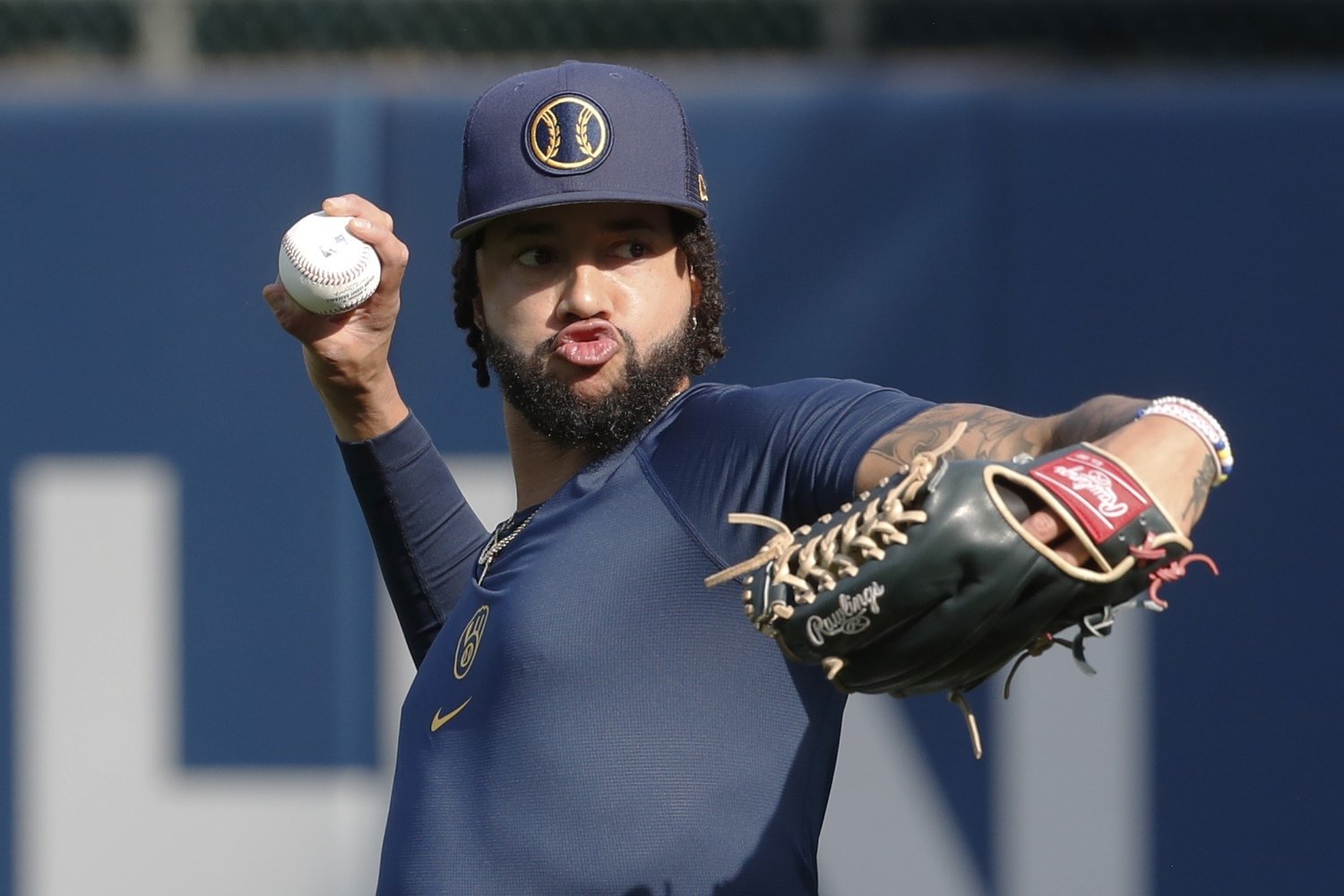 Because fans expect perfection from the best relievers on their teams, many have an unrealistic perspective on what someone like Devin Williams brings to the table. The 2023 Milwaukee Brewers constantly play tight games, so Williams rarely has any margin for error. Often, he finds himself trying to uphold a one-run lead in the ninth inning, or keep the game tied to give the offense a shot to pull out the victory. With 32 saves and a 1.74 ERA entering the weekend, Williams has proved his immense value to the Brewers. He has held opponents scoreless in 47 of his 54 appearances this season. Yet, Brewers fans still have their doubts that Williams is among the best in baseball, because he occasionally allows some baserunners and has to wiggle off the hook. Perception isn't always reality. You have to see how Williams stacks up against the other elite relievers in MLB to understand just how dominating he has been in 2023. Appearances with 2+ Strikeouts and Zero Base Runners Allowed Williams is tied with Craig Kimbrel and Felix Bautista for the most commanding relief outings (1+ innings). In 12 instances, Williams has completely locked down the opposition by retiring the side in order with at least two punchouts. It's hard to be more dominating than keeping each hitter off the bases and taking down at least two-thirds of the threats on your own. Williams picked up seven saves and four wins in those dozen appearances, with his lone no-decision leading to a Brewers victory. 93rd Percentile or Better in Seven MLB Statcast Rankings Players should always be evaluated in relation to their peers. Williams is at the top of the pyramid (or a very small step below it) in several vital categories. He is among the best one percent in the game in Whiff%, K% and "Offspeed Run Value." No one does it better in those areas, and very few compare across the board. Minuscule Opponents' Batting Average While batting average doesn't get the love it used to, it is still valuable as a part of evaluating hitters. Williams has allowed the second-lowest batting average to opposing batters among relievers, holding them to a .144 mark. This makes it extremely challenging to get rallies going against the Brewers' closer, because stringing two or three hits together is nearly impossible before they reach three outs. The "Airbender", especially, is tough to handle, often getting weak contact when hitters actually put any wood on the ball. Unhittable During Tie Games Trying to close a game with a lead is one thing, but there's even more pressure when one run will give your team the loss. Guys like Williams enter many contests late in a tie game, looking to give their team a chance to take the lead or get the win with their next at-bat. Williams has been almost perfect on the mound this year when the score is even. Hitters are 1-for-45 (.022 average) with 23 strikeouts and four walks. Opponents own a .120 OBP, .089 SLG and .209 OPS. Little Contact on Pitches in the Strike Zone FanGraphs's Z-Contact% gives the share of swings at pitches within the strike zone on which the bat finds the ball. Williams's opponents make contact on their in-zone swings just 73.4 percent of the time, good for fourth among MLB relievers (minimum 40 innings pitched). Getting pro hitters to whiff at pitches in the zone is a fantastic representation of a hurler's stuff, as well as overall movement, velocity changes and location. If you can't make consistent contact on would-be strikes, good luck doing much damage on anything else. Sure, there are times Williams gets a bit of traffic on the bases; however, he usually gets the job done with little chance of the enemy breaking through. Next time you're losing faith in the young man, remind yourself of these stats and metrics that show how dominating the Brewers' closer is.
 -
I understand in a vacuum why you'd have Tellez pinch hit for Turang, or in many other scenarios: 1) If there were 2 outs, 2) If you need an extra-base hit, 3) If you are trailing by more than 1 run, 4) If there was no double play on the table. But in THIS specific situation, the tying run can score from 3rd in many ways and worst case is a double play, which is increased by Tellez batting over Turang. As for Peguero over Uribe in the 7th in a tie game. Uribe was at 20.1 IP before yesterday and now has a 1.69 ERA and .507 opponents' OPS. In Peguero's previous 20 IP (BEFORE yesterday), he had a 4.05 ERA and .740 opponents' OPS. So taking their most recent 20-ish outings, Uribe has outperformed him. And as noted in the article, Peguero has been bad all year when pitching back-to-back days. I get what you're saying about the blowup game from Uribe that might have worried Counsell...but I would say, again, that is different than how he normally operates. But perhaps it is just a concern of his about Uribe.
-
The whole "Craigtember" phenomenon is supposed to compliment how Milwaukee Brewers manager Craig Counsell deftly uses his personnel in September, the season's most important month. But he's had a rough go in 2023, and Counsell's poor decisions in Wednesday's loss were among the worst. Image courtesy of © Charles LeClaire-USA TODAY Sports Every game is vital at this point in the season, with the Brewers leading the Chicago Cubs by just 2.5 games entering play Wednesday. It's especially essential to win a series against clearly inferior opponents and not throw away games with bad decision-making. With Milwaukee leading the Pittsburgh Pirates 3-1 in the sixth inning of the rubber match, the game was set up for a Counsell masterclass. Instead, he made multiple confusing decisions that directly led to the Brewers' fifth loss in their last eight contests. Freddy Peralta pitched well into the sixth inning, continuing his string of excellent starts. But with the Brewers clinging to a two-run edge, he allowed a one-out single before pitching too carefully to Ke'Bryan Hayes, resulting in a walk. Though Peralta was at just 89 pitches, on a hot day after two straight runners reached base, a day off on Thursday, and a pair of lefties due up representing the go-ahead run, a call to southpaw Hoby Milner seemed obvious. One problem: Milner wasn't warming up, and Counsell stuck with Peralta to face power-hitting left-hander Jack Suwinski. After falling behind 2-1 in the count, Peralta left a changeup up in the zone, and Suwinski hammered a double to right-center. Now leading 3-2, Counsell did go to the bullpen, but it was right-hander Trevor Megill to face another left-handed hitter. Megill would give up an RBI single to center to tie the game up as the teams headed to the seventh frame. Would the Pirates have countered with right-handed hitters if Milner came in? It's likely since that scenario played out later. However, the 2018-2019 version of Counsell would have had Milner ready and been more aggressive with his bullpen usage, forcing the other manager's hand. Instead, the win probability flipped quickly. After the Brewers failed to score in the top of the seventh, Counsell's next questionable move reared its ugly head. For some reason, he has been almost automatic in selecting Elvis Peguero to handle the seventh inning when tied or in the lead. The problem is that Peguero pitched the night before, and he's been highly ineffective pitching back-to-back days this season. Zero days rest: 5.68 ERA, .768 OPS against One day rest: 1.02 ERA, .311 OPS against Not surprising to most, Peguero would give up a single and a triple as the Pirates took a 4-3 lead. Then Milner would allow a base hit for Pittsburgh's fifth run of the game, also charged to Peguero's line. It's incredibly confusing that Counsell would make this move again, which has blown up on him other times this season. Why not go to Abner Uribe, who hadn't pitched in a few days? The young fireballer has proven he can handle high leverage just fine. Well, Counsell saved Uribe for the eighth inning when he promptly struck out the side. Too bad the Brewers were still trailing by a run at that point instead of being tied. There are mind-boggling choices with the pitching recently, but particularly today. Before Uribe came into the game, the Brewers had their chance in the top of the eighth to tie the game at five apiece. With runners at first and third, down by a run, Brice Turang was due to face a right-handed hurler with only one out. Instead, Counsell chose to go with Rowdy Tellez as the pinch-hitter. It's difficult to understand the thinking. First, it did not change any platoon advantage, as Tellez and Turang are both lefties. Second, the Brewers didn't need a home run where Tellez would give them a better chance to strike. Third, the worst-case scenario is to ground into a double play, which is less likely with Turang's speed versus Tellez's lack thereof. Let's examine that last point. Tellez has a career 39.4 percent ground ball percentage. Turang, albeit in a much smaller sample size, owns a 39.7 percent grounder rate. There is no real advantage to using Tellez by that standard. So again, who is less likely to get doubled up? The much faster Turang. Additionally, the Brewers could have toyed with Turang dropping a bunt down to bring home the run from third. That's not an option with Tellez. Instead, Tellez bounced into a tailor-made double play to kill the rally. The Brewers would ultimately come up short, losing the game 5-4 and their first series to the Pirates this season. This game is tough to swallow, with the Cubs on the verge of sweeping the San Francisco Giants and cutting Milwaukee's NL Central lead to just 1.5 games. Now is not the time for the Brewers to lose the one significant advantage they have over the Cubs - the manager. Counsell has been one of the best managers in baseball since taking over full-time in 2016. His terrific September record over the years has earned him some benefit of the doubt. Unfortunately, many have fairly questioned several decisions in recent weeks (e.g., keeping Wade Miley in for the seventh inning against the Philadelphia Phillies on Sunday when he lost the lead). The laser-focused, fine-tuned September calls from the past have yet to be there. Wednesday's choices were among the worst. Maybe, like players, a manager can find himself in a slump, too. Let's hope Counsell snaps out of it quickly, for the Brewers' (and their fans) sake. View full article
- 14 replies
-
- 1
-
-
- craig counsell
- freddy peralta
- (and 2 more)
-
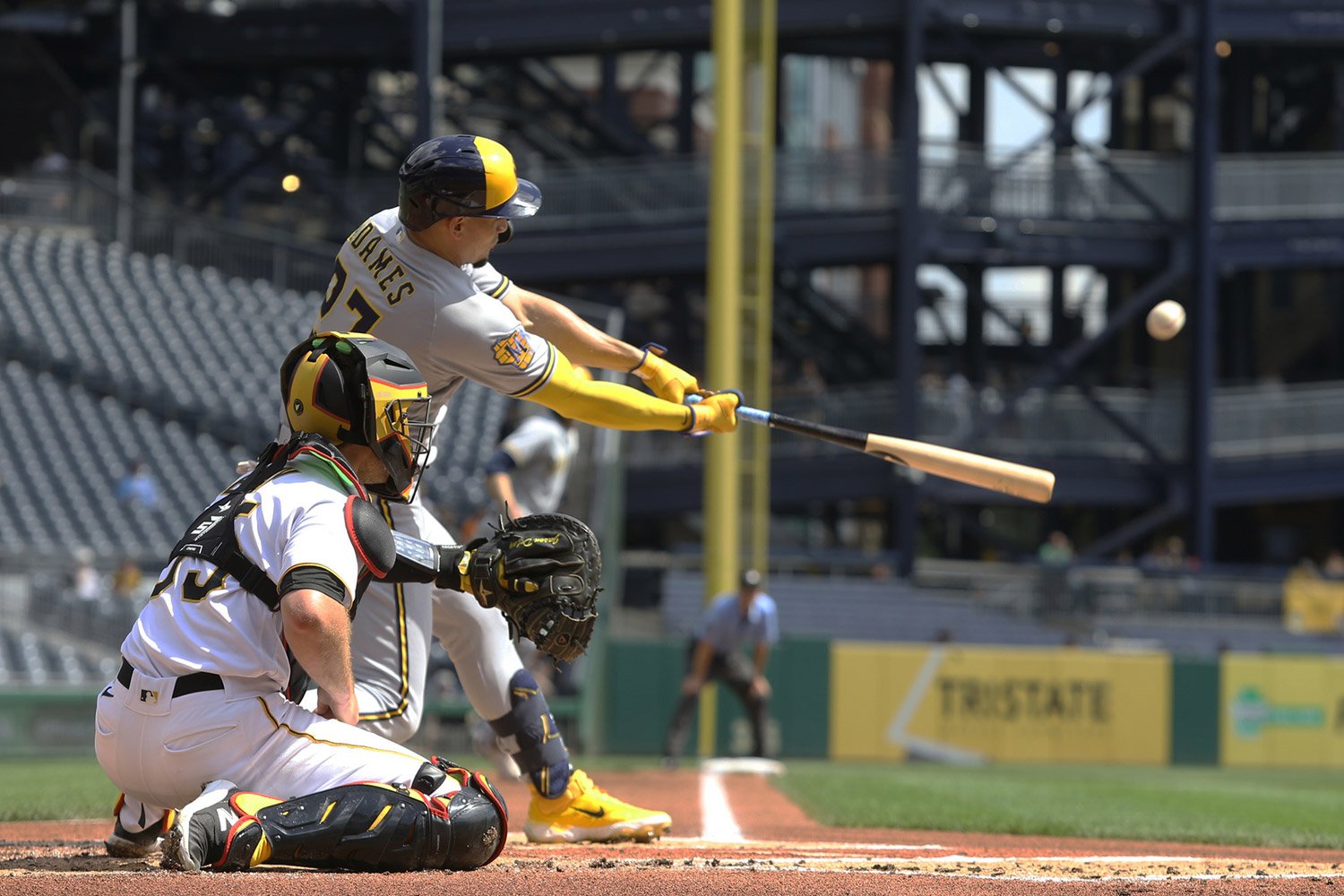 Every game is vital at this point in the season, with the Brewers leading the Chicago Cubs by just 2.5 games entering play Wednesday. It's especially essential to win a series against clearly inferior opponents and not throw away games with bad decision-making. With Milwaukee leading the Pittsburgh Pirates 3-1 in the sixth inning of the rubber match, the game was set up for a Counsell masterclass. Instead, he made multiple confusing decisions that directly led to the Brewers' fifth loss in their last eight contests. Freddy Peralta pitched well into the sixth inning, continuing his string of excellent starts. But with the Brewers clinging to a two-run edge, he allowed a one-out single before pitching too carefully to Ke'Bryan Hayes, resulting in a walk. Though Peralta was at just 89 pitches, on a hot day after two straight runners reached base, a day off on Thursday, and a pair of lefties due up representing the go-ahead run, a call to southpaw Hoby Milner seemed obvious. One problem: Milner wasn't warming up, and Counsell stuck with Peralta to face power-hitting left-hander Jack Suwinski. After falling behind 2-1 in the count, Peralta left a changeup up in the zone, and Suwinski hammered a double to right-center. Now leading 3-2, Counsell did go to the bullpen, but it was right-hander Trevor Megill to face another left-handed hitter. Megill would give up an RBI single to center to tie the game up as the teams headed to the seventh frame. Would the Pirates have countered with right-handed hitters if Milner came in? It's likely since that scenario played out later. However, the 2018-2019 version of Counsell would have had Milner ready and been more aggressive with his bullpen usage, forcing the other manager's hand. Instead, the win probability flipped quickly. After the Brewers failed to score in the top of the seventh, Counsell's next questionable move reared its ugly head. For some reason, he has been almost automatic in selecting Elvis Peguero to handle the seventh inning when tied or in the lead. The problem is that Peguero pitched the night before, and he's been highly ineffective pitching back-to-back days this season. Zero days rest: 5.68 ERA, .768 OPS against One day rest: 1.02 ERA, .311 OPS against Not surprising to most, Peguero would give up a single and a triple as the Pirates took a 4-3 lead. Then Milner would allow a base hit for Pittsburgh's fifth run of the game, also charged to Peguero's line. It's incredibly confusing that Counsell would make this move again, which has blown up on him other times this season. Why not go to Abner Uribe, who hadn't pitched in a few days? The young fireballer has proven he can handle high leverage just fine. Well, Counsell saved Uribe for the eighth inning when he promptly struck out the side. Too bad the Brewers were still trailing by a run at that point instead of being tied. There are mind-boggling choices with the pitching recently, but particularly today. Before Uribe came into the game, the Brewers had their chance in the top of the eighth to tie the game at five apiece. With runners at first and third, down by a run, Brice Turang was due to face a right-handed hurler with only one out. Instead, Counsell chose to go with Rowdy Tellez as the pinch-hitter. It's difficult to understand the thinking. First, it did not change any platoon advantage, as Tellez and Turang are both lefties. Second, the Brewers didn't need a home run where Tellez would give them a better chance to strike. Third, the worst-case scenario is to ground into a double play, which is less likely with Turang's speed versus Tellez's lack thereof. Let's examine that last point. Tellez has a career 39.4 percent ground ball percentage. Turang, albeit in a much smaller sample size, owns a 39.7 percent grounder rate. There is no real advantage to using Tellez by that standard. So again, who is less likely to get doubled up? The much faster Turang. Additionally, the Brewers could have toyed with Turang dropping a bunt down to bring home the run from third. That's not an option with Tellez. Instead, Tellez bounced into a tailor-made double play to kill the rally. The Brewers would ultimately come up short, losing the game 5-4 and their first series to the Pirates this season. This game is tough to swallow, with the Cubs on the verge of sweeping the San Francisco Giants and cutting Milwaukee's NL Central lead to just 1.5 games. Now is not the time for the Brewers to lose the one significant advantage they have over the Cubs - the manager. Counsell has been one of the best managers in baseball since taking over full-time in 2016. His terrific September record over the years has earned him some benefit of the doubt. Unfortunately, many have fairly questioned several decisions in recent weeks (e.g., keeping Wade Miley in for the seventh inning against the Philadelphia Phillies on Sunday when he lost the lead). The laser-focused, fine-tuned September calls from the past have yet to be there. Wednesday's choices were among the worst. Maybe, like players, a manager can find himself in a slump, too. Let's hope Counsell snaps out of it quickly, for the Brewers' (and their fans) sake.
 -
By one enormous, valuable metric, catcher William Contreras is a top-15 MLB player in 2023. And while the Milwaukee Brewers have put themselves in the driver's seat to win the NL Central thanks to a number of contributions, Contreras is proving to be the team's MVP and vital to the club for every reason you can think of on the diamond. Image courtesy of © Benny Sieu-USA TODAY Sports Determining a player's actual value to a club is often challenging. Sometimes, it's the most productive guy, but there is more to it. In the words of Brewers manager Craig Counsell, after a win over the Texas Rangers in August, Contreras "made his impact felt in every part of the game. He's been playing at a real high level for a while now." For the Brewers' Williams Contreras, his MVP status with the club is spurred on by his impact offensively, defensively, and in the intangibles that are difficult to measure, like energy and in-game adjustments. Value can also be relative to a position and the league baseline, where Contreras stands out. He's handling the toughest defensive spot on the field, enhancing the NL's third-best pitching staff by ERA, and fueling the Brewers' offense with a team-best 122 OPS+ (minimum 125 plate appearances). With less than 30 games remaining, Contreras has made himself the key cog in a postseason run. It starts with his bat, an invaluable piece in a lineup that desperately needs offense to complement its pitching and defense. Contreras entered Monday with 15 homers and 33 doubles (tied for 10th in MLB) and a fantastic slash line of .282/.357/.464. That's well above the league average for all players (.249/.320/.415), an even more impressive feat with most of his work done while catching. Getting such dynamic production from the catcher's position is extremely valuable and a reason to give Contreras the edge over Christian Yelich in a team MVP debate. MLB averages for C: .237/.304/.395/.698 MLB average for LF: .254/.331/.420/.751 So, while Yelich has had an outstanding season and did much of the heavy offensive lifting in June (.912 OPS) and July (1.015 OPS), Contreras has been even better relative to his peers. He was red hot in July (.955) and carried the Brewers' offense in August with a .844 OPS, while Yelich slumped to a .676 OPS last month. But Contreras' value in the batter's box goes beyond the overall stats because he leads qualified Brewers' in some vital situations. .350 average .953 OPS with runners in scoring position. .331 average and .880 OPS during innings seven through nine. .290 average and .773 OPS "late and close" in games Contreras has also destroyed left-handed pitching (.339/.414/.616), an area where the Brewers have been terrible for several seasons. His bat has been so crucial that Contreras rarely gets an entire day off. It's not often a club will have their primary catcher be the regular DH on his "off-days," which is precisely what Counsell has been doing as the season has worn on. Contreras has an. 868 OPS when he is the DH, including his first-inning home run (off a lefty) on Sunday. This has helped solve another multi-year issue of ineffectiveness in the DH role. Contreras is more than just the MVP for Milwaukee. Though he isn't a candidate for the NL's top award, he is the best catcher in MLB by FanGraphs WAR (fWAR). That even ranks him 15th in all of baseball, regardless of position. Among qualified catchers, his 4.3 fWAR puts him ahead of guys like Will Smith, Adley Rutschman, and Willson Contreras, his brother. Only Sean Murphy, whose trade to the Atlanta Braves made Contreras available to the Brewers, has a better fWAR (4.4); however, he needs more plate appearances to qualify. Regardless, Contreras is in the top five among MLB catchers in most offensive categories: 1st in weighted on-base average (.355) 1st in batting average (.282) 1st in RBI (66) 1st in doubles (33) 2nd in OPS (.821) 2nd in SLG (.464) 2nd in runs (68) 3rd in OBP (.357) But to truly understand Contreras's value and a big reason he is at the top of the fWAR leaderboard, you have to check out his defense. Specifically, Contreras' ability to frame pitches and steal strikes for his pitchers has been elite. It's an enormous skill for a club like the Brewers, who are about run prevention first and foremost. Contreras leads all catchers in Framing Runs (FRM), the metric used by FanGraphs. Where zero is average, Contreras sits at 12.4. Jonah Heim is second at 8.0 this season. Contreras and Heim are also tied for the top spot in Defensive Runs Saved (DRS) with seven each. Many questioned whether Contreras could be an above-average defensive catcher with a reputation that labeled him "bat first" behind the dish. He has shut up his detractors and made considerable strides in framing and blocking balls, partly thanks to the Brewers' vaunted "catching lab" from 2022 (top graphic) to 2023 (bottom graphic). Looking at Baseball Savant's charts, his jump from 2022-2023 and his place among MLB catchers is astounding. Contreras improved significantly in Blocks Above Average (22nd percentile to 85th percentile) and Framing (20th percentile to 92nd percentile). You can't overstate the incredible value it brings to a pitching staff. He even made smaller increases in his caught stealing and pop time metrics. But Contreras's impact goes well beyond the raw numbers. You can see the emotion Contreras brings to his game: behind the plate with a fist pump, exuberant joy when the Brewers score, and even a slap to his helmet when he's mad at himself. To get that from your catcher is a bonus. He has clearly taken on the responsibility of being a leader, pushing his pitchers through tough times and getting fired up when they execute. Throughout a six-month season, teams need that type of energy from a productive, everyday player. But Contreras's intangibles extend past the energy and emotion, too. The blend of his intangibles was on full display Friday night on the Philadelphia Phillies' error, scoring three Brewers runs. Contreras trotted home from third, moved the bat out of the baseline so Carlos Santana had a clear path to the dish, and then directed Tyrone Taylor to slide to the back corner of the plate to avoid the tag. For added measure, Contreras gave a textbook safe call in harmony with the umpire before celebrating with his teammates. He often adjusts his approach as a hitter to the situation or the pitcher. At times, he looks to simply poke the ball to right field to drive in a run or at least move a runner to third base. You could see him emphasize this skill in the Brewers' recent loss to the Chicago Cubs when Kyle Hendricks was carving them up. With a leadoff runner on second, Contreras turned his body and focused all his energy on hitting the ball to right. He sliced an RBI single down the first baseline. He also knows when guys, including himself, should look to take the extra base on a long fly ball or base hit. He tries to toy with opposing batters, scraping his glove on the ground behind them to make them think an inside pitch is coming while setting up for a breaking ball away. Again, those winning MVP intangibles make huge differences over the long haul. When Contreras was first acquired, he was eerily silent about the trade and later posted a group of broken hearts emojis on his Twitter account. It was understandable to a point, but after months with the team, Contreras is all in and proving to be the team MVP. No matter how you slice it, Brewers fans should be ecstatic to have him leading the 2023 team and poised to only get better for the next half-decade in Milwaukee. It looks like he's happy to be here, too. View full article
-
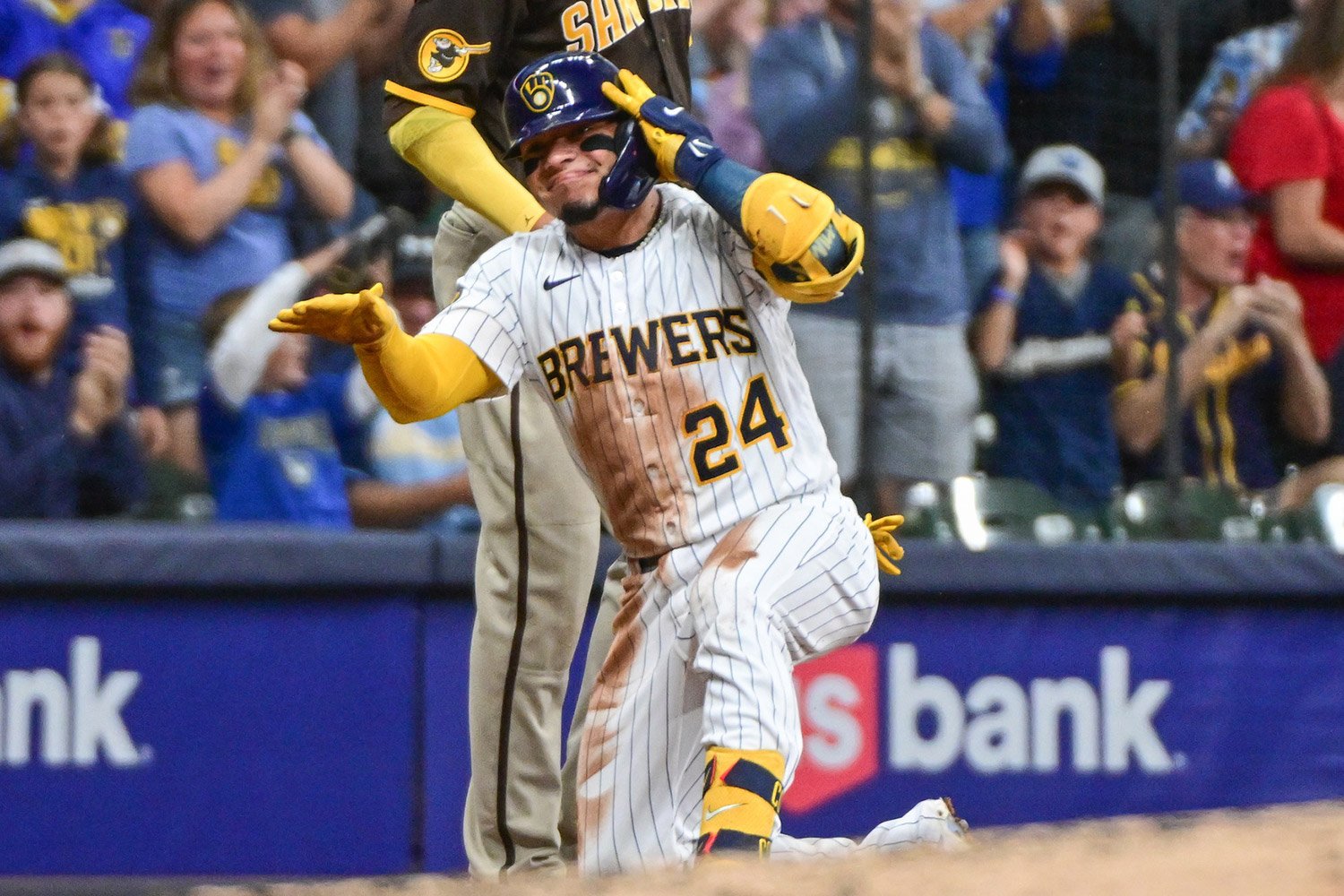 Determining a player's actual value to a club is often challenging. Sometimes, it's the most productive guy, but there is more to it. In the words of Brewers manager Craig Counsell, after a win over the Texas Rangers in August, Contreras "made his impact felt in every part of the game. He's been playing at a real high level for a while now." For the Brewers' Williams Contreras, his MVP status with the club is spurred on by his impact offensively, defensively, and in the intangibles that are difficult to measure, like energy and in-game adjustments. Value can also be relative to a position and the league baseline, where Contreras stands out. He's handling the toughest defensive spot on the field, enhancing the NL's third-best pitching staff by ERA, and fueling the Brewers' offense with a team-best 122 OPS+ (minimum 125 plate appearances). With less than 30 games remaining, Contreras has made himself the key cog in a postseason run. It starts with his bat, an invaluable piece in a lineup that desperately needs offense to complement its pitching and defense. Contreras entered Monday with 15 homers and 33 doubles (tied for 10th in MLB) and a fantastic slash line of .282/.357/.464. That's well above the league average for all players (.249/.320/.415), an even more impressive feat with most of his work done while catching. Getting such dynamic production from the catcher's position is extremely valuable and a reason to give Contreras the edge over Christian Yelich in a team MVP debate. MLB averages for C: .237/.304/.395/.698 MLB average for LF: .254/.331/.420/.751 So, while Yelich has had an outstanding season and did much of the heavy offensive lifting in June (.912 OPS) and July (1.015 OPS), Contreras has been even better relative to his peers. He was red hot in July (.955) and carried the Brewers' offense in August with a .844 OPS, while Yelich slumped to a .676 OPS last month. But Contreras' value in the batter's box goes beyond the overall stats because he leads qualified Brewers' in some vital situations. .350 average .953 OPS with runners in scoring position. .331 average and .880 OPS during innings seven through nine. .290 average and .773 OPS "late and close" in games Contreras has also destroyed left-handed pitching (.339/.414/.616), an area where the Brewers have been terrible for several seasons. His bat has been so crucial that Contreras rarely gets an entire day off. It's not often a club will have their primary catcher be the regular DH on his "off-days," which is precisely what Counsell has been doing as the season has worn on. Contreras has an. 868 OPS when he is the DH, including his first-inning home run (off a lefty) on Sunday. This has helped solve another multi-year issue of ineffectiveness in the DH role. Contreras is more than just the MVP for Milwaukee. Though he isn't a candidate for the NL's top award, he is the best catcher in MLB by FanGraphs WAR (fWAR). That even ranks him 15th in all of baseball, regardless of position. Among qualified catchers, his 4.3 fWAR puts him ahead of guys like Will Smith, Adley Rutschman, and Willson Contreras, his brother. Only Sean Murphy, whose trade to the Atlanta Braves made Contreras available to the Brewers, has a better fWAR (4.4); however, he needs more plate appearances to qualify. Regardless, Contreras is in the top five among MLB catchers in most offensive categories: 1st in weighted on-base average (.355) 1st in batting average (.282) 1st in RBI (66) 1st in doubles (33) 2nd in OPS (.821) 2nd in SLG (.464) 2nd in runs (68) 3rd in OBP (.357) But to truly understand Contreras's value and a big reason he is at the top of the fWAR leaderboard, you have to check out his defense. Specifically, Contreras' ability to frame pitches and steal strikes for his pitchers has been elite. It's an enormous skill for a club like the Brewers, who are about run prevention first and foremost. Contreras leads all catchers in Framing Runs (FRM), the metric used by FanGraphs. Where zero is average, Contreras sits at 12.4. Jonah Heim is second at 8.0 this season. Contreras and Heim are also tied for the top spot in Defensive Runs Saved (DRS) with seven each. Many questioned whether Contreras could be an above-average defensive catcher with a reputation that labeled him "bat first" behind the dish. He has shut up his detractors and made considerable strides in framing and blocking balls, partly thanks to the Brewers' vaunted "catching lab" from 2022 (top graphic) to 2023 (bottom graphic). Looking at Baseball Savant's charts, his jump from 2022-2023 and his place among MLB catchers is astounding. Contreras improved significantly in Blocks Above Average (22nd percentile to 85th percentile) and Framing (20th percentile to 92nd percentile). You can't overstate the incredible value it brings to a pitching staff. He even made smaller increases in his caught stealing and pop time metrics. But Contreras's impact goes well beyond the raw numbers. You can see the emotion Contreras brings to his game: behind the plate with a fist pump, exuberant joy when the Brewers score, and even a slap to his helmet when he's mad at himself. To get that from your catcher is a bonus. He has clearly taken on the responsibility of being a leader, pushing his pitchers through tough times and getting fired up when they execute. Throughout a six-month season, teams need that type of energy from a productive, everyday player. But Contreras's intangibles extend past the energy and emotion, too. The blend of his intangibles was on full display Friday night on the Philadelphia Phillies' error, scoring three Brewers runs. Contreras trotted home from third, moved the bat out of the baseline so Carlos Santana had a clear path to the dish, and then directed Tyrone Taylor to slide to the back corner of the plate to avoid the tag. For added measure, Contreras gave a textbook safe call in harmony with the umpire before celebrating with his teammates. He often adjusts his approach as a hitter to the situation or the pitcher. At times, he looks to simply poke the ball to right field to drive in a run or at least move a runner to third base. You could see him emphasize this skill in the Brewers' recent loss to the Chicago Cubs when Kyle Hendricks was carving them up. With a leadoff runner on second, Contreras turned his body and focused all his energy on hitting the ball to right. He sliced an RBI single down the first baseline. He also knows when guys, including himself, should look to take the extra base on a long fly ball or base hit. He tries to toy with opposing batters, scraping his glove on the ground behind them to make them think an inside pitch is coming while setting up for a breaking ball away. Again, those winning MVP intangibles make huge differences over the long haul. When Contreras was first acquired, he was eerily silent about the trade and later posted a group of broken hearts emojis on his Twitter account. It was understandable to a point, but after months with the team, Contreras is all in and proving to be the team MVP. No matter how you slice it, Brewers fans should be ecstatic to have him leading the 2023 team and poised to only get better for the next half-decade in Milwaukee. It looks like he's happy to be here, too.
 -
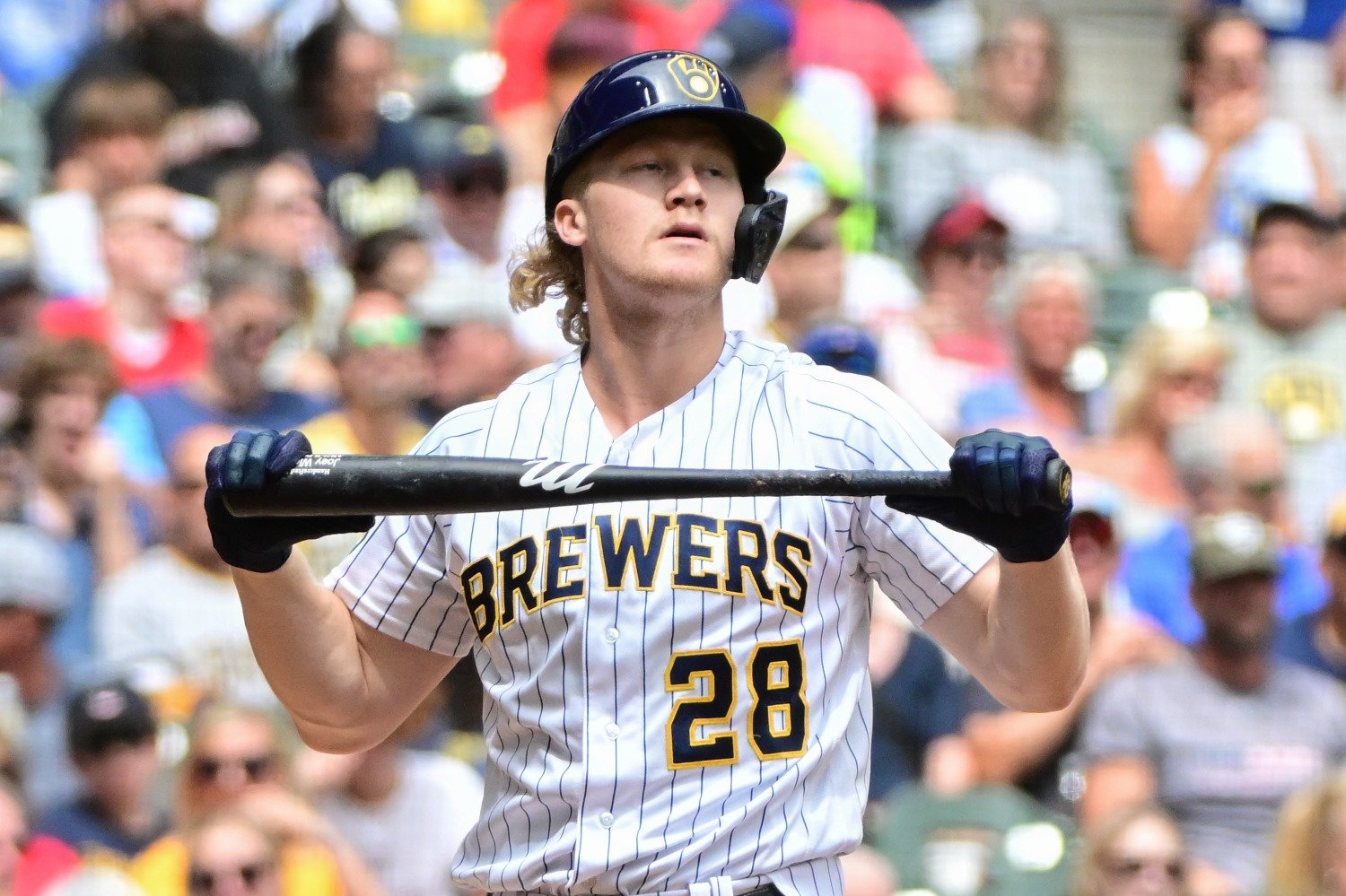 Scoring runs has been a Sisyphean task for the 2023 Brewers, although they have their outbursts like Monday and last Thursday. Entering this week, Milwaukee ranked 23rd in runs scored, ahead of six teams with losing records and the Miami Marlins (with a 58-56 mark). Thus, it's strangely impressive that the Brewers owned a 61-54 record and a 1.5-game lead in the NL Central after Tuesday night. Still, some offensive stats have been beyond poor. The optimistic take is that there is no place to go but up. The Brewers better hope that is the case, because without improvements and adjustments, the reality of the offense thus far could be enough to kill their division title dreams. Here are five shocking truths: Among the Worst Offenses in Franchise History This club has some time to change the narrative, but the current results would put them in the bottom third of Brewers' history. At 4.19 runs per game before Monday, the 2023 offense would rank 37th out of 55 total seasons. However, since 1969, Milwaukee has had 29 seasons with a designated hitter, and this would be the eighth-worst offense with a regular DH spot to use. Scoring runs is the ultimate test of an offense, but a look at the other statistics says this year's squad has been lucky to score even that much. Their current franchise rankings across 55 seasons are as follows: Batting average (.233): 53rd On-base percentage (.312): 48th Slugging percentage (.376): 46th OPS (.688): 48th Those numbers are hard to believe, so let's hope the last two months offer a correction. Willy Adames's Incredible Struggles The Brewers' shortstop is having the worst offensive season of his career. With a .201/.286/.376 slash line, he is among MLB's worst everyday hitters, even at that defense-first position. Some argue he's had a bad-luck season, with an extremely low .235 BABIP (batting average of balls in play). However, that is likely the result of his lowest career average exit velocity (86.7 MPH) and his worst hard-hit percentage (35%) since his rookie campaign. While those numbers alone are huge disappointments, it gets incredibly grotesque if you take away two of Adames' games. Remove his two-homer performance against the Cleveland Guardians in June and his double-dinger game versus the Cincinnati Reds in July, and things get really ugly: .190/.278/.336 In many ways, this adjusted line is the more accurate depiction of Adames' season. So if you look at his "adjusted slugging percentage" of .336, it is even more unbelievably mind-boggling that manager Craig Counsell continues to stick him in the cleanup spot (before Monday's day off), one of the two most important slots in the batting order. It's the main reason the Brewers' fourth spot in the order ranks second-worst in baseball in slugging and OPS. Adams needs to start at shortstop almost every day, but he needs to find himself while batting seventh or eighth in the order and enjoy a few extra days off. Right Fielder or Pitcher in the Lineup? Rookie Sal Frelick is already paying huge dividends as a right field stick (.237/.396/.447) in his 13 career games out there. However, all of his predecessors combined to be the worst right fielders among all 30 MLB clubs. In fact, the 2010 Brewers pitching staff had a higher batting average than this group of everyday players. .588 OPS (30th) - next-closest team at .610 .301 SLG (30th) - next-closest team at .324 .190 AVG (30th) - next-closest team at .203 .287 OBP (26th) - congrats? You can't blame any single player who was roaming right field prior to Frelick's arrival. Five Brewers had at least 40 plate appearances while playing right field, and none of them had an average over .200 this year. Frelick will continue to boost the right field numbers, unless he plays more center field. In that case, someone else will be in charge of making that corner spot respectable again. Taking Too Many Strikes and Whiffing on Too Many Strikes The Milwaukee Brewers swing at the fourth-lowest percentage of pitches in the strike zone. They let balls in the zone go by without even offering 35.6 percent of the time. It's not necessarily a problem on its own, but they also fail to make contact at a high rate when the pitcher does fire one in the zone. Brewers batters are fourth-worst in baseball in strike zone contact, hitting the ball just 84.1 percent of those times. They are the only MLB club in the bottom four in both categories. What's worse is that none of the other teams that reside in the last four in one of these stats are ranked below 17th in the other statistic. Basically, Milwaukee has been the only team to be terrible on all pitches in the strike zone--swinging or taking. Multiple factors can play into these results, but the problems they're causing for the club as a whole remain the same. You could argue which stat is more concerning, although that might depend on the hitter. One fascinating example of balancing these plate discipline metrics is the Atlanta Braves, who lead MLB in homers by a wide margin and rank 3rd in runs scored. The Braves make the least contact when swinging at pitches in the zone (worse than the Brewers), but they swing at the highest percentage of pitches in the zone. They swing just about all the time, so while they whiff a lot, they also do damage far more often. After seeing all of this, it might make you feel like the Brewers will certainly improve in a few areas. You're right. Mathematically, they almost have to. Most fans and experts have stressed that the offense doesn't need to be great to make a postseason run; they just have to move the needle from miserable to below-average. Can they find their offensive groove for eight weeks and ride into the playoffs with some momentum? We'll soon find out.
 -
If you watch the Milwaukee Brewers regularly, you feel the daily frustration with their offense. But even diehard fans might not realize how truly ugly some statistics are this season. The good news is, the numbers say it can't get any worse. Image courtesy of © Benny Sieu-USA TODAY Sports Scoring runs has been a Sisyphean task for the 2023 Brewers, although they have their outbursts like Monday and last Thursday. Entering this week, Milwaukee ranked 23rd in runs scored, ahead of six teams with losing records and the Miami Marlins (with a 58-56 mark). Thus, it's strangely impressive that the Brewers owned a 61-54 record and a 1.5-game lead in the NL Central after Tuesday night. Still, some offensive stats have been beyond poor. The optimistic take is that there is no place to go but up. The Brewers better hope that is the case, because without improvements and adjustments, the reality of the offense thus far could be enough to kill their division title dreams. Here are five shocking truths: Among the Worst Offenses in Franchise History This club has some time to change the narrative, but the current results would put them in the bottom third of Brewers' history. At 4.19 runs per game before Monday, the 2023 offense would rank 37th out of 55 total seasons. However, since 1969, Milwaukee has had 29 seasons with a designated hitter, and this would be the eighth-worst offense with a regular DH spot to use. Scoring runs is the ultimate test of an offense, but a look at the other statistics says this year's squad has been lucky to score even that much. Their current franchise rankings across 55 seasons are as follows: Batting average (.233): 53rd On-base percentage (.312): 48th Slugging percentage (.376): 46th OPS (.688): 48th Those numbers are hard to believe, so let's hope the last two months offer a correction. Willy Adames's Incredible Struggles The Brewers' shortstop is having the worst offensive season of his career. With a .201/.286/.376 slash line, he is among MLB's worst everyday hitters, even at that defense-first position. Some argue he's had a bad-luck season, with an extremely low .235 BABIP (batting average of balls in play). However, that is likely the result of his lowest career average exit velocity (86.7 MPH) and his worst hard-hit percentage (35%) since his rookie campaign. While those numbers alone are huge disappointments, it gets incredibly grotesque if you take away two of Adames' games. Remove his two-homer performance against the Cleveland Guardians in June and his double-dinger game versus the Cincinnati Reds in July, and things get really ugly: .190/.278/.336 In many ways, this adjusted line is the more accurate depiction of Adames' season. So if you look at his "adjusted slugging percentage" of .336, it is even more unbelievably mind-boggling that manager Craig Counsell continues to stick him in the cleanup spot (before Monday's day off), one of the two most important slots in the batting order. It's the main reason the Brewers' fourth spot in the order ranks second-worst in baseball in slugging and OPS. Adams needs to start at shortstop almost every day, but he needs to find himself while batting seventh or eighth in the order and enjoy a few extra days off. Right Fielder or Pitcher in the Lineup? Rookie Sal Frelick is already paying huge dividends as a right field stick (.237/.396/.447) in his 13 career games out there. However, all of his predecessors combined to be the worst right fielders among all 30 MLB clubs. In fact, the 2010 Brewers pitching staff had a higher batting average than this group of everyday players. .588 OPS (30th) - next-closest team at .610 .301 SLG (30th) - next-closest team at .324 .190 AVG (30th) - next-closest team at .203 .287 OBP (26th) - congrats? You can't blame any single player who was roaming right field prior to Frelick's arrival. Five Brewers had at least 40 plate appearances while playing right field, and none of them had an average over .200 this year. Frelick will continue to boost the right field numbers, unless he plays more center field. In that case, someone else will be in charge of making that corner spot respectable again. Taking Too Many Strikes and Whiffing on Too Many Strikes The Milwaukee Brewers swing at the fourth-lowest percentage of pitches in the strike zone. They let balls in the zone go by without even offering 35.6 percent of the time. It's not necessarily a problem on its own, but they also fail to make contact at a high rate when the pitcher does fire one in the zone. Brewers batters are fourth-worst in baseball in strike zone contact, hitting the ball just 84.1 percent of those times. They are the only MLB club in the bottom four in both categories. What's worse is that none of the other teams that reside in the last four in one of these stats are ranked below 17th in the other statistic. Basically, Milwaukee has been the only team to be terrible on all pitches in the strike zone--swinging or taking. Multiple factors can play into these results, but the problems they're causing for the club as a whole remain the same. You could argue which stat is more concerning, although that might depend on the hitter. One fascinating example of balancing these plate discipline metrics is the Atlanta Braves, who lead MLB in homers by a wide margin and rank 3rd in runs scored. The Braves make the least contact when swinging at pitches in the zone (worse than the Brewers), but they swing at the highest percentage of pitches in the zone. They swing just about all the time, so while they whiff a lot, they also do damage far more often. After seeing all of this, it might make you feel like the Brewers will certainly improve in a few areas. You're right. Mathematically, they almost have to. Most fans and experts have stressed that the offense doesn't need to be great to make a postseason run; they just have to move the needle from miserable to below-average. Can they find their offensive groove for eight weeks and ride into the playoffs with some momentum? We'll soon find out. View full article
-
Their 14-run outburst Thursday was a welcome break from the norm, but the Brewers' offense hasn't been good enough this year. Could a new set of priorities in setting the batting order fix that? Image courtesy of © Michael McLoone-USA TODAY Sports We all know the best way to score runs (in the modern game, anyway) is to hit homers. Just ask the Atlanta Braves about the relationship between having the best record in baseball and 33 more dingers than the club with the second-most taters. The Braves' 206 home runs dwarf the Brewers' 113, which is disappointingly 22nd in baseball. Milwaukee also ranks 27th in doubles, leading to a pathetic .375 SLG (28th in MLB). For comparison's sake, the 2022 Brewers ranked third in home runs and ninth in SLG, so you can see their enormous dip in this area. Even their trade deadline acquisitions do little to address the power outage. What does this mean? They should start utilizing a batting order that prioritizes guys getting on base above all other factors. The basic premise of offense is making outs as infrequently as possible. You only get three outs per inning and 27 per game. They're precious, non-renewable resources; treat them that way. This would mean platooning players to optimize their advantages and constructing a batting order that (mostly) goes in descending order of OBP. Yes, batting order matters on some level. There are challenges to finding the right balance of players for each pitcher's handedness. Even looking at OBP itself, you need to evaluate multiple scenarios for each player: Overall career OBP Overall OBP in the current season Career OBP versus lefties and righties Current season OBP versus lefties and righties There is plenty of subjectivity in which categories you value more. For the Brewers, especially, you have the "rookie factor" as well, where their current OBP numbers are their career stats--unless you consider their minor-league production. Manager Craig Counsell would also have to ponder the defensive impact, since the optimal OBP offense could sacrifice run prevention. (Insert something about "desperate times" here.) Of course, while it would be nice to have a set lineup 90 percent of the time against right-handers and southpaws, there will always be occasions to adjust the starting nine based on starting pitching, player fatigue, injuries and other factors. With that in mind, here's what an on-base-focused lineup could look like (stats as of Wednesday morning). vs. Right-Handed Pitchers (RHP) 1 - Mark Canha (DH): Career .359 OBP vs. RHP (.339 this year) 2 - Christian Yelich (LF): .397 OBP vs. RHP this season (.388 career) 3 - Brian Anderson (RF): Career. 345 OBP vs. RHP (.322 this year) 4 - Carlos Santana (1B): Career .348 OBP vs. RHP (.317 this year) 5 - Sal Frelick (CF): .400 OBP vs. RHP this season (small sample, but Thursday night was huge) 6 - William Contreras (C): .327 OBP vs. RHP this season (.320 career) 7 - Willy Adames (SS): .277 OBP vs. RHP this season (.324 career) 8 - Andrew Monasterio (3B): .330 OBP vs. RHP this season 9 - Brice Turang (2B): .291 OBP vs. RHP this season There were some decisions to be made in comparing career versus current season stats. This lineup does keep the lefties all separated, a key factor for late-game pinch-hitting opportunities. Frelick still has the great OBP, but he was hitless in his last 18 plate appearances (four walks) entering Thursday, before erupting out of that mini-slump. Wiemer lands on the bench against righties with his .277 OBP. Victor Caratini could have snuck in there, too, but you can't start both catchers in each lineup every night. vs. Left-Handed Pitchers (LHP) 1 - Monasterio (2B): .487 OBP vs. LHP this season 2 - Contreras (DH): .407 OBP vs. LHP this season (.403 career) 3 - Yelich (LF): Career .344 OBP vs. LHP (.288 this year) 4 - Santana (1B): Career .375 OBP vs. LHP (.343 this year) 5 - Canha (RF): .348 OBP vs. LHP this season (.328 career) 6 - Wiemer (CF): .319 OBP vs. LHP this year 7 - Caratini (C): .340 OBP vs. LHP this season (.327 career) 8 - Adames (SS): .333 OBP vs. LHP this year (.303 career) 9 - Anderson (3B): Career .314 OBP vs. LHP (.317 this year) Yelich was tricky because he's been such a good hitter all season and typically handles southpaws just fine. His .288 OBP against lefties this season is slightly concerning, but he has to be near the top. Wiemer gets bumped up despite a lower OBP than some, because he's slugging .607 versus left-handers. That's a significant enough number to trump the slightly better OBPs. It might look and feel a bit wonky or unorthodox, but all that matters is production. Counsell would likely have to have a heart-to-heart with Adames if he moved him down to seventh and eighth in the lineup, but how can Willy argue against a change? With both lineups, it would be on Counsell to plot out when a pinch-hitter makes the most sense and when it's time to put in the "defensive unit." That would include getting Turang on the infield and Blake Perkins or Tyrone Taylor into the outfield. It could also mean moving Anderson to third base or taking out Canha. These two starting nines would be offense first, defense late, old-school philosophy. Maybe the "real world" wouldn't allow the Brewers to shake things up like this. That could be true, but no one actually knows. What everyone does know is that what the Brewers have done offensively through 110 games is not working. A different approach could spark a more consistent level of production. View full article
-
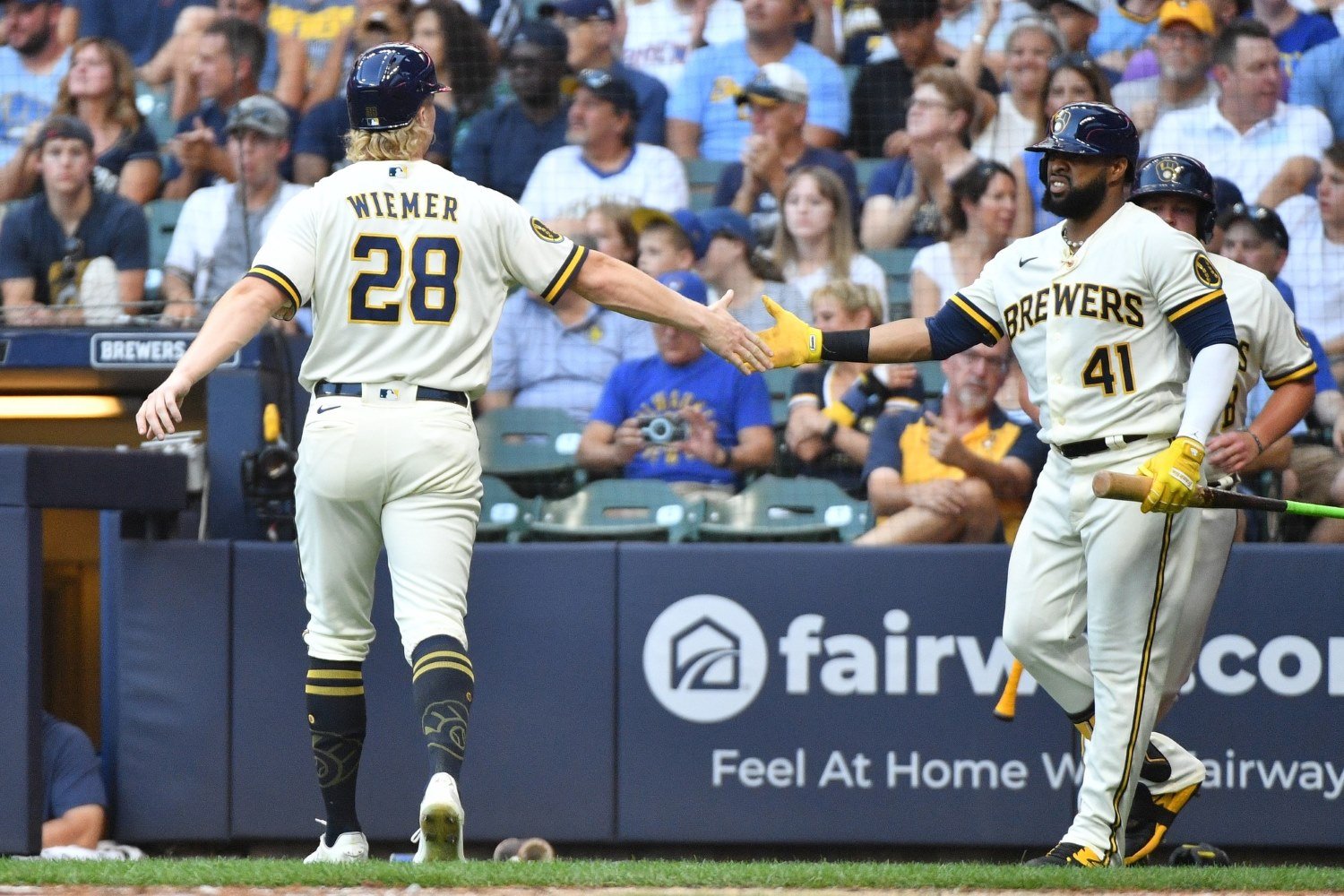 We all know the best way to score runs (in the modern game, anyway) is to hit homers. Just ask the Atlanta Braves about the relationship between having the best record in baseball and 33 more dingers than the club with the second-most taters. The Braves' 206 home runs dwarf the Brewers' 113, which is disappointingly 22nd in baseball. Milwaukee also ranks 27th in doubles, leading to a pathetic .375 SLG (28th in MLB). For comparison's sake, the 2022 Brewers ranked third in home runs and ninth in SLG, so you can see their enormous dip in this area. Even their trade deadline acquisitions do little to address the power outage. What does this mean? They should start utilizing a batting order that prioritizes guys getting on base above all other factors. The basic premise of offense is making outs as infrequently as possible. You only get three outs per inning and 27 per game. They're precious, non-renewable resources; treat them that way. This would mean platooning players to optimize their advantages and constructing a batting order that (mostly) goes in descending order of OBP. Yes, batting order matters on some level. There are challenges to finding the right balance of players for each pitcher's handedness. Even looking at OBP itself, you need to evaluate multiple scenarios for each player: Overall career OBP Overall OBP in the current season Career OBP versus lefties and righties Current season OBP versus lefties and righties There is plenty of subjectivity in which categories you value more. For the Brewers, especially, you have the "rookie factor" as well, where their current OBP numbers are their career stats--unless you consider their minor-league production. Manager Craig Counsell would also have to ponder the defensive impact, since the optimal OBP offense could sacrifice run prevention. (Insert something about "desperate times" here.) Of course, while it would be nice to have a set lineup 90 percent of the time against right-handers and southpaws, there will always be occasions to adjust the starting nine based on starting pitching, player fatigue, injuries and other factors. With that in mind, here's what an on-base-focused lineup could look like (stats as of Wednesday morning). vs. Right-Handed Pitchers (RHP) 1 - Mark Canha (DH): Career .359 OBP vs. RHP (.339 this year) 2 - Christian Yelich (LF): .397 OBP vs. RHP this season (.388 career) 3 - Brian Anderson (RF): Career. 345 OBP vs. RHP (.322 this year) 4 - Carlos Santana (1B): Career .348 OBP vs. RHP (.317 this year) 5 - Sal Frelick (CF): .400 OBP vs. RHP this season (small sample, but Thursday night was huge) 6 - William Contreras (C): .327 OBP vs. RHP this season (.320 career) 7 - Willy Adames (SS): .277 OBP vs. RHP this season (.324 career) 8 - Andrew Monasterio (3B): .330 OBP vs. RHP this season 9 - Brice Turang (2B): .291 OBP vs. RHP this season There were some decisions to be made in comparing career versus current season stats. This lineup does keep the lefties all separated, a key factor for late-game pinch-hitting opportunities. Frelick still has the great OBP, but he was hitless in his last 18 plate appearances (four walks) entering Thursday, before erupting out of that mini-slump. Wiemer lands on the bench against righties with his .277 OBP. Victor Caratini could have snuck in there, too, but you can't start both catchers in each lineup every night. vs. Left-Handed Pitchers (LHP) 1 - Monasterio (2B): .487 OBP vs. LHP this season 2 - Contreras (DH): .407 OBP vs. LHP this season (.403 career) 3 - Yelich (LF): Career .344 OBP vs. LHP (.288 this year) 4 - Santana (1B): Career .375 OBP vs. LHP (.343 this year) 5 - Canha (RF): .348 OBP vs. LHP this season (.328 career) 6 - Wiemer (CF): .319 OBP vs. LHP this year 7 - Caratini (C): .340 OBP vs. LHP this season (.327 career) 8 - Adames (SS): .333 OBP vs. LHP this year (.303 career) 9 - Anderson (3B): Career .314 OBP vs. LHP (.317 this year) Yelich was tricky because he's been such a good hitter all season and typically handles southpaws just fine. His .288 OBP against lefties this season is slightly concerning, but he has to be near the top. Wiemer gets bumped up despite a lower OBP than some, because he's slugging .607 versus left-handers. That's a significant enough number to trump the slightly better OBPs. It might look and feel a bit wonky or unorthodox, but all that matters is production. Counsell would likely have to have a heart-to-heart with Adames if he moved him down to seventh and eighth in the lineup, but how can Willy argue against a change? With both lineups, it would be on Counsell to plot out when a pinch-hitter makes the most sense and when it's time to put in the "defensive unit." That would include getting Turang on the infield and Blake Perkins or Tyrone Taylor into the outfield. It could also mean moving Anderson to third base or taking out Canha. These two starting nines would be offense first, defense late, old-school philosophy. Maybe the "real world" wouldn't allow the Brewers to shake things up like this. That could be true, but no one actually knows. What everyone does know is that what the Brewers have done offensively through 110 games is not working. A different approach could spark a more consistent level of production.
 -
A few reasons the Brewers should look to add a starter... 1) There's no telling how effective Woodruff will be or how long it will take him to get back to "normal," including pitching at least 6 innings per start. 2) Woodruff and Miley are injury risks (every pitcher is), so you need coverage for the stretch run - both in the rotation and in the bullpen. 3) We could already be seeing some effects on Elvis Peguero on too much use....or simply regression of sorts. This could certainly happen with Joel Payamps as well. Lorenzen can pitch in the pen if needed...or they bump Houser to the pen to continue to help keep guys fresh when they can.
-
 Trading for Michael Lorenzen of the Detroit Tigers isn't an exciting move. It's the type of acquisition that smart teams make to raise the floor of their roster talent, add depth, and protect themselves for a stretch run. The Brewers will not give up the prospect capital needed to make a swap for Justin Verlander or Aaron Civale, especially with Wade Miley back on Wednesday and Brandon Woodruff (hopefully) close behind, but even with those two, Milwaukee needs reinforcements in the rotation. Lorenzen owns a 3.68 ERA (122 ERA+) in 18 starts this year. A first-time All-Star, Lorenzen has dropped his WHIP to 1.10 and walk percentage (BB%) to 6.5%--both his best marks since 2016, when he was mainly a reliever. Lorenzen pitched exclusively as a starter in 2022 and has improved in that role again in 2023. Even better, Lorenzen has a 1.14 ERA and .169 batting average against him in four July starts. Meanwhile, the Brewers should be in the market for a starter, because of the recent outings by the bottom half of their rotation, a struggle many thought would eventually come after early success. Julio Teheran has an 8.89 ERA in his last five starts (4.74 ERA on the season) and is now on the injured list. Colin Rea owns a 5.11 ERA across his previous eight starts, and is up to 4.76 on the year. Adrian Houser has a 4.93 ERA in his last five starts. This trio allowed 20 earned runs in their three outings over the weekend. Whether it was against the best team in baseball or not, that isn't going to cut it. Lorenzen can bring stability to the rotation and push Houser to the bullpen, where he has been far more effective in his career (1.76 ERA). No one is saying Lorenzen will be a dominant option as a starter. Detractors would point to his 19.9% strikeout rate (K%) and .264 BABIP as possible concerns moving forward. But the limited walks, high fastball spin rate and a five-pitch mix make him an intriguing potential weapon for a Brewers staff that often does wonders with hurlers. Plus, Lorenzen's FIP sits at 3.88, which is impressive for someone not getting a ton of whiffs. Milwaukee also has no issues backing pitchers who allow hitters to put the ball in play, as the Crew's defense has been among the best all season. Lorenzen is a free agent following the season, so his trade value shouldn't be too high. However, at least three or four other teams have been linked to the Tigers' 31-year-old righty. One would assume Detroit would be interested in a decent pitching prospect in return. Still, it's impossible to know how clubs value players, and if they'd rather have one higher-ceiling prospect or two mid-level guys to increase their chance of a successful acquisition, the fit could be easy. Would a pitcher outside the Brewers' top-30 prospects and one of Milwaukee's countless outfielders with high-quality raw tools be enough to swing a deal? If Milwaukee did pick up Lorenzen, the arms over the final six weeks of 2023 (with Woodruff back in a week or so) look deeper, and give the group better overall quality: Starting Rotation Corbin Burnes Brandon Woodruff Freddy Peralta Wade Miley Michael Lorenzen Bullpen Long reliever - Bryse Wilson Right-hand specialist - Adrian Houser Left-handed specialist - Hoby Milner Middle reliever - Peter Strzelecki/Aaron Ashby/other Middle reliever - Abner Uribe Set-up - Elvis Peguero Set-up - Joel Payamps Closers - Devin Williams *Colin Rea optioned to Triple-A **Julio Teheran designated for assignment This pitching staff gives manager Craig Counsell plenty of flexibility and creative options. It keeps the rotation covered if there are injuries, and should the Brewers get to the postseason, Lorenzen could easily slide into the bullpen to add another experienced arm to the middle innings. Milwaukee has yet to be linked to Lorenzen, and in Ken Rosenthal's latest notes column, he says Teheran's injury won't lead the Brewers to wade into the starting pitching market. Yet, the Brewers have historically kept things quiet when working on a deal. Does GM Matt Arnold have this particular hurler in mind? Would it be worth it for the Brewers to pursue him? The deadline is fast approaching, and Lorenzen is almost certain to be moved to a contender.
 -
No doubt the Milwaukee Brewers still need more offense, but the sweep by the Atlanta Braves told us something else: they need another arm for the starting rotation. There are several names in the rumor mill, but one stands out. Trading for Michael Lorenzen of the Detroit Tigers isn't an exciting move. It's the type of acquisition that smart teams make to raise the floor of their roster talent, add depth, and protect themselves for a stretch run. The Brewers will not give up the prospect capital needed to make a swap for Justin Verlander or Aaron Civale, especially with Wade Miley back on Wednesday and Brandon Woodruff (hopefully) close behind, but even with those two, Milwaukee needs reinforcements in the rotation. Lorenzen owns a 3.68 ERA (122 ERA+) in 18 starts this year. A first-time All-Star, Lorenzen has dropped his WHIP to 1.10 and walk percentage (BB%) to 6.5%--both his best marks since 2016, when he was mainly a reliever. Lorenzen pitched exclusively as a starter in 2022 and has improved in that role again in 2023. Even better, Lorenzen has a 1.14 ERA and .169 batting average against him in four July starts. Meanwhile, the Brewers should be in the market for a starter, because of the recent outings by the bottom half of their rotation, a struggle many thought would eventually come after early success. Julio Teheran has an 8.89 ERA in his last five starts (4.74 ERA on the season) and is now on the injured list. Colin Rea owns a 5.11 ERA across his previous eight starts, and is up to 4.76 on the year. Adrian Houser has a 4.93 ERA in his last five starts. This trio allowed 20 earned runs in their three outings over the weekend. Whether it was against the best team in baseball or not, that isn't going to cut it. Lorenzen can bring stability to the rotation and push Houser to the bullpen, where he has been far more effective in his career (1.76 ERA). No one is saying Lorenzen will be a dominant option as a starter. Detractors would point to his 19.9% strikeout rate (K%) and .264 BABIP as possible concerns moving forward. But the limited walks, high fastball spin rate and a five-pitch mix make him an intriguing potential weapon for a Brewers staff that often does wonders with hurlers. Plus, Lorenzen's FIP sits at 3.88, which is impressive for someone not getting a ton of whiffs. Milwaukee also has no issues backing pitchers who allow hitters to put the ball in play, as the Crew's defense has been among the best all season. Lorenzen is a free agent following the season, so his trade value shouldn't be too high. However, at least three or four other teams have been linked to the Tigers' 31-year-old righty. One would assume Detroit would be interested in a decent pitching prospect in return. Still, it's impossible to know how clubs value players, and if they'd rather have one higher-ceiling prospect or two mid-level guys to increase their chance of a successful acquisition, the fit could be easy. Would a pitcher outside the Brewers' top-30 prospects and one of Milwaukee's countless outfielders with high-quality raw tools be enough to swing a deal? If Milwaukee did pick up Lorenzen, the arms over the final six weeks of 2023 (with Woodruff back in a week or so) look deeper, and give the group better overall quality: Starting Rotation Corbin Burnes Brandon Woodruff Freddy Peralta Wade Miley Michael Lorenzen Bullpen Long reliever - Bryse Wilson Right-hand specialist - Adrian Houser Left-handed specialist - Hoby Milner Middle reliever - Peter Strzelecki/Aaron Ashby/other Middle reliever - Abner Uribe Set-up - Elvis Peguero Set-up - Joel Payamps Closers - Devin Williams *Colin Rea optioned to Triple-A **Julio Teheran designated for assignment This pitching staff gives manager Craig Counsell plenty of flexibility and creative options. It keeps the rotation covered if there are injuries, and should the Brewers get to the postseason, Lorenzen could easily slide into the bullpen to add another experienced arm to the middle innings. Milwaukee has yet to be linked to Lorenzen, and in Ken Rosenthal's latest notes column, he says Teheran's injury won't lead the Brewers to wade into the starting pitching market. Yet, the Brewers have historically kept things quiet when working on a deal. Does GM Matt Arnold have this particular hurler in mind? Would it be worth it for the Brewers to pursue him? The deadline is fast approaching, and Lorenzen is almost certain to be moved to a contender. View full article
-
 Corner outfielder Tommy Pham is having a resurgent 2023, posting a .268/.348/.472 (126 OPS+) line over 264 plate appearances. The 35-year-old could provide the Brewers with an intriguing right-handed bat to help cover the outfield and DH spots, particularly against left-handed pitching. Pham owns a career .846 OPS versus southpaws, which includes his .871 OPS and .532 SLG against them this season. Pham has scuffled a bit in July, with a .218 batting average and .684 OPS, but still maintained a .339 OBP thanks to his terrific plate discipline. He's extracted nine walks to counteract his nine strikeouts during that time. Throughout his career, Pham has consistently found ways to reach base, posting a .354 OBP across parts of 10 seasons. With Milwaukee ranked 25th in baseball with a .312 OBP, Pham's on-base skills would be a welcome addition. But he's also proven to be a legitimate threat swinging the bat this season. Despite his recent struggles, Pham ranks among MLB's best in exit velocity, barrel percentage, and several "expected" outcome statistics that bode well for consistent (or eventual) success. That's five key categories in the 94th percentile or better. Considering the Brewers' offensive woes and general lack of depth in the lineup, Pham would immediately make an impact. Pham isn't going to offer much in the outfield defensively, but he shouldn't be a significant liability. If the Brewers don't add another bat, he could easily rotate between DH and the corner outfield spots to keep him fresh and limit his exposure on defense. With Christian Yelich's defense slightly restored this year, moving him to right field occasionally to let Pham patrol left might be the smartest move. The veteran is a free agent following this season, so the Mets wouldn't expect much in return. Milwaukee's price to pay would only be increased based on the interest of other clubs. There has been some chatter around the league about Pham, but he has yet to be mentioned nearly as much as other outfield and DH options. One thing to consider is Pham's personality and potential to disrupt the Brewers' clubhouse. Whether it is slapping Joc Pederson over an issue in their fantasy football league or wearing a "Do MILFs, Not Drugs" shirt in an Instagram story, Pham can be a bit "different." Whether that makes him a problem as a two-month rental is tough to gauge. If GM Matt Arnold likes him, it's probably a safe move with the quality camaraderie they've built in Milwaukee to date. Personality traits aside, Pham understands the value he brings to a club. In a recent story, he even referenced his wRC+ (weighted Runs Created, adjusted for league and ballpark context) and how he has outperformed his contract based on FanGraphs' value calculator. He certainly would not lack any confidence being thrust into a playoff race, and his bravado might be the type of thing the Brewers' lineup could use. If Milwaukee can't acquire a bigger bat, Pham is a quality option that extends and improves the offense, with the potential for a significant impact.
 -
Few big bats are available at the looming MLB trade deadline, so the Milwaukee Brewers might need to be more targeted in their interest. One member of the disappointing Mets could be in that sweet spot. View full article
-
For anyone interested, I found the blurb from Bruce Levine on 670 the Score out of Chicago. It's just a quick mention, but I found it interesting that he noted it specifically. Listen at the 7:55 mark to start. https://www.audacy.com/podcast/mully-haugh-show-4bf26/episodes/bruce-levine-whats-next-for-the-cubs-white-sox-e8860?action=AUTOPLAY_FULL&actionContentId=201-38cf1305-4713-452e-806e-eec6295d1c04
-
Yeah, I hear ya. Just in looking at their roster...I just don't see how they will have more/better talent next year to turn around a team that currently is 20 games under .500. I suppose you can make the argument they are in the worst division in baseball, so that helps give them hope. Again, I doubt it happens, too...but short of giving up too much prospect capital for someone like Juan Soto, it was the most impactful bat I could see as an option.

