



Jake McKibbin
-
Posts
2,395 -
Joined
-
Last visited
-
Days Won
6
Content Type
Profiles
Forums
Blogs
Events
News
2026 Milwaukee Brewers Top Prospects Ranking
Milwaukee Brewers Videos
2022 Milwaukee Brewers Draft Picks
Milwaukee Brewers Free Agent & Trade Rumors, Notes, & Tidbits
Guides & Resources
2023 Milwaukee Brewers Draft Picks
2024 Milwaukee Brewers Draft Picks
The Milwaukee Brewers Players Project
2025 Milwaukee Brewers Draft Pick Tracker
2026 Milwaukee Brewers Draft Tracker: Picks & Bonuses
Store
Downloads
Gallery
Everything posted by Jake McKibbin
-
May was a tough month for the Brewers. They struggled on the mound, and they struggled at the plate. However, that doesn't mean everyone struggled. Here are the hitters who performed well in May. This will likely come as no surprise to those watching the sluggish offense provided by the Brewers in May, but there has been one standout amidst the team’s struggles to get on base and pressure opposing pitchers with regularity. They have had too many black holes in the line-up, but this player has hit day in, day out for them. Before we get to the May Hitter of the month, here are a few players who were under considerations after putting together a solid May. Honorable Mentions Christian Yelich Yelich hit .284 in the month of May with four home runs, four doubles, and 11 walks to just 15 strikeouts (a 15% strikeout rate), a vast improvement of the 34 he tallied in April. On top of a week-long power binge, after which he was sidelined with a back injury sliding into three consecutive bases, he has provided a consistent on base presence with a .376 OBP and .842 OPS overall, teasing many fans at the notion that he isn’t far away from rekindling his best form. The biggest sign is when he pulls the ball more in the air, but it should be noted that he currently has a .285 xBA and .488 xSlg, so he has hit into a reasonable amount of misfortune so far this season. Could June be the month Yelich awakens from his slumber? Rowdy Tellez Our April hitter of the month produced another solid effort at the plate, going .240/.329/.427 for a .756 OPS, including four home runs. He hasn’t had one of his hot streaks this month, but it’s only a matter of time before he runs into one and carries the Brewers for a week or so. Perhaps more concerning is that he’s only tallied six RBI in 81 plate appearances, the Brewers need to give him more of a platform with men on base, and he needs to do a better job at getting the ball in the air to avoid the double plays that can plague him. William Contreras His bat was slightly stagnant to begin the month, but it started to heat up late in the month, with six RBI across his last five games, including three home runs. Sporting a .194/.301/.444 line, he was hitting far too many grounders straight into the dirt, but has begun to come out of his funk, and his .756 OPS has gone a long way to helping the Brewers through this tough stretch of games. Interestingly, his return has coincided with an uptick in games at which Victor Caratini has started as catcher, perhaps a great balance behind the plate is needed for him given this is his first season as primary catcher. Hitter of the Month Owen Miller Owen Miller has been, quite simply, outstanding for the Brewers. He has shown an aggressiveness early in counts. He is regularly making solid, aerial contact on targeted pitches. The hometown kid also added the ability to turn on inside pitches for some big home runs this last month. All expectations of Miller were of him being a bit, role player with an average to subpar bat, but ever since spring training, he has raked. He’s hit .363 with seven doubles and four home runs in May with a 15.6% strikeout rate, and has greatly deserved the increased playing time and move up the batting order. Miller’s short, compact stroke is complimented by his understanding of the pitches he can do damage on. While he struggles more in the outer third of the zone, he waits patiently for pitches on the middle and inside that he can pull, with over 80% of his batted balls going to straightaway center or the pull side. He is in the 91st percentile for whiff rate, only missing four balls in the upper third of the zone all year long, while creating regular line drives from most areas of the strike zone, a big reason for his high level of productivity so far this season. Without his run of form, the Brewers would likely be sitting below .500 by now, now it’s up to the rest of the line-up to start bringing him in more often. Aside from his bat, he has also shown solid range in defense across almost every position on the infield, as well as causing some havoc in the bases when required, such as when he scored on a steal of second base, taking an aggressive send to reach home plate in a tight encounter. What are your thoughts of the month Owen Miller had in May? How would you rank these candidates? Leave a comment below. View full article
-
I think they thought his speed would play there as well as overall athleticism, kinda like the Marlins sticks Jazz Chisholm in CF But third seems a more natural fit, and with Encarnacion strand tearing up too, that's just an electric infield
-
His cannon arm would play there for sure, I think they've also talked about center field His bat has been breathtaking and really lowered the strikeouts in May, he may take a little adjusting but the exit velo's are crazy
-
I have to say given their rotation I think the cubs are far more likely, with the cardinals and injury in the rotation away from the almost unplayable Matz and Woodford starting again this year The Reds are looking good with definite reinforcements to come though Elly de la Cruz isn't really as sound at shortstop as the hype
-
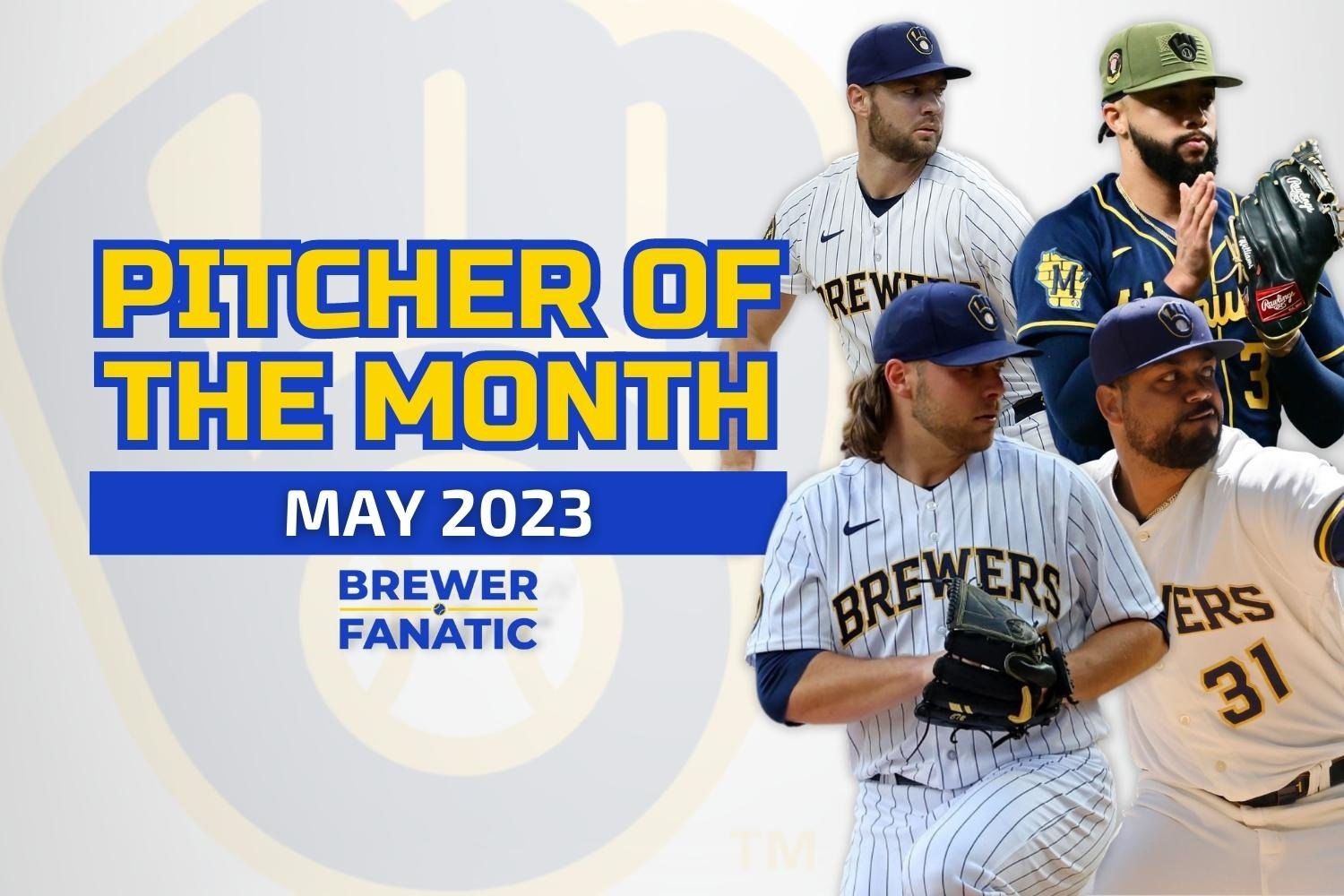 The Brewers have struggled in the month of May with injuries to their rotation, missing Brandon Woodruff, Wade Miley, Aaron Ashby and getting worry-inducing performances from Freddy Peralta. How tough has it been? They had to give Julio Teheran an MLB deal! That being said, there have been some standouts, and one man in particular. Before we name our Pitcher of the Month, here are the others who were considered. Honorable Mentions Corbin Burnes Burnes has a level of expectation on him that other pitchers just don’t, purely because of how dominant he’s been for the Brewers over the last few seasons. He hasn’t looked at all like the Cy Young version of himself, with his strikeout and whiff rates in particular dropping considerably. However, he has shown an ability to pitch through the trouble, being the only Brewers starter to regularly eat innings. He has recorded a 3.3 ERA in May, including an eight-strikeout, seven-inning performance against the San Francisco Giants, with only a blow up against the Houston Astros to really tarnish his numbers. He gave up six home runs, far more than he would expect, but his strikeout rates did trend upwards from the month of April in a glimmer of hope that he can find a higher level of performance once again. Devin Williams Williams gave up just three hits in the month of May, although one was an inconsequential home run, and is still perfect in save opportunities and in tied games. Due to his reduced workload (in part because of a lack of winning situations, and also extending leads late) he has been used for more multi-inning work, including three straight multi-inning saves. He does have the propensity to walk batters on occasion, but he’s as cold as ice when men are on base, holding opponents to a .107 batting average. As one of the few Brewers who have been as high quality as expected, he’s been invaluable in keeping the heads above water with the currently stacked injured list. Adrian Houser The blow-up start against the Toronto Blue Jays has really hurt his May numbers, with a lot of ground balls getting through the infield in both some fielding mishaps and some bad batted ball luck. However, prior to that, he showed a revised arsenal with increased usage of his four-seamer to left-handers that made a significant difference to his effectiveness. He had a 2.25 ERA in May prior to his start against the Blue Jays, while going 11 1/3 innings combined against the Tampa Bay Rays and Houston Astros stacked, in form line-ups without giving up a solitary run. Houser will have occasional games where balls get through the infield, and he does rely heavily on his defense, but he’ll be hoping to brush his last start off and take his form through June. Pitcher of the Month - Joel Payamps Joel Payamps has been outstanding in this last month, increasingly being used in big situations during games and coming up clutch, most notably in the series against the Houston Astros where he came in for clean-up duty twice against the heart of the order, striking out all four batters faced with runners in scoring position. He has a 1.38 ERA with 20 strikeouts in 14 innings of work, holding hitters to an OPS of .559. He is ninth in the league for relievers Win Probability Added during this stretch, initiating a lot of weak contact while also using his improved slider to strike out hitters at a far higher rate than expected, going from 6.6 K/9 in 2022 to 9.9 K/9 so far this season. This is less to do with absurd chase rates or swing and miss stuff, but he keeps hitters off balance in the strike zone, then uses slider down and away to get outs with two strikes. Most important is the exit velocity, and as you can see below, he doesn’t allow too much hard contact. When he keeps the four seamer up in the zone, it's nearly impossible to square up. The sinker has been hit hard, but the movement profile does allow his slider to play better. Payamps is currently in the 91st percentile for average exit velocity, 94th percentile for walk rate and 78th percentile for strikeout rate.’ He has been an excellent addition for the Brewers, and they’ll hope to see it continue through June. So what do you think of the choice for Brewers pitcher of the year? How would you rank their performances? What does it mean? Leave some comments below.
 -
Another month of the season gone by. We are officially one-third of the way through the 2023 season. But, it's time to look at May in the rear-view mirror and try to find some highlights. Or, maybe the choice for Pitcher of the Year is indicative of the Brewers month? The Brewers have struggled in the month of May with injuries to their rotation, missing Brandon Woodruff, Wade Miley, Aaron Ashby and getting worry-inducing performances from Freddy Peralta. How tough has it been? They had to give Julio Teheran an MLB deal! That being said, there have been some standouts, and one man in particular. Before we name our Pitcher of the Month, here are the others who were considered. Honorable Mentions Corbin Burnes Burnes has a level of expectation on him that other pitchers just don’t, purely because of how dominant he’s been for the Brewers over the last few seasons. He hasn’t looked at all like the Cy Young version of himself, with his strikeout and whiff rates in particular dropping considerably. However, he has shown an ability to pitch through the trouble, being the only Brewers starter to regularly eat innings. He has recorded a 3.3 ERA in May, including an eight-strikeout, seven-inning performance against the San Francisco Giants, with only a blow up against the Houston Astros to really tarnish his numbers. He gave up six home runs, far more than he would expect, but his strikeout rates did trend upwards from the month of April in a glimmer of hope that he can find a higher level of performance once again. Devin Williams Williams gave up just three hits in the month of May, although one was an inconsequential home run, and is still perfect in save opportunities and in tied games. Due to his reduced workload (in part because of a lack of winning situations, and also extending leads late) he has been used for more multi-inning work, including three straight multi-inning saves. He does have the propensity to walk batters on occasion, but he’s as cold as ice when men are on base, holding opponents to a .107 batting average. As one of the few Brewers who have been as high quality as expected, he’s been invaluable in keeping the heads above water with the currently stacked injured list. Adrian Houser The blow-up start against the Toronto Blue Jays has really hurt his May numbers, with a lot of ground balls getting through the infield in both some fielding mishaps and some bad batted ball luck. However, prior to that, he showed a revised arsenal with increased usage of his four-seamer to left-handers that made a significant difference to his effectiveness. He had a 2.25 ERA in May prior to his start against the Blue Jays, while going 11 1/3 innings combined against the Tampa Bay Rays and Houston Astros stacked, in form line-ups without giving up a solitary run. Houser will have occasional games where balls get through the infield, and he does rely heavily on his defense, but he’ll be hoping to brush his last start off and take his form through June. Pitcher of the Month - Joel Payamps Joel Payamps has been outstanding in this last month, increasingly being used in big situations during games and coming up clutch, most notably in the series against the Houston Astros where he came in for clean-up duty twice against the heart of the order, striking out all four batters faced with runners in scoring position. He has a 1.38 ERA with 20 strikeouts in 14 innings of work, holding hitters to an OPS of .559. He is ninth in the league for relievers Win Probability Added during this stretch, initiating a lot of weak contact while also using his improved slider to strike out hitters at a far higher rate than expected, going from 6.6 K/9 in 2022 to 9.9 K/9 so far this season. This is less to do with absurd chase rates or swing and miss stuff, but he keeps hitters off balance in the strike zone, then uses slider down and away to get outs with two strikes. Most important is the exit velocity, and as you can see below, he doesn’t allow too much hard contact. When he keeps the four seamer up in the zone, it's nearly impossible to square up. The sinker has been hit hard, but the movement profile does allow his slider to play better. Payamps is currently in the 91st percentile for average exit velocity, 94th percentile for walk rate and 78th percentile for strikeout rate.’ He has been an excellent addition for the Brewers, and they’ll hope to see it continue through June. So what do you think of the choice for Brewers pitcher of the year? How would you rank their performances? What does it mean? Leave some comments below. View full article
-
I think Bieber looks like he may very likely be available, and could be the biggest available looking at recent form
-
I absolutely agree, but overhauling this line-up just doesn't happen by trades this time of the season. It's more a spark plug needed, and throughout May Turang, Taylor and Wiemer were black holes, just sucking the life out of things. Wiemer has shown better contact in the last few games, and what a difference that could make, and Turang may head down once Urias is back (particularly as Monasterio has actually looked quite solid at the plate just judging by approach and contact alone), while Taylor will get hot at some point. I think it's more incremental improvements needed from big players than just all new players, but along with this, Adames needs to step up. He shines most with men on base, always has, so could do better as a cleanup hitter too
- 3 replies
-
- 1
-

-
- freddy peralta
- elvis peguero
- (and 1 more)
-
This month and early July is going to be a real big melting pot of teams seeing how their season will turn out in this division The Brewers play the Reds seven times, Cubs four times, Pirates six times before the all star break, and six more games against the Reds before the end of July
-
What Level of Threat Does Each NL Central Team Pose to the Brewers?
Jake McKibbin posted an article in Brewers
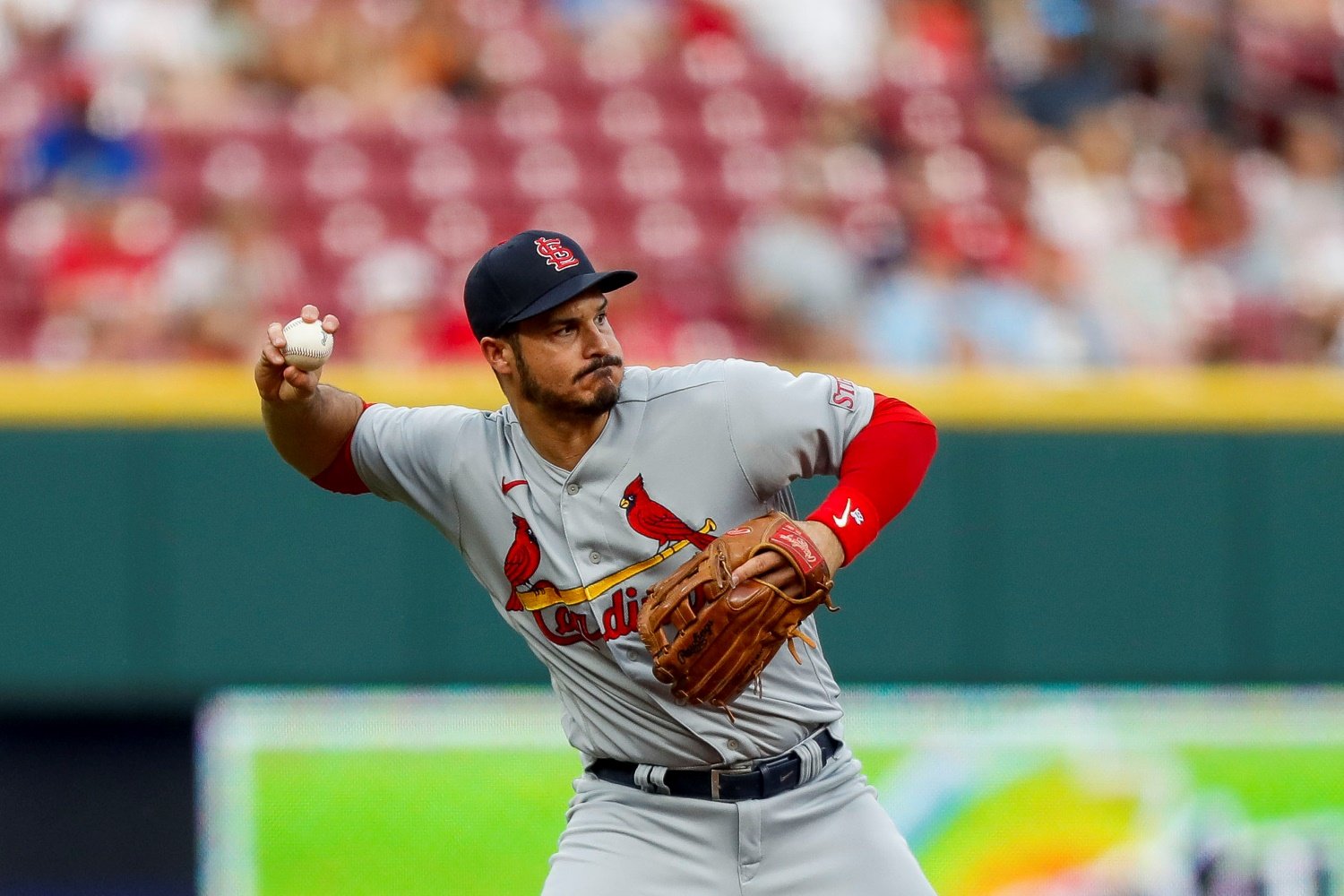 Pittsburgh Pirates The Pirates had a supremely strong start to the season, led by MVP-level months from ex-Brewer Andrew McCutchen, Jack Suwinski, Bryan Reynolds, Rodolfo Castro and Connor Joe. Ji Hwan Bae was stealing bases at will, and they were almost impossible to contain offensively. Since then, however, only Suwinski has maintained his form, with 11 home runs and an .859 OPS, with McCutchen and Reynolds cooling off a little, and overall, they have produced a 4.78 ERA with a .636 OPS in the last 30 days. While Suwinski’s breakout may be legitimate (with his 92nd percentile barrel rate, 97th percentile chase rate and raw speed), he does swing and miss a lot in the zone, with an xBA of just .212 and a strikeout rate of 32.5%. The Pirates need more over-performing players to mount a realistic challenge, especially given that their pitching staff has shown real potential. Mitch Keller is having a breakout season, and Vince Velasquez looks promising for a change, while Roansy Contreras is finding his feet at the major-league level. Threat level: 3/10 The Pirates look more like the team we expected in this past month, and barring a surging offense, appear more likely to have a significant drop off than to tread water and emerge with even a .500 record. Chicago Cubs The Cubs also struggled mightily in the month of May, going 10-18 after riding a revived Cody Bellinger (albeit with his underlying stats not quite so promising), exemplary performances from Justin Steele and Marcus Stroman, as well as some solid Drew Smyly starts to a strong April record. However, their rotation tails off considerably with Jameson Taillon recording an 8.04 ERA, and Hayden Wesneski still figuring things out. Their bullpen has been anything but solid, with only Mark Leiter and Adbert Alzolay showing up well. Ex-Brewer Brad Boxberger has a 5.52 ERA, and Michael Fulmer has pitched in 25 games to a 7.36 ERA. On offense, they’ve looked much more solid and consistent than in previous seasons, with Dansby Swanson’s 19 extra-base hits to go with a .366 on-base percentage; and Patrick Wisdom doing his best Keston Hiura impression, hitting .213 with 14 home runs and a 35.9% strikeout rate. Seiya Suzuki and Ian Happ are as solid as ever, with .385 and .394 on-base percentages and .800+ OPSes. They’ve also brought in another Keston lookalike in Christopher Morel, who has hit nine home runs in just 75 at-bats, with a 38.7% strikeout rate, taking his form from Triple A straight into the majors and igniting the Cubs offense. Threat Level: 7/10 The Cubs have the lineup to hurt teams, with big sluggers and men with high OBPs complementing each other well, but they need more pitching help behind the big two starters. If they pick up someone solid for the back end of their rotation, they could be a serious threat to the Brewers, and they look much more likely to string together a winning streak than Milwaukee do at this point in time. Cincinnati Reds The Reds came into this season hoping to show some signs of future promise with their talented farm system coming through, but not to be in the mix for a playoff spot. However, they are currently three games back, and have some real life about their team. The pitching staff hasn’t been what they hoped, with Hunter Greene (4.18 ERA) and Graham Ashcraft (5.55 ERA) expected to lead the rotation and be a formidable 1-2 punch. Greene has serious strikeout stuff, but a WHIP of 1.38 with an average of 1.28 home runs per nine, and an inability to go deep in games is hurting him. Ashcraft was exceptional last season, but has a 1.96 K/BB ratio and a 1.49 WHIP which has caused him serious trouble. On the brighter side for the Reds, their infield has been one of the best in the big leagues since Matt McLain arrived. He has a 1.056 OPS, albeit with a .531 BABIP which isn’t sustainable. TJ Fridel has also benefited from a little luck in posting an .891 OPS, but with Spencer Steer, Jonathan India and McLain posting .800+ OPS, and the versatile Nick Senzel and Kevin Newman posting solid hitting numbers, the Reds’ infield has been exceptional. They have struggled a little more from the corner outfield spots, but this lineup has been a big reason for their recent success, maintaining a .500 record through May. Threat Level: 6/10 If the top of the rotation can return to the levels they were producing in September last year, which gave the fan base a lot of hope coming into the season, then they are a legitimate force. Also, the main reason for a slight bump in their threat level, is the large, looming Elly de la Cruz, who is on a Tatis-esque tear in Triple A and could make this lineup truly fearsome. This may be a season too early for the Reds, but they have the potential to stay close and cause some havoc, especially if the pitchers can turn it around. St Louis Cardinals The Cardinals endured one of the worst starts to the season in their history, but have rebounded well with a couple of win streaks against the Brewers and the Dodgers. They have petered out a little in their last few games, going 5-5 over their last ten, and still struggling with a pitching staff comprised of an aging Adam Wainwright, an almost unplayable Steven Matz, and an up-and-down Jack Flaherty; Jordan Montgomery struggling recently; and only Miles Mikolas showing some consistent performances (after a rough start). Hitting-wise, Jordan Walker was projected as a phenom early doors, but his atrocious defense in right field (-6 DRS) as well as his over-hyped bat just wasn’t quite ready the first time around. The outfield, outside of currently injured Lars Nootbaar, has struggled both defensively and offensively, even playing Tommy Edman in right field, and Alec Burleson being both a liability in the field and underperforming with the bat (given his minor-league numbers last season, they may have expected a hitting machine). Paul Goldschmidt has been his usual self, with 2.1 WAR through May, and Nolan Arenado has had a hot streak that carried the Cardinals for a few weeks, but they are still struggling for consistency. This is a potent lineup, with Donovan, Goldschmidt, Arenado, an on-fire Paul DeJong, and Tommy Edman all going well this month. Threat Level: 6/10 Realistically, the Cardinals can’t expect to win every game by scoring double-digit runs, but it’s also clear they don’t need quite as good a staff as the Brewers to eke out wins. If several of the starters can perform on a consistent, sub-4.00 ERA basis, then they could ignite their challenge, but they are still eight games below a .500 record and can ill afford another bad run. They also haven’t dealt with key player injuries (Dylan Carlson and Tyler O’Neill weren’t exactly performing strongly when they went down), and if any of their pitchers, or senior hitters, go down for a while, that could snuff out their season for good. June will be a key month for them in terms of how they approach the trade deadline, as they have a lot of hitting talent in their farm system, and they will be wanting to reinforce their rotation, most of whom are free agents at the end of the year.
 -
The Milwaukee Brewers’ failure to capitalize on the few soft spots in their schedule, such as series against the Giants and the Rockies, have enabled other teams in the division to claw back to within four and a half games of the lead. So how are those rivals doing, as we leave May behind? Image courtesy of © Katie Stratman-USA TODAY Sports Pittsburgh Pirates The Pirates had a supremely strong start to the season, led by MVP-level months from ex-Brewer Andrew McCutchen, Jack Suwinski, Bryan Reynolds, Rodolfo Castro and Connor Joe. Ji Hwan Bae was stealing bases at will, and they were almost impossible to contain offensively. Since then, however, only Suwinski has maintained his form, with 11 home runs and an .859 OPS, with McCutchen and Reynolds cooling off a little, and overall, they have produced a 4.78 ERA with a .636 OPS in the last 30 days. While Suwinski’s breakout may be legitimate (with his 92nd percentile barrel rate, 97th percentile chase rate and raw speed), he does swing and miss a lot in the zone, with an xBA of just .212 and a strikeout rate of 32.5%. The Pirates need more over-performing players to mount a realistic challenge, especially given that their pitching staff has shown real potential. Mitch Keller is having a breakout season, and Vince Velasquez looks promising for a change, while Roansy Contreras is finding his feet at the major-league level. Threat level: 3/10 The Pirates look more like the team we expected in this past month, and barring a surging offense, appear more likely to have a significant drop off than to tread water and emerge with even a .500 record. Chicago Cubs The Cubs also struggled mightily in the month of May, going 10-18 after riding a revived Cody Bellinger (albeit with his underlying stats not quite so promising), exemplary performances from Justin Steele and Marcus Stroman, as well as some solid Drew Smyly starts to a strong April record. However, their rotation tails off considerably with Jameson Taillon recording an 8.04 ERA, and Hayden Wesneski still figuring things out. Their bullpen has been anything but solid, with only Mark Leiter and Adbert Alzolay showing up well. Ex-Brewer Brad Boxberger has a 5.52 ERA, and Michael Fulmer has pitched in 25 games to a 7.36 ERA. On offense, they’ve looked much more solid and consistent than in previous seasons, with Dansby Swanson’s 19 extra-base hits to go with a .366 on-base percentage; and Patrick Wisdom doing his best Keston Hiura impression, hitting .213 with 14 home runs and a 35.9% strikeout rate. Seiya Suzuki and Ian Happ are as solid as ever, with .385 and .394 on-base percentages and .800+ OPSes. They’ve also brought in another Keston lookalike in Christopher Morel, who has hit nine home runs in just 75 at-bats, with a 38.7% strikeout rate, taking his form from Triple A straight into the majors and igniting the Cubs offense. Threat Level: 7/10 The Cubs have the lineup to hurt teams, with big sluggers and men with high OBPs complementing each other well, but they need more pitching help behind the big two starters. If they pick up someone solid for the back end of their rotation, they could be a serious threat to the Brewers, and they look much more likely to string together a winning streak than Milwaukee do at this point in time. Cincinnati Reds The Reds came into this season hoping to show some signs of future promise with their talented farm system coming through, but not to be in the mix for a playoff spot. However, they are currently three games back, and have some real life about their team. The pitching staff hasn’t been what they hoped, with Hunter Greene (4.18 ERA) and Graham Ashcraft (5.55 ERA) expected to lead the rotation and be a formidable 1-2 punch. Greene has serious strikeout stuff, but a WHIP of 1.38 with an average of 1.28 home runs per nine, and an inability to go deep in games is hurting him. Ashcraft was exceptional last season, but has a 1.96 K/BB ratio and a 1.49 WHIP which has caused him serious trouble. On the brighter side for the Reds, their infield has been one of the best in the big leagues since Matt McLain arrived. He has a 1.056 OPS, albeit with a .531 BABIP which isn’t sustainable. TJ Fridel has also benefited from a little luck in posting an .891 OPS, but with Spencer Steer, Jonathan India and McLain posting .800+ OPS, and the versatile Nick Senzel and Kevin Newman posting solid hitting numbers, the Reds’ infield has been exceptional. They have struggled a little more from the corner outfield spots, but this lineup has been a big reason for their recent success, maintaining a .500 record through May. Threat Level: 6/10 If the top of the rotation can return to the levels they were producing in September last year, which gave the fan base a lot of hope coming into the season, then they are a legitimate force. Also, the main reason for a slight bump in their threat level, is the large, looming Elly de la Cruz, who is on a Tatis-esque tear in Triple A and could make this lineup truly fearsome. This may be a season too early for the Reds, but they have the potential to stay close and cause some havoc, especially if the pitchers can turn it around. St Louis Cardinals The Cardinals endured one of the worst starts to the season in their history, but have rebounded well with a couple of win streaks against the Brewers and the Dodgers. They have petered out a little in their last few games, going 5-5 over their last ten, and still struggling with a pitching staff comprised of an aging Adam Wainwright, an almost unplayable Steven Matz, and an up-and-down Jack Flaherty; Jordan Montgomery struggling recently; and only Miles Mikolas showing some consistent performances (after a rough start). Hitting-wise, Jordan Walker was projected as a phenom early doors, but his atrocious defense in right field (-6 DRS) as well as his over-hyped bat just wasn’t quite ready the first time around. The outfield, outside of currently injured Lars Nootbaar, has struggled both defensively and offensively, even playing Tommy Edman in right field, and Alec Burleson being both a liability in the field and underperforming with the bat (given his minor-league numbers last season, they may have expected a hitting machine). Paul Goldschmidt has been his usual self, with 2.1 WAR through May, and Nolan Arenado has had a hot streak that carried the Cardinals for a few weeks, but they are still struggling for consistency. This is a potent lineup, with Donovan, Goldschmidt, Arenado, an on-fire Paul DeJong, and Tommy Edman all going well this month. Threat Level: 6/10 Realistically, the Cardinals can’t expect to win every game by scoring double-digit runs, but it’s also clear they don’t need quite as good a staff as the Brewers to eke out wins. If several of the starters can perform on a consistent, sub-4.00 ERA basis, then they could ignite their challenge, but they are still eight games below a .500 record and can ill afford another bad run. They also haven’t dealt with key player injuries (Dylan Carlson and Tyler O’Neill weren’t exactly performing strongly when they went down), and if any of their pitchers, or senior hitters, go down for a while, that could snuff out their season for good. June will be a key month for them in terms of how they approach the trade deadline, as they have a lot of hitting talent in their farm system, and they will be wanting to reinforce their rotation, most of whom are free agents at the end of the year. View full article
-
Also intriguing to note is Gerrit Cole's savant page Currently he's dropped his strikeout rate from 32.4% to 26.2% Walk rate increase from 6% to 8% xERA of 3.98 The only thing that's happening is he's getting less swing and miss, other than that a lot of his profile looks similar
-
Absolutely key to the damage caused was his reaction and step back. This will have massively minimised the force with which it connected (like using soft hands vs hard hands to catch a ball bare hand)
-
Absolutely good hitters help, but it's like this team doesn't have the belief at times, almost resigning themselves to losses facing higher quality relievers Also it is tough to come back from 17 runs down, but they should be competing better and I think that's my issue this far in the season
-
It’s no secret that the Brewers have recently struggled to put together hits, and score runs, with any sort of regularity. Coupled with underperforming pitchers and a densely-populated injured list, it has resulted in most of their wins being tight, edgy affairs, particularly in the month of May, often relying on immaculate bullpen work. Image courtesy of © Benny Sieu-USA TODAY Sports One thing with which they have really struggled is turning games on their heads, with poor showings in the late innings and an inability to exert material pressure on the opposing bullpen. So far this year, the Brewers have managed to tie or take the lead just twice from a deficit in the seventh inning, and just once in the eighth inning. They have, as of yet, failed to take a lead in the ninth inning. Their hitting hasn’t been good enough, and while it’s important to lay out that coming back from 18 runs behind isn’t likely in the final inning, you could still expect them to have outperformed the others in their division, as weak as it is at this present time. The Cubs and the Cardinals have each come back five times from a deficit in the seventh. The Reds have come back on an astonishing nine occasions already. When you look at what those three teams are providing, the answer is fairly obvious: consistent hitting–players at home in the batter's box and who can create solid contact with far greater regularity than the Brewers are doing. It gets even worse. You would think trailing in the fourth inning would provide reasonable chances of a turnaround. However, the Brewers have won less than one in 10 of those games so far. By contrast, they have only lost one out of the 20 games in which they led after the fourth. They have an ability to grind through close games and ensure they emerge on the winning side, but they need to have an increased level of performance when trailing, too, if they are to keep themselves above water until the injury bug abates. One other scoreboard situation is that the Brewers have, in the last few years, been able to call game with regularity when they have a lead in the late innings, but they have a winning percentage of just .500 in games that are tied going into the eighth. Peter Strzelecki and Matt Bush have been up and down: Bush due to his injury, and Strzelecki having gone away from the high-strikeout approach that worked so well for him last season. Bush is set to begin throwing on the mound soon, and if he is the version that the Texas Rangers had last season, the Brewers will feel much happier about themselves in these situations, especially with the effectiveness of Joel Payamps so far this year. Championship-caliber teams cannot give up on games just three innings in, and the Brewers will need to step it up in these situations. The club has lost some of the spark it had earlier in the season, especially with the Freshmen’s struggles (three hits combined over the last week in 39 total at-bats) and the lack of a high-performing veteran presence in the lineup is taking its toll. The return of Luis Urias may fill a gaping hole in the Brewers lineup so far, but even then, the Brewers need Christian Yelich, Willy Adames, and Rowdy Tellez to perform with far more regularity than we have recently seen. View full article
-
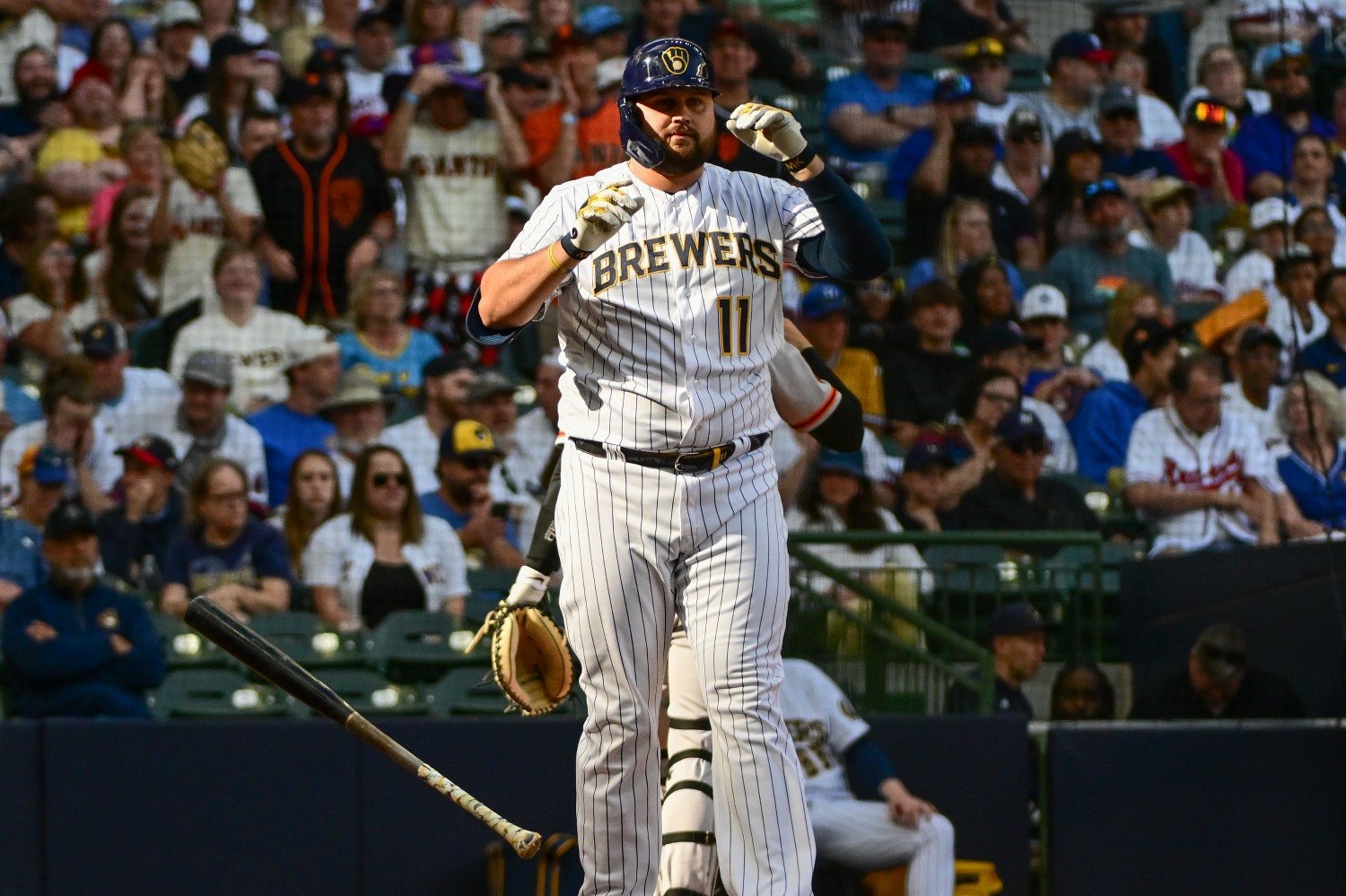 One thing with which they have really struggled is turning games on their heads, with poor showings in the late innings and an inability to exert material pressure on the opposing bullpen. So far this year, the Brewers have managed to tie or take the lead just twice from a deficit in the seventh inning, and just once in the eighth inning. They have, as of yet, failed to take a lead in the ninth inning. Their hitting hasn’t been good enough, and while it’s important to lay out that coming back from 18 runs behind isn’t likely in the final inning, you could still expect them to have outperformed the others in their division, as weak as it is at this present time. The Cubs and the Cardinals have each come back five times from a deficit in the seventh. The Reds have come back on an astonishing nine occasions already. When you look at what those three teams are providing, the answer is fairly obvious: consistent hitting–players at home in the batter's box and who can create solid contact with far greater regularity than the Brewers are doing. It gets even worse. You would think trailing in the fourth inning would provide reasonable chances of a turnaround. However, the Brewers have won less than one in 10 of those games so far. By contrast, they have only lost one out of the 20 games in which they led after the fourth. They have an ability to grind through close games and ensure they emerge on the winning side, but they need to have an increased level of performance when trailing, too, if they are to keep themselves above water until the injury bug abates. One other scoreboard situation is that the Brewers have, in the last few years, been able to call game with regularity when they have a lead in the late innings, but they have a winning percentage of just .500 in games that are tied going into the eighth. Peter Strzelecki and Matt Bush have been up and down: Bush due to his injury, and Strzelecki having gone away from the high-strikeout approach that worked so well for him last season. Bush is set to begin throwing on the mound soon, and if he is the version that the Texas Rangers had last season, the Brewers will feel much happier about themselves in these situations, especially with the effectiveness of Joel Payamps so far this year. Championship-caliber teams cannot give up on games just three innings in, and the Brewers will need to step it up in these situations. The club has lost some of the spark it had earlier in the season, especially with the Freshmen’s struggles (three hits combined over the last week in 39 total at-bats) and the lack of a high-performing veteran presence in the lineup is taking its toll. The return of Luis Urias may fill a gaping hole in the Brewers lineup so far, but even then, the Brewers need Christian Yelich, Willy Adames, and Rowdy Tellez to perform with far more regularity than we have recently seen.
 -
What Fun Fan Upgrades Could the Brewers Add to American Family Field?
Jake McKibbin posted an article in Brewers
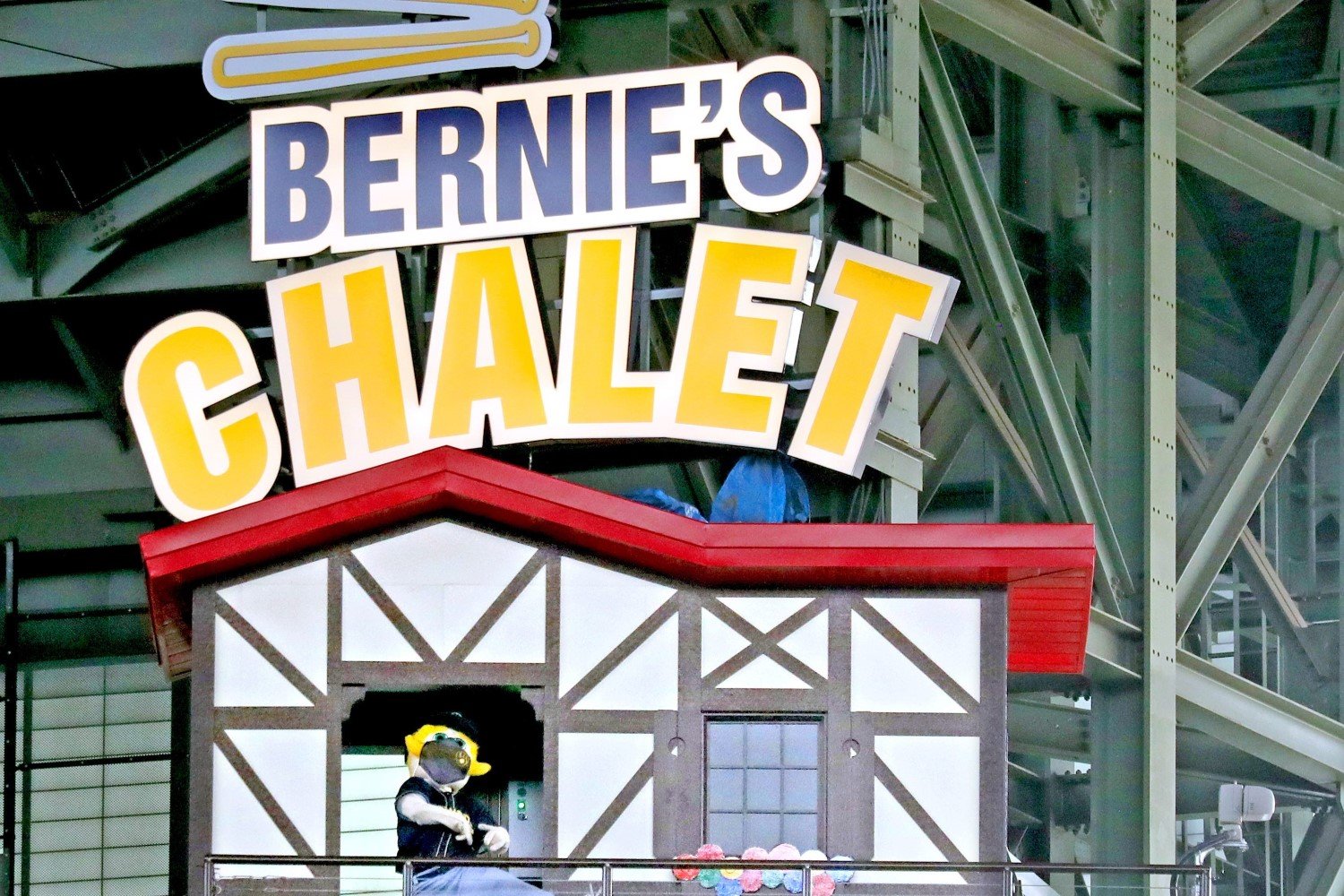 Some of the best features in and around stadiums lean on that for which the state or team name is renowned. There is a fine line between a standout feature and a tacky add-on, as the Brewers found out with the overhyped X-Golf launch. Better balances were struck with the 10,000-gallon tank in Tropicana Field with the cownose rays; the “water spectacular” at Kauffman stadium; and the Houston Astrodome’s connection to Houston Union Station. All have real standout features, and while the Brewers have Bernie’s slide, they could do with something a little more fan-friendly. Given that the Brewers recently got a mandate from MLB about refurbishing their stadium, they could expand this to both attach themselves more to the local community and increase the quirkiness of the stadium. With that in mind, here are a few ways the organization could accomplish both of these goals: A Pour-Your-Own Craft Beer Brewery and/or Distillery Over in Dublin, the tour of the Guinness factory, where you learn the techniques of the perfect pour, is one of the big attractions in the city. I remember my first and only trip to American Family Field, where they had just Miller Lite, Coors Light and Bud Light, which seemed strange, given the sheer number of craft breweries in Wisconsin. Enter a craft distillery, where people pay for a token and a glass, then top up a glass of their favorite local beer. Not only could this go a long way toward supporting local businesses during a time of economic strife, but it could add variety and a speed of service (depending on the number of stations available), as well as the more intimate touch of pouring it for yourself. You could add little details, in the form of cards identifying certain flavors within, or background information on the beers. A “Cheesehead” Snack Supplier Something the Brewers have embraced so far this season is the cheesehead, a term (semi-)affectionately used by fans of the Vikings. Not only is cheese an awesome snack to go with a beer, but the team could have a fancy-looking selection, varying options of boards you can take away, to even melted cheese stations with bread for a little fondue fun. Leaning into that for which Wisconsin is best known seems like a great thing, especially for out-of-state visitors who usually go mad for the little quirks. Again, it’s a way to support local businesses and give them some prominence, increasing the interaction between the baseball club and its community. The X-Golf seemed to be something that Mark Attanasio was very excited about, but it didn’t resonate with the fans at all. Specialist local food and beer, however, could be a great way to bring back some of that close-knit standing. There are rumors of a potential beer district in the making for the parking lot, something I’m sure tailgaters could take good advantage of. What would you like to see in American Family Field as a standout attraction?
 -
Major League Baseball wants the Brewers to massively improve American Family Field. If that's going to happen, we might as well kick around a few ideas for how that work could serve the fans, instead of just ownership and the league. Image courtesy of © Mike De Sisti / Milwaukee Journal Sentinel via Imagn Content Services, LLC Some of the best features in and around stadiums lean on that for which the state or team name is renowned. There is a fine line between a standout feature and a tacky add-on, as the Brewers found out with the overhyped X-Golf launch. Better balances were struck with the 10,000-gallon tank in Tropicana Field with the cownose rays; the “water spectacular” at Kauffman stadium; and the Houston Astrodome’s connection to Houston Union Station. All have real standout features, and while the Brewers have Bernie’s slide, they could do with something a little more fan-friendly. Given that the Brewers recently got a mandate from MLB about refurbishing their stadium, they could expand this to both attach themselves more to the local community and increase the quirkiness of the stadium. With that in mind, here are a few ways the organization could accomplish both of these goals: A Pour-Your-Own Craft Beer Brewery and/or Distillery Over in Dublin, the tour of the Guinness factory, where you learn the techniques of the perfect pour, is one of the big attractions in the city. I remember my first and only trip to American Family Field, where they had just Miller Lite, Coors Light and Bud Light, which seemed strange, given the sheer number of craft breweries in Wisconsin. Enter a craft distillery, where people pay for a token and a glass, then top up a glass of their favorite local beer. Not only could this go a long way toward supporting local businesses during a time of economic strife, but it could add variety and a speed of service (depending on the number of stations available), as well as the more intimate touch of pouring it for yourself. You could add little details, in the form of cards identifying certain flavors within, or background information on the beers. A “Cheesehead” Snack Supplier Something the Brewers have embraced so far this season is the cheesehead, a term (semi-)affectionately used by fans of the Vikings. Not only is cheese an awesome snack to go with a beer, but the team could have a fancy-looking selection, varying options of boards you can take away, to even melted cheese stations with bread for a little fondue fun. Leaning into that for which Wisconsin is best known seems like a great thing, especially for out-of-state visitors who usually go mad for the little quirks. Again, it’s a way to support local businesses and give them some prominence, increasing the interaction between the baseball club and its community. The X-Golf seemed to be something that Mark Attanasio was very excited about, but it didn’t resonate with the fans at all. Specialist local food and beer, however, could be a great way to bring back some of that close-knit standing. There are rumors of a potential beer district in the making for the parking lot, something I’m sure tailgaters could take good advantage of. What would you like to see in American Family Field as a standout attraction? View full article
-
Welcome back for part two Fanatics! In the first part, I had a look into all of the strengths Owen Miller has provided to the Brewers in each aspect of the game, but unfortunately, there are some weaknesses that are showing up as well that could result in a slump down the line. Let’s take a look at some of the warning signs about Miller’s performance so far. Image courtesy of © MARK HOFFMAN/MILWAUKEE JOURNAL SENTINEL / USA TODAY NETWORK Arm Strength Owen Miller’s defense so far for the Brewers has been of seriously high quality, including some highlight-reel plays at third. However, at the hot corner especially, his arm strength can be an issue, with Miller favoring a quickish release over strength, and there have been a couple of infield hits with him over there that Brian Anderson’s arm just wouldn’t allow. He’s in the 9th percentile for arm strength, meaning he probably performs better at second base, but with Brice Turang being locked into that position, his versatility has allowed him to find regular playing time during his hot streak. The Expected Stats One thing Miller has seriously benefitted from so far is a .386 BABIP, resulting in a wOBA .080 higher than would expected thus far, based on his batted-ball data. His expected batting average of .276 and expected slugging average of .408 are still sturdy numbers that would significantly outperform his career bests, but they're also a far cry below his current .346/.548 marks. It also seems important to note that Miller isn’t hitting the ball harder, or in the air, more often than he was last season. He has a .946 BABIP on line drives so far, which is obviously unsustainable, and is finding a lot of holes both up the middle and to the pull side, while players like Christian Yelich seem to be finding the fielders with much more regularity. In short, there is due to be a period wherein Miller’s regular contact doesn’t yield the hits we’re seeing at the moment. There also could be a period of adjustment on the part of opposing pitchers, given his approach changing (as mentioned in part one). Most of Miller’s damage has come up in the zone, which is also where he’s being pitched to most often. Given his contact rates, swing-and-miss is less of an issue for Miller as to whether he can make consistent aerial contact, yet he struggles to hit the ball hard when pitched down in the strike zone; This drop in velocity might be manageable for flares into the outfield if he could consistently keep the ball in the air. However, as you can see below, he creates a lot of low-value ground balls. Almost all of Miller’s loud contact comes on the inner and middle thirds of the plate, using his short swing to pull the ball with relative authority. He has just two hard-hit balls (out of 41 swings) on pitches on the outer third of the plate. In short, there are enough weaknesses that he may get figured out sometime in the next month or so. The biggest question will be if he can stay in the at-bat using his contact skills until he gets a pitch more to his liking. Sliders down and away are his biggest swing-and-miss pitch, and I’m surprised that (thus far) he hasn’t been exploited more, in the way we see Willy Adames being peppered with them. To Sum it Up I don’t think anyone expects Owen Miller to carry a .915 OPS through to the postseason, but the timing at which he has provided this run of form has been invaluable to the Brewers. He’s making solid contact, putting the ball in play and providing high-quality defense (93rd percentile for outs above average). He’s versatile, and is showing signs of hitting for power recently, having managed just six home runs in total across 2022. The Brewers must be incredibly happy with the production they’ve received so far, and long may it continue. View full article
-
 Arm Strength Owen Miller’s defense so far for the Brewers has been of seriously high quality, including some highlight-reel plays at third. However, at the hot corner especially, his arm strength can be an issue, with Miller favoring a quickish release over strength, and there have been a couple of infield hits with him over there that Brian Anderson’s arm just wouldn’t allow. He’s in the 9th percentile for arm strength, meaning he probably performs better at second base, but with Brice Turang being locked into that position, his versatility has allowed him to find regular playing time during his hot streak. The Expected Stats One thing Miller has seriously benefitted from so far is a .386 BABIP, resulting in a wOBA .080 higher than would expected thus far, based on his batted-ball data. His expected batting average of .276 and expected slugging average of .408 are still sturdy numbers that would significantly outperform his career bests, but they're also a far cry below his current .346/.548 marks. It also seems important to note that Miller isn’t hitting the ball harder, or in the air, more often than he was last season. He has a .946 BABIP on line drives so far, which is obviously unsustainable, and is finding a lot of holes both up the middle and to the pull side, while players like Christian Yelich seem to be finding the fielders with much more regularity. In short, there is due to be a period wherein Miller’s regular contact doesn’t yield the hits we’re seeing at the moment. There also could be a period of adjustment on the part of opposing pitchers, given his approach changing (as mentioned in part one). Most of Miller’s damage has come up in the zone, which is also where he’s being pitched to most often. Given his contact rates, swing-and-miss is less of an issue for Miller as to whether he can make consistent aerial contact, yet he struggles to hit the ball hard when pitched down in the strike zone; This drop in velocity might be manageable for flares into the outfield if he could consistently keep the ball in the air. However, as you can see below, he creates a lot of low-value ground balls. Almost all of Miller’s loud contact comes on the inner and middle thirds of the plate, using his short swing to pull the ball with relative authority. He has just two hard-hit balls (out of 41 swings) on pitches on the outer third of the plate. In short, there are enough weaknesses that he may get figured out sometime in the next month or so. The biggest question will be if he can stay in the at-bat using his contact skills until he gets a pitch more to his liking. Sliders down and away are his biggest swing-and-miss pitch, and I’m surprised that (thus far) he hasn’t been exploited more, in the way we see Willy Adames being peppered with them. To Sum it Up I don’t think anyone expects Owen Miller to carry a .915 OPS through to the postseason, but the timing at which he has provided this run of form has been invaluable to the Brewers. He’s making solid contact, putting the ball in play and providing high-quality defense (93rd percentile for outs above average). He’s versatile, and is showing signs of hitting for power recently, having managed just six home runs in total across 2022. The Brewers must be incredibly happy with the production they’ve received so far, and long may it continue.
 -
Absolutely, he has a real ability to find the outfield grass, turning them into doubles very effectively. One of his best assets is how regularly he's putting the ball in play, I don't think that can be understated in a line-up like this, and in doing so he's giving himself every chance of a career year with some luck. Also, his home runs haven't been cheapies for the most part They don't, it only uses batted ball events, which are fair balls. This does include catches in foul territory though Absolutely, he's already provided more than the Brewers could have expected, and he's also done it for quite a while, raking throughout spring training if that counts for anything.
-
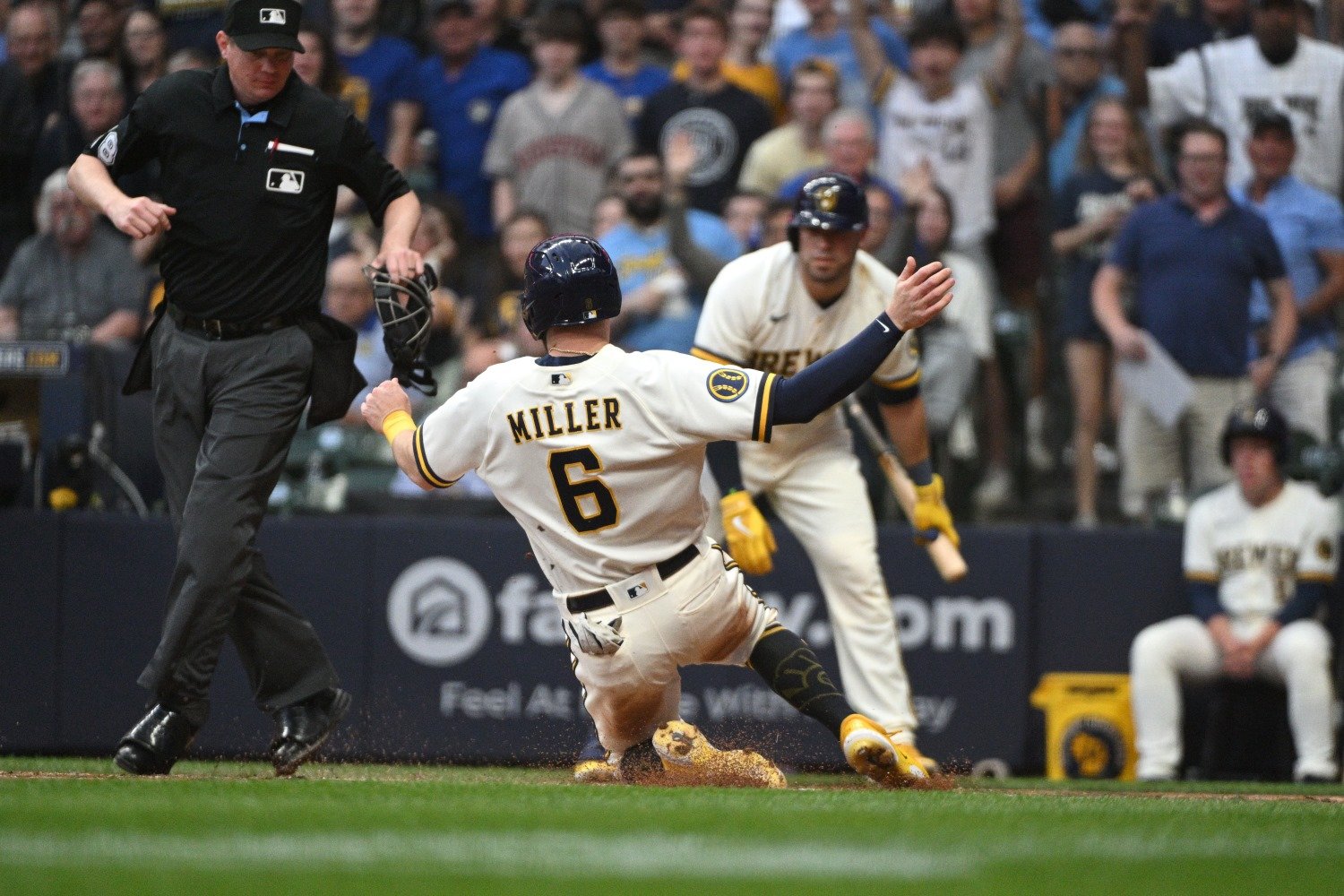 The Bat Owen Miller doesn’t hit the ball hard. At all. He is in the first percentile for average exit velocity, and he's 14th-lowest in total (Mike Brosseau is second-lowest) with just a 29% hard-hit rate. Yet, his expected batting average is in the 72nd percentile, so there is substance to his recent returns. He is a master at making contact, with a whiff rate in the 88th percentile across MLB, with a particular development in making contact on pitches outside the zone (76% in 2022 to 81% in 2023, both of which are extraordinarily high relative to the league average) allowing him to lengthen at-bats. A big reason for this is his improvement against breaking pitches, with his line of a .223 batting average and .354 slugging average last season rising to .286/.607 so far in 2023. He's also whiffing far less often this year on pitches below the strike zone. However, where he does most of his damage is in the middle and upper part of the strike zone, using his short, compact swing to turn on pitches. He's pulled the ball at a career-high rate of 40% so far this season, and have a look at his expected slugging numbers prior to his monster home runs against the Astros. This is, in part, from his 50% fly-ball rate on the inner third of the strike zone, but it should be noted that seven of his hits this season have come from pitchers trying to get in on his hands, including three doubles and a home run. He seems to have altered his approach in 2023 so far as well, using his short swing to stay on fastballs when he falls behind, but sitting and waiting on the putaway breaking pitches, and he's used this to great effect. Here is his stat line when he falls behind in the count: For consistency’s sake, let’s use the expected stats, and note a .348 increase in expected slugging on breaking pitches, and .122 increase in expected batting average against breaking pitches when behind in the count. Whereas, last year, he was a sitting duck in these counts, this year he seems to have a concerted plan of attack that’s bearing fruit. When pitchers try to get fastballs by him, he has just a 12.5% whiff rate against it, forcing them to vary their offerings. He’s striking out overall at just a 15% clip, putting the ball in play and giving himself a chance for good BABIP luck, something the Brewers desperately need with what can be a high-strikeout lineup, particularly when Willy Adames, Rowdy Tellez and Brian Anderson aren’t streaking. It should also be noted that this level of performance isn’t entirely unheard-of for Miller. Throughout the minor leagues, he had an ISO that hovered around .140 for the most part, but in his final year before getting called up, he jumped to almost a .200 ISO, hitting 20 extra-base hits in 180 at-bats. The current home-run power surge may be a bit of a fluke, but he does have gap-to-gap power. The Glove In the last week, Miller’s range at third base has shown up in some highlight reel plays. Before the Brewers acquired him, the Guardians had tried to convert him to a first baseman due to injuries and needs specific to their roster, and there were some growing pains that ironed out toward the end of the year. (He had six fielding errors at first base, 10 in total, on the year.) However, he had a positive outs above average at each of first base (3 OAA), second base (2 OAA) and third base (1 OAA). Due to his underperformance at first base last year, he’s been regarded as a subpar defender, but that simply isn’t the case. Given Tellez's quality glove, but extremely limited range, Miller is an ideal late-inning substitute at first base. The Brewers love that option, as evidenced by the way Craig Counsell tries to ensure that they have both Tyrone Taylor and Joey Wiemer in the outfield when they’re protecting a lead. The Wheels For a first baseman, it’s very rare to be in the 84th percentile for sprint speed. Yet, Miller’s wheels have given him the opportunity to provide serious value to the Brewers as a potential center fielder, as well as playing into the premium range he gives at both the hot corner and the keystone. He has five stolen bases so far this year and has been caught only once, adding a little life on the basepaths. His key contribution to the win over the Astros on Tuesday night, stealing a base and then scoring on a wild pickoff attempt, was essential for some breathing space, and when you’re slumping, plays like that give the team a little momentum that’s needed to get over the hump. What have the Brewer fanatics thought about Miller’s performance so far? I’ll be back with a part two, so stay tuned!
 -
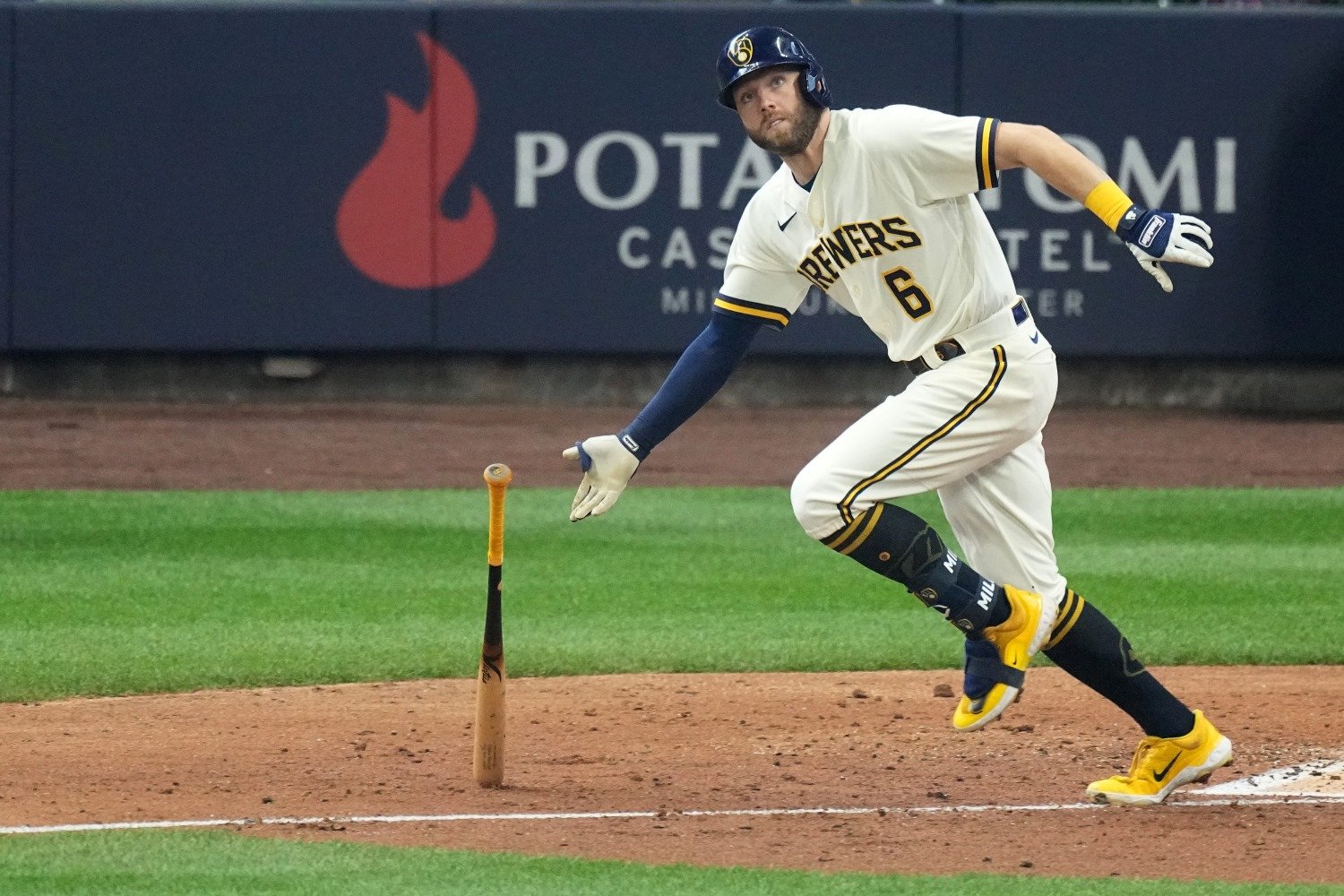
While the Milwaukee Brewers may be in a funk at the moment, one player of whom that cannot be said is Owen Miller. Brought in during the offseason in exchange for cash, he is a homegrown talent; a versatile infielder who can give you good defensive prowess; and a hitter who make solid enough contact to get hot for short stretches of time. The Brewers acquired him for his flexibility, but he's given them much more than that over the first two months. Image courtesy of © Michael McLoone-USA TODAY Sports The Bat Owen Miller doesn’t hit the ball hard. At all. He is in the first percentile for average exit velocity, and he's 14th-lowest in total (Mike Brosseau is second-lowest) with just a 29% hard-hit rate. Yet, his expected batting average is in the 72nd percentile, so there is substance to his recent returns. He is a master at making contact, with a whiff rate in the 88th percentile across MLB, with a particular development in making contact on pitches outside the zone (76% in 2022 to 81% in 2023, both of which are extraordinarily high relative to the league average) allowing him to lengthen at-bats. A big reason for this is his improvement against breaking pitches, with his line of a .223 batting average and .354 slugging average last season rising to .286/.607 so far in 2023. He's also whiffing far less often this year on pitches below the strike zone. However, where he does most of his damage is in the middle and upper part of the strike zone, using his short, compact swing to turn on pitches. He's pulled the ball at a career-high rate of 40% so far this season, and have a look at his expected slugging numbers prior to his monster home runs against the Astros. This is, in part, from his 50% fly-ball rate on the inner third of the strike zone, but it should be noted that seven of his hits this season have come from pitchers trying to get in on his hands, including three doubles and a home run. He seems to have altered his approach in 2023 so far as well, using his short swing to stay on fastballs when he falls behind, but sitting and waiting on the putaway breaking pitches, and he's used this to great effect. Here is his stat line when he falls behind in the count: For consistency’s sake, let’s use the expected stats, and note a .348 increase in expected slugging on breaking pitches, and .122 increase in expected batting average against breaking pitches when behind in the count. Whereas, last year, he was a sitting duck in these counts, this year he seems to have a concerted plan of attack that’s bearing fruit. When pitchers try to get fastballs by him, he has just a 12.5% whiff rate against it, forcing them to vary their offerings. He’s striking out overall at just a 15% clip, putting the ball in play and giving himself a chance for good BABIP luck, something the Brewers desperately need with what can be a high-strikeout lineup, particularly when Willy Adames, Rowdy Tellez and Brian Anderson aren’t streaking. It should also be noted that this level of performance isn’t entirely unheard-of for Miller. Throughout the minor leagues, he had an ISO that hovered around .140 for the most part, but in his final year before getting called up, he jumped to almost a .200 ISO, hitting 20 extra-base hits in 180 at-bats. The current home-run power surge may be a bit of a fluke, but he does have gap-to-gap power. The Glove In the last week, Miller’s range at third base has shown up in some highlight reel plays. Before the Brewers acquired him, the Guardians had tried to convert him to a first baseman due to injuries and needs specific to their roster, and there were some growing pains that ironed out toward the end of the year. (He had six fielding errors at first base, 10 in total, on the year.) However, he had a positive outs above average at each of first base (3 OAA), second base (2 OAA) and third base (1 OAA). Due to his underperformance at first base last year, he’s been regarded as a subpar defender, but that simply isn’t the case. Given Tellez's quality glove, but extremely limited range, Miller is an ideal late-inning substitute at first base. The Brewers love that option, as evidenced by the way Craig Counsell tries to ensure that they have both Tyrone Taylor and Joey Wiemer in the outfield when they’re protecting a lead. The Wheels For a first baseman, it’s very rare to be in the 84th percentile for sprint speed. Yet, Miller’s wheels have given him the opportunity to provide serious value to the Brewers as a potential center fielder, as well as playing into the premium range he gives at both the hot corner and the keystone. He has five stolen bases so far this year and has been caught only once, adding a little life on the basepaths. His key contribution to the win over the Astros on Tuesday night, stealing a base and then scoring on a wild pickoff attempt, was essential for some breathing space, and when you’re slumping, plays like that give the team a little momentum that’s needed to get over the hump. What have the Brewer fanatics thought about Miller’s performance so far? I’ll be back with a part two, so stay tuned! View full article
-
Last Friday against the Tampa Bay Rays, Adrian Houser demonstrated that he still has the ability to keep the Brewers in any game, going six shutout innings against one of the best offenses in baseball. What was different from his first few outings of the year? Image courtesy of © Nathan Ray Seebeck-USA TODAY Sports Ground Balls When he’s right, Adrian Houser is a ground-ball pitcher, whose sinker is regarded as one of the best in all of baseball for its late-seeming, sharp-looking movement. Having men on base has never unduly bothered him, due to his ability to generate double plays, but even so, he had a WHIP of 1.96 after his first two appearances on the mound. In both 2020 and 2021, Houser had an average launch angle on batted balls of 1.4 degrees. In 2022, that skyrocketed to 10.3 degrees, and he maintained this over his first two starts, getting an excessive amount of air outs and hard contact through the air–historically, an inauspicious indicator for him. He talked about how his sinker was flatter last year and they’ve been working to get that movement profile back, and against the Rays he did just that, generating 11 ground balls and allowing just three line drives, one fly ball and one pop up. The Four-Seamer Houser’s four seam fastball profiles more as a hybrid, with more horizontal movement (away from right-handers), but slightly less vertical rise than you would expect. It isn’t a significant pitch on its own, but he feels comfortable throwing it up in the zone, and even high out of the zone to give the hitters a different look when everything else he throws works down in the zone. (Corbin Burnes, take notes.) In particular, given the damage that has come with his sinker to left-handed hitters, he is now using the four seamer 41 percent of the time against lefties, when last season, the sinker was still his dominant pitch. Here are the results: 2022 Sinker to left-handed hitters - xBA .349, xSlg .571 2023 Four-seam Fastball to LHH - xBA .261, xSlg .323 He is incurring significantly less damage against his fastball to lefties so far, and it has allowed him to also use his sinker more sparingly, and more effectively as a result (.195 xBA in 2023 to LHH). This sample size may be skewed due to it being a new approach, and we’ll see how hitters manage once they’ve adjusted to it, but it shows some promise in what was once a glaring weakness in his repertoire. The Changeup One area in which he can still improve is with off-speed offerings, where he hasn’t quite gotten locked in location-wise. He is still generating the majority of his whiffs with the changeup, but when it gets hit, it’s yielding an expected slugging average (xSLG) of .460, significantly up from last year. Against the Rays, every change-up was lurking around the knees of the hitter, but previously, he was leaving them belt high (as you can see below). If he is to keep hitters off their balance and get ahead in the count, he needs his changeup to fire, but he has a .714 xBA against it when he leaves the pitch around the middle of the zone. It comes out of an identical arm slot to his slider, enhancing the effectiveness of both pitches, but is used almost entirely against left-handers (21.1% usage). Last season he had a 32.9% whiff rate and a .187 xBA against it, and he’ll need that if he is to step up for the Brewers and be the most effective version of himself at a time in which they need him most. View full article
-
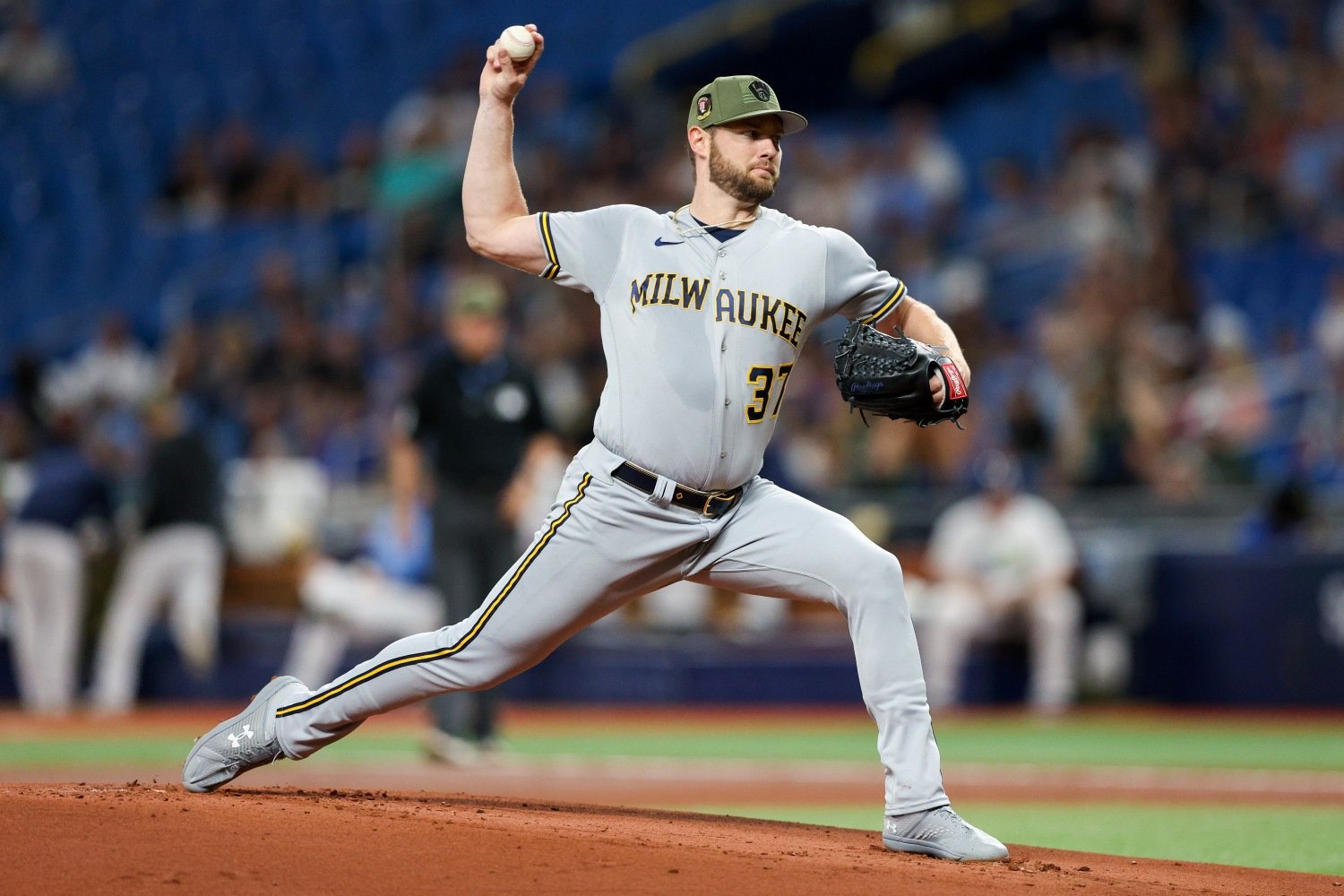 Ground Balls When he’s right, Adrian Houser is a ground-ball pitcher, whose sinker is regarded as one of the best in all of baseball for its late-seeming, sharp-looking movement. Having men on base has never unduly bothered him, due to his ability to generate double plays, but even so, he had a WHIP of 1.96 after his first two appearances on the mound. In both 2020 and 2021, Houser had an average launch angle on batted balls of 1.4 degrees. In 2022, that skyrocketed to 10.3 degrees, and he maintained this over his first two starts, getting an excessive amount of air outs and hard contact through the air–historically, an inauspicious indicator for him. He talked about how his sinker was flatter last year and they’ve been working to get that movement profile back, and against the Rays he did just that, generating 11 ground balls and allowing just three line drives, one fly ball and one pop up. The Four-Seamer Houser’s four seam fastball profiles more as a hybrid, with more horizontal movement (away from right-handers), but slightly less vertical rise than you would expect. It isn’t a significant pitch on its own, but he feels comfortable throwing it up in the zone, and even high out of the zone to give the hitters a different look when everything else he throws works down in the zone. (Corbin Burnes, take notes.) In particular, given the damage that has come with his sinker to left-handed hitters, he is now using the four seamer 41 percent of the time against lefties, when last season, the sinker was still his dominant pitch. Here are the results: 2022 Sinker to left-handed hitters - xBA .349, xSlg .571 2023 Four-seam Fastball to LHH - xBA .261, xSlg .323 He is incurring significantly less damage against his fastball to lefties so far, and it has allowed him to also use his sinker more sparingly, and more effectively as a result (.195 xBA in 2023 to LHH). This sample size may be skewed due to it being a new approach, and we’ll see how hitters manage once they’ve adjusted to it, but it shows some promise in what was once a glaring weakness in his repertoire. The Changeup One area in which he can still improve is with off-speed offerings, where he hasn’t quite gotten locked in location-wise. He is still generating the majority of his whiffs with the changeup, but when it gets hit, it’s yielding an expected slugging average (xSLG) of .460, significantly up from last year. Against the Rays, every change-up was lurking around the knees of the hitter, but previously, he was leaving them belt high (as you can see below). If he is to keep hitters off their balance and get ahead in the count, he needs his changeup to fire, but he has a .714 xBA against it when he leaves the pitch around the middle of the zone. It comes out of an identical arm slot to his slider, enhancing the effectiveness of both pitches, but is used almost entirely against left-handers (21.1% usage). Last season he had a 32.9% whiff rate and a .187 xBA against it, and he’ll need that if he is to step up for the Brewers and be the most effective version of himself at a time in which they need him most.

