
Matthew Trueblood
-
Posts
1,964 -
Joined
-
Last visited
-
Days Won
10
Content Type
Profiles
Forums
Blogs
Events
News
2026 Milwaukee Brewers Top Prospects Ranking
Milwaukee Brewers Videos
2022 Milwaukee Brewers Draft Picks
Milwaukee Brewers Free Agent & Trade Rumors, Notes, & Tidbits
Guides & Resources
2023 Milwaukee Brewers Draft Picks
2024 Milwaukee Brewers Draft Picks
The Milwaukee Brewers Players Project
2025 Milwaukee Brewers Draft Pick Tracker
2026 Milwaukee Brewers Draft Tracker: Picks & Bonuses
Store
Downloads
Gallery
Everything posted by Matthew Trueblood
-
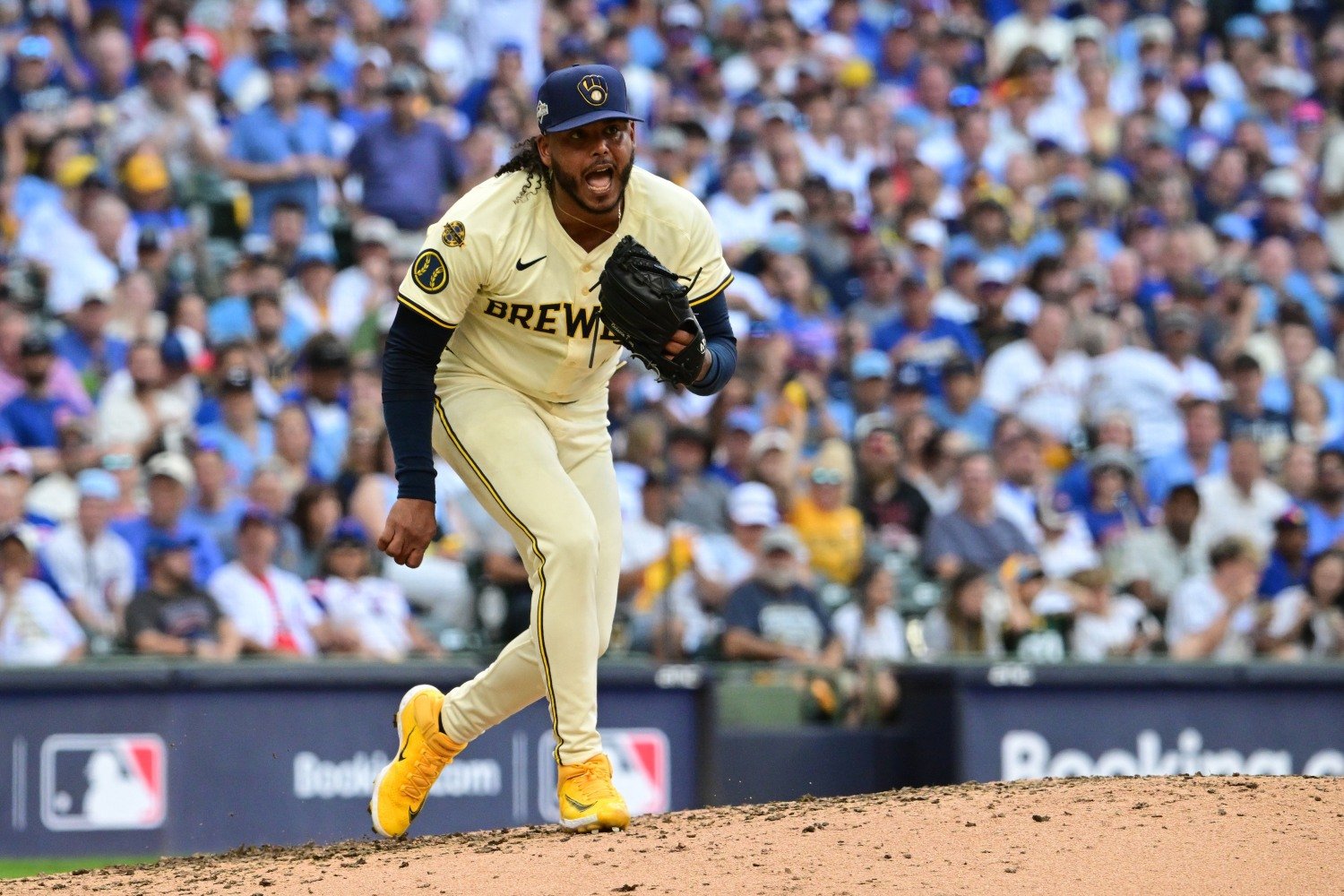 The Milwaukee Brewers are "moving toward a deal" that would send starting pitcher Freddy Peralta out of town for the final year of his team-friendly contract, according to a source familiar with the team's talks. Multiple teams remain involved, but the Yankees have emerged as the most likely fit, with 2024 American League Rookie of the Year Luis Gil as the headliner in that potential package. Gil is just two years younger than Peralta and only comes with three years of team control, but he and the Yankees agreed on a one-year deal worth $2.1625 million for 2026 last week, so he would give the team both extra control years and some cost savings. That Gil is at the center of the discussions between Milwaukee and New York indicates what the Brewers are prioritizing as they entertain offers for their erstwhile ace. In talks with the Diamondbacks, they have discussed starter Ryne Nelson, who also comes with three years of control and modest cost savings, a source said. Emmet Sheehan, Gavin Stone and Justin Wrobleski were discussed when the Dodgers checked in on Peralta. In short, if Milwaukee is to move Peralta coming off his strongest overall season in the majors, they'll require that the package include a player (ideally another starter) whom they can keep around for at least three years and who makes up some of the short-term value they will lose by dealing him. Any trade would also include a high-caliber prospect and/or a valuable draft pick. Both the Diamondbacks and the Orioles have picks in Competitive Balance Round A this July, and the Brewers have discussed packages that would involve them receiving that pick from either team. Unsurprisingly, Milwaukee asked about infielder Jordan Lawlar, still struggling to establish himself in Arizona but with abundant talent and time on his side. Milwaukee's willingness to trade Peralta is not news, but they have gotten materially closer to doing so over the past two weeks, according to sources familiar with their plans. As uncertainty about any broadcasting revenue for 2026 increases, the chances that the team will trade Peralta have ticked up, too. By getting back a player like Gil or Nelson, they would save at least $5 million while backfilling the spot in their projected rotation vacated by Peralta. Therefore, they would be able to turn around and sign another player to round out their roster in the endgame of the offseason (perhaps as late as mid-February) without pushing their projected payroll beyond its current range of $115 million. Typically, teams do best in trades like this when they focus solely on maximizing overall value. The Brewers have experience, however, in striking the right balance between filling needs and accumulating talent. With a Peralta trade, they've made clear to the many suitors (Atlanta, Baltimore, Boston, both New York teams, the Giants, the Padres, the Dodgers, the Diamondbacks and the Astros have all shown interest at different points this winter) that a return must take the right shape. If their price isn't met, they'll retain Peralta, and make do with whatever else they can afford to supplement the three-time defending NL Central champions. It looks more likely, though, that one of the final few interested parties will give them what they're looking for.
- 45 comments
-
- 2
-

-
- freddy peralta
- luis gil
- (and 1 more)
-
Image courtesy of © Michael McLoone-Imagn Images It's time for the Brewers to decide whether they can and should extend William Contreras, and over the next two months, that will be the biggest drama around the team. That became clearer Thursday, as the team agreed to deals with five players to avoid arbitration, leaving just one of their seven arbitration-eligible players without a contract for 2026 and seemingly en route to an arbitration hearing: Contreras. As they always do, the Brewers made out well in the nickel-and-dime game of securing deals with arbitration-eligible players without overspending. They signed Trevor Megill for $4.7 million, which was $500,000 more than MLB Trade Rumors projected him to earn at the outset of the offseason. That came after they'd paid Jake Bauers $2.7 million in November, topping his projection by $700,000. When they got Brice Turang done for $4.15 million, however, they saved $250,000, and Andrew Vaughn's $7.65 million saves them $150,000. Garrett Mitchell came in at $950,000, which was almost exactly the $1 million projected for him. The real savings, however, come when one weighs and measures the Nick Mears-for-Ángel Zerpa trade. Mears had been projected to sign for $1.6 million, but the Crew got Zerpa to agree to a deal worth $1.095 million. MLB Trade Rumors had projected Zerpa to earn more than Mears, but Mears ended up with the $1.9 million Zerpa was projected to get. The team saved at least $500,000 in that transaction, gained the optionality of being able to send Zerpa to the minors if they so choose, and believe they upgraded that spot on the bullpen depth chart, anyway. All told, the team will pay about $250,000 more for their arbitration class than was expected, not counting Contreras, but that's good work when you consider that they had to buy a closer with a high saves total out of a possible hearing and will get at least 1,500 plate appearances from the position players they've already signed. Every penny counts right now, as the team terminated its contract with FanDuel Sports Network and might end up having MLB produce and distribute its broadcasts sooner than expected. They've done well to keep costs down with this group, so far. Obviously, though, everything hinges on Contreras. Now two years from free agency, he's in line for an eight-figure payday in 2026 and will make at least $25 million before the end of 2027. By not agreeing to a deal before the deadline Thursday, the Brewers moved a step closer to an arbitration hearing with him, which would in and of itself be a significant step toward eventually trading him or losing him via free agency. That was already a looming decision, though. This scrap of news merely brings it to the surface. Waiting to see whether Jeferson Quero can be the catcher of the future is a viable option, but it comes loaded with risk. If he proves not to be the backstop the team hopes he can be, on this side of a major injury, they'll be left in scramble mode, with Contreras having all the leverage in negotiations over a potential extension next winter. Such a deal would end up being a market-rate, massive contract, and is probably beyond the Brewers' means. If they want to keep Contreras around beyond 2027, the Brewers probably need to sign him now. Thus, Thursday began a high-stakes staring contest. Either the sides will agree on a long-term deal, or Contreras is likely to end up on the trade block next winter. Which way they intend to go on that front could even influence the decision about whether to trade Freddy Peralta, so the clock is ticking on multiple major organizational decisions at once. View full article
-
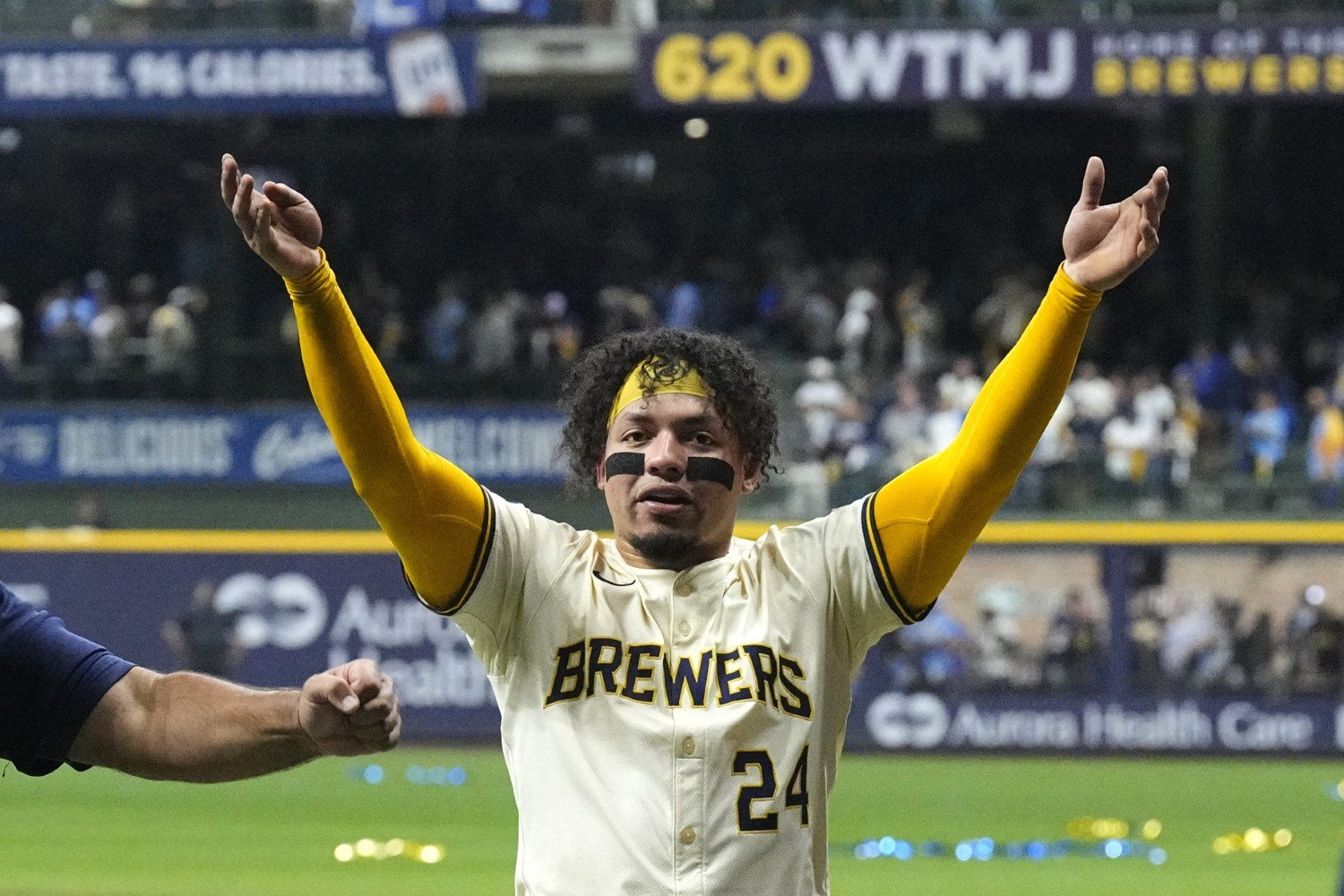 It's time for the Brewers to decide whether they can and should extend William Contreras, and over the next two months, that will be the biggest drama around the team. That became clearer Thursday, as the team agreed to deals with five players to avoid arbitration, leaving just one of their seven arbitration-eligible players without a contract for 2026 and seemingly en route to an arbitration hearing: Contreras. As they always do, the Brewers made out well in the nickel-and-dime game of securing deals with arbitration-eligible players without overspending. They signed Trevor Megill for $4.7 million, which was $500,000 more than MLB Trade Rumors projected him to earn at the outset of the offseason. That came after they'd paid Jake Bauers $2.7 million in November, topping his projection by $700,000. When they got Brice Turang done for $4.15 million, however, they saved $250,000, and Andrew Vaughn's $7.65 million saves them $150,000. Garrett Mitchell came in at $950,000, which was almost exactly the $1 million projected for him. The real savings, however, come when one weighs and measures the Nick Mears-for-Ángel Zerpa trade. Mears had been projected to sign for $1.6 million, but the Crew got Zerpa to agree to a deal worth $1.095 million. MLB Trade Rumors had projected Zerpa to earn more than Mears, but Mears ended up with the $1.9 million Zerpa was projected to get. The team saved at least $500,000 in that transaction, gained the optionality of being able to send Zerpa to the minors if they so choose, and believe they upgraded that spot on the bullpen depth chart, anyway. All told, the team will pay about $250,000 more for their arbitration class than was expected, not counting Contreras, but that's good work when you consider that they had to buy a closer with a high saves total out of a possible hearing and will get at least 1,500 plate appearances from the position players they've already signed. Every penny counts right now, as the team terminated its contract with FanDuel Sports Network and might end up having MLB produce and distribute its broadcasts sooner than expected. They've done well to keep costs down with this group, so far. Obviously, though, everything hinges on Contreras. Now two years from free agency, he's in line for an eight-figure payday in 2026 and will make at least $25 million before the end of 2027. By not agreeing to a deal before the deadline Thursday, the Brewers moved a step closer to an arbitration hearing with him, which would in and of itself be a significant step toward eventually trading him or losing him via free agency. That was already a looming decision, though. This scrap of news merely brings it to the surface. Waiting to see whether Jeferson Quero can be the catcher of the future is a viable option, but it comes loaded with risk. If he proves not to be the backstop the team hopes he can be, on this side of a major injury, they'll be left in scramble mode, with Contreras having all the leverage in negotiations over a potential extension next winter. Such a deal would end up being a market-rate, massive contract, and is probably beyond the Brewers' means. If they want to keep Contreras around beyond 2027, the Brewers probably need to sign him now. Thus, Thursday began a high-stakes staring contest. Either the sides will agree on a long-term deal, or Contreras is likely to end up on the trade block next winter. Which way they intend to go on that front could even influence the decision about whether to trade Freddy Peralta, so the clock is ticking on multiple major organizational decisions at once.
- 2 comments
-
- 1
-
-
- andrew vaughn
- garrett mitchell
- (and 4 more)
-
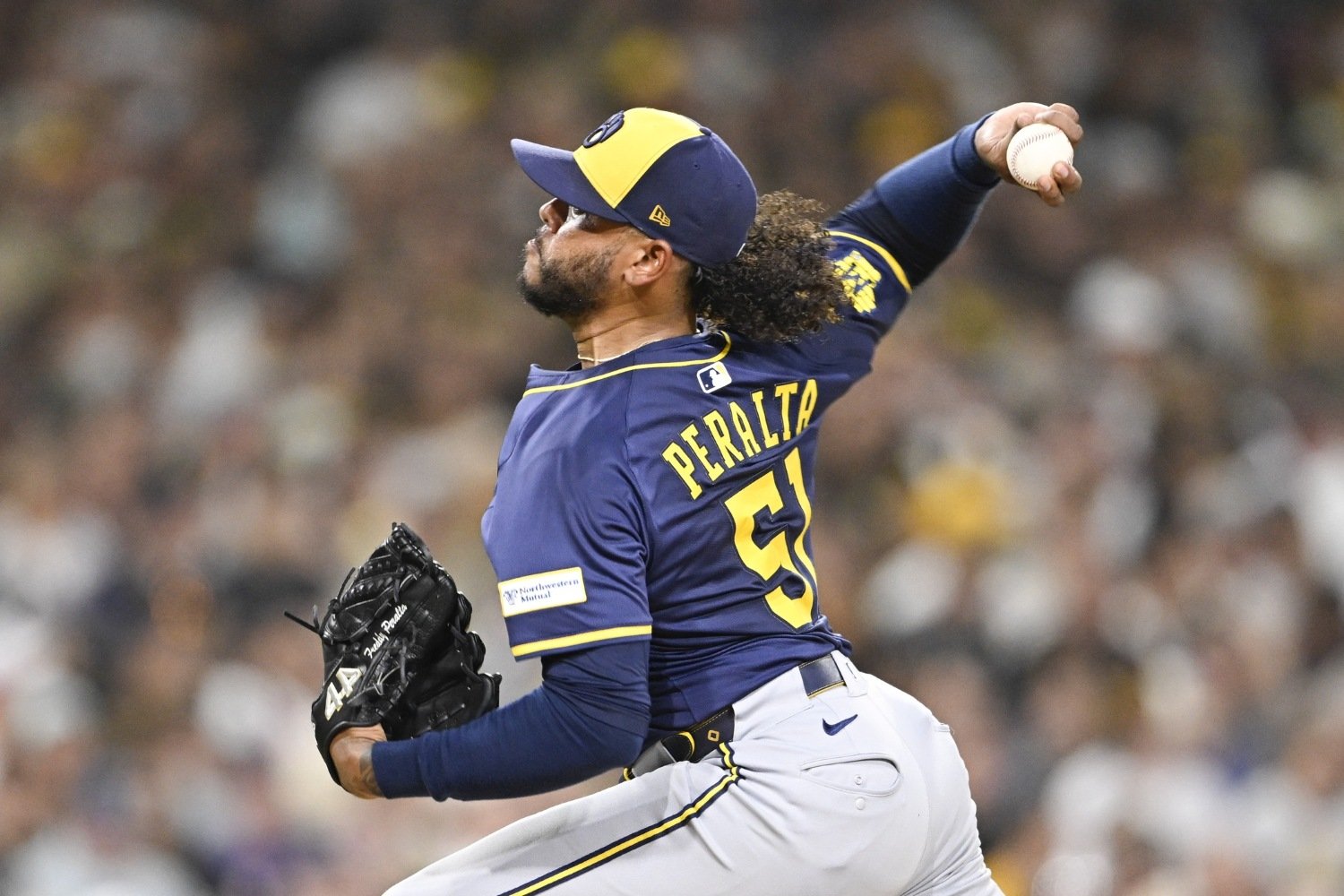 By no means do the Milwaukee Brewers need to trim their payroll for 2026. In fact, they could and should spend even more than they're currently slated to, and more than they're likely to spend before the offseason is over. If they decide to trade Freddy Peralta, it won't be to save the $8 million they owe him in 2026; it will be solely because they get a haul of young talent too good to pass up. Still, they're likely to save money in any Peralta deal. They struck a nearly cash-neutral deal with the Yankees last winter when they traded Devin Williams, receiving Nestor Cortes as part of the package in return, but that was a rare case of being able to match need for need and dollar for dollar. Peralta is a much more valuable trade chip than Williams was, and any deal for him will bring back more than the package of Cortes and Caleb Durbin, so the Brewers are unlikely to take back a player with a substantial salary. How, then, should they spend whatever they save by moving their erstwhile ace, should they pull that trigger? First, let's assume (for the sake of argument) that no player acquired for Peralta fills any of the team's top needs for 2026. In reality, they're likely to get someone who can help immediately in such a deal, as they did with DL Hall and Joey Ortiz in the Corbin Burnes trade two offseasons ago and in the Williams trade last winter. It's very hard to predict who that might be, though, so let's sidestep the question by imagining a package that primarily makes them better in 2027 and beyond. Since they have superb pitching depth right now, trading Peralta without getting back an instant contributor isn't out of the question, if the prospects in question are strong enough. For somewhere between $7 million and $10 million in 2026 payroll, the team could fill an interesting potential need, after moving Peralta. The market has been slow to develop for Harrison Bader and Austin Hays, two athletic, right-hitting outfielders coming off solid but unspectacular seasons and hitting free agency for a second time in their early 30s. A competent right-handed bat for a corner outfield spot is one profile the Brewers could fit seamlessly into their 26-man roster for the coming season, especially in the wake of the trade that sent Isaac Collins to the Royals. If Blake Perkins and Garrett Mitchell are the right combination of healthy and good, they might keep Jackson Chourio primarily to left field, but it's much more likely that Chourio will spend at least a good chunk of 2026 in center. Sal Frelick has right field held down, but he's a lefty batter who could benefit tremendously from having a platoon partner to shield him from left-handed pitchers. If Chourio is in center, meanwhile, left field falls to some combination of Christian Yelich (when his back permits him to play the outfield), Jake Bauers and players expected to spend most of the season in the minors: Brandon Lockridge, Steward Berroa, and Akil Baddoo. Bader, 31, batted a stellar .277/.347/.449 in 501 plate appearances with the Twins and Phillies in 2025. He's lost a step in center field, but he's a markedly above-average left fielder and a lefty-masher who figured some things out last year. He'd posted ugly numbers in the previous two seasons, though, and given his age, he's not finding the eight-figure salaries or multi-year offers he'd hoped for this winter. He would fit gorgeously into the team's defensive plans and add some punch against southpaws. Hays, 30, has been more consistently competent than Bader at the plate. He batted .266/.315/.453 in 2025, taking 416 plate appearances for the Reds and cracking 16 home runs. He's not the same caliber of defender as Bader, though, and durability is an important question for him. Either of these players could help the Brewers in slightly less than a full-time role, but still a substantial one. They're likely to make something similar to what Peralta will in 2026, so if and when the Brewers get the offer they've been awaiting on their star hurler, they should turn their attention to signing a key complementary piece with the money the move frees up.
- 13 comments
-
- 1
-
-
- freddy peralta
- austin hays
- (and 2 more)
-
Image courtesy of © Denis Poroy-Imagn Images By no means do the Milwaukee Brewers need to trim their payroll for 2026. In fact, they could and should spend even more than they're currently slated to, and more than they're likely to spend before the offseason is over. If they decide to trade Freddy Peralta, it won't be to save the $8 million they owe him in 2026; it will be solely because they get a haul of young talent too good to pass up. Still, they're likely to save money in any Peralta deal. They struck a nearly cash-neutral deal with the Yankees last winter when they traded Devin Williams, receiving Nestor Cortes as part of the package in return, but that was a rare case of being able to match need for need and dollar for dollar. Peralta is a much more valuable trade chip than Williams was, and any deal for him will bring back more than the package of Cortes and Caleb Durbin, so the Brewers are unlikely to take back a player with a substantial salary. How, then, should they spend whatever they save by moving their erstwhile ace, should they pull that trigger? First, let's assume (for the sake of argument) that no player acquired for Peralta fills any of the team's top needs for 2026. In reality, they're likely to get someone who can help immediately in such a deal, as they did with DL Hall and Joey Ortiz in the Corbin Burnes trade two offseasons ago and in the Williams trade last winter. It's very hard to predict who that might be, though, so let's sidestep the question by imagining a package that primarily makes them better in 2027 and beyond. Since they have superb pitching depth right now, trading Peralta without getting back an instant contributor isn't out of the question, if the prospects in question are strong enough. For somewhere between $7 million and $10 million in 2026 payroll, the team could fill an interesting potential need, after moving Peralta. The market has been slow to develop for Harrison Bader and Austin Hays, two athletic, right-hitting outfielders coming off solid but unspectacular seasons and hitting free agency for a second time in their early 30s. A competent right-handed bat for a corner outfield spot is one profile the Brewers could fit seamlessly into their 26-man roster for the coming season, especially in the wake of the trade that sent Isaac Collins to the Royals. If Blake Perkins and Garrett Mitchell are the right combination of healthy and good, they might keep Jackson Chourio primarily to left field, but it's much more likely that Chourio will spend at least a good chunk of 2026 in center. Sal Frelick has right field held down, but he's a lefty batter who could benefit tremendously from having a platoon partner to shield him from left-handed pitchers. If Chourio is in center, meanwhile, left field falls to some combination of Christian Yelich (when his back permits him to play the outfield), Jake Bauers and players expected to spend most of the season in the minors: Brandon Lockridge, Steward Berroa, and Akil Baddoo. Bader, 31, batted a stellar .277/.347/.449 in 501 plate appearances with the Twins and Phillies in 2025. He's lost a step in center field, but he's a markedly above-average left fielder and a lefty-masher who figured some things out last year. He'd posted ugly numbers in the previous two seasons, though, and given his age, he's not finding the eight-figure salaries or multi-year offers he'd hoped for this winter. He would fit gorgeously into the team's defensive plans and add some punch against southpaws. Hays, 30, has been more consistently competent than Bader at the plate. He batted .266/.315/.453 in 2025, taking 416 plate appearances for the Reds and cracking 16 home runs. He's not the same caliber of defender as Bader, though, and durability is an important question for him. Either of these players could help the Brewers in slightly less than a full-time role, but still a substantial one. They're likely to make something similar to what Peralta will in 2026, so if and when the Brewers get the offer they've been awaiting on their star hurler, they should turn their attention to signing a key complementary piece with the money the move frees up. View full article
-
Image courtesy of © Charles LeClaire-Imagn Images The Pittsburgh Pirates have been oddly busy this winter. They haven't yet made the kind of financial splash that would grab attention and fuel friendlier narratives, but as Brewers fans know, it doesn't always take a crowd-pleasingly spendy move to win games. Pittsburgh has already traded right-handed starter Johan Oviedo to Boston, to snare outfield prospect Jhostynxon García, and sent young starter Mike Burrows to the Astros in a three-team trade that brought them three helpful players: slugging second baseman Brandon Lowe, slap-hitting outfielder Jake Mangum and hard-throwing reliever Mason Montgomery. They've also signed reliever Gregory Soto, to bolster their bullpen. If you believe in the likelihood of a rebound from outfielders Oneil Cruz and Bryan Reynolds (or are bullish on the rotation even beyond Paul Skenes), you can start to squint your way to expecting competitiveness for the 2026 Pirates. This team is going to make an earnest (if untenably stingy) effort to upset and unseat the Brewers, and even if you don't think they're good enough to do so, their moving and shaking is affecting how the three-time defending NL Central champions are going about their business. By trading Oviedo to the Red Sox and Burrows to the Astros, the Pirates have diluted and softened the demand for Freddy Peralta in trades. Their acquisition of Lowe gives them a fairly dangerous trio of lefty bats, with Cruz and Spencer Horwitz joining their new teammate to pose a threat. Beating next year's Pirates will be harder than beating any recent year's version, even when it's non-Skenes starting hurlers' turns. An upstart Pittsburgh club also threatens to raise the floor for the whole division and make it harder to get to a Wild Card-worthy win total, should another team knock Milwaukee from its perch. So far, it's mostly felt like the odds of a Peralta trade were rising steadily, all winter. That might need to change, though, if the Brewers perform ongoing projections and realize their edge (not only over the Cubs, Reds and Pirates, but over the other contenders for Wild Card berths and seeding in the NL) is shrinking more than expected. The Cardinals have already traded Sonny Gray and Willson Contreras, and they're likely to ship out Brendan Donovan. They're only taking in players who look like solid potential trade chips, come July. There will be some free wins scattered around the schedule next year, but it will feel like fewer than in the recent past. The Brewers have a mandate to pursue a championship in 2026. Doing that is getting harder, so the Crew might need to make new plans that involve more aggressive additions or fewer subtractions. The Pirates don't feel like an especially real threat to win the division, but that doesn't mean their frisky offseason is unimportant. View full article
-
Will Pirates' Efforts to Improve Alter Brewers' Offseason Plans?
Matthew Trueblood posted an article in Brewers
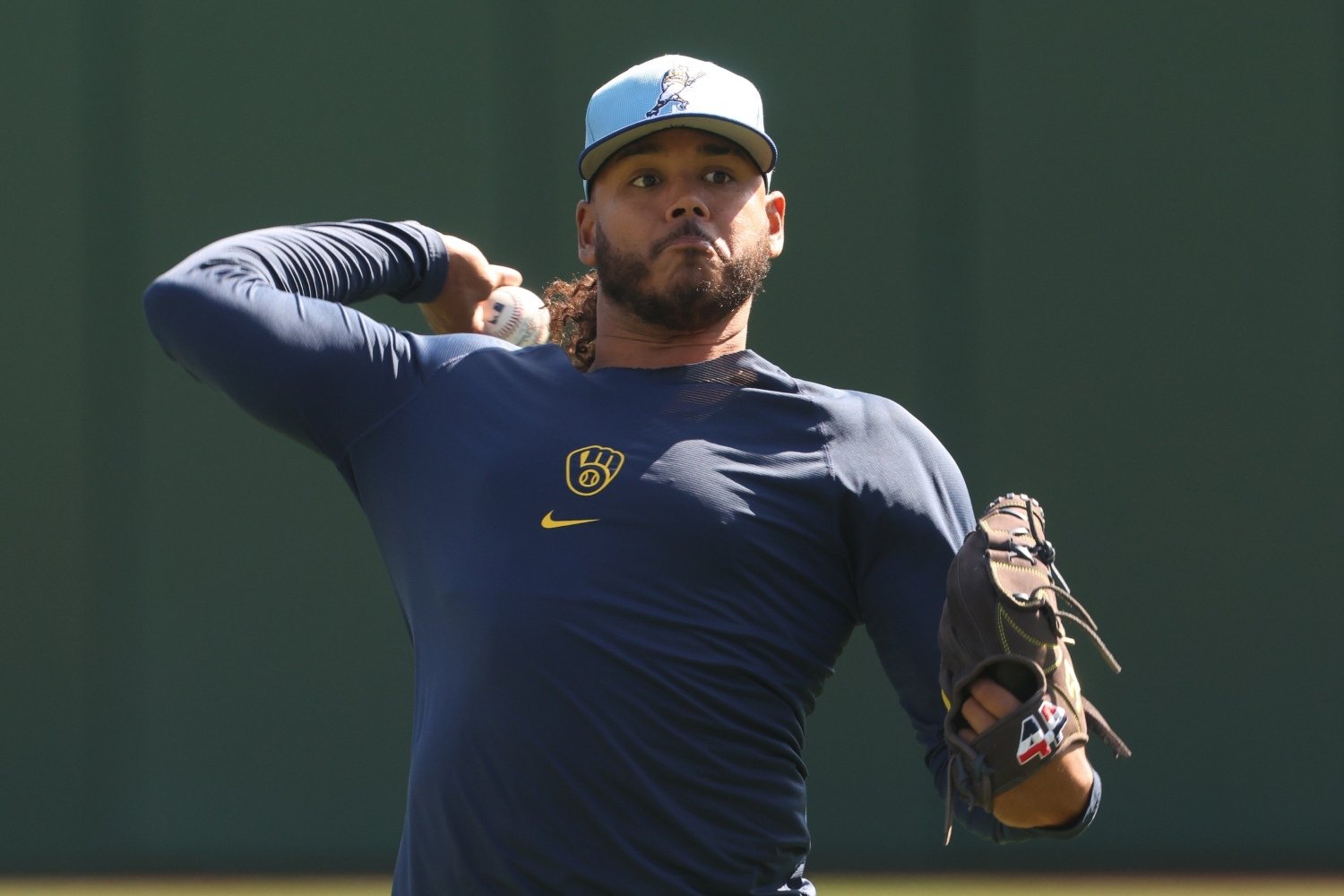 The Pittsburgh Pirates have been oddly busy this winter. They haven't yet made the kind of financial splash that would grab attention and fuel friendlier narratives, but as Brewers fans know, it doesn't always take a crowd-pleasingly spendy move to win games. Pittsburgh has already traded right-handed starter Johan Oviedo to Boston, to snare outfield prospect Jhostynxon García, and sent young starter Mike Burrows to the Astros in a three-team trade that brought them three helpful players: slugging second baseman Brandon Lowe, slap-hitting outfielder Jake Mangum and hard-throwing reliever Mason Montgomery. They've also signed reliever Gregory Soto, to bolster their bullpen. If you believe in the likelihood of a rebound from outfielders Oneil Cruz and Bryan Reynolds (or are bullish on the rotation even beyond Paul Skenes), you can start to squint your way to expecting competitiveness for the 2026 Pirates. This team is going to make an earnest (if untenably stingy) effort to upset and unseat the Brewers, and even if you don't think they're good enough to do so, their moving and shaking is affecting how the three-time defending NL Central champions are going about their business. By trading Oviedo to the Red Sox and Burrows to the Astros, the Pirates have diluted and softened the demand for Freddy Peralta in trades. Their acquisition of Lowe gives them a fairly dangerous trio of lefty bats, with Cruz and Spencer Horwitz joining their new teammate to pose a threat. Beating next year's Pirates will be harder than beating any recent year's version, even when it's non-Skenes starting hurlers' turns. An upstart Pittsburgh club also threatens to raise the floor for the whole division and make it harder to get to a Wild Card-worthy win total, should another team knock Milwaukee from its perch. So far, it's mostly felt like the odds of a Peralta trade were rising steadily, all winter. That might need to change, though, if the Brewers perform ongoing projections and realize their edge (not only over the Cubs, Reds and Pirates, but over the other contenders for Wild Card berths and seeding in the NL) is shrinking more than expected. The Cardinals have already traded Sonny Gray and Willson Contreras, and they're likely to ship out Brendan Donovan. They're only taking in players who look like solid potential trade chips, come July. There will be some free wins scattered around the schedule next year, but it will feel like fewer than in the recent past. The Brewers have a mandate to pursue a championship in 2026. Doing that is getting harder, so the Crew might need to make new plans that involve more aggressive additions or fewer subtractions. The Pirates don't feel like an especially real threat to win the division, but that doesn't mean their frisky offseason is unimportant.
- 8 comments
-
- 1
-
-
- mike burrows
- freddy peralta
- (and 1 more)
-
Why Brewers Should Sign Free-Agent Starter Zack Littell
Matthew Trueblood posted an article in Brewers
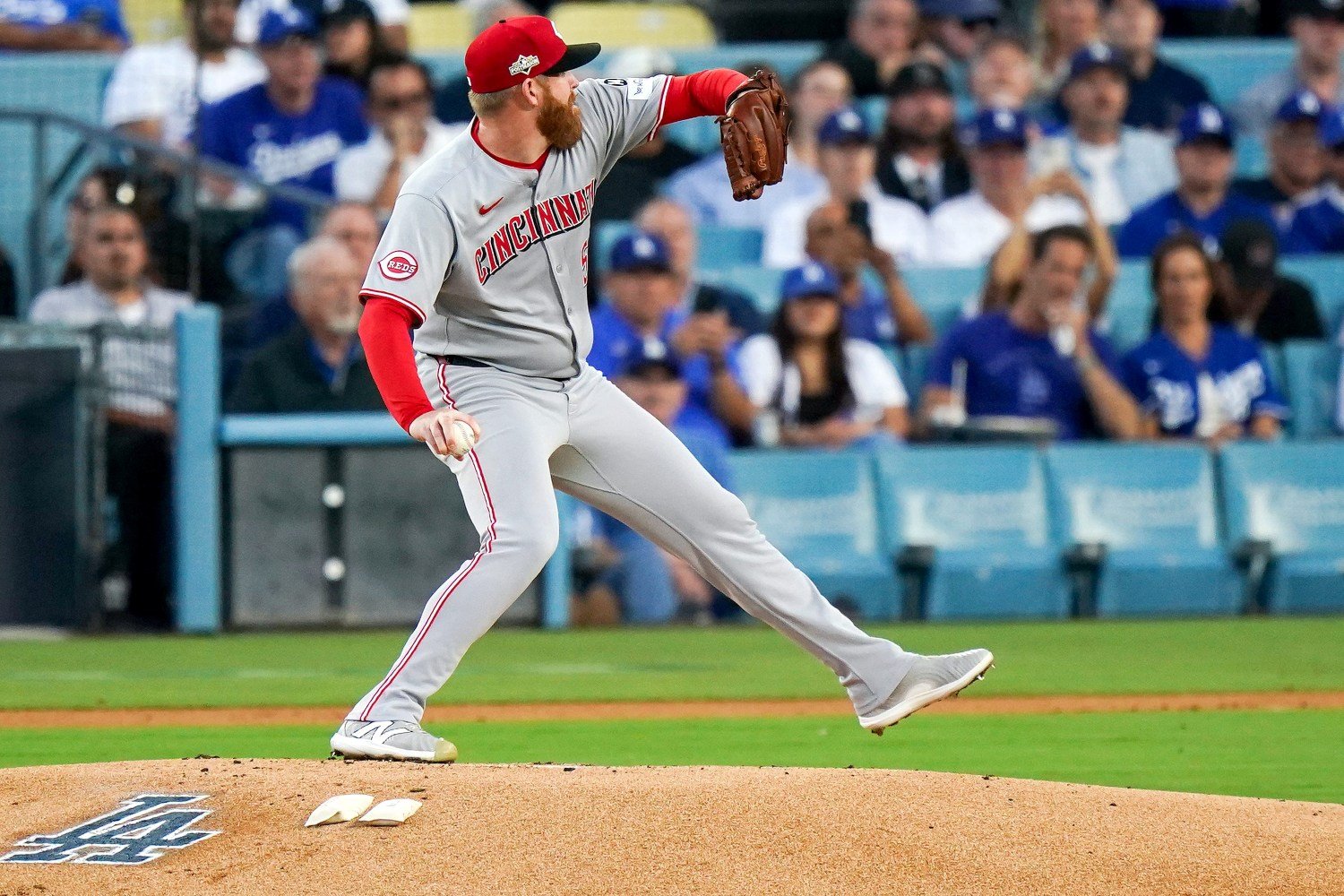 I'm a pretty big believer in the depth of the Milwaukee Brewers' starting rotation, heading into 2026. They currently have Freddy Peralta, Brandon Woodruff, Quinn Priester, Jacob Misiorowski and Chad Patrick penciled into the five slots in that rotation, but crucially, they also have Logan Henderson, Robert Gasser, Aaron Ashby, DL Hall and Coleman Crow as candidates for starting roles in the event of injuries or trades. That's not counting Ángel Zerpa, in whom I don't believe there's much ceiling as a starter but whom the team has been open to considering for that role. If you're looking for the soft underbelly of the midwestern dragon that is the Brewers, though, the second and third tiers of that group of prospective starters are the first places to poke and prod. The lineup is, if anything, even deeper, and the team's farm system is richer on the position-player side than in arms. The bullpen is bulletproof, not only chock-full of talent but boasting an extraordinary number of interchangeable and optionable arms. It's in the ability of Priester to build on his breakout; the ability of Woodruff to stay healthy; the abilities of Misiorowski, Patrick, Ashby, Henderson or Gasser to make the one key adjustment needed to establish themselves more firmly as starter-capable big-leaguers; and the ability of the Brewers to hold onto Peralta while building a World Series contender on a budget that uncertainty lurks for this team. Thus, an infusion of talent and stability at the back end of the prospective rotation would make sense. The Brewers have been smart and opportunistic with such moves the past few winters, including late pickups of Jakob Junis for 2024 and José Quintana for 2025. This time, though, they should aim incrementally higher and nab free-agent starter Zack Littell. You can ask some hard questions about the fit between Littell and the Brewers, and you might not even get positive answers. For instance, the Brewers tend to like pitchers who do well by Baseball Prospectus's model-driven DRA, but Littell had a 107 DRA- in 2025, where 100 is average and lower is better. He hasn't been better than average since 2023, and that was in just 90 innings. He's been an improbable workhorse starter the last two seasons, totaling over 340 total innings, but that comes after a career that began as a strictly fastball-slider reliever. He threw his slider nearly half the time until four years ago, and it's not even a plus pitch. Littell learned a splitter in 2022 and has made it a staple of a much-expanded arsenal, but his two fastballs are both underwhelming. He doesn't utilize a bifurcated approach, where he focuses on two or three pitches against each handedness of batter; he throws the kitchen sink at everyone. He's survived by absolutely hammering the strike zone over the last two years, with an ERA under 3.75 across 61 starts, but he doesn't miss many bats and the advanced metrics tell us that he's doomed to run into more trouble as he ages. Why, then, does Littell suit the Brewers well? Firstly, he should come cheap, for such a sturdy starting pitcher. The brevity of his track record and the lack of a single pitch or trait that lights up most teams' valuation models will probably prevent him from earning an eight-figure salary on a multiyear deal, as Adrian Houser just did with the Giants. Littell offers a strange but real flavor of durability at a cost that is unlikely to reflect that reliability. He's also a great pitcher to put in front of Milwaukee's stellar defense. A young and athletic team, the Brewers catch the ball and convert batted balls into outs as well as anyone in baseball most years, and Littell (who has walked fewer than 4.5% of opposing batters since moving to the rotation in mid-2023) will lean nicely into that team strength. He's liable to give up too many home runs, but letting the defense work and racking up innings to shield the bullpen from overuse has significant value, in itself. That assumes that Littell doesn't materially change how he goes about things. In reality, the Brewers would probably make some significant changes. They'd be likely to tweak his slider to behave more like a cutter, but also have him use it less and lean harder on his sweeper. They would almost certainly also move him across the pitching rubber. Littell moved from the middle of the rubber to the extreme first-base edge of it when he moved to the rotation in 2023; the Brewers would almost surely move him to the third-base side. That would fix some issues with the interaction between his fastballs and his slider and splitter, and might even change the way those heaters play. The Rays are good at pitching development, and turning Littell from a waiver-claim reliever to a mid-rotation starter counts as a win for them. However, the Brewers can take him to a level above what the Rays achieved, by realigning him and getting his stuff to play up. It would be a bit of an experiment, but the Crew should explore signing Littell, because he would solve some of their lingering problems with starting pitching depth.
 -
Image courtesy of © Frank Bowen IV/The Enquirer / USA TODAY NETWORK via Imagn Images I'm a pretty big believer in the depth of the Milwaukee Brewers' starting rotation, heading into 2026. They currently have Freddy Peralta, Brandon Woodruff, Quinn Priester, Jacob Misiorowski and Chad Patrick penciled into the five slots in that rotation, but crucially, they also have Logan Henderson, Robert Gasser, Aaron Ashby, DL Hall and Coleman Crow as candidates for starting roles in the event of injuries or trades. That's not counting Ángel Zerpa, in whom I don't believe there's much ceiling as a starter but whom the team has been open to considering for that role. If you're looking for the soft underbelly of the midwestern dragon that is the Brewers, though, the second and third tiers of that group of prospective starters are the first places to poke and prod. The lineup is, if anything, even deeper, and the team's farm system is richer on the position-player side than in arms. The bullpen is bulletproof, not only chock-full of talent but boasting an extraordinary number of interchangeable and optionable arms. It's in the ability of Priester to build on his breakout; the ability of Woodruff to stay healthy; the abilities of Misiorowski, Patrick, Ashby, Henderson or Gasser to make the one key adjustment needed to establish themselves more firmly as starter-capable big-leaguers; and the ability of the Brewers to hold onto Peralta while building a World Series contender on a budget that uncertainty lurks for this team. Thus, an infusion of talent and stability at the back end of the prospective rotation would make sense. The Brewers have been smart and opportunistic with such moves the past few winters, including late pickups of Jakob Junis for 2024 and José Quintana for 2025. This time, though, they should aim incrementally higher and nab free-agent starter Zack Littell. You can ask some hard questions about the fit between Littell and the Brewers, and you might not even get positive answers. For instance, the Brewers tend to like pitchers who do well by Baseball Prospectus's model-driven DRA, but Littell had a 107 DRA- in 2025, where 100 is average and lower is better. He hasn't been better than average since 2023, and that was in just 90 innings. He's been an improbable workhorse starter the last two seasons, totaling over 340 total innings, but that comes after a career that began as a strictly fastball-slider reliever. He threw his slider nearly half the time until four years ago, and it's not even a plus pitch. Littell learned a splitter in 2022 and has made it a staple of a much-expanded arsenal, but his two fastballs are both underwhelming. He doesn't utilize a bifurcated approach, where he focuses on two or three pitches against each handedness of batter; he throws the kitchen sink at everyone. He's survived by absolutely hammering the strike zone over the last two years, with an ERA under 3.75 across 61 starts, but he doesn't miss many bats and the advanced metrics tell us that he's doomed to run into more trouble as he ages. Why, then, does Littell suit the Brewers well? Firstly, he should come cheap, for such a sturdy starting pitcher. The brevity of his track record and the lack of a single pitch or trait that lights up most teams' valuation models will probably prevent him from earning an eight-figure salary on a multiyear deal, as Adrian Houser just did with the Giants. Littell offers a strange but real flavor of durability at a cost that is unlikely to reflect that reliability. He's also a great pitcher to put in front of Milwaukee's stellar defense. A young and athletic team, the Brewers catch the ball and convert batted balls into outs as well as anyone in baseball most years, and Littell (who has walked fewer than 4.5% of opposing batters since moving to the rotation in mid-2023) will lean nicely into that team strength. He's liable to give up too many home runs, but letting the defense work and racking up innings to shield the bullpen from overuse has significant value, in itself. That assumes that Littell doesn't materially change how he goes about things. In reality, the Brewers would probably make some significant changes. They'd be likely to tweak his slider to behave more like a cutter, but also have him use it less and lean harder on his sweeper. They would almost certainly also move him across the pitching rubber. Littell moved from the middle of the rubber to the extreme first-base edge of it when he moved to the rotation in 2023; the Brewers would almost surely move him to the third-base side. That would fix some issues with the interaction between his fastballs and his slider and splitter, and might even change the way those heaters play. The Rays are good at pitching development, and turning Littell from a waiver-claim reliever to a mid-rotation starter counts as a win for them. However, the Brewers can take him to a level above what the Rays achieved, by realigning him and getting his stuff to play up. It would be a bit of an experiment, but the Crew should explore signing Littell, because he would solve some of their lingering problems with starting pitching depth. View full article
-
Image courtesy of © Bill Streicher-Imagn Images The Brewers have traded Isaac Collins and right-handed reliever Nick Mears to the Kansas City Royals for lefty reliever Angel Zerpa, according to multiple reports. Robert Murray of FanSided had the first report, on Twitter. Despite spending a month or so as a favorite for the National League Rookie of the Year Award, Collins became just an extra piece again by the end of the season. He's a switch-hitter with average athleticism and a good approach at the plate, but the Brewers have toolsier options at every position he can credibly play. Mears, who is out of options and didn't fit into the top half of the Brewers' bullpen hierarchy for 2026, was on the roster bubble even when the non-tender deadline passed last month. Zerpa, 26, offers the chance to turn two players who were redundant on Milwaukee's loaded roster into one who can be more of a standout. He comes with three years of team control and (unlike Mears) can be optioned to the minor leagues for one more season. When he first came up as a starter, his dead-zone fastball held him back, but a move to the bullpen and a new emphasis on his sinker instead of a four-seamer have reinvented him as a very good ground-ball lefty. He also added a tick of velocity in 2024, and nearly that much again in 2025, such that he now averages nearly 97 miles per hour with that sinker. Mechanical adjustments lent his slider more depth this season and offer some swing-and-miss upside into which he has not yet fully tapped. Days after signing an outfielder (Akil Baddoo, who now becomes the de facto replacement for Collins at the edge of the outfield picture) and filling their 40-man roster, the Brewers freed up a spot anew, and converted a reliever without much hope of pitching in high leverage or the roster flexibility of being able to be sent to the minors into one who has both of those things. That said, this deal will draw raised eyebrows from some. The Brewers gave up multiple seasons of Collins at a league-minimum salary and an affordable (if fungible) righty reliever to add more depth to a department of the roster where they already appear to be strong: left-handed relief. Zerpa joins Jared Koenig, Aaron Ashby and DL Hall as candidates for the southpaw slots in next year's bullpen—unless the team intends to let Ashby and Hall try once more to show they can hold up and succeed as starting pitchers. That, in turn, invites plenty of questions about the shifting odds of a Freddy Peralta trade. Meanwhile, though Collins's run of success at the plate already showed signs of being a flash in the pan, replacing him with Baddoo for 2026 isn't the act of a confident contender making the most of their outfield options. Indeed, this deal (while sensible on its own, given the way it consolidates the roster and what Zerpa appears to be capable of as a setup man) feels like the first of a few moves in a coordinated maneuver. Could a Peralta trade net a higher caliber of outfielder than Collins? Could it pave the way for a return to the rotation by Ashby, leaving the team in need of a lefty reliever? Do the Brewers have their eye on a free-agent outfielder who would have supplanted Collins anyway, and like that player better than any of the remaining options they had to improve their lefty relief depth via free agency? For a small trade, this one feels momentous. Whether that's true will depend on what the team does next. View full article
- 29 replies
-
- 1
-
-
- isaac collins
- nick mears
- (and 1 more)
-
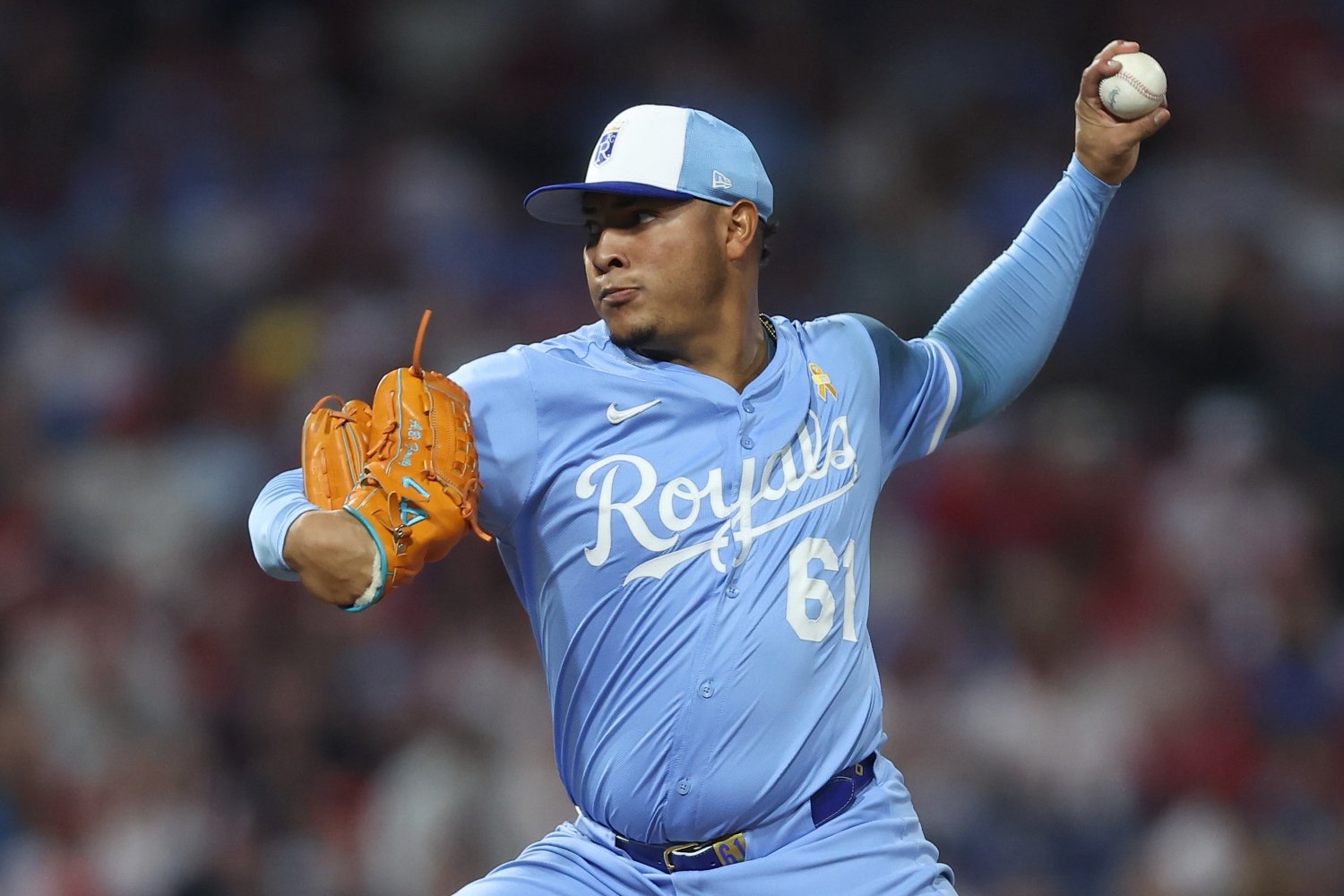 The Brewers have traded Isaac Collins and right-handed reliever Nick Mears to the Kansas City Royals for lefty reliever Angel Zerpa, according to multiple reports. Robert Murray of FanSided had the first report, on Twitter. Despite spending a month or so as a favorite for the National League Rookie of the Year Award, Collins became just an extra piece again by the end of the season. He's a switch-hitter with average athleticism and a good approach at the plate, but the Brewers have toolsier options at every position he can credibly play. Mears, who is out of options and didn't fit into the top half of the Brewers' bullpen hierarchy for 2026, was on the roster bubble even when the non-tender deadline passed last month. Zerpa, 26, offers the chance to turn two players who were redundant on Milwaukee's loaded roster into one who can be more of a standout. He comes with three years of team control and (unlike Mears) can be optioned to the minor leagues for one more season. When he first came up as a starter, his dead-zone fastball held him back, but a move to the bullpen and a new emphasis on his sinker instead of a four-seamer have reinvented him as a very good ground-ball lefty. He also added a tick of velocity in 2024, and nearly that much again in 2025, such that he now averages nearly 97 miles per hour with that sinker. Mechanical adjustments lent his slider more depth this season and offer some swing-and-miss upside into which he has not yet fully tapped. Days after signing an outfielder (Akil Baddoo, who now becomes the de facto replacement for Collins at the edge of the outfield picture) and filling their 40-man roster, the Brewers freed up a spot anew, and converted a reliever without much hope of pitching in high leverage or the roster flexibility of being able to be sent to the minors into one who has both of those things. That said, this deal will draw raised eyebrows from some. The Brewers gave up multiple seasons of Collins at a league-minimum salary and an affordable (if fungible) righty reliever to add more depth to a department of the roster where they already appear to be strong: left-handed relief. Zerpa joins Jared Koenig, Aaron Ashby and DL Hall as candidates for the southpaw slots in next year's bullpen—unless the team intends to let Ashby and Hall try once more to show they can hold up and succeed as starting pitchers. That, in turn, invites plenty of questions about the shifting odds of a Freddy Peralta trade. Meanwhile, though Collins's run of success at the plate already showed signs of being a flash in the pan, replacing him with Baddoo for 2026 isn't the act of a confident contender making the most of their outfield options. Indeed, this deal (while sensible on its own, given the way it consolidates the roster and what Zerpa appears to be capable of as a setup man) feels like the first of a few moves in a coordinated maneuver. Could a Peralta trade net a higher caliber of outfielder than Collins? Could it pave the way for a return to the rotation by Ashby, leaving the team in need of a lefty reliever? Do the Brewers have their eye on a free-agent outfielder who would have supplanted Collins anyway, and like that player better than any of the remaining options they had to improve their lefty relief depth via free agency? For a small trade, this one feels momentous. Whether that's true will depend on what the team does next.
- 29 comments
-
- 4
-
-
- isaac collins
- nick mears
- (and 1 more)
-
All true, but think a bit beyond prospects in places, too. Brewers could target young big-league talent (Cam Smith, to name one possibility), and/or a partner (SD with Pivetta, for instance, or Houston with Jake Meyers) could trade a player to acquire prospects they'd then use in the Peralta deal.
-
Image courtesy of © Jeff Hanisch-Imagn Images The Atlanta Braves, Houston Astros and San Diego Padres have emerged as the most interested parties in the Freddy Peralta trade market, league sources told Brewer Fanatic this week. During the MLB Winter Meetings, Washington Nationals left-hander MacKenzie Gore and Miami Marlins righty Edward Cabrera have been buzzier names, because each of them comes with multiple years of team control. Tarik Skubal remains atop the wish lists of many big-market dreamers, but so far, the Tigers have set a price tag that suggests they don't want to deal him, according to a source with knowledge of one team's conversations with Detroit. Those three players might make for more tantalizing rumors, but Peralta is very much on the radar of contenders who want to stabilize their rotations without paying exorbitant prices in free agency or in trades for players with longer-term team control attached. Because Peralta will make only $8 million in 2026 and becomes a free agent thereafter, he's a perfect fit for several teams whose budgets are tight (be it because of limited resources or having already spent hundreds of millions elsewhere). His contract leaves so much surplus value, in fact, that one source suggested it will make a trade less likely: the Brewers won't trade Peralta unless they get a haul that reflects both his talent and that efficiency. Houston, San Diego and Atlanta are all serious contenders coming off difficult seasons. None has an elite farm system, which could be an obstacle—but all three have shown flexibility and creativity in the past, to get deals just like these done. For all three, starting pitching is a major question mark, and spending on one of the top remaining free agents looks unlikely. San Diego is even rumored to be shopping top starter Nick Pivetta, despite losing Dylan Cease and Michael King via free agency this winter. Why? Pivetta's salary for 2025 was $1 million, as the Padres served as his lifeboat in a stormy free agency. In 2026, though, that number jumps to $19 million, and there are player options for 2027 and 2028. Unlike other, similar deals, Pivetta's should be movable, in the opinion of employees in other front offices, because the contract contains language granting the team protection in the event of a major injury. Still, the cash-strapped Padres might need to move Pivetta to give themselves the freedom they need to make other upgrades. Peralta, a better pitcher at a much lower price, would be an ideal fit. Injuries and age menace the rotation of the once-mighty Atlanta club, and as their team-friendly extensions with several position players reach their more expensive seasons, the team finds itself without much cash to splash around to shore up that group. Meanwhile, the Astros are losing Framber Valdez to free agency, and they're bumping up against the competitive-balance tax threshold; owner Jim Crane continues to fight to rein in their spending. Those three teams are obvious suitors, and it's not surprising that they've already begun to hone in on Peralta. Three larger-market clubs have also checked in, one source said: the Mets, the Dodgers, and the Giants. However, those teams' interest is not believed to be as serious—or, at least, as developed. New York has the most glaring need for help in the starting rotation, and might best fit with Milwaukee in terms of a return, but their top priorities appear to lie on the offensive side for the time being. Speaking of return, the Brewers are said to be setting a very high price for Peralta, on whom they're listening but not eager to make a move. A source familiar with one discussion said the team was asking for more than they got for Corbin Burnes, whom they traded to the Orioles in early 2024 for Joey Ortiz, DL Hall and a top-40 draft pick. Given that Peralta costs roughly half what Burnes did that year, that's no shock. Suitors understand that Milwaukee won't move Peralta without getting back a "plug-and-play guy," said a member of another front office, citing the examples of Ortiz, Hall, Caleb Durbin and Nestor Cortes, whom the team acquired for Burnes and Devin Williams the last two winters. Trading Peralta would, in other words, have to mean getting back someone who helps the 2026 Brewers, in addition to offering longer-term value. Constraining a market by specifying that majors-ready players be involved can ice over a market, but again, the Brewers don't feel cornered when it comes to Peralta. In addition to being cost-effective, he's one of their clubhouse leaders, and the relationship between player and franchise is much stronger than were the ones between the team and Burnes or Williams. The right deal has to come to them; Matt Arnold won't sell Peralta just to avoid losing him as a free agent next fall. However, in a survey of people in other front offices, the majority believe Peralta will be dealt—and it could be soon. One source noted the lack of overlap in the markets for Gore, Cabrera and Skubal with that for Peralta. The Cubs and Orioles, among others, are locked in on acquiring controllable pitching, so their interest in Peralta is limited. San Diego is always proactive, but neither Houston nor Atlanta are believed to be players for any of the more talked-about names of this week. Quietly, while rumors swirl and Peralta's name lies low, the Brewers have been able to continue discussions with the real players in this game. Williams went from the Crew to the Yankees two days after the end of last year's Winter Meetings. A similar thing could play out this year, though no deal is believed to be close as clubs pack up their suites and prepare to head home. If a trade happens, it will net Milwaukee their biggest haul in such a deal since they traded Carlos Gómez and Mike Fiers to the Astros in mid-2015. While losing Peralta would hurt, the motivation of the interested teams and the team-friendly deal Peralta signed years ago ensure that his departure would only push the Brewers even further forward in their pursuit of the team's first-ever World Series title. View full article
-
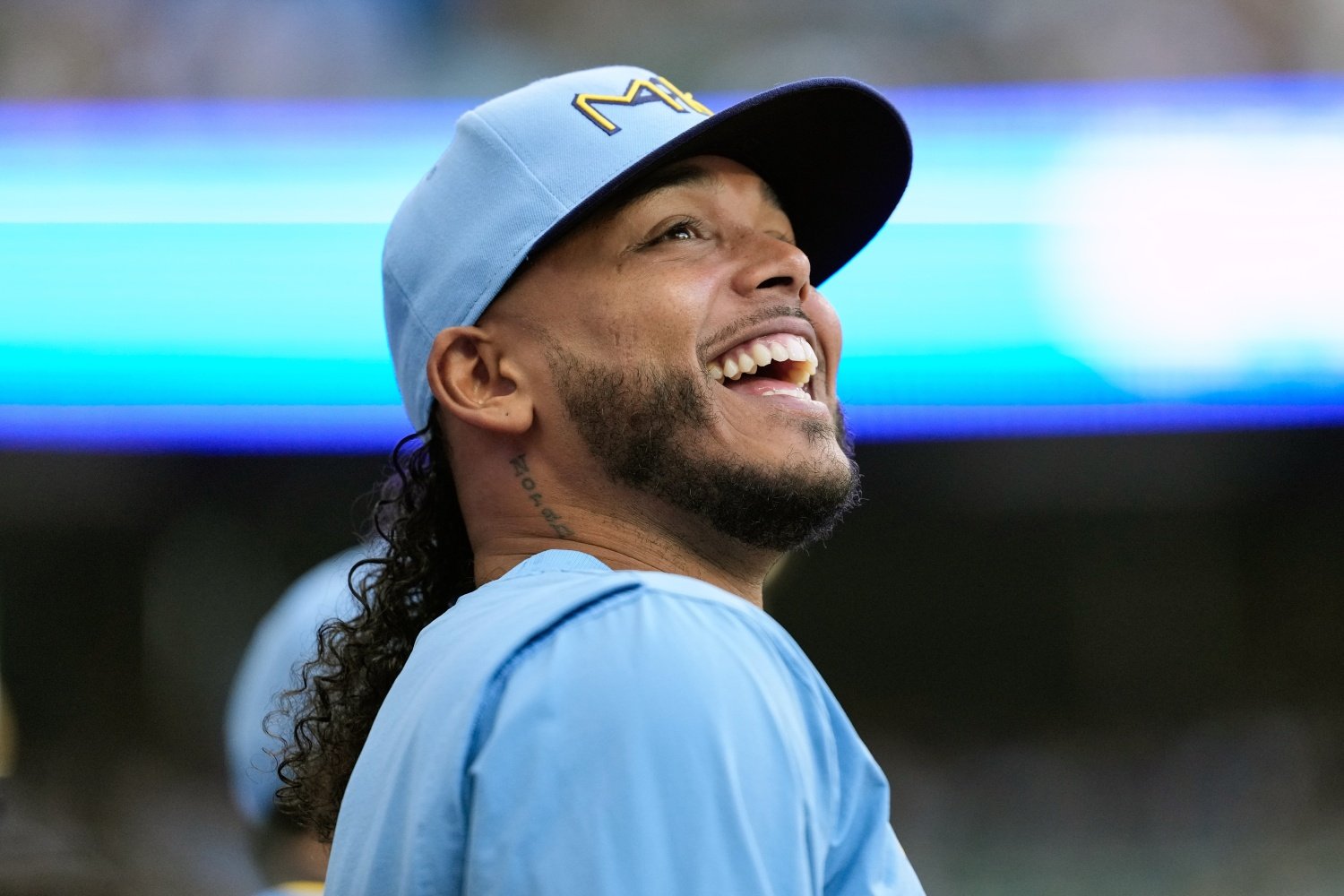 The Atlanta Braves, Houston Astros and San Diego Padres have emerged as the most interested parties in the Freddy Peralta trade market, league sources told Brewer Fanatic this week. During the MLB Winter Meetings, Washington Nationals left-hander MacKenzie Gore and Miami Marlins righty Edward Cabrera have been buzzier names, because each of them comes with multiple years of team control. Tarik Skubal remains atop the wish lists of many big-market dreamers, but so far, the Tigers have set a price tag that suggests they don't want to deal him, according to a source with knowledge of one team's conversations with Detroit. Those three players might make for more tantalizing rumors, but Peralta is very much on the radar of contenders who want to stabilize their rotations without paying exorbitant prices in free agency or in trades for players with longer-term team control attached. Because Peralta will make only $8 million in 2026 and becomes a free agent thereafter, he's a perfect fit for several teams whose budgets are tight (be it because of limited resources or having already spent hundreds of millions elsewhere). His contract leaves so much surplus value, in fact, that one source suggested it will make a trade less likely: the Brewers won't trade Peralta unless they get a haul that reflects both his talent and that efficiency. Houston, San Diego and Atlanta are all serious contenders coming off difficult seasons. None has an elite farm system, which could be an obstacle—but all three have shown flexibility and creativity in the past, to get deals just like these done. For all three, starting pitching is a major question mark, and spending on one of the top remaining free agents looks unlikely. San Diego is even rumored to be shopping top starter Nick Pivetta, despite losing Dylan Cease and Michael King via free agency this winter. Why? Pivetta's salary for 2025 was $1 million, as the Padres served as his lifeboat in a stormy free agency. In 2026, though, that number jumps to $19 million, and there are player options for 2027 and 2028. Unlike other, similar deals, Pivetta's should be movable, in the opinion of employees in other front offices, because the contract contains language granting the team protection in the event of a major injury. Still, the cash-strapped Padres might need to move Pivetta to give themselves the freedom they need to make other upgrades. Peralta, a better pitcher at a much lower price, would be an ideal fit. Injuries and age menace the rotation of the once-mighty Atlanta club, and as their team-friendly extensions with several position players reach their more expensive seasons, the team finds itself without much cash to splash around to shore up that group. Meanwhile, the Astros are losing Framber Valdez to free agency, and they're bumping up against the competitive-balance tax threshold; owner Jim Crane continues to fight to rein in their spending. Those three teams are obvious suitors, and it's not surprising that they've already begun to hone in on Peralta. Three larger-market clubs have also checked in, one source said: the Mets, the Dodgers, and the Giants. However, those teams' interest is not believed to be as serious—or, at least, as developed. New York has the most glaring need for help in the starting rotation, and might best fit with Milwaukee in terms of a return, but their top priorities appear to lie on the offensive side for the time being. Speaking of return, the Brewers are said to be setting a very high price for Peralta, on whom they're listening but not eager to make a move. A source familiar with one discussion said the team was asking for more than they got for Corbin Burnes, whom they traded to the Orioles in early 2024 for Joey Ortiz, DL Hall and a top-40 draft pick. Given that Peralta costs roughly half what Burnes did that year, that's no shock. Suitors understand that Milwaukee won't move Peralta without getting back a "plug-and-play guy," said a member of another front office, citing the examples of Ortiz, Hall, Caleb Durbin and Nestor Cortes, whom the team acquired for Burnes and Devin Williams the last two winters. Trading Peralta would, in other words, have to mean getting back someone who helps the 2026 Brewers, in addition to offering longer-term value. Constraining a market by specifying that majors-ready players be involved can ice over a market, but again, the Brewers don't feel cornered when it comes to Peralta. In addition to being cost-effective, he's one of their clubhouse leaders, and the relationship between player and franchise is much stronger than were the ones between the team and Burnes or Williams. The right deal has to come to them; Matt Arnold won't sell Peralta just to avoid losing him as a free agent next fall. However, in a survey of people in other front offices, the majority believe Peralta will be dealt—and it could be soon. One source noted the lack of overlap in the markets for Gore, Cabrera and Skubal with that for Peralta. The Cubs and Orioles, among others, are locked in on acquiring controllable pitching, so their interest in Peralta is limited. San Diego is always proactive, but neither Houston nor Atlanta are believed to be players for any of the more talked-about names of this week. Quietly, while rumors swirl and Peralta's name lies low, the Brewers have been able to continue discussions with the real players in this game. Williams went from the Crew to the Yankees two days after the end of last year's Winter Meetings. A similar thing could play out this year, though no deal is believed to be close as clubs pack up their suites and prepare to head home. If a trade happens, it will net Milwaukee their biggest haul in such a deal since they traded Carlos Gómez and Mike Fiers to the Astros in mid-2015. While losing Peralta would hurt, the motivation of the interested teams and the team-friendly deal Peralta signed years ago ensure that his departure would only push the Brewers even further forward in their pursuit of the team's first-ever World Series title.
 -
I think a lot about whether it would have saved the Braves for Milwaukee, if they'd won that second straight Series. Might've changed a lot of things about the way that sequence unfolded.
-
As Top NL Contenders Improve, Pressure on Brewers Mounts
Matthew Trueblood posted an article in Brewers
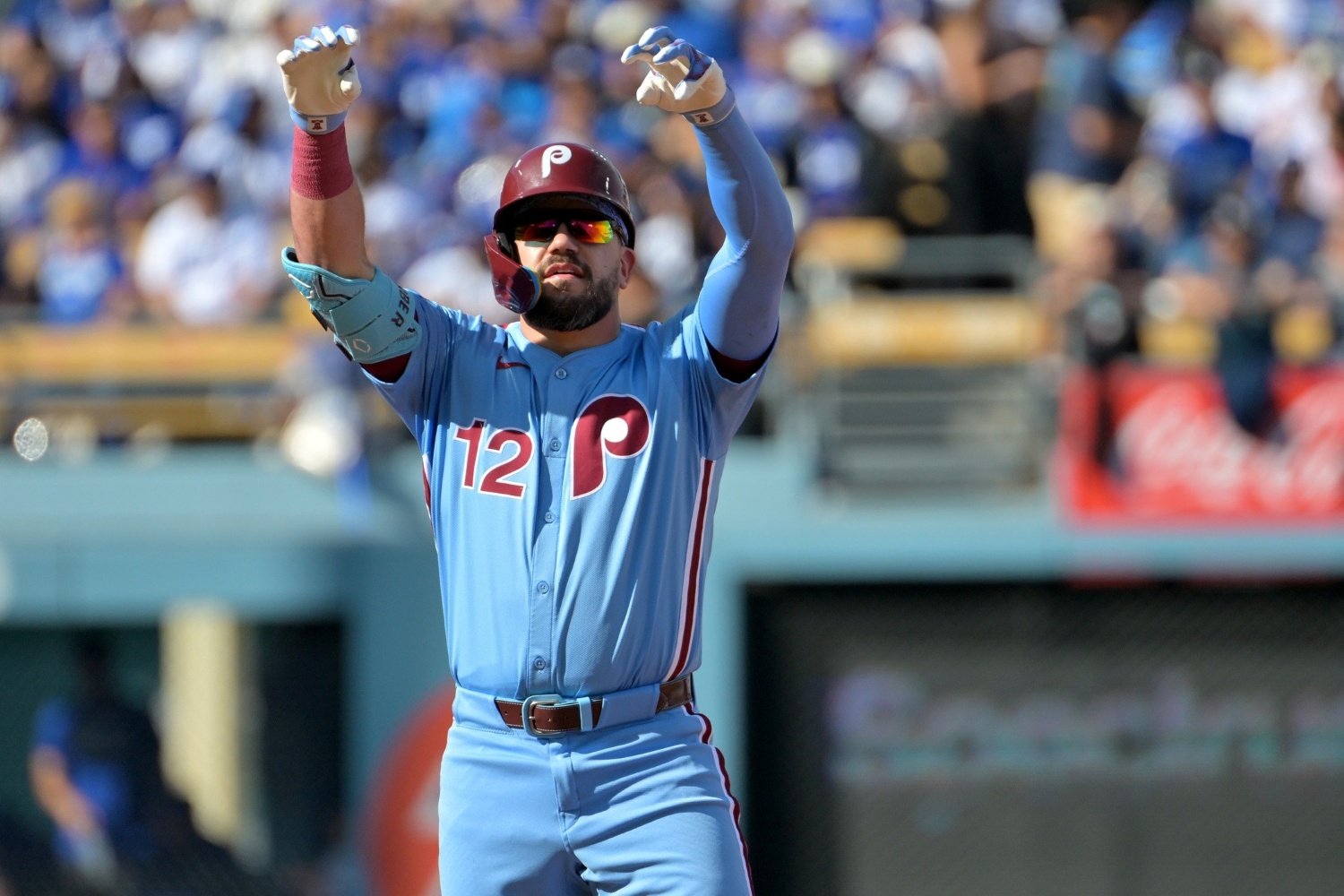 No team in baseball is paying a smaller share of its own team's payroll than are the Milwaukee Brewers. Even if we set aside the huge lump sum each team receives each year from the league's national TV rights agreements and the quarterly payments the Crew get as revenue-sharing payees, they get subsidized heavily, because their players received nearly $21 million in playoff shares and pre-arbitration bonus pool payouts. That money all comes from pooled league funds, rather than the pockets of Milwaukee's ownership group under Mark Attanasio. Nonetheless, financially, the Brewers operate at a disadvantage. The Dodgers, Phillies, Mets, Cubs, Padres, and the team from Cobb County, Georgia each outspend the Crew every year, and with good reason; their revenues dwarf those of the team playing in the league's smallest market. While the Brewers get significant help with their payroll (some of it coming directly from their rivals), they need that help in a way none of their rivals do. That reality is never thrown into sharper relief than on days like Tuesday, which saw the Phillies re-sign slugger Kyle Schwarber to a five-year, $150-million deal and the Dodgers set a new benchmark for relief pitcher salaries by signing Edwin Díaz for $69 million over three years. The final four teams in the 2025 National League bracket were the Phillies, the Dodgers, the Cubs and the Brewers, and already, the other three teams have spent varying amounts to reinforce their clubs for another run deep into October in 2026. (The Cubs, so far, have spent much more modestly than the others, but they're being cited as a potential destination for several high-profile free agents and trade candidates.) Don't expect the Brewers to match those outlays. They could do it—they fill Uecker Field well and are a success story of marketing and revenue capture, to the greatest extent that that's possible for a team without an adjacent commercial district next to their home park or a major media market to exploit. If Attanasio were thus disposed, Milwaukee could push their payroll to $150 million or higher, at least for a year or two. That's not how he chooses to run the team, though, and eventually, even that modest increase would begin to stretch the club a bit thin. Instead, the perennial focus for the Crew is on homegrown talent, and as we know, they have arguably the best assemblage thereof in baseball. Theirs is the deepest corps of solid pre-arbitration players in the league, and their farm system is one of the three best in the game. They can (and will) continue to compete with the big boys, on a total budget less than half that of some of the others. Fans will (rightfully) maintain high expectations for the 2026 team, though. The plan should be for the Crew to win a fifth NL Central crown in six years and try to claim their first-ever National League pennant. That doesn't require an enormous monetary stretch, but it does require that the club reckon with their star power gap. As good as Jackson Chourio, William Contreras, Brice Turang and Jacob Misiorowski can be, they don't quite match the Phillies (Schwarber, Trea Turner, Cristopher Sánchez) or the Dodgers (Shohei Ohtani, Mookie Betts, Freddie Freeman, Yoshinobu Yamamoto) man-for-man. Those teams are also out to accrue better depth. The logical next step for Milwaukee is to beat these teams in October, but to make that possible, they'll have to find a creative way to keep getting more dynamic—more dangerous. Nationals trade candidates MacKenzie Gore and CJ Abrams could each be interesting fits for the Crew. So could Tigers mega-ace Tarik Skubal, about whom the Brewers had discussions with Detroit at the 2024 trade deadline. We've already written, this month, about why Ketel Marte and Byron Buxton are interesting potential targets. The Brewers are unlikely to deal for Skubal now, since he's only a year from free agency and will be well-paid in 2026, but they do need to think aggressively, as well as farsightedly. As Schwarber and Díaz reminded them on Tuesday, Milwaukee has a tall mountain to climb. They might have the best overall organization in baseball, but that doesn't guarantee them a turn with the pennant. To get one, they'll need to exit their comfort zone and do something big.
 -
Image courtesy of © Jayne Kamin-Oncea-Imagn Images No team in baseball is paying a smaller share of its own team's payroll than are the Milwaukee Brewers. Even if we set aside the huge lump sum each team receives each year from the league's national TV rights agreements and the quarterly payments the Crew get as revenue-sharing payees, they get subsidized heavily, because their players received nearly $21 million in playoff shares and pre-arbitration bonus pool payouts. That money all comes from pooled league funds, rather than the pockets of Milwaukee's ownership group under Mark Attanasio. Nonetheless, financially, the Brewers operate at a disadvantage. The Dodgers, Phillies, Mets, Cubs, Padres, and the team from Cobb County, Georgia each outspend the Crew every year, and with good reason; their revenues dwarf those of the team playing in the league's smallest market. While the Brewers get significant help with their payroll (some of it coming directly from their rivals), they need that help in a way none of their rivals do. That reality is never thrown into sharper relief than on days like Tuesday, which saw the Phillies re-sign slugger Kyle Schwarber to a five-year, $150-million deal and the Dodgers set a new benchmark for relief pitcher salaries by signing Edwin Díaz for $69 million over three years. The final four teams in the 2025 National League bracket were the Phillies, the Dodgers, the Cubs and the Brewers, and already, the other three teams have spent varying amounts to reinforce their clubs for another run deep into October in 2026. (The Cubs, so far, have spent much more modestly than the others, but they're being cited as a potential destination for several high-profile free agents and trade candidates.) Don't expect the Brewers to match those outlays. They could do it—they fill Uecker Field well and are a success story of marketing and revenue capture, to the greatest extent that that's possible for a team without an adjacent commercial district next to their home park or a major media market to exploit. If Attanasio were thus disposed, Milwaukee could push their payroll to $150 million or higher, at least for a year or two. That's not how he chooses to run the team, though, and eventually, even that modest increase would begin to stretch the club a bit thin. Instead, the perennial focus for the Crew is on homegrown talent, and as we know, they have arguably the best assemblage thereof in baseball. Theirs is the deepest corps of solid pre-arbitration players in the league, and their farm system is one of the three best in the game. They can (and will) continue to compete with the big boys, on a total budget less than half that of some of the others. Fans will (rightfully) maintain high expectations for the 2026 team, though. The plan should be for the Crew to win a fifth NL Central crown in six years and try to claim their first-ever National League pennant. That doesn't require an enormous monetary stretch, but it does require that the club reckon with their star power gap. As good as Jackson Chourio, William Contreras, Brice Turang and Jacob Misiorowski can be, they don't quite match the Phillies (Schwarber, Trea Turner, Cristopher Sánchez) or the Dodgers (Shohei Ohtani, Mookie Betts, Freddie Freeman, Yoshinobu Yamamoto) man-for-man. Those teams are also out to accrue better depth. The logical next step for Milwaukee is to beat these teams in October, but to make that possible, they'll have to find a creative way to keep getting more dynamic—more dangerous. Nationals trade candidates MacKenzie Gore and CJ Abrams could each be interesting fits for the Crew. So could Tigers mega-ace Tarik Skubal, about whom the Brewers had discussions with Detroit at the 2024 trade deadline. We've already written, this month, about why Ketel Marte and Byron Buxton are interesting potential targets. The Brewers are unlikely to deal for Skubal now, since he's only a year from free agency and will be well-paid in 2026, but they do need to think aggressively, as well as farsightedly. As Schwarber and Díaz reminded them on Tuesday, Milwaukee has a tall mountain to climb. They might have the best overall organization in baseball, but that doesn't guarantee them a turn with the pennant. To get one, they'll need to exit their comfort zone and do something big. View full article
-
Image courtesy of © Benny Sieu-Imagn Images It didn't take long for smoke signals about payroll pressure to emerge from the Brewers' camp this offseason. Those concerns are probably overblown, but they reflect a truth about winning in Milwaukee that doesn't apply to many other teams. It's possible that the same constraints that have compelled the Crew to forge a specific mode of operation over the last decade (and the same ruthless devotion to that system that has led to previous trades of this ilk) will lead the team to trade Freddy Peralta this winter, even if they don't actually have to do so. Few teams are harder to read than the Brewers, because baseball operations chief Matt Arnold runs one of the game's tightest ships when it comes to preventing leaks to the media. He's also a shrewd manipulator of the discourse around his team. Even if he had a budget far larger than he felt was needed, he wouldn't say so. That would only give agents (for players available in free agency and those with whom he might wish to sign extensions) and trade partners more leverage. Whether Arnold had anything to do with the report in The Athletic that downplayed the team's capacity this winter or not, that notion made its way through the rumor mill, without Arnold attached to it. It confirms things outsiders tend to believe about Milwaukee anyway, so it will be viewed as credible even if it isn't true. The team can use the rumor to avoid being bidded up on the market, while they lurk as unexpected players on certain free agents because they actually have more to spend than others believe. However, it inarguably made a major difference when Brandon Woodruff accepted the qualifying offer to return to the Brewers for $22.025 million last month. He's now soaking up at least 15% of the team's payroll, and while they have lots of cost-controlled young players who aren't yet eligible for arbitration, they also have a growing list of somewhat expensive players. William Contreras, Andrew Vaughn, Woodruff, Peralta, and Christian Yelich head the list, but don't ignore the fact that Jackson Chourio's salary rises to $7 million in 2026, too. If the team wants to make any material improvements to their roster, they might need to subtract some money in the process. Peralta is the trade candidate who offers both the opportunity for a high-end return and substantial cost savings, if dealt. He's the player for whom the team could get big value, making themselves even more nimble and dynamic for the next half-decade. He and Woodruff are the only ones whose value is confined to 2026, since they'll each hit free agency thereafter. While a Peralta trade is not necessary (and would be difficult, for many within the organization, because of what Peralta means to the clubhouse), it might turn out to be the right move—and Arnold nearly always makes the right move, even when it hurts. Here, therefore, are five teams who look like strong suitors for Peralta. Baltimore Orioles Fans in and around Baltimore are ravenous for a big move—a massive, multi-year financial commitment to a free agent. They want head honcho Mike Elias to announce, in effect, that his team is once again one of baseball's heavy hitters. That's not Elias's style, though. He might make an exception for the perfect player, but it's telling that—two years after trading for Corbin Burnes and one year after letting Burnes walk via free agency, while signing Tomoyuki Sugano, Charlie Morton, Andrew Kittredge and Tyler O'Neill—the Orioles started this winter by trading oft-injured pitcher Grayson Rodriguez for outfielder Taylor Ward and signing closer Ryan Helsley to a short-term deal. The prospect pipeline has been spilling forth young hitters for a few years already, but the Orioles' farm system remains reasonably deep. They also have young players with big-league experience under their belt who could be good fits for the Brewers' needs. Outfielders Colton Cowser, Enrique Bradfield Jr. and Dylan Beavers; uptrend pitching prospects Nestor German and Braxton Bragg; and a likely Competitive Balance Round A draft pick are all pieces Milwaukee and Baltimore could discuss. Detroit Tigers One of the nice things about Peralta, relative to other players on the verge of free agency, is that he's very affordable. At just $8 million, his price tag for 2026 is much lower than those of many similarly talented pitchers in their final seasons of team control. (For instance, Burnes made $15.6 million in 2024, for Baltimore.) That widens the pool of plausible suitors, to include teams like the Tigers. After Jack Flaherty opted in on the second year of his deal and Gleyber Torres accepted the qualifying offer, Detroit faces some payroll constraints of their own, but they're very much in the mix for the 2026 AL Central crown. Should they trade Tarik Skubal—but even if they don't—they'll need an infusion of high-quality starting rotation depth to position themselves for a deeper run next October. Detroit's farm system is much stronger than the Orioles', too. Milwaukee could target high-end catching prospects Thayron Liranzo or Josue Briceño, with an eye toward replacing Contreras with the combination of Jeferson Quero and one of the two youngsters in 2027. Alternatively, they could focus on a big-leaguer like Zach McKinstry, and/or thr Tigers' own tradable draft pick for 2026. Houston Astros No team with whom Peralta could land this winter would be a better match between player and new team, in terms of pitching philosophy. The Astros love smallish, highly athletic pitchers with a feel for spin and a willingness to issue the occasional walk as the price of missing as many bats as possible. Despite being a dynastic force in one of the league's biggest markets, they're also under some financial strain this winter. Reportedly, Houston doesn't want to exceed the lowest competitive-balance tax threshold, but that ties their hands, and they need to replace the departing Framber Valdez. Houston is shopping center fielder Jake Meyers, a valuable, well-rounded player—but Meyers isn't much of a fit for Milwaukee. Peralta could be so perfect a fit in Houston that the Astros would entertain getting a third team involved, sending Meyers elsewhere while the Brewers rake in players from the third party in exchange for Peralta. Failing that, though, Milwaukee could try to buy low on the talented Cam Smith, or load up on the depth in the upper levels of Houston's system. Pitchers AJ Blubaugh, Bryce Mayer and Miguel Ullola and top positional prospects Brice Matthews and Jacob Melton would all come up in conversations between the teams. New York Yankees Though they're a fairly robust player development machine, the Yankees are going through one of their periodic downcycles in terms of prospect depth. They lack both expendable young players on the big-league roster and compelling pieces in the middle ranges of their top prospect list. Their best prospect, George Lombard Jr., would not be available in a Peralta trade, and third-ranked prospect Dax Kilby is too far away from the majors to headline a Peralta deal from the Brewers' perspective. The sweet spot is Puerto Rican righthander Elmer Rodriguez-Cruz, a lanky five-pitch starter who got to Triple A at the end of 2025 and has a chance to be contributing in the majors by the end of 2026. There are several other promising arms in the upper levels of the minors for New York, so a deal is possible, but the team's lingering injury concerns—they'll enter spring training without certainty about the timelines of Gerrit Cole, Carlos Rodón, Clarke Schmidt, and Chase Hampton—could make it hard for them to let their best healthy young hurlers go. Texas Rangers Much like the Astros, the Rangers want to contend in 2026, but they're up against the tax threshold and don't want to spend what it looks like it will take to win the AL West again. Therefore, Peralta's cost-effective upside has to be highly appealing. Like the Yankees and Astros, Texas has a thinned-out farm system, showing the ravages of years of trying to win in the short term and the imbalance of the rules that dole out extra picks and international spending allotments to small-market teams at the expense of large-market ones. Unlike New York, though, the Rangers have lots of young players on the edges of their roster who could appeal to the Brewers in a deal. Starters Jack Leiter, Kumar Rocker and Jacob Latz; twice-stumbling former top prospect Justin Foscue; and a bevy of relievers could be in play. The tough part would be finding a headliner who suits what the Brewers want to do in 2026; the Rangers' best talents are a couple years away. Crucially, all these teams play in the American League. The Brewers could trade Peralta to the Mets, the Dodgers or the Giants, but they could meet any of them as early as the Wild Card Series. Sending Peralta to the junior circuit would ensure that the Brewers only encounter him in 2026 if they reach the World Series, and they should be able to extract a comparable return from one of these suitors. That makes these five teams the natural landing spots, if Peralta does end up anywhere but Milwaukee for the final year of his contract. View full article
-
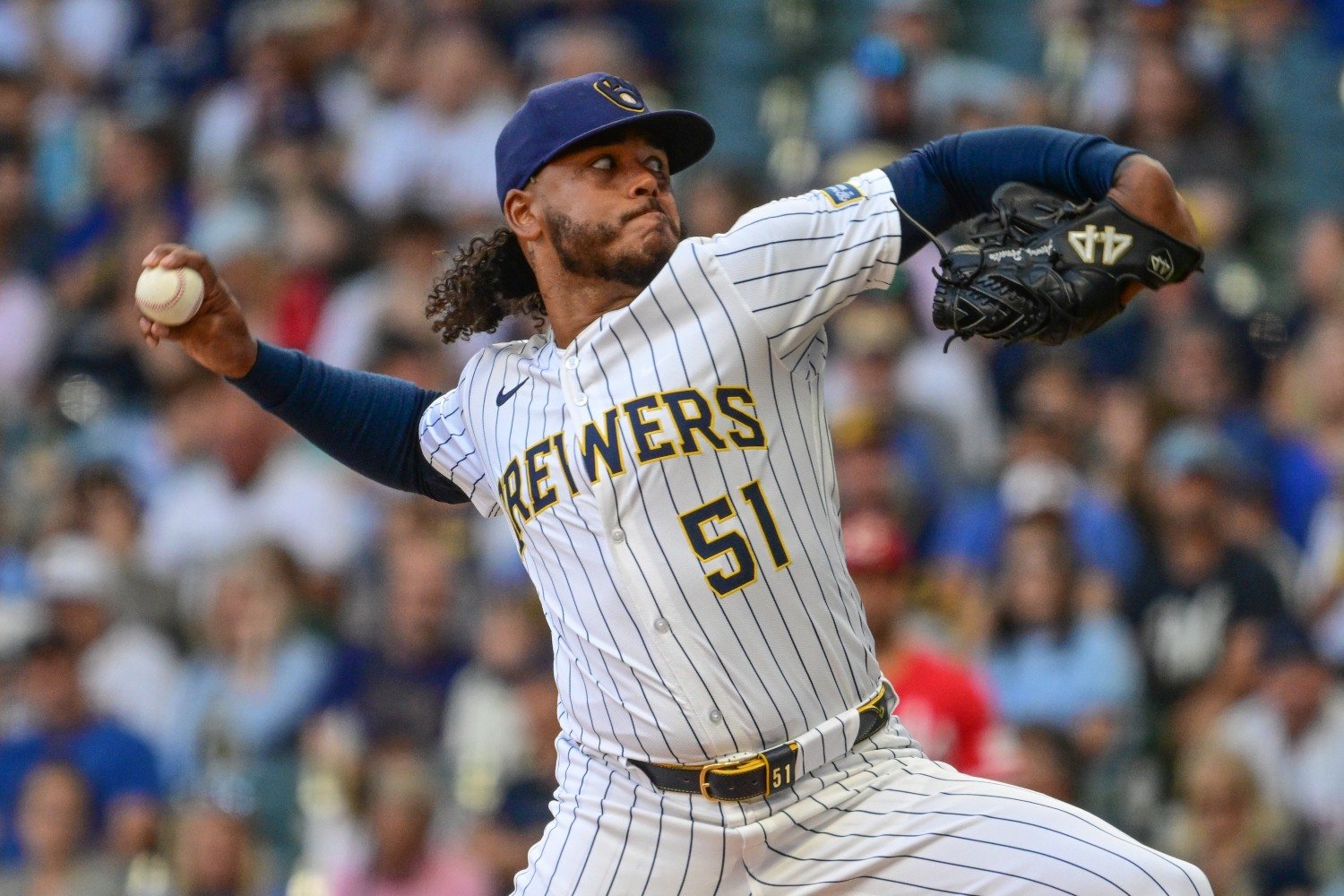 It didn't take long for smoke signals about payroll pressure to emerge from the Brewers' camp this offseason. Those concerns are probably overblown, but they reflect a truth about winning in Milwaukee that doesn't apply to many other teams. It's possible that the same constraints that have compelled the Crew to forge a specific mode of operation over the last decade (and the same ruthless devotion to that system that has led to previous trades of this ilk) will lead the team to trade Freddy Peralta this winter, even if they don't actually have to do so. Few teams are harder to read than the Brewers, because baseball operations chief Matt Arnold runs one of the game's tightest ships when it comes to preventing leaks to the media. He's also a shrewd manipulator of the discourse around his team. Even if he had a budget far larger than he felt was needed, he wouldn't say so. That would only give agents (for players available in free agency and those with whom he might wish to sign extensions) and trade partners more leverage. Whether Arnold had anything to do with the report in The Athletic that downplayed the team's capacity this winter or not, that notion made its way through the rumor mill, without Arnold attached to it. It confirms things outsiders tend to believe about Milwaukee anyway, so it will be viewed as credible even if it isn't true. The team can use the rumor to avoid being bidded up on the market, while they lurk as unexpected players on certain free agents because they actually have more to spend than others believe. However, it inarguably made a major difference when Brandon Woodruff accepted the qualifying offer to return to the Brewers for $22.025 million last month. He's now soaking up at least 15% of the team's payroll, and while they have lots of cost-controlled young players who aren't yet eligible for arbitration, they also have a growing list of somewhat expensive players. William Contreras, Andrew Vaughn, Woodruff, Peralta, and Christian Yelich head the list, but don't ignore the fact that Jackson Chourio's salary rises to $7 million in 2026, too. If the team wants to make any material improvements to their roster, they might need to subtract some money in the process. Peralta is the trade candidate who offers both the opportunity for a high-end return and substantial cost savings, if dealt. He's the player for whom the team could get big value, making themselves even more nimble and dynamic for the next half-decade. He and Woodruff are the only ones whose value is confined to 2026, since they'll each hit free agency thereafter. While a Peralta trade is not necessary (and would be difficult, for many within the organization, because of what Peralta means to the clubhouse), it might turn out to be the right move—and Arnold nearly always makes the right move, even when it hurts. Here, therefore, are five teams who look like strong suitors for Peralta. Baltimore Orioles Fans in and around Baltimore are ravenous for a big move—a massive, multi-year financial commitment to a free agent. They want head honcho Mike Elias to announce, in effect, that his team is once again one of baseball's heavy hitters. That's not Elias's style, though. He might make an exception for the perfect player, but it's telling that—two years after trading for Corbin Burnes and one year after letting Burnes walk via free agency, while signing Tomoyuki Sugano, Charlie Morton, Andrew Kittredge and Tyler O'Neill—the Orioles started this winter by trading oft-injured pitcher Grayson Rodriguez for outfielder Taylor Ward and signing closer Ryan Helsley to a short-term deal. The prospect pipeline has been spilling forth young hitters for a few years already, but the Orioles' farm system remains reasonably deep. They also have young players with big-league experience under their belt who could be good fits for the Brewers' needs. Outfielders Colton Cowser, Enrique Bradfield Jr. and Dylan Beavers; uptrend pitching prospects Nestor German and Braxton Bragg; and a likely Competitive Balance Round A draft pick are all pieces Milwaukee and Baltimore could discuss. Detroit Tigers One of the nice things about Peralta, relative to other players on the verge of free agency, is that he's very affordable. At just $8 million, his price tag for 2026 is much lower than those of many similarly talented pitchers in their final seasons of team control. (For instance, Burnes made $15.6 million in 2024, for Baltimore.) That widens the pool of plausible suitors, to include teams like the Tigers. After Jack Flaherty opted in on the second year of his deal and Gleyber Torres accepted the qualifying offer, Detroit faces some payroll constraints of their own, but they're very much in the mix for the 2026 AL Central crown. Should they trade Tarik Skubal—but even if they don't—they'll need an infusion of high-quality starting rotation depth to position themselves for a deeper run next October. Detroit's farm system is much stronger than the Orioles', too. Milwaukee could target high-end catching prospects Thayron Liranzo or Josue Briceño, with an eye toward replacing Contreras with the combination of Jeferson Quero and one of the two youngsters in 2027. Alternatively, they could focus on a big-leaguer like Zach McKinstry, and/or thr Tigers' own tradable draft pick for 2026. Houston Astros No team with whom Peralta could land this winter would be a better match between player and new team, in terms of pitching philosophy. The Astros love smallish, highly athletic pitchers with a feel for spin and a willingness to issue the occasional walk as the price of missing as many bats as possible. Despite being a dynastic force in one of the league's biggest markets, they're also under some financial strain this winter. Reportedly, Houston doesn't want to exceed the lowest competitive-balance tax threshold, but that ties their hands, and they need to replace the departing Framber Valdez. Houston is shopping center fielder Jake Meyers, a valuable, well-rounded player—but Meyers isn't much of a fit for Milwaukee. Peralta could be so perfect a fit in Houston that the Astros would entertain getting a third team involved, sending Meyers elsewhere while the Brewers rake in players from the third party in exchange for Peralta. Failing that, though, Milwaukee could try to buy low on the talented Cam Smith, or load up on the depth in the upper levels of Houston's system. Pitchers AJ Blubaugh, Bryce Mayer and Miguel Ullola and top positional prospects Brice Matthews and Jacob Melton would all come up in conversations between the teams. New York Yankees Though they're a fairly robust player development machine, the Yankees are going through one of their periodic downcycles in terms of prospect depth. They lack both expendable young players on the big-league roster and compelling pieces in the middle ranges of their top prospect list. Their best prospect, George Lombard Jr., would not be available in a Peralta trade, and third-ranked prospect Dax Kilby is too far away from the majors to headline a Peralta deal from the Brewers' perspective. The sweet spot is Puerto Rican righthander Elmer Rodriguez-Cruz, a lanky five-pitch starter who got to Triple A at the end of 2025 and has a chance to be contributing in the majors by the end of 2026. There are several other promising arms in the upper levels of the minors for New York, so a deal is possible, but the team's lingering injury concerns—they'll enter spring training without certainty about the timelines of Gerrit Cole, Carlos Rodón, Clarke Schmidt, and Chase Hampton—could make it hard for them to let their best healthy young hurlers go. Texas Rangers Much like the Astros, the Rangers want to contend in 2026, but they're up against the tax threshold and don't want to spend what it looks like it will take to win the AL West again. Therefore, Peralta's cost-effective upside has to be highly appealing. Like the Yankees and Astros, Texas has a thinned-out farm system, showing the ravages of years of trying to win in the short term and the imbalance of the rules that dole out extra picks and international spending allotments to small-market teams at the expense of large-market ones. Unlike New York, though, the Rangers have lots of young players on the edges of their roster who could appeal to the Brewers in a deal. Starters Jack Leiter, Kumar Rocker and Jacob Latz; twice-stumbling former top prospect Justin Foscue; and a bevy of relievers could be in play. The tough part would be finding a headliner who suits what the Brewers want to do in 2026; the Rangers' best talents are a couple years away. Crucially, all these teams play in the American League. The Brewers could trade Peralta to the Mets, the Dodgers or the Giants, but they could meet any of them as early as the Wild Card Series. Sending Peralta to the junior circuit would ensure that the Brewers only encounter him in 2026 if they reach the World Series, and they should be able to extract a comparable return from one of these suitors. That makes these five teams the natural landing spots, if Peralta does end up anywhere but Milwaukee for the final year of his contract.
 -
Image courtesy of © Benny Sieu-Imagn Images When the Brewers signed Christian Yelich to a nine-year, $215-million contract in March 2020, Yelich received a full no-trade clause. Unfortunately, for some stretches since then, that clause has seemed redundant. As Yelich struggled in his first three seasons after the knee injury that prematurely ended his 2019 campaign, his extension looked essentially untradable. He was an increasingly injury-wrecked corner outfielder with a .243/.358/.388 batting line from 2020 through 2022. Since then, though, he's rediscovered something. Since the start of 2023, Yelich is batting .279/.366/.460. Back surgery took him out of the picture for the stretch run in 2024, but he returned with another impressive, durable campaign in 2025. He'll turn 34 years old in December, but he feels like a better bet right now than he did three years ago. Meanwhile, he's settled into the portion of his contract during which some of his salary is deferred. Yelich's salary for the three years left on his deal is $26 million per season, but $4 million of that will be deferred by a decade each season. He's only set to earn $70.5 million for the balance of the 2020s, even factoring in the portion of an option buyout for 2029 that will be paid right away. In short, Yelich could now be dealt, and the Brewers wouldn't even have to send money to get the deal done. They might need to retain the obligation to pay his deferred salaries, but that's easy money to manage. They wouldn't get a lot back, but they're good at getting something out of lottery-ticket prospects, and the main motivation for trading him would be freeing up both salary and playing time. First, let's examine whether this makes any sense. In 2025, Yelich was occasionally the Brewers' best hitter, and he was certainly their most consistent presence in the top half of the lineup. It might sound strange to entertain trading him, because of what he still means to the Brewers' run production—let alone what he means in the clubhouse or the community. On the other hand, the Brewers need to infuse a bit more dynamism and projectable lethality in their offense, and those things are fading for Yelich. He was not the same base stealer in 2025 that he'd been for the previous two seasons. His average exit velocity was the lowest of his career; his average launch angle was his lowest since 2015. His strikeout rate rose, while his walk rate fell. Suitors will see that, too, of course, but they'll also see that he didn't lose bat speed even in the return season from a serious operation on his back. They'll wonder (fairly) if a different hitting coach could help Yelich tap more sustainably into his power, and if getting more rest would find him more productive and more prepared for the postseason than he looked in 2025. The Brewers can't afford to have a player on such a salary playing less than every day when he's healthy, but some teams who might take an interest in Yelich could. Getting $22 million off their books for each of the next three seasons would give the Brewers some real spending power this winter, although they'd have to use most of it to replace Yelich. The question, as far as it goes at this moment, is whether the team would be able to land a more productive hitter than Yelich via free agency. There are some superb bats on this winter's market, in Kyle Schwarber, Alex Bregman, Bo Bichette, and Pete Alonso. In various ways, each of these players is a good fit for the Brewers, but only if Yelich is moved. A different question quickly moves to the fore, then: would Yelich accept a deal? Presumably, he'd only leave the Brewers if the new situation was very much to his liking; he wants to win a World Series. He's not going to approve a trade to the Angels, for instance, despite being from Southern California. As we enter the hot stove season, though, lots of teams could use a bat like Yelich's in pursuit of a pennant. The Dodgers have space in their corner outfield spots and the freedom to let veterans take it easy for parts of the regular season. The Giants always need offensive help. The Padres might not be in position to take on the money, but then again, they badly need help in left field and at DH, and they can't afford to spend even bigger on a player like Schwarber or Cody Bellinger. Depending on how they perceive their chances at top-tier free agents, the Blue Jays, the Phillies, or the Braves could get involved. Yelich has been at the center of everything for Milwaukee, ever since his 2018 breakout. He probably wouldn't want to leave, all things being equal. If the Brewers can find the right place for him and get his contract out of their budget, however, they might be right to move on from him. For very good teams who derive strength from their depth, it's sometimes hard to find a place where it's possible to get better. That's the Crew's situation, and trading Yelich might be one of the few options they have to keep progressing toward a World Series title. View full article
-
 When the Brewers signed Christian Yelich to a nine-year, $215-million contract in March 2020, Yelich received a full no-trade clause. Unfortunately, for some stretches since then, that clause has seemed redundant. As Yelich struggled in his first three seasons after the knee injury that prematurely ended his 2019 campaign, his extension looked essentially untradable. He was an increasingly injury-wrecked corner outfielder with a .243/.358/.388 batting line from 2020 through 2022. Since then, though, he's rediscovered something. Since the start of 2023, Yelich is batting .279/.366/.460. Back surgery took him out of the picture for the stretch run in 2024, but he returned with another impressive, durable campaign in 2025. He'll turn 34 years old in December, but he feels like a better bet right now than he did three years ago. Meanwhile, he's settled into the portion of his contract during which some of his salary is deferred. Yelich's salary for the three years left on his deal is $26 million per season, but $4 million of that will be deferred by a decade each season. He's only set to earn $70.5 million for the balance of the 2020s, even factoring in the portion of an option buyout for 2029 that will be paid right away. In short, Yelich could now be dealt, and the Brewers wouldn't even have to send money to get the deal done. They might need to retain the obligation to pay his deferred salaries, but that's easy money to manage. They wouldn't get a lot back, but they're good at getting something out of lottery-ticket prospects, and the main motivation for trading him would be freeing up both salary and playing time. First, let's examine whether this makes any sense. In 2025, Yelich was occasionally the Brewers' best hitter, and he was certainly their most consistent presence in the top half of the lineup. It might sound strange to entertain trading him, because of what he still means to the Brewers' run production—let alone what he means in the clubhouse or the community. On the other hand, the Brewers need to infuse a bit more dynamism and projectable lethality in their offense, and those things are fading for Yelich. He was not the same base stealer in 2025 that he'd been for the previous two seasons. His average exit velocity was the lowest of his career; his average launch angle was his lowest since 2015. His strikeout rate rose, while his walk rate fell. Suitors will see that, too, of course, but they'll also see that he didn't lose bat speed even in the return season from a serious operation on his back. They'll wonder (fairly) if a different hitting coach could help Yelich tap more sustainably into his power, and if getting more rest would find him more productive and more prepared for the postseason than he looked in 2025. The Brewers can't afford to have a player on such a salary playing less than every day when he's healthy, but some teams who might take an interest in Yelich could. Getting $22 million off their books for each of the next three seasons would give the Brewers some real spending power this winter, although they'd have to use most of it to replace Yelich. The question, as far as it goes at this moment, is whether the team would be able to land a more productive hitter than Yelich via free agency. There are some superb bats on this winter's market, in Kyle Schwarber, Alex Bregman, Bo Bichette, and Pete Alonso. In various ways, each of these players is a good fit for the Brewers, but only if Yelich is moved. A different question quickly moves to the fore, then: would Yelich accept a deal? Presumably, he'd only leave the Brewers if the new situation was very much to his liking; he wants to win a World Series. He's not going to approve a trade to the Angels, for instance, despite being from Southern California. As we enter the hot stove season, though, lots of teams could use a bat like Yelich's in pursuit of a pennant. The Dodgers have space in their corner outfield spots and the freedom to let veterans take it easy for parts of the regular season. The Giants always need offensive help. The Padres might not be in position to take on the money, but then again, they badly need help in left field and at DH, and they can't afford to spend even bigger on a player like Schwarber or Cody Bellinger. Depending on how they perceive their chances at top-tier free agents, the Blue Jays, the Phillies, or the Braves could get involved. Yelich has been at the center of everything for Milwaukee, ever since his 2018 breakout. He probably wouldn't want to leave, all things being equal. If the Brewers can find the right place for him and get his contract out of their budget, however, they might be right to move on from him. For very good teams who derive strength from their depth, it's sometimes hard to find a place where it's possible to get better. That's the Crew's situation, and trading Yelich might be one of the few options they have to keep progressing toward a World Series title.
 -
Image courtesy of © Benny Sieu-Imagn Images It won't be a cheap run through the arbitration ringer for the Brewers this winter. They're likely to pay the quartet of William Contreras, Trevor Megill, Brice Turang and Andrew Vaughn somewhere between $25 million and $30 million in 2026, and that's despite all four having at least one more year of eligibility for arbitration after this. Jake Bauers, whose much-improved performance in 2025 should make him safe at this year's non-tender deadline, is in line to make another $2 million or so. Milwaukee will certainly tender contracts to all four of their major contributors who are eligible. Bauers is a trickier case, because even though he was so good this year and will cost relatively little in 2026, he can no longer be sent to the minor leagues. For an organization that prizes and always needs flexibility in its roster construction, having a non-regular locked into one of the scarce bench spots all season might be an uneasy situation. Still, those five all clearly deserve to be back with the three-time defending NL Central champions. Garrett Mitchell is also eligible for arbitration this winter, for the first time. He's set to make even less than Bauers and can still be optioned to the minors, if needed. He poses a different kind of problem for a team concerned with roster utility, though. Mitchell has only played 139 total games since the start of 2023, including his stints in the minors on rehab assignments. His inability to stay healthy (and the very real questions about how he can bounce back from a second devastating shoulder injury in as many years) makes it just as risky to lock him into a spot on the 40-man roster for a should-be contender as to do so with a 26-man roster spot for Bauers. Unlike Mitchell, Nick Mears is out of options, so he, too, damages the flexibility of the roster if the team tenders him a deal Friday. He's set to make roughly $1.6 million via arbitration, according to MLB Trade Rumors. That's not a prohibitive amount of money, but again, the most important question is whether he's a pitcher worth committing a place on the active roster to for the whole season. One can make compelling cases in favor or against him. Thus, Mitchell and Mears will be the names most worth watching Friday. The Brewers are likely to press each to agree to terms now, rather than tendering them a deal and letting the deadline to exchange figures (on Jan. 8, 2026) apply the pressure. Since these are fringe cases, each player will have to be willing to sign on terms the Brewers consider palatable, or they're likely to be released. In years past, this has often been a day when the Brewers would target a player another team was considering cutting and acquire them in trade. That's far less likely this year, with Milwaukee's 40-man roster quite crowded as it is—but it's not impossible. Nor is it out of the question that we might see the team agree to a multi-year deal with one of Contreras, Megill or Vaughn, taking them through 2027. Between those more remote possibilities and the very real one that we see either Mitchell or Mears traded or released, Friday will be an interesting day for Brewers fans. View full article
-
Two Tough Decisions Highlight Non-Tender Deadline Day for Brewers
Matthew Trueblood posted an article in Brewers
 It won't be a cheap run through the arbitration ringer for the Brewers this winter. They're likely to pay the quartet of William Contreras, Trevor Megill, Brice Turang and Andrew Vaughn somewhere between $25 million and $30 million in 2026, and that's despite all four having at least one more year of eligibility for arbitration after this. Jake Bauers, whose much-improved performance in 2025 should make him safe at this year's non-tender deadline, is in line to make another $2 million or so. Milwaukee will certainly tender contracts to all four of their major contributors who are eligible. Bauers is a trickier case, because even though he was so good this year and will cost relatively little in 2026, he can no longer be sent to the minor leagues. For an organization that prizes and always needs flexibility in its roster construction, having a non-regular locked into one of the scarce bench spots all season might be an uneasy situation. Still, those five all clearly deserve to be back with the three-time defending NL Central champions. Garrett Mitchell is also eligible for arbitration this winter, for the first time. He's set to make even less than Bauers and can still be optioned to the minors, if needed. He poses a different kind of problem for a team concerned with roster utility, though. Mitchell has only played 139 total games since the start of 2023, including his stints in the minors on rehab assignments. His inability to stay healthy (and the very real questions about how he can bounce back from a second devastating shoulder injury in as many years) makes it just as risky to lock him into a spot on the 40-man roster for a should-be contender as to do so with a 26-man roster spot for Bauers. Unlike Mitchell, Nick Mears is out of options, so he, too, damages the flexibility of the roster if the team tenders him a deal Friday. He's set to make roughly $1.6 million via arbitration, according to MLB Trade Rumors. That's not a prohibitive amount of money, but again, the most important question is whether he's a pitcher worth committing a place on the active roster to for the whole season. One can make compelling cases in favor or against him. Thus, Mitchell and Mears will be the names most worth watching Friday. The Brewers are likely to press each to agree to terms now, rather than tendering them a deal and letting the deadline to exchange figures (on Jan. 8, 2026) apply the pressure. Since these are fringe cases, each player will have to be willing to sign on terms the Brewers consider palatable, or they're likely to be released. In years past, this has often been a day when the Brewers would target a player another team was considering cutting and acquire them in trade. That's far less likely this year, with Milwaukee's 40-man roster quite crowded as it is—but it's not impossible. Nor is it out of the question that we might see the team agree to a multi-year deal with one of Contreras, Megill or Vaughn, taking them through 2027. Between those more remote possibilities and the very real one that we see either Mitchell or Mears traded or released, Friday will be an interesting day for Brewers fans.
- 13 comments
-
- 4
-
-

-
- jake bauers
- nick mears
- (and 1 more)
-
Image courtesy of © Benny Sieu-Imagn Images After a third-place finish in National League Rookie of the Year balloting in 2024, Jackson Chourio had a slightly less impressive sophomore campaign. Plagued by some erratic swing decisions and a hamstring strain that cost him a month of playing time, Chourio still demonstrated a strong blend of power, speed and defensive ability, but his on-base percentage fell to .308. He put the ball in the air more often, but the majority of those extra fly balls went to the opposite field. The encore to Chourio's brilliant rookie showing yielded the sustained promise one might have hoped to see, but also some more difficult adjustments than expected. In one regard, though, Chourio did take the developmental step fans had hoped for. He became, by one measurement, the best hitter in the league against offspeed stuff. In fact, after being a total of 4 runs better than average on changeups and splitters in 2024, he was a whopping 14 runs to the good in 2025. In 2024, he batted .241, slugged .448 and whiffed on 34.2% of his swings against offspeed pitches. This season, he batted .431, slugged .810, and whiffed on just 27.6% of those swings. The change came because Chourio changed his timing a bit. Although his aggressive approach (his swing rate rose from 48.8% to 53.4%) would imply that he started earlier and would catch the ball farther in front of himself, in fact, he made contact about 1 inch deeper in the hitting zone against offspeed pitches and 2 inches deeper against breaking balls. That was with, as Statcast measures it, the same average bat speed on each pitch type in each season. You can see the way he effected that change by looking at what he did against fastballs. On heaters, his contact point remained constant, but his average swing speed spiked from 73.0 miles per hour to 74.3. Statcast reports swing speed at the moment when a player's swing intercepts the pitch (or, on a whiff, when they would have done so had they connected). Thus, although bat speed (the concept, as scouts evaluate it and players must train it) isn't inherently tied to timing, the stat you see if you visit Baseball Savant is. If a batter is making contact at the same point (relative to his body) while swinging substantially faster when they make contact, they started their swing a bit later. You can make the same inference if a hitter is swinging at the same speeds against given pitch categories but making contact deeper in the hitting zone, as is true of Chourio and offspeed or breaking stuff. That explains why Chourio was better in 2025 than in 2024, and on its own, it's a good thing to keep in mind. However, we also want to know why Chourio's ceiling against offspeed offerings is being the best hitter in baseball on them. To start that process, consider this chart: This plots a batter's average swing tilt (the angle between the bat's orientation at a specified point early in the swing and a hypothetical horizontal line running through the handle) against the percentage of swings against offspeed pitches on which the hitter's swing falls into what Statcast calls the Ideal Attack Angle range, from 8° to 20°. For those who are unfamiliar with attack angle, it's the angle at which the barrel of the bat is traveling at the intercept point on a swing, relative to the ground. As you can see, there's a strong, negative correlation between the input and the output. Against offspeed stuff, a flatter swing yields a greater likelihood of encountering the ball in the window where a swing is likely to generate squared-up, lofted contact. I've highlighted a few players at each end of the spectrum, to give you a sense of what each thing looks like. Guys who work steeply uphill on offspeed pitches tend not to catch them in the ideal window often, because hitters are more likely to be early on those pitches, and a hitter who already has steep swing tilt and is early on a pitch will end up with far too high an attack angle by the time the ball gets to them. Flat swings give a hitter more margin for error, because (relative to steep swings) the batter's attack direction (the angle of the barrel relative to an imaginary line from the mound to the plate at the intercept point) is changing faster than their attack angle as the bat passes through the hitting zone. Being fooled by an offspeed pitch produces a bigger change in attack direction (and a smaller one in attack angle) for a guy with a flat swing than for a guy with a steep one. Of course, it would be a leap in logic to assume that clustering around the ideal attack-angle zone automatically means producing more real value. In fact, it would technically be an erroneous one. Search for an individual-level correlation between attack angle, attack direction or swing tilt and production (here, we're using Statcast's Batter Run Value per 100 pitches as the proxy for production), and you won't find one—but that's because you'd be looking at the wrong thing. There are too many variables involved in producing value (even when we confine that definition to production against a specific pitch category) for swing tilt to shine through as a determining factor, for reasons we'll come back to shortly. For now, let's look at some data visually again—this time, in a table. Swing Tilt Range Fastballs Breaking Balls Offspeed 25° or Less -2.818 -2.026 -2.961 25-28° -2.31 -1.763 -2.711 28-31° -2.233 -1.746 -3.428 31-34° -1.634 -1.904 -2.852 34-37° -1.789 -1.244 -2.862 37° or More -1.547 -2.23 -3.201 That's the run value per 100 pitches (on swings only) for the whole league, broken down by pitch category and swing tilt. Yes, all the values are negative; taking a pitch is usually the better bet. All we need to focus on, though, is the relationship between the values. Notice that, for breaking balls and fastballs, the sweet spot for swing tilt is at the steeper end of the band. In fact, when it comes to heaters, the steeper, the better. That's almost true of breaking balls, too. Not so with offspeed pitches, though. The best value on those is in the 25-28° range. You don't want a slightly flat swing against offspeed pitches, but you don't want a very steep one, either. The best swings on those pitches are very flat or medium-steep. That's a compelling finding, but it's hard to parse. We can make it more manageable, as it turns out, by breaking things down by handedness and platoon split. Let's make a simple flat-versus-steep binary, just for convenience's sake. That way, we can focus on the variables of pitch category and platoon dynamic. Pitch Types RHH v RHP RHH v LHP Four-Seamers Whiff Rate RV/100 Whiff Rate RV/100 Steep 20.2 -1.813 17.2 -1.045 Flat 24.2 -2.415 23.3 -2.505 Sinkers/Cutters Steep 15.1 -2.173 16.2 -1.81 Flat 15.4 -2.448 16.6 -2.23 Breaking Steep 32.7 -1.788 30.6 -1.893 Flat 27.8 -1.878 22.7 -1.907 Offspeed Steep 35.9 -2.948 35.5 -3.165 Flat 26.9 -1.422 28.4 -3.132 Pitch Types LHH v RHP LHH v LHP Four-Seamers Whiff Rate RV/100 Whiff Rate RV/100 Steep 17.6 -1.396 20.8 -1.071 Flat 22.5 -2.874 22.6 -1.548 Sinkers/Cutters Steep 15.6 -1.202 17.7 -2.82 Flat 16.5 -1.845 15.8 -3.246 Breaking Steep 30.1 -1.553 33.8 -3.246 Flat 21 -0.957 30.2 -3.186 Offspeed Steep 32.1 -2.983 36.1 -2.693 Flat 25.4 -3.603 28.2 -4.851 This is a dense presentation of data, but I can break it down for you pretty quickly: regardless of batter handedness or platoon advantage, steeper swings do better on fastballs. That's a deeply counterintuitive finding, for most people, because fastballs come in flatter—but remember, we're not measuring the attack angle, here. A flatter attack angle is good and necessary against fastballs, but that stat captures timing. Swing tilt is a question of mechanics—of bat path—and steeper actual swings are more productive on heaters. Against breaking balls, righty batters with steep swings will whiff more, but they make up for that with better results on swings where they make contact; swing tilt doesn't make a big difference for righties hitting breaking balls. For lefty hitters, however, it does—at least against right-handed pitchers. In those settings, flat swings are better. Against southpaws, left-handed batters struggled mightily against breaking balls, pretty much regardless of swing tilt. Now, we come to offspeed stuff. Against those pitch types from left-handed pitchers, righty batters have the same dynamic as against breaking stuff from either handedness of pitcher. Steep swingers whiff much more, but basically make up that value on their other swings. Against righties' offspeed offerings, though, look at the glaring gap between flat and steep swingers. The righty hitter with a flat stroke is much, much better against same-handed offspeed offerings than is the one with a steep swing. Lefty batters, by contrast, do much better on offspeed stuff if they employ a steep swing, regardless of which hand the pitcher throws with (and despite whiffing more than their flat-swinging counterparts). Let's tackle that dynamic a bit more completely, by breaking things down in one more way. Here's the run value per 100 swings for both lefties and righties, on pitches on which they're either far around the ball (with an attack direction oriented at least 10° to their pull field) or not yet square to it when they hit it (with an attack direction of at least 10° toward the opposite field). I've also broken those swings down into three outcome categories, to illuminate how that value is generated. Attack Direction Heavy Pull In Play % Foul % Whiff % RV/100 (All Swings) RV/100 (In Play Only) RHH 26.1 35.5 38.4 -1.984 12.953 LHH 23 39.4 37.6 -2.572 12.95 Heavy Opposite In Play % Foul % Whiff % RV/100 (All Swings) RV/100 (In Play Only) RHH 30 44.4 25.7 -2.625 6.051 LHH 29.6 44.3 26.1 -3.151 4.651 The simplest way to frame this is: lefty batters depend more on being on time to generate value than do righties. When righties mistime it and either hit the ball the other way or pull it at steep horizontal angles, they do better than do lefties. Thus, a righty batter with a flat swing but a dangerous overall skill set is in really good shape to hit well against offspeed pitches. This has a direct application to Chourio, of course, but I learned a great deal about the nature of swings and their interactions with pitch type and platoons in the process. As our understanding of swing data evolves, we'll keep unearthing many unexpected insights into the complexities thereof. Today's is that steeper swings work against fastballs, and flatter ones can do damage against softer stuff—as long as you're a right-handed batter. That's how Chourio became excellent against offspeed pitches in 2025, but it's also why he might need to tweak his swing and generate a bit more tilt in it for 2026. View full article
-
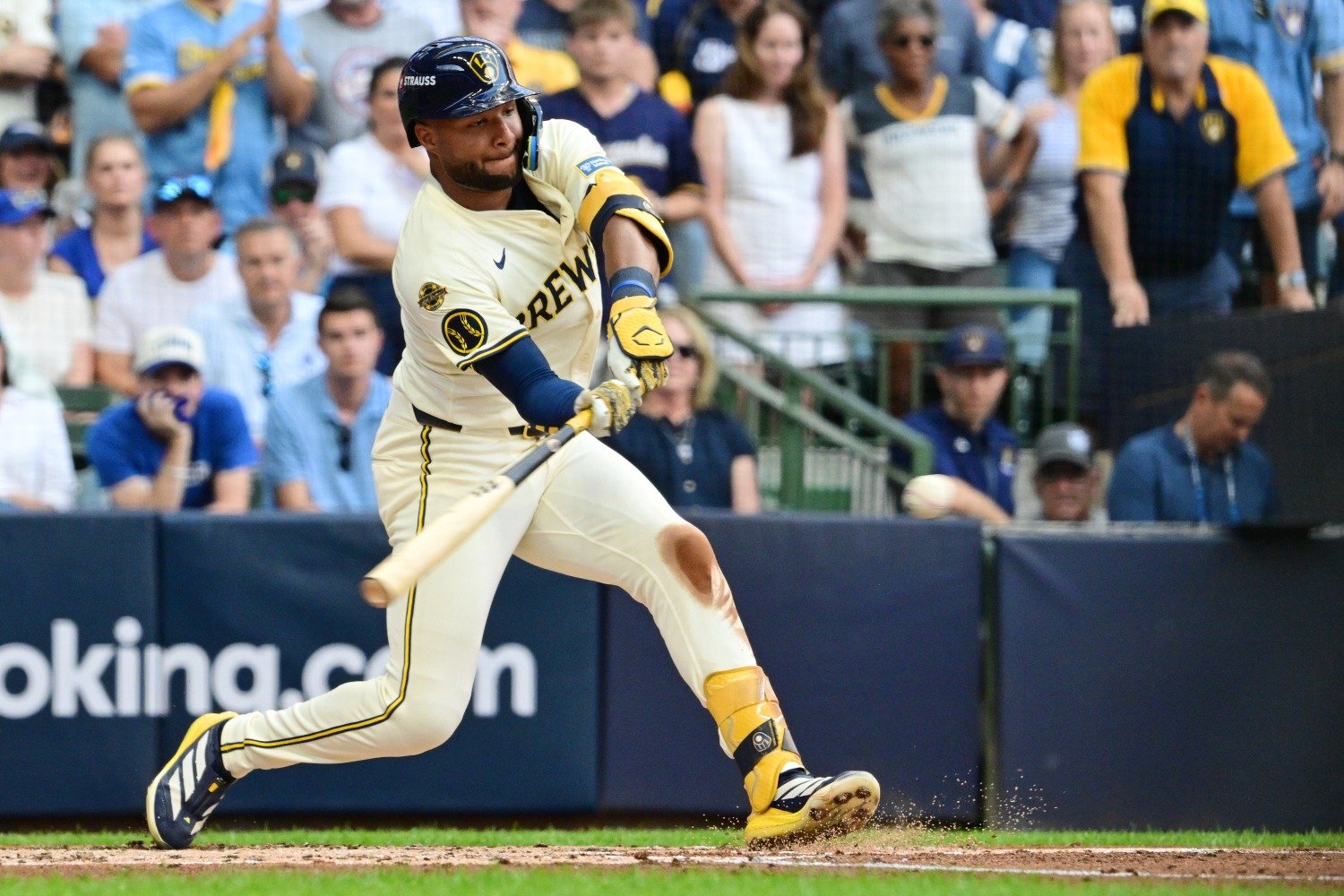 After a third-place finish in National League Rookie of the Year balloting in 2024, Jackson Chourio had a slightly less impressive sophomore campaign. Plagued by some erratic swing decisions and a hamstring strain that cost him a month of playing time, Chourio still demonstrated a strong blend of power, speed and defensive ability, but his on-base percentage fell to .308. He put the ball in the air more often, but the majority of those extra fly balls went to the opposite field. The encore to Chourio's brilliant rookie showing yielded the sustained promise one might have hoped to see, but also some more difficult adjustments than expected. In one regard, though, Chourio did take the developmental step fans had hoped for. He became, by one measurement, the best hitter in the league against offspeed stuff. In fact, after being a total of 4 runs better than average on changeups and splitters in 2024, he was a whopping 14 runs to the good in 2025. In 2024, he batted .241, slugged .448 and whiffed on 34.2% of his swings against offspeed pitches. This season, he batted .431, slugged .810, and whiffed on just 27.6% of those swings. The change came because Chourio changed his timing a bit. Although his aggressive approach (his swing rate rose from 48.8% to 53.4%) would imply that he started earlier and would catch the ball farther in front of himself, in fact, he made contact about 1 inch deeper in the hitting zone against offspeed pitches and 2 inches deeper against breaking balls. That was with, as Statcast measures it, the same average bat speed on each pitch type in each season. You can see the way he effected that change by looking at what he did against fastballs. On heaters, his contact point remained constant, but his average swing speed spiked from 73.0 miles per hour to 74.3. Statcast reports swing speed at the moment when a player's swing intercepts the pitch (or, on a whiff, when they would have done so had they connected). Thus, although bat speed (the concept, as scouts evaluate it and players must train it) isn't inherently tied to timing, the stat you see if you visit Baseball Savant is. If a batter is making contact at the same point (relative to his body) while swinging substantially faster when they make contact, they started their swing a bit later. You can make the same inference if a hitter is swinging at the same speeds against given pitch categories but making contact deeper in the hitting zone, as is true of Chourio and offspeed or breaking stuff. That explains why Chourio was better in 2025 than in 2024, and on its own, it's a good thing to keep in mind. However, we also want to know why Chourio's ceiling against offspeed offerings is being the best hitter in baseball on them. To start that process, consider this chart: This plots a batter's average swing tilt (the angle between the bat's orientation at a specified point early in the swing and a hypothetical horizontal line running through the handle) against the percentage of swings against offspeed pitches on which the hitter's swing falls into what Statcast calls the Ideal Attack Angle range, from 8° to 20°. For those who are unfamiliar with attack angle, it's the angle at which the barrel of the bat is traveling at the intercept point on a swing, relative to the ground. As you can see, there's a strong, negative correlation between the input and the output. Against offspeed stuff, a flatter swing yields a greater likelihood of encountering the ball in the window where a swing is likely to generate squared-up, lofted contact. I've highlighted a few players at each end of the spectrum, to give you a sense of what each thing looks like. Guys who work steeply uphill on offspeed pitches tend not to catch them in the ideal window often, because hitters are more likely to be early on those pitches, and a hitter who already has steep swing tilt and is early on a pitch will end up with far too high an attack angle by the time the ball gets to them. Flat swings give a hitter more margin for error, because (relative to steep swings) the batter's attack direction (the angle of the barrel relative to an imaginary line from the mound to the plate at the intercept point) is changing faster than their attack angle as the bat passes through the hitting zone. Being fooled by an offspeed pitch produces a bigger change in attack direction (and a smaller one in attack angle) for a guy with a flat swing than for a guy with a steep one. Of course, it would be a leap in logic to assume that clustering around the ideal attack-angle zone automatically means producing more real value. In fact, it would technically be an erroneous one. Search for an individual-level correlation between attack angle, attack direction or swing tilt and production (here, we're using Statcast's Batter Run Value per 100 pitches as the proxy for production), and you won't find one—but that's because you'd be looking at the wrong thing. There are too many variables involved in producing value (even when we confine that definition to production against a specific pitch category) for swing tilt to shine through as a determining factor, for reasons we'll come back to shortly. For now, let's look at some data visually again—this time, in a table. Swing Tilt Range Fastballs Breaking Balls Offspeed 25° or Less -2.818 -2.026 -2.961 25-28° -2.31 -1.763 -2.711 28-31° -2.233 -1.746 -3.428 31-34° -1.634 -1.904 -2.852 34-37° -1.789 -1.244 -2.862 37° or More -1.547 -2.23 -3.201 That's the run value per 100 pitches (on swings only) for the whole league, broken down by pitch category and swing tilt. Yes, all the values are negative; taking a pitch is usually the better bet. All we need to focus on, though, is the relationship between the values. Notice that, for breaking balls and fastballs, the sweet spot for swing tilt is at the steeper end of the band. In fact, when it comes to heaters, the steeper, the better. That's almost true of breaking balls, too. Not so with offspeed pitches, though. The best value on those is in the 25-28° range. You don't want a slightly flat swing against offspeed pitches, but you don't want a very steep one, either. The best swings on those pitches are very flat or medium-steep. That's a compelling finding, but it's hard to parse. We can make it more manageable, as it turns out, by breaking things down by handedness and platoon split. Let's make a simple flat-versus-steep binary, just for convenience's sake. That way, we can focus on the variables of pitch category and platoon dynamic. Pitch Types RHH v RHP RHH v LHP Four-Seamers Whiff Rate RV/100 Whiff Rate RV/100 Steep 20.2 -1.813 17.2 -1.045 Flat 24.2 -2.415 23.3 -2.505 Sinkers/Cutters Steep 15.1 -2.173 16.2 -1.81 Flat 15.4 -2.448 16.6 -2.23 Breaking Steep 32.7 -1.788 30.6 -1.893 Flat 27.8 -1.878 22.7 -1.907 Offspeed Steep 35.9 -2.948 35.5 -3.165 Flat 26.9 -1.422 28.4 -3.132 Pitch Types LHH v RHP LHH v LHP Four-Seamers Whiff Rate RV/100 Whiff Rate RV/100 Steep 17.6 -1.396 20.8 -1.071 Flat 22.5 -2.874 22.6 -1.548 Sinkers/Cutters Steep 15.6 -1.202 17.7 -2.82 Flat 16.5 -1.845 15.8 -3.246 Breaking Steep 30.1 -1.553 33.8 -3.246 Flat 21 -0.957 30.2 -3.186 Offspeed Steep 32.1 -2.983 36.1 -2.693 Flat 25.4 -3.603 28.2 -4.851 This is a dense presentation of data, but I can break it down for you pretty quickly: regardless of batter handedness or platoon advantage, steeper swings do better on fastballs. That's a deeply counterintuitive finding, for most people, because fastballs come in flatter—but remember, we're not measuring the attack angle, here. A flatter attack angle is good and necessary against fastballs, but that stat captures timing. Swing tilt is a question of mechanics—of bat path—and steeper actual swings are more productive on heaters. Against breaking balls, righty batters with steep swings will whiff more, but they make up for that with better results on swings where they make contact; swing tilt doesn't make a big difference for righties hitting breaking balls. For lefty hitters, however, it does—at least against right-handed pitchers. In those settings, flat swings are better. Against southpaws, left-handed batters struggled mightily against breaking balls, pretty much regardless of swing tilt. Now, we come to offspeed stuff. Against those pitch types from left-handed pitchers, righty batters have the same dynamic as against breaking stuff from either handedness of pitcher. Steep swingers whiff much more, but basically make up that value on their other swings. Against righties' offspeed offerings, though, look at the glaring gap between flat and steep swingers. The righty hitter with a flat stroke is much, much better against same-handed offspeed offerings than is the one with a steep swing. Lefty batters, by contrast, do much better on offspeed stuff if they employ a steep swing, regardless of which hand the pitcher throws with (and despite whiffing more than their flat-swinging counterparts). Let's tackle that dynamic a bit more completely, by breaking things down in one more way. Here's the run value per 100 swings for both lefties and righties, on pitches on which they're either far around the ball (with an attack direction oriented at least 10° to their pull field) or not yet square to it when they hit it (with an attack direction of at least 10° toward the opposite field). I've also broken those swings down into three outcome categories, to illuminate how that value is generated. Attack Direction Heavy Pull In Play % Foul % Whiff % RV/100 (All Swings) RV/100 (In Play Only) RHH 26.1 35.5 38.4 -1.984 12.953 LHH 23 39.4 37.6 -2.572 12.95 Heavy Opposite In Play % Foul % Whiff % RV/100 (All Swings) RV/100 (In Play Only) RHH 30 44.4 25.7 -2.625 6.051 LHH 29.6 44.3 26.1 -3.151 4.651 The simplest way to frame this is: lefty batters depend more on being on time to generate value than do righties. When righties mistime it and either hit the ball the other way or pull it at steep horizontal angles, they do better than do lefties. Thus, a righty batter with a flat swing but a dangerous overall skill set is in really good shape to hit well against offspeed pitches. This has a direct application to Chourio, of course, but I learned a great deal about the nature of swings and their interactions with pitch type and platoons in the process. As our understanding of swing data evolves, we'll keep unearthing many unexpected insights into the complexities thereof. Today's is that steeper swings work against fastballs, and flatter ones can do damage against softer stuff—as long as you're a right-handed batter. That's how Chourio became excellent against offspeed pitches in 2025, but it's also why he might need to tweak his swing and generate a bit more tilt in it for 2026.