
Matthew Trueblood
-
Posts
1,964 -
Joined
-
Last visited
-
Days Won
10
Content Type
Profiles
Forums
Blogs
Events
News
2026 Milwaukee Brewers Top Prospects Ranking
Milwaukee Brewers Videos
2022 Milwaukee Brewers Draft Picks
Milwaukee Brewers Free Agent & Trade Rumors, Notes, & Tidbits
Guides & Resources
2023 Milwaukee Brewers Draft Picks
2024 Milwaukee Brewers Draft Picks
The Milwaukee Brewers Players Project
2025 Milwaukee Brewers Draft Pick Tracker
2026 Milwaukee Brewers Draft Tracker: Picks & Bonuses
Store
Downloads
Gallery
Everything posted by Matthew Trueblood
-
Image courtesy of © Benny Sieu-Imagn Images New, interesting data sets keep showing up on Baseball Savant this year, and this month, that means information on how catchers set up to receive the ball from one pitch to the next. With enhanced player tracking, we can tabulate and analyze how often a backstop puts each knee down in their stance. Being able to break things down that way can lend us insights into the art and science of pitch-framing, as well as the other aspects of catcher defense. For instance, it's already clear that (all else equal, which is an important and oft-violated caveat) setting up with one's left knee down tends to produce better framing numbers. So (all else equal, which is obviously often untrue) does setting up with the knee closer to the batter down. Given that information, and given that William Contreras got dramatically better as soon as he moved from Atlanta to the Brewers prior to 2023, we might expect to see Contreras setting up with his left knee down more often than he did before the trade. We do, although he's backed off that change since his first year with the Crew. We might also expect that he'd set up with that inside knee down more often; we don't. Indeed, the two stance statuses in which Contreras has made significant and lasting changes are right-knee-down and the extension of one leg (in his case, almost always the left one) to the side. Season Left Knee Down Right Knee Down Extended Leg Framing Runs Throwing Runs Blocking Runs Pitching Runs 2021 14 59 2 0 0 0 24 2022 23 64 2 -5 -2 0 39 2023 41 54 5 9 0 2 70 2024 26 69 14 3 0 0 41 2025 26 67 22 2 2 0 15 It's interesting that we don't see Contreras leaning hard into the orthodoxy of the craft, given the Brewers' reputation for excellence in catcher instruction. League-wide, we're seeing moves toward both more left-knee-down catching and more inside-knee-down catching, but Contreras is enjoying a good, resurgent year as a framer without joining in on either trend. In fact, if you break things down by season and stance, Contreras has specifically improved when catching with his right knee down, from last year to this. That's also the stance from which he does all his good throwing work, when runners reach base. a0Q5ZDBfWGw0TUFRPT1fQlFsUUJsQUZCQVFBQ1FjRkF3QUhWd01GQUZnR1YxWUFBVjFUVXdNTVUxRlNVVkJm.mp4 What's most interesting, perhaps, is that—league-wide—catchers produce more pitching runs (that is, their pitchers have more success) when they set up with the right knee down. The margin is significant, and it's not explained (at least readily) by splits in handedness or pitch type. In short, Contreras is spending most of his time over the last season and a half in the stance that engenders the most success for his pitchers, even though it's probably not helping his framing numbers. That doesn't mean Contreras can't also be a good framer with his left knee up and his right one down. Plenty of catchers do make that work, and after he was worth -1 Framing Runs (according to Statcast) with the right knee down in 2024, he's been worth 2 Framing Runs with it down in 2025. He's adapting his style to that stance, and getting lots of value from it. Not all of that value is showing up in his framing; he might do better by the numbers if he pressed himself to get the left knee down more often. Racking up framing numbers isn't the object of being a big-league catcher, though. Run prevention is the name of the game. Contreras is going about it in an unusual way, but he's creating value for the team by being willing to hone his right-knee-down framing and soaking up the extra value as a thrower and a target for successful pitches that comes with that stance. One way or another, it's working. Contreras continues to be a key reason why the Brewers keep opponents in check and give themselves many ways to win games. Learning the layers of intricacy involved in the position has only helped him beef up those contributions. View full article
-
William Contreras is Becoming His Best Holistic Self as a Receiver
Matthew Trueblood posted an article in Brewers
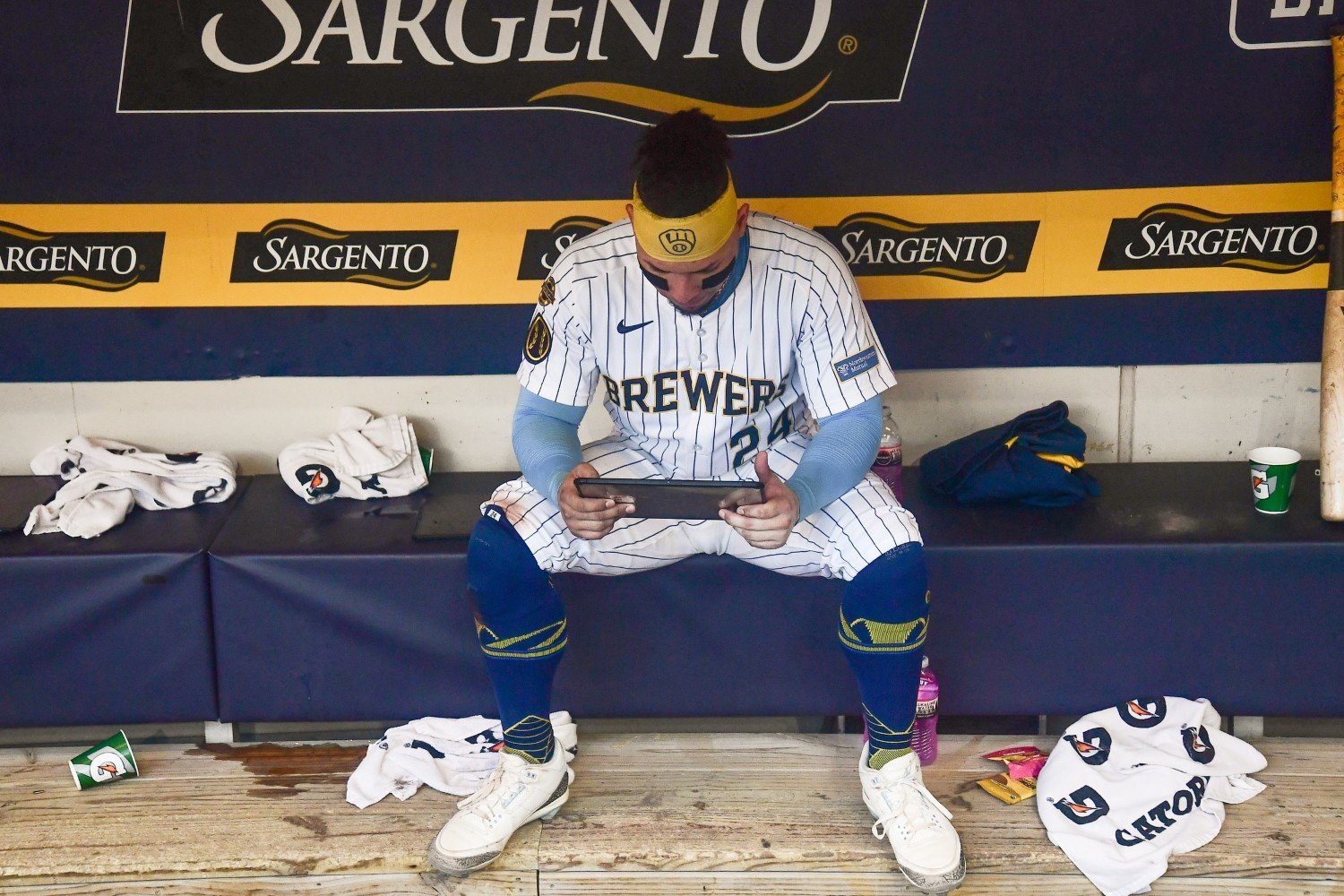 New, interesting data sets keep showing up on Baseball Savant this year, and this month, that means information on how catchers set up to receive the ball from one pitch to the next. With enhanced player tracking, we can tabulate and analyze how often a backstop puts each knee down in their stance. Being able to break things down that way can lend us insights into the art and science of pitch-framing, as well as the other aspects of catcher defense. For instance, it's already clear that (all else equal, which is an important and oft-violated caveat) setting up with one's left knee down tends to produce better framing numbers. So (all else equal, which is obviously often untrue) does setting up with the knee closer to the batter down. Given that information, and given that William Contreras got dramatically better as soon as he moved from Atlanta to the Brewers prior to 2023, we might expect to see Contreras setting up with his left knee down more often than he did before the trade. We do, although he's backed off that change since his first year with the Crew. We might also expect that he'd set up with that inside knee down more often; we don't. Indeed, the two stance statuses in which Contreras has made significant and lasting changes are right-knee-down and the extension of one leg (in his case, almost always the left one) to the side. Season Left Knee Down Right Knee Down Extended Leg Framing Runs Throwing Runs Blocking Runs Pitching Runs 2021 14 59 2 0 0 0 24 2022 23 64 2 -5 -2 0 39 2023 41 54 5 9 0 2 70 2024 26 69 14 3 0 0 41 2025 26 67 22 2 2 0 15 It's interesting that we don't see Contreras leaning hard into the orthodoxy of the craft, given the Brewers' reputation for excellence in catcher instruction. League-wide, we're seeing moves toward both more left-knee-down catching and more inside-knee-down catching, but Contreras is enjoying a good, resurgent year as a framer without joining in on either trend. In fact, if you break things down by season and stance, Contreras has specifically improved when catching with his right knee down, from last year to this. That's also the stance from which he does all his good throwing work, when runners reach base. a0Q5ZDBfWGw0TUFRPT1fQlFsUUJsQUZCQVFBQ1FjRkF3QUhWd01GQUZnR1YxWUFBVjFUVXdNTVUxRlNVVkJm.mp4 What's most interesting, perhaps, is that—league-wide—catchers produce more pitching runs (that is, their pitchers have more success) when they set up with the right knee down. The margin is significant, and it's not explained (at least readily) by splits in handedness or pitch type. In short, Contreras is spending most of his time over the last season and a half in the stance that engenders the most success for his pitchers, even though it's probably not helping his framing numbers. That doesn't mean Contreras can't also be a good framer with his left knee up and his right one down. Plenty of catchers do make that work, and after he was worth -1 Framing Runs (according to Statcast) with the right knee down in 2024, he's been worth 2 Framing Runs with it down in 2025. He's adapting his style to that stance, and getting lots of value from it. Not all of that value is showing up in his framing; he might do better by the numbers if he pressed himself to get the left knee down more often. Racking up framing numbers isn't the object of being a big-league catcher, though. Run prevention is the name of the game. Contreras is going about it in an unusual way, but he's creating value for the team by being willing to hone his right-knee-down framing and soaking up the extra value as a thrower and a target for successful pitches that comes with that stance. One way or another, it's working. Contreras continues to be a key reason why the Brewers keep opponents in check and give themselves many ways to win games. Learning the layers of intricacy involved in the position has only helped him beef up those contributions.
 -
Image courtesy of © Benny Sieu-Imagn Images Rhys Hoskins has a Grade 2 sprain of his left thumb, Todd Rosiak of the Milwaukee Journal-Sentinel reported Sunday afternoon. That will land him on the injured list, and it's likely he'll be out past the All-Star break. The Brewers are calling up Andrew Vaughn to take Hoskins's place on the roster—and, at least in part, his role as the first baseman. This is a major blow to Milwaukee's offense, which relies on Hoskins, Caleb Durbin and Isaac Collins to get the ball in the air and punctuate their OBP-driven lineup with enough power to cash in rallies for maximal scoring. After a 2024 campaign in which he was diminished by the lingering effects of the ligament tear he suffered in 2023 (plus a hamstring strain last May), Hoskins has been an important component of the team this year, batting .242/.340/.428. He's only hit 12 home runs, but his consistent ability to pull and lift the ball and his patient approach have helped the team put up some crooked numbers. It seems likely that Hoskins will be out for around a month. Over the last nine seasons, removing injuries that took place in September or early in spring training, position players miss an average of 29 days with thumb sprains. This one isn't on Hoskins's throwing hand, but it's a moderate sprain, meaning that he's almost certainly not on the shorter end of the spectrum of absences. Hopefully, Hoskins can return in early August; most of the players who miss more than four weeks with this malady are catchers. Still, his absence will be felt. In the meantime, the silver lining is that the Brewers get a chance to see what they have in Vaughn. Since acquiring Vaughn from the White Sox in the Aaron Civale trade, the Brewers are getting more out of the former first-round pick than the Sox were—but only in theory. He's whiffed a hair less often and is hitting the ball considerably harder (92.4 mph average exit velocity with Triple-A Nashville, up from the 89.6 mph he was averaging for Charlotte in the Chicago system), but that's still in the minor leagues, and Vaughn is also hitting it on the ground more since coming over. The Brewers will have the right to control Vaughn through the 2027 season, although his arbitration-fueled salary of $5.85 million can't be reduced by more than 20% next year (and, in practice, will almost certainly rise) unless they non-tender him. With Hoskins an impending free agent, the team does benefit somewhat from the chance to assess Vaughn and start seeing whether he'll be worth retaining this fall. Nonetheless, this is a troubling development. Losing Hoskins means less depth and less margin to work with; the team can now withstand one fewer injury and is much more prone to rally-killing double plays. In the short term, Jake Bauers could start more than Vaughn, to see whether consistent reps will allow him to tap into his power consistently with the improved plate discipline he's shown this year. At the same time, Vaughn will get some looks, because he could solve some medium-term problems for the organization if he continues to blossom under their care. If not, they need to know that, too. While they'll miss Hoskins's pop and his leadership on a day-to-day basis, this is a needed opportunity. The challenge will be for other hitters in the everyday lineup to pick up the slack while Vaughn feels his way back into a major-league rhythm. View full article
-
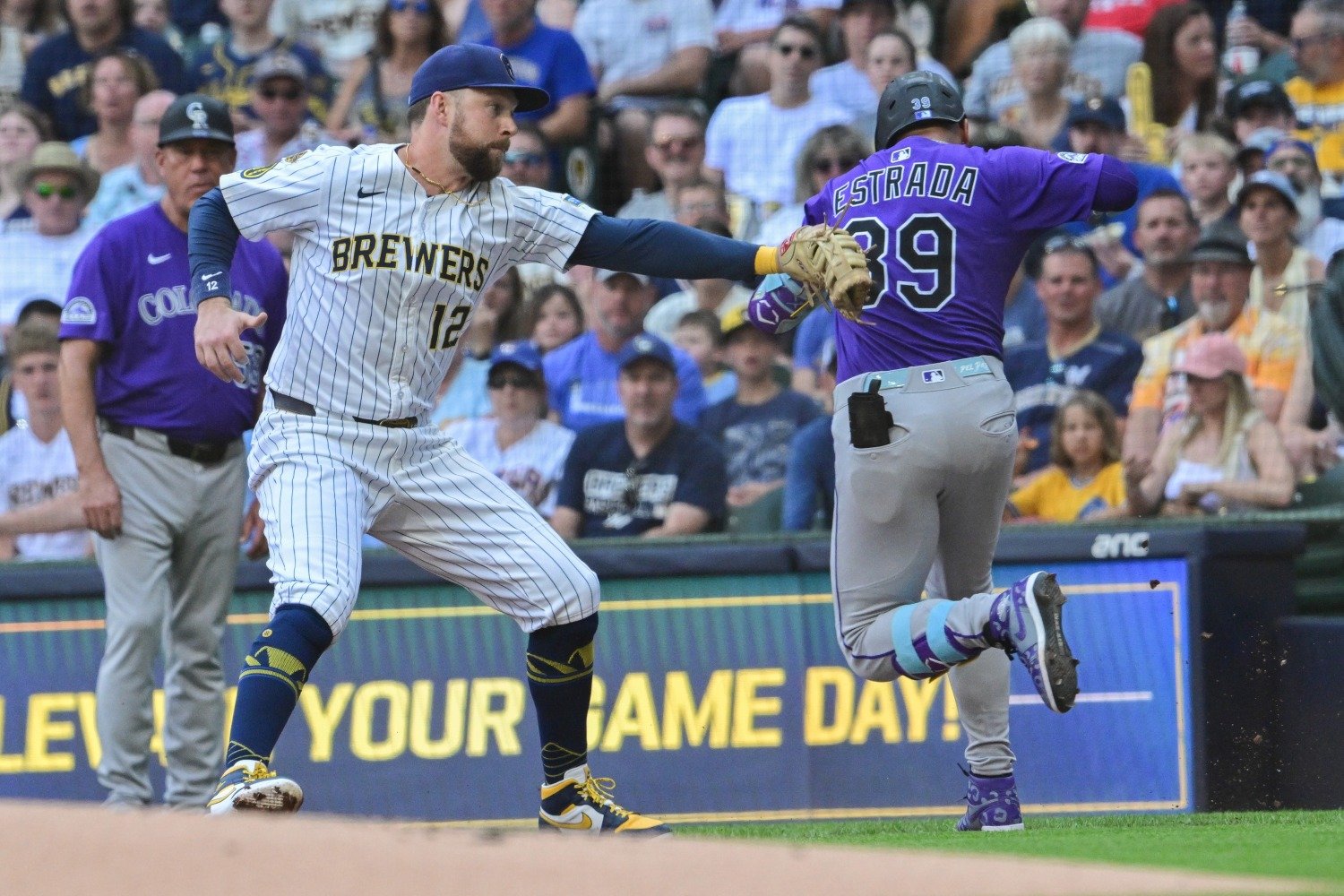 Rhys Hoskins has a Grade 2 sprain of his left thumb, Todd Rosiak of the Milwaukee Journal-Sentinel reported Sunday afternoon. That will land him on the injured list, and it's likely he'll be out past the All-Star break. The Brewers are calling up Andrew Vaughn to take Hoskins's place on the roster—and, at least in part, his role as the first baseman. This is a major blow to Milwaukee's offense, which relies on Hoskins, Caleb Durbin and Isaac Collins to get the ball in the air and punctuate their OBP-driven lineup with enough power to cash in rallies for maximal scoring. After a 2024 campaign in which he was diminished by the lingering effects of the ligament tear he suffered in 2023 (plus a hamstring strain last May), Hoskins has been an important component of the team this year, batting .242/.340/.428. He's only hit 12 home runs, but his consistent ability to pull and lift the ball and his patient approach have helped the team put up some crooked numbers. It seems likely that Hoskins will be out for around a month. Over the last nine seasons, removing injuries that took place in September or early in spring training, position players miss an average of 29 days with thumb sprains. This one isn't on Hoskins's throwing hand, but it's a moderate sprain, meaning that he's almost certainly not on the shorter end of the spectrum of absences. Hopefully, Hoskins can return in early August; most of the players who miss more than four weeks with this malady are catchers. Still, his absence will be felt. In the meantime, the silver lining is that the Brewers get a chance to see what they have in Vaughn. Since acquiring Vaughn from the White Sox in the Aaron Civale trade, the Brewers are getting more out of the former first-round pick than the Sox were—but only in theory. He's whiffed a hair less often and is hitting the ball considerably harder (92.4 mph average exit velocity with Triple-A Nashville, up from the 89.6 mph he was averaging for Charlotte in the Chicago system), but that's still in the minor leagues, and Vaughn is also hitting it on the ground more since coming over. The Brewers will have the right to control Vaughn through the 2027 season, although his arbitration-fueled salary of $5.85 million can't be reduced by more than 20% next year (and, in practice, will almost certainly rise) unless they non-tender him. With Hoskins an impending free agent, the team does benefit somewhat from the chance to assess Vaughn and start seeing whether he'll be worth retaining this fall. Nonetheless, this is a troubling development. Losing Hoskins means less depth and less margin to work with; the team can now withstand one fewer injury and is much more prone to rally-killing double plays. In the short term, Jake Bauers could start more than Vaughn, to see whether consistent reps will allow him to tap into his power consistently with the improved plate discipline he's shown this year. At the same time, Vaughn will get some looks, because he could solve some medium-term problems for the organization if he continues to blossom under their care. If not, they need to know that, too. While they'll miss Hoskins's pop and his leadership on a day-to-day basis, this is a needed opportunity. The challenge will be for other hitters in the everyday lineup to pick up the slack while Vaughn feels his way back into a major-league rhythm.
- 13 comments
-
- 1
-

-
- rhys hoskins
- andrew vaughn
- (and 1 more)
-
Image courtesy of © Rich Storry-Imagn Images When Brandon Woodruff's shoulder blew out at the end of the 2023 season, it was hard not to take it hard. At the time, in the wake not only of his injury but of the Brewers' unceremonious dismissal from the postseason at the hands of the upstart Arizona Diamondbacks, I wrote about what felt like it might be (in a very real sense) the end of the Brewers as we knew them. Way back then, we didn't even know for sure that Craig Counsell was about to depart the organization, or what would become not only of Woodruff, but of Willy Adames and Corbin Burnes. That felt like a moment at which everything the team had assiduously built over the previous near-decade was fragile, and at risk of breaking down. Instead, Sunday, the team will send their one-time ace to the mound for the first time in over 21 months. For the first time under Pat Murphy; for the first time in the Brewers tenures of Rhys Hoskins, Joey Ortiz or Jackson Chourio; and for the first time since Bob Uecker died, Woodruff will toe the rubber in a game that counts. As bitter and hard as the memories of his tearful press conference in October 2023 are, and as painful as it is to think about the losses in each of the last two NL Wild Card Series, improbably, this team and its longest-tenured player have survived the last two years. They've thrived, even. When Woodruff last took the mound at the House That Loria Built, the team had just clinched its second division title in three years, but the future looked foggy. Now, he'll come full-circle by pitching again in the same stadium, with the team defending another division crown from 2024—and they're not, by any means, out of the hunt to do just that. We almost certainly won't see the same Woodruff Sunday as we saw when he was healthy and undamaged. That pitcher might well be gone forever. This version doesn't throw nearly as hard, even after he finally got the extra tick he seemed to be craving in his final rehab start with Triple-A Nashville. He's forced himself to evolve and create a new way to stretch the zone and change hitters' eye levels, with a deeper arsenal that includes both a cutter and a sweeper, the latter replacing his shorter slider and giving him a much wider spectrum of east-west movement. That's all well and good, but he's also not capable of the same delivery he used in the past, which robs his heat of some of its apparent ride at the top of the zone. He's releasing the ball higher, which changes the relative appearance and the shape of each of his pitches a bit. Between the velocity loss and the small but meaningful changes in shape, Woodruff will need to reinvent himself, with that new cutter doing a hefty bit of work and his four-seamer leading the way much less forcefully than it has in the past. It will be an upset if Woodruff is ever again the ace the Brewers used to rely on so confidently. He probably won't eat that many innings. He probably won't miss that many bats. He'll probably be more of a back-end starter. But that really doesn't matter. It is a tremendous and profoundly real victory just to have him back in the rotation at all. It's a testament to the work of both the player and the team, and the trust they share. That they don't need any more than what he's likely to be speaks to what they've done to transition smoothly from David Stearns to Matt Arnold, and from Counsell to Murphy, (arguably) getting even better along the way. That they will have a chance to get something out of him speaks to Woodruff's eagerness to make good on his decade-plus in the organization, and to his adaptability and tenacity. Come October, there are no moral victories. On this Sunday in early July, though, there can be one. Woodruff's return is a triumph of both the individual and the team, and a moment worthy of celebration. Before the game is even over, everyone's attention will turn to whether the team can eke out a win over a hot Miami club, but for the first inning or two, just enjoy the moment. View full article
-
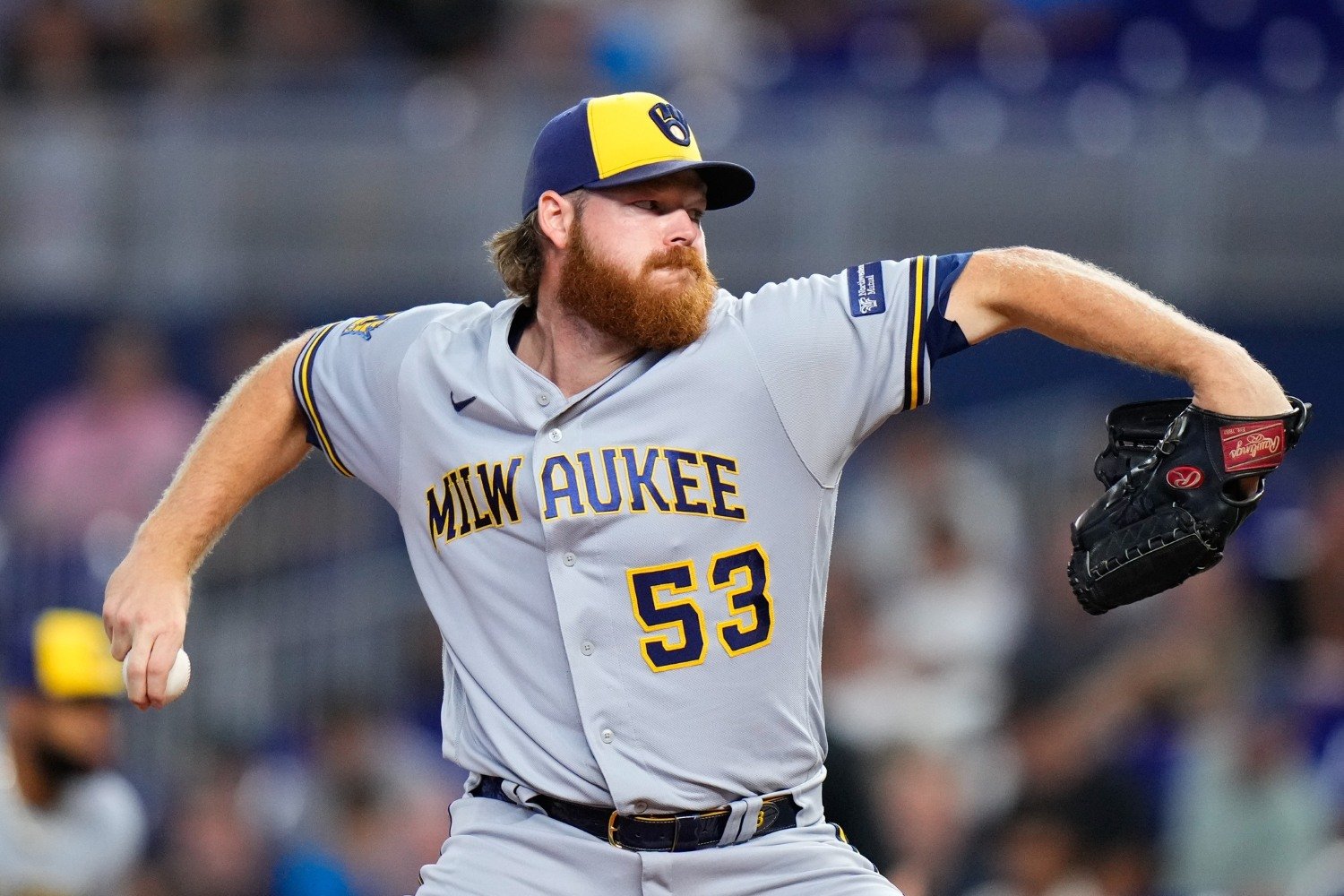 When Brandon Woodruff's shoulder blew out at the end of the 2023 season, it was hard not to take it hard. At the time, in the wake not only of his injury but of the Brewers' unceremonious dismissal from the postseason at the hands of the upstart Arizona Diamondbacks, I wrote about what felt like it might be (in a very real sense) the end of the Brewers as we knew them. Way back then, we didn't even know for sure that Craig Counsell was about to depart the organization, or what would become not only of Woodruff, but of Willy Adames and Corbin Burnes. That felt like a moment at which everything the team had assiduously built over the previous near-decade was fragile, and at risk of breaking down. Instead, Sunday, the team will send their one-time ace to the mound for the first time in over 21 months. For the first time under Pat Murphy; for the first time in the Brewers tenures of Rhys Hoskins, Joey Ortiz or Jackson Chourio; and for the first time since Bob Uecker died, Woodruff will toe the rubber in a game that counts. As bitter and hard as the memories of his tearful press conference in October 2023 are, and as painful as it is to think about the losses in each of the last two NL Wild Card Series, improbably, this team and its longest-tenured player have survived the last two years. They've thrived, even. When Woodruff last took the mound at the House That Loria Built, the team had just clinched its second division title in three years, but the future looked foggy. Now, he'll come full-circle by pitching again in the same stadium, with the team defending another division crown from 2024—and they're not, by any means, out of the hunt to do just that. We almost certainly won't see the same Woodruff Sunday as we saw when he was healthy and undamaged. That pitcher might well be gone forever. This version doesn't throw nearly as hard, even after he finally got the extra tick he seemed to be craving in his final rehab start with Triple-A Nashville. He's forced himself to evolve and create a new way to stretch the zone and change hitters' eye levels, with a deeper arsenal that includes both a cutter and a sweeper, the latter replacing his shorter slider and giving him a much wider spectrum of east-west movement. That's all well and good, but he's also not capable of the same delivery he used in the past, which robs his heat of some of its apparent ride at the top of the zone. He's releasing the ball higher, which changes the relative appearance and the shape of each of his pitches a bit. Between the velocity loss and the small but meaningful changes in shape, Woodruff will need to reinvent himself, with that new cutter doing a hefty bit of work and his four-seamer leading the way much less forcefully than it has in the past. It will be an upset if Woodruff is ever again the ace the Brewers used to rely on so confidently. He probably won't eat that many innings. He probably won't miss that many bats. He'll probably be more of a back-end starter. But that really doesn't matter. It is a tremendous and profoundly real victory just to have him back in the rotation at all. It's a testament to the work of both the player and the team, and the trust they share. That they don't need any more than what he's likely to be speaks to what they've done to transition smoothly from David Stearns to Matt Arnold, and from Counsell to Murphy, (arguably) getting even better along the way. That they will have a chance to get something out of him speaks to Woodruff's eagerness to make good on his decade-plus in the organization, and to his adaptability and tenacity. Come October, there are no moral victories. On this Sunday in early July, though, there can be one. Woodruff's return is a triumph of both the individual and the team, and a moment worthy of celebration. Before the game is even over, everyone's attention will turn to whether the team can eke out a win over a hot Miami club, but for the first inning or two, just enjoy the moment.
 -
Image courtesy of © Ken Blaze-Imagn Images This week, MLB Pipeline dropped a midseason update to their top 100 prospects list. It offered a glowing take on the Brewers' farm system, which continues to mature into one of the game's very best. The July update from Baseball America is even rosier. The Brewers have, by consensus, six top-100 prospects, including four who rank among the top 40 in the game—and within that, a couple who are elite. One of those players, of course, is Jacob Misiorowski. He's not truly a prospect anymore, since he's in the major leagues (mostly) mowing down hitters with his overpowering stuff. Still, he counts, because he's one more great player the team controls through at least the 2030 season, along with Jackson Chourio (who, obviously, is not on anyone's prospect lists anymore). He's now part of what is still a very young team, most of the key pieces of which will be with the Brewers for years to come. Though they seemed cornered when they traded for Quinn Priester in April, he now looks like a potential long-term rotation piece, alongside Misiorowski, Chad Patrick, and Logan Henderson. Chourio is the position player under control the longest, thanks to the exceptionally team-friendly deal he signed before he debuted, but William Contreras, Sal Frelick, Brice Turang, Joey Ortiz, Caleb Durbin and Isaac Collins are all good players with plenty of control left, too. That's to say nothing of Christian Yelich, whose only fault at this stage is the fact that he's actually being paid what he's worth. The work the team has done to successfully develop Misiorowski, Priester, Patrick and Henderson into solid starters capable of shouldering big-league rotation loads will pay dividends for the balance of this season, and the balance of this decade. Thanks to their patience (now richly rewarded) with Ortiz and Durbin and the excellent scouting and development that has netted them Collins and Blake Perkins, they have few needs on the positional side, too. This team might overtake the Cubs in the NL Central this year, or not, but they're certainly on a trajectory toward the playoffs, and they're better positioned to return there for (say) four of the next six years than any other team in the division. They have Misiorowski, Jesus Made, Luis Pena, and Cooper Pratt. They have Jeferson Quero, Braylon Payne, Josh Adamczewski, Mike Boeve, Brock Wilken, Bryce Meccage, and Marco Dinges. They have the 10th-largest bonus pool in this month's MLB Draft, despite having traded a pick to the Red Sox to land Priester. Here's where all of that lands me: If the Brewers make anything more than a minor move this month (say, a third-tier prospect for a bench upgrade), it shouldn't be for a rental bat at either infield corner, or for another high-octane arm. They should cross the entire middle tier of the league's trade candidates off their list. They should only have a few names on their wishlist, and they should be names that make outsiders chuckle and dismiss the thought. I'll give you two. José Ramírez Durbin has been good enough—and his skill set looks deep and varied enough—that the team doesn't need to splash a fairly solid prospect package out there for the likes of Eugenio Suárez or play the buy-low game with Ryan McMahon. Those deals each have a certain appeal, and this one reads like a pipe dream, but that's the point here. The Brewers have Ortiz, Turang and Durbin in the majors. They have Pratt, Made and Peña as the top tier in the minors, and Boeve, Adamczewski, Wilken and others at the next tier. They can afford to take one of Made or Peña, package them with Henderson or Patrick, sprinkle in a Garrett Mitchell and top it all with a Craig Yoho, if needed. They can lose all of those guys without being set back, really. Could Made (one of the top 10 prospects in baseball, at this point, and among the top five if you ask the right people) headline a deal for one of the game's clearest future Hall of Famers? We should be clear about this: Ramírez, 32, has to want it to happen. That might be the biggest hurdle. He's under contract through 2028, with $69 million due over the next three years and about $9 million left for 2025, and he has a full no-trade clause. He's twice signed below-market extensions to ensure his future in Cleveland; he would have to decide that winning a World Series is more important than that longstanding attachment. Right now, though, the vibes around the Guardians aren't good. They're below .500, and rapidly falling out of the playoff picture. They're not going anywhere this year, and they're not the scouting and player-development powerhouse they were six or seven years ago. They'd pounce on a chance to offload Ramírez, as long as the package was roughly the richest this side of Juan Soto being traded to San Diego, and the Brewers have the firepower to put together just such a deal. If they could sell Ramírez on their vision, they'd get a perennial MVP candidate, still in his prime. He's batting .305/.367/.493 this year, with 13 home runs and 21 stolen bases. He's a switch-hitter and a fine defensive third baseman. There aren't many players in the league who better fit the Brewers' entire ethos than Ramírez, and there aren't many places where his personality and his game seem better situated than they would be in Milwaukee. It's a moonshot, but Matt Arnold should at least nag the Guardians about it this month. He has a farm system that makes it possible, and a big-league roster that makes it worth rolling the dice. Ramírez is the kind of transformative acquisition that would make the first World Series title in team history a real possibility, right away. So is the other guy I'm thinking about. Paul Skenes A couple of weeks ago, I heard that the Pirates are actually somewhat anxious to get rid of Skenes—or, to be both more accurate and more precise, Pirates owner Bob Nutting is. The Pittsburgh front office has resisted any such notion, not least because they know very well that it would be impossible to be perceived as winning a Skenes trade right now. However, as best I've been able to tell after a fortnight of asking people who might know, there's still some chance that Skenes does get traded, even relatively soon. As much as his baseball decision-makers might wish to build around their incredibly popular ace, Nutting is both resentful and suspicious of the on- and off-field fame of Skenes. This deal would be an utter blockbuster, the kind of move that would scare all the people involved in executing it senseless for weeks. It's almost certainly not going to happen, especially because these are division rivals. Still, it's hard not to dream on it. The Pirates would surely demand Misiorowski as the headliner of a deal, and the Brewers would have to work hard to talk them off that position—because how much more valuable is Skenes than Misiorowski, really? But having Made and Peña and Pratt, plus a strong collection of arms throughout the system, gives the Brewers a lot of options. They'd have to give up someone who's MLB-ready, or even established, and maybe that would end up being Misiorowski, but they'd then go into October with Skenes alongside Freddy Peralta at the front of the rotation—and then they'd have Skenes as the ace of their staff for years to come. If it could be with Misiorowski, that'd be wonderful, but even if it were instead, it'd be awfully compelling. However sexy Misiorowski's stuff might be, Skenes has proved more durable and to have better command, and he's ready to work all the way into October this year without any restrictions on workload. These are laughable ideas—but the Brewers almost needn't entertain ones that aren't. If it's not Ramírez or Skenes, maybe it's MacKenzie Gore or Austin Riley. Maybe it's Maikel García and Kris Bubic in a monster package deal with the Royals. It's ok if the Brewers largely stand pat at this trade deadline. It's certainly ok if they merely add a buy-low relief arm and/or a capable backup infielder. With the farm system they've assembled and the depth they already enjoy on the big-league roster, though, they ought to aim very, very high, and see if some unexpected opportunity arises. If nothing materializes, they'll have spent their time better by trying than by making a medium-cost trade for a medium-quality player they don't really need. View full article
-
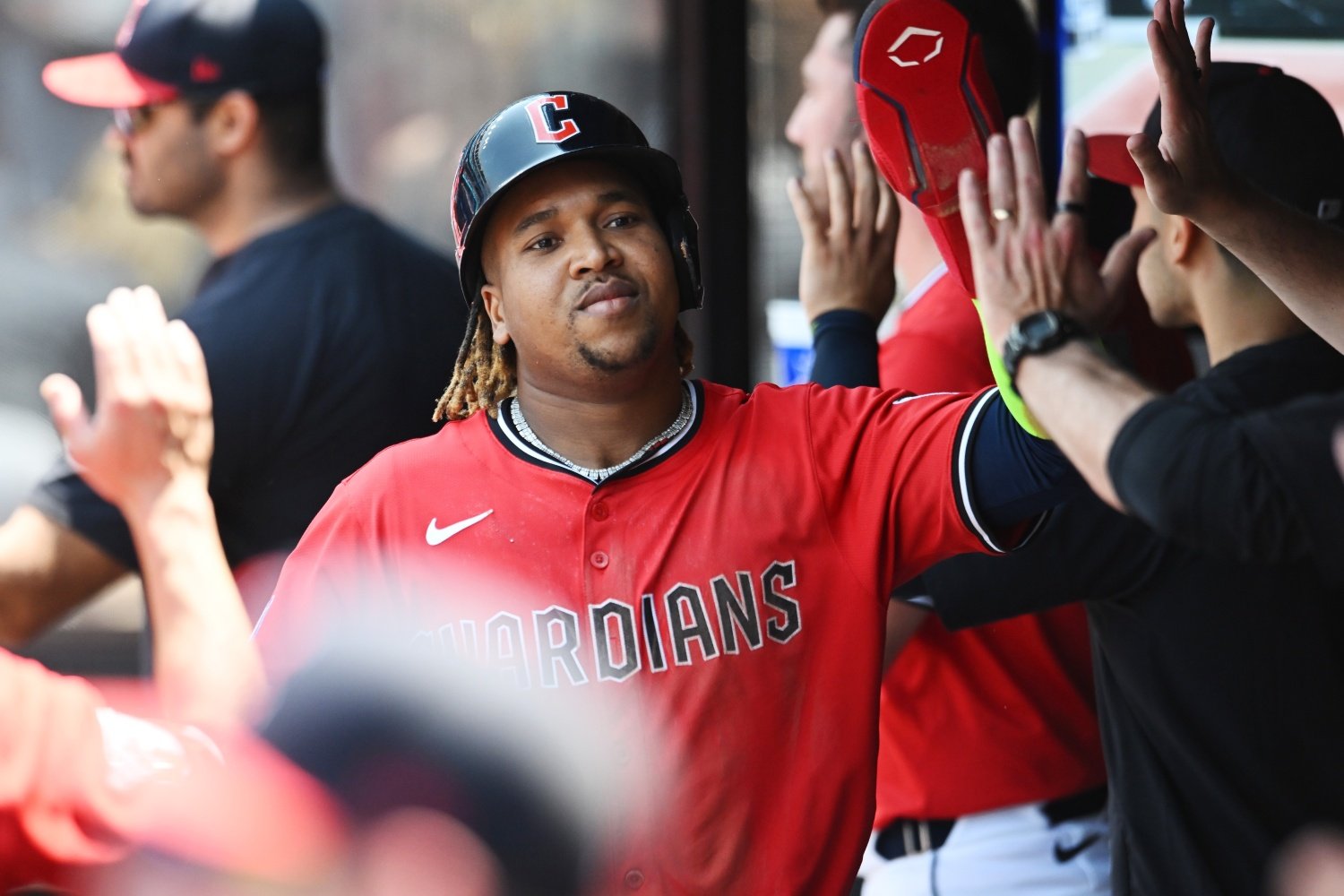 This week, MLB Pipeline dropped a midseason update to their top 100 prospects list. It offered a glowing take on the Brewers' farm system, which continues to mature into one of the game's very best. The July update from Baseball America is even rosier. The Brewers have, by consensus, six top-100 prospects, including four who rank among the top 40 in the game—and within that, a couple who are elite. One of those players, of course, is Jacob Misiorowski. He's not truly a prospect anymore, since he's in the major leagues (mostly) mowing down hitters with his overpowering stuff. Still, he counts, because he's one more great player the team controls through at least the 2030 season, along with Jackson Chourio (who, obviously, is not on anyone's prospect lists anymore). He's now part of what is still a very young team, most of the key pieces of which will be with the Brewers for years to come. Though they seemed cornered when they traded for Quinn Priester in April, he now looks like a potential long-term rotation piece, alongside Misiorowski, Chad Patrick, and Logan Henderson. Chourio is the position player under control the longest, thanks to the exceptionally team-friendly deal he signed before he debuted, but William Contreras, Sal Frelick, Brice Turang, Joey Ortiz, Caleb Durbin and Isaac Collins are all good players with plenty of control left, too. That's to say nothing of Christian Yelich, whose only fault at this stage is the fact that he's actually being paid what he's worth. The work the team has done to successfully develop Misiorowski, Priester, Patrick and Henderson into solid starters capable of shouldering big-league rotation loads will pay dividends for the balance of this season, and the balance of this decade. Thanks to their patience (now richly rewarded) with Ortiz and Durbin and the excellent scouting and development that has netted them Collins and Blake Perkins, they have few needs on the positional side, too. This team might overtake the Cubs in the NL Central this year, or not, but they're certainly on a trajectory toward the playoffs, and they're better positioned to return there for (say) four of the next six years than any other team in the division. They have Misiorowski, Jesus Made, Luis Pena, and Cooper Pratt. They have Jeferson Quero, Braylon Payne, Josh Adamczewski, Mike Boeve, Brock Wilken, Bryce Meccage, and Marco Dinges. They have the 10th-largest bonus pool in this month's MLB Draft, despite having traded a pick to the Red Sox to land Priester. Here's where all of that lands me: If the Brewers make anything more than a minor move this month (say, a third-tier prospect for a bench upgrade), it shouldn't be for a rental bat at either infield corner, or for another high-octane arm. They should cross the entire middle tier of the league's trade candidates off their list. They should only have a few names on their wishlist, and they should be names that make outsiders chuckle and dismiss the thought. I'll give you two. José Ramírez Durbin has been good enough—and his skill set looks deep and varied enough—that the team doesn't need to splash a fairly solid prospect package out there for the likes of Eugenio Suárez or play the buy-low game with Ryan McMahon. Those deals each have a certain appeal, and this one reads like a pipe dream, but that's the point here. The Brewers have Ortiz, Turang and Durbin in the majors. They have Pratt, Made and Peña as the top tier in the minors, and Boeve, Adamczewski, Wilken and others at the next tier. They can afford to take one of Made or Peña, package them with Henderson or Patrick, sprinkle in a Garrett Mitchell and top it all with a Craig Yoho, if needed. They can lose all of those guys without being set back, really. Could Made (one of the top 10 prospects in baseball, at this point, and among the top five if you ask the right people) headline a deal for one of the game's clearest future Hall of Famers? We should be clear about this: Ramírez, 32, has to want it to happen. That might be the biggest hurdle. He's under contract through 2028, with $69 million due over the next three years and about $9 million left for 2025, and he has a full no-trade clause. He's twice signed below-market extensions to ensure his future in Cleveland; he would have to decide that winning a World Series is more important than that longstanding attachment. Right now, though, the vibes around the Guardians aren't good. They're below .500, and rapidly falling out of the playoff picture. They're not going anywhere this year, and they're not the scouting and player-development powerhouse they were six or seven years ago. They'd pounce on a chance to offload Ramírez, as long as the package was roughly the richest this side of Juan Soto being traded to San Diego, and the Brewers have the firepower to put together just such a deal. If they could sell Ramírez on their vision, they'd get a perennial MVP candidate, still in his prime. He's batting .305/.367/.493 this year, with 13 home runs and 21 stolen bases. He's a switch-hitter and a fine defensive third baseman. There aren't many players in the league who better fit the Brewers' entire ethos than Ramírez, and there aren't many places where his personality and his game seem better situated than they would be in Milwaukee. It's a moonshot, but Matt Arnold should at least nag the Guardians about it this month. He has a farm system that makes it possible, and a big-league roster that makes it worth rolling the dice. Ramírez is the kind of transformative acquisition that would make the first World Series title in team history a real possibility, right away. So is the other guy I'm thinking about. Paul Skenes A couple of weeks ago, I heard that the Pirates are actually somewhat anxious to get rid of Skenes—or, to be both more accurate and more precise, Pirates owner Bob Nutting is. The Pittsburgh front office has resisted any such notion, not least because they know very well that it would be impossible to be perceived as winning a Skenes trade right now. However, as best I've been able to tell after a fortnight of asking people who might know, there's still some chance that Skenes does get traded, even relatively soon. As much as his baseball decision-makers might wish to build around their incredibly popular ace, Nutting is both resentful and suspicious of the on- and off-field fame of Skenes. This deal would be an utter blockbuster, the kind of move that would scare all the people involved in executing it senseless for weeks. It's almost certainly not going to happen, especially because these are division rivals. Still, it's hard not to dream on it. The Pirates would surely demand Misiorowski as the headliner of a deal, and the Brewers would have to work hard to talk them off that position—because how much more valuable is Skenes than Misiorowski, really? But having Made and Peña and Pratt, plus a strong collection of arms throughout the system, gives the Brewers a lot of options. They'd have to give up someone who's MLB-ready, or even established, and maybe that would end up being Misiorowski, but they'd then go into October with Skenes alongside Freddy Peralta at the front of the rotation—and then they'd have Skenes as the ace of their staff for years to come. If it could be with Misiorowski, that'd be wonderful, but even if it were instead, it'd be awfully compelling. However sexy Misiorowski's stuff might be, Skenes has proved more durable and to have better command, and he's ready to work all the way into October this year without any restrictions on workload. These are laughable ideas—but the Brewers almost needn't entertain ones that aren't. If it's not Ramírez or Skenes, maybe it's MacKenzie Gore or Austin Riley. Maybe it's Maikel García and Kris Bubic in a monster package deal with the Royals. It's ok if the Brewers largely stand pat at this trade deadline. It's certainly ok if they merely add a buy-low relief arm and/or a capable backup infielder. With the farm system they've assembled and the depth they already enjoy on the big-league roster, though, they ought to aim very, very high, and see if some unexpected opportunity arises. If nothing materializes, they'll have spent their time better by trying than by making a medium-cost trade for a medium-quality player they don't really need.
- 12 comments
-
- 2
-
-
- jose ramirez
- jesus made
- (and 5 more)
-
Image courtesy of © Patrick Gorski-Imagn Images Brice Turang is a mess. He's totally lost out there. His game has gone backward in a profound and troubling way. Ok, that's not true on the whole. At the plate, Turang has never been better. In the field, he remains one of the best second basemen in the game. He's still a very valuable piece of the Brewers' lineup, and an increasingly conventional weapon. He's running a 98 DRC+, according to Baseball Prospectus, meaning that he's functionally average at the plate. He's striking out slightly more than he did last season, but his walk rate is way up, to 10.4%. His 90th-percentile exit velocity is also up almost 3 miles per hour, to 103.7 mph. He's running a .361 OBP, which is well-earned, and for a guy who stole 50 bases last year, it should be especially dangerous to opponents. That, alas, is where we find the rub. Turang has been on base so much that one might fairly expect him to be more than halfway to that 50-steal season from last year. Instead, he's running less often (a 4.1% attempt rate, down from 6.2% last year), and that's not the worst news. The worst news comes when he does run. Turang has been caught in seven of his 24 steal attempts. His sprint speed is down a tiny bit this year (29.0 feet per second, down from 29.3 in 2024), but that doesn't come anywhere near explaining this sudden plunge in efficiency on steals. Much slower players run just as often and are safe at a far higher rate, and Turang himself has shown a certain flair for the steal in the past. What happened? Leads. Turang has gone from quite good at establishing healthy leads and getting a good jump when taking off for second base, to often attempting steals despite short leads and dreadful jumps. His speed simply can't make up for that. In fact, he's consistently gotten such poor starts that he's quite lucky to have been safe as often as he has been. Let's go to the tape. Here's Turang getting caught stealing against the Pirates last week at Uecker Field. Turang CS PIT.mp4 This view is especially telling. It helps us see not only how short his lead is, but how late he starts once Andrew Heaney makes his first move. Turang was only 10.9 feet away from first base when Heaney began his delivery, according to Statcast. That's actually a hair better than his average on steal attempts this year, but over the two previous campaigns, he averaged 11.8 feet off first at first movement. That can be overcome if a runner gets a great jump when the pitcher does move—that is, if they've read the hurler well and move confidently as soon as their leg begins to rise—but that wasn't the case here. This still frame tells the tale of woe. Heaney's well into his kick-and-fire, and Turang is merely leaning. He doesn't get a quick start, and as a result, he's toast at second. More often than not, though, he's been safe. When he is, can he claim credit—or do we need to acknowledge that he's been the beneficiary of some bad execution by opponents? Check out this successful swipe against the Orioles. Turang SB BAL.mp4 Turang was safe here, and relatively easily. Kudos to him, and to the Brewers' scouting, because they knew Yennier Canó is very slow to home plate. His delivery took forever. He did uncork a good pitch on which to throw, though, so Maverick Handley had a shot. Alas, his throw was a bit short, and if it's going to be that far in front of second base, the catcher wants it to be more toward the first-base side of the base, where his infielder can catch it and apply a quick tag. We have a pitcher who's slow to the plate, a catcher who didn't make a good throw, and then this: Despite the slow delivery and the poor throw, if Jackson Holliday merely avoids turning himself into a pretzel, he has a world of time to catch the ball and tag Turang. Turang's lead was just 10.8 feet on this play, and he'd only gained another 8.7 feet when Canó released the ball. That's usually math that results in a runner being caught, and despite Turang's speed and a fine slide, there were three variables here that were really ugly on Baltimore's part. If they do just a bit better on one of them, he's out. Here's another steal, from a few days earlier, against the Twins. Turang SB MIL.mp4 Statcast tells us a runner's lead distance at first move and the amount they gain by the time the pitcher releases the ball. Both of those numbers indicate a runner's skill, but they also reflect the pitcher's work to limit them. For instance, on the previous steal against Canó, Turang gained 8.7 feet between when he began his delivery and when he released the ball, but was that even a reflection of him getting a decent jump—or was it just capturing that Canó took forever to get rid of the pitch? It's some of each. In this case, Turang did get a pretty good jump, in that he gained 8.8 feet between the start of Pablo López's delivery and his release, despite López being much quicker than Canó. However, he'd only managed to create a 10.6-foot lead before López began his delivery, so he was still less than 20 feet off the base when the ball left the hand. The Twins had a chance to get him, again. Christian Vázquez's throw was a bit stronger than Handley's, from the last clip, and Brooks Lee camped at the base to catch it and then move to Turang, rather than getting himself turned around. That led to the ball being in Lee's possession in plenty of time to tag even the speedy, sliding Turang. This time, we should give Turang a bit more credit. He did a great job of sliding to the back edge of the base, forcing Lee to sweep the ball across his frame to land the tag. However, if Lee gets just a bit more around the throw and can let the ball travel a hair more, he's got him. It's not great tag execution, on a slightly undercooked throw. Partial credit goes to Turang, but his short lead left open a window for the Twins to get him, had they each played their parts better. How about another steal from that same weekend? Turang SB 2 MIL.mp4 Turang's lead was incrementally but importantly larger against Joe Ryan, and Ryan is a hair slower to the plate than López, so Turang also got a full 9.0 feet farther toward second by the time the ball left the righty's hand. However, this is still one of the seven (of 17 attempts to steal second Statcast has fully captured this year) times Turang has been under 20 feet toward second by the time the pitcher released the ball. It's also a case of him being safe thanks to another good slide (hard and right to the back edge of the base, albeit a bit out of control, which has been a problem for him on other occasions), but also to a bad whiff by a defender. Lee isn't exactly a freak athlete around the bag, and sometimes, he pays for it. On this play, though, he still should have had Turang. He just took for granted that he'd be in the lane Lee envisioned, and the fielder didn't leave himself any extra freedom of movement to extend his tag when that wasn't true. Last year, Statcast fully documented 36 attempted steals of second by Turang. He only had a head start under 20 feet seven times in that sample, roughly double the size of the one over which he's had seven such bad attempts this year. That, of course, is why this keeps happening. Turang CS CWS.mp4 If there's one opposing hurler Turang should be well-equipped to read, it's Bryse Wilson. Instead, he not only had a tiny lead for a basestealer (10.4 feet) but got a horrendous jump against a quick delivery by Wilson (7.5 feet gained). He was out, and not by a little bit—by a mile. Lenyn Sosa, unlike Turang, is no Gold Glove winner, but even Holliday or Lee could have converted this out. We might be seeing a tangible loss of value based on the departure of Quintin Berry, who defected to the Cubs last winter. We might be seeing a player who's a bit less comfortable in the flow of the game once he's on base, batting in the middle of the order instead of at the top and seeing more of his steal opportunities in front of lesser hitters. One way or another, though, we are decidedly seeing Turang struggle on the bases. Great sliding and staying fast through the bag are valuable skills for a base thief. Turang still has them, and that's helped him be safe on some of the plays above. However, you can make a bigger difference in that equation at the other end of the play, by gaining as much as a foot or two via good leads and quick jumps. That part of his game has gone AWOL. He's still an excellent athlete, but in his rookie and sophomore seasons, he was an excellent basestealer. Right now, he's a long way from that. View full article
-
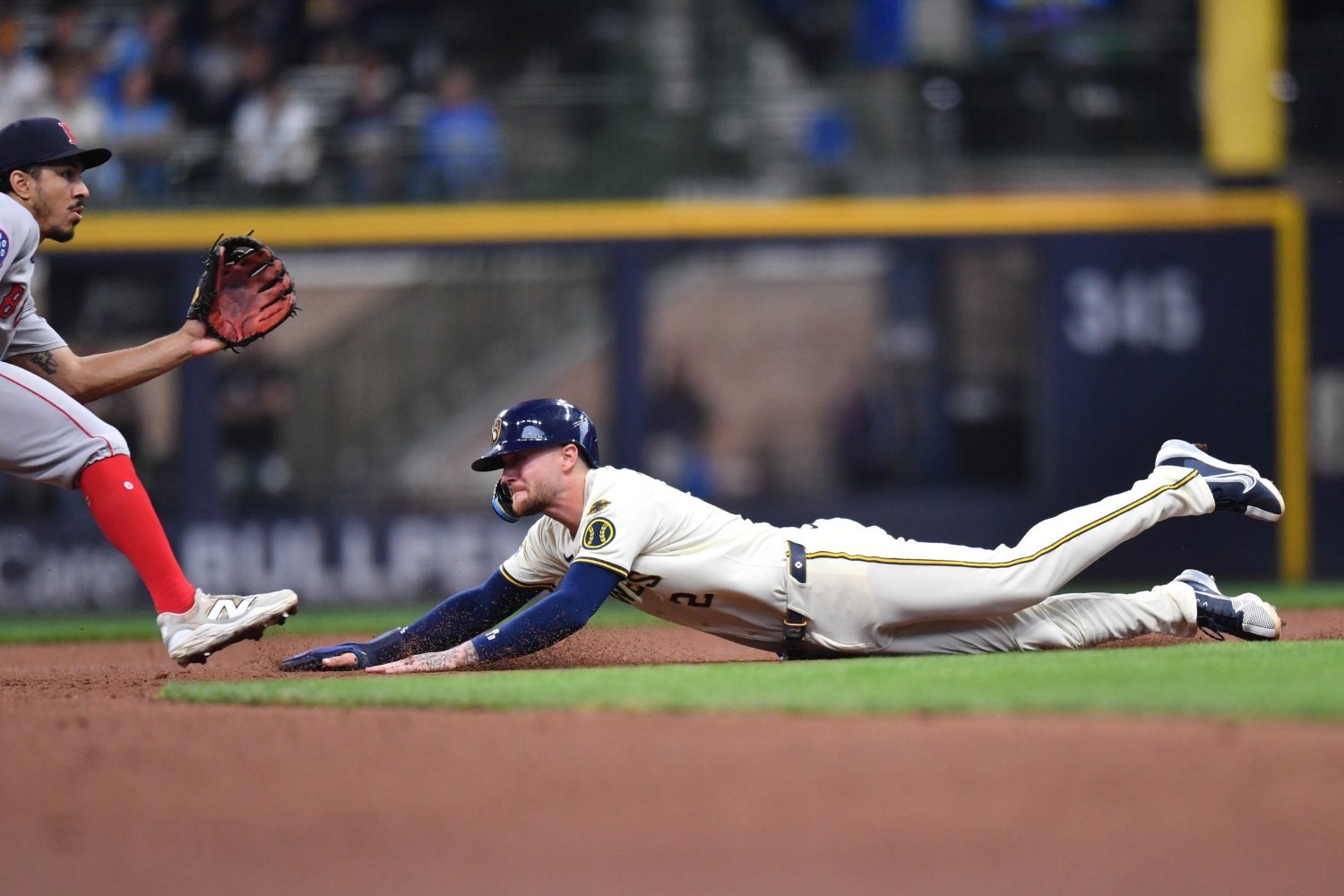 Brice Turang is a mess. He's totally lost out there. His game has gone backward in a profound and troubling way. Ok, that's not true on the whole. At the plate, Turang has never been better. In the field, he remains one of the best second basemen in the game. He's still a very valuable piece of the Brewers' lineup, and an increasingly conventional weapon. He's running a 98 DRC+, according to Baseball Prospectus, meaning that he's functionally average at the plate. He's striking out slightly more than he did last season, but his walk rate is way up, to 10.4%. His 90th-percentile exit velocity is also up almost 3 miles per hour, to 103.7 mph. He's running a .361 OBP, which is well-earned, and for a guy who stole 50 bases last year, it should be especially dangerous to opponents. That, alas, is where we find the rub. Turang has been on base so much that one might fairly expect him to be more than halfway to that 50-steal season from last year. Instead, he's running less often (a 4.1% attempt rate, down from 6.2% last year), and that's not the worst news. The worst news comes when he does run. Turang has been caught in seven of his 24 steal attempts. His sprint speed is down a tiny bit this year (29.0 feet per second, down from 29.3 in 2024), but that doesn't come anywhere near explaining this sudden plunge in efficiency on steals. Much slower players run just as often and are safe at a far higher rate, and Turang himself has shown a certain flair for the steal in the past. What happened? Leads. Turang has gone from quite good at establishing healthy leads and getting a good jump when taking off for second base, to often attempting steals despite short leads and dreadful jumps. His speed simply can't make up for that. In fact, he's consistently gotten such poor starts that he's quite lucky to have been safe as often as he has been. Let's go to the tape. Here's Turang getting caught stealing against the Pirates last week at Uecker Field. Turang CS PIT.mp4 This view is especially telling. It helps us see not only how short his lead is, but how late he starts once Andrew Heaney makes his first move. Turang was only 10.9 feet away from first base when Heaney began his delivery, according to Statcast. That's actually a hair better than his average on steal attempts this year, but over the two previous campaigns, he averaged 11.8 feet off first at first movement. That can be overcome if a runner gets a great jump when the pitcher does move—that is, if they've read the hurler well and move confidently as soon as their leg begins to rise—but that wasn't the case here. This still frame tells the tale of woe. Heaney's well into his kick-and-fire, and Turang is merely leaning. He doesn't get a quick start, and as a result, he's toast at second. More often than not, though, he's been safe. When he is, can he claim credit—or do we need to acknowledge that he's been the beneficiary of some bad execution by opponents? Check out this successful swipe against the Orioles. Turang SB BAL.mp4 Turang was safe here, and relatively easily. Kudos to him, and to the Brewers' scouting, because they knew Yennier Canó is very slow to home plate. His delivery took forever. He did uncork a good pitch on which to throw, though, so Maverick Handley had a shot. Alas, his throw was a bit short, and if it's going to be that far in front of second base, the catcher wants it to be more toward the first-base side of the base, where his infielder can catch it and apply a quick tag. We have a pitcher who's slow to the plate, a catcher who didn't make a good throw, and then this: Despite the slow delivery and the poor throw, if Jackson Holliday merely avoids turning himself into a pretzel, he has a world of time to catch the ball and tag Turang. Turang's lead was just 10.8 feet on this play, and he'd only gained another 8.7 feet when Canó released the ball. That's usually math that results in a runner being caught, and despite Turang's speed and a fine slide, there were three variables here that were really ugly on Baltimore's part. If they do just a bit better on one of them, he's out. Here's another steal, from a few days earlier, against the Twins. Turang SB MIL.mp4 Statcast tells us a runner's lead distance at first move and the amount they gain by the time the pitcher releases the ball. Both of those numbers indicate a runner's skill, but they also reflect the pitcher's work to limit them. For instance, on the previous steal against Canó, Turang gained 8.7 feet between when he began his delivery and when he released the ball, but was that even a reflection of him getting a decent jump—or was it just capturing that Canó took forever to get rid of the pitch? It's some of each. In this case, Turang did get a pretty good jump, in that he gained 8.8 feet between the start of Pablo López's delivery and his release, despite López being much quicker than Canó. However, he'd only managed to create a 10.6-foot lead before López began his delivery, so he was still less than 20 feet off the base when the ball left the hand. The Twins had a chance to get him, again. Christian Vázquez's throw was a bit stronger than Handley's, from the last clip, and Brooks Lee camped at the base to catch it and then move to Turang, rather than getting himself turned around. That led to the ball being in Lee's possession in plenty of time to tag even the speedy, sliding Turang. This time, we should give Turang a bit more credit. He did a great job of sliding to the back edge of the base, forcing Lee to sweep the ball across his frame to land the tag. However, if Lee gets just a bit more around the throw and can let the ball travel a hair more, he's got him. It's not great tag execution, on a slightly undercooked throw. Partial credit goes to Turang, but his short lead left open a window for the Twins to get him, had they each played their parts better. How about another steal from that same weekend? Turang SB 2 MIL.mp4 Turang's lead was incrementally but importantly larger against Joe Ryan, and Ryan is a hair slower to the plate than López, so Turang also got a full 9.0 feet farther toward second by the time the ball left the righty's hand. However, this is still one of the seven (of 17 attempts to steal second Statcast has fully captured this year) times Turang has been under 20 feet toward second by the time the pitcher released the ball. It's also a case of him being safe thanks to another good slide (hard and right to the back edge of the base, albeit a bit out of control, which has been a problem for him on other occasions), but also to a bad whiff by a defender. Lee isn't exactly a freak athlete around the bag, and sometimes, he pays for it. On this play, though, he still should have had Turang. He just took for granted that he'd be in the lane Lee envisioned, and the fielder didn't leave himself any extra freedom of movement to extend his tag when that wasn't true. Last year, Statcast fully documented 36 attempted steals of second by Turang. He only had a head start under 20 feet seven times in that sample, roughly double the size of the one over which he's had seven such bad attempts this year. That, of course, is why this keeps happening. Turang CS CWS.mp4 If there's one opposing hurler Turang should be well-equipped to read, it's Bryse Wilson. Instead, he not only had a tiny lead for a basestealer (10.4 feet) but got a horrendous jump against a quick delivery by Wilson (7.5 feet gained). He was out, and not by a little bit—by a mile. Lenyn Sosa, unlike Turang, is no Gold Glove winner, but even Holliday or Lee could have converted this out. We might be seeing a tangible loss of value based on the departure of Quintin Berry, who defected to the Cubs last winter. We might be seeing a player who's a bit less comfortable in the flow of the game once he's on base, batting in the middle of the order instead of at the top and seeing more of his steal opportunities in front of lesser hitters. One way or another, though, we are decidedly seeing Turang struggle on the bases. Great sliding and staying fast through the bag are valuable skills for a base thief. Turang still has them, and that's helped him be safe on some of the plays above. However, you can make a bigger difference in that equation at the other end of the play, by gaining as much as a foot or two via good leads and quick jumps. That part of his game has gone AWOL. He's still an excellent athlete, but in his rookie and sophomore seasons, he was an excellent basestealer. Right now, he's a long way from that.
 -
Image courtesy of © Jeff Hanisch-Imagn Images It's not yet the official return of Brandon Woodruff. That, in all likelihood, will come this weekend in Miami—poignantly, the last place he threw a big-league pitch, on Sept. 23, 2023. However, Woodruff was officially pronounced ready for reactivation, and his rehab assignment(s) is (are) over. Arriving with him in the Brewers clubhouse in New York Tuesday was familiar face Easton McGee, replacing the injured Rob Zastryzny as bullpen depth (at least for now), and super-versatile utility man Anthony Seigler. Gone, likely for good, is little-used bench piece Daz Cameron. Woodruff will re-enter the Brewers rotation when he rejoins the team officially, which might spell the end (at least for now) of Chad Patrick's time with the parent club. However, the injury to Zastryzny could increase the chances of Patrick sliding into the bullpen, rather than being optioned to Triple-A Nashville. In any case, the team hopes the return of Woodruff will be more than just a feel-good story. He can and should be the first of multiple upgrades to the roster this month, as the Crew assert themselves as serious contenders in the crowded National League. Seigler can and should be another. Already 26 years old, Seigler is no spring chicken, for a player just getting set to make his debut. However, he's shown multiple facets of value this year in Nashville. A part-time catcher, he's also a competent defender at second or third base, and can play the outfield when needed. He's hit .277/.416/.465 this season at Triple A. Pat Murphy has had almost no use for his entire bench over the last three weeks, which is a reflection of how well his starters have played. However, it's also an indictment of the play of Eric Haase, Jake Bauers and (especially) Andruw Monasterio, as well as Cameron. They didn't have clear roles Murphy felt they could fill competently, so he largely left them on the bench every day. With three long months left in the 162-game grind, that's not a sustainable plan. Blake Perkins is almost set to return to the positional mix, so over the next few days, the team will try to assess whether Seigler is a better use of the roster spot currently allocated to Monasterio. When Perkins does return, it'll be at the expense of either Seigler or Monasterio. Each can be optioned to the minors, and perhaps it'll just be Seigler going right back down, but if he looks like a useful utility man, Murphy and the front office might elect to roll with Brice Turang as their backup shortstop and have Seigler serve as depth around the rest of the infield. Monasterio has done little to acquit himself as a big-leaguer this season, and is neither a switch-hitter nor a speedster in league with Seigler. The latter stole 20 bases in 23 tries this year for the Sounds; he can have some value as a fresh pair of legs off the bench. That he can also rotate in at catcher gives the team incrementally more in-game flexibility, too. Zastryzny's injury, a stress reaction in his ribcage, is unfortunate because he's pitched well for the team. However, he wasn't in a high-leverage role, and McGee (or any of a handful of others) can easily soak up the workload he'd been assigned over the next few weeks. The Brewers will certainly hope to add a better pitcher who (by pushing everyone down a rung on the ladder) pushes Zastryzny and each of his replacements off the roster by the trade deadline on July 31, anyway. Milwaukee is gearing up. They survived a rocky start to the season, and have been the best team in the NL Central over the last six weeks or so. They just need to keep that up for another three months, and on Tuesday, they prepared themselves to do so. View full article
- 4 replies
-
- 1
-
-
- anthony seigler
- daz cameron
- (and 3 more)
-
Brewers Reset Roster for Maximum Utility as Pennant Race Heats Up
Matthew Trueblood posted an article in Brewers
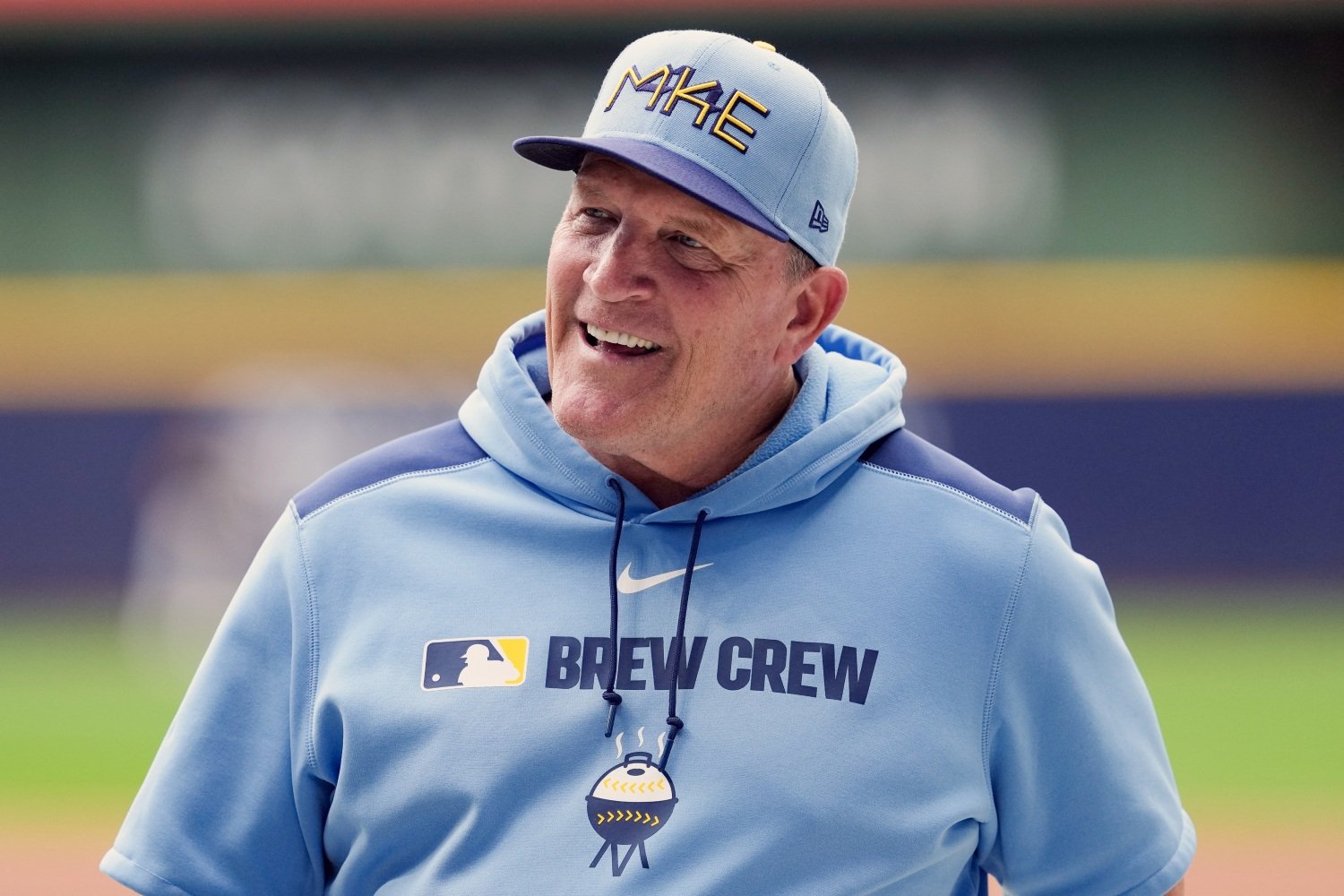 It's not yet the official return of Brandon Woodruff. That, in all likelihood, will come this weekend in Miami—poignantly, the last place he threw a big-league pitch, on Sept. 23, 2023. However, Woodruff was officially pronounced ready for reactivation, and his rehab assignment(s) is (are) over. Arriving with him in the Brewers clubhouse in New York Tuesday was familiar face Easton McGee, replacing the injured Rob Zastryzny as bullpen depth (at least for now), and super-versatile utility man Anthony Seigler. Gone, likely for good, is little-used bench piece Daz Cameron. Woodruff will re-enter the Brewers rotation when he rejoins the team officially, which might spell the end (at least for now) of Chad Patrick's time with the parent club. However, the injury to Zastryzny could increase the chances of Patrick sliding into the bullpen, rather than being optioned to Triple-A Nashville. In any case, the team hopes the return of Woodruff will be more than just a feel-good story. He can and should be the first of multiple upgrades to the roster this month, as the Crew assert themselves as serious contenders in the crowded National League. Seigler can and should be another. Already 26 years old, Seigler is no spring chicken, for a player just getting set to make his debut. However, he's shown multiple facets of value this year in Nashville. A part-time catcher, he's also a competent defender at second or third base, and can play the outfield when needed. He's hit .277/.416/.465 this season at Triple A. Pat Murphy has had almost no use for his entire bench over the last three weeks, which is a reflection of how well his starters have played. However, it's also an indictment of the play of Eric Haase, Jake Bauers and (especially) Andruw Monasterio, as well as Cameron. They didn't have clear roles Murphy felt they could fill competently, so he largely left them on the bench every day. With three long months left in the 162-game grind, that's not a sustainable plan. Blake Perkins is almost set to return to the positional mix, so over the next few days, the team will try to assess whether Seigler is a better use of the roster spot currently allocated to Monasterio. When Perkins does return, it'll be at the expense of either Seigler or Monasterio. Each can be optioned to the minors, and perhaps it'll just be Seigler going right back down, but if he looks like a useful utility man, Murphy and the front office might elect to roll with Brice Turang as their backup shortstop and have Seigler serve as depth around the rest of the infield. Monasterio has done little to acquit himself as a big-leaguer this season, and is neither a switch-hitter nor a speedster in league with Seigler. The latter stole 20 bases in 23 tries this year for the Sounds; he can have some value as a fresh pair of legs off the bench. That he can also rotate in at catcher gives the team incrementally more in-game flexibility, too. Zastryzny's injury, a stress reaction in his ribcage, is unfortunate because he's pitched well for the team. However, he wasn't in a high-leverage role, and McGee (or any of a handful of others) can easily soak up the workload he'd been assigned over the next few weeks. The Brewers will certainly hope to add a better pitcher who (by pushing everyone down a rung on the ladder) pushes Zastryzny and each of his replacements off the roster by the trade deadline on July 31, anyway. Milwaukee is gearing up. They survived a rocky start to the season, and have been the best team in the NL Central over the last six weeks or so. They just need to keep that up for another three months, and on Tuesday, they prepared themselves to do so.
- 4 comments
-
- 3
-
-
- anthony seigler
- daz cameron
- (and 3 more)
-
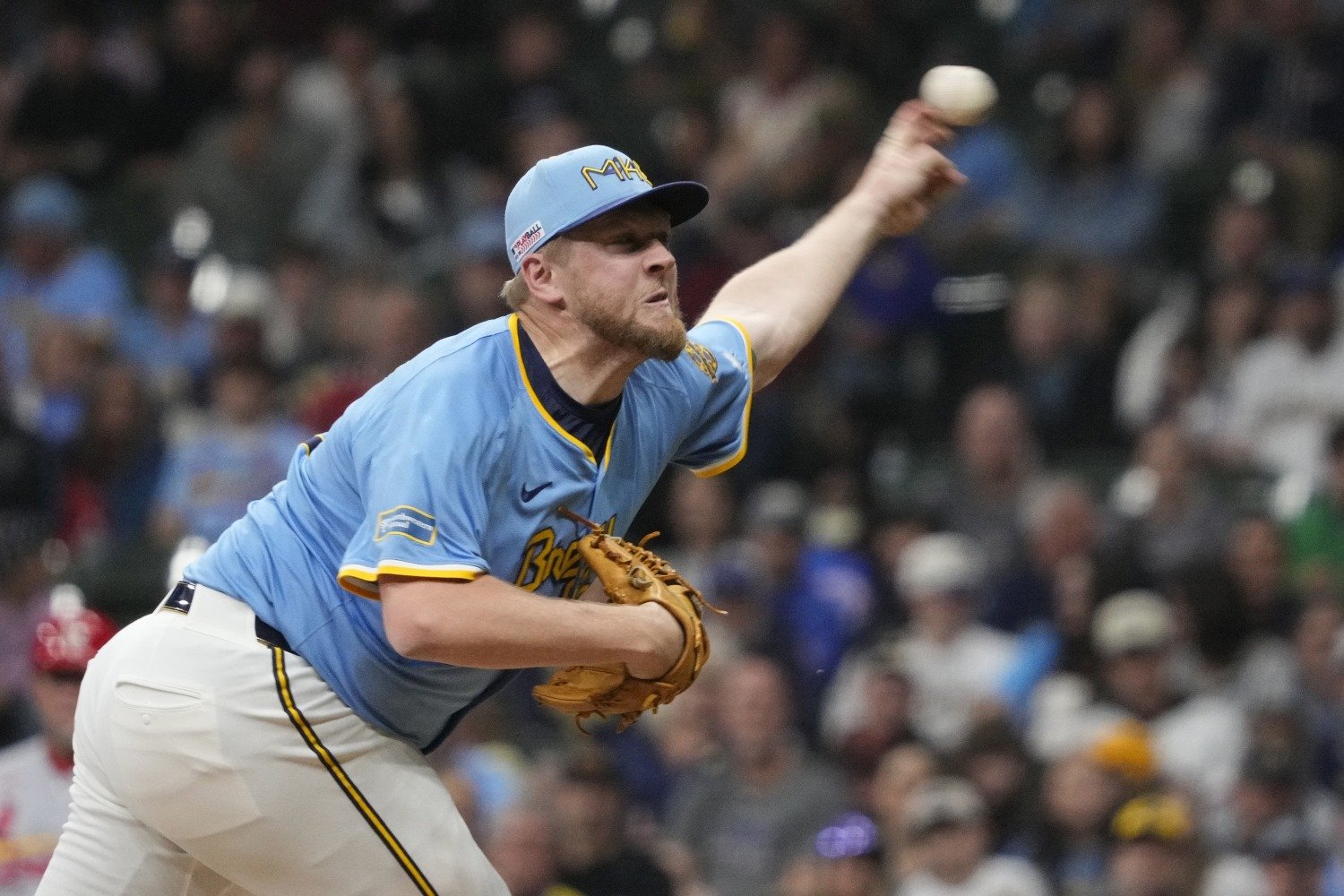 Even when a scrap-heap reliever pickup is a success, you try not to expect too much. It's a win if you get 15 good innings (or 40 merely average ones) from a pitcher signed as a minor-league free agent or scooped up in the minor-league phase of the Rule 5 Draft. If you can get about 50 out of them, you've really turned a neat trick. That's what the Brewers did with Bryan Hudson, for instance. The only downside is that, somewhere between inning 15 and inning 50, it gets hard to let a guy go, and you might end up swallowing some ugly innings that leave a bitter taste in your mouth. The really brilliant outcomes are the times when a pitcher can go right past inning 50 without losing steam—but even then, guard your heart. These are relievers, after all, and when a guy is available for free, there's always a reason that runs even deeper than the fact that he's a reliever. Very, very few scrap-heap relievers get to inning 100 in good standing. Just ask Hudson. Jared Koenig has pitched 95 2/3 innings for the Brewers, if you count the two outs he recorded for them in last year's Wild Card Series. He's closing in fast on that century mark, and showing no signs of slowing down. He's also showing no signs of speeding up. He's simply worked his way into a high-leverage setup role, throwing 97-mph sinkers and 91-mph cutters and some sweepers or curveballs (your choice, what you call that breaking ball, but it's a doozy), and settled in to stay this way a while. Though his ERA is up from 2.47 last year to a less thrilling 3.82, Koenig's strikeout and walk rates are virtually identical to what they were last year. He still keeps the ball in the park pretty well; he still induces plenty of ground balls. He's actually filling up the strike zone more this year, though it's not showing up in that walks column, and he's locating everything a bit more consistently, though it's not showing up in his ability to miss bats. "Everything’s moving how I want it to—a little less errant on some glove-side balls," Koenig said Sunday. "To be honest, I think I filled up the zone better last year than I have this year." He's been cognizant of throwing more strikes, but feels he isn't being rewarded for them—not in a frustrated way, but objectively. He's fine with it. It's part of his game. "For me, it’s typically missed calls," he said. "I’m usually on the higher end of the not getting calls spectrum—which is fine, that’s just how it’s always been. I think it’s the uniqueness [of his combination of delivery and movement], for sure." Koenig does believe he's executing his sinker a bit better, with the result being heavier action even when he hits the top end of his velocity range (where, in the past, he's tended to see the ball take off and carry more than he would prefer). In general, though, he's doing things the way he did them last year, and getting similarly valuable results. Whatever the ERA might imply, he had a 1.6 WPA last year (win probability added, which estimates the change in a team's chances of winning the game that took place while the pitcher was on the mound), and is at 0.6 in about half as much time this year. In other words, he's again en route to being a very valuable secondary relief option. Part of the reason he's been so able to stifle opponents, despite good-not-great strikeout and walk rates, is that he chokes off the running game. Of the 456 pitchers with any significant number of pitches thrown with runners on base this year, Koenig ranks 17th in terms of distance from the base runners have achieved by the time he releases the ball—and 12th in the amount they've gained between his first move and that release. He's exceptionally hard to run on, something in which he takes immense pride. "I like being able to hold runners. Being a starter, that was my job," Koenig said. "Being left-handed, I’ve never had the best move to first, but I was very good at looks, timing, things like that—reading mannerisms. My goal is to keep runners at bay, if I can." Reading a runner and holding the ball are helpful, to be sure, but in the pitch timer era, that's harder to do. A hurler has to get into their set early enough to enjoy the luxury of varying the length of their hold, without giving up a free ball to the batter. The whole process is a bit rushed, and the runner has an edge. "The pitch clock definitely makes it harder. The limited disengagements definitely hurts, as well," Koenig acknowledged. "It takes away a lot of the cat-and-mouse part of the game, which, that’s frustrating, but you just learn to adapt with it and utilize the clock if you can." Learning to adapt and utilizing what he can has become Koenig's specialty. As he nears 100 innings in a Brewers uniform, he's still doing it exceptionally well. As the Brewers dig in for a hard second-half fight to win their third straight NL Central crown, Koenig is a vital piece. In all aspects of his game, he's working hard to make sure he can hold up his end of the bargain.
 -
Image courtesy of © Michael McLoone-Imagn Images Even when a scrap-heap reliever pickup is a success, you try not to expect too much. It's a win if you get 15 good innings (or 40 merely average ones) from a pitcher signed as a minor-league free agent or scooped up in the minor-league phase of the Rule 5 Draft. If you can get about 50 out of them, you've really turned a neat trick. That's what the Brewers did with Bryan Hudson, for instance. The only downside is that, somewhere between inning 15 and inning 50, it gets hard to let a guy go, and you might end up swallowing some ugly innings that leave a bitter taste in your mouth. The really brilliant outcomes are the times when a pitcher can go right past inning 50 without losing steam—but even then, guard your heart. These are relievers, after all, and when a guy is available for free, there's always a reason that runs even deeper than the fact that he's a reliever. Very, very few scrap-heap relievers get to inning 100 in good standing. Just ask Hudson. Jared Koenig has pitched 95 2/3 innings for the Brewers, if you count the two outs he recorded for them in last year's Wild Card Series. He's closing in fast on that century mark, and showing no signs of slowing down. He's also showing no signs of speeding up. He's simply worked his way into a high-leverage setup role, throwing 97-mph sinkers and 91-mph cutters and some sweepers or curveballs (your choice, what you call that breaking ball, but it's a doozy), and settled in to stay this way a while. Though his ERA is up from 2.47 last year to a less thrilling 3.82, Koenig's strikeout and walk rates are virtually identical to what they were last year. He still keeps the ball in the park pretty well; he still induces plenty of ground balls. He's actually filling up the strike zone more this year, though it's not showing up in that walks column, and he's locating everything a bit more consistently, though it's not showing up in his ability to miss bats. "Everything’s moving how I want it to—a little less errant on some glove-side balls," Koenig said Sunday. "To be honest, I think I filled up the zone better last year than I have this year." He's been cognizant of throwing more strikes, but feels he isn't being rewarded for them—not in a frustrated way, but objectively. He's fine with it. It's part of his game. "For me, it’s typically missed calls," he said. "I’m usually on the higher end of the not getting calls spectrum—which is fine, that’s just how it’s always been. I think it’s the uniqueness [of his combination of delivery and movement], for sure." Koenig does believe he's executing his sinker a bit better, with the result being heavier action even when he hits the top end of his velocity range (where, in the past, he's tended to see the ball take off and carry more than he would prefer). In general, though, he's doing things the way he did them last year, and getting similarly valuable results. Whatever the ERA might imply, he had a 1.6 WPA last year (win probability added, which estimates the change in a team's chances of winning the game that took place while the pitcher was on the mound), and is at 0.6 in about half as much time this year. In other words, he's again en route to being a very valuable secondary relief option. Part of the reason he's been so able to stifle opponents, despite good-not-great strikeout and walk rates, is that he chokes off the running game. Of the 456 pitchers with any significant number of pitches thrown with runners on base this year, Koenig ranks 17th in terms of distance from the base runners have achieved by the time he releases the ball—and 12th in the amount they've gained between his first move and that release. He's exceptionally hard to run on, something in which he takes immense pride. "I like being able to hold runners. Being a starter, that was my job," Koenig said. "Being left-handed, I’ve never had the best move to first, but I was very good at looks, timing, things like that—reading mannerisms. My goal is to keep runners at bay, if I can." Reading a runner and holding the ball are helpful, to be sure, but in the pitch timer era, that's harder to do. A hurler has to get into their set early enough to enjoy the luxury of varying the length of their hold, without giving up a free ball to the batter. The whole process is a bit rushed, and the runner has an edge. "The pitch clock definitely makes it harder. The limited disengagements definitely hurts, as well," Koenig acknowledged. "It takes away a lot of the cat-and-mouse part of the game, which, that’s frustrating, but you just learn to adapt with it and utilize the clock if you can." Learning to adapt and utilizing what he can has become Koenig's specialty. As he nears 100 innings in a Brewers uniform, he's still doing it exceptionally well. As the Brewers dig in for a hard second-half fight to win their third straight NL Central crown, Koenig is a vital piece. In all aspects of his game, he's working hard to make sure he can hold up his end of the bargain. View full article
-
 Last season, Joey Ortiz had an up-and-down rookie campaign for the Brewers. He batted .239/.329/.398, but there were long stretches during which he looked like a better hitter than that—and long stretches, especially after a neck injury that briefly sidelined him around midseason, during which he looked like a much worse one. He went through ordinary fluctuations in production. The one, defining characteristic he did demonstrate though, was both his greatest strength and (arguably) his greatest weakness: patience, bordering on passivity. Ortiz walked in 11.0% of his plate appearances last year. He showed an unusual ability to lay off pitches outside the zone, especially for a rookie. That's the good news. The bad news is, he drew those walks by being extremely reluctant to swing, in general—including on strikes. Of the 286 batters who came to the plate at least 300 times last year, Ortiz swung at pitches inside the zone the least often, at just 51.7%. As our @Jack Stern wrote over the winter, that's not a viable long- or even medium-term strategy in the major leagues. Opposing pitchers are too good. You'll end up in too many tough counts, or carrying your bat back to the rack too often. Indeed, early this year, Ortiz was still swinging too infrequently, and both his swings and his takes ceased to be productive. It was a frequent topic of conversation, by mid-May: Could the team replace Ortiz? How soon could the team replace Ortiz? He just didn't look like a competent big-league hitter. Through the Crew's first 50 games, he batted .170/.226/.216. Then, on a visit to Pittsburgh, Ortiz got some good advice, or he woke up feeling a familiar, magical tingle in his fingers, or he just decided he was sick of failing by not trying. One way or another, he hit a pitch off Pirates righthander Mike Burrows at 109.1 miles per hour off the bat, over the wall in left field. That was not only the hardest he'd hit a ball all season, but the first time he'd really gotten into one all year—certainly, the first time he'd done so in the air, or to the pull field. UHZnTE5fWGw0TUFRPT1fQmdBQ1YxVU5YZ1FBWGxFQVZRQUhDRklEQUFNTVZ3QUFBRmNFVXdwVEJRUldCd05m.mp4 Since that day, Ortiz has been fixed—although, in this case, that term refers not to being restored to a previous condition, but to being newly successful by doing a whole new thing. Starting that day, Ortiz is batting .283/.343/.414. He's only walked seven times in 111 plate appearances, but he's also only struck out 19 times. This is a completely different kind of production than what he generated last year, because it's coming from a completely different approach—but it comes out to about the same amount of productivity, and perhaps a tick more. Ortiz isn't just swinging more over the last five weeks. He's completely altered his mindset at the plate. There's plenty of danger in this approach, too, of course. He's swinging too much, now, at least at stuff outside the zone. So far, though, it's working. Ortiz has just two home runs since then (each of them coming Tuesday, again against the Pirates but this time at The Ueck), but he's hitting the ball much harder (with an 89.3-mph average exit velocity and a 43.1% hard-hit rate, up from 85.0 and 34.2%, respectively), thanks to swinging a full 1.0 miles per hour harder (73.3, up from 72.3) since that date. There's been no radical change in his bat path or his tendencies, except that he's a bit earlier on most balls, because his swing is faster. The swing is faster not because of a mechanical tweak, but because he's going up there with the intention of swinging—of doing damage, rather than waiting the pitcher out and trying to draw a walk. Next comes the fight to find homeostasis—an approach that can work week upon week and month upon month, rather than for a short stretch. Ortiz will have to retain the aggressiveness he's tapped into, while slightly reining in his swing rate. That's much easier said than done. Just by ditching his deleteriously passive approach for one that lets him generate hard contact on a consistent basis, though, Ortiz has come a long way. Now, he just has to be ready for the next round of counteradjustments from pitchers, and meet them by making his own—without retreating from the progress he's made over the last month and change.
 -
Image courtesy of © Jesse Johnson-Imagn Images Last season, Joey Ortiz had an up-and-down rookie campaign for the Brewers. He batted .239/.329/.398, but there were long stretches during which he looked like a better hitter than that—and long stretches, especially after a neck injury that briefly sidelined him around midseason, during which he looked like a much worse one. He went through ordinary fluctuations in production. The one, defining characteristic he did demonstrate though, was both his greatest strength and (arguably) his greatest weakness: patience, bordering on passivity. Ortiz walked in 11.0% of his plate appearances last year. He showed an unusual ability to lay off pitches outside the zone, especially for a rookie. That's the good news. The bad news is, he drew those walks by being extremely reluctant to swing, in general—including on strikes. Of the 286 batters who came to the plate at least 300 times last year, Ortiz swung at pitches inside the zone the least often, at just 51.7%. As our @Jack Stern wrote over the winter, that's not a viable long- or even medium-term strategy in the major leagues. Opposing pitchers are too good. You'll end up in too many tough counts, or carrying your bat back to the rack too often. Indeed, early this year, Ortiz was still swinging too infrequently, and both his swings and his takes ceased to be productive. It was a frequent topic of conversation, by mid-May: Could the team replace Ortiz? How soon could the team replace Ortiz? He just didn't look like a competent big-league hitter. Through the Crew's first 50 games, he batted .170/.226/.216. Then, on a visit to Pittsburgh, Ortiz got some good advice, or he woke up feeling a familiar, magical tingle in his fingers, or he just decided he was sick of failing by not trying. One way or another, he hit a pitch off Pirates righthander Mike Burrows at 109.1 miles per hour off the bat, over the wall in left field. That was not only the hardest he'd hit a ball all season, but the first time he'd really gotten into one all year—certainly, the first time he'd done so in the air, or to the pull field. UHZnTE5fWGw0TUFRPT1fQmdBQ1YxVU5YZ1FBWGxFQVZRQUhDRklEQUFNTVZ3QUFBRmNFVXdwVEJRUldCd05m.mp4 Since that day, Ortiz has been fixed—although, in this case, that term refers not to being restored to a previous condition, but to being newly successful by doing a whole new thing. Starting that day, Ortiz is batting .283/.343/.414. He's only walked seven times in 111 plate appearances, but he's also only struck out 19 times. This is a completely different kind of production than what he generated last year, because it's coming from a completely different approach—but it comes out to about the same amount of productivity, and perhaps a tick more. Ortiz isn't just swinging more over the last five weeks. He's completely altered his mindset at the plate. There's plenty of danger in this approach, too, of course. He's swinging too much, now, at least at stuff outside the zone. So far, though, it's working. Ortiz has just two home runs since then (each of them coming Tuesday, again against the Pirates but this time at The Ueck), but he's hitting the ball much harder (with an 89.3-mph average exit velocity and a 43.1% hard-hit rate, up from 85.0 and 34.2%, respectively), thanks to swinging a full 1.0 miles per hour harder (73.3, up from 72.3) since that date. There's been no radical change in his bat path or his tendencies, except that he's a bit earlier on most balls, because his swing is faster. The swing is faster not because of a mechanical tweak, but because he's going up there with the intention of swinging—of doing damage, rather than waiting the pitcher out and trying to draw a walk. Next comes the fight to find homeostasis—an approach that can work week upon week and month upon month, rather than for a short stretch. Ortiz will have to retain the aggressiveness he's tapped into, while slightly reining in his swing rate. That's much easier said than done. Just by ditching his deleteriously passive approach for one that lets him generate hard contact on a consistent basis, though, Ortiz has come a long way. Now, he just has to be ready for the next round of counteradjustments from pitchers, and meet them by making his own—without retreating from the progress he's made over the last month and change. View full article
-
A little worrisome that Uribe is sitting mostly 97 working on zero days' rest. He might be a guy you want to schedule more, even if it costs you a little bit of potential leverage over the course of the season.
-
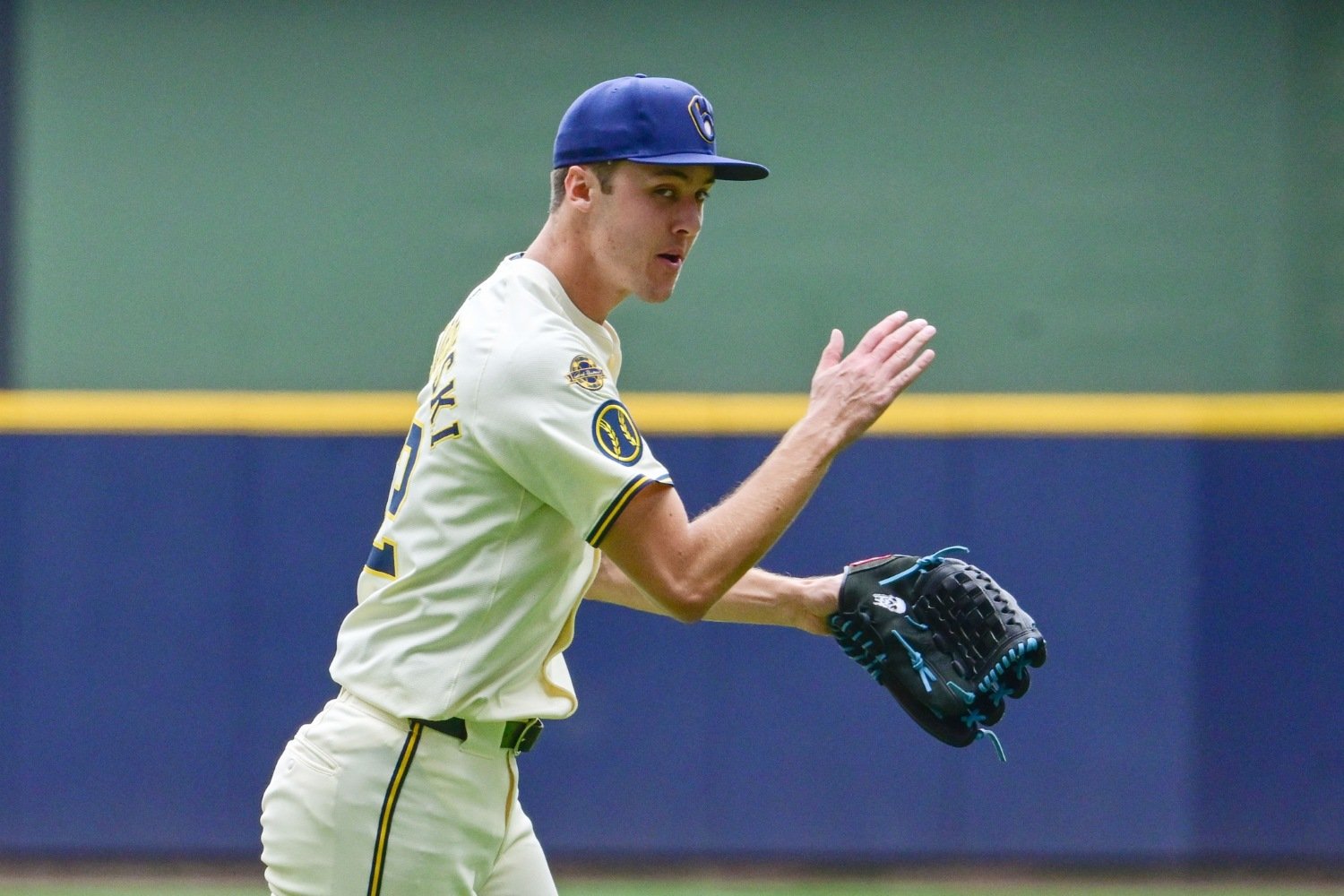 You could see that Jacob Misiorowski was pumped up for the challenge of pitching opposite Pirates ace Paul Skenes Wednesday. In the first inning alone, Misiorowski threw six fastballs that touched or exceeded 101 miles per hour, including one that hit 102. The lanky righthander walked the leadoff man and looked slightly shaky out of the gate, getting so focused on the batter that he allowed Pittsburgh's Adam Frazier to steal second base far too easily. Frazier moved over to third base on the first out, a deep fly ball—and then Misiorowski buckled down. With a key strikeout of Spencer Horwitz and another of Nick Gonzales to end the inning, Misiorowski put down the rally without falling behind. That set the tone for the day. Misiorowski's command was not pristine, but as has been true in each of his previous appearances, his stuff overwhelmed his opponents. Bryan Reynolds had one clean hit, a liner through the right side. Tommy Pham had a cheapier of an infield single that dribbled toward shortstop, too slow to make a play on. Every time there was traffic to deal with, though, Misiorowski locked in and executed brilliantly. His slider had some of the best command he's shown of it, often dancing right on the glove-side edge of the plate. He also showed good feel for his curveball, the pitch that figures to net him more swings and misses than the slider (or even that superheated fastball) will. He threw just five of them, but got two whiffs out of three swings. With the slider (hard and tight enough to be a cutter, really) to set it up, if Misiorowski can start the curve on the outer half to a righty and let it drop out of the zone low and away, he should get lots of chases, and batters will regret those swings. He also went to the changeup in a couple of tight spots, showing emerging trust in it and reflecting the sound leadership of veteran catcher Eric Haase. After that first frame, it was a while before we saw 101 again from Misiorowski. He's already showing the ability to operate at 98-99 mph, adding and subtracting as the situation demands. If (as Skenes, his counterpart Wednesday, now does) he can consistently pitch a few ticks below his maximum velocity, it will augur well for his ability to stay healthy and stick in the rotation. It helps tremendously, of course, that his max velocity appears to be pushing 103 mph. In the fourth, when he needed to get Oneil Cruz out to escape with his shutout intact, Misiorowski dialed up three more fastballs that topped 101 mph, including one at 102.4. He also tried a changeup, which registered at 94.6. It will be important that he learns to dial it up only intentionally, and not just by getting carried away in big moments, but Misiorowski is showing a situational feel for his whole arsenal, which is very exciting. Multiple times, he came off the mound after escaping miniature jams with a shout or fist pump, and an enthusiastic slap of hands with Haase near the dugout. Now 16 innings into his career, Misiorowski has allowed just three hits and two runs. He struck out eight in his five frames Wednesday, and left with a 4-0 lead. He only needed 74 pitches to get through those innings, too, so his arm should be fairly fresh when he pitches next, likely Tuesday in New York. As great as Jackson Chourio is, his game doesn't set the TV on fire quite the way Misiorowski's does. It's been a long time since the Brewers had a player who could become the whole story of a game on a regular basis, and that's what Misiorowski can be. Wednesday provided new evidence of forward progress in his development, and it's clear that he can consistently shut down big-league offenses. If he's also modulating his effort the way he seems to be, then the even better news is that he's giving himself a good chance to stay on the mound deep into this season, and beyond.
 -
How often do you see a double that doesn't score a runner from second? Crazy. Probably Cruz should have caught it, but whatever.
-
God, I love how hard the Brewers are to defend. You get a guy like Turang, who hits it the other way so well and so consistently, and then a guy on in front of him who can run and force them to cover the base? Just viciously hard to stop this team from getting hits, when they're right.
-
Murphy would certainly back you up on that. He went way out of his way before and after Miz's last start to praise Contreras and talk about how he set him up for success. There are *definitely* some guys who get to the big leagues, and the better quality of equipment or facilities or umpiring or teammates just UPs their game, even as the competition gets stiffer.
-
What I love about this matchup maybe most of all is that while they have superficially similar stuff profiles, these are really two very different pitchers. You can see it already. Skenes is all about the breaking stuff. He just has 100 in the bag to keep you honest. Miz is much more of a true, old-school power pitcher, right now.