


Matthew Trueblood
-
Posts
1,964 -
Joined
-
Last visited
-
Days Won
10
Content Type
Profiles
Forums
Blogs
Events
News
2026 Milwaukee Brewers Top Prospects Ranking
Milwaukee Brewers Videos
2022 Milwaukee Brewers Draft Picks
Milwaukee Brewers Free Agent & Trade Rumors, Notes, & Tidbits
Guides & Resources
2023 Milwaukee Brewers Draft Picks
2024 Milwaukee Brewers Draft Picks
The Milwaukee Brewers Players Project
2025 Milwaukee Brewers Draft Pick Tracker
2026 Milwaukee Brewers Draft Tracker: Picks & Bonuses
Store
Downloads
Gallery
Everything posted by Matthew Trueblood
-
Bat-tracking data was the biggest step forward in information availability for fans in 2024. It's not always telling you quite what it seems to, though, and the Brewers' young second baseman is a great example. Image courtesy of © Benny Sieu-Imagn Images Thanks to the latest forward step from Statcast, last season marked the first time that fans could access detailed data about the movement of a hitter's bat when they swung. Baseball Savant offers leaderboards of the players who swung fastest and squared the ball up most often, and using the search tool on the site, one can also pull up hundreds of individual swings for any batter, with their bat speed and swing length on each, plus the usual metrics capturing the quality of the contact they made. As all of us would have expected, by and large, more bat speed is better. There are exceptions, though, and some of them are as telling and interesting as the insights we gained on the game's fastest swingers. Brice Turang had the 20th-slowest swing in MLB last year, but it was also the second-shortest. The man with both the slowest and the shortest stroke, on average, was Luis Arraez, en route to his third straight batting title. That's a good reminder that swinging slowly can be good, in its own way: a short, slow swing is often much better at generating contact. Turang isn't an Arraez-caliber contact savant, so he didn't hit for anywhere near the same batting average Arraez produced in 2024. On the other hand, he has more upside than Arraez and other, similarly slow swingers. He ranked 20th-lowest in average swing speed, yes, but he was merely 83rd-lowest in the percentage of his swings that eclipsed 75 miles per hour. Sal Frelick's rate was lower. So were those of Nico Hoerner (2 miles per hour faster, on average) and Brayan Rocchio (3.5 MPH faster). In other words, Turang can swing fast. At least in part, he chooses not to, as part of his approach in the box. Let's watch his five fastest swings of 2024 together, because I think doing so might help us learn more about this enigmatic, talented, sometimes-frustrating hitter. Fastest Swing: 79.6 MPH Z0daellfWGw0TUFRPT1fQTFjSEFsQUNYZ3NBQ2dkVUJRQUFVd1VGQUFNRkJsQUFWRlZRVXdCWFZ3Y0FDUUpW.mp4 On a 3-2 pitch, Turang was looking fastball but got a changeup. He got well out on his front foot, but was able to keep his hands back just enough to make contact. Alas, it was harmless contact, despite the speed of his swing, because he hit the very bottom of the ball. The lesson here: sometimes, swing speed comes from that crash of forward energy when one gets out on their front foot. In that case, some of the bat speed tends to be wasted, in one way or another, so such numbers are almost fakeouts. Not every fast swing is a good swing, although this one did at least show admirable hand-eye coordination. Second-Fastest: 78.9 MPH NjQxVk5fWGw0TUFRPT1fVUZSUlVBVlNYZ1lBQzFBSEJBQUFWQUJYQUFNQVUxQUFDd0FDVmxFQkFRcFFDRk1D.mp4 This is a fastball more or less down the middle, but in a 2-2 count, Turang had to be cognizant of the risk that Twins hurler Brock Stewart would throw him a slider. He still had the bat speed to catch up to 98 miles per hour, but he was late enough to push a harmless foul ball the other way. This is an example of valuable bat speed, but only indirectly. It kept an at-bat alive, but because he got that speed by going into emergency mode and still got beaten to his ideal contact point, it didn't translate into real production. Third-Fastest: 78.7 MPH Z0daellfWGw0TUFRPT1fQVZkV1ZGVU1BZ2NBQUZaV1ZRQUFBZzhEQUZrTkJWZ0FWQUJUVlFVQkJ3dFRCRlpm.mp4 Pitch type and location manipulate bat speed in a major way. Good hitters, of course, aren't letting pitchers throw off their timing by mixing things up or getting stuck in the rocking chair by variable timing, but the hitter has to adjust to what he sees, and that often means speeding up or slowing down the bat based on what he guessed, what he got, and what his eyes and hands do reflexively when the ball is moving. Here, Turang's barrel sped up enough to get down to a wicked slider diving down and in on him. It's very hard for hitters to speed up their bat going out and away from themselves, but the rotational nature of the swing lets you find some extra acceleration when you (in the argot) drop the head of the bat on a pitch like this. Again, though, it's just a foul ball, and not even a notably well-struck one, because the late adjustment didn't let him square the ball up. Fourth-Fastest: 78.6 MPH MzVEbjFfWGw0TUFRPT1fQjFOV0FWQUVWMU1BWEZJRlV3QUFWd0JSQUFCUUFWTUFCMXdNQkZFRUJGWlNWRkFG.mp4 Finally, bat speed you can see in the box score! This is a well-balanced swing, but a very powerful one. On an 0-1 count, Turang had guessed right, and while his swing plane led to a ball lanced to the opposite field despite being met well in front of home plate, it was a slicing, sizzling line drive, good for two bases. Other hitters don't address this kind of pitch this way. Their bat path is much longer (the swing length of 6.2 feet on this one is the lowest of these five swings, and around Turang's superbly short average), which lets them get the fat part of the bat behind the ball much more consistently and generate more power, especially to the pull field. However, those other hitters also swing and miss on this pitch much more often than Turang does. His approach is geared toward contact and the center of the field, and this is one example of it working to perfection. Fifth-Fastest: 78.6 MPH cmV4YUtfWGw0TUFRPT1fQndKVlYxY05YbEVBRDFCWFZnQUFBZ01DQUZrR1cxa0FDMUpSQUZGV0ExZFJDVmRW.mp4 This one combines a lot of the characteristics of the other pitches and swings. It's a breaking ball coming in on him, naturally speeding up his barrel. He actually hits it out in front, a little bit, but the angle of his bat at contact still generates a pop fly twisting foul the other way. It's one more glimpse at the adaptability of Turang's swing, but the fact that he doesn't set out to swing fast unless he has a good reason to. Here, he's defending against the triple-digit heat of Hunter Greene, so he's primed to be quick, but he also gets a bit of the speed from thinking fastball, getting breaking ball, and having his body weight pulling him forward into the ball. Turang has sensationally smart hands, as a hitter. That much jumped out over and over in this brief study. It's an interesting look at where bat speed comes from, and the mixed blessing it can be. Taken as a whole, these glimpses let us see why Turang would actively choose to swing more slowly much of the time. Simultaneously, it makes you wonder whether there are further adjustments he could and should make, to tap into a bit more of his latent power and reshape his profile as he matures in the majors. View full article
-
At long last, the Brewers' most tantalizing not-quite-success story of the last several years has found the place where he belonged all along. Keston Hiura agreed to a minor-league deal with an invitation to big-league spring training, according to Mark Feinsand of MLB.com. Hiura, 28, made it back to MLB for just 27 plate appearances in 2024, with the Angels, after not cracking the majors at all in 2023. He batted .148, without a walk or an extra-base hit. However, Hiura's kryptonite has always been the high, carrying fastball. You know where fastballs have a hard time carrying well? Coors Field. It's not that hard to imagine Hiura taking the place of non-tendered second baseman Brendan Rodgers and hitting the Rockies 12 or 15 or 20 home runs. He won't actually be good, but the ballpark just might be enough to make his raw numbers look good. It won't change the fact that the Brewers were right to move on from Hiura, or anything. It's just nice to see an old friend land in a place where a minor renaissance is, at least, plausible. View full rumor
-
Rockies Sign Old Friend Keston Hiura to Minor-League Deal
Matthew Trueblood posted a rumor in Rumors
At long last, the Brewers' most tantalizing not-quite-success story of the last several years has found the place where he belonged all along. Keston Hiura agreed to a minor-league deal with an invitation to big-league spring training, according to Mark Feinsand of MLB.com. Hiura, 28, made it back to MLB for just 27 plate appearances in 2024, with the Angels, after not cracking the majors at all in 2023. He batted .148, without a walk or an extra-base hit. However, Hiura's kryptonite has always been the high, carrying fastball. You know where fastballs have a hard time carrying well? Coors Field. It's not that hard to imagine Hiura taking the place of non-tendered second baseman Brendan Rodgers and hitting the Rockies 12 or 15 or 20 home runs. He won't actually be good, but the ballpark just might be enough to make his raw numbers look good. It won't change the fact that the Brewers were right to move on from Hiura, or anything. It's just nice to see an old friend land in a place where a minor renaissance is, at least, plausible. -
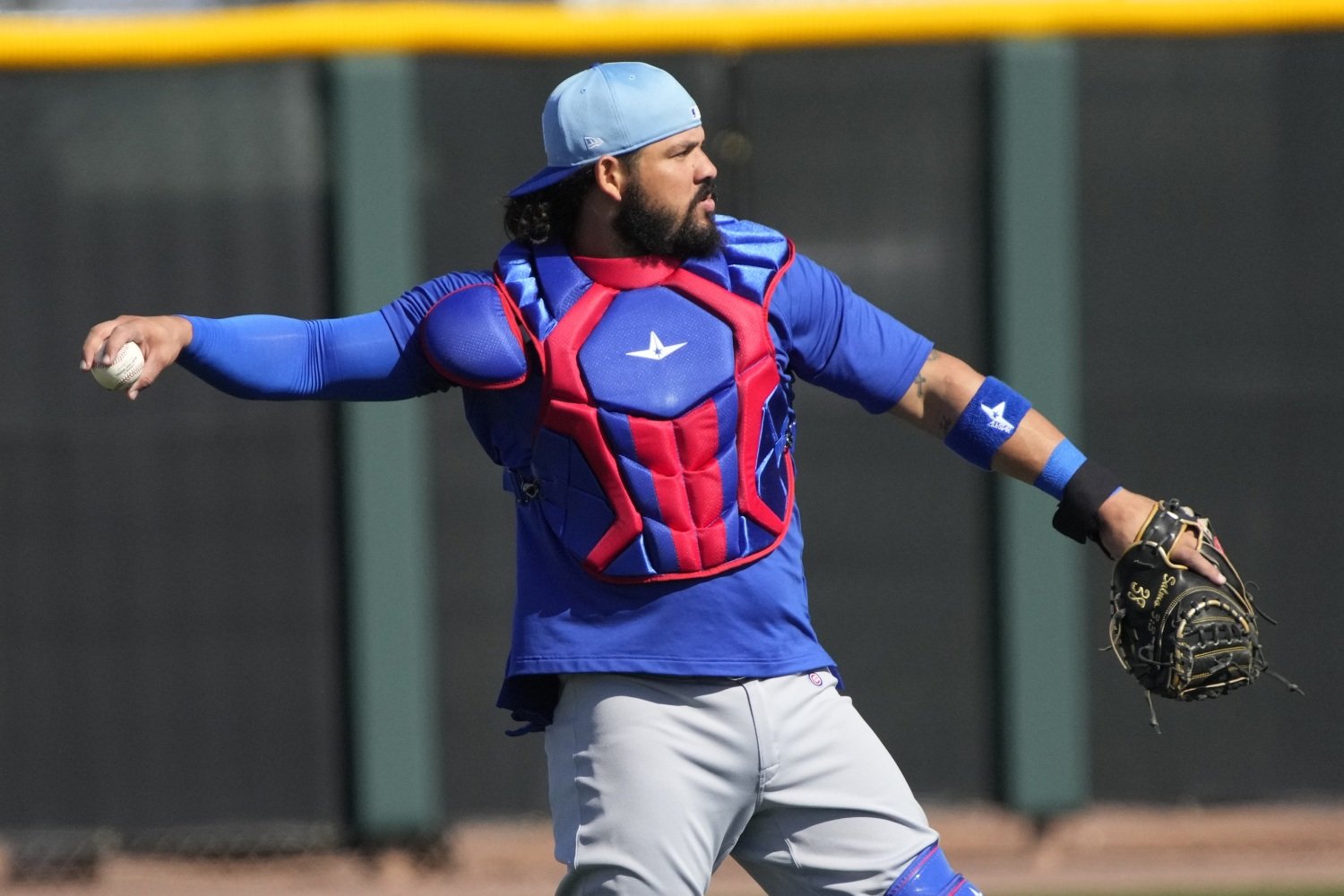 It struck many as strange that the Brewers signed Eric Haase to a split deal in December 2023—the more so when, two months later, they brought in the more established, much more expensive Gary Sánchez to serve as a higher-echelon backup to William Contreras. The Crew managed to retain Haase even when he missed the final cut for the Opening Day roster last spring, though, and after Jeferson Quero got hurt right away at Triple-A Nashville, Haase stuck around until the middle of the season, when he finally got an opportunity to fill in for the injured Sánchez. From there, the team carried three catchers throughout the second half. That's how badly the Brewers always want to have enough good catchers around; they'll do some roster gymnastics to facilitate it. Contreras will be the starter again in 2025, but the team is hoping to reduce his catching workload somewhat. Haase can serve as an adequate backup, but since Quero underwent season-ending surgery on his throwing shoulder, they were sure to further hedge against injuries or his slow reintroduction to the position. Tuesday, they signed Jorge Alfaro to a minor-league deal that gives them just the right amount of insurance—for however long they can keep him around. Alfaro appeared in MLB in every season from 2016-23, but batted .236/.278/.354 from 2020 onward in the majors. He came to camp as a non-roster invitee with the Cubs last spring, but they released him in late March and he didn't play in affiliated pro ball at all in 2024. Never known as an excellent defender overall, he needs to regain some semblance of offensive utility in order to crack an MLB roster again. In limited Dominican Winter League action this winter, he showed that capacity, so the deal makes sense. The Brewers might well have some pointers for him in terms of catcher defense, and if they can turn him into a valuable defensive option, he would be a fine fallback plan at the position. Right now, this deal barely registers as important. If Alfaro pans out, it would still only be in a limited role, and the Brewers will probably hope not to need him—especially if that meant that Quero bounced back and impressed in his return after the injury. Signing depth options with strong big-league bona fides never hurts, though, and the Brewers felt Alfaro was the best of their available options as spring training draws near.
 -
On Tuesday, the Brewers reportedly agreed to a minor-league deal with the veteran journeyman. Few teams take quality catching depth more seriously, and now, the Crew can be a bit more sure of having some. Image courtesy of © Rick Scuteri-Imagn Images It struck many as strange that the Brewers signed Eric Haase to a split deal in December 2023—the more so when, two months later, they brought in the more established, much more expensive Gary Sánchez to serve as a higher-echelon backup to William Contreras. The Crew managed to retain Haase even when he missed the final cut for the Opening Day roster last spring, though, and after Jeferson Quero got hurt right away at Triple-A Nashville, Haase stuck around until the middle of the season, when he finally got an opportunity to fill in for the injured Sánchez. From there, the team carried three catchers throughout the second half. That's how badly the Brewers always want to have enough good catchers around; they'll do some roster gymnastics to facilitate it. Contreras will be the starter again in 2025, but the team is hoping to reduce his catching workload somewhat. Haase can serve as an adequate backup, but since Quero underwent season-ending surgery on his throwing shoulder, they were sure to further hedge against injuries or his slow reintroduction to the position. Tuesday, they signed Jorge Alfaro to a minor-league deal that gives them just the right amount of insurance—for however long they can keep him around. Alfaro appeared in MLB in every season from 2016-23, but batted .236/.278/.354 from 2020 onward in the majors. He came to camp as a non-roster invitee with the Cubs last spring, but they released him in late March and he didn't play in affiliated pro ball at all in 2024. Never known as an excellent defender overall, he needs to regain some semblance of offensive utility in order to crack an MLB roster again. In limited Dominican Winter League action this winter, he showed that capacity, so the deal makes sense. The Brewers might well have some pointers for him in terms of catcher defense, and if they can turn him into a valuable defensive option, he would be a fine fallback plan at the position. Right now, this deal barely registers as important. If Alfaro pans out, it would still only be in a limited role, and the Brewers will probably hope not to need him—especially if that meant that Quero bounced back and impressed in his return after the injury. Signing depth options with strong big-league bona fides never hurts, though, and the Brewers felt Alfaro was the best of their available options as spring training draws near. View full article
-
Baseball Prospectus dropped their Top 101 Prospects list for 2025 Tuesday, and it not only includes four Brewers farmhands, but shoves some helium into the likes of Jesus Made and Cooper Pratt. Here are the rankings for each player from the Crew's system who made the list: No. 35: Jesús Made No. 61: Jeferson Quero No. 63: Cooper Pratt No. 65: Jacob Misiorowski Made's emergence as a full-fledged premium prospect continues apace. He won't even turn 18 until May, but an assignment to full-season ball in Carolina sure feels possible, and it's starting to feel a lot like Made is the team's next Jackson Chourio. Meanwhile, Pratt (who held his own so impressively across both levels of A ball in 2024, at bat and in the field) looks increasingly like a player who could take over an infield spot for the Brewers by Opening Day 2026. BP elected not to ding Quero much on the basis of the severe shoulder injury he suffered early last season, and while Misiorowski's ranking isn't as lofty or hype-fueled as we might have dreamed a year ago, he remains solidly among the top 20 pitching prospects in the game. With some gentle prompting, co-author Jarrett Seidler also informed us all that Mike Boeve was a narrow miss for the list. The Brewers' depth, in other words, does not stop with the top 101. Milwaukee's farm system continues to be a strength, and some very real impact is on the horizon. View full rumor
-
- 3
-

-
- jesus made
- jacob misiorowski
- (and 3 more)
-
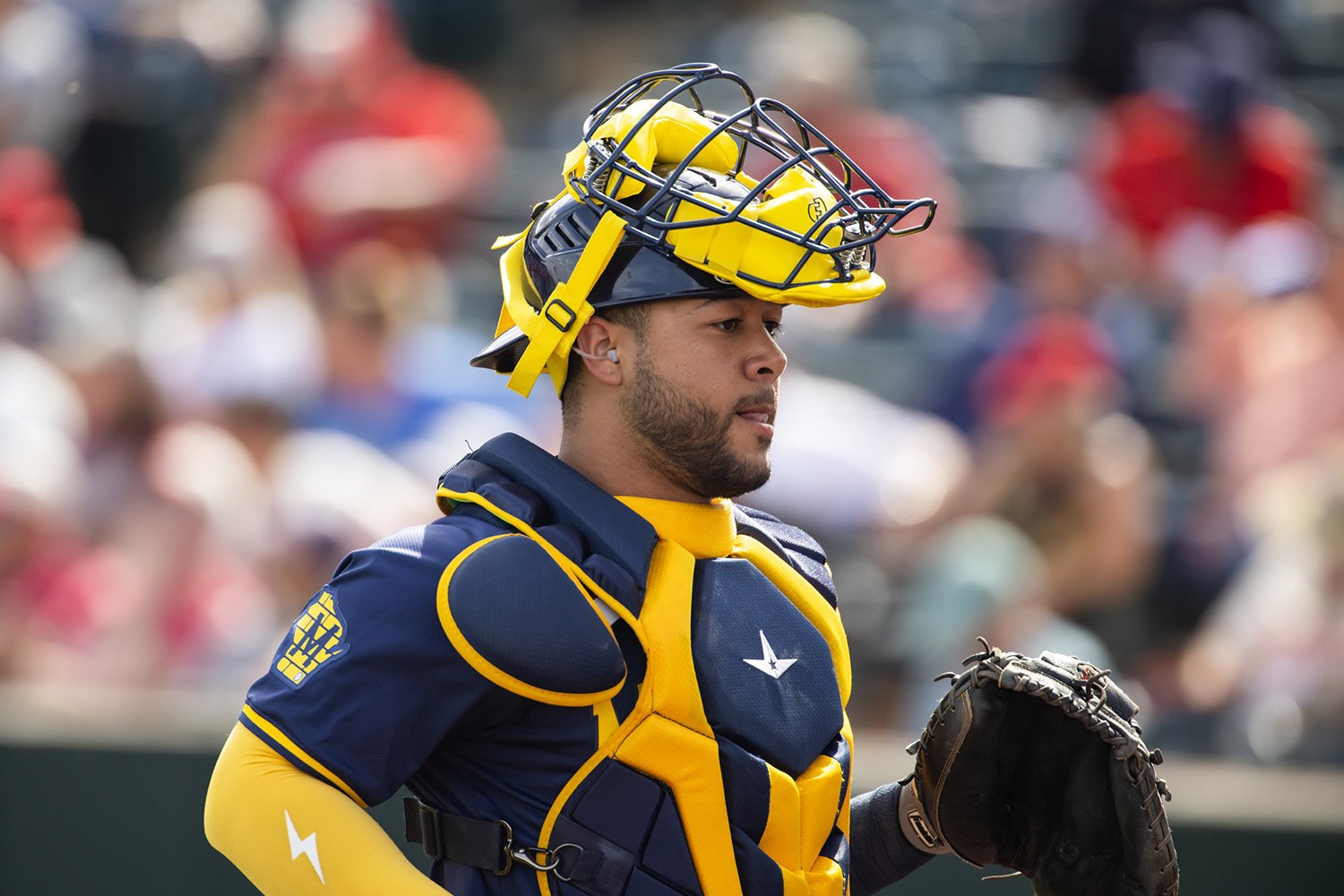 Baseball Prospectus dropped their Top 101 Prospects list for 2025 Tuesday, and it not only includes four Brewers farmhands, but shoves some helium into the likes of Jesus Made and Cooper Pratt. Here are the rankings for each player from the Crew's system who made the list: No. 31: Jesús Made No. 61: Jeferson Quero No. 63: Cooper Pratt No. 65: Jacob Misiorowski Made's emergence as a full-fledged premium prospect continues apace. He won't even turn 18 until May, but an assignment to full-season ball in Carolina sure feels possible, and it's starting to feel a lot like Made is the team's next Jackson Chourio. Meanwhile, Pratt (who held his own so impressively across both levels of A ball in 2024, at bat and in the field) looks increasingly like a player who could take over an infield spot for the Brewers by Opening Day 2026. BP elected not to ding Quero much on the basis of the severe shoulder injury he suffered early last season, and while Misiorowski's ranking isn't as lofty or hype-fueled as we might have dreamed a year ago, he remains solidly among the top 20 pitching prospects in the game. With some gentle prompting, co-author Jarrett Seidler also informed us all that Mike Boeve was a narrow miss for the list. The Brewers' depth, in other words, does not stop with the top 101. Milwaukee's farm system continues to be a strength, and some very real impact is on the horizon.
 -
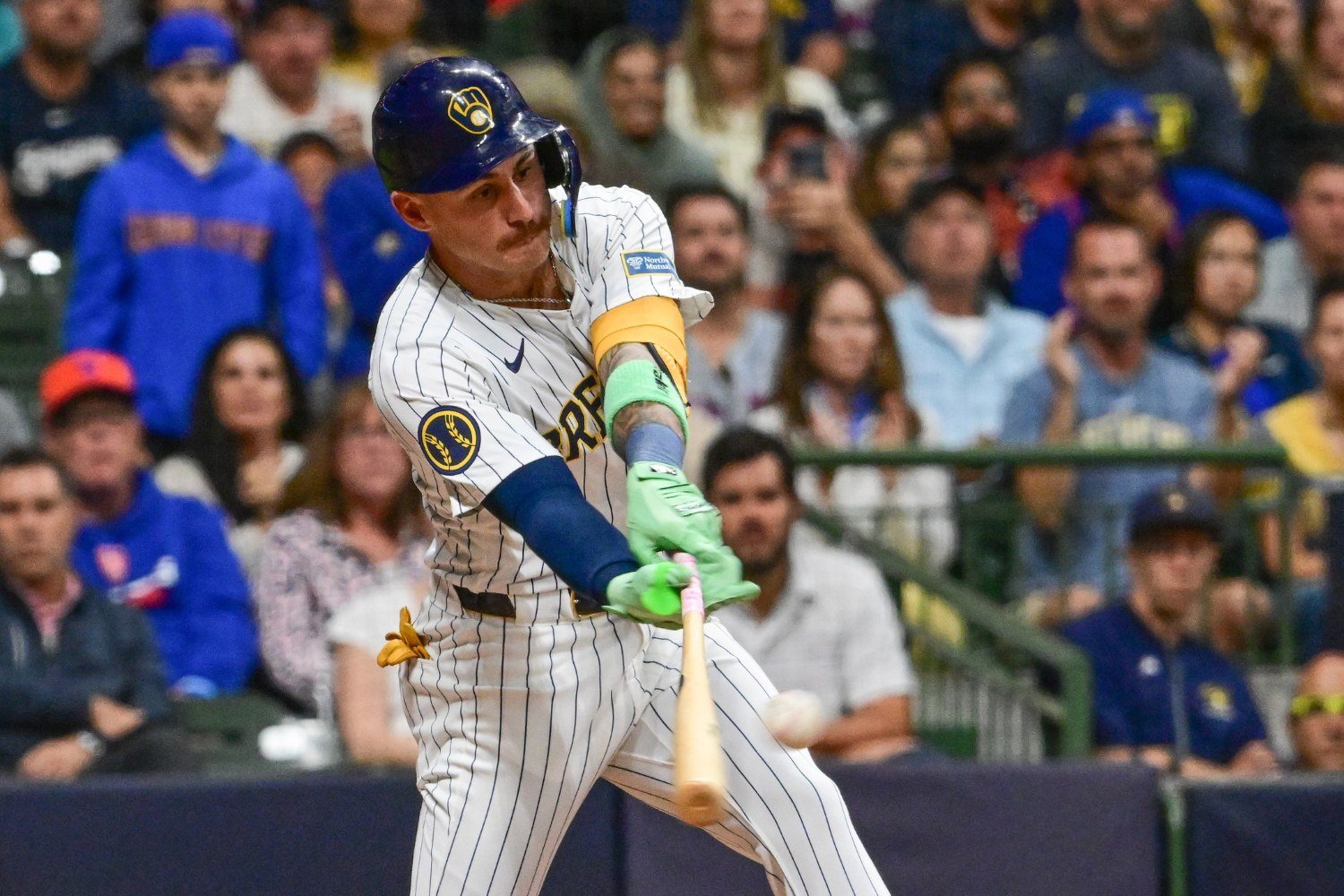 Hitting is hard, man. It's viciously hard, and (at the big-league level) harder than ever in 2024 and 2025. It's been forever since the league expanded. Every roster is bloated with talented pitchers. There's a constant fight to get started early enough and have a fast enough bat to get the barrel into the hitting zone, but you also have to have extraordinarily good eyes, hands, and preparation, in order to catch the ball with the good part of the bat if it turns out to be one of the multiple good secondary pitches most pitchers throw these days. Bat speed is important, but in the first year in which we've been able to directly view and analyze batters' swing speeds, we've quickly realized that not all bat speed is created equal. In fact, not all bat speed is even good. You have to swing fast to consistently generate meaningful power—but swinging fast doesn't guarantee power, because if a swing is so hard that the swinger loses control of the barrel, they're unlikely to square the ball up. If the contact between bat and ball isn't flush, the power potential of a fast swing is wasted, anyway. I say all this by way of introduction to the dilemma of Joey Ortiz. Entering 2025, the Brewers expect to move Ortiz from third base (where he thrived defensively and acquitted himself nicely as a regular in the batting order, in 2024) to shortstop, where he'll take the place of the departed Willy Adames. A good enough athlete to play a solid short, Ortiz should maintain the brilliance of the team defense around the infield. However, they need him to be (if not a true substitute for Adames's stellar production) a legitimate offensive threat. He already does a few things quite well, in that area. Ortiz made contact within the zone at an elite rate last year, and rarely chased anything outside the zone. He also showed good speed, and his bat speed was markedly above-average. Here's the rub: Ortiz's fast swings led to a lot of mishit balls. He did generate good exit velocities, but they tended not to be at productive launch angles. His bat speed didn't translate into the kind of slugging an efficient swing speed would. Specifically, Ortiz tended strongly to get on top of pitches inside, hitting too many of them into the ground. For context, that's not an automatic feature of all swings. Ortiz's average launch angle on batted balls that came on pitches on the inner third of the plate (or off it, inside) was 5°, which ranked 170th of 171 qualifying right-handed batters. By contrast, on pitches over the outer third or off the plate away, Ortiz's average launch angle was 13°, which ranked 56th of 191 qualifiers. He swung slower on pitches away (65th percentile swing speed, vs. 82nd-percentile on the inner part of the plate) but made more solid contact. Swinging fast tended to overwhelm Ortiz's efforts to keep his bat under control. In the fight to be fast enough, Ortiz wasn't quite accurate enough with his bat. On inside pitches, he got going so quickly that he tended to be above the ball, because his swing is a little too flat to create upward plane at the contact point he tended to have when pitchers crowded him. Ortiz GB 1B Inner Third and Uo.mp4 Throughout the year, Ortiz often looked his best when he stayed through a ball on the outer part of the plate, driving it cleanly to right-center field. He could catch such pitches out in front, because he had more space to get his bat around, and he tended to have gotten on plane with the pitch by then. Joey Ortiz to RCF Outside Third.mp4 He did a bit more of that as the season went along, even starting to take pitches on the inner edge the other way with the same authority he showed in the clip above, from earlier in the campaign. That was a big adjustment for him, and it's an important one. He found ways to meet the ball more squarely as the season progressed. It's good news. The bad news, of course, is that Ortiz's overall production moved more in concert with his ability to pull the ball than with that shift toward cleaner contact. Later in the year, he stopped turning on the ball, and his power diminished significantly. Playing through a neck injury, he lost much of his bat speed for a couple of months, only recovering it near the end of the season. Being on time, then, meant starting earlier, and while that did allow him to use right field more effectively, it took some of the zip out of most of his batted balls. The adjustment to find the barrel more often, even at the expense of some bat speed, was probably a necessary one for Ortiz's development. He still has to synthesize all the little adjustments he tried to make, though, and then hope for better health in 2025. That's how he can be more holistically strong at the plate. We're probably talking about a change in swing plane, which will beget a change in Ortiz's contact skills and his contact point in 2025. Tweaking his approach can help him attack the ball better, and should give him a clearer set of strengths and weaknesses around which to structure his plan in the box. It will come with some growing pains, but this is the set of changes required for Ortiz to build upon the .239/.329/.398 line he put up in 2024. This is why the Brewers should still be shopping for another infielder to bolster their lineup, though. Ortiz comes with tons of potential, and has a clear path to improvement—but that path includes risks, because it's harder to execute this suite of changes and align a new swing and approach to cover the whole zone with power than it is to identify the need for those adjustments. Waiting for him to deliver the production lost when Adames signed with the Giants, even in part, would be an error. The Crew needs to diminish Ortiz's role, even as they hope for augmented performance from him in his second full season in MLB.
 -
The Brewers' 2024 third baseman will be their ostensible starting shortstop in 2025, and they will need a productive version of him. Can he sustain, and even build upon, what he did at the plate as a rookie? Image courtesy of © Benny Sieu-Imagn Images Hitting is hard, man. It's viciously hard, and (at the big-league level) harder than ever in 2024 and 2025. It's been forever since the league expanded. Every roster is bloated with talented pitchers. There's a constant fight to get started early enough and have a fast enough bat to get the barrel into the hitting zone, but you also have to have extraordinarily good eyes, hands, and preparation, in order to catch the ball with the good part of the bat if it turns out to be one of the multiple good secondary pitches most pitchers throw these days. Bat speed is important, but in the first year in which we've been able to directly view and analyze batters' swing speeds, we've quickly realized that not all bat speed is created equal. In fact, not all bat speed is even good. You have to swing fast to consistently generate meaningful power—but swinging fast doesn't guarantee power, because if a swing is so hard that the swinger loses control of the barrel, they're unlikely to square the ball up. If the contact between bat and ball isn't flush, the power potential of a fast swing is wasted, anyway. I say all this by way of introduction to the dilemma of Joey Ortiz. Entering 2025, the Brewers expect to move Ortiz from third base (where he thrived defensively and acquitted himself nicely as a regular in the batting order, in 2024) to shortstop, where he'll take the place of the departed Willy Adames. A good enough athlete to play a solid short, Ortiz should maintain the brilliance of the team defense around the infield. However, they need him to be (if not a true substitute for Adames's stellar production) a legitimate offensive threat. He already does a few things quite well, in that area. Ortiz made contact within the zone at an elite rate last year, and rarely chased anything outside the zone. He also showed good speed, and his bat speed was markedly above-average. Here's the rub: Ortiz's fast swings led to a lot of mishit balls. He did generate good exit velocities, but they tended not to be at productive launch angles. His bat speed didn't translate into the kind of slugging an efficient swing speed would. Specifically, Ortiz tended strongly to get on top of pitches inside, hitting too many of them into the ground. For context, that's not an automatic feature of all swings. Ortiz's average launch angle on batted balls that came on pitches on the inner third of the plate (or off it, inside) was 5°, which ranked 170th of 171 qualifying right-handed batters. By contrast, on pitches over the outer third or off the plate away, Ortiz's average launch angle was 13°, which ranked 56th of 191 qualifiers. He swung slower on pitches away (65th percentile swing speed, vs. 82nd-percentile on the inner part of the plate) but made more solid contact. Swinging fast tended to overwhelm Ortiz's efforts to keep his bat under control. In the fight to be fast enough, Ortiz wasn't quite accurate enough with his bat. On inside pitches, he got going so quickly that he tended to be above the ball, because his swing is a little too flat to create upward plane at the contact point he tended to have when pitchers crowded him. Ortiz GB 1B Inner Third and Uo.mp4 Throughout the year, Ortiz often looked his best when he stayed through a ball on the outer part of the plate, driving it cleanly to right-center field. He could catch such pitches out in front, because he had more space to get his bat around, and he tended to have gotten on plane with the pitch by then. Joey Ortiz to RCF Outside Third.mp4 He did a bit more of that as the season went along, even starting to take pitches on the inner edge the other way with the same authority he showed in the clip above, from earlier in the campaign. That was a big adjustment for him, and it's an important one. He found ways to meet the ball more squarely as the season progressed. It's good news. The bad news, of course, is that Ortiz's overall production moved more in concert with his ability to pull the ball than with that shift toward cleaner contact. Later in the year, he stopped turning on the ball, and his power diminished significantly. Playing through a neck injury, he lost much of his bat speed for a couple of months, only recovering it near the end of the season. Being on time, then, meant starting earlier, and while that did allow him to use right field more effectively, it took some of the zip out of most of his batted balls. The adjustment to find the barrel more often, even at the expense of some bat speed, was probably a necessary one for Ortiz's development. He still has to synthesize all the little adjustments he tried to make, though, and then hope for better health in 2025. That's how he can be more holistically strong at the plate. We're probably talking about a change in swing plane, which will beget a change in Ortiz's contact skills and his contact point in 2025. Tweaking his approach can help him attack the ball better, and should give him a clearer set of strengths and weaknesses around which to structure his plan in the box. It will come with some growing pains, but this is the set of changes required for Ortiz to build upon the .239/.329/.398 line he put up in 2024. This is why the Brewers should still be shopping for another infielder to bolster their lineup, though. Ortiz comes with tons of potential, and has a clear path to improvement—but that path includes risks, because it's harder to execute this suite of changes and align a new swing and approach to cover the whole zone with power than it is to identify the need for those adjustments. Waiting for him to deliver the production lost when Adames signed with the Giants, even in part, would be an error. The Crew needs to diminish Ortiz's role, even as they hope for augmented performance from him in his second full season in MLB. View full article
-
Sal Frelick's Defensive Brilliance, and the Brewers' Looming Dilemma
Matthew Trueblood posted an article in Brewers
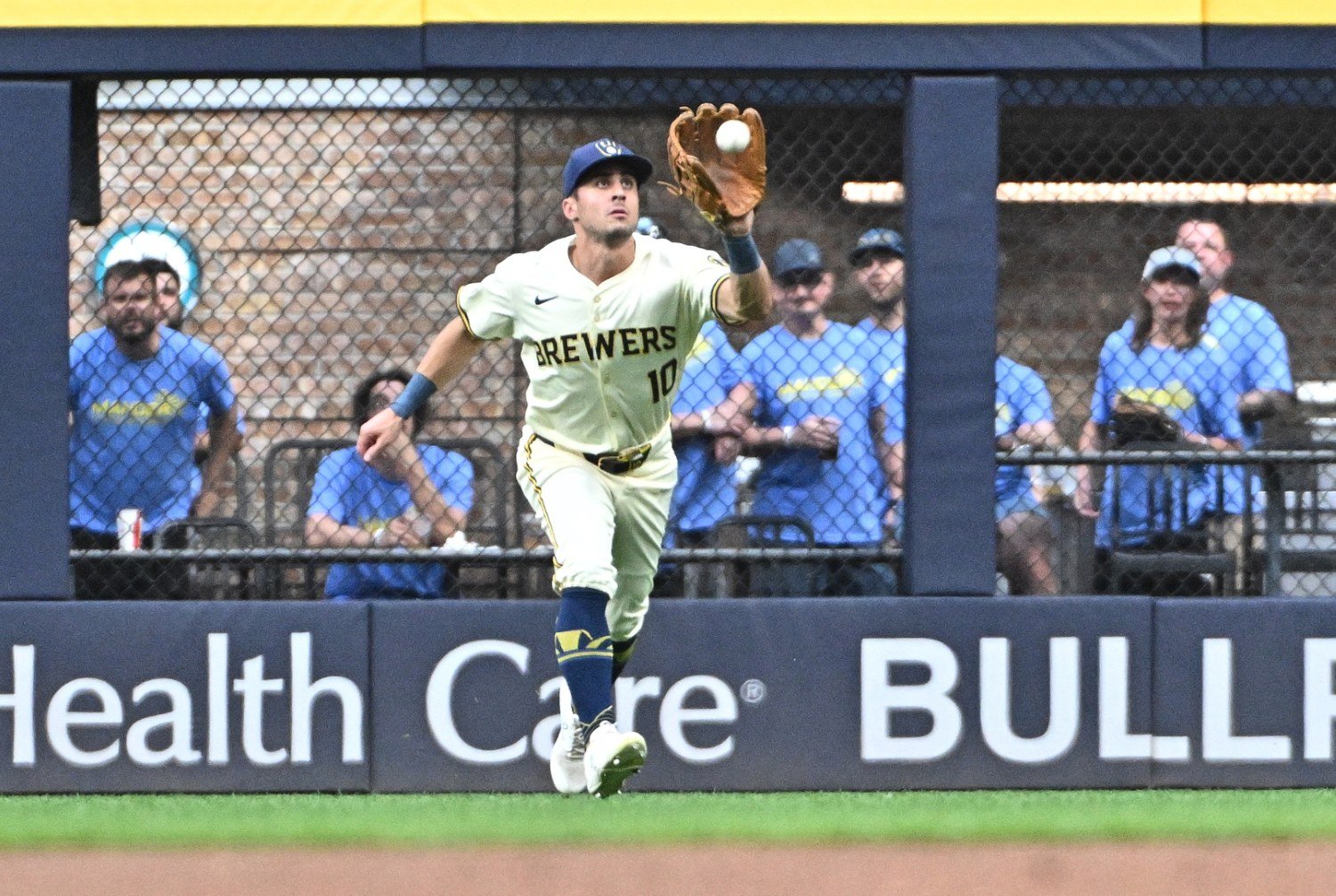 The temptation, of course, is to leave well enough alone. When you have a defender as adept as Sal Frelick has proved to be over the course of his young career, you don't mess with it. You leave the guy at the spot, and you let the rest of the roster and its problems resolve themselves as they will. That's why plenty of fans scoffed when rumors of Frelick moving to third base surfaced last offseason, and in the end, they were right—at least for one year. Frelick truly is a marvelous right fielder, too. The plays you tended to notice most, last year, were the ones he made going back on the ball, whether in right field or during his occasional games in center. Though small, Frelick goes into the wall like the ex-hockey player he is, not recklessly, but fearlessly, and his most widely-disseminated highlights were plays on which he got back to the barrier and took away extra-base hits. For one fleeting moment, before the scope of the calamity became unavoidably clear, this reporter hoped that Pete Alonso's game-winning home run in Game 3 of the Wild Card Series last fall was going to end up just above the wall, but just within the reach of Frelick. In truth, though, he was just as good—maybe better—coming in on the ball. That's remarkable, and underscores his value in that spot. Statcast rates Frelick, believe it or not, as average (0 Outs Above Average) on balls on which he had to go back in 2024, but credits him with 6 OAA on balls he had to come in for. Sports Info Solutions's Defensive Runs Saved breaks things down (subtly) differently, into Shallow, Medium, and Deep balls, but comes to a similar conclusion: Frelick was 6 plays better than average on shallow balls, 1 play better on medium-depth ones, and 5 plays better on deep balls. Frelick's breaks on line drives that force him to commit quickly, cover ground and dive forward are superb. elpZdjZfV0ZRVkV3dEdEUT09X0Rna0NVZ0FFVmdjQVhnUUtVUUFBQUFaZkFBQlFVVklBQndZTlVnSlFCZ2RXVlZkVQ==.mp4 That ball had some air under it, but even on lower liners, he was good at drawing a bead and making a straight line to the ball. He also showed the same fearlessness going toward the sidewall that he did when going all the way back to the fences. ZFpiS3FfWGw0TUFRPT1fQUFsWFVsRUhVd01BWFZwV0FnQUFBUVZUQUZnSFVBQUFBMTFVQmdFQUFnRUdCRk1I.mp4 The variety of ways in which he makes great plays in the outfield makes Frelick versatile and excellent, and it makes any notion of moving him out of that role harder to grapple with. On the other hand, sometimes, you have to make decisions about where to deploy players based on team needs, not just their own strengths. The Dodgers do this often, not only now (hello, starting shortstop Mookie Betts) but throughout their team's history. The Brewers have an extraordinarily deep and promising collection of outfielders, especially if you believe that they'll want to make some room in the grass for Christian Yelich. Jackson Chourio and Garrett Mitchell have star-caliber upside not even Frelick can match, and Blake Perkins is the best defensive outfielder on the roster. Then, there is Tyler Black—best-suited, be it for the Brewers or not, as an outfielder—and Luis Lara, another rising prospect who could debut in 2025. Meanwhile, at third base, the team is staring down the barrel of a timeshare between Oliver Dunn and Caleb Durbin. Those two each have tools that make them compelling possibilities at that spot, but neither is a sure thing. Frelick played so well in the outfield that bringing him back to second or third base seems far-fetched, but in one sense, it's the clear choice. He would improve their situation at those positions much more than his removal would worsen their array of options in right and center fields. It will be fascinating to see whether Frelick comes to spring training ready to try again as an infielder. He might best help the team that way, and his low-power offensive skill set might best profile there, too. While his glovework would be missed in the outfield, the depth of his toolbox out there suggests that he might be a better defender on the dirt than his raw tools would imply. Barring further additions, having him at least prepare to move between the two defensive jobs carries considerable appeal.
 -
The Brewers' supernal right fielder might have been better than you even realized—but the pressure to have him play in the dirt is going to rise, anyway. Image courtesy of © Michael McLoone-Imagn Images The temptation, of course, is to leave well enough alone. When you have a defender as adept as Sal Frelick has proved to be over the course of his young career, you don't mess with it. You leave the guy at the spot, and you let the rest of the roster and its problems resolve themselves as they will. That's why plenty of fans scoffed when rumors of Frelick moving to third base surfaced last offseason, and in the end, they were right—at least for one year. Frelick truly is a marvelous right fielder, too. The plays you tended to notice most, last year, were the ones he made going back on the ball, whether in right field or during his occasional games in center. Though small, Frelick goes into the wall like the ex-hockey player he is, not recklessly, but fearlessly, and his most widely-disseminated highlights were plays on which he got back to the barrier and took away extra-base hits. For one fleeting moment, before the scope of the calamity became unavoidably clear, this reporter hoped that Pete Alonso's game-winning home run in Game 3 of the Wild Card Series last fall was going to end up just above the wall, but just within the reach of Frelick. In truth, though, he was just as good—maybe better—coming in on the ball. That's remarkable, and underscores his value in that spot. Statcast rates Frelick, believe it or not, as average (0 Outs Above Average) on balls on which he had to go back in 2024, but credits him with 6 OAA on balls he had to come in for. Sports Info Solutions's Defensive Runs Saved breaks things down (subtly) differently, into Shallow, Medium, and Deep balls, but comes to a similar conclusion: Frelick was 6 plays better than average on shallow balls, 1 play better on medium-depth ones, and 5 plays better on deep balls. Frelick's breaks on line drives that force him to commit quickly, cover ground and dive forward are superb. elpZdjZfV0ZRVkV3dEdEUT09X0Rna0NVZ0FFVmdjQVhnUUtVUUFBQUFaZkFBQlFVVklBQndZTlVnSlFCZ2RXVlZkVQ==.mp4 That ball had some air under it, but even on lower liners, he was good at drawing a bead and making a straight line to the ball. He also showed the same fearlessness going toward the sidewall that he did when going all the way back to the fences. ZFpiS3FfWGw0TUFRPT1fQUFsWFVsRUhVd01BWFZwV0FnQUFBUVZUQUZnSFVBQUFBMTFVQmdFQUFnRUdCRk1I.mp4 The variety of ways in which he makes great plays in the outfield makes Frelick versatile and excellent, and it makes any notion of moving him out of that role harder to grapple with. On the other hand, sometimes, you have to make decisions about where to deploy players based on team needs, not just their own strengths. The Dodgers do this often, not only now (hello, starting shortstop Mookie Betts) but throughout their team's history. The Brewers have an extraordinarily deep and promising collection of outfielders, especially if you believe that they'll want to make some room in the grass for Christian Yelich. Jackson Chourio and Garrett Mitchell have star-caliber upside not even Frelick can match, and Blake Perkins is the best defensive outfielder on the roster. Then, there is Tyler Black—best-suited, be it for the Brewers or not, as an outfielder—and Luis Lara, another rising prospect who could debut in 2025. Meanwhile, at third base, the team is staring down the barrel of a timeshare between Oliver Dunn and Caleb Durbin. Those two each have tools that make them compelling possibilities at that spot, but neither is a sure thing. Frelick played so well in the outfield that bringing him back to second or third base seems far-fetched, but in one sense, it's the clear choice. He would improve their situation at those positions much more than his removal would worsen their array of options in right and center fields. It will be fascinating to see whether Frelick comes to spring training ready to try again as an infielder. He might best help the team that way, and his low-power offensive skill set might best profile there, too. While his glovework would be missed in the outfield, the depth of his toolbox out there suggests that he might be a better defender on the dirt than his raw tools would imply. Barring further additions, having him at least prepare to move between the two defensive jobs carries considerable appeal. View full article
-
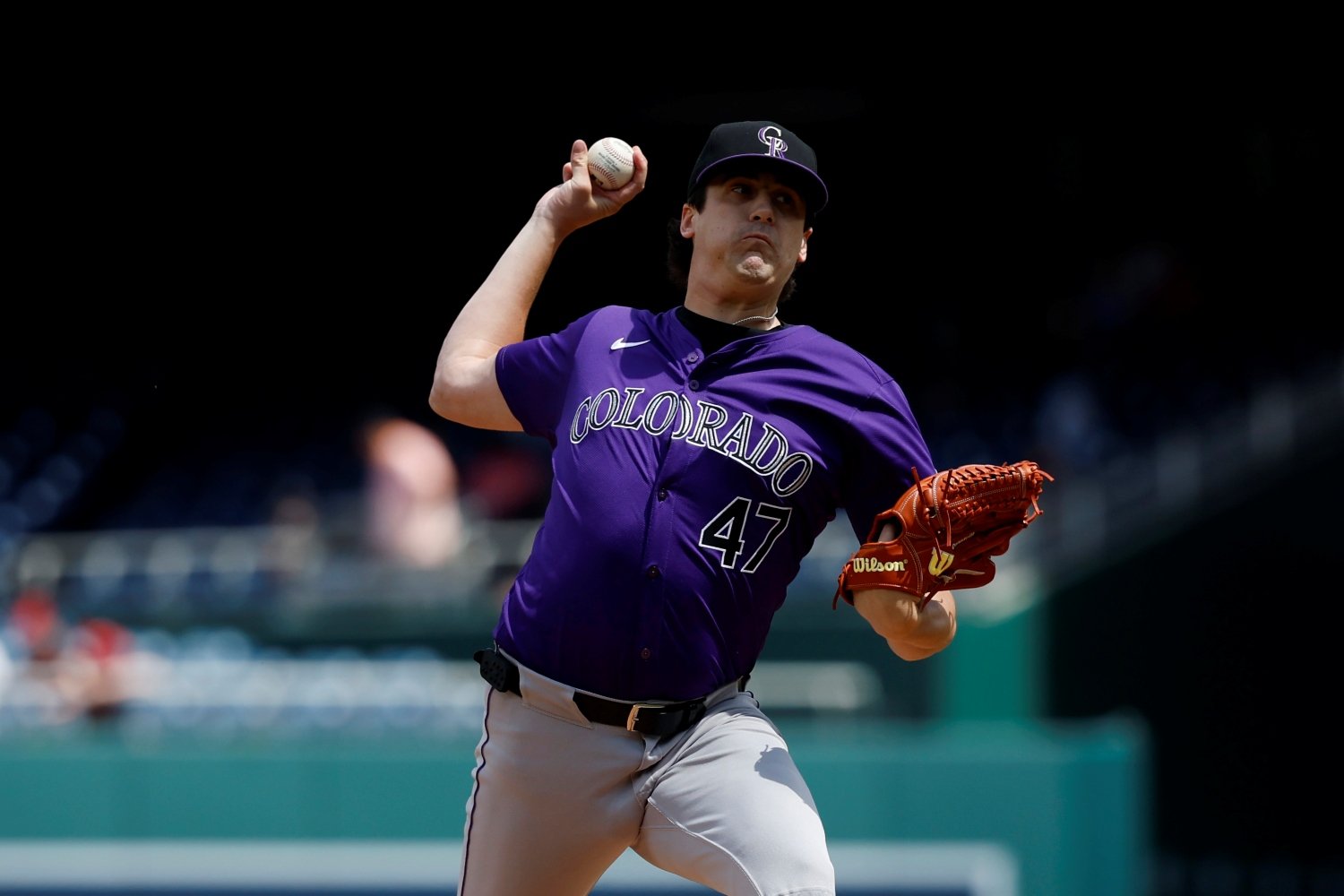 No team in baseball leans more heavily on heaters than the Milwaukee Brewers. That, at least, has been the state of things over the last few seasons. In 2024, no team threw four-seamers, sinkers or cutters as a higher percentage of their total pitches than the Brewers. We documented this phenomenon throughout last season, most explicitly in this Jack Stern gem from May. Partially because they threw so many heaters, they also ranked third-to-last in MLB in offspeed pitch usage. Only the Pirates and Cardinals threw fewer changeups and splitters than did the Crew. It's hard to pick nits with an approach that has been as successful as Milwaukee's has over the last several seasons. Chris Hook is one of the most respected pitching coaches in the game, and with good reason. He has gotten the most possible production from several pitchers who lack the high-end talent—especially the swing-and-miss stuff—around which most other teams build their pitching staffs, and part of that process has been a heavy reliance on moving fastballs that engender weak contact and play into the hands of the team's superb defense. That path to pitching success comes at a cost, though, and can become especially volatile when facing tough teams who apply extra pressure via elite power, speed, or both. It also puts tremendous pressure on the defense; a fastball-forward pitching plan means a heavy reliance on fielders for run prevention. In November, baseball analyst Ethan Mann published a study on the way hitters' swing speeds and lengths changed when they saw the same pitch type twice in a row. It's all worth your time, as Mann delved into various nuances of it, but the thrust of his findings was fairly simple: hitters adapt and get more aggressive on successive swings against fastballs and against breaking balls. The only pitch category that defies hitters' attempts to swing more dangerously when they come back to back are offspeed offerings, and naturally, the Brewers used those as little as any team in baseball in 2024. Going back to the well with fastballs and breaking stuff can be dangerous, and not being able to turn to offspeed pitches limited the Brewers staff's ability to strike out opposing batters in 2024. Partially because of their approach, the Crew's hurlers ranked 15th in strikeout rate, 16th in strikeout-minus-walk rate, and 22nd in fielding-independent pitching (FIP). If they want to find more whiffs in 2025, they might need to find some pitchers who are willing to deploy their offspeed stuff more often. Of course, the budget remains fairly tight, and guys with elite offspeed weapons (like reliever Tommy Kahnle and Japanese import Roki Sasaki) will be hard to obtain. Let's focus, then, on a few profoundly flawed but interesting potential targets who fit the Brewers' profile but also have good offspeed pitches. Cal Quantrill - Free Agent RHP It hasn't been a very good few years for Quantrill, who landed with the Rockies last offseason when the Guardians decided to move on. Pitchers the Guardians give up on and in whom the Rockies see something tend strongly to be bad pitchers, and indeed, Quantrill went only from a 5.24 ERA (and 139 DRA-, suggesting he was 39 percent worse than the league-average pitcher, according to Baseball Prospectus) in 2023 to a 4.98 ERA (and 131 DRA-) in 2024—and that was considered a minor victory. That's the bad news. The good news is, Quantrill does do some things well. He sits around 94 miles per hour with his fastball, which is a sinker. He has a pitch that you could call a firm slider or a sliderish cutter, and one you could call a very tight curve or a very slow slider, but however you name each offering, there are compelling characteristics to each. Then, there's his splitter. He throws his splitter a lot, and although it's not the type of offspeed pitch that tends to rack up huge whiff numbers, he enjoyed excellent results on it even as he ramped up usage of it in 2024. The Brewers would have a lot of tips for Quantrill. He's a good candidate for a rearrangement of his arsenal, including a cleanup of those messy, blended breaking options. He's probably a candidate to reinstall his four-seamer or (his arm slot suits this) a harder, truer cutter. The splitter would also give the team something they've been missing, in terms of pitch type representation. Quantrill could be had for about $5 million, and has unexplored upside, even if the ceiling is still fairly low. Buck Farmer - Free Agent RHP Farmer, 34 next month, is not an option to start. He is, however, a reliever with an unusually deep arsenal, which the Brewers tend to like. He throws a four-seamer, a sinker, a slider—and a changeup. It's the same arsenal Joel Payamps throws, although Farmer's fastball is a few ticks slower and he's a tick less effective overall. The slider is a bit sweepy, pairing nicely with the sinker to righties, and the changeup plays gorgeously off the four-seamer to lefties. Farmer has been more solid than spectacular, even at his best, but now that he uses all four of these offerings, he's a balanced and useful middle reliever. He held lefties to a .308 weighted on-base average (wOBA) in 2024, the best figure he's posted against them since 2018, and the changeup is an important part of the picture. Chris Paddack - Twins RHP Throughout his career, Paddack has struggled not to find a good changeup, but to satisfactorily pair it with a usable breaking ball. The change is his gift, and he throws it a robust 26% of the time. He doesn't rack up whiffs with it the way some hurlers do, but Paddack's command of the pitch is superb. He can dot the bottom of the zone with it, and occasionally bury the pitch below the knees for swings and misses. Paddack excels in extension at release, a trait the Brewers adore. His fastball plays up for that reason, and his change plays nicely off it because of the way he pronates through his release point. Paddack could operate in a multi-inning relief role, but for the Brewers, he's too tempting a project as a starter. They could land him at little cost from the Twins, who are eager to dump a portion of his $7.5-million salary for 2025, and he would be a promising addition to the back end of their rotation, as depth and insurance. He would also bring aboard a needed infusion of feel for the changeup. Alternatively, of course, the Brewers can coach up their existing pitchers, in the hopes of getting them to succeed with offspeed stuff more than they have in the past. Not doing so with most of their incumbents has been sound logic, but they need to push the boundaries of their player-development operation somewhat to explore the benefits of keeping hitters off-balance more consistently in 2025.
 -
The Brewers have lived without good offspeed stuff from their pitching staff for most of the last few years. Is it time to alter that approach? Image courtesy of © Geoff Burke-Imagn Images No team in baseball leans more heavily on heaters than the Milwaukee Brewers. That, at least, has been the state of things over the last few seasons. In 2024, no team threw four-seamers, sinkers or cutters as a higher percentage of their total pitches than the Brewers. We documented this phenomenon throughout last season, most explicitly in this Jack Stern gem from May. Partially because they threw so many heaters, they also ranked third-to-last in MLB in offspeed pitch usage. Only the Pirates and Cardinals threw fewer changeups and splitters than did the Crew. It's hard to pick nits with an approach that has been as successful as Milwaukee's has over the last several seasons. Chris Hook is one of the most respected pitching coaches in the game, and with good reason. He has gotten the most possible production from several pitchers who lack the high-end talent—especially the swing-and-miss stuff—around which most other teams build their pitching staffs, and part of that process has been a heavy reliance on moving fastballs that engender weak contact and play into the hands of the team's superb defense. That path to pitching success comes at a cost, though, and can become especially volatile when facing tough teams who apply extra pressure via elite power, speed, or both. It also puts tremendous pressure on the defense; a fastball-forward pitching plan means a heavy reliance on fielders for run prevention. In November, baseball analyst Ethan Mann published a study on the way hitters' swing speeds and lengths changed when they saw the same pitch type twice in a row. It's all worth your time, as Mann delved into various nuances of it, but the thrust of his findings was fairly simple: hitters adapt and get more aggressive on successive swings against fastballs and against breaking balls. The only pitch category that defies hitters' attempts to swing more dangerously when they come back to back are offspeed offerings, and naturally, the Brewers used those as little as any team in baseball in 2024. Going back to the well with fastballs and breaking stuff can be dangerous, and not being able to turn to offspeed pitches limited the Brewers staff's ability to strike out opposing batters in 2024. Partially because of their approach, the Crew's hurlers ranked 15th in strikeout rate, 16th in strikeout-minus-walk rate, and 22nd in fielding-independent pitching (FIP). If they want to find more whiffs in 2025, they might need to find some pitchers who are willing to deploy their offspeed stuff more often. Of course, the budget remains fairly tight, and guys with elite offspeed weapons (like reliever Tommy Kahnle and Japanese import Roki Sasaki) will be hard to obtain. Let's focus, then, on a few profoundly flawed but interesting potential targets who fit the Brewers' profile but also have good offspeed pitches. Cal Quantrill - Free Agent RHP It hasn't been a very good few years for Quantrill, who landed with the Rockies last offseason when the Guardians decided to move on. Pitchers the Guardians give up on and in whom the Rockies see something tend strongly to be bad pitchers, and indeed, Quantrill went only from a 5.24 ERA (and 139 DRA-, suggesting he was 39 percent worse than the league-average pitcher, according to Baseball Prospectus) in 2023 to a 4.98 ERA (and 131 DRA-) in 2024—and that was considered a minor victory. That's the bad news. The good news is, Quantrill does do some things well. He sits around 94 miles per hour with his fastball, which is a sinker. He has a pitch that you could call a firm slider or a sliderish cutter, and one you could call a very tight curve or a very slow slider, but however you name each offering, there are compelling characteristics to each. Then, there's his splitter. He throws his splitter a lot, and although it's not the type of offspeed pitch that tends to rack up huge whiff numbers, he enjoyed excellent results on it even as he ramped up usage of it in 2024. The Brewers would have a lot of tips for Quantrill. He's a good candidate for a rearrangement of his arsenal, including a cleanup of those messy, blended breaking options. He's probably a candidate to reinstall his four-seamer or (his arm slot suits this) a harder, truer cutter. The splitter would also give the team something they've been missing, in terms of pitch type representation. Quantrill could be had for about $5 million, and has unexplored upside, even if the ceiling is still fairly low. Buck Farmer - Free Agent RHP Farmer, 34 next month, is not an option to start. He is, however, a reliever with an unusually deep arsenal, which the Brewers tend to like. He throws a four-seamer, a sinker, a slider—and a changeup. It's the same arsenal Joel Payamps throws, although Farmer's fastball is a few ticks slower and he's a tick less effective overall. The slider is a bit sweepy, pairing nicely with the sinker to righties, and the changeup plays gorgeously off the four-seamer to lefties. Farmer has been more solid than spectacular, even at his best, but now that he uses all four of these offerings, he's a balanced and useful middle reliever. He held lefties to a .308 weighted on-base average (wOBA) in 2024, the best figure he's posted against them since 2018, and the changeup is an important part of the picture. Chris Paddack - Twins RHP Throughout his career, Paddack has struggled not to find a good changeup, but to satisfactorily pair it with a usable breaking ball. The change is his gift, and he throws it a robust 26% of the time. He doesn't rack up whiffs with it the way some hurlers do, but Paddack's command of the pitch is superb. He can dot the bottom of the zone with it, and occasionally bury the pitch below the knees for swings and misses. Paddack excels in extension at release, a trait the Brewers adore. His fastball plays up for that reason, and his change plays nicely off it because of the way he pronates through his release point. Paddack could operate in a multi-inning relief role, but for the Brewers, he's too tempting a project as a starter. They could land him at little cost from the Twins, who are eager to dump a portion of his $7.5-million salary for 2025, and he would be a promising addition to the back end of their rotation, as depth and insurance. He would also bring aboard a needed infusion of feel for the changeup. Alternatively, of course, the Brewers can coach up their existing pitchers, in the hopes of getting them to succeed with offspeed stuff more than they have in the past. Not doing so with most of their incumbents has been sound logic, but they need to push the boundaries of their player-development operation somewhat to explore the benefits of keeping hitters off-balance more consistently in 2025. View full article
-
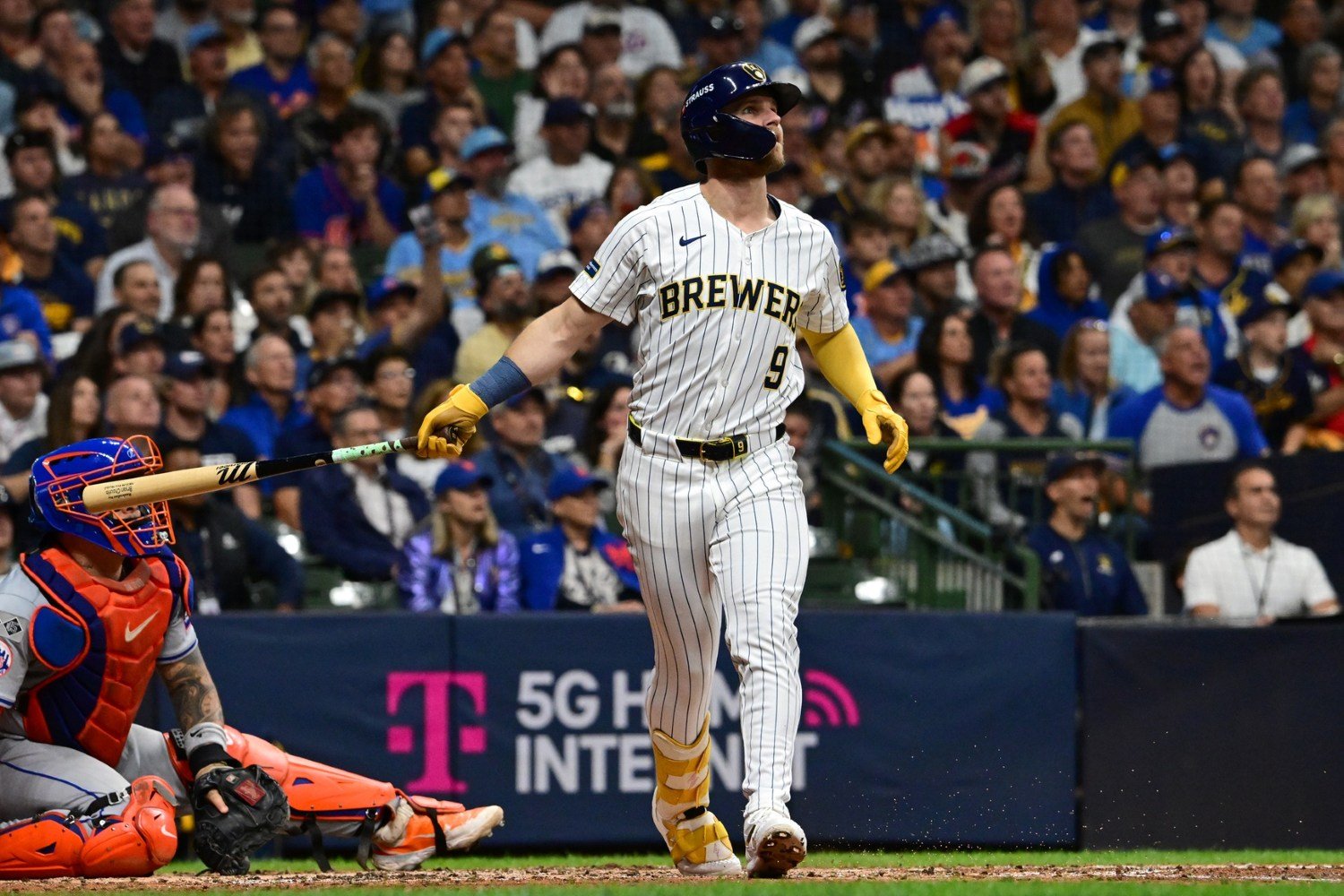 The Brewers announced the return of near-playoff hero Jake Bauers Monday afternoon, on a minor-league deal that includes an invitation to big-league spring training. Though they outrighted him in November and he elected free agency, Bauers will now come back with a chance to win the very same role he filled throughout 2024, as a lefty bat off the bench and frequent defensive ace for first base. Bauers, 29, still doesn't have any minor-league options, but this deal gives him a chance to come to camp and prove he deserves a spot both on the 40-man roster and the 26-man active roster come Opening Day. Presumably, the Brewers and Bauers agreed on an opt-out date fairly early in the process, so that he can explore other possible opportunities if none opens up for him in Milwaukee. Carrying him through the winter on the 40-man would have been tricky, but this arrangement gives both sides the flexibility and security they surely craved. Although he only batted .199/.301/.361 in 2024, Bauers had plenty of flashes of brilliance, including a lightning bolt of a home run in the Wild Card Series against the Mets. His defense at first base was also welcome relief from the frequent struggles of aging and convalescing Rhys Hoskins. Bauers raises the overall athletic water level of a team that is already baseball's fastest, and they appreciated that extra element, too. This is bad news for two people: Ernesto Martinez Jr., and Tyler Black. Martinez re-signed with the team rather than wade into minor-league free agency, and seemed to have a fairly clear path if the organization elected to go with a defense-minded, athletic backup first baseman at any point in the early going. Now, he would seem to fall back to second in line. Meanwhile, this reaffirms what many close to the team have perceived for months: that Black's lack of either suitable power or encouraging defensive progress at first base has the team leaning toward moving on from him. Black and Bauers coexisted fine in the organization for one season and could do so again; they're not totally redundant. Still, Black's best chance to break into the mix has always been in the very role Bauers seized, and which he has never been able to take firm hold of. Whether the team brings both players to camp and waits to see how Black has improved over the winter, or whether they now trade Black as part of an effort to improve other parts of the roster, Bauers's return gives them some stability and added depth, which is never a bad thing. It's a relatively low-ceiling move, but at such a minimal cost, it's a no-brainer. It's also less interesting than whatever it might beget.
- 4 comments
-
- 1
-
-
- jake bauers
- rhys hoskins
- (and 1 more)
-
One small piece of the band is back together. Although much of 2024 was frustrating for the lefty slugger and first baseman, he carved out a role on the Crew that remains available to him. Image courtesy of © Benny Sieu-Imagn Images The Brewers announced the return of near-playoff hero Jake Bauers Monday afternoon, on a minor-league deal that includes an invitation to big-league spring training. Though they outrighted him in November and he elected free agency, Bauers will now come back with a chance to win the very same role he filled throughout 2024, as a lefty bat off the bench and frequent defensive ace for first base. Bauers, 29, still doesn't have any minor-league options, but this deal gives him a chance to come to camp and prove he deserves a spot both on the 40-man roster and the 26-man active roster come Opening Day. Presumably, the Brewers and Bauers agreed on an opt-out date fairly early in the process, so that he can explore other possible opportunities if none opens up for him in Milwaukee. Carrying him through the winter on the 40-man would have been tricky, but this arrangement gives both sides the flexibility and security they surely craved. Although he only batted .199/.301/.361 in 2024, Bauers had plenty of flashes of brilliance, including a lightning bolt of a home run in the Wild Card Series against the Mets. His defense at first base was also welcome relief from the frequent struggles of aging and convalescing Rhys Hoskins. Bauers raises the overall athletic water level of a team that is already baseball's fastest, and they appreciated that extra element, too. This is bad news for two people: Ernesto Martinez Jr., and Tyler Black. Martinez re-signed with the team rather than wade into minor-league free agency, and seemed to have a fairly clear path if the organization elected to go with a defense-minded, athletic backup first baseman at any point in the early going. Now, he would seem to fall back to second in line. Meanwhile, this reaffirms what many close to the team have perceived for months: that Black's lack of either suitable power or encouraging defensive progress at first base has the team leaning toward moving on from him. Black and Bauers coexisted fine in the organization for one season and could do so again; they're not totally redundant. Still, Black's best chance to break into the mix has always been in the very role Bauers seized, and which he has never been able to take firm hold of. Whether the team brings both players to camp and waits to see how Black has improved over the winter, or whether they now trade Black as part of an effort to improve other parts of the roster, Bauers's return gives them some stability and added depth, which is never a bad thing. It's a relatively low-ceiling move, but at such a minimal cost, it's a no-brainer. It's also less interesting than whatever it might beget. View full article
-
Brewers Land Sidearmer Grant Anderson in Most Brewers Trade Ever
Matthew Trueblood posted an article in Brewers
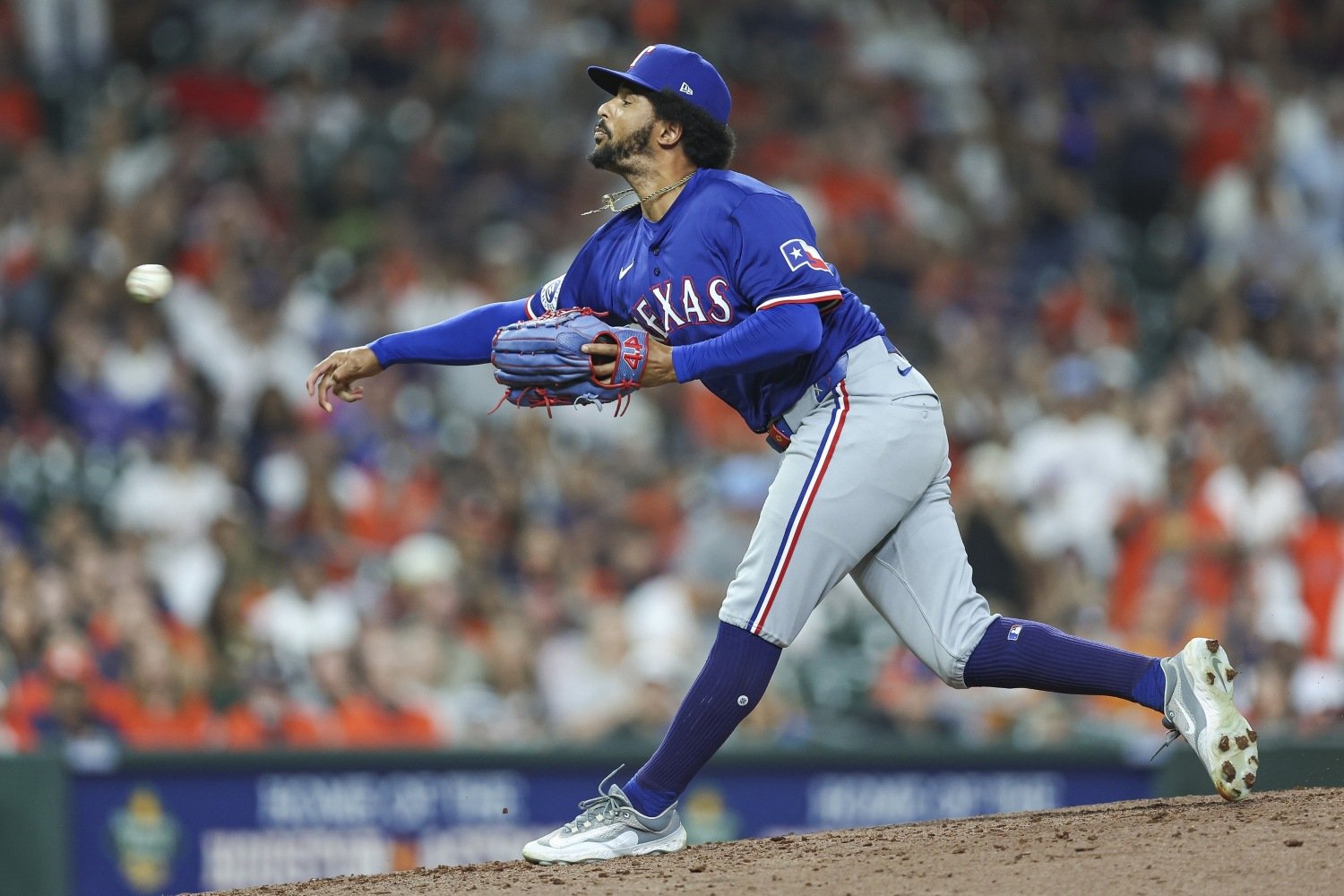 Milwaukee sent 2024 seventh-round draftee Mason Molina to Texas on Thursday, in exchange for righty reliever Grant Anderson. Molina isn't a total non-prospect, but he was a slightly below-slot target deep into Day 2 of the MLB Draft. Matt Arnold surrendered him in order to jump the line, rather than waiting to see if Anderson would be claimed on waivers; the Rangers designated him for assignment when they signed Joc Pederson last week. To make space for Anderson, the Brewers also designated Tyler Jay for assignment, which means they effectively gave up both Jay and Molina for him. Those are two pieces with very marginal value. Jay was unlikely to make it to Opening Day as a member of the organization, one way or another. Still, the team chose Anderson over both of the other two, when there was at least some chance they could have waited and collected him for just one of them. That indicates that they actively wanted Anderson. Why? Here's why: cmVZeWtfWGw0TUFRPT1fQmxWVlZRWUZYd1VBWEFZSFZRQUFBVlJmQUFNQUJsY0FDbDBOQmdzRUF3cFNVbEFF.mp4 Anderson's stuff is non-premium, from a raw movement characteristics standpoint. His fastball sits south of 93 miles per hour, and his slider is solid but unspectacular. He has that extraordinary, funky sidearm delivery, though, which makes his four-seamer play at the top of the zone (especially against lefties) and his slider play like a sweepier pitch than it really is (especially against righties). The heaviness of his sinker is valuable in itself. It's the only pitch that has really worked for him in the big leagues thus far, and incredibly, it's because the ball sinks even harder than would be implied by his sidewinding arm action. This chart, from Dodgers analyst and former public-facing pitching guru Max Bay, shows that the sinker dips another three inches beyond what Anderson's slot would suggest. The point, though, is that Anderson is a low-slot righty with the ability to miss some bats and put hitters on the defensive. That makes him, roughly speaking, the most quintessentially Brewers pitcher to hit Milwaukee since Hoby Milner. The Brewers love hurlers with low arm slots, because the league still doesn't quite value them the way they should—but also because the Brewers are great at helping pitchers with those specific quirks turn important developmental corners. Milwaukee has, arguably, the best pitching development infrastructure in baseball for arms like these—those confined to relief roles, who need to find a way to execute and throw strikes better or to neutralize matchup problems. Anderson has given up way too much hard contact in his young big-league career, mostly on that four-seam fastball. It's been in the middle of the plate too often. The Brewers are so, so good at helping pitchers like this fix problems like those, though, that his future feels brighter based solely on this trade. A change in alignment or placement on the rubber could make a huge difference for Anderson. NjQxNmRfWGw0TUFRPT1fQmdCV1hWeFJBMWNBQ1ZJS1ZnQUFWQVZRQUFNRlZBTUFWQU1GQ1FaUUJGRUFCQVpS.mp4 If he can start consistently hitting one corner with the slider and the other with his sinker, and if he can elevate the four-seamer a bit more often, he'll become a solid medium-leverage arm in a pen already chock-full of them. Worst-case scenario, Anderson can still be optioned to the minors any time during 2025. Giving up on Jay is a small thing, but losing Molina lands a bit heavier. Trading him for Anderson is a signal, however subtle, about how seriously the Brewers are taking their competitive window. Though he's unlikely to be a key cog, Anderson can be a solid contributor to the team's pursuit of a third straight division title—and a deeper playoff run. Since the same really couldn't be said of Jay or Molina, Arnold and company seized their chance, even if it be to make a small upgrade. Now, the onus will be on Chris Hook to work the same magic on Anderson that he did on Milner, Elvis Peguero, Bryan Hudson, and others over the last handful of years.
 -
In a Thursday evening deal with the Rangers, the Crew brought in a pitcher who seems almost certain to take a big step forward under their care. Image courtesy of © Troy Taormina-Imagn Images Milwaukee sent 2024 seventh-round draftee Mason Molina to Texas on Thursday, in exchange for righty reliever Grant Anderson. Molina isn't a total non-prospect, but he was a slightly below-slot target deep into Day 2 of the MLB Draft. Matt Arnold surrendered him in order to jump the line, rather than waiting to see if Anderson would be claimed on waivers; the Rangers designated him for assignment when they signed Joc Pederson last week. To make space for Anderson, the Brewers also designated Tyler Jay for assignment, which means they effectively gave up both Jay and Molina for him. Those are two pieces with very marginal value. Jay was unlikely to make it to Opening Day as a member of the organization, one way or another. Still, the team chose Anderson over both of the other two, when there was at least some chance they could have waited and collected him for just one of them. That indicates that they actively wanted Anderson. Why? Here's why: cmVZeWtfWGw0TUFRPT1fQmxWVlZRWUZYd1VBWEFZSFZRQUFBVlJmQUFNQUJsY0FDbDBOQmdzRUF3cFNVbEFF.mp4 Anderson's stuff is non-premium, from a raw movement characteristics standpoint. His fastball sits south of 93 miles per hour, and his slider is solid but unspectacular. He has that extraordinary, funky sidearm delivery, though, which makes his four-seamer play at the top of the zone (especially against lefties) and his slider play like a sweepier pitch than it really is (especially against righties). The heaviness of his sinker is valuable in itself. It's the only pitch that has really worked for him in the big leagues thus far, and incredibly, it's because the ball sinks even harder than would be implied by his sidewinding arm action. This chart, from Dodgers analyst and former public-facing pitching guru Max Bay, shows that the sinker dips another three inches beyond what Anderson's slot would suggest. The point, though, is that Anderson is a low-slot righty with the ability to miss some bats and put hitters on the defensive. That makes him, roughly speaking, the most quintessentially Brewers pitcher to hit Milwaukee since Hoby Milner. The Brewers love hurlers with low arm slots, because the league still doesn't quite value them the way they should—but also because the Brewers are great at helping pitchers with those specific quirks turn important developmental corners. Milwaukee has, arguably, the best pitching development infrastructure in baseball for arms like these—those confined to relief roles, who need to find a way to execute and throw strikes better or to neutralize matchup problems. Anderson has given up way too much hard contact in his young big-league career, mostly on that four-seam fastball. It's been in the middle of the plate too often. The Brewers are so, so good at helping pitchers like this fix problems like those, though, that his future feels brighter based solely on this trade. A change in alignment or placement on the rubber could make a huge difference for Anderson. NjQxNmRfWGw0TUFRPT1fQmdCV1hWeFJBMWNBQ1ZJS1ZnQUFWQVZRQUFNRlZBTUFWQU1GQ1FaUUJGRUFCQVpS.mp4 If he can start consistently hitting one corner with the slider and the other with his sinker, and if he can elevate the four-seamer a bit more often, he'll become a solid medium-leverage arm in a pen already chock-full of them. Worst-case scenario, Anderson can still be optioned to the minors any time during 2025. Giving up on Jay is a small thing, but losing Molina lands a bit heavier. Trading him for Anderson is a signal, however subtle, about how seriously the Brewers are taking their competitive window. Though he's unlikely to be a key cog, Anderson can be a solid contributor to the team's pursuit of a third straight division title—and a deeper playoff run. Since the same really couldn't be said of Jay or Molina, Arnold and company seized their chance, even if it be to make a small upgrade. Now, the onus will be on Chris Hook to work the same magic on Anderson that he did on Milner, Elvis Peguero, Bryan Hudson, and others over the last handful of years. View full article
-
As it turns out, the Brewers and the entity formerly known as Bally Sports Wisconsin aren't done with each other quite yet. Could that mean more cash in the coffers than expected this winter? Image courtesy of © David Frerker-Imagn Images It felt a bit like an intentional news dump when, on Tuesday afternoon, the Brewers announced a pivot from their previous plan to have MLB produce and distribute their broadcasts for 2025. Instead, the team has a new deal with FanDuel Sports Network, the same entity (renamed in October) formerly known as Bally Sports Network, owned by Diamond Sports Group. Diamond is set to emerge from bankruptcy, and the Brewers will be among a handful of teams still contracted with them for 2025. The deal was announced in that manner because the team knew it might be an unpopular decision. Fans who had waited years for a way to pay directly for the right to watch Brewers games without expensive broader subscriptions attached thereto finally seemed to have gotten their wish under the MLB distribution plan, but now, they'll have to wait a bit longer. This deal does include a minor compromise, in that fans can purchase access to games via Amazon Prime Video, but that depends on first being a subscriber to that service, so it feels a bit like they're all the way back on cable. All gray clouds have silver linings, though, and the good news with this move is that it promises to put some extra money in the pockets of the Brewers. While the deal might very well net them less than they were making under old-fashioned regional sports network rights fee agreements, it should make them at least $10 million more than selling subscriptions only and directly via the MLB platform would have, factoring in all ancillary costs and revenue streams. That only matters if the dough is reinvested, but it's only fair to note that the Attanasio family has tended to reinvest revenue fairly well throughout their two-decade stewardship of the team. There's always room for billionaires to give more freely of their needlessly humongous fortunes, but if we grade on the appropriate curve, the Attanasios are fairly faithful about this. If it turns out that announcing this change in the shadow of the ball dropping in Times Square was an attempt to make us all miss or misunderstand it, and they do pocket whatever influx of cash it provides, then they should be ashamed of themselves. It feels more likely, though, that they'll funnel a good chunk of the money they stand to make into the budget for baseball operations. For Matt Arnold, that could mean a few exciting and unexpected options are viable, after all. There are several players under short-term team control elsewhere in the league, but whose current employers want to move on from them for budgetary reasons. The Brewers have already done their fat-trimming this winter, and could be a late beneficiary of some financial desperation in other quarters. However, they could also bide their time and lay in the weeds on some free agents who appear to have robust markets, but for whom the bottom might fall out and who could thus become interested in late-January short-term deals with player-friendly flexibility. Does that mean Alex Bregman? Probably not. He's low on obvious suitors, at this stage, but there are likely to be teams willing to give him a nine-figure deal—or, if he prefers a deal that gives him the right to re-enter free agency in a year or two, who would pay him $30 million or so for 2025. Even after this change of TV plans, the Brewers don't have that kind of liquidity. It would take either an unusual surge of competitiveness from Mark Attanasio and Arnold or a total collapse of the market for Bregman to land in Milwaukee, despite the many ways in which it would be a great fit. However, Jack Flaherty is much closer to falling into the Brewers' price range, and their price range just got a little bit more expansive. The team had interest in Flaherty at the trade deadline, and their reputation for boosting pitchers' value in various ways would surely work in their favor if Flaherty ends up considering several offers of roughly the same shape and size. Bringing him in and trading Aaron Civale to a team without the wherewithal to compete for top starters could even leave the Crew with more long-term talent on hand, as well as being better-positioned to compete in the short term. The other high-profile free agent whose market seems amorphous and undeveloped is left fielder Jurickson Profar. That positional designation doesn't exactly mark him as a natural fit for the Crew, but in fact, the smoothly athletic Profar is versatile enough to play some first base, some second, and some third, in addition to the corner outfield posts. He batted .280/.380/.459 in 2024, and as a switch-hitter, he could be a balancing piece to cover up the matchup vulnerabilities of Rhys Hoskins, Brice Turang, and Caleb Durbin, all in turns. While this change of direction in short-term broadcast plans is not especially good news for fans on its own, it could be a vehicle for good news over the balance of the offseason. The Cubs have at least begun to close the yawning gap the Brewers had opened between themselves and the rest of the NL Central over the last two seasons. In order to keep that gap healthy and secure a long-term playoff position, the Crew needs to be proactive and take advantage of any opportunity to close their own gap—the one between the Cubs' annual revenues and their own. Taking a bit more money to make a deeply imperfect TV situation a bit more so could turn out to be a good thing, if the team uses that money to improve their roster through the same ruthless opportunism they've shown so many other times over the last decade. View full article
- 5 replies
-
- 1
-
-
- alex bregman
- jack flaherty
- (and 1 more)
-
 It felt a bit like an intentional news dump when, on Tuesday afternoon, the Brewers announced a pivot from their previous plan to have MLB produce and distribute their broadcasts for 2025. Instead, the team has a new deal with FanDuel Sports Network, the same entity (renamed in October) formerly known as Bally Sports Network, owned by Diamond Sports Group. Diamond is set to emerge from bankruptcy, and the Brewers will be among a handful of teams still contracted with them for 2025. The deal was announced in that manner because the team knew it might be an unpopular decision. Fans who had waited years for a way to pay directly for the right to watch Brewers games without expensive broader subscriptions attached thereto finally seemed to have gotten their wish under the MLB distribution plan, but now, they'll have to wait a bit longer. This deal does include a minor compromise, in that fans can purchase access to games via Amazon Prime Video, but that depends on first being a subscriber to that service, so it feels a bit like they're all the way back on cable. All gray clouds have silver linings, though, and the good news with this move is that it promises to put some extra money in the pockets of the Brewers. While the deal might very well net them less than they were making under old-fashioned regional sports network rights fee agreements, it should make them at least $10 million more than selling subscriptions only and directly via the MLB platform would have, factoring in all ancillary costs and revenue streams. That only matters if the dough is reinvested, but it's only fair to note that the Attanasio family has tended to reinvest revenue fairly well throughout their two-decade stewardship of the team. There's always room for billionaires to give more freely of their needlessly humongous fortunes, but if we grade on the appropriate curve, the Attanasios are fairly faithful about this. If it turns out that announcing this change in the shadow of the ball dropping in Times Square was an attempt to make us all miss or misunderstand it, and they do pocket whatever influx of cash it provides, then they should be ashamed of themselves. It feels more likely, though, that they'll funnel a good chunk of the money they stand to make into the budget for baseball operations. For Matt Arnold, that could mean a few exciting and unexpected options are viable, after all. There are several players under short-term team control elsewhere in the league, but whose current employers want to move on from them for budgetary reasons. The Brewers have already done their fat-trimming this winter, and could be a late beneficiary of some financial desperation in other quarters. However, they could also bide their time and lay in the weeds on some free agents who appear to have robust markets, but for whom the bottom might fall out and who could thus become interested in late-January short-term deals with player-friendly flexibility. Does that mean Alex Bregman? Probably not. He's low on obvious suitors, at this stage, but there are likely to be teams willing to give him a nine-figure deal—or, if he prefers a deal that gives him the right to re-enter free agency in a year or two, who would pay him $30 million or so for 2025. Even after this change of TV plans, the Brewers don't have that kind of liquidity. It would take either an unusual surge of competitiveness from Mark Attanasio and Arnold or a total collapse of the market for Bregman to land in Milwaukee, despite the many ways in which it would be a great fit. However, Jack Flaherty is much closer to falling into the Brewers' price range, and their price range just got a little bit more expansive. The team had interest in Flaherty at the trade deadline, and their reputation for boosting pitchers' value in various ways would surely work in their favor if Flaherty ends up considering several offers of roughly the same shape and size. Bringing him in and trading Aaron Civale to a team without the wherewithal to compete for top starters could even leave the Crew with more long-term talent on hand, as well as being better-positioned to compete in the short term. The other high-profile free agent whose market seems amorphous and undeveloped is left fielder Jurickson Profar. That positional designation doesn't exactly mark him as a natural fit for the Crew, but in fact, the smoothly athletic Profar is versatile enough to play some first base, some second, and some third, in addition to the corner outfield posts. He batted .280/.380/.459 in 2024, and as a switch-hitter, he could be a balancing piece to cover up the matchup vulnerabilities of Rhys Hoskins, Brice Turang, and Caleb Durbin, all in turns. While this change of direction in short-term broadcast plans is not especially good news for fans on its own, it could be a vehicle for good news over the balance of the offseason. The Cubs have at least begun to close the yawning gap the Brewers had opened between themselves and the rest of the NL Central over the last two seasons. In order to keep that gap healthy and secure a long-term playoff position, the Crew needs to be proactive and take advantage of any opportunity to close their own gap—the one between the Cubs' annual revenues and their own. Taking a bit more money to make a deeply imperfect TV situation a bit more so could turn out to be a good thing, if the team uses that money to improve their roster through the same ruthless opportunism they've shown so many other times over the last decade.
 -
 For decades, the active MLB roster size remained fixed. There were times when it swelled (every September, most famously, but also early in some seasons after work stoppages and other external disruptions) and times when owners colluded to constrict it slightly, but for nearly a century, the official, everyday roster size in MLB was 25 players. That changed in 2021, when the league added a 26th active player on an everyday basis, in exchange for the players agreeing to radically reduce the scope of September call-ups. In a connected rule change, MLB also capped the number of pitchers any team could have active at a given time, at 13. That finally put a stop to what had been, in its own right, decades of pitcher creep. For most of baseball history, teams carried 15-17 position players and 8-10 pitchers. Starting in the late 1980s, the balance tilted, relatively quickly. Eleven-pitcher staffs became commonplace and stayed that way throughout the 1990s. By the mid-2000s, 12-pitcher rosters were common. In the 2010s, it became 13 for many teams in many situations, even with only 25 total roster spots available. Some teams even dared to roster 14 hurlers and 11 position players for a few days at a time, which is where everyone could finally agree that a line had been crossed. Rosters finally grew, and the extra spot was effectively carved out for hitters via legislation. I don't think we've gone far enough, though. Firstly, simply capping pitching staffs at 13 hasn't stemmed the tide of peculiar pitcher usage that has left so many hurlers hurt and so many teams scrambling and overpaying for whichever arms happen to be healthy at a given moment. Secondly, though, the league is not going to expand for at least another fistful of years. That will make it 30 years between rounds of expansion, and all of the odd distortions of the game we've seen as the result of too much talent caking itself onto and around every roster in MLB will accelerate in the meantime. In my opinion, as part of the next round of CBA negotiations (if not sooner), the league and the players union should get together to expand the roster to 27 players—and simultaneously tighten the limit on pitchers again, to 12. Teams should go back to carrying six men on their benches, giving us more defensive and baserunning specialists and more pinch-hit options for manipulating matchups. Holding teams to 12 active pitchers per game should begin to bend them back toward instruction and development that incorporates the ideas of sustainability and durability. Meanwhile, managers would have more options for in-game moves. It would be good for offense. It would be good for fans who love the chess match of the game. It would create more jobs for a union that deserves more of them and has waited too patiently for over two decades already. There's no room for Tyler Black on the Milwaukee roster in 2025. It will also be difficult to navigate the matriculation of Jeferson Quero to the majors, if and when he's ready for that, with William Contreras and Eric Haase in place already. Those are two examples of players who could readily fit onto a roster with 14 or 15 position players, though, and there are other types of players who play entertaining and edifying baseball who would have clearer utility on such a roster. It would feel like an extreme change, since it's only been a few years since the previous expansion of the roster, but it's really only making up for time lost to inadvisable inaction over long stretches of the previous 20 years.
 -
We've all allowed the boiling off of the traditional baseball bench to happen right under our noses, without taking enough steps to stop it. Is it time for the league to catch the rest of the way up? Image courtesy of © Jerome Miron-Imagn Images For decades, the active MLB roster size remained fixed. There were times when it swelled (every September, most famously, but also early in some seasons after work stoppages and other external disruptions) and times when owners colluded to constrict it slightly, but for nearly a century, the official, everyday roster size in MLB was 25 players. That changed in 2021, when the league added a 26th active player on an everyday basis, in exchange for the players agreeing to radically reduce the scope of September call-ups. In a connected rule change, MLB also capped the number of pitchers any team could have active at a given time, at 13. That finally put a stop to what had been, in its own right, decades of pitcher creep. For most of baseball history, teams carried 15-17 position players and 8-10 pitchers. Starting in the late 1980s, the balance tilted, relatively quickly. Eleven-pitcher staffs became commonplace and stayed that way throughout the 1990s. By the mid-2000s, 12-pitcher rosters were common. In the 2010s, it became 13 for many teams in many situations, even with only 25 total roster spots available. Some teams even dared to roster 14 hurlers and 11 position players for a few days at a time, which is where everyone could finally agree that a line had been crossed. Rosters finally grew, and the extra spot was effectively carved out for hitters via legislation. I don't think we've gone far enough, though. Firstly, simply capping pitching staffs at 13 hasn't stemmed the tide of peculiar pitcher usage that has left so many hurlers hurt and so many teams scrambling and overpaying for whichever arms happen to be healthy at a given moment. Secondly, though, the league is not going to expand for at least another fistful of years. That will make it 30 years between rounds of expansion, and all of the odd distortions of the game we've seen as the result of too much talent caking itself onto and around every roster in MLB will accelerate in the meantime. In my opinion, as part of the next round of CBA negotiations (if not sooner), the league and the players union should get together to expand the roster to 27 players—and simultaneously tighten the limit on pitchers again, to 12. Teams should go back to carrying six men on their benches, giving us more defensive and baserunning specialists and more pinch-hit options for manipulating matchups. Holding teams to 12 active pitchers per game should begin to bend them back toward instruction and development that incorporates the ideas of sustainability and durability. Meanwhile, managers would have more options for in-game moves. It would be good for offense. It would be good for fans who love the chess match of the game. It would create more jobs for a union that deserves more of them and has waited too patiently for over two decades already. There's no room for Tyler Black on the Milwaukee roster in 2025. It will also be difficult to navigate the matriculation of Jeferson Quero to the majors, if and when he's ready for that, with William Contreras and Eric Haase in place already. Those are two examples of players who could readily fit onto a roster with 14 or 15 position players, though, and there are other types of players who play entertaining and edifying baseball who would have clearer utility on such a roster. It would feel like an extreme change, since it's only been a few years since the previous expansion of the roster, but it's really only making up for time lost to inadvisable inaction over long stretches of the previous 20 years. View full article
-
The numbers are stark and telling. Baseball is a speedy sport again. That's why the Brewers have kept trying to find speed, even from the front of the pack. Image courtesy of © Gregory Fisher-Imagn Images Over two decades ago, Michael Lewis wrote Moneyball around a few key principles pursued by his subject, the Oakland Athletics organization. They were what became a cliché: market inefficiencies. There were big, fundamental and broad ideas, like the concept that minor-league and collegiate statistics could help predict major-league production, but there were also these few truths about how the A's would operate, because of where the rest of the league was in their understanding of them: On-base percentage is a better indicator of a player's contribution to scoring than is batting average, by a wide margin. Teams fixate too much on readily visible skills, like velocity for pitchers and players' sizes and body types. Defense is not well-measured or evaluated by available metrics, and should thus be emphasized. Speed is dramatically overrated. Since then, every item on that list has become obsolete. Though teams might still slightly overvalue velocity, the industry now grasps the value of on-base percentage; has developed multiple defensive measurement tools that make fielding a more efficient segment of player evaluation; and sees players as much in terms of their strengths and creative opportunities for improvement as in terms of their limitations or deficiencies. Then, there's the speed thing. The league quickly adjusted to this, and both fans and analysts can agree: they overdid it. The game became achingly slow, with plodding sluggers not only taking up all corners as teams chased OBP and power, but forcing their way into middle infield throughout the league. Brewers fans well remember the tenures of Jonathan Schoop and Mike Moustakas as middle infielders with the Crew, but they're just two extreme examples among many. The game turned its focus toward skills, rather than athleticism, and it lurched toward centering on power, rather than leaving space for the way players could play in space. At the time of Moneyball, that made sense. The league had just undergone unprecedentedly rapid expansion, adding two teams each in 1993 and 1998. That made talent a scarce resource, and there were more unathletic guys with one or two highly valuable baseball skills around than there were great athletes who had rough edges on their games. That made it easier and cheaper to acquire the sluggardly sluggers and the deceptive pitchers with great command of 89-mile-per-hour fastballs than to target speedsters, and lo, the speedsters often swung too much and didn't get on base enough, anyway. The game was not suffused with young players who blended athleticism and baseball nous, but it sure was overflowing with suspiciously strong guys who could swat 25 home runs almost by accident, well into their 30s. Paying for those guys made more sense than circumventing your sticker shock and signing a waterbug of a leadoff hitter. Besides, who could tell how much their speed even helped them, other than in terms of stealing bases? We couldn't reliably tell good defenders from merely average ones, but a fast defender was more expensive than a slower one, even if they weren't actually better. And was stealing bases all it was cracked up to be? Quickly, teams ran the numbers and decided that it wasn't, because too many players got caught too often to make it an important part of most offenses. All of that is now out the window, and the Brewers embody it better than anyone. View full article
-
Brewers Strive to Remain the Fastest Team in a Speeding-Up League
Matthew Trueblood posted an article in Caretakers
.png.69603468a51f5be68db7d230d5d022cc.png) Over two decades ago, Michael Lewis wrote Moneyball around a few key principles pursued by his subject, the Oakland Athletics organization. They were what became a cliché: market inefficiencies. There were big, fundamental and broad ideas, like the concept that minor-league and collegiate statistics could help predict major-league production, but there were also these few truths about how the A's would operate, because of where the rest of the league was in their understanding of them: On-base percentage is a better indicator of a player's contribution to scoring than is batting average, by a wide margin. Teams fixate too much on readily visible skills, like velocity for pitchers and players' sizes and body types. Defense is not well-measured or evaluated by available metrics, and should thus be emphasized. Speed is dramatically overrated. Since then, every item on that list has become obsolete. Though teams might still slightly overvalue velocity, the industry now grasps the value of on-base percentage; has developed multiple defensive measurement tools that make fielding a more efficient segment of player evaluation; and sees players as much in terms of their strengths and creative opportunities for improvement as in terms of their limitations or deficiencies. Then, there's the speed thing. The league quickly adjusted to this, and both fans and analysts can agree: they overdid it. The game became achingly slow, with plodding sluggers not only taking up all corners as teams chased OBP and power, but forcing their way into middle infield throughout the league. Brewers fans well remember the tenures of Jonathan Schoop and Mike Moustakas as middle infielders with the Crew, but they're just two extreme examples among many. The game turned its focus toward skills, rather than athleticism, and it lurched toward centering on power, rather than leaving space for the way players could play in space. At the time of Moneyball, that made sense. The league had just undergone unprecedentedly rapid expansion, adding two teams each in 1993 and 1998. That made talent a scarce resource, and there were more unathletic guys with one or two highly valuable baseball skills around than there were great athletes who had rough edges on their games. That made it easier and cheaper to acquire the sluggardly sluggers and the deceptive pitchers with great command of 89-mile-per-hour fastballs than to target speedsters, and lo, the speedsters often swung too much and didn't get on base enough, anyway. The game was not suffused with young players who blended athleticism and baseball nous, but it sure was overflowing with suspiciously strong guys who could swat 25 home runs almost by accident, well into their 30s. Paying for those guys made more sense than circumventing your sticker shock and signing a waterbug of a leadoff hitter. Besides, who could tell how much their speed even helped them, other than in terms of stealing bases? We couldn't reliably tell good defenders from merely average ones, but a fast defender was more expensive than a slower one, even if they weren't actually better. And was stealing bases all it was cracked up to be? Quickly, teams ran the numbers and decided that it wasn't, because too many players got caught too often to make it an important part of most offenses. All of that is now out the window, and the Brewers embody it better than anyone.
Over two decades ago, Michael Lewis wrote Moneyball around a few key principles pursued by his subject, the Oakland Athletics organization. They were what became a cliché: market inefficiencies. There were big, fundamental and broad ideas, like the concept that minor-league and collegiate statistics could help predict major-league production, but there were also these few truths about how the A's would operate, because of where the rest of the league was in their understanding of them: On-base percentage is a better indicator of a player's contribution to scoring than is batting average, by a wide margin. Teams fixate too much on readily visible skills, like velocity for pitchers and players' sizes and body types. Defense is not well-measured or evaluated by available metrics, and should thus be emphasized. Speed is dramatically overrated. Since then, every item on that list has become obsolete. Though teams might still slightly overvalue velocity, the industry now grasps the value of on-base percentage; has developed multiple defensive measurement tools that make fielding a more efficient segment of player evaluation; and sees players as much in terms of their strengths and creative opportunities for improvement as in terms of their limitations or deficiencies. Then, there's the speed thing. The league quickly adjusted to this, and both fans and analysts can agree: they overdid it. The game became achingly slow, with plodding sluggers not only taking up all corners as teams chased OBP and power, but forcing their way into middle infield throughout the league. Brewers fans well remember the tenures of Jonathan Schoop and Mike Moustakas as middle infielders with the Crew, but they're just two extreme examples among many. The game turned its focus toward skills, rather than athleticism, and it lurched toward centering on power, rather than leaving space for the way players could play in space. At the time of Moneyball, that made sense. The league had just undergone unprecedentedly rapid expansion, adding two teams each in 1993 and 1998. That made talent a scarce resource, and there were more unathletic guys with one or two highly valuable baseball skills around than there were great athletes who had rough edges on their games. That made it easier and cheaper to acquire the sluggardly sluggers and the deceptive pitchers with great command of 89-mile-per-hour fastballs than to target speedsters, and lo, the speedsters often swung too much and didn't get on base enough, anyway. The game was not suffused with young players who blended athleticism and baseball nous, but it sure was overflowing with suspiciously strong guys who could swat 25 home runs almost by accident, well into their 30s. Paying for those guys made more sense than circumventing your sticker shock and signing a waterbug of a leadoff hitter. Besides, who could tell how much their speed even helped them, other than in terms of stealing bases? We couldn't reliably tell good defenders from merely average ones, but a fast defender was more expensive than a slower one, even if they weren't actually better. And was stealing bases all it was cracked up to be? Quickly, teams ran the numbers and decided that it wasn't, because too many players got caught too often to make it an important part of most offenses. All of that is now out the window, and the Brewers embody it better than anyone. -
Flags fly forever, they say. Maybe so. But there are things every bjt as enduring and even more wonderful than proofs of past superiority. Image courtesy of © Rick Wood/Milwaukee Journal Sentinel The Brewers have made an unfortunate habit of getting knocked out of the postseason early, over the last several years. At least in 2011 and 2018, they had some huge wins, and fought their way to (more or less) the very brink of a return to the World Series. In 1982, they stood with the toes of their cleats on the threshold of that hallowed chamber where only baseball's champions are allowed to tread, but (as in 2011, for that matter) the Cardinals denied them entry. Lately, they don't even allow fans as much hope as those teams did. They haven't been back to the NLCS since that 2018 campaign, despite being practically a perennial postseason presence. After a while, this wears on a fan base, and understandably so. It's much better to win consistently than to scuffle most years and make the playoffs just once every decade or two, which has been the fate lately of the division-rival Reds and Pirates. Asking fans to be happy by comparison is folly. though. They want the championship. They hunger and hurt for it, and each successive elimination can make the next division title feel a little more empty, a little less joyful. Enough playoff losses will erode the fun of a regular-season title, because the specter of more such losses starts to hang heavy over you. That goes even for teams with plenty of banners to fly and trophies in their offices. For a team who has never gotten over the final hump, it goes triple. We crave those championships because they come with such a rush of triumph and achievement, but also because they become tangible, lasting things—or at least, they seem to do so. The ecstasy of victory is fleeting, but the signs and the t-shirts and the DVD box set live for ages, proving the reality and weight of the accomplishment. When the Chicago Cubs broke a century's worth of this type of frustration by winning it all in 2016, Javier Báez got the Commissioner's Trophy tattooed on his left shoulder, specifically to underscore that what he'd been part of could never be taken away from him. I'm a big proponent, though, of not overcommitting to the lust for a title—and for noticing when something just as important has been won, while you were watching with your attention fixed elsewhere. As we wind toward the close of 2024, and with no real certainty about how things will stand in 2025, then, I want to spend a moment to solemnize the wonderfulness and the permanence of the thing the Brewers have been able to put up inside Miller Park for good, even though they haven't hung a championship flag there yet: Gone! Get Outta Here Get Up Get Up Obviously, no Brewers fans are taking Bob Uecker for granted, anyway. Nor is having him behind the microphone, throughout the park, and profused throughout the culture of the organization mutually exclusive with winning titles. They could have the flags that fly forever and Uecker, whose career is winding frighteningly close to its end (if, indeed, we haven't already heard him call his last game; it's possible) without getting to see one of those banners raised in Milwaukee. We should all want that, and want it urgently. The problem with wanting something so big and so difficult to attain, though, is that you can spend a lot of time unhappy, especially because you really can't do anything with all that wanting. The source of all human suffering is desire, and desiring a championship so badly that it reduces (even infinitesimally) our warm feelings of joy and appreciation for having Uecker around would be a terrible form of self-inflicted suffering. After the latest October gut-punch, many Brewers who spoke to the media seemed especially sad because they hadn't been able to deliver Uecker a deep run, and the tenor of those remarks makes many of us afraid that the great man is letting close confidants know he's ready to retire. I hope that isn't so. Whether it is or not, though, Uecker's legacy within Milwaukee baseball—and baseball, in general—is indelible. It doesn't depend on winning a title, the way the legacies of almost any other figure who goes to work for the organization does, and it won't be diminished by time or the future fortunes of the team. I grew up a Cubs fan, but I grew up that way in Appleton, Wis. If I had depended solely on watching the Cubs on WGN each day and (when I got old enough and it developed a bit better) going online to find Cubs coverage, I would have been a certain kind of baseball fan—had a certain depth of connection with the game, and a certain attitude about what makes it worthwhile. I was never thus dependent, though. From the start, I would watch Cubs games in the afternoons, then obediently go to bed at night—and not-so-obediently turn the radio on, low, to listen to Ueck call Brewers games. He is, as much as anyone, the voice of baseball for me, and I'm better for it. Almost every Brewers team I grew up listening to Ueck call games for was bad. It didn't matter. He understood that the stakes of the game only get frustratingly low (and the pace only gets maddeningly slow) if you zoom out too much. Whatever the records and whatever the score, Ueck has always had the gift of seeing the maximally entertaining and exciting story within a given moment. He's a terrific storyteller, of course, and he would sometimes wend a good yarn right into a sleepy blowout, but without remarking on it or drawing attention to the way he was drawing attention away from the contest. He loves each baseball game on an atomic level, not waiting for or requiring the wider-angle drama of a pennant race. That's not to say he doesn't appreciate the added importance of certain games and stretches. It's just that he doesn't see winning championships as the whole point of the endeavor. I think too many fans in the modern game do see things that way, so it's awfully good we have had Uecker all these years—to push against that, a bit. Much of the sadness the team seemed to feel with regard to Uecker this fall was about the well-understood danger that this was his last chance to be along for the ride to the franchise's first title. It would immiserate millions if Uecker does have to ride off into the sunset before the team finally finishes one of these fine seasons with a glorious playoff run. It doesn't have to, though. For one thing, Uecker is the wonderful thing the Brewers get to put on the wall. He's the statue in the upper reaches of the stadium, the number retired in honor of his years of service, and that sign, with the call we'll all always remember. As for Uecker himself, while I know he badly wants a title for his team, I can't help but feel that he'll be ok either way. "Hey!" I have always wished they would have included that in the sign; it's very much a part of the call. It's his way of startling and alerting you: the game is changing as this ball flies. "Get up! Get up, get outta here, gone! For Jenkins!" That's how I will always first hear the call, when I call it to mind. That's Geoff Jenkins, of course. He hit 212 Brewers homers, many of them called by Uecker, and for me, he's the emblematic Uecker home run call guy. Yet, the Brewers teams of which he was a part were a combined 180 games under .500. They were so bad that, had they not already secured funding for Miller Park by the time they fell into that deep a pit, they might not have gotten it, and baseball might have departed Milwaukee again. Yet, the team's popularity didn't suffer—at least not in proportion to the way they suffered in the standings. We all owe much to Uecker, for that. He is a baseball miracle, and whether he's eventually able to call the final out of a Brewers World Series or not, he'll always be Mikwaukee's baseball miracle. That counts for more even than a championship, which is why the sign is so big and will be there as long as the stadium stands. View full article
-
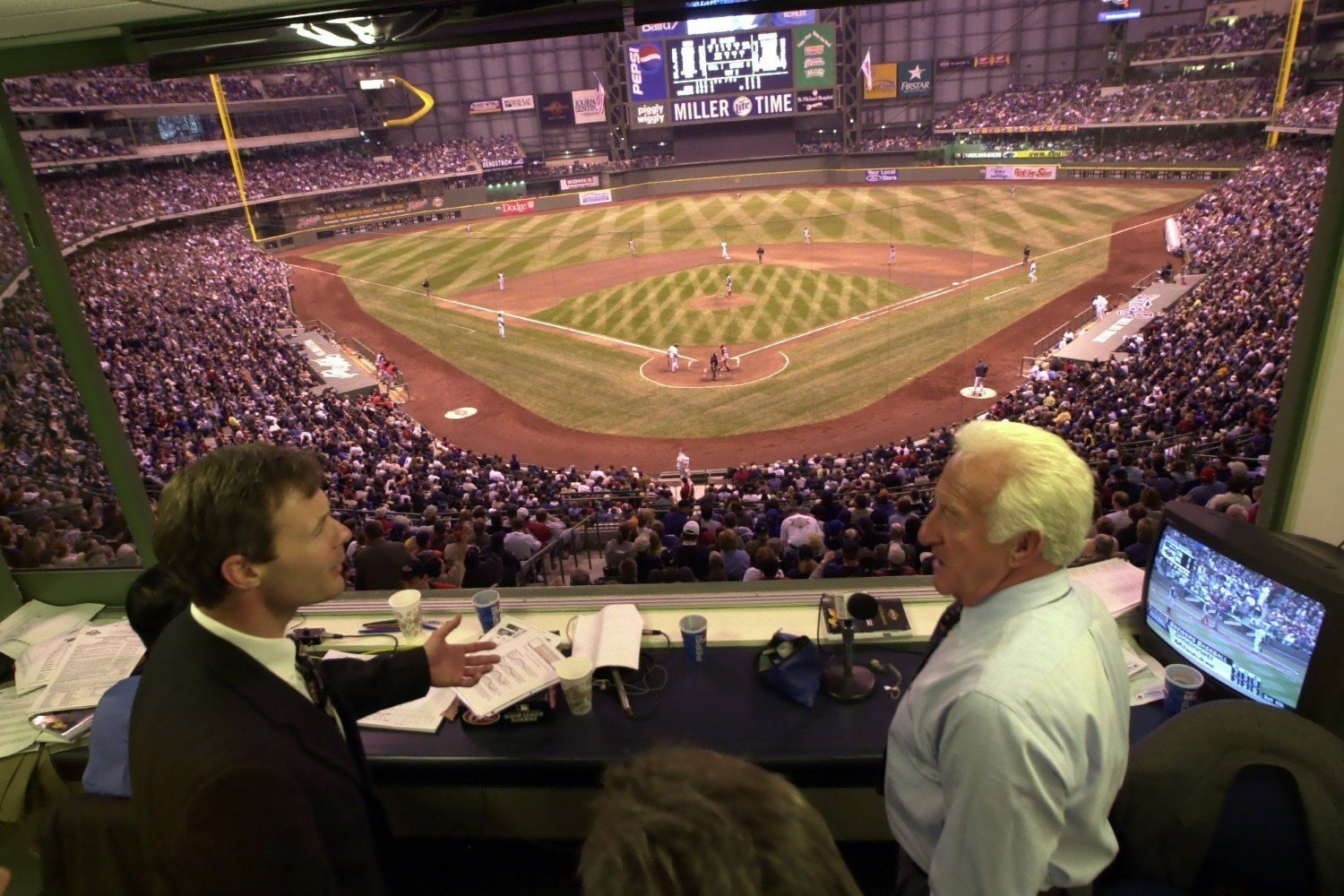 The Brewers have made an unfortunate habit of getting knocked out of the postseason early, over the last several years. At least in 2011 and 2018, they had some huge wins, and fought their way to (more or less) the very brink of a return to the World Series. In 1982, they stood with the toes of their cleats on the threshold of that hallowed chamber where only baseball's champions are allowed to tread, but (as in 2011, for that matter) the Cardinals denied them entry. Lately, they don't even allow fans as much hope as those teams did. They haven't been back to the NLCS since that 2018 campaign, despite being practically a perennial postseason presence. After a while, this wears on a fan base, and understandably so. It's much better to win consistently than to scuffle most years and make the playoffs just once every decade or two, which has been the fate lately of the division-rival Reds and Pirates. Asking fans to be happy by comparison is folly. though. They want the championship. They hunger and hurt for it, and each successive elimination can make the next division title feel a little more empty, a little less joyful. Enough playoff losses will erode the fun of a regular-season title, because the specter of more such losses starts to hang heavy over you. That goes even for teams with plenty of banners to fly and trophies in their offices. For a team who has never gotten over the final hump, it goes triple. We crave those championships because they come with such a rush of triumph and achievement, but also because they become tangible, lasting things—or at least, they seem to do so. The ecstasy of victory is fleeting, but the signs and the t-shirts and the DVD box set live for ages, proving the reality and weight of the accomplishment. When the Chicago Cubs broke a century's worth of this type of frustration by winning it all in 2016, Javier Báez got the Commissioner's Trophy tattooed on his left shoulder, specifically to underscore that what he'd been part of could never be taken away from him. I'm a big proponent, though, of not overcommitting to the lust for a title—and for noticing when something just as important has been won, while you were watching with your attention fixed elsewhere. As we wind toward the close of 2024, and with no real certainty about how things will stand in 2025, then, I want to spend a moment to solemnize the wonderfulness and the permanence of the thing the Brewers have been able to put up inside Miller Park for good, even though they haven't hung a championship flag there yet: Gone! Get Outta Here Get Up Get Up Obviously, no Brewers fans are taking Bob Uecker for granted, anyway. Nor is having him behind the microphone, throughout the park, and profused throughout the culture of the organization mutually exclusive with winning titles. They could have the flags that fly forever and Uecker, whose career is winding frighteningly close to its end (if, indeed, we haven't already heard him call his last game; it's possible) without getting to see one of those banners raised in Milwaukee. We should all want that, and want it urgently. The problem with wanting something so big and so difficult to attain, though, is that you can spend a lot of time unhappy, especially because you really can't do anything with all that wanting. The source of all human suffering is desire, and desiring a championship so badly that it reduces (even infinitesimally) our warm feelings of joy and appreciation for having Uecker around would be a terrible form of self-inflicted suffering. After the latest October gut-punch, many Brewers who spoke to the media seemed especially sad because they hadn't been able to deliver Uecker a deep run, and the tenor of those remarks makes many of us afraid that the great man is letting close confidants know he's ready to retire. I hope that isn't so. Whether it is or not, though, Uecker's legacy within Milwaukee baseball—and baseball, in general—is indelible. It doesn't depend on winning a title, the way the legacies of almost any other figure who goes to work for the organization does, and it won't be diminished by time or the future fortunes of the team. I grew up a Cubs fan, but I grew up that way in Appleton, Wis. If I had depended solely on watching the Cubs on WGN each day and (when I got old enough and it developed a bit better) going online to find Cubs coverage, I would have been a certain kind of baseball fan—had a certain depth of connection with the game, and a certain attitude about what makes it worthwhile. I was never thus dependent, though. From the start, I would watch Cubs games in the afternoons, then obediently go to bed at night—and not-so-obediently turn the radio on, low, to listen to Ueck call Brewers games. He is, as much as anyone, the voice of baseball for me, and I'm better for it. Almost every Brewers team I grew up listening to Ueck call games for was bad. It didn't matter. He understood that the stakes of the game only get frustratingly low (and the pace only gets maddeningly slow) if you zoom out too much. Whatever the records and whatever the score, Ueck has always had the gift of seeing the maximally entertaining and exciting story within a given moment. He's a terrific storyteller, of course, and he would sometimes wend a good yarn right into a sleepy blowout, but without remarking on it or drawing attention to the way he was drawing attention away from the contest. He loves each baseball game on an atomic level, not waiting for or requiring the wider-angle drama of a pennant race. That's not to say he doesn't appreciate the added importance of certain games and stretches. It's just that he doesn't see winning championships as the whole point of the endeavor. I think too many fans in the modern game do see things that way, so it's awfully good we have had Uecker all these years—to push against that, a bit. Much of the sadness the team seemed to feel with regard to Uecker this fall was about the well-understood danger that this was his last chance to be along for the ride to the franchise's first title. It would immiserate millions if Uecker does have to ride off into the sunset before the team finally finishes one of these fine seasons with a glorious playoff run. It doesn't have to, though. For one thing, Uecker is the wonderful thing the Brewers get to put on the wall. He's the statue in the upper reaches of the stadium, the number retired in honor of his years of service, and that sign, with the call we'll all always remember. As for Uecker himself, while I know he badly wants a title for his team, I can't help but feel that he'll be ok either way. "Hey!" I have always wished they would have included that in the sign; it's very much a part of the call. It's his way of startling and alerting you: the game is changing as this ball flies. "Get up! Get up, get outta here, gone! For Jenkins!" That's how I will always first hear the call, when I call it to mind. That's Geoff Jenkins, of course. He hit 212 Brewers homers, many of them called by Uecker, and for me, he's the emblematic Uecker home run call guy. Yet, the Brewers teams of which he was a part were a combined 180 games under .500. They were so bad that, had they not already secured funding for Miller Park by the time they fell into that deep a pit, they might not have gotten it, and baseball might have departed Milwaukee again. Yet, the team's popularity didn't suffer—at least not in proportion to the way they suffered in the standings. We all owe much to Uecker, for that. He is a baseball miracle, and whether he's eventually able to call the final out of a Brewers World Series or not, he'll always be Mikwaukee's baseball miracle. That counts for more even than a championship, which is why the sign is so big and will be there as long as the stadium stands.


.png.69603468a51f5be68db7d230d5d022cc.png)
