


Matthew Trueblood
-
Posts
1,964 -
Joined
-
Last visited
-
Days Won
10
Content Type
Profiles
Forums
Blogs
Events
News
2026 Milwaukee Brewers Top Prospects Ranking
Milwaukee Brewers Videos
2022 Milwaukee Brewers Draft Picks
Milwaukee Brewers Free Agent & Trade Rumors, Notes, & Tidbits
Guides & Resources
2023 Milwaukee Brewers Draft Picks
2024 Milwaukee Brewers Draft Picks
The Milwaukee Brewers Players Project
2025 Milwaukee Brewers Draft Pick Tracker
2026 Milwaukee Brewers Draft Tracker: Picks & Bonuses
Store
Downloads
Gallery
Everything posted by Matthew Trueblood
-
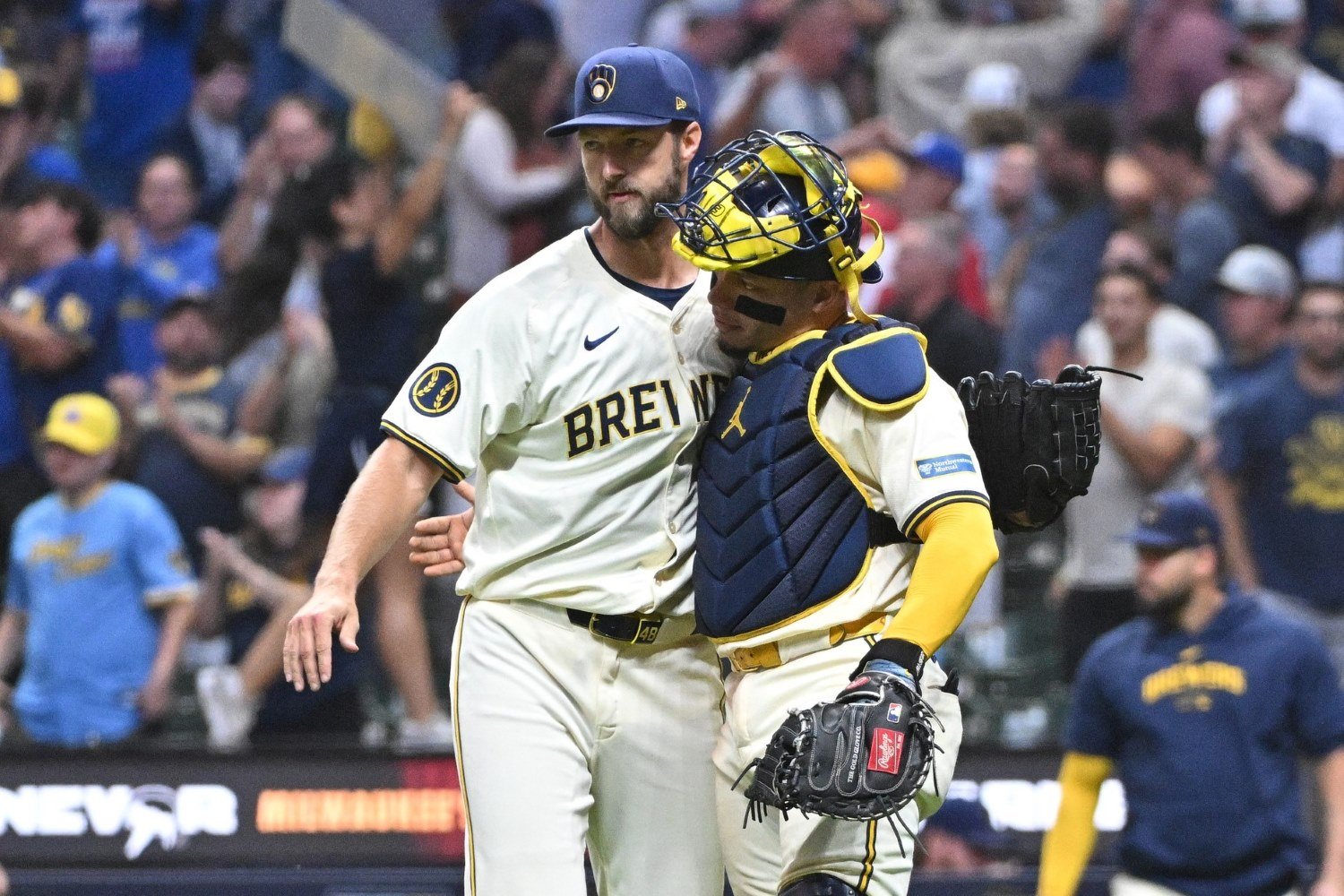 In the bottom of the fourth inning Monday night, Sal Frelick got ahead of Ranger Suárez 2-0. Rhys Hoskins had walked to lead off the inning, and Frelick knew Suárez--who has good control--wouldn't want to put another runner on base. He was going to get something fat. Indeed, Suárez threw Frelick a sinker with plenty of the plate, and Frelick throttled it. The ball was off his bat and down into the right-field corner almost before the broadcast could cut away from the center-field camera to track the progress of the line drive. It was a clean double, unable to score Hoskins only because it was hit too hard. That particular problem--a ball hit too hard--is one Frelick had never run into before, in his career. In fact, more than a year into his tenure in the majors, the 106.6 MPH exit velocity of that double is the highest he's ever achieved. To do that on a Monday night in mid-September, wearing the bruises and bangs of his first full season in the majors, is profoundly impressive. It's part of a trend for Frelick, who has found more hard contact over the last few weeks, and who also made a breathtaking play in the third inning, charging a ground-ball single to throw out Philadelphia's Cal Stevenson trying to go from first to third. It's also par for the course, for these Brewers. While every team can offer some righteous laments about the schedule and their injuries and the vicissitudes of baseball by this time of year, the Brewers have as much license for that as anyone--in theory. They've lost two starters on whom they had hoped to depend fairly heavily to Tommy John surgery. They've lost their best hitter to season-ending back surgery, and he was also their lone true, highly-paid superstar. Their total payroll for this season is just over $116 million. About a third of that is being paid to players who are currently on the injured list, in Christian Yelich, Wade Miley, Brandon Woodruff, and others, and that's to say nothing of the $7 million they're paying Devin Williams, who spent the entire first half there. As a result, the team has leaned hard on a lot of young players and a lot of slightly stretched, underqualified veterans. They would have every right, as many of the other teams even in the playoff mix in each league are, to look weary and incomplete right now. In fact, built around so many players who have never pushed this deep into a professional season or faced stakes nearly this high before, they should be as hard-hit by the accumulation of injuries and fatigue as anyone. Instead, Frelick is playing like it's late May, and the weather is just warming up. Jackson Chourio, 20, is in full bloom. William Contreras, one of the hardest-working players in baseball this year, hit a ball 115.6 miles per hour Monday night, himself. And between starts, even understanding (as any mid-30s journeyman understands) that it might really be about eliminating the idea of "between starts" for him and converting him into a multi-inning playoff bullpen weapon, Colin Rea took the ball for an eight-out save Monday night. Lest you think it's because his teammates weren't ready and willing to take the ball, though, you could glance beyond the outfield wall, where Williams warmed up without coming in for the second day in a row. There are valid quibbles with the way Murphy has managed the grind, in his first season as a full-time big-league manager. They have to fall away, though, when one reckons with the reality of the situation. They've gone through a relative rough patch recently, but it really wasn't all that rough. They're still the only team in baseball not to lose four straight games at any point this year. Mostly, though, they just don't look worn down. Tired teams get swing-happy, and expand their zone. The Brewers have a 25.6% chase rate for the season, outside the zone, and in the last 30 days, that number is 25.9%. Tired teams stop running, stop creating chances to conserve their legs. The Brewers' 12.1% Go Rate in steal opportunities over the last 30 days is 1.5 percentage points higher than their overall season rate, and second-highest in baseball. Tired teams play sloppy defense or throw more meatballs, leading to big hits and rallies by opponents. The Brewers' .294 opponent RBBIP (reached base on balls in play, accounting for both hits and errors) and 2.6% opponent home-run rate over the last month are right in line with their season totals, and both are better than average. Murphy's mantras about being relentless and undaunted have worked. So has his emphasis on winning each game, when the opportunity is there. While keeping players fresh is important, it's easy to forget how much winning reenergizes everyone. Focusing on wins, and then getting them, and getting them in team-oriented, exciting fashion, Murphy has kept his team not just engaged, but enthusiastic and energized. The rest of baseball is tired. It's that time of year. The days are getting shorter, and old legs and arms are getting heavy. This is a young team, though, and though their manager is old, he understands how to keep young people ready--not just to take the field, but to take it with conviction and joy, even 150 games in. It's yet another reason to believe this team can hang even with the behemoths, once the playoffs begin in two weeks.
 -
In the stretch run of a season that has seen a huge number of injuries pile up throughout the league, most teams are limping to the finish, bravely or otherwise. Pat Murphy has his young club just hitting its stride. Image courtesy of © Michael McLoone-Imagn Images In the bottom of the fourth inning Monday night, Sal Frelick got ahead of Ranger Suárez 2-0. Rhys Hoskins had walked to lead off the inning, and Frelick knew Suárez--who has good control--wouldn't want to put another runner on base. He was going to get something fat. Indeed, Suárez threw Frelick a sinker with plenty of the plate, and Frelick throttled it. The ball was off his bat and down into the right-field corner almost before the broadcast could cut away from the center-field camera to track the progress of the line drive. It was a clean double, unable to score Hoskins only because it was hit too hard. That particular problem--a ball hit too hard--is one Frelick had never run into before, in his career. In fact, more than a year into his tenure in the majors, the 106.6 MPH exit velocity of that double is the highest he's ever achieved. To do that on a Monday night in mid-September, wearing the bruises and bangs of his first full season in the majors, is profoundly impressive. It's part of a trend for Frelick, who has found more hard contact over the last few weeks, and who also made a breathtaking play in the third inning, charging a ground-ball single to throw out Philadelphia's Cal Stevenson trying to go from first to third. It's also par for the course, for these Brewers. While every team can offer some righteous laments about the schedule and their injuries and the vicissitudes of baseball by this time of year, the Brewers have as much license for that as anyone--in theory. They've lost two starters on whom they had hoped to depend fairly heavily to Tommy John surgery. They've lost their best hitter to season-ending back surgery, and he was also their lone true, highly-paid superstar. Their total payroll for this season is just over $116 million. About a third of that is being paid to players who are currently on the injured list, in Christian Yelich, Wade Miley, Brandon Woodruff, and others, and that's to say nothing of the $7 million they're paying Devin Williams, who spent the entire first half there. As a result, the team has leaned hard on a lot of young players and a lot of slightly stretched, underqualified veterans. They would have every right, as many of the other teams even in the playoff mix in each league are, to look weary and incomplete right now. In fact, built around so many players who have never pushed this deep into a professional season or faced stakes nearly this high before, they should be as hard-hit by the accumulation of injuries and fatigue as anyone. Instead, Frelick is playing like it's late May, and the weather is just warming up. Jackson Chourio, 20, is in full bloom. William Contreras, one of the hardest-working players in baseball this year, hit a ball 115.6 miles per hour Monday night, himself. And between starts, even understanding (as any mid-30s journeyman understands) that it might really be about eliminating the idea of "between starts" for him and converting him into a multi-inning playoff bullpen weapon, Colin Rea took the ball for an eight-out save Monday night. Lest you think it's because his teammates weren't ready and willing to take the ball, though, you could glance beyond the outfield wall, where Williams warmed up without coming in for the second day in a row. There are valid quibbles with the way Murphy has managed the grind, in his first season as a full-time big-league manager. They have to fall away, though, when one reckons with the reality of the situation. They've gone through a relative rough patch recently, but it really wasn't all that rough. They're still the only team in baseball not to lose four straight games at any point this year. Mostly, though, they just don't look worn down. Tired teams get swing-happy, and expand their zone. The Brewers have a 25.6% chase rate for the season, outside the zone, and in the last 30 days, that number is 25.9%. Tired teams stop running, stop creating chances to conserve their legs. The Brewers' 12.1% Go Rate in steal opportunities over the last 30 days is 1.5 percentage points higher than their overall season rate, and second-highest in baseball. Tired teams play sloppy defense or throw more meatballs, leading to big hits and rallies by opponents. The Brewers' .294 opponent RBBIP (reached base on balls in play, accounting for both hits and errors) and 2.6% opponent home-run rate over the last month are right in line with their season totals, and both are better than average. Murphy's mantras about being relentless and undaunted have worked. So has his emphasis on winning each game, when the opportunity is there. While keeping players fresh is important, it's easy to forget how much winning reenergizes everyone. Focusing on wins, and then getting them, and getting them in team-oriented, exciting fashion, Murphy has kept his team not just engaged, but enthusiastic and energized. The rest of baseball is tired. It's that time of year. The days are getting shorter, and old legs and arms are getting heavy. This is a young team, though, and though their manager is old, he understands how to keep young people ready--not just to take the field, but to take it with conviction and joy, even 150 games in. It's yet another reason to believe this team can hang even with the behemoths, once the playoffs begin in two weeks. View full article
-
The rookie phenom has blasted off for over three full months, now, and the two-run home run he hit Thursday night to ice another series win was a small step into the history books. Image courtesy of © Kelley L Cox-Imagn Images Spencer Bivens got ambushed. It's not his fault; this is happening a lot with pitchers lately. With the scoreboard and the count both reading 1-0 in the top of the eighth inning Thursday night, Bivens went with a low sinker to Jackson Chourio, and the Brewers rookie pounced, riding it easily out of the park to right field. The blast tripled Milwaukee's lead and gave the bullpen breathing room. It also highlighted the most extraordinary aspect of Chourio's breakout. Going back to the early 2000s, which is as far back as comprehensive batted-ball direction data goes, only two hitters have had more extra-base hits to their opposite field in an age-20 season or younger than Chourio's 14: Bryce Harper and Juan Soto. For that matter, Chourio has three extra-base hits to right this month, and is only one behind Harper. He could end up more prolific in this specific regard than anyone but Soto. It's been remarkable to see this aspect of his game blossom as the season has progressed. Chourio's first career home run was to the opposite field, but by and large, he had a hard time tapping into his power until June began. Since then, of course, he's slugging .540 and using all fields effectively, from the line shots to right to majestic homers to left and left-center field. To stand shy only of Soto, he's had to do more damage going the other way than players like Giancarlo Stanton (then Mike), Rafael Devers, Carlos Correa, Ronald Acuna Jr., and Manny Machado each did at age 20. The fascinating thing is that, with the exception of Acuna, that group includes only players with freakish physicality--the kind who show up even at a young age, already big and strapping. Chourio is, of course, a legitimately freakish athlete, but he's not a big person, by baseball player standards. He's listed at six feet and 198 pounds, and the former is probably a slight overstatement. Among players 22 or younger, six feet or shorter and 200 pounds or lighter, there have only been a fisftul of players who even hit the ball to the opposite field with any regularity, going back at least two decades. Most smallish hitters don't hit for power, except when they can guess right and get behind a ball to their pull field. Chourio is a thrilling exception to that rule. The more we get to see of him, the more complete a player he appears to be--something like Mookie Betts, or like Acuna. He offers an echo of fellow short, powerful all-fields outfield sluggers, like Henry Aaron and WIllie Mays. Without Christian Yelich, the Brewers need this kind of power presence. Even when Yelich was healthy, he wasn't always a reliable font of that pop, but he did make their lineup more dangerous. Now that he's out for the year, Chourio is the best candidate to replace what was lost. With each passing series, he does something new and exceptional, and his home run in San Francisco was a preview of one more way he could break a game open come October. View full article
-
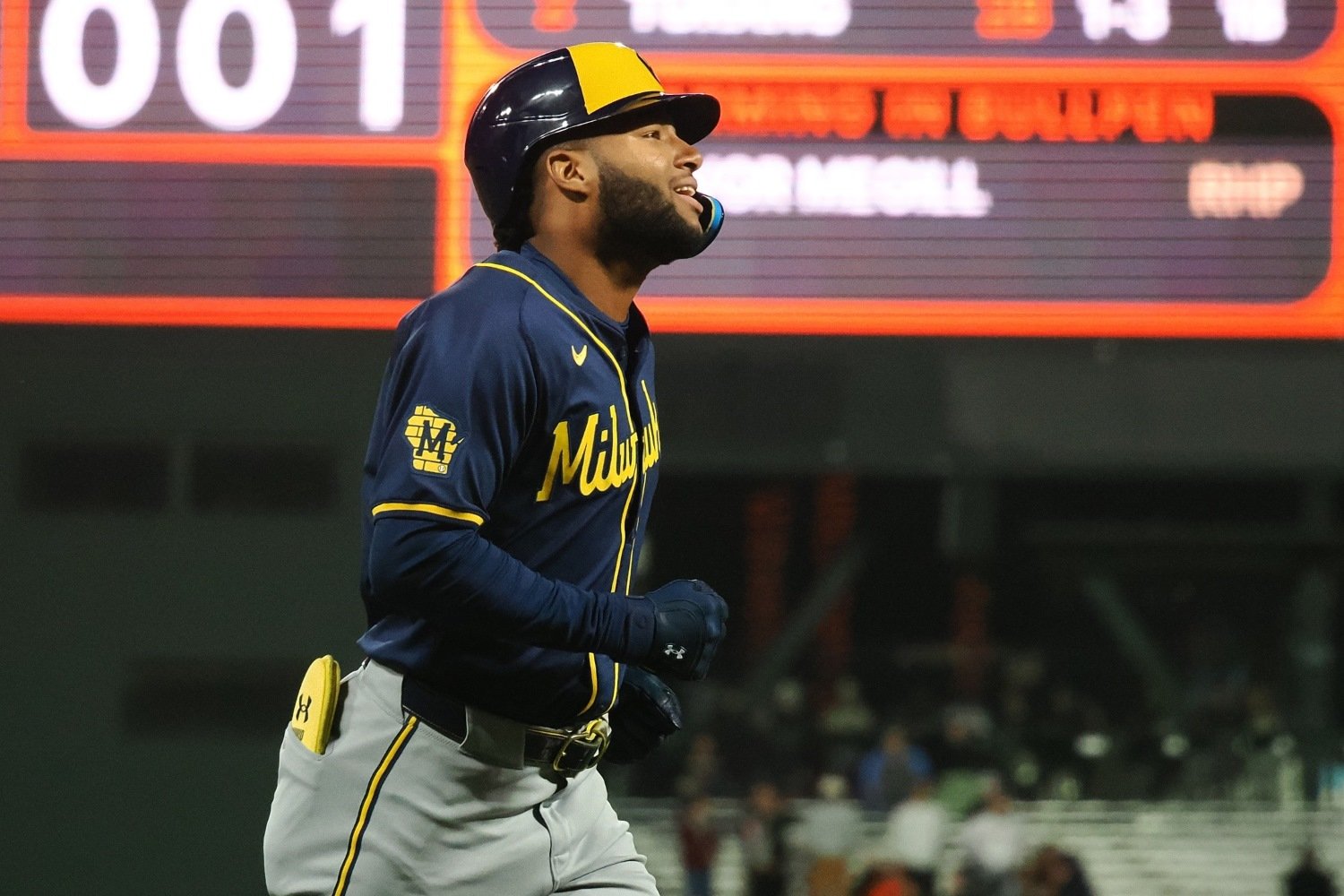 Spencer Bivens got ambushed. It's not his fault; this is happening a lot with pitchers lately. With the scoreboard and the count both reading 1-0 in the top of the eighth inning Thursday night, Bivens went with a low sinker to Jackson Chourio, and the Brewers rookie pounced, riding it easily out of the park to right field. The blast tripled Milwaukee's lead and gave the bullpen breathing room. It also highlighted the most extraordinary aspect of Chourio's breakout. Going back to the early 2000s, which is as far back as comprehensive batted-ball direction data goes, only two hitters have had more extra-base hits to their opposite field in an age-20 season or younger than Chourio's 14: Bryce Harper and Juan Soto. For that matter, Chourio has three extra-base hits to right this month, and is only one behind Harper. He could end up more prolific in this specific regard than anyone but Soto. It's been remarkable to see this aspect of his game blossom as the season has progressed. Chourio's first career home run was to the opposite field, but by and large, he had a hard time tapping into his power until June began. Since then, of course, he's slugging .540 and using all fields effectively, from the line shots to right to majestic homers to left and left-center field. To stand shy only of Soto, he's had to do more damage going the other way than players like Giancarlo Stanton (then Mike), Rafael Devers, Carlos Correa, Ronald Acuna Jr., and Manny Machado each did at age 20. The fascinating thing is that, with the exception of Acuna, that group includes only players with freakish physicality--the kind who show up even at a young age, already big and strapping. Chourio is, of course, a legitimately freakish athlete, but he's not a big person, by baseball player standards. He's listed at six feet and 198 pounds, and the former is probably a slight overstatement. Among players 22 or younger, six feet or shorter and 200 pounds or lighter, there have only been a fisftul of players who even hit the ball to the opposite field with any regularity, going back at least two decades. Most smallish hitters don't hit for power, except when they can guess right and get behind a ball to their pull field. Chourio is a thrilling exception to that rule. The more we get to see of him, the more complete a player he appears to be--something like Mookie Betts, or like Acuna. He offers an echo of fellow short, powerful all-fields outfield sluggers, like Henry Aaron and WIllie Mays. Without Christian Yelich, the Brewers need this kind of power presence. Even when Yelich was healthy, he wasn't always a reliable font of that pop, but he did make their lineup more dangerous. Now that he's out for the year, Chourio is the best candidate to replace what was lost. With each passing series, he does something new and exceptional, and his home run in San Francisco was a preview of one more way he could break a game open come October.
 -
The Brewers' rookie infielder had a miserable month of July, and August didn't start much better. Since then, things have changed. Image courtesy of © John Hefti-Imagn Images The neck injury that took 10 days of playing time from Joey Ortiz in July wasn't done with him when he got back. While the Brewers have gone out of their way not to rely on him all season, they began to deeply feel his absence, even once he was technically restored to the lineup. Ortiz's power appeared to be gone even when he returned from his stint on the injured list, and that state of affairs only seemed to have worsened after the team's five-day All-Star break. From Jul. 20 through Aug. 4, Ortiz went 7-for-50, with just two extra-base hits. You can, in fact, stretch all the way back to his last home run on Jun. 25, and he was carrying a .387 OPS, as of that day in August. The Brewers had an off day between series in Washington and in an unincorporated suburban location north of Atlanta, and it couldn't have come at a better time for Ortiz. Since the Brewers went to Georgia on Aug. 6, things have been different. His production rebounded, then stabilized (although at a lower rate than the player or the team would like). Ortiz is batting .238/.336/.419 over the last five weeks, including .296/.424/.519 in September. He's showing the power potential that made his first half so exciting, and that eluded him during his trough from the very end of June through early August. What's changed? Well, firstly, we have to understand what broke. During that crisis in late July. Ortiz's swing fell apart. He has very good raw bat speed, but after the All-Star break, it plunged, and it stayed low for quite a while thereafter. In a perfect world, of course, he'd live at those higher plateaus of swing speed all the time. That's not quite realistic, though. Even healthy, experienced hitters go through periods when they struggle to get off their 'A' swing. Banged-up rookies, like Ortiz was as July slumped toward August, often struggle much worse. Note the way his swing speed stayed low until the beginning of this month, though. That was because Ortiz was trying to do something even more important than swinging fast: delivering the barrel to the ball with accuracy. See, during that late July-early August period, he was also struggling to meet the ball squarely--struggling in that regard, in fact, about as badly as any hitter has all season. After bottoming out like that, with such lousy and infrequent contact for a period of about two weeks, Ortiz spent much of August rebuilding the relationship between his swing and his approach, ensuring that he could start to consistently handle big-league pitching again. That sounds daunting, because it is. Ortiz and the Brewers worked through it masterfully, though, and he's now come out on the other side. We're back to a version of Ortiz who can both control the strike zone (as he has done well almost all year) and create some damage on contact. Here's a heat map showing his exit velocity by pitch location during that long slump: And here's the same chart for the period since Aug. 6: Covering the whole plate that way is profoundly valuable for Ortiz, and for the team. It's evidence of the way he's evolving, because early in the season, even when he was hot, he was largely just crushing the ball left belt-high over the inner third. Increasingly, he can hit the ball with authority even when a pitcher executes the pitch they want. Whether Ortiz will move up in the batting order, particularly against righties, remains to be seen. If nothing else, though, his resurgence has made the bottom of the Milwaukee lineup more dangerous, and in turn, that has catalyzed some rallies for the hitters at the top. The way this rookie has handled adversity of various kinds throughout this season is remarkable, and come October, he looks ready to step up and perform like a veteran. View full article
-
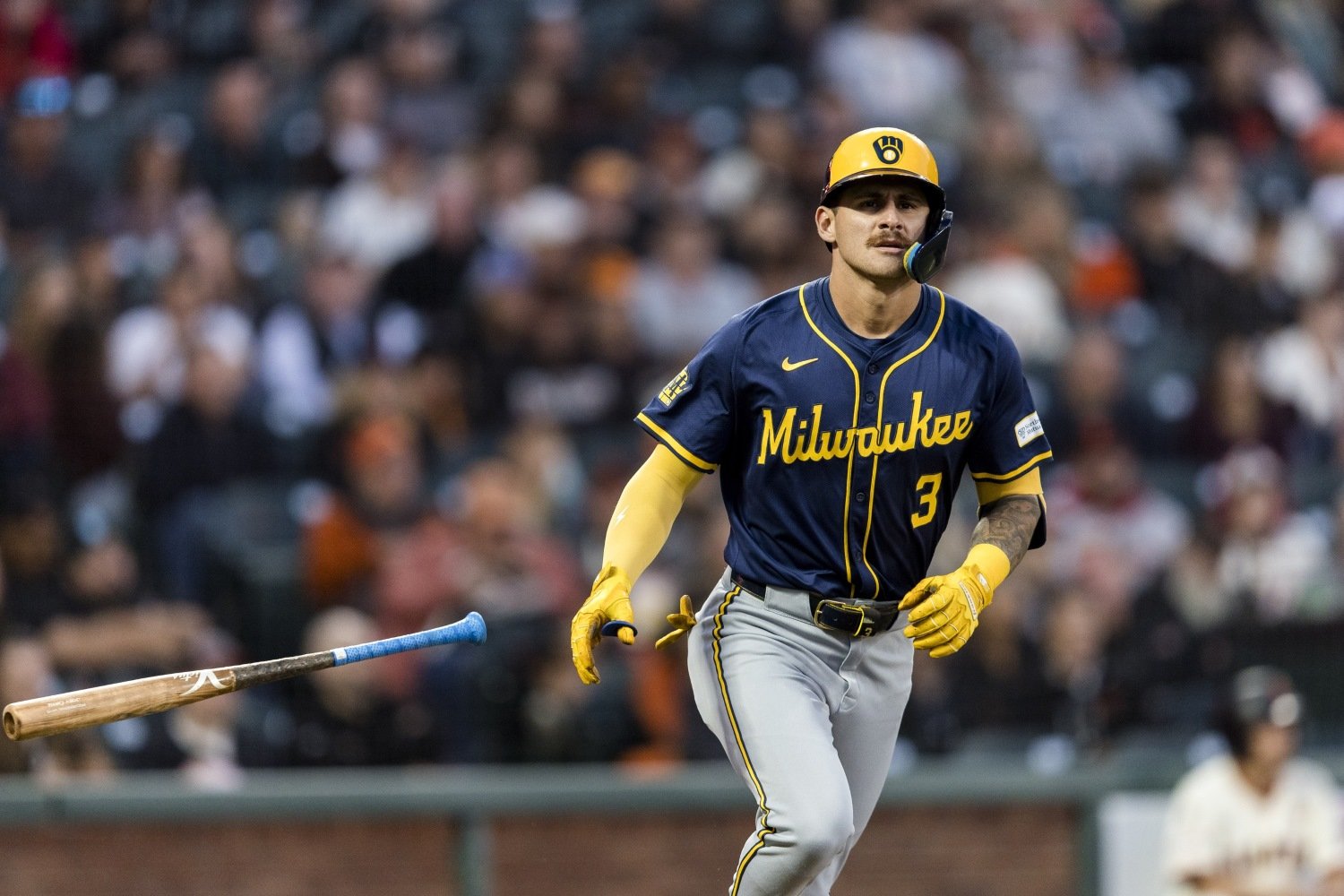 The neck injury that took 10 days of playing time from Joey Ortiz in July wasn't done with him when he got back. While the Brewers have gone out of their way not to rely on him all season, they began to deeply feel his absence, even once he was technically restored to the lineup. Ortiz's power appeared to be gone even when he returned from his stint on the injured list, and that state of affairs only seemed to have worsened after the team's five-day All-Star break. From Jul. 20 through Aug. 4, Ortiz went 7-for-50, with just two extra-base hits. You can, in fact, stretch all the way back to his last home run on Jun. 25, and he was carrying a .387 OPS, as of that day in August. The Brewers had an off day between series in Washington and in an unincorporated suburban location north of Atlanta, and it couldn't have come at a better time for Ortiz. Since the Brewers went to Georgia on Aug. 6, things have been different. His production rebounded, then stabilized (although at a lower rate than the player or the team would like). Ortiz is batting .238/.336/.419 over the last five weeks, including .296/.424/.519 in September. He's showing the power potential that made his first half so exciting, and that eluded him during his trough from the very end of June through early August. What's changed? Well, firstly, we have to understand what broke. During that crisis in late July. Ortiz's swing fell apart. He has very good raw bat speed, but after the All-Star break, it plunged, and it stayed low for quite a while thereafter. In a perfect world, of course, he'd live at those higher plateaus of swing speed all the time. That's not quite realistic, though. Even healthy, experienced hitters go through periods when they struggle to get off their 'A' swing. Banged-up rookies, like Ortiz was as July slumped toward August, often struggle much worse. Note the way his swing speed stayed low until the beginning of this month, though. That was because Ortiz was trying to do something even more important than swinging fast: delivering the barrel to the ball with accuracy. See, during that late July-early August period, he was also struggling to meet the ball squarely--struggling in that regard, in fact, about as badly as any hitter has all season. After bottoming out like that, with such lousy and infrequent contact for a period of about two weeks, Ortiz spent much of August rebuilding the relationship between his swing and his approach, ensuring that he could start to consistently handle big-league pitching again. That sounds daunting, because it is. Ortiz and the Brewers worked through it masterfully, though, and he's now come out on the other side. We're back to a version of Ortiz who can both control the strike zone (as he has done well almost all year) and create some damage on contact. Here's a heat map showing his exit velocity by pitch location during that long slump: And here's the same chart for the period since Aug. 6: Covering the whole plate that way is profoundly valuable for Ortiz, and for the team. It's evidence of the way he's evolving, because early in the season, even when he was hot, he was largely just crushing the ball left belt-high over the inner third. Increasingly, he can hit the ball with authority even when a pitcher executes the pitch they want. Whether Ortiz will move up in the batting order, particularly against righties, remains to be seen. If nothing else, though, his resurgence has made the bottom of the Milwaukee lineup more dangerous, and in turn, that has catalyzed some rallies for the hitters at the top. The way this rookie has handled adversity of various kinds throughout this season is remarkable, and come October, he looks ready to step up and perform like a veteran.
 -
He's on the *28-man* roster right now; it'll need to be pared down by one hitter and one pitcher come October. And based on tenure, if nothing else, you'd expect it to be Collins who was pruned. But, no doubt, the door is open for him. That was the point of the piece.
-
With a bit more in the way of tactical skills and a slightly greater chance to make a meaningful impact, one late-blooming out-of-nowhere Brewers rookie might supplant another when it's time to make out a playoff roster. Image courtesy of © Benny Sieu-Imagn Images A ninth-round college draftee by the Rockies in 2019, Isaac Collins spent half a decade fighting his way to the big leagues. The Brewers got him in the minor-league phase of the 2022 Rule 5 Draft, which is a highly inauspicious way to change teams. Hardly anyone goes on from being taken in the minor-league phase of the Rule 5 to become a meaningful contributor in the majors, and Collins, 27, won't necessarily be the exception to prove that rule. However, there's more dynamism to the diminutive switch-hitter than one might expect. He can play second base, third base, center or left field. He's fast, and in his very first swing in the big leagues, he showed the raw bat speed to supply a modicum of power. That trait, in particular, sets him apart from the other smallish players who occupy the same positions he can play on the Brewers roster right now. Collins didn't just swing out of his shoes upon first tasting big-league action, either. On the season, between Triple-A and the majors, he has a 39.1% hard-hit rate and a 103.8-MPH 90th-percentile exit velocity. Taking each of the last two seasons as separate data points, none of Brice Turang, Sal Frelick, or Andruw Monasterio can match him in either metric, and the closest anyone comes is Monasterio this year--with a 38,5% hard-hit rate but just a 102.0-MPH 90th-percentile exit velocity. It seems profoundly unlikely that Collins can usurp Frelick or Turang in any kind of playoff roster arrangement, but all season, the Brewers have made only very limited use of Monasterio. Collins can play the only positions at which they trust him. Collins has more pure speed and has shown the ability to steal bases at Triple A. He also has more offensive upside, especially if a need to pinch-hit for Eric Haase or Joey Ortiz against a righty should arise. For that matter, come the postseason, a third catcher is an extreme luxury. The Brewers have been able and willing to carry three backstops throughout the second half, with William Contreras taking more turns as the DH and Gary Sánchez surging through the late summer, but the slight tactical flexibility that provides for Pat Murphy might be diminished once the schedule spreads out and the stakes of each at-bat rise. On the flip side, one more speedy bench piece like Collins only gains utility in that change of pace and tenor. He'd need to get some meaningful playing time and show well, but in the few remaining games of this season, Collins has a lane within which to try to earn a spot on the playoff roster. Whether that comes at the expense of Monasterio, Haase, or Jake Bauers, it's surprisingly plausible, given that Collins is a career minor-leaguer with so little name recognition for most fans. It's also another testament to the Brewers' scouting and player development groups. He's only a role player, but Collins might be an important contributor in the right mixture this fall. View full article
-
Can Isaac Collins Steal a Brewers Roster Spot Come October?
Matthew Trueblood posted an article in Brewers
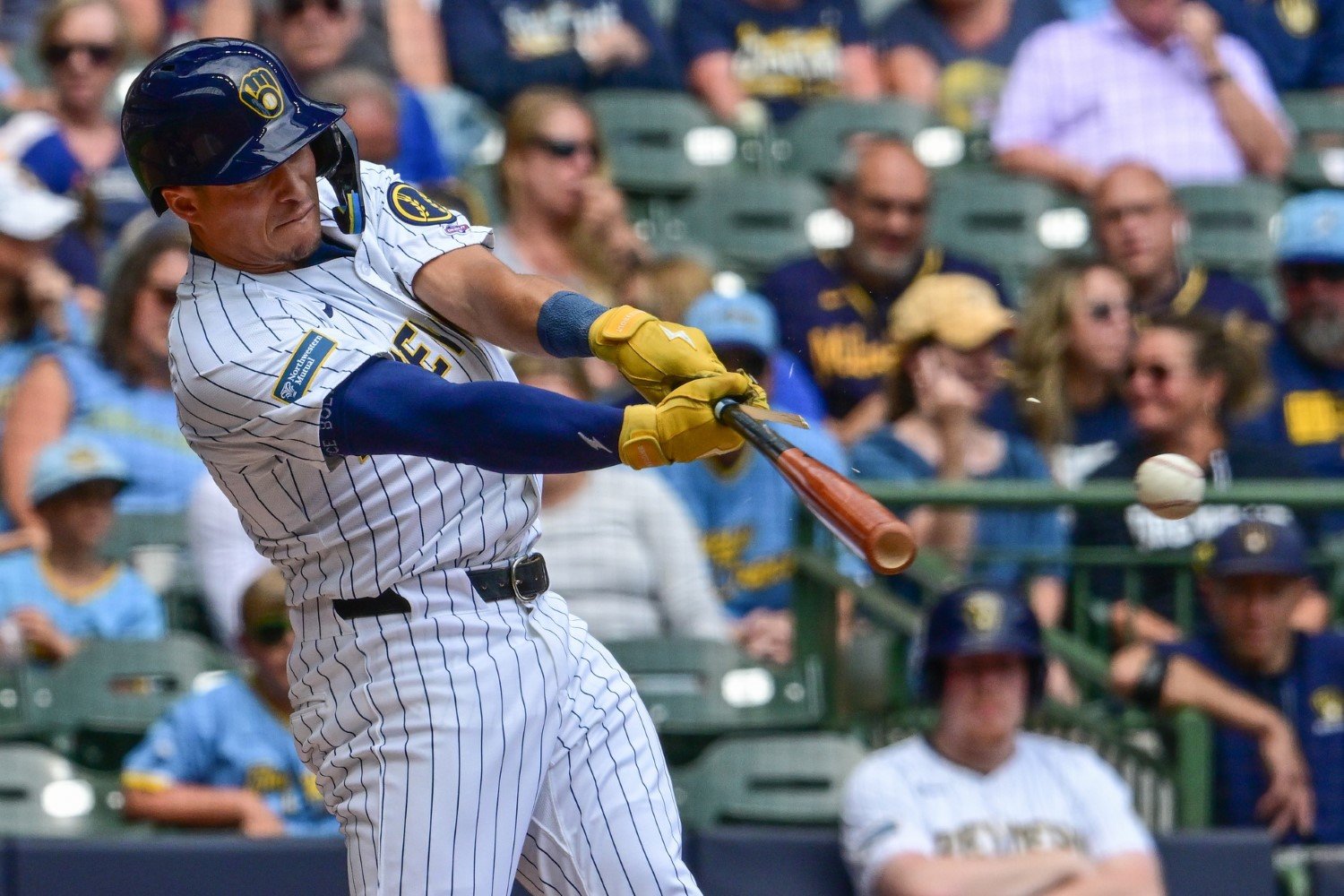 A ninth-round college draftee by the Rockies in 2019, Isaac Collins spent half a decade fighting his way to the big leagues. The Brewers got him in the minor-league phase of the 2022 Rule 5 Draft, which is a highly inauspicious way to change teams. Hardly anyone goes on from being taken in the minor-league phase of the Rule 5 to become a meaningful contributor in the majors, and Collins, 27, won't necessarily be the exception to prove that rule. However, there's more dynamism to the diminutive switch-hitter than one might expect. He can play second base, third base, center or left field. He's fast, and in his very first swing in the big leagues, he showed the raw bat speed to supply a modicum of power. That trait, in particular, sets him apart from the other smallish players who occupy the same positions he can play on the Brewers roster right now. Collins didn't just swing out of his shoes upon first tasting big-league action, either. On the season, between Triple-A and the majors, he has a 39.1% hard-hit rate and a 103.8-MPH 90th-percentile exit velocity. Taking each of the last two seasons as separate data points, none of Brice Turang, Sal Frelick, or Andruw Monasterio can match him in either metric, and the closest anyone comes is Monasterio this year--with a 38,5% hard-hit rate but just a 102.0-MPH 90th-percentile exit velocity. It seems profoundly unlikely that Collins can usurp Frelick or Turang in any kind of playoff roster arrangement, but all season, the Brewers have made only very limited use of Monasterio. Collins can play the only positions at which they trust him. Collins has more pure speed and has shown the ability to steal bases at Triple A. He also has more offensive upside, especially if a need to pinch-hit for Eric Haase or Joey Ortiz against a righty should arise. For that matter, come the postseason, a third catcher is an extreme luxury. The Brewers have been able and willing to carry three backstops throughout the second half, with William Contreras taking more turns as the DH and Gary Sánchez surging through the late summer, but the slight tactical flexibility that provides for Pat Murphy might be diminished once the schedule spreads out and the stakes of each at-bat rise. On the flip side, one more speedy bench piece like Collins only gains utility in that change of pace and tenor. He'd need to get some meaningful playing time and show well, but in the few remaining games of this season, Collins has a lane within which to try to earn a spot on the playoff roster. Whether that comes at the expense of Monasterio, Haase, or Jake Bauers, it's surprisingly plausible, given that Collins is a career minor-leaguer with so little name recognition for most fans. It's also another testament to the Brewers' scouting and player development groups. He's only a role player, but Collins might be an important contributor in the right mixture this fall.
 -
When the playoffs begin, Milwaukee needs multiple high-leverage relievers who can dominate opposing hitters late in close games. For much of the season, they've had that, but one of their key high-octane arms isn't himself since returning from the injured list. Image courtesy of © Matt Blewett-Imagn Images It's always been a challenge to keep Trevor Megill healthy. His sheer stuff is incredible, and his control has come a long way in a short time since arriving in Milwaukee. Being an effective reliever, however, requires the ability to consistently execute pitches--usually, more than one pitch within an arsenal. That can be very difficult for pitchers who frequently deal with injuries, even when they are well enough to take the mound. Megill spent about four weeks on the injured list with a lower back strain, from late July to late August. Since returning, his velocity is intact, and so is the movement on his fastball, which can still touch triple digits. However, his results have been lousy, for a simple and important reason: his curveball is not as healthy as the rest of him. With exceptionally tight spin and great velocity, Megill's knuckle-curve was devastating late last season, and for the first chunk of this year. It powered his dominance over the first half, during which he helped make up for the absence of Devin Williams by taking over as the closer. More than five of every eight swings by opposing batters against Megill's curve through Jul. 23 came up empty. Since coming back from the IL on Aug. 21, though, Megill hasn't been quite the same. His ERA is ugly, but that alone tells us little. Here's something that tells us more: key movement data on his curveball, before and after the stint on the injured list. SplitBy Miss% ExitVel Ground% G P Vel MxVel HorzBrk IndVertBrk Spin HorzRelAngle VertRelAngle up to 2024-07-24 62.90% 88.5 45.50% 35 145 87.6 90.7 -4 -6.1 2756.1 -0.59 -1.93 2024-08-01 to present 0.00% 88.4 66.70% 5 12 85.9 88 -5.1 -8.6 2820.9 -0.18 -1.1 Losing 1.6 miles per hour on a breaking pitch isn't good, but it isn't automatically as bad as losing the same amount of speed on a fastball. What's going wrong for Megill, since his return, is the fact that that lost velocity falls right in line with the rest of the trends for the pitch since his return. It's actually spinning as much as ever, but it's not the same kind of overwhelming power breaking ball it was before. There's more vertical depth, more sweep, and the ball isn't coming out of his hand as sharply as it was before the back trouble that shelved him just after the All-Star break. As a result, you see the big, glaring number: zero whiffs. Not once, in four outings since his return from the injured list, has Megill induced a swing and miss with his curveball. Part of that is that he's thrown many fewer of them. That only underscores the problem, though. If Megill isn't able to trust and execute his curveball, he's a very limited pitcher. He has a great fastball, but his command of it isn't strong enough to make him a shutdown reliever without the curve to complement it. The hope was that, once Williams returned, the Brewers could confidently get the final six outs in any game in which they had a late lead, just by turning to Megill and WIlliams. Right now, that's just not the case. If Megill can rediscover the feel for his breaking ball without hurting himself again, it could be a huge difference-maker for the Brewers heading into the postseason. If not, they still have ways to survive. They've gotten surprisingly superb work from Aaron Ashby since he joined the big-league bullpen, for instance. Still, it's hard not to wonder whether Megill's struggles will prompt the team to reconsider their choice not to call up Jacob Misiorowski this month. It's Misiorowski who boasts the same combination of elite velocity and a lethal breaking ball that the Crew hoped they would have in Megill. This is one of those times when it's lovely to have a nine-game lead in the division. The Brewers can wait a fortnight or more, giving Megill regular work, and monitor his progress carefully. They don't need him to be an ace again right away. They just need to know, by the end of this month, whether they can trust him to be that guy going into October. The answer to that question depends mostly on his vicious curveball, which is still missing, for the moment. With the luxury of time, though, that could change before the stakes rise. View full article
-
 It's always been a challenge to keep Trevor Megill healthy. His sheer stuff is incredible, and his control has come a long way in a short time since arriving in Milwaukee. Being an effective reliever, however, requires the ability to consistently execute pitches--usually, more than one pitch within an arsenal. That can be very difficult for pitchers who frequently deal with injuries, even when they are well enough to take the mound. Megill spent about four weeks on the injured list with a lower back strain, from late July to late August. Since returning, his velocity is intact, and so is the movement on his fastball, which can still touch triple digits. However, his results have been lousy, for a simple and important reason: his curveball is not as healthy as the rest of him. With exceptionally tight spin and great velocity, Megill's knuckle-curve was devastating late last season, and for the first chunk of this year. It powered his dominance over the first half, during which he helped make up for the absence of Devin Williams by taking over as the closer. More than five of every eight swings by opposing batters against Megill's curve through Jul. 23 came up empty. Since coming back from the IL on Aug. 21, though, Megill hasn't been quite the same. His ERA is ugly, but that alone tells us little. Here's something that tells us more: key movement data on his curveball, before and after the stint on the injured list. SplitBy Miss% ExitVel Ground% G P Vel MxVel HorzBrk IndVertBrk Spin HorzRelAngle VertRelAngle up to 2024-07-24 62.90% 88.5 45.50% 35 145 87.6 90.7 -4 -6.1 2756.1 -0.59 -1.93 2024-08-01 to present 0.00% 88.4 66.70% 5 12 85.9 88 -5.1 -8.6 2820.9 -0.18 -1.1 Losing 1.6 miles per hour on a breaking pitch isn't good, but it isn't automatically as bad as losing the same amount of speed on a fastball. What's going wrong for Megill, since his return, is the fact that that lost velocity falls right in line with the rest of the trends for the pitch since his return. It's actually spinning as much as ever, but it's not the same kind of overwhelming power breaking ball it was before. There's more vertical depth, more sweep, and the ball isn't coming out of his hand as sharply as it was before the back trouble that shelved him just after the All-Star break. As a result, you see the big, glaring number: zero whiffs. Not once, in four outings since his return from the injured list, has Megill induced a swing and miss with his curveball. Part of that is that he's thrown many fewer of them. That only underscores the problem, though. If Megill isn't able to trust and execute his curveball, he's a very limited pitcher. He has a great fastball, but his command of it isn't strong enough to make him a shutdown reliever without the curve to complement it. The hope was that, once Williams returned, the Brewers could confidently get the final six outs in any game in which they had a late lead, just by turning to Megill and WIlliams. Right now, that's just not the case. If Megill can rediscover the feel for his breaking ball without hurting himself again, it could be a huge difference-maker for the Brewers heading into the postseason. If not, they still have ways to survive. They've gotten surprisingly superb work from Aaron Ashby since he joined the big-league bullpen, for instance. Still, it's hard not to wonder whether Megill's struggles will prompt the team to reconsider their choice not to call up Jacob Misiorowski this month. It's Misiorowski who boasts the same combination of elite velocity and a lethal breaking ball that the Crew hoped they would have in Megill. This is one of those times when it's lovely to have a nine-game lead in the division. The Brewers can wait a fortnight or more, giving Megill regular work, and monitor his progress carefully. They don't need him to be an ace again right away. They just need to know, by the end of this month, whether they can trust him to be that guy going into October. The answer to that question depends mostly on his vicious curveball, which is still missing, for the moment. With the luxury of time, though, that could change before the stakes rise.
 -
The feelings around this revamping of the Crew's bullpen mix are bound to be mixed, as are the reasons why it's happening. Still, on balance, it's an affirmation of the team's depth and developmental machine. Image courtesy of © Mark Hoffman/Milwaukee Journal Sentinel / USA TODAY NETWORK The Brewers bullpen has been tremendous this season, but they've been an ever-changing group, too. That trend continued in a big way Tuesday, when the team made four moves to swap out two of its second-tier relievers for two who had been crowded off the roster last month. They didn't lose anyone in the process, but they did sacrifice some flexibility for the next fortnight--committing to the essential structure of their pen for a short but meaningful stretch that should conclude with a celebration of another NL Central title. Bryse Wilson, after being ridden hard and put away wet to spare the rest of the pen on Sunday, landed on the injured list Tuesday with a strained right oblique. To replace Wilson, the team recalled Elvis Peguero, who was optioned last month amid a stretch of struggles with command and some puzzling usage. They also traded left-handed relievers, with Hoby Milner reclaiming his roster spot and Bryan Hudson being optioned to Triple-A Nashville. It's a bit of a melancholic moment on the glorious march back to the postseason. All year, this team has weathered pitching injuries and worked around peaks and valleys in performance, for everyone from their most trusted veteran starters to rookies who hadn't been familiar to fans at all before this year. They're all about depth, teamwork, and the collective effort, but that sometimes comes with painful casualties at an individual level. Hudson landed on the injured list in the second half of July amid a significant loss of velocity, but the downtime wasn't enough to bring back the zip on his fastball. Now, he's being sent to the minors, the culmination of a frustrating backslide for one of the best relievers in MLB in the first half. Milner's return comes after a stint on the injured list that, while legitimate, was prompted partially by a roster crunch. The team will hope his time on the shelf was more restorative than Hudson's, but his role is also smaller than a healthy Hudson's was. Milner is more of a rubber-armed middle reliever than a guy with multi-inning, high-leverage upside. He's vulnerable to certain bad matchups. Meanwhile, this time, it's Wilson who goes to the IL with a somewhat convenient malady. Out of options, Wilson would have needed to be designated for assignment before being sent to the minors, and surely, he would have been claimed. At this time of year, everyone is pitching with something, so the oblique strain is plausible, but it didn't stop Wilson from getting nine outs in an extra-inning game just two days ago. Even though he remains part of the organization, this might spell the end for Wilson in a Brewers uniform; he's a non-tender candidate this fall. Peguero is the most interesting of these moves, because he had seemed to come unglued in so many big moments during his final few weeks before being optioned to Nashville. His heavy sinker and gyro slider combination are tough on both righties and lefties, when he's locating well, but his command has been spotty for months, now. At his best, he slots in behind only Devin Williams, Trevor Megill, and Joel Payamps on the team's bullpen depth chart. At his worst, as evidenced by the sojourn from which he's now returning, he's not an MLB-caliber pitcher. Williams, Megill, Payamps, and lefties Jared Koenig and (out of nowhere) Aaron Ashby seem safe bets for inclusion in the team's October bullpen, at this point. The other four reliever roles are very much up for grabs. That's because the Brewers have more intriguing options than roster spots, rather than because they're desperate, which is great news. On the other hand, the fluidity is a reminder that even their seemingly semi-magical ability to bring along relief arms isn't permanent. Relievers are fickle. The Brewers will have some auditions in their pen over the final four weeks, before deciding exactly how to construct their playoff corps. This flurry of moves is just the next, natural step in that process. View full article
-
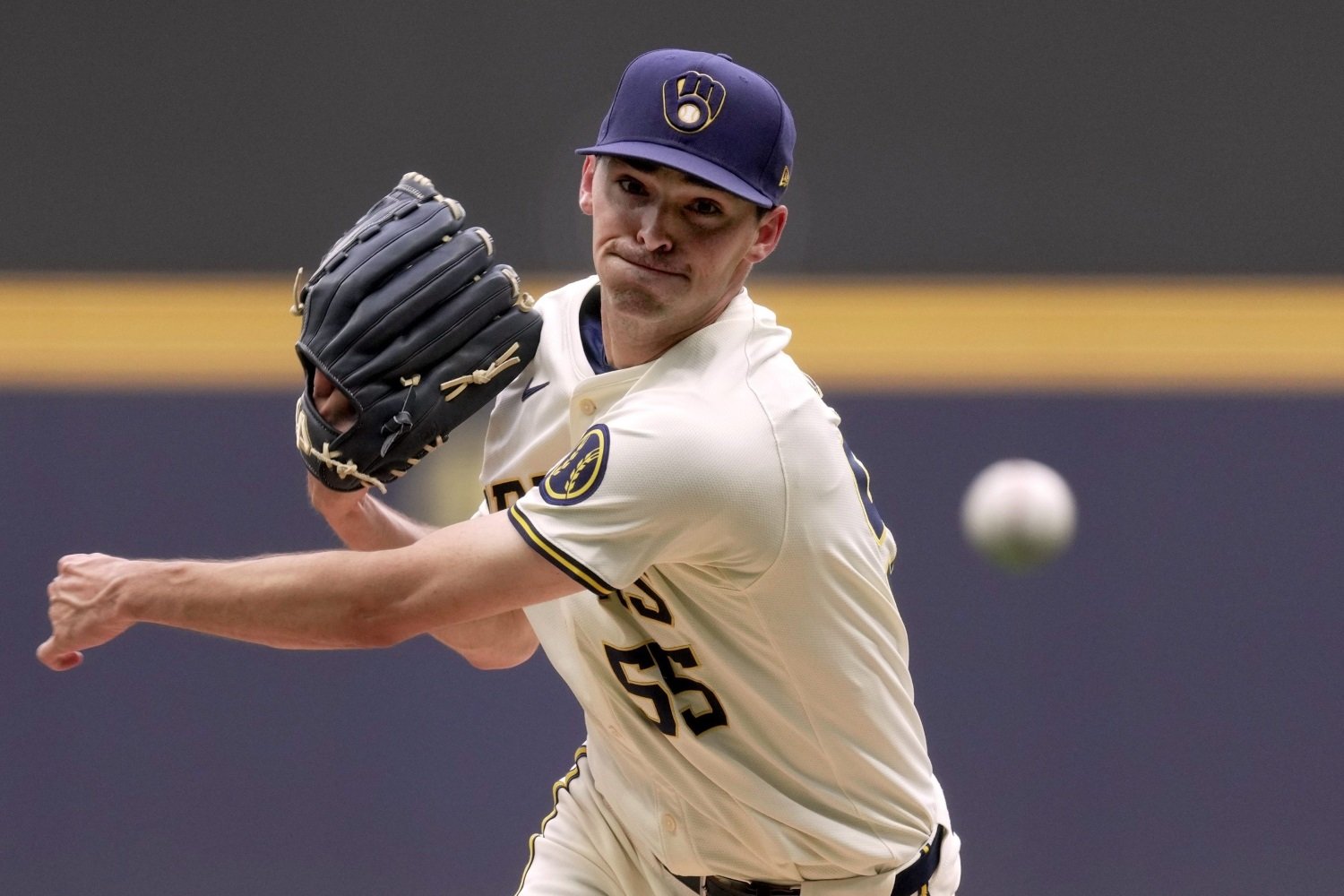 The Brewers bullpen has been tremendous this season, but they've been an ever-changing group, too. That trend continued in a big way Tuesday, when the team made four moves to swap out two of its second-tier relievers for two who had been crowded off the roster last month. They didn't lose anyone in the process, but they did sacrifice some flexibility for the next fortnight--committing to the essential structure of their pen for a short but meaningful stretch that should conclude with a celebration of another NL Central title. Bryse Wilson, after being ridden hard and put away wet to spare the rest of the pen on Sunday, landed on the injured list Tuesday with a strained right oblique. To replace Wilson, the team recalled Elvis Peguero, who was optioned last month amid a stretch of struggles with command and some puzzling usage. They also traded left-handed relievers, with Hoby Milner reclaiming his roster spot and Bryan Hudson being optioned to Triple-A Nashville. It's a bit of a melancholic moment on the glorious march back to the postseason. All year, this team has weathered pitching injuries and worked around peaks and valleys in performance, for everyone from their most trusted veteran starters to rookies who hadn't been familiar to fans at all before this year. They're all about depth, teamwork, and the collective effort, but that sometimes comes with painful casualties at an individual level. Hudson landed on the injured list in the second half of July amid a significant loss of velocity, but the downtime wasn't enough to bring back the zip on his fastball. Now, he's being sent to the minors, the culmination of a frustrating backslide for one of the best relievers in MLB in the first half. Milner's return comes after a stint on the injured list that, while legitimate, was prompted partially by a roster crunch. The team will hope his time on the shelf was more restorative than Hudson's, but his role is also smaller than a healthy Hudson's was. Milner is more of a rubber-armed middle reliever than a guy with multi-inning, high-leverage upside. He's vulnerable to certain bad matchups. Meanwhile, this time, it's Wilson who goes to the IL with a somewhat convenient malady. Out of options, Wilson would have needed to be designated for assignment before being sent to the minors, and surely, he would have been claimed. At this time of year, everyone is pitching with something, so the oblique strain is plausible, but it didn't stop Wilson from getting nine outs in an extra-inning game just two days ago. Even though he remains part of the organization, this might spell the end for Wilson in a Brewers uniform; he's a non-tender candidate this fall. Peguero is the most interesting of these moves, because he had seemed to come unglued in so many big moments during his final few weeks before being optioned to Nashville. His heavy sinker and gyro slider combination are tough on both righties and lefties, when he's locating well, but his command has been spotty for months, now. At his best, he slots in behind only Devin Williams, Trevor Megill, and Joel Payamps on the team's bullpen depth chart. At his worst, as evidenced by the sojourn from which he's now returning, he's not an MLB-caliber pitcher. Williams, Megill, Payamps, and lefties Jared Koenig and (out of nowhere) Aaron Ashby seem safe bets for inclusion in the team's October bullpen, at this point. The other four reliever roles are very much up for grabs. That's because the Brewers have more intriguing options than roster spots, rather than because they're desperate, which is great news. On the other hand, the fluidity is a reminder that even their seemingly semi-magical ability to bring along relief arms isn't permanent. Relievers are fickle. The Brewers will have some auditions in their pen over the final four weeks, before deciding exactly how to construct their playoff corps. This flurry of moves is just the next, natural step in that process.
 -
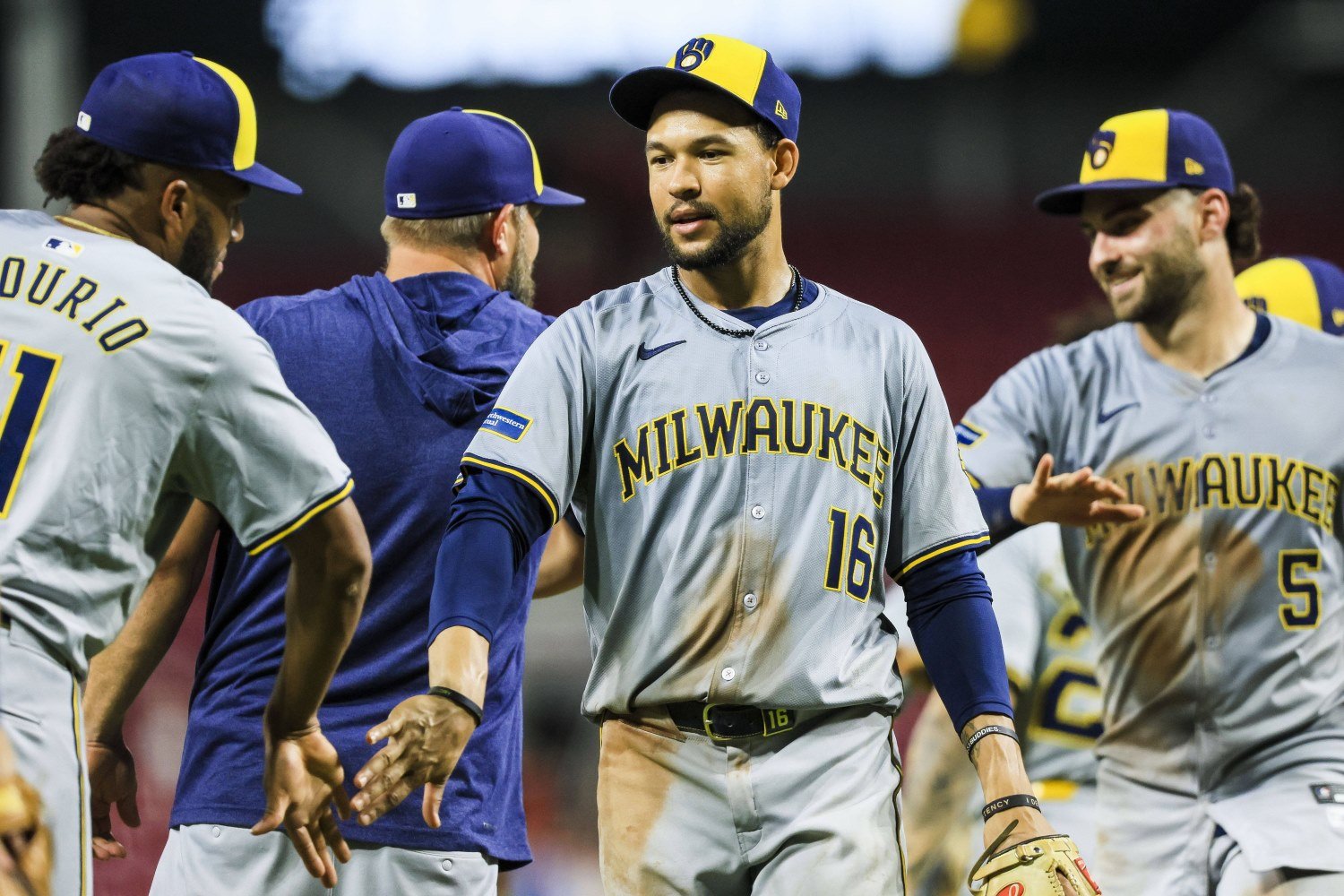 The Milwaukee Brewers are coasting toward their second straight NL Central championship, and fourth in the last six full seasons. They don't need to worry about much, right now, except staying healthy and being well-positioned to play their best baseball come the start of the MLB postseason. To do the latter, though, they do need to consider some tweaks to their lineup, and there are some recent signs of Pat Murphy doing just that. Since Jul. 1, Brice Turang is batting .198/.265/.264. His average exit velocity is on the wrong side of 85 miles per hour, and he's swinging more often with each passing month--including expanding his strike zone too much. Because Turang was excellent in April and a serviceable OBP man in May and June, Murphy has tried to give his sparky second baseman time to work through those struggles, but his sustained failure has finally forced the skipper to explore some changes. In only 18 games all season has anyone but Turang started at second base. However, seven of those have come since the All-Star break. On May 8, Turang was installed as the everyday, no-exceptions leadoff hitter against right-handed starting pitchers--but they've deviated from that recently, too. Against lefties, Turang has often batted ninth, but almost always started. In the last four weeks, though, he's made only two starts against lefties, more often beginning the contest on the bench. It's just very small indicators, so far, and it can be explained away as a manager giving his infield's defensive anchor a day off here and there, but the fact is that Turang is losing his primacy in the collection of options from which the Brewers can choose near the top of their batting order. Over the same two-month span in which Turang has looked so helpless, Sal Frelick is batting a modest but playable .266/.327/.351. He's been much more disciplined, and his contact rate is elite. Blake Perkins is hitting .310/.385/.391, with defense every bit as dazzling and irreplaceable as Turang's, but at a different position. Joey Ortiz went through a stretch of struggle as deep as Turang's, but can contribute more against left-handed pitchers than can Turang. Then, of course, there's Jackson Chourio, whose sustained star turn has him written in pen into the top two spots in the lineup for the foreseeable future--as in, the next several years. Turang remains, perhaps, the best defensive second baseman on the senior circuit, and he'll still play most of the time down the stretch. Come October, it's even hard to envision Murphy sitting him against a left-handed starter, unless it be one the team believes Andruw Monasterio is ideally suited to handle. Being in the lineup and being in its top half aren't the same thing, though. Turang found multiple ways to create runs for the team this weekend, using his speed and bunting ability as well as his hitting, but he can help the team in those ways just as well if he's batting ninth as if he's batting first. It wouldn't be a surprise to see Perkins continue to claim at-bats near the top of the order, alongside Chourio, William Contreras, and the red-hot Willy Adames, with Turang sliding to the bottom on a more frequent basis and setting the table for the top of the order from there. A lead that has hovered around 10 games in the division for the last several days gives the Brewers the luxury of experimenting a bit. They need to play representative ball the rest of the way to position themselves for the playoffs, but the actual stakes will stay quite low until the bunting is hanging from the railings. For the next month, Murphy can mix and match, and he might try some others out for the role that Turang has filled (with varying degrees of success) for the bulk of this campaign.
- 4 comments
-
- 1
-

-
- brice turang
- jackson chourio
- (and 2 more)
-
The incumbent leadoff man hasn't been up to the task for two months, now, and the Crew's manager is subtly shifting toward a different solution. Image courtesy of © Katie Stratman-USA TODAY Sports The Milwaukee Brewers are coasting toward their second straight NL Central championship, and fourth in the last six full seasons. They don't need to worry about much, right now, except staying healthy and being well-positioned to play their best baseball come the start of the MLB postseason. To do the latter, though, they do need to consider some tweaks to their lineup, and there are some recent signs of Pat Murphy doing just that. Since Jul. 1, Brice Turang is batting .198/.265/.264. His average exit velocity is on the wrong side of 85 miles per hour, and he's swinging more often with each passing month--including expanding his strike zone too much. Because Turang was excellent in April and a serviceable OBP man in May and June, Murphy has tried to give his sparky second baseman time to work through those struggles, but his sustained failure has finally forced the skipper to explore some changes. In only 18 games all season has anyone but Turang started at second base. However, seven of those have come since the All-Star break. On May 8, Turang was installed as the everyday, no-exceptions leadoff hitter against right-handed starting pitchers--but they've deviated from that recently, too. Against lefties, Turang has often batted ninth, but almost always started. In the last four weeks, though, he's made only two starts against lefties, more often beginning the contest on the bench. It's just very small indicators, so far, and it can be explained away as a manager giving his infield's defensive anchor a day off here and there, but the fact is that Turang is losing his primacy in the collection of options from which the Brewers can choose near the top of their batting order. Over the same two-month span in which Turang has looked so helpless, Sal Frelick is batting a modest but playable .266/.327/.351. He's been much more disciplined, and his contact rate is elite. Blake Perkins is hitting .310/.385/.391, with defense every bit as dazzling and irreplaceable as Turang's, but at a different position. Joey Ortiz went through a stretch of struggle as deep as Turang's, but can contribute more against left-handed pitchers than can Turang. Then, of course, there's Jackson Chourio, whose sustained star turn has him written in pen into the top two spots in the lineup for the foreseeable future--as in, the next several years. Turang remains, perhaps, the best defensive second baseman on the senior circuit, and he'll still play most of the time down the stretch. Come October, it's even hard to envision Murphy sitting him against a left-handed starter, unless it be one the team believes Andruw Monasterio is ideally suited to handle. Being in the lineup and being in its top half aren't the same thing, though. Turang found multiple ways to create runs for the team this weekend, using his speed and bunting ability as well as his hitting, but he can help the team in those ways just as well if he's batting ninth as if he's batting first. It wouldn't be a surprise to see Perkins continue to claim at-bats near the top of the order, alongside Chourio, William Contreras, and the red-hot Willy Adames, with Turang sliding to the bottom on a more frequent basis and setting the table for the top of the order from there. A lead that has hovered around 10 games in the division for the last several days gives the Brewers the luxury of experimenting a bit. They need to play representative ball the rest of the way to position themselves for the playoffs, but the actual stakes will stay quite low until the bunting is hanging from the railings. For the next month, Murphy can mix and match, and he might try some others out for the role that Turang has filled (with varying degrees of success) for the bulk of this campaign. View full article
-
Neither of the high-ceiling relief arms the Brewers could have recalled upon rosters expanding in September made the cut, but the reasons for that are good. The team continues to find improving depth in surprising places. Image courtesy of © Katie Stratman-USA TODAY Sports From a sheer fascination and excitement perspective, it would have been cool to see the Brewers call up either Jacob Misiorowski or Craig Yoho for the extra spot created by active rosters expanding on Sept. 1. As recently as a week ago, that might even have been the plan. Since the Brewers have avoided further injury trouble over that span, though, and since they've seen both DL Hall and Aaron Ashby burst back onto the scene, they're going to at least wait a bit before finding a place for a rookie in their bullpen mix. In a similar vein, perhaps, the team chose the right-handed batter and older, less prospect hype-laden player for the extra position player spot, promoting Brewer Hicklen instead of Tyler Black. That made the most sense anyway, but with the team's lineup clicking nicely and no major role available to a newcomer, it became the obvious choice. Black can continue to get regular playing time and try to turn the corner at Triple-A Nashville, while Hicklen increases the depth of one of baseball's best outfields. While these are the choices of the moment, they won't necessarily be permanent. Injuries could shake up the picture, but so could furtherance or reversal of some key trends on the pitching staff. The high-leverage sector of the bullpen has not been airtight lately, and if that state of affairs persists, they might decide they need to roll the dice a bit more with Misiorowski or Yoho, each of whom has flashed the kind of stuff to emerge as a relief ace even for a very good team. Should Sal Frelick or Garrett Mitchell get hurt, Black could certainly slot into the mix. Meanwhile, it would be no great surprise to see Elvis Peguero return to the majors soon. He was only optioned to the minors 11 days ago, so bringing him back now would have come with added complications, but he'll be free and clear to reemerge in less than a week. Nick Mears and Hoby Milner are on the injured list, and neither seems ready to return imminently, but the team still hopes to have them back. Because Hall has looked much better since returning from his time on the injured list (and his long, oft-disrupted rehab) and Ashby has found such superb velocity and a devastating changeup, it's just not urgent that the team push their two younger arms yet. They also keep more powder dry this way. To bring up Misiorowski or Yoho, they would have needed to create a place on the 40-man roster. They have clear candidates to be cut--Tyler Jay, Kevin Herget--and could probably slide Rob Zastryzny to the 60-day injured list if needed, but the success of Hall and Ashby has rendered that unnecessary, for now. The team can keep all those players in their organization, and if they feel like they need one more strikeout artist to round out their postseason relief corps come mid-month, they can still add one of the would-be rookies, then. As has been the case all year, it seems, the Brewers are choosing from a better menu of options than most of the rest of the league. They've experienced their share of adversity, but years of good scouting, player development, and roster construction have set them up so well that they've hardly felt it. They'll easily win the NL Central, and their legs are very much under them as they try to sprint past the Phillies or Dodgers and claim a bye for the first round of the playoffs. Their superb depth and level of comfort shine through nicely in the lack of headline-making changes to the roster at the start of this final month of regular-season play. View full article
-
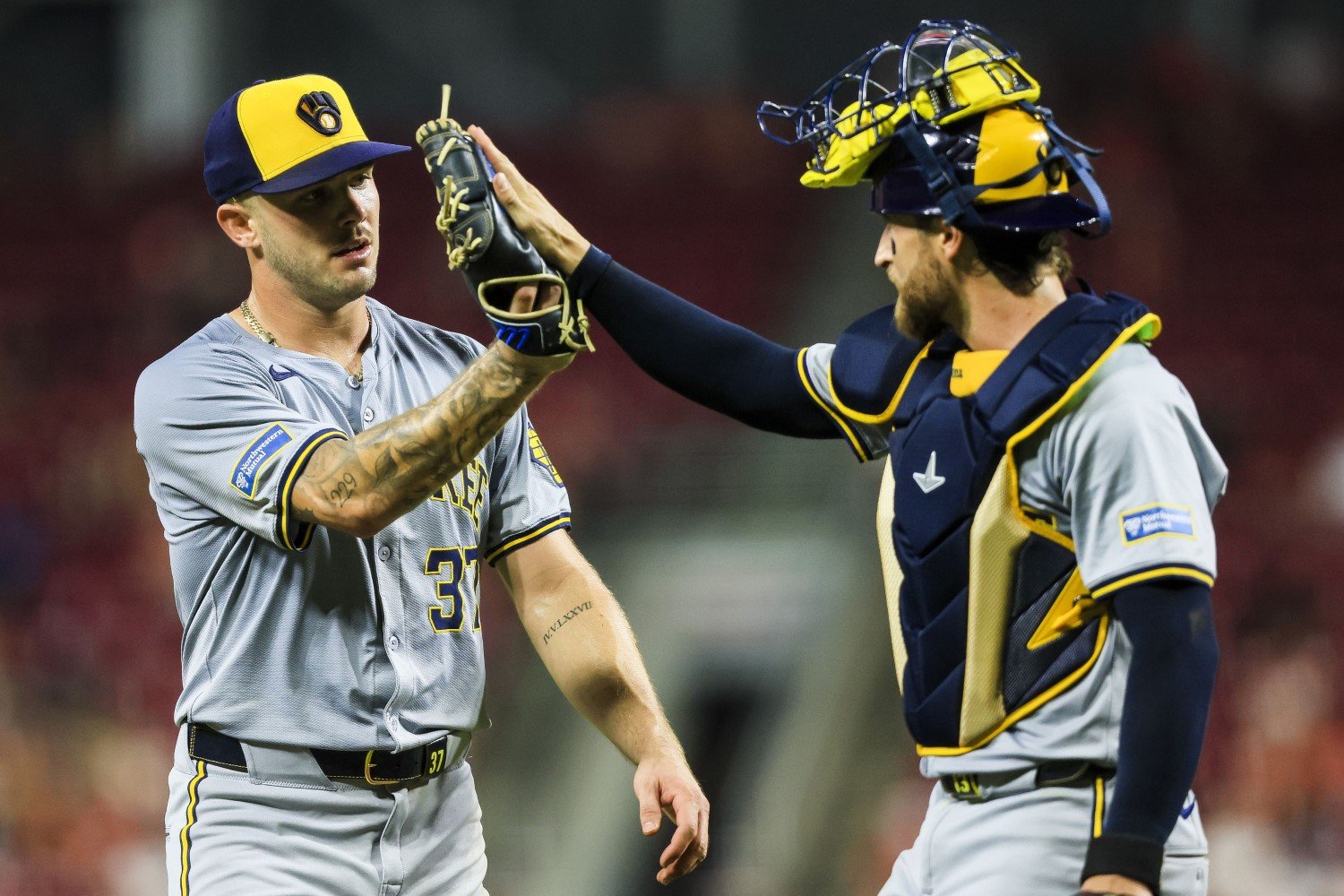 From a sheer fascination and excitement perspective, it would have been cool to see the Brewers call up either Jacob Misiorowski or Craig Yoho for the extra spot created by active rosters expanding on Sept. 1. As recently as a week ago, that might even have been the plan. Since the Brewers have avoided further injury trouble over that span, though, and since they've seen both DL Hall and Aaron Ashby burst back onto the scene, they're going to at least wait a bit before finding a place for a rookie in their bullpen mix. In a similar vein, perhaps, the team chose the right-handed batter and older, less prospect hype-laden player for the extra position player spot, promoting Brewer Hicklen instead of Tyler Black. That made the most sense anyway, but with the team's lineup clicking nicely and no major role available to a newcomer, it became the obvious choice. Black can continue to get regular playing time and try to turn the corner at Triple-A Nashville, while Hicklen increases the depth of one of baseball's best outfields. While these are the choices of the moment, they won't necessarily be permanent. Injuries could shake up the picture, but so could furtherance or reversal of some key trends on the pitching staff. The high-leverage sector of the bullpen has not been airtight lately, and if that state of affairs persists, they might decide they need to roll the dice a bit more with Misiorowski or Yoho, each of whom has flashed the kind of stuff to emerge as a relief ace even for a very good team. Should Sal Frelick or Garrett Mitchell get hurt, Black could certainly slot into the mix. Meanwhile, it would be no great surprise to see Elvis Peguero return to the majors soon. He was only optioned to the minors 11 days ago, so bringing him back now would have come with added complications, but he'll be free and clear to reemerge in less than a week. Nick Mears and Hoby Milner are on the injured list, and neither seems ready to return imminently, but the team still hopes to have them back. Because Hall has looked much better since returning from his time on the injured list (and his long, oft-disrupted rehab) and Ashby has found such superb velocity and a devastating changeup, it's just not urgent that the team push their two younger arms yet. They also keep more powder dry this way. To bring up Misiorowski or Yoho, they would have needed to create a place on the 40-man roster. They have clear candidates to be cut--Tyler Jay, Kevin Herget--and could probably slide Rob Zastryzny to the 60-day injured list if needed, but the success of Hall and Ashby has rendered that unnecessary, for now. The team can keep all those players in their organization, and if they feel like they need one more strikeout artist to round out their postseason relief corps come mid-month, they can still add one of the would-be rookies, then. As has been the case all year, it seems, the Brewers are choosing from a better menu of options than most of the rest of the league. They've experienced their share of adversity, but years of good scouting, player development, and roster construction have set them up so well that they've hardly felt it. They'll easily win the NL Central, and their legs are very much under them as they try to sprint past the Phillies or Dodgers and claim a bye for the first round of the playoffs. Their superb depth and level of comfort shine through nicely in the lack of headline-making changes to the roster at the start of this final month of regular-season play.
 -
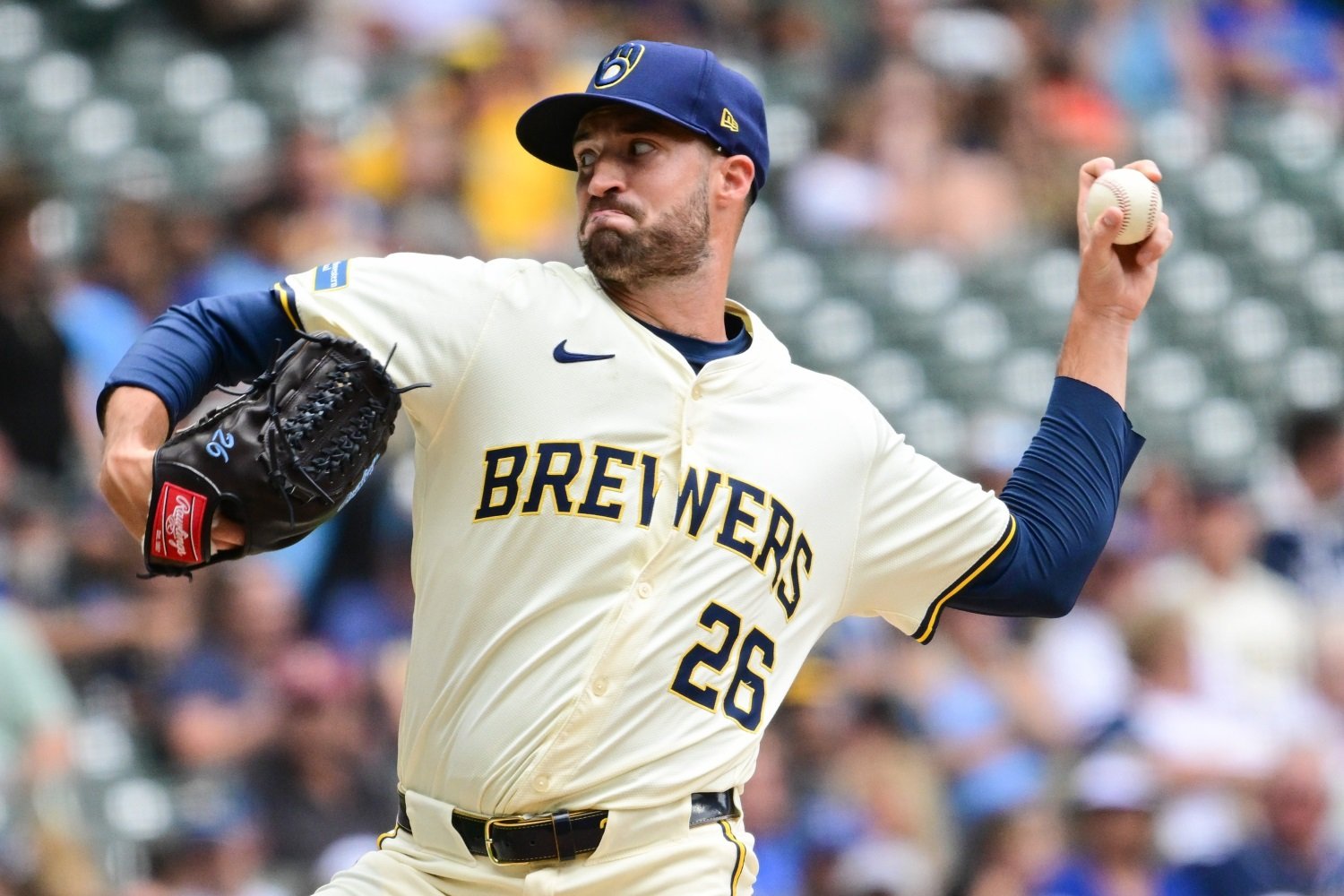 It really didn't look, even quite recently, like Aaron Ashby was going to make it back from the injury that derailed his career last season. His ERA with Triple-A Nashville this season is 8.04, in 84 innings. He was optimistic back in the spring, but the outlook got bleak in a hurry. His command was absent, and his stuff wasn't lively enough to even approximate making up for it. Ashby returned to the big leagues a week ago, though, and in just two appearances with the big-league team, he's changed the tone of the conversation about his future--and about the makeup of the team's bullpen, come the postseason. In four total innings against the two Bay Area teams, Ashby has not allowed a run or a hit, has walked just one, and has fanned five batters. The Giants and the Athletics are both lousy teams, and the mere fact that he made multi-inning, scoreless relief outings against each doesn't move the needle. Here's what does. Early this season, Ashby's sinker sat at an average velocity around 93 miles per hour. After a steady climb, he's now throwing 96. In Thursday's contest, he threw Mark Canha a front-door sinker at 98.9 MPH. MzVEVlZfWGw0TUFRPT1fQkZNRUFRSUZVUVFBQ1ZzQ0F3QUFCbFVBQUFCUVcxTUFWZ1pUQmxGVUFBb0FVd05U.mp4 Along with that extra juice on the fastball, Ashby has found something with his changeup. The best ones he threw against the Giants Thursday were filthy in a way that made plenty of drowsy mid-afternoon baseball watchers sit up, wide-eyed. MzVEVlZfWGw0TUFRPT1fQkFNQ1VnSlFBQVlBQVZjRFZRQUFBMUlIQUZnR0FBUUFCMUFFQVZWV1VBRmNWUXBR.mp4 The extra armside run and a notable amount of added vertical depth are important, but don't lose sight of the velocity, either. With his fastball now in the upper 90s, he's throwing that changeup at 89-91, too. Movement like that on a pitch thrown as hard as Ashby is throwing it is not normal. It's the kind of pitch that forces a reconsideration of a pitcher's entire value profile. Ashby also has a slider and a curveball, of course, but the story here seems to be his combination of a fastball creeping toward triple digits and a changeup that now has upside beyond that of most pitchers. Throwing strikes remains the biggest focus, but he's created considerably more margin for error for himself, and the small sample of results he's yielded since coming back to the majors suggests that he can avoid walking too many hitters to be viable. At this point, Ashby is a legitimate candidate to work his way into the Crew's bullpen picture for the postseason. He has a month to further burnish his case, and the raw stuff to create a difficult decision for Matt Arnold, Pat Murphy, and others. If good health holds, the Brewers will have more talented pitchers than they can possibly roster, but Ashby can't be ruled out. The stuff he's thrown at opposing batters in these two outings is too good to ignore, even if the results were less sparkling than they have been.
 -
A month ago, he was a likely candidate to be designated for assignment. Now, he's making the team look twice in all the best ways. Image courtesy of © Benny Sieu-USA TODAY Sports It really didn't look, even quite recently, like Aaron Ashby was going to make it back from the injury that derailed his career last season. His ERA with Triple-A Nashville this season is 8.04, in 84 innings. He was optimistic back in the spring, but the outlook got bleak in a hurry. His command was absent, and his stuff wasn't lively enough to even approximate making up for it. Ashby returned to the big leagues a week ago, though, and in just two appearances with the big-league team, he's changed the tone of the conversation about his future--and about the makeup of the team's bullpen, come the postseason. In four total innings against the two Bay Area teams, Ashby has not allowed a run or a hit, has walked just one, and has fanned five batters. The Giants and the Athletics are both lousy teams, and the mere fact that he made multi-inning, scoreless relief outings against each doesn't move the needle. Here's what does. Early this season, Ashby's sinker sat at an average velocity around 93 miles per hour. After a steady climb, he's now throwing 96. In Thursday's contest, he threw Mark Canha a front-door sinker at 98.9 MPH. MzVEVlZfWGw0TUFRPT1fQkZNRUFRSUZVUVFBQ1ZzQ0F3QUFCbFVBQUFCUVcxTUFWZ1pUQmxGVUFBb0FVd05U.mp4 Along with that extra juice on the fastball, Ashby has found something with his changeup. The best ones he threw against the Giants Thursday were filthy in a way that made plenty of drowsy mid-afternoon baseball watchers sit up, wide-eyed. MzVEVlZfWGw0TUFRPT1fQkFNQ1VnSlFBQVlBQVZjRFZRQUFBMUlIQUZnR0FBUUFCMUFFQVZWV1VBRmNWUXBR.mp4 The extra armside run and a notable amount of added vertical depth are important, but don't lose sight of the velocity, either. With his fastball now in the upper 90s, he's throwing that changeup at 89-91, too. Movement like that on a pitch thrown as hard as Ashby is throwing it is not normal. It's the kind of pitch that forces a reconsideration of a pitcher's entire value profile. Ashby also has a slider and a curveball, of course, but the story here seems to be his combination of a fastball creeping toward triple digits and a changeup that now has upside beyond that of most pitchers. Throwing strikes remains the biggest focus, but he's created considerably more margin for error for himself, and the small sample of results he's yielded since coming back to the majors suggests that he can avoid walking too many hitters to be viable. At this point, Ashby is a legitimate candidate to work his way into the Crew's bullpen picture for the postseason. He has a month to further burnish his case, and the raw stuff to create a difficult decision for Matt Arnold, Pat Murphy, and others. If good health holds, the Brewers will have more talented pitchers than they can possibly roster, but Ashby can't be ruled out. The stuff he's thrown at opposing batters in these two outings is too good to ignore, even if the results were less sparkling than they have been. View full article
-
Nahhh. His FIP was like 2 runs higher than that ERA, and a fairly soft slate of opponents helped his numbers. He needs to pitch better than he has over the last month, whatever the surface-level numbers for the last handful of outings might be.
-
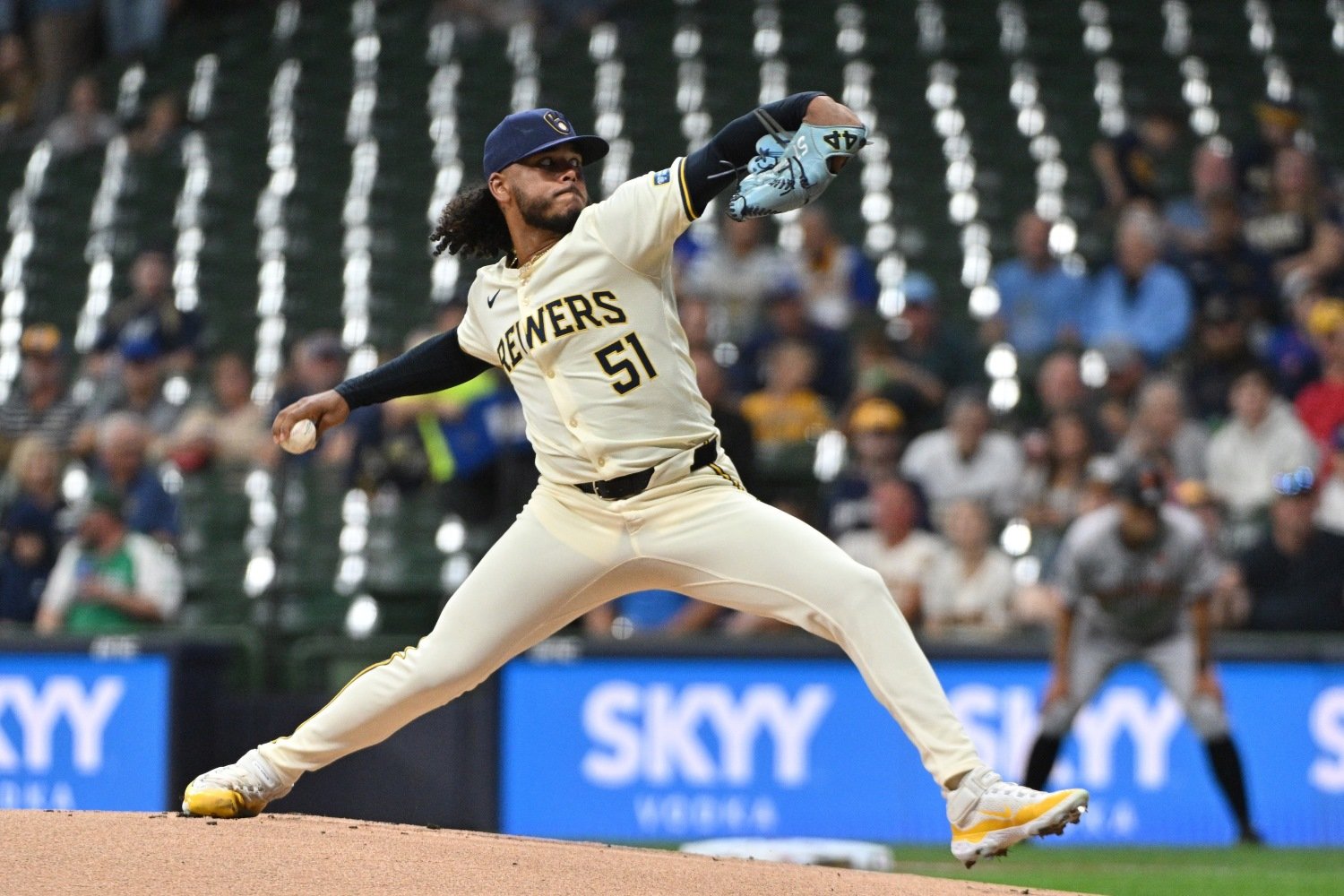 There are 131 pitchers who have made at least 15 starts in MLB this season. Among them, Freddy Peralta has the seventh-highest average number of pitches per batter faced, at 4.19. At the end of his first trip through the Giants batting order Wednesday night in Milwaukee, he had already thrown 47 pitches. He would finish with 105 in six scoreless innings. That start was encouraging, and undoubtedly, Peralta's ability to dominate hitters remains. He strikes out nearly 28% of the batters he faces, and even in a bit of a down year, he's allowing just a .678 OPS. Yet, his walk rate is inflated, and he's struggled the third time through opposing lineups throughout the season. Part of the problem, surely, is that he shows opponents too many offerings the first time through. Why does he throw so many pitches per at-bat? To answer that, we need to identify the key factors that determine how many pitches a pitcher throws per at-bat, in general. There are lots of numbers you can choose, these days, with some significant correlation factors overlapping, but four things feel like unavoidable factors in determining this: how often you throw the ball in the zone; how often hitters swing against you; their whiff rate when they do swing; and what percentage of swings result in foul balls. Here's the correlation factor for each of those stats with pitches per batter faced this year, and Peralta's standing in each, among the 147 pitchers who have faced at least 300 batters this season. Stat Correlation w/ P/BF Peralta Percentile in Stat Zone % -0.402 7th Swing % -0.244 33rd Whiff % 0.413 96th Foul % 0.364 37th Peralta isn't remarkable in terms of how often hitters swing against him, within or outside the zone. Nor do opponents spoil an exceptionally high or low number of pitches against him. In his case, it's fairly simple: Peralta is too nasty for his own good. He doesn't fill up the zone enough to force contact or rack up quick strikeouts. However, his stuff is so good that opponents can't put the ball in play when they try. Peralta works a lot of deep counts. Of 166 pitchers who have at least 250 non-walk batters faced this year, only five have a higher share of their pitches within those plate appearances end up as balls than Peralta, at 34.8%. There are 39 pitchers who throw a ball on less than 30% of their pitches in plate appearances that don't end up as a walk, but Peralta is close to 35. He nibbles. He battles himself to generate the command needed to rack up outs. He does an admirable job, too, in that many pitchers who spend as much time at the edges of the strike zone (or beyond it) as he does walk more hitters than he does. Still, a price is paid. Working the edges and chasing strikeouts means that Peralta gives opponents early looks at all of his offerings. By the third time through the order, often, they're more familiar with him than they would be with other starters. There's not an especially predictable relationship here, but Peralta's habit of piling up pitches per plate appearance and cracking more than an average starter the third time through the order is one he shares with a noteworthy pitcher to whom he makes a natural comparator. Over the last few years, having Peralta as some version of Blake Snell was perfect for the Brewers. That was everything they needed him to be, and more, because they were really more dependent on their other two workhorses, Corbin Burnes and Brandon Woodruff. Now, however, Peralta is the should-be ace of this staff, and they need more volume from him. They need to be able to trust him even the third time through an opposing lineup. To get to that threshold of trust and come up with key outs later in games come October, Peralta has to find a way to attack hitters more and force shorter early at-bats. Whether he's capable of that adjustment or not remains to be seen.
 -
It would be great if he could allow fewer runs, but the team really needs their best starter to start giving them more innings. The key to that, in turn, is spending less time locked in with each batter. Image courtesy of © Michael McLoone-USA TODAY Sports There are 131 pitchers who have made at least 15 starts in MLB this season. Among them, Freddy Peralta has the seventh-highest average number of pitches per batter faced, at 4.19. At the end of his first trip through the Giants batting order Wednesday night in Milwaukee, he had already thrown 47 pitches. He would finish with 105 in six scoreless innings. That start was encouraging, and undoubtedly, Peralta's ability to dominate hitters remains. He strikes out nearly 28% of the batters he faces, and even in a bit of a down year, he's allowing just a .678 OPS. Yet, his walk rate is inflated, and he's struggled the third time through opposing lineups throughout the season. Part of the problem, surely, is that he shows opponents too many offerings the first time through. Why does he throw so many pitches per at-bat? To answer that, we need to identify the key factors that determine how many pitches a pitcher throws per at-bat, in general. There are lots of numbers you can choose, these days, with some significant correlation factors overlapping, but four things feel like unavoidable factors in determining this: how often you throw the ball in the zone; how often hitters swing against you; their whiff rate when they do swing; and what percentage of swings result in foul balls. Here's the correlation factor for each of those stats with pitches per batter faced this year, and Peralta's standing in each, among the 147 pitchers who have faced at least 300 batters this season. Stat Correlation w/ P/BF Peralta Percentile in Stat Zone % -0.402 7th Swing % -0.244 33rd Whiff % 0.413 96th Foul % 0.364 37th Peralta isn't remarkable in terms of how often hitters swing against him, within or outside the zone. Nor do opponents spoil an exceptionally high or low number of pitches against him. In his case, it's fairly simple: Peralta is too nasty for his own good. He doesn't fill up the zone enough to force contact or rack up quick strikeouts. However, his stuff is so good that opponents can't put the ball in play when they try. Peralta works a lot of deep counts. Of 166 pitchers who have at least 250 non-walk batters faced this year, only five have a higher share of their pitches within those plate appearances end up as balls than Peralta, at 34.8%. There are 39 pitchers who throw a ball on less than 30% of their pitches in plate appearances that don't end up as a walk, but Peralta is close to 35. He nibbles. He battles himself to generate the command needed to rack up outs. He does an admirable job, too, in that many pitchers who spend as much time at the edges of the strike zone (or beyond it) as he does walk more hitters than he does. Still, a price is paid. Working the edges and chasing strikeouts means that Peralta gives opponents early looks at all of his offerings. By the third time through the order, often, they're more familiar with him than they would be with other starters. There's not an especially predictable relationship here, but Peralta's habit of piling up pitches per plate appearance and cracking more than an average starter the third time through the order is one he shares with a noteworthy pitcher to whom he makes a natural comparator. Over the last few years, having Peralta as some version of Blake Snell was perfect for the Brewers. That was everything they needed him to be, and more, because they were really more dependent on their other two workhorses, Corbin Burnes and Brandon Woodruff. Now, however, Peralta is the should-be ace of this staff, and they need more volume from him. They need to be able to trust him even the third time through an opposing lineup. To get to that threshold of trust and come up with key outs later in games come October, Peralta has to find a way to attack hitters more and force shorter early at-bats. Whether he's capable of that adjustment or not remains to be seen. View full article
-
Most of the time, we talk about defense in baseball in individual terms. There are team elements and interaction factors, too, though, and they can be hard to predict. Image courtesy of © Darren Yamashita-USA TODAY Sports Until this season, Willy Adames was one of the best defensive shortstops in baseball. Specifically, in fact, he was exceptionally good at making the play on balls hit to his right. In 2022, he was 12 plays better than an average shortstop on such batted balls, according to Sports Info Solutions. Last season, he was 7 plays above average. Across the two campaigns, he was only rated as 4 plays better than average on balls hit more or less right at him or to his left, so that play in the hole--the one taking a shortstop toward third base and away from his eventual target at first--was a crucial part of Adames's game. Thus, it's there that his decline in 2024 has been most glaring. He's made too many routine errors, including on throws that didn't even require him to be off-balance, and he's been below-average on straight-on balls and those to his left, too, but the fall from where he was to a whopping -4 rating on balls to his right jumps out most. Could it be that Joey Ortiz is to blame? Ok, that's a bit hyperbolic. Ortiz has been a terrific defender at the hot corner as a rookie, in addition to providing solid production wherever Pat Murphy has placed him in the batting order. He's helped close up the left side of the infield, in his own way. He just might be making his teammate a little bit worse, in the process. The Brewers have the league's fourth-highest Out Rate on ground balls toward the hole between short and third this season. They were second in that category last year, but their raw rate has actually increased slightly this year, from 79.4% in 2023 to 80.3%. Having Ortiz replace the amalgamation of Brian Anderson, Andruw Monasterio, and Josh Donaldson has only improved the infield defense for Milwaukee. To wit, they're also fourth in Out Rate on grounders to the third baseman, or down the line, up from 11th last year, and the raw improvement is considerably larger there. Yet, Adames's defense in that hole has suffered. Why? The answers lie in positioning choices made at the macro level, but also in idiosyncratic, stylistic aspects of defense. Back in May, I wrote about the Brewers' peculiar weakness as an infield defensive unit: they weren't turning many double plays. Part of the problem I identified, albeit a small part, was that Adames was making too many plays going to his right, effectively calling off third basemen (this was before Ortiz firmly established himself as the regular at that position) and taking grounders on which he then had to get his body turned and make a throw to second base. By the time that happened, the team couldn't complete those twin killings. Later that month, I wrote about Adames's overall defensive style. That piece focused in, especially, on the way Adames likes to range in pursuit of shallow fly balls, longish foul pop-ups, and potential relay throw opportunities, but it was a continuation of a theme from the aforementioned piece. Adames likes to spread. He likes to involve himself and take up space. Here's a paragraph from that piece. Maybe, though, there's a little more merit in a comparison to American football, now. When you watch Adames and Ortiz play side-by-side, it's hard not to think of the way certain receivers play off one another on the same side of the field. Adames is not a slot receiver. He's big, and he likes to play big. He prefers to cover a maximal amount of space, as unencumbered as is possible. Ortiz is like an overqualified slot man, who could play on the outside in an offense blessed with less depth. (Next year, he'll probably play more shortstop, in Adames's likely absence, for this team.) While that's helpful to the team in a vacuum, it can make some teammates a bit more hesitant--a bit uncomfortable. There's nothing but positive value for the Brewers in the fact that Ortiz can do this. CLosing Up the Hole.mp4 And the value of this is, if anything, even more obvious. Ortiz Whoa.mp4 However, having a third baseman capable of all this prompts a team to slightly but meaningfully change the way they align their entire infield. Here, side by side, are the positioning charts for the Brewers infield against right-handed batters with no shade on, for 2023 and 2024. The hot corner defenders for the Crew this season (mostly Ortiz) have played deeper, but also been positioned more variably. They come in more often. They slide toward the hole more often. Ortiz is a better, more mobile athlete than Monasterio, Anderson, Donaldson, or Mike Brosseau (who played third a good bit for them in 2022), and he has a considerably stronger arm than Luis Urías. The only third baseman from the previous two seasons who was a fair comp for Ortiz as a defender was Jace Peterson. The team is using him more flexibly, even while playing him at the same position. They had Monasterio, especially, guarding the lines carefully last season. It gave Adames lots of room to make plays a bit to his right. Lots of Room.mp4 With the infield shaded to the left side against righty batters, the changes are even more stark. Recognizing his diminished range, the Brewers have Adames cheating more toward the hole than ever--but they're letting Ortiz set up in a much wider variety of spots than they allowed last year's third basemen to. As a result, Adames is often playing in tighter spaces, especially on plays to his right. It's still good for the team when Ortiz makes a play like this one. His movement is toward the eventual target; the third baseman should take what they can on balls like these. One WIlly Might Have Had.mp4 In previous years, though, Adames would have taken this ball. Here's him doing just that, calling off Ortiz, even early this year. OrtizLetsOneGo.mp4.92c68f15be76fe6f2645b3bb6bf17549.mp4 Now, he's learned just how good a fielder he has to his right, and the team has adjusted their positioning and clarified their priority levels on certain grounders. On plays in the hole that Ortiz can't reach, though, that's made Adames a bit less aggressive. He takes slightly deeper angles than he did last year, and sometimes, that means having no real chance to convert an out, even after making a play cleanly. Willy Took a Deep Angle.mp4 That might occasionally cost the team an out, but obviously, Ortiz gains them more of them with his great plays. The net effect is a positive one, considering only the balls hit to that specific spot. However, there's also a broader effect to consider--although an impossible one to quantify. Adames is no longer the guy the Brewers want trying to reach everything on the left side of the infield. He's not as comfortable, because some of the space he's used to calling his own--the space in which he likes to work, with explosiveness and smooth athleticism, occasionally even if it means imperfect route efficiency when flagging down a two-hopper--has been taken up by a teammate. He lives for the openness of the field, and some of that has been taken away from him. Were Adames under contract for the next half-decade, it would be crucial for the Brewers to get more creative in their defensive positioning, or else consider swapping Adames and Ortiz on the left side. They use aggressive defensive shading less often than all but one other team in baseball, and less than 10 percent of the time overall, but they're 15th in shading against right-handed batters; they could shade less. They could also set Adames up more toward the middle of the diamond, knowing it might mean one or two more plays on which he has to make the play going to his backhand side and get off a strong throw, but that it also might make him more comfortable and effective on those plays, and that his range up the middle would certainly improve in the process. Meanwhile, Ortiz could keep the 5-6 hole more or less closed. Since Adames's days with the team are numbered, though, only subtle versions of this are necessary or advisable. It could still behoove the team to encourage more communication about ground ball priority between their left side defenders, and a nudge of just a step or two apart could make both of them incrementally more effective, overall. For the most part, though, they need to leave this alone, and hope that Ortiz's encroachment on Adames's former range continues to net them outs, by allowing them to convert more outs than they lose to Adames's discomfort with his changing role in their defense. View full article
-
 Until this season, Willy Adames was one of the best defensive shortstops in baseball. Specifically, in fact, he was exceptionally good at making the play on balls hit to his right. In 2022, he was 12 plays better than an average shortstop on such batted balls, according to Sports Info Solutions. Last season, he was 7 plays above average. Across the two campaigns, he was only rated as 4 plays better than average on balls hit more or less right at him or to his left, so that play in the hole--the one taking a shortstop toward third base and away from his eventual target at first--was a crucial part of Adames's game. Thus, it's there that his decline in 2024 has been most glaring. He's made too many routine errors, including on throws that didn't even require him to be off-balance, and he's been below-average on straight-on balls and those to his left, too, but the fall from where he was to a whopping -4 rating on balls to his right jumps out most. Could it be that Joey Ortiz is to blame? Ok, that's a bit hyperbolic. Ortiz has been a terrific defender at the hot corner as a rookie, in addition to providing solid production wherever Pat Murphy has placed him in the batting order. He's helped close up the left side of the infield, in his own way. He just might be making his teammate a little bit worse, in the process. The Brewers have the league's fourth-highest Out Rate on ground balls toward the hole between short and third this season. They were second in that category last year, but their raw rate has actually increased slightly this year, from 79.4% in 2023 to 80.3%. Having Ortiz replace the amalgamation of Brian Anderson, Andruw Monasterio, and Josh Donaldson has only improved the infield defense for Milwaukee. To wit, they're also fourth in Out Rate on grounders to the third baseman, or down the line, up from 11th last year, and the raw improvement is considerably larger there. Yet, Adames's defense in that hole has suffered. Why? The answers lie in positioning choices made at the macro level, but also in idiosyncratic, stylistic aspects of defense. Back in May, I wrote about the Brewers' peculiar weakness as an infield defensive unit: they weren't turning many double plays. Part of the problem I identified, albeit a small part, was that Adames was making too many plays going to his right, effectively calling off third basemen (this was before Ortiz firmly established himself as the regular at that position) and taking grounders on which he then had to get his body turned and make a throw to second base. By the time that happened, the team couldn't complete those twin killings. Later that month, I wrote about Adames's overall defensive style. That piece focused in, especially, on the way Adames likes to range in pursuit of shallow fly balls, longish foul pop-ups, and potential relay throw opportunities, but it was a continuation of a theme from the aforementioned piece. Adames likes to spread. He likes to involve himself and take up space. Here's a paragraph from that piece. Maybe, though, there's a little more merit in a comparison to American football, now. When you watch Adames and Ortiz play side-by-side, it's hard not to think of the way certain receivers play off one another on the same side of the field. Adames is not a slot receiver. He's big, and he likes to play big. He prefers to cover a maximal amount of space, as unencumbered as is possible. Ortiz is like an overqualified slot man, who could play on the outside in an offense blessed with less depth. (Next year, he'll probably play more shortstop, in Adames's likely absence, for this team.) While that's helpful to the team in a vacuum, it can make some teammates a bit more hesitant--a bit uncomfortable. There's nothing but positive value for the Brewers in the fact that Ortiz can do this. CLosing Up the Hole.mp4 And the value of this is, if anything, even more obvious. Ortiz Whoa.mp4 However, having a third baseman capable of all this prompts a team to slightly but meaningfully change the way they align their entire infield. Here, side by side, are the positioning charts for the Brewers infield against right-handed batters with no shade on, for 2023 and 2024. The hot corner defenders for the Crew this season (mostly Ortiz) have played deeper, but also been positioned more variably. They come in more often. They slide toward the hole more often. Ortiz is a better, more mobile athlete than Monasterio, Anderson, Donaldson, or Mike Brosseau (who played third a good bit for them in 2022), and he has a considerably stronger arm than Luis Urías. The only third baseman from the previous two seasons who was a fair comp for Ortiz as a defender was Jace Peterson. The team is using him more flexibly, even while playing him at the same position. They had Monasterio, especially, guarding the lines carefully last season. It gave Adames lots of room to make plays a bit to his right. Lots of Room.mp4 With the infield shaded to the left side against righty batters, the changes are even more stark. Recognizing his diminished range, the Brewers have Adames cheating more toward the hole than ever--but they're letting Ortiz set up in a much wider variety of spots than they allowed last year's third basemen to. As a result, Adames is often playing in tighter spaces, especially on plays to his right. It's still good for the team when Ortiz makes a play like this one. His movement is toward the eventual target; the third baseman should take what they can on balls like these. One WIlly Might Have Had.mp4 In previous years, though, Adames would have taken this ball. Here's him doing just that, calling off Ortiz, even early this year. OrtizLetsOneGo.mp4.92c68f15be76fe6f2645b3bb6bf17549.mp4 Now, he's learned just how good a fielder he has to his right, and the team has adjusted their positioning and clarified their priority levels on certain grounders. On plays in the hole that Ortiz can't reach, though, that's made Adames a bit less aggressive. He takes slightly deeper angles than he did last year, and sometimes, that means having no real chance to convert an out, even after making a play cleanly. Willy Took a Deep Angle.mp4 That might occasionally cost the team an out, but obviously, Ortiz gains them more of them with his great plays. The net effect is a positive one, considering only the balls hit to that specific spot. However, there's also a broader effect to consider--although an impossible one to quantify. Adames is no longer the guy the Brewers want trying to reach everything on the left side of the infield. He's not as comfortable, because some of the space he's used to calling his own--the space in which he likes to work, with explosiveness and smooth athleticism, occasionally even if it means imperfect route efficiency when flagging down a two-hopper--has been taken up by a teammate. He lives for the openness of the field, and some of that has been taken away from him. Were Adames under contract for the next half-decade, it would be crucial for the Brewers to get more creative in their defensive positioning, or else consider swapping Adames and Ortiz on the left side. They use aggressive defensive shading less often than all but one other team in baseball, and less than 10 percent of the time overall, but they're 15th in shading against right-handed batters; they could shade less. They could also set Adames up more toward the middle of the diamond, knowing it might mean one or two more plays on which he has to make the play going to his backhand side and get off a strong throw, but that it also might make him more comfortable and effective on those plays, and that his range up the middle would certainly improve in the process. Meanwhile, Ortiz could keep the 5-6 hole more or less closed. Since Adames's days with the team are numbered, though, only subtle versions of this are necessary or advisable. It could still behoove the team to encourage more communication about ground ball priority between their left side defenders, and a nudge of just a step or two apart could make both of them incrementally more effective, overall. For the most part, though, they need to leave this alone, and hope that Ortiz's encroachment on Adames's former range continues to net them outs, by allowing them to convert more outs than they lose to Adames's discomfort with his changing role in their defense.
 -
One of the call-ups will be a pitcher--probably either Misiorowski or Yoho. But the other has to be a position player; there's still a limit on the number of pitchers a team can roster. This piece is about who should take that de facto hitters-only slot.


